
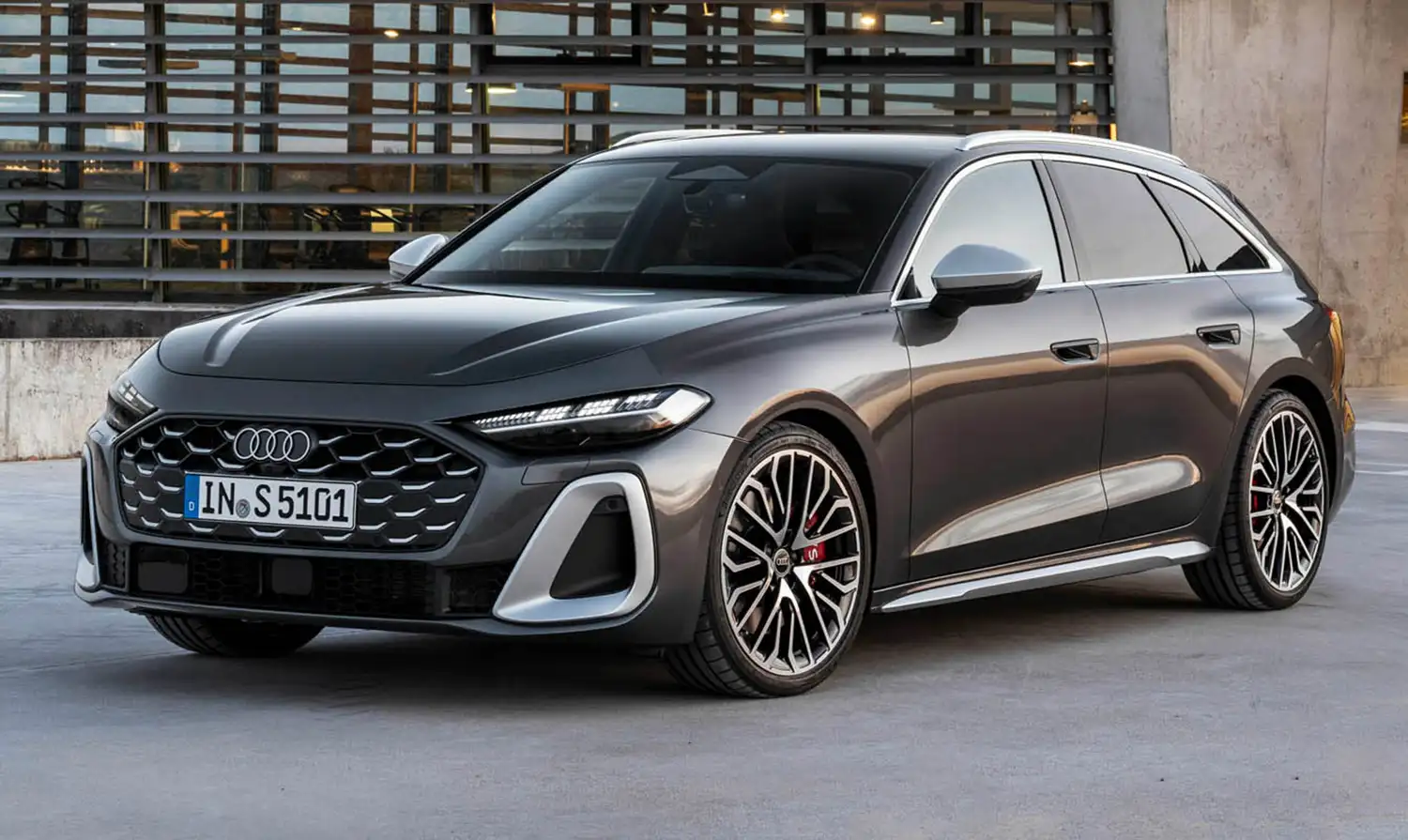
Buying a used luxury coupe can be one of the most rewarding ways to experience premium engineering without paying original showroom prices.
These cars often offer powerful engines, refined interiors, advanced technology, and distinctive styling that still feels special years after their release. However, the used luxury market also comes with risks that buyers sometimes underestimate.
Luxury coupes are often built with complex features that were expensive to develop and impressive when new, but these same features can become expensive to maintain as the vehicles age.
Air suspension systems, turbocharged engines, complex electronics, and performance focused components can either age gracefully or become constant sources of repair bills depending on how well they were engineered.
This is why reliability matters even more in the used luxury segment than it does in mainstream vehicles.
A reliable luxury coupe can deliver years of enjoyable driving at a reasonable ownership cost. On the other hand, a poorly aging model can quickly erase any savings from buying used through repeated repairs and unexpected downtime.
Another important factor is how different manufacturers approach durability. Some brands focus on long term mechanical strength even in their premium vehicles, while others prioritize innovation and performance even if that increases long term maintenance demands. Neither philosophy is necessarily wrong, but buyers should understand what they are getting into.
This comparison exists to highlight both sides of the used luxury coupe experience. Some models have proven they can deliver premium experiences without becoming financial burdens. Others may still be appealing to enthusiasts but often require patience, mechanical knowledge, or a generous maintenance budget.
Understanding these differences is essential because many buyers enter the used luxury market based purely on price and styling. Reliability history rarely gets the same attention even though it may be the most important ownership factor.
By looking at luxury coupes that have strong durability reputations alongside those known for ongoing maintenance challenges, this article aims to provide a realistic perspective on what ownership may actually look like after the excitement of purchase fades.
Also Read: 5 Used Sedans With Bulletproof Electrical Systems vs 5 Prone to Wiring Faults
5 Used Luxury Coupes That Are Reliable
Not every luxury coupe becomes a financial gamble once the warranty expires. Some models have proven that premium design and long term dependability can exist together when manufacturers emphasize mechanical strength alongside comfort and performance.
These cars often become smart used purchases because they continue delivering their original character without demanding constant repairs.
One reason these vehicles deserve recognition is because they challenge the stereotype that all luxury cars become unreliable with age. While some premium vehicles do develop complicated problems, others benefit from conservative engineering and proven powertrain designs that hold up well over time.
Another reason this topic matters is because used buyers often overlook these safer choices while chasing more exotic options. A well chosen reliable luxury coupe can provide nearly the same emotional satisfaction as more complicated alternatives while offering far more predictable ownership costs.
The following cars were selected because they represent different interpretations of reliable luxury. Some focus on refined comfort, others emphasize balanced performance, and some succeed through mechanical simplicity. Each shows that buying used luxury does not always require accepting constant repair risks.
I am writing about these vehicles because reliability rarely receives the same attention as performance numbers in luxury discussions. Yet for used buyers, durability often determines whether the ownership experience remains enjoyable after the initial excitement wears off.
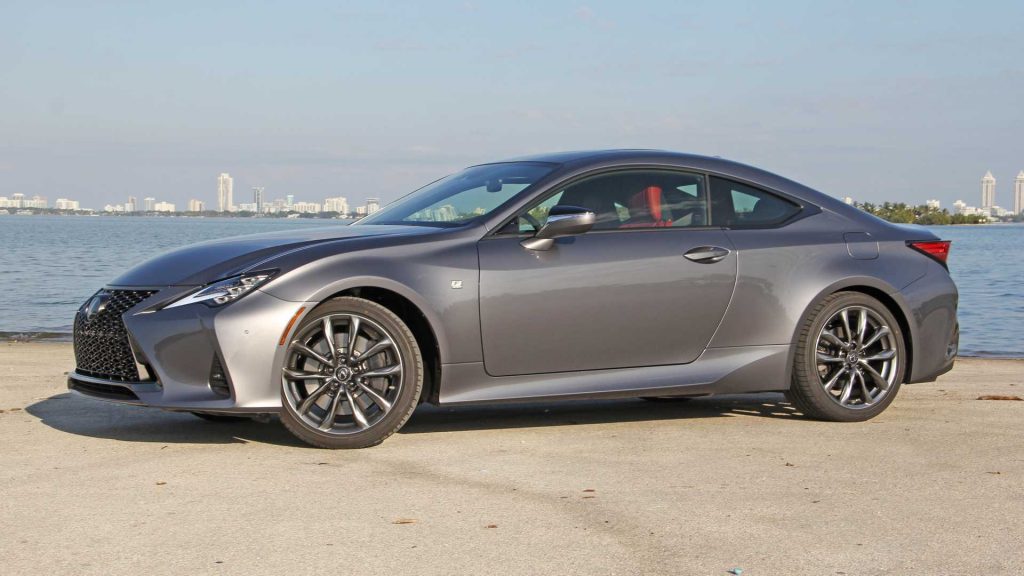
1. Lexus RC 350
The Lexus RC 350 deserves a strong position in this discussion because it represents one of the clearest examples of how luxury and reliability can successfully coexist. Lexus has built its reputation on long term durability, and the RC 350 benefits directly from that engineering culture.
One of the most important reasons this coupe stands out is its naturally aspirated V6 engine. While many competitors moved toward smaller turbocharged engines, Lexus continued using a well proven powerplant known for smooth operation and long service life.
This decision may not have delivered the most aggressive performance numbers, but it provided mechanical confidence that many buyers value more.
Another factor worth mentioning is the conservative approach Lexus takes toward introducing new technology. Rather than rushing experimental systems into production, the company typically refines existing designs. This often results in fewer unexpected problems as the vehicle ages.
I chose to include this car because it demonstrates how restraint can sometimes be a strength. Instead of chasing extreme performance trends, the RC 350 focuses on delivering a balanced luxury experience that remains dependable over time.
This makes it a very appealing option for buyers who want peace of mind along with premium quality.
This coupe also deserves attention because it shows how brand philosophy can influence ownership experience. Lexus consistently ranks highly in long term reliability studies, and the RC 350 benefits from that broader engineering discipline.
It earns its place here because it shows that buying a used luxury coupe does not have to mean accepting unpredictable maintenance. With the right engineering priorities, premium ownership can remain both enjoyable and manageable.
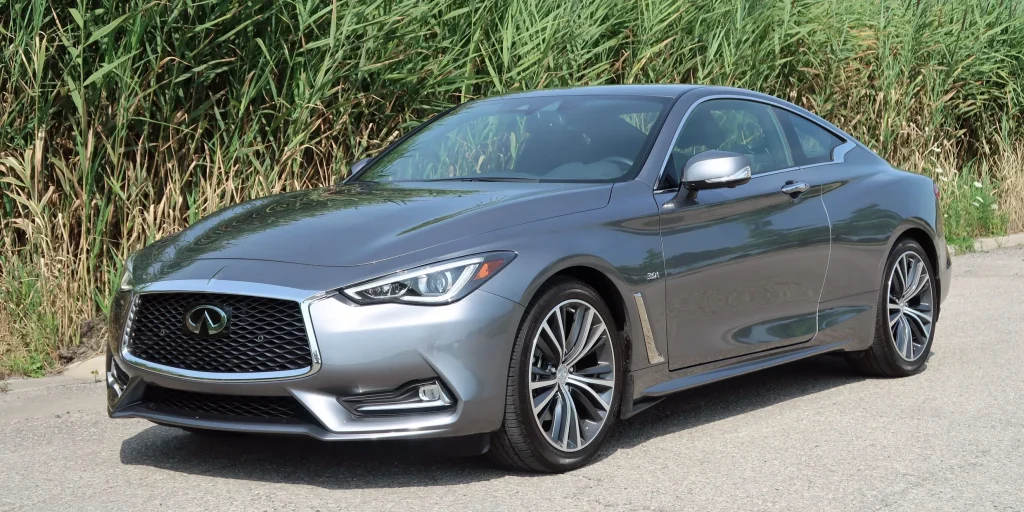
2. Infiniti Q60 (3.7)
The Infiniti Q60 equipped with the 3.7 liter V6 engine earns its place for a different but equally important reason. It represents a performance oriented luxury coupe that benefits from a well established engine platform known for durability.
One of the key reasons this car deserves recognition is the long history behind its VQ series engine. This engine family has been used across multiple Nissan and Infiniti models for many years, giving it a reputation for strong internal construction and predictable maintenance needs.
Another reason this coupe stands out is how it balances performance with mechanical simplicity. While it offers strong acceleration and engaging driving dynamics, it avoids some of the more complicated turbocharging systems that can increase long term repair risks.
I am including this vehicle because it shows how platform maturity can improve reliability. Cars built on well understood mechanical foundations often benefit from years of engineering improvements. This makes them safer used purchases compared to completely new designs.
This coupe also highlights how some performance focused luxury cars can still be practical ownership choices. It delivers the driving feel expected from a luxury coupe while maintaining a reputation for reasonable durability when properly maintained.
The Q60 deserves inclusion because it demonstrates that reliability does not have to come at the expense of driving enjoyment. It stands as proof that some used luxury coupes can still provide excitement without becoming ongoing repair projects.
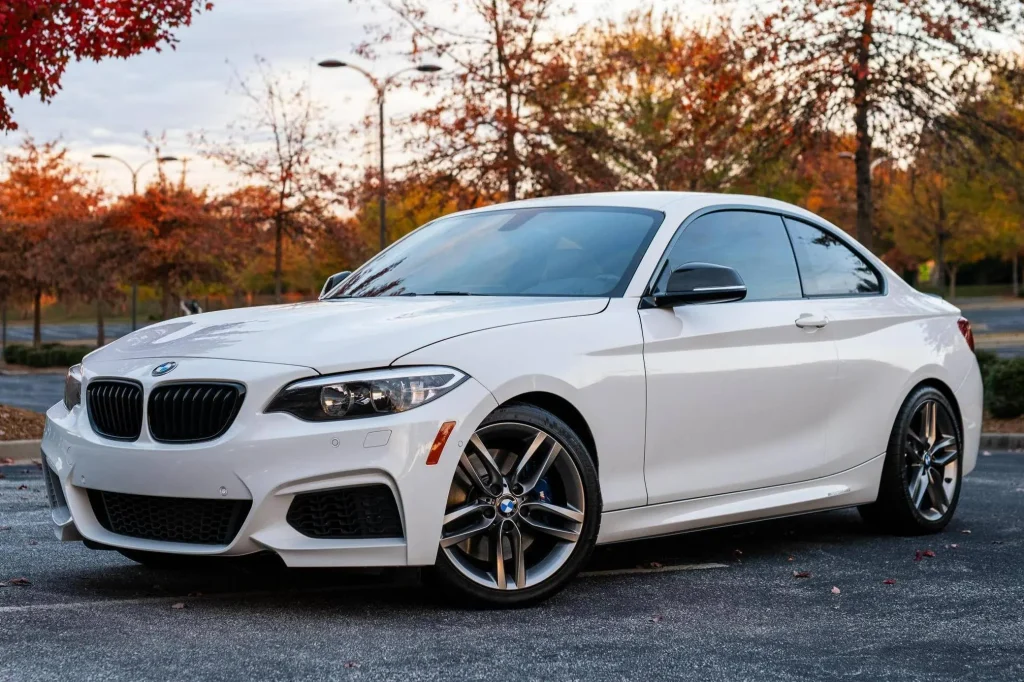
3. BMW 230i (B48 Engine)
The BMW 230i earns its place among reliable used luxury coupes not because it is the simplest car here, but because it represents how modern BMW engineering can be dependable when built around the right powertrain.
The B48 four cylinder turbo engine used in this model has developed a strong reputation for durability compared to some earlier BMW turbo engines.
One reason this coupe deserves attention is how BMW refined this engine generation with lessons learned from previous reliability concerns.
Improvements in cooling design, timing chain durability, and oil management helped create a more stable ownership experience. This shows how manufacturers sometimes correct past mistakes through careful evolution.
Another important point is how the 2 Series platform remains relatively focused compared to larger BMW coupes. With fewer luxury complications than flagship models, the 230i avoids some of the electronic complexity that can affect long term ownership. This makes it a smarter entry point into German luxury for buyers seeking manageable maintenance.
I chose to include this car because it represents a realistic compromise. Buyers often want German driving dynamics but fear maintenance costs. The 230i demonstrates that choosing the right engine and avoiding overly complex trims can result in a much more predictable experience.
This car also reflects how modern reliability is often about selecting the correct configuration rather than avoiding entire brands. Not every BMW is difficult to own. Some, like this one, benefit from focused engineering and balanced performance targets.
It deserves recognition because it shows that careful model selection can allow buyers to enjoy European luxury driving characteristics without automatically accepting the highest possible maintenance risks.
4. Audi A5 (2.0T Post 2018)
The Audi A5 coupe with the updated 2.0 liter turbo engine represents another example of how refinement through development cycles can improve reliability. Earlier versions of Audi turbo engines had mixed reputations, but later revisions showed clear improvements in durability and oil consumption control.
One of the reasons this coupe stands out is the balance it achieves between technology and mechanical maturity. By the time this generation reached the used market, many early production issues had already been addressed. This makes later model years far safer purchases than early examples.
Another aspect that makes this car worth discussing is its solid interior construction. Luxury cars often develop electronic problems as they age, but the A5 benefits from Audi’s focus on interior material quality and switchgear durability. This helps preserve the premium feel even after years of use.
I am writing about this coupe because it demonstrates how patience benefits used buyers. Waiting for later production years of a model often means receiving the benefit of engineering fixes without paying new car prices. This makes the A5 an example of smart timing rather than just smart selection.
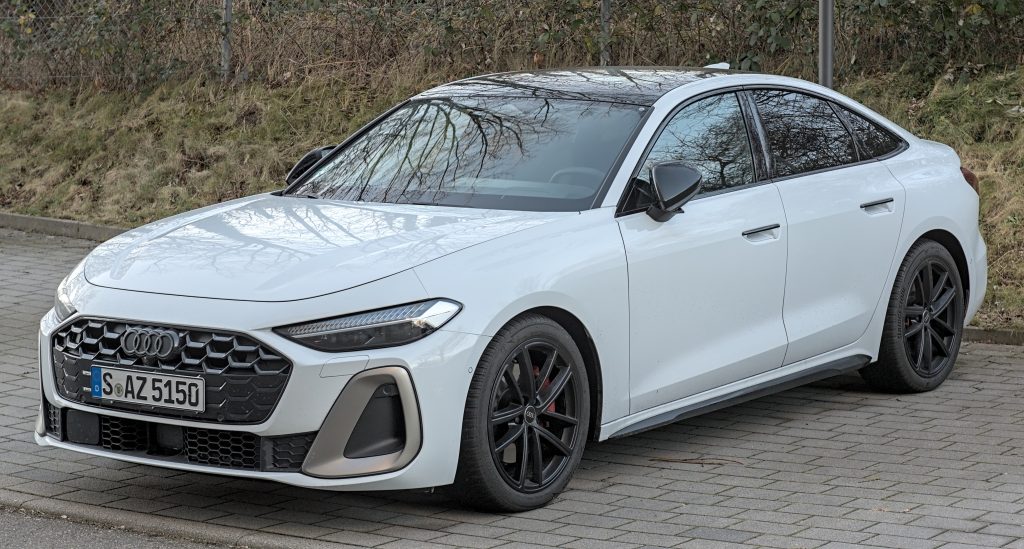
This vehicle also deserves mention because it shows how modern luxury can still be relatively dependable when engineering problems are resolved over time. It is not the cheapest car to maintain, but it avoids the constant repair cycle seen in some competitors.
The A5 belongs in this group because it highlights how informed buying decisions can transform what might appear to be a risky purchase into a rewarding long term ownership experience.
5. Mercedes Benz E-Class Coupe (E400)
The Mercedes Benz E-Class Coupe in E400 form earns a place among reliable used luxury coupes because it represents a mature product from a manufacturer that understands long term durability expectations in the grand touring segment.
Unlike some high strung performance coupes, this model was built to deliver smooth power and comfort over long distances rather than pushing extreme performance limits.
One of the strongest reasons this vehicle deserves inclusion is its twin turbo V6 engine, which is known for delivering strong performance without being pushed to extreme stress levels.
When properly maintained, this powertrain has shown the ability to provide consistent operation without the frequent mechanical surprises sometimes associated with more aggressive AMG variants.
Another factor that makes this coupe interesting is how Mercedes positioned it as a refined daily luxury vehicle rather than a track focused machine. Because of this, the suspension tuning, drivetrain calibration, and overall mechanical setup tend to emphasize durability and smoothness instead of constant high stress operation.
I am including this vehicle because it demonstrates how choosing the right version of a luxury car matters just as much as choosing the right brand. Buyers who avoid the most complex or highest performance variants often find a much more stable ownership experience.
This coupe also deserves recognition because it shows how grand touring vehicles often age better than highly specialized performance cars. Cars designed for comfortable highway travel usually experience less mechanical strain than those designed primarily for aggressive driving.
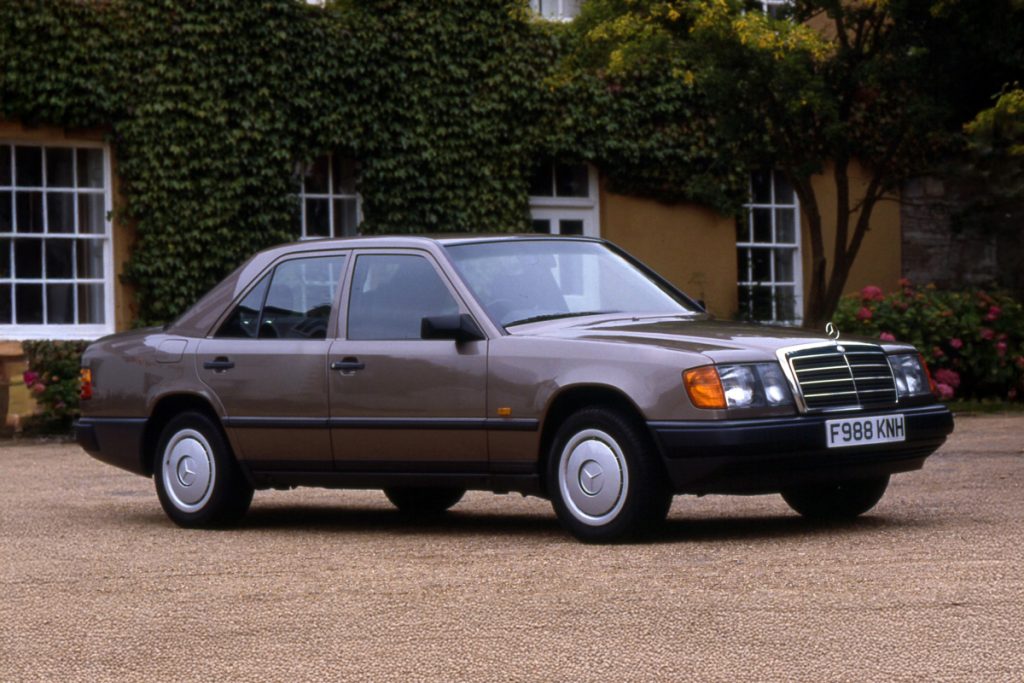
It earns its place because it proves that some luxury coupes can deliver prestige, performance, and reasonable reliability at the same time when engineering priorities focus on balance instead of extremes.
5 That Are Constant Projects
While some used luxury coupes provide dependable ownership, others require a very different mindset. These are the cars that often attract enthusiasts because of their performance, design, or prestige, but they frequently demand ongoing attention in the form of repairs, preventative maintenance, or unexpected component failures.
One of the main reasons certain luxury coupes become constant projects is the pursuit of innovation. Vehicles that introduced advanced technology or complex performance systems when new may develop issues as those systems age.
Air suspension components, high output turbo engines, and early generation electronic systems can all contribute to this reality.
Another factor is how depreciation changes ownership patterns. Once expensive luxury coupes become affordable on the used market, they sometimes fall into the hands of buyers who may not be prepared for premium maintenance costs. Deferred maintenance can then create a cycle where each repair reveals another issue waiting to be addressed.
This section is important because these cars are not necessarily bad vehicles. Many were engineering achievements when new and still offer impressive performance. However, they often require owners who understand that maintenance is part of the experience rather than an occasional inconvenience.
I am writing about these vehicles because they represent a different kind of ownership appeal. Some buyers actually enjoy project cars and see maintenance as part of the hobby. For others seeking simple luxury transportation, these same vehicles may become frustrating choices.
Understanding which luxury coupes tend to require ongoing work helps buyers decide whether they want a driving experience or a mechanical commitment. For the right owner, these cars can still be rewarding, but they rarely deliver effortless ownership.
1. BMW 650i Coupe (N63 V8)
The BMW 650i Coupe equipped with the N63 twin turbo V8 stands as a clear example of how ambitious engineering can sometimes create demanding long term ownership experiences. When new, this engine delivered impressive performance and smooth power delivery. As the cars aged, however, maintenance complexity became part of the ownership story.
One of the main reasons this car deserves inclusion is the engine’s hot V turbo configuration, where turbochargers are mounted inside the engine valley. This design improves throttle response and packaging efficiency but also increases heat concentration. Over time, this can accelerate wear on surrounding components such as seals and hoses.
Another reason this vehicle is often considered a project car is the number of systems working together to deliver its performance. Advanced cooling systems, complex fuel delivery hardware, and dense electronic integration mean that diagnosing problems can require patience and specialized knowledge.
I included this coupe because it perfectly illustrates how high performance luxury engineering can age differently than simpler designs. The driving experience remains impressive, but maintaining that experience often requires proactive maintenance and attention to detail.
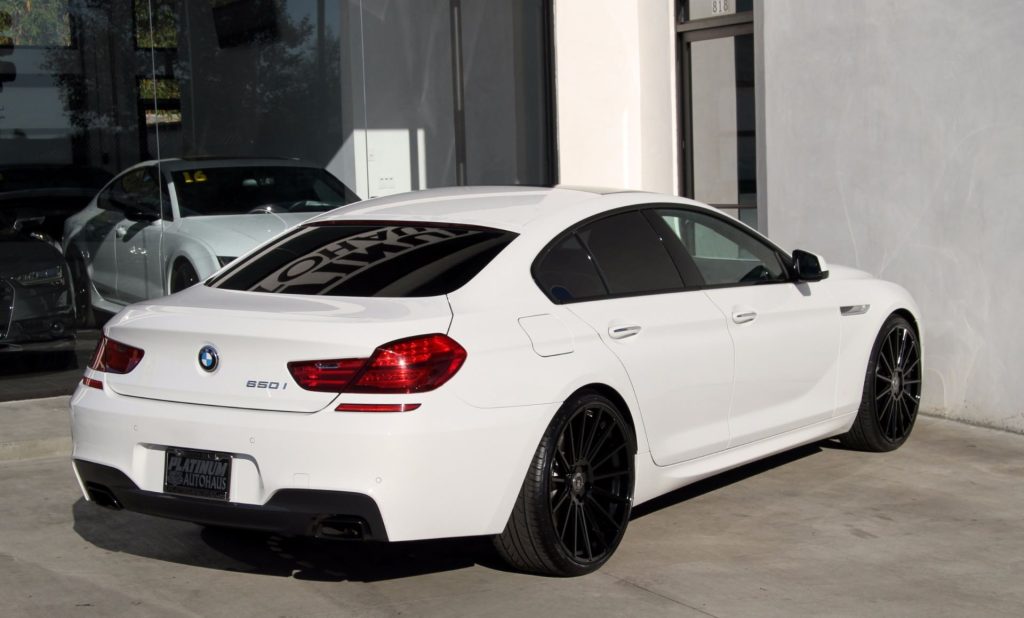
This vehicle also highlights how flagship performance models often serve as technology showcases. While this pushes engineering forward, it also means long term ownership may involve dealing with the complexities of that innovation.
The 650i earns its place because it shows how performance ambition can sometimes translate into ongoing mechanical involvement for second or third owners.
2. Jaguar XK (5.0 V8 Early Models)
The Jaguar XK with the early 5.0 liter V8 engine represents another type of project car ownership experience. Unlike the BMW, which reflects engineering complexity, the Jaguar demonstrates how limited production volumes and brand specific engineering can affect long term maintenance.
One reason this coupe belongs here is the specialized nature of many of its components. Parts availability and specialist knowledge can sometimes be more limited compared to higher volume German competitors. This can increase repair times and costs even for relatively straightforward problems.
Another important factor is how Jaguar historically focused heavily on driving character and styling. While this produced beautiful and engaging vehicles, it sometimes meant that long term durability did not always match the best competitors in the segment.
I am writing about this vehicle because it shows how emotional appeal can sometimes outweigh practical considerations. Many owners choose these cars because they feel special and distinctive. Accepting occasional maintenance challenges often becomes part of that decision.
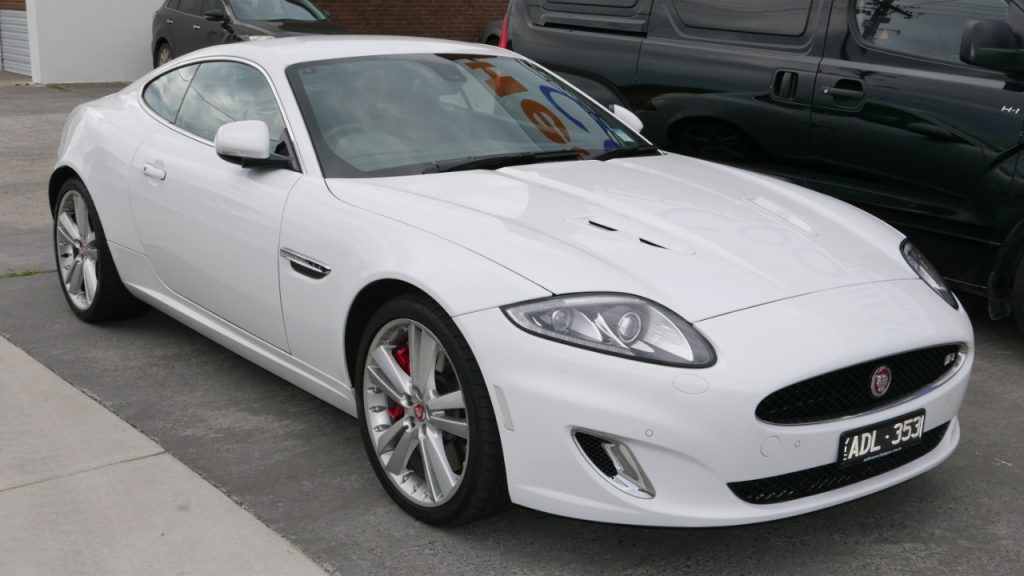
This coupe also deserves discussion because it demonstrates how lower production numbers can affect ownership experiences years later. Finding experienced technicians or specific replacement parts may require more effort compared to more common luxury coupes.
The Jaguar XK is included because it highlights how unique luxury cars sometimes require a unique level of ownership commitment. It represents a type of vehicle best suited for buyers who appreciate character and are prepared for the responsibilities that may come with it.
3. Maserati GranTurismo (Early Automatic Models)
The Maserati GranTurismo is included in this discussion because it represents a very different type of ownership challenge.
Unlike German luxury coupes that may become complicated due to engineering density, the GranTurismo often becomes a project because it was built as an emotional grand touring machine first and a practical long term ownership car second.
One of the main reasons this car deserves a place here is the cost of maintaining its exotic derived components. Even routine service items can be more expensive due to the brand’s positioning and lower production scale. This alone can make ownership feel more involved compared to mainstream luxury brands.
Another factor that makes this car a continuing project is the transmission behavior in early automatic versions. While the driving experience feels special, maintaining smooth operation sometimes requires software updates, calibration work, or careful servicing habits. These are not necessarily failures, but they do demand attention.
I chose to include this coupe because it shows how passion purchases often come with different expectations. Buyers attracted to the sound, styling, and heritage of Maserati usually understand they are buying something special rather than something simple. Maintenance becomes part of preserving that character.
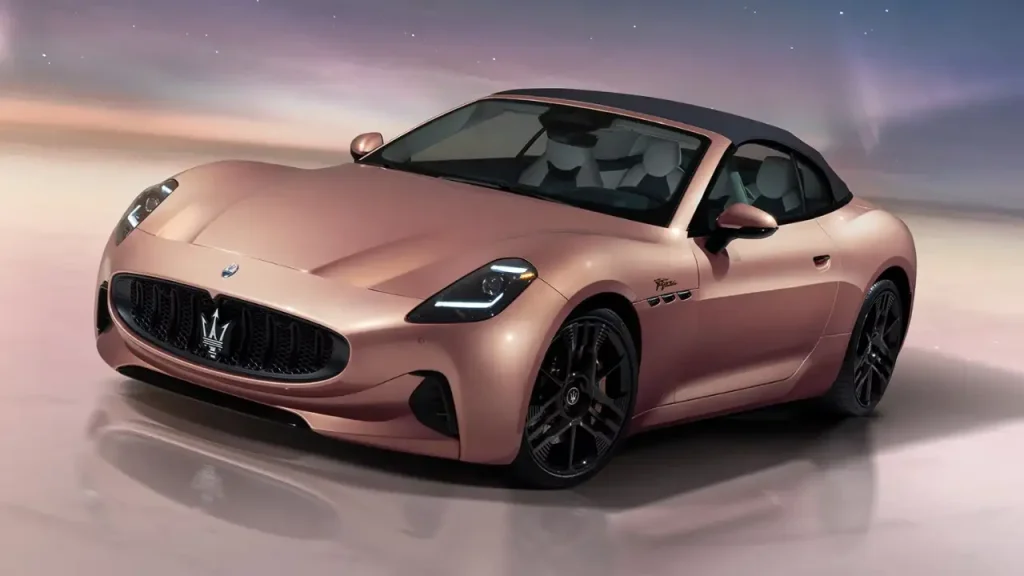
This vehicle also represents how exclusivity can affect long term usability. Fewer cars on the road means fewer general mechanics familiar with the platform. Owners sometimes need specialists, which naturally makes the car feel more like an ongoing project.
The GranTurismo belongs here because it demonstrates how exotic luxury often asks for involvement rather than offering completely effortless ownership. It is rewarding for the right owner but rarely maintenance free.
4. Mercedes-Benz CL 600 (V12)
The Mercedes Benz CL 600 takes a completely different path into this category. Its reputation as a project car does not come from poor engineering but from the sheer complexity involved in owning a V12 powered luxury coupe loaded with advanced features.
One of the main reasons this car qualifies is the extraordinary number of systems packed into the vehicle. Hydraulic suspension systems, complex climate control hardware, and intricate electrical networks were all designed to deliver unmatched comfort. As these systems age, maintaining them can require significant expertise.
Another reason this coupe stands out is the maintenance reality of a V12 engine. With twice the cylinder heads and many duplicated components compared to a V6, even routine maintenance can involve more labor. This does not mean the car is poorly built, but it does mean ownership demands commitment.
I am including this vehicle because it shows how flagship engineering often becomes more manageable when new but more demanding as the years pass. These cars were technological showcases designed to demonstrate what was possible, not necessarily what would be simplest to maintain fifteen years later.
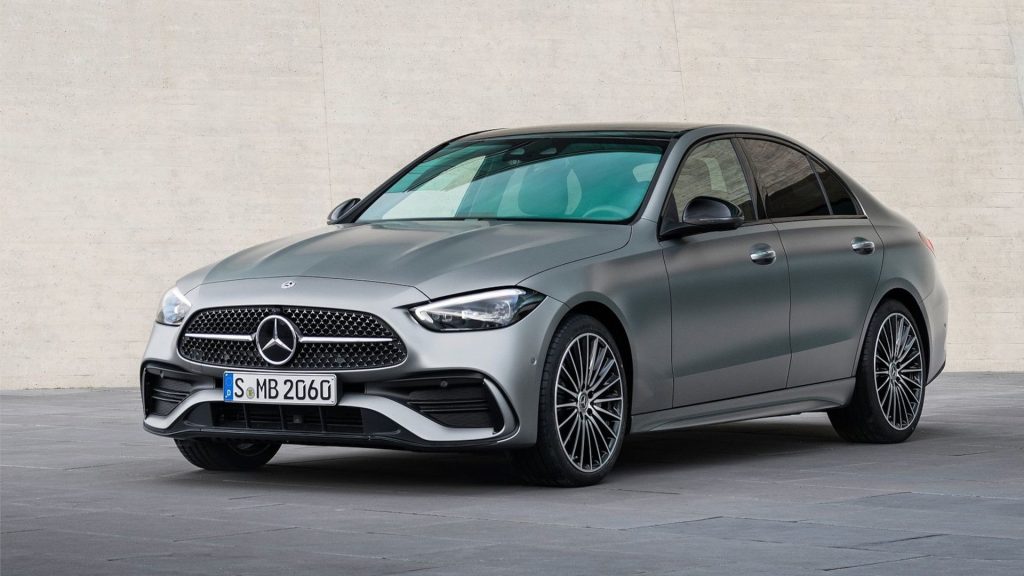
This coupe also deserves recognition because it highlights how depreciation can hide true ownership costs. When these cars become affordable to purchase, maintenance expenses often remain at their original luxury level.
The CL 600 earns its place because it demonstrates how extraordinary engineering achievements sometimes require extraordinary dedication from later owners.
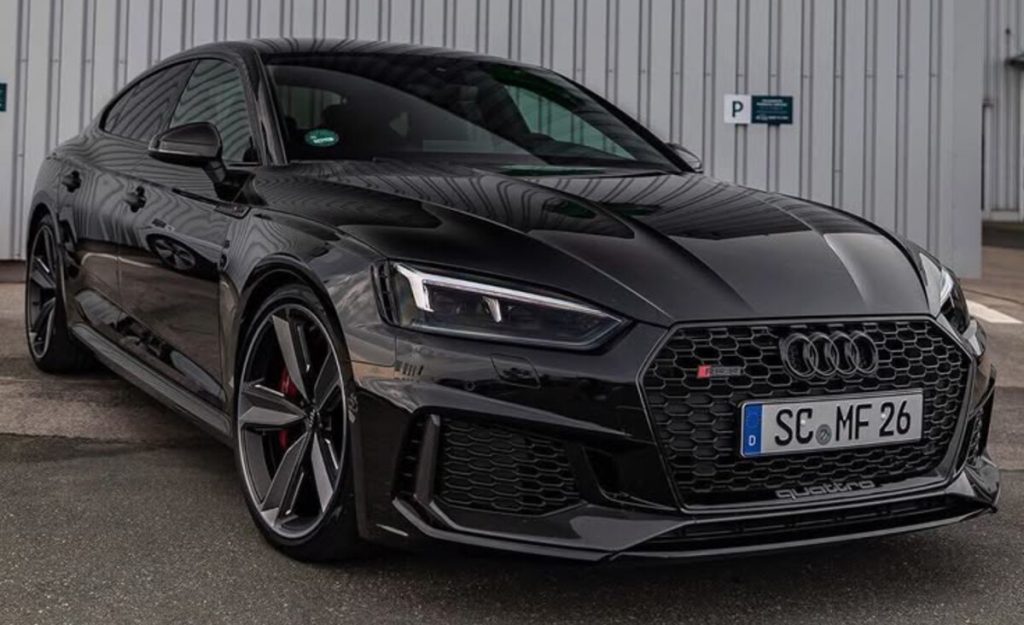
5. Audi S5 (First Generation V8)
The first generation Audi S5 with the 4.2 liter V8 represents a very different type of long term ownership challenge compared to the other vehicles listed. This coupe is not unreliable in the traditional sense, but it becomes a constant project because maintaining its performance requires attention to several known mechanical service points.
One of the biggest reasons this car deserves inclusion is the engine layout and timing chain design. The timing components are located toward the rear of the engine, which makes major service work labor intensive if preventative maintenance is ignored.
Owners who stay ahead of maintenance often enjoy the car, but those who delay service may face significant repair work.
Another factor that places this coupe in this category is the tight packaging of the V8 within the chassis. Audi engineered the car for balanced weight distribution and strong handling characteristics, but this also reduced working space around the engine. Routine service may not be difficult, but deeper repairs often require more disassembly than expected.
I am writing about this car because it represents a common situation in performance luxury ownership. Cars designed to deliver strong driving character often require equally serious maintenance discipline. This does not make them bad cars, but it does mean they reward attentive owners more than casual ones.
This coupe also highlights how high performance naturally increases long term service demands. More power usually means more heat, tighter tolerances, and more complex supporting systems. Owners who understand this relationship tend to have better experiences.
The Audi S5 earns its place because it demonstrates how a well engineered performance coupe can still become a continuing project if maintenance expectations are not fully understood before purchase.
Used luxury coupes offer one of the most interesting ownership experiences in the automotive world because they combine emotional appeal with engineering complexity.
Some become excellent long term companions when built on proven mechanical foundations, while others require ongoing attention due to ambitious design, rare components, or performance focused engineering.
The reliable group showed how careful engineering decisions can support long term ownership satisfaction. The Lexus RC 350 demonstrated the value of proven naturally aspirated engines. The Infiniti Q60 showed how mature platforms can reduce risk.
The BMW 230i highlighted the importance of choosing the right engine variant. The Audi A5 showed how later production improvements matter. The Mercedes E-Class Coupe proved that balance often leads to better durability.
The project car group revealed a different reality. The BMW 650i showed how performance innovation can increase maintenance involvement. The Jaguar XK demonstrated how exclusivity affects parts and service.
The Maserati GranTurismo reflected how emotional appeal often comes with responsibility. The Mercedes CL 600 showed how flagship complexity changes long term ownership. The Audi S5 illustrated how performance design increases maintenance commitment.
The purpose of this comparison is not to discourage anyone from buying a luxury coupe. Instead, it highlights the importance of matching expectations with reality. Some buyers want dependable premium transportation. Others enjoy the involvement that comes with maintaining something special.
Understanding which type of owner you are matters more than choosing a specific brand. A reliable luxury coupe can provide years of enjoyment with minimal stress. A more demanding coupe can still be rewarding, but only if the owner is prepared for the journey that comes with it.
Also Read: 5 Brands With Honest Service Centers vs 5 Known for Aggressive Upselling
