Vehicle lighting rarely becomes a deciding factor during the buying process, yet it plays a major role in everyday safety. Most buyers focus on design, performance, interior features, or fuel economy, but the effectiveness of factory installed headlights can have a direct impact on driver confidence and accident prevention.
Good lighting can reduce fatigue during long night drives, improve reaction time, and make road hazards easier to identify.
Modern lighting technology has evolved significantly over the past two decades. Halogen bulbs once dominated the industry, but today many manufacturers offer LED and adaptive lighting systems as standard equipment.
Some brands have invested heavily in research to improve beam spread, brightness consistency, and corner illumination. Others have focused more on styling, sometimes sacrificing functional light output in favor of distinctive visual signatures.
This difference in philosophy has created a noticeable gap between manufacturers that treat lighting as a safety priority and those that treat it mainly as a design feature. Brands that focus on lighting performance often produce vehicles with excellent nighttime confidence, while others may leave drivers wishing for aftermarket upgrades.
Another important consideration is how stock lighting affects ownership costs. Vehicles with strong factory lighting reduce the need for modifications, while those with weaker output often push owners toward upgrades that may not always be properly aligned or legally compliant.
This topic deserves attention because nighttime driving remains one of the most demanding situations for drivers. Poor lighting can increase stress, especially on rural roads, highways with minimal street lighting, or during bad weather. Strong factory lighting can make a measurable difference in driver awareness.
By examining brands known for excellent factory lighting alongside those often criticized for weaker nighttime visibility, this comparison highlights how different engineering priorities shape the driving experience.
It also reinforces the idea that safety features are not always limited to crash protection systems. Sometimes the most valuable safety feature is simply the ability to clearly see the road ahead.
Also Read: 5 Brands Offering Lifetime Tech Support vs 5 That Lock Features Behind Paywalls
5 Brands With the Best Stock Lighting
Some manufacturers have made lighting performance a core part of their safety philosophy. These brands invest in beam pattern testing, adaptive lighting technology, and advanced LED systems designed to improve real world visibility rather than just visual appeal. Their vehicles often receive strong ratings in independent headlight performance evaluations.
One reason these brands deserve recognition is because they treat lighting as an engineering challenge rather than just a styling opportunity. Achieving good lighting requires careful reflector design, precise aiming, and consistent brightness distribution. These details are rarely noticed until compared directly against weaker systems.
Another reason this topic matters is because many drivers underestimate how much good lighting improves long distance comfort. Clear visibility reduces eye strain and helps drivers maintain better awareness in low light conditions. This becomes especially important for people who frequently travel at night.
The following brands were selected because they consistently demonstrate strong factory lighting performance across multiple models. Some emphasize adaptive technology, others focus on consistent beam quality, and some succeed through steady refinement over time.
I am writing about these brands because lighting rarely receives the recognition it deserves despite its safety importance. Highlighting manufacturers that get this right helps show how thoughtful engineering can improve everyday driving without requiring extra options or modifications.
1. Audi
Audi deserves recognition because it has treated lighting technology as a brand identity feature for many years while also maintaining strong functional performance.
The company was among the early adopters of LED daytime running lights and later expanded into advanced matrix LED systems designed to maximize usable nighttime visibility.
One of the main reasons Audi stands out is its focus on beam precision. Rather than simply increasing brightness, the company invested in technology that shapes light distribution carefully. This helps illuminate road edges and signs while reducing glare for oncoming drivers.
Another important factor is Audi’s consistent lighting quality across its lineup. Even models that are not positioned as flagship vehicles often receive well engineered lighting systems. This demonstrates a commitment to safety beyond marketing headlines. The company successfully turned lighting into both a functional advantage and a visual signature.
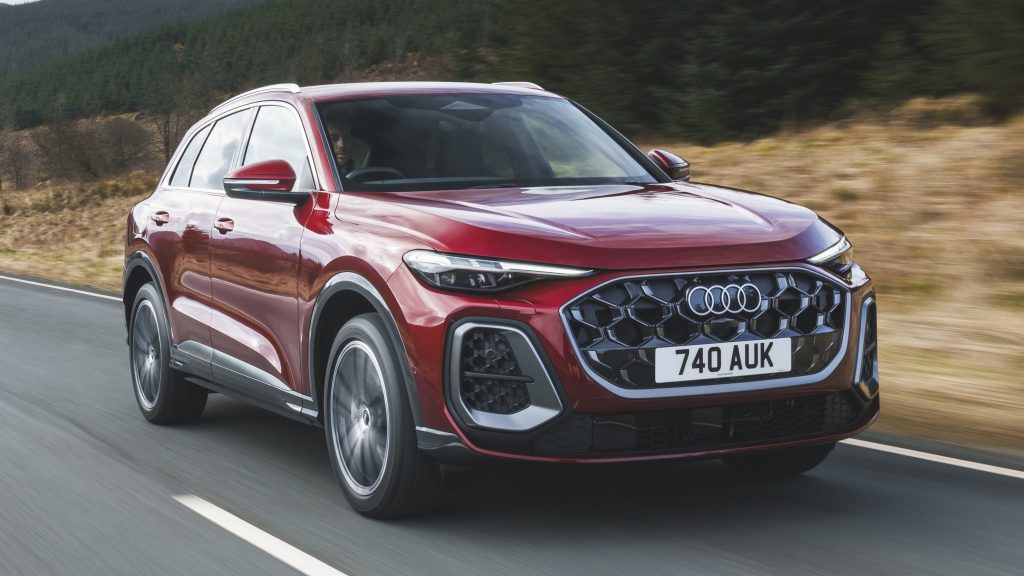
Audi also deserves mention because it helped push the industry toward adaptive lighting systems. By investing early in this technology, it encouraged competitors to improve their own systems.
It earns its place because it demonstrates how lighting can become a genuine engineering strength rather than just a styling element.
2. Volvo
Volvo belongs in this discussion because of its long standing reputation for safety focused engineering. The company approaches lighting as part of a broader safety strategy rather than as a cosmetic feature. This mindset often results in headlights designed to improve driver awareness in difficult conditions.
One of the reasons Volvo stands out is its emphasis on consistent light spread rather than just peak brightness. Even illumination across the road surface helps drivers better judge distance and detect obstacles earlier. This approach reflects the company’s broader philosophy of reducing accident risk.
Another reason this brand deserves mention is its use of adaptive high beam systems that automatically adjust based on traffic conditions. These systems allow maximum illumination without causing discomfort to other drivers.
When a manufacturer treats accident prevention as a primary goal, even something as simple as headlight design receives careful attention. This brand also highlights how lighting can support driver confidence in challenging weather. Volvo vehicles often perform well in dark and snowy environments where clear lighting is essential.
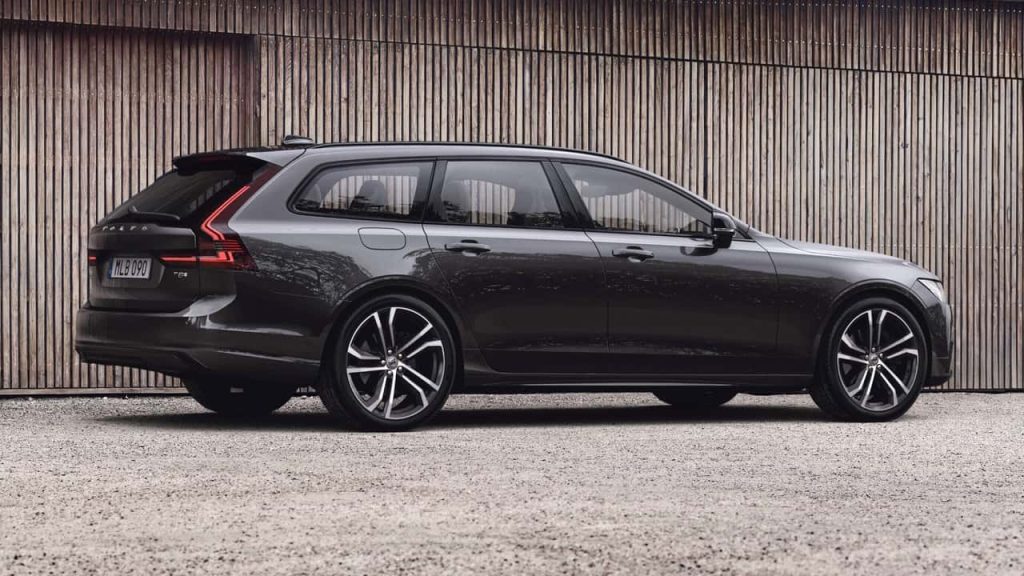
Volvo earns recognition because it demonstrates how focusing on safety fundamentals can produce vehicles that feel reassuring in real world night driving.
3. Mercedes-Benz
Mercedes Benz earns a place in this category because it approaches lighting from a luxury engineering perspective where comfort and safety are treated as equal priorities. The brand has invested heavily in intelligent lighting systems designed not only to improve visibility but also to reduce driver fatigue during extended night driving.
One of the strongest reasons Mercedes deserves mention is its Intelligent Light System and later Digital Light technology. These systems are designed to automatically adapt beam distance and spread depending on speed, steering input, and road conditions. This results in lighting that changes based on real driving needs rather than remaining static.
Another interesting strength is how Mercedes treats lighting as part of the overall driving experience. The goal is not simply to make the road visible, but to make nighttime driving feel less stressful.
This shows how premium engineering can focus on human comfort as much as raw performance. Luxury buyers expect refinement in every detail, and this includes how confidently the car performs at night. Strong factory lighting supports that expectation.
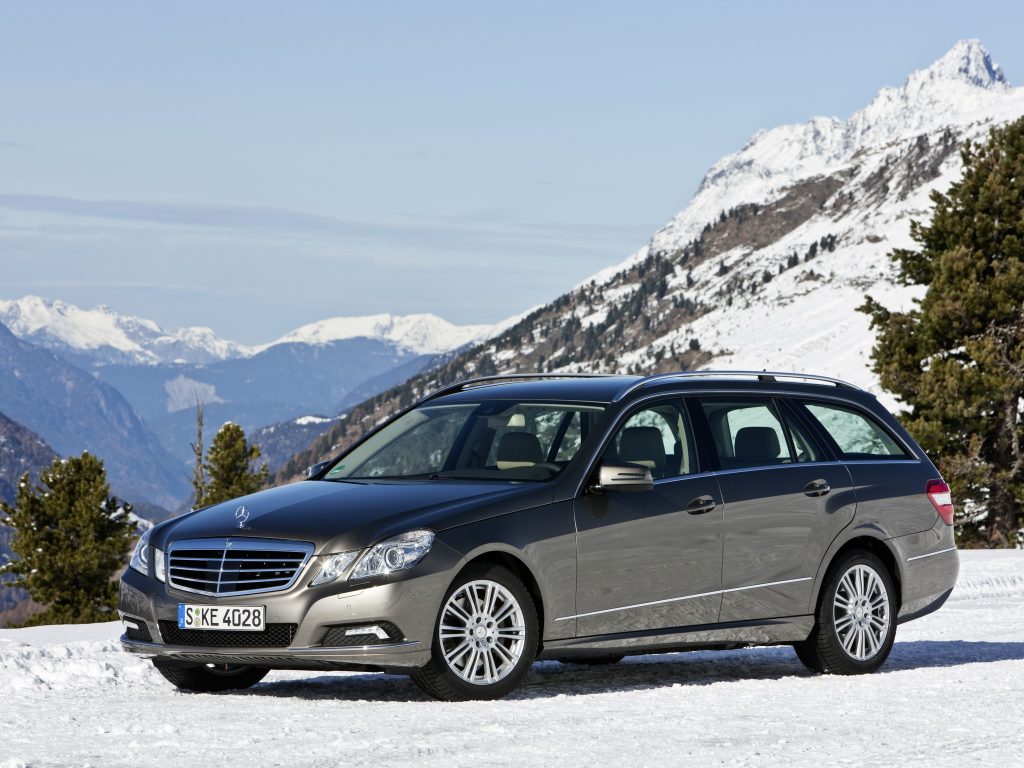
This brand also deserves recognition because it shows how lighting technology often starts in premium segments before becoming more common elsewhere. Mercedes has frequently introduced lighting features that later become industry standards.
It belongs in this group because it proves that lighting excellence can be part of a broader philosophy of driver assistance and comfort rather than an isolated feature.
4. Lexus
Lexus deserves inclusion for a different reason than the German brands. Rather than focusing purely on cutting edge lighting innovation, Lexus emphasizes consistency and reliability in its lighting systems. The company aims to ensure that headlights perform well over time without rapid degradation in output or alignment.
One of the reasons Lexus stands out is its careful calibration of LED projector systems. Instead of pushing extreme brightness, Lexus often focuses on clarity and beam control. This results in lighting that feels natural and predictable rather than harsh or uneven.
Another factor that makes Lexus worth discussing is its attention to long term durability. Some lighting systems lose effectiveness as components age, but Lexus has built a reputation for maintaining performance consistency. This reflects the brand’s overall approach to long term ownership quality.
Many owners keep these vehicles for long periods, so lighting systems are expected to remain effective well beyond the warranty period.
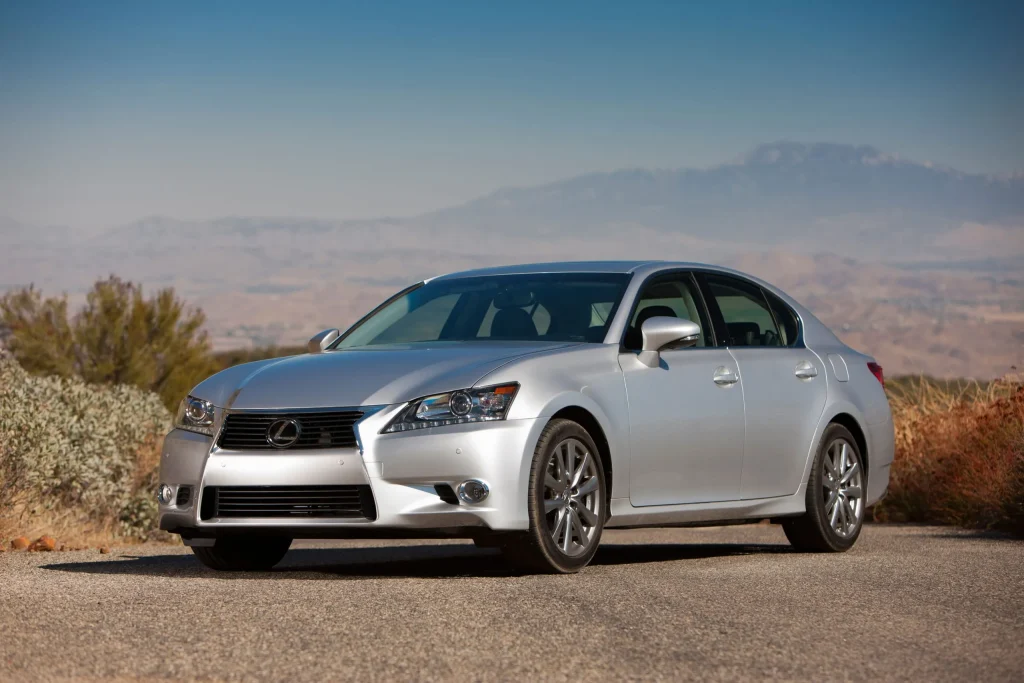
This brand also highlights how refinement does not always mean complexity. Lexus often achieves excellent lighting results through careful tuning rather than radical new technology.
Lexus earns its place because it demonstrates how steady engineering discipline can produce lighting systems that remain dependable throughout the vehicle’s life.
5. Genesis
Genesis completes this group because it shows how a newer luxury brand can quickly establish strong lighting performance by learning from established competitors. Rather than experimenting excessively, Genesis studied what worked in the premium segment and applied careful engineering to deliver strong factory lighting from the beginning.
One of the main reasons Genesis deserves recognition is the strong performance of its standard LED systems even on lower trims.
Many manufacturers reserve their best lighting for expensive options, but Genesis often includes high quality lighting as part of the base equipment. This improves real world safety without forcing buyers into costly upgrades.
Another interesting factor is the brand’s focus on beam balance. Genesis headlights typically offer wide road coverage rather than concentrating only on forward distance. This helps drivers detect pedestrians, road edges, and unexpected hazards earlier.
As newer brands attempt to compete with established luxury manufacturers, they often match or exceed lighting quality to build credibility. This benefits consumers by raising expectations across the segment.
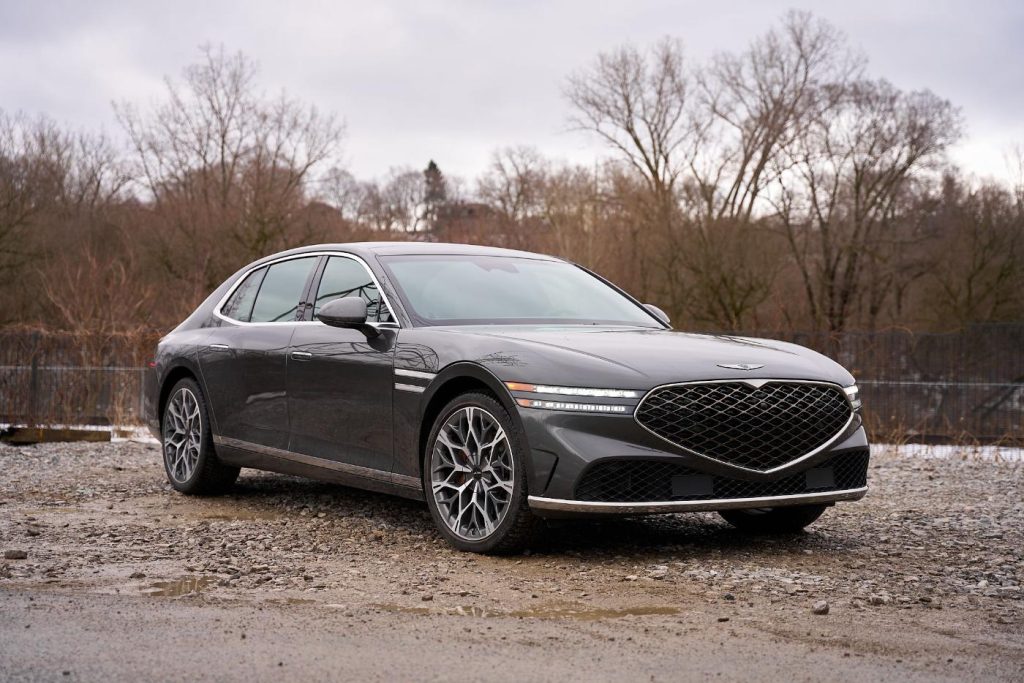
This brand also deserves attention because it demonstrates how lighting can contribute to perceived vehicle quality. Strong nighttime visibility creates confidence, which indirectly reinforces the premium image Genesis is trying to build.
Genesis earns its place because it shows how even newer manufacturers can quickly become leaders in lighting performance by focusing on practical engineering rather than simply visual styling.
5 With Poor Nighttime Visibility
Not every manufacturer has given the same level of attention to lighting performance. Some brands have faced criticism because certain models provide weaker beam patterns, limited range, or inconsistent illumination compared to competitors.
These weaknesses may not always be obvious during daytime test drives but can become noticeable during regular nighttime use.
One of the reasons this happens is design prioritization. Some manufacturers focus heavily on styling signatures such as thin headlight shapes or aggressive front end designs. While visually appealing, these designs sometimes limit reflector size or bulb placement, which can reduce functional performance.
Another factor is cost control. Entry level models from some brands may use basic halogen systems long after competitors have moved to LED technology. While this helps control pricing, it may leave drivers with less effective lighting unless they upgrade.
This section is important because poor stock lighting does not necessarily mean a vehicle is unsafe. Many of these vehicles still meet regulatory requirements. However, compared to the best performers, they may provide less confidence during night driving or in poorly lit areas.
Understanding which brands sometimes struggle with lighting performance helps drivers prioritize test drives in realistic conditions rather than relying solely on specifications.
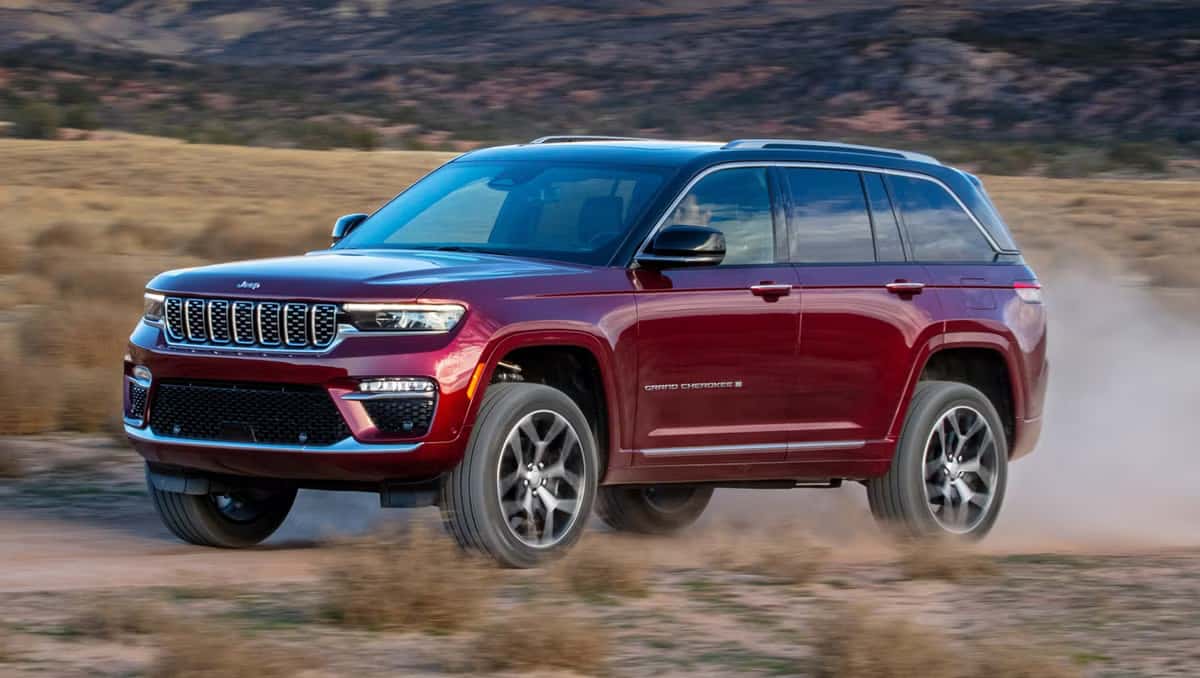
1. Jeep
Jeep enters this section not because all its vehicles perform poorly in lighting, but because several models historically emphasized rugged styling over optimal headlight performance. Round headlight designs and upright front ends sometimes limited the ability to incorporate more advanced lighting systems in base configurations.
One of the main reasons Jeep deserves mention is the use of basic halogen headlights in several trims long after competitors introduced LED systems. While these lights meet regulations, they often provide shorter illumination range and less consistent brightness compared to newer technologies.
Another factor is how off road styling priorities can influence lighting design. The brand focuses heavily on durability and character, sometimes making lighting design secondary.
This does not make the vehicles unsafe, but it can make nighttime highway driving less comfortable compared to competitors with more advanced systems. When a company prioritizes heritage styling, some modern refinements may develop more slowly.
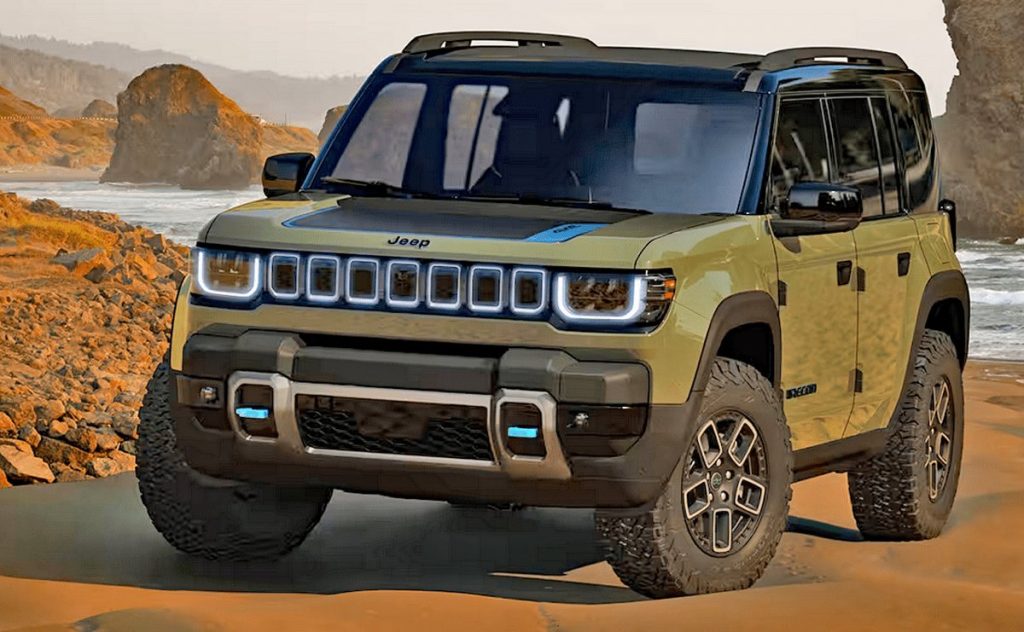
This brand also highlights how aftermarket upgrades become common in certain communities. Many Jeep owners replace factory lights with brighter alternatives, which indirectly shows that stock lighting sometimes leaves room for improvement.
Jeep earns its place because it demonstrates how design tradition can sometimes delay improvements in functional lighting performance.
2. Nissan
Nissan deserves inclusion because some of its mainstream models have received mixed evaluations for base headlight performance, particularly in entry level trims. While higher trims often improve lighting significantly, base configurations sometimes lag behind segment leaders.
One of the reasons this brand appears here is the continued use of halogen reflector designs in certain models while competitors moved toward LED projectors. This difference can affect light distribution and nighttime clarity, especially on dark roads without street lighting.
Another factor worth discussing is how cost positioning affects equipment decisions. Nissan often competes aggressively on price, and lighting technology sometimes reflects those cost balancing decisions. Buyers may receive good value overall but less advanced lighting unless selecting higher trims.
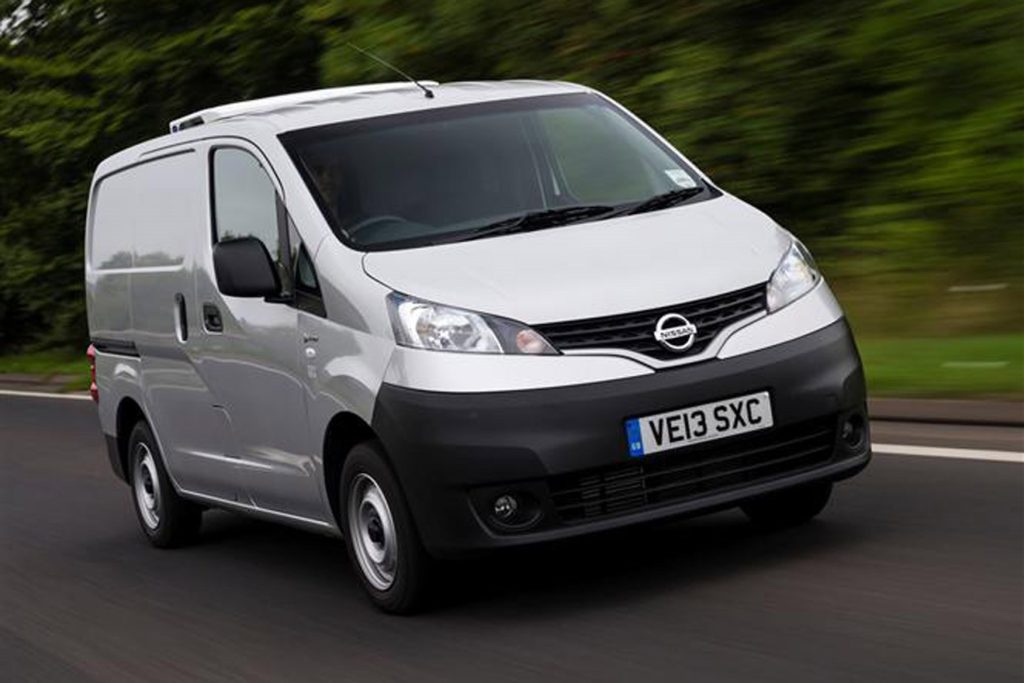
This brand also highlights how lighting performance can vary widely within a single lineup. Some Nissan vehicles perform very well with upgraded lighting packages, while others show average results in base form.
Nissan belongs here because it shows how equipment strategy can influence safety perceptions even when the overall vehicle package remains competitive.
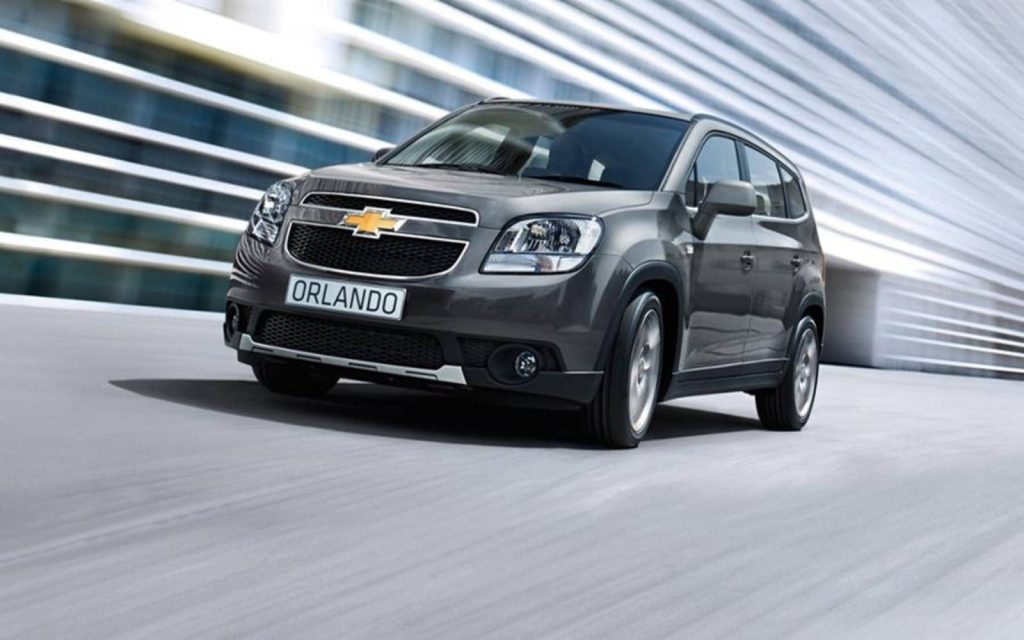
3. Chevrolet
Chevrolet deserves a place in this discussion because lighting performance across its lineup has often depended heavily on trim level rather than being consistently strong in base form.
While some higher trim models feature impressive LED systems, several entry variants across different years have been noted for modest headlight reach and limited side illumination compared to class leaders.
One of the main reasons this brand fits into this category is the uneven distribution of lighting technology. In many cases, buyers needed to move up multiple trims just to access projector LEDs or improved beam control.
This created situations where two visually similar vehicles could deliver very different nighttime driving experiences depending on equipment selection.
Another factor worth discussing is how styling has sometimes influenced headlight shape. Chevrolet has experimented with narrow lighting housings and split headlamp designs on certain models.
While visually distinctive, these configurations sometimes limited reflector size, which can influence how effectively light spreads across the road surface.
While this makes sense from a product planning perspective, it also means some buyers may unknowingly select vehicles with less effective lighting unless they carefully compare specifications.
There is also an ownership reality worth mentioning. Many Chevrolet owners report that factory lighting is acceptable in urban areas but less confidence inspiring on rural highways where street lighting is minimal.
This shows how lighting performance often becomes more noticeable depending on driving environment rather than during short test drives.
This brand also demonstrates how lighting can improve significantly within the same product cycle. Facelifts and mid generation updates often bring improved LED technology, which suggests manufacturers respond to feedback even if initial versions were not class leading.
Chevrolet earns inclusion because it highlights how lighting performance should be evaluated carefully at the trim level rather than assumed based on brand alone. It also shows how buyers benefit from paying attention to equipment details that may not receive as much marketing focus as infotainment or styling updates.
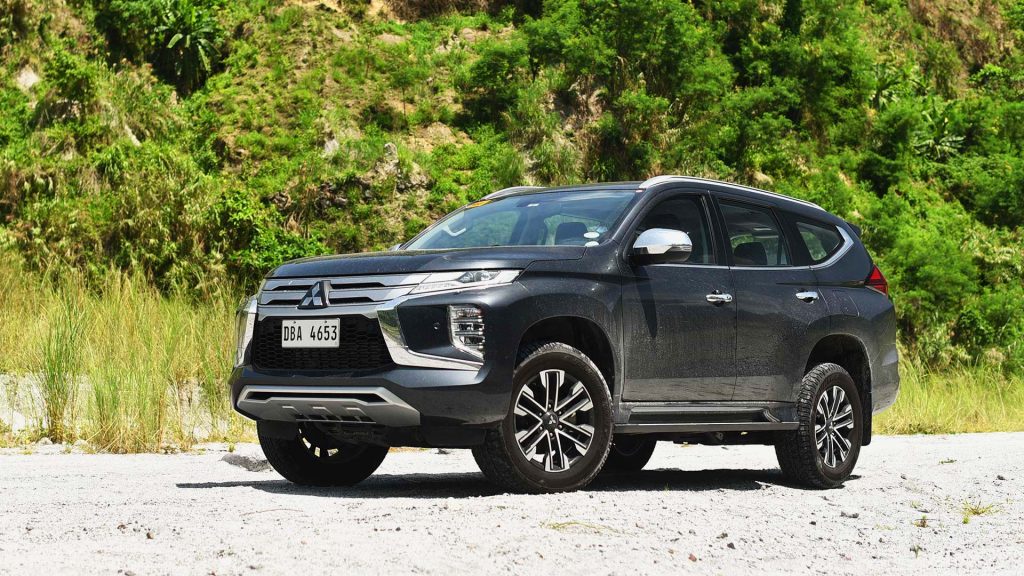
4. Mitsubishi
Mitsubishi enters this section for a different reason. Rather than styling priorities or feature packaging strategies, the brand has often focused on affordability and simplicity, which sometimes resulted in lighting systems that remained basic compared to more recently updated competitors.
One of the main reasons Mitsubishi belongs here is the extended lifecycle of some of its models. Vehicles that remain on the market for long production cycles without major redesigns may retain older lighting technology longer than competitors that update more frequently. This can make stock lighting feel dated even if it still meets safety standards.
Another factor worth noting is how the company has historically prioritized durability and value rather than introducing the newest lighting innovations immediately. While this helps maintain competitive pricing, it sometimes means buyers receive functional but not class leading illumination performance.
Manufacturers with smaller global volumes sometimes invest first in powertrain improvements or safety systems rather than cosmetic or lighting upgrades. This is not necessarily a flaw, but it can affect how their vehicles compare in nighttime visibility.
This brand also highlights how owner expectations influence perception. Buyers choosing Mitsubishi vehicles often prioritize affordability and long term dependability. Lighting performance may not be their first concern, but it can become noticeable during extended night driving.
Another interesting point is how aftermarket lighting upgrades are relatively common among Mitsubishi owners who want stronger illumination. This trend indirectly suggests that some drivers see room for improvement in factory output.
Mitsubishi earns its place because it shows how conservative product strategies can sometimes result in lighting systems that fall behind rapidly evolving competitors. It also demonstrates how lighting performance is often tied not only to engineering ability but also to broader company priorities.
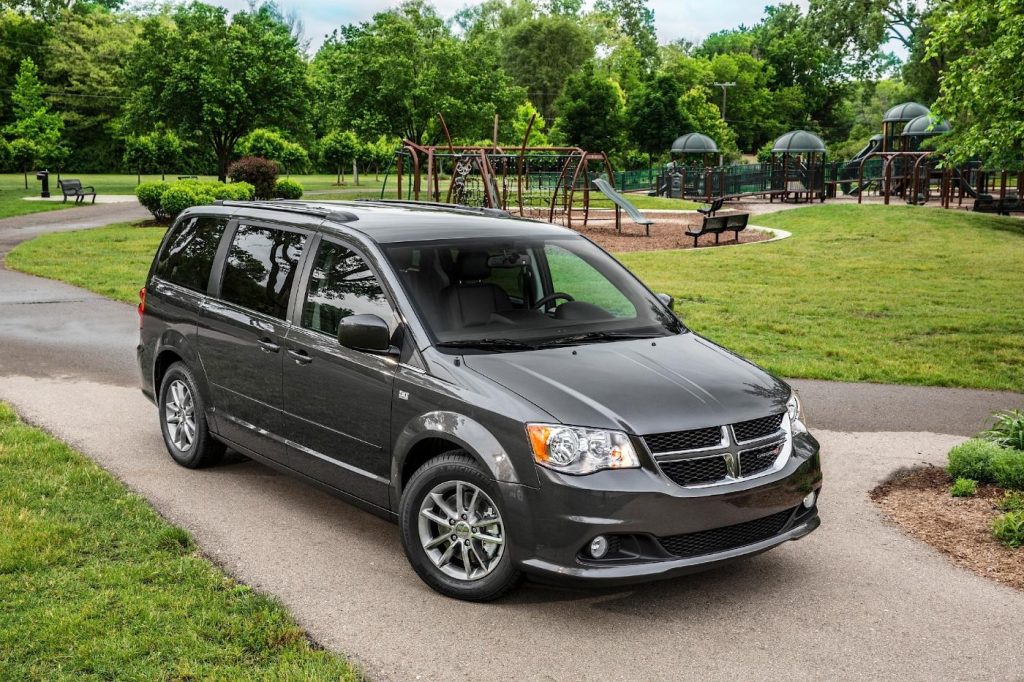
5. Dodge
Dodge completes this list because it represents how performance branding and aggressive styling can sometimes take priority over lighting refinement in certain models. While the brand has produced some visually striking vehicles, lighting performance in base trims has not always matched the expectations created by their bold exterior designs.
One of the main reasons Dodge belongs here is the long production cycles of some of its most popular vehicles. When a model remains largely unchanged for many years, lighting technology may not advance as quickly as competitors that redesign more frequently.
This can result in factory lighting that feels average compared to newer rivals even if it still performs adequately.
Another factor worth discussing is how muscle car inspired design sometimes affects headlight packaging. Thin lighting strips and aggressive fascia shapes may limit the size of reflectors or projectors. While these design decisions create strong road presence, they can also influence how effectively light is projected onto dark roads.
Dodge emphasizes performance image and emotional appeal, which may place less emphasis on incremental improvements in areas such as lighting compared to brands built around safety messaging.
This brand also highlights how owner communities often compensate for factory limitations. Many Dodge owners install upgraded bulbs or aftermarket projector systems to improve nighttime driving confidence. This trend reflects how enthusiasts often personalize their vehicles to better match their driving needs.
Another point worth mentioning is how lighting performance may vary significantly depending on configuration. Certain optional lighting packages perform much better, which again shows how buyers must pay close attention to equipment choices rather than assuming uniform performance across all versions.
Dodge earns inclusion because it shows how design identity and product strategy can sometimes slow lighting evolution. It also serves as a reminder that factory lighting deserves as much attention during evaluation as horsepower or styling.
Lighting performance remains one of the most underestimated factors in vehicle safety and ownership satisfaction. While it may not receive the same attention as advanced driver assistance systems, the simple ability to clearly see the road at night remains one of the most fundamental safety advantages any vehicle can offer.
The brands known for strong stock lighting demonstrate how engineering focus can improve everyday driving. Audi showed how innovation can redefine lighting expectations. Volvo demonstrated how safety philosophy shapes illumination design.
Mercedes Benz proved how technology can improve comfort. Lexus highlighted the value of consistency and durability. Genesis showed how new competitors can quickly raise standards.
The brands with weaker nighttime visibility reveal how different priorities can shape different outcomes. Jeep illustrated how heritage design can delay modernization.
Nissan showed how cost strategy affects equipment levels. Chevrolet demonstrated how trim structure influences performance. Mitsubishi reflected how long product cycles can slow improvement. Dodge showed how styling identity can shape engineering focus.
The purpose of this comparison is not to criticize any manufacturer but to encourage buyers to pay closer attention to lighting performance. Many vehicles with average lighting can still be perfectly safe and satisfying to own. However, understanding the differences helps buyers choose vehicles that better match their driving environments.
For drivers who frequently travel at night, lighting quality may be just as important as braking performance or tire quality. A well designed lighting system improves reaction time, reduces fatigue, and increases confidence.
In the end, the best vehicle is not just the one with the most features, but the one that supports the driver in the situations they face most often. For many people, that situation is simply driving home safely after dark.
Also Read: 5 Trucks With the Best Turning Radii for Cities vs 5 That Are Hard to Park