
Modern automotive engineering has reached a point where longevity is no longer limited to heavy duty diesel trucks or commercial vehicles. Many new engines, especially those designed within the past decade, are now capable of reaching 350,000 miles when maintained properly.
This level of durability comes from better metallurgy, tighter manufacturing tolerances, improved cooling strategies, and advanced engine management systems that constantly optimize performance and reduce internal stress.
Another important factor behind this durability is the shift toward smarter design rather than simply stronger parts. Automakers now focus on reducing friction, improving oil circulation, and managing heat more effectively.
Technologies such as direct and dual injection systems, forged internal components, and variable oil pumps all contribute to extending engine life far beyond what was common twenty years ago.
Routine service remains the real secret behind these high mileage success stories. Even the strongest engine can fail early if oil changes are ignored, cooling systems are neglected, or low quality fuel is used regularly.
On the other hand, engines that receive consistent maintenance often exceed expectations because modern designs are built with long term ownership in mind rather than short warranty periods.
Engineering philosophy has also changed in another way. Instead of chasing extreme horsepower numbers that stress internal components, many manufacturers now tune certain engines for balanced output.
This means moderate stress levels, smoother power delivery, and reduced wear over hundreds of thousands of miles. These engines may not always dominate headlines, but they often dominate long term reliability rankings.
The engines listed here have developed strong reputations among mechanics, fleet operators, and long distance drivers for their ability to keep running far past typical ownership cycles. With proper oil intervals, quality filters, and basic preventative care, these powerplants have shown they can remain dependable well into ultra high mileage territory.
Below are twelve modern engines that have earned recognition for their ability to reach extreme mileage with routine maintenance and responsible driving habits.
Also Read: 7 Best Ways to Clean an Engine Bay Without Damaging Electronics
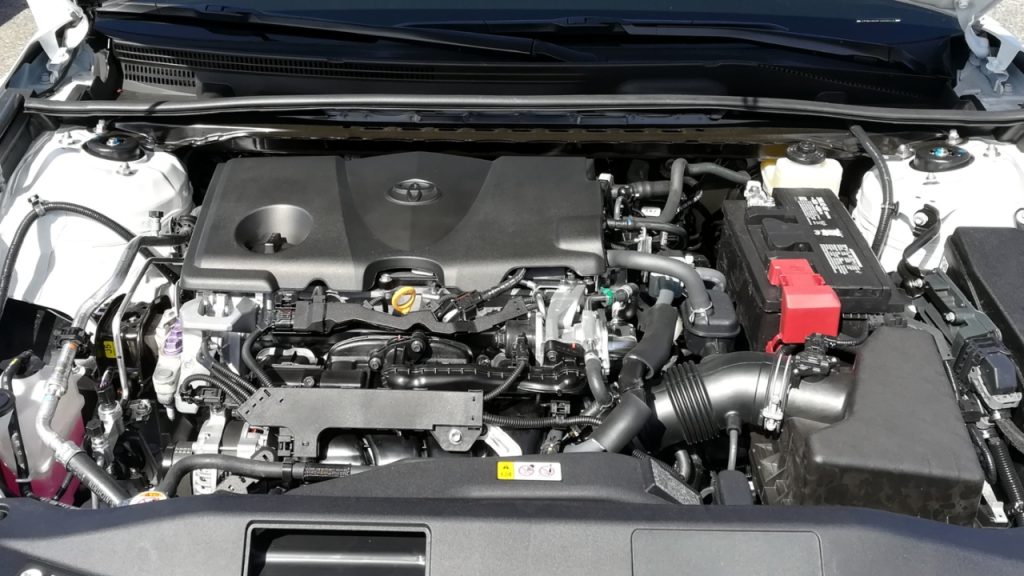
1. Toyota 2.5L A25A-FKS Dynamic Force Engine (Toyota Camry)
Toyota designed the A25A-FKS engine with efficiency and longevity as equal priorities rather than treating durability as a secondary benefit.
This 2.5 liter four cylinder uses a high compression ratio combined with intelligent fuel injection strategies that allow it to produce strong efficiency without placing excessive thermal stress on internal components.
One reason this engine survives extreme mileage is its carefully engineered cooling paths. Toyota focused on improving coolant flow around the cylinders and exhaust areas, which helps prevent hot spots that typically accelerate wear.
Consistent temperature control plays a major role in preventing head gasket fatigue and oil breakdown over long operating periods.
The valvetrain also contributes to its lifespan. Using Toyota’s advanced variable valve timing system, the engine reduces unnecessary strain during low load driving. Instead of constantly operating under aggressive timing, it adapts to driving conditions, which lowers mechanical fatigue and improves long term reliability.
Another strength comes from the bottom end construction. The crankshaft support design and piston coatings help minimize friction losses. Lower friction means less heat, and less heat translates into slower wear of rings, cylinder walls, and bearings over time.
Owners who see the highest mileage from this engine usually follow simple habits. Regular oil changes using the correct viscosity, periodic throttle body cleaning, and timely coolant replacement are often the difference between average lifespan and exceptional longevity.
Mechanics often note that this engine rarely develops catastrophic internal failures. Most issues tend to be peripheral components like sensors or water pumps rather than the core rotating assembly.
Because of this balanced design approach, the A25A-FKS has quietly become one of the most dependable modern four cylinder engines for drivers planning extremely long ownership periods.
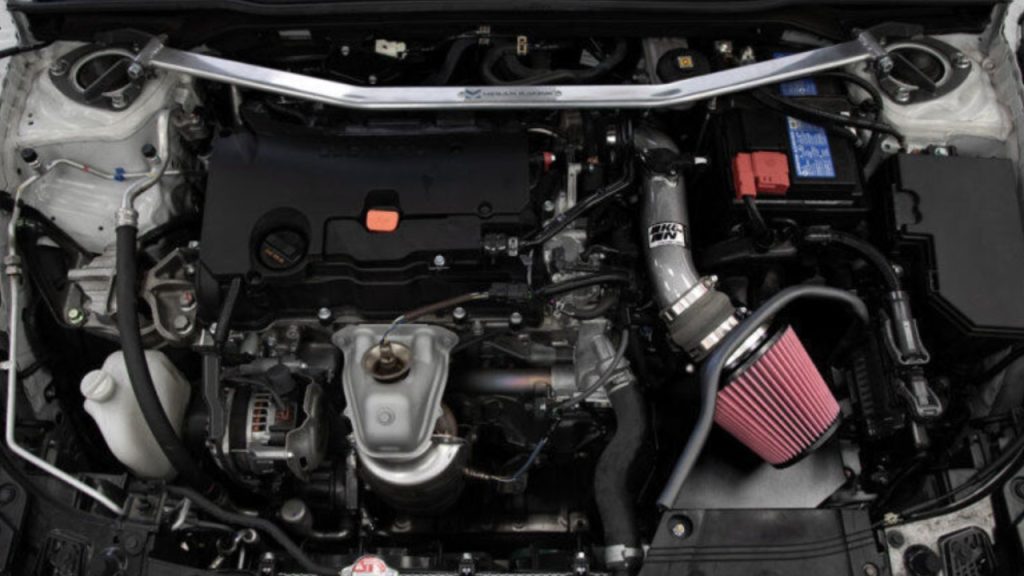
2. Honda 2.0L K20C2 Engine (Honda Civic)
Honda has built a reputation on engines that reward proper maintenance, and the K20C2 continues that philosophy in a modern package. Found in newer Civic models, this naturally aspirated engine avoids excessive complexity while still benefiting from modern efficiency improvements.
Instead of relying on turbocharging, Honda kept this engine relatively simple. Fewer forced induction components means fewer heat related stress points. This simplicity often becomes a major advantage after 200,000 miles, when complex systems sometimes begin to show fatigue.
Its timing chain design also deserves recognition. Honda engineered the chain and tensioner system to operate with minimal stretch when oil changes are done consistently. Unlike older belt driven designs, this reduces major service requirements and supports long term mechanical stability.
Fuel delivery strategy plays a subtle but important role as well. The multi point injection setup helps keep intake valves cleaner compared to some direct injection only designs. Cleaner intake passages help maintain airflow efficiency and prevent carbon buildup related performance loss over very long periods.
Drivers who regularly achieve very high mileage often report that smooth driving habits make a difference. Gradual acceleration, allowing proper warm up time, and avoiding constant high RPM operation all help this engine maintain compression integrity deep into its lifespan.
Technicians frequently mention that compression numbers remain surprisingly stable on well maintained examples even after extremely high mileage use. That consistency shows how well balanced the internal tolerances are.
While it may not be the most powerful engine in its class, the K20C2 demonstrates that intelligent engineering and conservative tuning can often produce engines that outlast more aggressive competitors. Its reputation continues to grow among drivers who prioritize long term dependability over short term performance excitement.
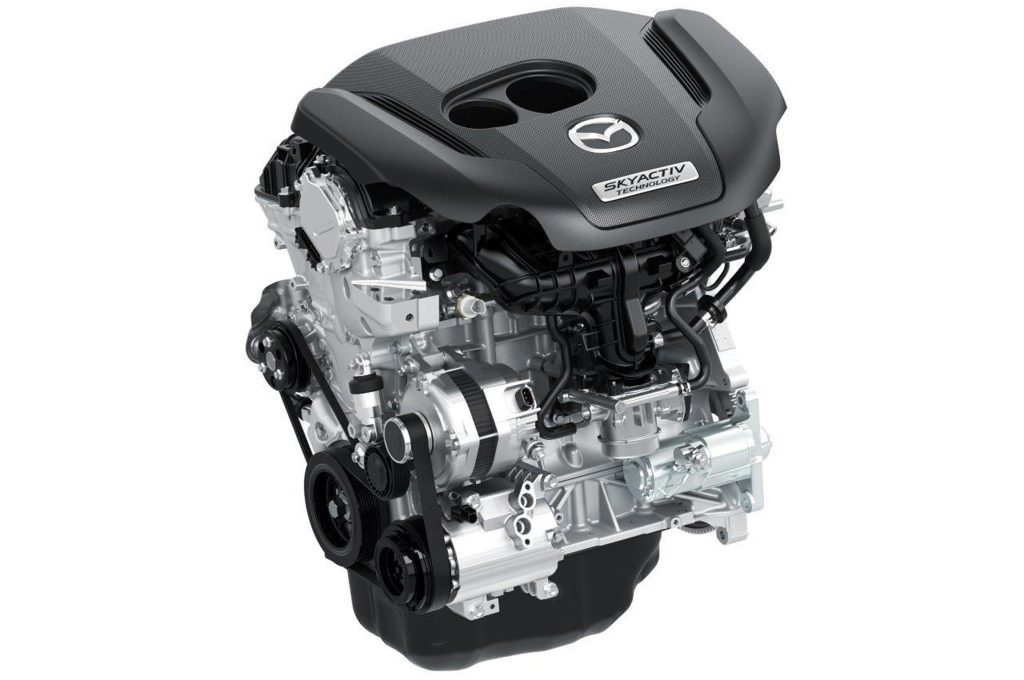
3. Mazda 2.5L SkyActiv-G Engine (Mazda6)
Mazda approached engine durability from a very different angle compared to most manufacturers.
Instead of adding complexity, the SkyActiv-G program focused on refining combustion efficiency so the engine could produce usable power without unnecessary internal strain. This philosophy helped the 2.5 liter engine develop a reputation for surviving extremely high mileage with basic care.
A major contributor to its lifespan is the unusually high compression ratio used in this engine. While high compression might sound risky, Mazda balanced it with precise fuel atomization and piston cavity design to control combustion pressure smoothly. This prevents knocking and reduces the kind of violent combustion events that shorten engine life.
Mazda also invested heavily in reducing internal drag. Special piston skirts, optimized connecting rod angles, and lightweight rotating components allow the engine to spin freely without wasting energy. Lower resistance means less microscopic wear during every revolution, which adds up significantly over hundreds of thousands of miles.
Another interesting durability advantage comes from the exhaust design. The long tubular exhaust manifold reduces heat buildup near the cylinder head. Managing exhaust temperatures helps protect seals and prevents long term metal fatigue, especially in highway driven vehicles.
Owners who get exceptional life from this engine often emphasize preventative service rather than reactive repair. Replacing spark plugs on time, using high quality synthetic oil, and keeping the air filtration system clean allows the engine to operate under ideal combustion conditions.
Fleet drivers have noted something else important. Even after very high mileage, these engines tend to maintain smooth idle characteristics if maintained correctly. Smooth idle usually indicates stable internal balance and minimal uneven wear inside the engine.
Mazda may not always be the first brand mentioned in longevity discussions, but the SkyActiv-G 2.5L has proven that careful engineering decisions can quietly create engines capable of extremely long service lives.
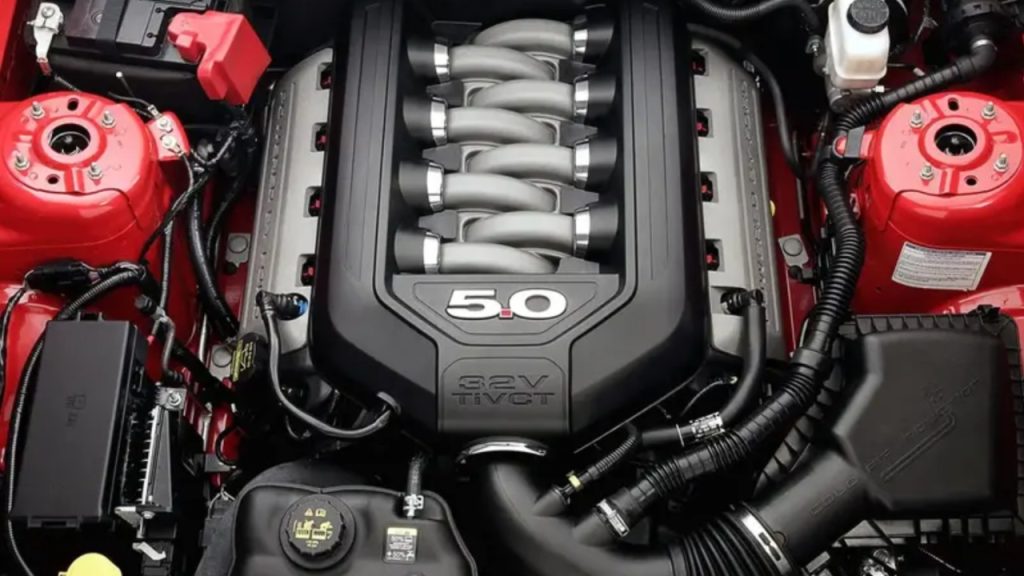
4. Ford 5.0L Coyote V8 (Ford F-150)
The Ford Coyote V8 represents a different path to longevity. Instead of focusing purely on efficiency, Ford engineered this engine to handle stress comfortably. When an engine is built to tolerate performance demands, it often ends up lasting longer when used under normal driving conditions.
The block structure plays a major role here. With a deep skirt aluminum block and strong cross bolted main bearings, the bottom end is designed to remain stable even under heavy loads. This structural rigidity helps prevent crankshaft movement that could otherwise cause long term bearing wear.
Oil control is another area where this engine excels. Ford designed an efficient lubrication path that keeps critical components supplied with oil even during hard acceleration or towing. Consistent lubrication prevents dry friction moments, which are often responsible for premature engine aging.
Unlike smaller engines that constantly operate near their limits, the Coyote typically works well within its capability range during everyday driving. That reserve strength means internal parts experience less fatigue during routine commuting compared to engines that must work harder to deliver similar performance.
Many high mileage examples come from truck owners who follow strict service routines. Transmission servicing, differential fluid replacement, and cooling system maintenance often accompany engine care, creating a complete reliability strategy rather than focusing on the engine alone.
Technicians often point out that ignition coil replacement and routine spark plug service are among the few common needs over long mileage ownership. The core engine itself tends to remain structurally strong when oil service intervals are respected.
This V8 shows that durability does not always come from conservative power output. Sometimes it comes from building an engine strong enough that normal use feels easy, allowing it to accumulate mileage without accumulating excessive wear.
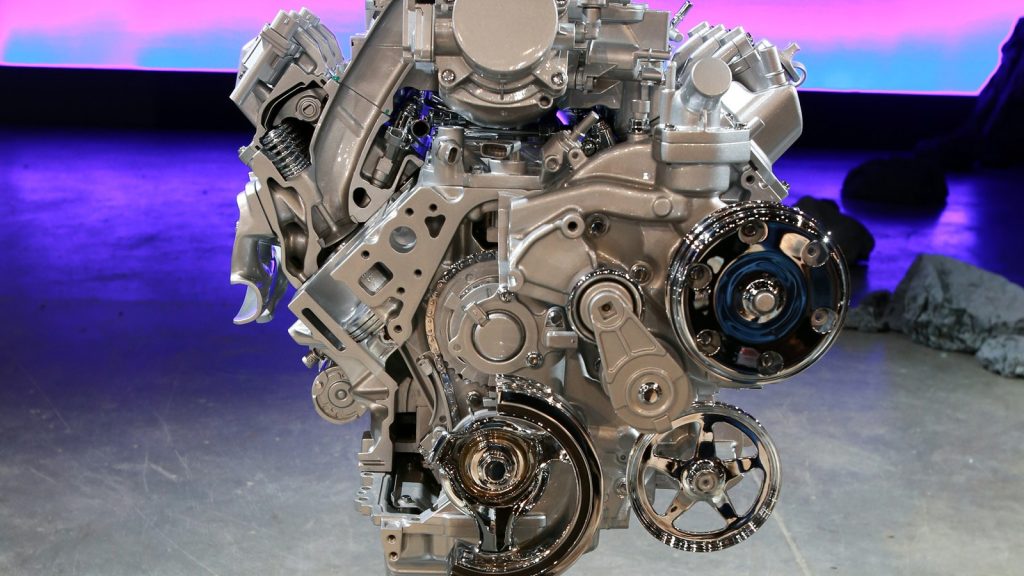
5. Chevrolet 5.3L EcoTec3 V8 (Chevrolet Silverado 1500)
General Motors built the 5.3L EcoTec3 V8 with the idea that a truck engine should tolerate years of mixed duty use without developing internal fatigue.
Found in the Silverado 1500, this engine blends traditional pushrod simplicity with modern fuel management technology, creating a combination that has proven capable of very long service life when maintained properly.
One interesting reason for its longevity comes from the cam in block design. Compared to overhead cam layouts, this pushrod configuration uses fewer moving parts in the valvetrain. Fewer components reduce the number of potential failure points and help maintain mechanical timing stability across very high mileage use.
The engine also benefits from a well proven displacement strategy. Rather than extracting maximum power from a smaller engine, GM relies on displacement to produce torque at lower RPM. Lower engine speed during everyday driving means reduced friction cycles and slower cumulative wear on bearings and piston rings.
Cylinder deactivation technology is sometimes discussed as a complexity risk, but when oil quality is maintained and service intervals are respected, it typically operates reliably. Clean oil passages are the key factor because the system depends on hydraulic control.
Drivers who push these engines past 300,000 miles usually share one habit. They do not delay oil changes. Because this engine depends heavily on clean lubrication for lifter operation, fresh oil becomes one of the biggest contributors to long term durability.
Another pattern seen in high mileage examples is consistent cooling system attention. Radiator flushing and thermostat replacement help maintain the stable temperature range these engines depend on for metal expansion control.
Despite its modern features, the core design remains rooted in traditional V8 durability philosophy. That balance between proven architecture and updated technology explains why many mechanics consider the EcoTec3 one of the safest long term gasoline truck engines available today.
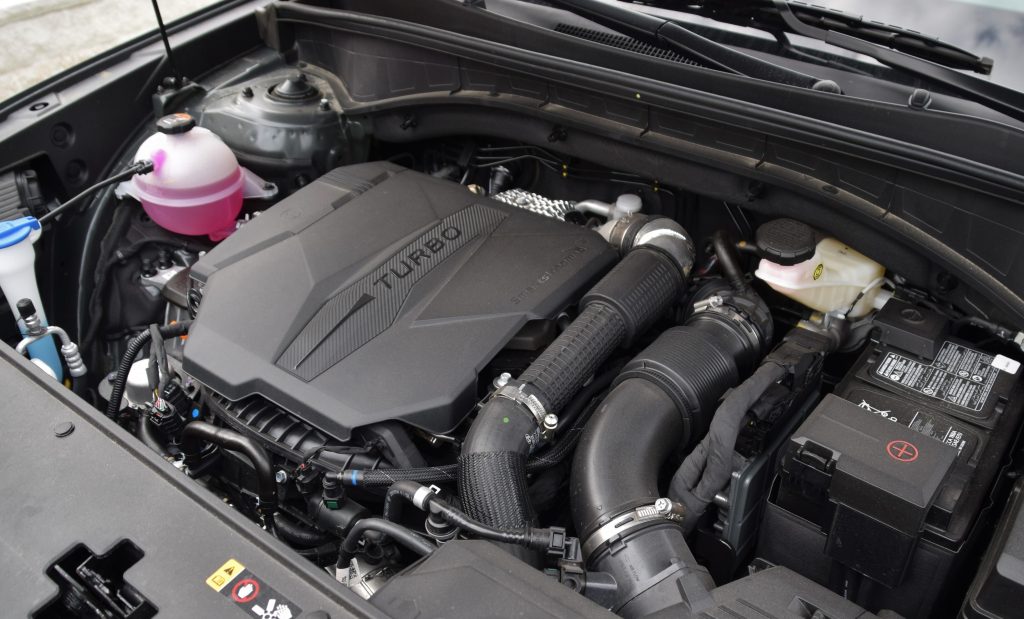
6. Hyundai 2.5L Smartstream G2.5 Engine (Hyundai Sonata)
Hyundai’s Smartstream engine family reflects how much the company has evolved in engineering durability. The 2.5 liter G2.5 engine found in the Sonata represents a newer generation of Hyundai design, where internal strength, efficiency, and heat management were improved simultaneously rather than separately.
A key improvement is the dual injection system combining port and direct injection. This setup helps reduce carbon buildup while also improving fuel atomization. By keeping combustion cleaner, the engine avoids deposits that can slowly affect valve sealing and combustion efficiency over very long mileage.
Hyundai also redesigned internal oil flow compared to older generations. The Smartstream architecture uses carefully controlled lubrication routing to make sure critical wear surfaces receive steady oil supply during both cold starts and highway operation. Stable lubrication is often what separates average engines from truly long lasting ones.
Material quality has improved as well. Stronger connecting rods and improved piston ring materials help this engine maintain compression consistency. Maintaining compression over time is one of the strongest indicators of long term engine health.
Owners who report the highest mileage from this engine often mention something simple but important. They allow proper warm up time before aggressive driving. Allowing oil to reach operating temperature ensures internal clearances stabilize before heavy load is applied.
Dealership technicians have also observed that software calibration updates have helped optimize shift patterns and engine load behavior. These small refinements reduce unnecessary strain during daily driving, indirectly extending engine life.
Hyundai’s earlier reputation did not always focus on extreme longevity, but this newer Smartstream design shows how seriously the company now takes durability. With disciplined maintenance habits, this engine is increasingly being recognized as a strong long term ownership candidate.
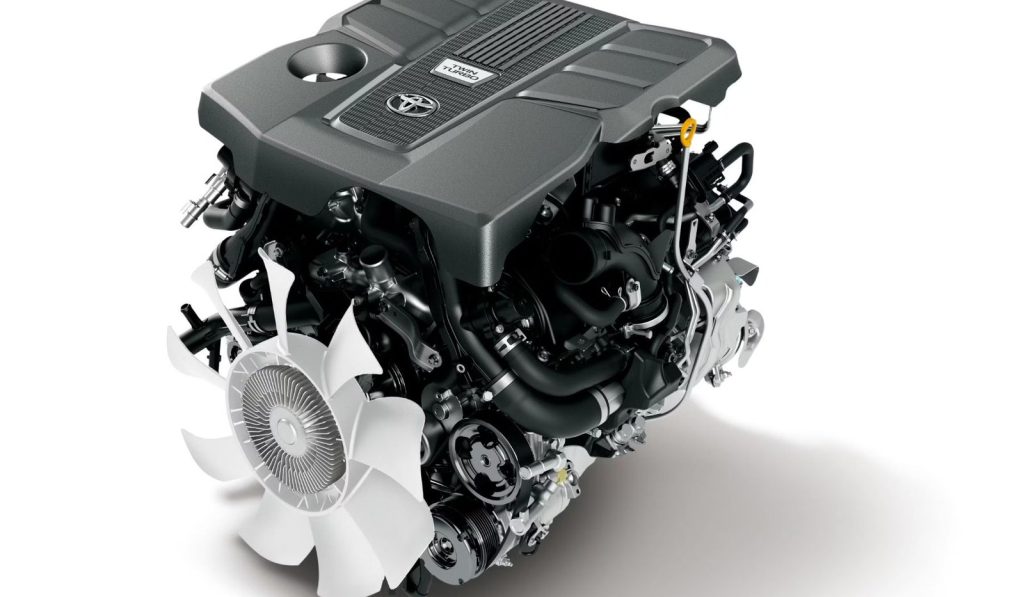
7. Toyota 3.5L V35A-FTS Twin Turbo V6 (Toyota Tundra)
Toyota surprised many truck buyers when it replaced its long running V8 with the V35A-FTS twin turbo V6. Some questioned whether a turbocharged engine could match the lifespan of a naturally aspirated predecessor, but early engineering analysis shows Toyota built this engine with heavy duty expectations rather than short term performance goals.
This engine uses a rigid block structure designed to handle boost pressure without distortion. Reinforced main bearing supports and carefully calculated cylinder wall thickness help maintain structural integrity even under towing conditions. When an engine is designed for pressure tolerance, it often handles normal driving with very little internal stress.
Toyota also focused heavily on turbo cooling. Separate cooling circuits help control temperatures around the turbochargers, reducing oil breakdown risk. Heat is one of the biggest threats to long term durability, so controlling it was clearly a design priority.
Fuel system precision is another advantage. High pressure injectors deliver carefully metered fuel quantities, helping prevent overly rich combustion that could wash cylinder walls over time. Controlled combustion supports consistent lubrication film protection.
Long distance drivers who plan to keep these trucks for many years often emphasize using top tier fuel and sticking closely to maintenance schedules. Turbo engines reward disciplined ownership habits more than neglect.
Technicians monitoring early high mileage units have noticed strong internal cleanliness when oil service is performed correctly. Minimal sludge formation is often a sign of effective crankcase ventilation and thermal stability.
Although still newer compared to legendary Toyota engines, its engineering suggests it was designed with extreme mileage expectations rather than short product cycles. Time will ultimately confirm its full potential, but its design philosophy clearly targets long term durability.
8. Honda 3.5L J35Y6 V6 (Honda Pilot)
Honda’s J series V6 engines have a long history of durability, and the J35Y6 continues that tradition with refinements aimed at smoother operation and lower internal stress. Used in the Honda Pilot, this engine focuses on balanced performance instead of aggressive output numbers.
One of the defining strengths of this engine is its naturally smooth power delivery. Smooth engines tend to last longer because they avoid the vibration related fatigue that can slowly loosen internal tolerances. Honda engineers paid close attention to crankshaft balancing to support this goal.
Variable cylinder management allows the engine to reduce fuel use during light driving, but another hidden benefit is reduced mechanical workload. When fewer cylinders are active during cruising, internal temperatures and friction loads can drop, helping extend component lifespan.
The engine’s cooling passages also deserve recognition. Honda improved coolant routing around combustion zones, allowing more uniform temperature distribution. Uneven heat expansion is one of the silent causes of long term engine wear, and this design attempts to minimize that risk.
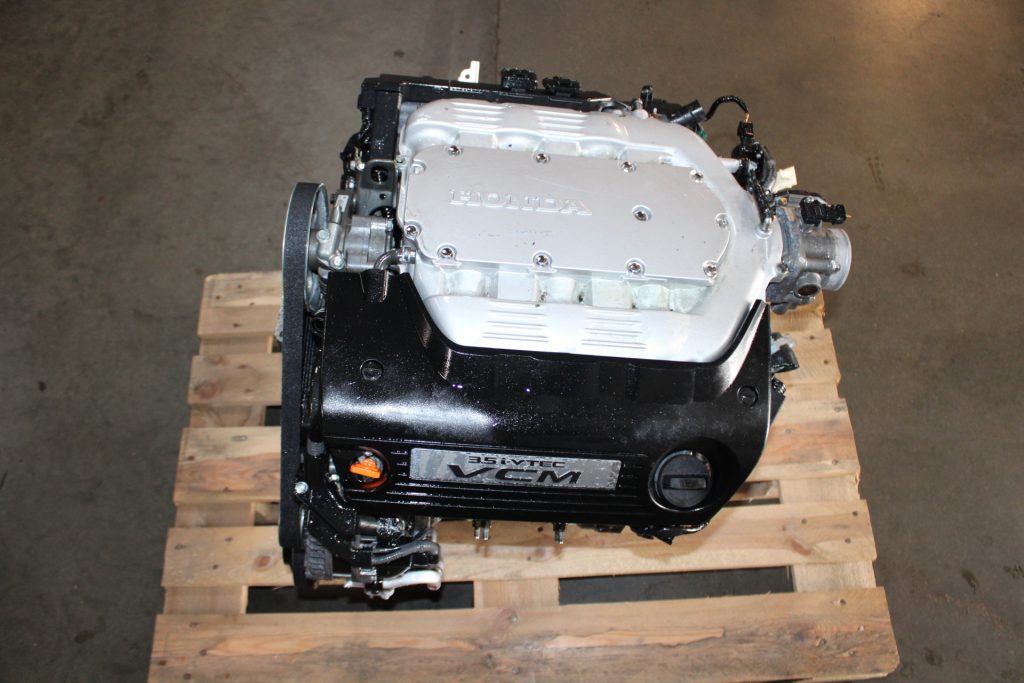
Experienced owners often highlight valve adjustment checks as part of long term ownership care. Although not always required frequently, ensuring proper valve clearance helps maintain combustion efficiency and prevents unnecessary stress on valvetrain components.
Another sign of durability is how well these engines tolerate long highway travel. Engines that spend more time at stable RPM often develop less wear compared to constant stop and go driving, and this engine seems particularly comfortable in steady driving environments.
Rather than chasing dramatic technology headlines, Honda continued refining a proven architecture. That decision often results in engines that may not be revolutionary but prove extremely dependable over very long ownership timelines.
9. Lexus 3.5L V6 2GR-FKS (Lexus ES 350)
Luxury engines often face a different challenge compared to mainstream models. They must deliver quiet operation and smooth performance while still maintaining durability. The Lexus 2GR-FKS manages this balance by combining refined operation with Toyota’s long standing reliability engineering practices.
One of the defining aspects of this engine is how lightly stressed it feels during normal use. Even at highway speeds, the engine rarely operates near its limits. This relaxed operating behavior reduces internal pressure cycles and contributes to long term mechanical stability.
The D-4S fuel system, which combines direct and port injection, also helps maintain internal cleanliness. By occasionally using port injection, the intake valves receive fuel wash that helps reduce carbon accumulation. Cleaner airflow passages help preserve combustion balance deep into high mileage ownership.
Engine noise control measures also indirectly support durability. Sound dampening structures reduce vibration transmission through the block. Lower vibration means reduced micro stress fractures over extended use, something often overlooked in longevity discussions.
Owners aiming for extreme mileage frequently prioritize transmission fluid servicing alongside engine care. Smooth shifting reduces shock loads transferred back to the crankshaft, which can influence bearing wear over time.

Many long term Lexus owners also emphasize the benefit of conservative driving behavior. Smooth throttle inputs and consistent cruising speeds allow the engine’s balanced design to work as intended without introducing unnecessary mechanical shock.
Service professionals often comment that internal wear patterns remain very even in these engines. Even wear distribution usually indicates stable lubrication and consistent combustion behavior across cylinders.
This engine represents the idea that luxury does not have to come at the expense of durability. In many cases, refinement engineering actually helps engines survive longer because everything is designed to operate with minimal harshness.
10. Ram 6.4L HEMI V8 (Ram 2500)
Heavy duty gasoline engines must survive workloads that would quickly wear out lighter duty designs. The 6.4L HEMI V8 used in the Ram 2500 was engineered with this reality in mind. Its durability often comes from being built for demanding work even if many owners never fully use that capability.
A major advantage is the robust iron block construction. Iron blocks typically tolerate repeated heat cycles very well because of their dimensional stability. Stable cylinder geometry helps maintain piston ring sealing across extremely long mileage accumulation.
The engine also benefits from a relatively simple camshaft layout compared to some modern high complexity designs. This mechanical simplicity often becomes beneficial after many years because fewer complex systems need long term servicing.
Torque production at low RPM is another factor supporting longevity. Because the engine produces strong pulling power without needing high engine speeds, it can perform heavy tasks without constantly operating in high stress ranges.
Owners who see exceptional mileage often maintain strict spark plug replacement schedules. With multiple spark plugs per cylinder, keeping ignition performance consistent helps maintain smooth combustion and prevents uneven cylinder loading.
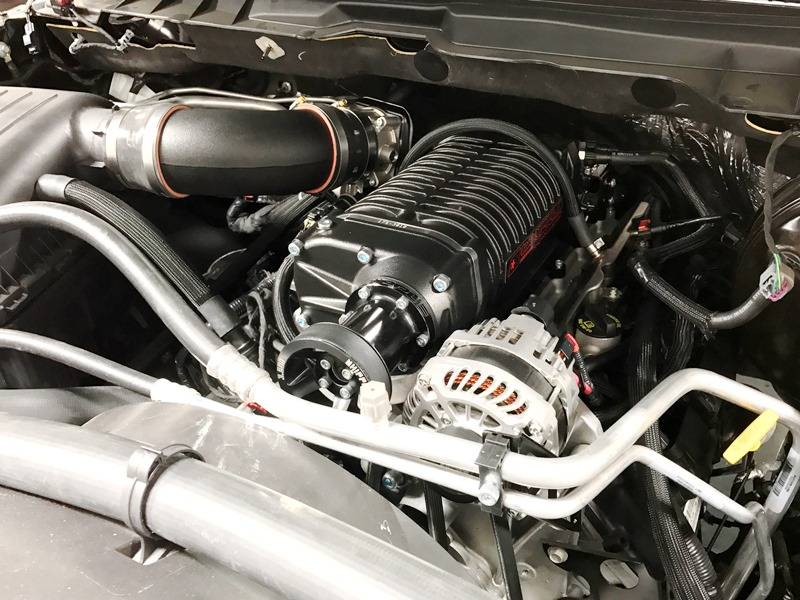
Oil capacity also plays a role. Larger oil volume helps manage heat and contamination more effectively between service intervals. When combined with quality filters, this helps protect internal surfaces from abrasive particles.
Many commercial operators appreciate that this engine remains predictable even after years of service. Predictability often indicates consistent mechanical behavior, which is a key sign of an engine designed with long term structural durability in mind.
11. Subaru 2.5L FB25 Boxer Engine (Subaru Outback)
Subaru took a unique engineering route with the FB25 boxer engine by continuing its horizontally opposed layout while improving long term durability factors that earlier generations sometimes struggled with.
The flat engine design naturally lowers vibration because opposing pistons balance each other’s movement, which helps reduce internal stress accumulation over time.
One advantage of the boxer configuration is stability. Because the engine sits lower and distributes movement evenly, it experiences less rocking motion compared to traditional inline engines. Reduced vibration often translates into slower gasket fatigue and less long term fastener loosening.
Subaru also improved the oil consumption characteristics compared to older boxer engines. Updated piston ring designs and improved cylinder finishing techniques help the engine maintain better oil control as mileage increases. Engines that maintain proper lubrication tend to maintain compression longer.
Cooling performance also improved in this generation. Subaru refined coolant flow to prevent uneven heating across the horizontally arranged cylinders. Balanced temperatures are critical in boxer engines because of their layout, and this update helped improve long term consistency.
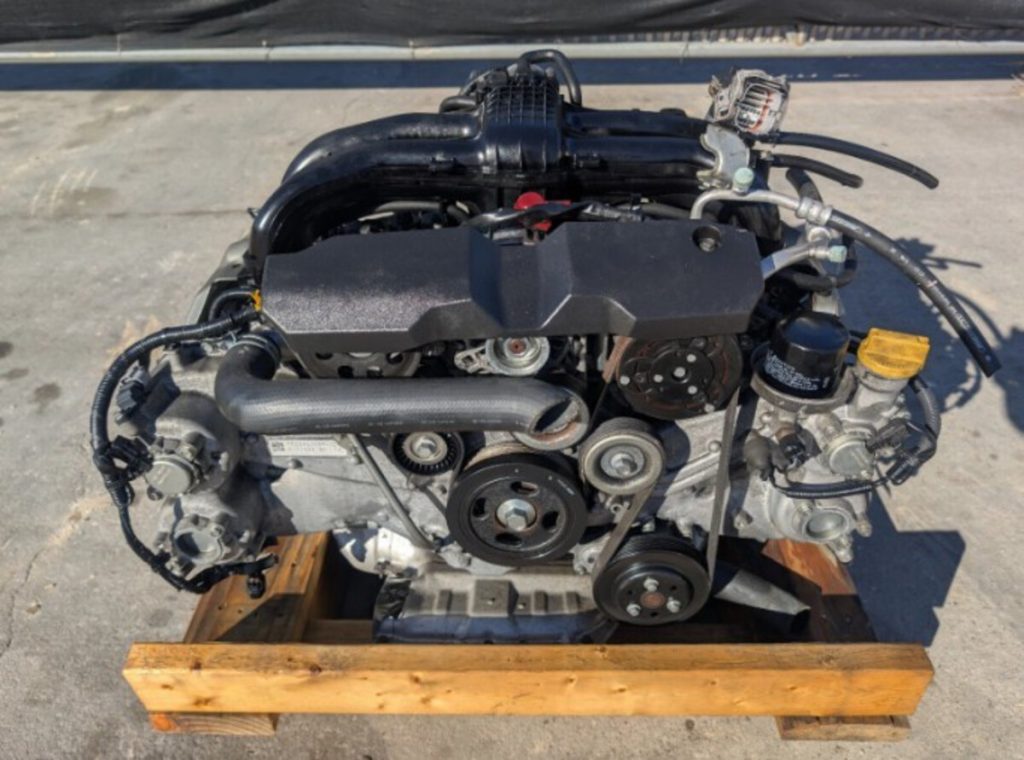
Drivers who reach extreme mileage often emphasize frequent oil checks rather than relying only on service intervals. Because boxer engines distribute oil differently, keeping oil at proper levels becomes an important ownership habit.
Another pattern seen among high mileage Subaru owners is consistent differential and AWD system servicing. Since the engine works as part of a full time drivetrain, overall drivetrain health contributes to engine stress levels as well.
Rather than redesigning everything, Subaru focused on correcting earlier weaknesses. This evolutionary improvement approach often produces engines that gradually become more dependable through refinement rather than radical change.
12. Nissan 3.8L VR38DDTT V6 (Nissan GT-R)
High performance engines are rarely associated with extreme mileage, yet the VR38DDTT found in the Nissan GT-R challenges that assumption. Although built for performance, its hand assembled construction and strong internal components give it surprising durability when maintained correctly.
This engine uses plasma coated cylinder bores instead of traditional liners. This advanced surface treatment reduces friction while improving heat transfer. Better heat dissipation helps prevent localized overheating that can shorten engine life.
Another durability feature comes from the forged internal components. Strong pistons, connecting rods, and crankshaft construction allow the engine to tolerate forces well above normal driving levels. When driven moderately, these components operate far below their maximum stress capacity.
The dual turbo system is also carefully supported by advanced oil cooling strategies. Dedicated oil pathways help maintain lubrication quality even under high temperature conditions. Proper oil management is often the difference between short turbo life and long service durability.
Owners who successfully accumulate high mileage on this engine usually follow extremely disciplined maintenance routines. Frequent oil analysis, careful warm up procedures, and respecting cooldown periods after spirited driving are common practices.
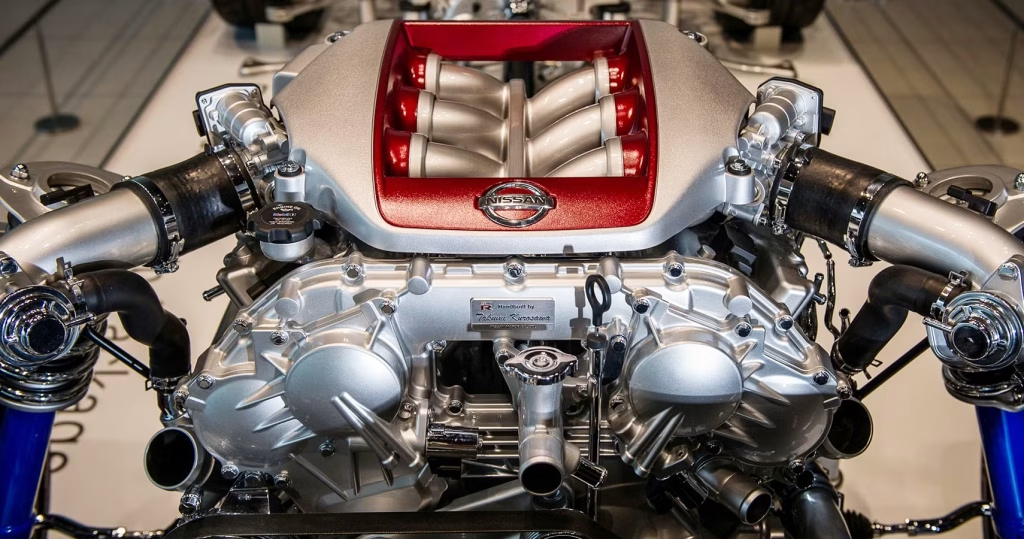
Specialists often point out that this engine responds best to preventative care rather than delayed repair. Addressing small issues early helps preserve the precision tolerances that define its construction quality.
This engine proves an interesting point about longevity. Strength built for performance can sometimes create durability advantages when the engine is treated responsibly.
Even though it was not designed primarily as a high mileage commuter engine, its engineering strength gives it the potential to last far longer than most performance engines when cared for correctly.
Also Read: 7 Modern Engines Famous for Their Exceptionally Quiet Operation
