
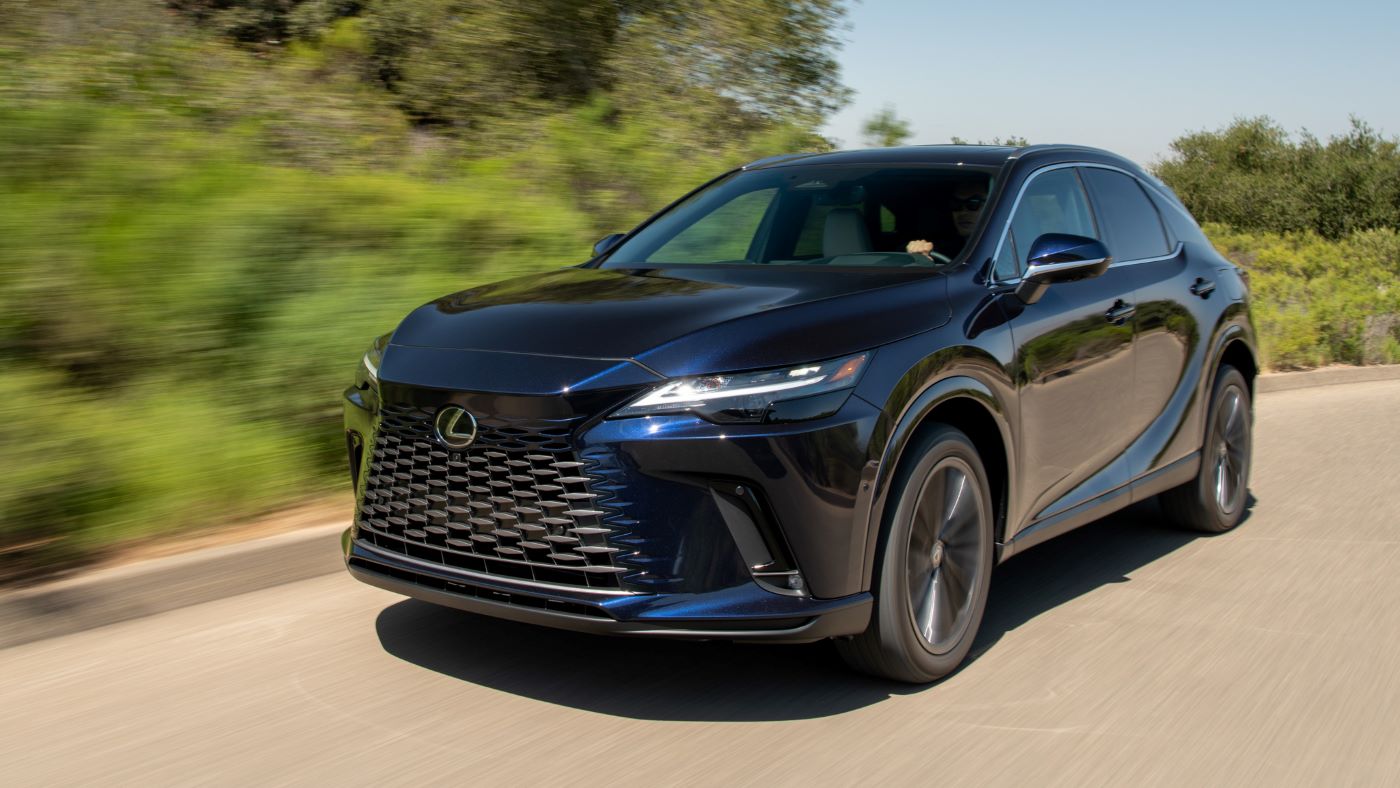
For U.S. drivers who view a car as a tool rather than a hobby, reliability is the primary metric. The objective is straightforward: minimize unscheduled repairs, reduce time spent in service bays, and keep ownership predictable year after year.
In the used market, this typically means selecting vehicles with proven, low-stress powertrains, widely available parts, and a long history of real-world durability.
The vehicles below are not simply “reliable” in a general sense. They are models known for low failure rates, mechanical simplicity, and consistency across high mileage, making them strong candidates for owners who want to limit yearly mechanic visits.
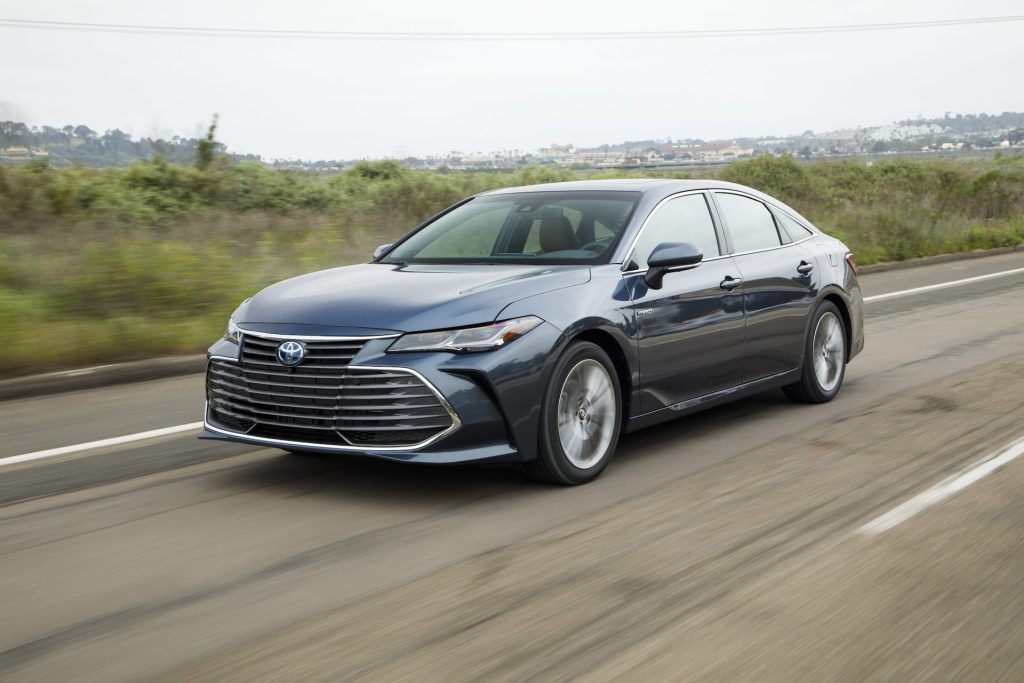
1. Toyota Avalon
The Toyota Avalon stands out as one of the most dependable full-size sedans for buyers who want to minimize yearly mechanic visits, offering a combination of proven engineering, low maintenance requirements, and long-term durability.
Produced by Toyota, the Avalon has built a strong reputation as a comfort-focused vehicle that prioritizes reliability over complexity, making it a smart choice in the used car market.
A major reason the Avalon performs so well in long-term ownership is its use of well-established mechanical components. Most models are powered by Toyota’s naturally aspirated V6 engines, particularly the widely respected 3.5-liter unit found in later generations.
This engine is known for its durability, smooth operation, and relatively low failure rate when properly maintained. Unlike turbocharged alternatives, it avoids added stress and complexity, which helps reduce the likelihood of expensive repairs over time.
The Avalon also benefits from Toyota’s conservative engineering approach. Rather than introducing unproven technology, the brand typically refines existing systems to ensure reliability.
This results in fewer unexpected breakdowns and a more predictable ownership experience. Transmissions, suspension components, and electrical systems in the Avalon are generally designed for longevity, contributing to lower overall maintenance frequency compared to many competitors in the same segment.
Another advantage is build quality. The Avalon was positioned as a near-luxury sedan, and this is reflected in its materials and assembly standards. Interior components tend to wear well over time, and common issues such as rattles or premature part failures are relatively rare. For owners, this translates into fewer trips to the mechanic for minor fixes and adjustments.
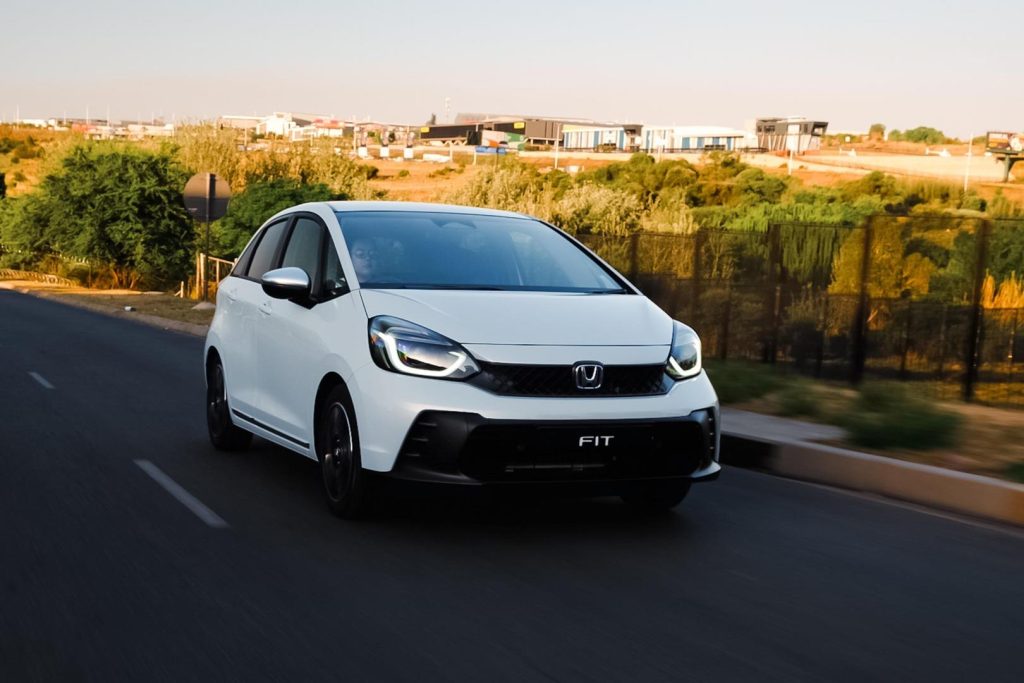
2. Honda Fit
The Honda Fit is widely regarded as one of the most reliable and low-maintenance subcompact cars available on the used market, making it an excellent choice for owners who want to minimize yearly mechanic visits. Produced by Honda, the Fit combines simple engineering, efficient performance, and exceptional practicality in a compact and durable package.
A key factor behind the Fit’s strong reliability record is its straightforward powertrain design. Most models are equipped with naturally aspirated four-cylinder engines paired with either a manual transmission or a conventional automatic or CVT.
These components are well-tested and engineered for longevity, avoiding the complexity and higher failure risks associated with turbocharged or heavily electrified systems. As a result, major mechanical issues are relatively uncommon when the vehicle is properly maintained.
The Fit is also known for its low cost of ownership. Routine maintenance is simple and affordable, with widely available parts and service procedures that are familiar to most mechanics.
Oil changes, brake replacements, and basic fluid services are typically all that is needed to keep the car running reliably for years. This predictability is particularly valuable for owners who want to avoid unexpected repair bills or frequent trips to the shop.
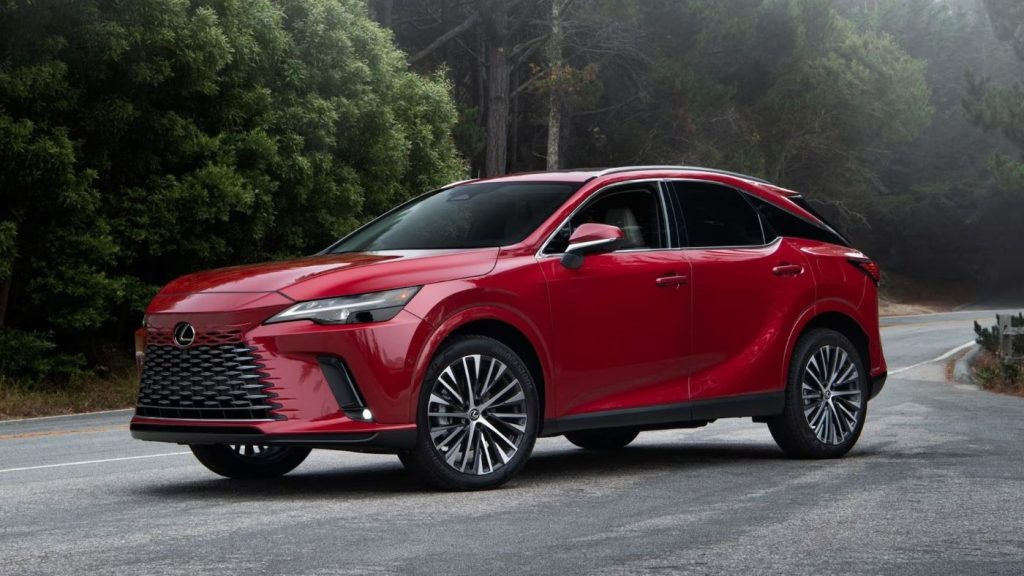
3. Lexus RX 350
The Lexus RX 350 is widely regarded as one of the most dependable luxury SUVs on the used market, making it an excellent choice for owners who want to minimize yearly mechanic visits without sacrificing comfort or refinement. Produced by Lexus, the RX 350 benefits from Toyota’s engineering philosophy, which emphasizes durability, simplicity, and long-term reliability over cutting-edge complexity.
A major strength of the RX 350 lies in its proven powertrain. Most models are equipped with a naturally aspirated V6 engine, particularly the long-running 3.5-liter unit known for its smooth performance and low failure rates.
Unlike many luxury competitors that rely on turbocharged or highly complex systems, this engine prioritizes longevity and consistency. Combined with a well-tuned automatic transmission, the RX 350 delivers dependable operation over high mileage with minimal major repairs when properly maintained.
Maintenance costs are another area where the RX 350 stands out. Despite being a luxury SUV, it remains relatively affordable to maintain compared to European rivals. On average, annual maintenance and repair costs are around $550, which is in line with or even lower than many mainstream vehicles.
Over a longer period, total maintenance expenses remain competitive, with estimates showing roughly $7,800 over ten years, significantly below the luxury segment average. This predictable cost structure helps reduce unexpected trips to the mechanic.
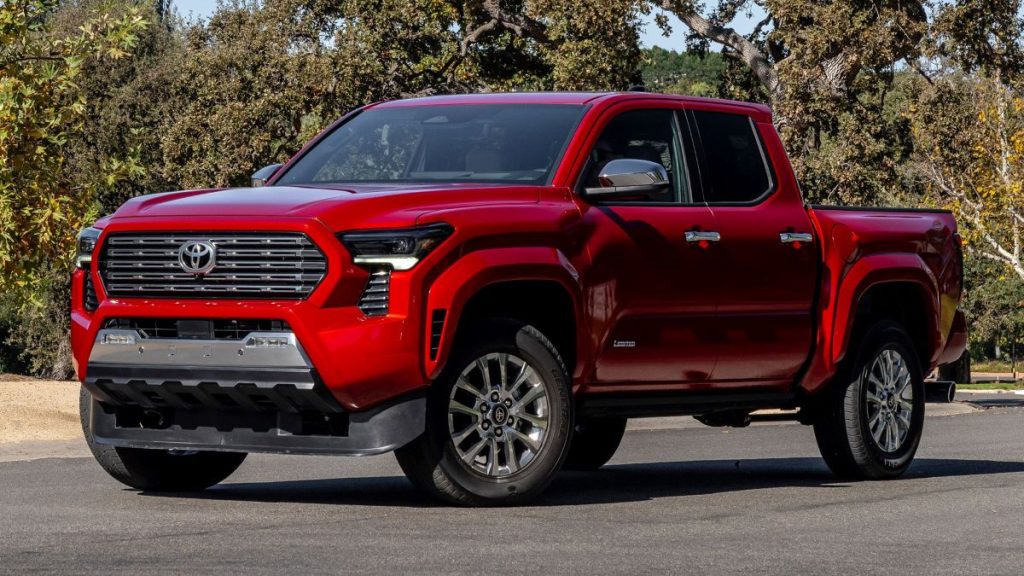
4. Toyota Tacoma
The Toyota Tacoma has earned a longstanding reputation as one of the most durable and low-maintenance pickup trucks available, making it a strong candidate for owners who want to minimize yearly mechanic visits. Produced by Toyota, the Tacoma is widely recognized for its robust construction, simple engineering, and ability to handle high mileage with relatively few major issues.
One of the Tacoma’s defining strengths is its proven reliability over time. Compared to other midsize trucks, it consistently delivers lower long-term maintenance costs, with estimates showing around $6,900 in total maintenance and repairs over the first 10 years.
This is significantly below the segment average, reinforcing its reputation as a dependable, low-intervention vehicle. On a yearly basis, owners typically spend about $478 on maintenance, which is modest for a truck platform.
A key reason behind this reliability is Toyota’s conservative engineering approach. Many Tacoma models rely on naturally aspirated engines and traditional automatic transmissions rather than more complex turbocharged or highly electrified systems.
This reduces the number of potential failure points and simplifies long-term ownership. The truck’s body-on-frame construction, while more rugged than car-based designs, is also built to withstand heavy use without frequent component wear.
Durability is another major factor. The Tacoma is designed to handle demanding conditions, including off-road driving, towing, and hauling, yet it remains reliable in everyday use.
This overbuilt nature means that when used primarily for regular commuting or light-duty tasks, the components are often under less stress, further extending service intervals and reducing the likelihood of repairs.
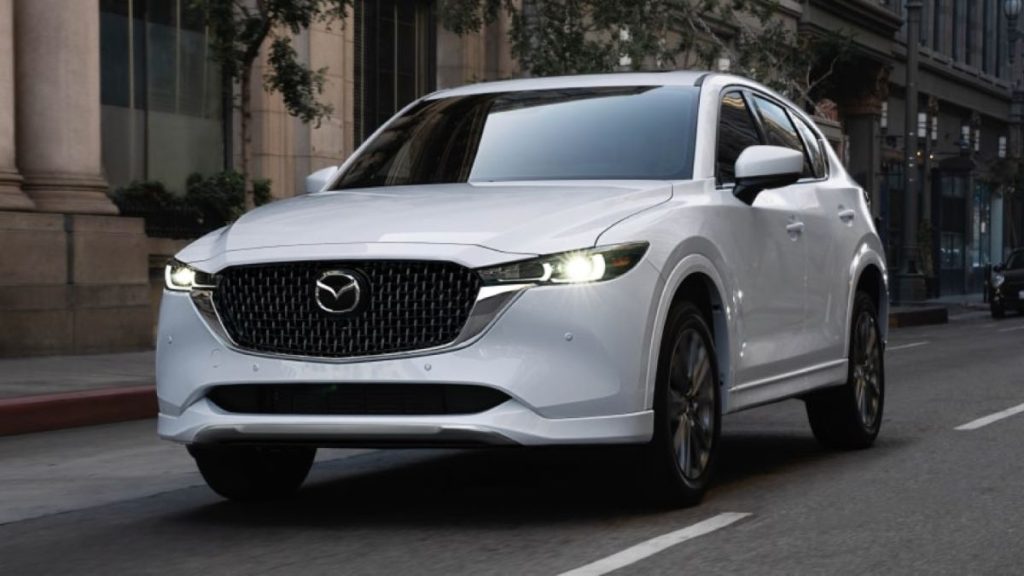
5. Mazda CX-5
The Mazda CX-5 stands out as one of the most well-balanced compact SUVs for owners who want to minimize yearly mechanic visits, offering a strong mix of reliability, manageable maintenance costs, and refined engineering. Produced by Mazda, the CX-5 has built a reputation as a dependable daily driver that avoids the complexity often found in competing vehicles.
A major advantage of the CX-5 is its relatively low maintenance cost. On average, owners spend around $400 to $500 per year on upkeep, which is below the segment average and contributes to fewer financial surprises over time.
The vehicle also requires fewer unscheduled repairs than many rivals, with below-average shop visits annually, reinforcing its reliability-focused ownership experience. Over a longer period, total maintenance and repair costs remain competitive, estimated at roughly $7,900 over 10 years, which is slightly better than average for compact SUVs.
One of the key reasons behind this consistency is Mazda’s engineering approach. Most CX-5 models rely on naturally aspirated engines and conventional automatic transmissions, particularly the well-regarded 2.5-liter four-cylinder.
These components are designed for durability and simplicity, avoiding the added strain and complexity of turbocharged or heavily electrified systems in many trims. This reduces the likelihood of major mechanical failures and helps extend service intervals.
Build quality also plays a significant role. The CX-5 is often positioned as a more premium option within the compact SUV segment, and this is reflected in its materials and assembly standards.
Components tend to wear more slowly, and issues like interior degradation or frequent part replacements are less common. For owners, this translates into fewer minor fixes that would otherwise require trips to the mechanic.
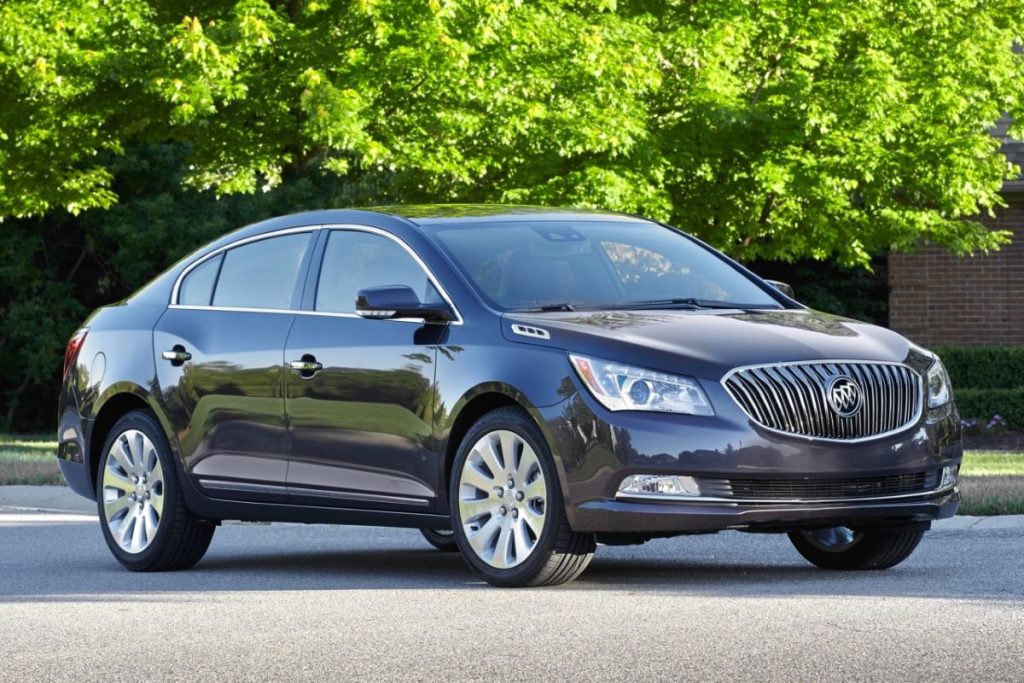
6. Buick LaCrosse
The Buick LaCrosse is a strong contender for used car buyers who want to minimize yearly mechanic visits, offering a balanced mix of comfort, proven engineering, and relatively low maintenance demands.
Produced by Buick, the LaCrosse was designed as a near-luxury sedan, but its ownership experience aligns more closely with dependable mainstream vehicles than high-maintenance premium models.
One of the key reasons the LaCrosse performs well in long-term ownership is its moderate and predictable maintenance cost. On average, owners spend around $569 per year on repairs and maintenance, which is close to or slightly below the average for midsize sedans.
This consistency is important for drivers aiming to reduce both the frequency and financial impact of mechanic visits. More importantly, the severity of repairs is considered average, and major issues occur less frequently than in many competing vehicles, meaning costly breakdowns are not common.
The LaCrosse benefits from relatively simple and well-established powertrains, particularly the V6 engines used across multiple generations. These engines are known for smooth performance and durability, avoiding the added complexity of smaller turbocharged units found in many modern sedans.
This contributes to fewer long-term mechanical failures and more predictable upkeep. Combined with conventional automatic transmissions, the drivetrain is engineered for reliability rather than aggressive performance.
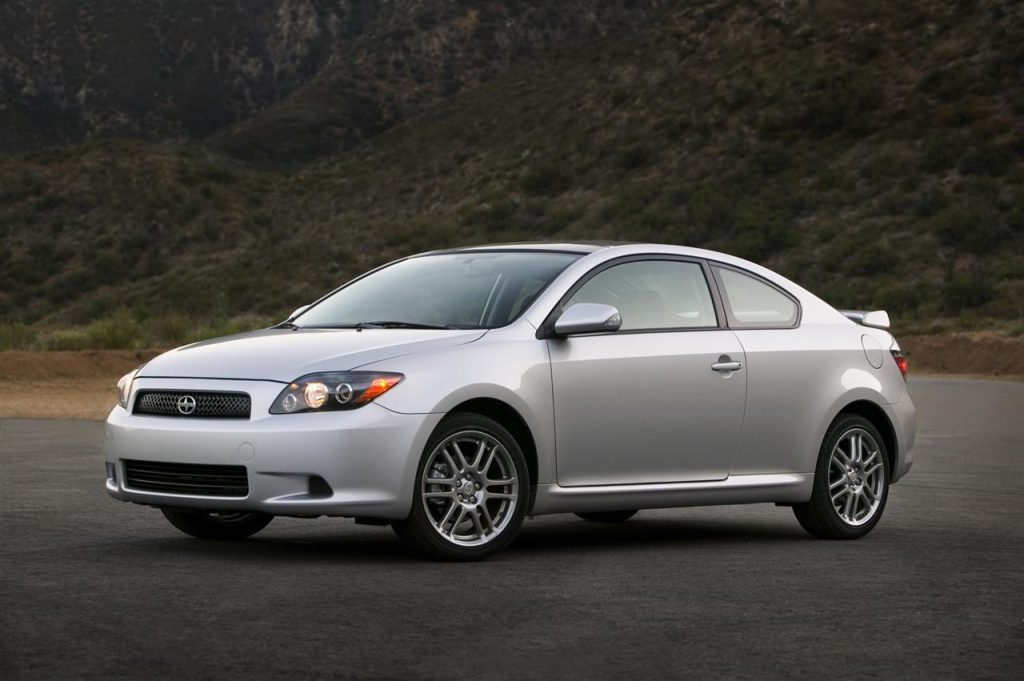
7. Scion tC
The Scion tC stands out as a practical and low-maintenance option for buyers who want to minimize yearly mechanic visits, offering a blend of Toyota-backed reliability, simple engineering, and predictable ownership costs.
Produced by Scion from 2004 to 2016, the tC was designed as an affordable, well-equipped compact coupe that prioritized durability and ease of ownership over complexity.
One of the most important factors behind the tC’s reliability is its shared engineering with proven Toyota components. The vehicle uses widely deployed engines and mechanical parts derived from models like the Camry and Corolla, which are known for long service life and low failure rates.
This parts commonality not only improves durability but also ensures that repairs, when needed, are straightforward and relatively inexpensive. Owners benefit from readily available parts and widespread mechanic familiarity, reducing both downtime and service costs.
The tC’s powertrain is deliberately simple. Most models feature naturally aspirated four-cylinder engines paired with either a manual or conventional automatic transmission.
This avoids the added stress and complexity of turbochargers or advanced hybrid systems, which can increase long-term maintenance demands. As a result, the tC tends to deliver consistent performance over high mileage with minimal major repairs when properly maintained.
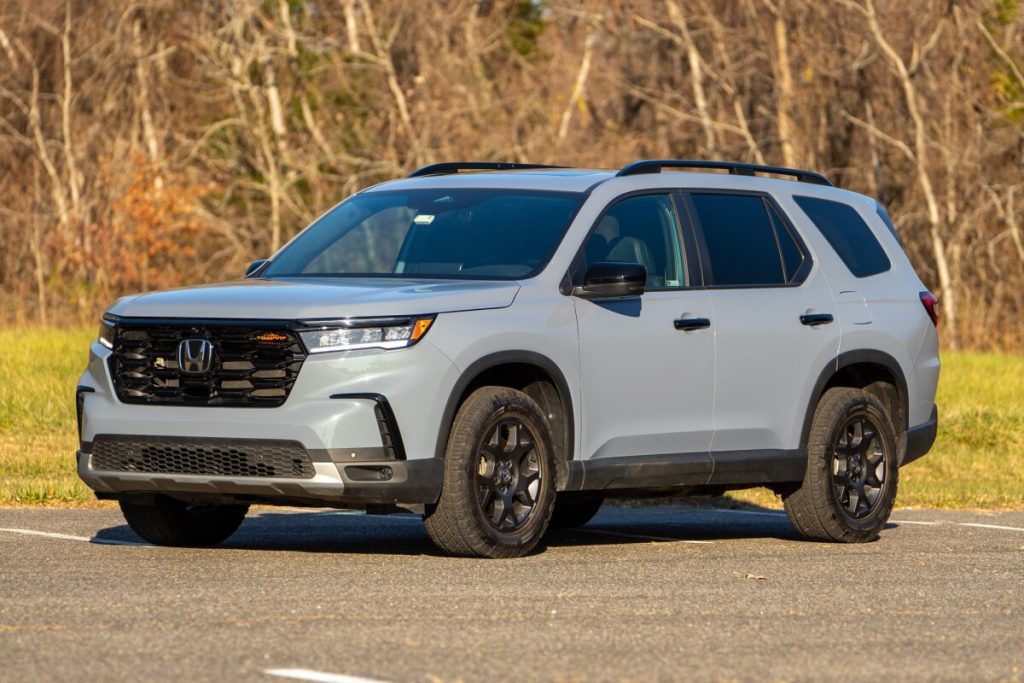
8. Honda Pilot
The Honda Pilot is a strong option in the used SUV market for buyers looking to reduce frequent mechanic visits, offering a blend of durability, predictable maintenance costs, and family-oriented practicality. Produced by Honda, the Pilot has consistently been engineered with long-term usability in mind rather than cutting-edge complexity, which plays a key role in its reliability profile.
One of the Pilot’s main advantages is its relatively manageable maintenance cost. On average, owners spend around $542 per year on repairs and maintenance, which is slightly below the midsize SUV segment average.
Over a longer period, total maintenance and repair costs are estimated at about $7,880 over ten years, again undercutting many competitors in its class. This predictable cost structure helps reduce both financial surprises and the need for frequent shop visits.
The Pilot’s reliability is largely driven by its proven mechanical components. Most models are equipped with Honda’s long-running 3.5-liter V6 engine paired with a conventional automatic transmission.
This setup prioritizes durability and smooth performance rather than aggressive efficiency or turbocharged complexity. As a result, when properly maintained, the Pilot is capable of reaching high mileage with relatively few major mechanical failures.
Another factor contributing to fewer mechanic visits is Honda’s overall engineering philosophy. The brand tends to refine existing systems instead of introducing untested technologies, which leads to fewer unexpected issues over time.
Routine maintenance is also straightforward, with widely available parts and service procedures that are familiar to most technicians. This accessibility reduces both repair time and labor costs.
From a practical standpoint, the Pilot is designed to handle the demands of family use without excessive wear. Its spacious three-row interior, solid build quality, and durable suspension components make it well-suited for daily driving, school runs, and long-term ownership.
Even as mileage increases, many components continue to perform reliably with only standard upkeep such as oil changes, brake servicing, and timing belt replacements at scheduled intervals.
However, it is worth noting that while the overall cost of ownership is reasonable, the frequency of minor repairs can be slightly higher than average, though these issues are typically not severe. This means owners may encounter occasional maintenance visits, but major, high-cost failures are less common.
Honda Pilot is a dependable used SUV that balances space, capability, and reliability. Its combination of proven engineering, reasonable maintenance costs, and long-term durability makes it a practical choice for owners who want to minimize serious mechanical issues and keep yearly mechanic visits relatively low.
9. Toyota Prius v
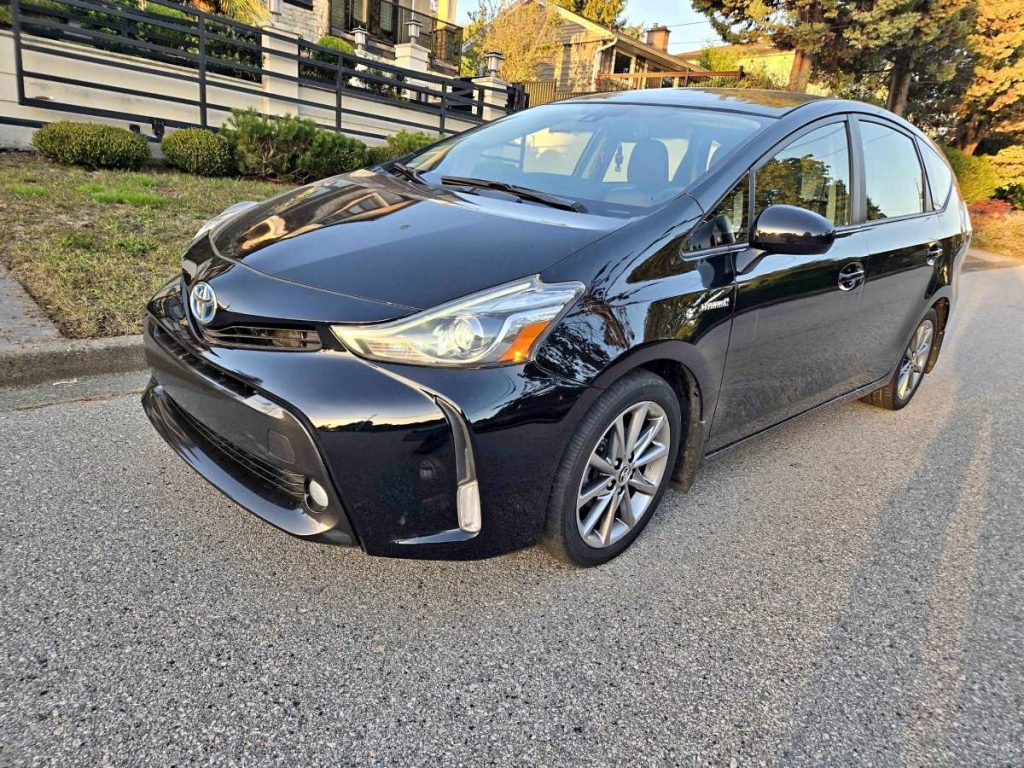
The Toyota Prius v is one of the most practical and low-maintenance hybrid vehicles available on the used market, making it an excellent choice for owners who want to minimize yearly mechanic visits. Built by Toyota, the Prius v expands on the standard Prius formula by adding significantly more interior space while retaining the same proven hybrid technology.
A major advantage of the Prius v is its strong reliability record. It consistently earns high ratings, with scores around 4.0 to 4.5 out of 5.0 in reliability studies, ranking among the top vehicles in its class.
More importantly, the severity of repairs is low, meaning that while minor issues may occur occasionally, major mechanical failures are relatively rare. This is exactly the type of ownership profile that reduces frequent and costly mechanic visits.
Maintenance costs are also notably low. On average, owners spend about $437 per year on repairs and servicing, which is below the average for midsize vehicles. This predictable and affordable upkeep makes the Prius v particularly appealing for budget-conscious buyers who want long-term dependability without unexpected expenses.
The vehicle’s hybrid powertrain is another key factor in its reliability. It uses Toyota’s well-established Hybrid Synergy Drive system, pairing a 1.8-liter gasoline engine with an electric motor.
This system has been refined over decades and is known for its durability and efficiency. Unlike more complex or newer hybrid setups, it is widely understood by mechanics and has a proven track record of longevity, reducing the likelihood of frequent repairs.
In addition to reliability, the Prius v offers exceptional practicality. It provides significantly more cargo space than the standard Prius, with a flexible interior that can handle family needs, groceries, and larger items with ease. Combined with fuel economy typically around the low-40 mpg range, it delivers both efficiency and utility for daily driving.
Owner feedback further reinforces its dependability. Many drivers report high mileage with minimal issues, often requiring only routine maintenance such as oil changes, brakes, and tires over long periods of ownership.
The Toyota Prius v is an ideal vehicle for minimizing mechanic visits. Its combination of proven hybrid technology, low annual maintenance costs, and strong reliability ratings makes it a practical, efficient, and dependable choice for long-term, low-stress ownership.
10. Ford Fusion
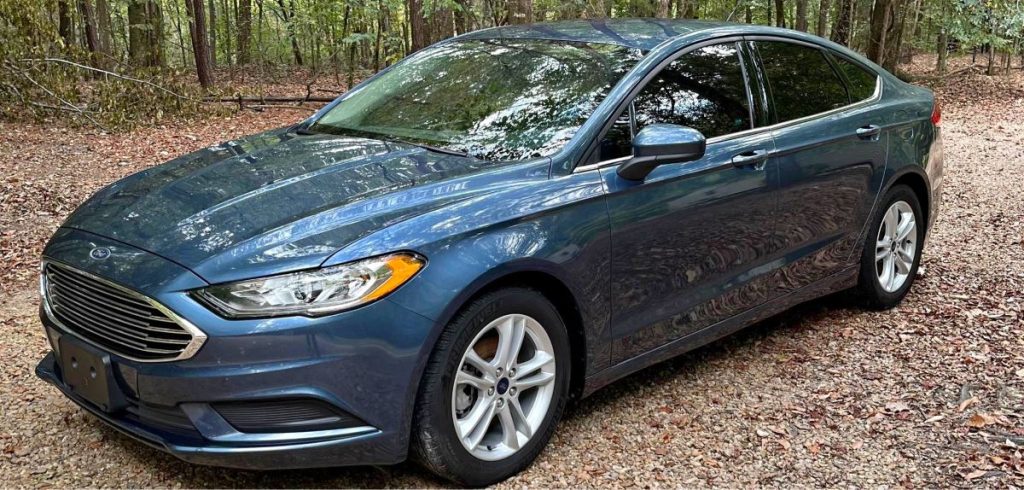
The Ford Fusion is a well-rounded midsize sedan that offers a balance of affordability, comfort, and moderate reliability, making it a practical used-car option for owners who want to keep yearly mechanic visits under control without paying a premium.
Produced by Ford, the Fusion became one of the brand’s most popular sedans thanks to its wide availability, straightforward engineering, and accessible maintenance profile.
One of the Fusion’s key strengths is its predictable cost of ownership. On average, annual maintenance and repair costs sit around $581, which is close to the segment average for midsize cars.
This places it in a middle ground where it is neither exceptionally cheap nor overly expensive to maintain, but importantly, it avoids the frequent high-cost repairs seen in more complex or less reliable vehicles. Routine servicing such as oil changes, tire rotations, and brake work is relatively affordable and widely supported.
The frequency and severity of repairs are both moderate, meaning most issues tend to be manageable rather than catastrophic. This is a critical factor for owners aiming to minimize unexpected mechanic visits, as it reduces the likelihood of major breakdowns that require extensive downtime.
A major contributor to this consistency is the Fusion’s range of simple, proven powertrains. Base models equipped with naturally aspirated four-cylinder engines, particularly the 2.5-liter unit, are known for durability and lower long-term risk compared to turbocharged alternatives.
These engines, combined with conventional automatic transmissions, prioritize longevity and ease of maintenance over cutting-edge performance. For used buyers, this translates into fewer complicated repairs and more predictable upkeep.
Another advantage is parts availability. Because the Fusion was produced in large numbers over many years, replacement components are widely accessible and reasonably priced.
This reduces both repair time and cost, making it easier to keep the vehicle running without frequent or extended shop visits. Many mechanics are also familiar with its layout, which further simplifies servicing.
The Fusion also offers a comfortable and practical driving experience, with a spacious interior and smooth ride quality that make it suitable for daily commuting and family use. While it may not match the long-term durability of top-tier reliability leaders like Toyota or Honda, it still delivers a dependable ownership experience when properly maintained.
The Ford Fusion is a solid used car for owners who want to strike a balance between affordability and reliability. Its combination of average maintenance costs, accessible parts, and proven mechanical components makes it a sensible choice for reducing both the frequency and stress of yearly mechanic visits.
Across all these vehicles, a few consistent engineering traits explain their reliability:
- Naturally aspirated engines instead of small turbocharged units
- Conventional automatic transmissions rather than dual-clutch systems
- Proven platforms with long production runs
- Moderate power outputs, reducing mechanical stress
- High parts availability and widespread service knowledge
These factors collectively reduce both the likelihood of failure and the complexity of repairs when they do occur.
Minimizing yearly mechanic visits is less about brand loyalty and more about selecting the right combination of engineering simplicity and proven durability. The used vehicles listed here have established track records in real-world conditions across the U.S., making them dependable choices for low-maintenance ownership.
For buyers prioritizing consistency over novelty, these models represent a practical path to stress-free driving, where routine maintenance, not unexpected repairs, defines the ownership experience.
