
For U.S. buyers who frequently deal with bulk grocery runs, sports equipment, storage bins, or work gear, the key requirement isn’t just cargo capacity on paper, it’s usable, accessible space.
Vehicles with wide openings, low load floors, and boxy proportions consistently outperform sleeker designs that sacrifice function for styling. In the used market, some of the most practical options are also the most overlooked.
Below are ten unique vehicles that excel at carrying significant gear while remaining practical for everyday driving.
1. Toyota Matrix
The Toyota Matrix stands out as a highly practical used vehicle for owners who regularly carry groceries, luggage, or bulky everyday items. Designed as a hatchback alternative to the Corolla, it combines compact exterior dimensions with a versatile and spacious interior, making it well-suited for real-world cargo needs.
One of its key strengths is cargo flexibility. It offers roughly 20 cubic feet of space behind the rear seats and over 60 cubic feet with the seats folded down.
The flat-folding rear seats, along with the available fold-flat front passenger seat in some trims, allow the Matrix to handle longer or irregularly shaped items without difficulty. This makes it especially useful for transporting furniture, large grocery loads, or multiple storage boxes.
The hatchback design plays a major role in its usability. Unlike traditional sedans, the rear liftgate provides a wide opening and allows vertical loading, making it easier to fit taller or bulkier items. The shared cargo and passenger space also increases overall versatility, allowing users to adapt the interior based on their needs.
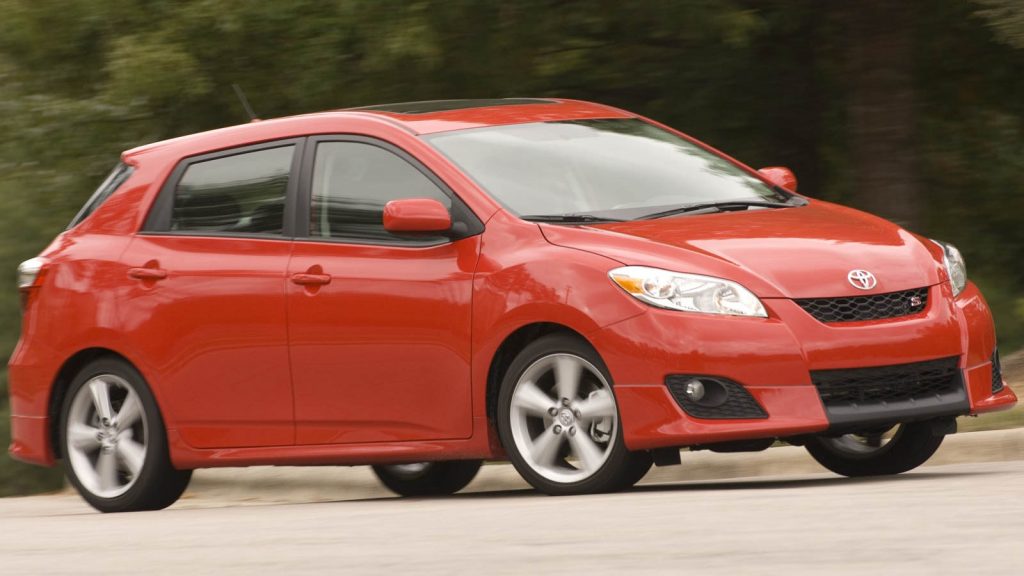
For grocery hauling, the Matrix performs particularly well due to its low load floor and accessible cargo area. Loading and unloading items is straightforward, and the tall roofline allows for effective vertical stacking, which is often overlooked but highly practical for everyday use.
Another advantage is its maneuverability. Despite offering cargo capacity comparable to some small SUVs, the Matrix remains easy to drive and park, especially in urban environments. This balance between size and utility makes it ideal for frequent shopping trips and daily errands.
Reliability further enhances its appeal. Sharing its platform with the Corolla, the Matrix benefits from a strong reputation for durability and relatively low maintenance costs, making it a dependable choice for consistent use.
Within a list of the best used vehicles for carrying significant gear and groceries, the Matrix represents efficient space utilization. It may not be the largest option available, but its smart design, flexibility, and reliability make it one of the most practical choices in its segment.
2. Pontiac Vibe
The Pontiac Vibe is a highly practical used vehicle for owners who regularly carry groceries, tools, or bulky everyday cargo.
Developed as a joint effort between General Motors and Toyota, it shares its engineering with the Toyota Matrix, combining compact dimensions with an efficient and versatile interior layout.
One of the Vibe’s strongest attributes is its cargo flexibility. It offers about 20 cubic feet of space behind the rear seats and up to roughly 50 cubic feet when the seats are folded.
The rear seats fold flat to create a wide and usable load floor, and some trims include a fold-flat front passenger seat, allowing longer items to fit without difficulty. This makes it suitable for transporting everything from grocery loads to small furniture or equipment.
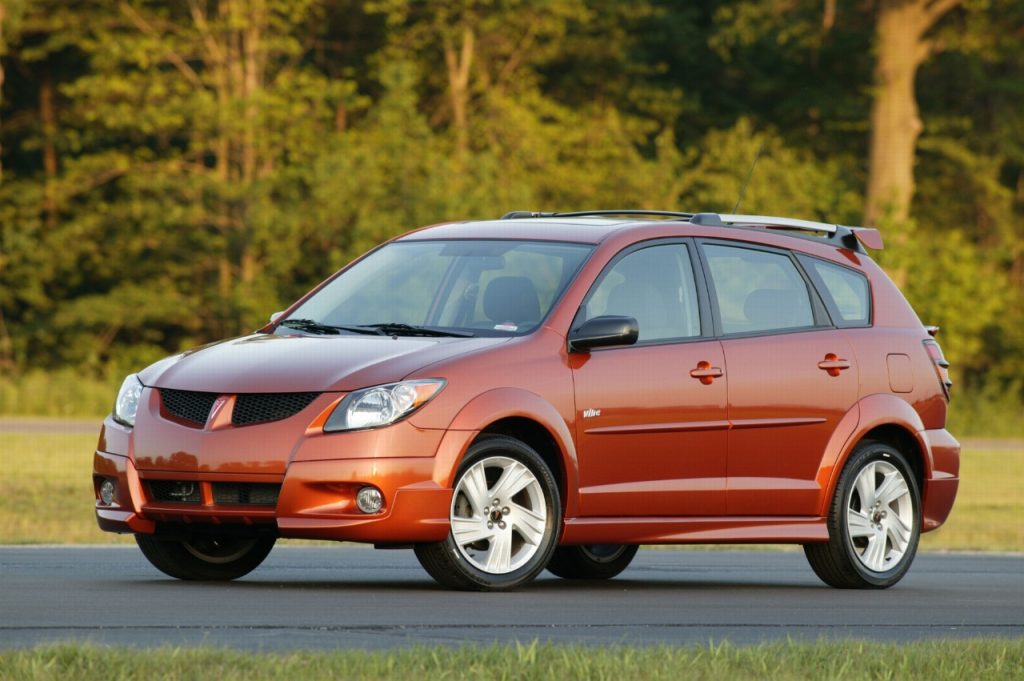
The hatchback design enhances practicality compared to traditional sedans. Its wide rear opening and tall roofline make loading and unloading easier, especially for larger or awkwardly shaped items. The shared passenger and cargo space also allows for more adaptable storage configurations depending on daily needs.
Another advantage is its balance between size and usability. The Vibe provides cargo capacity comparable to some small SUVs while remaining easy to drive and park. This makes it particularly effective for city use, frequent shopping trips, or routine hauling tasks where maneuverability matters.
Reliability is a key factor in its appeal. With Toyota-based mechanical components, the Vibe is known for durability and relatively low maintenance costs. This is especially valuable for owners who depend on their vehicle for regular transport of goods.
3. Mazda5
The Mazda5 is a highly practical used vehicle for owners who need to carry both passengers and cargo on a regular basis. It combines compact exterior dimensions with minivan-like functionality, making it especially useful for families, grocery hauling, and mixed-use transport.
One of its key strengths is interior flexibility. The Mazda5 features three rows of seating for up to six passengers, but the rear seats can be folded flat to create a large, continuous cargo area.
With both rear rows folded, it offers significantly more usable space than most compact cars and even competes with some SUVs. This makes it well-suited for large grocery runs, transporting bulky items, or handling light moving tasks.
The seating configuration allows the vehicle to adapt easily to different needs. With all seats in use, it functions as a people mover.
Folding the third row increases cargo space while still accommodating passengers, and folding both rear rows transforms it into a cargo-focused vehicle. This level of versatility is a major advantage over sedans and smaller hatchbacks.
A standout feature is its sliding rear doors. These improve accessibility in tight parking spaces and make loading groceries, boxes, or child seats more convenient. This is particularly beneficial in urban environments where space is limited.
The Mazda5 also benefits from a low load floor and wide rear opening, which simplify loading and unloading heavier items. Despite its interior capacity, it remains easy to maneuver and park due to its relatively compact size.
For buyers who need flexibility without moving to a full-size minivan, the Mazda5 offers a strong balance. It can handle daily passenger duties while still providing the cargo capacity required for frequent hauling.
4. Kia Rondo
The Kia Rondo is a practical used vehicle for owners who need to carry significant gear, groceries, or a mix of passengers and cargo.
Positioned between a hatchback and a minivan, it offers a level of interior flexibility that is uncommon in vehicles of its size.
One of its key strengths is cargo capacity. It provides over 30 cubic feet of space behind the rear seats and up to around 65 cubic feet or more with the seats folded down, depending on the model year. This places it well above typical compact cars and closer to small SUVs in terms of usable space.
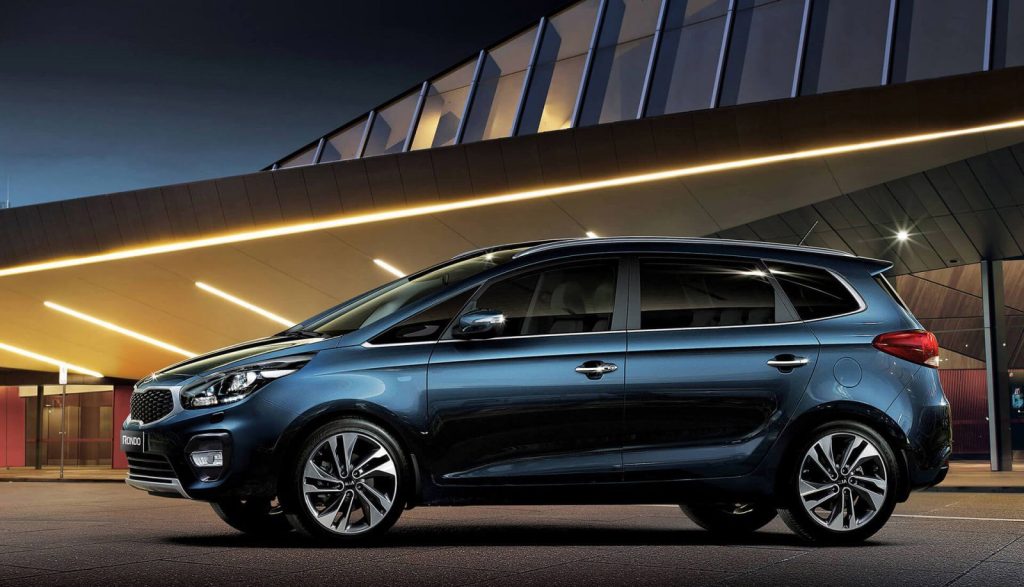
The interior is designed for adaptability. Many versions include an optional third row, allowing it to function as a people mover when needed.
Folding the rear seats creates a flat load floor, making it easier to transport bulky items such as groceries, boxes, or household goods. This flexibility is particularly useful for owners who switch between carrying passengers and hauling cargo.
The hatchback-style rear opening improves usability. A wide tailgate and relatively low load height make loading and unloading straightforward, even with heavier items. The tall roofline also allows for vertical stacking, which is helpful for maximizing space during large grocery runs.
Another advantage is its balance between size and practicality. Despite offering interior space comparable to larger vehicles, the Rondo remains easy to drive and park, especially in urban environments. This makes it suitable for daily errands and frequent transport needs without the bulk of a full-size minivan.
Most models come with a compact spare tire rather than a full-size spare, which means the usual limitations of temporary spares apply. However, this does not significantly reduce its overall usefulness as a cargo-focused vehicle.
5. Volvo XC70
The Volvo XC70 is a highly capable used vehicle for owners who regularly carry significant gear, groceries, or bulky items while still needing comfort and refinement. It combines wagon practicality with SUV-like capability, making it well-suited for high-volume cargo use.
One of its key strengths is cargo capacity. It offers about 20 cubic feet of space with the rear seats in place and over 70 cubic feet when the seats are folded down. The rear seats split in a 40/20/40 configuration, allowing a mix of passengers and cargo without sacrificing flexibility.
The wagon design provides clear advantages for hauling. It features a long, flat cargo floor and a relatively low load height, making it easier to load heavy or large items compared to taller SUVs. The wide rear opening also improves accessibility, while additional storage compartments help keep items organized.
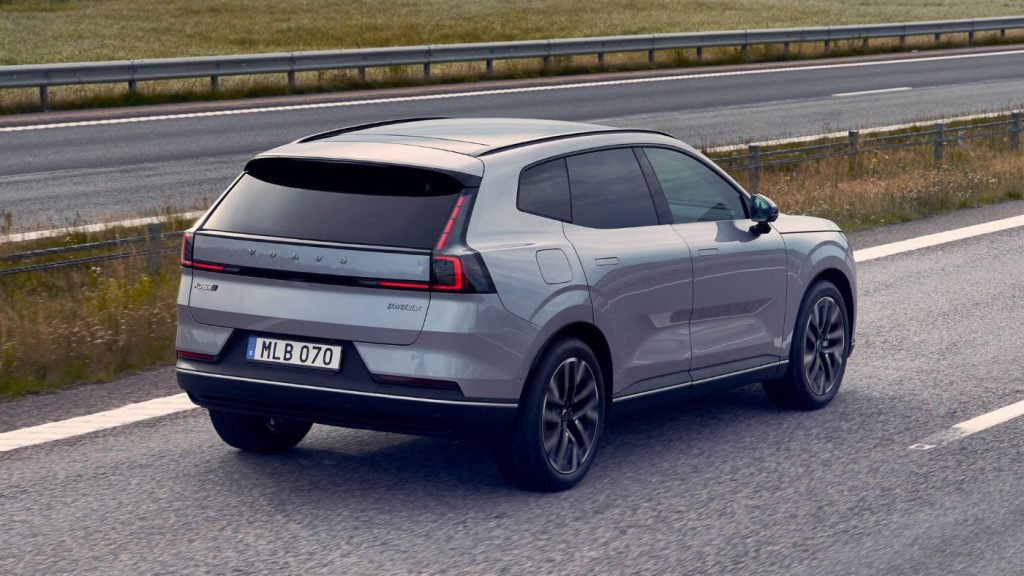
Another advantage is its balance between space and drivability. Despite offering cargo capacity similar to many midsize SUVs, the XC70 remains easier to handle and park. Its lower center of gravity also contributes to more stable driving, especially when carrying heavier loads.
The raised ride height and available all-wheel-drive system add versatility. The XC70 can handle rough roads and poor weather conditions more confidently than a traditional wagon, making it suitable for both urban use and more demanding environments.
Safety and durability are also key strengths. Volvo designed the XC70 with a strong focus on occupant protection and long-term reliability, which is important for owners who rely on their vehicle for regular transport tasks.
6. Honda Ridgeline
The Honda Ridgeline is a highly practical used vehicle for owners who need to carry heavy gear, groceries, or mixed cargo on a regular basis. Unlike traditional pickups, it uses a unibody design, which provides a smoother ride while still maintaining strong utility.
One of its most notable features is its cargo system. The Ridgeline offers a spacious truck bed along with a lockable in-bed trunk, giving it a dual-storage setup that is uncommon in the segment.
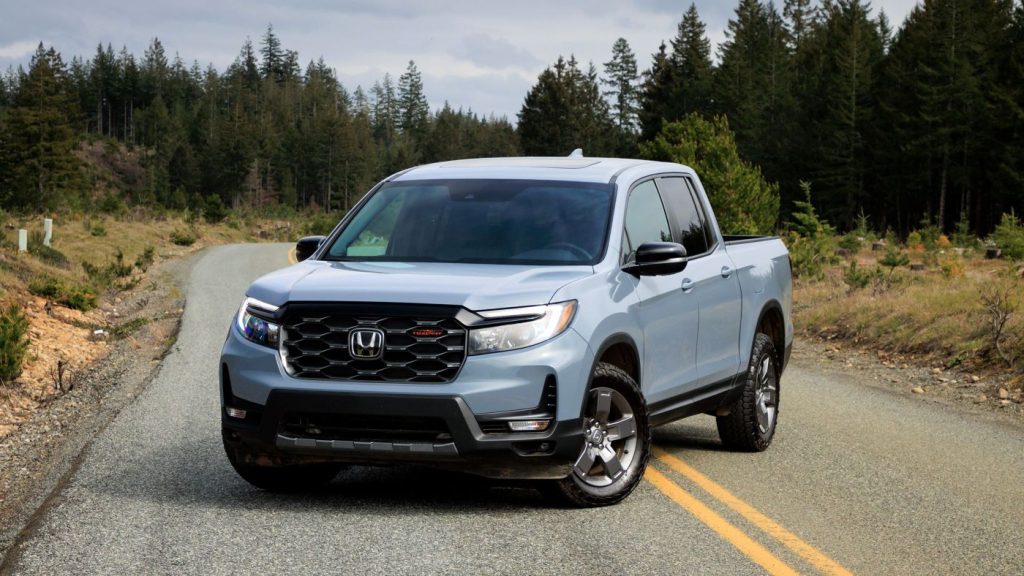
The main bed is ideal for large or bulky items, while the in-bed trunk provides secure storage for groceries, tools, or smaller items that need protection from weather or theft.
The truck bed is designed for usability, with a flat floor that makes it easier to load items like boxes or furniture. It also includes a dual-action tailgate that can open downward or swing to the side, improving access when loading or unloading in tight spaces.
Another strength is its payload capacity, which is sufficient for carrying heavy loads such as equipment, supplies, or large grocery hauls. This makes it suitable for both personal and light-duty work use.
7. Ford Transit Connect Wagon
The Ford Transit Connect Wagon is a highly practical used vehicle for owners who need maximum cargo space along with everyday usability. It sits between a passenger vehicle and a commercial van, making it especially effective for carrying groceries, equipment, or a mix of cargo and passengers.
One of its main strengths is cargo capacity. With all seats in place, it offers modest storage space, but with the rear seats folded, it expands to over 100 cubic feet. This puts it well ahead of most compact SUVs and allows it to function almost like a small cargo van when needed.
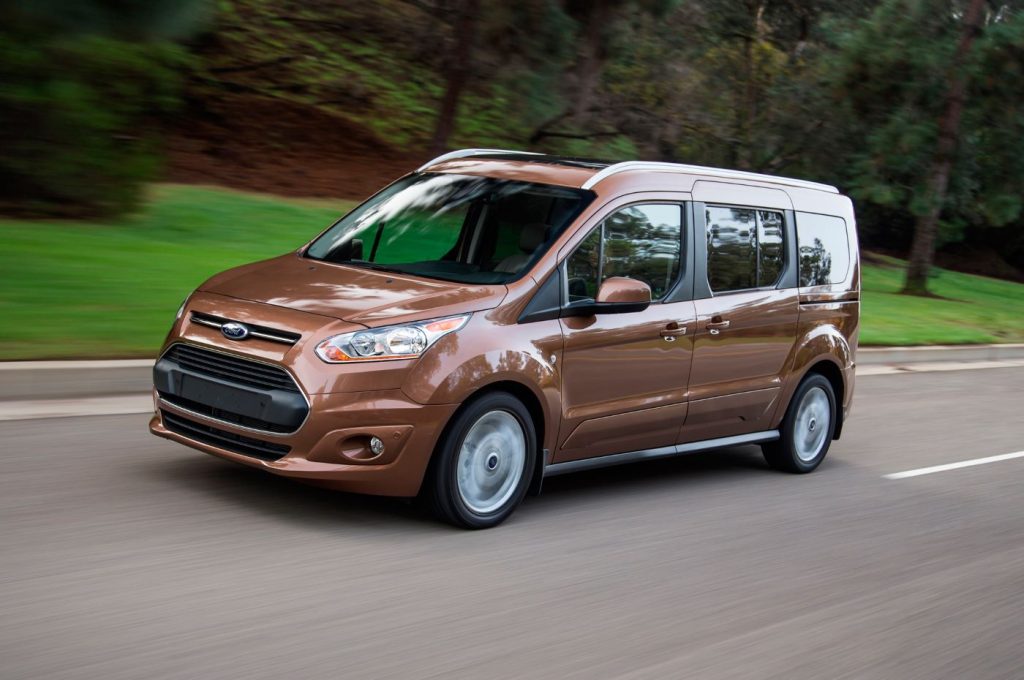
The interior is designed for flexibility. Many models come with three rows of seating, but the rear rows can be folded or removed to create a large, flat load area. This makes it easy to switch between carrying passengers and transporting bulk items, which is useful for both family use and work-related tasks.
Practicality is further enhanced by its design. Sliding side doors provide easy access in tight parking spaces, while the large rear opening simplifies loading and unloading. The low load floor also makes it easier to handle heavier items, which is beneficial for frequent grocery runs or equipment transport.
8. Chevrolet Orlando
The Chevrolet Orlando is a highly practical used vehicle for owners who need to carry both passengers and large amounts of cargo.
Designed as a compact multi-purpose vehicle (MPV), it offers three-row seating and a flexible interior layout that makes it particularly effective for grocery hauling and everyday transport needs.
One of its main strengths is interior adaptability. The Orlando seats up to seven passengers, but both the second and third rows can be folded flat to create a large cargo area.
The design emphasizes practicality. The tall roofline and boxy shape maximize usable interior volume, making it easier to load bulky items such as grocery bags, boxes, or household goods.
The wide rear opening and relatively low load floor further improve accessibility, reducing effort when loading heavier items.
Another advantage is its balanced usability. Despite offering space comparable to larger SUVs or minivans, the Orlando maintains manageable exterior dimensions.
This makes it easier to drive and park, particularly in urban environments where space is limited. It effectively provides minivan-like functionality without the size penalty of a full-size vehicle.
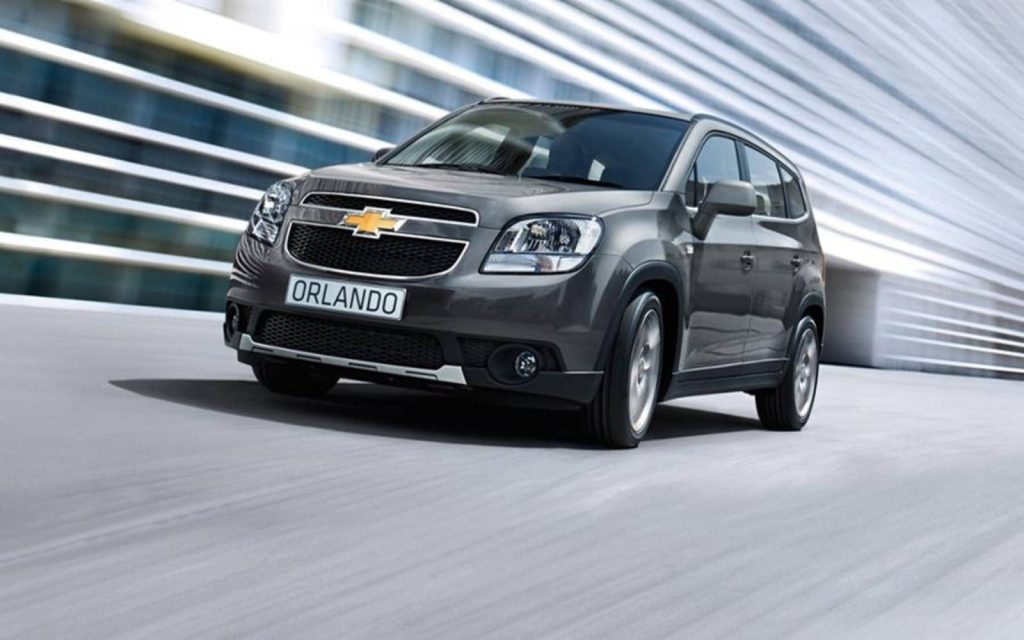
The seating configuration also adds flexibility. The ability to fold individual rows allows users to carry passengers while still maintaining usable cargo space. This is particularly useful for families or users who frequently switch between transporting people and hauling goods.
One limitation to note is that many versions were equipped with a tire repair kit instead of a spare tire, reflecting a shift toward cost and weight savings in that era. This introduces the typical constraints associated with repair kits, especially in cases of severe tire damage.
In the context of the best used vehicles for carrying significant gear and groceries, the Chevrolet Orlando stands out for offering three-row flexibility and strong cargo capacity in a compact, efficient package. It is especially well-suited for buyers who need maximum interior versatility without moving to a larger minivan.
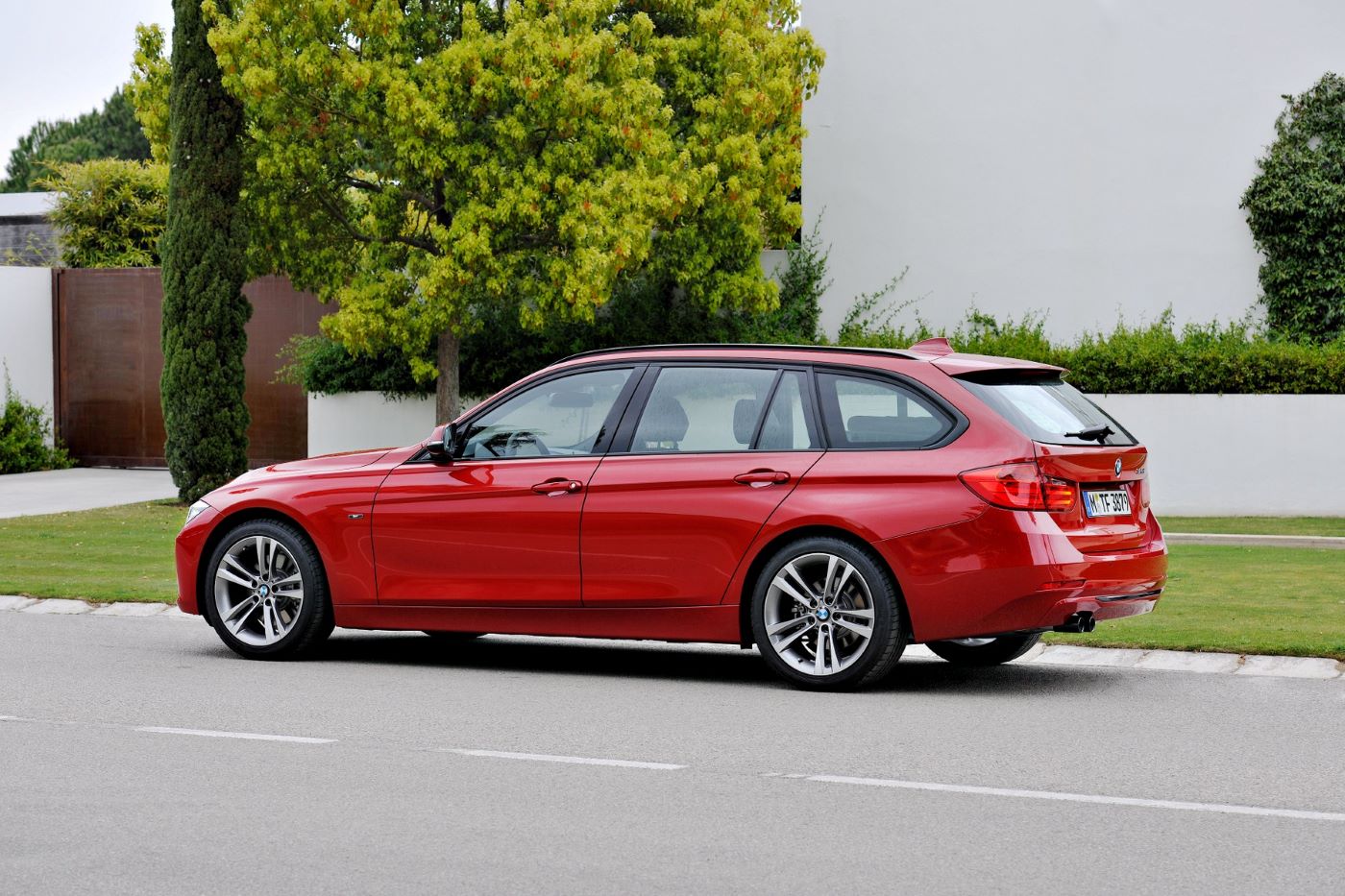
9. BMW 3 Series Sports Wagon
The BMW 3 Series Sports Wagon is a practical choice for buyers who want strong driving performance without giving up everyday cargo usability. As a compact luxury wagon, it balances refinement, handling, and functional space in a way that few vehicles in its class can match.
It offers around 17 to 18 cubic feet of cargo space with the rear seats in place and over 50 cubic feet with the seats folded down. This provides enough room for groceries, luggage, or larger household items while maintaining a relatively compact exterior size.
The wagon design improves usability compared to a sedan. The extended roofline and rear liftgate make it easier to load taller or awkwardly shaped items. The split-folding rear seats also allow for a mix of passengers and cargo, which is useful for daily tasks.
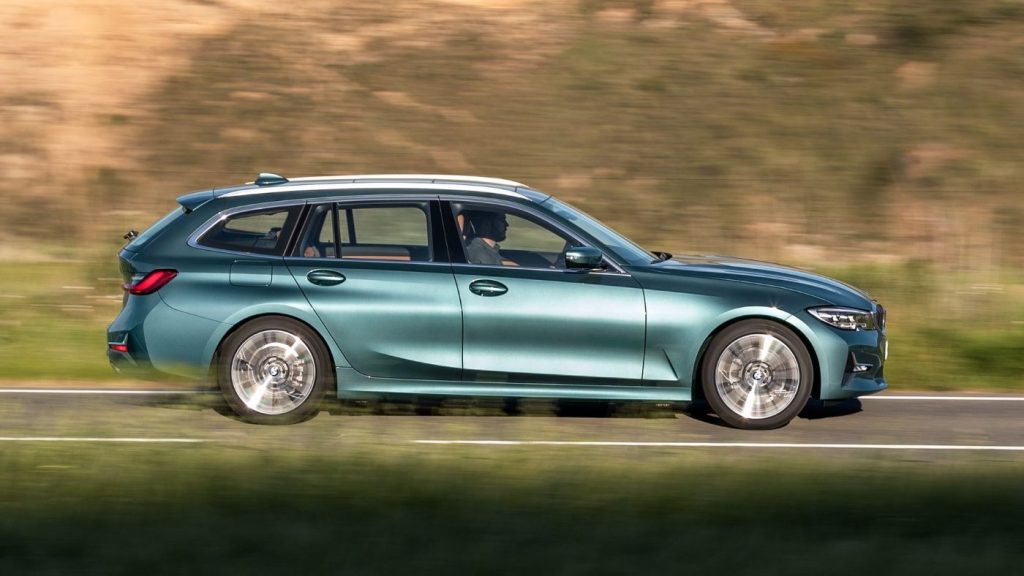
The cargo area itself is long and relatively flat, making it easier to organize and transport items without needing to reposition them. Additional features such as underfloor storage and, in some models, a separate opening rear glass section add convenience for quick access.
A key advantage of the 3 Series Sports Wagon is its driving experience. It retains the handling and responsiveness of a sports sedan, making it more engaging to drive than larger cargo-focused vehicles. This makes it a strong option for users who want practicality without sacrificing performance.
It also remains easy to maneuver and park, especially in urban environments, while still offering cargo space comparable to some compact SUVs.
While it does not match the total cargo capacity of larger vehicles like SUVs or vans, it delivers a higher level of refinement and driving quality.
In a list of the best used vehicles for carrying significant gear and groceries, the BMW 3 Series Sports Wagon stands out for combining everyday practicality with a more premium and engaging driving experience.
10. Nissan NV200
The Nissan NV200 is a highly practical used vehicle designed specifically for carrying large amounts of gear and groceries. As a compact commercial van, it focuses on maximizing usable cargo space while maintaining a small and manageable footprint.
Its biggest strength is cargo capacity. The NV200 offers over 120 cubic feet of cargo space behind the front seats, which is significantly more than most SUVs or wagons. The large, open cargo area allows it to handle bulk grocery loads, stacked boxes, or equipment without space limitations.
The design is centered on usability. Sliding side doors and wide rear cargo doors make loading and unloading easy, even in tight parking spaces. The low cargo floor reduces lifting effort, which is especially useful when handling heavy or frequent loads.
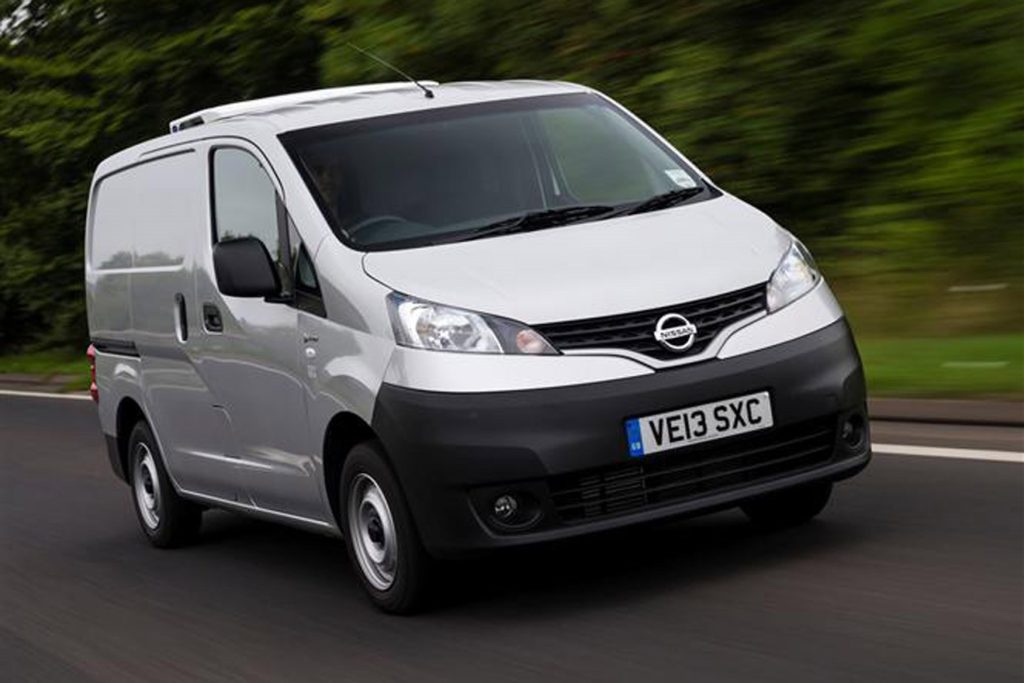
Interior flexibility adds to its practicality. In some versions, the front passenger seat can fold down, allowing longer items to fit inside the cabin. This makes it suitable for transporting items like furniture or long packages in addition to standard cargo.
Despite its commercial focus, the NV200 remains easy to drive. Its compact size and tight turning radius make it well-suited for city use, where maneuverability and parking are important.
It also offers a solid payload capacity, allowing it to carry heavier loads without issue. This makes it useful not only for personal errands but also for light-duty work tasks.
The main trade-off is comfort, as it is more utility-focused than passenger-oriented vehicles. It is also typically equipped with a repair kit or compact spare, depending on the model.
In a list of the best used vehicles for carrying significant gear and groceries, the Nissan NV200 stands out for delivering maximum cargo efficiency in a compact and practical form.
Across all these vehicles, several design principles consistently improve cargo usability:
- Boxy shapes maximize usable volume rather than wasted space
- Flat-folding seats create continuous cargo floors
- Low liftover height reduces strain when loading heavy items
- Wide rear openings allow bulky items to fit easily
- Vertical side walls improve stacking and organization
Vehicles that prioritize styling often compromise these fundamentals, resulting in less practical cargo areas despite larger exterior dimensions.
For drivers who regularly carry significant gear, the best used vehicles are those designed around function, accessibility, and flexibility. Models like the Toyota Matrix, Ford Transit Connect Wagon, and Mazda5 stand out because they make everyday loading and unloading easier, not just possible.
In the U.S. used market, these vehicles remain some of the most efficient and cost-effective solutions for high-capacity daily hauling, especially for buyers who value practicality over trends.
