
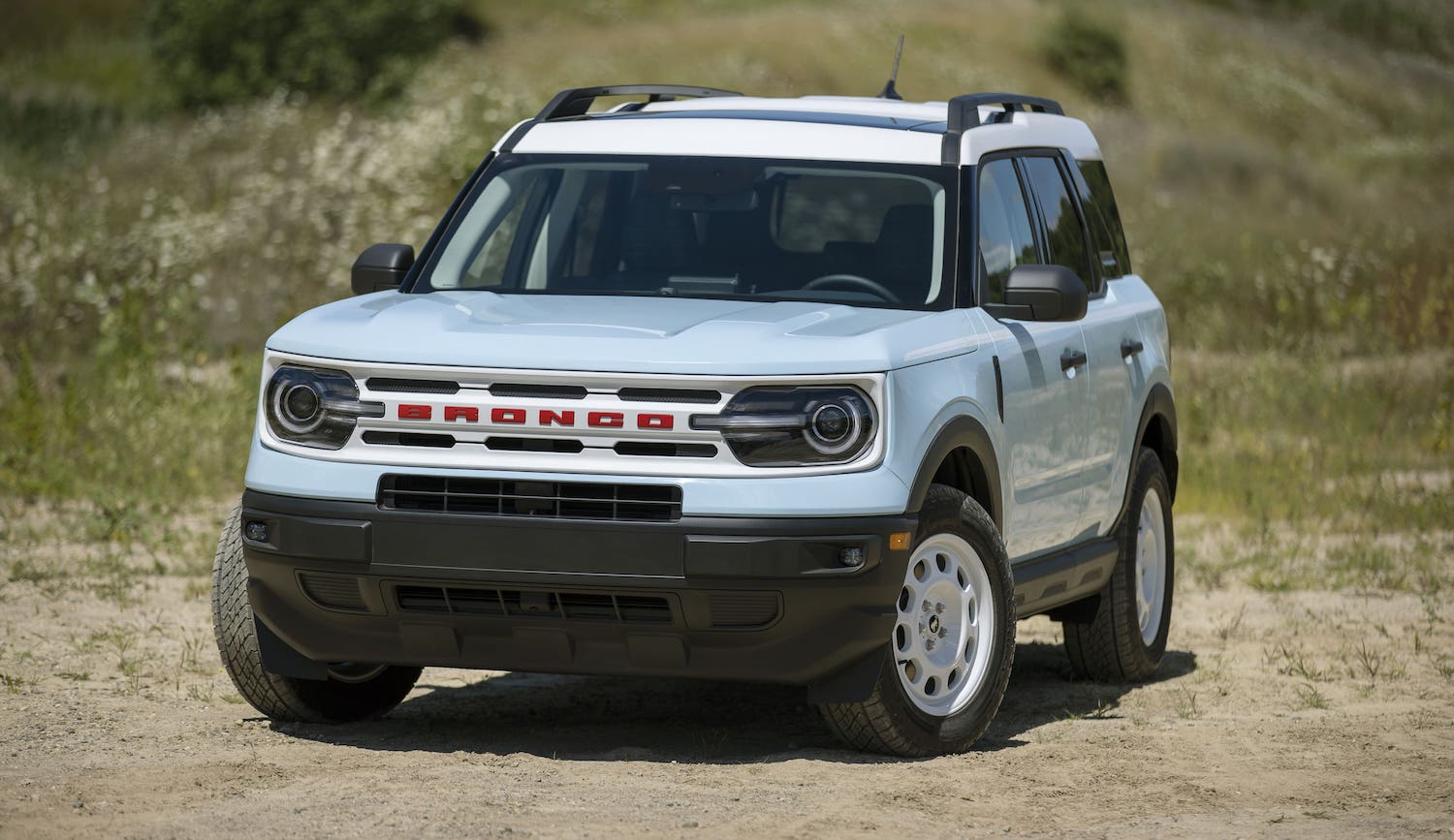
As automakers continue to reduce weight, cut costs, and free up interior space, full-sized spare tires are rapidly disappearing from new vehicles. In fact, only a small percentage of modern cars still include one, with many relying instead on temporary “donut” spares or repair kits.
While that shift may make sense from a manufacturing standpoint, it introduces real-world compromises for drivers. For buyers evaluating 2026 models, choosing a vehicle that still includes a full-sized spare is less about nostalgia and more about practical reliability, safety, and independence.
1. True Drive-Anywhere Capability
A full-sized spare tire is one of the last remaining features that genuinely supports unrestricted mobility, especially in conditions where modern convenience-focused design falls short.
In a 2026 vehicle landscape increasingly dominated by tire repair kits and compact “donut” spares, the presence of a full-size spare directly translates to operational independence. It allows a driver to continue a journey without modifying speed, route, or driving behavior after a puncture or sidewall failure.
Vehicles like the Jeep Wrangler and Ford Bronco illustrate this principle clearly. Both are engineered with environments in mind where roadside assistance is either delayed or entirely unavailable.
A full-size spare ensures that if a tire fails on rocky trails, desert terrain, or unpaved rural roads, the replacement does not compromise ground clearance, traction balance, or drivetrain stress. This is particularly relevant for four-wheel-drive systems, where mismatched tire diameters can negatively affect differentials and electronic traction controls.
The limitation of temporary spares becomes apparent the moment they are deployed. Donut spares typically impose strict speed caps, often around 80 km/h, and reduced driving distances.
That effectively forces a detour toward the nearest repair facility, regardless of location or timing. In contrast, a full-size spare restores the vehicle to near-original operating condition, allowing the driver to proceed as planned, whether that involves long-distance highway travel or continued off-road exploration.
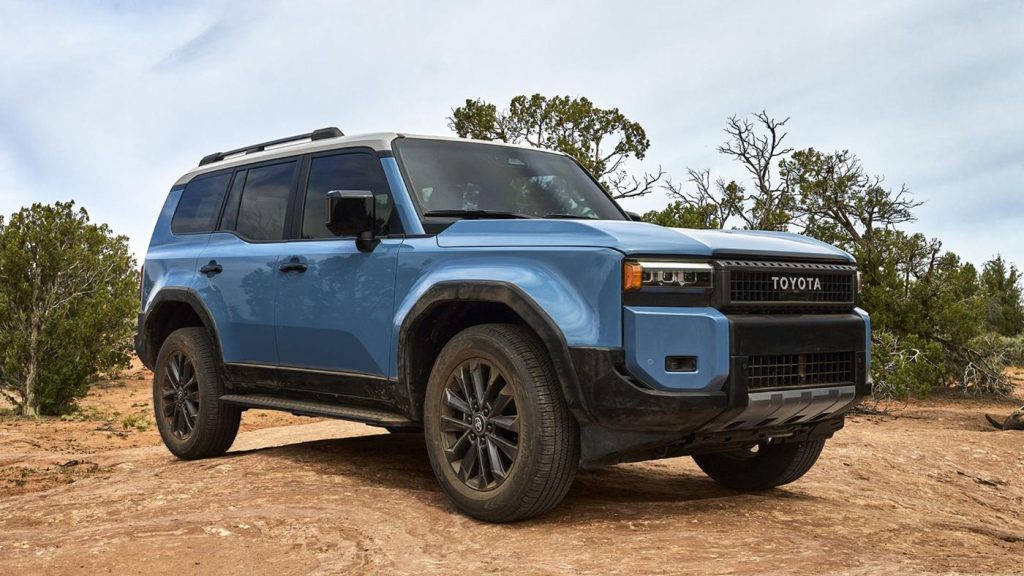
For vehicles such as the Toyota Land Cruiser and Land Rover Defender, this capability is not optional, it is foundational. These models are frequently used in remote regions where infrastructure is limited and terrain unpredictability is high.
A full-size spare is less about convenience and more about risk mitigation. It eliminates reliance on external support systems and reduces exposure to delays that could escalate into safety concerns.
Even in less extreme use cases, such as long intercity drives or travel through underdeveloped road networks, the advantage remains tangible.
A driver equipped with a full-size spare does not need to immediately interrupt a trip due to a tire issue. Instead, the repair can be deferred to a controlled setting, preserving both schedule and safety.
In practical terms, a full-size spare converts a potential trip-ending event into a manageable inconvenience. That distinction is critical, and it underpins why this seemingly old-fashioned feature continues to hold relevance in modern vehicle design.
2. No Speed or Distance Limitations
One of the most practical advantages of a full-sized spare tire is the complete absence of operational restrictions after installation. Unlike compact “donut” spares, which impose strict limits on both speed and driving distance, a full-size spare allows the vehicle to function almost exactly as it did before the puncture.
This removes the need for immediate route changes, cautious driving, or urgent repairs, all of which can disrupt travel plans and introduce unnecessary risk.
Temporary spares are engineered as short-term solutions. They are typically narrower, constructed with lighter materials, and not designed to handle sustained highway speeds or extended use.
Most manufacturers recommend keeping speeds below 80 km/h and limiting travel to a relatively short distance. These constraints are not arbitrary; exceeding them can lead to overheating, uneven wear, and compromised vehicle stability.
By contrast, a full-size spare eliminates these limitations entirely. Vehicles such as the Toyota Land Cruiser and Subaru Outback Wilderness are designed with this capability in mind, ensuring that the spare matches the original tire’s dimensions and performance characteristics.
This becomes particularly important on long-distance routes where service stations or tire repair facilities may be infrequent.
With a temporary spare, drivers are often forced to exit highways early, reduce speed significantly, and search for assistance under pressure. A full-size spare removes that urgency, allowing the journey to continue uninterrupted until a convenient repair opportunity arises.

3. Maintains Proper Handling and Safety
A full-sized spare tire preserves the vehicle’s original dynamics after a tire failure, which is critical for maintaining predictable handling, braking stability, and overall safety.
Modern vehicles are engineered with precise tire specifications, including diameter, width, and load rating. Deviating from these parameters, even temporarily, can alter how the vehicle responds to steering inputs, weight transfer, and road conditions.
Compact spares introduce an inherent imbalance. Their reduced size changes the rolling circumference, which affects wheel speed synchronization across the axle.
This can lead to uneven braking forces, compromised traction control responses, and less stable cornering behavior. In emergency maneuvers such as sudden lane changes or hard braking, these inconsistencies can increase stopping distances and reduce driver confidence.
By contrast, a full-size spare matches the original tire’s specifications, ensuring uniform contact with the road surface. Vehicles such as the Subaru Outback Wilderness and Ford Bronco are designed to retain consistent performance even after a tire swap.
This is particularly important for vehicles that may encounter variable terrain or require precise control under load, where predictable handling is essential for safety.
The impact is even more pronounced in vehicles equipped with advanced driver assistance systems and all-wheel-drive configurations. These systems rely on consistent wheel speeds and traction levels to function correctly.
A mismatched spare can interfere with sensor inputs and system calibration, potentially reducing the effectiveness of stability control, anti-lock braking, and torque distribution. A full-size spare avoids these conflicts, allowing safety systems to operate as intended.
Load distribution is another critical factor. When one wheel differs in size or capability, it can shift stress unevenly across the suspension and braking system.
This not only affects immediate handling but can also accelerate wear on components if the vehicle is driven beyond short distances. A full-size spare maintains balance across all four wheels, preserving both short-term safety and long-term mechanical integrity.
In practical terms, a full-size spare ensures that the vehicle remains stable, responsive, and predictable after a tire failure. It eliminates the compromises associated with temporary solutions and supports the driver’s ability to maintain control in both routine and high-demand driving situations.
4. Reduces Risk in Emergency Situations
A full-sized spare tire plays a direct role in reducing exposure to risk when a tire failure occurs under unfavorable conditions. Breakdowns rarely happen at convenient times or locations.
They often occur at highway speeds, in low-visibility environments, or on poorly maintained roads. In these scenarios, the ability to restore the vehicle to full operating condition immediately is not just a convenience, it is a safety factor.
Temporary spares and repair kits introduce constraints that can increase vulnerability. A puncture on a high-speed roadway, for example, forces the driver to pull over, install a limited-use spare, and then proceed at reduced speeds.
This creates a speed differential relative to surrounding traffic, which can elevate the likelihood of secondary incidents. In contrast, a full-size spare allows the driver to rejoin traffic at normal speeds, maintaining flow consistency and reducing exposure to passing vehicles.
Vehicles such as the Ford Bronco and Jeep Wrangler are designed with this principle in mind. Their inclusion of full-sized spares is not incidental; it reflects an understanding that users may encounter unpredictable terrain or emergency conditions where immediate, unrestricted mobility is essential.
Whether it is navigating out of a remote trail, avoiding hazardous weather, or reaching assistance without delay, the absence of operational limitations becomes critical.
There is also a situational safety component in urban and semi-urban environments. Stopping on narrow shoulders, poorly lit roads, or high-traffic areas to address a tire issue can be inherently dangerous. A repair kit may fail if the damage is severe, such as a sidewall tear, leaving the driver stranded.
A compact spare, while functional, still necessitates cautious driving and quick resolution. A full-size spare minimizes time spent in vulnerable roadside conditions and allows the driver to relocate to a safer, more controlled environment before addressing the issue further.
5. Better for Heavy Loads and Family Use
Temporary spares are not engineered to carry sustained heavy loads. Their reduced width and lighter construction limit their load-bearing capacity, which can become problematic in vehicles carrying multiple occupants, luggage, or towing equipment.
This is particularly relevant for SUVs and crossovers commonly used for family travel. Installing a donut spare in such scenarios forces the driver to reduce speed, avoid sudden maneuvers, and seek immediate repair, constraints that are not always practical during long trips or in remote areas.
A full-size spare eliminates these limitations by matching the original tire’s specifications. Vehicles such as the Honda Passport and Subaru Outback Wilderness are designed with this use case in mind, ensuring that even after a tire failure, the vehicle can continue to handle weight and road conditions without compromise.
This is especially valuable for families traveling on highways, where consistent speed and predictable handling are critical for safety.
Load distribution is another key factor. When one wheel differs significantly in size or capability, it can create uneven stress across the axle. This affects braking balance, cornering stability, and tire wear on the remaining wheels.
In extreme cases, it can also place additional strain on drivetrain components, particularly in all-wheel-drive systems. A full-size spare maintains uniformity across all four wheels, preserving the vehicle’s engineered balance even under heavy loads.
For family use, there is also a logistical advantage. Long-distance travel often involves tight schedules, limited stops, and unfamiliar routes. A tire failure with only a temporary spare available can disrupt the entire journey, forcing detours and delays.
With a full-size spare, the driver retains flexibility, continuing the trip without immediate interruption and addressing the damaged tire at a more convenient time and location.

6. Avoids Dependence on Repair Kits
Modern vehicles increasingly replace spare tires with sealant-based repair kits, primarily to reduce weight and free up packaging space.
While these kits can be effective in very specific scenarios, they introduce a level of uncertainty that is incompatible with reliable, real-world driving. A full-sized spare removes that uncertainty entirely by providing a definitive, mechanical solution rather than a conditional, temporary fix.
Repair kits are limited by the nature of the damage. They typically work only on small punctures within the tread area and are ineffective against sidewall damage, larger tears, or blowouts. In those cases, the sealant either fails to contain the air loss or cannot be applied at all.
This leaves the driver stranded despite having “emergency equipment” onboard. In contrast, a full-size spare is indifferent to the type of tire failure. Whether the damage is minor or severe, the response is the same: replace the wheel and continue driving.
There are also practical drawbacks to using sealant systems. The process itself can be inconvenient and sometimes messy, requiring the driver to inject chemical sealant into the tire and inflate it using a compressor.
Once used, the tire often becomes more difficult to repair properly, and in some cases, the internal pressure monitoring sensors may be affected. This adds downstream cost and complexity that extends beyond the initial incident.
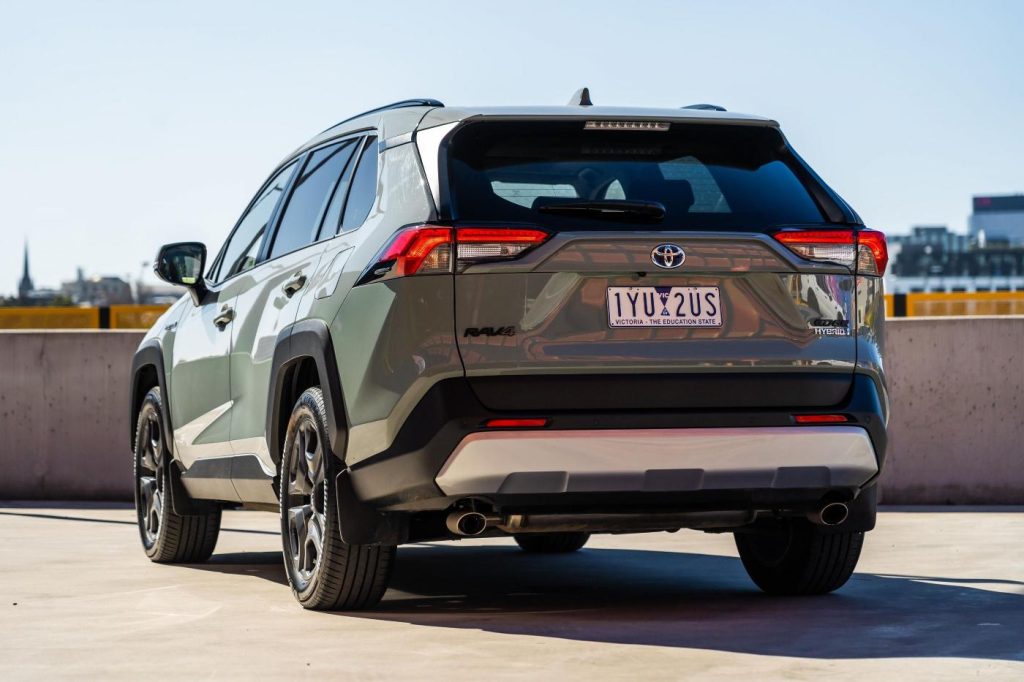
Vehicles such as the Toyota RAV4 and Jeep Wrangler demonstrate why a physical spare remains relevant. By including a full-size spare, they eliminate reliance on systems that may or may not function depending on the situation.
This is particularly important in remote areas or during long-distance travel, where access to immediate assistance is limited and failure of a repair kit could result in extended delays.
7. Long-Term Cost and Convenience Benefits
A full-sized spare tire delivers measurable advantages over time by reducing both direct expenses and indirect disruptions associated with tire failures.
While manufacturers often omit full-size spares to lower production costs and improve efficiency metrics, the long-term ownership experience tends to favor vehicles that retain this feature.
One of the primary cost factors involves tire replacement and repair outcomes. Sealant-based repair kits frequently render a tire difficult or impossible to repair properly after use, particularly if the compound contaminates the inner lining or pressure monitoring components.
This can convert what would have been a low-cost puncture repair into a full tire replacement. A full-size spare avoids this escalation entirely by allowing the damaged tire to be assessed and repaired under controlled conditions, without chemical interference.
There is also a financial impact tied to emergency services. Vehicles without a usable spare often rely on roadside assistance or towing when a repair kit fails or is not applicable.
These services can carry recurring costs, especially outside warranty coverage or in remote areas. By contrast, a full-size spare enables immediate self-recovery, eliminating dependence on external support and the associated fees.
From a wear-and-tear perspective, maintaining consistent tire dimensions across all four wheels helps preserve drivetrain integrity. Vehicles equipped with all-wheel-drive systems are particularly sensitive to differences in tire circumference.
Prolonged use of a temporary spare can introduce uneven load distribution and additional strain on components such as differentials and transfer cases. A full-size spare mitigates this risk, potentially avoiding costly mechanical repairs over the vehicle’s lifespan.
Convenience is another significant factor. Tire failures rarely align with ideal timing. They can interrupt commutes, long-distance travel, or time-sensitive commitments.
A temporary spare forces immediate adjustments, reduced speeds, and a search for the nearest repair facility. A full-size spare removes that urgency, allowing the driver to continue with minimal disruption and address the issue when it is logistically practical.
Vehicles such as the Toyota Land Cruiser and Honda Passport exemplify this ownership approach by prioritizing durability and user autonomy.
Their inclusion of full-size spares aligns with use cases where reliability and long-term usability outweigh marginal efficiency gains.
The presence of a full-size spare reduces unexpected expenses, minimizes downtime, and simplifies the ownership experience. It represents a small upfront inclusion that yields consistent, practical benefits throughout the life of the vehicle.
8. Greater Independence From Roadside Assistance
A full-sized spare tire materially reduces reliance on external support services by enabling immediate, self-contained recovery from most tire-related failures.
In contrast, vehicles equipped only with repair kits or compact spares often require assistance when the damage exceeds the limited scope those solutions can handle. This dependency introduces variability in response time, cost, and overall trip disruption.
Roadside assistance is inherently conditional. Availability depends on network coverage, location accessibility, and service demand at a given time. In urban settings, delays may be measured in hours; in remote areas, they can extend significantly longer.
A tire failure in such conditions can immobilize the vehicle entirely if no viable spare is available. A full-size spare removes this dependency by allowing the driver to restore mobility immediately, without waiting for external intervention.
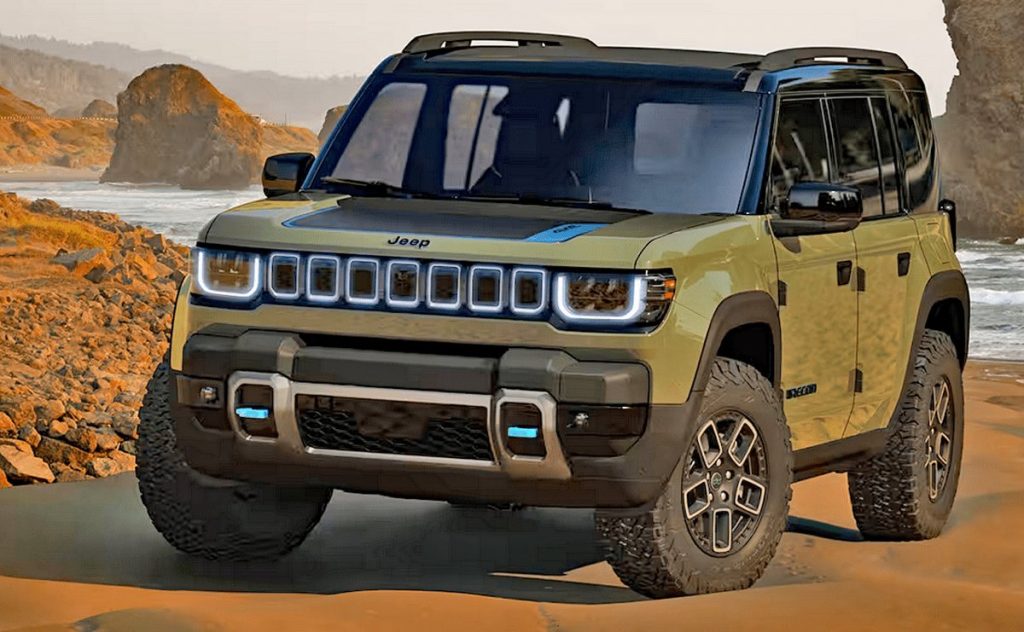
Vehicles like the Land Rover Defender and Toyota Land Cruiser are engineered with this autonomy in mind. Their inclusion of full-sized spares reflects use cases where drivers may operate far from service infrastructure, including rural routes, construction zones, or off-road environments.
There is also a reliability dimension to consider. Repair kits may fail depending on the type or severity of the damage, and compact spares impose operational limits that still necessitate a near-term stop for repairs.
If those options are insufficient, the driver is effectively forced to call for assistance anyway. A full-size spare provides a consistent fallback that works regardless of puncture type, eliminating uncertainty at the point of failure.
Independence from roadside services also translates into greater control over time and routing. Instead of diverting to the nearest service station or waiting in potentially unsafe roadside conditions, the driver can continue to a preferred destination or a trusted repair facility. This flexibility is particularly valuable during long-distance travel, nighttime driving, or in areas with limited infrastructure.
From an operational standpoint, a full-size spare converts a dependency-based recovery model into a self-sufficient one.
It ensures that a common failure point does not escalate into a logistical problem, preserving both mobility and decision-making control in situations where external assistance may be delayed, unavailable, or unnecessary.
The decline of full-sized spares is driven by cost, weight reduction, and packaging constraints, not by improved real-world usability. While compact spares and repair kits serve a purpose, they are fundamentally temporary solutions with clear limitations.
For 2026 buyers, prioritizing a vehicle that still includes a full-sized spare is a practical decision. It ensures consistent performance, reduces risk in emergencies, and preserves the ability to travel without interruption, especially in a country where distance and unpredictability remain part of everyday driving.
