In automotive design, the grille is not just a functional opening for airflow. It is the “face” of a vehicle, the primary identifier that allows drivers to recognize a brand or model from a distance.
In the United States, where cars have long been tied to identity, status, and culture, certain grille designs have become unmistakable visual signatures.
What separates an iconic grille from a forgettable one is consistency and intent. The most recognizable designs either remain largely unchanged over decades or introduce a bold visual language that defines an era.
From utilitarian shapes to oversized luxury statements, these grilles are immediately identifiable, even without badges.
1. Jeep Wrangler
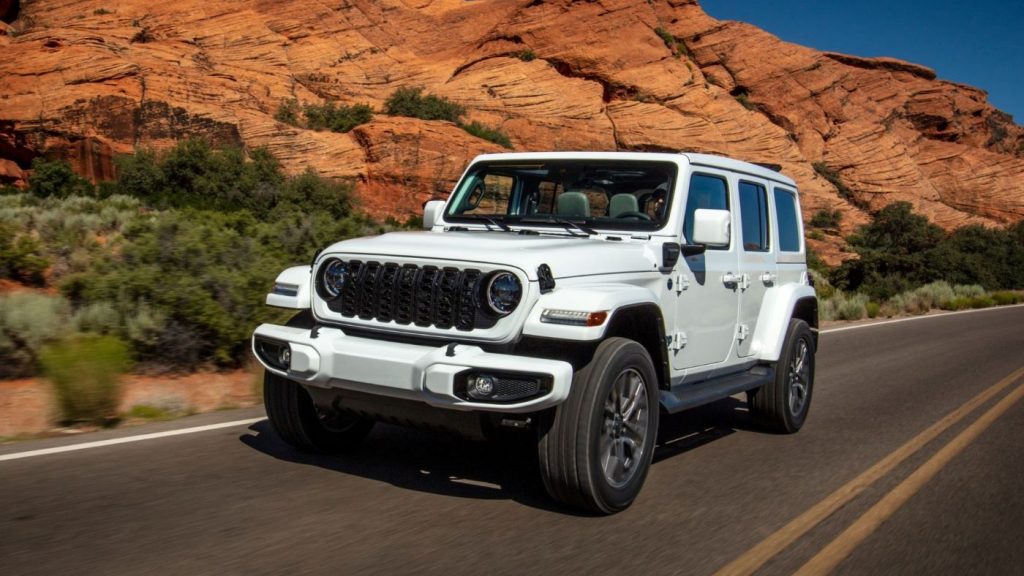
The Jeep Wrangler stands as one of the most recognizable vehicles in the world, largely thanks to its unmistakable seven-slot grille. This design element is not just a styling choice but a deeply rooted symbol of Jeep’s heritage, dating back to the original military vehicles used during World War II.
The grille itself is defined by its vertical slots, flanked by round headlights that give the Wrangler its rugged, almost utilitarian face. Unlike many modern SUVs that adopt sleek, aerodynamic front ends, the Wrangler leans into its boxy, upright proportions.
This deliberate design choice enhances both its visual identity and functional purpose, allowing for better airflow and durability in demanding off-road environments.
What makes the Wrangler’s grille particularly iconic is its consistency. While other manufacturers frequently redesign their front fascias to follow trends, Jeep has maintained the core structure of the seven-slot grille across generations.
Subtle updates, such as refined finishes, integrated turn signals, or slight reshaping, have modernized the look without compromising its legacy. This balance between evolution and tradition is a key reason why the Wrangler remains so visually distinct.
Beyond aesthetics, the grille carries symbolic weight. It represents freedom, adventure, and the spirit of exploration, values that Jeep has cultivated for decades. For enthusiasts, the sight of that grille is immediately associated with off-road capability, open-air driving, and a connection to nature. It is not merely a design feature but a badge of identity.
In urban settings or on remote trails, the Wrangler’s front end commands attention. Its bold, upright stance contrasts sharply with the more subdued designs of competitors, reinforcing its role as a purpose-built vehicle rather than a lifestyle imitation. This authenticity further strengthens the grille’s recognition factor.
2. Ford F-150
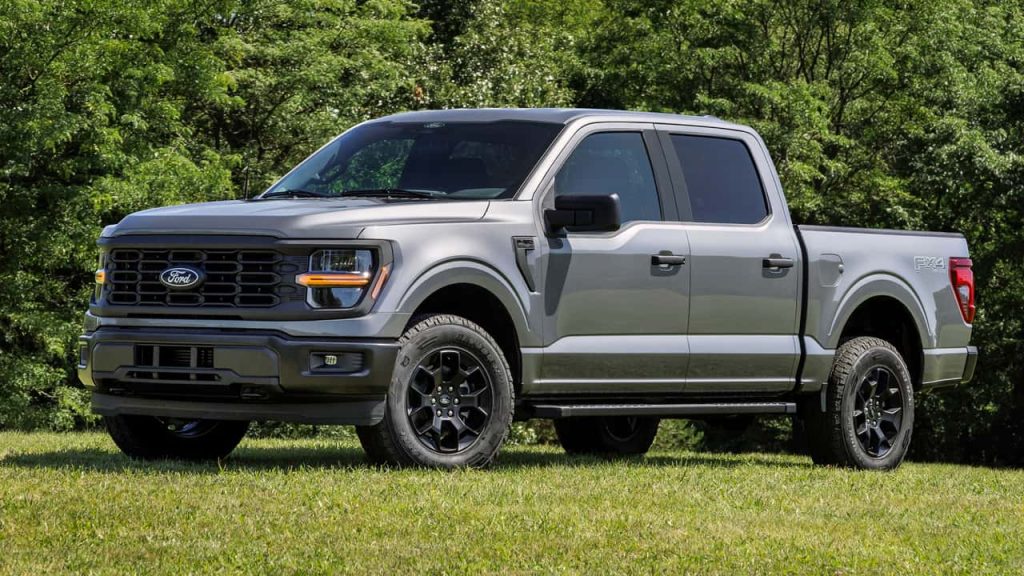
The Ford F-150 has long defined what an American pickup truck should look like, and a major part of that identity comes from its bold, unmistakable grille. As the best-selling truck in the United States for decades, the F-150’s front-end design has evolved while consistently maintaining a commanding presence that makes it instantly recognizable on any road.
At the center of its design is a wide, rectangular grille that emphasizes strength and utility. Typically finished in chrome, black mesh, or body-colored elements depending on the trim, the grille is almost always paired with the prominent Ford badge positioned front and center. This layout creates a strong visual anchor, reinforcing the truck’s rugged persona and making it easy to identify even from a distance.
What sets the F-150 apart is how its grille adapts across different trims while retaining a cohesive identity. From the work-focused XL models with simpler black grilles to the more premium trims like the Lariat, King Ranch, and Platinum, each version uses distinct textures and finishes to communicate its purpose.
Performance-oriented variants, such as the Raptor, push the design even further with aggressive lettering and a more pronounced, high-impact look. Despite these variations, the core structure remains unmistakably F-150.
3. Chevrolet Corvette C2
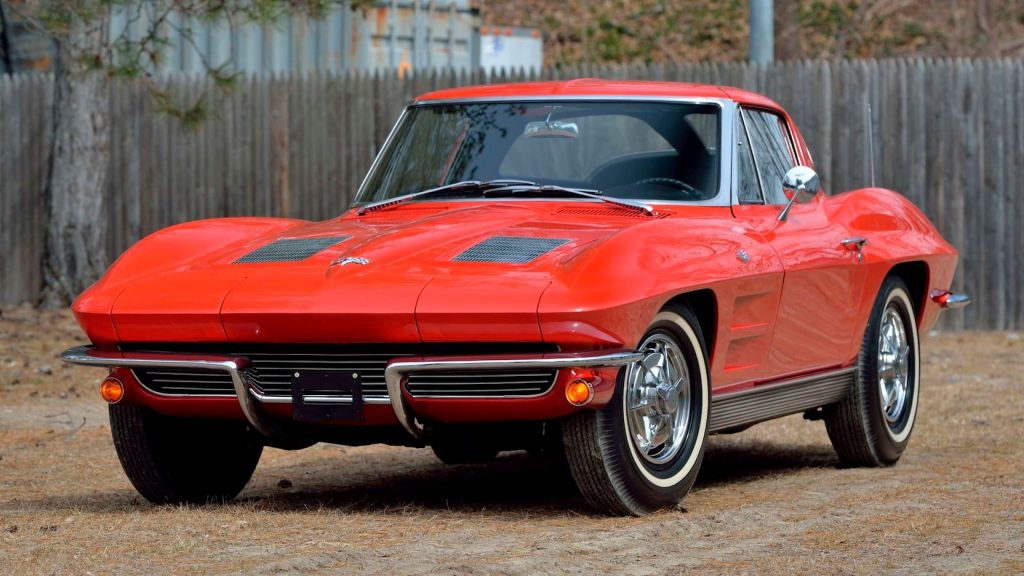
The Chevrolet Corvette C2, often referred to as the Sting Ray, introduced a radically different design language that remains one of the most celebrated in American automotive history. While the car is widely admired for its split rear window and sculpted body lines, its front grille plays an equally important role in establishing its unmistakable identity.
Unlike the large, upright grilles seen on many American cars of the 1960s, the Corvette C2 adopted a much lower, more integrated approach. The grille is subtly embedded into the front fascia, stretching horizontally across the nose with a clean, minimalist opening. This design choice emphasized aerodynamics and performance, setting it apart from the chrome-heavy styling of its contemporaries.
The absence of excessive ornamentation is key to its recognition. Instead of relying on bold chrome frames or oversized shapes, the C2’s grille works in harmony with the car’s sharp lines and aggressive stance.
Hidden headlights further enhance this clean look, allowing the front end to remain sleek and uninterrupted when the lights are not in use. The result is a purposeful, almost futuristic face that still looks refined decades later.
4. Cadillac Escalade
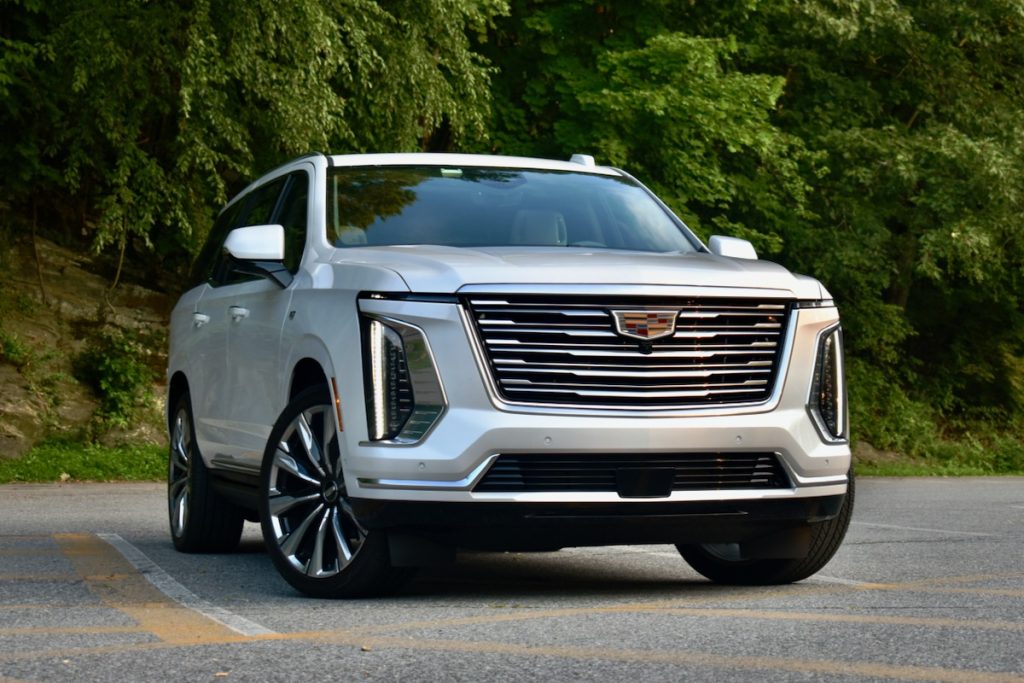
The Cadillac Escalade is synonymous with bold American luxury, and nowhere is that more evident than in its commanding front grille. Over the years, the Escalade has developed one of the most recognizable grille designs in the automotive world, serving as a visual statement of status, presence, and refinement.
At the core of its identity is a large, upright grille that dominates the front fascia. Unlike more understated luxury SUVs, the Escalade embraces scale and prominence. The grille is typically finished with intricate patterns, often chrome-heavy or featuring a dark, gloss-black mesh depending on the trim.
Centered within it is the Cadillac crest, reinforcing the brand’s premium positioning and heritage. This combination of size, detail, and symmetry makes the Escalade instantly identifiable, even from a distance.
What distinguishes the Escalade’s grille is its evolution toward sharper, more architectural styling. Earlier models leaned heavily on bright chrome and simpler shapes, while modern versions integrate complex geometric patterns and sharper edges.
Vertical LED lighting elements flank the grille, further emphasizing its height and giving the SUV a distinctive lighting signature at night. Despite these updates, the overall silhouette remains consistent, preserving its iconic status.
The grille is not purely aesthetic. Its expansive design allows for effective airflow to support the powerful engines that define the Escalade’s performance capabilities. Whether equipped with a V8 or more recent powertrain options, the grille plays a functional role in maintaining cooling efficiency under heavy loads, such as towing or long-distance cruising.
Beyond design and function, the Escalade’s grille carries strong cultural significance. It has become a symbol of success and influence, frequently associated with celebrity culture, executive transport, and high-end urban presence. Its boldness is intentional, projecting confidence and authority in a way few vehicles attempt.
In a market where many luxury SUVs aim for subtlety, the Escalade stands apart by embracing excess in a controlled, deliberate manner. This consistency ensures that the Cadillac Escalade remains one of the most iconic American vehicles, with a grille that is impossible to overlook.
5. Dodge Charger
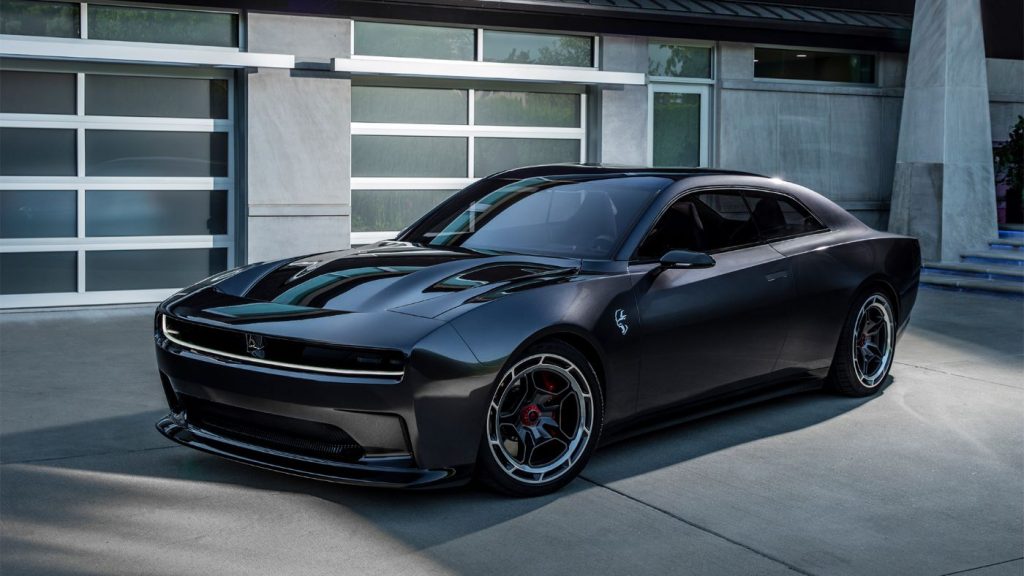
The Dodge Charger has long embodied American muscle, and its grille design plays a central role in that identity. Unlike many modern sedans that lean toward understated styling, the Charger adopts an aggressive, performance-first approach that makes its front end instantly recognizable.
One of the most defining elements of the Charger’s grille is its wide, horizontal layout. Often split into upper and lower sections, the grille stretches across the front fascia, giving the car a planted, road-hugging appearance.
This design emphasizes width and power, visually lowering the car while reinforcing its muscular stance. Depending on the model year and trim, the grille may feature honeycomb mesh, blacked-out finishes, or subtle chrome accents, but the structure remains consistent.
A key detail that enhances recognition is the integration of sleek, narrow headlights that flow seamlessly into the grille. This creates a unified front-end design where the lighting and grille appear as one continuous element.
On performance-oriented variants like the Scat Pack and Hellcat models, the grille often includes functional air intakes to support engine cooling, further blending aesthetics with purpose.
The Charger’s grille has also evolved without losing its core identity. Earlier modern generations introduced the crosshair grille, a bold design that divided the front into four sections.
More recent models have moved toward a cleaner, more open grille design, aligning with contemporary styling trends while still maintaining the car’s aggressive DNA. This evolution reflects Dodge’s ability to modernize without abandoning what makes the Charger unique.
6. Lincoln Navigator
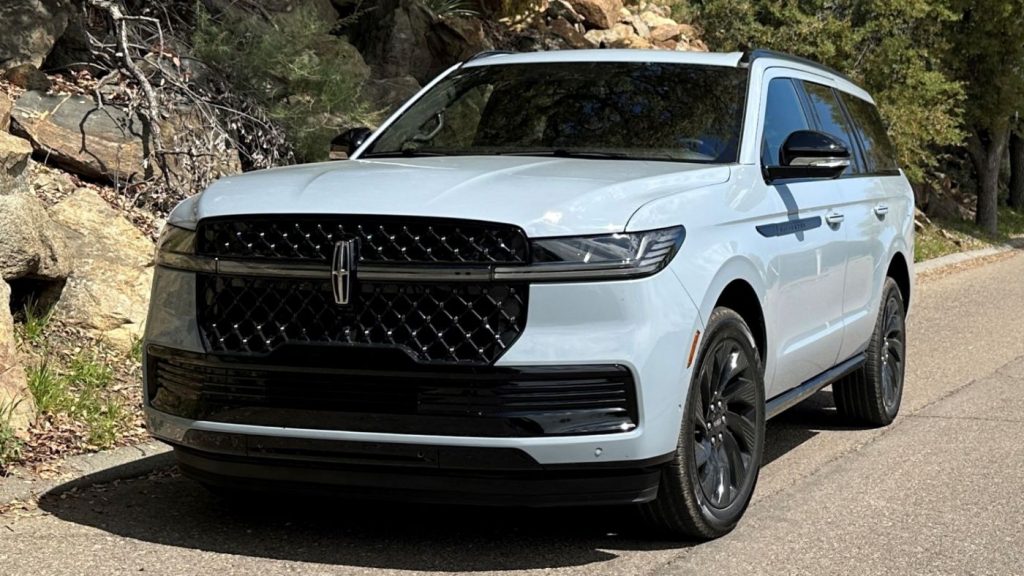
The Lincoln Navigator presents one of the most refined and recognizable grille designs in the American automotive landscape. While many large SUVs rely on sheer size to create presence, the Navigator achieves distinction through a carefully balanced combination of scale, symmetry, and intricate detailing.
At the center of its identity is a large, rectangular grille that is both bold and meticulously crafted. Unlike more aggressive or utilitarian designs, the Navigator’s grille emphasizes elegance.
It typically features a repeating mesh pattern, often finished in chrome or satin metallic tones, with the Lincoln star emblem prominently positioned in the middle. This creates a sense of order and sophistication rather than raw dominance.
A defining characteristic of the Navigator’s grille is its consistency across modern generations. While the surrounding elements, such as headlights and lighting signatures, have evolved significantly, the grille has retained its signature shape and pattern.
Slim LED headlights seamlessly connect to the grille, often through a horizontal light bar, giving the front end a cohesive and upscale appearance, particularly at night.
The design also reflects Lincoln’s broader shift toward quiet luxury. Instead of sharp edges or overly complex geometry, the grille relies on clean lines and precise detailing to convey premium quality. This approach sets it apart from competitors that lean toward more aggressive or flamboyant styling. The Navigator’s grille is commanding, but in a restrained and deliberate way.
Functionally, the grille supports airflow for the SUV’s powerful twin-turbocharged engines, ensuring effective cooling during highway cruising or heavy towing. However, its primary role is visual, acting as the focal point of the vehicle’s front-end design and reinforcing brand identity.
7. Pontiac GTO
The Pontiac GTO holds a significant place in automotive history, not just as one of the original muscle cars but also for its distinctive front-end design. Unlike many of its contemporaries that relied on large, flashy chrome grilles, the GTO developed a more focused and performance-oriented identity, with its grille playing a central role in that transformation.
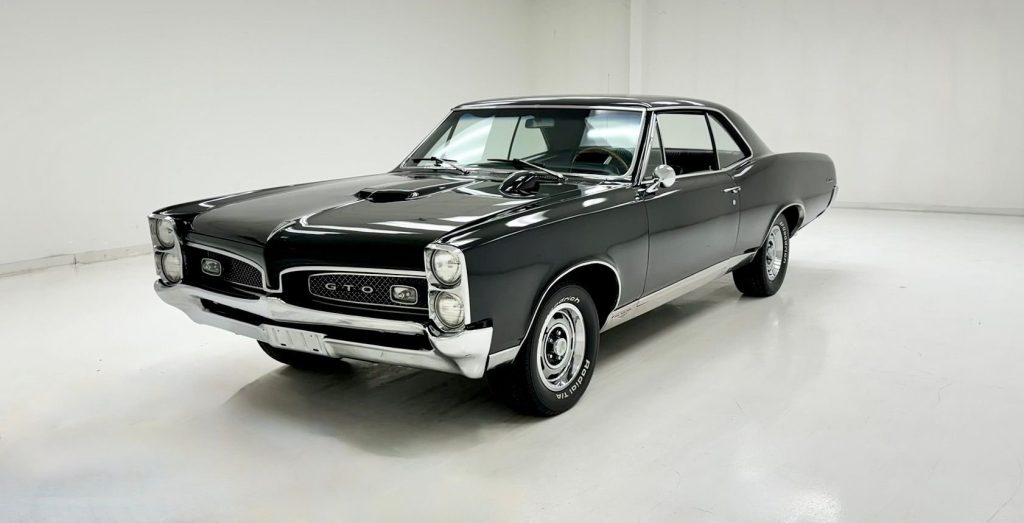
One of the most recognizable elements of the GTO’s design is its split grille layout. Divided into two sections by a central body-colored divider, the grille creates a balanced yet aggressive appearance.
This twin-port design became a defining characteristic of Pontiac vehicles during the 1960s and early 1970s, giving the GTO a unique visual signature that stood apart from competitors. The placement of the Pontiac badge between the two sections further reinforced brand identity.
The grille itself was typically finished in a dark mesh or recessed pattern, allowing it to blend seamlessly into the car’s front fascia. This approach reduced visual clutter and emphasized the car’s sculpted lines and muscular proportions. Unlike more decorative designs of the era, the GTO’s grille felt purposeful, aligning with its reputation as a performance-focused machine.
Another key aspect of its recognition comes from how the grille integrates with surrounding elements. Quad headlights were often positioned on either side, creating a symmetrical and cohesive front-end layout. The design emphasized width and stability, giving the GTO a planted, aggressive stance even when stationary.
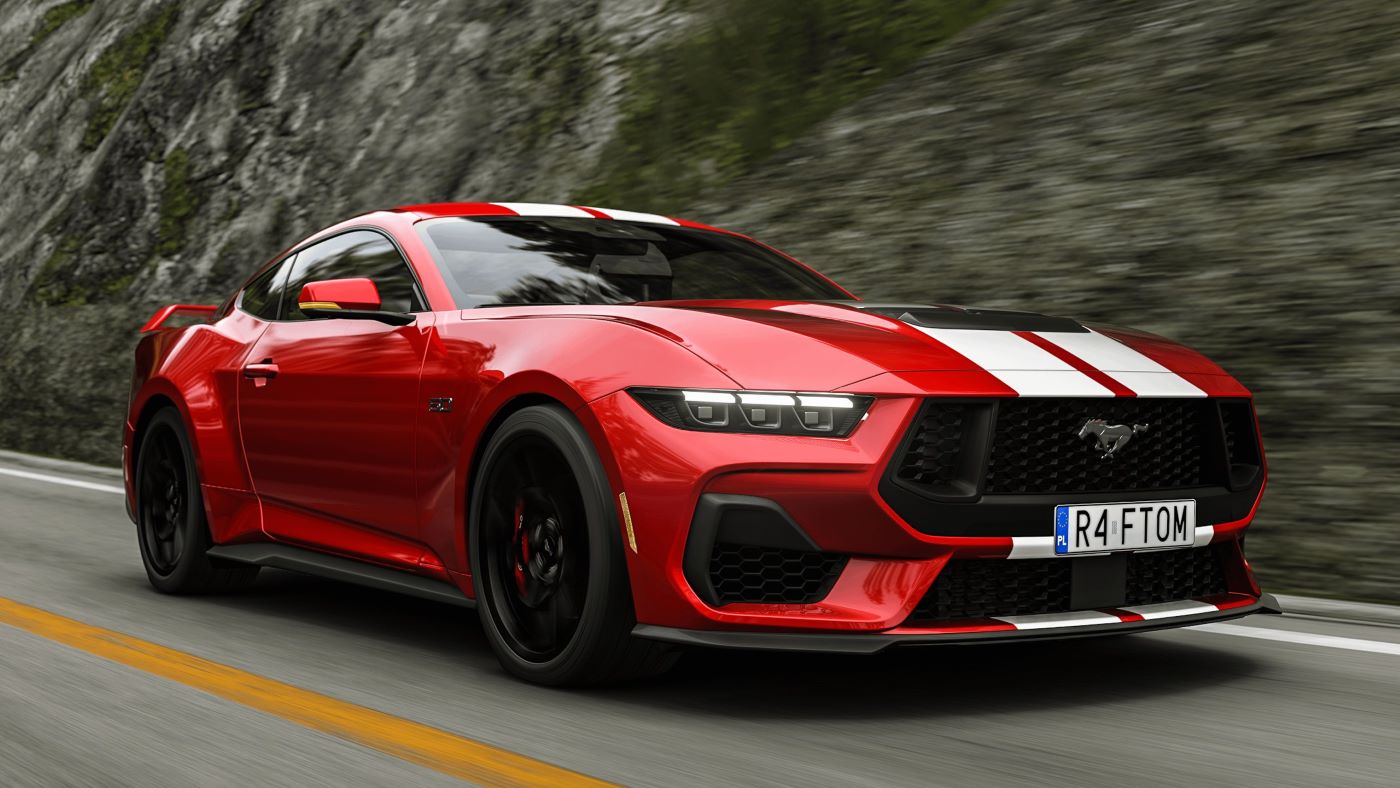
8. Ford Mustang
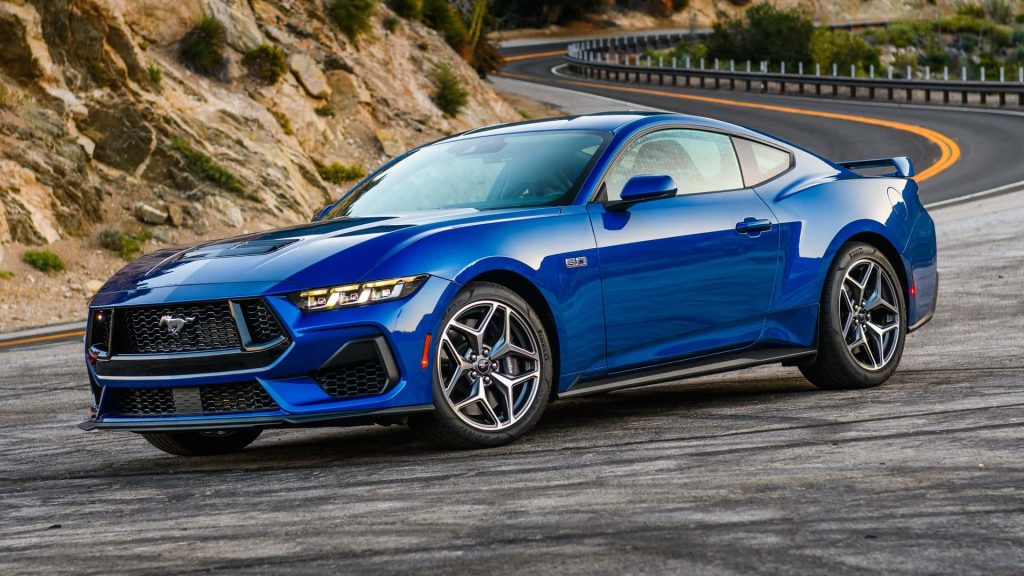
The Ford Mustang has one of the most recognizable front-end designs in automotive history, with its grille serving as a defining element of its identity since its debut in 1964. Unlike many vehicles that rely purely on size or ornamentation, the Mustang’s grille combines simplicity, aggression, and symbolism to create a look that is instantly identifiable across generations.
At the heart of the design is the rectangular grille, typically finished in a dark mesh or honeycomb pattern, with the iconic running horse emblem positioned at the center.
This emblem is crucial to the Mustang’s visual identity, setting it apart from other Ford models and reinforcing its independent branding. The clean, horizontal layout of the grille gives the car a wide and assertive stance, visually anchoring the front end.
One of the Mustang’s key strengths is how its grille has evolved while maintaining continuity. Early models featured a more delicate, open design, while later generations adopted a more aggressive and pronounced look.
Modern Mustangs incorporate sharper edges, larger openings, and integrated lighting elements, yet they still retain the core formula of a centered emblem within a wide, rectangular grille. This consistency ensures that even as styling trends change, the Mustang remains instantly recognizable.
The grille also works in harmony with the car’s proportions. Long hood lines, short rear decks, and muscular fenders all contribute to the Mustang’s signature silhouette, while the grille reinforces that performance-focused character. Flanked by distinctive headlights, the front end creates a cohesive and purposeful design that emphasizes speed and power.
Functionally, the grille provides airflow to cool the Mustang’s range of engines, from efficient turbocharged options to high-performance V8s. Larger openings in performance variants enhance cooling efficiency, highlighting the balance between design and engineering.
Culturally, the Mustang’s grille represents freedom, performance, and American automotive heritage. It has appeared in countless films, races, and popular media, becoming a global symbol of the pony car segment. The sight of the galloping horse within that grille is enough for most enthusiasts to instantly identify the car.
Its enduring design, rooted in tradition yet adaptable to modern trends, ensures that the Ford Mustang remains one of the most iconic vehicles ever built, with a grille that continues to define its legacy.
9. Chevrolet Suburban
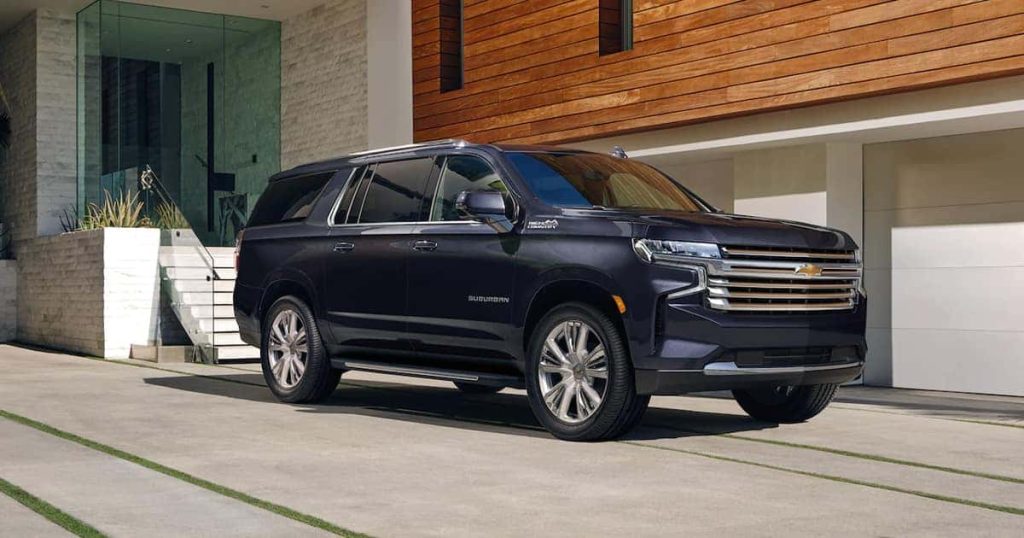
The Chevrolet Suburban has one of the longest-running nameplates in automotive history, and its grille has played a central role in establishing its unmistakable identity. As a vehicle built around utility, durability, and presence, the Suburban’s front-end design reflects a balance between rugged capability and evolving modern styling.
At its core, the Suburban’s grille is large, wide, and assertive, designed to match the SUV’s substantial proportions. Typically spanning much of the front fascia, the grille often features horizontal bars or layered elements that emphasize width and stability.
The Chevrolet bowtie emblem sits prominently at the center, acting as a clear visual anchor and reinforcing brand recognition. This straightforward, symmetrical layout makes the Suburban instantly identifiable, particularly from a distance.
One of the defining traits of the Suburban’s grille is its adaptability across generations while maintaining a consistent visual theme. Earlier models leaned heavily on chrome and simple rectangular designs, reflecting the styling trends of their time.
Modern iterations have introduced more sculpted shapes, blacked-out finishes, and intricate patterns, yet they still preserve the broad, horizontal emphasis that defines the vehicle’s character.
The grille also integrates seamlessly with the Suburban’s lighting design. Slimmer, more angular headlights in recent models contrast with the larger, more traditional lamps of the past, creating a contemporary look without straying too far from its heritage. This evolution ensures the Suburban remains relevant while retaining its recognizable face.
10. Tesla Model S
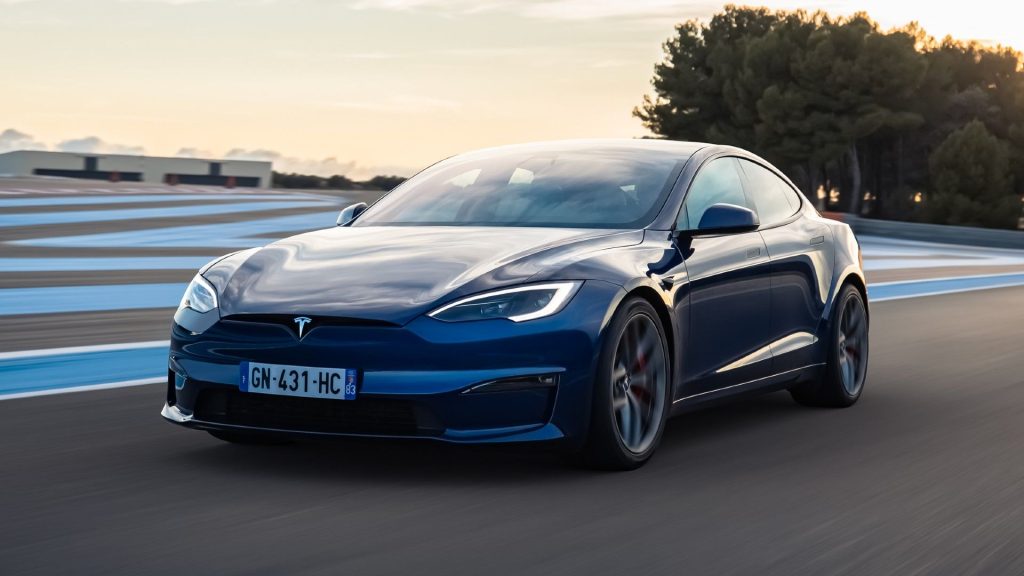
The Tesla Model S takes a fundamentally different approach to front-end design, making its “grille” one of the most distinctive in modern automotive history. In contrast to traditional internal combustion vehicles that rely on large, open grilles for engine cooling, the Model S adopts a minimal, closed-off front fascia that immediately signals its electric nature.
Early versions of the Model S featured a subtle black panel often referred to as a “nose cone,” which mimicked the shape of a conventional grille while remaining largely sealed. This design helped ease the transition for buyers accustomed to traditional vehicles.
However, as Tesla refined its design language, later models eliminated even this element, replacing it with a smooth, uninterrupted surface. This clean front end has become a defining characteristic of the car.
What makes the Model S instantly recognizable is this absence of a traditional grille. The lack of openings creates a sleek, aerodynamic appearance that sets it apart from nearly every other sedan on the road.
The front is defined instead by slim headlights and a gently sculpted hood, giving the car a futuristic and understated look. It is a design rooted in efficiency rather than visual aggression.
The closed front fascia also serves a functional purpose. Electric vehicles like the Model S do not require the same level of airflow as gasoline-powered cars, allowing designers to prioritize aerodynamics.
The smooth surface reduces drag, contributing to improved range and efficiency. Cooling is handled through smaller, strategically placed vents that are far less visually prominent.
Culturally, the Model S represents a shift in how performance and luxury are expressed. Rather than relying on bold, imposing grilles to convey power, it communicates innovation and technological advancement through simplicity.
This departure from convention has influenced the broader automotive industry, with many manufacturers now adopting similar closed-front designs for their electric vehicles.
Despite lacking a traditional grille, the Model S remains instantly identifiable. Its clean, minimal front end has become a visual shorthand for modern electric mobility, proving that an iconic design does not always require a conventional approach.
11. Buick Riviera
The Buick Riviera stands as one of the most stylish expressions of American automotive design, and its grille played a crucial role in defining that identity. Unlike muscle cars that emphasized aggression or trucks that relied on sheer size, the Riviera’s front end was crafted to project elegance, sophistication, and a sense of tailored luxury.
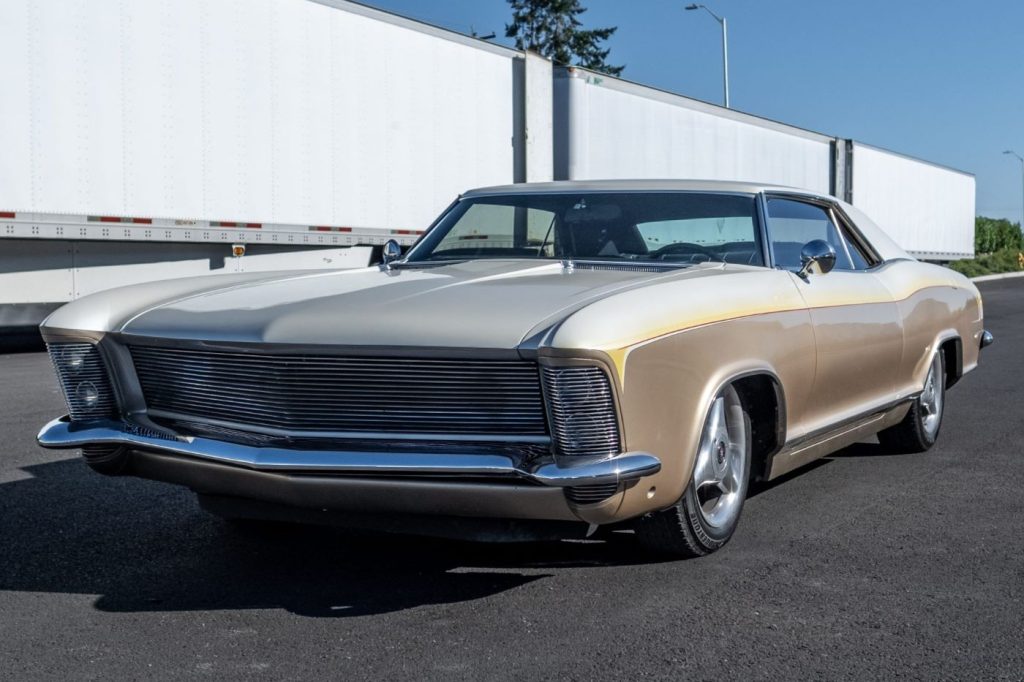
One of the most iconic interpretations of the Riviera’s grille appeared in the 1963 model, often regarded as one of the most beautiful American cars ever produced.
This version featured a clean, rectangular grille with a finely patterned mesh, framed by subtle chrome accents. The design was restrained yet distinctive, avoiding excessive ornamentation while still delivering a strong visual presence. It reflected Buick’s intention to position the Riviera as a refined alternative to more flamboyant competitors.
12. Ram 1500
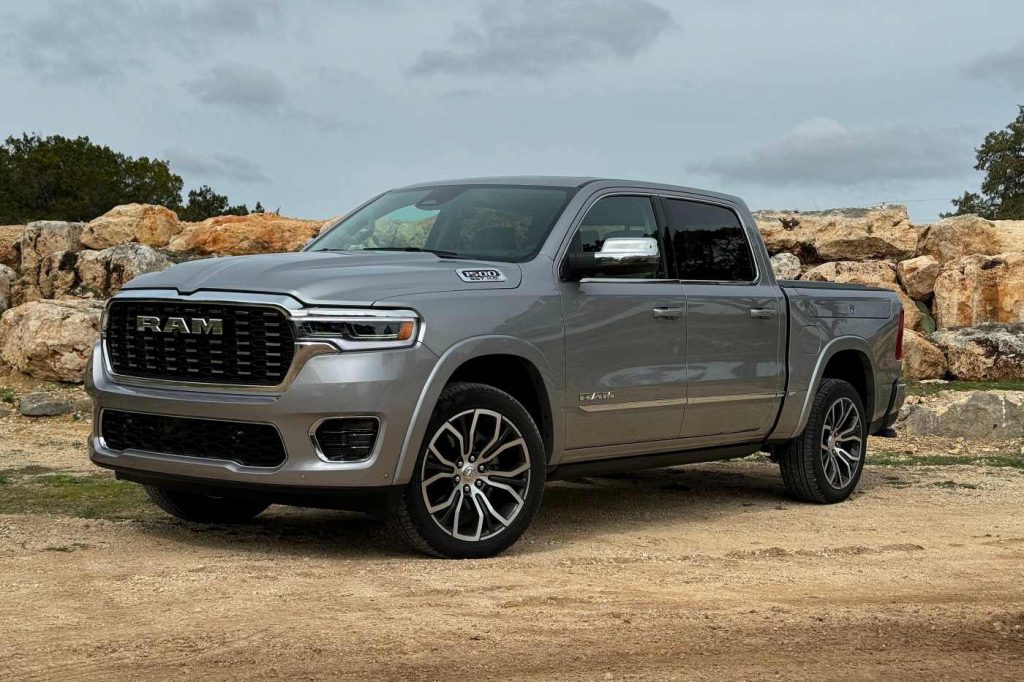
The Ram 1500 has developed one of the most distinctive and recognizable grille designs in the modern truck segment. While earlier generations were closely tied to Dodge branding and featured the well-known crosshair grille, the Ram 1500 has since evolved into a more refined yet still commanding presence, with its grille serving as the centerpiece of its identity.
At its core, the Ram 1500’s grille is large and bold, designed to match the truck’s substantial proportions. The current design emphasizes a wide, upright shape with a strong horizontal orientation, often filled with mesh, honeycomb, or layered bar elements depending on the trim.
Prominently displayed at the center is the RAM lettering, which has replaced the older badge and gives the truck a more modern, brand-focused look. This straightforward yet assertive layout makes the front end instantly recognizable.
Iconic American grilles succeed because they do more than cool an engine, they communicate identity instantly. Whether through tradition, boldness, or minimalism, each of these designs has shaped how vehicles are recognized on U.S. roads.
Even as electrification reduces the need for traditional grilles, the concept of a recognizable front-end “face” will remain.
The difference is that future icons may be defined not by openings and chrome, but by lighting signatures and surface design, building on the legacy established by these unmistakable American classics.