
Front-wheel drive gets dismissed in performance circles more often than it deserves. The conventional argument goes something like this: real sports cars send power to the rear, front-wheel drive causes understeer, and any car that pulls itself down the road with its front wheels is compromised by definition.
That argument made more sense twenty years ago than it does today, and even twenty years ago, it was not universally true.
Engineering has changed the conversation completely. Modern front-wheel-drive chassis with multi-link rear suspensions, torque-vectoring differentials, sophisticated electronic stability management, and carefully tuned spring and damper rates have produced cars that corner with precision, communicate through the steering, and reward driver input in ways that would have been genuinely impressive in any rear-wheel-drive sports car from a decade or two earlier.
Some of these cars are not just good despite their front-wheel-drive layout. They are good because of specific engineering decisions that their front-wheel-drive architecture made possible. The weight distribution benefits of front-wheel drive are real. Packaging advantages allow engineers to move mass lower and further back than rear-wheel-drive layouts sometimes permit.
Eliminating the rear differential and rear axle shafts saves weight that can be reinvested in better suspension components, lighter brakes, or more sophisticated steering systems.
And for compact, lightweight performance cars, the inherent mechanical grip advantage of having driven wheels directly beneath the engine’s weight can produce traction characteristics that rear-wheel-drive cars struggle to match from a standing start.
This page covers ten front-wheel-drive cars that deliver handling quality genuinely comparable to sports cars, with specific attention to what engineering decisions made each one capable of defying the front-drive stereotype. Some of these cars will be familiar.
A few might surprise you. All of them earned their place on this list by actually doing what the label promises rather than just aspiring to it.
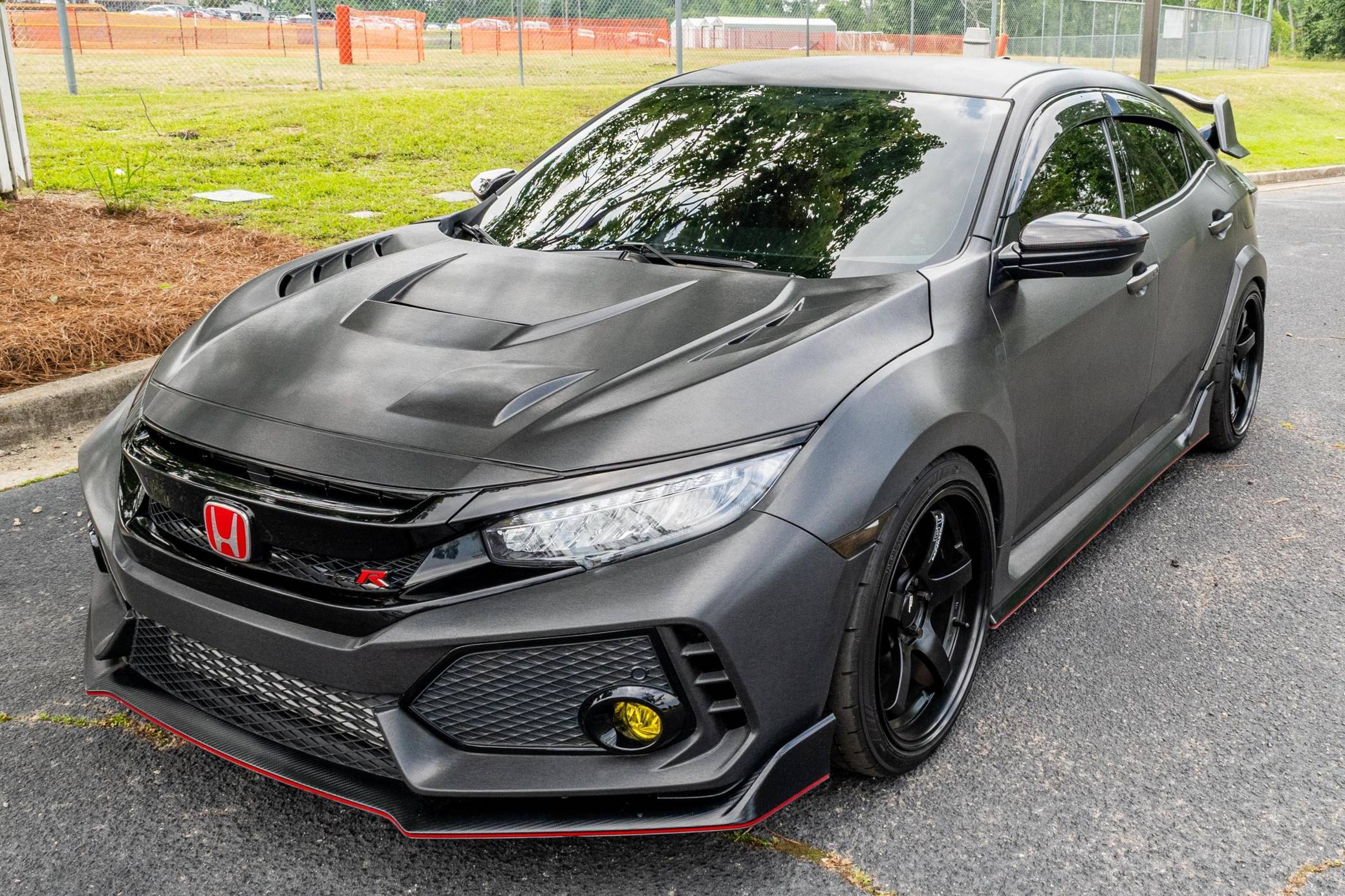
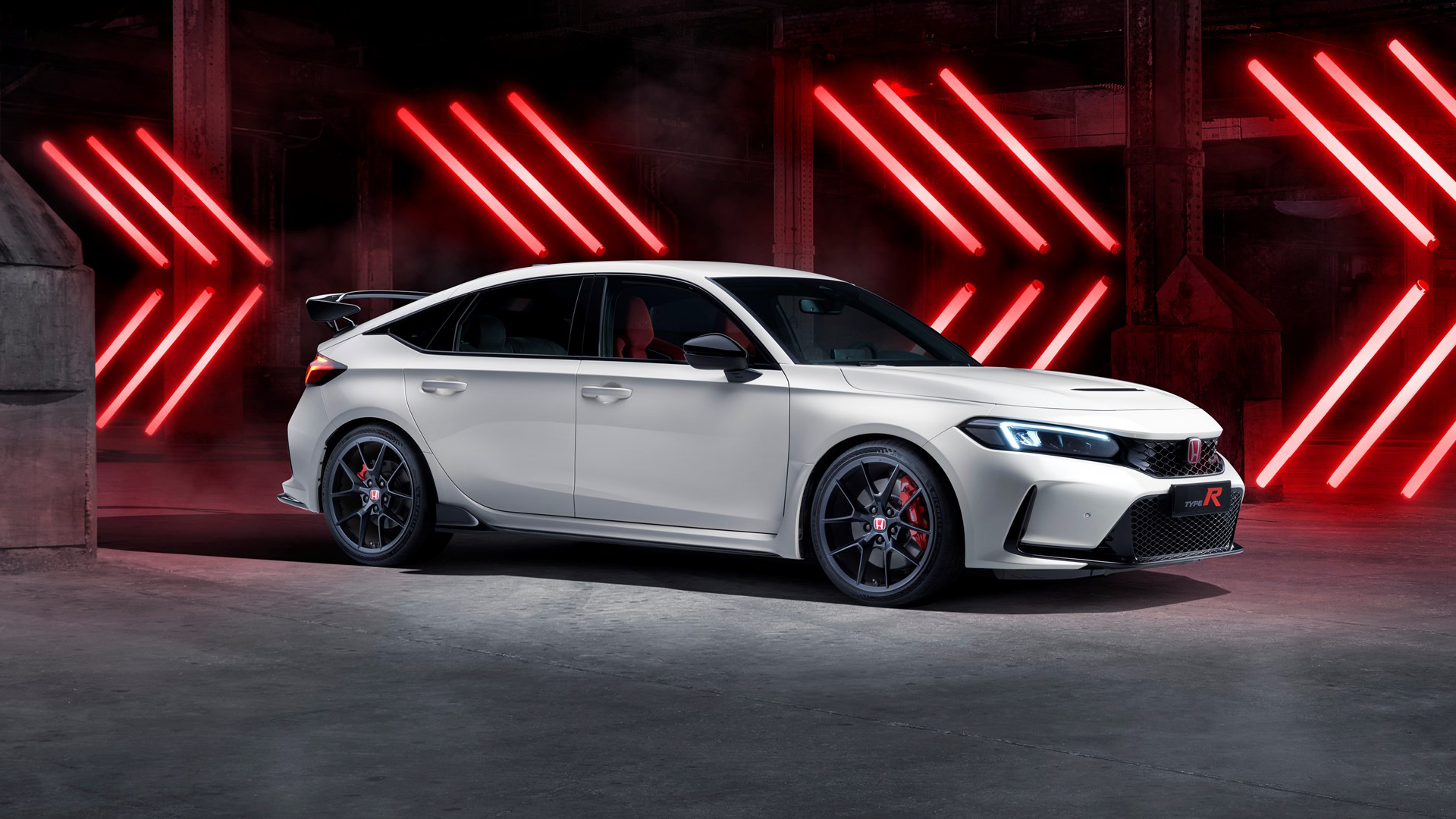
1. Honda Civic Type R (FK8 Generation, 2017 to 2021)
Honda’s FK8 Civic Type R set a lap record at the Nurburgring Nordschleife for front-wheel-drive cars when it was released, and that achievement was not a fluke of tire selection or track conditions.
It was the result of Honda’s engineering team spending years developing a front-wheel-drive chassis capable of competing on one of the most demanding road courses in the world, and the result remains one of the most technically sophisticated performance cars in its price class, regardless of drivetrain layout.
At the core of the FK8’s handling capability is Honda’s dual-axis strut front suspension, a design that physically separates steering and suspension load paths in a way that conventional MacPherson strut designs cannot achieve.
Torque steer, the tendency for high-powered front-wheel-drive cars to pull under hard acceleration, is essentially eliminated because the geometry that allows suspension travel is mechanically separated from the geometry that transmits steering inputs.
This separation allows Honda to run a wider front tire than would otherwise be possible on a front-drive car without the steering fighting back against the driver during acceleration.
Adaptive dampers, standard on the FK8, adjust compression and rebound damping rates continuously in response to road surface inputs and driver demand, allowing the car to be compliant over real-world road imperfections while maintaining the body motion control that aggressive cornering requires.
Rear suspension on the FK8 uses a multi-link arrangement that Honda developed specifically for this application rather than adapting a platform-shared rear suspension from the standard Civic.
Rear toe control under cornering loads is a specific engineering priority of this rear suspension design, maintaining predictable handling balance as the rear tires generate lateral forces that would cause a less sophisticated rear suspension to introduce unwanted understeer or instability.
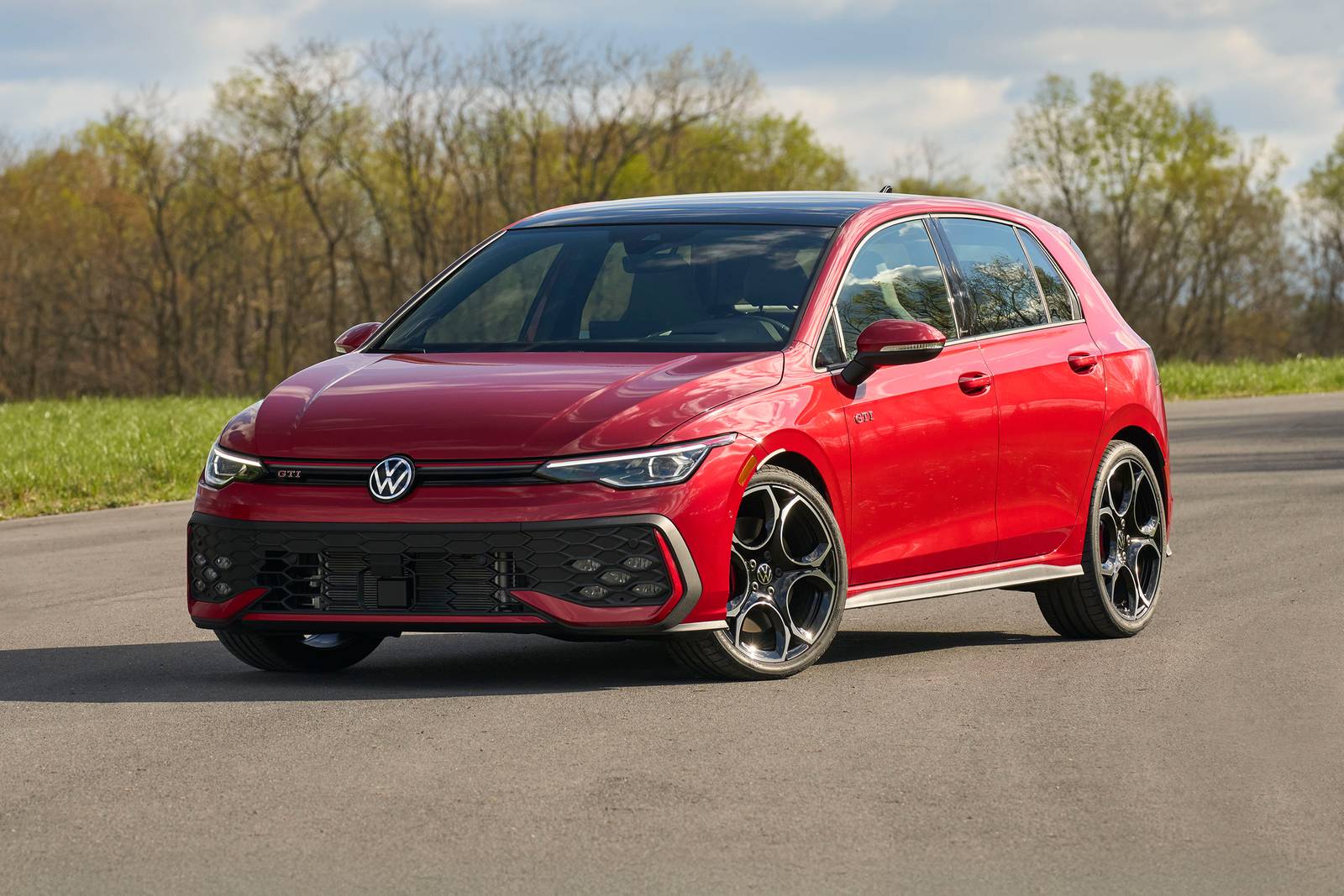
2. Volkswagen Golf GTI (MK8 Generation, 2021 to Present)
Volkswagen’s Golf GTI has been redefining what front-wheel drive can achieve since its introduction in 1974, and the MK8 generation represents the most dynamically capable version of this formula that VW has produced.
What separates the MK8 GTI from previous generations is not just power but the chassis sophistication that VW’s engineers applied to a platform that was already respected for its handling quality and turned it into something that challenges dedicated sports cars in real-world driving conditions.
VW’s XDS electronic differential lock, available on the MK8 GTI, applies selective braking to the inside front wheel during cornering to reduce the understeer tendency that drives power front-wheel-drive cars toward a predictable plowing characteristic.
By momentarily slowing the inside front wheel, the system allows the outside wheel to receive proportionally more drive torque, effectively mimicking the behavior of a mechanical limited-slip differential through brake-based torque vectoring. The result is a car that rotates on corner entry with a willingness that catches drivers expecting typical front-drive behavior off guard.
MK8 GTI suspension settings reflect a specific tuning philosophy that VW applies to performance cars: prioritize body motion control and transient response over outright stiffness.
A GTI is not a stiffly sprung car by sports car standards, yet its cornering precision exceeds that of stiffer competitors because VW’s engineers understand that controlling body roll rate through well-calibrated springs and dampers produces better driver feedback and more consistent tire contact than simply adding spring rate to minimize roll angle.
Steering in the MK8 GTI uses VW’s progressive rack design, which provides quicker steering response near the center of the wheel’s range, where small inputs are made most frequently during dynamic driving.
This rack geometry creates a steering feel that drivers describe as more alert and connected than the standard GTI rack, communicating surface texture and loading changes in a way that allows precise placement of the car’s front wheels through high-speed corners.
Also Read: Top 10 Vintage Trucks That Are Easier to Restore Than Muscle Cars
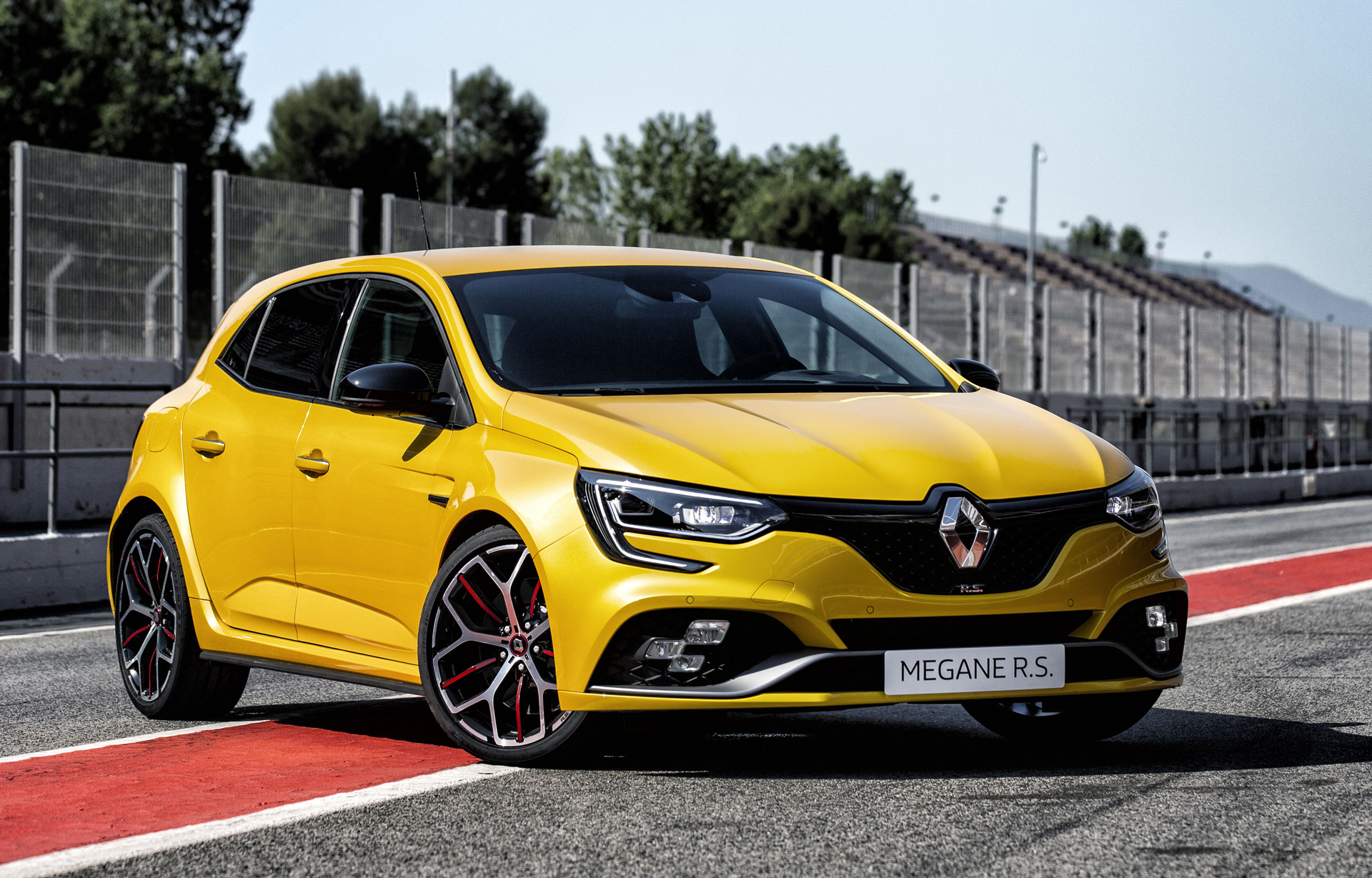
3. Renault Megane RS Trophy-R (2019)
The Renault Megane RS Trophy-R represents a deliberate engineering exercise where Front Wheel Drive development was pursued without compromise or distraction. Derived from the standard RS Trophy, this version was conceived with circuit performance as its primary objective, resulting in a machine that previously secured the Nürburgring lap record for front-driven production cars.
Its purpose was not mass appeal, but technical proof that Front Wheel Drive, when refined properly, can deliver results traditionally associated with rear-driven layouts.
A disciplined weight reduction programme forms the foundation of the Trophy-R character. Carbon fibre body panels, lightweight braking components, titanium wheel fasteners, and interior deletions reduced mass to approximately 1,306 kilograms in its lightest configuration. Reducing mass at this level transforms vehicle behaviour.
Steering response sharpens, braking distances shorten, and directional changes occur with minimal delay. Reduced inertia limits the understeer tendencies commonly associated with heavier front-driven cars, allowing the chassis to react promptly to driver inputs.
Suspension control plays an equally decisive role. Öhlins continuously variable dampers were selected and calibrated specifically for the Trophy-R mass profile and circuit workload. Unlike fixed-rate units, these dampers adjust internally to maintain stability across varied surface conditions and temperature ranges.
During aggressive load transfer, the suspension preserves tyre contact with the road, preventing sudden grip loss. This level of damping accuracy enables confidence at high speed and consistency during extended track sessions.
Power delivery remains equally controlled. The Trophy-R uses an active hydraulic limited-slip differential rather than brake-based torque control.
This system distributes drive between the front wheels mechanically, responding instantly to traction differences. As a result, the car deploys its 296 horsepower efficiently, even on damp or uneven surfaces. Corner exit acceleration remains composed, with minimal steering corruption or loss of line accuracy.
Steering calibration complements this hardware. The front axle communicates grip limits clearly, allowing precise placement through fast bends. The chassis resists unwanted body movement, maintaining composure under braking and acceleration. Each input produces a predictable response, reinforcing driver trust.
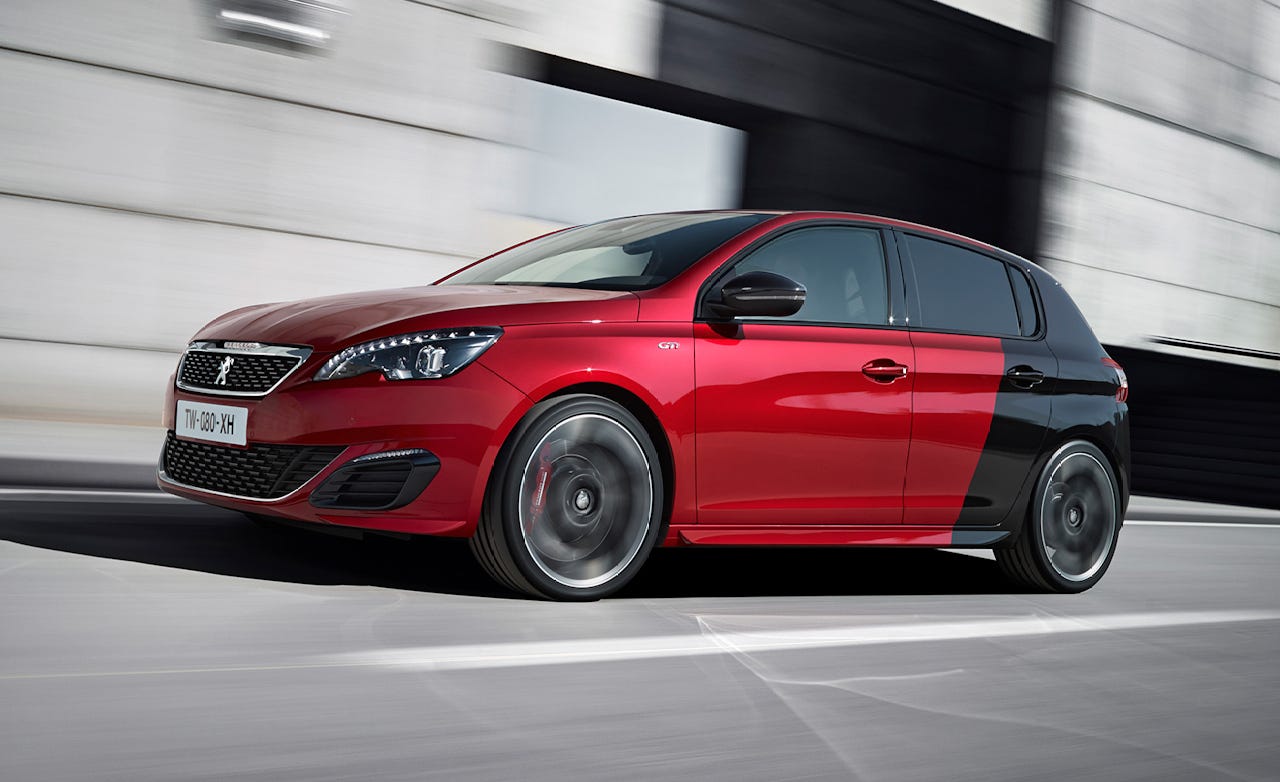
4. Peugeot 308 GTi by Peugeot Sport (Second Generation, 2016 to 2021)
The Peugeot 308 GTi by Peugeot Sport occupied a distinctive position within the hot hatch segment during its production run. Developed directly by Peugeot Sport rather than adapted from a standard production platform, it reflected motorsport-influenced priorities applied to a road car format. This approach resulted in a vehicle that prioritised balance, control, and driver communication rather than headline figures alone.
Chassis development received particular attention. Spring and damper calibration favoured tight body control during rapid directional changes, even if that choice reduced compliance on uneven road surfaces.
The outcome was a car that responded immediately to steering and throttle inputs, maintaining composure during aggressive manoeuvres. This setup encouraged confidence, especially during fast corner sequences where precision mattered more than comfort.
Mechanical grip was enhanced through the use of a Torsen limited-slip differential. Unlike electronic substitutes that rely on braking intervention, the Torsen unit distributes torque mechanically based on available traction.
This passive operation delivers smooth, predictable power application during corner exit. Drivers experience reduced steering interference and greater control when accelerating under load, particularly on variable surfaces.
Steering feedback further defined the 308 GTi driving experience. Peugeot Sport refined the rack tuning and column response to maximise the road information transmitted to the driver.
Combined with the compact steering wheel, this configuration produced quick responses and consistent feedback. Subtle changes in grip were communicated clearly, enabling precise corrections without hesitation.
Engine performance supported the chassis rather than overwhelming it. Power delivery remained linear, allowing progressive acceleration rather than abrupt surges.
This balance ensured that the front axle remained composed, reinforcing the sense of cohesion between drivetrain and suspension. Gear ratios complemented this character, supporting smooth transitions through the rev range.
Interior design reflected functional intent. Supportive seating, restrained trim choices, and driver-focused ergonomics reinforced the car’s performance orientation. While not luxurious, the cabin served its purpose effectively, maintaining focus on control rather than distraction.
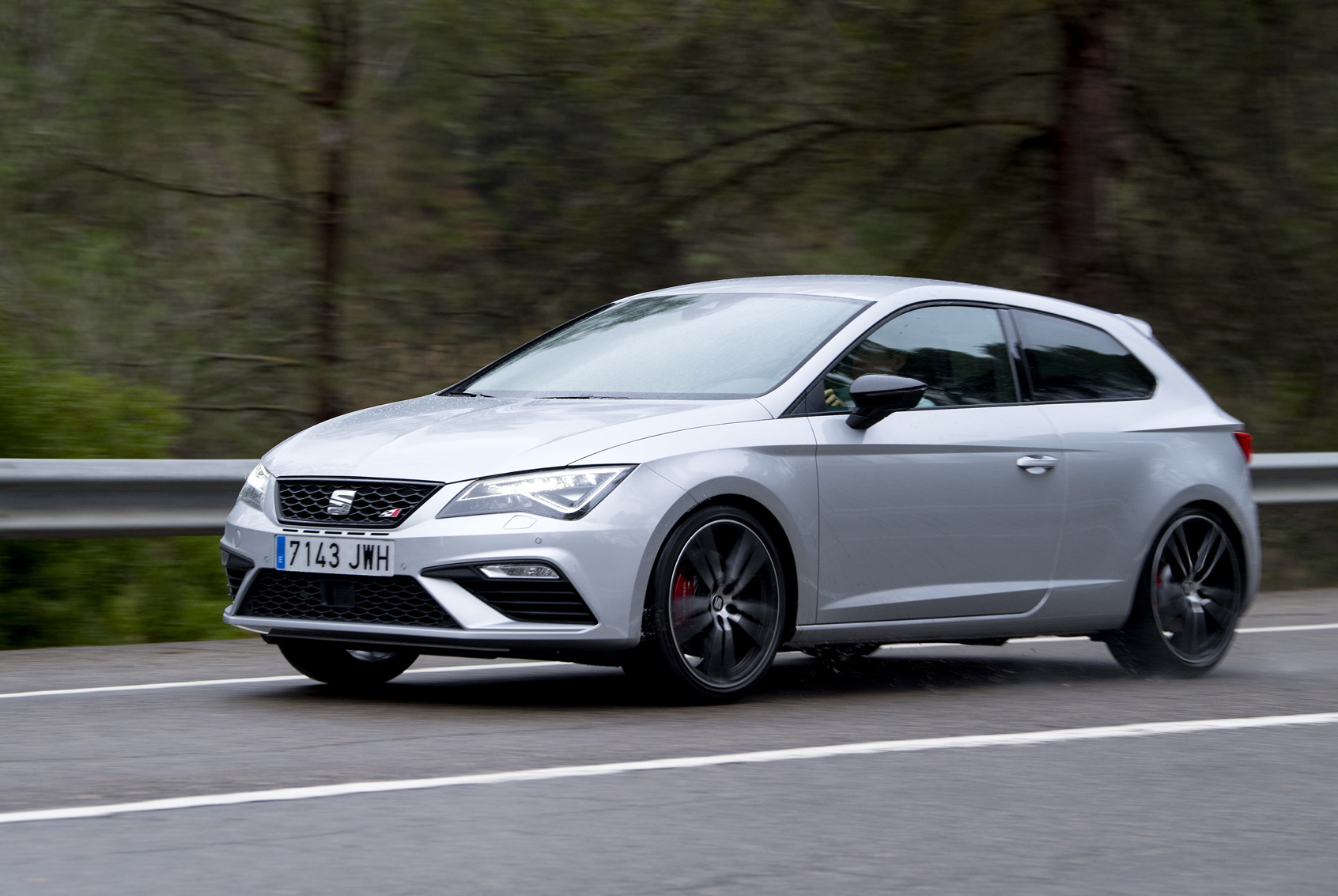
5. SEAT Leon Cupra R (5F Generation, 2017 to 2019)
SEAT’s Leon Cupra R used the same MQB platform that underpins the Golf GTI, but SEAT’s engineers applied their own specific calibration philosophy to the shared architecture in ways that produced a handling character that differed meaningfully from VW’s approach despite the common foundation.
Understanding what SEAT did differently is the most interesting aspect of the Cupra R’s engineering story and explains why enthusiasts who drove both cars in the same week often reported a clear handling preference for the Cupra R despite the Golf GTI’s stronger brand recognition.
Brembo front brakes on the Cupra R provided stopping power that communicated pedal effort more precisely than the standard Cupra’s brake system, giving drivers better modulation capability during threshold braking events at the limit of adhesion.
Brake feel quality is a handling characteristic that performance car buyers often overlook when evaluating chassis dynamics, but it contributes directly to how confidently a driver can brake late into corners and how precisely they can trail-brake to manage rotation on corner entry.
Front-differential tuning on the Cupra R received specific calibration from SEAT’s chassis engineers that differed from the standard Cupra specification, reducing understeer during hard cornering and allowing a more neutral handling balance at higher lateral acceleration levels.
This differential calibration, combined with the suspension setup, gave the Cupra R a handling balance that felt more neutral and adjustable than most front-wheel-drive hot hatches, approaching the balance traditionally associated with rear-drive sports cars in its responsiveness to driver inputs at the limit.
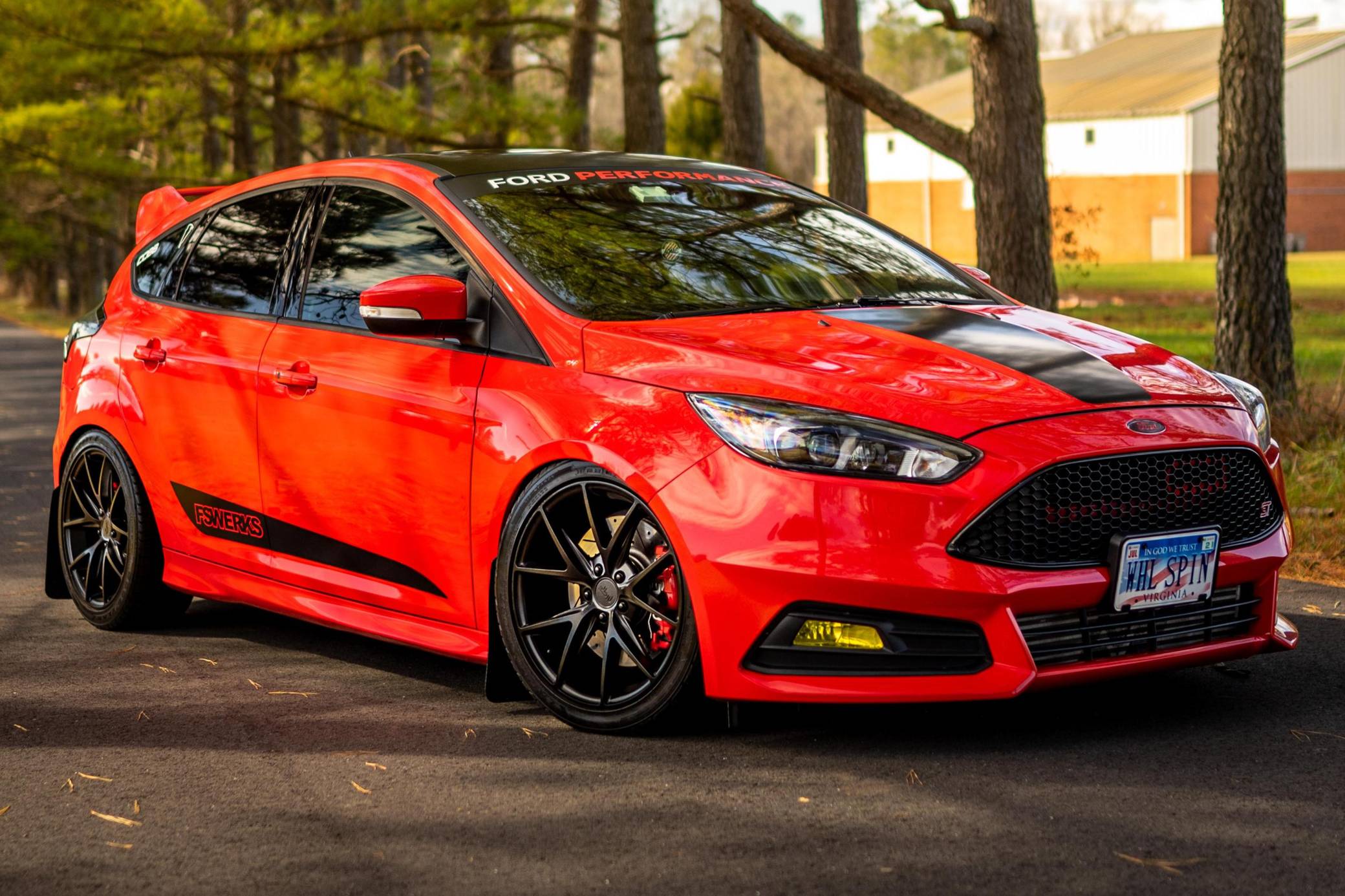
6. Ford Focus ST (Third Generation MK3, 2013 to 2018)
Ford’s MK3 Focus ST represents one of the most successful collaborations between Ford’s American performance car development culture and the European chassis expertise that Ford of Europe’s engineering teams brought to the Focus platform.
Ford Performance’s involvement in the ST’s suspension calibration produced a front-wheel-drive car whose handling balance and driver engagement compared favorably with European hot hatches at higher price points, which was a deliberate engineering ambition rather than an accidental outcome.
Ford’s torque vectoring control system in the MK3 Focus ST uses selective brake application to the inside front wheel during cornering, reducing understeer by effectively transferring drive torque to the outside wheel, where it contributes to cornering rather than pushing the nose wide.
This system, combined with Ford’s specifically calibrated electronic stability control thresholds that allow a meaningful amount of driver-controlled cornering before intervening, creates a handling package that accommodates both experienced and developing drivers with appropriate levels of support.
Bilstein dampers specified on ST versions with the optional ST2 or ST3 equipment packages provided a damping quality that Ford’s standard supplier alternatives could not match for precision and consistency at the limit of the car’s handling envelope.
Bilstein’s specific valving for the MK3 Focus ST chassis was developed in conjunction with Ford Performance’s suspension engineers to produce damping characteristics that maintained consistent handling balance across varying road surfaces and lateral acceleration levels.
Torque steer in the MK3 Focus ST is present under hard acceleration from low speeds, which is an honest acknowledgment that no amount of chassis sophistication fully eliminates this front-drive characteristic at 252 horsepower through front wheels.
Ford’s electric power steering calibration manages the feeling of torque steer to make it predictable and manageable rather than alarming or confidence-undermining, which is the correct engineering response to this characteristic on a street-driven performance car.
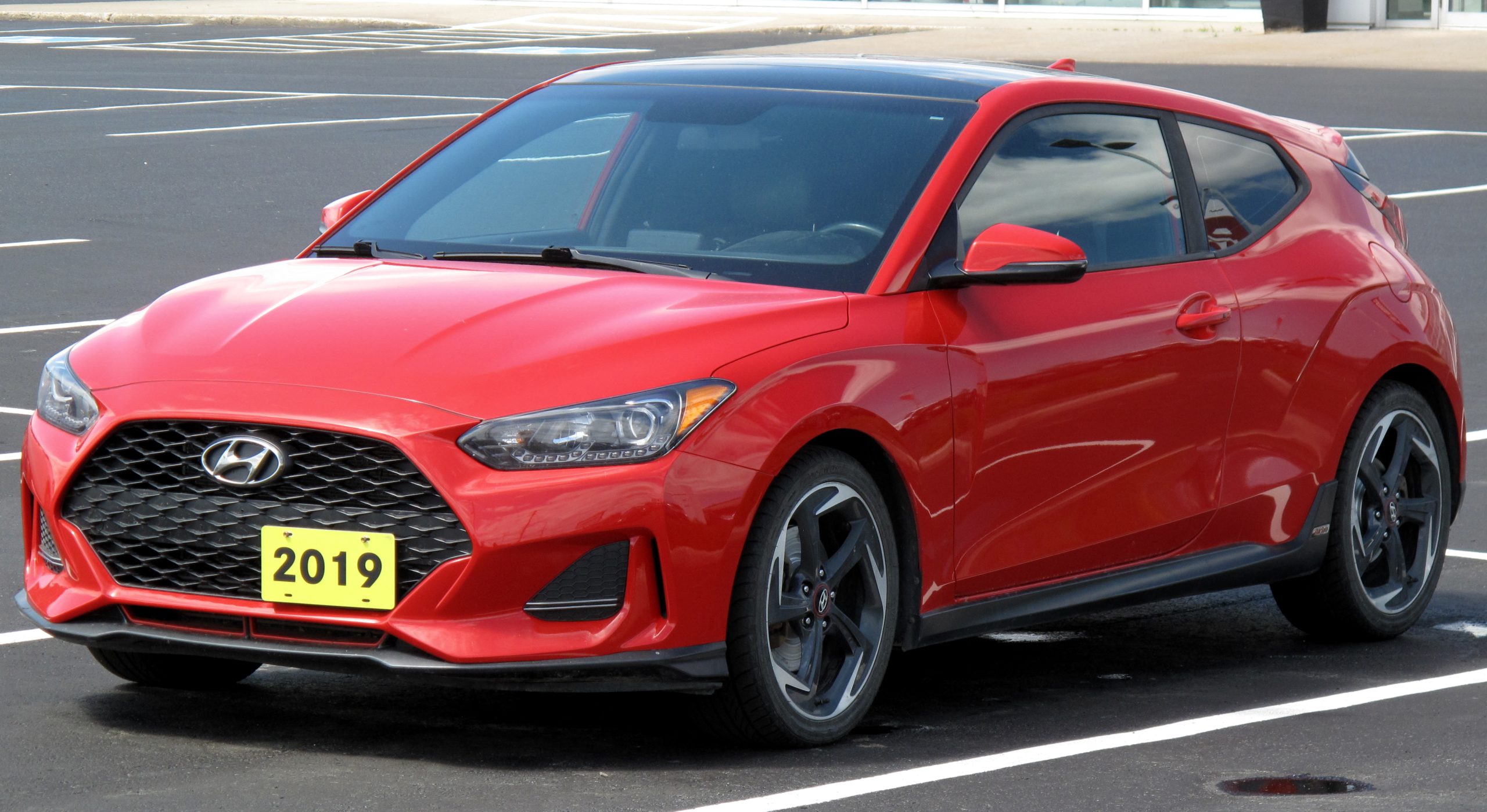
7. Hyundai Veloster N (Second Generation, 2019 to 2022)
The arrival of the Hyundai Veloster N altered long-held assumptions about where serious performance engineering could originate. Before its release, Korean manufacturers were rarely associated with driver-focused performance cars capable of standing beside established European hot hatches.
The Veloster N challenged that perception through disciplined chassis development and a clear emphasis on how the car behaves under demanding driving conditions rather than relying on styling or marketing language to define its identity.
Central to the Veloster N development process was the influence of Albert Biermann, whose background at BMW’s M division shaped the standards applied to suspension tuning, steering calibration, and drivetrain integration.
His philosophy placed priority on repeatable handling behaviour, durability under sustained load, and driver confidence during aggressive use. These priorities guided every stage of development, producing a car that feels cohesive and predictable when driven with intent.
Suspension design adds another layer of adaptability. Models equipped with the Variable Valve Suspension system offer multiple damper settings that deliver clearly defined driving characteristics. The softer setting maintains compliance suitable for daily use, absorbing surface imperfections without harshness.
Sport mode increases body control for faster road driving, while the firmest setting provides the stability required for circuit work. Even in its most aggressive setting, sufficient suspension travel remains to manage uneven surfaces at speed, preventing loss of grip that overly stiff setups often produce.
The manual transmission variant includes an electronically assisted rev-matching system that synchronises engine speed during downshifts. This feature removes abrupt drivetrain reactions and allows smoother braking into corners.
Drivers can concentrate on braking points and steering input rather than managing throttle blips manually. The system may be disabled for those who prefer full control, offering flexibility without imposing a single driving style.
Steering response completes the package. Weighting remains consistent across driving modes, with clear communication of front tyre grip levels. Small corrections translate immediately into direction changes, reinforcing confidence during rapid transitions.
The Veloster N proves that disciplined engineering and careful calibration can deliver a rewarding performance experience without reliance on heritage or inflated pricing.
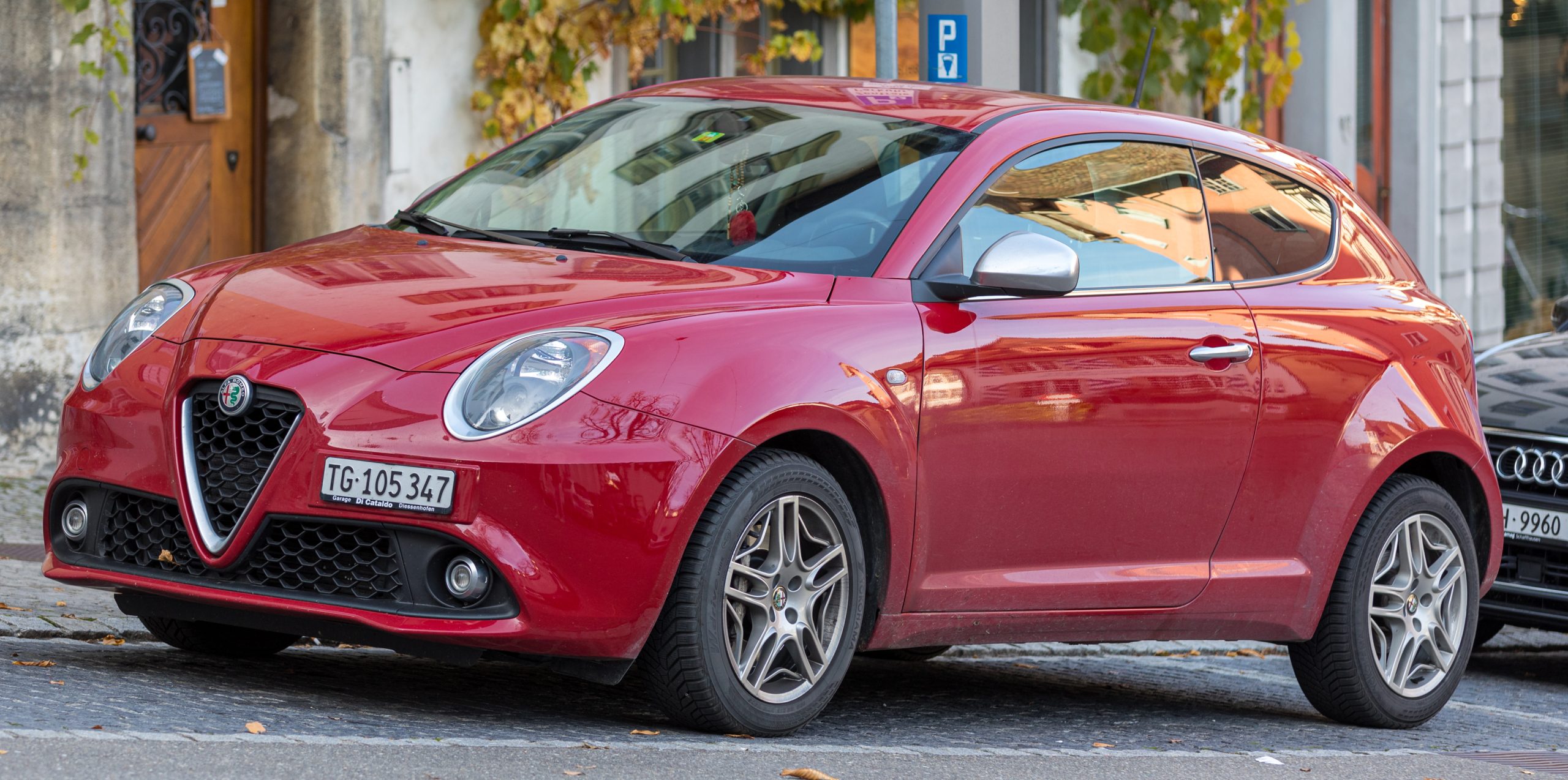
8. Alfa Romeo MiTo Quadrifoglio Verde (2014 to 2018)
The Alfa Romeo MiTo Quadrifoglio Verde occupies a unique position within the performance supermini category, earning appreciation primarily from those who have experienced its capabilities beyond basic specification figures.
While its output figures appear modest on paper, the driving experience tells a very different story. The MiTo QV was developed with attention placed firmly on steering feel, chassis balance, and responsiveness rather than numerical dominance.
A defining feature of the MiTo QV is Alfa Romeo’s DNA drive mode system, which alters more than throttle sensitivity and electronic stability thresholds. Selecting Dynamic mode adjusts steering assistance, engine response, and suspension behaviour in a coordinated manner.
Front axle behaviour changes perceptibly, allowing the tyres to maintain better contact with uneven surfaces during spirited driving. This tuning approach provides improved grip consistency and encourages confident corner entry speeds. Steering feedback represents one of the MiTo QV’s strongest attributes.
Through careful rack tuning and steering column calibration, Alfa Romeo delivered communication that transmits road surface detail clearly to the driver’s hands.
Changes in grip level are felt early, allowing intuitive corrections without abrupt reactions. This quality gives the car an engaging character that encourages precise inputs and rewards attentive driving.
The suspension layout contributes to this sense of balance. The rear multi-link arrangement provides compliance that allows the car to absorb surface irregularities without disturbing front axle stability.
When driving on uneven roads, the rear follows faithfully rather than reacting abruptly, supporting smooth cornering behaviour. This quality helps maintain confidence during fast driving, as the chassis remains settled rather than nervous.
Engine response complements the chassis rather than overwhelming it. Power delivery builds progressively, allowing controlled acceleration out of corners.
Turbo response is tuned for usability rather than sudden surges, which suits the car’s compact dimensions and front-driven layout. Gear ratios support this character, keeping the engine within its effective range during enthusiastic driving.
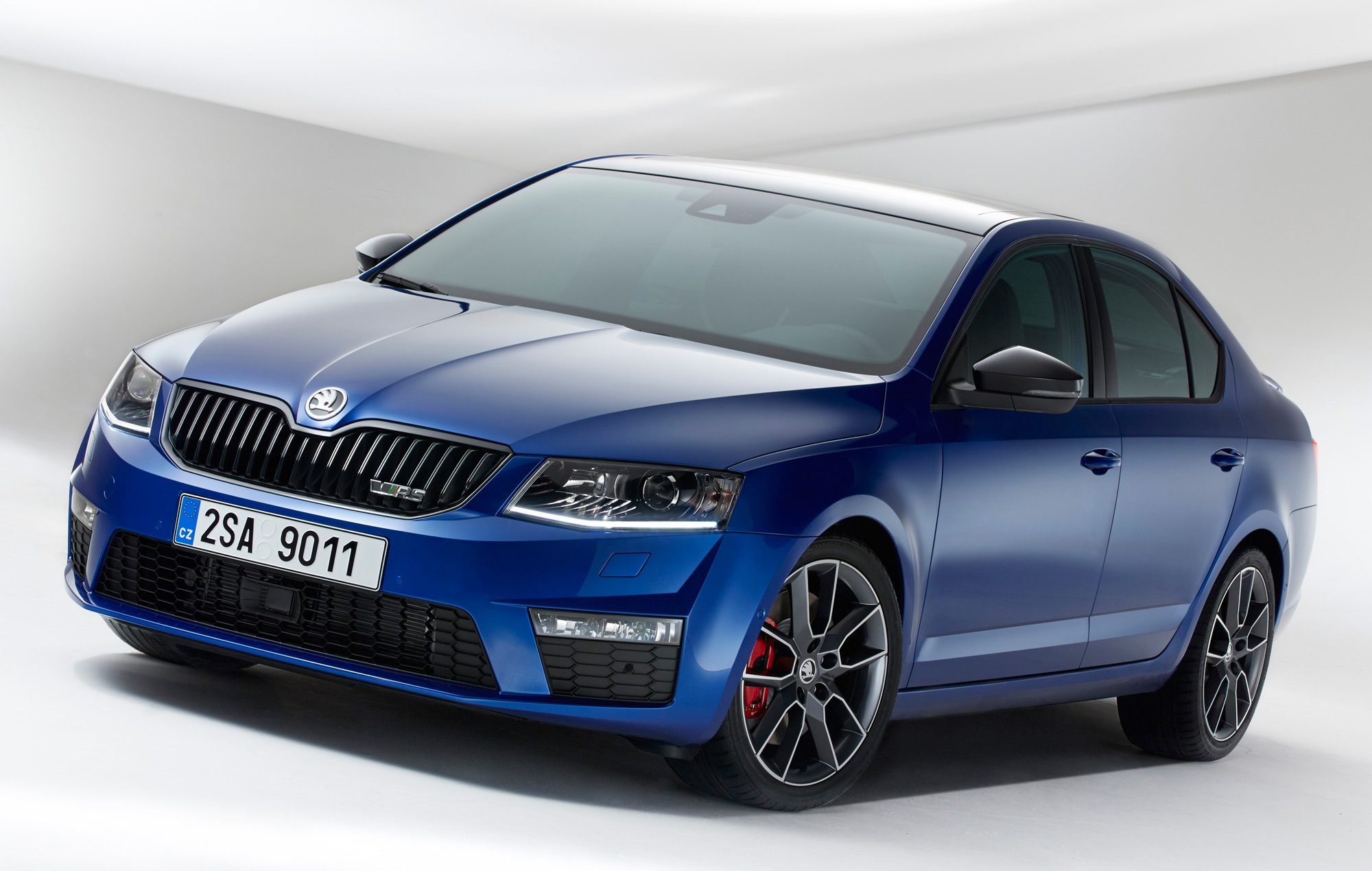
9. Skoda Octavia RS vRS (Third Generation, 2013 to 2020)
Skoda’s Octavia vRS occupies an interesting position in the performance car market as a vehicle whose practical dimensions, family-friendly interior, and genuine sports car handling capability coexist without obvious compromise.
Built on the same MQB platform as the Golf GTI, the Octavia vRS benefits from Volkswagen Group’s shared chassis architecture while offering substantially more interior and trunk space than the Golf, making it one of the more rational performance car purchases available in any era.
Skoda’s chassis calibration for the Octavia vRS differs from VW’s Golf GTI setup in specific ways that reflect the longer wheelbase and greater dimensions of the Octavia’s body.
Longer wheelbase produces inherently more stable straight-line behavior and more progressive cornering balance at high speeds, which translates to an Octavia vRS that feels more settled at sustained high speeds than the shorter-wheelbase GTI while maintaining similar agility through medium and slow-speed corners where driver steering input rate matters more than inherent stability.
Progressive steering available on the Octavia vRS provides a variable steering ratio that quickens the ratio as lock increases, giving the car linear response near center for stability at speed while providing sufficient responsiveness at higher steering angles for agile parking and tight corner navigation.
This progressive rack design is the same fundamental approach used in the Golf GTI but calibrated for the Octavia’s longer wheelbase dynamics. Rear disc brakes across the vRS range, as opposed to drums on standard Octavia specifications, provided the braking balance that front-wheel-drive performance cars require for trail braking technique to work effectively.
A car whose rear brakes generate adequate stopping contribution allows the driver to use light rear brake application during corner entry to rotate the car, a technique that front-drive enthusiasts use to manage the understeer tendency that characterizes front-drive cars with limited mechanical torque vectoring.
Also Read: Top 10 Classic Muscle Cars That Don’t Justify Their Hype
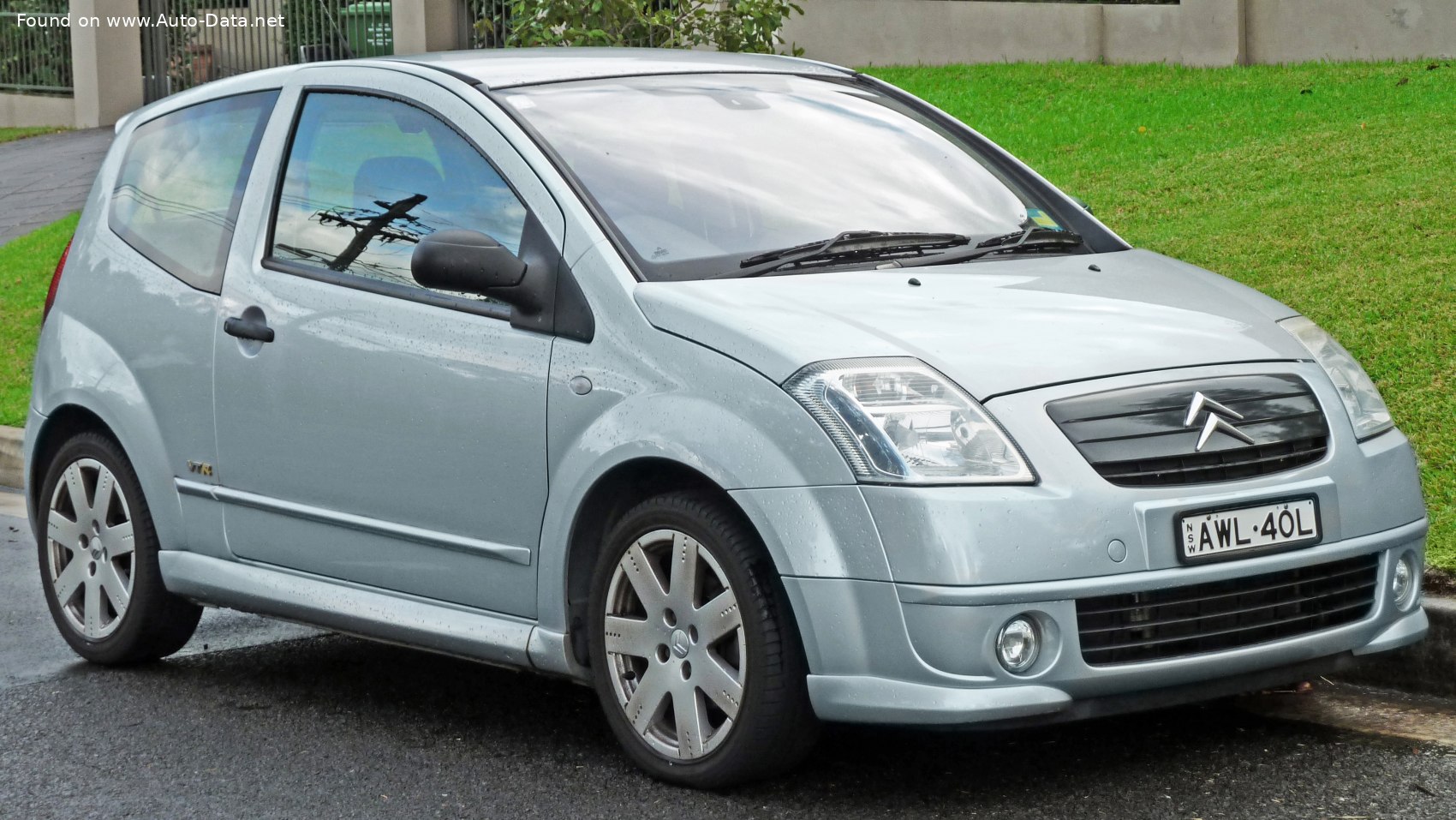
10. Citroen C2 VTS (2003 to 2009)
Citroen’s C2 VTS is the oldest car on this list and arguably the most honest demonstration of what good chassis engineering can achieve independent of horsepower, technology, or electronics.
Producing 125 horsepower from a 1.6-liter naturally aspirated four-cylinder and weighing approximately 1,050 kilograms, the C2 VTS used its modest outputs with such mechanical efficiency that it produced a driving experience whose directness and feedback quality still stand up against considerably more powerful and technically sophisticated hot hatches produced in the decades that followed.
Front suspension geometry on the C2 VTS was optimized specifically for dynamic performance rather than adapted from a standard supermini platform with performance adjustments applied afterward.
Citroen’s engineers selected camber, caster, and toe specifications that maximized front-end bite during corner entry and maintained consistent steering feel across the full range of lateral loading that the car’s chassis was designed to handle.
This geometry-first approach to front suspension calibration produced a front end whose grip and feedback quality were better than the tire sizes and horsepower figures would suggest.
Weight distribution on the C2 VTS was influenced by the small four-cylinder engine’s compact dimensions, which allowed Citroen’s engineers to position the powertrain further back than in many competitors, bringing the center of mass closer to the car’s geometric center than is typical for transverse-engine front-wheel-drive layouts.
Better weight distribution produced more balanced handling characteristics, reducing the front-heavy feel that makes many front-drive cars feel nose-dominant during aggressive driving. Mechanical simplicity was a genuine performance advantage for the C2 VTS in an era when electronics were beginning to substitute for chassis quality in some competitors.
