
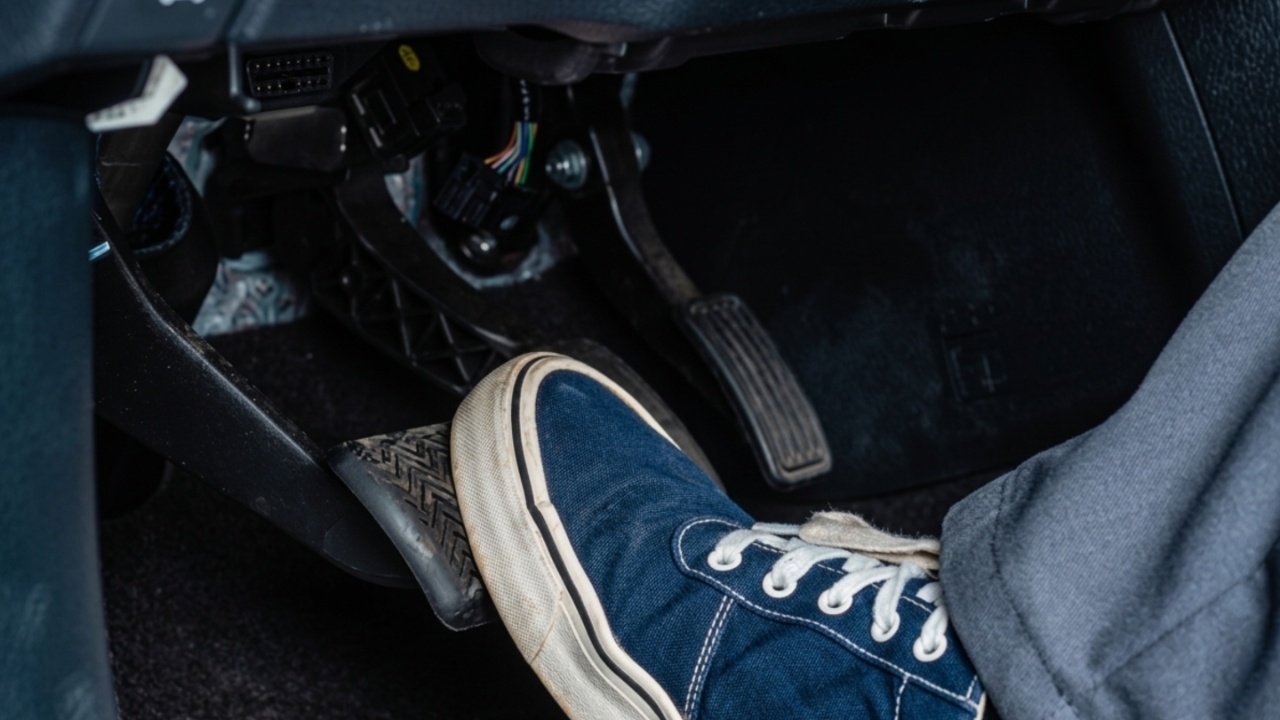
Vibrations while braking are more than a minor annoyance and often indicate underlying issues with your vehicle’s braking or suspension system. Problems such as worn brake pads, warped rotors, or failing wheel bearings can cause the steering wheel or brake pedal to shake, affecting both comfort and safety.
Identifying the source of these vibrations is essential for maintaining control, preventing further damage, and ensuring smooth, reliable braking.
In this guide, we cover 8 reasons why your vehicle may vibrate while braking, including warped rotors, glazed brake pads, sticking calipers, seized caliper guide pins, unbalanced tires, wheel alignment issues, worn suspension components, and failing wheel bearings. Understanding the symptoms of each issue allows drivers to take action early, reduce repair costs, and maintain vehicle performance.
1. Warped Brake Rotors: The Leading Cause of Vibration
Warped brake rotors are a primary source of steering wheel and brake pedal vibrations. Rotors are the smooth metal discs that brake pads clamp onto to stop a vehicle. Over time, excessive heat from aggressive driving, heavy braking, or rapid cooling (such as passing through deep water) can cause rotors to warp or develop uneven thickness variation (DTV).
When brake pads engage with these uneven surfaces, they “skip” across high and low spots, creating a rhythmic pulsing that travels through the brake system and chassis.
The uneven surface contact between pads and rotors causes a pulsating vibration. Heat deformation from long downhill drives or repeated hard braking is a common trigger, leading to metal expansion and warping.
Because rotors are integrated with the wheel hub and steering knuckle assembly, any irregularity is directly transmitted to the steering wheel or brake pedal. This effect is often more pronounced at higher speeds, making the shuddering or pulsing sensation especially noticeable during fast deceleration.
Signs of warped rotors include a vibrating or shaking steering wheel, a pulsating brake pedal, and visible rotor damage such as scratches, grooves, or bluish discoloration.
Recognizing these symptoms early is essential, as continued use of warped rotors can reduce braking efficiency, increase stopping distances, and accelerate wear on brake pads. Proper rotor maintenance, including resurfacing or replacement when necessary, ensures smooth braking, restores vehicle stability, and prevents vibration-related discomfort.
2. Worn or Glazed Brake Pads: A Major Cause of Braking Vibrations
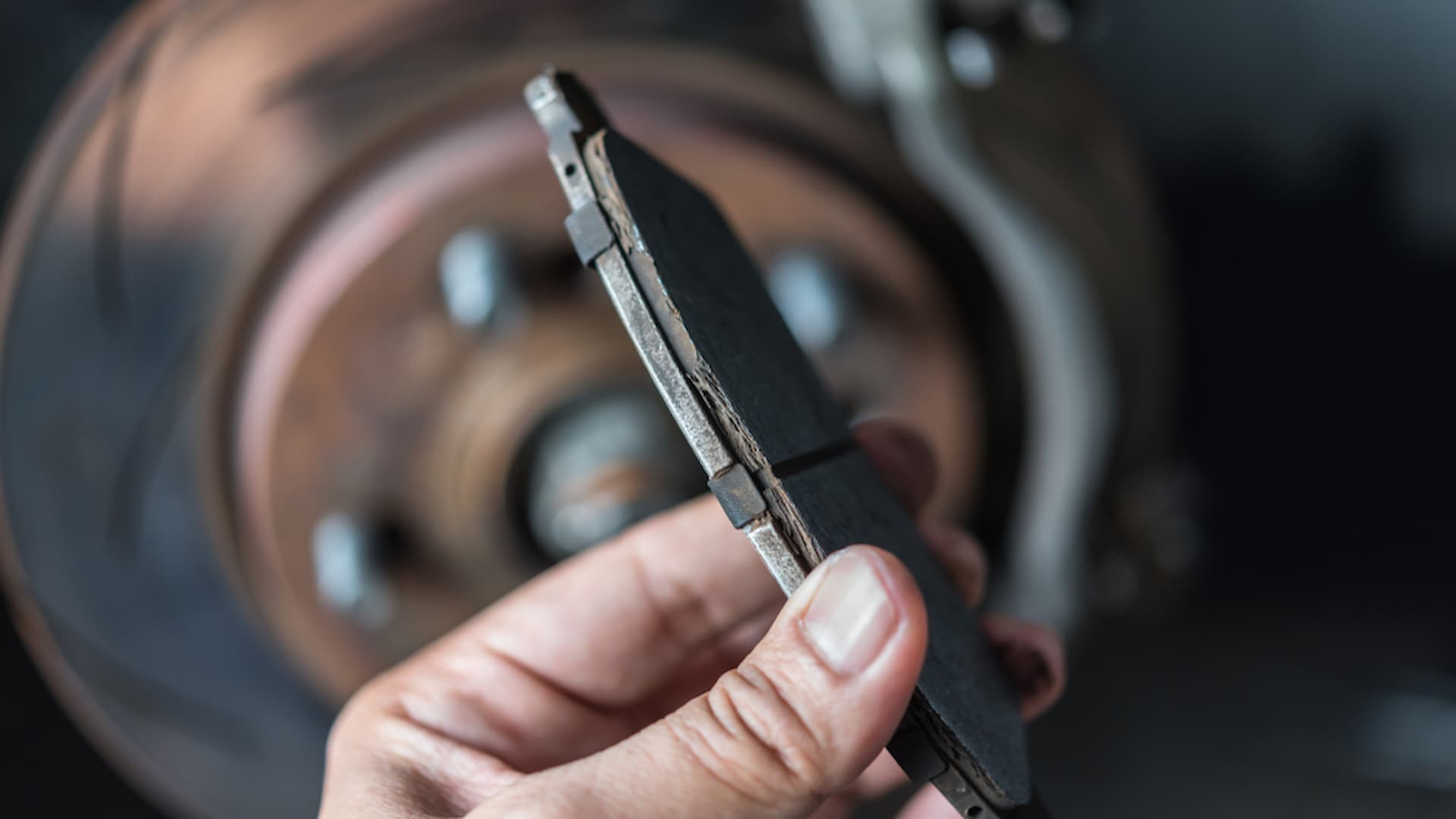
Brake pads are designed to wear evenly, providing consistent friction to stop a vehicle safely. However, over time, heat and friction can compromise their surface. Worn pads lose thickness, reducing their ability to dissipate heat effectively. This uneven heat distribution can cause “pad transfer,” where deposits build up on the rotor, creating high and low spots.
Overheating can also lead to “glazing,” in which the pad surface hardens and becomes smooth, preventing proper grip on the rotor. Both conditions result in uneven friction and vibrations felt through the brake pedal or steering wheel.
The main reasons worn or glazed pads cause vibration include uneven friction surfaces, pad overheating, and uneven rotor deposits. Thin or unevenly worn pads exert inconsistent pressure on the rotor, creating pulsations during braking.
Glazed pads cannot bite into the rotor, causing chattering or shuddering. Additionally, worn pads can accelerate rotor damage by exposing the metal backing, potentially warping the rotor and further amplifying vibration.
Other factors can exacerbate brake vibration, including already warped rotors, suspension issues such as worn ball joints or bushings, and wheel or tire imbalance. Symptoms of worn or glazed pads often include pulsating brakes, high-pitched squealing, grinding noises, and visible surface changes on the pad.
Replacing worn or glazed pads is essential to restore proper braking performance, ensure consistent friction, and prevent damage to rotors. Timely maintenance not only reduces vibrations but also enhances vehicle safety and stability during deceleration.
3. Sticking Brake Calipers: Causes of Vehicle Vibration
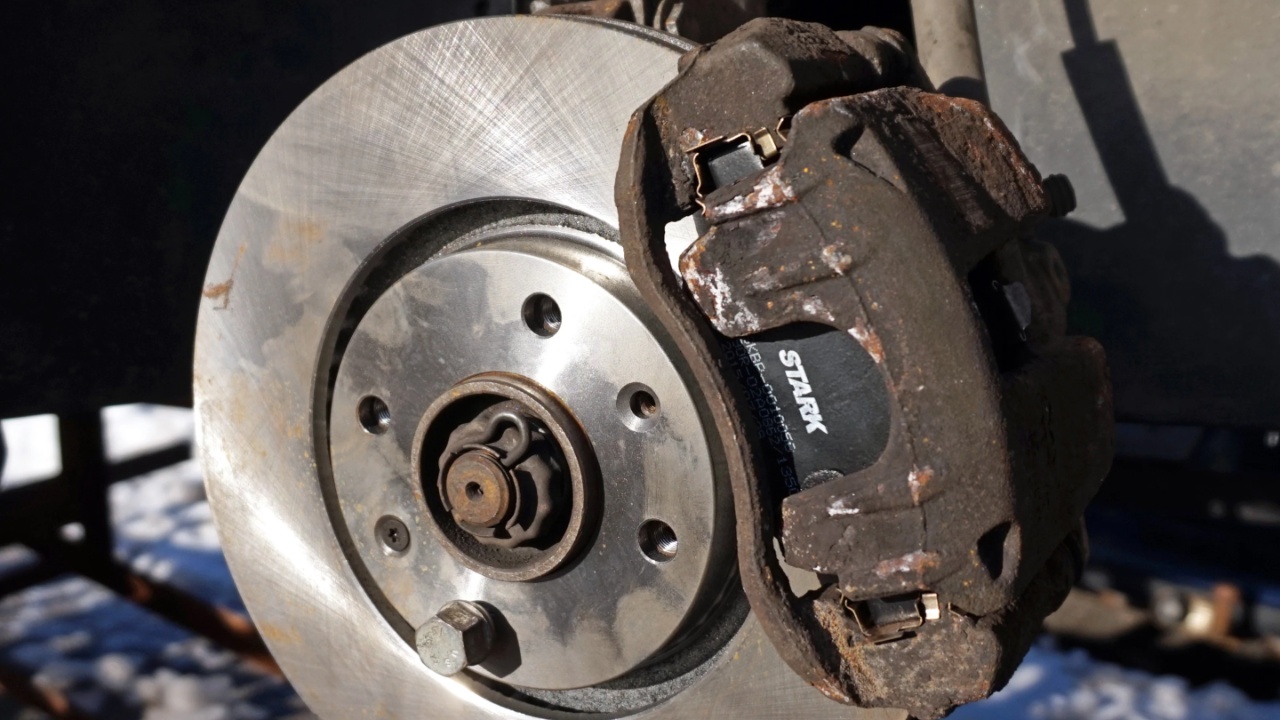
Brake calipers are the hydraulic clamps that hold the brake pads and control their pressure on the rotors. When a caliper sticks due to corrosion, dirt, or a seized piston, it cannot apply even pressure across the rotor.
This causes one wheel to slow down more than the others, leading to vibrations, the vehicle pulling to one side, and excessive heat on the affected wheel. Prolonged sticking can also warp the rotor, increasing shaking, especially at higher speeds.
Sticking calipers cause vibration through uneven pad pressure, inconsistent braking, and rapid rotor damage. A stuck caliper keeps the pad in constant contact with the rotor, generating localized heat and friction.
This creates a shuddering brake pedal, steering wheel wobble, and irregular vibrations. Unlike warped rotors or glazed pads that create rhythmic pulsing during braking, sticking calipers can produce irregular and severe vibrations even at low speeds or while driving without braking.
Common signs of a sticking caliper include a vibrating brake pedal, the vehicle pulling to one side, a burning smell from continuous friction, and one wheel being noticeably hotter than the others. These symptoms indicate that the caliper is creating uneven braking force and that immediate attention is required.
Prompt inspection and repair, including cleaning, lubrication, or caliper replacement, are necessary to restore balanced braking. Fixing the problem prevents further rotor damage, improves braking performance, and ensures safe and stable vehicle operation. Recognizing the signs early can save money and maintain driving comfort.
4. Seized Caliper Guide Pins: A Key Cause of Brake Vibration
In a floating caliper braking system, guide pins allow the caliper to slide and keep brake pads properly aligned on the rotor. When these pins become clogged with debris, corroded, or lose lubrication, they can seize in place.
This prevents the caliper from moving freely, causing the pads to contact the rotor at an angle instead of flush. The resulting misalignment produces “pad chattering,” where pads bounce on the rotor surface. This creates rapid vibrations and accelerates uneven wear on both pads and rotors.
Seized guide pins cause vibration by preventing proper pad release, creating uneven pressure, constant friction, and excessive heat. The uneven clamping can warp or drag the rotor, producing noticeable shaking in the steering wheel or brake pedal, particularly during braking. Vehicle pulling to one side is also common because the stuck caliper applies unequal braking force compared to the other side.
Other signs of seized guide pins include a burning odor from the affected wheel, excessive brake dust on the rim, reduced braking performance, and sluggish acceleration. The constant friction and heat can leave heat spots on the rotor, further contributing to vibration.
To prevent these issues, guide pins should be thoroughly cleaned and lubricated with high-temperature brake grease during every brake service.
Proper maintenance ensures smooth caliper movement, even pad pressure, and consistent rotor contact, which reduces vibration, improves braking performance, and extends the life of brake components. Regular inspection of guide pins is essential to maintain safe and stable vehicle operation.
Also read: 5 Reasons Why Buying a Car From a Private Seller Is Riskier in 2026
5. Unbalanced Tires: A Hidden Cause of Brake Vibration
Tires must have their weight evenly distributed to rotate smoothly. When a counterweight falls off, a tire wears unevenly, or the wheel is bent, the tire becomes unbalanced. While this often produces general vibration at high speeds, braking can intensify the sensation.
As the vehicle slows, weight shifts forward onto the front tires, amplifying any existing imbalance. This uneven distribution creates a wobbling force that transfers through the steering column, making the shaking feel more pronounced during deceleration.
Unbalanced tires disrupt the rotational harmony of the wheel assembly and can mimic symptoms commonly associated with warped rotors, such as a pulsating brake pedal or steering wheel shimmy.
Front tire imbalance usually causes the steering wheel to shake, while rear tire imbalance produces vibrations through the seat or floorboard. If the vibration is present during normal driving but worsens when braking, tire issues are often the cause.
Ignoring unbalanced tires can lead to progressive damage, including uneven tread wear that creates flat spots and additional strain on suspension components like shocks, struts, and ball joints, which further contribute to vibrations while braking. Common causes of imbalance include lost wheel weights from potholes or curbs, uneven tread wear due to lack of rotation, and bent wheels from road hazards.
Proper diagnosis involves distinguishing tire issues from rotor problems. If the steering wheel shakes only when braking, warped rotors are likely. If the shake occurs during driving and becomes worse when braking, unbalanced tires are usually the culprit. Regular tire maintenance, balancing, and rotation are essential to prevent vibrations, protect the suspension, and ensure safe and smooth braking.
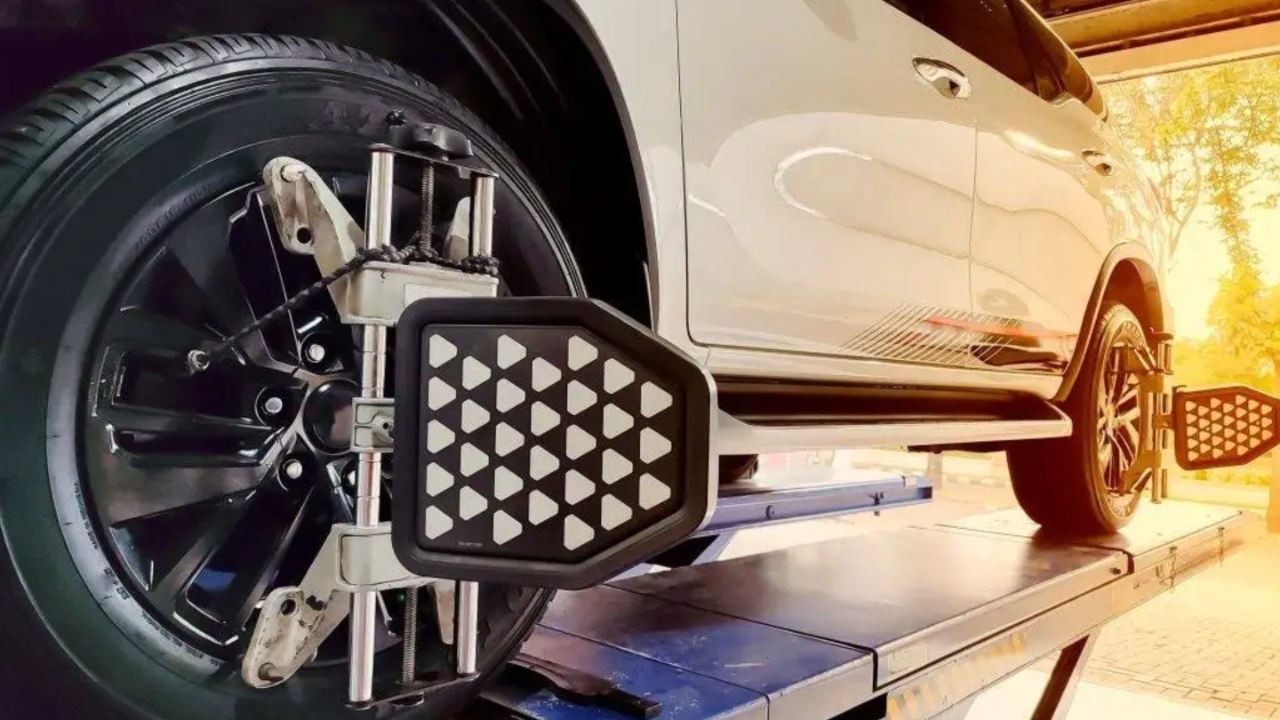
6. Wheel Alignment Issues: A Major Source of Brake Vibration
Proper wheel alignment ensures that all wheels point in the exact direction specified by the manufacturer. Hitting potholes or curbs can knock wheels out of alignment, causing instability in the vehicle.
While misaligned wheels often make a car wander or cause the steering wheel to sit off-center, the problem becomes more pronounced during braking. When brakes are applied, tires with incorrect angles resist smooth rotation, forcing suspension components to compensate. This results in a noticeable shudder or vibration in the front end.
Wheel alignment issues are a leading cause of brake-related vibrations because misaligned wheels create uneven tire contact with the road. As the vehicle slows, weight shifts forward, amplifying the instability and making shuddering, pulling, or vibrations more intense.
Poor alignment also causes irregular tire wear due to camber, caster, or toe problems, which further destabilize the wheel rotation and increase vibration felt through the steering wheel.
Misalignment also accelerates wear on steering and suspension components such as ball joints and tie rods. These worn parts add movement to the front end, which becomes particularly noticeable under braking stress. Symptoms of alignment problems include vehicle pulling to one side, steering wheel shake when braking, and visibly uneven tire wear patterns.
Although warped rotors are a common cause of brake vibrations, alignment issues directly affect vehicle stability and are a frequent underlying factor. Regular alignment checks and suspension inspections help maintain safe, smooth braking, prevent uneven tire wear, and reduce the likelihood of vibrations during deceleration.
7. Worn Suspension Components: Amplifying Brake Vibrations
Suspension components such as ball joints, tie rod ends, control arm bushings, shocks, and struts are essential for keeping wheels stable and aligned. When these parts wear out, they develop looseness or “play” that may cause minor instability during normal driving.
However, the force of braking amplifies this movement, causing wheels to shift or chatter within the loosened joints. This lack of rigidity results in deep vibrations or clunking noises felt through the steering wheel, brake pedal, or front end of the vehicle.
Worn suspension parts are a leading contributor to brake-related vibrations because they fail to stabilize the wheels under braking pressure. Damaged bushings, ball joints, or tie rods allow the suspension to move excessively, transforming small brake movements into noticeable shakes. Worn shocks or struts also fail to control weight transfer, causing the front end to dip or bounce, which further exaggerates vibrations.
Even minor rotor imperfections feel significantly worse when paired with loose suspension components. Misaligned parts cause tires to fight each other during braking, producing additional instability and steering wheel vibration.
Common problem areas include control arm bushings, which allow excessive movement; ball joints and tie rods, which permit steering components to vibrate; and failing shocks or struts, which reduce damping and increase body sway.
If brake vibrations persist after inspecting the braking system, the issue is often related to the suspension or steering system. Regular inspection and maintenance of these components are crucial to restore wheel stability, improve braking performance, and eliminating front-end vibrations for safe, smooth driving.
8. Failing Wheel Bearings: A Hidden Cause of Brake Vibration
Wheel bearings allow wheels to rotate smoothly while supporting the weight of the vehicle. When a bearing begins to fail, it can develop excessive play or wobble in the wheel hub assembly. Because the brake rotor is mounted directly to the hub, any wobble in the bearing causes the rotor to spin unevenly.
When the brake pads clamp onto this unstable rotor, the result is a pulsing or vibrating sensation in the brake pedal. Failing wheel bearings are often accompanied by a low-pitched humming or growling noise that changes in tone with vehicle speed.
The uneven rotor rotation caused by worn wheel bearings directly contributes to brake-related vibration. Unlike warped rotors or glazed pads, which create rhythmic pulsing, bearing issues often produce both pedal vibration and a distinct noise that varies with acceleration and deceleration. As bearings deteriorate further, the wobble increases, placing additional stress on suspension and steering components.
Signs of failing wheel bearings include vibration in the brake pedal or steering wheel, unusual noises from the wheel area, uneven tire wear, and sometimes pulling to one side during braking. Early detection is critical because continued driving on a worn bearing can lead to hub damage, rotor misalignment, and compromised vehicle safety.
Regular inspection and timely replacement of wheel bearings ensure smooth wheel rotation, consistent brake performance, and stability while driving. Addressing bearing issues promptly prevents excessive wear on the braking system, suspension components, and tires, while eliminating vibrations that compromise comfort and control.
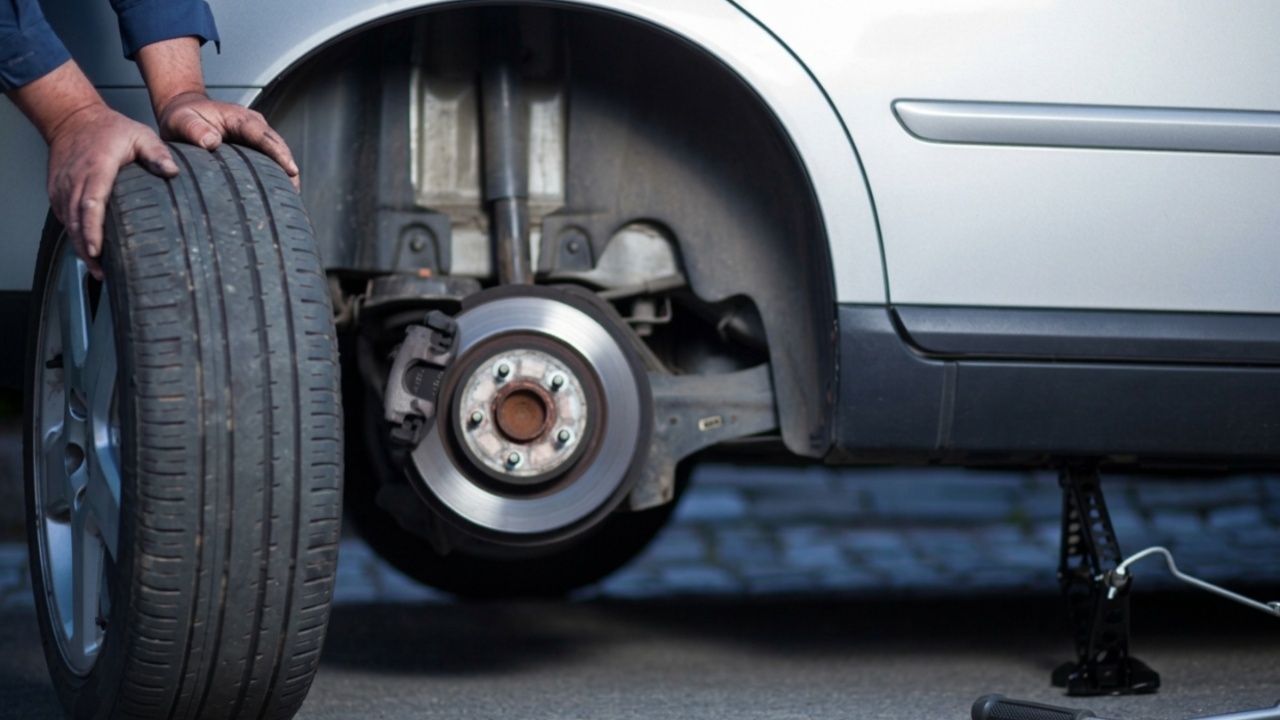
Brake vibrations can arise from many different components, and diagnosing the correct cause is key to restoring safe and smooth braking. Regular inspections and maintenance, along with timely repairs of issues like warped rotors, worn pads, misaligned wheels, or failing bearings, can eliminate vibrations, improve vehicle stability, and extend the life of important components.
Addressing these problems promptly ensures safe braking, a comfortable driving experience, and helps prevent minor issues from becoming major repairs. Staying proactive with brake and suspension care keeps your vehicle performing reliably every time you slow down.
Also read: 10 Reasons Why Heavy Duty Gas Engines Are Beating Diesels in 2026
