Modern engines are no longer defined solely by their power output or speed; refinement and quiet operation have become equally important benchmarks. Advances in engineering and materials science now allow engines to deliver impressive performance while minimizing noise, vibration, and harshness.
From luxury cars that glide silently along the road to aircraft engines that provide thrust without disturbing passengers or nearby communities, engineers have developed solutions that merge efficiency, comfort, and precision. Specialized applications, such as submarines and marine vessels, push this concept even further, using innovative designs to achieve near-total acoustic stealth.
The seven engines featured here represent some of the best examples of this quiet engineering revolution. Each demonstrates how careful design, advanced technology, and meticulous craftsmanship can produce machines that are powerful yet whisper-quiet, offering smoother operation, improved efficiency, and a refined experience for drivers, passengers, and operators alike.
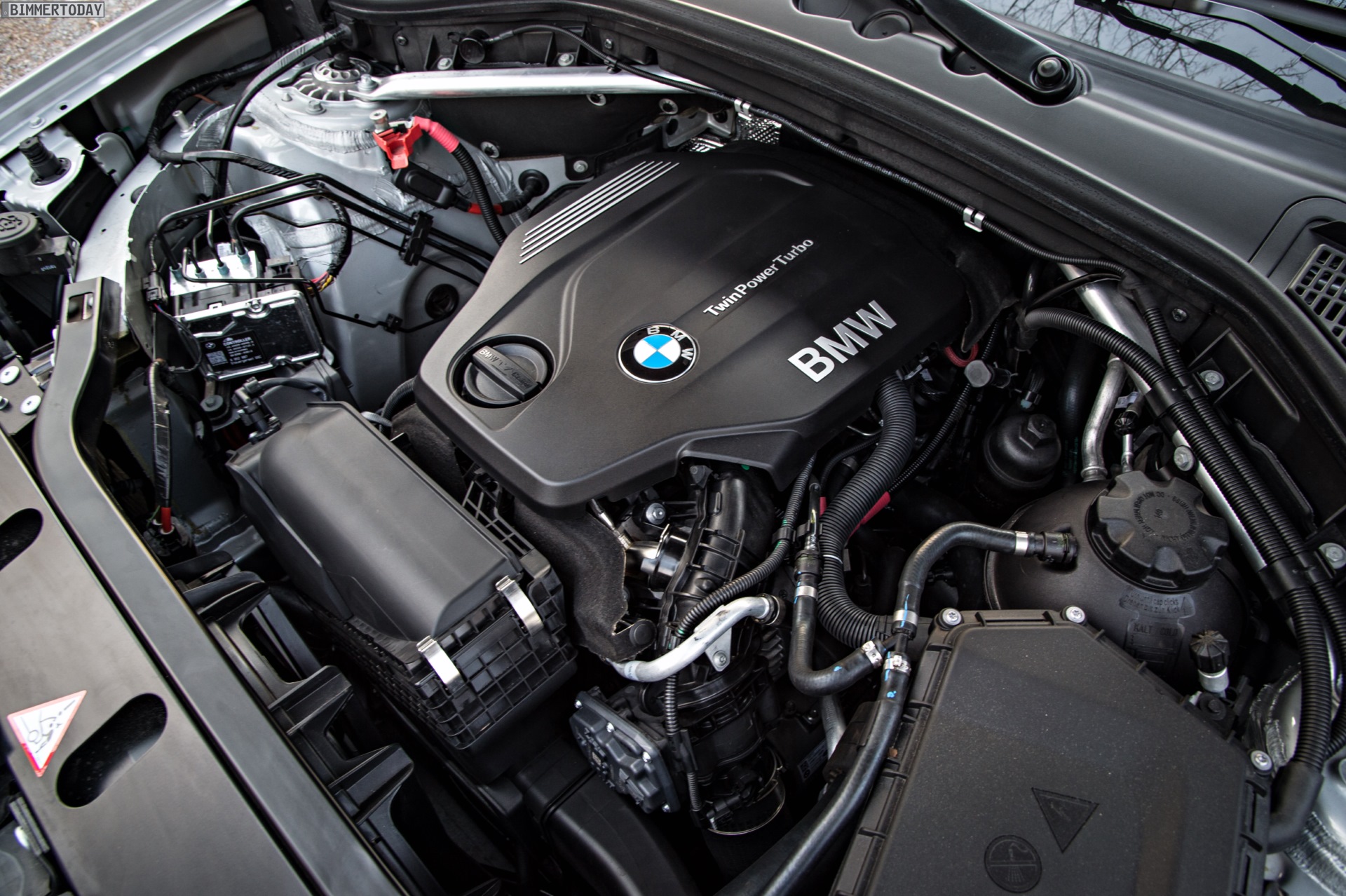
1. BMW B47 Diesel Engine in the 523d: Quiet, Efficient, and Refined
The BMW B47 diesel engine, especially in the 523d, is widely recognized as one of the most refined modern diesel engines. Introduced in 2014 to replace the problematic N47, the B47 set new benchmarks for quietness, reliability, and fuel efficiency in four-cylinder diesels.
In its most common 2.0L turbocharged variant, it produces around 190 hp and 400 Nm of torque, typically paired with an 8-speed Steptronic automatic transmission, offering a balance of performance and comfort.
Unlike traditional diesel engines, often associated with harsh clatter, the B47 uses advanced acoustic engineering, common-rail direct injection, and structural optimizations to deliver an exceptionally smooth and quiet operation.
Acoustic panels and encapsulation reduce mechanical noise, while integrated balancer shafts and thermally joined aluminum cylinder liners minimize vibrations and internal friction. The lower compression ratio of 16.5:1 further softens combustion noise, giving the 523d a cabin experience closer to that of a gasoline engine.
The B47’s combustion system contributes significantly to its refinement. Advanced high-pressure common-rail injection allows multiple precise fuel injections per cycle, creating smoother, more gradual combustion and reducing the typical “diesel knock.”
The cylinder and piston design were specifically optimized to lower noise under load, and updates in 2017/2018 further improved fuel delivery for quieter, more efficient operation. These design features ensure that while a faint diesel rumble may be audible at idle, engine noise disappears almost entirely above 2,000 RPM, resulting in a serene driving experience at higher speeds.
Performance in the 523d emphasizes torque and usability. The engine delivers robust low-to-mid-range torque, enabling effortless overtaking and relaxed highway cruising, with 0-100 km/h times around 6.2–7.0 seconds.
The combination of smooth power delivery and transmission tuning keeps the engine operating at low RPMs, enhancing both acoustic comfort and fuel efficiency. Speaking of efficiency, the B47 excels in fuel economy, offering over 45 mpg combined and more than 60 mpg on highways in some configurations, while post-2017 models feature AdBlue injection to meet Euro 6 emissions standards.
In terms of reliability, the B47 addresses many issues of its predecessor. Timing chain durability has improved, though high-mileage inspections are still recommended. The most common concerns are EGR cooler leaks and DPF clogging during short trips, but these are manageable with proper maintenance and longer driving intervals.
The B47 in the 523d combines diesel efficiency with near-gasoline refinement, strong torque, and modern emissions compliance, making it an excellent choice for commuters and long-distance drivers seeking comfort, performance, and economy.
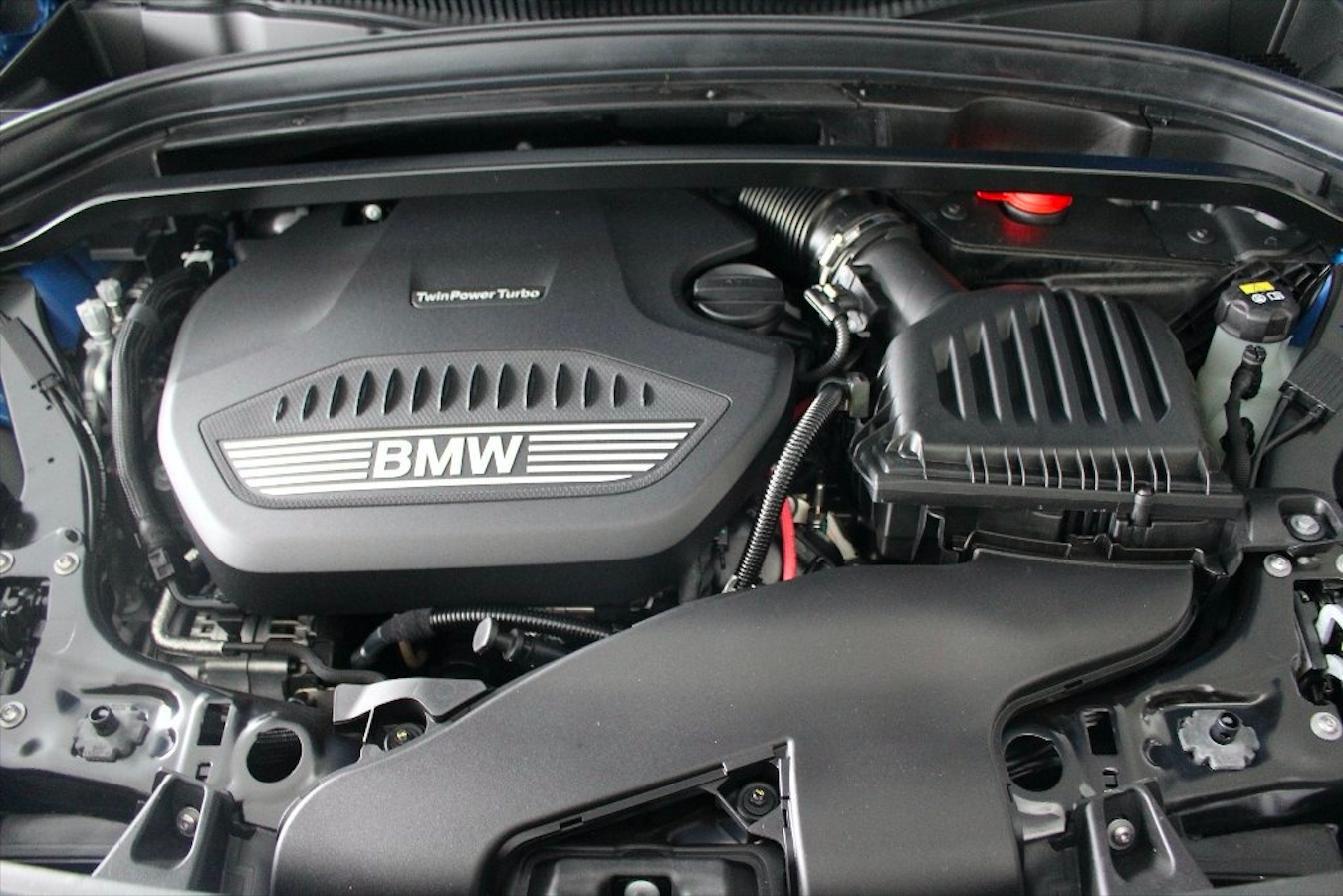
2. Mercedes-Benz M273 V8: Refined Power and Effortless Smoothness
The Mercedes-Benz M273 V8, produced between 2005 and 2013, is considered one of the most refined naturally aspirated engines in modern luxury cars. It is primarily found in S-Class models as well as other 500/550-badged vehicles such as the E550, ML550, GL550, SL550, and CLS550. The 5.5-liter 90-degree V8 produces 382 horsepower and strong torque while delivering a smooth and quiet driving experience.
It was designed as a naturally aspirated bridge between the older M113 and the newer twin-turbocharged M278 engines, providing the classic V8 character with deep, luxurious sound, immediate throttle response, and a calm cabin environment.
The engine’s smoothness comes from its inherently balanced 90-degree V8 layout, which minimizes primary vibration forces. Mercedes enhanced this balance with dual timing chains, one for each cylinder bank, which reduces mechanical stress and lowers engine noise.
Advanced noise, vibration, and harshness engineering includes active engine mounts that counter vibrations before they reach the chassis, magnesium intake manifolds to reduce weight, and an acoustic-engineered air induction system that suppresses intake noise. Together, these features make the M273 extremely quiet at idle and nearly imperceptible during steady highway driving.
Precision engineering extends to the valvetrain and internal components. Roller finger followers reduce friction and wear in the cam system, while continuously variable valve timing on both intake and exhaust sides ensures stable idle and smooth power delivery. High-quality forged steel connecting rods and a one-piece cast crankshaft maintain tight tolerances and reduce internal mechanical noise.
Multi-point port fuel injection avoids the high-pressure clatter found in direct injection engines. Being naturally aspirated, the M273 does not produce turbocharger whine and maintains a calm engine character under all conditions.
Despite its refinement, early M273 engines produced before 2008 experienced timing chain idler gear failures, which were expensive to repair. Other potential issues include plastic intake manifold lever failures, worn camshaft sensors, and oil leaks from the oil cooler. Post-2008 engines resolved most of these problems, making the M273 highly durable with proper maintenance.
The M273 V8 delivers smooth, quiet, and effortless performance that aligns with the expectations of Mercedes-Benz luxury models. It may not offer the immediate torque of newer twin-turbo engines, but it provides strong, reliable power, a refined V8 sound, and excellent long-term durability. This combination of performance, comfort, and acoustic refinement makes it one of the standout naturally aspirated engines of its era.
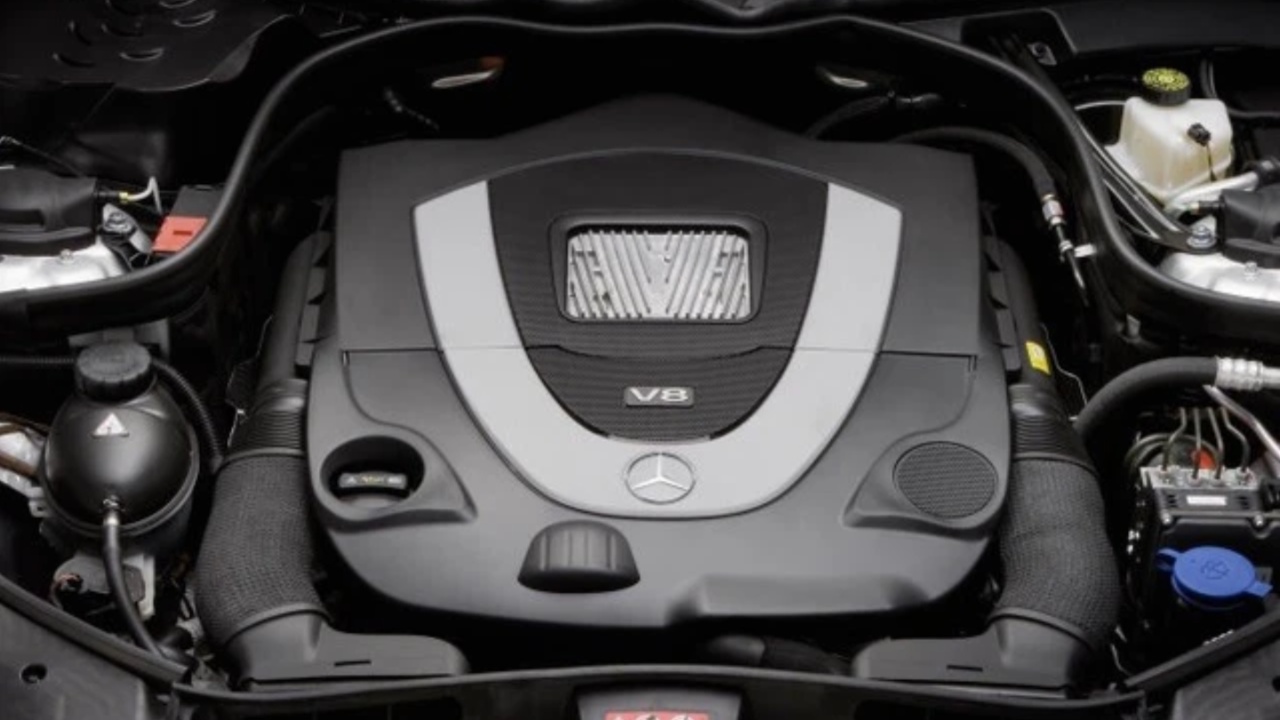
3. Lexus 2GR-FKS V6: Smooth, Quiet, and Refined Performance
The Lexus 2GR-FKS V6, a 3.5-liter naturally aspirated engine introduced around 2015, is widely regarded for its smoothness, quiet operation, and long-term reliability. It is commonly found in Lexus models such as the ES350, GS350, IS350, RC350, RX350, and in select Toyota models, including the Camry, Highlander, and Tacoma.
Producing roughly 311 horsepower, the engine delivers linear, effortless power, which has become a hallmark of Lexus’s “serene” driving experience. Its refinement results from a combination of inherent engine balance, advanced fuel injection technologies, and meticulous noise, vibration, and harshness (NVH) engineering.
At its core, the 2GR-FKS is a 60-degree V6 with even firing intervals, offering natural balance and reduced vibration compared to high-output turbocharged four-cylinder engines. The aluminum alloy die-cast block with cast-iron cylinder liners provides a rigid foundation, minimizing flex and noise.
The engine uses low-friction roller bearings and forged aluminum pistons to reduce mechanical noise even at higher RPMs. A chain-driven valvetrain with optimized guides ensures quiet, long-term operation, while careful crankshaft balancing and sound-absorbing engine covers further enhance NVH performance.
The 2GR-FKS employs Toyota’s D-4S dual-injection system, which combines port and direct injection to optimize combustion and reduce noise. Port injection is used at low speeds and idle, where direct injection can generate noticeable ticking sounds.
The system adjusts based on engine load, providing smoother power delivery and minimizing harshness during acceleration. Variable Valve Timing-intelligent Wide (VVT-iW) allows the intake camshaft to switch between the Otto cycle for power and the Atkinson cycle for efficiency. The Atkinson cycle improves fuel efficiency while softening low-load operation, reducing the grumble common in traditional engines.
Additional NVH improvements include an integrated stainless steel exhaust manifold, which simplifies structure and reduces vibration noise, and the Acoustic Control Induction System (ACIS) that adjusts intake length to minimize noise. Hydraulic lash adjusters maintain zero valve clearance, keeping the valvetrain quiet and maintenance-free over time.
The 2GR-FKS delivers strong, linear power without abrupt torque surges, maintaining low noise levels in daily driving. With proper maintenance, it is highly durable, often surpassing 200,000 miles.
Known issues are minor and include timing cover oil leaks, occasional water pump or ignition coil replacements, and potential carbon buildup, which is mitigated by the dual-injection system. Early models had rare oil ring concerns, but these are uncommon in Lexus applications.
The 2GR-FKS V6 combines refined power, quiet operation, and reliability, making it a benchmark naturally aspirated engine in the luxury segment. It balances performance, efficiency, and comfort, establishing itself as a durable and low-drama engine choice for both luxury and daily driving applications.
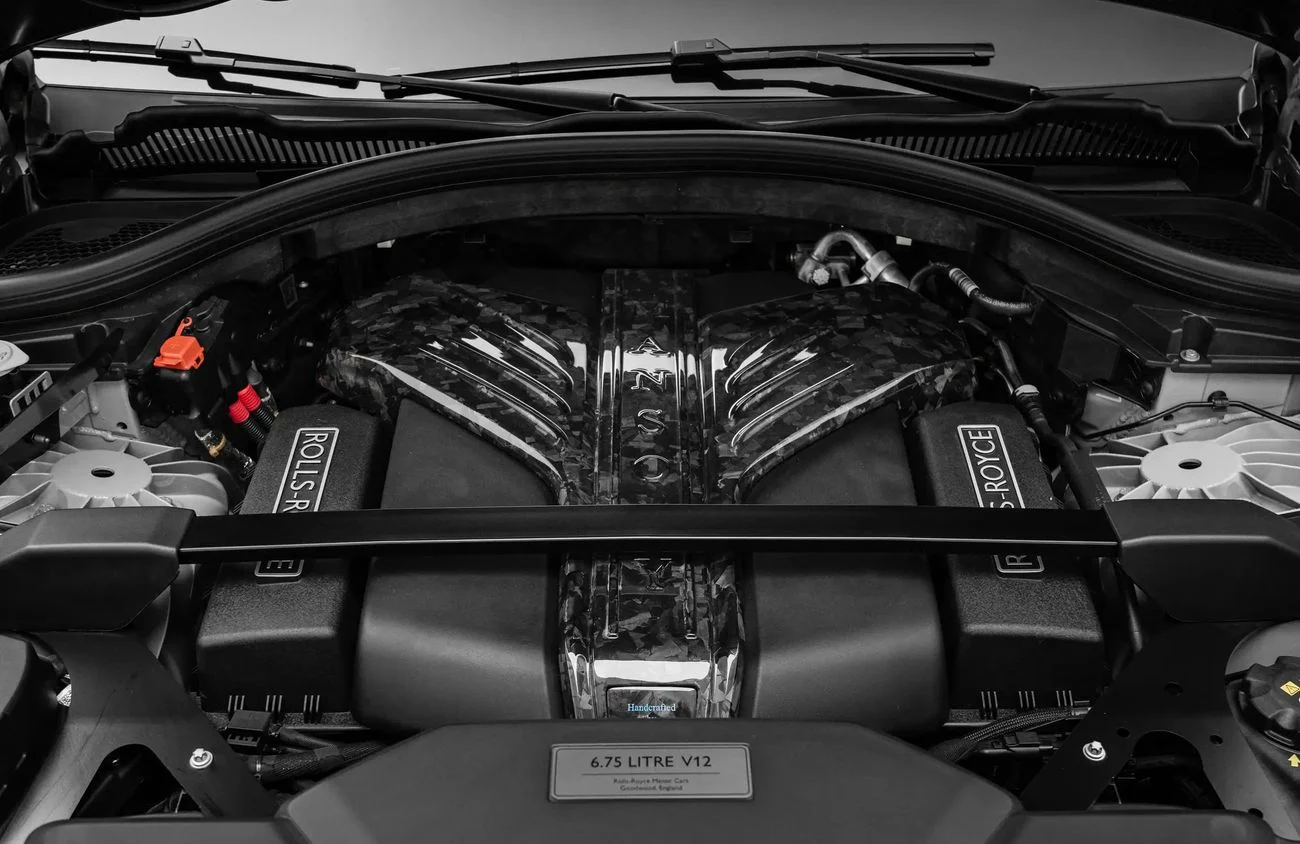
4. Rolls-Royce 6.75L V12: Ultimate Silence and Effortless Power
The Rolls-Royce 6.75-liter twin-turbo V12, found in models such as the Phantom, Ghost, and Cullinan, is engineered for supreme quietness and effortless performance. Often described as delivering “waftability,” this engine emphasizes low-RPM torque and smooth, continuous power rather than high-revving speed.
Producing between 563 and 592 horsepower and up to 627 lb-ft of torque, the V12 accelerates these large vehicles from 0 to 100 km/h in under five seconds while remaining nearly inaudible inside the cabin. The engine’s refinement contributes directly to Rolls-Royce’s signature “Magic Carpet Ride,” where occupants experience a floating, serene sensation above the road.
The quietness of the 6.75L V12 is achieved through a combination of inherent design and advanced engineering. The 60-degree V12 layout is naturally balanced, minimizing vibrations that could otherwise travel into the cabin.
The engine is mounted within a rigid aluminum spaceframe platform with extensive sound insulation, including double-glazed windows, nearly 300 pounds of acoustic material, and strategically placed engine positioning.
Rolls-Royce even incorporates specially designed Continental tires with internal foam layers to further reduce road noise, ensuring that the engine operates with a ghost-like presence. In some models, engineers reintroduce subtle engine sound into the cabin to provide auditory feedback and prevent disorientation from total silence.
The V12 is paired with an eight-speed Satellite Aided Transmission, which uses GPS data to anticipate terrain and maintain the engine in its optimal RPM range, avoiding unnecessary downshifts or noisy gear changes.
Each engine is hand-built by a single technician and rigorously tested for balance and consistency, ensuring near-perfect operation. The design avoids a traditional redline, emphasizing smooth, unlimited power delivery instead of aggressive revving.
The engine’s low-RPM torque allows for effortless acceleration, and the transmission, combined with advanced air suspension and optional four-wheel steering, creates a ride quality described as almost supernatural in smoothness. Even the heavy Phantom and Cullinan feel composed in corners, while the Low mode on Black Badge models offers a sportier feel with faster shifts and a more pronounced exhaust note.
While the 6.75L V12 offers unrivaled refinement and power, it comes with high fuel consumption, particularly under spirited driving, often dropping into the low double digits in miles per gallon.
Despite this, the combination of silent operation, immense torque, and effortless acceleration makes it one of the most luxurious and technically advanced engines ever produced. Rolls-Royce’s focus on precision, insulation, and hand-built quality ensures that this V12 delivers a driving experience defined by comfort, composure, and serene authority.
Also read: 5 Engines With Easy Spark Plug Access vs 5 That Require Engine Removal
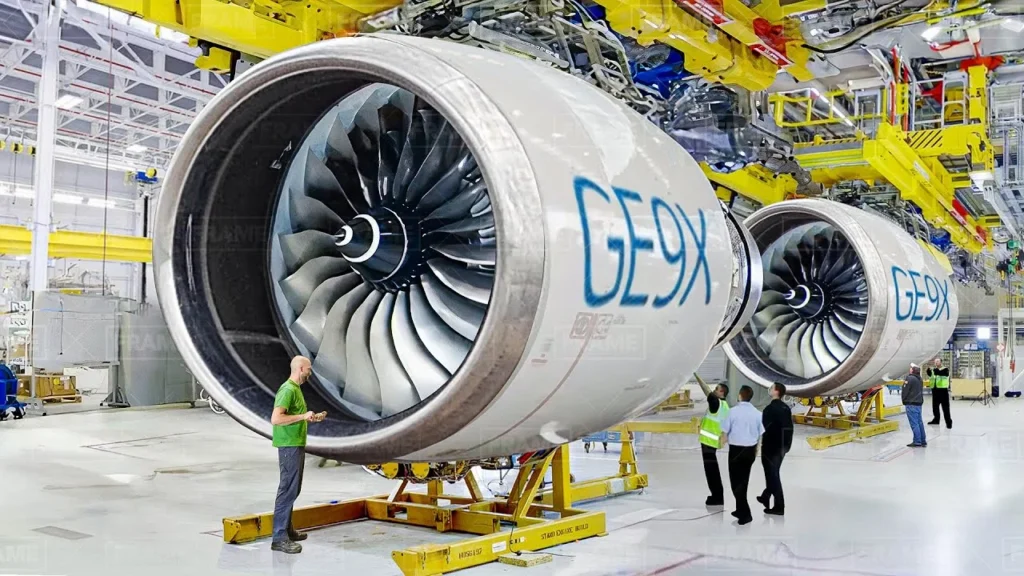
5. GE Aerospace GE9X: Quiet, Powerful, and Efficient Aviation Engine
The GE Aerospace GE9X is the quietest and most advanced turbofan engine produced by General Electric, designed exclusively for the Boeing 777X family. It features a massive 134-inch diameter fan, the largest in the world, combined with an ultra-high bypass ratio of over 10:1.
These design choices allow the engine to generate more than 100,000 pounds of thrust while moving a large volume of air at lower speeds, which significantly reduces jet exhaust noise. Compared to its predecessor, the GE90, the GE9X lowers noise output by about nine decibels, making it much quieter for passengers and communities near airports.
The fan and blade design play a key role in quiet operation. The engine uses sixteen fourth-generation carbon fiber composite fan blades instead of the twenty-two blades used in the GE90-115B. Each blade has a steel leading edge for durability and can slightly flex at high speeds to optimize airflow.
Additional noise reduction comes from chevron nozzles on the exhaust, honeycomb acoustic linings in the inlet and exhaust, and carefully optimized spacing between the fan blades and structural components. These features produce a soft, almost imperceptible hum even at full thrust.
Efficient combustion also contributes to quiet and clean performance. The GE9X uses a third-generation Twin Annular Pre-swirl combustor, known as TAPS III, which improves air-fuel mixing, reduces turbulence, and lowers Nitrogen Oxide emissions by approximately fifty-five percent below current regulations.
Ceramic matrix composites are used in the core, reducing weight by two-thirds compared to metal components while allowing operation at higher temperatures. This reduces the energy needed to produce thrust and supports quieter operation while improving efficiency.
Advanced engineering enhances reliability and fuel economy. The engine achieves ten percent better fuel consumption compared to the GE90, has a sixty-to-one compressor pressure ratio, and incorporates components made with 3D printing for lighter, heat-resistant parts.
It undergoes rigorous testing under extreme conditions, including dust ingestion and icing, to ensure durability. Pilots and engineers note that the GE9X is so quiet it can be difficult to tell it is running, delivering immense power with minimal noise.
The GE9X sets a new benchmark in aviation engine design by combining record-breaking thrust, high efficiency, advanced materials, and exceptional acoustic refinement. It demonstrates that a large, high-thrust engine can operate quietly, efficiently, and reliably, redefining passenger comfort and environmental standards for long-haul commercial aircraft.
6. Pratt & Whitney PW1100G: Quiet Innovation with Challenges
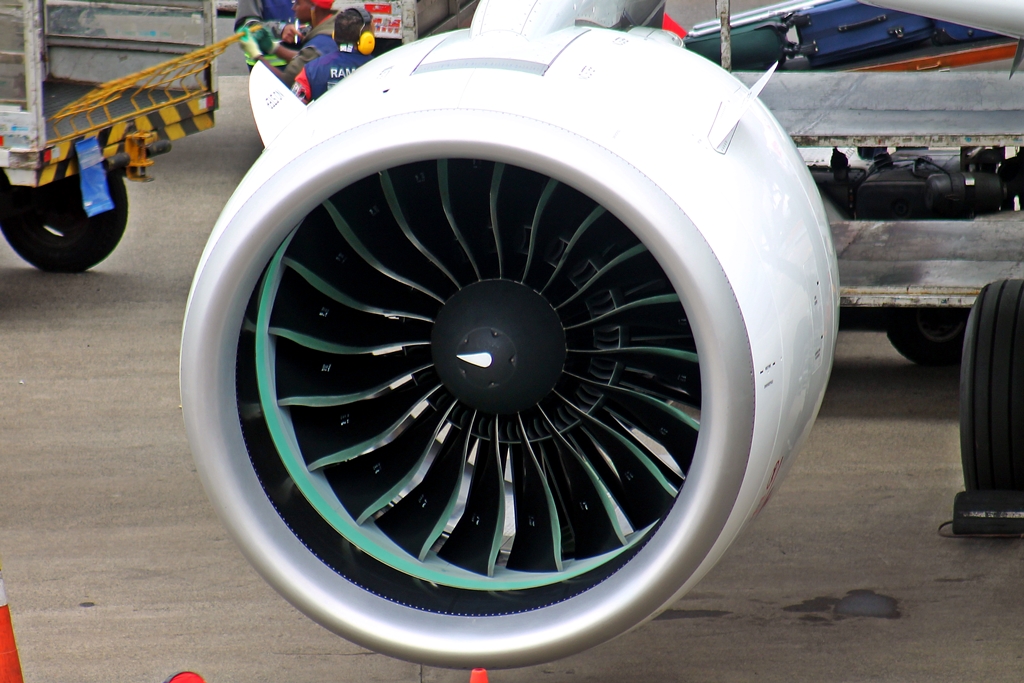
The Pratt & Whitney PW1100G, part of the Geared Turbofan (GTF) engine family, powers the Airbus A320neo series and is widely recognized for its groundbreaking approach to reducing aircraft noise. Unlike conventional turbofan engines, where the fan and low-pressure turbine spin at the same speed, the PW1100G uses a reduction gearbox to allow the fan to rotate more slowly than the turbine.
This decoupling dramatically lowers fan tip noise, reduces broadband noise, and allows the turbine to operate at higher, more efficient speeds. The result is a quieter engine that delivers high propulsive efficiency while enhancing fuel economy and reducing emissions.
A defining feature of the PW1100G is its exceptionally high bypass ratio of approximately 12:1. More air passes around the engine core at lower speeds, which reduces jet exhaust velocity and lowers the “jetting” noise that dominates during takeoff.
Combined with fewer fan blades, twenty in the PW1100G versus thirty-six in older engines like the CFM56-5B and hybrid metallic construction, the engine minimizes vibration and aerodynamic noise while improving efficiency.
Passengers experience a significantly quieter cabin, and communities around airports benefit from a smaller noise footprint, reportedly affecting about 500,000 fewer people compared to previous-generation engines.
The GTF technology also contributes to better environmental performance. Fuel efficiency improves by 16 to 20 percent, and nitrogen oxide emissions are roughly 50 percent lower than in older designs. The engine’s quieter operation allows airlines to operate in noise-sensitive airports during late hours, providing passengers with a more peaceful travel experience.
The upcoming “GTF Advantage” upgrade, launching in 2025, promises 4 to 8 percent more thrust, one percent better fuel efficiency, and improved durability to address earlier operational challenges.
Despite its technological advantages, the PW1100G has faced significant reliability issues. Contaminated powdered metal in high-pressure turbine disks manufactured between 2015 and 2021 has required inspections, part replacements, and extensive maintenance, grounding hundreds of aircraft and disrupting airlines globally.
Early models also experienced cold-weather start issues, later resolved by software updates. The repair and replacement backlog has caused supply chain challenges and long turnaround times, reducing operator confidence compared to competing engines such as the CFM LEAP-1A, which offers more consistent reliability and time-on-wing performance.
The PW1100G remains a technological breakthrough, combining extreme quietness, high efficiency, and reduced emissions. Its geared architecture represents a major leap in turbofan design, demonstrating that large jet engines can operate with remarkable quietness and fuel economy.
However, its legacy is tempered by severe reliability and production challenges that have affected fleet operations and airline trust, highlighting the balance between cutting-edge innovation and practical durability in modern aviation engines.
7. Stirling Engine: The Pinnacle of Quiet Power
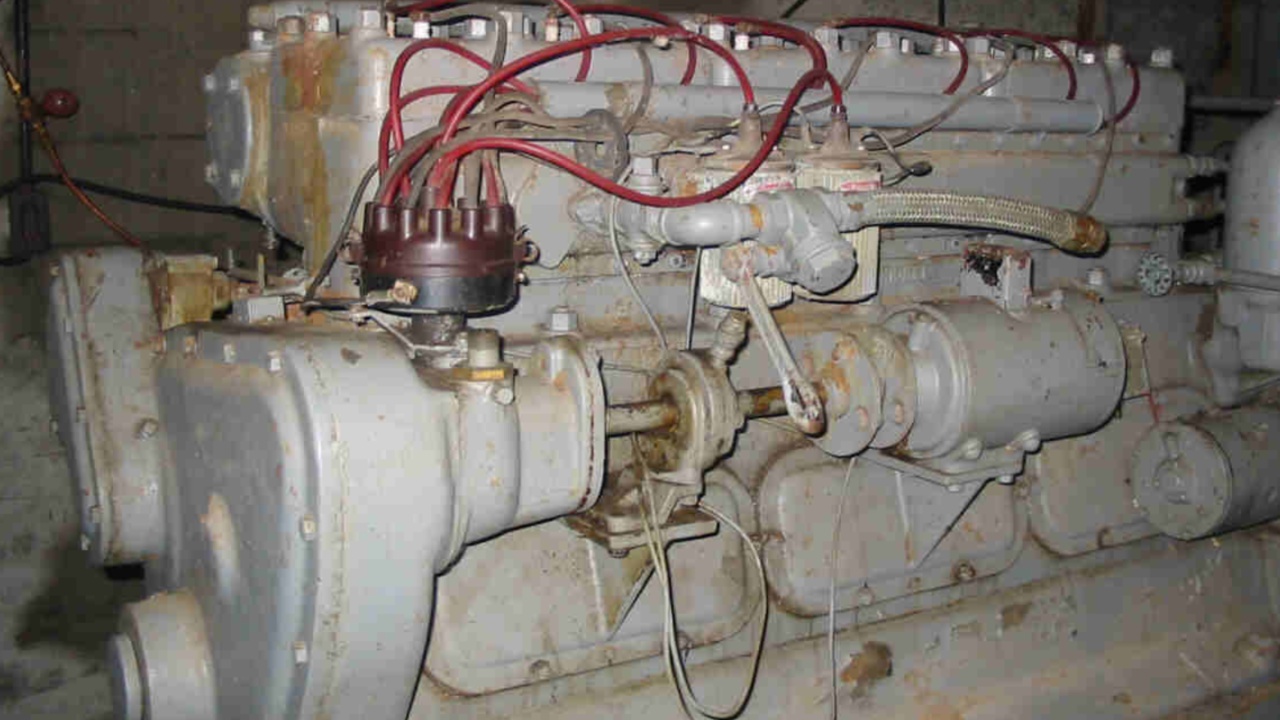
The Stirling engine is an external combustion engine renowned for its exceptional quietness and efficiency, making it ideal for specialized applications such as submarines, marine vessels, and stationary power systems. Unlike internal combustion engines that rely on explosive ignition inside cylinders, the Stirling engine uses a continuous external heat source to expand and contract a working gas.
This smooth, controlled process eliminates the loud intake and exhaust pulses typical of diesel or gasoline engines, resulting in minimal noise and vibration. Its closed-cycle design ensures the working gas, usually helium or nitrogen, remains sealed inside the engine, further reducing mechanical disturbances.
The Stirling engine is particularly valued in marine applications for its acoustic stealth. It is used in Air-Independent Propulsion (AIP) systems for submarines, such as the Swedish Gotland-class, where it operates up to fifteen times quieter than conventional diesel engines.
Its low acoustic signature allows submarines to remain submerged for extended periods without detection. Beyond submarines, Stirling engines provide reliable auxiliary power on yachts and larger ships and can recover waste heat from exhaust gases to generate electricity, improving fuel efficiency and environmental performance.
A key advantage of the Stirling engine is its fuel flexibility. It can operate on solar energy, biomass, geothermal heat, or conventional fuels, making it highly adaptable for remote or off-grid power generation. Its thermal efficiency is impressive, often reaching 30 to 40 percent in standard temperature ranges, and specialized combined heat and power (CHP) systems can achieve efficiency rates exceeding 95 percent.
The engine’s smooth operation and low vibration also make it suitable for non-marine specialty applications, including satellite cooling, solar power systems, and laboratory or medical devices where silent operation is critical.
Despite these strengths, Stirling engines face limitations that restrict their wider adoption. They are expensive, typically two to three times the cost of diesel engines of comparable power. Their power-to-weight ratio is low, requiring heavier and bulkier construction for the same output.
High-strength materials, such as nickel alloys, are necessary to withstand the high pressures and temperatures involved. Additionally, the engine requires a warm-up period, meaning it does not start instantly. Recent advancements in free-piston Stirling engines have addressed some reliability and maintenance challenges by reducing the number of moving parts and increasing efficiency.
The Stirling engine represents a unique blend of quiet operation, high efficiency, and fuel versatility. While unsuitable for mainstream transportation due to weight and cost, it has established a niche in marine, military, and specialized stationary applications, demonstrating the potential of external combustion technology in scenarios where silence and smooth power are paramount.
The pursuit of quiet operation in modern engines demonstrates how engineering excellence can enhance comfort, efficiency, and even safety. Across cars, aircraft, and specialized applications, innovations such as advanced acoustic insulation, high bypass ratios, geared turbines, and external combustion cycles have enabled engines to deliver remarkable power while minimizing noise.
Each engine on this list, from the BMW B47 diesel and Lexus 2GR-FKS V6 to the Pratt & Whitney PW1100G and Stirling engine, exemplifies how technology can reconcile performance with serenity. Quiet engines are not merely about luxury; they reduce environmental noise pollution, improve passenger experience, and open possibilities for operations in sensitive environments, such as airports or underwater missions.
By pushing the boundaries of materials, combustion efficiency, and design, these seven engines showcase the potential for mechanical systems to achieve both strength and silence, redefining expectations for modern power plants in multiple domains.
Also read: 10 Engines Known for Crossing 400,000 Miles With Routine Service