
Extreme summer heat can turn a vehicle into an oven, making even short drives uncomfortable and potentially unsafe. The cabin can trap heat, causing surfaces like dashboards, seats, and steering wheels to become dangerously hot while the air conditioning struggles to cool the interior quickly.
Modern vehicles offer a variety of innovative features designed to combat this challenge, combining convenience, safety, and efficiency. From remote start systems that pre-cool the cabin to ventilated seats that provide direct airflow, these technologies make summer driving safer and more comfortable.
Features like UV-blocking window tints, reflective sunshades, and light-colored interiors reduce heat absorption, while rear vents, multi-zone climate control, and acoustic glass ensure uniform cooling for all passengers. Together, these systems protect interior materials, reduce energy consumption, and provide relief from extreme heat, creating a cabin environment that remains pleasant even under the most intense sunlight.
1. Remote Start Systems: Comfort and Safety in Extreme Summers
Remote start systems are highly valuable for managing extreme summer heat. They allow the engine and climate control system to activate before entering the vehicle, so the cabin is already cool and comfortable.
This feature enhances safety by preventing heat-related risks. Passengers, pets, and children are protected from dangerously hot surfaces such as seatbelts, leather seats, and steering wheels, lowering the chance of burns or heat exhaustion.
Many modern remote start systems integrate with smartphone apps, allowing users to set specific cabin temperatures or activate ventilated seats before entering. Pre-conditioning the vehicle protects electronics and interior materials from heat stress, extending their lifespan. Running the air conditioning for several minutes before driving also reduces strain on the compressor and improves system efficiency.
Remote start adds convenience by eliminating the need to lower windows to vent hot air. It ensures the vehicle is ready for immediate use with proper air circulation. By combining safety, interior protection, and comfort, remote start systems transform the driving experience in extreme heat, making summer journeys safer and more pleasant for drivers and passengers alike.
2. Ventilated and Perforated Seats: Direct Cooling for Extreme Heat
Ventilated and perforated seats provide targeted cooling by addressing the heat trapped between the occupant and the seat surface. Unlike standard air conditioning, which cools the cabin air, these seats use integrated fans to pull air through tiny perforations in leather or fabric.
This airflow evaporates sweat, prevents clothing from sticking, and maintains a stable core temperature during long drives. In extreme heat, this system ensures immediate comfort where standard AC often falls short.
Key benefits include active sweat reduction, as air circulation directly removes moisture from the back and legs, and rapid heat dissipation through fans in the seat cushion and backrest. Perforated surfaces absorb less heat than solid leather, reducing the risk of burns when entering a hot car.
Enhanced breathability prevents moisture buildup, keeping occupants dry and comfortable on extended trips. Some advanced systems, often called cooled seats, connect directly to the air conditioning system to provide an even colder experience.
Ventilated and perforated seats also improve efficiency by allowing the vehicle’s air conditioning to run at lower settings while still keeping occupants cool.
By cooling the driver and passengers directly, these seats reduce the reliance on aggressive cabin airflow, which can save fuel and maintain comfort more efficiently. They combine health, safety, and convenience, making them a vital feature for modern vehicles in extreme summer conditions.
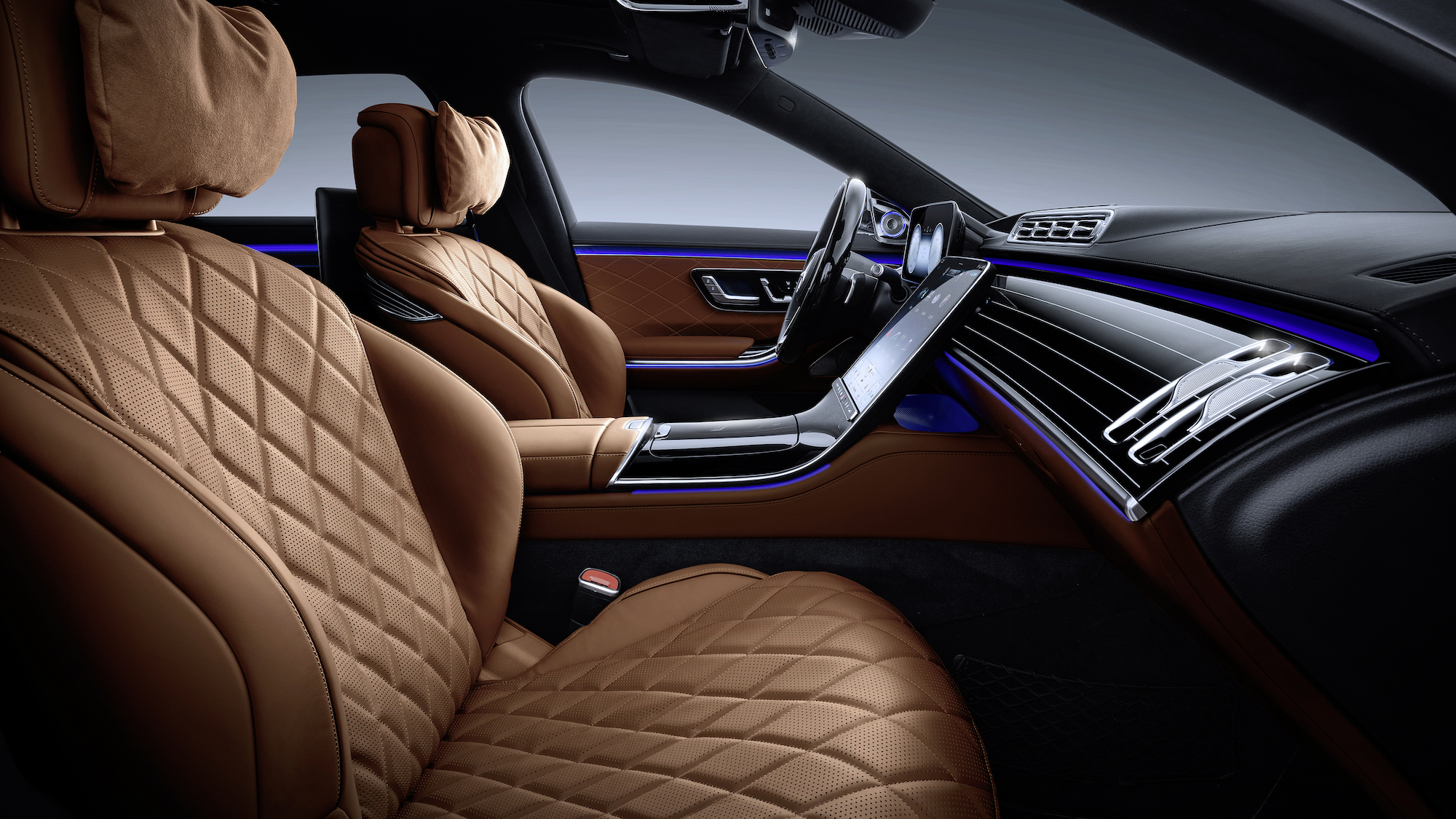
3. Multi-Zone Climate Control: Personalized Cooling for Every Passenger
Multi-zone climate control allows each occupant in a vehicle to set their own preferred temperature, ensuring comfort for all. Drivers, front passengers, and sometimes rear occupants can adjust their microclimates independently.
This is particularly useful in large vehicles where sunlight or cabin layout can create uneven heating. By using separate evaporators or air mixing systems, multi-zone climate control delivers targeted cooling without forcing a single setting that leaves some passengers too warm or others too cold.
The system enhances comfort and efficiency during extreme summer conditions. Customized temperature settings allow occupants to maintain personal comfort without compromise.
Targeted cooling focuses airflow only where it is needed, reducing energy consumption and lessening the workload on the compressor. This not only speeds up cabin cooling but also prolongs the lifespan of the air conditioning system by preventing unnecessary strain.
Additional benefits include improved air quality through controlled airflow in each zone, reducing hot or stagnant areas in the cabin. By cooling only occupied sections, multi-zone climate control minimizes energy waste and provides rapid relief from intense heat. It eliminates conflicts over cabin temperature, ensuring a pleasant driving experience for everyone, while also protecting vehicle systems from overuse.
Modern vehicles equipped with multi-zone climate control combine comfort, efficiency, and longevity, making them a crucial feature for enduring extreme summer conditions. Passengers enjoy consistent cooling tailored to their needs, maintaining comfort, safety, and performance throughout the journey.
4. UV-Blocking Window Tint: Protecting Comfort and Interior Health
UV-blocking window tint is a crucial summer feature for modern vehicles, providing both comfort and long-term protection. Professional-grade tints, particularly high-quality ceramic films, can block up to 99% of ultraviolet rays and a significant portion of infrared heat.
This prevents the greenhouse effect, where solar energy enters the car and becomes trapped, causing interior temperatures to soar. By reducing cabin heat before entry, UV-blocking tints make the vehicle immediately more comfortable and safer, preventing burns from hot leather seats or steering wheels.
In addition to comfort, these tints protect interior materials. Constant sun exposure can fade dashboards, warp plastic, and crack leather upholstery. By filtering harmful UV rays, window tinting preserves these surfaces, maintaining the vehicle’s aesthetic appeal and long-term value.
Rejecting infrared radiation also limits heat buildup, which reduces strain on the air conditioning system, lowers fuel consumption, and helps the engine operate more efficiently.
High-quality ceramic tints achieve substantial cooling while maintaining visibility, making them an effective solution without compromising safety. By combining heat rejection, UV protection, and interior preservation, window tinting enhances passenger comfort, protects vehicle components, and improves energy efficiency during extreme summer conditions.
Regular use of professionally applied UV-blocking film ensures that the cabin stays cooler, interior materials remain intact, and driving remains comfortable, even under intense sunlight.

5. Reflective Windshield Sunshades: Cooling Your Cabin Before You Drive
Reflective windshield sunshades are a simple yet highly effective solution for keeping vehicles cool during extreme summer heat. The windshield is the largest entry point for solar energy, allowing both UV and infrared rays to penetrate the cabin. A custom-fit reflective sunshade acts like a mirror, bouncing radiant energy away before it can heat the dashboard, steering wheel, and seats.
Many high-end shades incorporate multiple insulation layers, creating a dead-air space that further reduces heat transfer into the cabin. This preemptive cooling lowers the workload of the air conditioning system, enabling the vehicle to reach a comfortable temperature faster once the engine is started.
Beyond immediate comfort, sunshades provide preventative protection for your vehicle’s interior. By reflecting UV radiation, they help prevent dashboard cracking, upholstery fading, and heat-related damage to electronics.
Surfaces such as leather seats, steering wheels, and seatbelts remain safer to touch, reducing the risk of burns. Cooler interiors also reduce the energy demand on AC systems, improving fuel efficiency in conventional vehicles and conserving battery life in electric models.
Reflective sunshades are an inexpensive, easy-to-install option with custom-fit designs for maximum coverage. They provide a cost-effective way to protect the cabin from the extreme temperatures created by the greenhouse effect, safeguarding both comfort and vehicle longevity.
By preventing heat buildup before driving, these sunshades turn a potential 180 to 200°F interior into a much safer, more comfortable environment, making them an essential tool for summer driving.
Also read: 5 Cars That Handle 200,000 Miles Gracefully vs 5 That Fall Apart
6. Solar-Powered Ventilation Fans: Passive Cooling for Hot Cars
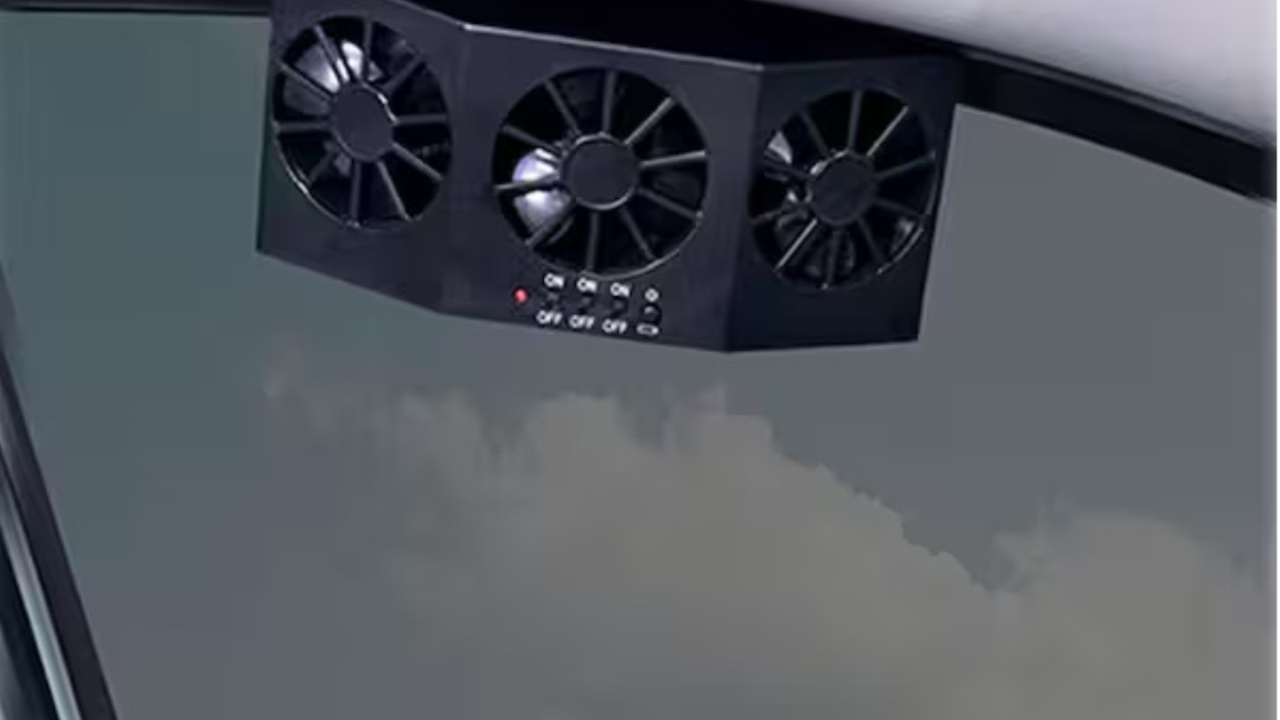
Solar-powered ventilation fans provide an eco-friendly solution for keeping vehicles cooler when parked under direct sunlight. These fans attach to a window and use a small solar panel to power an exhaust system that continuously pulls hot air out of the cabin while drawing in fresh outside air.
Although they do not make the interior cold, they prevent temperatures from reaching extreme levels that can damage electronics, warp plastics, or make the cabin uncomfortable.
One of the main advantages is self-regulating efficiency. The fans operate most effectively when solar intensity is highest, precisely when the interior is heating fastest. This passive airflow reduces heat soak, lowering cabin temperatures by preventing the vehicle from becoming a stagnant heat trap.
By limiting interior heat buildup, the fans reduce the initial workload on the air conditioning system, allowing faster cooling once the car is started and saving fuel or battery energy.
Solar-powered fans are entirely independent of the vehicle’s electrical system, requiring no wiring or external energy source. They also help control moisture, which reduces the risk of mold, mildew, or damage to interior insulation and materials. Installation is simple, with most units requiring minimal maintenance.
These fans provide a cost-effective, sustainable, and proactive approach to managing extreme summer heat. By maintaining a baseline temperature and promoting air circulation, they protect interior surfaces, preserve comfort, and reduce strain on air conditioning systems, making them an essential accessory for summer-ready vehicles.
7. Heat-Reducing Nano Cooling Film: Advanced Cabin Cooling for Extreme Summers
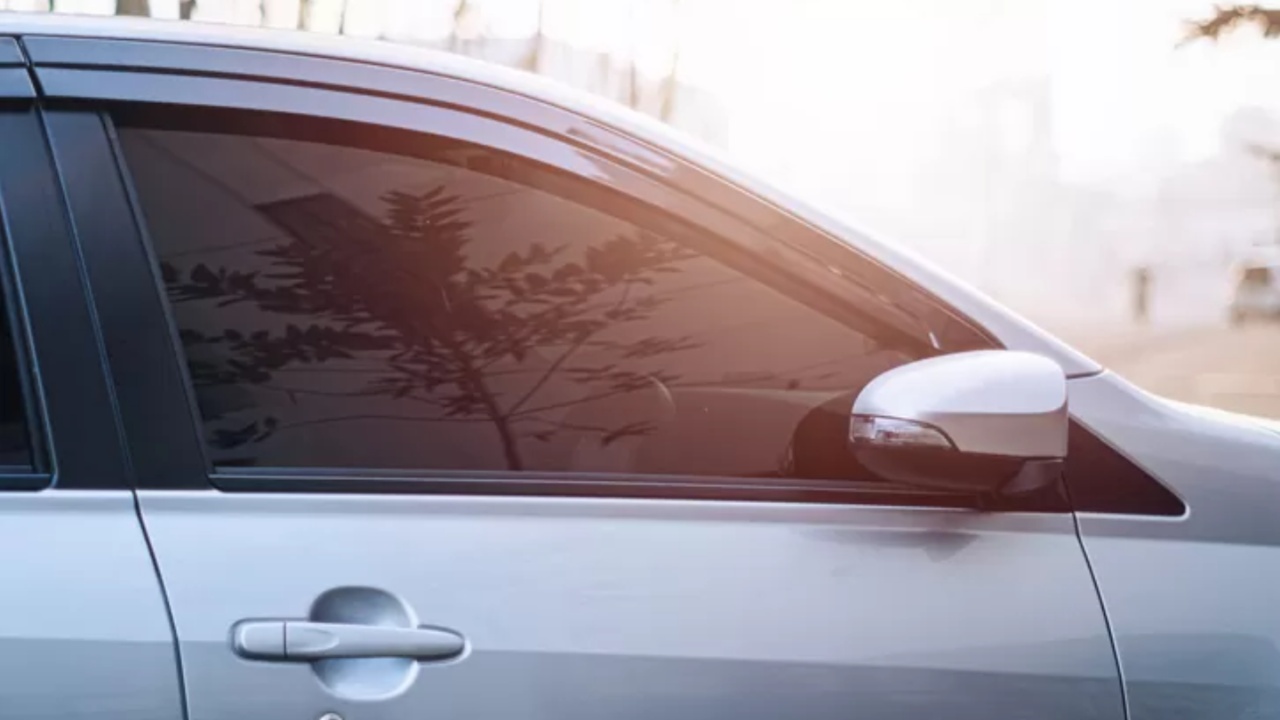
Heat-reducing nano cooling film is a cutting-edge solution for keeping vehicle interiors cooler in intense summer conditions. Unlike traditional dark window tints, this nearly transparent film targets infrared radiation, reflecting heat-carrying wavelengths while allowing visible light to pass through.
This ensures effective cooling without compromising visibility, making it ideal for windshields and vehicles where dark tints are restricted.
The film operates using dual-action technology. Two inner layers reflect incoming near-infrared solar radiation, while an outer layer radiates trapped interior heat back outside in the mid-infrared spectrum. This approach can reduce cabin temperatures by over 12°C, preventing the greenhouse effect and minimizing heat soak even when the vehicle is parked under direct sunlight.
By maintaining a cooler interior, the system reduces the strain on air conditioning, improving efficiency and energy usage, which is especially beneficial for electric vehicles by extending range.
Key advantages include high transparency, which preserves night-time visibility and safety, and durable construction that resists fading, peeling, or bubbling under extreme heat. The film also blocks harmful UV rays, protecting passengers from exposure and preventing interior materials such as dashboards, upholstery, and leather from cracking or fading.
By combining thermal reflection, interior heat radiation, and UV protection, nano cooling films provide a sophisticated, long-term solution for extreme summer climates. They reduce energy consumption, maintain cabin comfort, and protect the vehicle’s interior, offering a seamless balance between performance, safety, and aesthetics for modern drivers seeking an advanced cooling solution.
8. Rear-Seat Air Vents: Enhancing Cabin Comfort
Rear-seat air vents are a vital feature for maintaining comfort in modern vehicles during extreme summer heat. Standard air conditioning often directs most airflow to the front cabin, leaving rear passengers waiting for cooled air to reach them.
Dedicated rear vents, typically located in the center console or B-pillars, provide direct airflow to the back seats, preventing the rear from becoming a hot zone. This is especially important for families with children, pets, or passengers in car seats, as the back of the vehicle can often be several degrees warmer than the front.
These vents accelerate the cooling process throughout the cabin and break up heat pockets in footwells and cargo areas. By delivering conditioned air directly, they ensure faster and more uniform temperature distribution, enhancing passenger comfort and safety. Rear vents also assist with humidity control, helping the AC system reduce moisture levels not just at the front but throughout the cabin.
Rear-seat vents increase the efficiency of air circulation by allowing cooled air to reach the back directly, reducing the strain on the front AC and shortening the time needed to achieve balanced cabin temperatures. Using these vents in combination with front air conditioning and recirculation mode maximizes efficiency by recirculating cooled air rather than mixing it with hot outside air.
Dedicated rear vents create a safer, more comfortable environment for all passengers. They prevent overheating in the back of the vehicle, improve air distribution, and reduce humidity, ensuring that every seat in the cabin remains comfortable even during the hottest days.
9. Light-Colored Interior Materials: Keeping Your Cabin Cooler
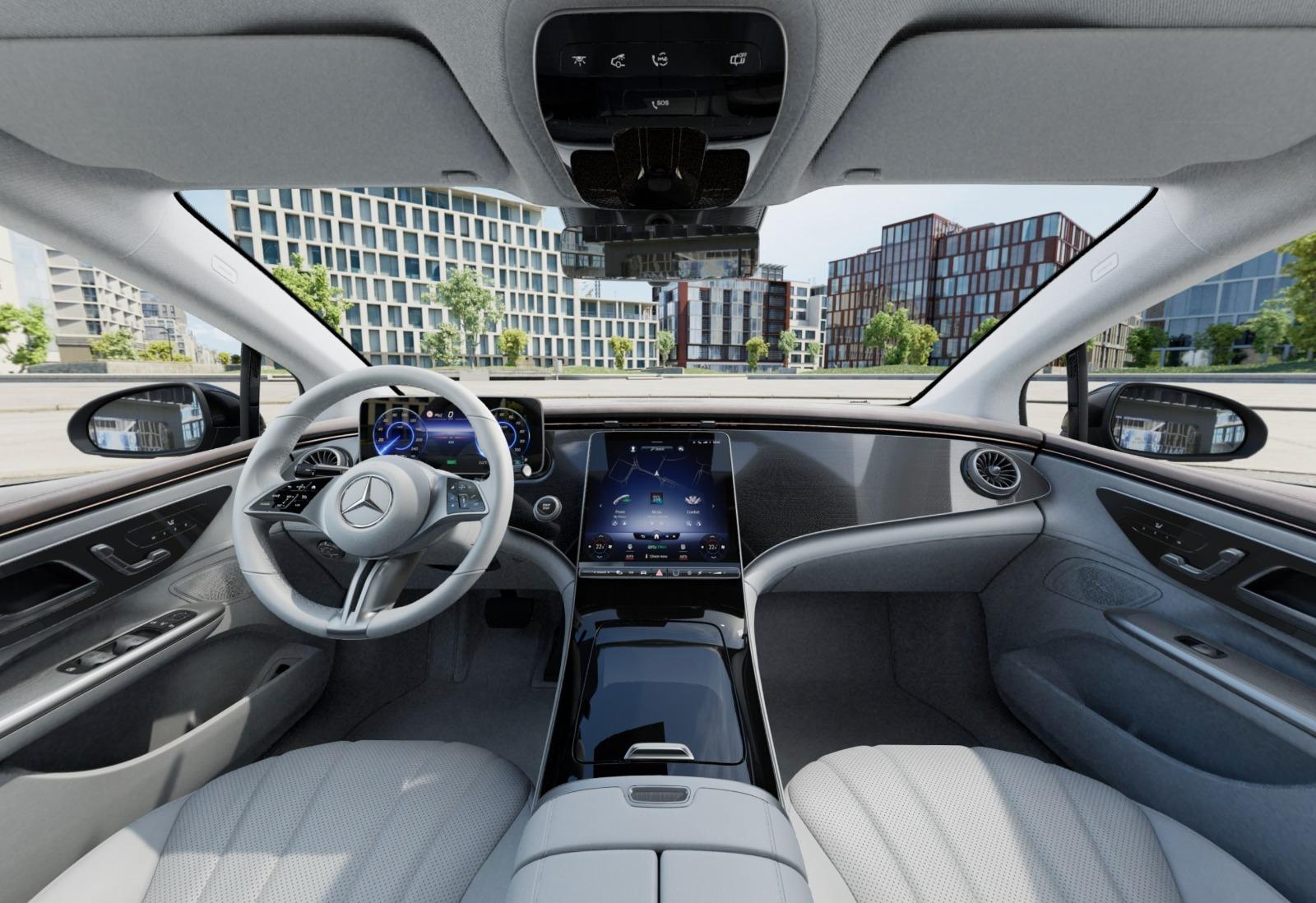
Light-colored interior materials are a simple yet highly effective way to reduce cabin heat during extreme summer conditions. Dark surfaces, such as black leather or dark plastics, absorb nearly all wavelengths of sunlight and convert them into heat, making seats, dashboards, and door panels uncomfortably hot.
By contrast, light-colored materials like beige, light gray, or white reflect a larger percentage of solar energy, keeping surfaces physically cooler to the touch. In high-heat climates, choosing a light interior can result in cabin temperatures that feel 10 to 15 degrees lower than those of vehicles with dark interiors.
The heat-reflective properties of light materials reduce the burden on the air conditioning system, as less heat is radiated into the cabin. Lower surface temperatures prevent discomfort when entering the vehicle, protecting passengers from burns on seats or steering wheels.
Light interiors also support better thermal management, as reflected sunlight is not converted into heat, helping maintain a balanced environment inside the car.
Additional benefits include enhanced brightness and a more open, airy feel inside the cabin, which improves the perception of space and reduces reliance on interior lighting. Many light-colored materials are paired with UV-resistant coatings or finishes, offering added protection against fading and heat damage to upholstery and dashboards.
Incorporating light-colored interiors is a cost-effective, low-maintenance solution that complements other cooling strategies, such as AC, ventilation systems, and reflective window treatments. By combining reflective surfaces with thoughtful material choices, drivers can maintain a comfortable, safe, and cooler cabin environment even in the most extreme summer conditions.
10. Dashboard and Steering Wheel Covers: Reducing Cabin Heat
Dashboard and steering wheel covers are highly effective accessories for managing interior heat during extreme summer conditions. The dashboard absorbs sunlight through the windshield and acts as a giant radiator, venting heat into the cabin for hours.
Covering it with fabric, suede, or other insulating materials reduces heat absorption, lowering the temperature of the surface and preventing the surrounding air from becoming excessively hot. Similarly, steering wheel covers prevent the rim from reaching uncomfortable temperatures, allowing drivers to maintain a safe and comfortable grip immediately after entering the vehicle.
These covers also block harmful UV rays, which can cause dashboards and steering wheels to fade, crack, or warp over time. By shielding these surfaces, covers preserve the interior’s aesthetic and structural integrity, protecting the car’s long-term value.
Covering high-heat surfaces minimizes the “greenhouse effect,” where heated components radiate energy back into the cabin, reducing the immediate need for heavy air conditioning use.
In addition to comfort, these accessories are inexpensive and easy to install. Pairing them with reflective windshield sunshades enhances their cooling effect by shielding the entire front cabin area from direct sunlight. This combination ensures that the cabin remains cooler the moment occupants enter the vehicle, preventing hot surfaces from causing burns or discomfort.
By reducing radiant heat and protecting interior components, dashboard and steering wheel covers offer a practical, low-cost solution for maintaining a cooler, more comfortable cabin environment during extreme summer conditions.
11. Window Visors: Enhancing Cabin Ventilation and Comfort
Window visors, also called rain guards, are practical additions that help keep a vehicle’s interior cooler during extreme summer heat. They allow windows to remain slightly cracked, usually an inch or two, without compromising security or letting rain enter.
This small opening enables natural convection, allowing hot air to rise and escape, which prevents the pressure-cooker effect inside the cabin. By constantly venting trapped air, window visors maintain interior temperatures closer to the outside environment, reducing the shock of entering a hot car and lessening the workload on the air conditioning system.
These visors provide passive ventilation while the car is parked or in motion. Continuous airflow helps prevent heat buildup in sealed vehicles, keeping the cabin cooler and protecting surfaces such as seats and steering wheels from becoming uncomfortably hot.
During summer rain showers, window visors allow windows to remain partially open, maintaining airflow while keeping water out. Some tinted visors also help filter sunlight, reducing UV exposure and preventing additional heat absorption.
By lowering the cabin temperature naturally, window visors reduce the strain on the air conditioning system, which can save fuel and decrease engine load. They are affordable, easy to install, and built to last. Their combination of ventilation, protection from rain, and heat reduction makes window visors an effective and low-maintenance solution for improving comfort in hot, sunny conditions.
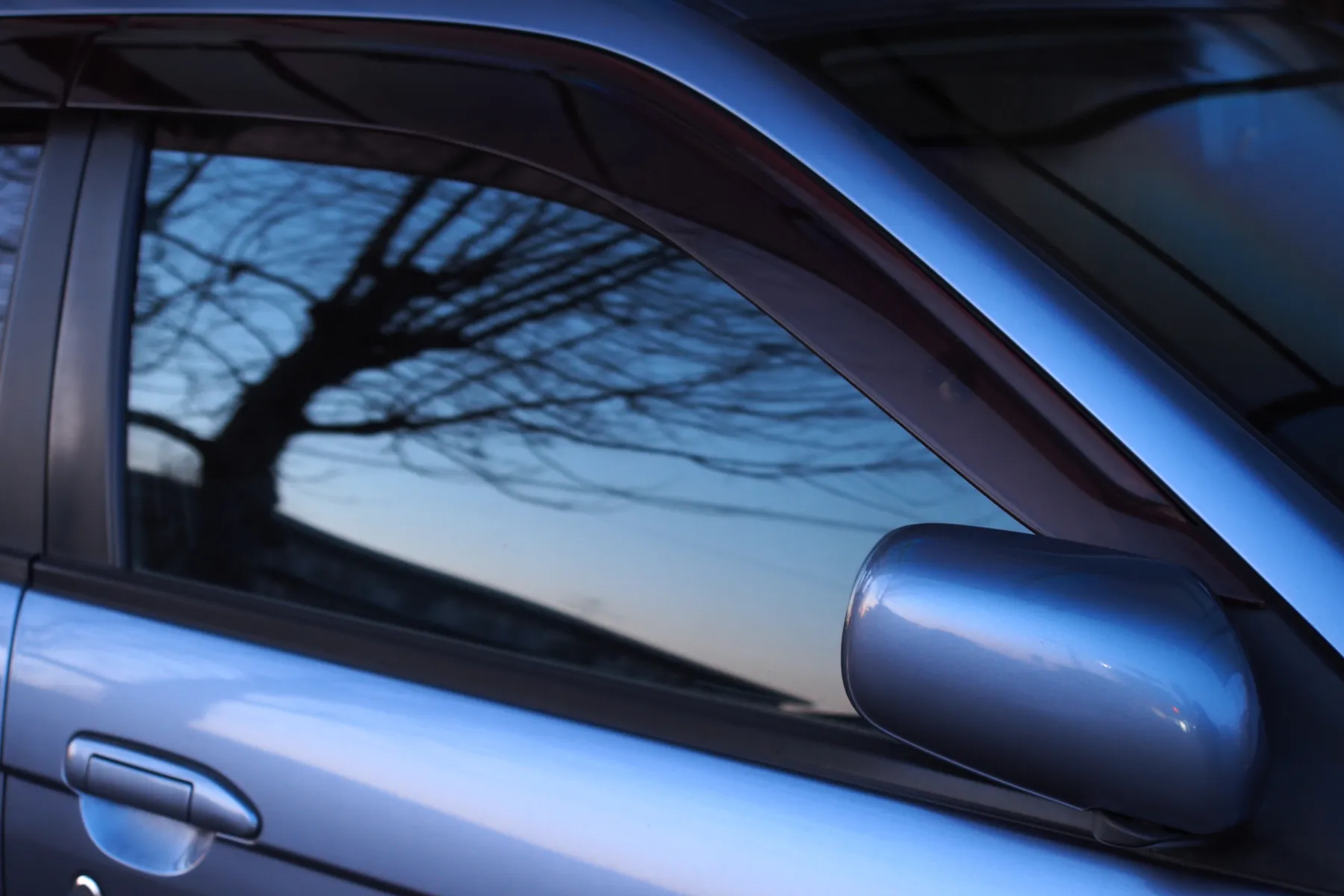
12. Acoustic and Thermal Glass: Enhancing Cabin Comfort and Efficiency
Acoustic and thermal glass is a premium feature in many modern vehicles that improves cabin comfort during extreme summer heat. This type of glass typically consists of two layers of glass with a plastic interlayer in between. While the interlayer is primarily designed to reduce noise, it also serves as an effective thermal barrier, slowing the transfer of heat from the outside into the car.
By minimizing heat intrusion, these windows help maintain cooler interior temperatures, allowing the air conditioning system to operate at lower, more consistent settings and reducing engine load.
Thermal and acoustic glass often includes low-emissivity (Low-E) coatings that reflect solar radiation and infrared rays while allowing visible light to pass through. This combination blocks up to 95% of harmful UV rays, protecting interior materials such as leather, dashboard components, and trim from fading, cracking, or warping.
It also reduces glare, making driving safer and more comfortable. The insulated panes, sometimes separated by an inert gas, provide superior heat resistance while preventing condensation in humid conditions.
In addition to thermal benefits, acoustic glass dampens road and wind noise, improving the cabin experience. By maintaining a stable interior temperature, these glass systems reduce the demand on HVAC systems, increasing fuel efficiency in combustion vehicles and conserving battery life in electric models.
Acoustic and thermal glass offers a durable, high-performance solution to protect vehicle interiors, enhance passenger comfort, and improve energy efficiency in hot climates.
Maintaining a cool cabin in extreme summer conditions is no longer just a matter of comfort it is a combination of safety, efficiency, and protection for both passengers and the vehicle itself. Features such as nano cooling films, solar-powered ventilation fans, and dashboard covers work alongside traditional air conditioning to prevent heat buildup and preserve interior materials.
By integrating these technologies, drivers can reduce AC strain, save energy, and avoid heat-related hazards while ensuring that every passenger experiences a comfortable environment.
From front to rear seats, every element of the cabin can contribute to an efficient, enjoyable ride. Investing in these features transforms a vehicle from a heat trap into a summer-ready sanctuary, allowing drivers to navigate extreme temperatures with confidence and ease.
Also read: 12 Reasons Why Your Steering Wheel May Shake at Highway Speeds