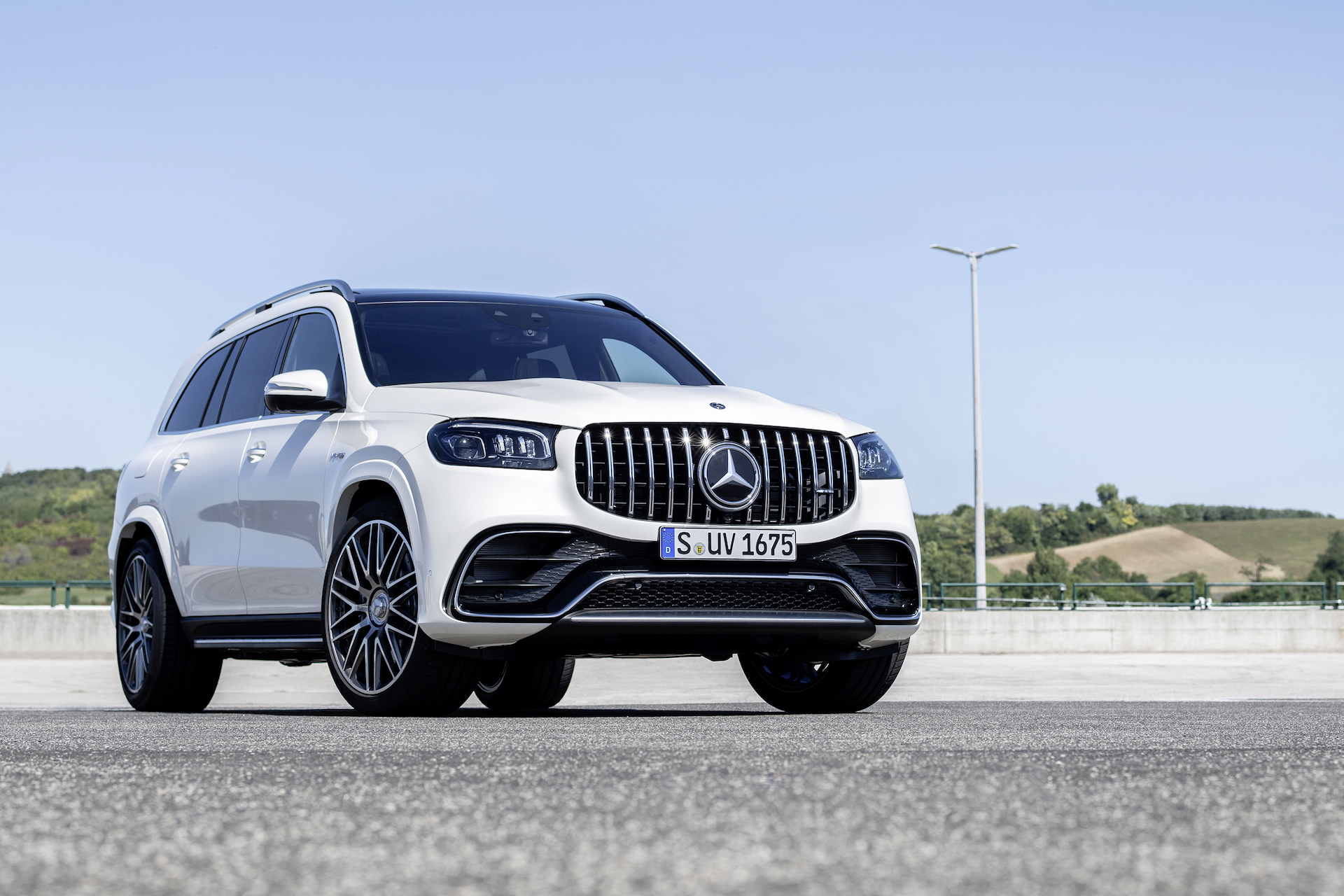
Luxury SUVs have long been a symbol of prestige, comfort, and performance. When shopping for a used model, one of the most important factors to consider is the suspension system. Suspension affects not only ride quality but also handling, durability, and maintenance costs.
Traditional coil or leaf spring suspensions have been the standard for decades, offering simplicity, reliability, and predictable performance.
In contrast, air suspension systems, often marketed in high-end models, provide adjustable ride height, improved comfort over uneven terrain, and advanced handling capabilities. Buyers must weigh the benefits of advanced technology against potential repair costs and long-term reliability.
Traditional springs are straightforward in design. They use metal coils or leaf springs to absorb shocks and maintain vehicle stability. This simplicity translates to lower maintenance costs and a longer lifespan.
Most luxury SUVs with conventional springs deliver a firm yet comfortable ride that handles typical road conditions with ease.
Because they lack complex electronics, these suspensions are easier to repair and generally more dependable for vehicles over 100,000 miles. Buyers seeking a dependable SUV without frequent repair bills often lean toward models with conventional springs.
Air suspension systems offer a different experience. They use airbags and electronic controls to adjust the ride height and stiffness depending on speed, load, or terrain. This technology creates a smooth, cushioned ride that can rival luxury sedans.
Many SUVs with air suspension can lower themselves for better aerodynamics or raise themselves to handle off-road conditions.
While the ride is more refined, the system introduces complexity. Repairs can be costly, as components such as air compressors, sensors, and airbags can fail over time. Insurance and maintenance considerations become more important when purchasing a used model.
Performance also differs between the two systems. Traditional springs provide a stable platform that excels in towing and heavy-duty applications. They resist sagging under weight and maintain handling precision on highways.
Air suspension, while excellent for comfort, can sometimes feel less predictable in aggressive driving due to its variable damping.
Enthusiasts who enjoy spirited driving may prefer the mechanical certainty of coil springs, whereas those prioritizing a silky ride may value the adjustability of air suspension.
Choosing between traditional springs and air suspension comes down to lifestyle, driving preferences, and budget. Used luxury SUVs with traditional springs are generally easier to maintain, with lower repair costs and simpler mechanics.
Air suspension models offer advanced comfort and adaptability, but with higher potential maintenance expenses. Understanding these differences allows buyers to make informed decisions, balancing luxury, reliability, and cost considerations when selecting a used luxury SUV.
Five Used Luxury SUVs With Traditional Springs
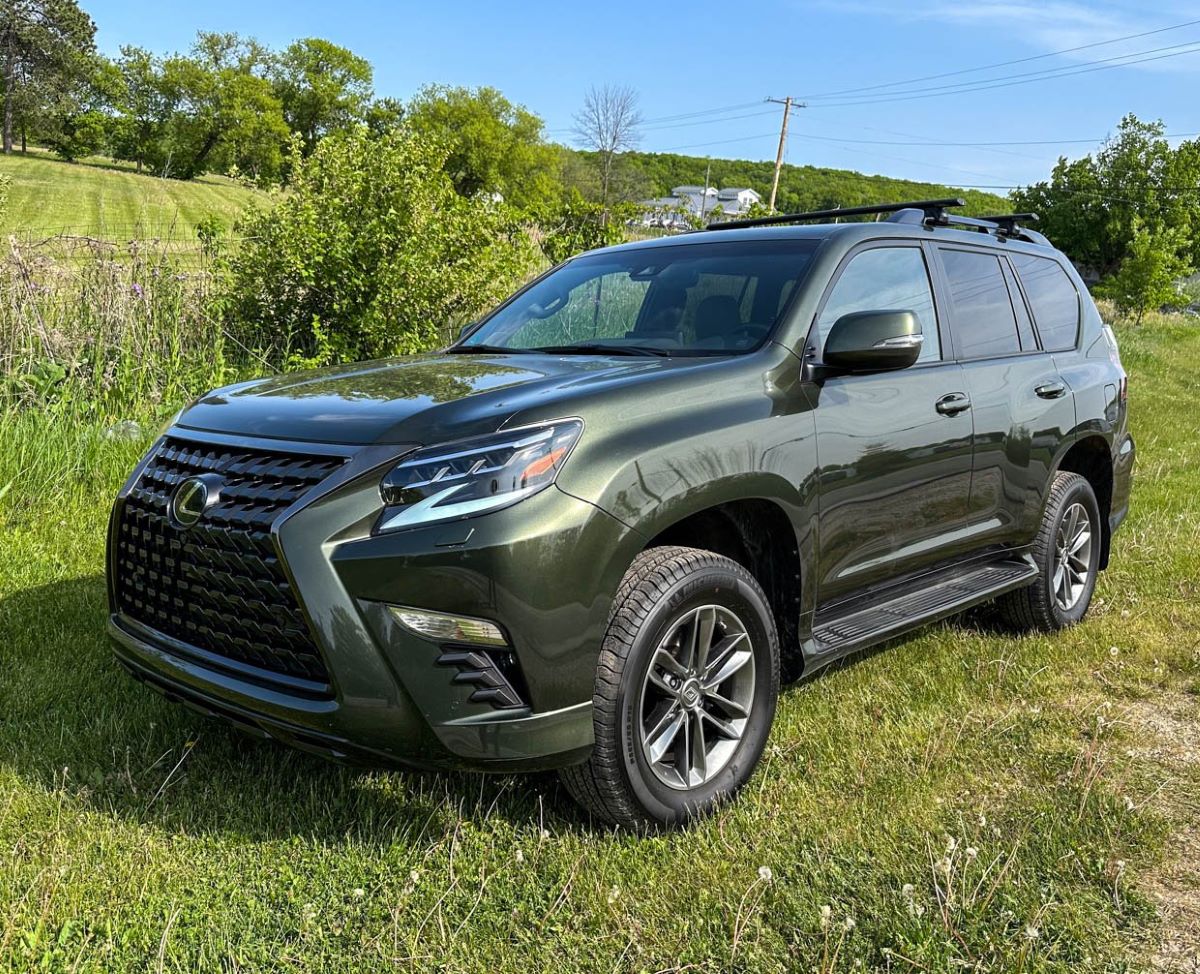
1. Lexus GX 460
The Lexus GX 460 is a reliable SUV with a strong reputation for durability. Its traditional coil spring suspension provides a solid and predictable ride.
Owners report that the GX maintains stability even on uneven roads, offering confidence during long trips. Maintenance is straightforward, with replacement parts widely available and affordable.
The ride quality is firm without being harsh, making it suitable for families and daily commuting. Steering feedback is consistent, and the vehicle handles corners with minimal body roll.
Unlike air suspension models, the GX avoids expensive electronic components that could fail over time. Its simplicity ensures fewer unexpected repair costs, even for vehicles over 150,000 miles.
Another benefit is towing performance. The GX’s springs support heavy loads efficiently, allowing owners to haul trailers or boats without worrying about sagging. This makes it ideal for outdoor enthusiasts who need both luxury and utility.
The solid suspension also contributes to better off-road capabilities, maintaining ground clearance over rough terrain.
Also Read: 10 Used SUVs With Cast Iron Blocks Built for Extreme Durability
Durability extends beyond suspension. Lexus’ engineering emphasizes long-lasting components, reducing the likelihood of major repairs.
Traditional springs complement this philosophy by offering reliable performance with minimal maintenance. Buyers seeking a dependable luxury SUV often choose the GX over air suspension models.
Finally, resale value remains strong due to its reputation for reliability. Traditional springs reduce potential buyer concerns about costly air suspension repairs.
Many used GX models retain value while offering comfort, off-road ability, and a solid driving experience. The balance of luxury and dependability makes it a preferred choice for traditional suspension enthusiasts.
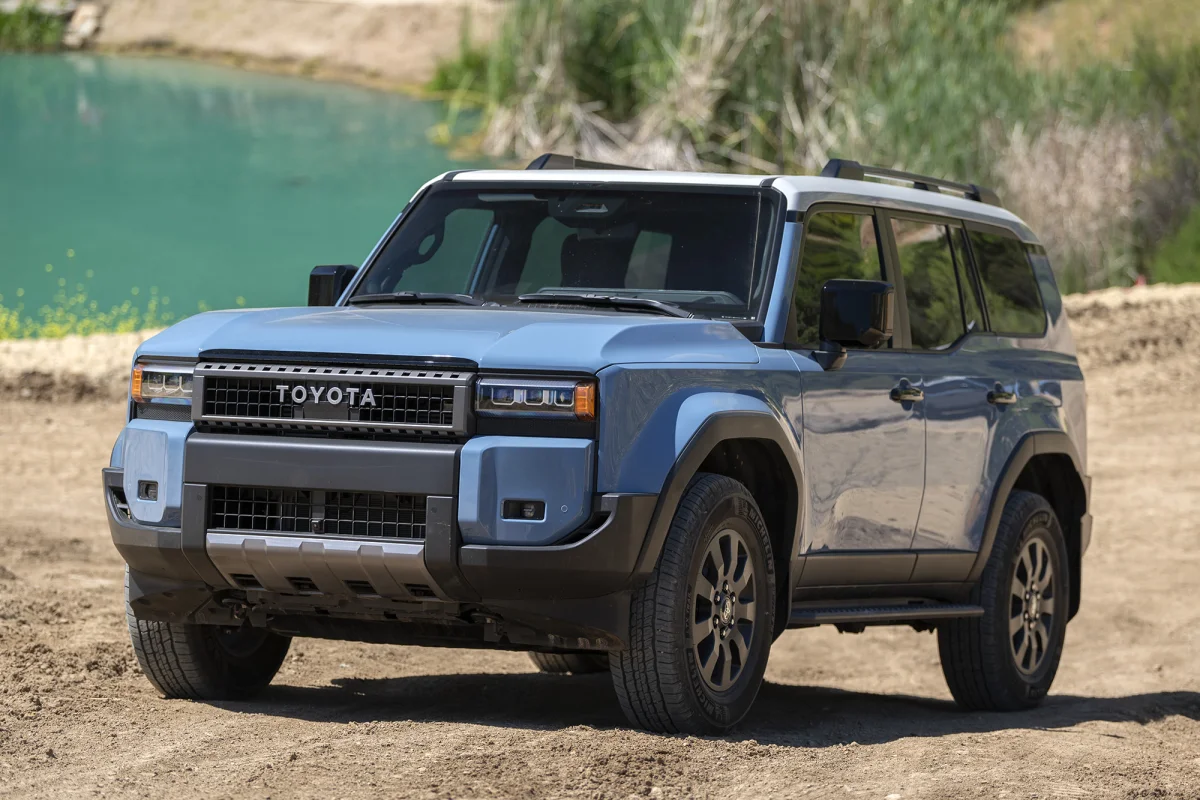
2. Toyota Land Cruiser
The Toyota Land Cruiser is synonymous with rugged luxury. Its robust coil spring suspension ensures dependable handling on both highways and off-road trails.
Known for legendary reliability, the Land Cruiser is less likely to experience suspension failures compared with air suspension SUVs. Replacement parts are abundant and relatively inexpensive.
Ride quality is firm but controlled, providing confidence on steep inclines or uneven terrain. The springs are tuned for durability, supporting heavy loads without compromising comfort.
Long-distance drivers appreciate the balance between stability and cushioning on rough roads. Unlike air suspension models, there are no electronic components that can fail unexpectedly.
Off-road performance is another key advantage. The Land Cruiser’s traditional springs maintain traction and stability in challenging conditions.
Ground clearance remains consistent, and suspension geometry is predictable, which is critical for serious off-road use. Owners often report decades of trouble-free driving with proper maintenance.
Towing and hauling are handled with ease. The Land Cruiser’s spring suspension supports significant weight without excessive sagging.
This makes it ideal for adventurers who carry boats, campers, or heavy gear. Reliability under stress is a major selling point, particularly in regions with rough terrain.
Longevity is reinforced by Toyota’s reputation for engineering durable vehicles. The suspension system is simple, robust, and cost-effective to maintain.
For buyers prioritizing long-term dependability over advanced comfort features, the Land Cruiser remains a top choice in the used luxury SUV market.

3. Mercedes-Benz G-Class
The older Mercedes-Benz G-Class models, particularly pre-2019 versions, feature coil spring suspension. This provides a traditional, reliable ride and minimizes electronic components prone to failure.
G-Class owners often highlight its mechanical durability and predictable handling. Replacement parts are easier to source compared to newer air suspension components.
Handling in the G-Class is firm and stable. While it may feel stiffer than some modern SUVs, the ride quality is excellent on highways and urban roads.
The suspension absorbs bumps efficiently without sacrificing control. The mechanical design also allows for easier off-road customization.
Maintenance costs are generally lower than air suspension variants. There are fewer electronic modules and compressors to service or replace. For buyers considering longevity, these models offer peace of mind with less risk of unexpected failures. Regular service ensures decades of reliability.
Off-road capabilities are impressive. The G-Class maintains ground clearance and suspension articulation across rocky or uneven terrain. Traditional springs provide predictable behavior, which is critical when navigating difficult trails. Enthusiasts who prioritize capability over luxury ride softness often select these models.
The resale value of older G-Class models remains strong. Buyers seeking traditional springs appreciate the reduced complexity and long-term dependability. While they lack the air suspension’s adaptive comfort, these models offer a classic driving experience combined with legendary off-road ability.
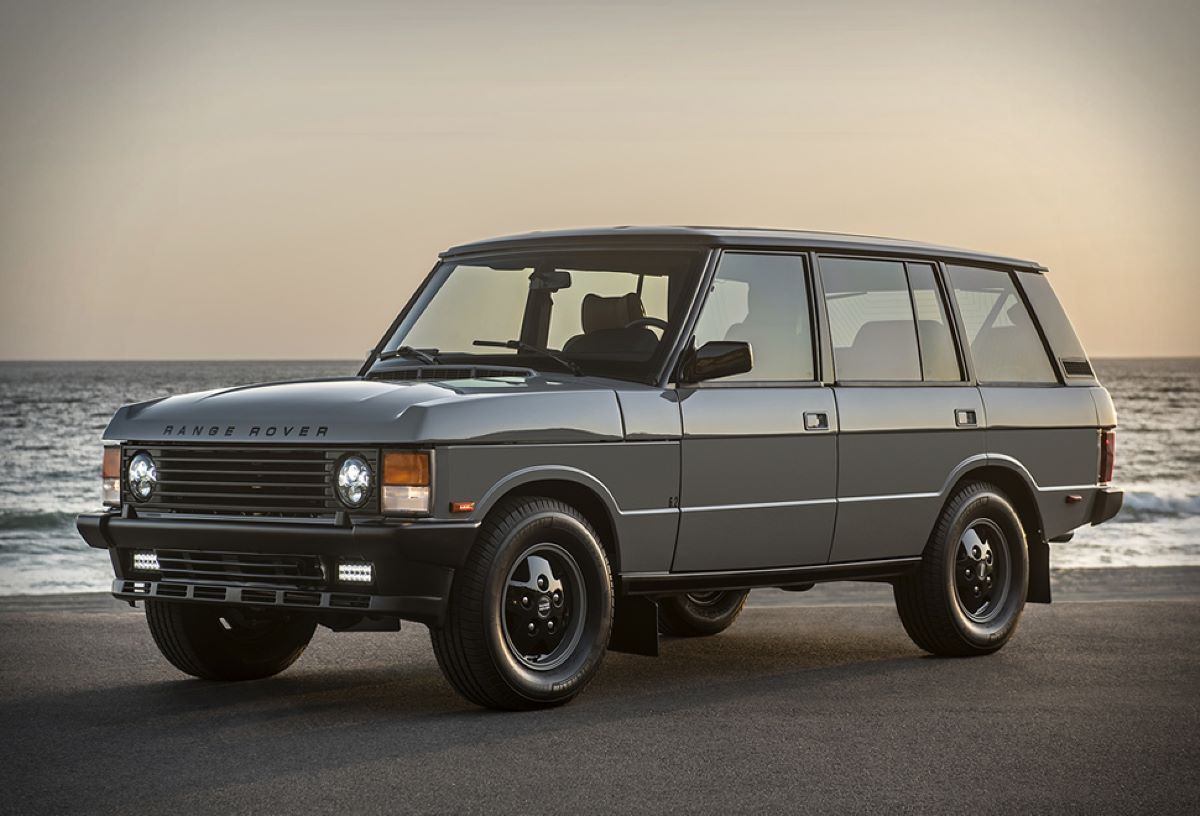
4. Range Rover Classic
The early 2000s Range Rover Classic offered coil spring suspension in many trims. These systems are simple and robust, making them more reliable than later air suspension models prone to leaks or failures. Maintenance is straightforward, with readily available parts and knowledgeable mechanics familiar with traditional setups.
Ride quality is firm yet comfortable. Springs provide a controlled bounce over uneven roads, making it suitable for daily driving or off-road adventures. Steering response remains precise, and the chassis delivers confidence at highway speeds. Traditional springs reduce the risk of unexpected suspension failures.
Off-road performance is a highlight. The Range Rover Classic’s suspension can handle rocks, mud, and uneven terrain without compromising stability. Springs maintain predictable handling characteristics, which is important when navigating technical trails. Many owners appreciate the simplicity of this design for extended adventures.
Durability extends beyond suspension. Engineered with long-lasting components, these models are less likely to face costly repairs. The traditional springs complement this durability, allowing for years of service with routine maintenance. For used buyers, this reliability is a major advantage.
Also Read: 8 Luxury SUVs With Air Suspension Systems That Total the Car Early
Resale value for traditional spring Range Rovers remains reasonable. Buyers seeking dependable performance with minimal maintenance challenges often select these early models. While lacking modern air suspension technology, they offer a classic combination of luxury and capability.
5. Cadillac Escalade
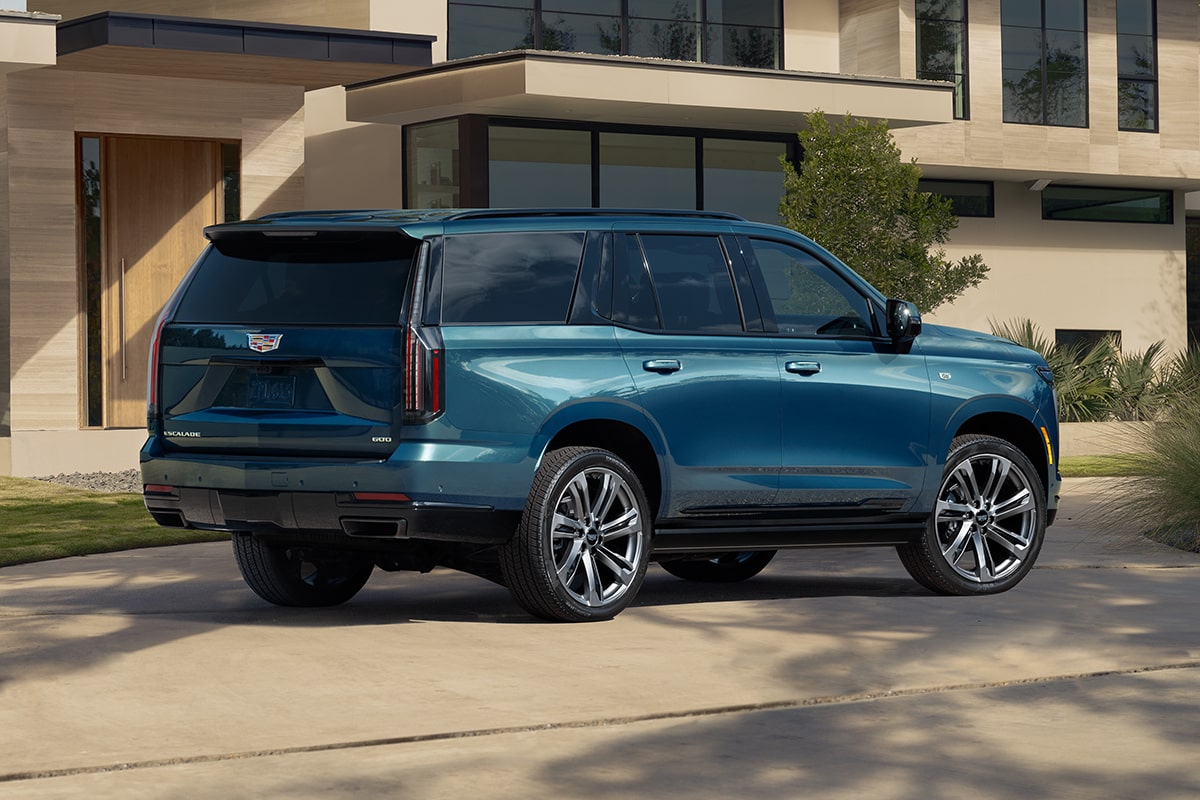
The Cadillac Escalade from 2007 to 2014 often features conventional coil springs. These vehicles are known for their strong construction and reliable suspension performance. Owners appreciate the predictable ride and the ability to maintain comfort with minimal electronic involvement.
Ride quality is smooth, balancing luxury and firm support. Coil springs provide adequate cushioning over city streets and highways while supporting heavy passengers and cargo. Unlike air suspension systems, repairs are less expensive, and components are simpler to replace.
Towing and hauling are strengths of this Escalade generation. The suspension handles weight efficiently, reducing sagging when loaded. This makes it ideal for drivers who frequently tow boats, trailers, or carry heavy cargo. The robust design ensures consistent performance over time.
Durability is reinforced by Cadillac’s focus on build quality. Springs provide a simple, reliable solution, minimizing the risk of expensive failures common in air suspension models. Long-term ownership costs are lower, making these models appealing for used SUV buyers.
The resale market favors traditional suspension models due to reliability concerns with air systems. Buyers appreciate the combination of luxury, space, and mechanical simplicity. The Escalade offers a dependable option for those seeking a used luxury SUV without the risks of air suspension maintenance.
Five Used Luxury SUVs With Expensive Air Suspension
1. Range Rover
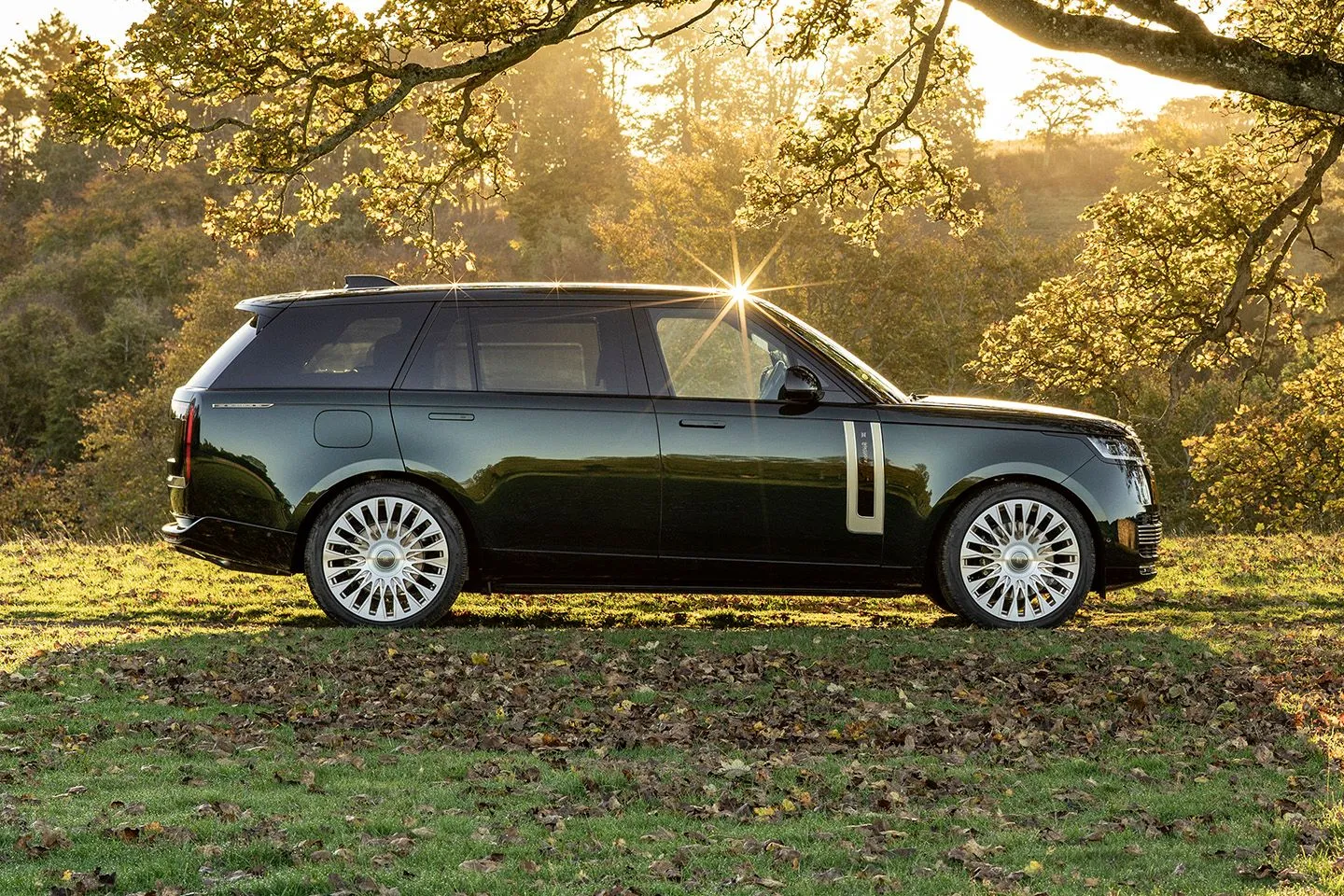
The 2015–2020 Range Rover features a highly advanced air suspension system that dramatically improves ride quality and versatility. The system adjusts ride height in real time depending on road conditions, vehicle load, and speed.
At high speeds, the SUV lowers itself to reduce wind resistance and improve stability, while at low speeds or off-road, it can raise itself to tackle obstacles and uneven terrain.
This adaptability allows passengers to experience a remarkably smooth ride, even on rough highways or poorly maintained roads. The suspension is paired with precise dampers that absorb shocks effectively, giving a floating sensation uncommon in most traditional SUVs.
Handling is another key advantage. The air suspension continuously monitors conditions and modifies stiffness to maintain stability during cornering or heavy loading. This system reduces body roll, enhances traction, and allows the vehicle to respond more predictably to sudden maneuvers.
Unlike traditional spring systems, the Range Rover’s air suspension adapts to weight distribution dynamically, which is particularly useful when towing trailers, carrying multiple passengers, or navigating hilly terrain. The result is a confident and composed driving experience, whether in the city or off-road.
Off-road performance is significantly enhanced by the adjustable suspension. The Range Rover can increase ground clearance to navigate rocks, steep inclines, and muddy tracks while protecting the undercarriage from damage. Lowering the vehicle for highway travel or parking improves efficiency and convenience.
This versatility ensures the vehicle can tackle extreme conditions without sacrificing luxury or interior comfort. Traditional springs provide stability but lack this adaptive capability, making air suspension particularly valuable for buyers who want an SUV capable of both off-road adventures and premium comfort.
Passenger comfort is unmatched with air suspension. The system absorbs irregularities like potholes and speed bumps far better than traditional springs. Long-distance trips are significantly less tiring, and the cabin remains quiet even on uneven surfaces.
Adjustable driving modes, such as Comfort, Sport, and Off-Road, allow customization for different scenarios, ensuring passengers experience the smoothest ride possible regardless of terrain. Luxury features, such as noise insulation, adaptive cruise control, and premium seating, complement the suspension to create a high-end driving environment that rivals sedans in comfort.
Maintenance is the main consideration when purchasing a used Range Rover with air suspension. Components like air springs, compressors, and height sensors may degrade over time and can be costly to repair or replace. It is essential to inspect for leaks, compressor efficiency, and electronic calibration before purchase.
However, when properly maintained, the Range Rover’s air suspension provides superior ride quality, adaptability, and prestige, making it an attractive option for buyers willing to invest in comfort and technology. Regular servicing and preventive checks can extend the system’s lifespan considerably.
2. Mercedes-Benz GLS-Class
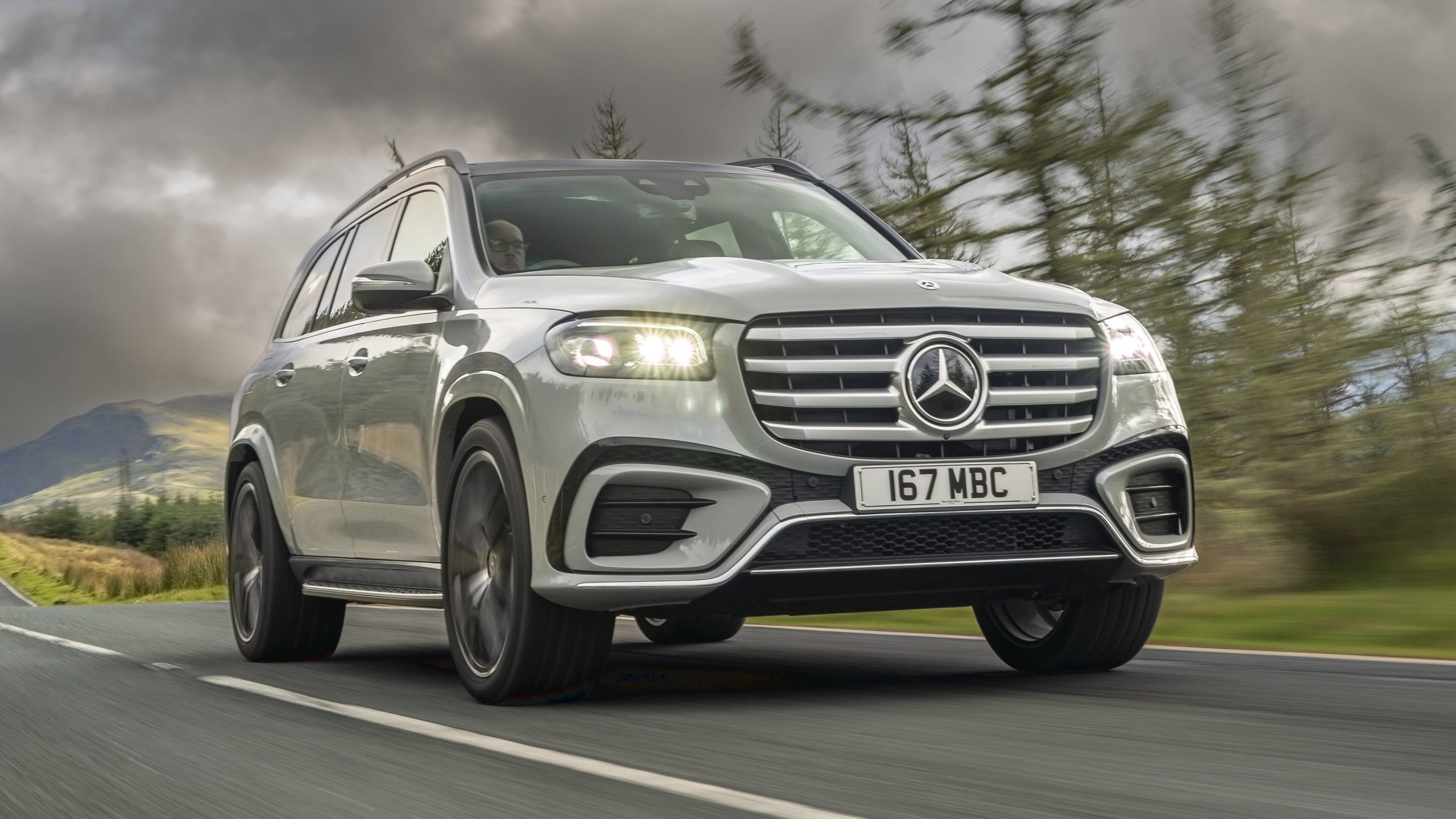
The Mercedes-Benz GLS-Class features the sophisticated AIRMATIC air suspension system, offering a balance of comfort, handling, and adaptability. This electronically controlled suspension adjusts ride height and damping automatically, ensuring a smooth, stable ride regardless of passenger load or terrain conditions.
Passengers experience minimal vibrations, making highway driving, urban commuting, and long-distance trips exceptionally comfortable.
Additionally, the suspension works seamlessly with Mercedes’ active body control systems to provide a refined and controlled ride even during aggressive maneuvers or emergency braking situations.
Handling is greatly improved thanks to variable damping technology. The system stiffens during sharp turns and highway driving while softening for city or off-road conditions, which reduces body roll and increases stability. This adaptive behavior ensures predictable handling under varying conditions, enhancing driver confidence.
The GLS-Class can maintain composure even when fully loaded or towing heavy trailers, which traditional coil spring systems cannot match. The air suspension helps maintain consistent balance and weight distribution, providing superior stability and driving dynamics.
Off-road versatility is another strong point. The GLS can raise its ride height to improve clearance over rough terrain and lower for highway efficiency or ease of entry.
This allows drivers to tackle light off-road conditions such as dirt roads, sand, or snowy trails without compromising comfort or risking damage to the undercarriage. Air suspension allows for more adventurous driving while maintaining passenger luxury, making it ideal for buyers who want an SUV that performs well in varied environments.
Passenger comfort is a central feature. The suspension effectively isolates passengers from bumps, potholes, and uneven surfaces, creating a smooth, serene cabin environment. Adjustable settings allow drivers to choose a softer, more cushioned ride for comfort or a firmer setup for sportier handling.
Combined with luxury interior features like climate-controlled seating, noise reduction, and high-end infotainment, the air suspension elevates the driving experience. Long trips feel less fatiguing for both driver and passengers.
Maintenance is an important consideration for used GLS models. Air compressors, airbags, and height sensors can fail over time, resulting in costly repairs. Prospective buyers should inspect these components thoroughly and review service records.
While the initial investment and maintenance costs are higher, the comfort, adaptive handling, and off-road capability make the air suspension system worthwhile for those prioritizing luxury, performance, and versatility. Regular preventive maintenance greatly improves longevity.
3. Audi Q7
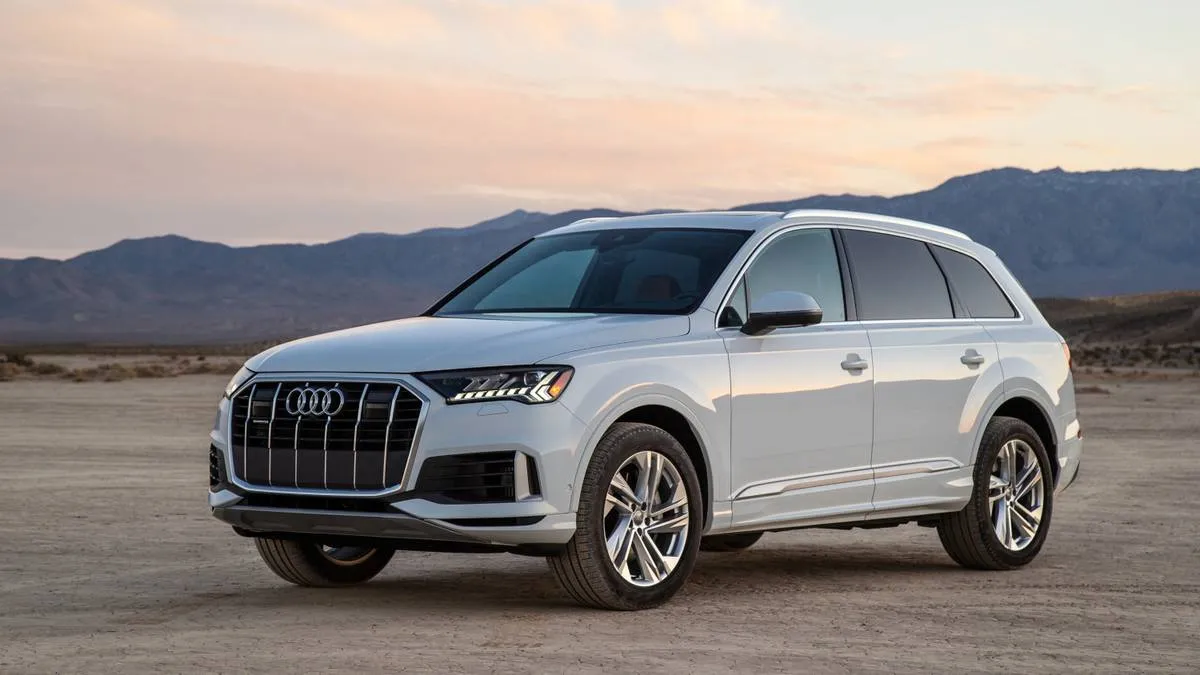
The Audi Q7’s optional air suspension system significantly enhances ride quality, comfort, and handling. By adjusting the vehicle’s ride height and damping automatically, the Q7 provides a smooth, cushioned experience even on poorly maintained roads.
The system minimizes vibrations and reduces fatigue on long trips, giving passengers a refined luxury experience. Additionally, the Q7’s suspension works with electronic stability systems to optimize handling, particularly when cornering, braking, or accelerating with a full load of passengers and cargo.
Handling is enhanced by continuous adjustment of suspension stiffness. The system ensures balanced weight distribution and limits body roll in high-speed turns or during abrupt maneuvers.
This creates a more controlled driving experience compared to traditional spring setups. When fully loaded or towing, the Q7 maintains composure, reducing sway and increasing driver confidence. The air suspension also improves braking stability by keeping the SUV level under deceleration.
Versatility is a key benefit. The Q7 can raise its chassis for off-road obstacles, deep snow, or uneven terrain while lowering for better aerodynamics and fuel efficiency on highways.
This feature increases functionality and adaptability beyond what traditional spring systems can offer. It also protects underbody components from potential damage during off-road excursions, extending the SUV’s longevity.
Passenger comfort is exceptional. The air suspension system effectively smooths bumps, potholes, and speed variations, ensuring a quiet, stable cabin.
Adjustable modes allow drivers to tailor the ride between comfort, sport, or off-road settings. Combined with Audi’s premium interior materials, infotainment, and seating technology, this results in a truly luxurious experience that rivals high-end sedans.
Maintenance is the main drawback. Components such as air compressors, airbags, and electronic control units can wear out and require costly repairs.
Prospective buyers should perform thorough inspections and consider service history before purchase. Despite higher maintenance costs, the air suspension system is highly valued for its superior ride, adaptability, and technology-driven performance. Routine preventive checks improve reliability and ensure long-term performance.
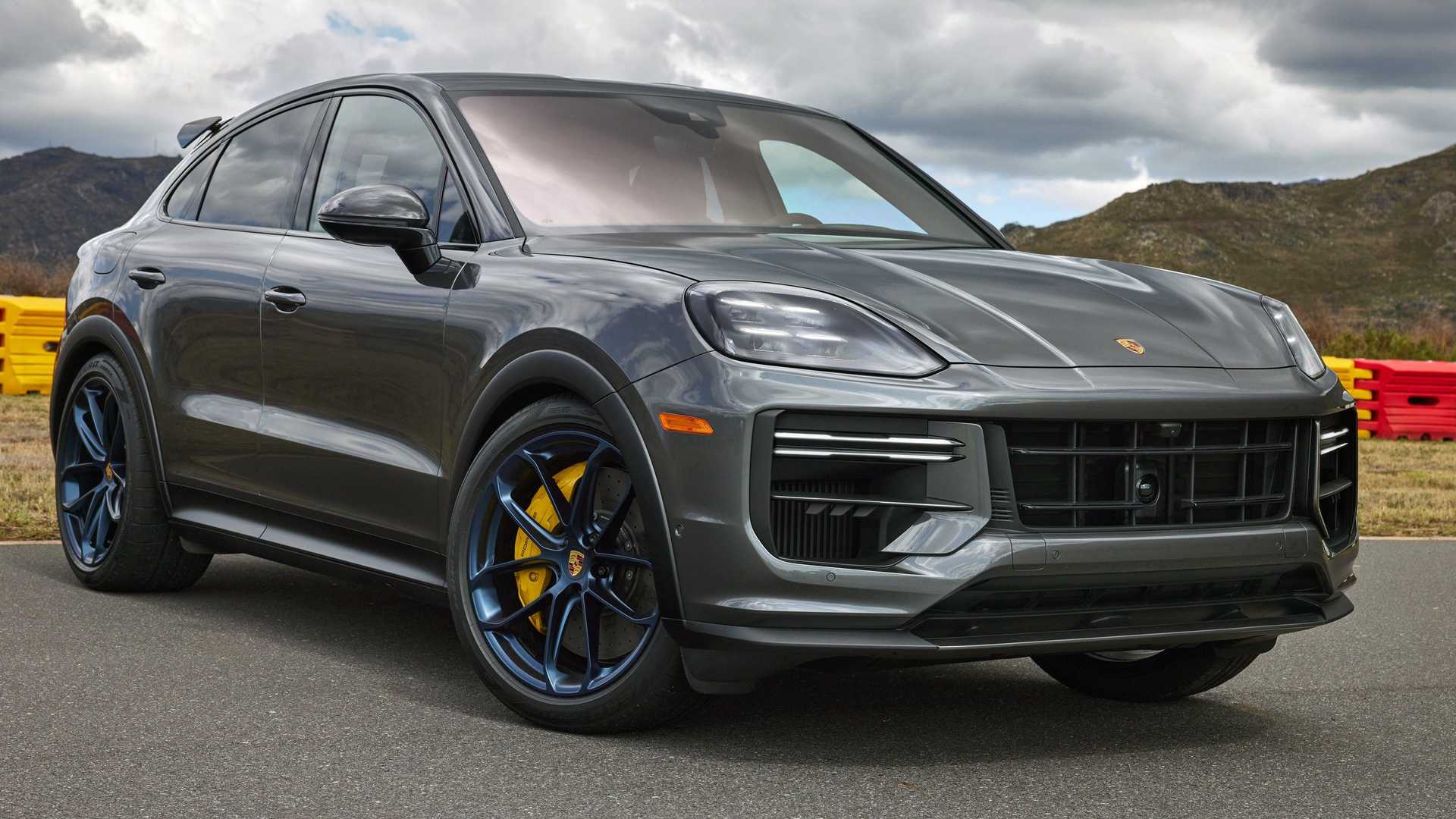
4. Porsche Cayenne
The Porsche Cayenne offers an air suspension system designed to blend sporty performance with luxury comfort. This system automatically adjusts ride height and damping based on driving conditions, optimizing stability and comfort.
Passengers benefit from reduced vibrations and shocks, even on uneven or poorly maintained surfaces. The Cayenne’s suspension works in tandem with its dynamic chassis systems, allowing the SUV to handle aggressively without sacrificing ride quality.
The air suspension stiffens for spirited driving, reducing body roll while improving cornering precision. This allows the Cayenne to deliver sports car-like handling in an SUV form factor. Traditional springs provide a firm ride but cannot adapt to driving conditions dynamically, making air suspension a clear advantage for those seeking both comfort and performance.
Off-road capability is improved by adjustable ride height. The Cayenne can raise its chassis for rough terrain or obstacles, protecting underbody components and improving traction.
Lowering the vehicle for highway driving improves aerodynamics and fuel efficiency. This adaptability allows owners to experience both rugged versatility and refined on-road comfort, making it suitable for a variety of driving conditions.
Passenger comfort is a key feature of the air suspension. The system absorbs road irregularities effectively, reducing cabin noise and providing a smooth ride.
Adjustable suspension modes allow customization for comfort or sportier handling, providing flexibility for different driving scenarios. Combined with premium materials, advanced infotainment, and seating technology, the Cayenne delivers a luxurious experience that rivals many sedans.
Maintenance requires attention. Air suspension components such as compressors, airbags, and sensors can fail and require expensive replacement. Buyers should verify service history and inspect components before purchase.
However, the improved comfort, adaptability, and dynamic handling often justify the higher maintenance costs for owners who value luxury and performance.
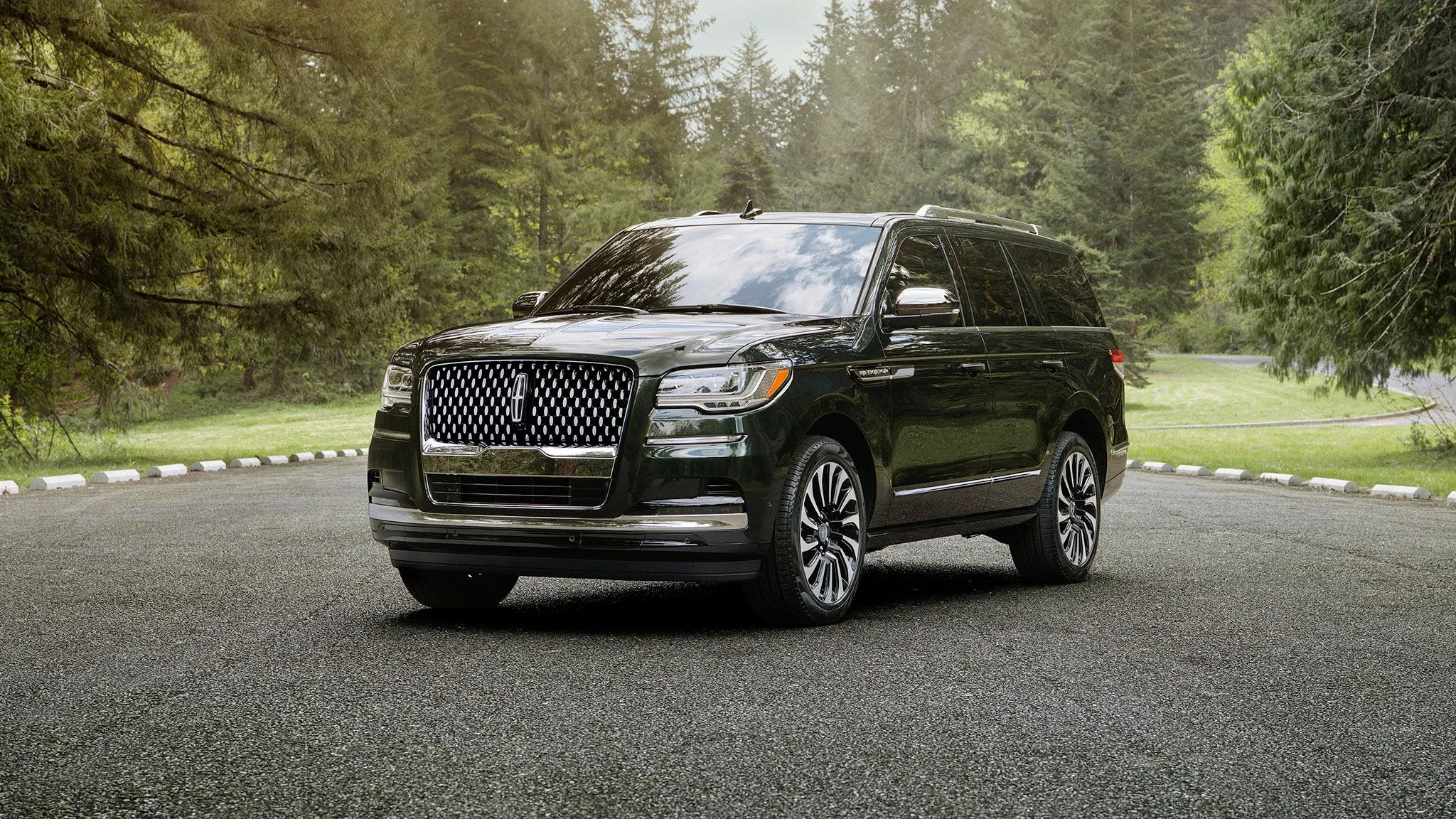
5. Lincoln Navigator
The Lincoln Navigator features a cutting-edge adaptive air suspension system that automatically adjusts ride height and damping to optimize comfort, handling, and stability.
This allows the SUV to deliver a smooth, stable ride across urban streets, highways, and light off-road terrain. The system works in conjunction with the vehicle’s active safety systems to maintain composure, reduce sway, and improve passenger comfort.
Handling is enhanced with electronically controlled damping. The air suspension adjusts stiffness based on speed, road conditions, and weight distribution, providing stability during aggressive driving or while towing heavy loads.
This adaptive feature reduces body roll and improves cornering performance compared to traditional spring setups, making the Navigator feel more composed and responsive.
Off-road versatility is a major advantage. The air suspension allows the SUV to raise for rough terrain, snow, or steep inclines, while lowering for highway travel or ease of entry.
This flexibility improves safety, convenience, and ride quality while protecting underbody components from potential damage. It combines SUV utility with luxury adaptability, making the Navigator suitable for varied driving conditions.
Passenger comfort is a primary benefit. The air suspension absorbs bumps and irregularities efficiently, reducing vibrations and noise in the cabin. Adjustable driving modes allow occupants to select the ideal balance of comfort or sportiness.
Combined with Lincoln’s spacious interior, premium materials, and advanced infotainment, the Navigator delivers a first-class ride experience for both driver and passengers.
Maintenance considerations are significant. Components such as compressors, airbags, and sensors can fail and require costly repairs if neglected. Routine preventive maintenance is essential for preserving performance.
Despite the higher cost of ownership, many buyers consider the system worthwhile due to its superior comfort, versatility, and adaptive handling capabilities, making it a defining feature of the Navigator’s luxury experience.