Electric vehicles have become a major part of today’s automotive industry, offering lower operating costs, reduced emissions, and quiet performance that appeals to many drivers.
As the used electric vehicle market expands globally, one factor stands out above all others when evaluating an EV’s long‑term value: battery health.
For most buyers, a healthy battery translates directly into usable driving range, dependable performance, and satisfaction.
Batteries are the most expensive component of an EV, so understanding which used models retain strong battery capacity over time can help buyers make smarter decisions when comparing options.
Battery degradation is a natural process that occurs over each charge cycle, where total capacity gradually declines. A variety of factors affect how quickly this happens, including chemistry, thermal management systems, charging behavior, climate, and usage patterns.
Some electric vehicles have advanced battery cooling and management that help preserve capacity over many years. In contrast, others use simpler systems or battery chemistries that are more sensitive to heat and frequent fast charging, leading to faster loss in capacity.
For a used EV buyer, learning which models tend to retain strong battery health and which are more prone to rapid degradation can be a significant advantage.
This article discusses ten used electric vehicles. Five models have a track record for holding up well in battery health, making them good candidates for long‑term ownership. The other five are known for faster battery wear or have patterns of degradation that prospective buyers should understand before investing.
Each vehicle is covered in depth, with clear explanations of the battery design, real‑world owner experiences, and general reputation among EV enthusiasts and independent reviewers. This information is aimed at helping used EV shoppers balance purchase price with expected longevity and satisfaction.
It is important to recognize that any used EV should be evaluated individually. Battery diagnostics, maintenance history, and actual state of health measurements should be checked before purchase. Despite general trends, any specific vehicle may perform better or worse than average.
However, when aggregated data and owner reports point toward consistent outcomes, patterns emerge that can guide prospective owners.
By the end of this analysis, you will have a clearer sense of which used EVs typically maintain strong battery health and which ones have a reputation for accelerated degradation, helping you make a more informed choice.
5 Used EVs With Strong Battery Health
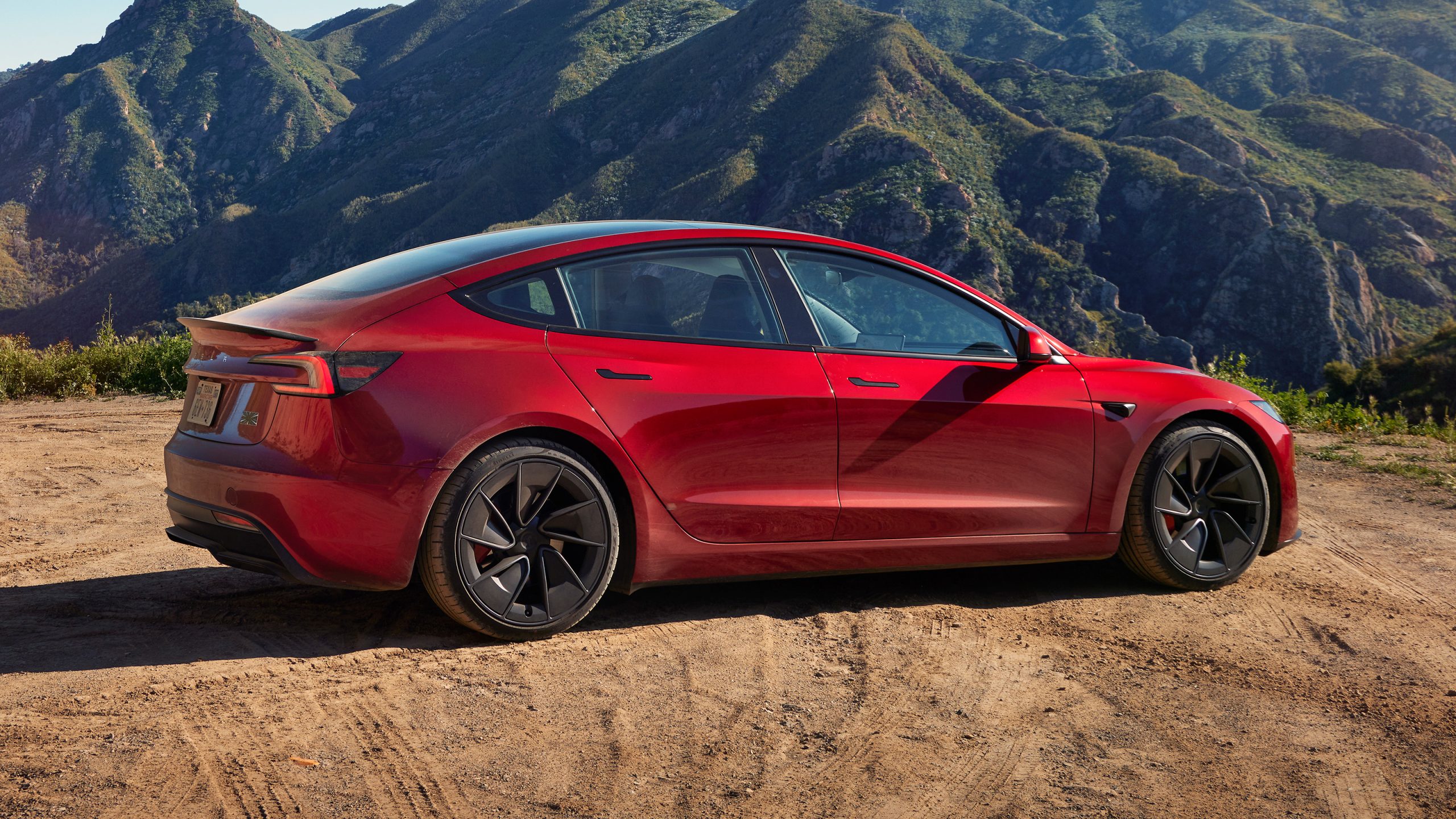
Tesla Model 3
The Tesla Model 3 has earned a strong reputation for maintaining battery capacity over time, even in high‑mileage examples. The vehicle uses a liquid‑cooled battery system that regulates cell temperatures consistently.
This helps prevent overheating and deterioration that often accelerate degradation. Many owners report only single‑digit percentage losses after 100,000 miles of real‑world driving.
Another advantage of the Model 3 is Tesla’s careful battery management software, which optimizes cell balance and reduces stress.
Charging habits also contribute; owners who rely mainly on Level 2 charging rather than frequent DC fast charging tend to see slower degradation.
The result is a used EV that often retains a substantial portion of its original range. For buyers, this means better value retention and confidence that the vehicle can serve daily needs for years.
Tesla’s over‑the‑air software enhancements also help preserve battery life over successive years. Updates can refine charge limits and thermal profiles remotely.
This ongoing improvement contrasts with older EVs that lack such connectivity. With solid infrastructure and widespread service knowledge, the Model 3 remains a strong contender for those prioritizing battery longevity in a used EV.
The Model 3 also benefits from a modular battery architecture designed for scalability and durability. Modules can be individually monitored and adjusted to optimize performance.
Many independent tests confirm that even early Model 3 units from the first production years still show respectable health today. For used buyers, that means more range for everyday commuting and fewer concerns about early battery replacement.
Finally, resale values for the Model 3 remain strong relative to many competitors, partially due to its battery reputation.
Buyers frequently seek out examples with verified state of health reports, making well‑maintained units easier to sell later. The strong market demand reinforces the idea that this EV is a reliable choice for those focused on long‑term battery performance.
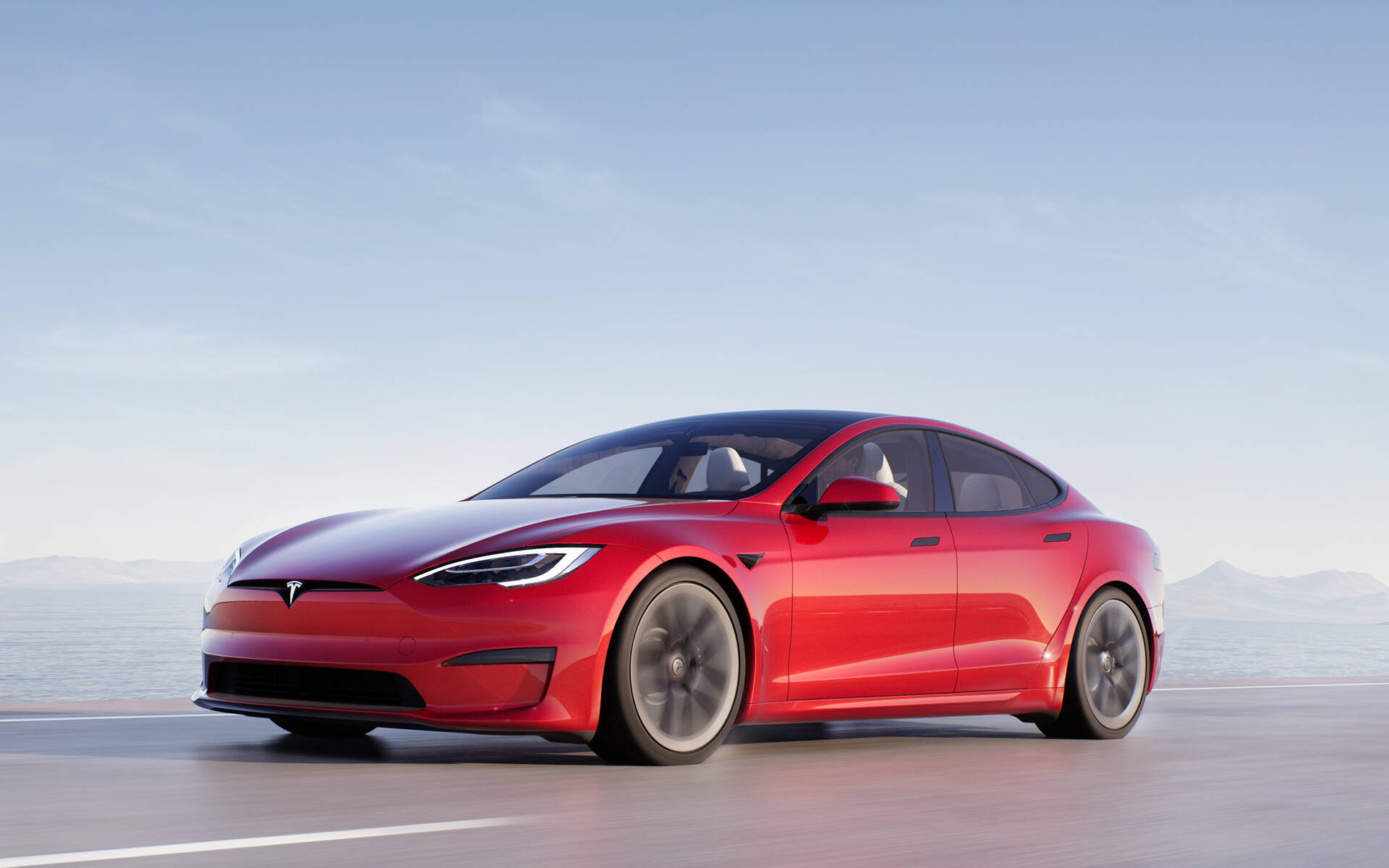
Tesla Model S
The Tesla Model S has been a benchmark for long‑range electric cars and over time has proven to maintain robust battery health across a wide range of conditions.
Earlier and later variants both benefit from liquid thermal control, which helps moderate temperatures that could otherwise accelerate degradation. Many high‑mileage Model S examples still retain most of their usable capacity years after initial delivery.
Part of the Model S’s strength lies in Tesla’s careful balance of performance and durability. Larger battery packs and sophisticated software work together to preserve health even with regular fast charging.
Although frequent DC fast charging does affect any battery over time, Model S units tend to show slower rate of capacity loss compared to some competitors. This makes them appealing choices for buyers planning to keep a used EV for the long term.
Tesla’s continuous software development also gives the Model S an edge. Adjustments to battery algorithms and charge management can be delivered long after purchase, improving efficiency and longevity.
Owners routinely note that firmware updates can result in smoother thermal behavior and better range predictions over time. This ongoing support helps older Model S vehicles remain relevant.
Another factor influencing stronger battery health is the Model S’s design philosophy around cooling and power distribution.
Components were engineered with sustained performance in mind, and this has paid dividends as many cars age. Real‑world data from independent surveys show that degradation rates are often lower than early estimates, even in vehicles with large mileage.
Finally, the combined effect of strong battery health and high initial range gives used Model S vehicles enduring appeal. They offer competitive daily usability with range that remains viable years later.
For buyers seeking a premium used EV experience with less worry about rapid capacity loss, the Model S generally represents a good balance of performance and longevity.
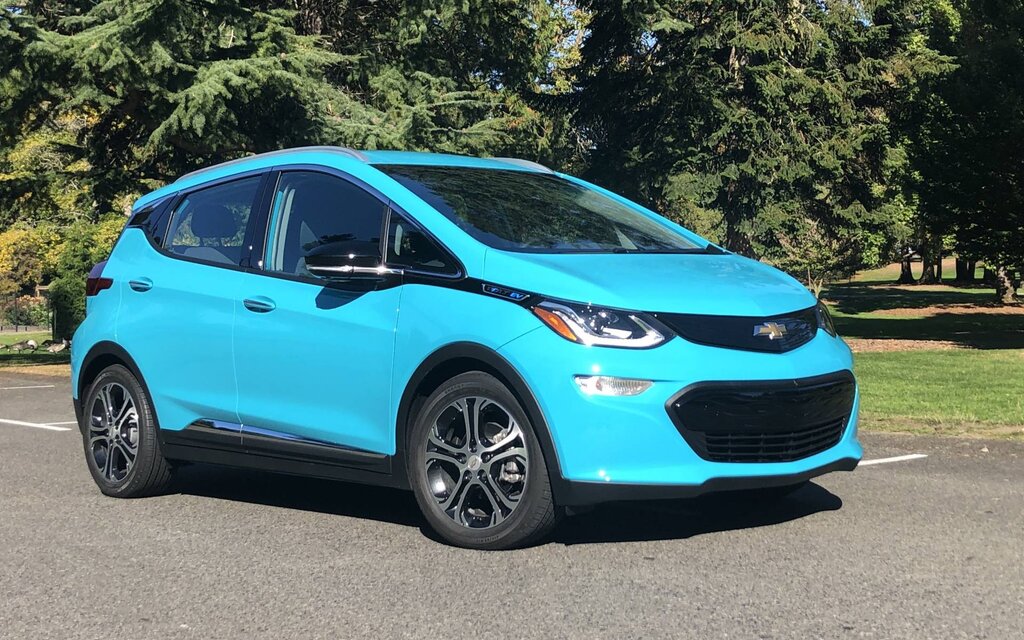
Chevrolet Bolt EV
The Chevrolet Bolt EV has been recognized for its efficient battery chemistry and relatively strong performance retention over time.
With a battery management system that emphasizes balance and stability, Bolt owners often report acceptable capacity after many charge cycles. The car’s thermal strategy and moderate performance demands contribute to slower degradation when compared with some peers.
Owners who avoid excessive high‑speed charging and who use Level 2 charging for routine needs tend to see the best longevity results. Like many EVs, frequent DC fast charging does accelerate wear, but the Bolt’s design helps mitigate extremes. This creates a used EV option that can satisfy daily commuting needs without major range anxiety, even in older units.
Real‑world range reports from Bolt EV owners often show consistent performance figures, aligning with measured state of health assessments.
Independent tests frequently illustrate that battery capacity remains within useful levels after years of service. This reliability has helped the Bolt EV maintain steady interest among used EV buyers looking for practical city and suburban transportation.
The Bolt EV also benefits from a straightforward battery architecture that simplifies diagnostics and state of health measurement.
Prospective buyers can often get clear data on capacity levels before purchasing, allowing a more informed decision. This transparency adds confidence for buyers evaluating used examples.
Finally, resale values reflect the Bolt EV’s reputation for durability and utility. While pricing varies by market and generation, many examples continue to attract buyers largely because the battery health holds up. For those seeking an affordable used electric with a proven record, the Chevrolet Bolt EV remains a solid contender.
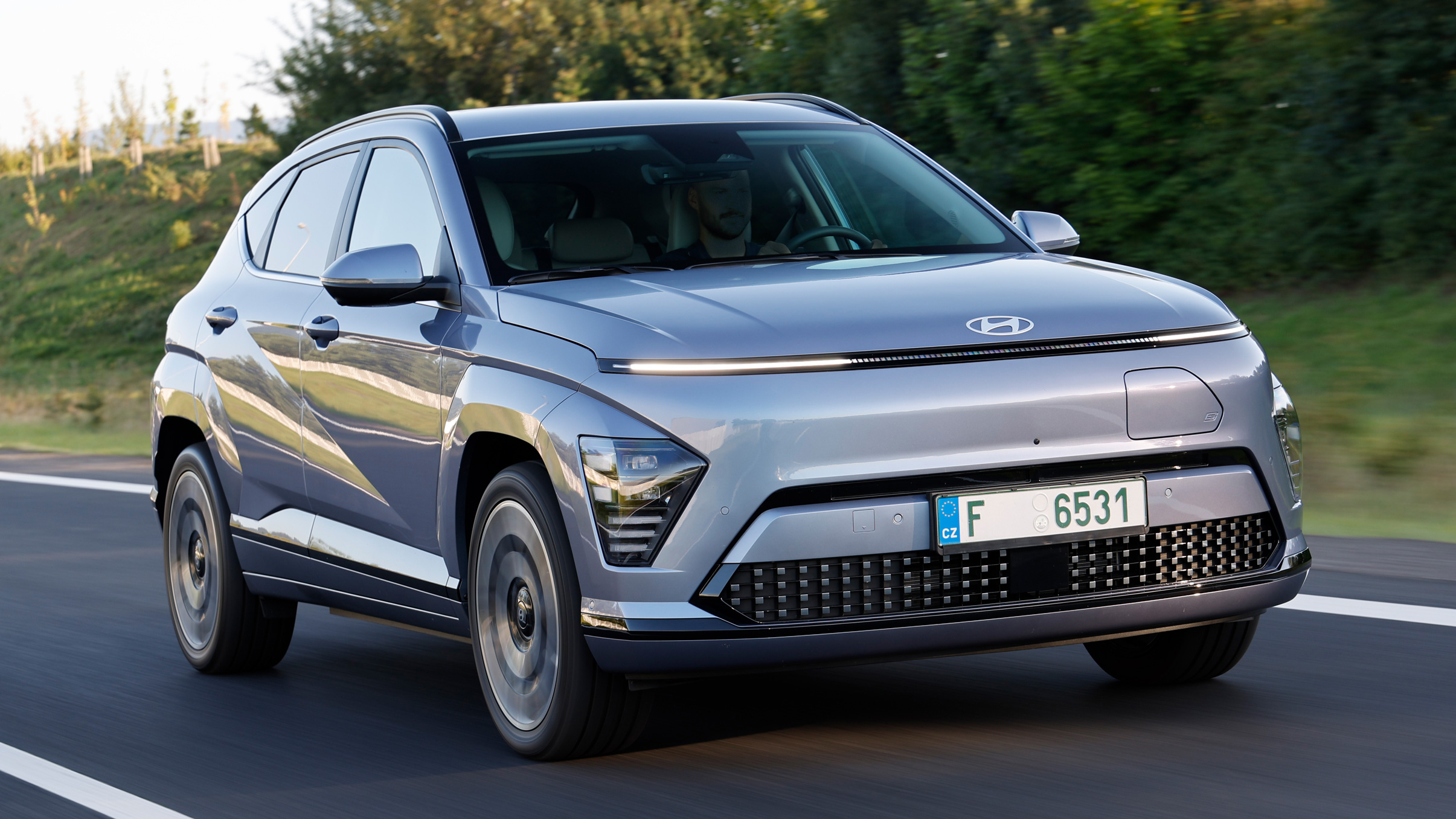
Hyundai Kona Electric
The Hyundai Kona Electric has become a favorite among used EV buyers thanks to its strong balance of range, features, and battery durability. Its battery system incorporates active temperature management that helps maintain stable operating conditions. This reduces stress on the cells and tends to slow the rate of capacity loss over time.
Many Kona Electric owners report that the vehicle continues to deliver reasonable range even after several years on the road.
This consistency is partly due to the chemistry and engineering choices that Hyundai made when developing the platform. Well‑regulated charge and discharge cycles help limit wear, giving drivers peace of mind.
Another benefit of the Kona Electric is its efficient powertrain. Reduced energy demand for daily driving helps minimize stress on the battery compared to more power‑hungry performance vehicles.
In practical terms, this means that even older used examples can still support regular commuting and errands without significant range dropoffs.
Independent EV monitoring groups and owner forums often show Kona Electric degradation rates that compare favorably with many rivals. While all batteries lose some capacity with age, the overall story for this model is positive. Buyers can reasonably hope for strong performance if the previous owner maintained good charging practices.
In addition, the Kona’s features and warranty support in many markets have built confidence in the model’s long‑term viability.
Even as vehicles age, the combination of technology and owner experience suggests that the battery remains a reliable backbone. For many used EV buyers, the Kona Electric represents a well‑rounded option with enduring battery health.
Kia Niro EV
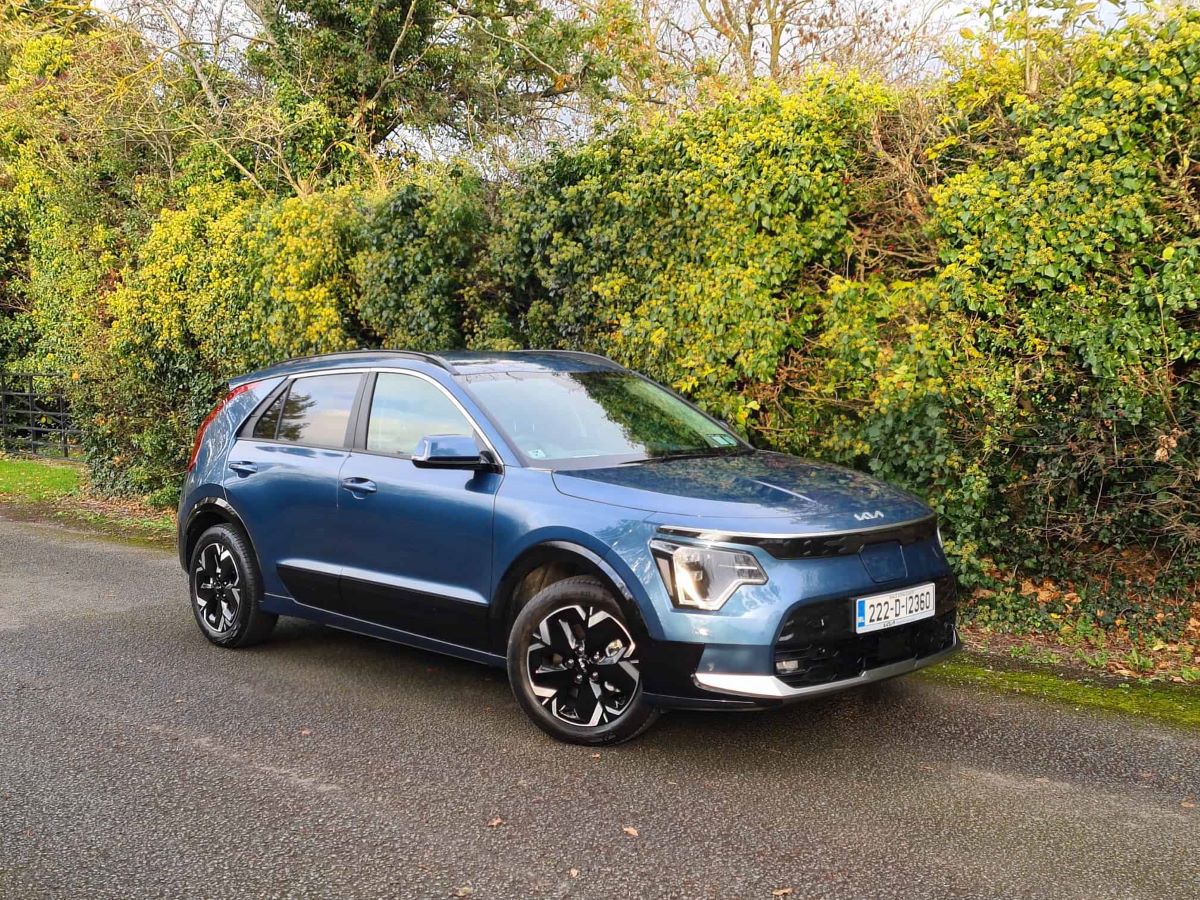
The Kia Niro EV shares many strengths with its corporate sibling, the Hyundai Kona Electric, including robust battery durability and stable day‑to‑day performance.
The vehicle uses an advanced battery management system that helps maintain consistent cell temperatures and minimizes uneven aging. This leads to slower overall capacity loss in many real‑world cases.
Owners often highlight that the Niro EV continues to provide usable range after years of service, making it a compelling used EV choice.
Its efficient design and moderate energy demands help preserve battery health by avoiding excessive thermal stress. For buyers who prioritize long‑lasting performance, this model stands out.
Routine charging habits also influence the Niro’s longevity; drivers who rely on overnight Level 2 charging see better outcomes than those who frequently use high‑power DC fast charging.
While any EV battery loses capacity with aggressive charging, the Niro EV seems to handle regular use without rapid decline. This has made it a favorite among daily commuters.
Independent observations and comparisons consistently show that the Niro EV fares well in battery health metrics relative to many competitors. Many used examples continue to deliver strong range with minimal surprises. This reliability contributes to the model’s resilience in the broader used EV market.
Finally, the Niro EV’s combination of practicality, comfort, and dependable battery performance makes it attractive for a wide range of buyers.
Whether for urban travel or longer trips, this EV often holds up well over time. The cumulative evidence from owners and testers points to a dependable battery system, reinforcing the model’s positive reputation.
5 Used EVs Known for Rapid Degradation
Nissan Leaf
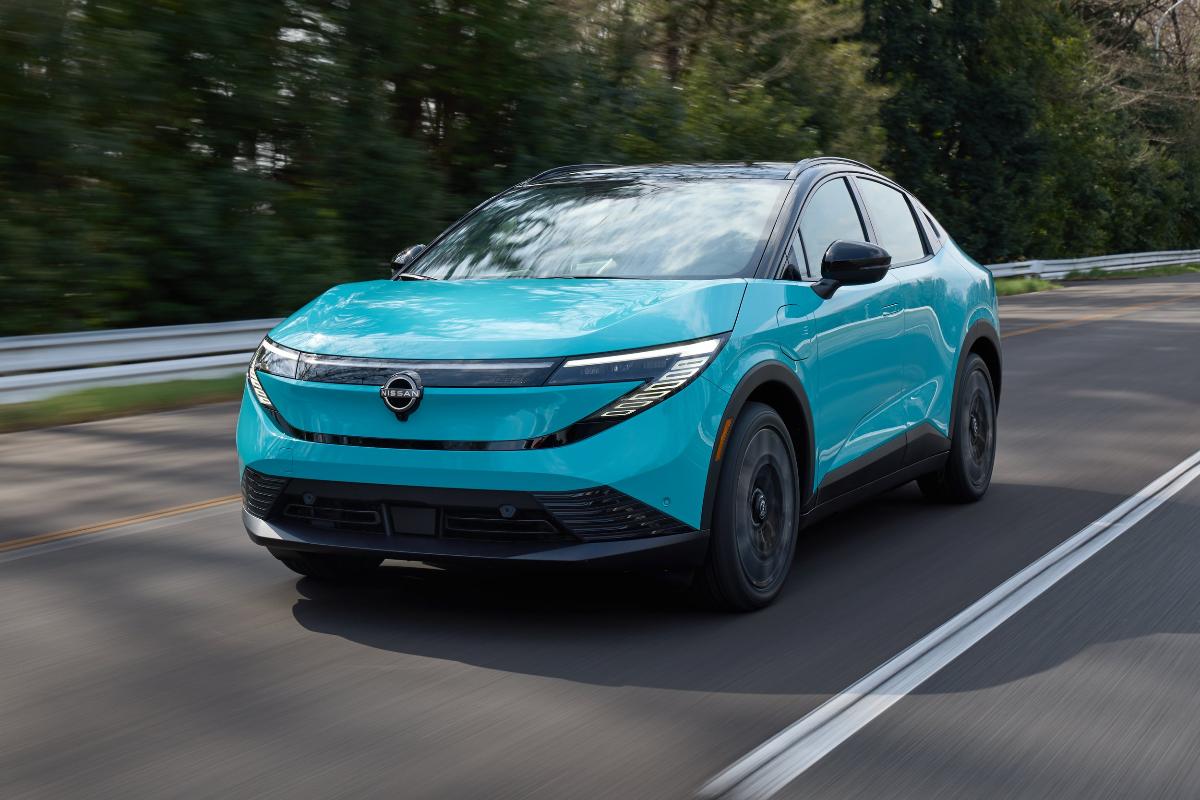
The first‑generation Nissan Leaf is one of the most widely recognized early electric vehicles, but it is also known for relatively rapid battery degradation in warm climates.
The Leaf’s battery lacks active thermal management, which means cells can experience wide temperature swings. Over time, this leads to faster capacity loss, especially in regions with hot summers.
Many used Leaf owners report significant range reduction after only a few years of regular use. This outcome is particularly in older units that saw frequent quick charging or high daily mileage.
Without cooling systems to moderate cell temperatures, the battery simply ages faster compared to models with liquid thermal control.
Despite its early popularity and importance in EV history, buyers should be cautious when considering older Leafs. State of health can vary widely between individual vehicles, making pre‑purchase diagnostics essential.
Many vehicles still serve useful roles in short‑range city travel, but expectations should be aligned with the likelihood of diminished range.
The Leaf’s simpler battery system does make repairs and state of health assessments more straightforward, but it also underscores an inherent limitation in longevity.
For drivers who need consistent range day‑to‑day, this rapid decline can be a drawback. Savvy buyers factor this into pricing and use cases when evaluating older Leafs.
Finally, later generations of the Leaf improved on these issues with better capacity and more advanced thermal strategies.
However, the first generation remains a cautionary example of how critical thermal management is to long‑term battery health. For many used buyers, this history informs a more measured approach to older EVs.
BMW i3
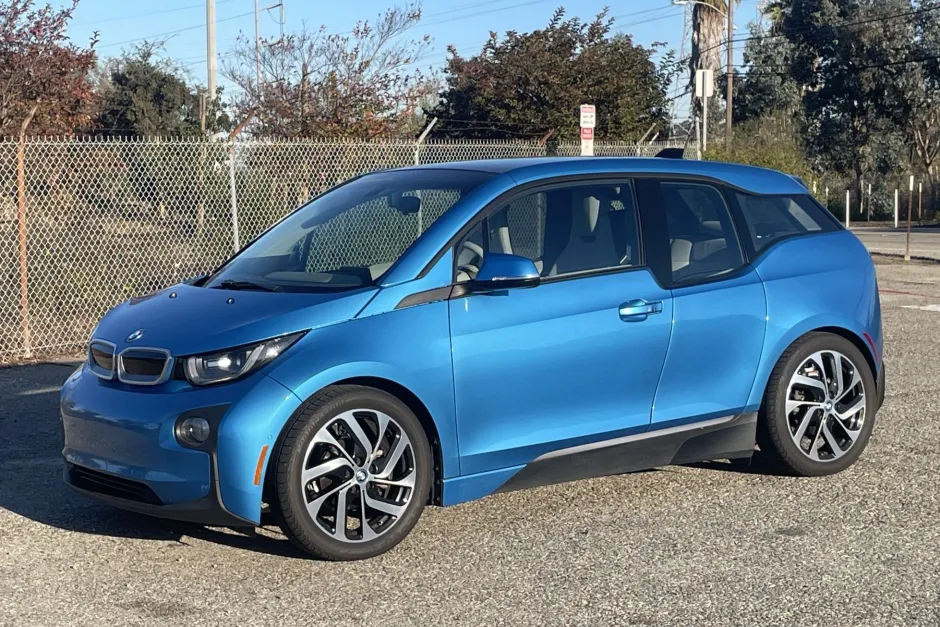
The BMW i3 was praised for its innovation and design, but its battery architecture has been associated with faster degradation patterns in some cases.
While the vehicle employs thermal management, the smaller battery pack and unique chemistry appear more sensitive to certain use patterns. This has led to widely varying owner experiences.
Many i3 owners report that range drops more rapidly than expected after several years, particularly if the vehicle was frequently charged to high states of charge. Regular use of DC fast charging also seems to accelerate wear.
This pattern doesn’t affect every example equally, but it is common enough to influence the model’s reputation.
In addition, the i3’s urban‑focused design means that many units see high‑cycle usage without large mileage, which can cumulatively stress the battery. Unlike larger packs that tolerate deep cycles better, the i3’s system appears less forgiving. Prospective buyers should review battery health data carefully before purchase.
Independent assessments suggest that some i3 examples retain acceptable capacity, but the spread of outcomes is significant. This variability makes used buying riskier without reliable diagnostics. Many owners emphasize the importance of obtaining a recent battery state of health report before committing.
Finally, while the i3 remains an engaging and distinctive EV, its battery longevity record is mixed. For buyers focused on predictable long‑term range, this can be a drawback. Understanding the model’s specific patterns helps set realistic expectations and avoid surprises after purchase.
Jaguar I‑Pace
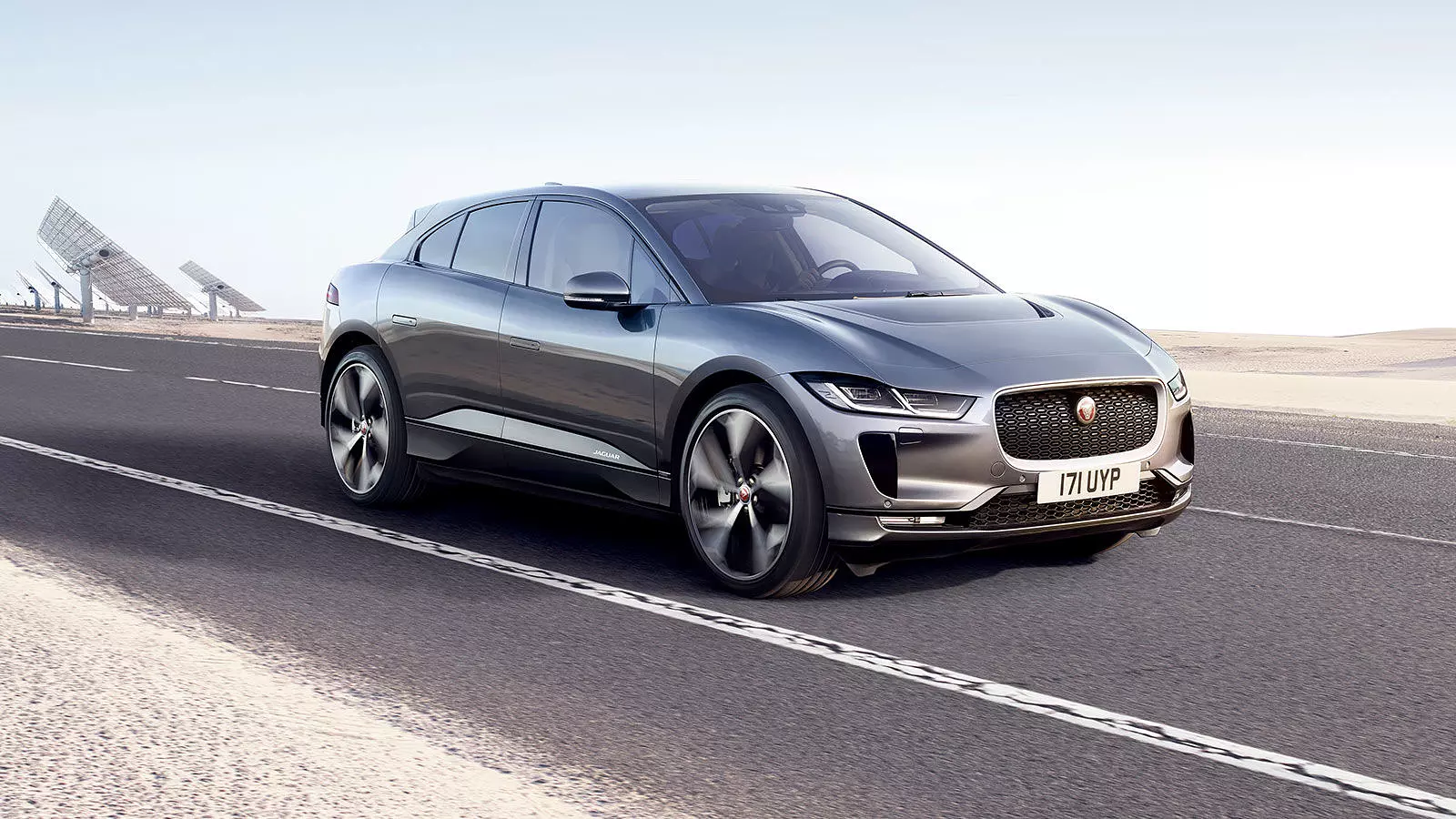
The Jaguar I‑Pace represented a major step for luxury electric SUVs but has faced criticism for more rapid battery degradation compared to peers. Part of this stems from thermal management that, while active, may struggle under certain load and climate conditions. Owners in hot regions especially report steeper capacity loss over time.
Another factor is the I‑Pace’s performance‑oriented nature, which often results in higher energy throughput. While this delivers dynamic driving, it also places greater stress on the battery during frequent rapid accelerations and DC fast charging sessions. Over years, this can compound degradation beyond what more conservative designs experience.
Users have documented noticeably reduced range after moderate ownership periods, affecting real‑world utility. For everyday commuting this may be manageable, but for longer trips it becomes more noticeable. This contributes to a mixed reputation among used EV shoppers who place battery longevity first.
Battery state of health can vary from vehicle to vehicle, but trends suggest a quicker reduction than rival models with stronger thermal strategies. Prospective buyers should insist on comprehensive diagnostics and understand that advertised range may not reflect current capabilities.
The I‑Pace offers engaging performance and premium experience but requires careful evaluation of its battery condition when used. For buyers less focused on long‑term capacity retention and more on features or driving feel, it may still be suitable. Yet for pure longevity, its track record is less impressive.
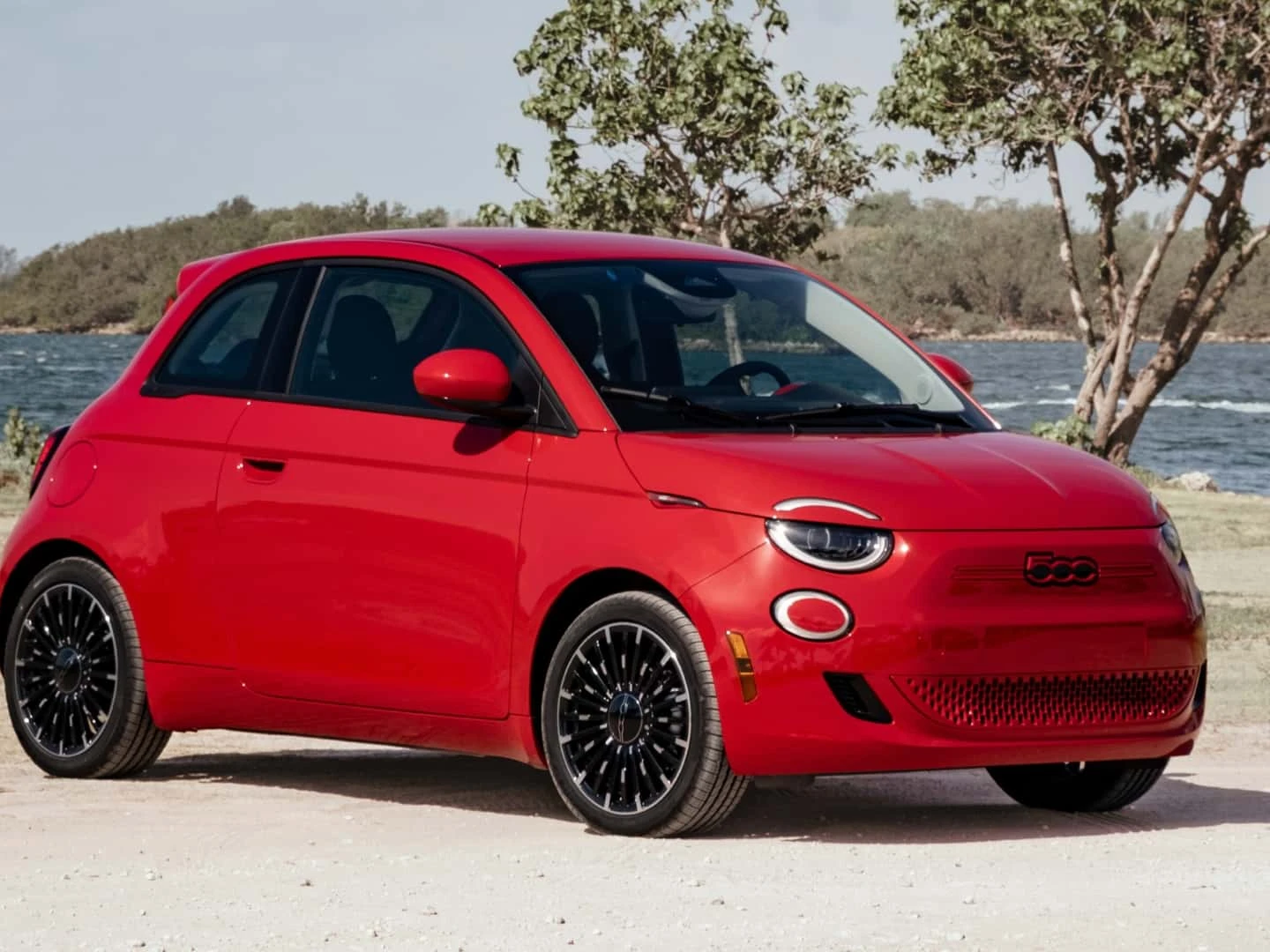
Fiat 500e
The Fiat 500e is an affordable electric option with a small battery that makes it particularly sensitive to degradation. The lack of advanced thermal management and the compact pack size contribute to faster relative capacity loss in some examples. Over time, this leads to more pronounced range reduction when compared to many modern EVs.
Owners often find that usable range drops noticeably after only a few years of routine driving. The effect is especially clear if the vehicle sees frequent DC fast charging or operates in more extreme temperatures. With a smaller buffer to begin with, any loss in capacity significantly impacts real‑world usability.
Because the 500e is often used for short trips and city driving, batteries tend to cycle frequently, which also accelerates wear. Combined with a simpler cell design, these factors contribute to a reputation for quicker degradation. Buyers need to temper expectations about range when considering older examples.
Despite these concerns, the 500e remains an inexpensive entry point into electric driving. For buyers whose daily routes are short and predictable, even a reduced battery can serve adequately. However, understanding the limitations and likely battery health is crucial before purchase.
In evaluating used examples, obtaining clear diagnostics is particularly important. Since overall range can vary widely across units, verifying actual capacity helps ensure that the vehicle still meets your needs. Without such checks, many buyers discover range falls short of initial expectations.
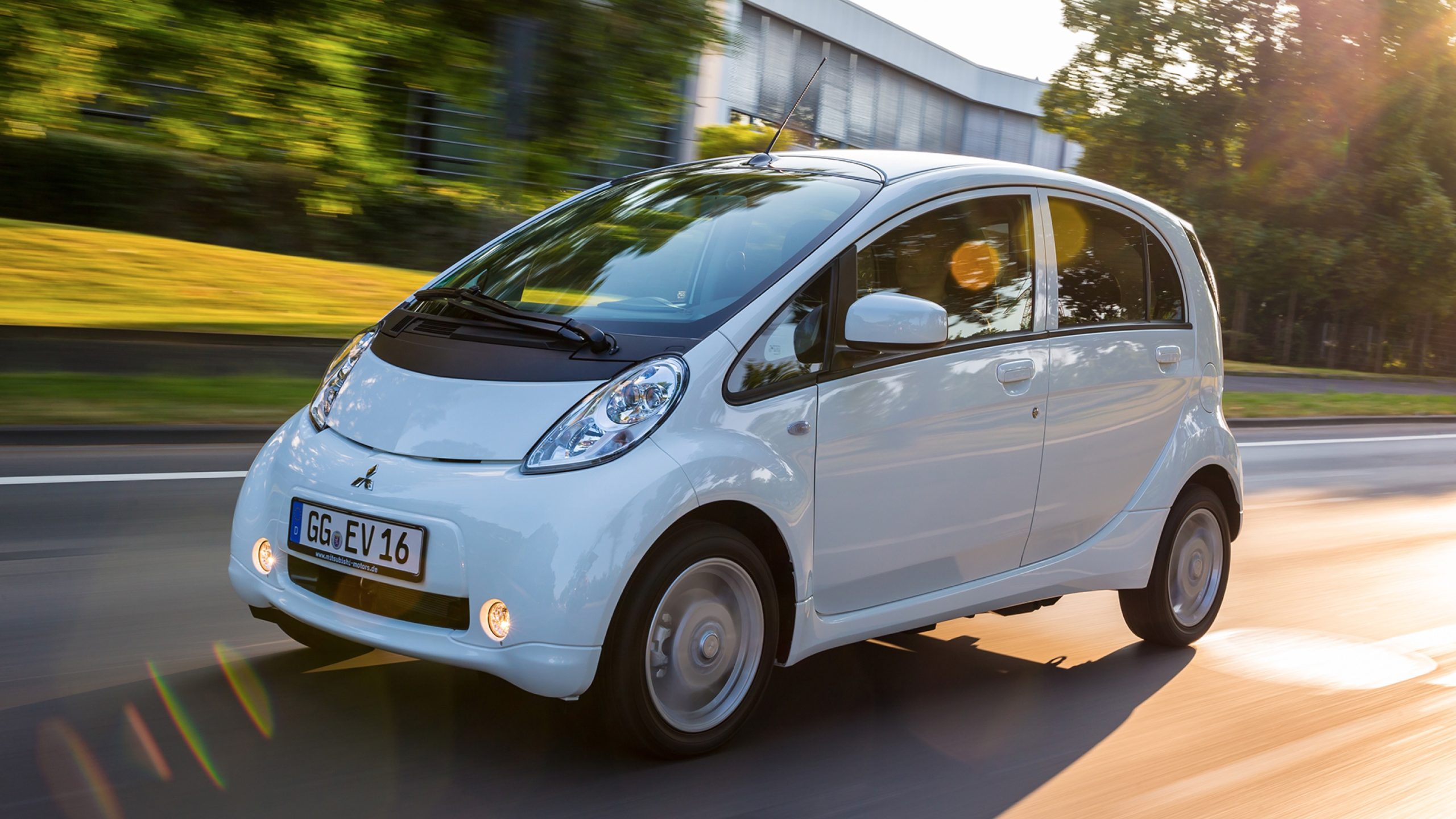
Mitsubishi i‑MiEV
The Mitsubishi i‑MiEV was among the earliest modern affordable electric cars, but it also shows some of the earliest generation limitations in battery lifespan. Its small battery and basic thermal approach contribute to more rapid capacity loss over time. Many used units display substantially reduced range compared to their original ratings.
Frequent cycling and lack of thermal moderation mean that cells experience wider temperature swings, which accelerate aging. Owners in warm climates report especially steep degradation, while even moderate climates demonstrate more wear than many later EVs. This results in wide variations in remaining range across used examples.
While the i‑MiEV can still provide basic electric transport for short distances, its battery health challenges are well documented. Buyers looking for dependable longer range or performance should approach with caution and verify state of health thoroughly. The smallest battery pack size amplifies the effect of any loss in capacity.
As one of the first widely available electric cars, the i‑MiEV helped introduce many to EV ownership. Yet its limitations remind buyers how important battery design and management systems are for longevity. In the used market, this translates to the need for careful evaluation to avoid disappointing range.
Finally, for those with predictable, low‑mileage needs, some i‑MiEV vehicles can still be practical. However, compared to more modern EVs with stronger degradation performance, it ranks toward the bottom. Being aware of this context helps buyers match expectations to real‑world outcomes.