The Rust Belt, spanning the northern United States, is known for its harsh winters, heavy road salt use, and constant exposure to moisture. These conditions create a challenging environment for vehicles, accelerating corrosion and compromising structural integrity over time.
Car owners in this region must carefully select vehicles that can withstand these demanding conditions. Rust not only affects the aesthetics of a car but can also impair safety, reduce resale value, and increase maintenance costs.
Choosing a car with superior rust protection is critical for those living in cities like Detroit, Cleveland, Buffalo, and Chicago.
Modern automakers have adopted several strategies to improve corrosion resistance, including advanced coatings, galvanization, and the use of aluminum or stainless steel in vulnerable areas. Vehicles with strong underbody protection and proper drainage systems are better equipped to endure repeated exposure to water and salt.
In addition, regular maintenance practices like washing the undercarriage during winter can help extend the life of these vehicles.
Despite these precautions, not all cars are created equal, and some models have consistently shown resistance to rust, while others tend to corrode prematurely.
Historically, certain brands earned a reputation for durability in harsh climates due to their robust build quality and corrosion protection methods.
Cars with full galvanization of panels, protective primers, and heavy-duty paints tend to survive longer, while models with thin coatings or unprotected steel panels are prone to early rusting.
Even with advancements in manufacturing, environmental exposure remains a significant factor in a car’s longevity. A vehicle that performs well in dry regions may face serious issues in the Rust Belt if its body is not properly protected.
Consumers considering a vehicle purchase must balance style, performance, and cost with long-term durability. While some cars may offer appealing designs, advanced features, or low initial prices, their susceptibility to corrosion can lead to expensive repairs and reduced reliability.
5 Cars Built to Survive the Rust Belt
1. Subaru Outback
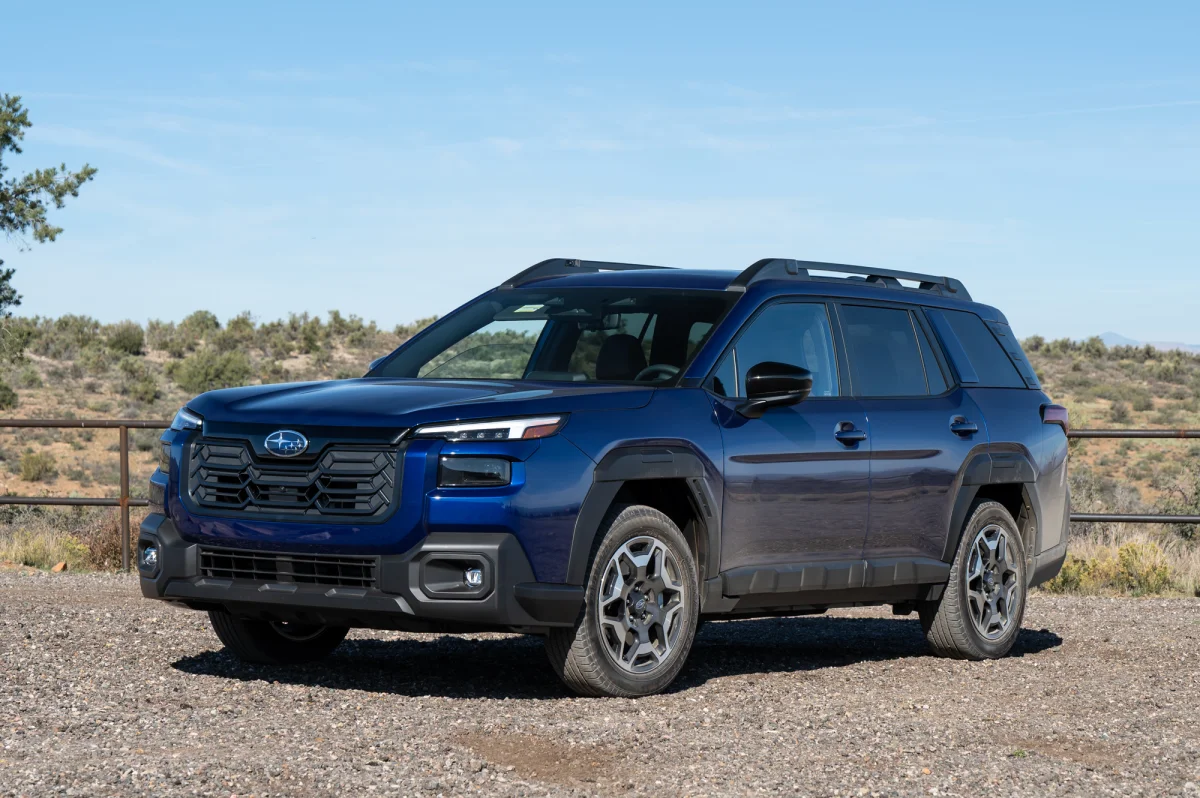
The Subaru Outback is widely recognized for its resilience in northern climates. Its all-wheel-drive system provides excellent traction on icy roads, while the body design incorporates rust-resistant coatings and well-drained underbody channels. Many owners report vehicles exceeding 200,000 miles without major rust issues.
The use of galvanized steel in key panels adds an extra layer of protection against corrosion. This combination of engineering and maintenance-friendly design makes it ideal for the Rust Belt.
Subaru’s manufacturing emphasizes quality control and consistent protection against environmental hazards. The Outback features sealed joints and strategically applied anti-rust coatings. Regular underbody cleaning during winter months helps maintain these protections.
Its reputation for reliability in snowy and salted-road conditions makes it a go-to choice for families and commuters alike. The Outback’s track record demonstrates that rust resistance is achievable without sacrificing comfort or utility.
Mechanically, the Outback also benefits from a durable powertrain that tolerates cold temperatures without excessive wear. Engine components are shielded to prevent salt and moisture intrusion.
Suspension parts use corrosion-resistant metals and coatings, reducing the likelihood of structural damage. Owners often cite minimal bodywork over the first decade of ownership. These factors reinforce Subaru’s commitment to producing vehicles that withstand harsh environments consistently.
In addition, Subaru offers extended warranties and readily available replacement parts in northern states. This support network ensures that maintenance and minor repairs do not accelerate rust issues.
The Outback is frequently recommended by independent mechanics in the Rust Belt for its longevity and low maintenance requirements. Its balanced design between practicality and durability contributes to its strong standing among corrosion-resistant vehicles.
Finally, the Outback’s resale value remains high in regions with heavy winter conditions. Buyers recognize that a well-maintained vehicle with rust protection holds its value better than competitors prone to early corrosion. This financial advantage complements its mechanical reliability.
The Subaru Outback demonstrates that thoughtful engineering and materials selection can produce a vehicle capable of thriving in the toughest northern climates.
2. Honda CR-V
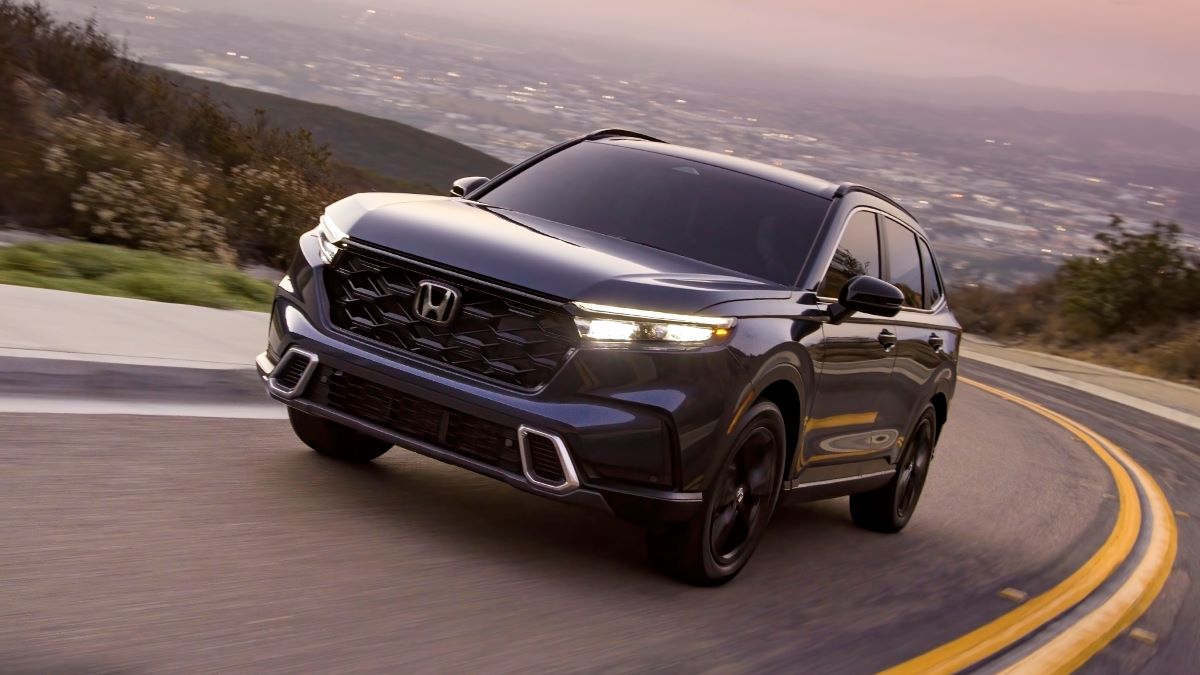
The Honda CR-V has built a strong reputation for durability, particularly in regions with heavy snow and road salt. Honda applies extensive corrosion-resistant coatings to the frame, and many panels are treated with galvanization to reduce rust formation.
The compact SUV design also minimizes areas where moisture can accumulate, lowering the risk of corrosion in hard-to-reach spots. Owners frequently report long-lasting performance even after several winters of heavy salt exposure.
The CR-V’s underbody is reinforced with protective shields that prevent direct contact between road chemicals and vulnerable components. Drainage paths are carefully engineered to remove water efficiently.
Additionally, Honda’s quality control during manufacturing ensures that welds and seams are sealed properly. These measures collectively enhance the CR-V’s resistance to Rust Belt conditions.
Maintenance plays a critical role in the vehicle’s longevity. Washing the undercarriage, especially after snowstorms, helps maintain the protective coatings. Honda also uses rust-inhibiting paint primers that penetrate seams and corners.
These small details often distinguish the CR-V from competitors that corrode more quickly. The result is a vehicle that remains structurally sound for over a decade with routine care.
Mechanically, the CR-V avoids extensive exposure of sensitive components to the elements. Brake lines, suspension parts, and fuel lines are shielded and treated to resist rust. This reduces the likelihood of expensive repairs due to corrosion-related failure.
Owners in northern states praise the CR-V for its consistent performance in extreme temperatures. Its balance of efficiency, comfort, and rust resistance makes it a reliable choice.
Finally, the Honda CR-V holds its value well, particularly in markets with harsh winters. Its proven ability to withstand road salt, slush, and snow increases buyer confidence.
This makes it a practical and financially sound option for anyone seeking longevity in the Rust Belt. Its track record demonstrates that careful material selection and engineering design are key to corrosion-resistant vehicles.
3. Toyota 4Runner
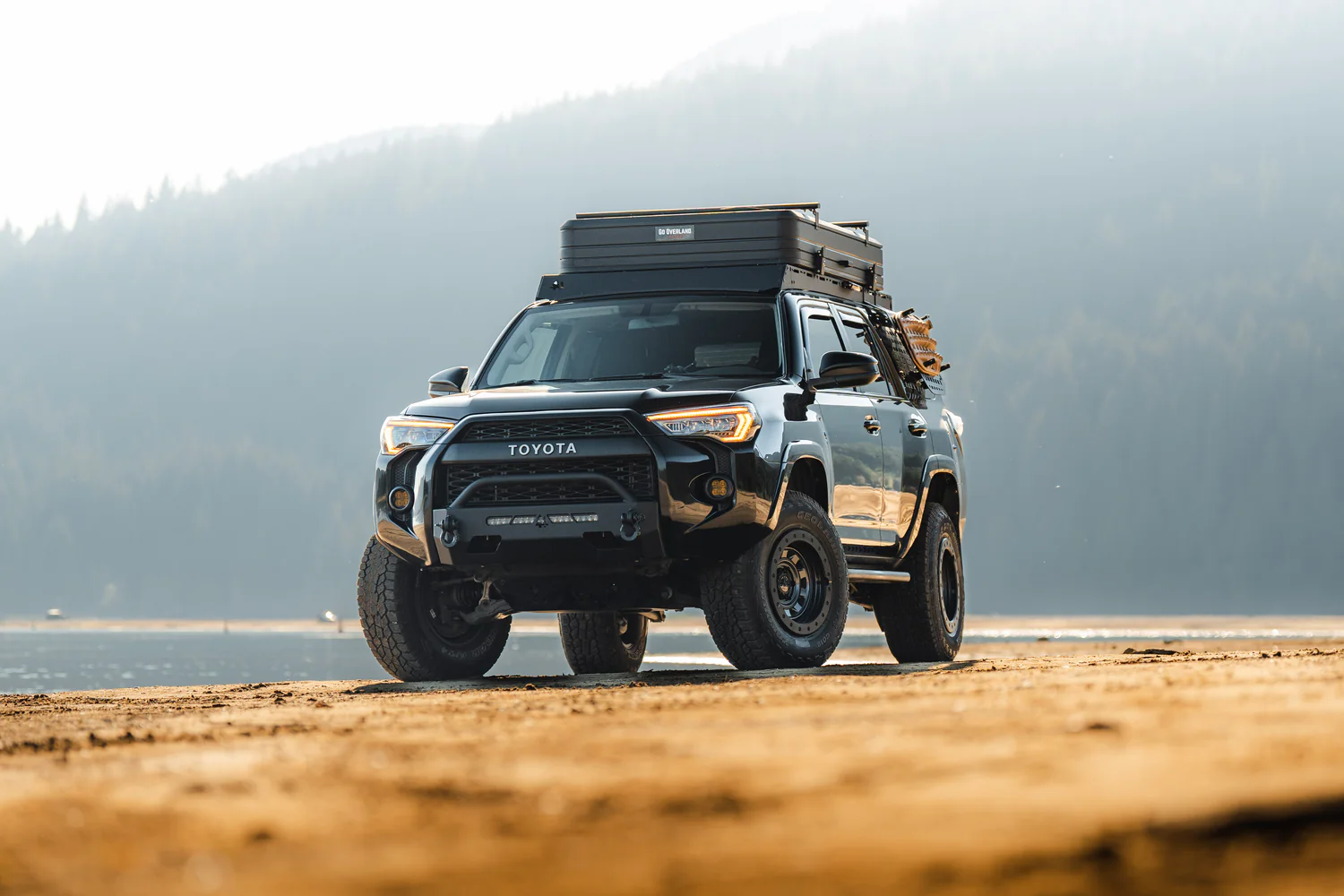
The Toyota 4Runner is often cited as a durable SUV capable of surviving extreme winter conditions. Toyota employs extensive galvanization of panels and underbody rust protection to prevent premature corrosion.
Its body-on-frame construction provides added strength, while the elevated ground clearance keeps sensitive components away from salted roads. This combination of features contributes to a long service life even in the harshest northern climates.
Owners of the 4Runner frequently report vehicles with 250,000 miles or more without significant rust issues. Toyota applies multiple layers of protective coatings to body panels, including primer, paint, and sealants in critical joints.
The undercarriage features shields that deflect water and chemicals away from vital components. This comprehensive approach ensures long-term durability and structural integrity.
Routine maintenance enhances the 4Runner’s resilience. Washing the underbody and inspecting wheel wells after winter storms prevents accumulation of corrosive materials.
Toyota also designs drain holes and channels to keep moisture from lingering in hidden areas. This engineering consideration distinguishes the 4Runner from vehicles with unprotected cavities that corrode rapidly.
Mechanical components are similarly well-protected. Suspension arms, steering linkages, and brake assemblies are coated with corrosion inhibitors. Fuel and brake lines are routed in a way that limits exposure to road salt.
These preventive measures reduce long-term maintenance costs and improve safety by preserving essential systems. The vehicle’s reliability in snow and ice makes it a favorite among northern drivers.
The Toyota 4Runner’s combination of engineering, materials, and maintenance-friendly design results in excellent resale value. Prospective buyers recognize the model’s reputation for rust resistance and longevity. In regions prone to harsh winters, this SUV offers both peace of mind and practicality, demonstrating that thoughtful design can produce vehicles that thrive where others fail.
4. Ford F-150
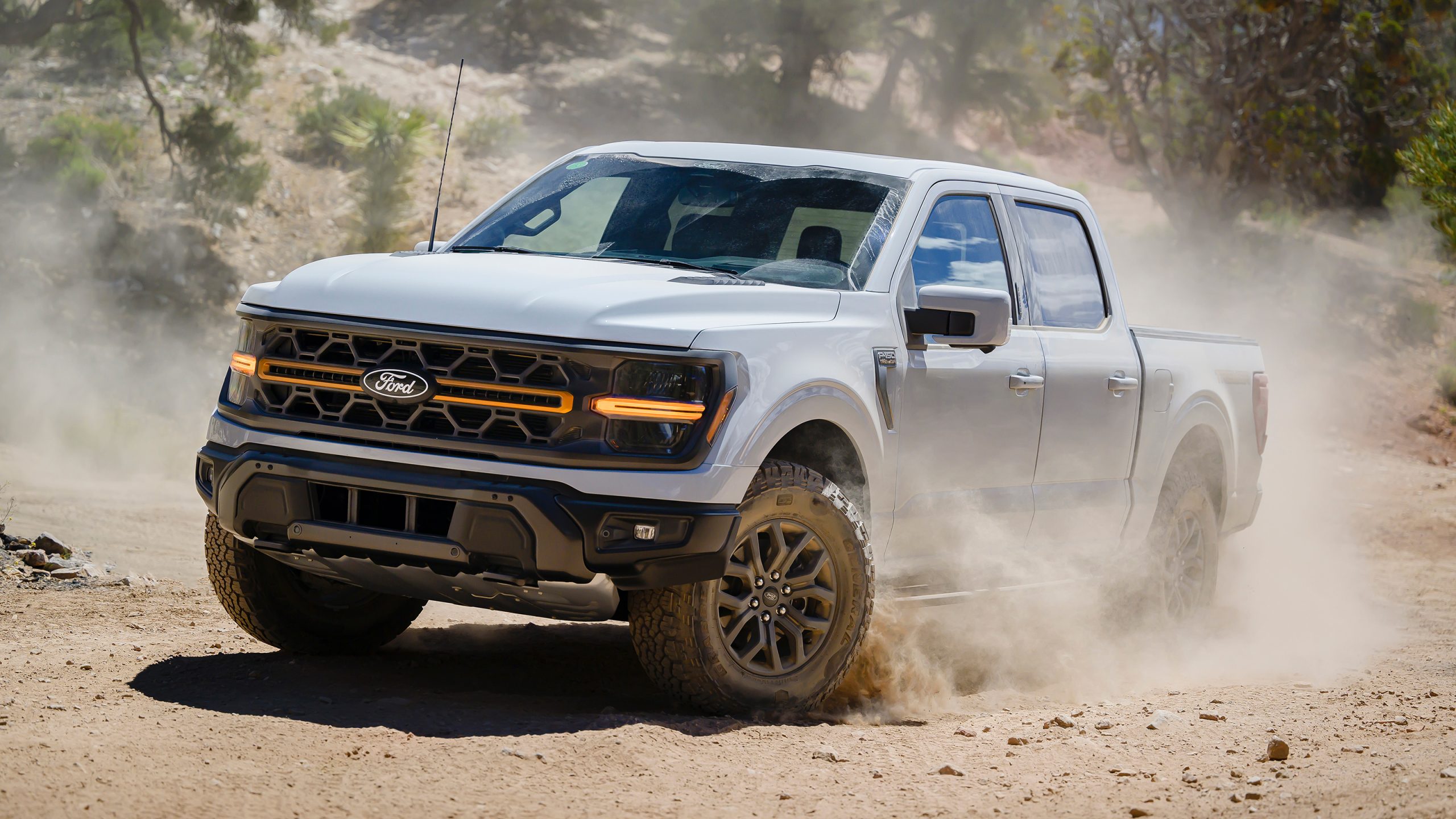
The Ford F-150 has long been a top choice for drivers in northern states due to its robust construction and corrosion-resistant treatments.
Modern F-150 models feature fully galvanized bodies and underbody coatings that protect steel components. Pickup trucks are frequently exposed to harsh winter conditions, and the F-150’s engineering ensures that road salt and moisture have minimal impact on structural integrity. Owners often report minimal rust issues even after years of heavy use.
The F-150’s frame and bed utilize durable metals that resist corrosion. Ford applies a combination of e-coating, primers, and sealants to vulnerable areas.
Drainage paths in the bed and undercarriage are designed to prevent water accumulation. These details significantly extend the vehicle’s service life and protect both appearance and performance.
Routine cleaning is still important to preserve the F-150’s protective layers. Washing the undercarriage, especially after snowstorms, removes accumulated salt. Protective sprays and waxes further enhance corrosion resistance.
This proactive maintenance ensures that the truck remains functional and visually appealing over time. Mechanics often recommend the F-150 for northern climates because of its proven durability.
Mechanical systems are shielded from exposure as well. Brake lines, fuel lines, and suspension components are treated to reduce the risk of rust-related failures. This design minimizes costly repairs and preserves vehicle safety. The F-150’s reputation for toughness extends beyond its body, encompassing critical functional systems.
Finally, the F-150 holds its value in markets with harsh winters. Buyers are willing to pay a premium for trucks that resist rust and maintain structural integrity over years of use.
The combination of engineering, materials, and maintenance guidelines makes the F-150 a reliable and financially sound choice for drivers in the Rust Belt.
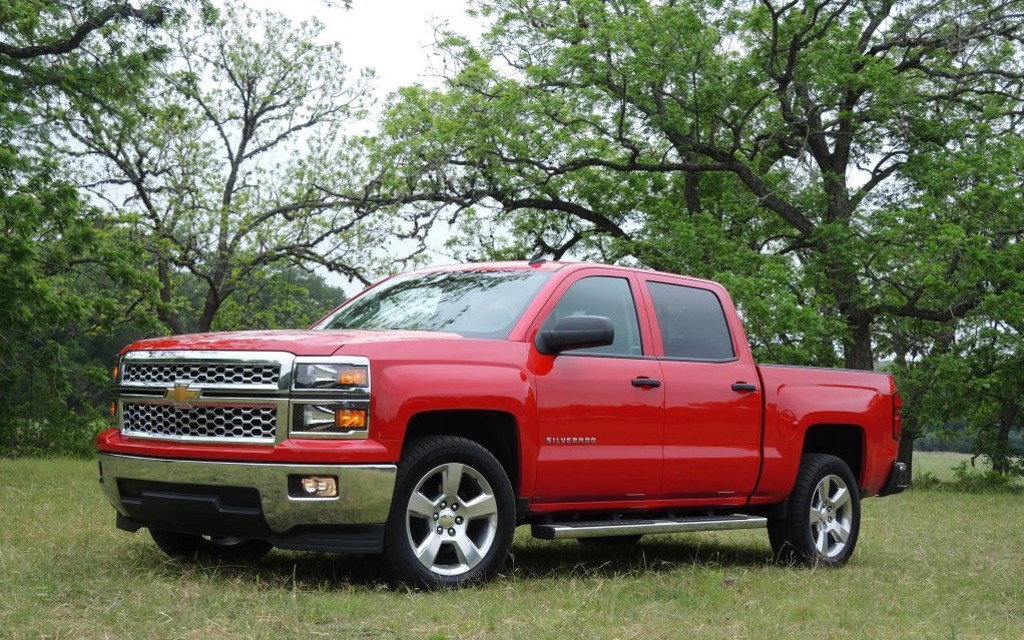
5. Chevrolet Silverado
The Chevrolet Silverado is another full-size pickup designed to withstand northern winters and salted roads. Chevrolet applies galvanization to major panels and includes underbody protective coatings.
Its body-on-frame construction and high ground clearance help reduce exposure to corrosive substances. Owners frequently report strong durability in regions with heavy snow, making it a popular choice for Rust Belt drivers.
Chevrolet emphasizes corrosion resistance in both body and mechanical components. Seams, welds, and joints are sealed, while undercarriage shields protect vital systems.
Brake and fuel lines are coated to minimize rust-related failures. These design features work together to preserve the truck’s functionality and safety over time.
Routine care further extends the Silverado’s longevity. Washing the underbody, inspecting wheel wells, and applying protective coatings prevent accumulation of road salt.
The truck’s design makes these maintenance tasks straightforward, which helps owners keep corrosion at bay. This practical approach contributes to long-term reliability.
Mechanically, the Silverado benefits from durable materials and corrosion-resistant treatments. Suspension parts, steering linkages, and exhaust components are shielded from winter exposure.
This reduces the likelihood of costly repairs and improves vehicle safety. The truck’s ability to maintain performance in harsh environments has earned it strong reputational value.
Chevrolet Silverado owners enjoy excellent resale value in northern markets. Buyers recognize the vehicle’s resistance to rust, which enhances long-term investment potential.
Its combination of engineering, corrosion protection, and maintenance simplicity makes the Silverado a dependable option for anyone seeking durability in the Rust Belt.
5 Cars That Corrode Prematurely
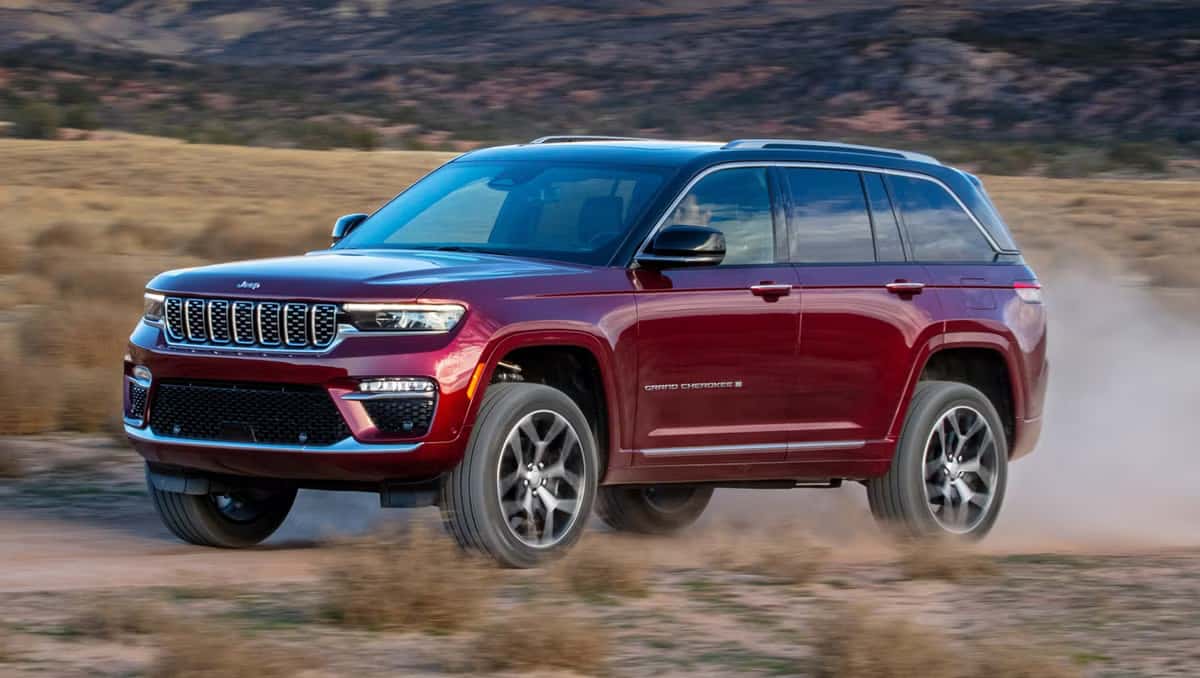
1. Jeep Cherokee
Older Jeep Cherokee models are notorious for rust problems, particularly in northern states with heavy winter conditions. Their unprotected steel body panels and limited undercoating allow moisture and road salt to penetrate vulnerable areas.
Wheel wells, rocker panels, and the underbody are common spots for rust to appear early, often within just a few winters. Owners have reported structural corrosion around suspension mounts, which can compromise safety and lead to costly repairs.
The Cherokee’s body design, with tight seams and exposed edges, tends to trap water and salt rather than shedding it efficiently. While newer models have improved galvanization, older versions from the late 1990s and early 2000s were more susceptible to premature corrosion.
Regular washing and protective coatings are essential to slow down rust, but even diligent maintenance cannot completely prevent deterioration. The underbody, in particular, suffers from prolonged exposure to slush and salted roads.
Mechanical components are not immune either. Brake lines, exhaust systems, and frame rails often rust faster than expected. This affects both the vehicle’s safety and resale value. In some cases, rust can spread to critical structural areas, including the door sills and rear frame sections.
Owners often face higher repair costs compared with more rust-resistant SUVs, as the damage tends to appear before the vehicle reaches high mileage.
Market studies and owner forums consistently highlight the Jeep Cherokee’s vulnerability to rust. Vehicles kept in the Rust Belt without substantial underbody care tend to develop significant corrosion by the time they are ten years old.
This contrasts sharply with competitors like the Subaru Outback or Toyota 4Runner, which maintain structural integrity under the same conditions. Rust issues make the Cherokee less desirable for buyers seeking longevity in northern climates.
The older Jeep Cherokee demonstrates that even popular SUVs with strong off-road performance can be prone to premature corrosion.
Its combination of exposed steel, weak protective coatings, and tight seam design makes it ill-suited for regions with snow, salt, and moisture. Buyers in the Rust Belt need to weigh its off-road capability against the potential cost of rust repairs when considering this model.
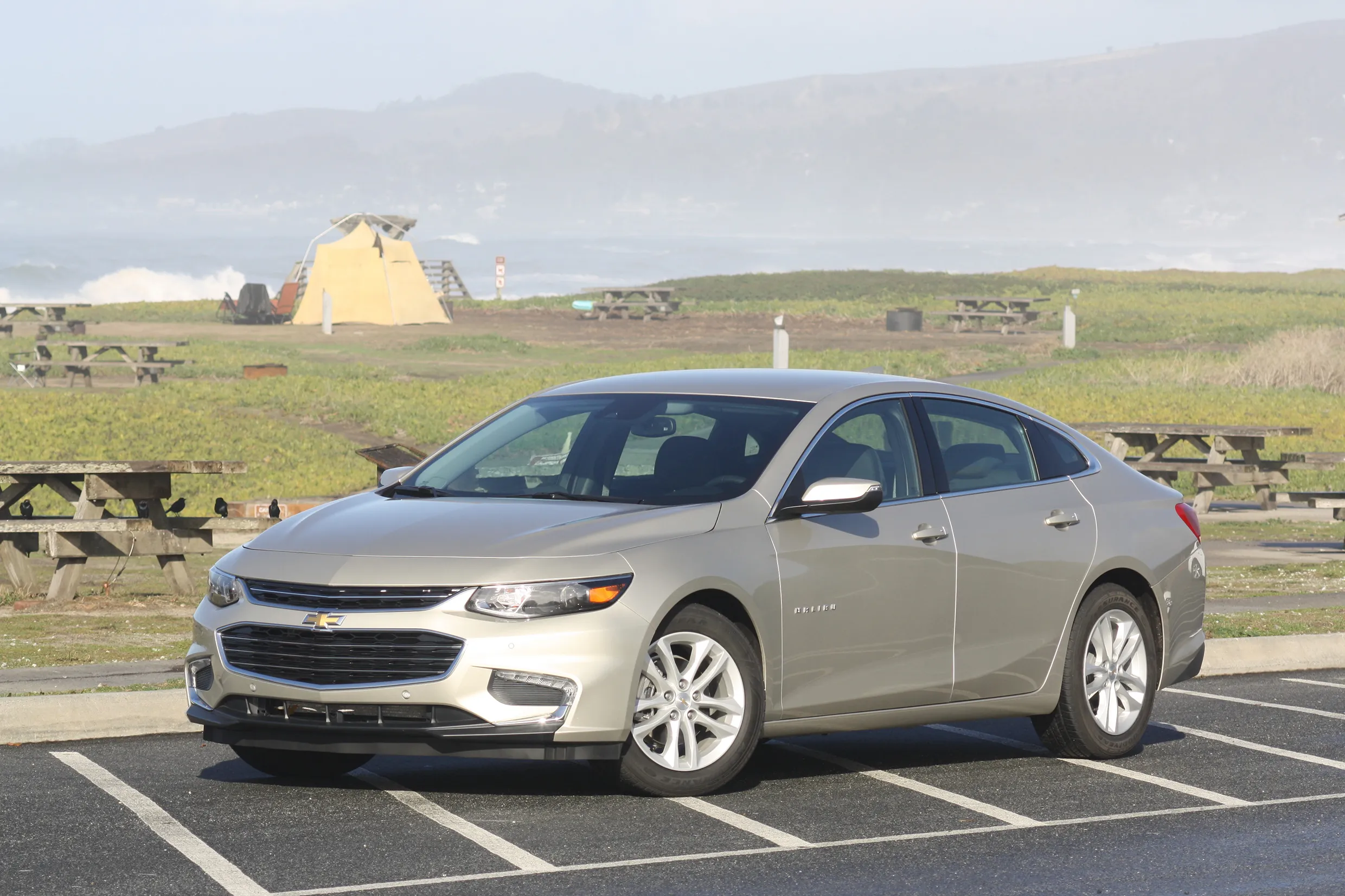
2. Chevrolet Malibu
Early 2000s Chevrolet Malibu sedans have developed a reputation for rust issues, especially in northern states. Steel body panels without adequate galvanization are prone to surface rust, and wheel wells and lower doors often show signs of corrosion within a few years of use.
Salt accumulation on the underbody accelerates the process, causing structural areas like the rocker panels and floor pans to weaken. Many owners report visible rust around the trunk and hood edges as well.
The vehicle’s drainage system in these models was insufficient to prevent water buildup in critical spots. Tight panel joints and improperly sealed seams allow moisture to settle, creating a perfect environment for rust formation.
While paint scratches and chips exacerbate the problem, even well-maintained Malibus experience premature corrosion due to design flaws. Rust protection in these early models lagged behind competitors in the same segment.
Mechanical and safety components also suffer. Brake lines and fuel lines can corrode prematurely, causing expensive repairs. Suspension mounts, subframe connections, and exhaust systems are particularly susceptible in northern climates.
These issues reduce both vehicle reliability and safety, as rust can compromise essential components over time. Owners must invest in preventative care to mitigate damage, though it often only delays the inevitable.
The resale value of older Malibus in Rust Belt areas is significantly impacted by their susceptibility to rust. Buyers often avoid these vehicles or demand steep discounts, knowing that repair costs will likely arise.
Despite reasonable performance and affordability, the corrosion issues overshadow many advantages, making them less practical choices for harsh climates. Market feedback reinforces that early 2000s Malibus require extra care to remain functional.
Chevrolet Malibu sedans from this era illustrate the consequences of inadequate corrosion protection. Limited galvanization, weak drainage, and exposed steel panels contribute to rapid deterioration in snowy, salted-road conditions.
Prospective owners in the Rust Belt must consider rust risk before choosing these models, as structural integrity and long-term reliability can be severely compromised.
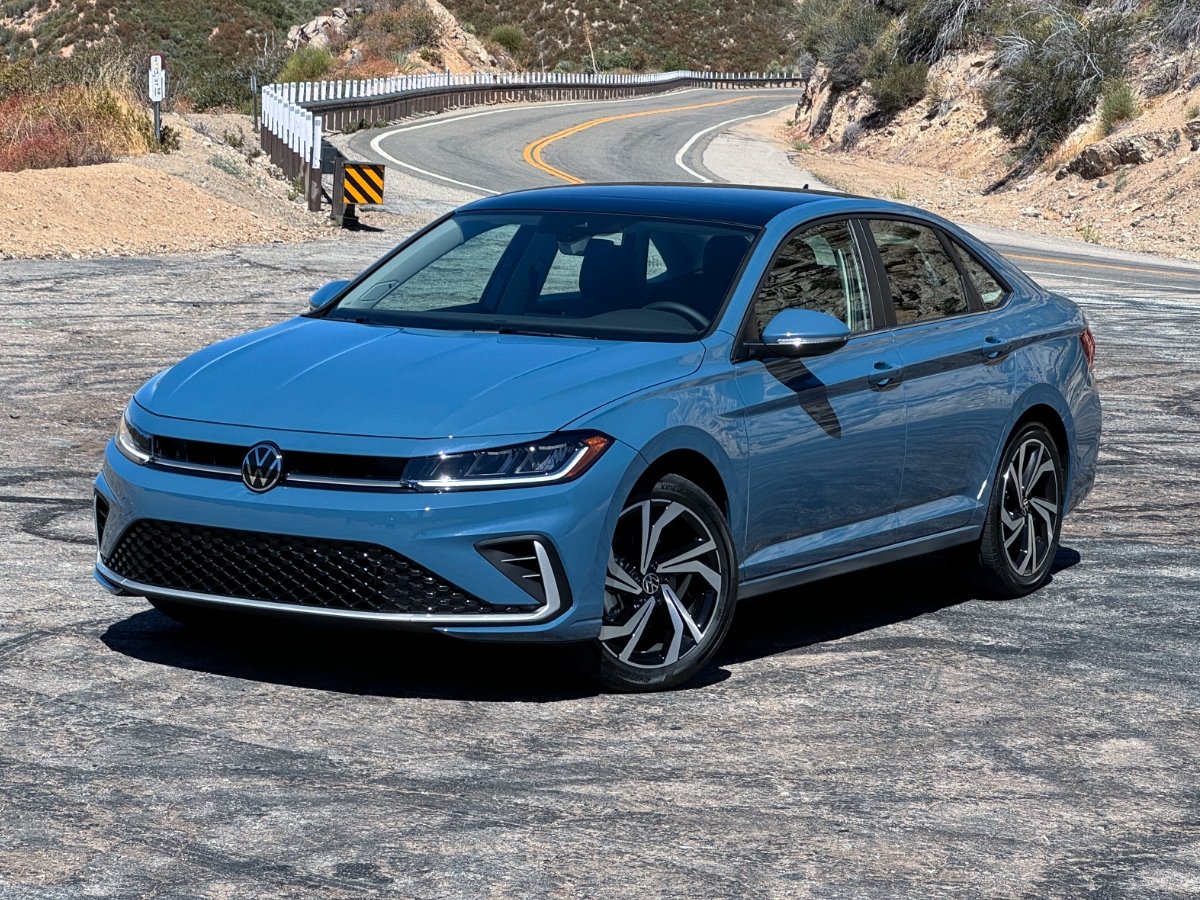
3. Volkswagen Jetta
The Volkswagen Jetta, particularly MK5 and MK6 models, is known for cosmetic and structural rust issues in northern climates. While mechanically sound, the body panels and underbody components of these models are vulnerable to corrosion.
Areas around the wheel arches, under doors, and the trunk often develop rust within five to eight years, especially in regions with frequent road salt use. Owners report that untreated spots can spread rapidly, reducing both aesthetics and value.
Poor drainage and exposed steel in lower body panels exacerbate the problem. Even small scratches or chips in the paint allow moisture to penetrate, accelerating corrosion.
Although Volkswagen included rust-proofing treatments, they often proved insufficient for harsh winter environments. Salt, snow, and moisture can infiltrate seams and joints, leaving long-lasting damage that is difficult to repair without panel replacement.
Mechanical components are moderately protected, but the underbody remains a concern. Brake lines, suspension links, and exhaust systems experience accelerated wear from road salt, sometimes leading to expensive replacements.
Owners must pay careful attention to preventive maintenance, including frequent underbody washes and rust-inhibiting sprays. Even then, structural corrosion is common in northern climates, reducing the lifespan of the vehicle.
Consumer reports and forum discussions highlight recurring complaints about premature rust. Vehicles kept in the Rust Belt show significant body and underbody deterioration before reaching average high-mileage thresholds.
This has affected Jetta resale values, as buyers in northern states often prefer corrosion-resistant models. The gap in rust protection compared to competitors like Honda CR-V or Toyota 4Runner is clear.
Volkswagen Jetta MK5 and MK6 models demonstrate that a stylish and mechanically reliable car can still suffer from early corrosion if body design and protective measures are insufficient.
Rust in critical structural areas and common underbody exposure make these models less suited for harsh winter conditions. Northern buyers face higher maintenance costs and reduced resale value if proper care is not applied consistently.
4. Ford Focus
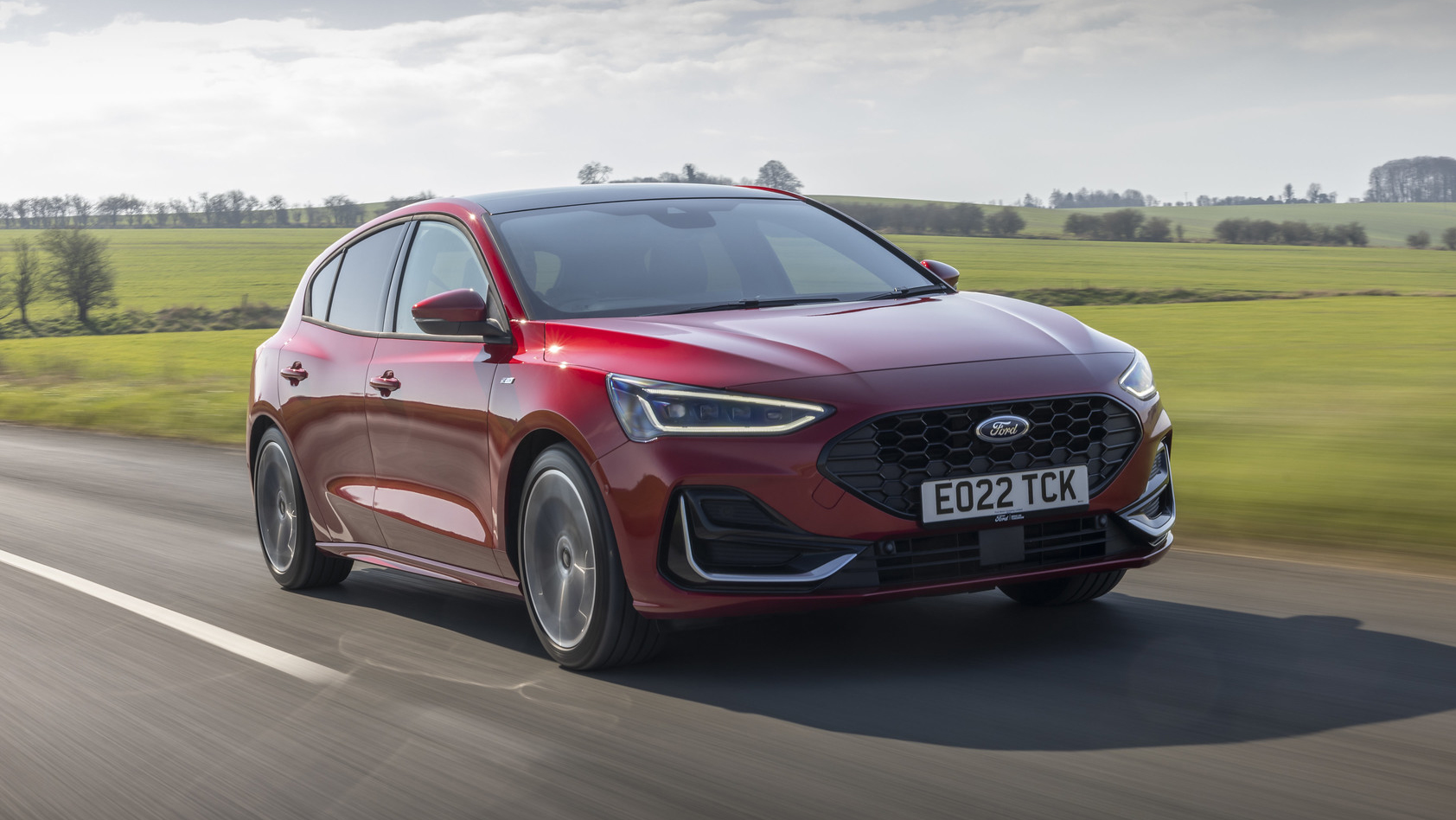
The 2008–2011 Ford Focus has been associated with premature rust, particularly on lower doors, wheel arches, and subframes. Northern drivers often report visible corrosion after only a few years of exposure to salted roads and snowy winters.
Despite improvements in later models, the Focus from this period suffered from thin protective coatings and insufficient underbody shielding, leaving steel panels vulnerable to the harsh elements of the Rust Belt.
Poor drainage in critical areas allows water and salt to accumulate, especially behind trim pieces and along rocker panels. The compact design of the Focus leaves some metal sections exposed to road spray, accelerating corrosion.
Even minor paint chips can become entry points for rust, compromising both appearance and structural integrity. Preventative care can slow the process but cannot entirely prevent early deterioration.
Mechanical systems, including brake lines, fuel lines, and suspension mounts, show vulnerability in northern climates. Exposure to moisture and salt leads to rust-related failures that may require expensive repairs.
Owners often encounter structural corrosion on floor pans and underbody support sections, which can affect vehicle safety. The combination of these factors makes the Focus less durable than other compact sedans with better rust protection.
Resale values for affected Focus models are often lower in the Rust Belt. Buyers are wary of vehicles with a history of corrosion, and repair costs for rust-related damage can exceed the car’s market value.
Despite its fuel efficiency and affordability, the 2008–2011 Focus struggles to compete with more resilient competitors when it comes to winter durability and long-term reliability.
The 2008–2011 Ford Focus highlights the importance of rust protection in vehicles exposed to harsh climates. Inadequate coatings, insufficient drainage, and exposed steel components make it prone to premature corrosion.
Northern drivers considering this model must be prepared for higher maintenance costs and reduced lifespan unless protective measures are applied consistently.
5. Nissan Altima
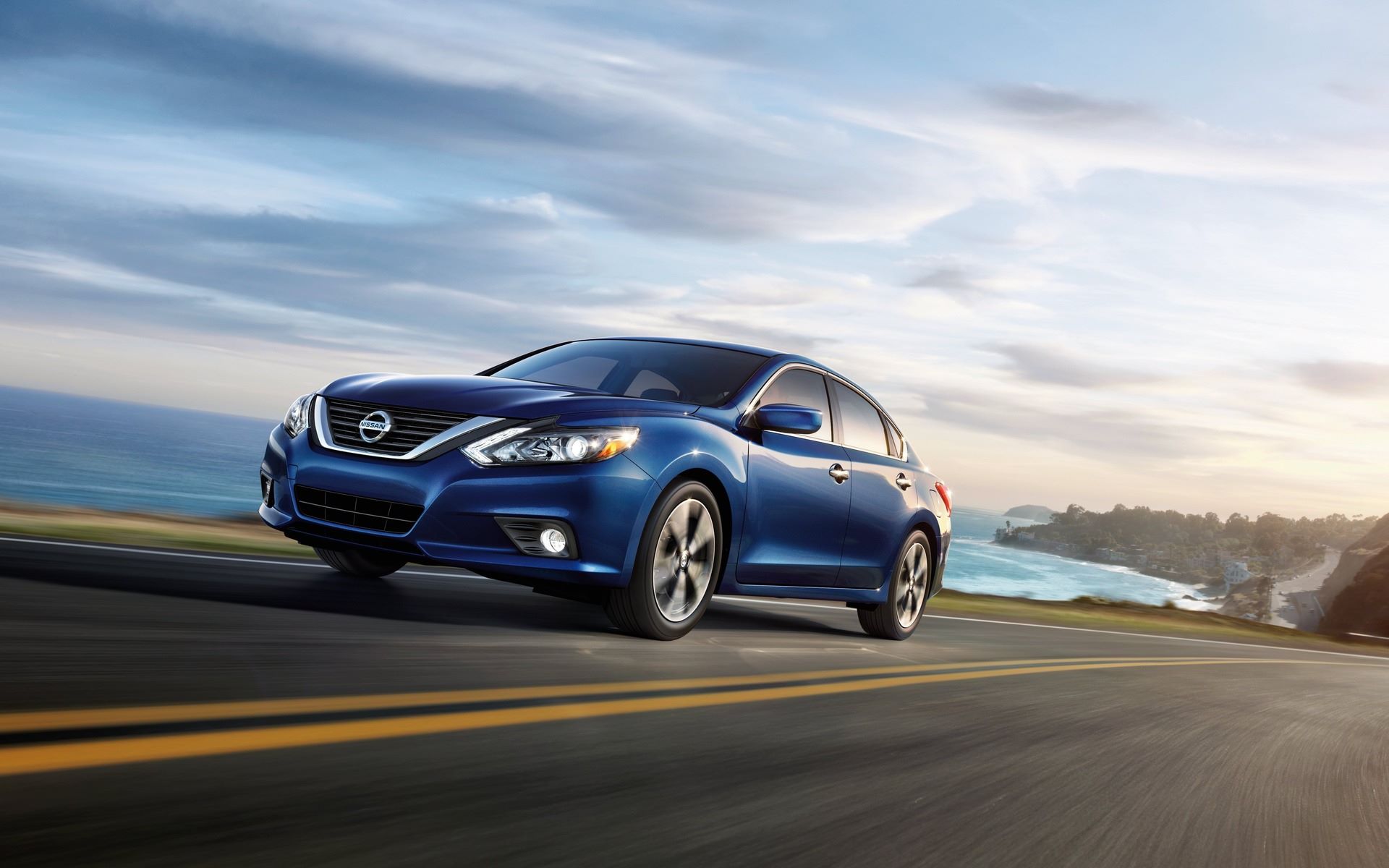
Early 2000s Nissan Altima sedans frequently experience premature rust, especially in the lower body panels and wheel arches. Northern drivers have reported corrosion appearing after only three to five winters with regular snow and road salt exposure.
While mechanically reliable, these vehicles suffer from unprotected steel and weak underbody coatings that allow moisture and chemicals to penetrate critical areas. Rust can affect structural integrity, appearance, and resale value.
The Altima’s design includes tight seams that can trap water, particularly in rocker panels and under the doors. Drainage holes are minimal or absent in older models, allowing salt and moisture to accumulate.
Even minor paint damage can create entry points for rust, accelerating the deterioration process. Without proactive maintenance, corrosion can spread rapidly, affecting both aesthetic and functional components.
Mechanical elements such as suspension components, brake lines, and exhaust systems are vulnerable to corrosion in harsh winter conditions. Rust in these areas can lead to expensive repairs and safety concerns. Preventative measures like underbody washing and protective sprays can help, but owners still report early structural corrosion in northern climates. These issues limit the vehicle’s long-term reliability compared to more resilient alternatives.
Consumer feedback consistently highlights the Altima’s vulnerability to rust in northern states. Vehicles with high mileage often show significant corrosion on lower panels and subframes, which reduces resale value and increases repair costs.
Compared with models like the Subaru Outback or Toyota 4Runner, the early Altima demonstrates weak performance in snow and salted-road environments.
Early 2000s Nissan Altima models illustrate how insufficient corrosion protection can drastically affect vehicle longevity. Exposed steel, inadequate coatings, and poor drainage make the car prone to premature rust in harsh climates.
Drivers in the Rust Belt must consider these risks before purchasing, as maintenance can only partially offset structural deterioration over time.