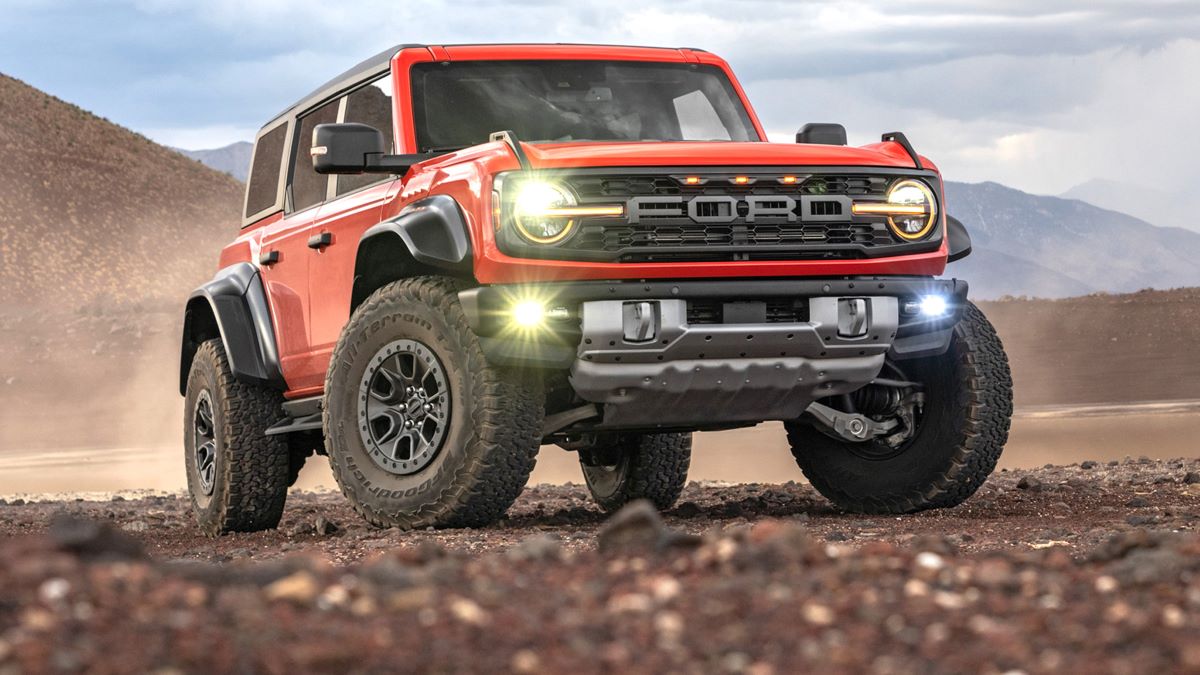
Manual transmissions have long held a special place in the hearts of driving enthusiasts and people who value control over their vehicles. For many years, sportier cars, off‑road vehicles, and even compact SUVs offered manual gearboxes that gave drivers a tactile connection to the road and the engine.
In today’s automotive market, the popularity of automatic transmissions, dual‑clutch systems, and continuously variable transmissions has significantly reduced the number of manual options available, pushing many manufacturers to discontinue manual variants in most segments.
Despite this shift, a small number of SUVs still offer a manual transmission in 2026, keeping alive the opportunity for drivers to shift gears themselves while enjoying the elevated ride height, cargo flexibility, and utility that sport utility vehicles provide.
Drivers who prefer a manual transmission often cite better engagement, lower maintenance costs, and a sense of satisfaction that comes with mastering the clutch and gear lever.
Manual transmissions can also offer advantages in certain driving conditions, such as off‑road situations or when precise control over engine rpm is desired.
Enthusiasts value the direct involvement and challenge of manual shifting, and some even consider it a key aspect of what makes driving fun.
Yet market trends and consumer preferences have strongly favored automatic gearboxes due to their ease of use, fuel efficiency improvements, and advanced electronic controls. As a result, many manual SUVs have been phased out over recent years, leaving a shrinking list of modern vehicles that still accept three pedals.
In this article, we look at five manual transmission SUVs that are still available in 2026 and contrast them with five SUVs that once offered manuals but have since retired those options. The list of current models reflects those that manufacturers continue to produce with a manual gearbox option and are still sold in major markets.
The lineup of retired manuals includes vehicles that were once praised for their driving engagement but lost their manual variants due to declining demand or changes in platform design.
By comparing the two groups, you can better understand how the automotive industry has evolved and which manual experiences are still attainable in the SUV category.
Whether you are researching for a future purchase, interested in automotive culture, or simply curious about the state of manual transmissions in modern SUVs, this comparison will provide clarity and insight. It highlights the vehicles that remain true to manual shifting and those that have become part of automotive history.
The focus is on vehicles from brands known for combining utility with driver involvement, as well as those that transitioned away from manual options even as enthusiasts protested the loss.
5 Manual Transmission SUVs Still Available in 2026
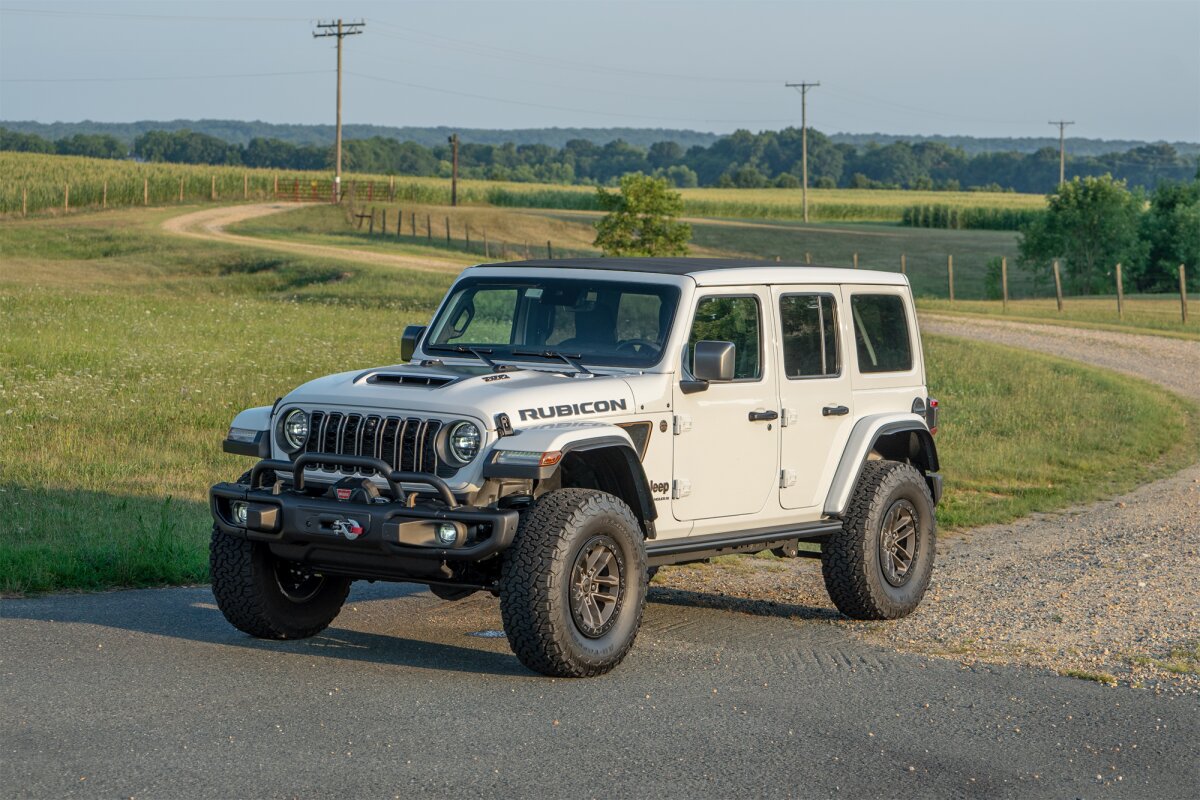
1. Jeep Wrangler
Jeep has retained the manual transmission in its Wrangler lineup as a key part of its off‑road DNA and heritage. The Wrangler offers manual gearboxes most often in the Rubicon, Sport, and Sahara trims, allowing drivers full participation with a traditional six‑speed manual.
Buyers have the option to disconnect anti‑spin systems and lock differentials, and use low‑range gearing to tackle rough trails with precision and control. The physical act of shifting gears in the Wrangler enhances the connection between driver and terrain, especially when navigating steep climbs or rocky surfaces at slow speeds.
While automatic transmissions are available and have advanced off‑road programming, the manual remains a beloved choice for purists. It gives the driver direct command over engine output and wheel torque without relying on electronic intervention.
Manual Wrangler owners often cite the mechanical feel, predictable engagement, and the ability to feel each gear change as reasons for choosing this configuration. The gearbox is robust and matches the rugged chassis, contributing to the vehicle’s reputation for durability and dependability in challenging environments.
In addition to its trail capability, the Wrangler’s manual option has cultivated a devoted following of enthusiasts who appreciate its simplicity and traditional driving experience. This has helped maintain the manual in the lineup even as other vehicles have moved toward automatic transmissions exclusively.
The Wrangler represents a rare modern SUV that stays true to its roots while adapting to evolving safety and emissions standards. Its continued offering of a manual transmission speaks to the balance between buyer demand and brand identity within the sport utility segment.
For drivers who want to explore backcountry roads, steep hills, and muddy trails with full control, the Jeep Wrangler with a manual transmission remains one of the top choices in 2026.
It preserves the heritage of off‑road driving without forcing owners into an automatic solution if they prefer their own gear shifting. As long as Jeep continues to serve this segment of drivers, the manual Wrangler will stay relevant.
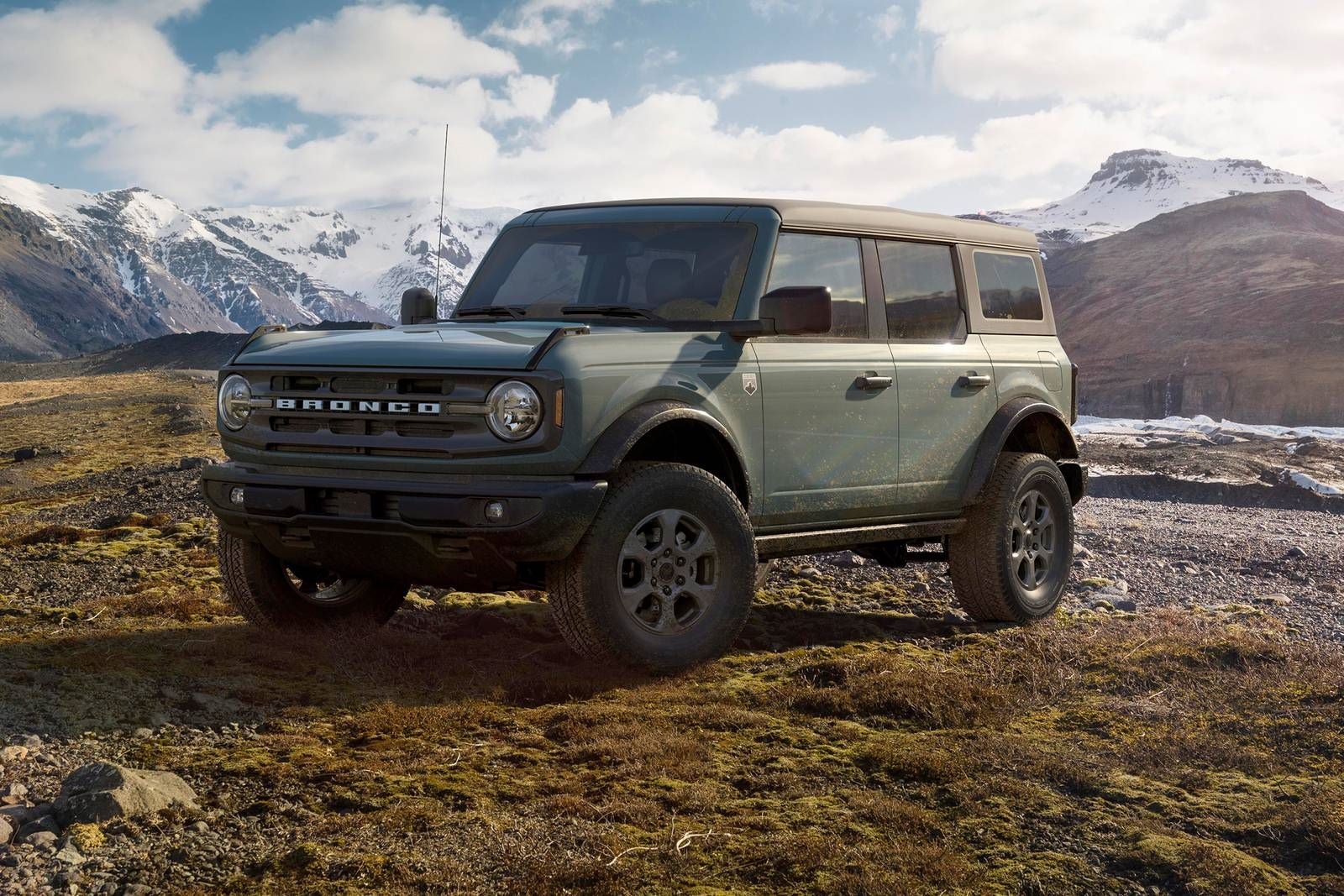
2. Ford Bronco
The Ford Bronco has returned to the SUV market with modern technology and a deliberate nod to its classic predecessors. Among its offerings in 2026 is a manual transmission option for some Bronco models, especially in the base trims and Sport variants.
Enthusiasts welcomed the return of a stick shift in the Bronco, as it provides a direct driving experience paired with off‑road capability. The manual Bronco typically uses a six‑speed gearbox that aligns well with its rugged chassis and high torque output.
Ford engineered the Bronco with versatility in mind, offering features such as removable doors and roof panels, advanced four‑wheel drive systems, and terrain management settings.
The manual transmission option adds to this versatility by giving drivers precise control over gear selection during technical maneuvers.
This is especially useful when navigating obstacles, steep declines, or deep ruts where the timing of shifts can impact traction and momentum. Manual Bronco drivers appreciate the responsiveness and predictability they gain compared to some automatic systems.
In the broader SUV market, manual transmissions are increasingly rare, but the Bronco’s inclusion of one signals Ford’s willingness to cater to purists and off‑road fans. Dealer feedback and community forums often show strong interest from buyers seeking a more interactive driving experience.
While automatics offer convenience on highways and in traffic, the manual suits those who enjoy the engagement of shifting themselves on diverse terrain and conditions. Ford has positioned the manual Bronco as both a capable daily driver and a weekend adventurer.
This combination of modern features with traditional mechanics helps the Bronco stand out among SUVs in 2026. For drivers who value tactile control and want to feel every gear change, the manual Bronco remains a compelling option. Its continued availability shows that there is still a market segment that values the experience of driving on their own terms.
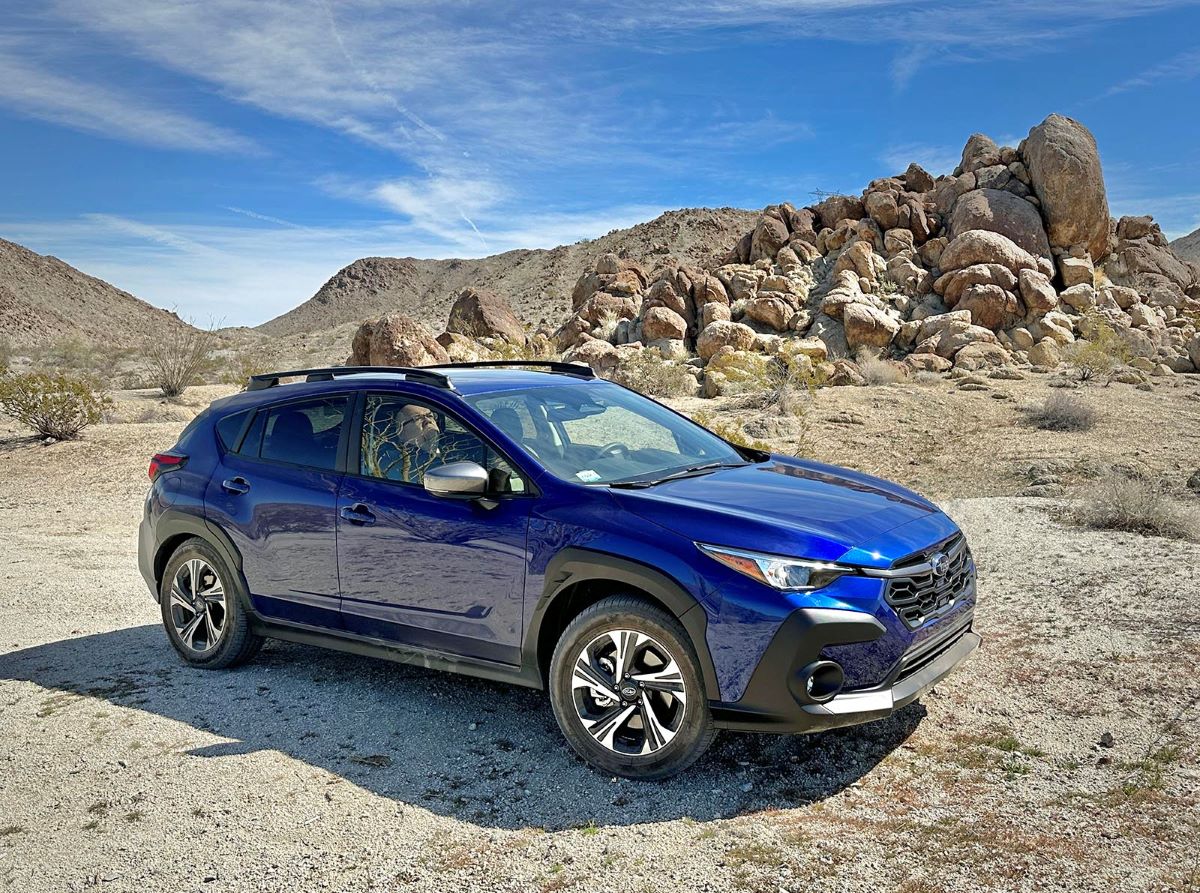
3. Subaru Crosstrek
The Subaru Crosstrek occupies a unique place in the SUV market by blending compact size with all‑wheel drive confidence and a willingness to absorb rougher roads. In 2026, Subaru still offers a manual transmission choice in the Crosstrek for drivers who want involvement behind the wheel.
The six‑speed manual pairs with Subaru’s naturally aspirated engine options, providing a balance of fuel efficiency and spirited driving characteristics. Many buyers appreciate the responsiveness and control they get from changing gears themselves, especially on winding roads or in areas with varying elevation.
Subaru’s symmetric all‑wheel drive system helps ensure traction in slippery conditions, and when combined with a manual transmission, it allows drivers to modulate torque with their own inputs.
This relationship between driver and drivetrain is something many owners seek when they want an SUV that feels more connected than a typical crossover. The Crosstrek’s elevated ground clearance also contributes to confidence when exploring gravel paths, rural routes, or light trails.
Manual Crosstrek drivers often note the satisfaction of progressing through gears without electronic control dictating shifts. This can make highway merging or overtaking on two‑lane roads more engaging, as the driver chooses shift points based on personal feel rather than automated calibrations.
While the manual option doesn’t appeal to all buyers, it continues to draw a dedicated contingent who see it as part of the Crosstrek’s character. Subaru has maintained this offering despite industry trends that favor automatic transmissions for fuel economy and sales volume.
For people who want a small SUV that feels alive and responsive, the Crosstrek manual remains an appealing choice in 2026. Its continued production of manual variants demonstrates that there is still a sustained interest in driver‑centric SUVs among certain segments of the buying public.
4. Toyota 4Runner
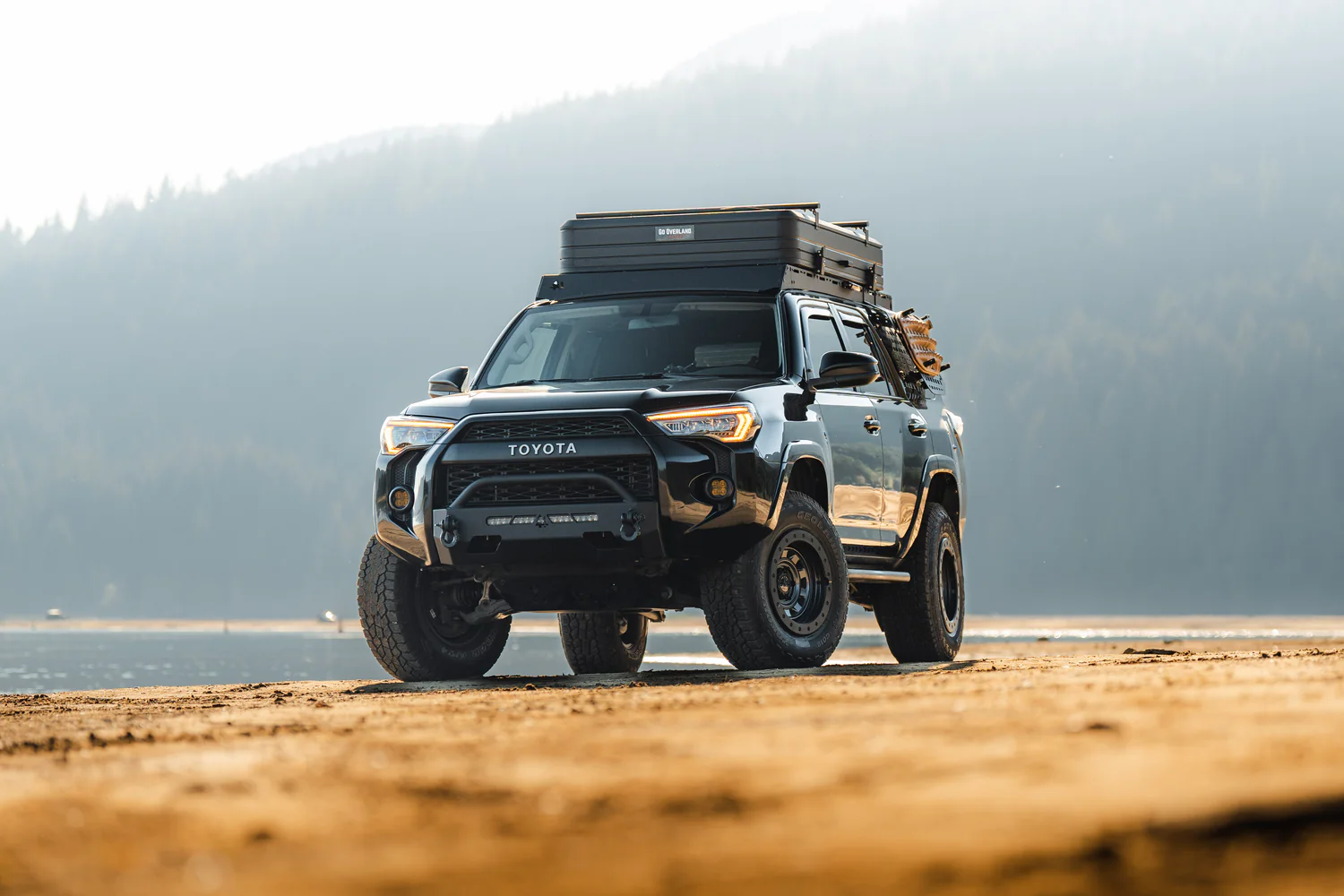
The Toyota 4Runner is a body‑on‑frame SUV known for ruggedness, longevity, and off‑road prowess. In 2026, Toyota continues to offer manual transmission options in certain trims of the 4Runner, primarily appealing to those who want maximum control over their vehicle’s power delivery.
The manual gearbox in the 4Runner is built to handle significant torque, making it suitable for towing, rock crawling, and slow technical approaches. Its presence in the lineup underscores Toyota’s commitment to maintaining variety for drivers who prefer traditional transmissions.
Many 4Runner owners value its robust architecture, which has proven dependable over many years of use. The manual transmission complements this reputation with mechanical simplicity that can be easier to maintain in remote locations or challenging environments.
Drivers engaged in off‑road excursions appreciate how the manual allows them to hold gears longer or shift early when engine braking is needed on steep descents. These attributes contribute to the 4Runner’s appeal as a long‑term investment for owners prioritizing capability over convenience.
While automatic transmissions are more common for daily commuting and highway travel, the manual remains a valuable option for specific use cases. Toyota has kept this option alive because a loyal subset of buyers still orders 4Runners with it.
In enthusiast circles, the manual 4Runner is often discussed as a reliable, rugged choice that gives the driver confidence in unpredictable conditions.
When paired with aftermarket upgrades such as off‑road tires, lockers, and suspension enhancements, the manual 4Runner continues to satisfy buyers seeking a pure mechanical experience.
5. Honda CR‑V (Special Editions)
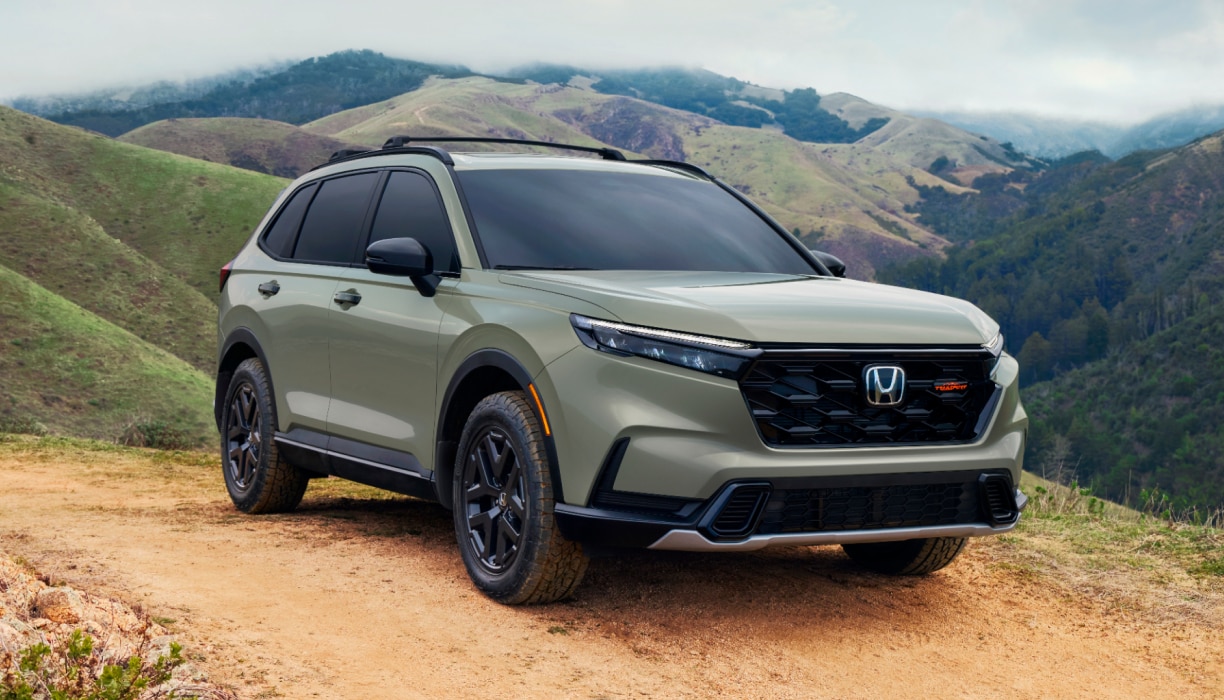
Honda has historically offered manual transmission options in some generations of the CR‑V, and while the standard lineup mostly shifted to automatic variants, limited special editions and regional trims in 2026 still feature manual gearboxes.
These models are often tailored to markets or enthusiast‑focused packages where manual gearboxes hold appeal. The six‑speed manual in these CR‑Vs provides a fun driving feel in a compact SUV that also meets everyday needs for commuting, cargo space, and efficiency.
Owners who select manual CR‑Vs typically do so because they value the direct connection to the engine and transmission that automatic options do not provide. Manual gear selection can make city driving more engaging, and highway cruising can be more involving when drivers choose their own shift points.
As SUV buyers increasingly seek convenience features, these manual CR‑V variants appeal to those who want something different from the mainstream approach. Honda’s decision to retain this option in select trims reflects a recognition that enthusiast buyers still exist in the compact SUV segment.
The manual transmission also helps reduce vehicle weight compared to some automatic alternatives, which can positively influence throttle response and fuel consumption. Many drivers assert that the CR‑V’s manual variant rewards attentive drivers with a more lively feel without compromising the practical benefits that make the CR‑V popular.
5 SUVs That Have Retired Manual Transmissions
1. Jeep Cherokee
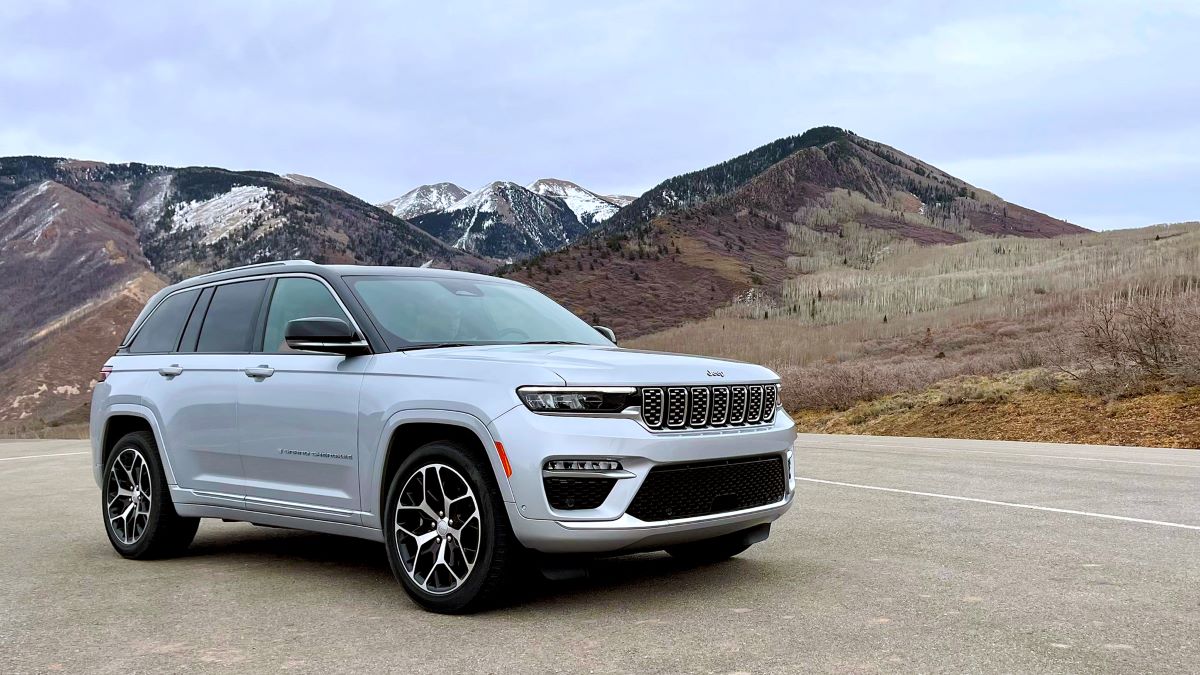
The Jeep Cherokee was once available with a manual transmission in its early generations, giving drivers a more participatory driving experience. Enthusiasts appreciated the combination of SUV capability with the engagement of changing gears themselves.
The manual gearbox aligned with the rugged image Jeep cultivated, and it offered a sense of mechanical control that resonated with passionate drivers. Cherokee manual models were sought after in off‑road clubs and gatherings where driver involvement was valued.
Over time, Chrysler and later Jeep shifted focus to automatic transmissions in the Cherokee lineup to boost fuel efficiency and broaden market appeal. As modern transmissions became more sophisticated, automatics offered quicker shifts, better mileage figures, and advanced gear logic that made them more attractive to the average consumer.
This transition eventually led to the discontinuation of the manual option in the Cherokee. Buyers who enjoyed the manual feel of earlier models were disappointed, as the automatic became the only choice for new Cherokees.
The loss of the manual reduced the direct driver engagement that once differentiated the Cherokee from competitors. For people who valued gear shifting themselves, the Cherokee’s retirement of the manual signaled a shift toward prioritizing convenience over driver connection.
Even though the automatic transmissions brought performance and efficiency gains, the absence of a manual removed an option treasured by enthusiasts.
2. Toyota RAV4
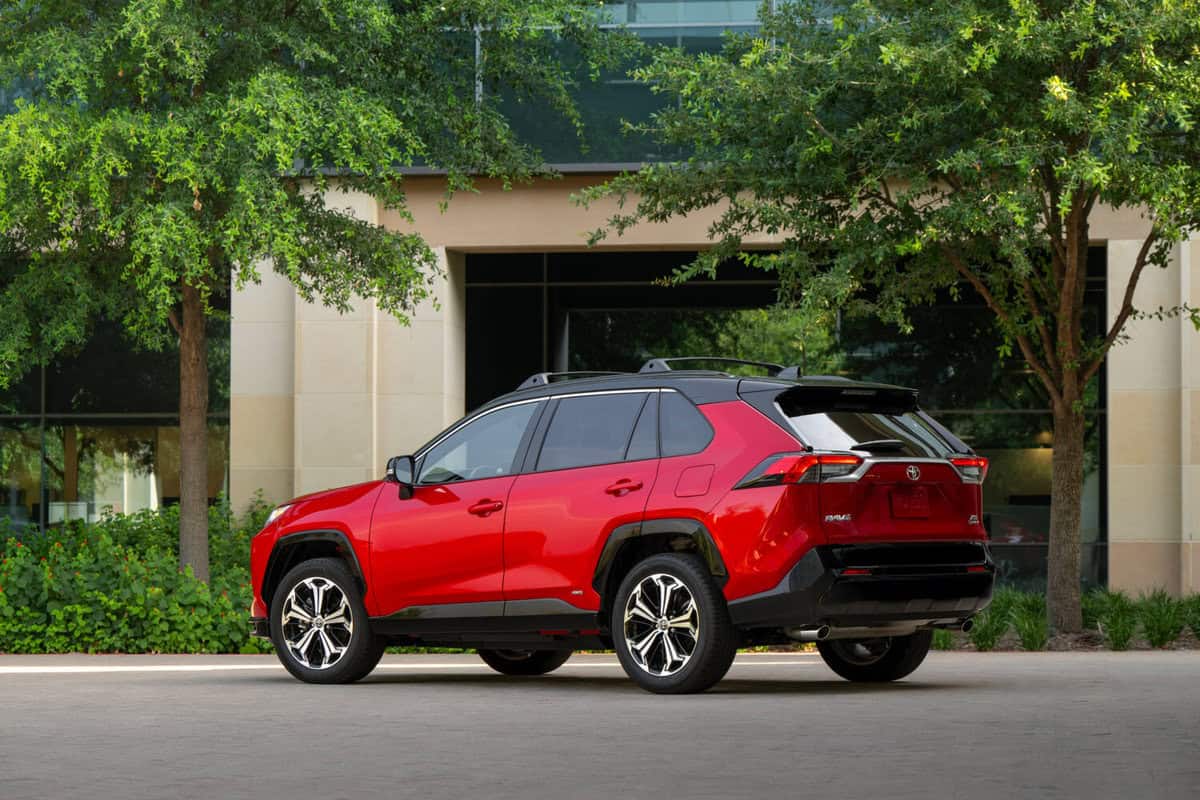
In earlier years, the Toyota RAV4 offered a manual transmission option that appealed to drivers seeking simplicity and a more interactive driving experience. The manual RAV4 provided a balance between utility and driver involvement that was rare in compact SUVs at the time.
It was often chosen by people who wanted a spirited feel while still benefiting from a versatile crossover body style. The gearbox delivered direct control over engine response and made the driving experience more involving.
However, Toyota eventually phased out the manual option as the RAV4 evolved, focusing on automatic transmissions for improved fuel economy, broader consumer appeal, and compatibility with hybrid variants.
The growing dominance of automatic gearboxes and the efficiency gains they offered made it clear that demand for manual SUVs was waning. Buyers prioritized convenience and refinement over the engagement of shifting gears themselves, leading Toyota to discontinue the manual option in all RAV4 trims.
Many drivers who once appreciated the manual RAV4 lamented its departure, as it marked the end of an era where compact SUVs offered true driver‑controlled transmissions. The modern RAV4 lineup now emphasizes advanced safety features, hybrid systems, and seamless automatic shifting, leaving the manual behind as part of automotive history.
While the RAV4 remains among the best‑selling SUVs worldwide, its earlier manual models are remembered fondly by enthusiasts who valued their hands‑on feel.
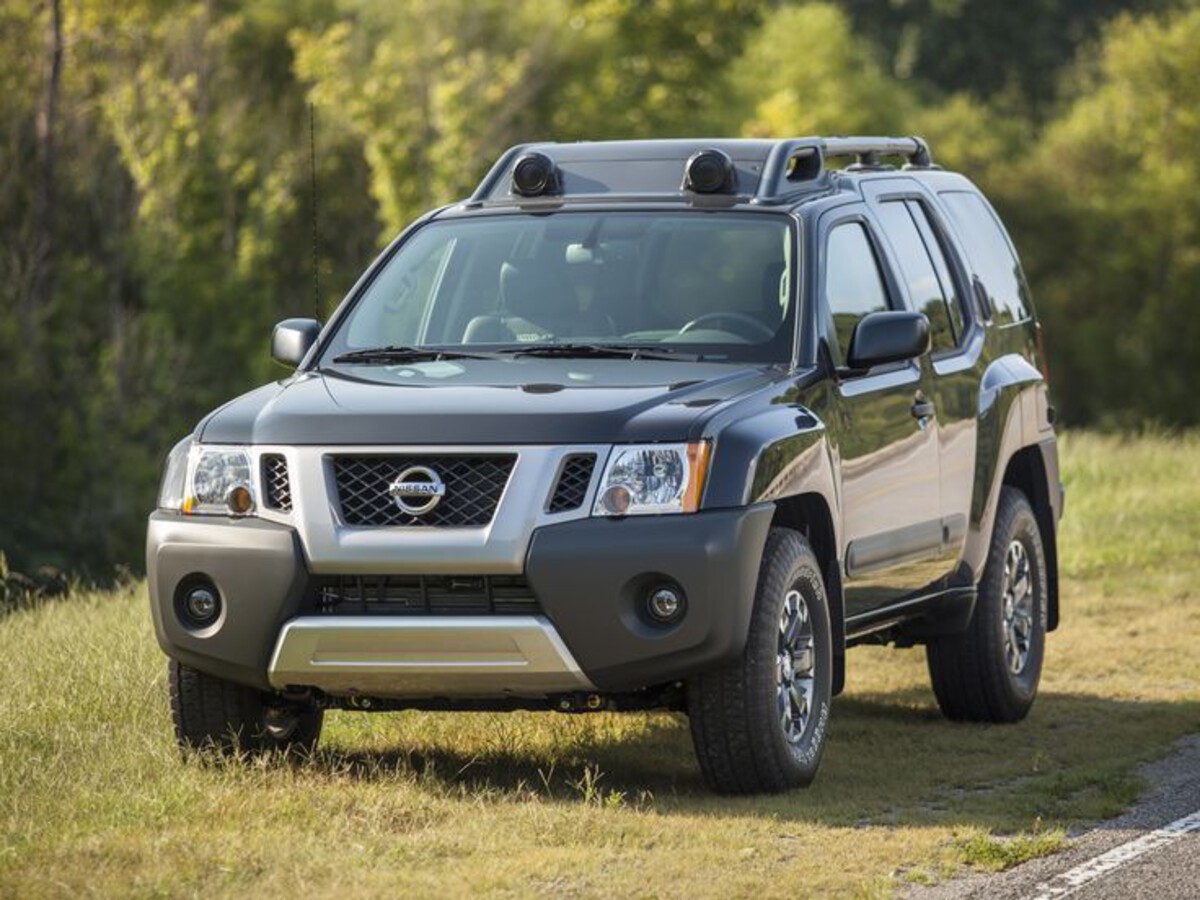
3. Nissan Xterra
The Nissan Xterra was a rugged body‑on‑frame SUV known for its off‑road capability and utilitarian ethos. In its production years, it offered a manual transmission that matched its adventurous character.
Drivers enjoyed the sense of teamwork with the vehicle as they shifted gears during technical trails, rocky climbs, and highway runs. The manual gearbox complemented the Xterra’s durable chassis and helped solidify its reputation among outdoor enthusiasts.
As Nissan updated the Xterra over time, the manual transmission was eventually removed from the lineup. Changing consumer preferences and a shift toward more refined automatic transmissions led Nissan to focus on gearboxes that offered ease of use and broader appeal.
The loss of the manual variant was disappointing to loyal followers who saw it as an integral part of the Xterra’s personality. Without the option to shift gears manually, some felt the vehicle lost a bit of its rugged charm.
Today, the Xterra is no longer sold in many markets, and its manual transmission days are part of its legacy rather than its current offerings.
Enthusiasts still recall the hands‑on experience of driving an Xterra with a manual gearbox and the way it made them feel actively connected to the terrain and the engine.
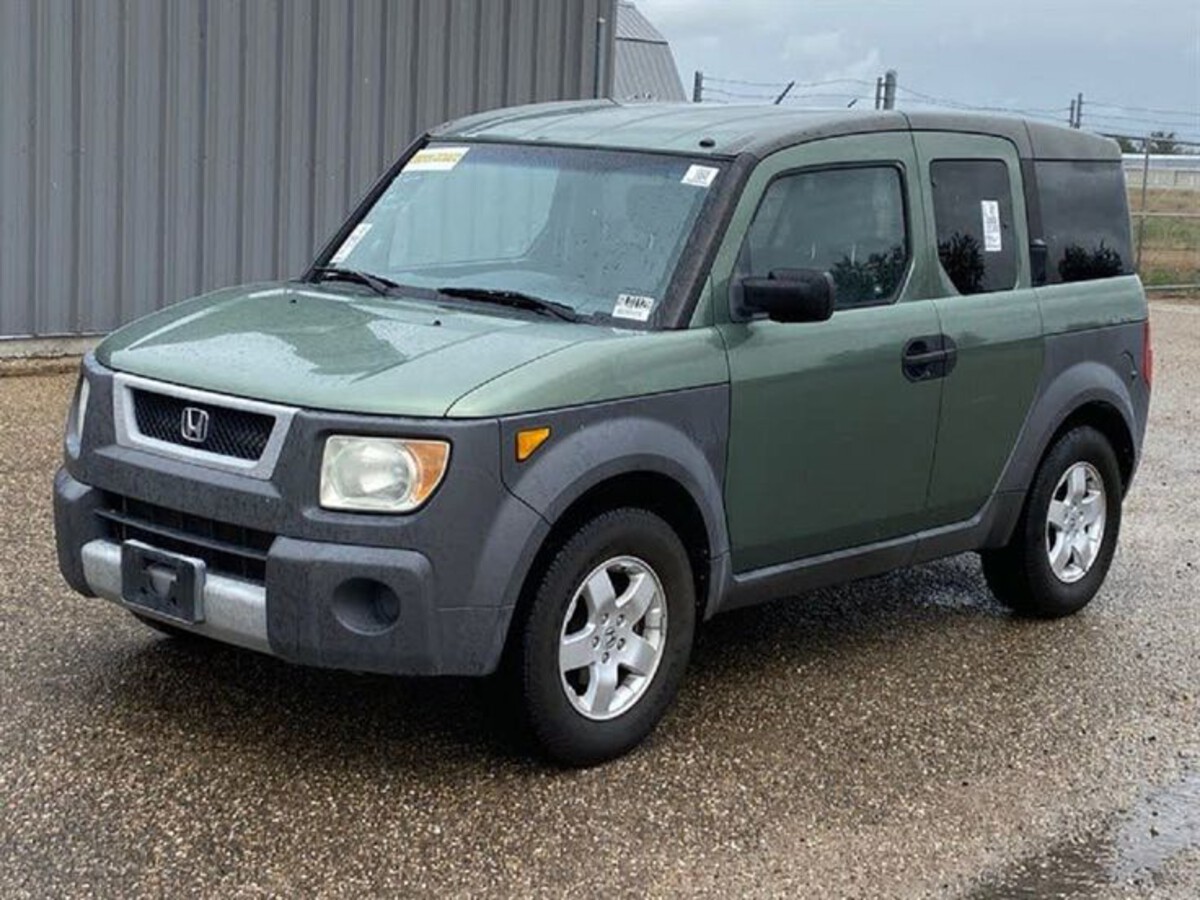
4. Honda Element
The Honda Element was a unique SUV that appealed to outdoor lovers, pet owners, and people seeking practicality in a quirky package.
Early Element models offered a manual transmission, which combined with the vehicle’s boxy design and flexible interior to create a fun, engaging driving experience. People enjoyed the direct feel of the stick shift and how it made local runs or adventurous trips more involving.
Over time, as the Element evolved and consumer preferences shifted toward automatic transmissions, Honda discontinued the manual option.
Buyers increasingly prioritized ease of use, especially in urban and suburban settings, reducing the demand for manual gearboxes. This change reflected broader market trends and led Honda to focus on automatic variants throughout the Element’s life cycle.
Although the Element was discontinued entirely by Honda, its manual transmission models remain memorable for those who appreciated the tactile driving experience. The absence of a manual gearbox in later years marked the end of a characteristic that set the Element apart in its segment.
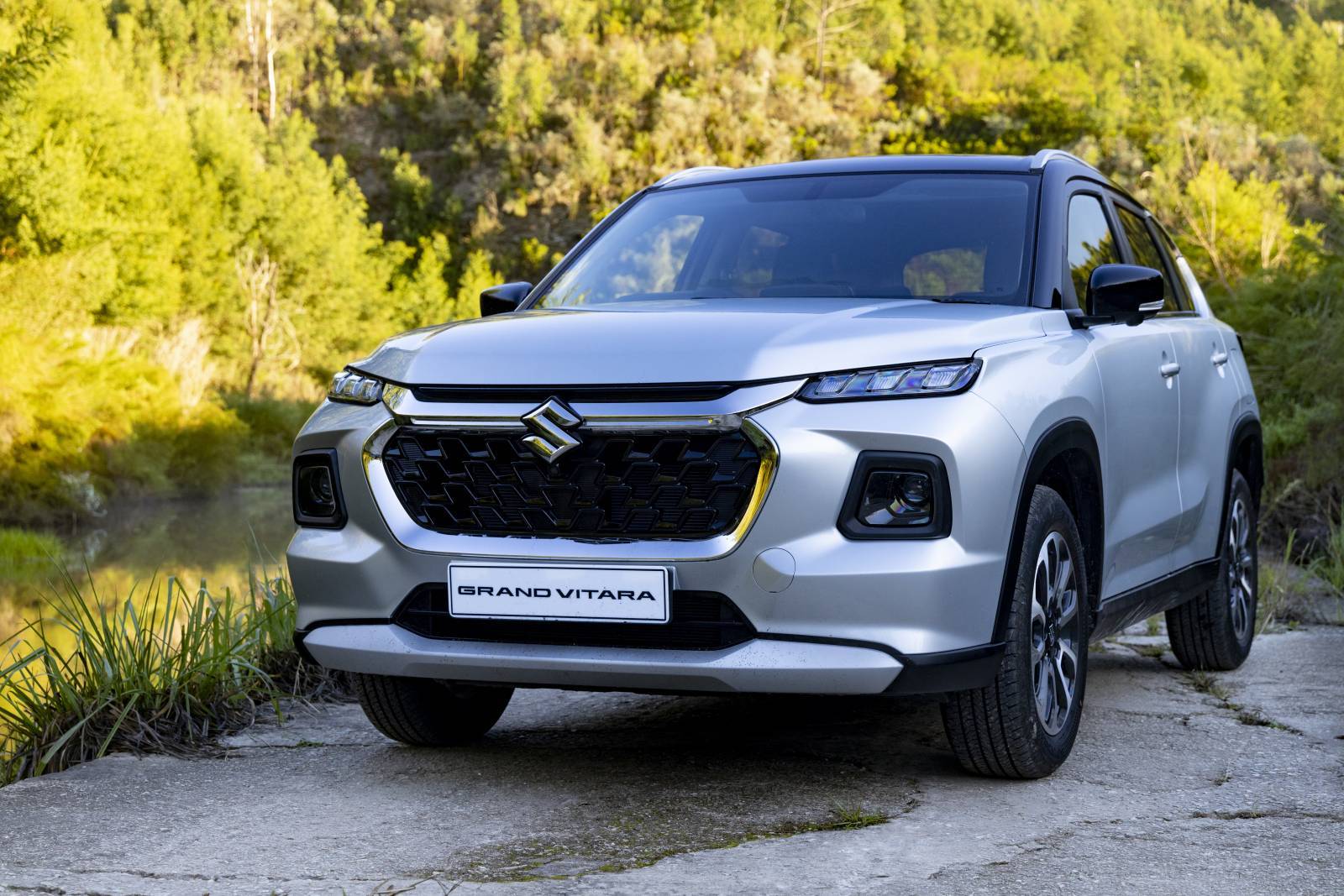
5. Suzuki Grand Vitara
The Suzuki Grand Vitara offered a manual transmission in many of its earlier generations, attracting buyers who wanted a small SUV with both off‑road capability and driver engagement.
The manual gearbox in the Vitara provided a sense of involvement that many automatic variants lacked, especially when navigating uneven terrain or country roads. The direct feel between the driver’s actions and the vehicle’s response was a key reason enthusiasts chose this model.
Eventually, Suzuki phased out the manual transmission in the Grand Vitara as part of a redesign and global shift toward automatic transmissions.
Market demand for convenience, fuel efficiency, and refined shifting contributed to this decision. The manual option gradually disappeared from sales brochures and dealership lots, leaving automatic gearboxes as the standard choice.
Many former owners recall the Grand Vitara manual with fondness, noting how its gear shifts amplified the driving experience. Although the SUV continues in various markets under updated names and designs, the manual transmission remains a part of its past rather than its present.