
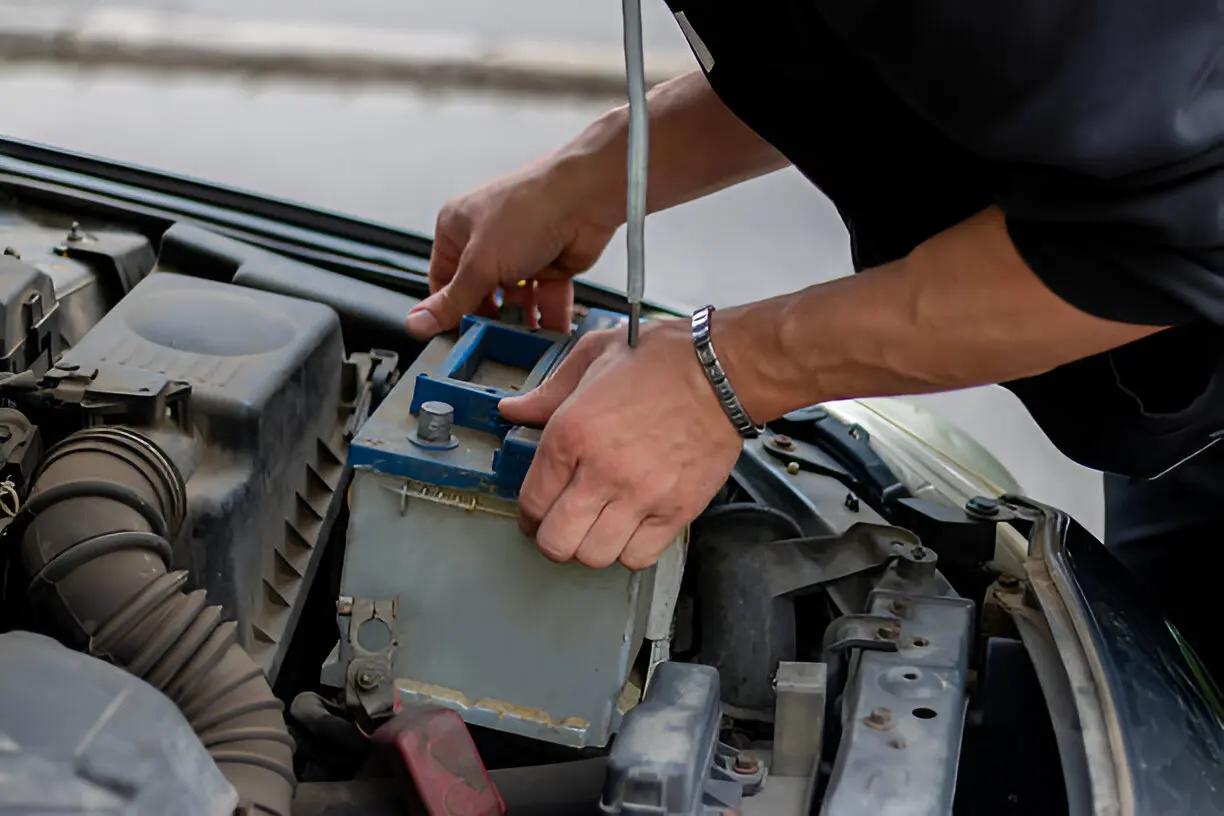
A car battery rarely fails without warning, yet those early signals often go unnoticed until the vehicle refuses to start at the worst possible moment.
That sudden silence when you turn the key or press the start button can feel frustrating, especially when everything seemed fine the day before. Paying attention to subtle changes in how your car behaves can save you from that inconvenience.
Modern vehicles rely heavily on battery power, not just for starting the engine but also for running electronics, safety systems, and comfort features. When the battery begins to weaken, small issues start to appear long before any dashboard warning light comes on. Recognising these signs early can help you avoid unexpected breakdowns and costly delays.
A healthy battery supports smooth starts, stable electrical performance, and consistent reliability. Once it begins to decline, your car starts sending quiet signals that something is not right. These clues may seem minor at first, yet they often point to a battery nearing the end of its lifespan.
Understanding what to watch for gives you control over the situation. Instead of reacting to a failure, you can act before it happens. The following signs highlight what your car may be trying to tell you before the dashboard gets involved.
1. Slow Engine Crank That Feels Unusual
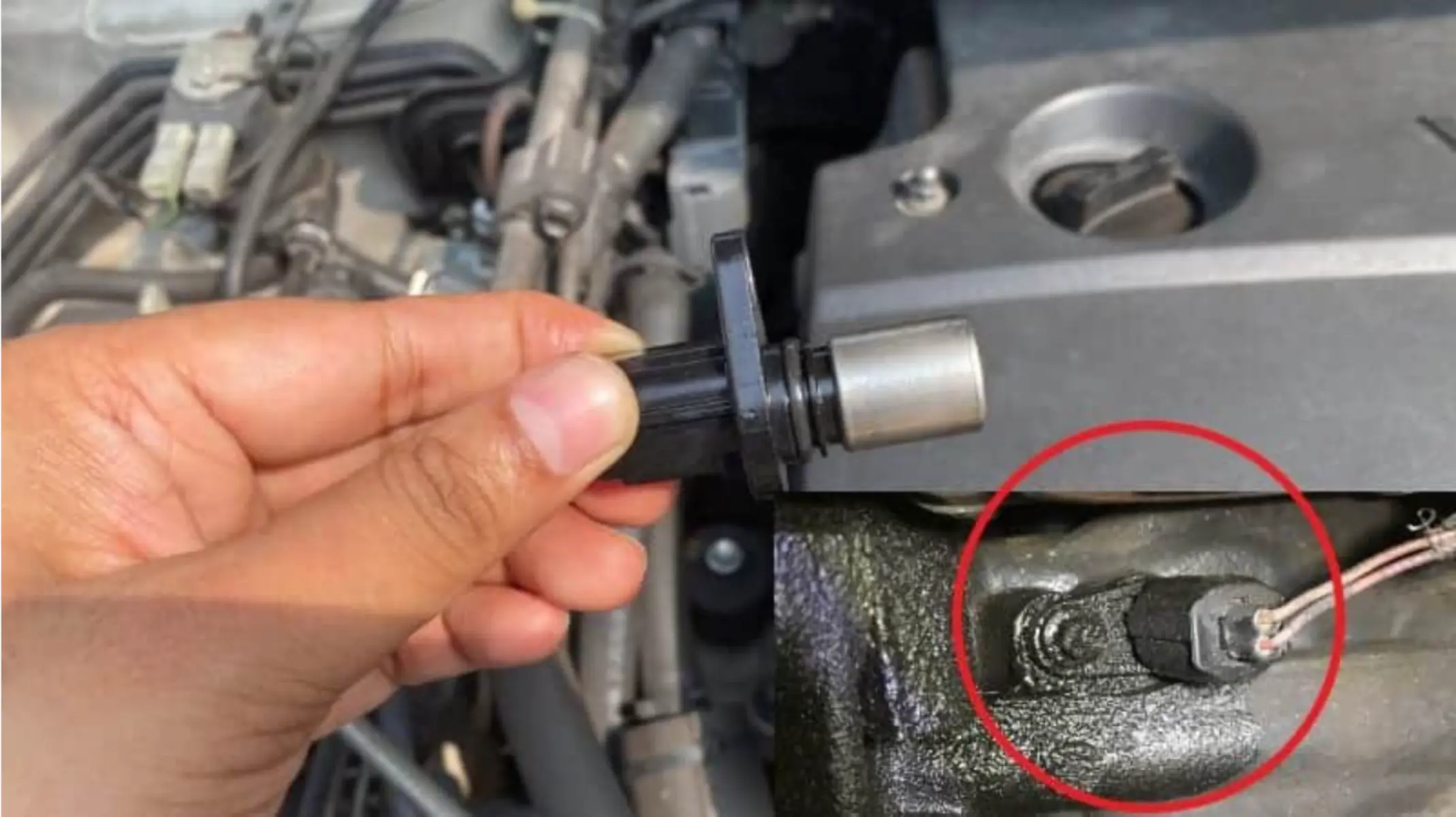
Cold mornings or long idle periods can sometimes affect how quickly an engine starts, yet a consistently slow crank is often a clear indication that the battery is weakening. When you turn the key or press the ignition button, the engine should respond with a quick and confident turnover. If it begins to sound laboured or hesitant, something is not quite right.
Picture starting a Toyota Camry XSE V6, a vehicle known for smooth and reliable operation. Under normal conditions, the engine should fire up almost instantly.
When the battery begins to lose strength, that familiar quick start changes into a drawn-out cranking sound. This difference may seem small at first, but it becomes more noticeable as the battery continues to degrade.
Sound plays an important role here. A strong battery delivers a steady rhythm during ignition, while a weak one produces a sluggish, uneven turnover. Drivers often describe it as the engine struggling to wake up. Paying attention to this change can help you identify the issue early.
Repeated slow starts should never be ignored. Even if the car eventually starts, the strain placed on the starter motor increases with each attempt. As time goes on, this can lead to additional mechanical issues that go beyond the battery itself.
Environmental factors can amplify this problem. Colder temperatures reduce battery efficiency, making a weak battery perform even worse. If slow cranking becomes more pronounced during colder conditions, it is a strong signal that the battery is nearing failure.
A dependable example like the Honda Accord Sport 2.0T should start with minimal delay. Any noticeable hesitation in such a vehicle stands out clearly, making it easier to detect a problem. Recognising this early warning allows you to replace the battery before it leaves you stranded. Acting on that small delay can prevent a much larger inconvenience later.

2. Dim Headlights and Interior Lighting Issues
Lighting performance often reveals the condition of your car battery more clearly than expected. Headlights, dashboard illumination, and interior lights rely directly on battery power, which means any voltage drop can affect their brightness and consistency.
Imagine driving a Ford F-150 Lariat at night. Strong headlights provide clear visibility, allowing you to drive through safely. When the battery begins to weaken, those lights may appear dimmer than usual. This change can happen gradually, making it easy to overlook unless you pay close attention.
Interior lighting offers additional clues. Dome lights, instrument panels, and infotainment screens may flicker or appear less vibrant. These subtle changes often occur before any warning indicator appears on the dashboard.
Brightness fluctuations can also occur when using multiple electrical components at once. Turning on the air conditioning, radio, or heated seats may cause the lights to dim temporarily if the battery is struggling to supply enough power. This indicates that the battery is no longer operating at full capacity.
A vehicle like the Chevrolet Malibu Premier typically maintains consistent lighting performance. When brightness begins to vary without explanation, it signals that the electrical system is under strain. Night driving makes these symptoms more noticeable. Reduced headlight intensity not only affects comfort but also safety. Clear visibility depends on reliable lighting, and any decline should be taken seriously.
Addressing this issue early can prevent further complications. A weakening battery may still function for a short period, but its ability to support electrical components will continue to decline.
Paying attention to how your lights behave can provide a clear and early indication of battery health. A slight dimming today could lead to a complete failure tomorrow if left unchecked.
Also Read: 8 Tips for Buying a Used Performance Car Without Getting a Lemon
3. Clicking Sound When You Turn the Key
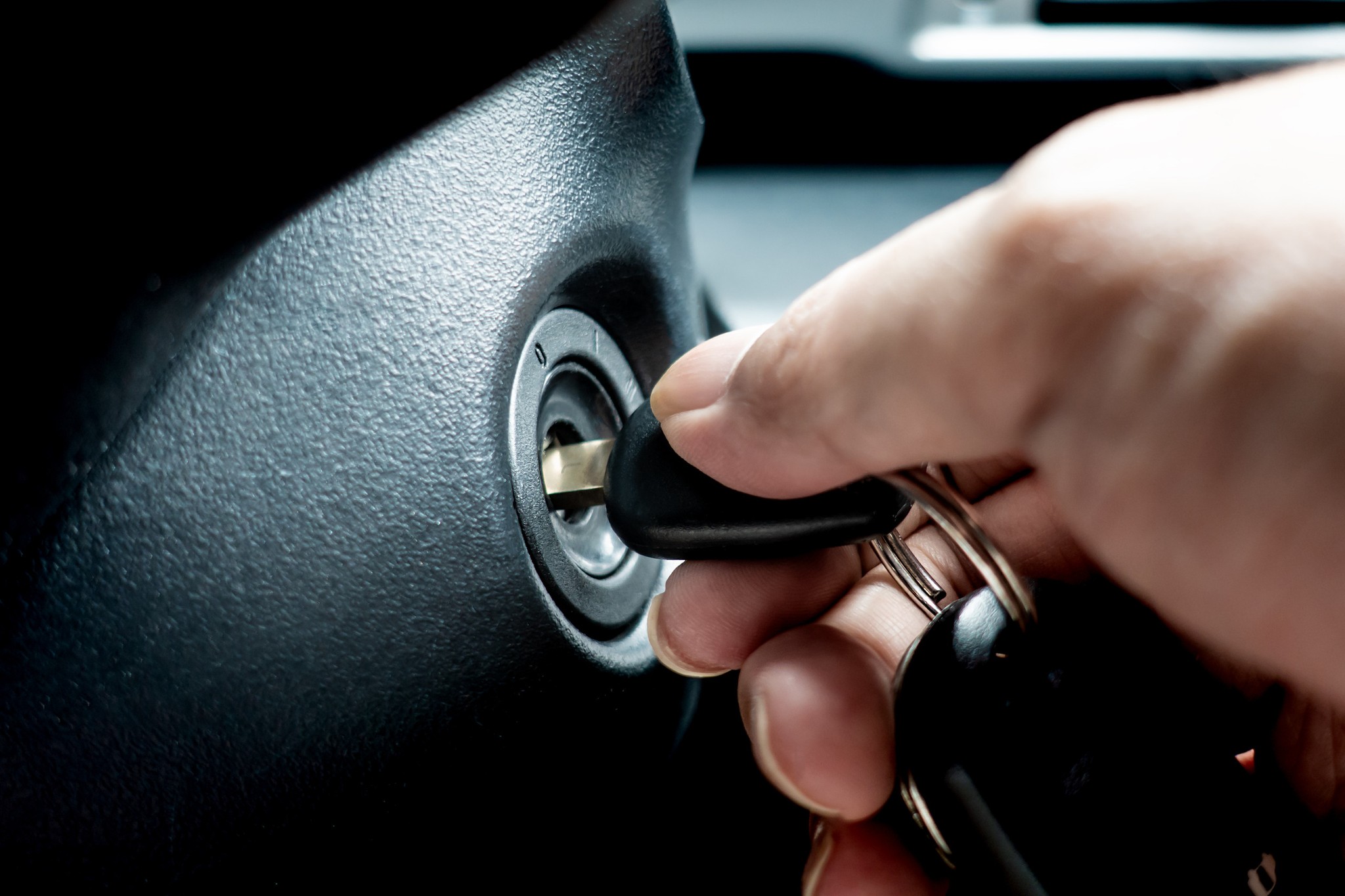
A clicking sound heard during ignition can create uncertainty, particularly when the engine refuses to start despite repeated attempts.
This sound is widely recognised as an early indicator that the battery no longer possesses sufficient capacity to engage the starter motor effectively. While it may appear to be a minor inconvenience at first, it often signals a deeper issue that requires prompt attention.
When the ignition key is turned in a Nissan Altima SR AWD, the expected response is a smooth and immediate engine start. Under conditions where the battery has weakened, the system may produce a rapid sequence of clicking sounds rather than initiating engine turnover.
This occurs because the starter solenoid receives electrical current, yet the supply is inadequate to complete the starting process. As a result, the system cycles repeatedly without achieving ignition.
Each clicking sound represents an unsuccessful attempt to deliver the necessary power required for engine activation. The battery continues to supply limited energy, but it fails to sustain the output needed to rotate the engine. This repeated cycle can persist for several attempts, often leading to frustration for the driver.
Misinterpretation of this symptom is common. Some individuals may assume that the starter motor itself is faulty, whereas the battery is frequently the underlying cause. Conducting a proper voltage test usually confirms whether the battery is operating below acceptable levels.
Consistency in the occurrence of this sound provides useful insight. Occasional clicking may indicate that the battery still retains some capacity, though it is weakening. Persistent clicking, however, suggests that the battery is approaching complete failure and requires replacement without delay.
A refined vehicle such as the Hyundai Sonata Limited is designed to deliver smooth and reliable operation. Any irregularity during startup becomes immediately noticeable, allowing the driver to identify issues with relative ease. Failure to address this warning sign can result in a total inability to start the vehicle. At that stage, repeated attempts will prove ineffective, and external assistance may be required.
Prompt attention to a clicking sound during ignition can prevent unnecessary inconvenience. Replacing the battery at the appropriate time ensures continued reliability and restores confidence in the vehicle’s performance.
4. Electrical Features Acting Erratically
Modern vehicles rely extensively on electronic systems to deliver comfort, safety, and convenience. When the battery begins to weaken, these systems often display irregular behaviour before any formal warning appears on the dashboard. Such changes may seem minor initially, yet they frequently indicate a developing issue within the electrical system.
Operating a Jeep Grand Cherokee Limited under normal conditions should provide smooth and responsive performance across all electronic features.
Power windows, seat controls, and infotainment systems are designed to function seamlessly. As the battery deteriorates, these features may begin to respond more slowly or behave unpredictably.
A window may hesitate before moving, or it may operate at a reduced speed. Similarly, the infotainment system may lag when processing commands, resulting in delayed responses. Although these symptoms may appear unrelated, they often share a common origin. Reduced battery capacity affects the efficiency with which electrical power is distributed throughout the vehicle.
Intermittent functionality provides another important indication. Certain features may perform normally at one moment and then fail to respond adequately shortly thereafter. This inconsistency reflects an unstable power supply, which is commonly associated with a declining battery.
A vehicle such as the Kia K5 GT-Line AWD is engineered to deliver consistent electronic performance. Any deviation from this standard becomes readily apparent, drawing attention to potential issues within the electrical system.
Drivers may also encounter unexpected warning messages that disappear after the vehicle is restarted. These alerts can be confusing, yet they are often linked to voltage fluctuations caused by a weakening battery.
Such irregular behaviour should not be dismissed as trivial. Electronic systems depend on a stable and reliable power source to function correctly. Any disruption can affect both convenience features and essential safety components.
Addressing these symptoms at an early stage helps to prevent more serious complications. A failing battery may eventually lead to a complete loss of electrical functionality, rendering the vehicle inoperable.
Careful observation of how electronic features behave provides valuable insight into battery condition. Minor irregularities often serve as early warnings, and timely intervention can help maintain the vehicle’s reliability and safety.

5. Engine Starts Fine One Day and Struggles the Next
Irregular starting behaviour can be both confusing and misleading, particularly when a vehicle performs without fault on one occasion and then exhibits difficulty shortly thereafter. This inconsistency often serves as an early indication that the battery is gradually losing its ability to maintain a stable electrical charge.
Rather than failing abruptly, most automotive batteries deteriorate over a period, producing uneven performance that may initially appear insignificant but steadily becomes more apparent. Using a Mazda CX-5 Grand Touring AWD for routine commuting provides a practical illustration of this condition. On one day, the engine may start promptly and smoothly, reflecting normal operation.
On a subsequent day, under similar environmental and driving conditions, the same vehicle may display hesitation during ignition or produce a weaker cranking sound. Such variation, though subtle at first, points to a battery that can no longer deliver consistent energy output.
Changes in ambient temperature often make this issue more pronounced. Warmer conditions may temporarily improve battery performance, allowing the vehicle to start with minimal difficulty.
Cooler temperatures, however, tend to expose underlying weaknesses, as battery efficiency decreases in colder environments. This results in a pattern where the vehicle starts reliably during certain periods and struggles during others, particularly in the early morning or late evening.
Electrical demand also contributes to this inconsistency. Frequent use of systems such as air conditioning, audio equipment, and lighting places an additional load on the battery. When the battery is already weakened, it may struggle to recover adequately after such usage, leading to reduced performance during the next ignition attempt.
A dependable vehicle such as the Subaru Outback Limited XT is designed to deliver consistent operation. Any variation in starting performance becomes readily noticeable, providing an early indication that attention is required.
This pattern of irregularity often leads to delayed action, as drivers may assume the issue is temporary. In reality, the battery continues to deteriorate, and the intervals between reliable starts become shorter.
Careful observation of these changes allows for timely intervention. Replacing the battery before it fails helps to avoid inconvenience and ensures continued reliability in daily use.
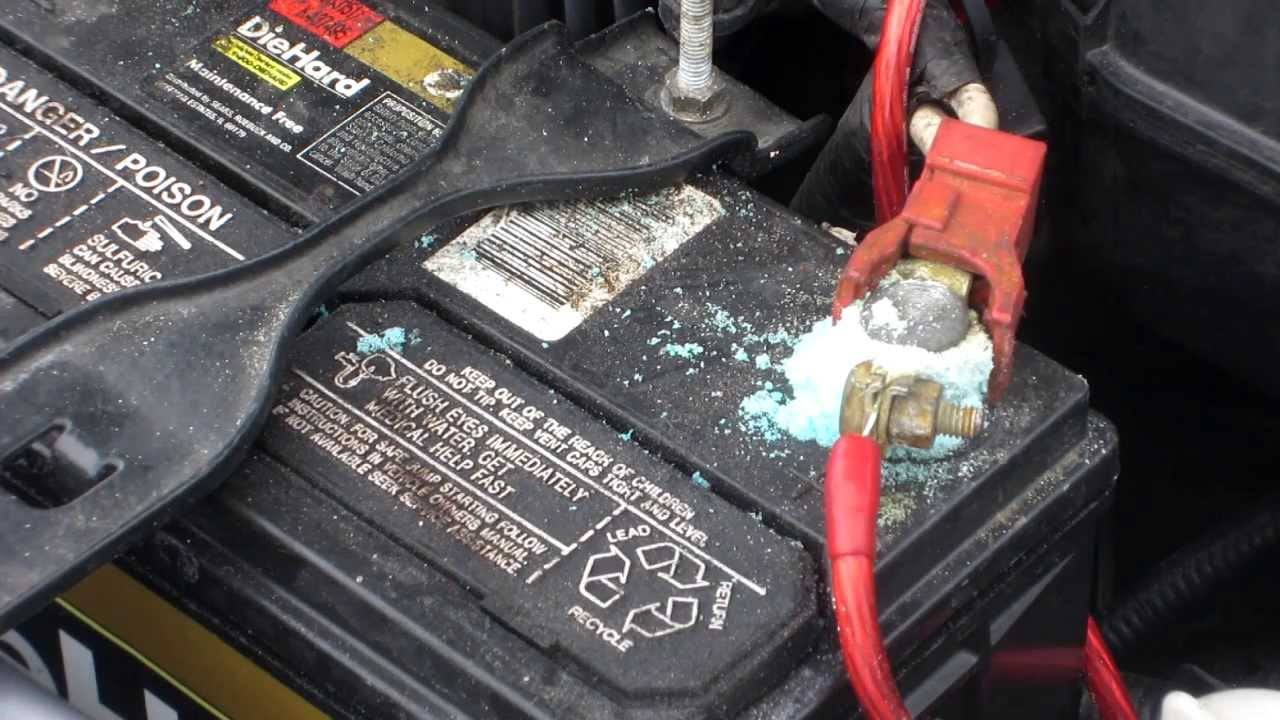
6. Corrosion Around Battery Terminals
Visible signs within the engine compartment can provide clear evidence of battery condition, and corrosion around the battery terminals remains one of the most direct indicators.
This accumulation usually appears as a white, bluish, or greenish substance forming on the battery posts and cable connections. Though it may seem minor at first glance, it can have a measurable effect on the vehicle’s electrical performance.
Inspection of a Chevrolet Silverado 1500 LTZ under normal conditions should reveal battery terminals that are clean, secure, and free from residue.
When corrosion develops, it interferes with the efficient flow of electrical current between the battery and the vehicle’s systems. This interference can lead to difficulty during engine start and irregular operation of electrical components.
The formation of corrosion is linked to chemical reactions occurring within the battery. As the battery operates, gases may be released and subsequently react with surrounding metal surfaces. As time goes on, this interaction results in the buildup of residue around the terminals. While initially limited in scope, this buildup gradually increases electrical resistance.
As resistance rises, the battery’s ability to deliver power effectively becomes compromised. Drivers may observe slower engine cranking, reduced brightness in lighting systems, or intermittent faults in electronic features. These symptoms are directly associated with restricted current flow caused by corroded connections.
A vehicle such as the Ram 1500 Laramie Crew Cab depends on a consistent electrical supply to support both engine function and onboard technology. Any obstruction in this supply can affect multiple systems simultaneously, reducing reliability.
Routine inspection of the battery area allows for early detection of corrosion. Cleaning the affected terminals may restore proper contact for a limited period. However, the presence of corrosion often indicates that the battery is ageing and approaching the end of its service life.
Failure to address this condition can lead to progressive deterioration in performance. As the buildup increases, electrical resistance continues to rise, placing additional strain on the battery and related components.
Maintaining clean terminals and monitoring their condition supports dependable vehicle operation. Prompt attention to corrosion helps preserve electrical efficiency and reduces the likelihood of unexpected starting difficulties.

7. Frequent Need for Jump Starts
A situation in which a vehicle requires repeated jump starts within a short period should be regarded as a clear indication of declining battery health.
While an isolated incident may occur due to accidental discharge, such as leaving the headlights on, repeated occurrences point to a deeper issue that should not be ignored. A battery that fails to retain sufficient charge will gradually lose its ability to start the engine independently.
Driving a BMW 330i xDrive Sedan under normal conditions should provide consistent and dependable performance.
When external assistance becomes necessary on multiple occasions to start the engine, it strongly suggests that the battery’s storage capacity has been reduced. This condition often develops gradually, giving the impression that the problem is temporary when it is, in fact, progressive.
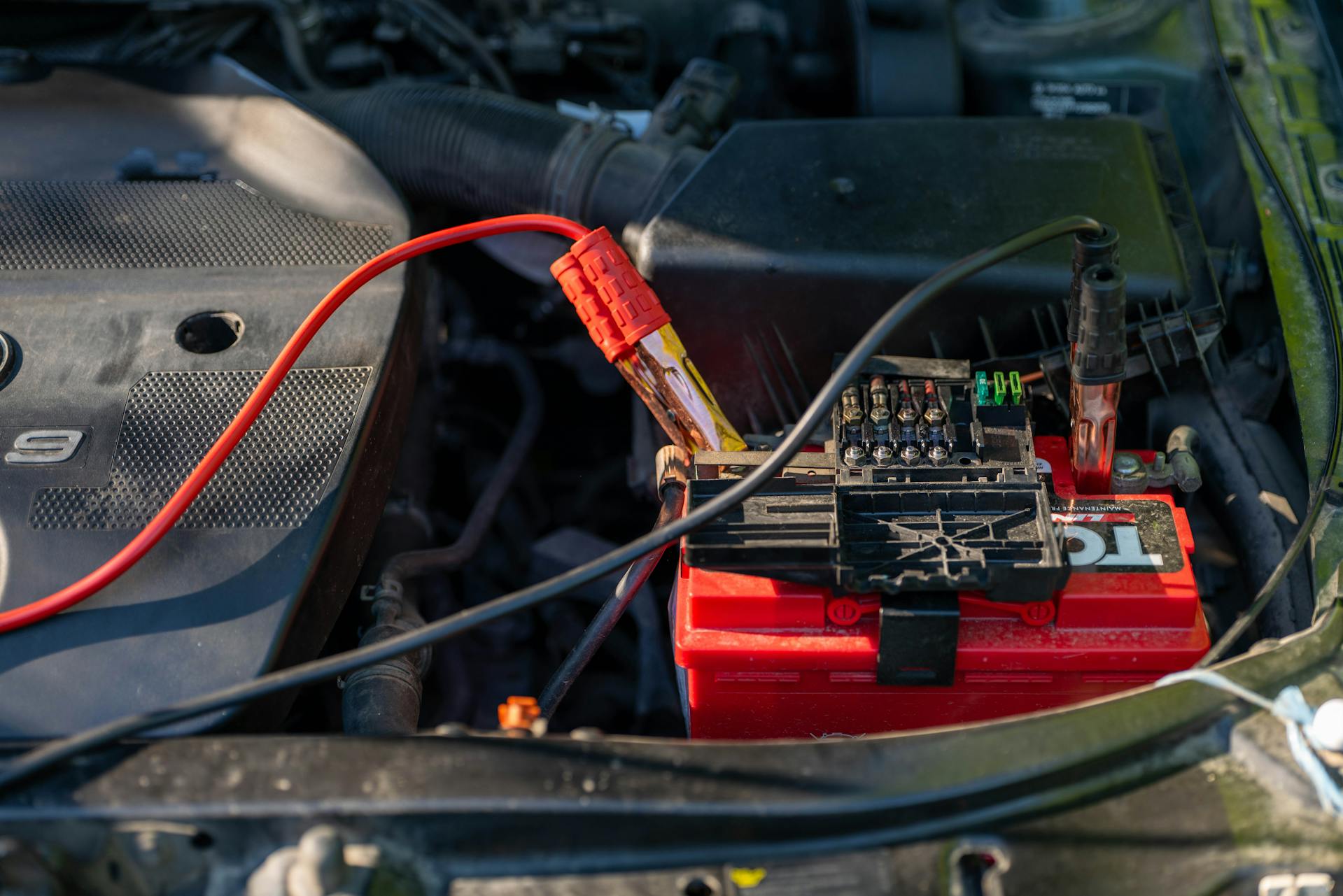
The process of jump-starting offers only a temporary remedy. It introduces electrical power from another vehicle or device, enabling the engine to start.
Once the engine is running, the alternator supplies energy to recharge the battery. However, a weakened battery is unable to retain this charge effectively. As a result, the vehicle may start successfully after assistance, only to fail again shortly thereafter.
Patterns of daily usage can influence how quickly this issue becomes evident. Frequent short trips do not allow sufficient time for the battery to recharge fully.
In addition, regular use of electronic features such as climate control systems, lighting, and infotainment units places additional demand on the battery. When the battery cannot recover adequately, reliance on repeated jump starts becomes unavoidable.
A luxury vehicle such as the Mercedes-Benz C 300 4MATIC Sedan depends heavily on stable electrical performance to support its advanced systems. Persistent battery weakness in such a vehicle may lead to disruptions in comfort features, driver assistance functions, and general reliability.
Delaying battery replacement in this situation often leads to further inconvenience. While the vehicle may appear functional after a jump start, the underlying issue remains unresolved. Each additional attempt places stress on both the battery and the broader electrical system, potentially accelerating wear.
Recognising this pattern at an early stage allows for a timely and effective solution. Replacing the battery restores consistent starting performance and removes the need for repeated external assistance. This action also helps maintain the reliability and efficiency of the vehicle’s electrical components.
Also Read: 8 Tips for Organizing a Truck Bed to Maximize Your Daily Utility

8. Unusual Odour Coming From the Battery Area
An unfamiliar smell emanating from the engine compartment should always be treated with caution, particularly when it originates near the battery.
A failing battery may release a sulphur-like odour, often compared to the smell of rotten eggs. This condition indicates a chemical imbalance or internal fault within the battery that requires immediate attention.
Inspection of an Audi A4 Premium Plus Quattro should not reveal any unusual odour from the engine bay under normal circumstances.
The presence of such a smell suggests that gases are escaping from the battery, which may occur due to internal damage or excessive charging. This situation can arise when the battery approaches the end of its service life or when its internal components begin to deteriorate.
Elevated temperatures contribute to this condition by accelerating the chemical reactions within the battery. As these reactions intensify, gas pressure builds internally. When this pressure exceeds normal levels, gases are released through the battery’s venting system, producing the characteristic odour.
Accompanying symptoms often provide further indication of battery failure. Reduced engine starting performance, irregular operation of electrical features, and visible swelling of the battery casing may all be observed. These signs confirm that the battery is no longer functioning within safe operating limits.
A refined vehicle such as the Lexus RX 350 Luxury AWD relies on a stable electrical supply to maintain its performance and comfort features. Any disruption caused by a failing battery can affect multiple systems simultaneously, leading to diminished reliability.
Safety considerations take on heightened importance when dealing with a failing car battery. Batteries that are deteriorating can emit gases that are not only unpleasant but potentially harmful if inhaled over extended periods. Exposure to these fumes may irritate the respiratory system or cause other health issues, making it essential to limit contact with the affected area.
Vehicle owners should take care to keep the engine bay well-ventilated and avoid prolonged periods near the source of the odour. Seeking prompt inspection from a qualified automotive professional is strongly recommended to assess the battery’s condition and prevent further complications, including the risk of fire in extreme cases.
Failing to respond to such a warning sign can have serious consequences. Batteries that continue to degrade without intervention may fail, leaving the vehicle inoperable. Additionally, chemical leaks or pressure build-up within the battery can damage nearby components, including wiring, connectors, and other electrical systems, creating further repair costs.
By recognising unusual odours early, drivers gain an extra layer of awareness, allowing them to address the problem before it escalates. Attentive monitoring of the vehicle in this way supports both safety and reliability, ensuring that the car remains fully operational and that its electrical system maintains consistent performance.
