
Turbocharged engines have changed how modern cars deliver power, efficiency, and everyday usability. What once felt like a technology reserved for high-performance vehicles has become a standard feature across sedans, SUVs, and even compact cars.
Today’s turbocharged engines are not just about speed. They are built to handle daily driving, long commutes, and years of consistent use without constant concern.
Reliability, however, remains a major factor for buyers. A turbocharged engine must do more than produce impressive numbers on paper.
It needs to maintain performance under varying conditions, manage heat effectively, and avoid premature wear. Advances in engineering, improved materials, and better cooling systems have made recent turbo engines far more dependable than earlier generations.
Buyers now have access to engines that combine strong output with long-term durability. Manufacturers have refined their designs through years of development, addressing common issues such as oil consumption, turbo lag, and thermal stress. This progress has resulted in a new wave of turbocharged engines that deliver both excitement and peace of mind.
This guide highlights ten of the most reliable turbocharged engines introduced or refined within the last five years. Each entry focuses on a specific vehicle where the engine has proven its durability through real-world ownership, engineering design, and consistent performance.
These engines represent a balance of power, efficiency, and long-term dependability, making them strong choices for drivers who want performance without constant worry.
1. 2021 Toyota GR Supra 3.0 (B58 Inline-Six)
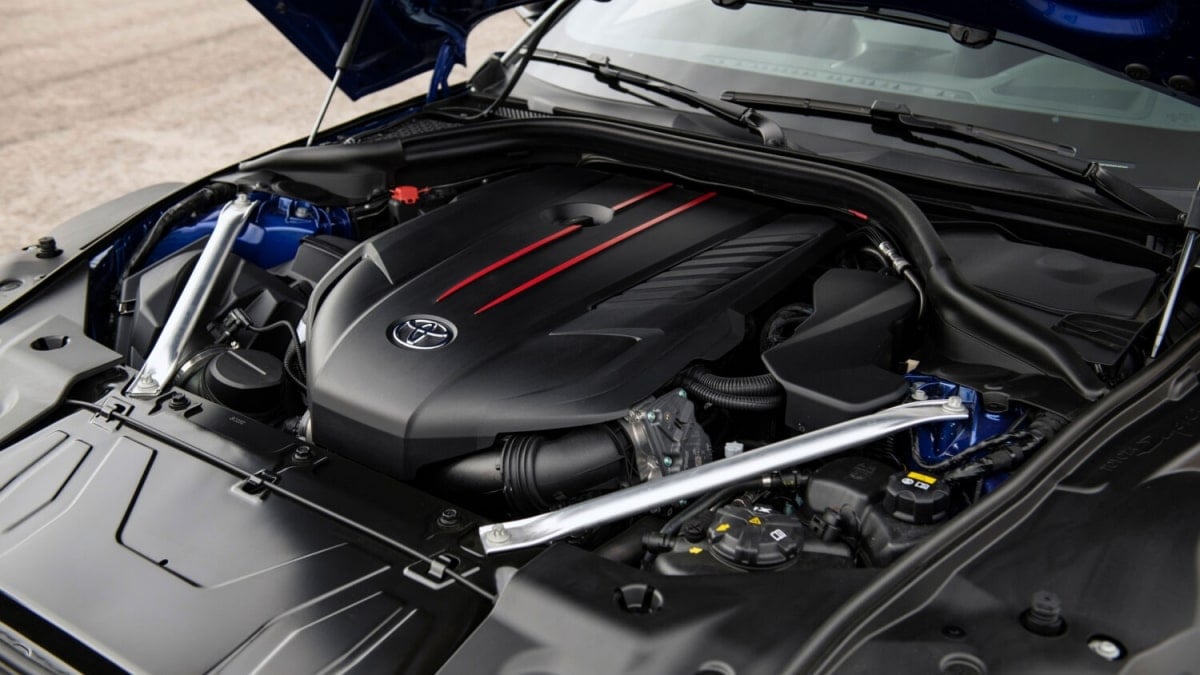
Precision meets durability in the 2021 Toyota GR Supra 3.0, powered by the BMW-sourced B58 turbocharged inline-six engine. This engine has built a strong reputation for reliability, thanks to its closed-deck design and robust internal components. Rather than pushing limits without restraint, the B58 focuses on controlled performance that remains stable under repeated use.
Engineering choices play a major role in its dependability. A water-to-air intercooling system helps regulate intake temperatures, reducing stress on internal components. Heat management is handled carefully, ensuring that performance remains consistent even during extended driving sessions. These features contribute to an engine that feels strong yet composed.
Power delivery stands out for its smoothness. Acceleration builds steadily, without sudden spikes that can strain mechanical systems. This balanced approach supports longevity while still delivering an engaging driving experience. Drivers can enjoy strong performance without worrying about excessive wear.
Maintenance requirements are straightforward when proper service intervals are followed. Oil quality and cooling system care remain essential, yet the engine does not demand unusual attention. Owners frequently report consistent performance well beyond initial expectations.
Reliability is further supported by modern engine management systems that monitor performance in real time. These systems adjust parameters to maintain efficiency and protect internal components. Such integration ensures that the engine adapts to varying conditions without compromising durability.
The B58 in the GR Supra represents a thoughtful approach to turbocharged performance. It delivers strong output while maintaining a focus on long-term dependability, making it one of the most trusted turbo engines available today.
2. 2022 Honda Civic Type R (2.0L Turbocharged K20C1)
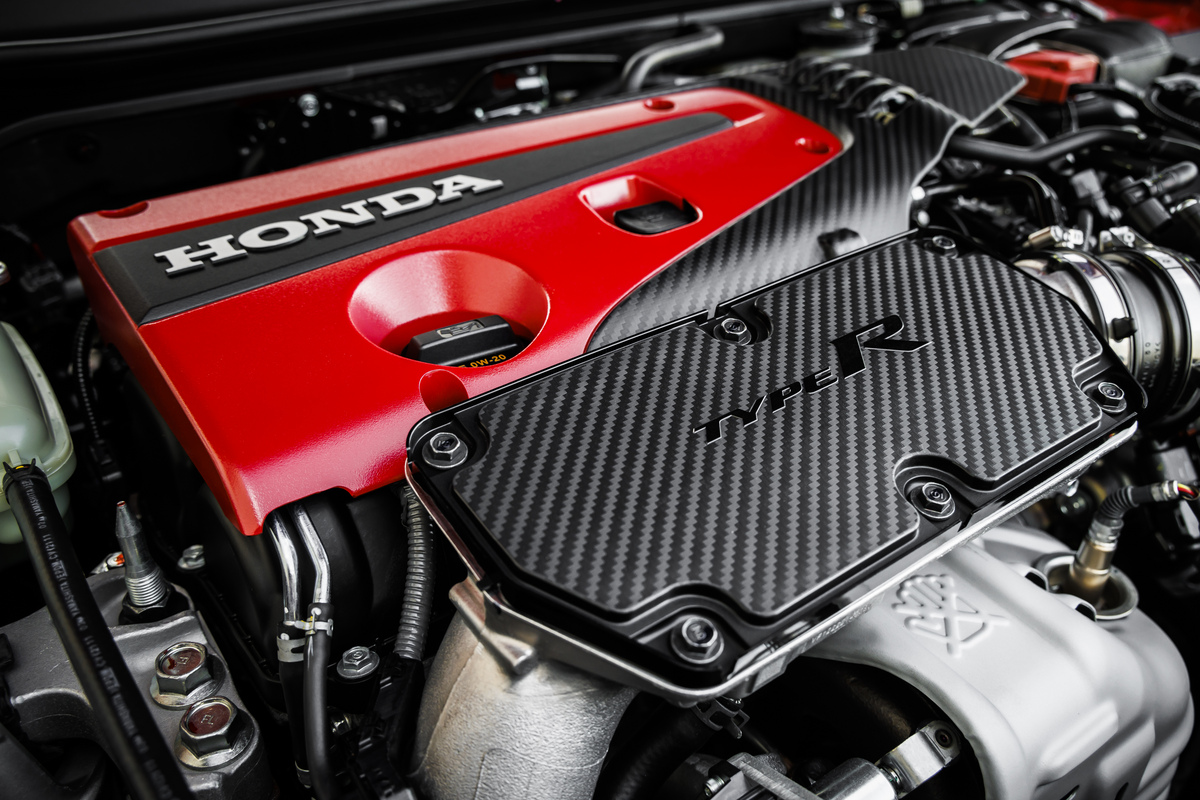
Raw performance finds balance in the 2022 Honda Civic Type R, equipped with the K20C1 turbocharged engine. Honda’s reputation for engineering consistency is evident here, with a powertrain designed to handle both daily driving and spirited use without compromise.
A reinforced engine block and forged internal components contribute to durability. These elements allow the engine to operate under high pressure without excessive wear. Rather than relying solely on high boost levels, the design focuses on structural strength and efficient airflow.
Cooling systems receive careful attention. A high-capacity radiator and optimized airflow channels help maintain stable temperatures during demanding conditions. This reduces the likelihood of overheating, which can shorten engine life in less refined designs.
Throttle response feels immediate and controlled. Instead of unpredictable bursts of power, the engine delivers consistent output across the rev range. This predictable behavior supports long-term reliability by minimizing stress on internal components.
Daily usability remains strong. Fuel efficiency stays reasonable, and routine servicing does not require specialized procedures. Owners benefit from a balance between performance and practicality, making the engine suitable for regular use.
Electronics also play a supporting role. Advanced engine control systems monitor variables such as boost pressure and air-fuel ratios, ensuring that the engine operates within safe limits. These adjustments happen seamlessly, protecting the engine without affecting the driving experience.
The K20C1 engine stands as a reliable example of modern turbocharged engineering. It combines strength, efficiency, and consistent performance, offering drivers confidence in both short trips and long-term ownership.
Also Read: 12 New Engines Known for Reaching 350,000 Miles With Routine Service
3. 2021 Ford F-150 2.7L EcoBoost V6
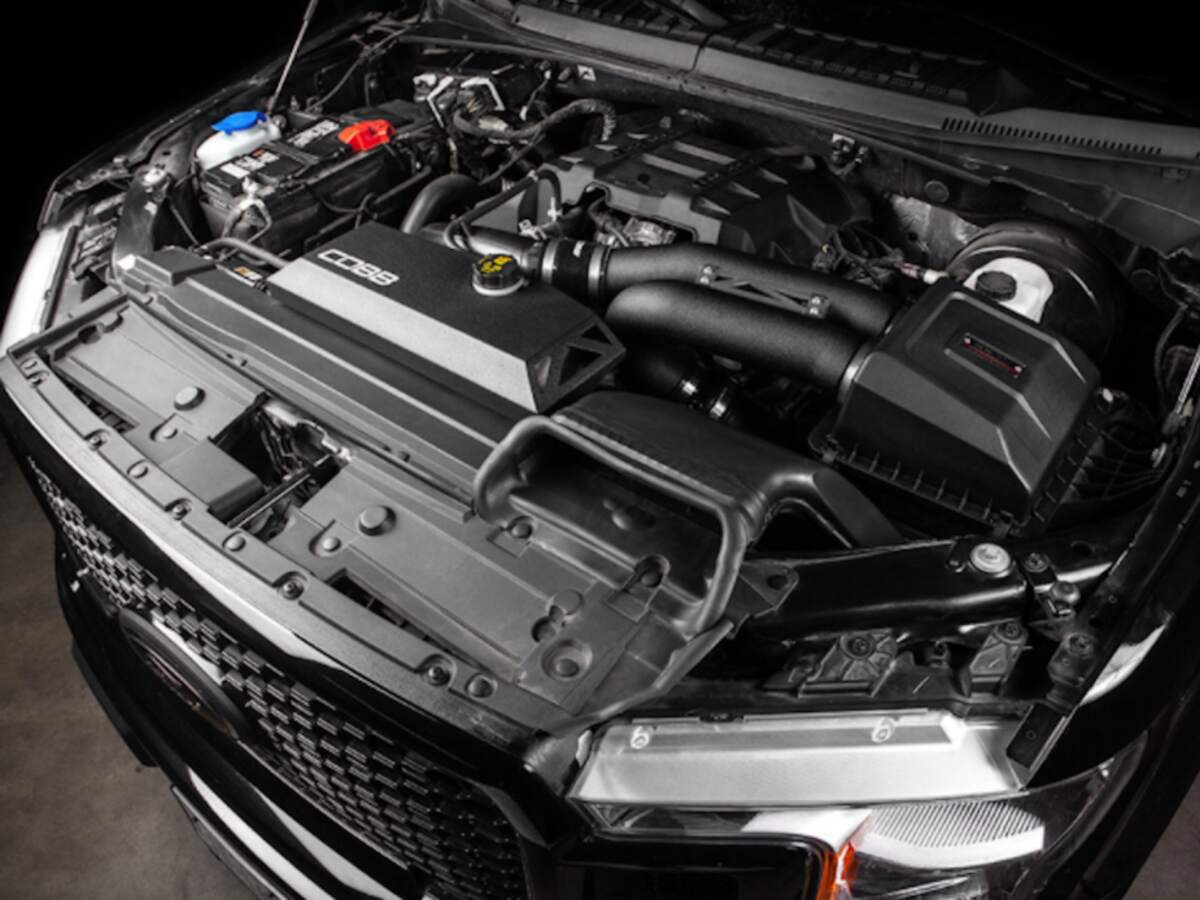
Strength and practicality define the 2.7L EcoBoost engine found in the 2021 Ford F-150. Designed for durability under demanding conditions, this turbocharged V6 has proven itself as a dependable choice for both work and everyday driving.
Construction begins with a compacted graphite iron block, a material known for its strength and resistance to wear. This foundation allows the engine to handle high levels of stress without compromising longevity. It is built to endure heavy loads and extended use.
Twin turbochargers provide efficient power delivery. Rather than overwhelming the engine, they work in harmony to produce smooth and consistent output. This approach reduces strain and contributes to long-term reliability.
Fuel injection systems are carefully calibrated. A combination of direct and port injection helps maintain clean combustion, reducing carbon buildup. This dual system supports engine health over extended periods.
Cooling remains a priority. Advanced thermal management systems regulate engine temperature effectively, preventing overheating during demanding tasks. Whether towing or commuting, the engine maintains stability.
Owners appreciate the balance between power and efficiency. The engine delivers strong performance while maintaining reasonable fuel consumption. This combination enhances its practicality for daily use.
Routine maintenance remains manageable. Service intervals are predictable, and parts availability is strong. With proper care, the engine continues to perform reliably across a wide range of conditions.
Ford’s 2.7L EcoBoost V6 demonstrates how turbocharging can be paired with durability. It offers consistent performance and long-term dependability, making it a trusted option in modern trucks.
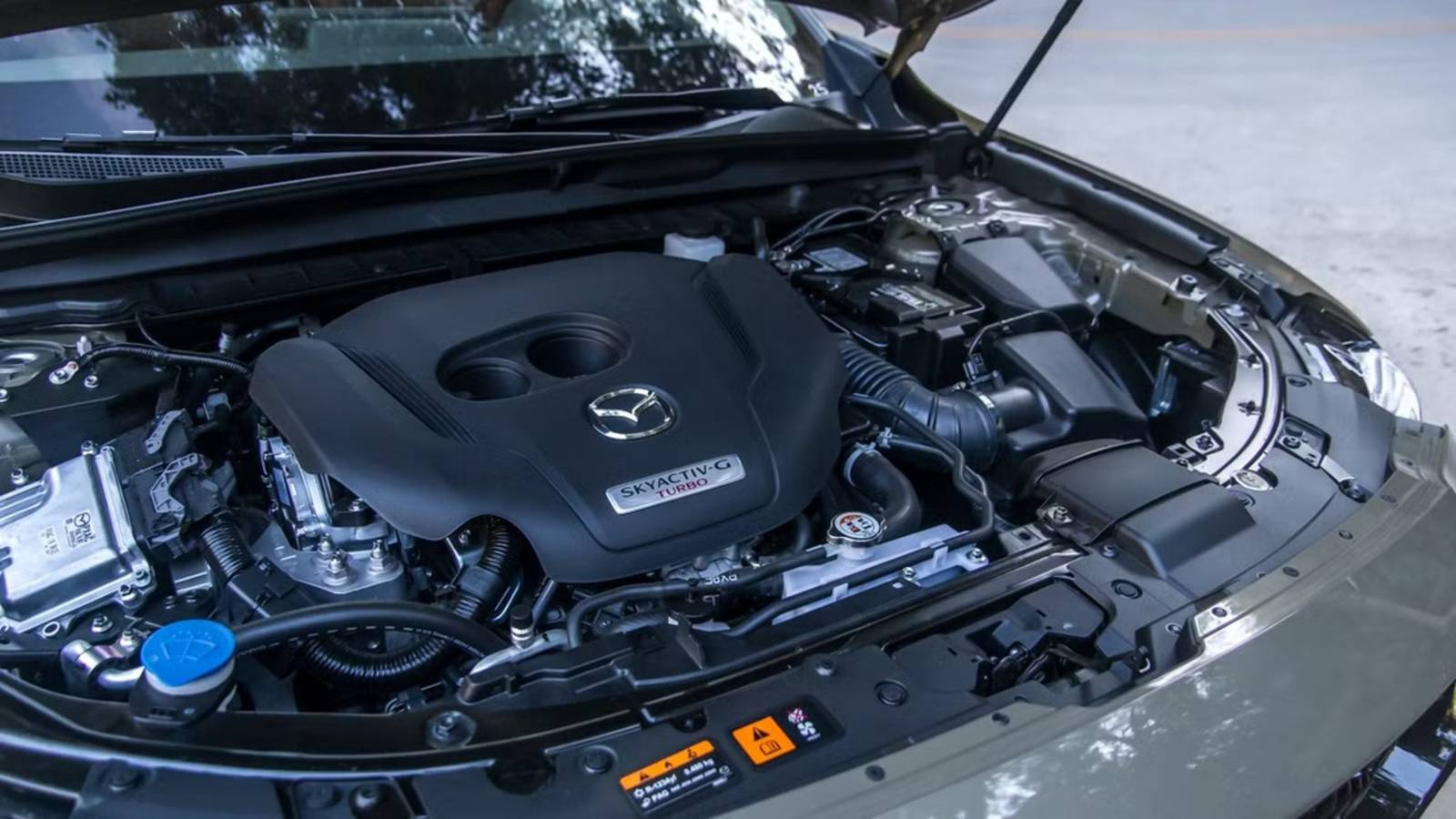
4. 2023 Mazda CX-5 2.5L Turbo (Skyactiv-G)
The 2023 Mazda CX-5 fitted with the 2.5-litre turbocharged Skyactiv-G engine presents a well-considered balance between performance delivery and mechanical durability. Mazda adopts a disciplined engineering approach, placing emphasis on efficiency, thermal stability, and long-term operational reliability rather than pursuing extreme power figures.
This philosophy is evident in the manner in which the engine delivers output in a controlled and consistent fashion. Central to this engine’s design is the dynamic pressure turbocharging system, which enables the engine to generate strong torque at low engine speeds without relying on excessive boost pressure.
By moderating the level of forced induction required to achieve performance targets, the system reduces internal stress and contributes to sustained engine life. This method of power delivery ensures that acceleration remains smooth and predictable, avoiding sudden surges that may compromise component integrity.
Attention is also directed toward the internal architecture of the engine. Reinforced pistons, carefully structured cylinder walls, and optimised combustion chambers all contribute to stable operation under varying load conditions. These design features ensure that the engine can maintain consistent output without experiencing premature wear, even when subjected to frequent use in demanding environments.
Thermal regulation is handled with precision through an advanced cooling system designed to maintain uniform operating temperatures. Whether during short urban trips or extended highway journeys, the engine remains within its optimal temperature range. This stability reduces the likelihood of overheating and supports the longevity of internal components.
From a driving perspective, the engine exhibits a composed and refined character. Power delivery is linear, with minimal lag, allowing the driver to maintain control with ease. This predictability enhances confidence and reduces mechanical strain, as the engine operates within a well-managed performance range.
Fuel efficiency remains commendable for a turbocharged engine of this capacity. The balance between power and consumption makes it suitable for everyday use without imposing excessive running costs. Maintenance requirements are straightforward, and adherence to recommended service intervals ensures continued reliability.
Mazda integrates advanced engine management systems that monitor operational parameters continuously. These systems adjust fuel delivery, ignition timing, and boost levels in real time, ensuring that the engine performs efficiently while protecting critical components.
The 2.5-litre turbocharged Skyactiv-G engine stands as a dependable option for individuals seeking a combination of refined performance and long-term reliability. It reflects a disciplined engineering approach grounded in practical design and consistent functionality.
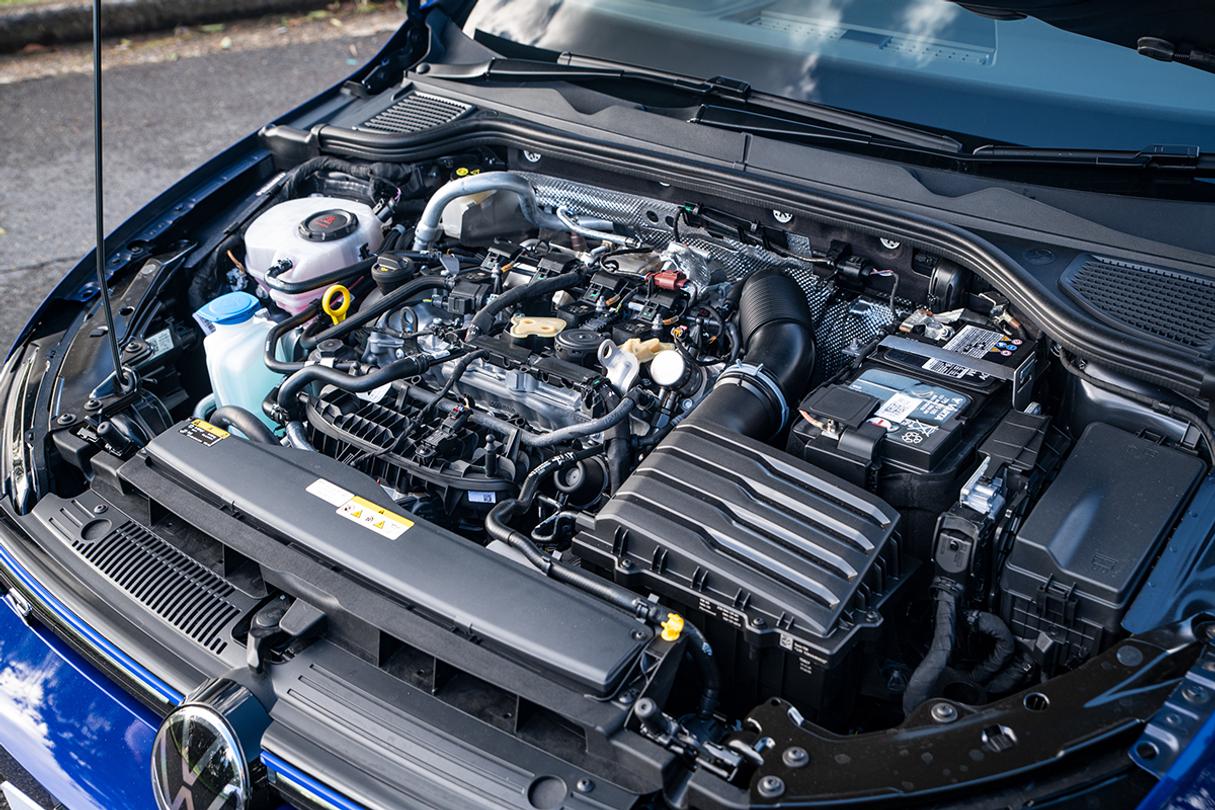
5. 2022 Volkswagen Golf R (EA888 2.0L Turbo)
The 2022 Volkswagen Golf R, equipped with the EA888 2.0-litre turbocharged engine, represents the outcome of sustained engineering refinement aimed at achieving both performance capability and mechanical dependability. Volkswagen has progressively improved this engine platform through multiple development cycles, addressing earlier concerns and strengthening its entire reliability.
A reinforced engine block forms the foundation of this powertrain, supported by upgraded internal components designed to withstand the pressures associated with turbocharged operation. These enhancements provide the structural integrity required for consistent performance, ensuring that the engine remains stable under both routine and demanding driving conditions.
Turbocharging is implemented with a measured approach, allowing the engine to produce strong and consistent power without imposing excessive strain on its internal systems.
The delivery of power across the rev range remains smooth and controlled, which contributes to reduced mechanical stress and supports long-term durability. This consistency allows the engine to maintain performance without abrupt fluctuations that could affect reliability.
Fuel injection and combustion processes have been refined to improve efficiency and reduce carbon accumulation. By ensuring cleaner combustion, the engine maintains internal cleanliness and reduces the likelihood of performance degradation after a long period of time. These improvements also support better fuel economy, enhancing the engine’s practicality for daily use.
Thermal management is addressed through an enhanced cooling system that regulates operating temperatures effectively. The system ensures that the engine remains within safe limits, even during extended periods of spirited driving. This level of temperature control plays a vital role in preserving component integrity and preventing heat-related wear.
From the driver’s perspective, the engine provides a responsive yet controlled experience. Acceleration is delivered steadily, allowing for precise input and consistent output. This balanced behaviour reduces unnecessary strain on mechanical components, supporting durability.
Maintenance remains manageable when the vehicle is serviced according to manufacturer guidelines. Regular upkeep ensures that the engine continues to perform as intended, maintaining both efficiency and reliability as time goes on.
The EA888 engine in the Golf R demonstrates how continuous development and attention to detail can result in a dependable turbocharged powertrain. It offers a combination of performance and durability that aligns with modern expectations for long-term ownership.
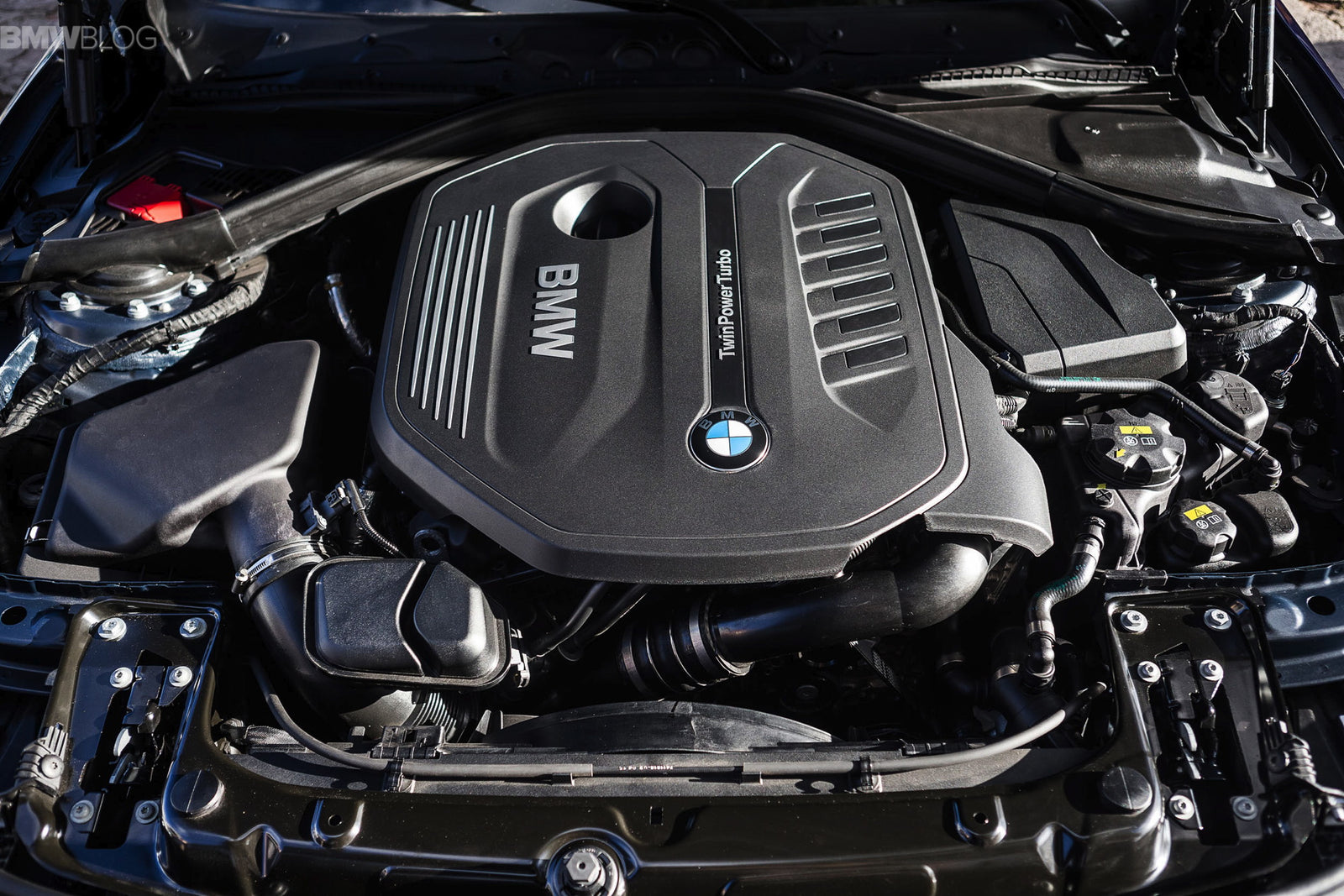
6. 2023 BMW M340i (B58TU 3.0L Turbocharged Inline-Six)
Confidence in engineering defines the updated B58TU engine found in the 2023 BMW M340i. This refined version builds on an already proven foundation, introducing improvements that enhance durability while preserving strong performance. BMW’s approach centers on reinforcing components and improving thermal efficiency, ensuring the engine performs consistently under daily use and spirited driving alike.
Internal upgrades include revised cooling pathways and strengthened materials that allow the engine to operate under sustained load without excessive wear. A closed-deck block design provides additional structural integrity, helping the engine withstand higher pressures generated by turbocharging. These elements contribute to long-term reliability by reducing stress during operation.
Heat management plays a major role in the engine’s dependability. An advanced cooling system, combined with precise oil circulation, ensures that temperatures remain stable across various driving conditions. This stability protects internal components and allows the engine to maintain consistent output without degradation.
Power delivery feels smooth and controlled, reflecting careful calibration. The turbocharger works efficiently to provide strong acceleration without sudden spikes in boost. This measured approach minimizes strain on moving parts, supporting durability over extended periods.
Daily driving remains effortless. The engine responds predictably, whether in stop-and-go traffic or on open highways. Fuel efficiency stays competitive for a performance-oriented engine, adding practicality to its appeal. Maintenance requirements remain straightforward when proper service intervals are followed.
Electronic systems monitor performance continuously, adjusting parameters to maintain efficiency and protect the engine. These systems operate seamlessly, ensuring that the engine adapts to changing conditions without requiring driver intervention.
BMW’s B58TU engine in the M340i represents a mature evolution of turbocharged design. It combines strong performance with consistent reliability, offering a driving experience that remains dependable across a wide range of conditions.
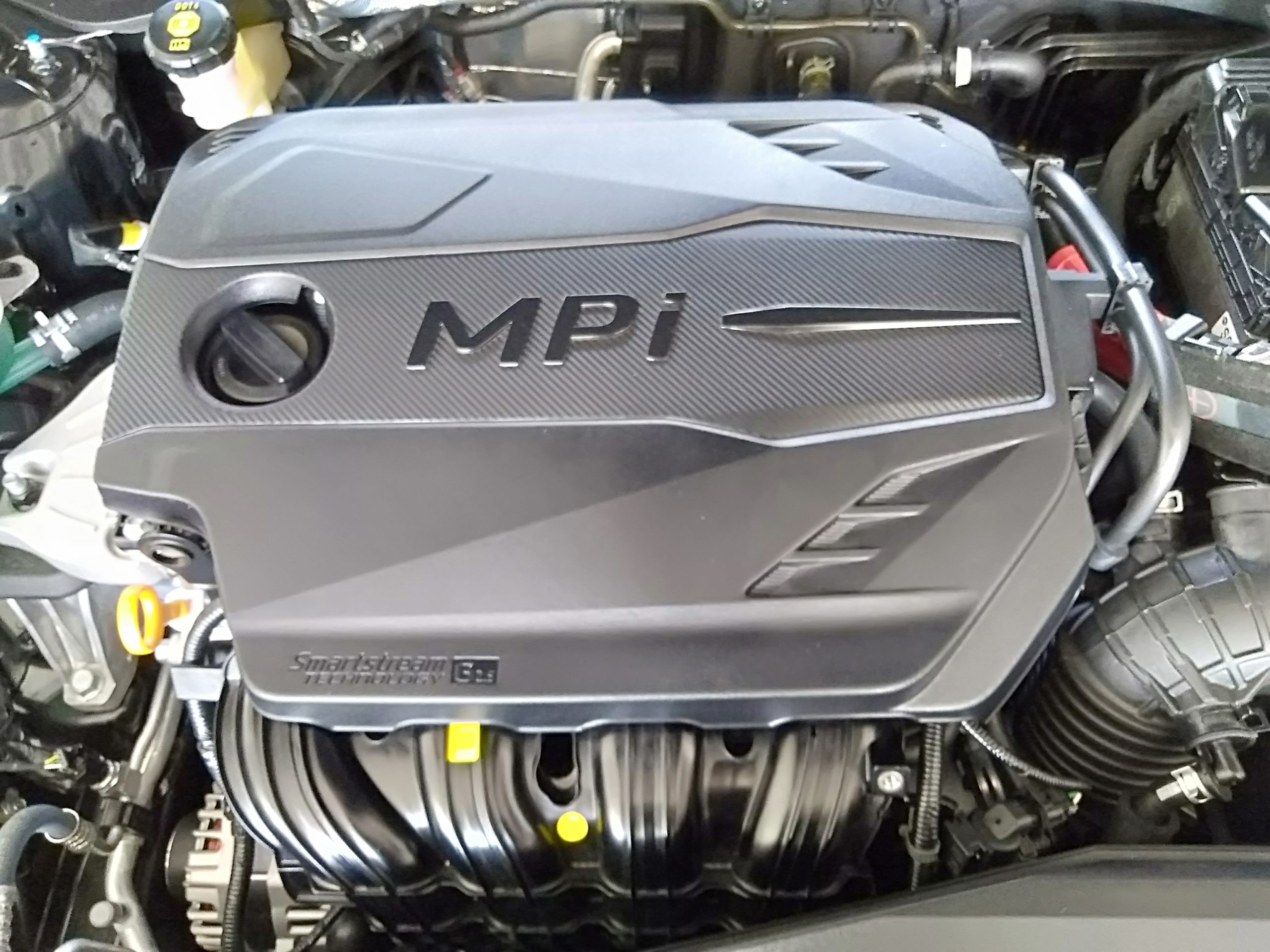
7. 2022 Hyundai Sonata N Line (2.5L Turbocharged Smartstream G2.5T)
A fresh perspective on turbocharged reliability appears in the 2022 Hyundai Sonata N Line, powered by the Smartstream G2.5T engine. Hyundai designed this engine with durability in mind, focusing on efficient combustion and reduced internal friction. The result is a powertrain that delivers strong output while maintaining consistent long-term performance.
Construction begins with a reinforced engine block and carefully engineered internals. These components are built to handle increased pressure without compromising structural integrity. The design emphasizes balance, ensuring that performance does not come at the expense of reliability.
Fuel delivery systems are optimized for efficiency. Direct injection technology ensures precise fuel distribution, reducing the likelihood of carbon buildup. This contributes to cleaner operation and supports engine health as time goes on.
Thermal management remains a priority. An advanced cooling system regulates temperature effectively, preventing overheating during demanding conditions. This control allows the engine to maintain stable performance without unnecessary strain.
Driving characteristics reflect thoughtful calibration. Acceleration feels responsive, yet controlled, avoiding abrupt changes that can stress internal components. This steady delivery supports durability while still providing an engaging experience.
Daily usability remains strong. Fuel economy is reasonable for the level of performance offered, and maintenance requirements are manageable. Owners benefit from a balance between power and practicality.
Electronic controls monitor engine performance in real time, adjusting settings to maintain efficiency and protect components. These systems ensure that the engine operates within safe limits, contributing to its long-term reliability.
The Smartstream G2.5T engine demonstrates Hyundai’s commitment to dependable turbocharged design. It offers a combination of performance, efficiency, and durability that appeals to a wide range of drivers.
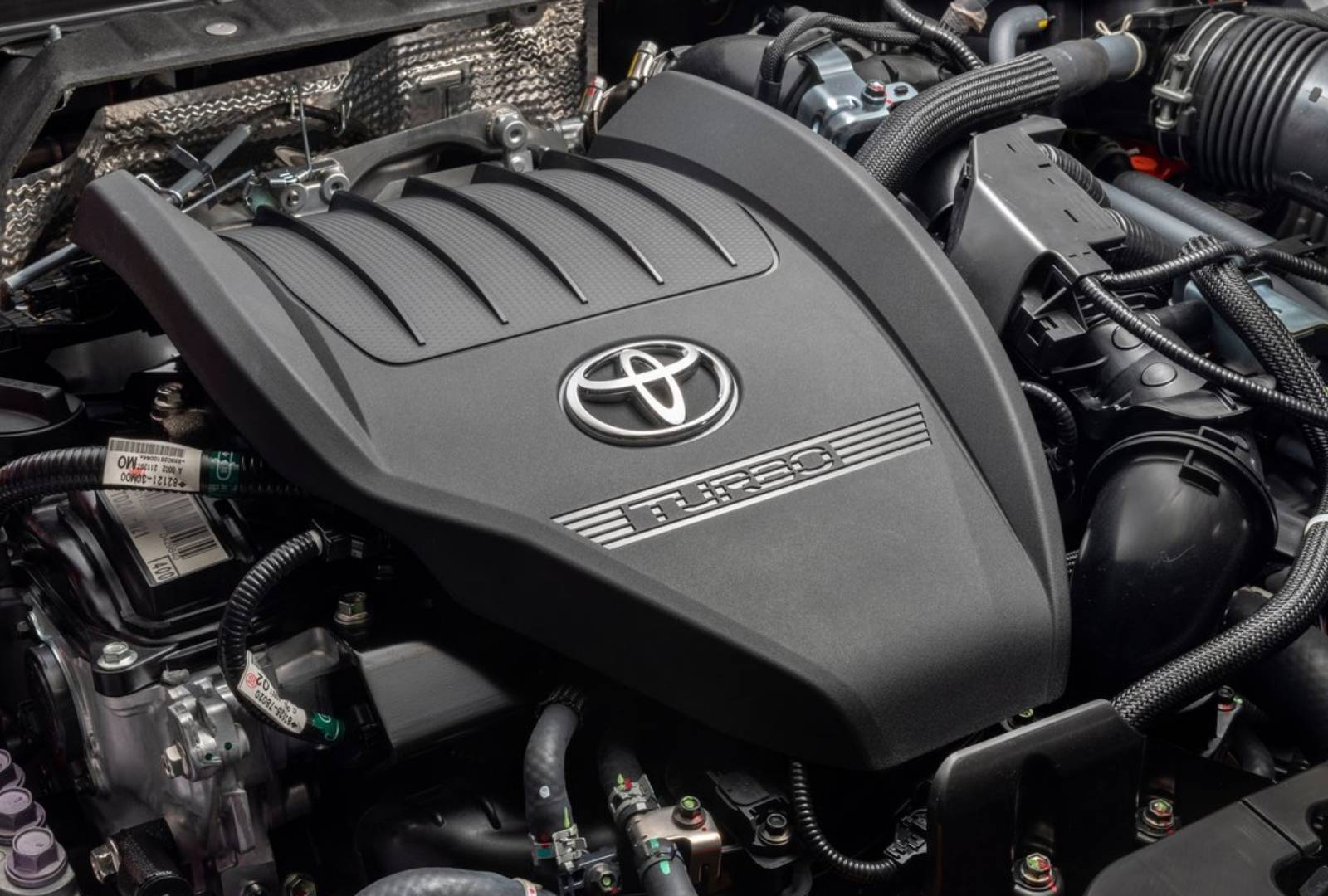
8. 2023 Toyota Highlander 2.4L Turbo (T24A-FTS)
The 2023 Toyota Highlander equipped with the 2.4-litre turbocharged T24A-FTS engine presents a carefully structured approach to modern engine development, where durability remains a primary objective.
Toyota introduced this power unit as part of a deliberate transition from larger naturally aspirated engines to smaller turbocharged configurations that deliver improved efficiency while maintaining long-term dependability. The engineering direction reflects a clear intention to preserve reliability standards while adapting to evolving performance and environmental expectations.
Construction of the engine begins with a high-strength block designed to withstand the pressures associated with turbocharging. Internal components are produced with strict tolerances, ensuring consistent operation under varying driving conditions.
Pistons, connecting rods, and crankshaft assemblies are engineered to function under sustained load without premature wear. This disciplined approach to material selection and structural design supports steady performance across extended usage periods.
Thermal regulation plays an important role in maintaining engine stability. The cooling system incorporates efficient airflow pathways and an advanced coolant circulation layout that allows heat to dissipate effectively.
By controlling operating temperatures within defined limits, the system reduces stress on internal parts and preserves engine integrity during both short urban journeys and extended highway travel. This controlled environment contributes directly to sustained reliability.
Power delivery is managed with a focus on consistency. The turbocharger operates in a manner that avoids abrupt increases in output, instead providing a gradual and predictable response throughout the rev range.
This measured delivery reduces strain on internal components and ensures that the engine operates within safe mechanical limits. Drivers benefit from a smooth driving experience that supports both comfort and durability.
Fuel efficiency represents another advantage of this engine design. Compared to previous larger engines, the 2.4-litre turbocharged unit achieves improved consumption rates while maintaining adequate performance levels.
Routine servicing remains straightforward, reflecting Toyota’s preference for practical ownership experience. Maintenance procedures are clearly defined, allowing owners to preserve engine condition with proper care.
Electronic management systems continuously monitor performance parameters. These systems adjust fuel delivery, ignition timing, and boost levels to maintain optimal operation. By responding to real-time conditions, the engine control unit ensures that performance remains stable while protecting internal components from excessive strain.
The T24A-FTS engine demonstrates a balanced integration of modern technology and proven engineering principles. It provides dependable performance suitable for long-term ownership, offering drivers confidence in both daily use and extended journeys.
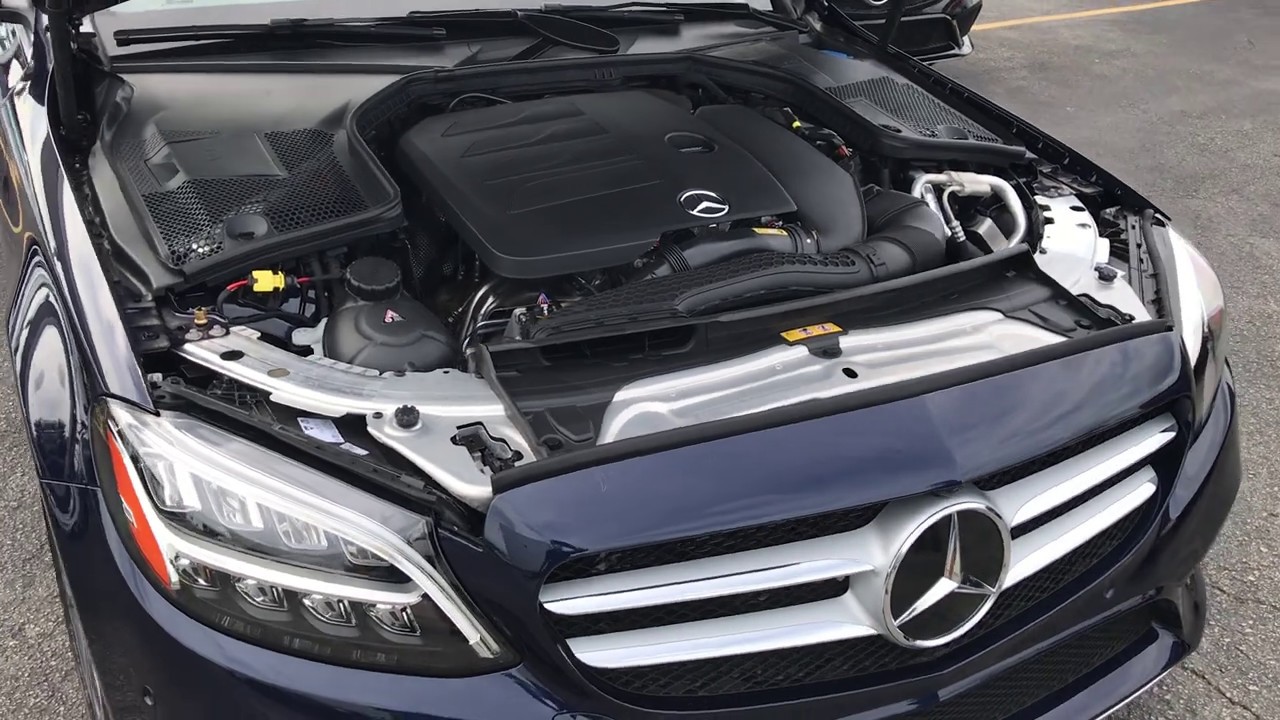
9. 2022 Mercedes-Benz C300 (M254 2.0L Turbocharged Inline-Four)
The 2022 Mercedes-Benz C300 is powered by the M254 2.0-litre turbocharged inline-four engine, a unit developed with careful attention to efficiency, refinement, and durability. This engine represents a modern interpretation of turbocharged performance, supported by advanced engineering solutions that ensure consistent operation under a wide range of driving conditions.
Its design reflects a commitment to maintaining reliability while incorporating new technologies. Structural integrity forms the foundation of this engine’s durability. The engine block and internal components are manufactured using high-quality materials that withstand the pressures generated by forced induction.
Precision engineering ensures that each component operates within defined tolerances, reducing the likelihood of mechanical wear. This disciplined manufacturing process supports stable performance across extended periods of use.
Integration of mild-hybrid technology introduces an additional layer of efficiency and operational support. The system assists the engine during acceleration by providing supplementary power, thereby reducing the load placed on the combustion process.
This assistance improves fuel efficiency while also contributing to reduced mechanical stress. The result is a more balanced operating environment that enhances engine longevity.
Temperature control remains a critical aspect of engine performance. The cooling system is designed to regulate heat effectively, maintaining consistent operating conditions even under demanding circumstances.
By preventing excessive thermal buildup, the system protects internal components and ensures reliable function during prolonged operation. This stability is essential for preserving engine performance as time goes on.
Power delivery is refined and controlled. The turbocharger provides steady acceleration, avoiding abrupt surges that could compromise mechanical stability. This consistent output supports both driver comfort and engine durability. The vehicle responds predictably to input, creating a smooth and composed driving experience suitable for daily use.
Acoustic performance and refinement contribute to the entire driving environment. The engine operates with minimal vibration and controlled noise levels, aligning with the vehicle’s emphasis on comfort. This quiet operation reflects careful engineering that balances performance with everyday usability.
Servicing requirements are aligned with the vehicle’s premium classification. While maintenance costs may be higher than average, adherence to recommended service intervals ensures continued reliability. Advanced diagnostic systems assist in identifying potential issues at an early stage, allowing timely intervention that preserves engine condition.
The M254 engine in the C300 demonstrates how modern engineering can deliver both efficiency and durability. It provides a dependable powertrain that supports long-term ownership while maintaining the refined driving experience expected from the brand.
Also Read: 10 Engines With Hardened Internal Components Designed for Heavy Towing
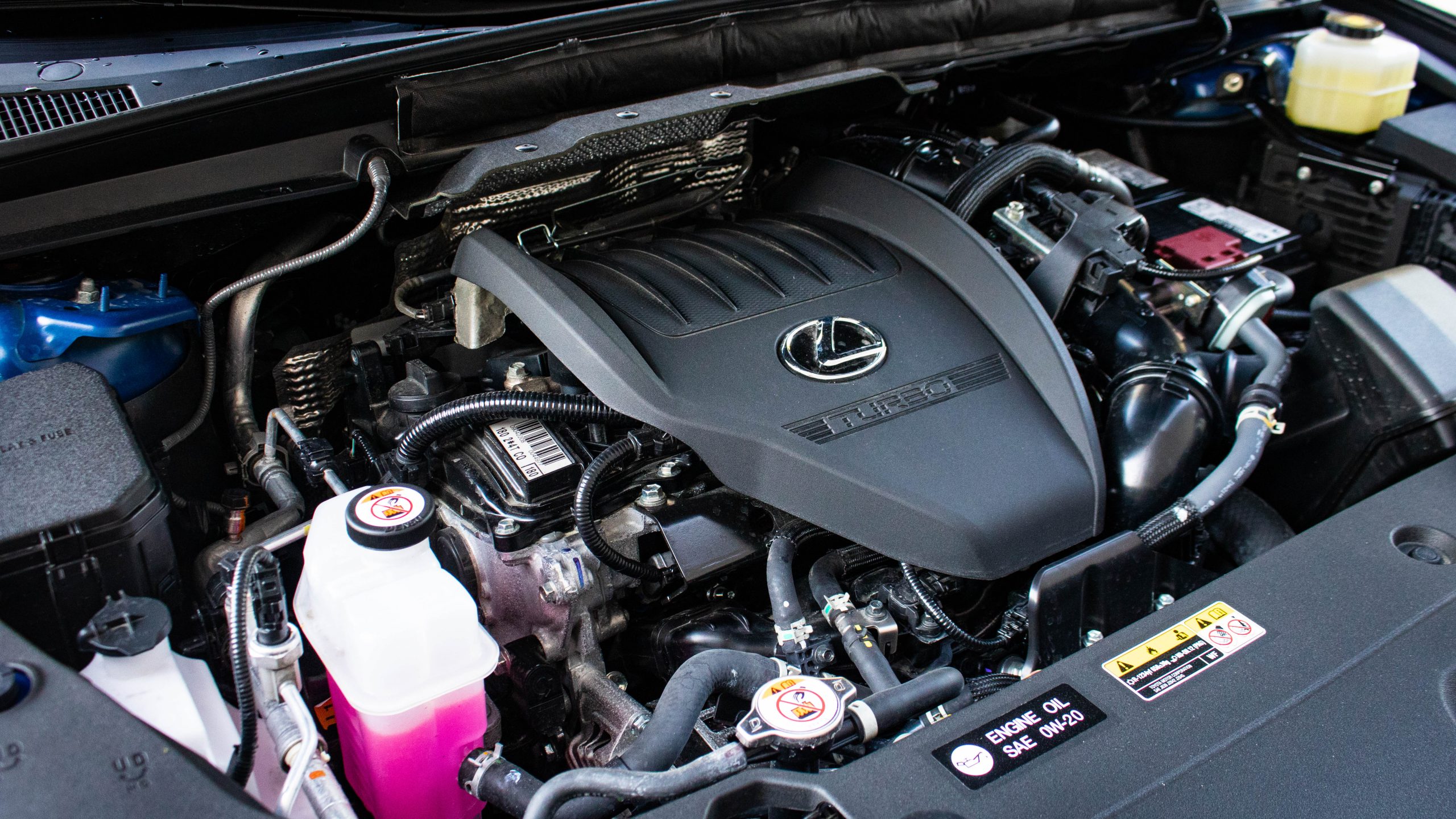
10. 2023 Lexus RX 350 (2.4L Turbocharged T24A-FTS)
A reputation for dependability continues with the 2023 Lexus RX 350, powered by a refined version of the T24A-FTS turbocharged engine. Lexus applies additional refinement to this platform, focusing on smooth operation and long-term durability.
Engine construction emphasizes strength and precision. High-quality materials and careful assembly ensure that the engine maintains performance without premature wear. The design supports consistent operation under varying conditions.
Turbocharging is implemented with restraint. Rather than pushing extreme boost levels, the system delivers steady and reliable power. This approach reduces stress on internal components and enhances longevity.
Cooling systems operate efficiently, maintaining stable temperatures during both city driving and highway travel. Proper thermal management plays a vital role in preserving engine health as time goes on.
Driving characteristics reflect refinement. Acceleration feels smooth, and the engine operates quietly, contributing to a comfortable driving experience. This balance supports both performance and daily usability. Fuel efficiency remains competitive, adding practical value for long-term ownership. Maintenance requirements are manageable, with reliability supported by Lexus’ attention to detail.
Electronic systems monitor engine performance continuously, ensuring that the powertrain operates within safe limits. These adjustments protect the engine and maintain consistent output. The RX 350’s turbocharged engine demonstrates how reliability and refinement can coexist. It provides a dependable driving experience that aligns with Lexus’ reputation for long-term durability.
