
Buying a first car is an exciting step for high school students, but it also requires careful decision-making. With a budget of $10,000, it can be challenging to find a vehicle that delivers reliability, safety, and affordability at the same time.
Fortunately, the used car market offers many solid options that meet these needs. From fuel-efficient compact cars to versatile hatchbacks and comfortable midsize sedans, there are vehicles that suit different driving styles and daily routines.
This guide to the 10 Best Used Cars Under 10,000 Dollars for High School Students focuses on models known for their durability, low maintenance costs, and practical features. Each car on this list has been selected based on important factors such as safety ratings, fuel economy, and long-term value, helping students and families make a smart and confident choice.
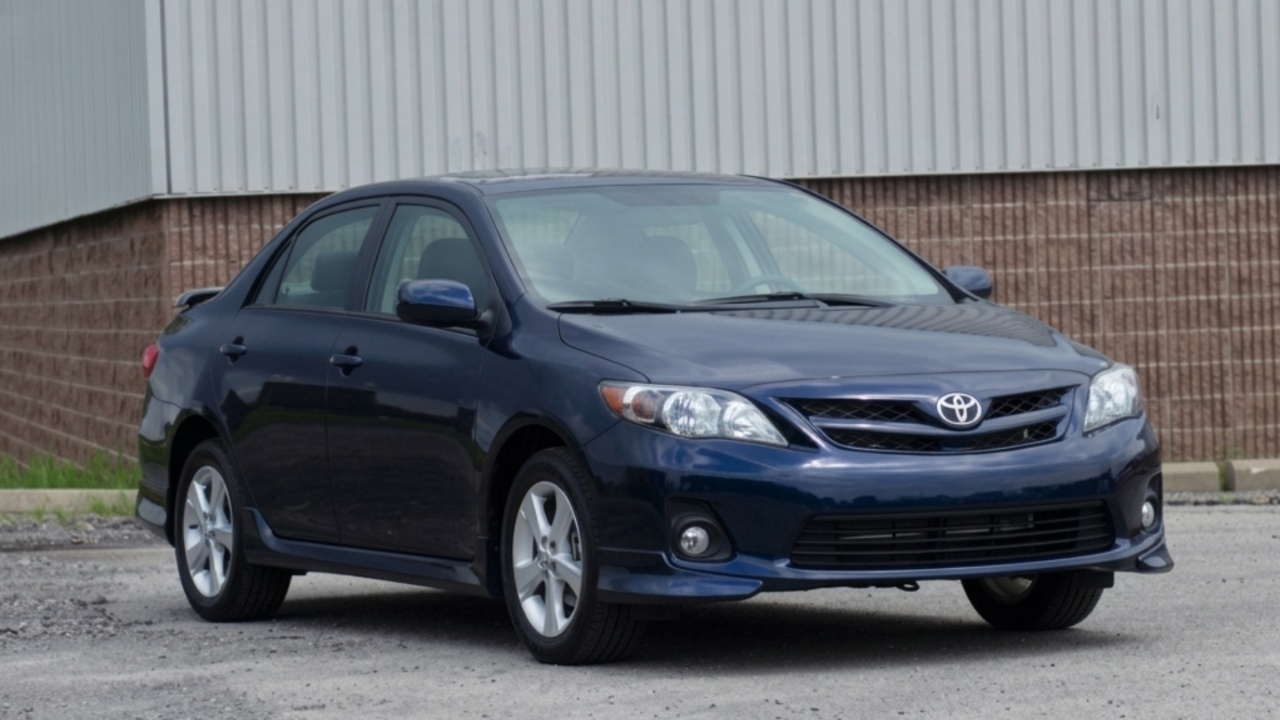
1. Toyota Corolla (2012–2016): Reliable, Efficient, and Student-Friendly
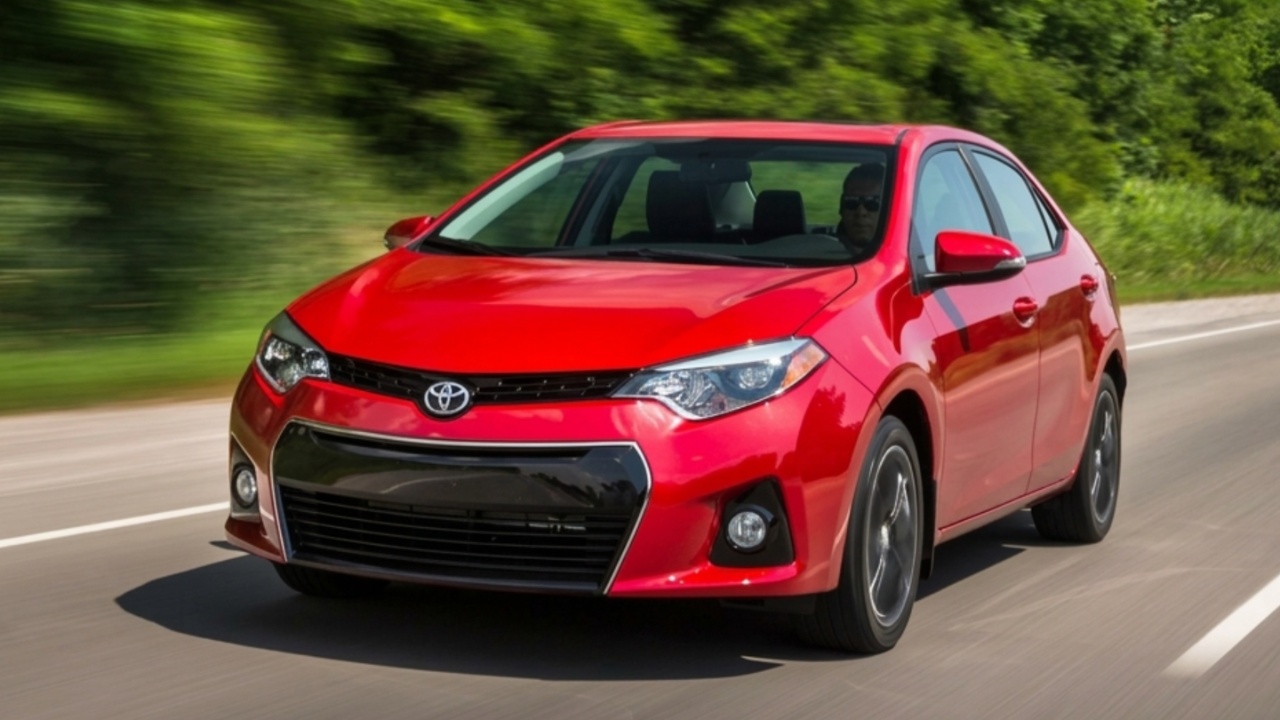
The Toyota Corolla (2012–2016) is widely recognized for its exceptional reliability, low maintenance costs, and practicality, making it an ideal choice for high school students or first-time car buyers.
These models provide a smooth, comfortable ride that suits daily commuting, while consistently achieving high fuel efficiency, often exceeding 35 MPG on the highway. Its modest insurance rates and strong resale value add to its appeal, offering financial peace of mind for families seeking a dependable, cost-conscious vehicle.
One of the Corolla’s strongest attributes is its long-term durability. With proper maintenance, these cars can easily surpass 200,000 miles, which minimizes the likelihood of expensive repairs.
Many models remain under $10,000 in the used market, and the combination of low repair costs and reliable performance ensures a low cost of ownership. The car’s straightforward design and functional interior make it particularly suitable for young drivers, providing an easy-to-use and practical vehicle without unnecessary complications.
Safety and comfort are also key highlights of the 2012–2016 Corolla. Many of these model years meet IIHS safety standards and have strong crash-test ratings, which is important for student drivers. The interior, while simple, offers adequate space for passengers, especially in the rear seats, and later models added modern conveniences such as Bluetooth and USB connectivity.
The 2014–2016 11th-generation models introduced more refined interiors, updated styling, and a CVT transmission, which enhances fuel efficiency and smoothness, while the sporty S trim provides firmer handling and alloy wheels for a slightly more dynamic driving experience.
Performance and design vary between generations. The 2012–2013 10th-generation models feature a 1.8L engine with a 4-speed automatic transmission, which is reliable but slower and less efficient than later CVT-equipped models. Engine noise can be noticeable under load, and interior materials may feel basic in earlier models.
However, the Corolla prioritizes comfort, reliability, and efficiency over high-performance driving, making it a practical, safe, and economical choice. For students or anyone seeking a dependable compact car, the 2012–2016 Corolla combines affordability, durability, and low operating costs in a package that continues to be highly respected.
2. Honda Civic (2012–2015): Sporty, Safe, and Student-Friendly
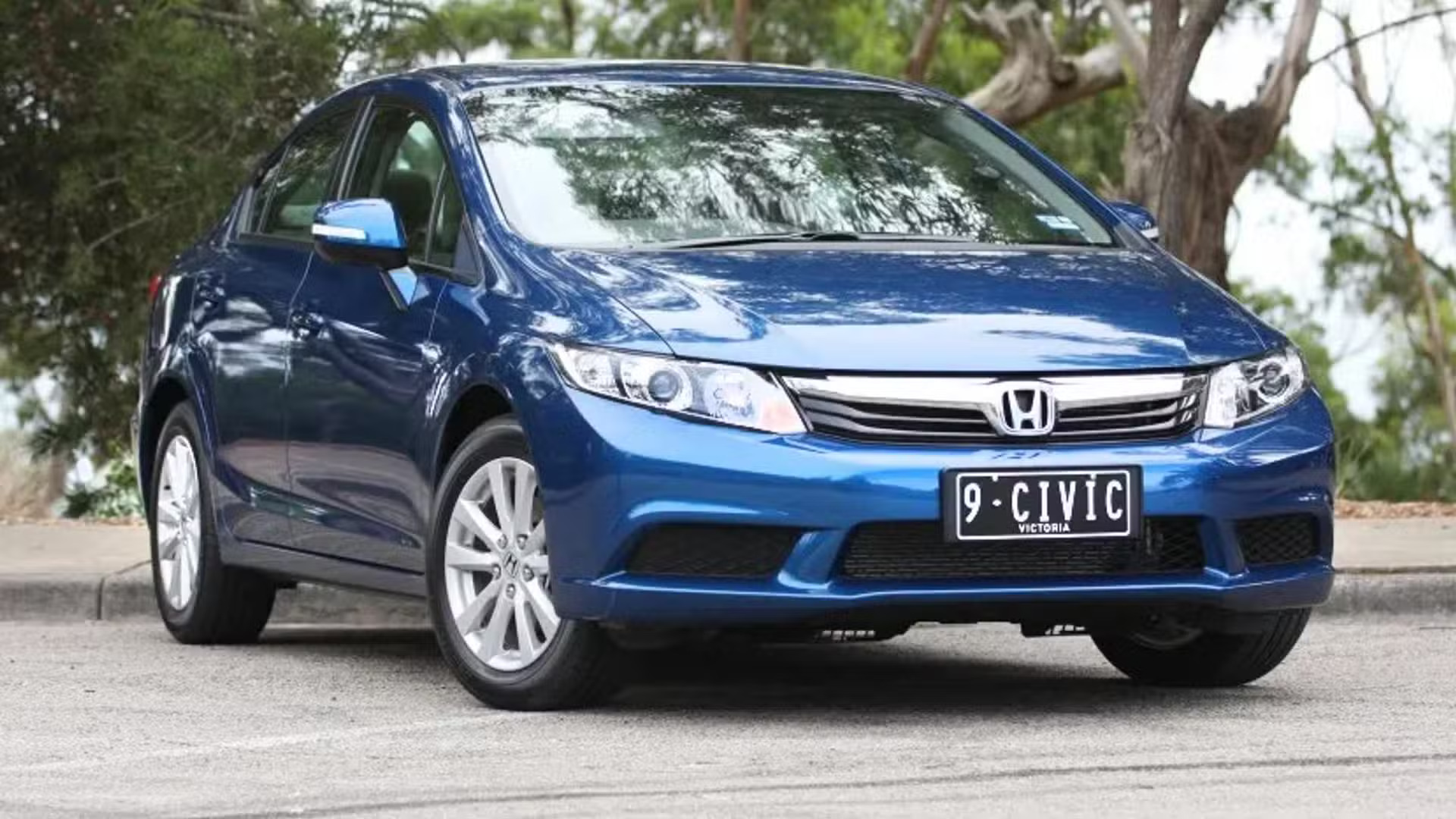
The Honda Civic (2012–2015) is a top competitor to the Toyota Corolla, offering a slightly sportier driving experience with sharper handling and a more modern design. Praised for its safety, this generation maintains strong occupant protection in crashes, often exceeding expectations for compact cars.
Fuel efficiency is impressive, with certain trims reaching up to 39 MPG on the highway, while the 1.8-liter engine balances economy with dependable performance. The interior is roomy for a compact car, with generous trunk space and comfortable seating for both drivers and passengers.
Its reputation for “no-fuss” reliability and solid build quality makes it an excellent choice for high school students seeking a practical and confidence-inspiring first vehicle.
Reliability and affordability are standout features of the 2012–2015 Civic. These vehicles often surpass 200,000 miles with routine maintenance, making them a durable, low-cost option for young drivers. Prices for used models commonly fall under $10,000, providing strong value compared to rivals.
Maintenance costs are reasonable, with typical service items such as oil changes and filters costing far less than major repairs. While early 2012 models may have slightly dated interiors and basic suspension, later models from 2013–2015 improved ride comfort, interior materials, and technology, including upgraded infotainment systems and rearview cameras for enhanced safety.
The Civic’s engine lineup offers versatility. The 1.8-liter SOHC i4 delivers reliable fuel economy and manageable power, while the 2.0-liter EL variant produces 153 hp and 190 Nm of torque, paired with a five-speed automatic or manual gearbox. Fuel efficiency remains strong, averaging roughly 37 MPG highway and slightly lower in city driving.
The 2.0-liter model prioritizes comfort over high-performance handling, with softer suspension and supportive seats, making it an excellent choice for long-distance commuting and high-speed cruising. Steering is lighter than earlier enthusiast-focused models, and while cornering is competent, the Civic emphasizes a smooth and predictable ride rather than sporty aggression.
In terms of design, the 2012–2015 Civic is practical yet durable. Exterior styling is conservative compared to earlier models, though trims like the Mugen kit add sportier touches. Inside, the dual-level instrument cluster is functional, and seats provide improved support and ergonomics.
The cabin is designed to last, though some plastics feel hard, and a trunk pass-through is absent. With strong resale value and a reputation for longevity, the 2012–2015 Honda Civic remains a well-rounded, efficient, and safe compact car, offering high school students and budget-conscious buyers a dependable and economical choice for years to come.
3. Mazda3 (2013–2016): Stylish, Safe, and Fun to Drive
The Mazda3 (2013–2016) is a compact car that combines safety, reliability, and an engaging driving experience, making it an excellent choice for high school students. Recognized as an IIHS Top Safety Pick, it performs well in crash tests and offers optional safety features on later models, including lane-departure warnings and automatic emergency braking.
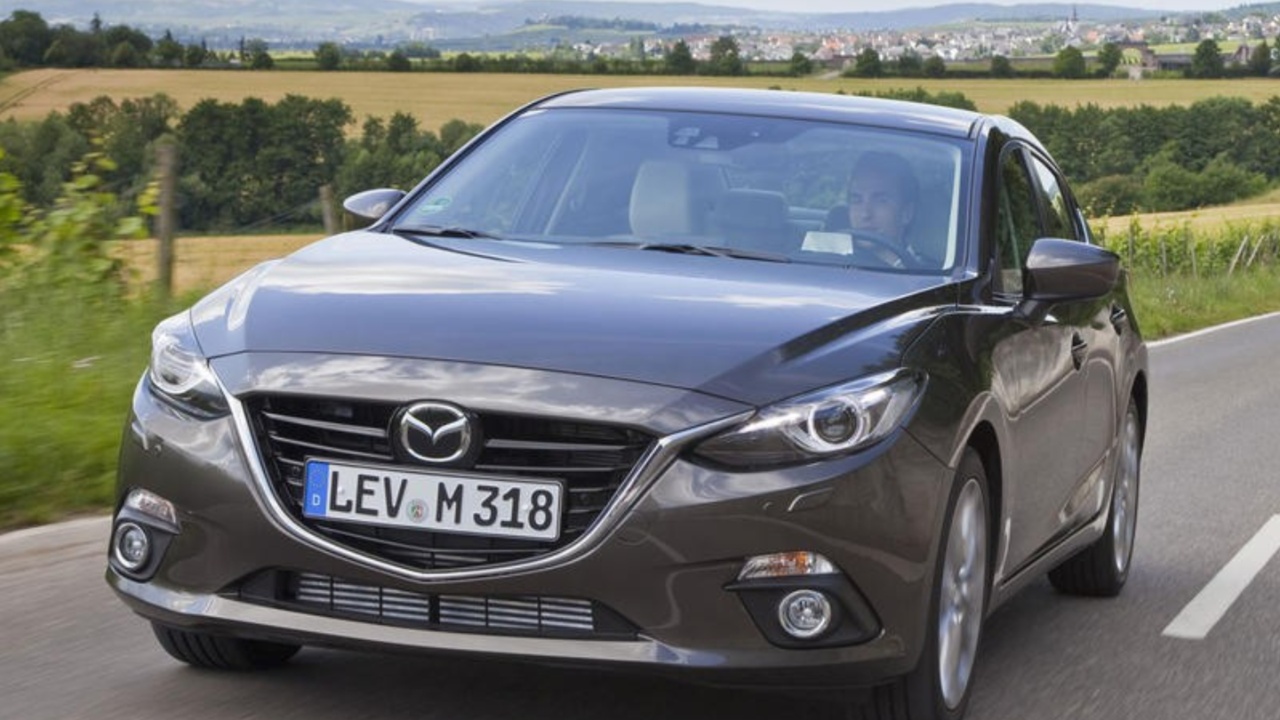
Powered by SkyActiv engines, the Mazda3 delivers a balance of efficiency and performance, achieving around 35 MPG on the highway while maintaining dependable operation. Its sleek exterior, especially in the “fastback” hatch variant, paired with a refined interior, gives it a more premium feel compared to other compact cars in the same price range.
Inside, the cabin is comfortable and well-designed, with supportive seats, ample legroom, and thoughtful ergonomics. Later models feature the MZD Connect infotainment system, which integrates Bluetooth, navigation, and smartphone apps for convenience. The trunk space is slightly shallower than some competitors’ due to the low roofline, but it is sufficient for daily use.
Materials are durable, though hard plastics appear in some areas, and the dual-level dashboard is functional but understated. For students, the combination of comfort, safety, and modern features makes the Mazda3 a compelling first car, with well-maintained used models often available for under $10,000.
The Mazda3 is particularly notable for its driving dynamics. Its independent suspension on all four wheels provides sharp handling, predictable body control, and confident steering. The 2.0-liter petrol engine produces up to 163 horsepower, offering lively acceleration, while the 2.2-liter diesel variant delivers excellent fuel economy, exceeding 60 MPG on long drives.
Gearshifts are precise, and the brake pedal offers solid feedback, allowing drivers to feel in control. Even in wet or slippery conditions, the car maintains composure and traction, making it a safe and enjoyable option for new drivers who appreciate a more engaging driving experience.
In terms of value and design, the Mazda3 successfully blends practicality, style, and performance. Its combination of fuel efficiency, safety features, and driver-focused handling makes it a standout choice among compact cars.
While the cabin design is conservative and the ride can be slightly fidgety on uneven roads, the Mazda3 offers a satisfying balance of comfort, technology, and driving enjoyment. Students and budget-conscious buyers seeking a dependable, stylish, and fun-to-drive compact car will find the 2013–2016 Mazda3 a highly recommended option.
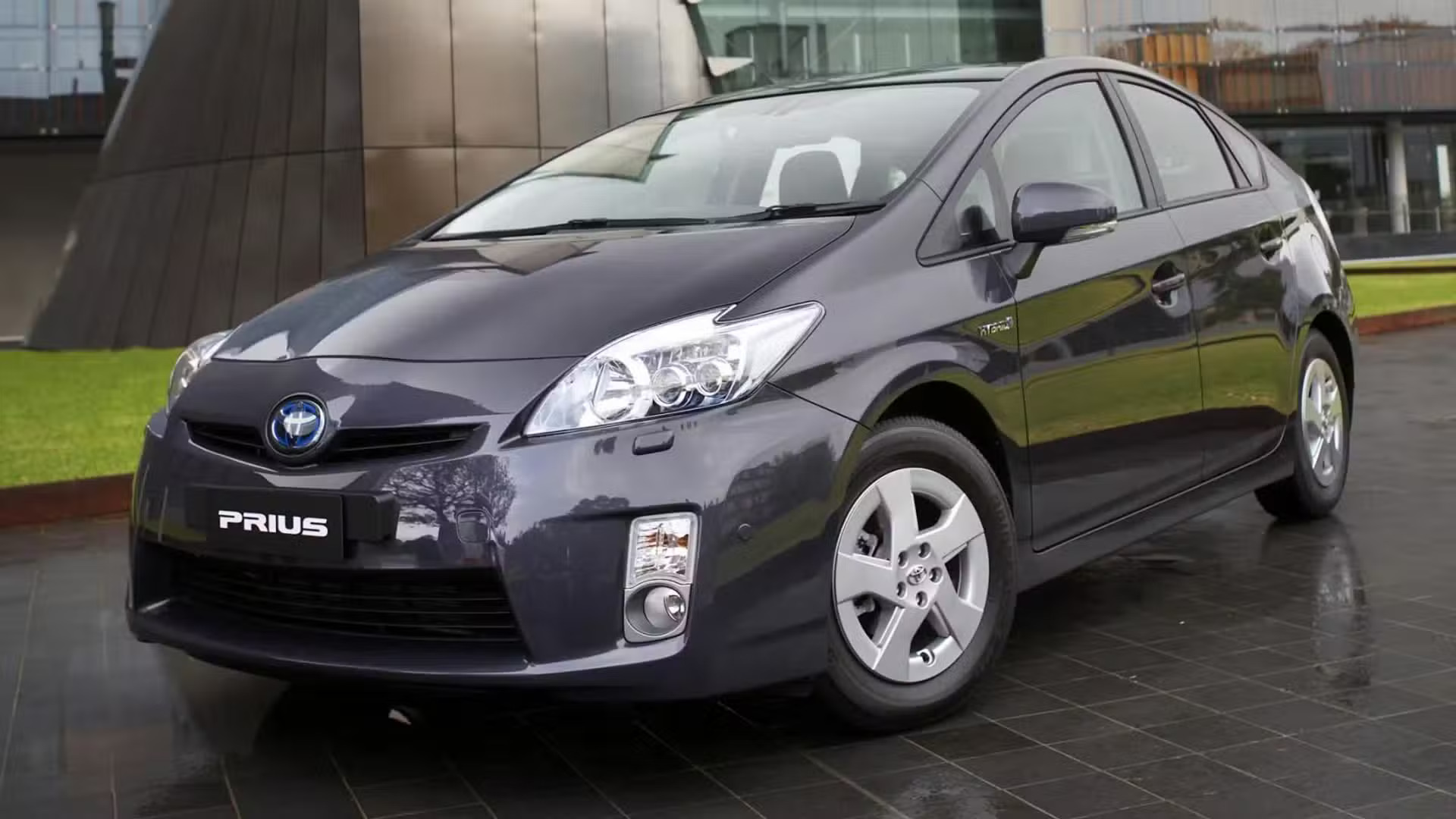
4. Toyota Prius (2010–2013): Fuel-Efficient and Reliable for Students
The Toyota Prius (2010–2013) is a standout choice for high school students seeking a dependable and economical first car. Known for its extraordinary fuel efficiency, this generation averages 48–52 MPG, making it one of the most cost-effective vehicles in terms of gasoline consumption.
Its hybrid powertrain, the Toyota Synergy Drive system, has a strong reputation for durability, and many examples remain reliable well past 150,000 miles. While it prioritizes efficiency over performance, this makes the Prius safer and more forgiving for inexperienced drivers, allowing them to focus on learning the basics without worrying about speed or power.
The Prius is also practical for student life. Its hatchback design provides generous cargo space, making it easy to transport school projects, sports equipment, or shopping. The interior offers more rear legroom than many compact cars, accommodating passengers comfortably on longer trips.
Safety ratings for this generation are solid, with many models featuring advanced safety technologies for their era, including stability control, anti-lock brakes, and multiple airbags. Combined with low maintenance costs, these features make the Prius a sensible and budget-friendly choice, especially for those looking to stay under $10,000 when purchasing a used model.
Potential considerations include the high-voltage hybrid battery, which may require replacement on high-mileage units, and the CVT transmission, which can produce a noticeable droning noise under hard acceleration. Some early models (2010–2011) may consume oil, and LED headlamps or brake components could require attention, but careful inspection and a verified service history can mitigate these concerns.
The 1.8L hybrid engine produces 134 total horsepower, sufficient for city driving and highway commutes, though acceleration is modest. Road noise can be present at higher speeds, and the split rear window slightly reduces visibility, but these minor trade-offs are offset by the car’s efficiency and low running costs.
For students prioritizing fuel economy, practicality, and long-term reliability, the 2010–2013 Toyota Prius represents a smart financial choice. Its combination of low operating costs, strong safety ratings, and versatile cargo space makes it ideal for daily commuting and student activities.
While it may not provide a thrilling driving experience, it excels as a dependable, cost-effective vehicle that helps young drivers save money while gaining confidence on the road.
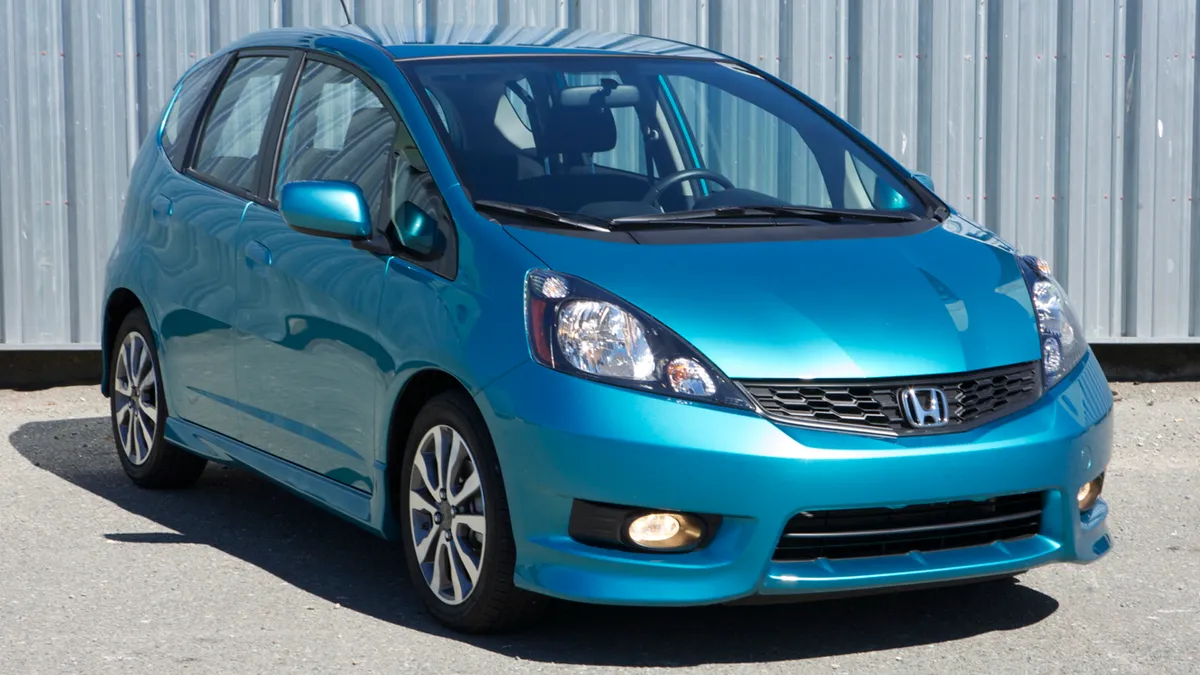
5. Honda Fit (2012–2015): Compact, Versatile, and Practical for Students
The Honda Fit (2012–2015) is a highly practical and efficient subcompact car, making it an excellent choice for high school students and first-time drivers. Despite its small exterior size, the Fit is known for maximizing interior space, thanks to its innovative “Magic Seat” system, which allows multiple seating and cargo configurations.
This design enables the rear seats to fold flat or flip upward, creating over 52 cubic feet of cargo space, rivaling some larger vehicles. Combined with its compact dimensions, the Fit is easy to park and maneuver, especially in crowded school lots or tight city streets.
Reliability is one of the Fit’s strongest attributes. Powered by a 1.5-liter engine, it follows Honda’s reputation for durability and long-lasting performance, often reaching high mileage with proper maintenance. Its simple mechanical design keeps maintenance and repair costs low, making it a budget-friendly option for students.
Fuel efficiency is another highlight, with highway ratings exceeding 35 MPG, helping reduce daily expenses. These qualities make the Fit an economical car to own, particularly for young drivers managing fuel and insurance costs.
The Fit also offers a comfortable and functional driving experience. It provides smooth acceleration, responsive steering, and nimble handling, giving drivers confidence on both city streets and highways. While not designed for high performance, its lightweight build and agile nature make it enjoyable to drive.
The interior is simple but durable, with user-friendly controls and good visibility. The 2015 model, which introduced the third generation, brought updates such as improved fuel efficiency, a more modern interior, and the addition of a CVT transmission, while earlier 2012–2013 models used a traditional 5-speed automatic or manual gearbox.
There are a few considerations to keep in mind. Earlier models may lack some modern features, such as advanced infotainment controls, and minor issues like worn engine mounts or brake wear can occur with age. Regular maintenance, including timely oil changes, is essential to ensure long-term reliability.
Even with these minor drawbacks, the Honda Fit remains a standout option for students seeking a dependable, versatile, and efficient vehicle. Its unique blend of practicality, affordability, and durability makes it one of the best value choices in the used car market for young drivers.
Also read: 10 Cars Featuring the Most Aggressive Stock Factory Engine Exhaust Notes
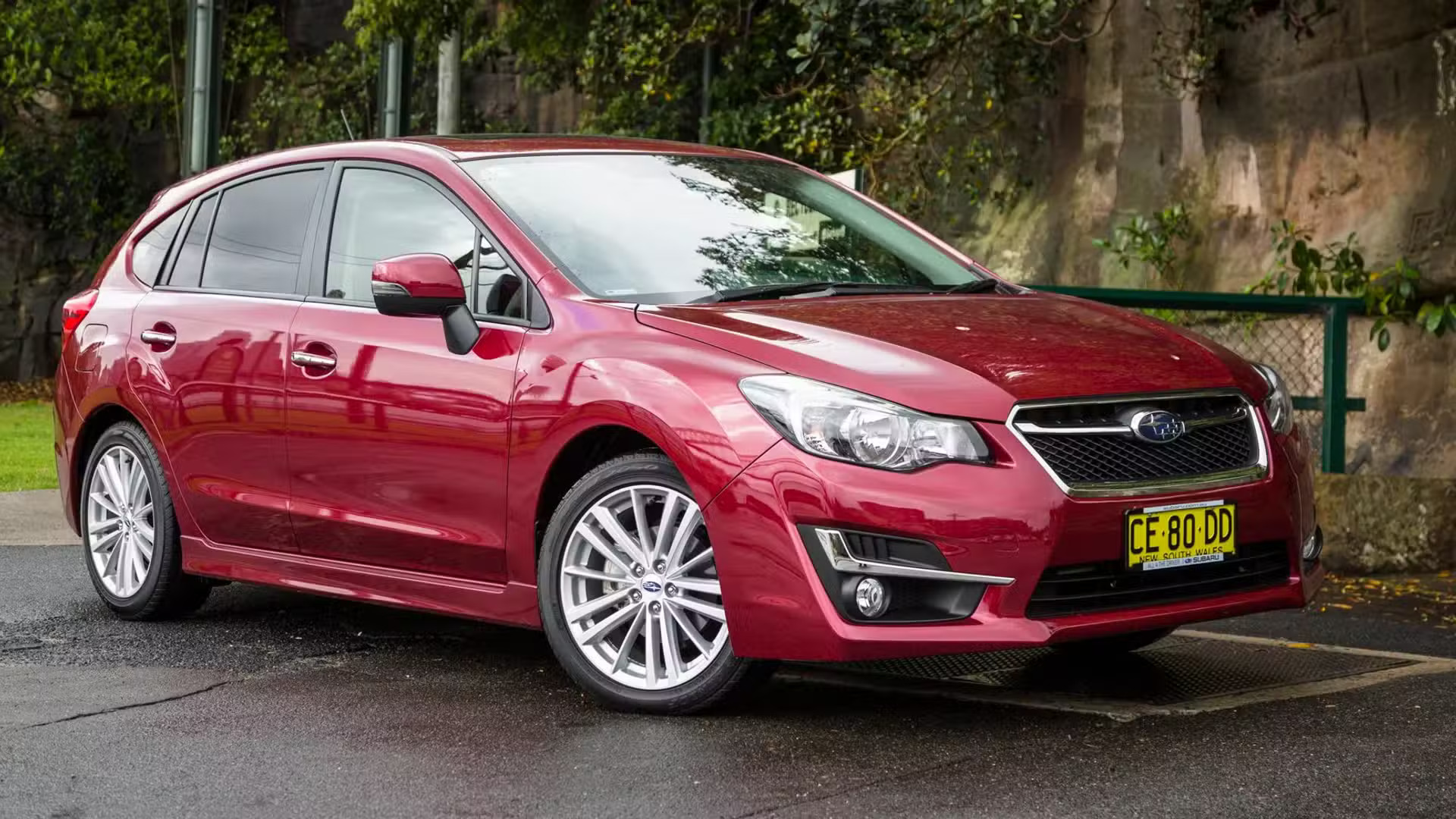
6. Subaru Impreza (2012–2016): Safe, All-Weather Confidence for Students
The Subaru Impreza (2012–2016) stands out in the compact car segment for its standard all-wheel drive (AWD), a feature rarely found in its class. This makes it an excellent choice for students living in areas with harsh weather conditions, as it provides superior traction and stability on wet or slippery roads.
The AWD system enhances driver confidence, especially for beginners, by improving control during rain or snow. Combined with solid safety ratings, multiple airbags, and stability control systems, the Impreza is widely regarded as a safe and dependable first car for young drivers.
Powered by a 2.0-liter 4-cylinder engine, the Impreza delivers a balance of efficiency and everyday usability. Fuel economy improved significantly in this generation, reaching up to 35 MPG on the highway, which helps offset the typically higher fuel consumption associated with AWD vehicles.
While the engine produces around 148 horsepower, performance is modest and prioritizes smooth, predictable driving over speed. Transmission options include a manual gearbox or a CVT, with the latter offering better fuel efficiency but sometimes feeling less responsive. The Impreza’s steady and composed driving character makes it well-suited for commuting and daily use.
Inside, the Impreza offers a practical and spacious cabin, especially in the popular hatchback version. It provides enough room for passengers and cargo, making it suitable for school activities, trips, or everyday errands. Interior materials are simple but durable, with improved quality compared to earlier models.
Features such as Bluetooth connectivity, optional backup cameras, and user-friendly controls add convenience for students. The straightforward design focuses on functionality rather than luxury, which aligns well with the needs of budget-conscious buyers.
There are a few considerations to keep in mind when buying a used Impreza. Some models, particularly those from earlier years, may experience oil consumption issues or require careful maintenance to prevent engine wear. The CVT transmission may feel unfamiliar to some drivers and should be tested before purchase. Suspension components and electrical systems should also be inspected.
With proper maintenance and a verified service history, the Impreza remains a durable and long-lasting vehicle. Its combination of safety, practicality, and all-weather capability makes it a strong choice for students seeking reliability and confidence on the road.
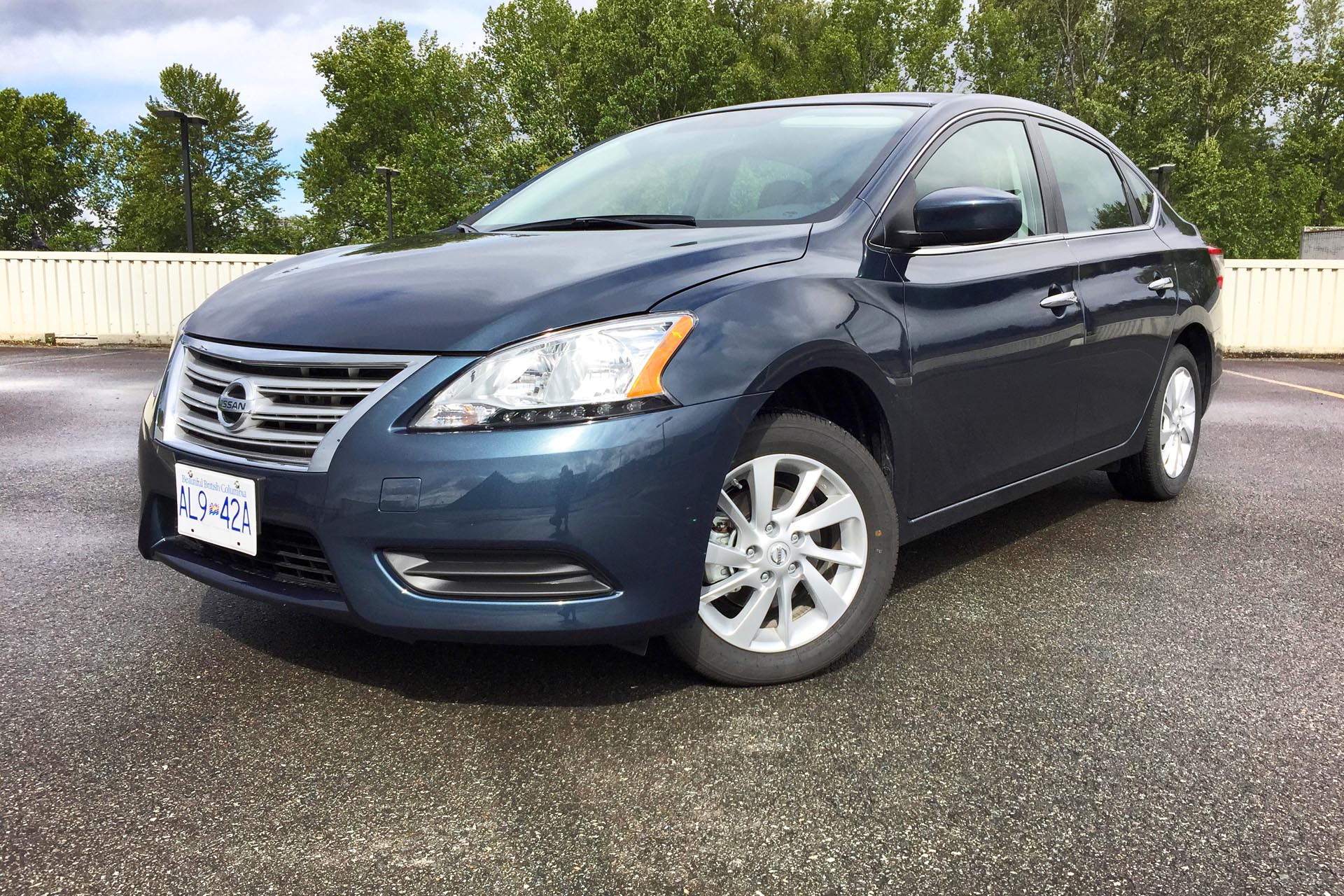
7. Nissan Sentra (2015–2018): Affordable, Spacious, and Feature-Packed
The Nissan Sentra (2015–2018) is a practical and budget-friendly compact sedan, making it a strong option for high school students seeking a newer vehicle at a lower price. Due to faster depreciation compared to competitors like Honda and Toyota, buyers can often find newer model years with more modern features for under $10,000.
The Sentra is known for its comfortable ride and smooth driving experience, making it well-suited for daily commuting, school trips, and city driving. Its compact size also makes it easy to park and maneuver, which is ideal for inexperienced drivers.
One of the Sentra’s biggest advantages is its spacious interior. It offers generous rear-seat legroom and a large trunk, giving it a more “midsize car” feel despite being a compact sedan. This makes it practical for carrying passengers, school supplies, or sports equipment.
Interior quality improved with the 2015 refresh, and many models come equipped with user-friendly technology such as Bluetooth connectivity, infotainment systems, and, in higher trims, premium features like upgraded audio systems. The SV trim is often recommended for its balance of features and affordability.
Fuel efficiency is another key strength. Powered by a 1.8-liter 4-cylinder engine, the Sentra delivers competitive gas mileage, helping students save on fuel costs. However, performance is modest, with acceleration and handling prioritizing comfort rather than sportiness.
The continuously variable transmission (CVT) enhances fuel economy but can feel sluggish and produce noticeable noise during acceleration. Despite this, the Sentra remains a dependable daily driver for those focused on practicality rather than driving excitement.
There are some important considerations when buying a used Sentra. Earlier models, particularly from 2015–2016, may experience CVT-related issues such as shuddering or slipping, making a pre-purchase inspection essential. Later models, especially 2017–2018, show improved reliability and are generally the better choice.
Safety features also improved over time, with newer models offering technologies like automatic emergency braking, enhancing driver confidence. With its combination of affordability, interior space, modern features, and efficiency, the 2015–2018 Nissan Sentra is a compelling option for students who want a newer, comfortable, and practical first car without exceeding a tight budget.
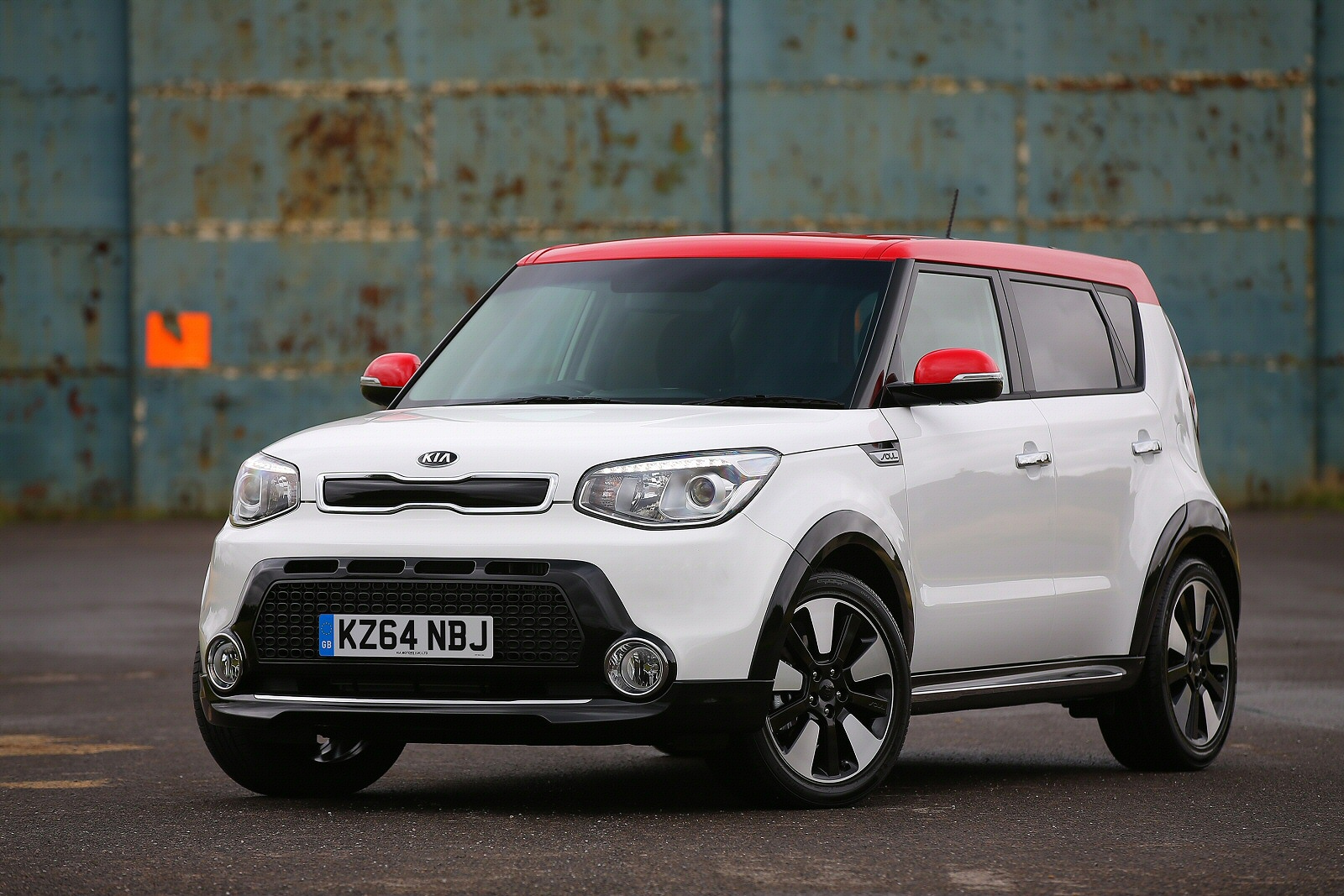
8. Kia Soul (2014–2016): Stylish, Spacious, and Student-Friendly
The Kia Soul (2014–2016) stands out in the compact car segment with its distinctive boxy design, offering a unique blend of style and practicality that appeals to many high school students. Its upright shape provides a high seating position and excellent outward visibility, helping new drivers feel more confident on the road.
This design also maximizes interior space, delivering impressive headroom and cargo capacity compared to traditional compact sedans. As a result, the Soul is ideal for carrying school supplies, sports equipment, or groups of friends while maintaining easy maneuverability in urban environments.
One of the Soul’s biggest strengths is its value for money. Many models are available at affordable prices while still offering modern features such as Bluetooth connectivity, infotainment systems, and rearview cameras. The interior is comfortable and user-friendly, with improved materials and a quieter ride compared to earlier generations.
The 2014 redesign introduced a stiffer chassis and refined suspension, enhancing both ride quality and handling. Safety is also a strong point, with solid ratings and features like multiple airbags and stability control, making it a dependable choice for young drivers and reassuring for parents.
In terms of performance, the Soul offers two engine options: a 1.6-liter and a more powerful 2.0-liter engine. While the smaller engine may feel underpowered, the 2.0-liter option provides better acceleration for highway driving.
The ride can feel slightly firm on rough roads, especially in models with larger wheels, but it remains comfortable for daily commuting. Fuel efficiency is competitive for its class, though not as high as some smaller sedans.
There are a few important considerations when buying a used Kia Soul. Some models, particularly those with the 2.0-liter GDI engine, have reported issues with oil consumption, which can lead to costly repairs if not properly monitored. Regular maintenance and checking service history are essential.
Additionally, buyers should watch for possible transmission concerns and ensure any recalls have been addressed. Despite these drawbacks, the Kia Soul remains a highly practical, stylish, and affordable option, offering a strong balance of space, features, and everyday usability for students.
9. Hyundai Elantra (2013–2017): Stylish, Efficient, and Feature-Rich
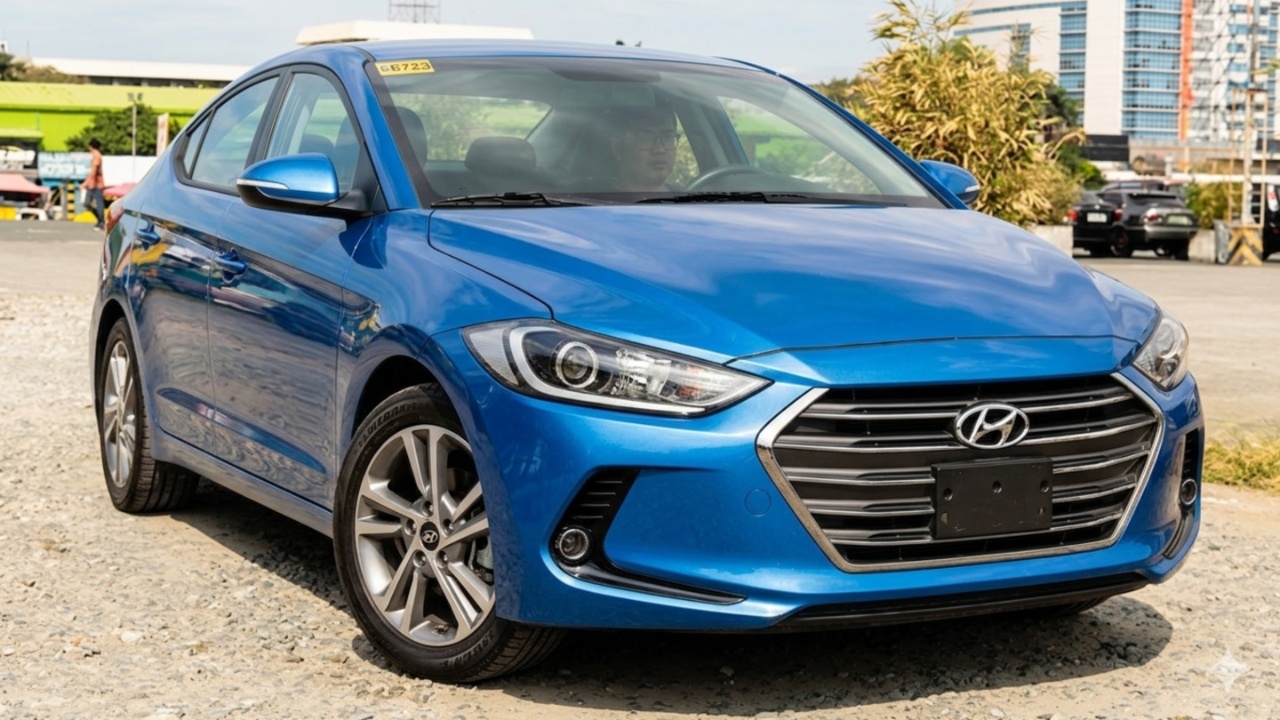
The Hyundai Elantra (2013–2017) is a compact sedan that combines modern styling, comfort, and affordability, making it a strong option for high school students. Its sleek “fluidic” design gives it a more upscale look compared to many competitors, appealing to younger drivers who want something visually distinctive.
Inside, the cabin is quiet and comfortable, with materials that feel more refined than expected at this price point. Many models include convenient features such as Bluetooth connectivity, infotainment systems, and backup cameras, which enhance usability and make daily driving easier.
Affordability is one of the Elantra’s key advantages. With many used models priced under $10,000, it offers access to a relatively modern vehicle without stretching a student’s budget. In addition to its low purchase price, the car is known for excellent fuel efficiency, often reaching the mid-30 MPG range on the highway.
This helps reduce ongoing fuel costs, which is especially important for students managing limited budgets. Combined with generally low maintenance expenses, the Elantra delivers strong value for long-term ownership.
The driving experience focuses on comfort and ease of use. Its suspension is tuned to absorb bumps and provide a smooth ride, making it well-suited for commuting and everyday errands. The four-cylinder engine delivers adequate performance for city and highway driving, though it is not intended for sporty performance.
Safety is another important strength, with solid ratings and features that support confidence behind the wheel. The 2017 redesign introduced improvements in build quality, interior refinement, and reliability, making it one of the more desirable choices within this generation.
Some considerations should be kept in mind when buying a used model. Earlier versions, particularly from 2013–2014, may experience issues such as engine noise, transmission concerns, or paint wear. Reports of wheel alignment problems leading to uneven tire wear have also been noted.
A thorough inspection and verified maintenance history are essential before purchase. Despite these concerns, the Hyundai Elantra remains a practical and appealing choice, offering a balance of style, efficiency, and modern features suited for student drivers.
10. Ford Fusion (2013–2016): Spacious, Comfortable, and Refined
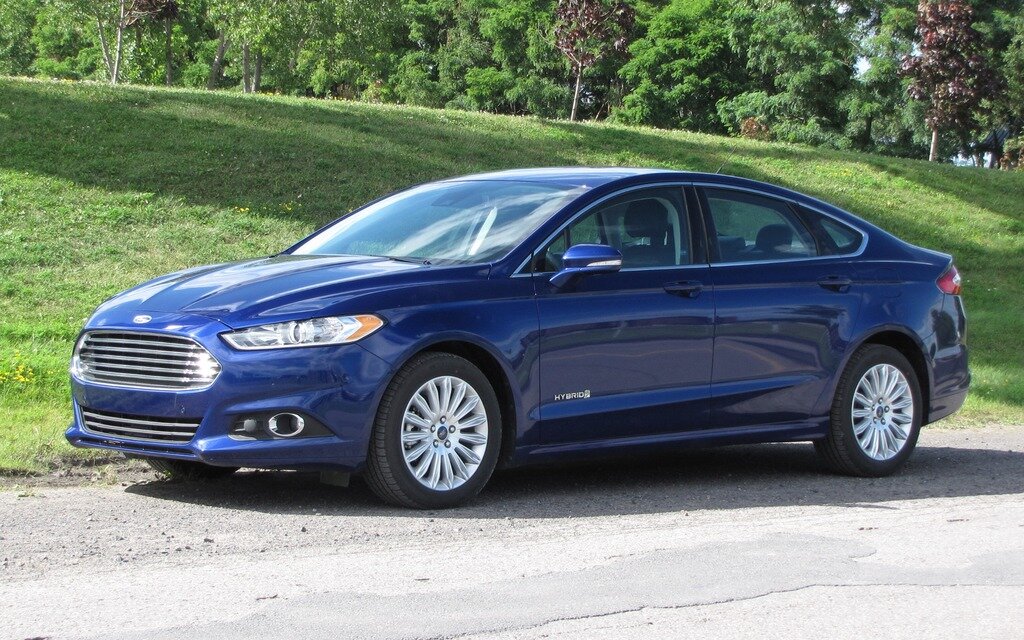
The Ford Fusion (2013–2016) is a midsize sedan that delivers a refined and comfortable driving experience, making it a strong option for high school students who want a larger and more stable vehicle. Its sleek and modern design gives it an upscale appearance, setting it apart from many budget-friendly cars in the same price range.
Inside, the Fusion offers a roomy cabin with seating for up to five passengers, along with supportive seats and a quiet atmosphere. This makes it suitable for daily commuting, school activities, and longer trips.
Safety is one of Fusion’s strongest qualities. It consistently earns high crash test ratings, which provides reassurance for both students and parents. Its larger size contributes to a more planted feel on the road, helping new drivers feel more confident.
Many models also include useful technology such as Bluetooth connectivity, infotainment systems, and available driver-assist features. The 2016 model introduced updates that improved both technology and interior quality, making it one of the more desirable versions in this range.
The Fusion offers several engine options, allowing buyers to choose based on performance or efficiency. The base 2.5-liter engine is reliable but not very powerful. Turbocharged EcoBoost engines, including 1.5-liter, 1.6-liter, and 2.0-liter options, provide stronger acceleration and better highway performance.
For those who prioritize fuel savings, hybrid and plug-in variants offer excellent efficiency. This variety makes the Fusion adaptable to different driving needs and preferences.
There are some important considerations when buying a used model. Certain vehicles, especially earlier ones, may have automatic transmission issues such as rough or delayed shifting. Some drivers have also reported engine hesitation and occasional problems with the infotainment system.
Checking for recalls, particularly for 2014 models, is important. A full inspection and verified maintenance history can help avoid potential problems. The Ford Fusion remains a practical and comfortable choice, offering space, safety, and a more premium feel for student drivers.
Selecting the right first car involves balancing cost, safety, and dependability. The vehicles included in this list offer a wide range of strengths, making them suitable for different needs and preferences.
Options like the Toyota Corolla and Honda Civic provide proven reliability, while models such as the Honda Fit and Kia Soul offer added versatility and space, and wider choices like the Ford Fusion deliver extra comfort for those who prefer a midsize vehicle.
Before making a purchase, it is important to inspect the car carefully, review its service history, and consider a professional evaluation. These steps can help prevent unexpected issues and ensure a smoother ownership experience. With proper research and maintenance, any of these vehicles can serve as a dependable first car, supporting students as they gain independence and confidence on the road.
Also read: 10 Used Cars With Infotainment Systems That Are Prone to Crashing
