For drivers who prefer a “set-it-and-forget-it” approach to car ownership, selecting a vehicle that requires only annual maintenance can save time, money, and stress. The list of 12 Best Used Cars for People Who Only Visit the Mechanic Once a Year highlights vehicles that combine durability, reliability, and low running costs without sacrificing comfort or practicality.
From compact sedans like the Toyota Corolla and Honda Civic to versatile SUVs such as the Honda CR-V and Subaru Outback, these cars are engineered to endure high mileage and daily wear with minimal intervention. Each option benefits from proven mechanical systems, widely available parts, and predictable service schedules, making them ideal for owners who value dependability over complexity.
Whether seeking efficiency, ruggedness, or even luxury, these cars demonstrate that it’s possible to own a vehicle that reliably delivers year after year while keeping mechanic visits to a minimum.
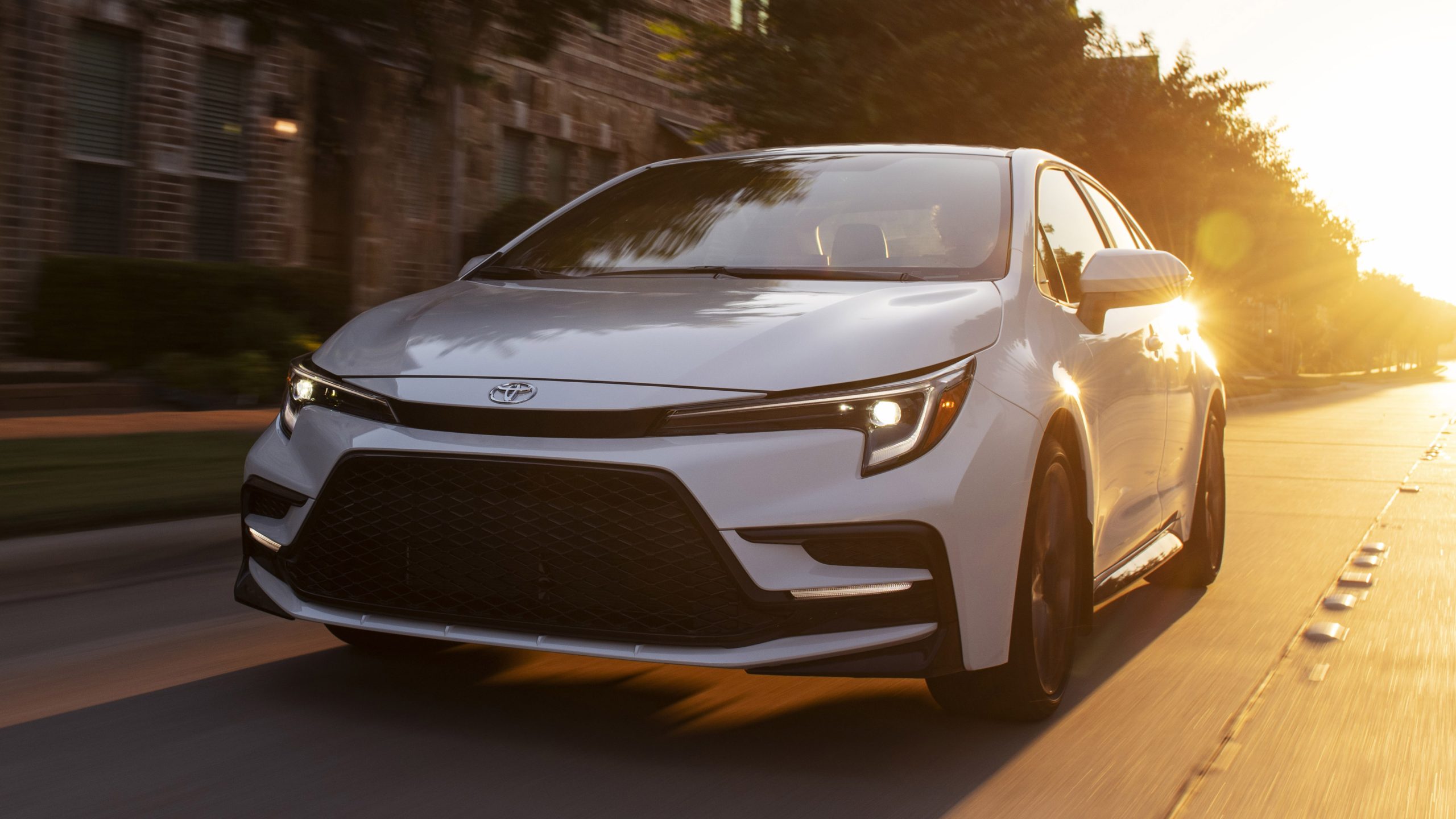
1. Toyota Corolla: Reliable, Durable, and Cost-Efficient Choice
The Toyota Corolla is widely recognized as a global benchmark for reliability and remains one of the most dependable options in the used car market. Frequently described as “bulletproof” by mechanics, the Corolla is designed with simplicity and durability in mind.
It avoids overly complex systems that often fail in older vehicles, allowing it to run smoothly for 200,000 to 300,000 miles or more with only basic maintenance such as oil changes, tire rotations, and occasional part replacements.
A major strength of the Corolla lies in its low cost of ownership. Its engines, especially the commonly used 1.8-liter variants, are built with proven technology and long-term durability. Many models use timing chains instead of timing belts, which reduces the need for costly replacements.
The absence of turbochargers and other complex components further minimizes potential mechanical issues. As a result, annual repair costs remain relatively low, making it ideal for drivers who prefer fewer trips to the mechanic.
Another important advantage is the availability of affordable parts. With more than 44 million units sold worldwide, the Corolla has an extensive global presence. This popularity ensures that spare parts are easy to find and inexpensive, whether at local repair shops or dealerships. This accessibility contributes significantly to its reputation as a practical and budget-friendly vehicle.
In terms of everyday use, the Corolla offers a comfortable and efficient driving experience. Models from 2014 to 2019 are particularly well regarded for their balance of reliability, fuel efficiency, and modern features. While rear passenger space and infotainment quality may not be class-leading, the car delivers consistent performance and comfort for daily driving.
The Toyota Corolla stands out as a smart long-term investment. Its proven reliability, affordability, and longevity make it an excellent choice for buyers seeking a dependable and low-maintenance vehicle.
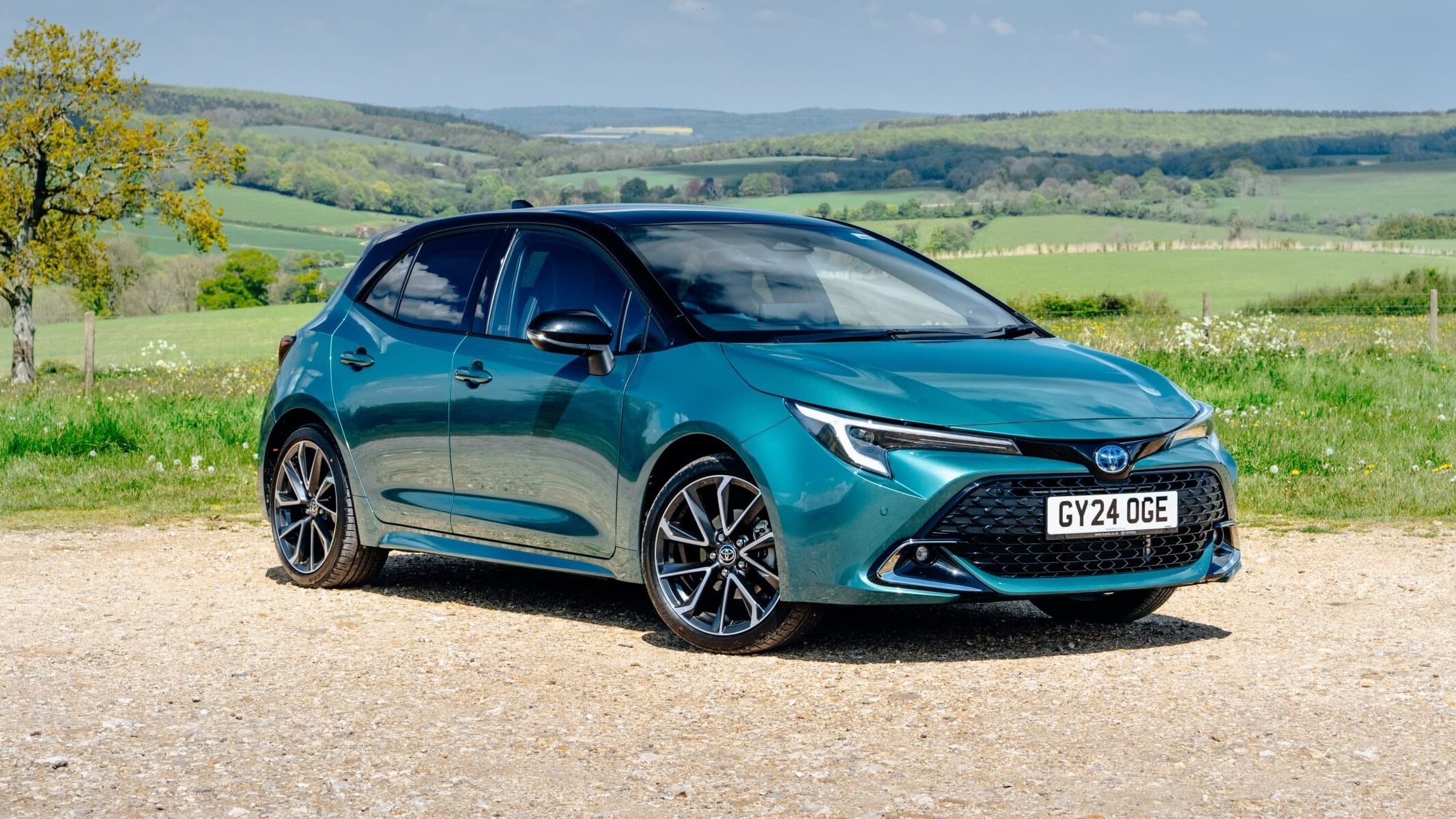
2. Honda Civic: Reliable, Durable, and Low-Maintenance Performer
The Honda Civic is widely recognized as one of the most reliable and practical choices in the used car market. Known for its “set it and forget it” nature, the Civic consistently performs well in reliability surveys due to its strong engineering and durable powertrains.
Many models are capable of exceeding 200,000 miles with only routine maintenance, making them ideal for drivers who want a dependable vehicle without frequent mechanic visits.
One of the Civic’s main advantages is its low cost of ownership. Annual repair costs are generally lower than those of many competitors, averaging around $428. Older models and those equipped with naturally aspirated engines are especially valued for their long lifespan and minimal mechanical issues.
These versions avoid complex turbocharged systems, which helps reduce the risk of expensive repairs. Even after years of use, the Civic tends to maintain steady performance and good fuel efficiency.
The car also benefits from simple and proven engineering. Many Civic models are designed to be easy to service, which makes maintenance more straightforward for mechanics and even for owners who prefer basic do-it-yourself repairs.
Its sturdy suspension and reliable electronics contribute to a smooth and predictable driving experience, particularly for daily commuters who prioritize convenience and peace of mind.
In terms of practicality, the Civic offers a comfortable ride, responsive handling, and a spacious cabin suitable for everyday use.
Certain model years, such as 2010 to 2011, 2014 to 2015, and 2019 to 2020, are often recommended for their strong reliability and refined features. While some newer turbocharged versions may require more attention, and the infotainment system is not the most advanced, these are relatively minor drawbacks.
The Honda Civic remains a dependable and economical option, offering long-term durability and a stress-free ownership experience for a wide range of drivers.
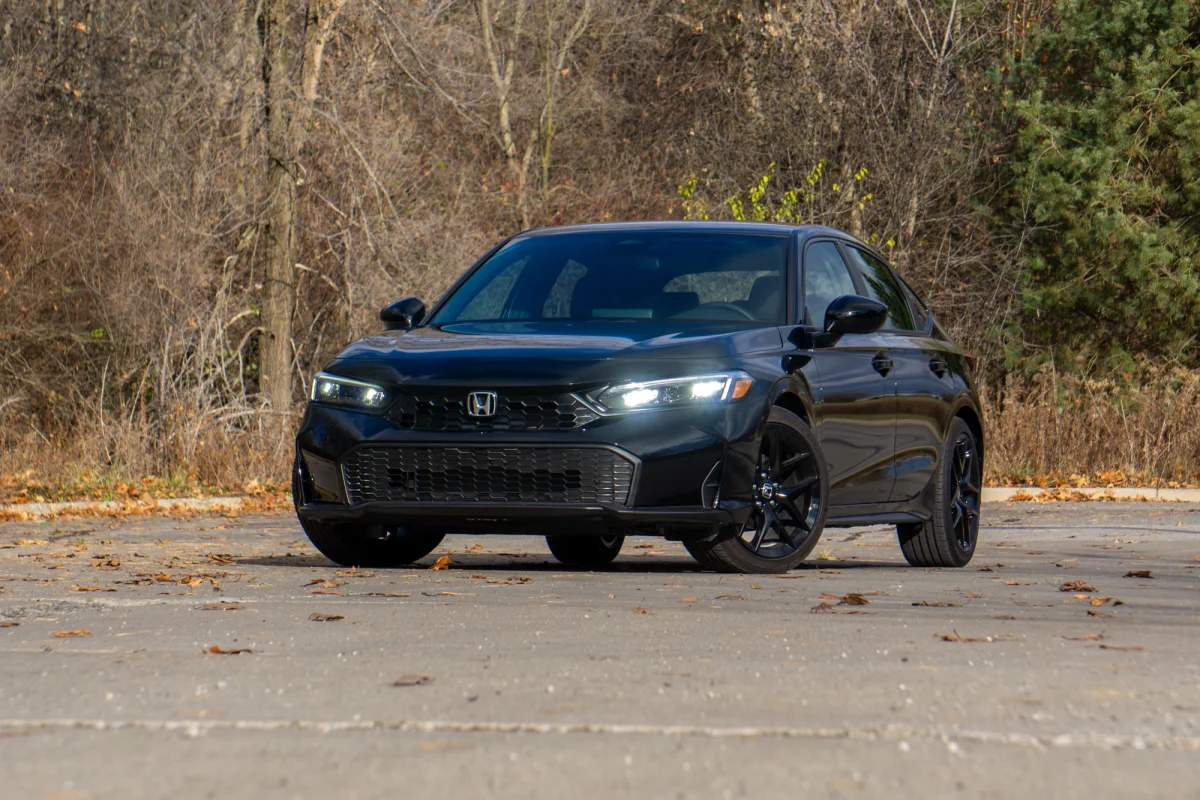
3. Toyota Camry: Durable, Comfortable, and Built for Longevity
The Toyota Camry is widely known as a dependable and low-maintenance midsize sedan, offering a balance of comfort, durability, and long-term value.
As a larger counterpart to the Corolla, the Camry provides a more spacious interior and smoother ride while maintaining Toyota’s strong reputation for reliability. Its frequent use in high-mileage taxi fleets highlights its ability to endure constant use with minimal unexpected repairs.
One of the Camry’s defining strengths is its long-lasting engineering. Its engines and gearboxes are designed with a focus on durability rather than high performance, allowing many units to exceed 200,000 to 300,000 miles with only routine maintenance.
Following regular service intervals, such as oil changes every 5,000 miles, helps ensure the vehicle remains reliable for well over a decade. This makes it a practical choice for families seeking a long-term primary vehicle.
Maintenance costs are another key advantage. Because the Camry is widely produced and globally popular, replacement parts are affordable and easy to source. Mechanics are also highly familiar with its design, which keeps repair work simple and cost-effective. In addition, studies show that the Camry has one of the lowest rates of major or severe repairs in its class, further reinforcing its reputation as a dependable choice.
The Camry also delivers strong everyday usability. It offers a comfortable ride, generous interior space, and good fuel efficiency, particularly in hybrid models. While it is not the most exciting car to drive and may have a less advanced infotainment system, it excels in providing a quiet and smooth driving experience for daily commuting and long trips.
The Toyota Camry remains a sensible and practical option for buyers who prioritize reliability, low maintenance, and long-term durability over sporty performance or cutting-edge features.
4. Honda CR-V: Reliable, Practical, and Low-Maintenance SUV
The Honda CR-V is widely regarded as one of the most reliable and low-maintenance SUVs in the used car market. It combines the practicality and space of a sport utility vehicle with the durability and simplicity often associated with smaller cars. This balance makes it an ideal option for families and drivers who want versatility without the higher maintenance risks typically linked to larger SUVs.
One of the CR-V’s standout qualities is its long-term reliability. Many models are capable of exceeding 200,000 to 300,000 miles with only routine maintenance such as annual servicing, oil changes, and basic wear-and-tear replacements.
Its engines, particularly the well-known four-cylinder units, are designed for longevity rather than high performance, which helps reduce stress on internal components and prevents premature failure. This conservative engineering approach contributes to a very low likelihood of major repairs, with studies suggesting only about a 14 percent chance of significant issues over ten years.
Maintenance is also straightforward and cost-effective. The CR-V is designed with accessible mechanical components, allowing technicians to perform repairs more easily and efficiently. This reduces labor costs and shortens service times. In addition, its widespread popularity ensures that spare parts are readily available and reasonably priced, further lowering ownership expenses over time.
Beyond reliability, the CR-V excels in everyday usability. It offers a spacious and comfortable cabin built with durable materials that can withstand daily family use. Cargo capacity is generous, making it suitable for errands, travel, and active lifestyles. While it is not designed for sporty driving, it provides a smooth and stable ride that prioritizes comfort and practicality.
The Honda CR-V remains a strong and dependable choice for buyers seeking a versatile SUV that delivers long-lasting performance with minimal maintenance demands.
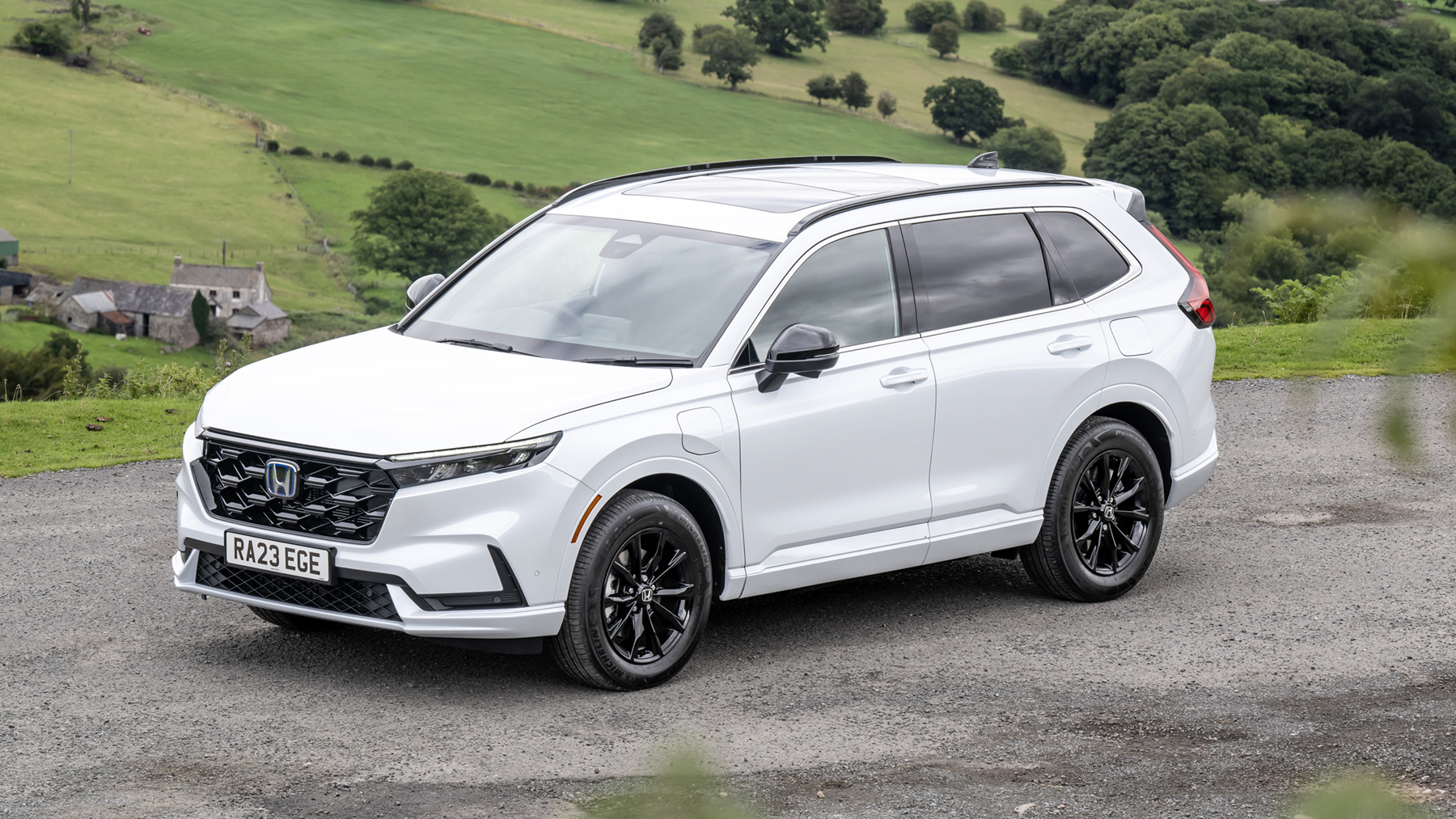
5. Mazda3: Stylish, Reliable, and Low-Maintenance Compact Car
The Mazda3 stands out as a reliable and low-maintenance option for drivers who want a balance of style, performance, and affordability. Known for its sleek design and engaging driving experience, the Mazda3 also delivers strong long-term durability, making it a smart choice in the used car market.
A major factor behind its reliability is Mazda’s SkyActiv technology, which focuses on efficient and robust engine, transmission, and chassis design. These systems are engineered to reduce internal stress and improve longevity, allowing many Mazda3 models to exceed 200,000 miles with only routine maintenance.
Unlike many competitors, the Mazda3 often uses naturally aspirated engines instead of smaller turbocharged units, which helps minimize mechanical complexity and lowers the risk of expensive repairs over time.
The Mazda3 consistently earns high reliability ratings, often ranking alongside brands known for dependability. Its strong build quality also helps prevent common aging issues such as interior rattles or electrical faults. This attention to detail ensures that the car maintains a premium feel even after years of use, while still keeping maintenance needs simple and predictable.
In addition to reliability, the Mazda3 offers a well-rounded driving experience. It provides good fuel efficiency, a comfortable interior, and user-friendly technology.
The cabin is thoughtfully designed with quality materials, and the infotainment system is easy to operate. While some road and wind noise can be noticeable at higher speeds, and insurance costs may be slightly higher than average, these drawbacks are relatively minor.
Practicality is another strength, with adequate passenger space and a functional layout suitable for daily use. Although rear space and boot access may not be the best in its class, the car remains versatile enough for most drivers’ needs.
The Mazda3 is an excellent choice for those seeking a dependable, stylish, and enjoyable vehicle that requires minimal maintenance and delivers consistent long-term value.
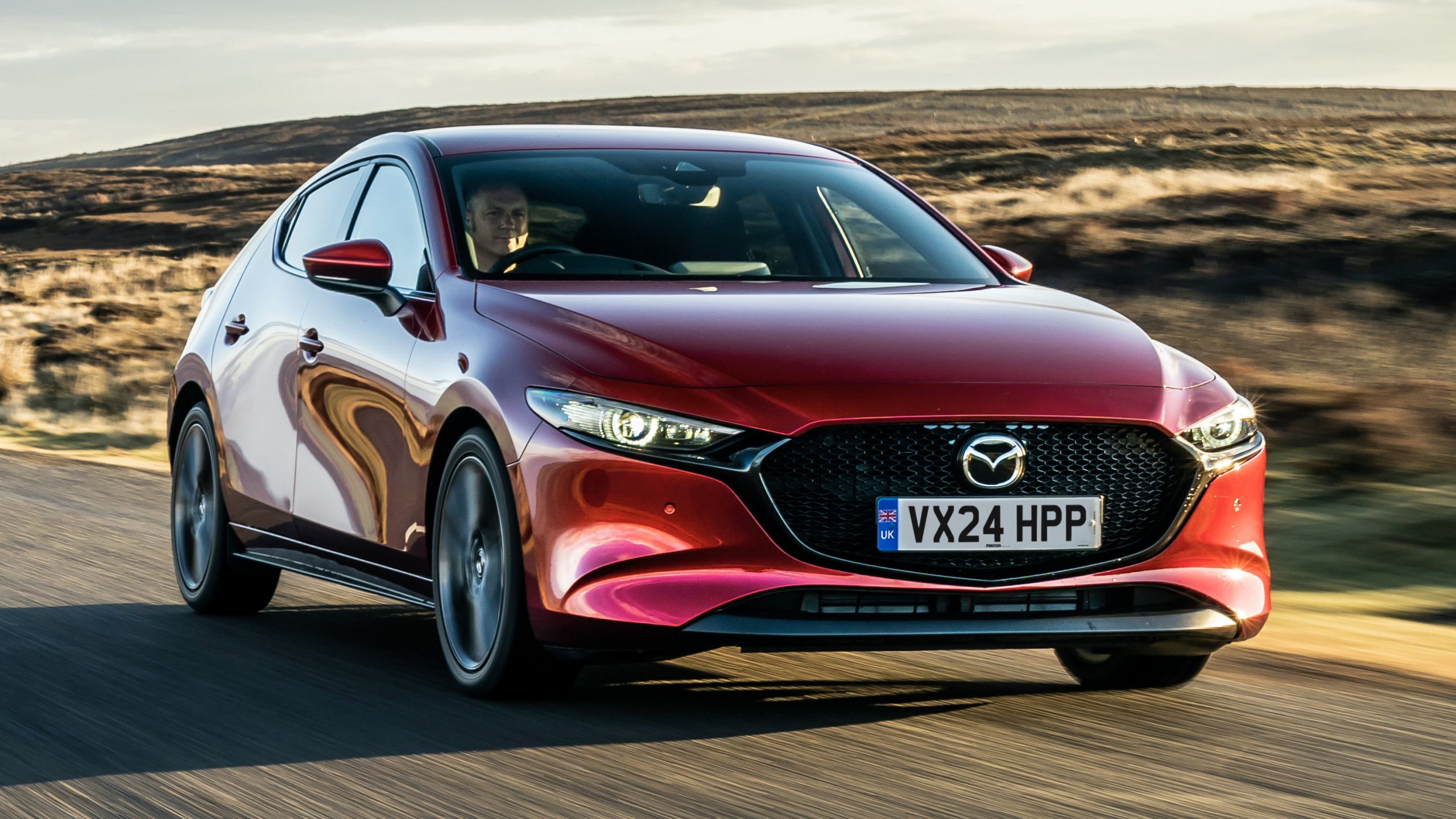
6. Toyota Prius: Efficient, Reliable, and Low-Maintenance Hybrid
The Toyota Prius is widely regarded as one of the most reliable and cost-efficient vehicles available, despite common concerns about hybrid complexity. Its innovative design actually reduces mechanical wear by combining a gasoline engine with an electric motor, allowing both systems to share the workload.
This results in less strain on the engine and contributes to the Prius’s ability to exceed 250,000 to 300,000 miles with minimal issues.
One of the key advantages of the Prius is its reduced number of high-wear components. Unlike traditional vehicles, it does not rely heavily on parts such as starters, alternators, or drive belts, which are common sources of failure.
Additionally, its regenerative braking system captures energy during deceleration, significantly extending the lifespan of brake pads. In many cases, brakes last much longer than those in conventional cars, lowering maintenance frequency and costs.
The Prius is also known for its exceptional reliability record. It consistently ranks among the top vehicles in long-term dependability studies, with many owners reporting years of trouble-free operation. Even the hybrid battery, often a concern for buyers, has proven highly durable, with many units lasting the lifetime of the vehicle without needing replacement.
Beyond reliability, the Prius delivers outstanding fuel efficiency and low emissions, making it an appealing option for environmentally conscious drivers. It provides a smooth and quiet driving experience, especially in city conditions where the electric motor can operate independently at low speeds.
While it is not designed for high performance or sporty driving, it excels in comfort and efficiency for daily commuting and long-distance travel.
The Toyota Prius remains a practical and economical choice for those seeking a dependable, low-maintenance vehicle that offers long-term savings and proven durability.
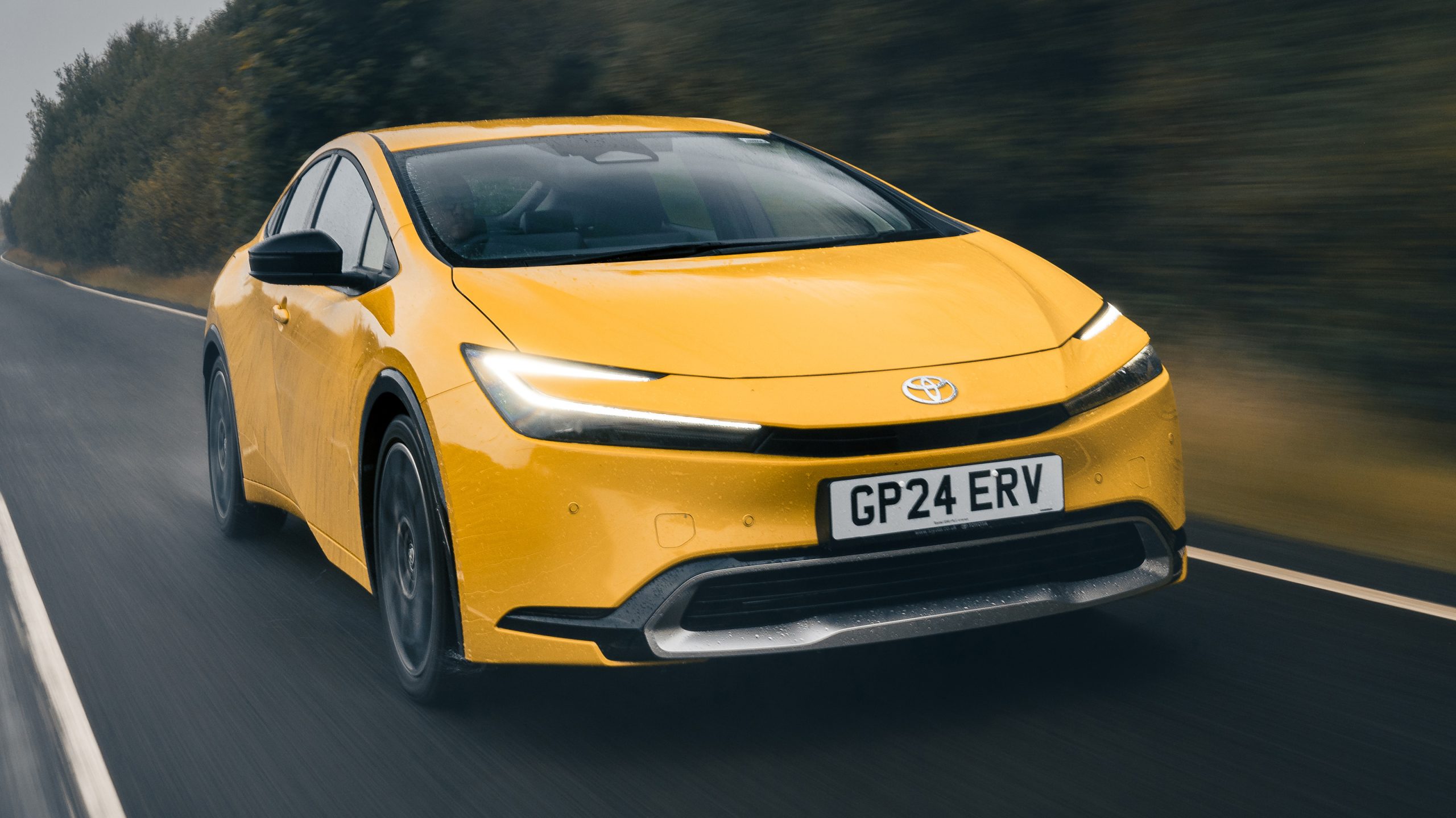
Also read: 12 Cars That Keep Hands Warm With Nice Steering Wheels
7. Lexus ES: Luxury Comfort with Low Maintenance Costs
The Lexus ES stands out as a rare example of a luxury car that delivers premium comfort without high maintenance expenses. Built on the same foundation as the Toyota Camry, the ES benefits from proven engineering and dependable components, allowing it to combine refinement with exceptional reliability.
This shared DNA makes it a “hidden gem” for buyers seeking a luxury experience without the typical costs associated with European competitors.
A major strength of the Lexus ES is its long-term durability. It commonly features naturally aspirated engines, such as the well-known 3.5-liter V6, which are designed for longevity and reduced mechanical stress. Unlike many luxury rivals, the ES avoids overly complex systems like air suspension or highly intricate electronics.
This simpler approach helps minimize unexpected failures and keeps maintenance straightforward. As a result, many ES models can exceed 220,000 to 250,000 miles with only routine servicing, such as regular oil changes and inspections.
Another key advantage is its low cost of ownership. Because it uses widely available Toyota components, repairs and replacement parts are more affordable than those of German luxury sedans.
In addition, most mechanics can service the ES without requiring specialized tools or expertise, which further reduces labor costs. The car is also known for having very few unscheduled repairs, reinforcing its reputation as one of the most dependable vehicles in its class.
Beyond reliability, the ES offers a refined and comfortable driving experience. It delivers a quiet ride, smooth handling, and a well-built interior with high-quality materials. While its infotainment system and performance may not match top competitors, it still provides excellent value through generous features and strong fuel efficiency, especially in hybrid versions.
The Lexus ES is an ideal choice for buyers who want a dependable, comfortable, and cost-effective luxury sedan that prioritizes long-term reliability over sporty performance.
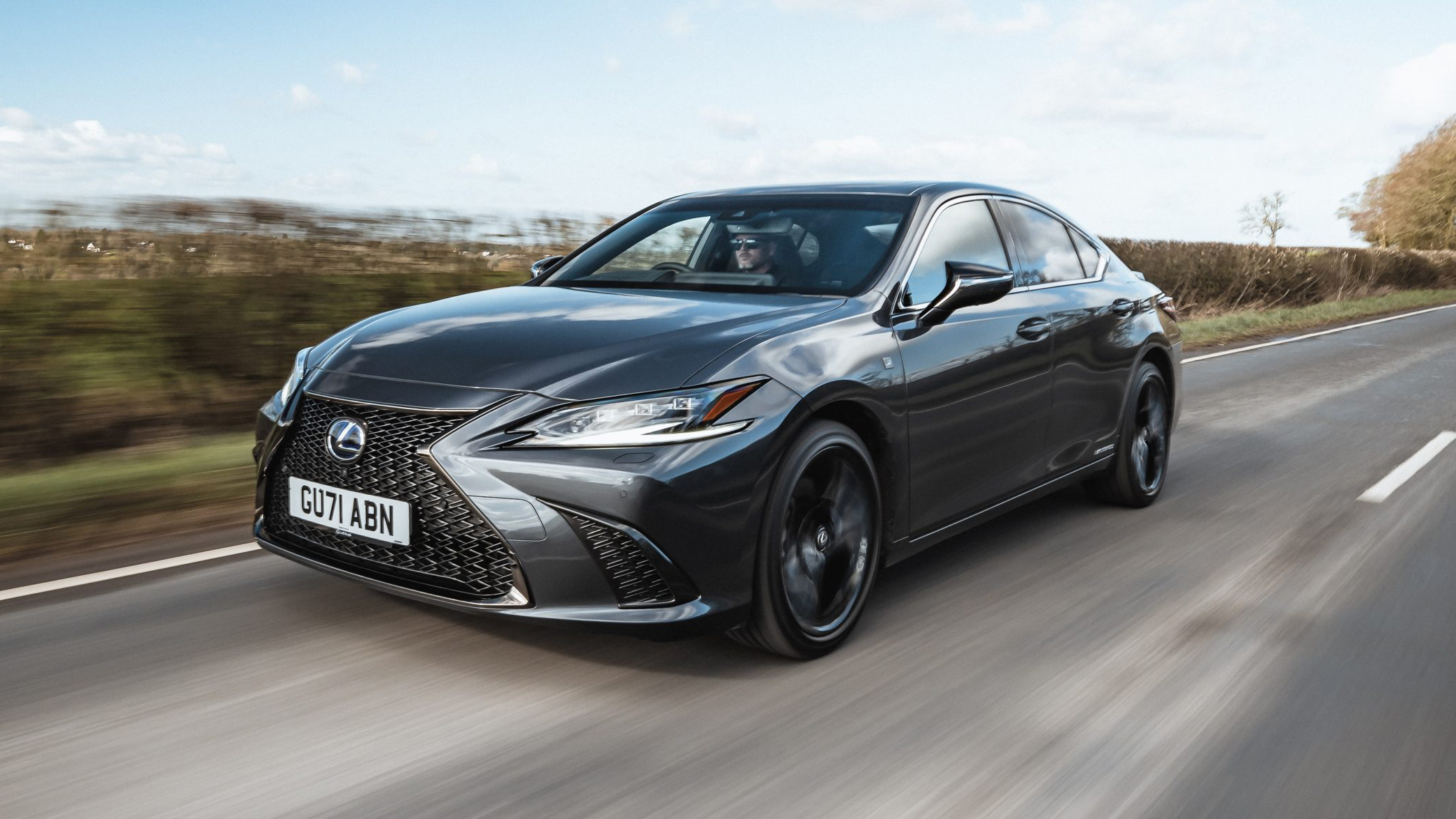
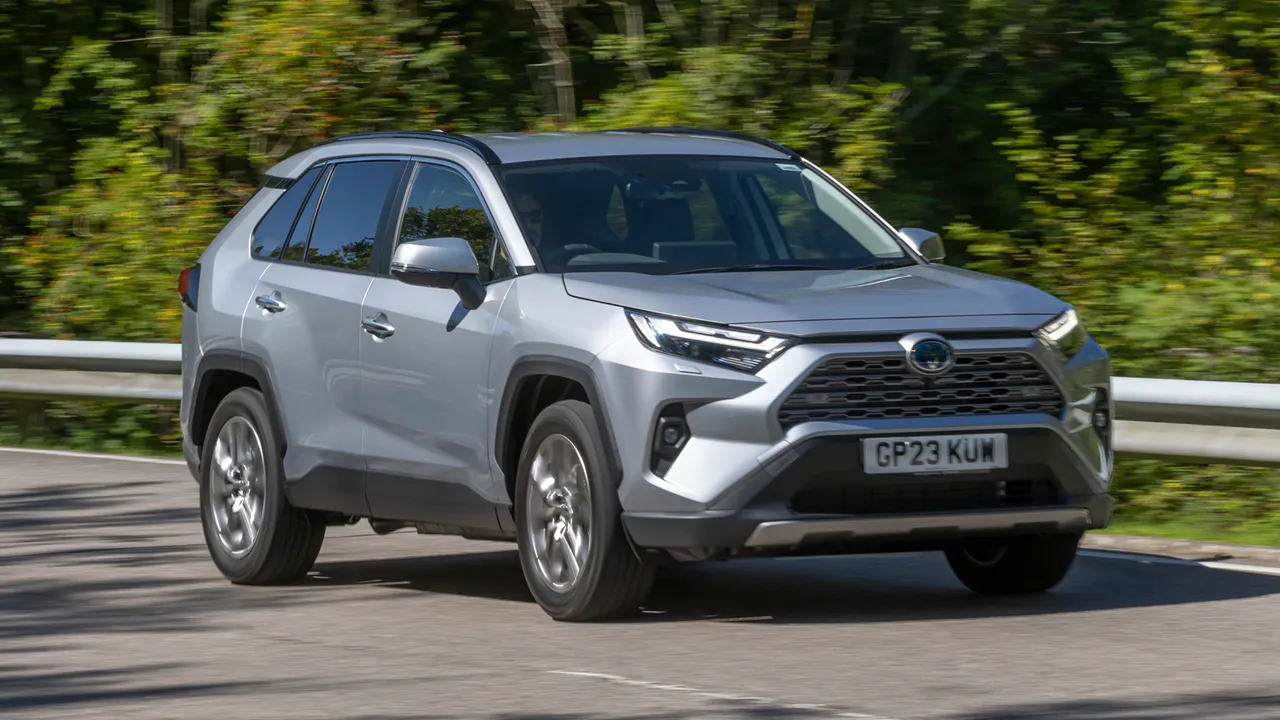
8. Toyota RAV4: Reliable, Low-Maintenance SUV for Everyday Life
The Toyota RAV4 has long been a benchmark for dependable, low-maintenance SUVs. Its straightforward engineering, spacious interior, and robust build make it ideal for families, commuters, and anyone seeking a vehicle that stands up to heavy daily use.
Both standard petrol and hybrid models are designed to last, with over-engineered components such as water pumps, alternators, and suspension parts ensuring long-term durability and minimal unexpected repairs. High resale values reflect its reputation as a “set-it-and-forget-it” vehicle that rarely becomes a financial burden for second or third owners.
At the heart of the RAV4 is a simple 2.5L 4-cylinder engine, paired with either front-wheel or four-wheel drive and a CVT gearbox. This powertrain is tuned conservatively to reduce wear, helping many models exceed 200,000 miles without major issues.
The hybrid and plug-in hybrid variants further improve efficiency while maintaining reliability, with the latter capable of more than 30 miles on electric power alone. Over the 2019–2026 generation, refinements have enhanced safety, infotainment, and comfort, making the RAV4 an even more compelling option compared to rivals.
Inside, the RAV4 combines practicality with ease of use. It offers excellent visibility, a user-friendly infotainment system, and ample rear legroom and boot space. While the ride is not as refined as some competitors like the Honda CR-V, it remains comfortable for most daily driving scenarios.
Trim levels range from the well-equipped Icon to the top-tier Black Edition, offering features like adaptive cruise control, blind-spot monitoring, and 360-degree cameras.
Ownership costs are moderate, with servicing required annually or every 10,000 miles. Fuel economy is strong for a large SUV, with the regular hybrid achieving around 50mpg, while the plug-in hybrid requires careful charging to approach its official 282mpg rating.
The Toyota RAV4 is an ideal choice for low-maintenance SUV buyers who prioritize reliability, practicality, and long-term value. It excels as a family vehicle, winter commuter, or adventure-ready SUV, providing peace of mind and minimal upkeep.
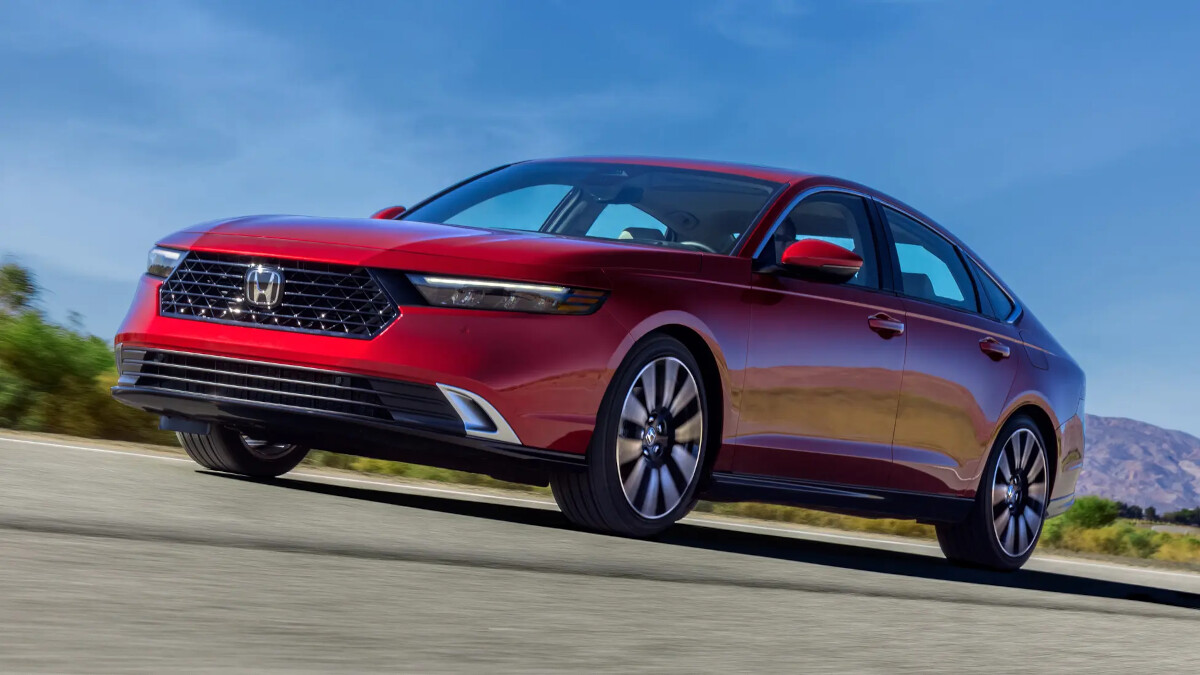
9. Honda Accord: Reliable, Refined, and Low-Maintenance Mid-Size Sedan
The Honda Accord is a standout choice for used car buyers seeking reliability, refinement, and minimal maintenance. Renowned for its robust engines and simple, durable engineering, the Accord is capable of lasting well over 200,000–300,000 miles with routine care.
Models from the mid-2010s are particularly sought-after, combining high-quality materials with a straightforward design that avoids overly complex turbo or infotainment systems, keeping repair costs low. Its reputation as a dependable, “grown-up” sedan makes it an ideal choice for drivers who value peace of mind and longevity.
Under the skin, the eighth-generation Accord (2008–2015) offered 2.0L and 2.4L petrol engines and 2.2L diesel options. Petrol engines are smooth and enduring when properly maintained, while the diesels, particularly the 177bhp 2.2 i-DTEC, provide excellent torque and efficiency, making them ideal for long-distance commuting.
Gearboxes include a precise six-speed manual or a five-speed automatic, though the 2.4i petrol automatic can feel sluggish. The car’s double-wishbone front suspension and multi-link rear setup ensure secure handling, particularly on highways, delivering a quiet and refined ride despite a slightly firm response on uneven surfaces.
The interior balances comfort with practicality. Front occupants enjoy a commanding driving position and supportive seats, while the dashboard and controls, though cluttered in some models, are solidly built. Boot space is modest in the saloon but improved in the Tourer estate, which also offers thoughtful storage solutions.
Running costs are reasonable, with routine servicing and annual fluid checks keeping maintenance predictable. Fuel economy is strong for the class, with diesels averaging around 38–50mpg in real-world conditions and petrol engines offering respectable efficiency.
While the Accord may not lead in performance or interior innovation, it excels as a dependable, well-built sedan with excellent ride quality, solid construction, and minimal ownership headaches. For used buyers, it offers a sophisticated, long-lasting option that reliably balances comfort, practicality, and value.
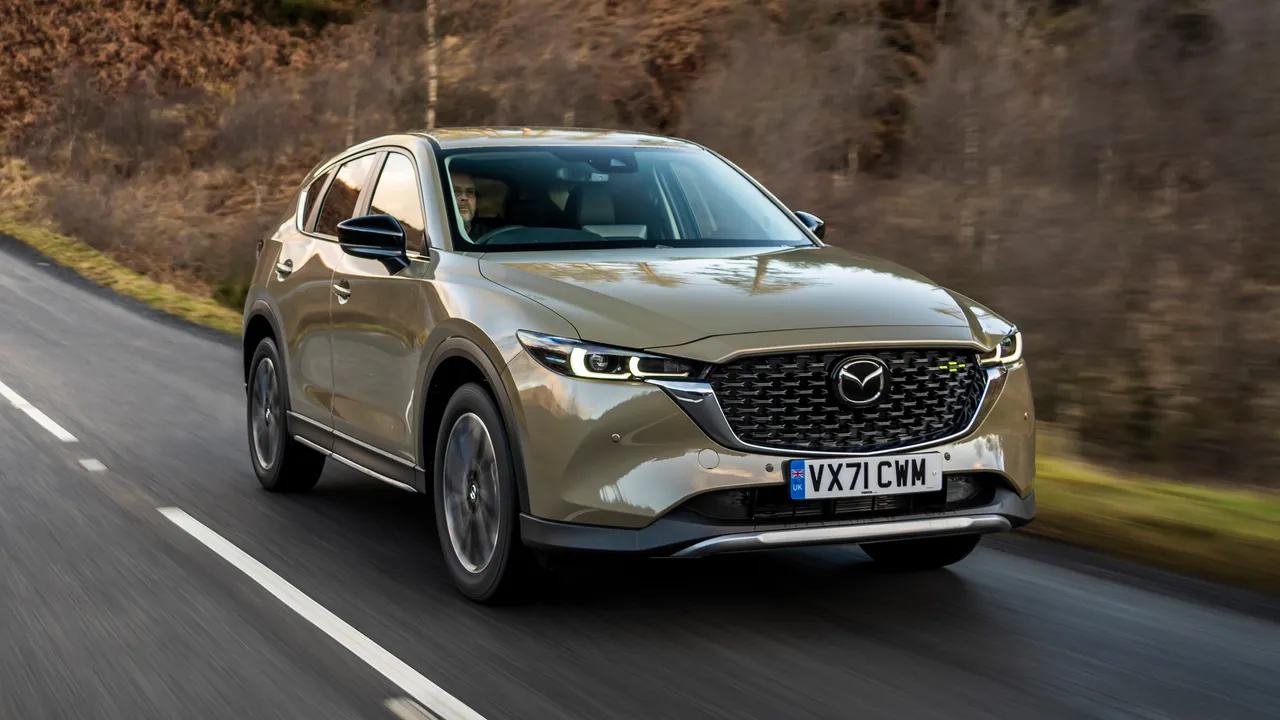
10. Mazda CX-5: Reliable, Premium, and Low-Maintenance Family SUV
The Mazda CX-5 is widely regarded as a dependable and well-built family SUV, offering a premium feel without high running costs. Its reliability comes from Mazda’s philosophy of using naturally aspirated engines and simple, proven engineering instead of small turbocharged units, resulting in fewer mechanical issues.
Used models, particularly from 2020–2025, are perfect for drivers who prefer annual maintenance, thanks to durable Skyactiv-G engines, a six-speed automatic transmission known for longevity, and high-quality interior materials that resist wear and rattles.
The CX-5’s cabin impresses with soft-touch surfaces, an intuitive infotainment system, and excellent visibility. Early trims such as SE-L Nav and Sport Nav include cruise control, climate control, front and rear parking sensors, leather seats, a powered tailgate, and a head-up display.
Later 2019+ models add Apple CarPlay, Android Auto, and extra safety features such as adaptive cruise control, blindspot monitoring, and automatic emergency braking. Passenger space is generous, and the boot can accommodate multiple large suitcases, making it practical for families.
Engine options include 2.0L and 2.5L petrol units and 2.2L diesel variants. The 2.0L petrol and lower-powered diesel are recommended for used buyers due to fuel efficiency and balanced performance, while the 2.5L petrol consumes more fuel.
All engines are smooth and reliable, though petrol engines need higher revs for brisk acceleration. Handling is composed with minimal body roll, although the ride can feel firm, especially on larger wheels. Four-wheel-drive models improve traction and stability in corners.
Running costs are modest, with average annual maintenance around $447, reasonable road tax, and moderate insurance groups. Diesel variants sometimes experience diesel particulate filter issues, but service plans and durable construction make the CX-5 low-maintenance and dependable.
For buyers seeking a stylish, practical, and long-lasting SUV, the CX-5 delivers a strong combination of reliability, comfort, and performance. The 2.0 SE-L Nav is the recommended used model, offering excellent value and a well-equipped package for family use.
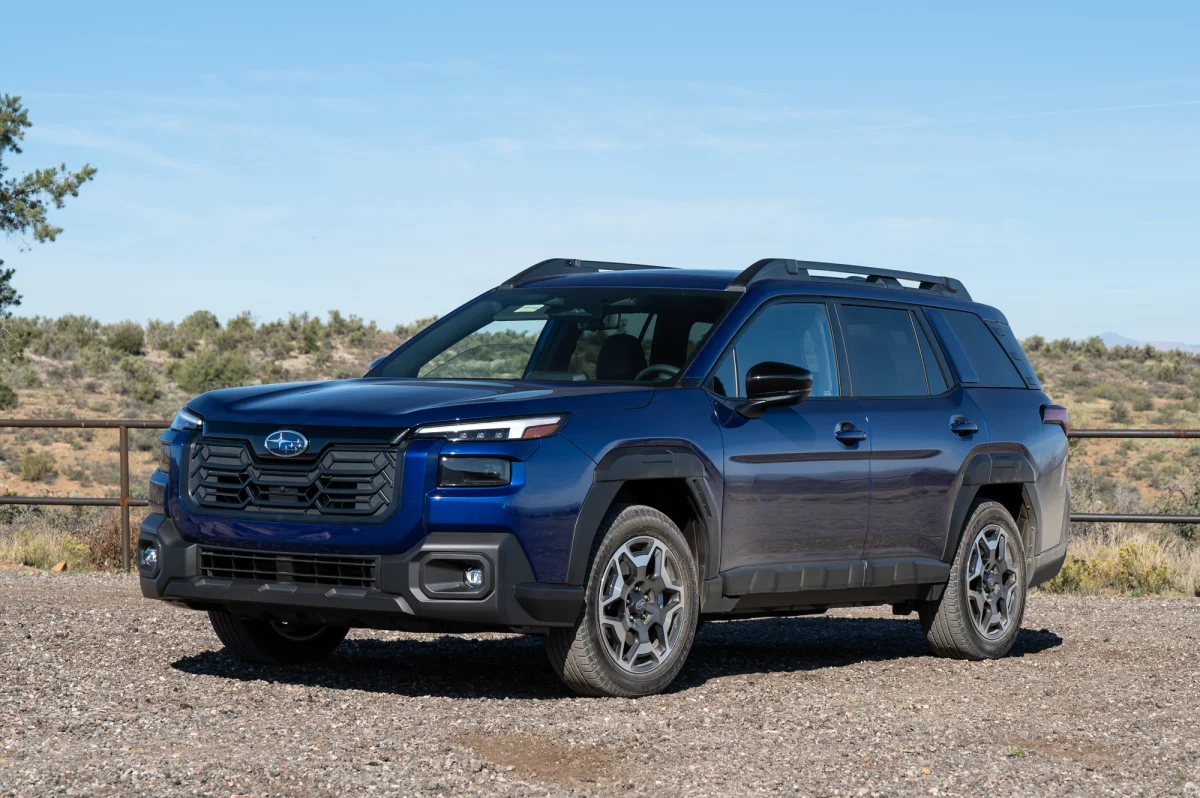
11. Subaru Outback: Rugged, Reliable, and Low-Maintenance SUV
The Subaru Outback is a dependable SUV designed for snowy regions, dirt roads, and rough terrain. Models from 2015 onward largely resolved the head gasket issues seen in older Subarus, leaving a durable all-wheel-drive wagon built to endure tough conditions. Its simple, easy-to-clean interior and sturdy mechanical systems make it ideal for outdoor enthusiasts and low-maintenance owners.
The Outback is known for strong reliability ratings, low repair frequency, and solid resale value. Recommended used models include 2005–2009, 2017–2019, and 2022–2025. Subaru’s suggested maintenance schedule of once per year (or every 6,000 miles) suits owners who prefer annual mechanic visits.
Its Boxer engine is designed for longevity, while all trims feature standard all-wheel drive. Safety has been a priority, with many models earning IIHS Top Safety Pick awards, and newer vehicles include EyeSight driver-assistance features.
Engine options consist of a 2.0L diesel or a 2.5L petrol. The diesel provides better fuel economy and low-end power but can feel rough at higher revs, particularly with the CVT automatic. The petrol is quieter but less efficient. Ride quality is firm, and while handling is competent, premium rivals such as the Audi A6 Allroad and Volvo V90 Cross Country offer smoother, more refined experiences.
Interiors are practical, spacious, and well-equipped, though infotainment systems lag behind luxury competitors. The SE Premium trim is the most popular, offering climate and cruise control, LED headlights, heated leather seats, a powered tailgate, and sat-nav.
Used prices start at around $10,000 for high-mileage 2015 models. Lower-mileage 2018–2019 examples cost about $18,000, while 2020–2021 models range from $22,000–$25,000. Fuel economy is modest, servicing can be expensive, and insurance is generally lower than for premium rivals.
The Subaru Outback is ideal for buyers who value ruggedness, reliability, and cargo space over refined ride comfort. The 2.0d SE Premium trim offers a strong balance of economy, performance, and practicality, making it perfect for drivers who need a dependable SUV for outdoor and everyday use.
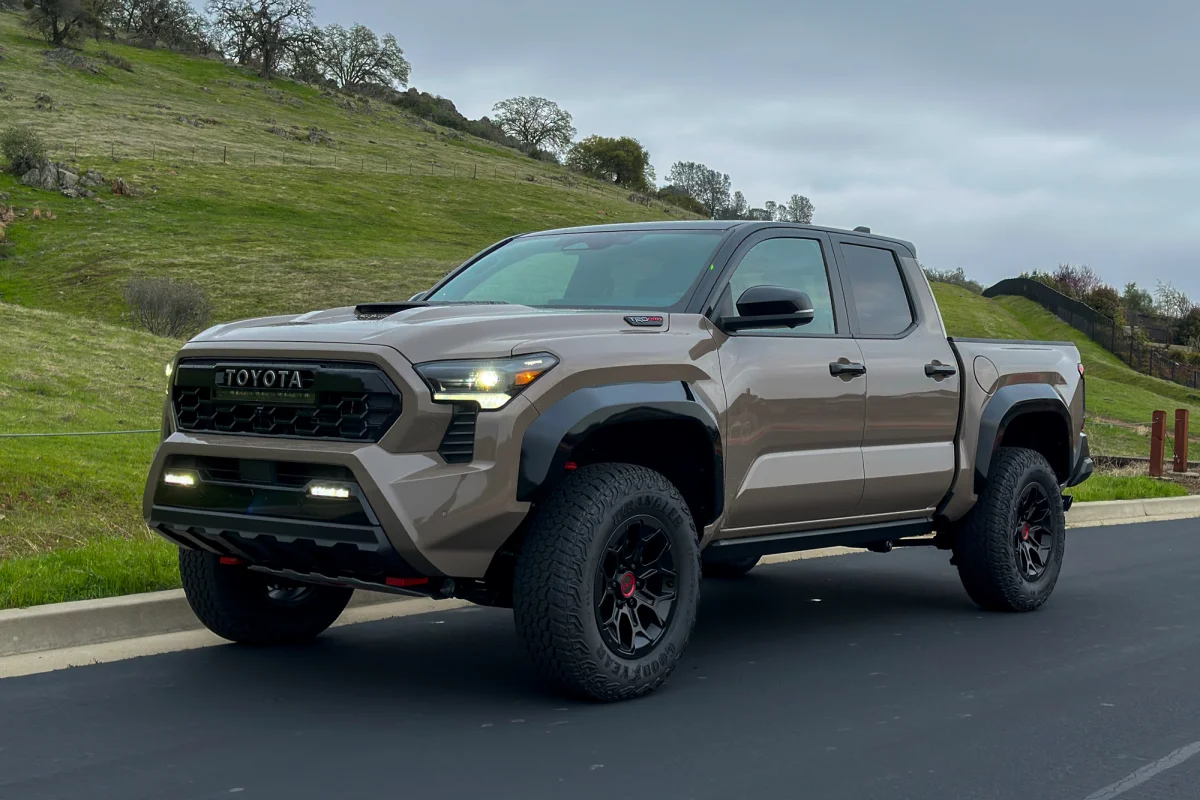
12. Toyota Tacoma: Rugged Reliability Meets Low-Maintenance Ownership
The Toyota Tacoma is widely recognized as one of the most dependable used trucks, prized for its durability, strong resale value, and legendary off-road capability. Built with over-engineered components and a simple, robust mechanical design, the Tacoma can last 250,000 to 300,000 miles or more with minimal repairs beyond routine maintenance.
Its straightforward engineering makes it easy to service, ideal for owners who prefer visiting a mechanic only annually.
Tacoma’s durability stems from a high-strength steel frame, durable leaf-spring rear suspension, and time-tested engines, prioritizing longevity over flashy technology.
Its reliability translates into lower long-term maintenance costs, as major repairs are infrequent and parts are built to endure heavy use. Service intervals are predictable, typically every 5,000–10,000 miles, allowing owners to plan annual maintenance without surprises.
The truck retains exceptional resale value due to its reputation for indestructibility. Even higher-mileage Tacomas remain in demand, protecting owners’ investment.
Recommended used models for reliability include 2004 (peak first-generation), 2013–2015 (second-generation “bulletproof” 4.0L V6), and 2018–2020 (third-generation with Toyota Safety Sense and improved transmission tuning). Older models, particularly 2005–2008, should be inspected for frame rust.
Engine options feature a 4.0L V6 or an earlier 3.5L V6, both capable but sometimes criticized for a sluggish feel with the automatic transmission. Fuel economy is competitive for its class, while off-road capability, especially in TRD trims, is exceptional.
The truck’s cargo bed is versatile, although the seating position can feel low, the ride firm, and cabin noise noticeable. Modern technology, including Apple CarPlay and Android Auto, is standard in 2020 and newer models.
Used Tacomas offer a dependable, low-stress ownership experience for those seeking a rugged pickup that excels in off-road and heavy-duty tasks while requiring minimal upkeep. Their combination of reliability, resale value, and durability makes them an ideal choice for owners wanting a “set-it-and-forget-it” vehicle with lasting performance.
Choosing a car from the 12 Best Used Cars for People Who Only Visit the Mechanic Once a Year ensures peace of mind and long-term savings. Models like the Toyota Camry, Mazda3, and Toyota Tacoma illustrate that durability doesn’t mean compromising on comfort, performance, or style.
By focusing on vehicles with proven reliability, simple yet robust engineering, and cost-effective maintenance, owners can enjoy worry-free ownership while avoiding frequent trips to the shop.
These cars offer a rare combination of longevity, practicality, and value, making them smart investments for anyone seeking a dependable used vehicle. For drivers who want to spend more time on the road and less time in the garage, this list provides an essential guide to stress-free, low-maintenance motoring.
Also read: 10 Cars With the Most Intuitive Physical Controls for Distraction Free Driving