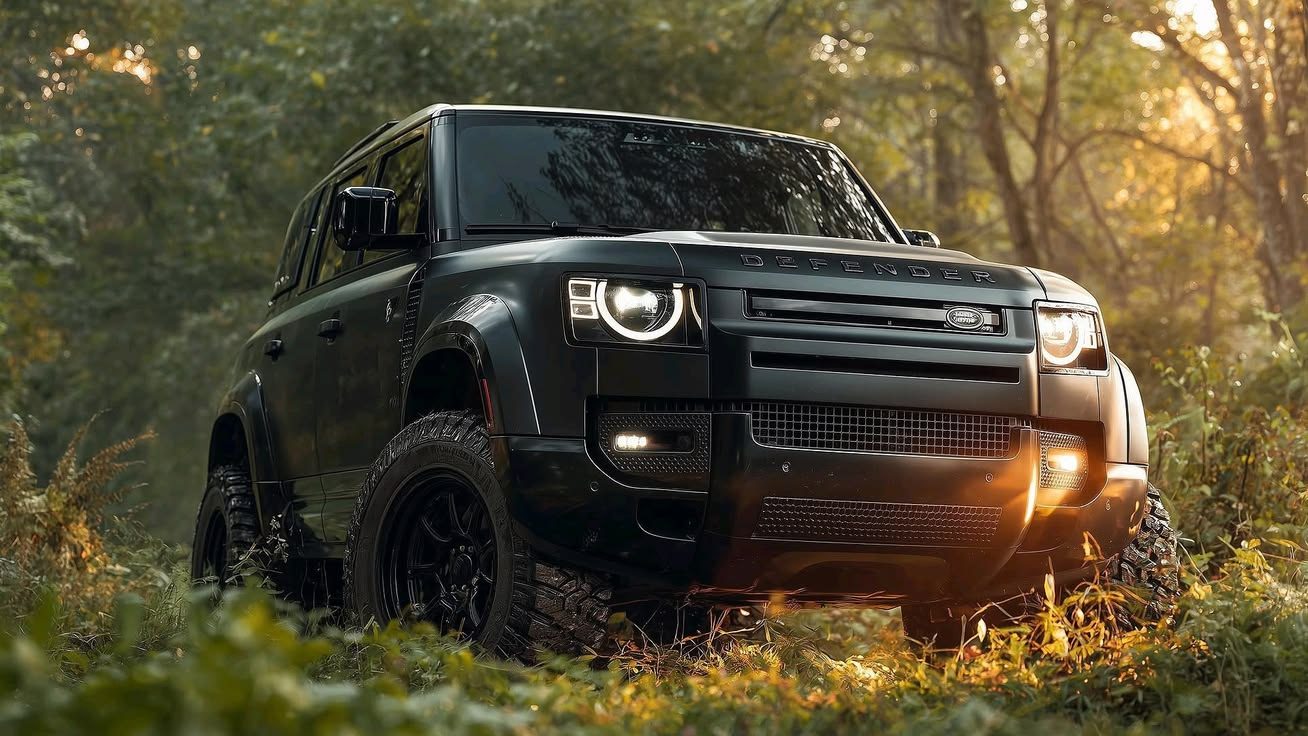
Living in the Rocky Mountains isn’t just about scenic drives and fresh air it’s about survival on wheels. At high altitudes, vehicles behave differently.
Engines lose power due to thinner air, traction becomes unpredictable, and weather can flip from sunny to snowstorm in minutes. That’s why picking the right SUV isn’t optional it’s critical.
The best SUVs for high altitude driving must handle three things exceptionally well: power delivery, traction, and durability.
At elevations above 5,000 feet, naturally aspirated engines can lose a noticeable amount of power, while turbocharged engines maintain performance more effectively by compensating for reduced oxygen.
Then there’s traction. Snow, slush, gravel, and steep inclines demand advanced all-wheel drive (AWD) or four-wheel drive (4WD) systems that can actively distribute torque where it’s needed most. Without that, even a powerful SUV becomes useless on icy switchbacks.
Ground clearance and suspension also matter more than most people think. Rocky terrain, uneven trails, and hidden obstacles require at least 8 inches of clearance to avoid underbody damage.
Combine that with hill descent control and stability systems, and you’ve got a vehicle that doesn’t just climb, but also comes down safely.
This isn’t just about off-roading. People living in mountain regions need SUVs that can handle daily commuting, long-distance travel, and emergency situations without breaking down in the middle of nowhere.
In this guide, we’re focusing on SUVs that actually perform in real high-altitude conditions, not just look rugged on paper. These vehicles combine strong torque, intelligent AWD systems, and proven reliability in harsh environments.
ALSO READ: 5 SUVs With Clear Rear Visibility vs 5 That Rely Entirely on Cameras
1. Jeep Wrangler Rubicon
If you’re serious about mountain living, the Jeep Wrangler Rubicon is hard to beat. This isn’t a soft-road SUV pretending to be tough. It’s built from the ground up for extreme environments exactly what the Rocky Mountains throw at you.
Let’s start with what matters most: capability.
The Rubicon comes with Rock-Trac 4×4, locking front and rear differentials, and a disconnecting sway bar. That means it doesn’t just survive rocky trails it dominates them. Steep climbs, loose gravel, deep snow this SUV handles it all without hesitation.
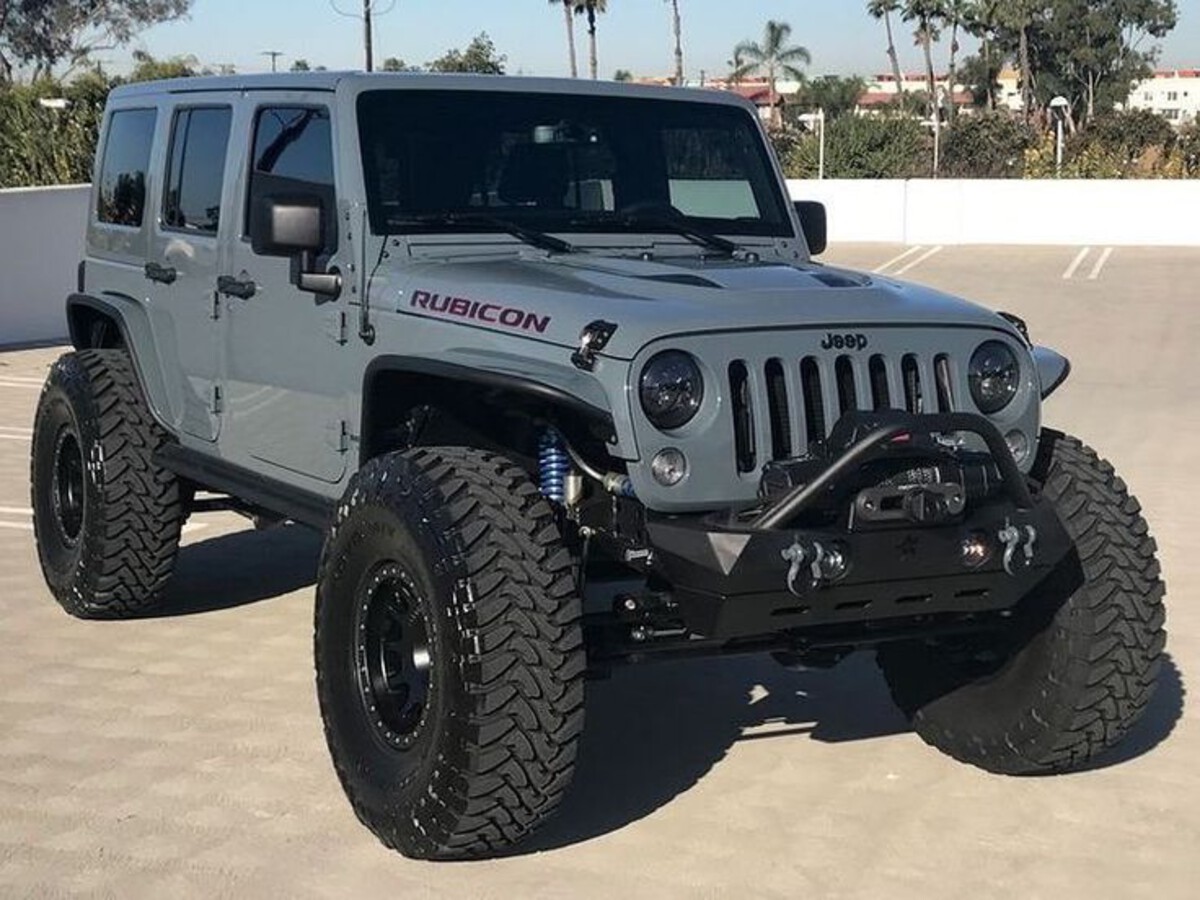
Ground clearance sits around 10+ inches, which gives you the freedom to tackle uneven terrain without worrying about scraping the underbody. Add in aggressive approach and departure angles, and you’ve got a vehicle that can climb and descend without drama.
The turbocharged engine options help maintain power even in thin air, which is a huge advantage over naturally aspirated competitors. In mountain regions where power loss is real, this matters more than people realize.
Inside, it’s not exactly luxury but it’s practical. You get durable materials, easy-to-clean surfaces, and enough tech to keep things comfortable without overcomplicating repairs. That said, let’s be honest this isn’t for everyone. Ride quality on highways is stiff. Fuel economy isn’t great. And if you’re just commuting on paved roads, it might feel like overkill.
But if your daily life involves snow-packed roads, off-grid trails, or unpredictable terrain, the Wrangler Rubicon isn’t just a good choice it’s one of the best.
2. Toyota 4Runner
The Toyota 4Runner has built its reputation the hard way by consistently showing up where other SUVs fail. This is one of those vehicles that people trust in remote mountain regions, and for good reason.
First, durability. The 4Runner uses a body-on-frame construction, which is the same type of build used in trucks. That means it can handle rough terrain, heavy loads, and long-term abuse without falling apart.
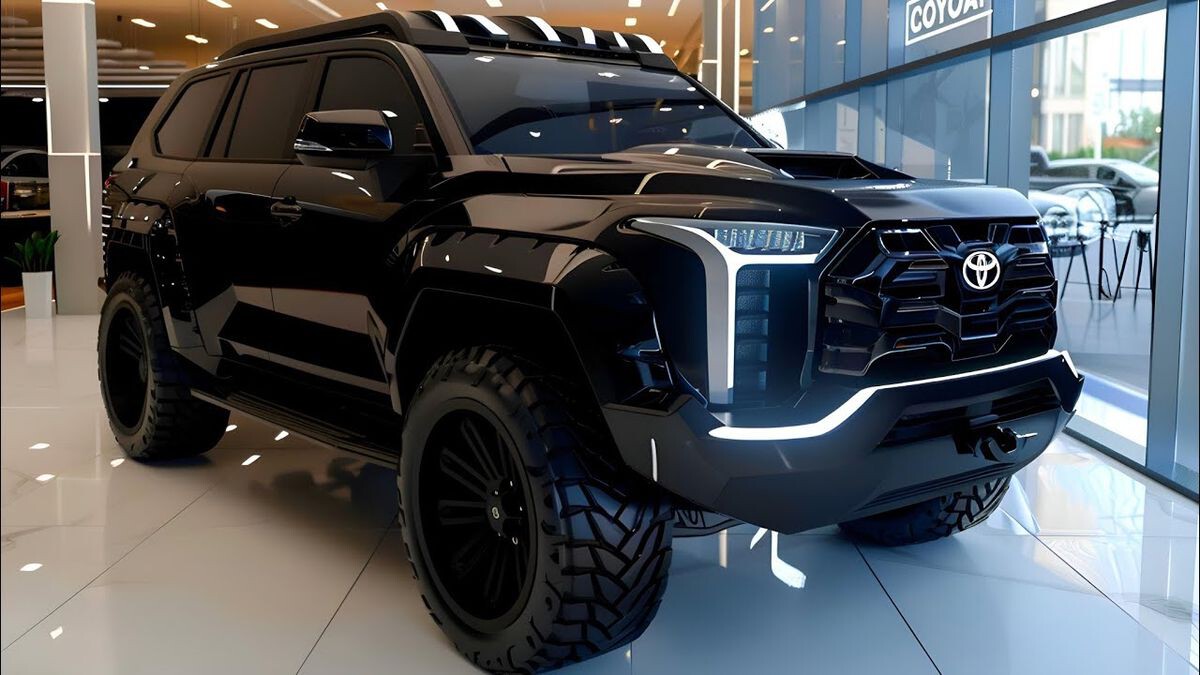
Then there’s off-road capability. With available 4WD, locking rear differential, and Multi-Terrain Select, the 4Runner is designed to deal with mud, snow, and rocky paths without needing constant driver input. Crawl Control acts like off-road cruise control, helping you maintain traction on difficult climbs.
Ground clearance is another win around 9.6 inches, which is more than enough for most mountain obstacles. Now let’s talk about reliability. This is where the 4Runner really stands out. It’s known for running well past 200,000 miles with proper maintenance. In remote areas where breakdowns can become serious problems, that reliability is a huge advantage.
However, there’s a trade-off. The engine is naturally aspirated, which means it can lose some power at high altitudes compared to turbocharged rivals. You’ll notice it on steep climbs, especially when fully loaded.
Fuel economy is also not great, and the interior feels outdated compared to newer SUVs. But here’s the thing people don’t buy the 4Runner for luxury or speed. They buy it because it works. Every time.
3. Subaru Outback Wilderness
If you want something more balanced not too hardcore, not too soft the Subaru Outback Wilderness hits a sweet spot. This is one of the most practical choices for people who live in the mountains but still need a comfortable daily driver.
Let’s start with the AWD system. Subaru’s Symmetrical AWD is always active. It doesn’t wait for a slip it constantly distributes power to all four wheels. That makes a huge difference on snowy or icy roads where traction changes quickly.
The Wilderness trim takes things further with X-Mode, which optimizes throttle, braking, and torque for snow, mud, and steep terrain. Ground clearance is about 9.5 inches, which is impressive for a crossover. It’s more than enough for dirt roads, snow buildup, and moderate trails.
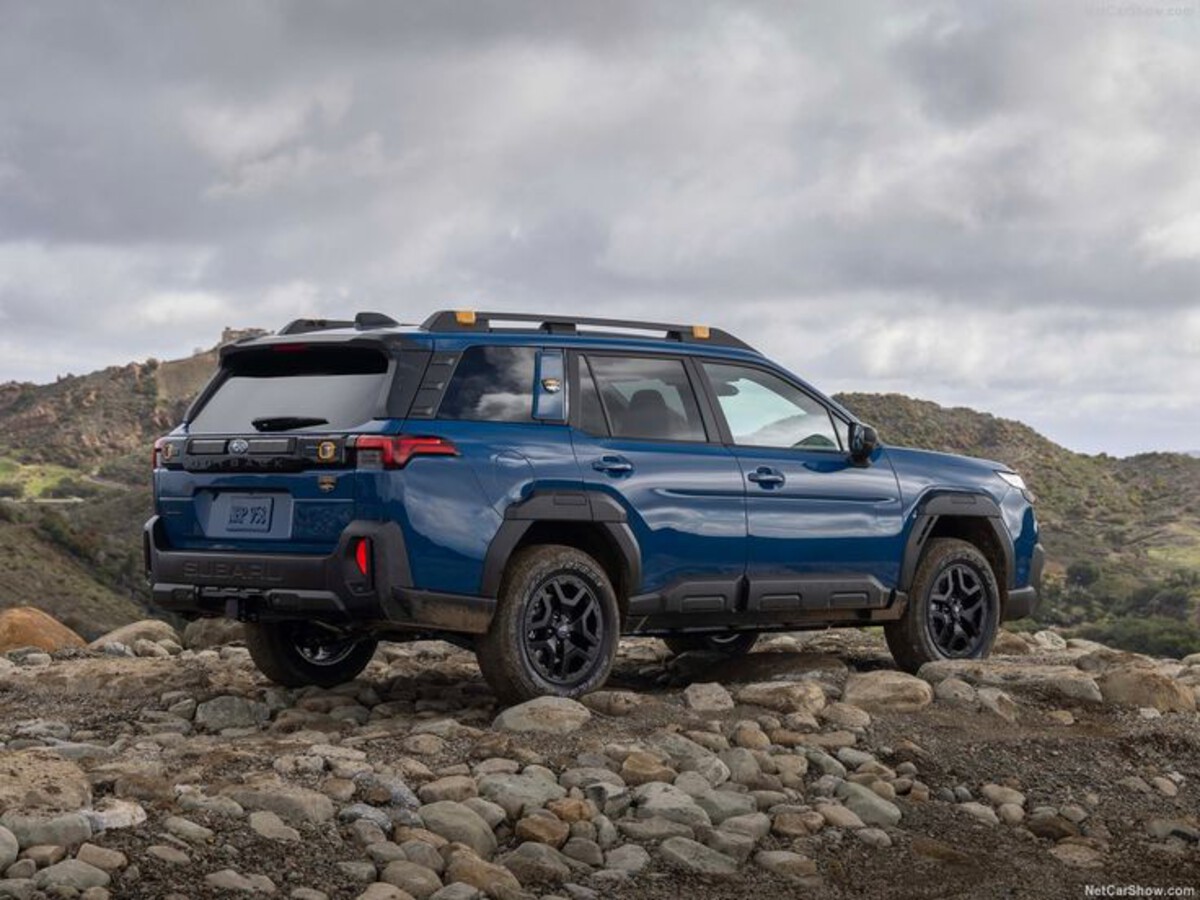
Now, performance at altitude. The turbocharged engine helps maintain consistent power, which is a big advantage in high elevations where thinner air reduces engine efficiency.
Inside, the Outback is where it pulls ahead of more rugged SUVs. You get a comfortable ride, better fuel efficiency, and a modern interior. It’s ideal for long drives, daily commutes, and weekend adventures without feeling like a truck.
But let’s not oversell it. This is not a hardcore off-roader. It won’t replace something like a Wrangler on extreme trails. And towing capacity is limited compared to larger SUVs.
Still, for most people living in the Rockies, this is more than enough. It’s reliable, efficient, and capable in real-world conditions which honestly matters more than extreme specs.
4. Ford Bronco
The Ford Bronco isn’t trying to be subtle. It’s built for people who deal with rough terrain daily and don’t want to think twice before taking a bad road.
What makes it stand out in mountain regions is its G.O.A.T. Modes (Go Over Any Terrain) system. It adjusts throttle, traction, and drivetrain behavior depending on conditions like snow, mud, sand, or rocks.
In the Rockies, where road conditions can change every few miles, this kind of adaptability matters more than raw power.
Under the hood, the Bronco offers turbocharged engine options. That’s a big win at high altitudes. Unlike naturally aspirated engines, turbocharged ones don’t lose as much power in thin air.
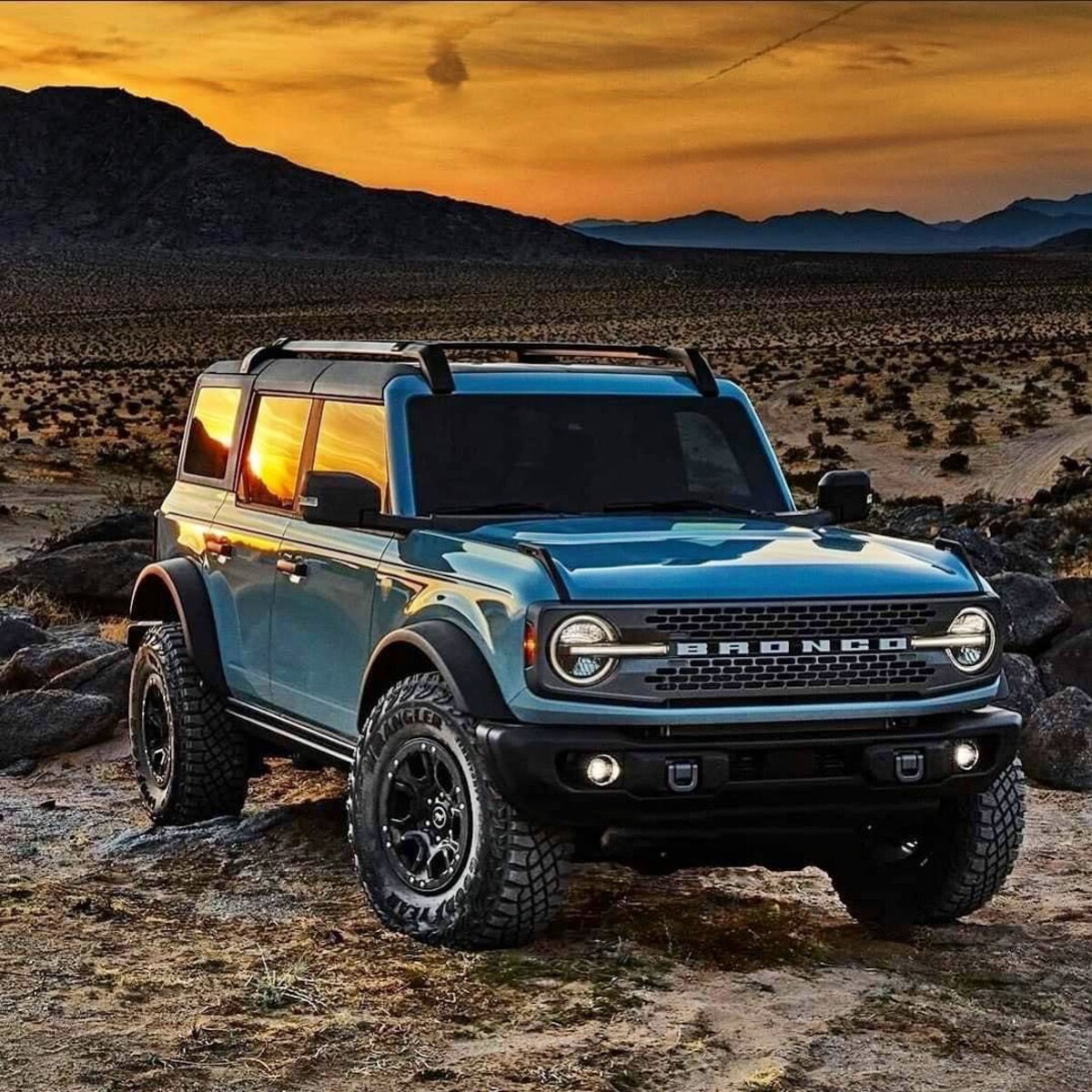
With available advanced 4×4 systems, locking differentials, and high ground clearance, the Bronco is more than capable of handling deep snow, rocky trails, and muddy paths. The short overhangs also help with steep approach and departure angles, reducing the chances of scraping the front or rear.
Inside, it strikes a balance. It’s more comfortable than something like a Wrangler but still rugged enough to take abuse. The interior materials are durable, and many parts are designed to be easily cleaned after messy drives.
But here’s the trade-off. Fuel efficiency isn’t great, and wind noise can be noticeable at highway speeds. Also, if you’re not actually using its off-road capability, you’re paying for features you may never need.
Still, if your lifestyle includes unpredictable roads, snow-packed routes, and occasional off-road driving, the Bronco makes a strong case.
ALSO READ: 10 Best Used SUVs for People Who Regularly Tow Small Boats and Trailers
5. Toyota Land Cruiser
The Toyota Land Cruiser is one of those SUVs that has nothing left to prove. It’s known worldwide for surviving extreme environments, from deserts to mountains and doing it without constant repairs. For high-altitude living, that kind of dependability is hard to ignore.
Let’s start with capability. The Land Cruiser comes equipped with a full-time 4WD system, locking differentials, and advanced traction management. It doesn’t just react to terrain it adjusts continuously to maintain grip. Snow, ice, gravel it handles all of it without drama.
Ground clearance is solid, and the suspension system is designed to absorb rough terrain while keeping the ride stable. That’s important when you’re dealing with uneven mountain roads over long distances. Now performance.
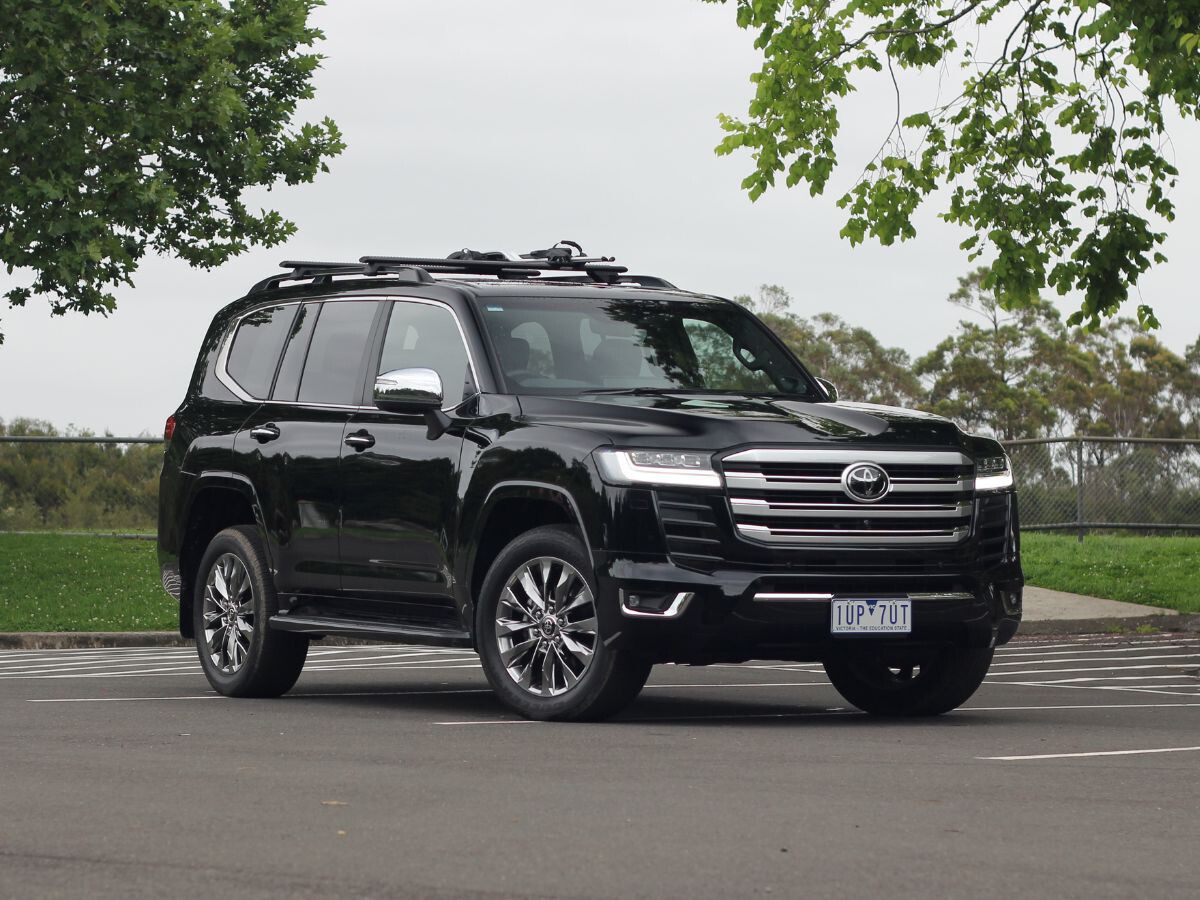
Modern versions come with turbocharged engines, which help maintain power at high altitudes. This gives it a clear advantage over older naturally aspirated setups when climbing steep roads or carrying heavy loads.
Inside, it’s a different story compared to rugged SUVs. You get premium materials, comfortable seating, and a quiet cabin. It’s ideal for long drives in cold conditions where comfort actually matters. Heated seats, advanced climate control, and safety systems all add to the experience.
But there’s no way around the downsides. It’s expensive. Really expensive. Fuel consumption is also high, and it’s larger than what some drivers may feel comfortable handling on narrow mountain roads. Still, if budget isn’t a concern and you want a mix of comfort, durability, and serious off-road ability, the Land Cruiser sits near the top.
6. Chevrolet Tahoe Z71 – Big, Powerful, and Snow-Ready
If you need space, power, and confidence in bad weather, the Chevrolet Tahoe Z71 deserves attention. This is a full-size SUV, which already gives it an advantage in terms of stability and road presence. In high-altitude regions where snow and wind can affect smaller vehicles, that extra weight and size can actually help.
The Z71 trim is specifically designed for off-road and rough conditions.
It includes a 4WD system, skid plates, hill descent control, and all-terrain tires, making it more capable than the standard Tahoe. While it’s not meant for extreme rock crawling, it handles snowy roads, dirt trails, and uneven terrain without much trouble.
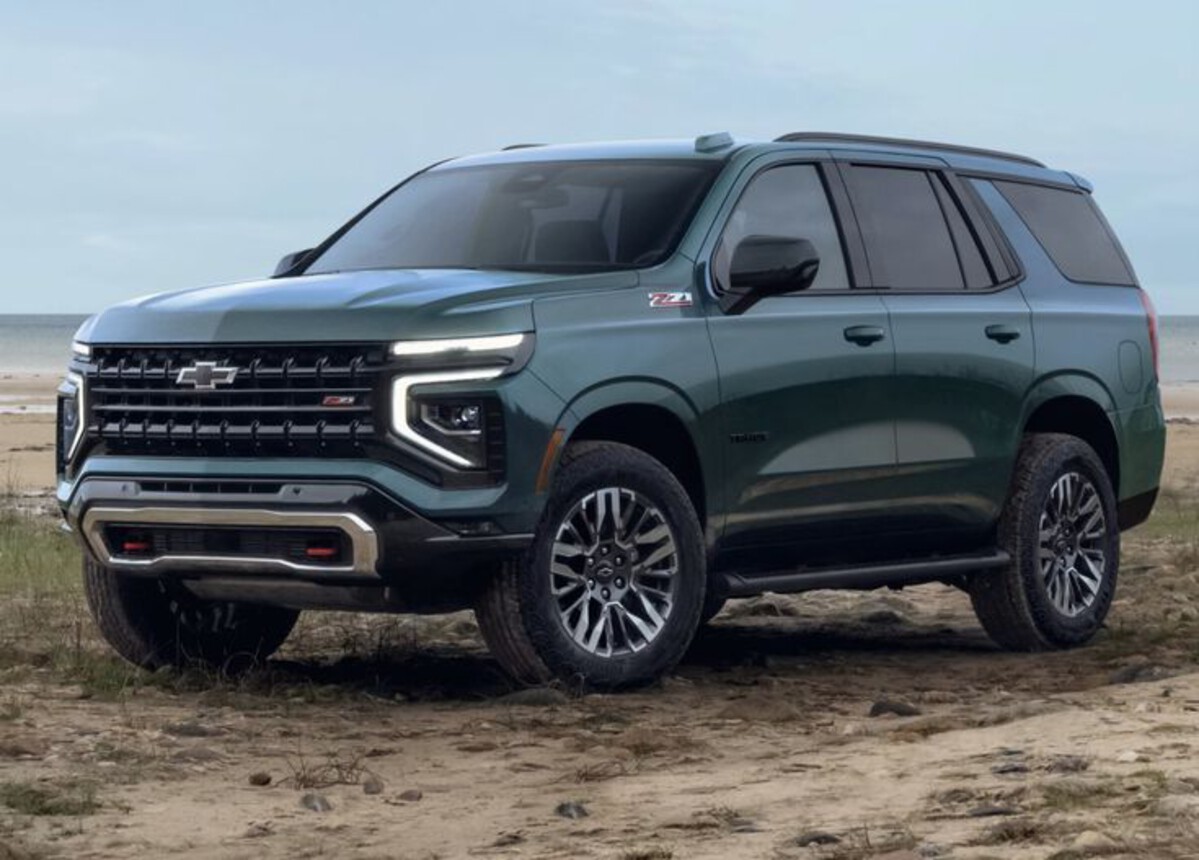
Now let’s talk power. The Tahoe offers strong engine options, including a diesel variant. The diesel engine is especially useful in mountain regions because it provides better torque at lower RPMs. That means smoother climbs and better control on steep inclines.
Interior space is where the Tahoe dominates. You get three rows of seating, plenty of cargo space, and a comfortable cabin. For families living in mountain areas or people who need to carry gear, this becomes a major advantage.
However, there are trade-offs. Its size can become a problem on narrow roads or tight turns. Parking is not easy in small towns or crowded areas. Fuel economy also takes a hit, especially with the gasoline engines.
Also, while it handles snow well, it’s not designed for serious off-road trails like a Wrangler or Bronco. So who is this for? If your priority is space, comfort, and strong performance in snow, and you don’t mind the size, the Tahoe Z71 fits well into a mountain lifestyle.
7. Volvo XC90 AWD
The Volvo XC90 AWD takes a different approach compared to traditional rugged SUVs. It’s not built for extreme off-roading but when it comes to safety, control, and winter performance, it does a lot right.
Let’s start with traction. Volvo’s AWD system works quietly in the background, constantly adjusting power distribution to maintain grip. On icy or wet roads, this makes the vehicle feel stable and predictable which is exactly what you want in mountain conditions.
Ground clearance is lower than hardcore SUVs, but still enough for regular snowy roads and mild trails. Now, altitude performance. The XC90 uses turbocharged and supercharged engine options, meaning it handles high-altitude driving better than naturally aspirated competitors. You won’t feel a major drop in power when climbing.
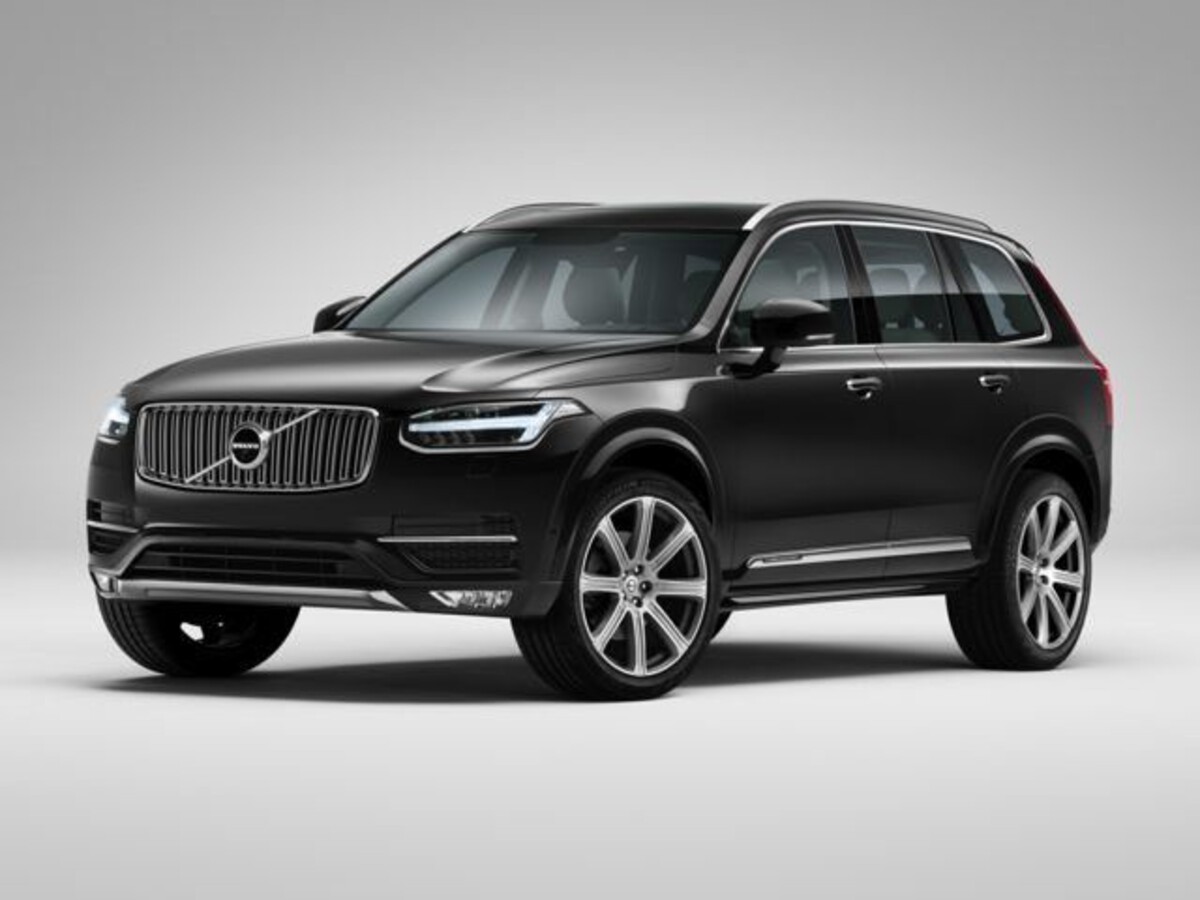
Where this SUV really stands out is safety. Volvo has built its reputation around safety systems, and the XC90 reflects that. Features like collision avoidance, lane assistance, and advanced braking systems help reduce risks in unpredictable conditions.
Inside, it’s all about comfort. You get a premium cabin, smooth ride quality, and quiet driving experience. For long winter drives, that comfort adds up.
But let’s be real about limitations. This isn’t an off-road machine. It won’t handle deep mud or rocky trails like a 4Runner or Wrangler. Repairs and maintenance can also be expensive compared to more rugged SUVs.
So if your driving is mostly on paved roads, highways, and well-maintained mountain routes, the XC90 makes sense. If you’re going off-grid regularly, you’ll want something tougher.
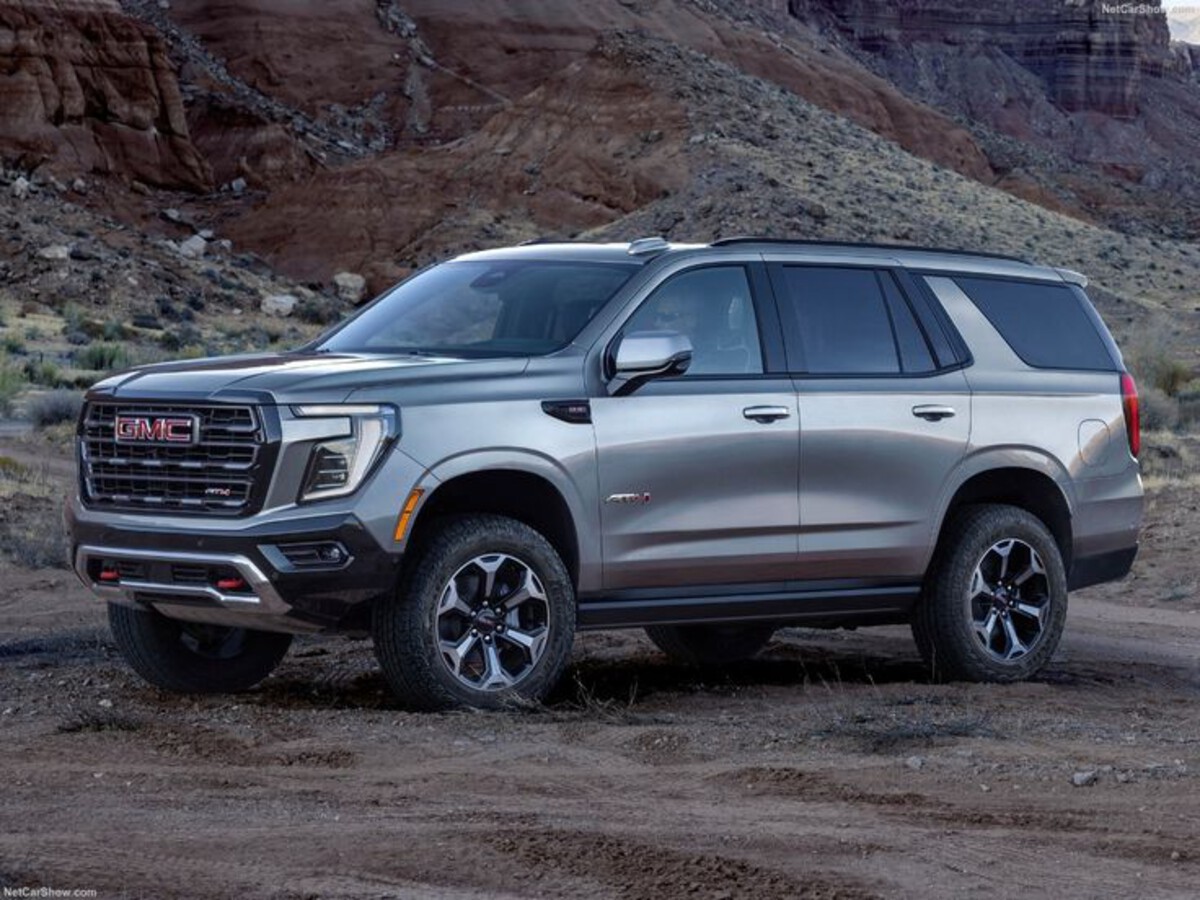
8. GMC Yukon AT4
The GMC Yukon AT4 is what you pick when you want size, power, and confidence especially in harsh mountain environments where smaller SUVs start to struggle.
Let’s start with capability. The AT4 trim is built specifically for off-road and rough conditions. It comes with an Active Response 4WD system, skid plates, and all-terrain tires. That combination gives it serious traction on snow, slush, and uneven terrain exactly what you deal with in high-altitude regions.
It also includes hill descent control, which helps maintain a steady speed on steep downhill sections without constantly braking something that becomes very useful on icy mountain roads.
Now let’s talk power. The Yukon AT4 offers multiple engine options, including a V8 and a turbo-diesel. The diesel option is especially useful in the mountains because it delivers strong torque at low RPMs. That means smoother climbs and better control when you’re going uphill with passengers or cargo.
Unlike smaller SUVs, the Yukon doesn’t feel strained under load. Whether you’re carrying gear, family, or towing, it maintains stability and power.
Suspension is another big advantage. With available Air Ride Adaptive Suspension, the Yukon can adjust its height depending on terrain. You can raise it for rough trails or lower it for better highway handling. That flexibility is a big deal when your driving conditions constantly change.
Inside, it’s spacious and comfortable. You get three rows of seating, plenty of cargo space, and features like heated seats something you’ll actually appreciate during cold mountain mornings. It’s built for long drives without fatigue.
But here’s where you need to be honest with yourself. This SUV is big. Really big. That can become a problem on narrow mountain roads, tight turns, or small parking areas. Fuel consumption is also high, especially with the V8 engine.
And while it’s capable off-road, it’s not meant for tight, technical trails like a Wrangler. Still, if your lifestyle includes long drives, heavy loads, snow-heavy regions, and family travel, the Yukon AT4 makes a lot of sense.
9. Jeep Grand Cherokee Trailhawk
The Jeep Grand Cherokee Trailhawk sits right in that middle ground more refined than a Wrangler, but still seriously capable off-road. If you want comfort and the ability to handle rough terrain, this one makes a strong case.
Let’s talk capability first. The Trailhawk comes with Quadra-Drive II 4×4, an electronic limited-slip differential, and Jeep’s Selec-Terrain system. These features allow it to adapt to snow, mud, sand, and rock without needing constant manual control.
It also includes an adjustable air suspension system. That’s a big deal. You can raise the vehicle for rough terrain or lower it for better stability on highways. In mountain environments where road conditions vary, this flexibility is extremely useful.
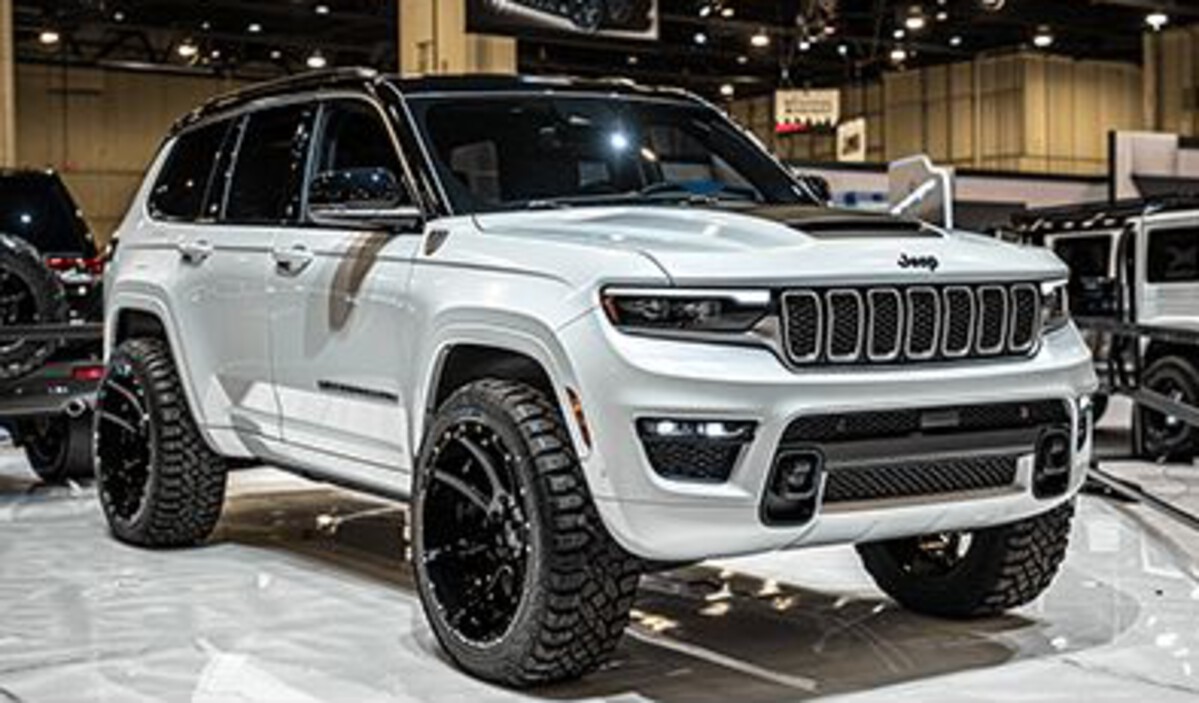
Ground clearance can go over 10 inches when raised, which helps with obstacles and deep snow.
Now performance. With available V6 and V8 engines, including options with strong torque output, the Trailhawk handles steep climbs without feeling underpowered. Some trims also include mild hybrid support, which improves efficiency and response.
Inside, it’s clearly more premium than traditional off-road SUVs. You get a refined cabin, comfortable seating, and modern tech. Long drives feel easier, especially in cold conditions.
But here’s the catch. Maintenance and repair costs can be higher. The added tech and air suspension system, while useful, can become expensive over time.
Fuel economy also isn’t great, especially with larger engines. Still, if you want an SUV that can handle both daily comfort and off-road challenges, the Grand Cherokee Trailhawk strikes a solid balance.
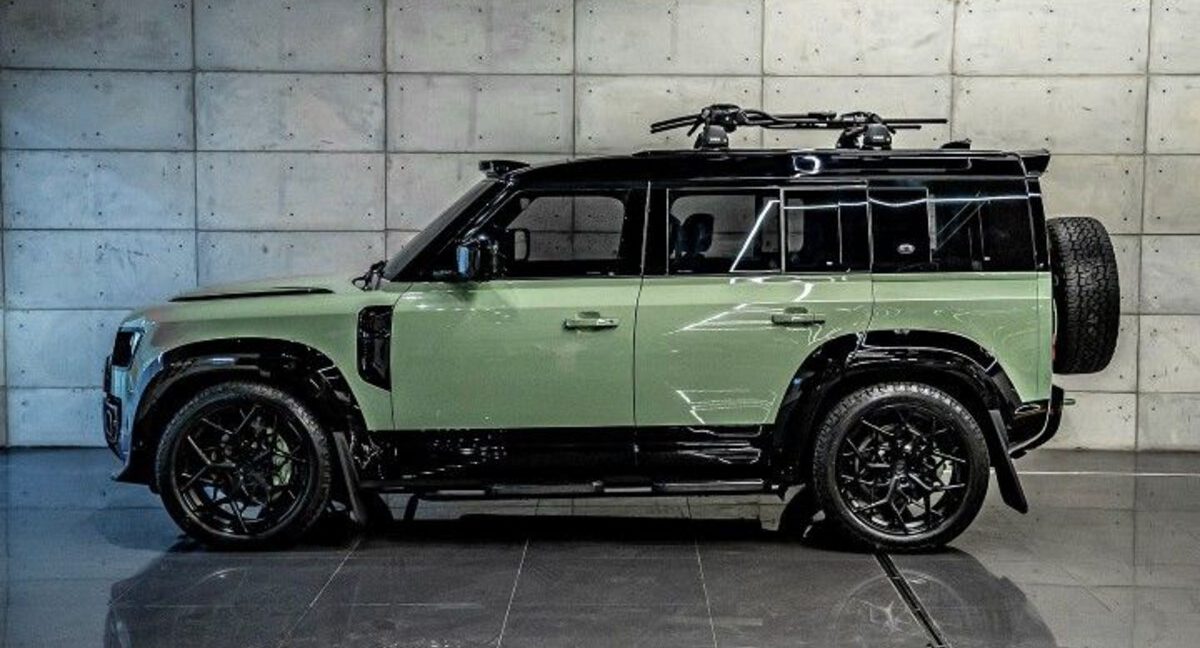
10. Land Rover Defender
The Land Rover Defender is one of the most advanced SUVs you can get for mountain environments. It blends serious off-road capability with modern tech and does it in a way that feels almost effortless.
Let’s start with its strongest feature: terrain management. The Defender uses an advanced Terrain Response system that automatically adjusts throttle, suspension, and traction control based on conditions. Snow, mud, rock it adapts without requiring much input from the driver.
This makes it especially useful in high-altitude regions where conditions change quickly. Ground clearance is excellent, and the air suspension system allows the vehicle to raise or lower itself depending on terrain. Water wading capability is also among the best in its class.
Now performance. The Defender offers multiple engine options, including turbocharged and mild-hybrid setups, which help maintain power at higher elevations. Acceleration remains strong even when climbing steep mountain roads.
Inside, it feels modern and well-built. You get a mix of rugged design and premium materials. It’s comfortable enough for long drives but tough enough for outdoor use. Technology is another highlight.
From camera systems that help you see under the vehicle to advanced driver assistance features, it’s designed to make difficult terrain easier to handle. But let’s not ignore reality.
This SUV is expensive, not just to buy, but also to maintain. Repairs can be costly, especially in remote areas where service centers may not be nearby.
Also, while it’s highly capable, it relies heavily on electronics. Some drivers may prefer simpler, more mechanical setups for reliability. Still, if you want a high-end SUV that can handle extreme conditions without feeling rough, the Defender is one of the best options out there.
Let’s be honest there’s no “perfect” SUV for the Rocky Mountains. It depends on how you actually live.
If you’re deep into off-road terrain, dealing with rocky trails and unpredictable routes, something like the Wrangler or Bronco makes sense.
They’re built for that life. If reliability is your top concern especially in remote areas where breakdowns are a real problem the 4Runner or Land Cruiser stands out. These are the SUVs people trust when things go wrong.
Now, if your driving is more balanced daily commuting, winter roads, occasional trails then models like the Outback Wilderness or Forester Wilderness feel more practical. They’re easier to live with and still handle tough weather.
And then there’s the middle ground. SUVs like the Grand Cherokee Trailhawk and Defender give you both comfort and capability but they come with higher costs and complexity. You need to decide if that trade-off is worth it.
Here’s the mistake most people make they overestimate how extreme their driving will be. You don’t need a hardcore off-roader if 90% of your driving is on paved roads.