
All-wheel drive sounds impressive on paper. Every brand pushes it. Every brochure sells it. But once you hit deep mud or thick slush, reality shows up fast. Not all AWD systems are built the same.
Some are designed for comfort and safety on highways. They help during rain, light snow, or slippery turns. That’s useful, but it’s not enough when the road disappears and turns into soft, sinking mud. That’s where true capability matters.
A strong AWD system does more than just send power to all four wheels. It reacts quickly. It shifts torque where it’s needed most. It works with traction control, locking differentials, and terrain modes to keep the vehicle moving when grip is almost gone.
Deep mud and slush create a unique problem. Tires lose contact. Surfaces become uneven. Wheels spin without control. If the AWD system is slow or basic, the vehicle gets stuck.
They use advanced torque distribution, mechanical locking systems, or smart terrain management features. These systems don’t just “assist”, they take control and keep momentum going. That’s the difference between getting through and calling for a tow.
In this article, we’re not looking at marketing claims. We’re focusing on real-world performers. These are AWD systems that have proven themselves in rough, messy conditions where traction is limited and mistakes cost you time.
If you’re dealing with muddy trails, flooded streets, or heavy slush in winter, this list will help you understand which systems actually deliver and which ones just sound good.
Second, response time matters. In mud, things change fast. If the system reacts too late, the wheels spin and dig deeper. The best AWD systems respond instantly, shifting power before you lose control.
Third, mechanical support plays a big role. Features like locking differentials and low-range gearing give vehicles the strength to push through resistance. Without these, even a smart system can struggle.
Another important factor is terrain management. Many modern AWD vehicles include modes for mud, sand, or snow. These modes adjust throttle response, braking, and torque delivery to match the surface.
Ground clearance also supports AWD performance. Even the best system won’t help if the vehicle bottoms out in thick mud.
So when we talk about the best AWD systems for deep mud and slush, we’re looking at a combination of smart technology, mechanical strength, and real-world testing.
Now let’s get into the systems that actually deliver.
ALSO READ: 10 Best Used Cars Under 10,000 Dollars for High School Students
1. Jeep Quadra-Drive II (Jeep Grand Cherokee)
When it comes to serious off-road performance, Jeep doesn’t play around. The Quadra-Drive II system is a perfect example of that mindset.
This isn’t your basic all-wheel drive setup. It’s a full-time AWD system designed to handle extreme conditions, including deep mud and heavy slush.
What makes it stand out is its use of electronic limited-slip differentials (ELSD) on both the front and rear axles. These differentials actively monitor wheel slip and can send torque to the wheel with the most grip. That’s a big deal when you’re stuck in uneven mud where one wheel is spinning freely.
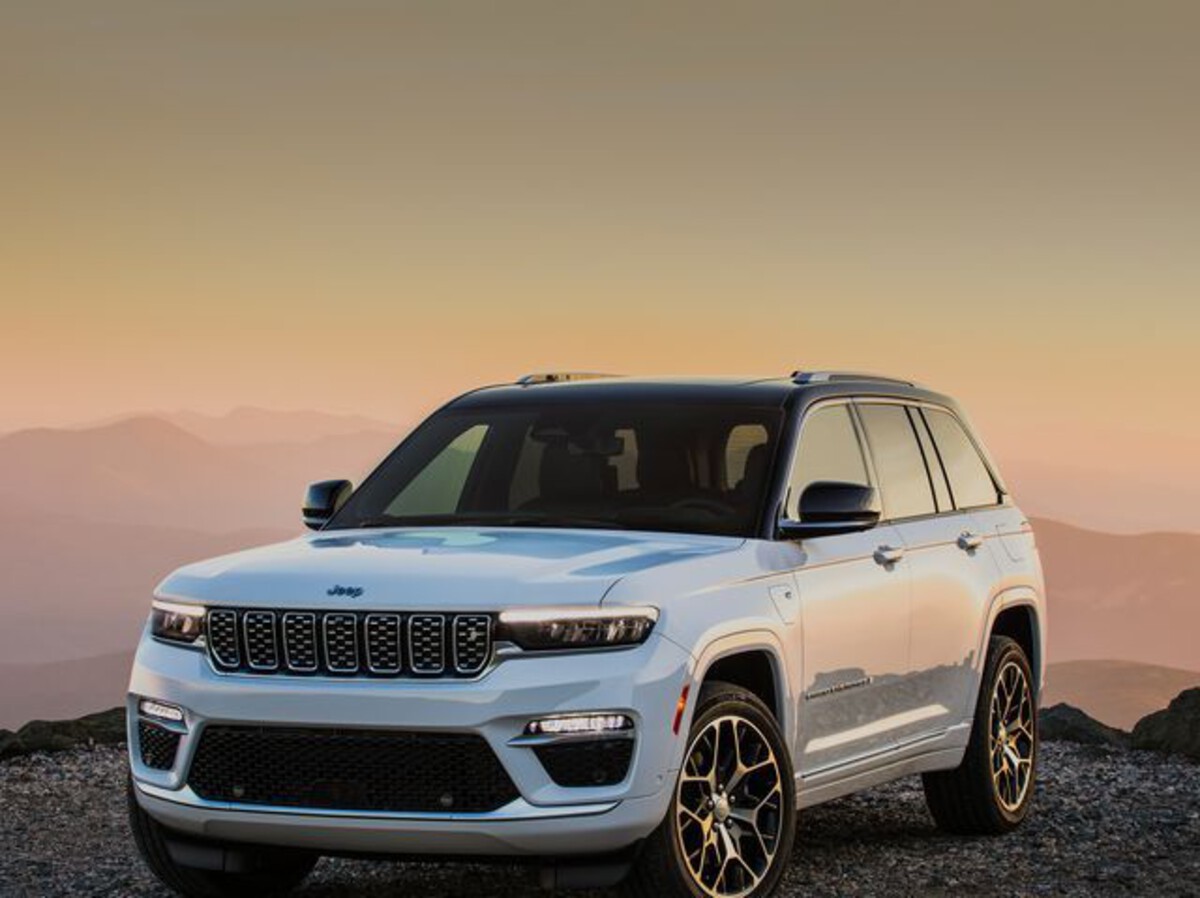
The system also works with Jeep’s Selec-Terrain traction management system. In Mud mode, the vehicle adjusts throttle sensitivity, transmission behavior, and torque split to keep the wheels moving without losing control.
Another major advantage is the low-range gearing available in models equipped with a two-speed transfer case. This provides extra torque at low speeds, helping the vehicle push through thick, resistant terrain.
In deep mud, momentum is everything. The Quadra-Drive II system helps maintain that momentum by constantly balancing power and preventing unnecessary wheel spin.
Ground clearance and suspension also support the system. Many Jeep models come with adjustable air suspension, allowing the vehicle to raise itself for better clearance when conditions get rough.
What really sets this system apart is how proactive it is. Instead of waiting for slip to happen, it predicts and adjusts in real time. That reduces the chances of getting stuck in the first place.
In slushy conditions, where surfaces are inconsistent and unpredictable, this kind of control becomes even more important. The system ensures that power is always directed where it can be used effectively.
If you’re regularly driving through mud-heavy terrain or areas with poor road conditions, this is one of the most capable AWD systems you can rely on.
2. Land Rover Terrain Response 2 (Range Rover / Defender)
Land Rover has built its reputation on going where others stop. The Terrain Response 2 system proves why.
This system isn’t just about all-wheel drive it’s about adapting to the terrain without the driver needing to guess what to do.
In its automatic mode, Terrain Response 2 analyzes the driving surface and adjusts settings on the fly. Whether it’s mud, ruts, sand, or slush, the system selects the best configuration for traction and stability.

For deep mud, the system changes throttle response to prevent sudden power spikes. It also modifies the traction control system to allow controlled wheel slip, which is necessary to keep moving through soft terrain.
One of the biggest strengths here is the center differential and optional rear locking differential. These components ensure that torque is evenly distributed, even when multiple wheels lose grip.
The system also works closely with the vehicle’s air suspension. It raises the ride height when needed, improving ground clearance and reducing the risk of getting stuck.
Another key feature is All-Terrain Progress Control. Think of it like low-speed cruise control for off-road conditions. It maintains a steady pace, allowing the driver to focus on steering while the system manages traction.
In slushy conditions, this level of automation is extremely helpful. Slush can change from firm to loose within seconds. Terrain Response 2 adapts instantly, reducing the chances of losing control.
What makes this system special is its balance between intelligence and capability. It doesn’t just react it anticipates. That’s exactly what you need when driving in unpredictable environments.
This is why vehicles equipped with Terrain Response 2 are often considered some of the most capable AWD machines in the world.
3. Toyota Multi-Terrain Select with Crawl Control (Toyota Land Cruiser / Tacoma TRD Pro)
If reliability meets real off-road performance, you get Toyota’s Multi-Terrain Select system paired with Crawl Control. This setup is built for drivers who deal with rough, unpredictable terrain regularly.
Unlike basic AWD systems that react after wheel slip begins, this system is designed to manage traction before things get out of control. That’s exactly what you need when driving through deep mud and heavy slush.
Multi-Terrain Select allows the driver to choose specific modes like Mud & Sand. In this mode, the system adjusts throttle input, braking force, and traction control settings to keep the wheels moving without excessive spin. It allows just enough slip to maintain forward motion something most standard AWD systems fail to do.
Now here’s where it gets serious: Crawl Control.
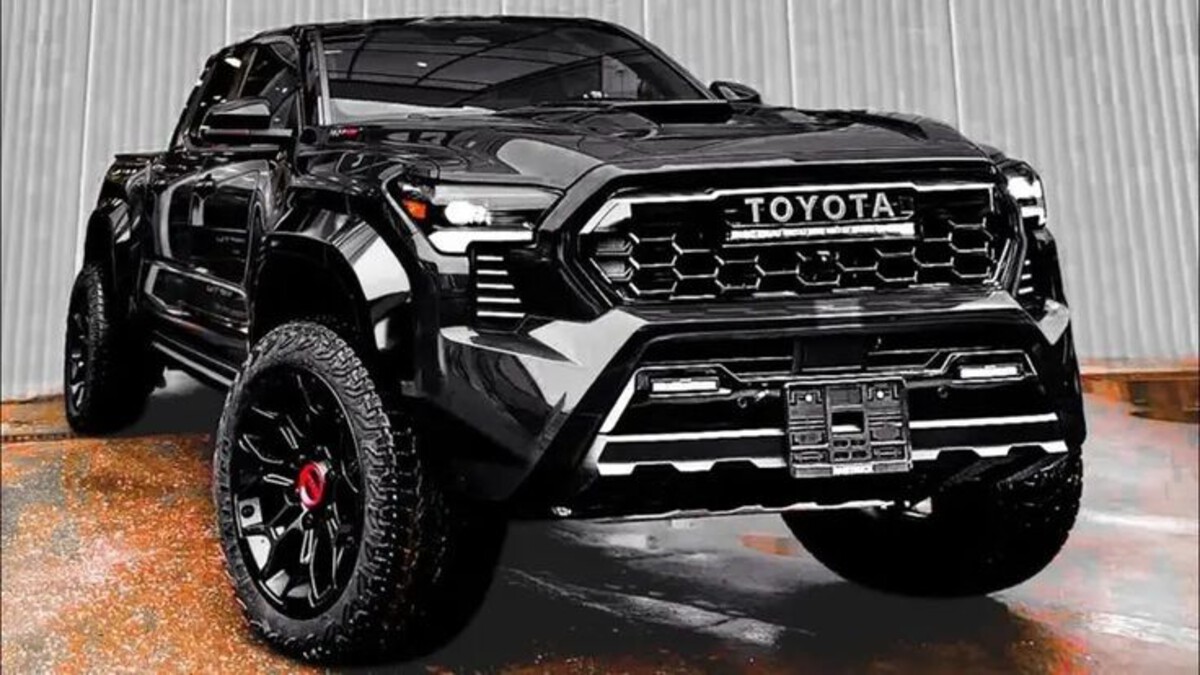
This feature acts like low-speed cruise control for off-road conditions. It automatically manages throttle and braking on each wheel, helping the vehicle move steadily through deep mud without requiring constant pedal input.
Why does that matter?
Because in thick mud or slush, sudden throttle inputs can kill traction. Crawl Control removes that risk by maintaining a steady pace, which is key for staying unstuck.
Another major advantage is the locking rear differential available in these vehicles. This ensures both rear wheels receive equal power, even when one loses traction completely.
Toyota also pairs this system with strong ground clearance and durable suspension, which supports real-world mud driving performance.
When people search for the best AWD for mud or off-road AWD systems that actually work, this setup consistently shows up for a reason. It’s simple, reliable, and extremely effective.
If your driving conditions include deep slush, uneven trails, or soft ground, this system gives you both control and confidence without overcomplicating things.
4. Subaru Symmetrical AWD with X-Mode (Subaru Outback / Forester Wilderness)
Subaru has built its identity around all-wheel drive and unlike many brands, they don’t treat AWD as an optional upgrade. It’s standard.
But not all Subaru systems are equal. The real performer in deep mud and slush is the Symmetrical AWD combined with X-Mode.
At first glance, this might seem like a softer AWD system compared to heavy-duty off-road setups. But in real-world muddy and slushy conditions, it performs far better than expected.
The Symmetrical AWD layout keeps power balanced between the front and rear wheels at all times. This improves stability and traction, especially on uneven or slippery surfaces.
Now add X-Mode, and things get more serious.
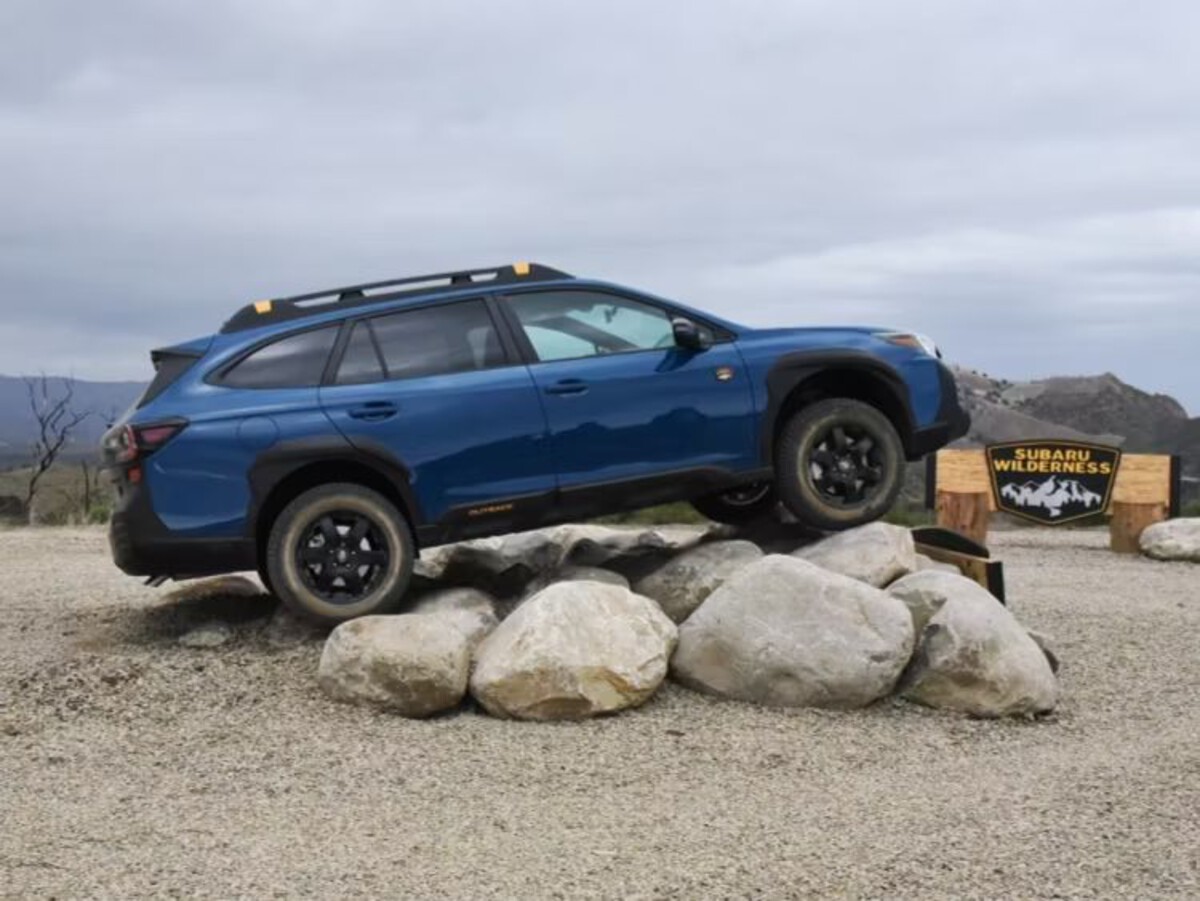
X-Mode is designed specifically for low-traction environments like mud, snow, and slush. It adjusts throttle sensitivity, optimizes the CVT transmission, and enhances traction control to reduce wheel spin.
In deep slush, where surfaces constantly shift, this system helps maintain grip without sudden jerks. That’s a big advantage over systems that deliver power too aggressively.
Another key feature is Hill Descent Control, which helps maintain a controlled speed when going downhill on slippery surfaces.
While Subaru doesn’t rely on heavy mechanical locking differentials like hardcore off-road vehicles, its software-driven approach works surprisingly well for moderate mud conditions.
This makes it one of the best AWD systems for slush and muddy roads in everyday driving situations.
Let’s be honest this isn’t built for extreme swamp-level mud. But for most users dealing with bad roads, rain-soaked terrain, and winter slush, it delivers consistent and reliable performance.
If you want something practical that still ranks high among AWD cars for deep slush, this setup deserves attention.
5. Audi Quattro with Ultra Technology (Audi Q5 / A6 Allroad)
Audi’s Quattro system is one of the most recognized AWD systems in the world. But here’s the catch not every version of Quattro is built the same.
The version that stands out for mud and slush performance is Quattro with Ultra technology.
Now, let’s be clear. This isn’t a hardcore off-road AWD system like Jeep or Land Rover. But when it comes to high-speed stability in slush and controlled traction on muddy roads, it performs exceptionally well.
Quattro Ultra is designed to switch between front-wheel drive and all-wheel drive depending on conditions. But unlike older systems, it can predict when AWD is needed and engage it instantly.

That predictive capability matters a lot in slushy environments.
Slush is tricky. One second you have grip, the next you don’t. A reactive system may respond too late. Quattro Ultra avoids that by preparing the system before slip even happens.
Torque distribution is quick and smooth. Power is sent to the rear wheels when needed, helping maintain stability and control.
Another advantage is how well this system integrates with Audi’s electronic stability control and traction systems. Everything works together to keep the vehicle planted, even when the road feels unpredictable.
However, let’s not overhype it.
In deep, thick mud where mechanical grip and locking differentials are needed, this system has limits. It’s not designed for extreme off-road conditions.
But for users searching for AWD cars for slush, premium AWD systems, or best AWD for wet and muddy roads, Quattro still ranks high.
It shines in real-world driving highways, city roads, and moderately muddy paths where control and balance matter more than brute force.
If your environment includes heavy rain, slushy winters, and occasional muddy stretches, this system delivers strong, consistent performance without compromising comfort.
ALSO READ: 10 Best Manual Transmission Cars You Can Still Buy New in 2026
6. Mercedes-Benz 4MATIC with Off-Road Package (G-Class / GLE)
Mercedes-Benz doesn’t usually come to mind first when people think about mud driving. But the 4MATIC system especially when paired with an off-road package deserves serious attention. This is not just a comfort-focused AWD system. In vehicles like the G-Class, it becomes a full-on off-road machine.
Let’s break it down.
The standard 4MATIC system is already capable of distributing torque between front and rear axles. But in off-road-focused models, it goes much further. You get features like low-range gearing and multiple locking differentials.
That’s where things change completely.

In deep mud, having three locking differentials (front, center, and rear) means all four wheels can receive equal power. Even if one or two wheels lose grip, the vehicle keeps moving forward.
This is a major advantage over most AWD systems that rely only on electronic corrections.
The off-road driving mode also adjusts throttle response and traction control to suit muddy or slushy conditions. It prevents aggressive wheel spin while still allowing enough movement to maintain momentum.
Another strong point is ground clearance. Vehicles like the G-Class are built high off the ground, reducing the chances of getting stuck in thick mud or uneven terrain.
In slushy conditions, the system maintains stability even when surfaces constantly shift. The torque distribution remains smooth, and the vehicle stays controlled.
Now let’s be honest this system is overkill for most people.
But if you’re searching for the best AWD system for deep mud, or luxury off-road AWD systems that actually perform, 4MATIC in its full off-road form is one of the strongest options available.
It combines mechanical strength with smart electronics, making it highly reliable in tough conditions.
7. Ford Intelligent 4WD with Terrain Management System (Ford Bronco / F-150 Raptor)
Ford stepped up its game big time with the Bronco and Raptor. The Intelligent 4WD system combined with the Terrain Management System is built specifically for rough environments. This isn’t a “soft-road” AWD system. It’s designed for real off-road use, including deep mud and heavy slush.
The Terrain Management System comes with multiple drive modes often called G.O.A.T. modes (Goes Over Any Terrain). For mud and ruts, the system adjusts throttle response, transmission shifts, and traction control to keep the vehicle moving efficiently.
In deep mud, this matters more than people think.
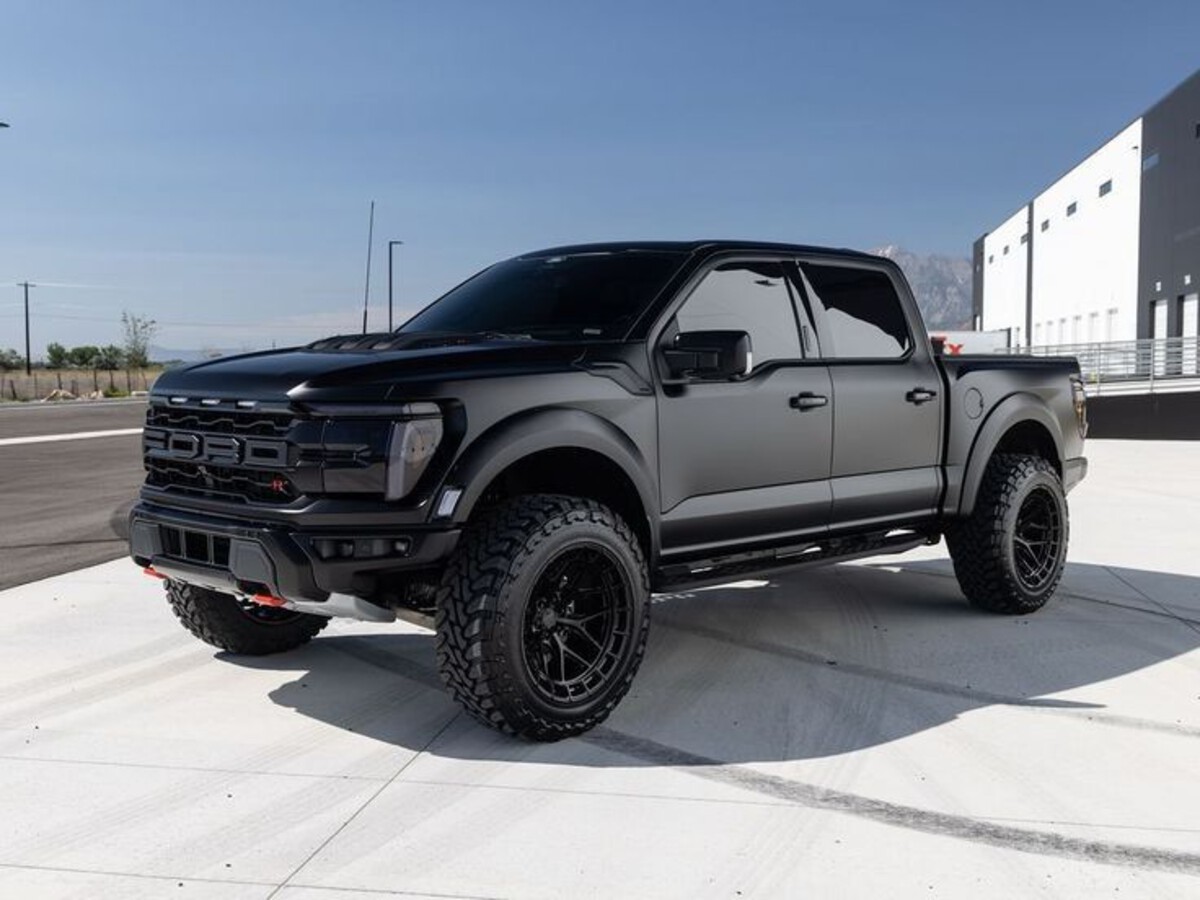
Too much throttle causes spinning. Too little kills momentum. This system finds the balance automatically. Another key feature is the available electronic locking front and rear differentials. This ensures that power is evenly distributed across all wheels, even in uneven terrain.
Ford also includes a low-range transfer case in serious off-road trims. This increases torque at low speeds, helping the vehicle push through resistance like thick mud or deep slush. One standout feature is Trail Control. Similar to Crawl Control, it manages speed in off-road conditions, letting the driver focus on steering.
The system also allows for aggressive driving when needed. In muddy trails, sometimes you need wheel spin to clear tires and maintain motion. The Bronco’s setup allows controlled slip instead of shutting power down completely.
This makes it one of the best AWD systems for mud driving performance and off-road AWD systems for extreme conditions. If you’re dealing with rugged terrain, wet trails, or slush-filled tracks, this system gives you both control and flexibility. It’s not just capable it’s built for this kind of driving.
8. Mitsubishi Super All-Wheel Control (S-AWC) (Outlander / Pajero Evolution Legacy)
Mitsubishi doesn’t always get the spotlight, but its Super All-Wheel Control (S-AWC) system is one of the most underrated AWD setups out there. This system focuses heavily on control, balance, and traction especially in slippery conditions like slush and light-to-moderate mud.
S-AWC combines multiple systems into one. It includes torque vectoring, active stability control, and electronic brake control to manage how power is distributed across all four wheels. In slushy environments, where grip changes constantly, this system shines.
It can send power not just front to back, but also side to side. That means if one wheel loses traction, the system instantly shifts power to another wheel that can use it. This improves stability and keeps the vehicle moving forward smoothly.
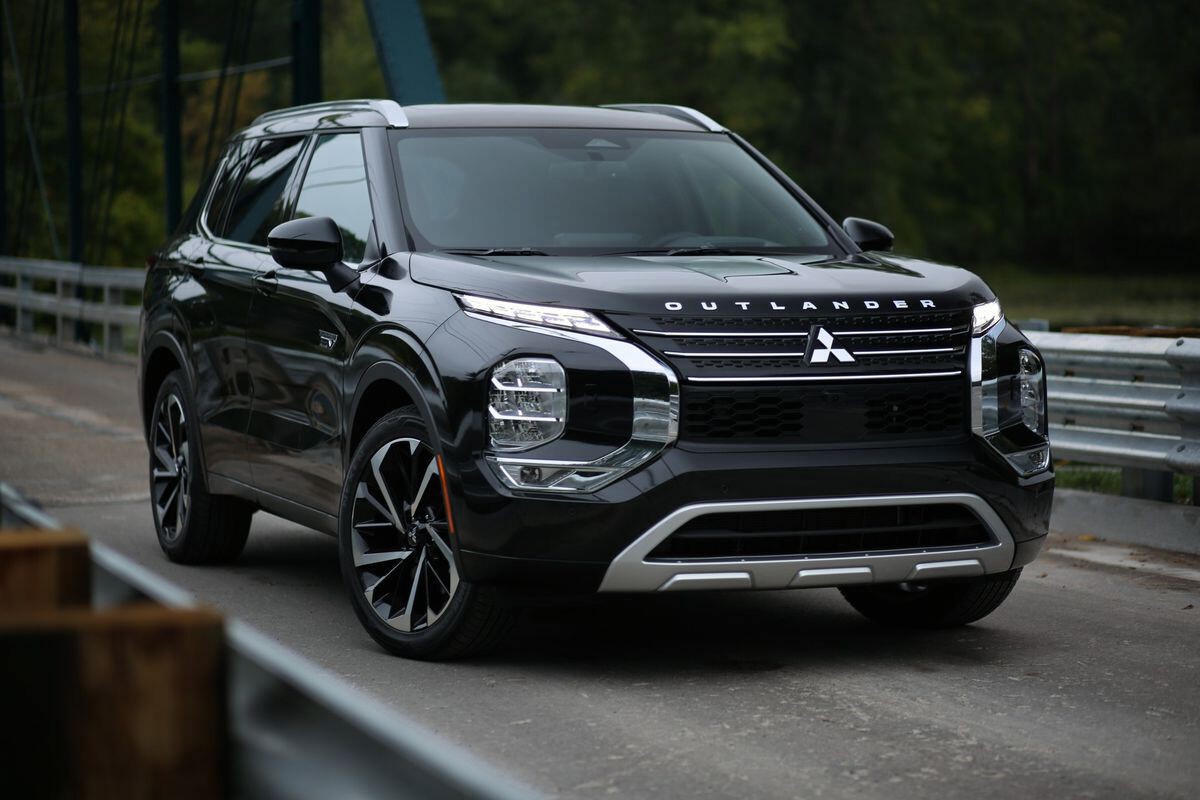
Another advantage is how well it handles cornering on slippery surfaces. Many AWD systems struggle when turning on slush-covered roads. S-AWC maintains grip and balance, reducing the chances of sliding out.
Now let’s be clear this system isn’t designed for extreme, deep mud like Jeep or Ford’s hardcore setups. But for people searching for best AWD for slush, AWD cars for wet and muddy roads, or reliable AWD systems for daily driving, this is a strong contender.
It’s especially useful in urban and semi-rural environments where roads are unpredictable but not completely off-road. If your main concern is staying in control during heavy rain, slush, and moderate mud, S-AWC offers a smart, balanced approach.
Why Choosing the Right AWD System Actually Matters
Here’s the truth most people ignore just having AWD isn’t enough.
You can buy a car labeled “all-wheel drive” and still get stuck in deep mud within minutes. That’s because not all AWD systems are built for the same purpose.
Some are made for fuel efficiency. Some are designed for comfort. Others are tuned for light snow and wet roads. Very few are actually built for deep mud and slush.
That’s where the difference shows.
The best AWD systems for mud combine smart electronics with mechanical strength. They don’t just react they adapt. They manage torque, control wheel spin, and maintain traction even when the surface is working against you.
If you drive in areas with heavy rain, poor roads, or winter slush, choosing the right AWD system isn’t optional it’s necessary.
You also need to think beyond the system itself.
Tires play a huge role. Ground clearance matters. Driving technique matters even more. Even the best AWD system can fail if the setup isn’t right.
So instead of chasing brand names, focus on capability.
Ask simple questions:
- Does the system have locking differentials?
- Does it include terrain modes for mud and slush?
- Can it maintain torque under extreme conditions?
If the answer is no, it’s probably not built for real off-road use.
In the end, the goal is simple stay moving.
Whether it’s a muddy trail, a flooded street, or a slush-covered highway, the right AWD system gives you control, confidence, and reliability when conditions get unpredictable.
And that’s what actually matters.