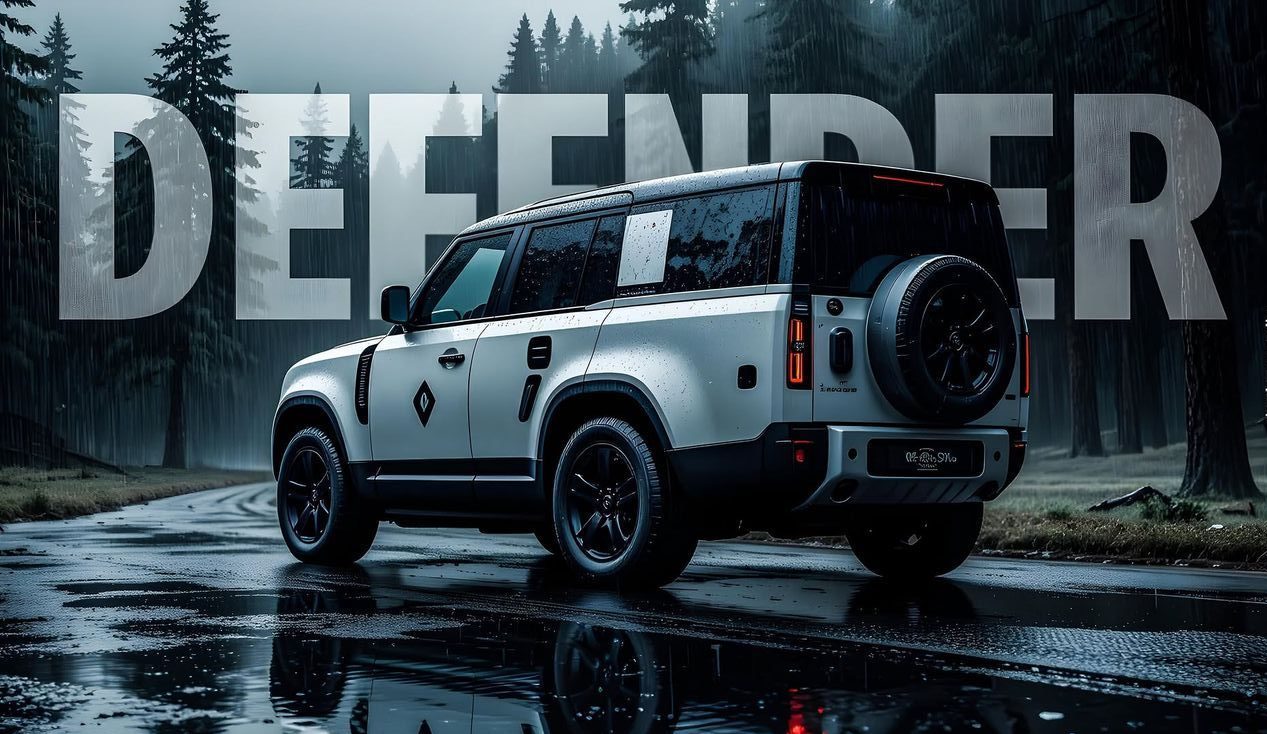
If you live in the Northeast, you already know the struggle. Winter ends, snow melts, and suddenly the roads look like they’ve been through a war.
Deep cracks, hidden dips, and brutal potholes show up everywhere. One wrong hit, and your tire, suspension, or alignment can take a serious hit.
This is why choosing the right vehicle is not just about comfort or looks. It’s about survival. A weak suspension or low ground clearance will cost you money again and again. On the other hand, the right vehicle can handle rough roads without constant repairs.
When we talk about the best vehicles for pothole roads, we’re looking at a few key things. Strong suspension is the first.
It absorbs impact and keeps your ride stable. High ground clearance is another must. It helps your car pass over deep potholes without scraping the bottom. Then comes tire size, wheel strength, and overall build quality.
In the Northeast, roads are not just bad for a few weeks. The problem lasts months. That means your car needs to handle repeated impact, not just occasional bumps.
This is where SUVs, crossovers, and some tough sedans stand out. They are built to take pressure and keep going.
This guide is not about luxury. It’s about practicality. Every vehicle listed here is known for handling rough roads, broken asphalt, and unpredictable surfaces. Whether you drive daily or travel long distances, these cars can save you from costly damage and stress.
If you are tired of slowing down at every bump or worrying about what’s under the water-filled pothole ahead, this list will help you choose smarter.
10 Best Vehicles for Surviving the Pothole Seasons in the Northeast
Driving in the Northeast is not easy, especially during pothole season. Roads become uneven, unpredictable, and sometimes dangerous. That’s why picking the best cars for rough roads becomes more important than ever.
The vehicles on this list are not random picks. Each one is known for durability, strong suspension systems, and the ability to handle bad road conditions without constant breakdowns. Some are SUVs with high ground clearance, while others are sedans built with solid engineering and reliable shock absorption.
You’ll notice a pattern. Most of these vehicles offer features like all-wheel drive, larger tires, and flexible suspension setups. These are not just comfort upgrades. They directly help in reducing damage from potholes and rough surfaces.
Another key factor is long-term reliability. A car might feel smooth at first, but if it cannot handle repeated stress, it won’t last. That’s why every vehicle here has a reputation for handling tough conditions over time.
This list is also practical. It includes a mix of budget-friendly options and slightly premium choices. So whether you’re a student, a daily commuter, or someone who drives long distances, you’ll find something that fits your needs.
If your goal is to avoid costly repairs and drive with confidence on broken roads, these vehicles are worth considering.
Now let’s break them down one by one.
ALSO READ: 12 Best Small Vehicles With surprisingly High Towing Capacities
1. Subaru Outback
The Subaru Outback is one of the most trusted vehicles when it comes to handling rough roads. If potholes are a daily problem for you, this car makes life easier.
First, let’s talk about ground clearance. The Outback offers around 8.7 inches, which is higher than many SUVs. That means you don’t have to panic every time you see a deep pothole. It can glide over rough patches without scraping the bottom.
The suspension is where this car really shines. It is tuned for comfort but strong enough to absorb repeated impacts. Even when roads are uneven, the ride stays stable. You don’t feel every bump, which reduces driver fatigue during long trips.
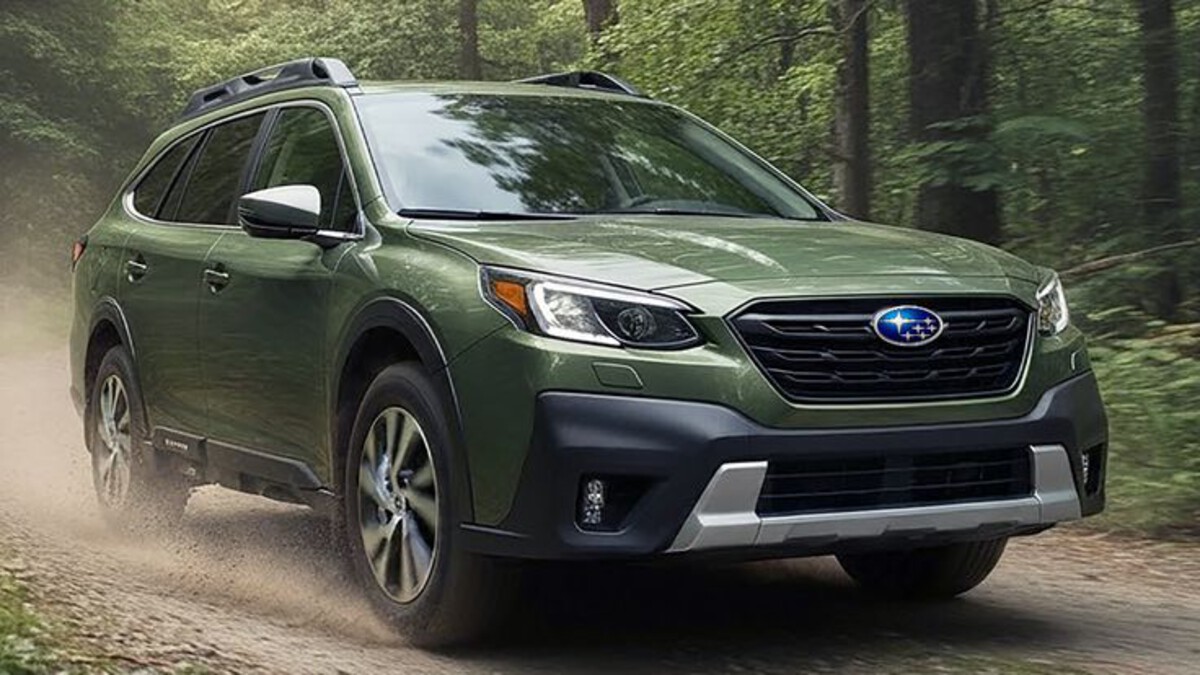
Another big advantage is Subaru’s all-wheel-drive system. Unlike many vehicles where AWD is optional, here it comes standard. This helps keep the car steady when roads are wet, broken, or uneven. It adds an extra layer of control, especially during post-winter conditions.
The tires also play a role. The Outback usually comes with sidewalls that are thick enough to handle impact better than low-profile tires. That means fewer chances of blowouts when hitting sharp potholes. Inside, the car stays quiet and composed. Even when the outside conditions are rough, the cabin doesn’t feel shaky. That’s important if you drive daily.
In terms of reliability, the Outback has built a strong reputation. It can handle years of rough use without major issues if maintained properly. That’s exactly what you need in regions where road quality keeps changing.
Fuel efficiency is another plus. You get decent mileage without sacrificing toughness. So you’re not spending extra just to survive bad roads. If your priority is a mix of comfort, safety, and durability, the Subaru Outback is one of the smartest choices. It’s not flashy, but it gets the job done every single day.
2. Toyota RAV4
The Toyota RAV4 is one of those vehicles that just works. It may not look extreme, but when it comes to dealing with potholes and rough roads, it performs better than many expect.
Let’s start with its suspension. The RAV4 is built to handle daily driving stress. It absorbs shocks well and keeps the ride balanced even on broken roads. You won’t feel every small crack or dip, which makes driving less stressful.
Ground clearance is another reason why it stands out. With around 8.4 inches, it gives enough height to avoid scraping on deep potholes. This is especially useful in the Northeast where road damage can be unpredictable.
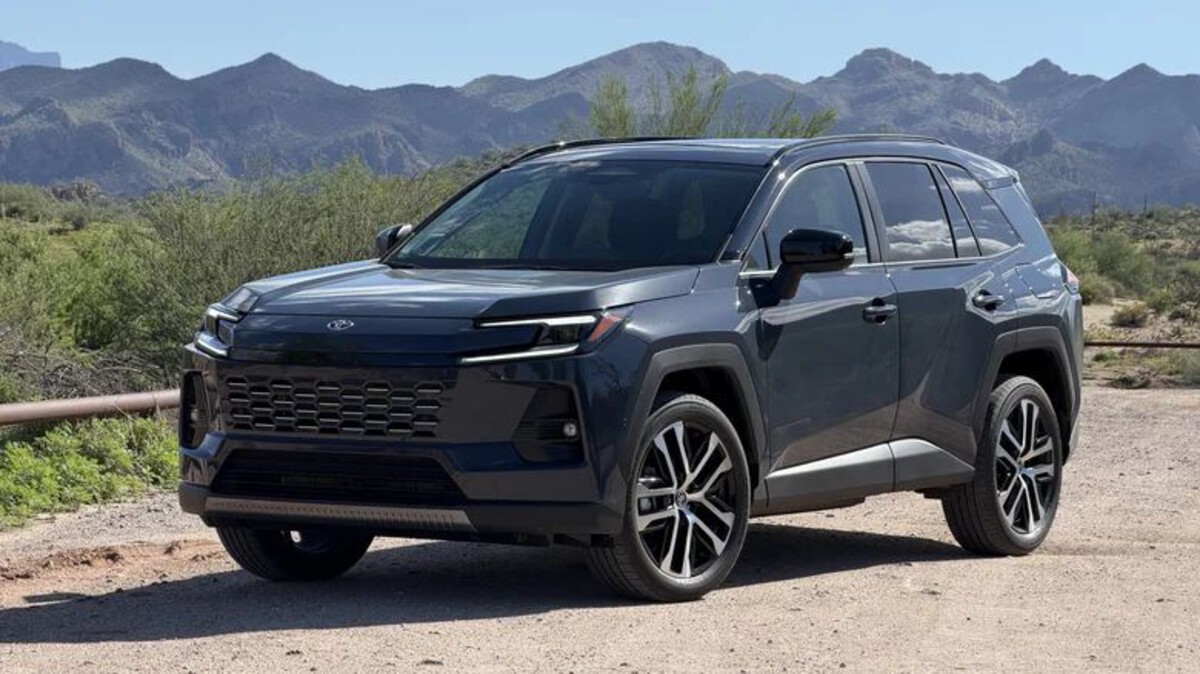
Toyota is known for reliability, and the RAV4 lives up to that reputation. It can handle repeated impact over time without major issues. That means fewer repair bills and less time in the garage. The available all-wheel-drive system adds extra control. When roads are uneven or slippery, the RAV4 stays stable. This helps you drive with more confidence, especially after rain or snow when potholes are harder to spot.
Another thing worth noting is the wheel and tire setup. The RAV4 avoids overly large rims with thin tires. Instead, it uses a more practical setup that can handle rough surfaces better. This reduces the risk of tire damage.
Inside, the car feels solid. Even on bad roads, it doesn’t rattle or feel loose. That tells you the build quality is strong enough to handle daily abuse. Fuel efficiency is also good, which makes it practical for long-term use. You’re not trading off economy for durability.
One thing to keep in mind is that the RAV4 is not designed for extreme off-roading. But for everyday pothole-heavy roads, it does the job really well. If you want a vehicle that is reliable, easy to maintain, and capable of handling rough roads without drama, the Toyota RAV4 is a safe bet.
3. Honda CR-V
The Honda CR-V is another strong contender when talking about the best vehicles for pothole seasons. It combines comfort with durability in a way that works well for daily driving.
The first thing you’ll notice is the smooth ride. The CR-V’s suspension is designed to absorb shocks effectively. Even when you drive over uneven roads, it keeps the cabin stable. That matters a lot when you deal with potholes every day.
Ground clearance sits at about 8.2 inches. While it’s not the highest in this list, it’s enough for most road conditions in the Northeast. You won’t have to worry about scraping unless the pothole is unusually deep.
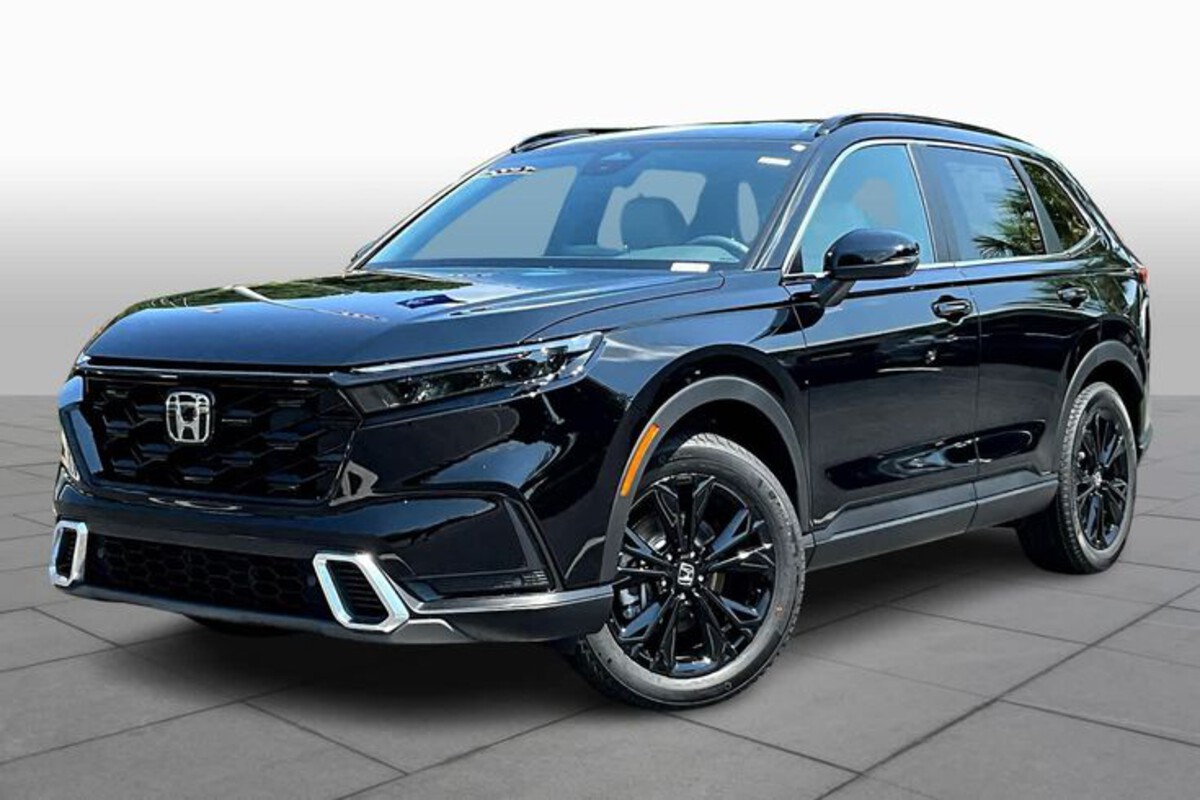
Honda has also focused on building a strong chassis. This helps the car stay solid even after repeated impacts. Over time, this reduces wear and tear compared to weaker builds. The CR-V also offers an all-wheel-drive option. This improves traction on rough and slippery roads. It helps the car stay balanced when surfaces are uneven or damaged.
Another plus is the steering. It feels controlled and predictable, even when roads are bad. That makes it easier to avoid potholes at the last second. The tires and wheel setup are practical. Like the RAV4, it avoids low-profile tires that are more prone to damage. This is a smart choice for rough road conditions. Inside, the CR-V focuses on comfort. Seats are supportive, and the cabin remains quiet even when the outside road is not. That makes long drives less tiring.
In terms of reliability, Honda has a strong track record. The CR-V can handle daily stress without major issues if maintained properly. This makes it a good long-term choice. Fuel efficiency is also decent, which adds to its practicality.
Comprehensive, the Honda CR-V is not built for extreme conditions, but for everyday pothole-filled roads, it performs really well. It’s a balanced option that offers comfort, reliability, and enough toughness to survive rough seasons.
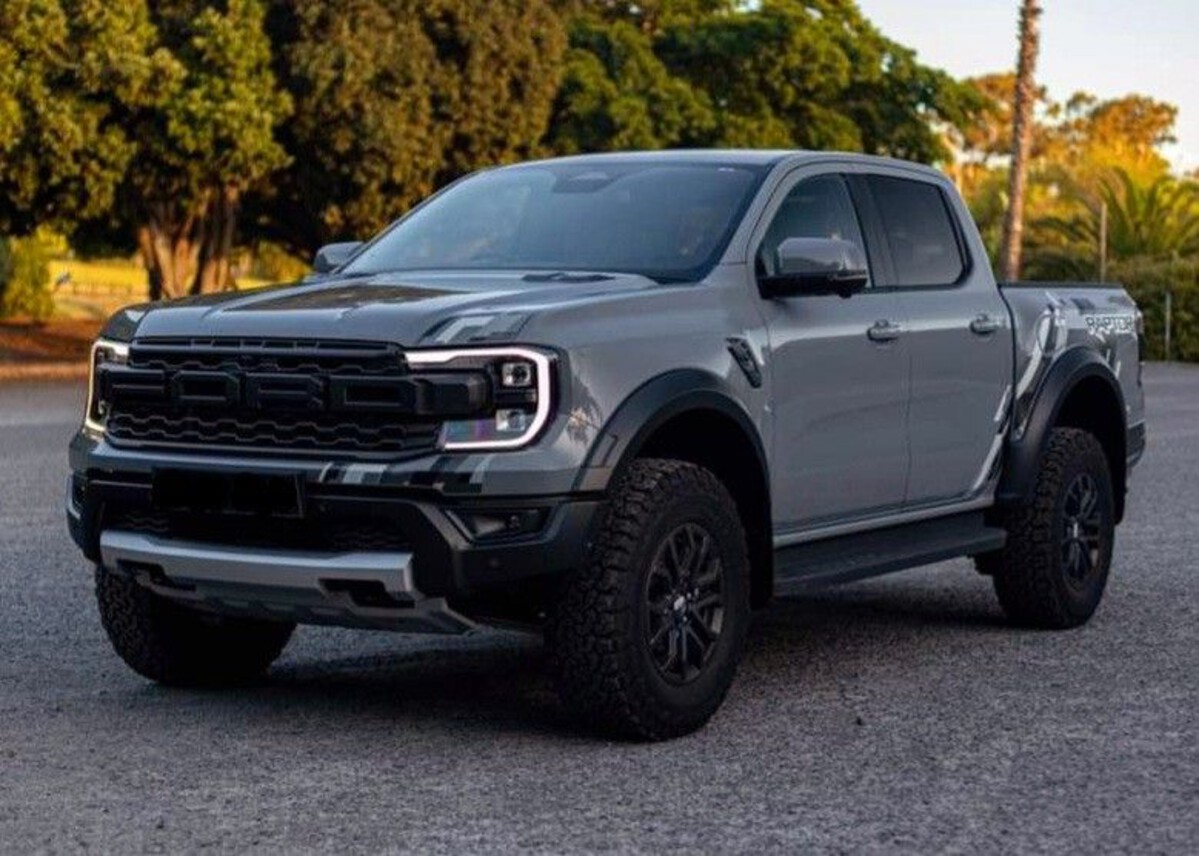
4. Ford Bronco Sport
If your roads feel closer to trails than pavement, the Ford Bronco Sport starts to make a lot of sense. This is not just a city crossover pretending to be tough. It’s actually built to handle rough conditions, including deep potholes and broken asphalt.
The biggest advantage here is ground clearance. The Bronco Sport offers up to 8.8 inches, which is more than enough to deal with uneven roads. You don’t have to slow down to a crawl every time you see a damaged patch.
Now let’s talk suspension. It’s tuned to handle off-road conditions, which means potholes are not a big challenge. The shocks absorb impact well, and the vehicle stays stable even when the road surface is unpredictable.
Another standout feature is its terrain management system. While it’s designed for off-roading, it helps in real-world conditions too. Broken roads, loose gravel, and uneven surfaces feel easier to handle because the system adjusts traction as needed.
All-wheel drive comes standard, and it works well. When one wheel loses grip due to a pothole or loose surface, the system shifts power to maintain control. That’s something you’ll appreciate during post-winter road conditions.
The tires are also more rugged compared to regular crossovers. This reduces the chances of damage when hitting sharp edges or deep holes. Inside, the Bronco Sport feels solid. It doesn’t rattle or shake much, even when the road is far from smooth. That’s a sign of strong build quality.
Fuel economy is not the best in this list, but that’s expected. You’re trading a bit of efficiency for durability and capability. If your daily route includes badly damaged roads, construction zones, or areas that never seem to get repaired, the Ford Bronco Sport is a smart pick. It’s one of the most capable options for surviving pothole-heavy conditions without constant worry.
5. Jeep Grand Cherokee
The Jeep Grand Cherokee has always been known for its toughness. While many people think of it as an off-road SUV, it’s also one of the best vehicles for rough roads in everyday driving.
First, the suspension setup is strong and adaptable. It handles bumps and potholes without making the ride feel harsh. Even when roads are badly damaged, the vehicle remains composed.
Ground clearance varies depending on the trim, but it can go quite high, especially with the air suspension option. This gives it a clear advantage when dealing with deep potholes and uneven surfaces.
One thing that stands out is the build quality. The Grand Cherokee feels heavy and solid. That weight actually helps when driving over rough roads because it keeps the vehicle planted.
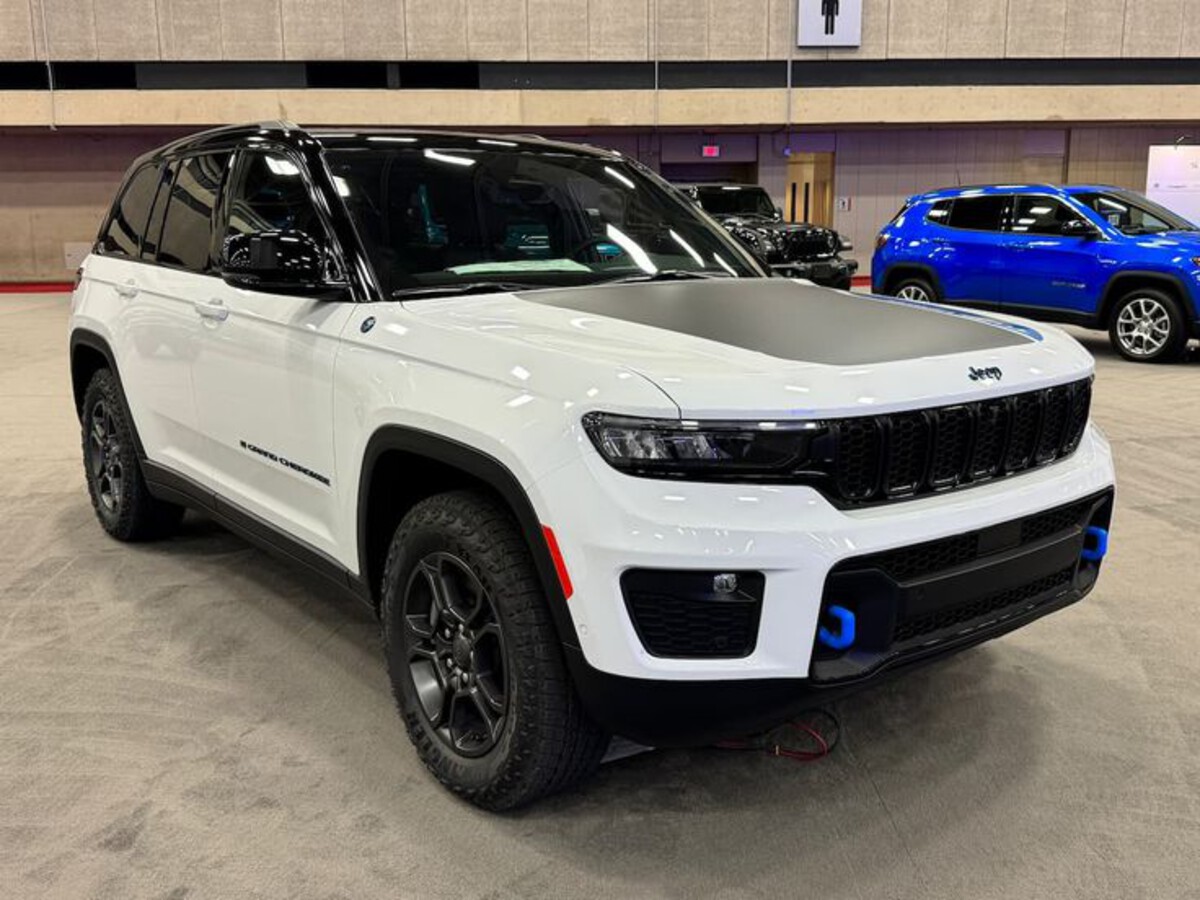
The all-wheel-drive systems available here are advanced. They don’t just react; they predict and adjust. This helps maintain control when roads are broken, slippery, or uneven.
Another benefit is tire flexibility. The Grand Cherokee supports different tire setups, including ones with thicker sidewalls.
This can reduce the risk of damage when hitting potholes at higher speeds. Inside, the ride quality is surprisingly comfortable. You would expect a rugged SUV to feel stiff, but it manages to stay smooth even on rough surfaces.
However, there’s a trade-off. Maintenance and fuel costs can be higher compared to smaller crossovers. But if your priority is durability and confidence on bad roads, it’s worth considering.
This vehicle is ideal for drivers who face extreme road conditions regularly. If potholes are not just occasional but a daily problem, the Jeep Grand Cherokee can handle it without feeling stressed.
6. Subaru Forester
The Subaru Forester is often overlooked, but when it comes to pothole survival, it does a really solid job. It’s practical, durable, and built for real-world driving conditions.
Ground clearance is one of its biggest strengths. At around 8.7 inches, it matches the Outback. That gives you enough height to deal with deep potholes and uneven roads without scraping.
The suspension is tuned for comfort and stability. It absorbs bumps well, making rough roads feel less harsh. This is especially helpful if you drive long distances every day.
Like other Subaru models, the Forester comes with standard all-wheel drive. This improves traction on damaged and uneven surfaces. It also helps when roads are wet or covered in debris after winter.
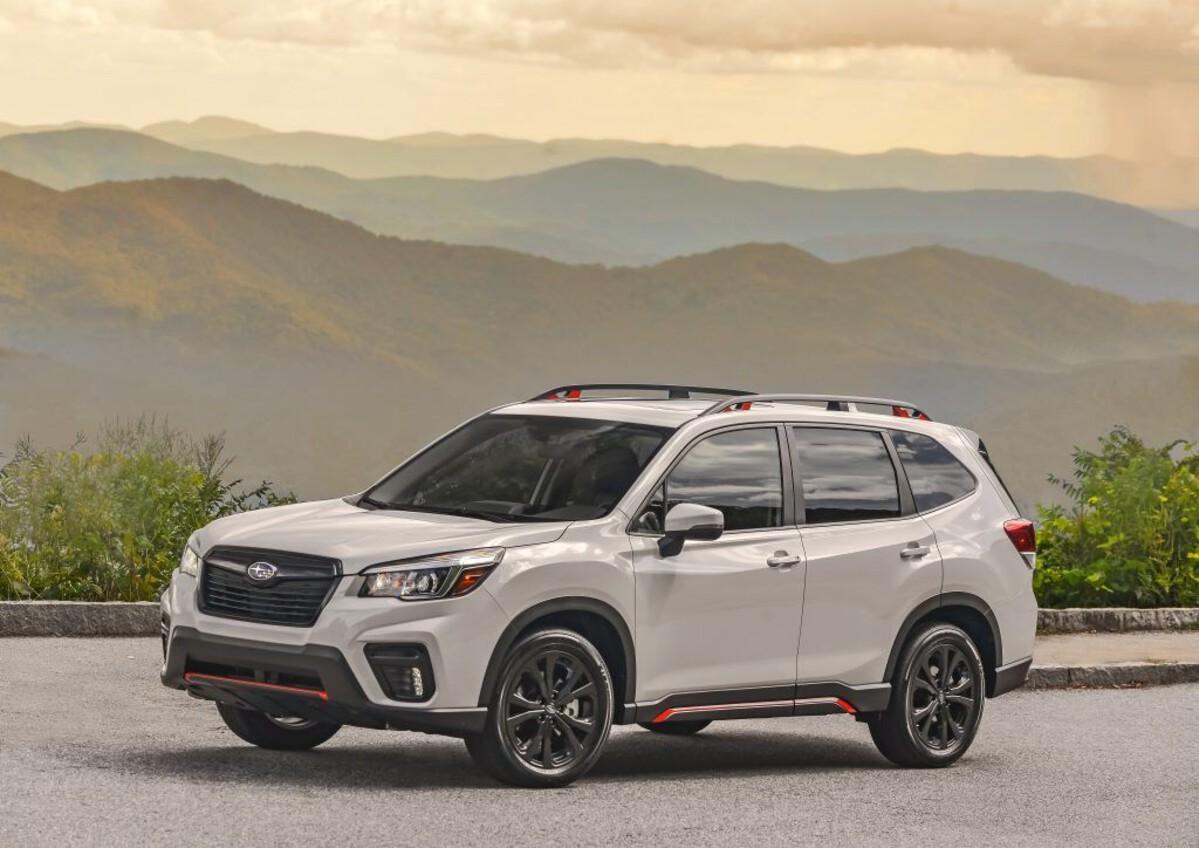
Visibility is another advantage. The Forester has a high driving position and large windows. This makes it easier to spot potholes early and avoid them when possible.
The tires are practical and not overly sporty. That means they are better suited for rough conditions. You’re less likely to deal with frequent tire damage.
Inside, the vehicle feels simple but solid. It’s not overly luxurious, but it’s built to last. That matters more when you’re dealing with rough roads daily.
Reliability is strong, and maintenance costs are reasonable. The Forester is known for handling long-term use without major issues, even in tough conditions.
Fuel efficiency is also decent, which makes it a balanced option. If you want something that is not flashy but gets the job done consistently, the Subaru Forester is a smart choice. It handles potholes without drama and keeps running without constant repairs.
7. Toyota 4Runner
If you want something that feels almost indestructible, the Toyota 4Runner is hard to ignore. This is one of the toughest vehicles on this list, and it shows in how it handles rough roads. The biggest difference here is construction.
The 4Runner uses a body-on-frame design, which is more like a truck than a typical SUV. This makes it extremely durable when dealing with repeated impacts from potholes.
Ground clearance is excellent, sitting at around 9.6 inches. That’s more than enough to handle deep potholes, broken roads, and uneven surfaces without worry.
The suspension is built for off-road use, which means it can absorb heavy impacts. Potholes that would shake smaller vehicles feel less aggressive here.
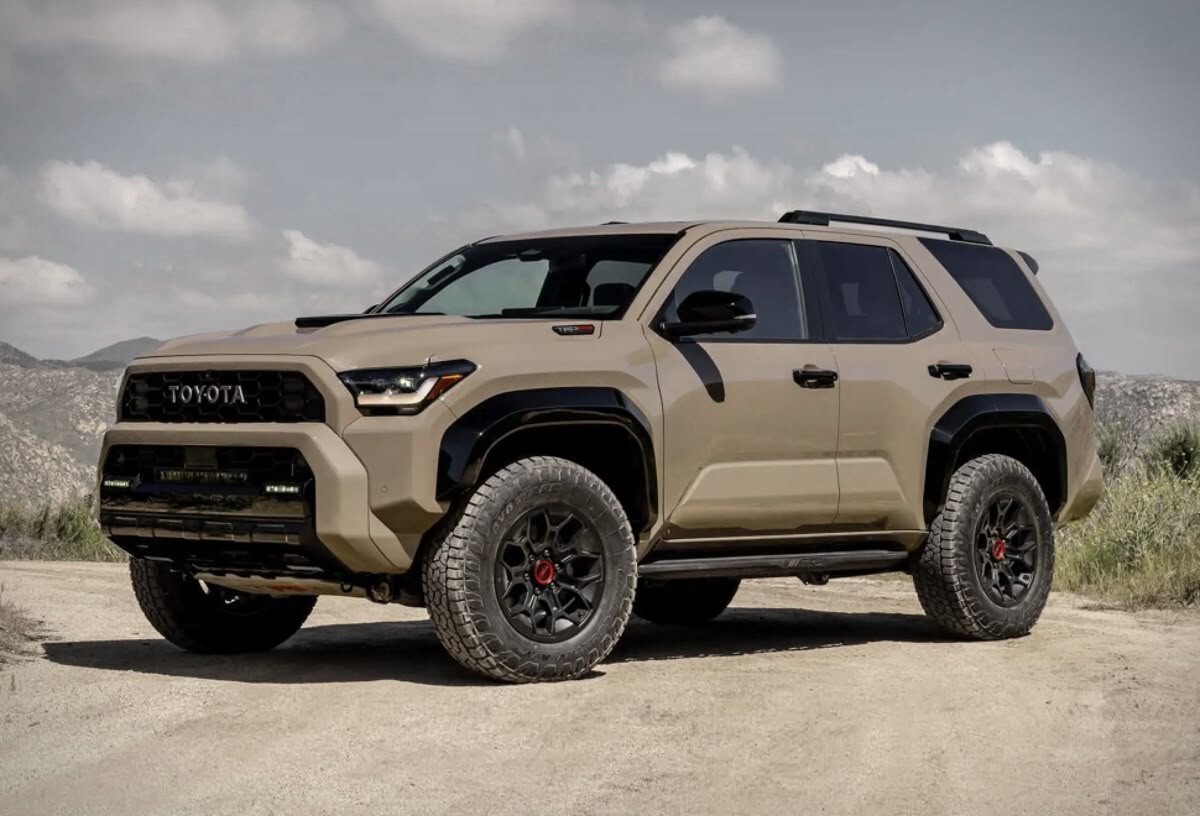
Another advantage is tire flexibility. The 4Runner can handle larger, more rugged tires. These are better at absorbing shocks and reducing damage from sharp edges. The vehicle also has strong underbody protection. So even if you hit something unexpected, the risk of serious damage is lower.
Inside, it’s not the most modern or fuel-efficient option. But that’s not the point of this vehicle. It’s built for durability, not luxury. Fuel economy is lower compared to crossovers, and the ride can feel a bit stiff on smooth roads. But when conditions get bad, this is where the 4Runner shines.
Reliability is one of its strongest points. It’s known for lasting years, even under tough use. That makes it a good long-term investment if you deal with rough roads often.
If your daily driving includes some of the worst road conditions, the Toyota 4Runner is one of the safest bets. It’s tough, reliable, and built to handle punishment without breaking down.
ALSO READ: 8 Tips for Maintaining Your Vehicle Paint Without Professional Help
8. Chevrolet Tahoe
The Chevrolet Tahoe is big, heavy, and built to take a hit. If potholes in your area feel unavoidable, this full-size SUV gives you a serious advantage. Let’s start with size and weight.
The Tahoe’s large frame helps it stay stable over rough roads. Smaller cars tend to bounce or get thrown off by deep potholes, but the Tahoe absorbs that impact more confidently.
Ground clearance is solid, sitting around 8 inches or more depending on the setup. While that might not sound extreme, the real strength comes from its suspension system. The Tahoe is designed to handle heavy loads, which means it can deal with repeated bumps without breaking down easily.
The available adaptive suspension system is a big plus. It adjusts in real time to road conditions. So when you hit uneven surfaces or potholes, the system softens the impact automatically. This makes a noticeable difference in comfort.
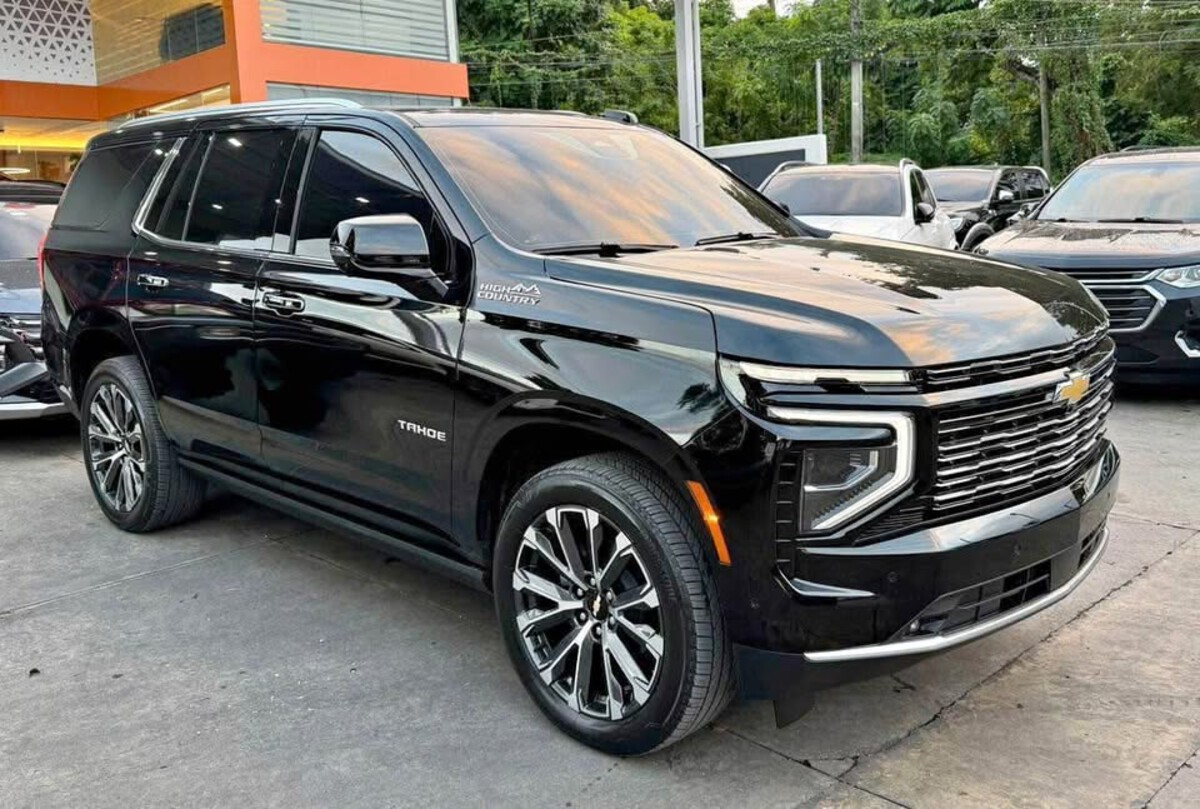
Another advantage is the tire setup. The Tahoe typically uses thicker tires compared to smaller SUVs. That reduces the risk of damage when hitting sharp pothole edges.
Inside, the cabin feels secure and stable even when the outside road is a mess. You don’t get that constant shaking feeling, which helps reduce stress during long drives.
However, there are trade-offs. Fuel consumption is high, and parking a vehicle this large in tight city spaces can be frustrating.
It’s not ideal for everyone. Maintenance costs can also be higher compared to compact SUVs. But if your roads are consistently bad, the durability can actually save you money over time.
If you want something that feels strong, planted, and capable of handling repeated road damage without flinching, the Chevrolet Tahoe is a solid choice. It’s not subtle, but it gets the job done.
9. Mazda CX-5
The Mazda CX-5 might surprise you on this list. It’s not the biggest or toughest-looking vehicle, but it handles rough roads better than many people expect. The key strength here is suspension tuning. Mazda has done a good job balancing comfort and control. The CX-5 absorbs bumps smoothly without feeling too soft or too stiff. This helps when driving over uneven roads and potholes.
Ground clearance is around 7.5 to 7.9 inches, which is slightly lower than some competitors. But the way the suspension is tuned makes up for it. It manages impacts well, especially at moderate speeds.
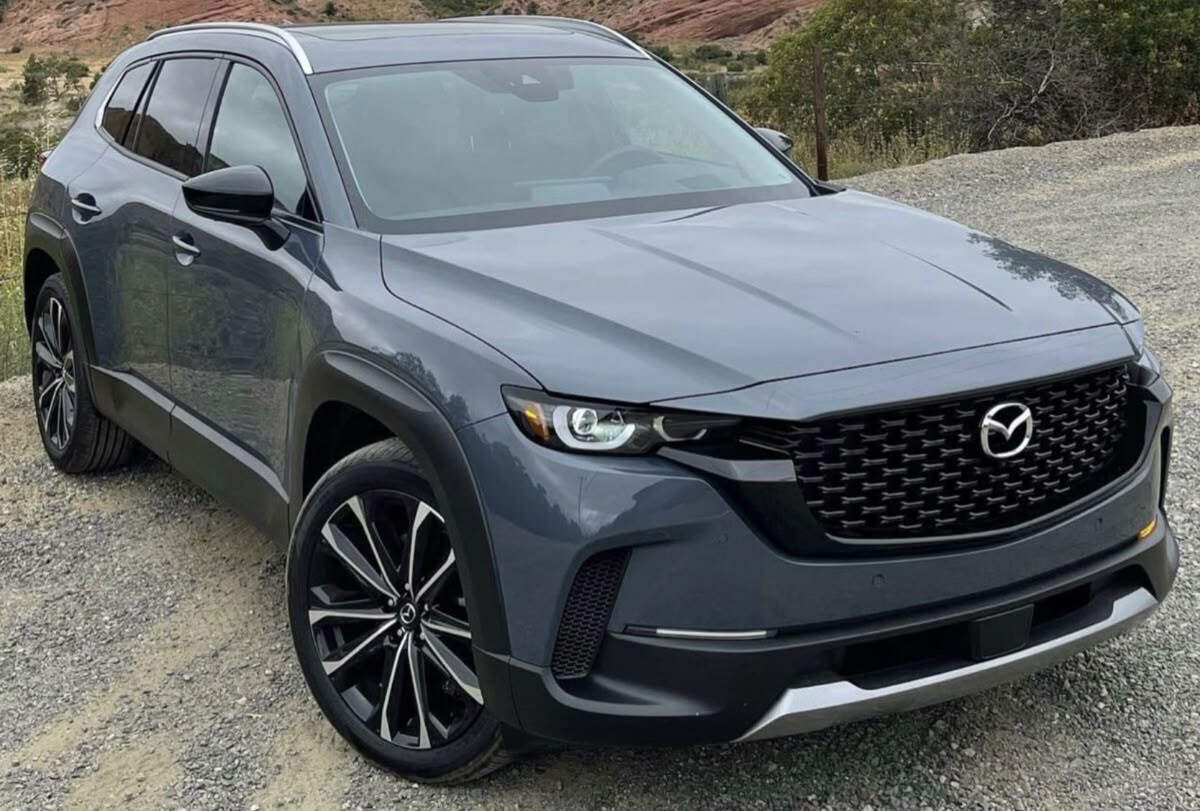
The steering is another highlight. It’s precise and responsive, which makes it easier to avoid potholes at the last moment. This might sound small, but it makes a real difference in daily driving. The all-wheel-drive system adds stability when roads are damaged or slippery. It helps maintain traction, especially when one side of the road is worse than the other.
The tires are practical and not overly sporty. That means they’re less likely to get damaged compared to low-profile setups. Inside, the CX-5 feels more refined than most vehicles in this category. Even on rough roads, the cabin stays quiet and controlled. You don’t feel like the car is struggling.
Fuel efficiency is good, which makes it a practical daily driver. One limitation is that it’s not built for extreme conditions. If your roads are severely damaged all the time, you might want something more rugged. But for typical Northeast pothole conditions, it performs well.
If you want a vehicle that offers comfort, control, and enough toughness for everyday rough roads, the Mazda CX-5 is a smart and balanced option.
10. Honda Ridgeline
The Honda Ridgeline is a bit different from everything else on this list. It’s a pickup truck, but it doesn’t behave like a typical truck. And that’s exactly why it works so well for pothole-heavy roads.
First, the ride quality is surprisingly smooth. Unlike traditional trucks, the Ridgeline uses a unibody design. This helps it absorb bumps better and keeps the ride stable even on rough surfaces.
Ground clearance is around 7.6 inches, which is decent. But the real advantage comes from how the suspension is tuned. It handles impacts in a more controlled way compared to body-on-frame trucks.
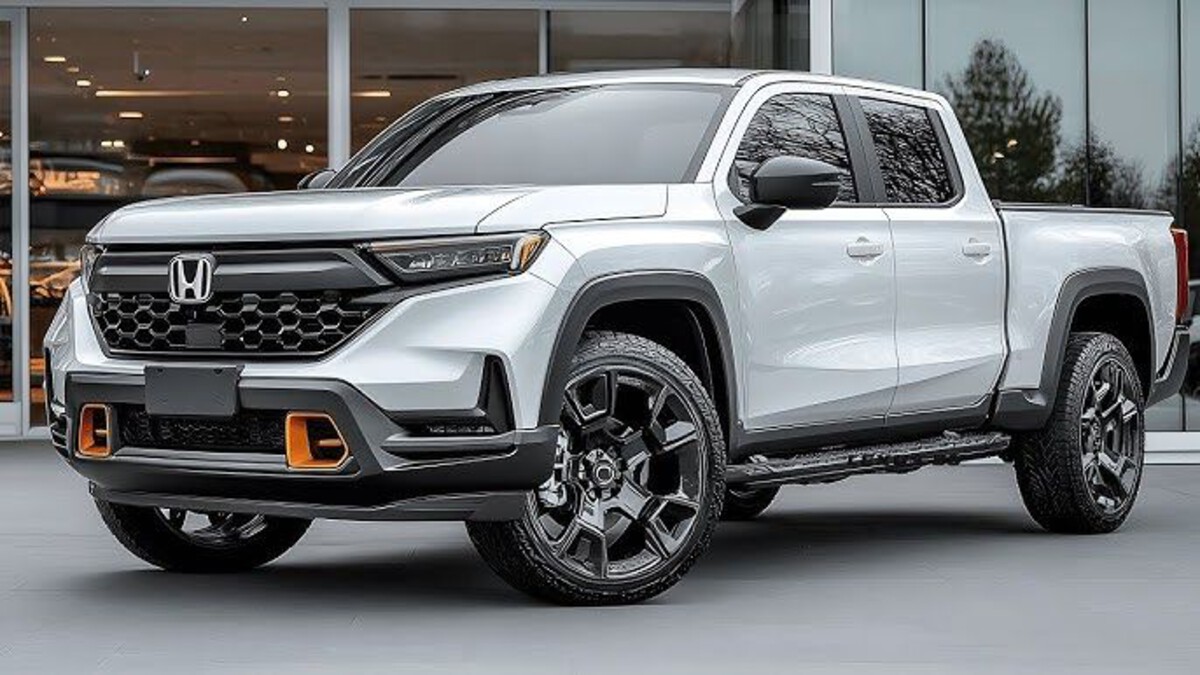
The all-wheel-drive system adds extra confidence. It keeps the vehicle stable when roads are uneven or slippery. This is especially useful during the Northeast’s unpredictable weather conditions.
Another big plus is durability. The R idgeline is built to handle load and stress, which translates well to rough road conditions. It doesn’t feel fragile when driving over potholes.
The tires are practical and designed for real-world use. They offer a good balance between comfort and toughness. Inside, the cabin is comfortable and quiet. It feels more like an SUV than a truck, which makes daily driving easier. Fuel efficiency is better than many larger trucks, which is a bonus.
One thing to consider is that it’s not meant for extreme off-roading. But for pothole-filled city and suburban roads, it performs really well.
If you want something that combines the strength of a truck with the comfort of an SUV, the Honda Ridgeline is a strong option. It handles rough roads without making your daily drive uncomfortable.
Let’s be honest. You can’t avoid potholes completely, especially in the Northeast. The roads will stay unpredictable, no matter how careful you are. So the smarter move is choosing a vehicle that can actually handle the damage.
That’s where the best vehicles for pothole seasons in the Northeast stand out. They are not just about comfort. They are built to reduce stress, avoid frequent repairs, and keep you moving without constant worry.
If you want balance, options like the Subaru Outback, Honda CR-V, and Toyota RAV4 make sense. They give you comfort, reliability, and enough strength for daily driving.
If your roads are worse than average, then tougher options like the Ford Bronco Sport, Jeep Grand Cherokee, and Toyota 4Runner are better choices. These vehicles are built to take more punishment. If you prefer something different, vehicles like the Chevrolet Tahoe or Honda Ridgeline offer strength with a unique driving feel.
Here’s the thing most people ignore. A car that struggles with potholes will cost you more over time. Tires, suspension repairs, and alignment issues add up quickly. So even if a tougher vehicle costs more upfront, it can actually save you money in the long run.
Also, driving confidence matters. When you’re not constantly worrying about every bump in the road, your driving becomes smoother and less stressful.