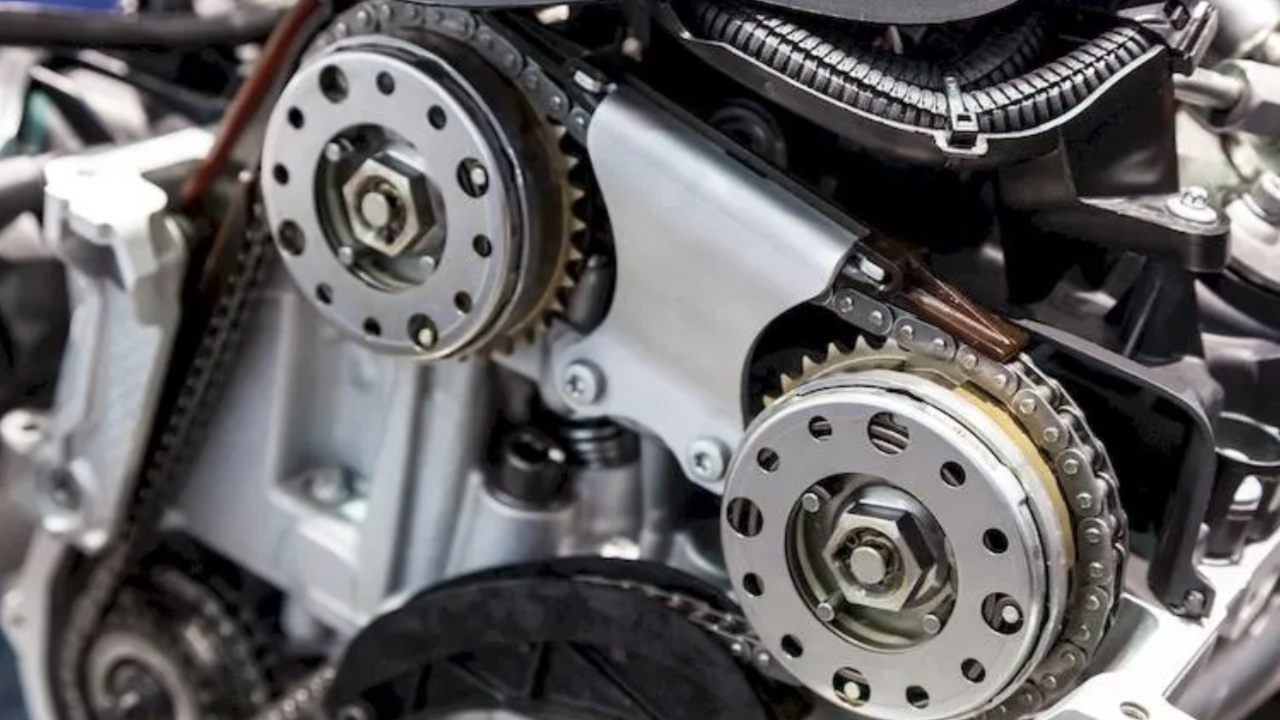
Modern engines rely on precision, efficiency, and adaptability, and this is where Variable Valve Timing (VVT) systems play a critical role. By adjusting camshaft timing in real time, VVT improves power, fuel economy, and emissions.
However, like any complex system, it is vulnerable to wear, poor maintenance, and component failure. The article “10 Reasons Your Variable Valve Timing System Might Be Starting to Fail” highlights how even small issues, such as dirty engine oil, can trigger a chain reaction of problems.
From contaminated oil and low pressure to faulty sensors and worn mechanical parts, each factor directly affects how smoothly the system operates. Because VVT relies on both hydraulic pressure and electronic control, any disruption can lead to noticeable symptoms such as rough idling, poor acceleration, or warning lights.
Understanding these causes helps drivers identify early warning signs and take preventive action. Proper maintenance, especially consistent oil care, remains the most effective way to keep the system functioning efficiently and avoid expensive repairs later.
1. Dirty or Contaminated Engine Oil
Variable Valve Timing (VVT) systems depend on engine oil not only for lubrication but also as a hydraulic fluid to adjust camshaft timing. Over time, engine oil breaks down and collects microscopic debris, metal particles, and carbon.
When this contaminated oil reaches the VVT solenoid, it can block the tiny oil passages and fine mesh screens that regulate hydraulic flow. Restricted oil movement prevents the camshaft from adjusting quickly and accurately, causing sluggish engine response and potential stalling at idle.
Dirty or contaminated oil is a major cause of VVT system failure because these systems rely on clean, pressurized oil to operate. Contaminants can clog solenoids and actuators, form sludge and varnish that stick to components, and reduce oil pressure. This reduces hydraulic efficiency and increases metal-to-metal contact, which accelerates wear on cam phasers, timing chains, and other VVT components.
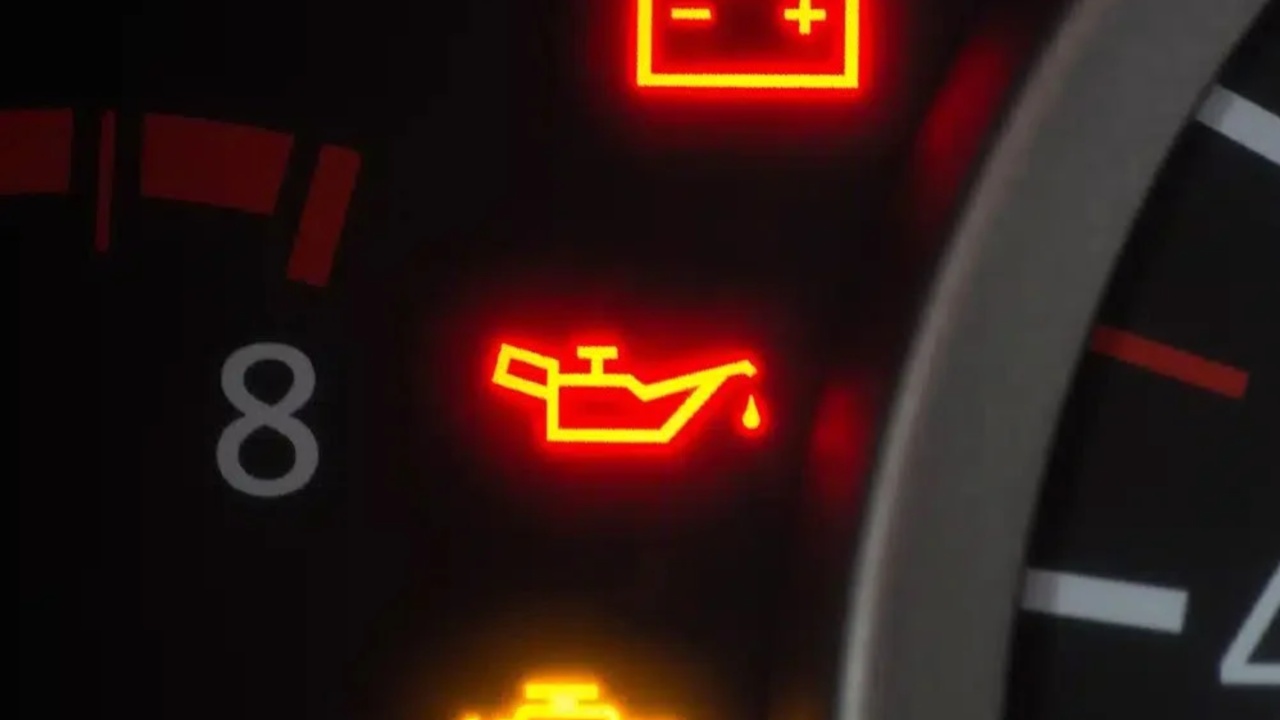
Symptoms of VVT issues caused by dirty oil include the Check Engine Light turning on with codes such as P0010, P0011, P0023, or P0014, rough idling, engine stalling, sluggish acceleration, and unusual engine noises such as ticking or rattling. Regular engine oil changes are critical for preventing VVT failure, maintaining hydraulic pressure, and protecting the camshaft system. Proper oil maintenance ensures the engine performs efficiently and extends the lifespan of both the VVT system and the engine itself.
Consistent oil care is essential for engines with VVT technology because even minor neglect can lead to costly repairs and reduced engine performance.
2. Low Oil Pressure and Levels
Variable Valve Timing (VVT) systems depend entirely on hydraulic pressure from engine oil to adjust camshaft timing. If oil levels drop due to leaks, consumption, or a failing oil pump, the VVT solenoid cannot generate enough force to move the camshaft phasers. This is similar to a hydraulic jack failing to lift a load without sufficient fluid.
When pressure falls, phasers may fail to lock or oscillate while trying to reach the correct timing, producing a rattling sound often described as “marbles in a can.” Low oil pressure is particularly dangerous because it can affect the engine, with the VVT system often showing the first signs of trouble before major damage occurs.
Hydraulic dependence explains why low oil pressure causes VVT failure. Phasers and solenoids need consistent, pressurized oil to adjust valve timing, lift, and duration. If the oil pump draws in air, components are starved of pressure, resulting in faulty timing. Engine sensors detect these malfunctions, triggering diagnostic codes such as P0011 or P1009 and often causing system deactivation, reducing power and fuel efficiency.
Other contributing factors include sticking components due to low or sludgy oil and increased wear from inadequate lubrication. Common causes of low oil pressure related to VVT failure include insufficient engine oil, blocked oil passages from sludge or debris, and incorrect oil viscosity, which can prevent the system from actuating even with adequate oil levels.
Maintaining proper oil levels and using the correct viscosity is essential for VVT system health. Regular checks and timely oil changes ensure hydraulic actuators function smoothly and protect camshaft components from excessive wear. Proper oil management keeps VVT systems responsive and helps preserve engine performance.
3. Incorrect Oil Viscosity
Variable Valve Timing (VVT) systems rely on precise hydraulic pressure and flow from engine oil to adjust camshaft timing in real time. Using oil with the wrong viscosity, either too thick or too thin, can severely disrupt this balance, leading to poor performance and potential damage.
Manufacturers specify exact oil grades, such as 0W-20 or 5W-30, because the VVT solenoid ports are calibrated for that specific thickness. Using a heavier oil slows the flow through narrow passages, especially during cold starts, delaying cam phaser response.
Conversely, oil that is too thin may lack the hydraulic strength to move the camshaft actuators effectively, particularly in modern stop-start engines that require millisecond adjustments.
Thicker oil restricts flow through the tiny solenoid galleries, reducing the VVT system’s reaction time. This can trigger fault codes like P0011, cause sluggish engine performance, lower power output, and increase wear on components due to reduced thermal dissipation. Thicker oil also limits the system’s ability to remove heat, accelerating component wear.
On the other hand, thin or degraded oil fails to maintain the necessary hydraulic pressure. Cam phasers may stick in one position, causing rough idle, stalling, or delayed acceleration.
Insufficient lubrication increases friction and metal-to-metal contact, damaging VVT components such as actuators and timing chains. Thin oil also contributes to sludge formation, blocking small screens and passages in the solenoids, further reducing system efficiency.
The consequences of incorrect oil viscosity include reduced engine performance, poor fuel economy, increased wear, and potential permanent damage to the VVT system. The system may struggle to adjust timing, burn fuel inefficiently, or fail entirely if the wrong oil is repeatedly used.
Because VVT systems are highly sensitive, using the manufacturer-recommended oil grade is critical. Regularly checking oil viscosity and replacing degraded oil ensures the hydraulic actuators respond correctly, maintains engine efficiency, and protects camshaft components from premature wear. Following these guidelines avoids costly repairs and keeps the engine running smoothly.
4. Sludge Buildup
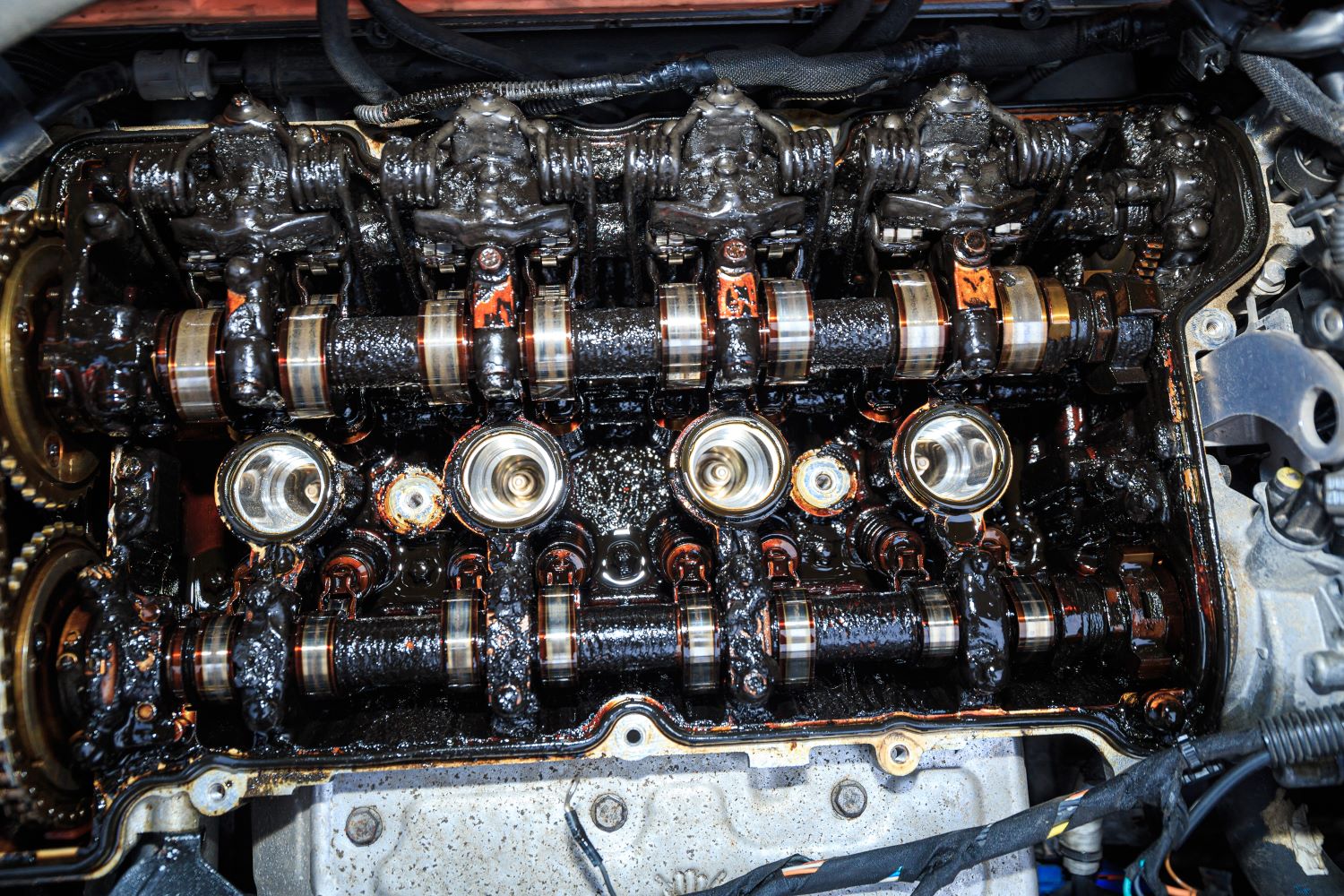
Sludge is a thick, gel-like substance that forms when engine oil breaks down and mixes with moisture, dirt, and other contaminants. This often occurs when oil changes are neglected or when a vehicle is frequently driven on short trips that prevent the engine from reaching full operating temperature.
For Variable Valve Timing (VVT) systems, sludge is especially harmful because these systems depend on clean, free-flowing oil to function properly.
As sludge accumulates, it begins to clog the fine mesh screens in the VVT solenoid, restricting the flow of oil needed to control camshaft timing. It can also coat internal components such as the solenoid plunger and camshaft phaser vanes, causing them to stick. When this happens, the system may become locked in a fixed position.
If stuck in an advanced position, the engine may idle roughly or stall. If stuck in a retarded position, the engine can lose power, especially at higher speeds.
Sludge buildup also blocks narrow oil passages throughout the engine, reducing oil pressure and starving critical components of lubrication. This can lead to ticking or rattling noises, especially during startup, as the cam phasers struggle to operate without adequate oil flow. Over time, continued operation under these conditions can cause severe wear to camshafts, timing chains, and bearings.
Common warning signs include a Check Engine Light with codes such as P0010 to P0017, rough idle, poor acceleration, and decreased performance. In severe cases, simply changing the oil may not resolve the issue, and components like the VVT solenoid may need replacement, along with professional engine cleaning.
Preventing sludge buildup requires regular oil changes, using high-quality oil, avoiding excessive short trips, and addressing overheating issues promptly. Proper maintenance ensures clean oil flow, allowing the VVT system to function efficiently and protecting the engine from long-term damage.
5. Failed VVT Solenoid
The Variable Valve Timing (VVT) solenoid, also known as the oil control valve, plays a central role in regulating oil flow to the camshaft phasers. It functions as an electro-mechanical gatekeeper, using an internal piston controlled by an electromagnetic coil to direct pressurized oil where it is needed.
This process occurs continuously while driving, with the solenoid moving thousands of times per trip to adjust valve timing based on engine demands. Over time, this constant activity can lead to wear and eventual failure.
Mechanical wear is a common cause of solenoid failure. Internal components such as springs and plungers can weaken or develop imperfections, causing the solenoid to stick or respond slowly. In addition, exposure to constant heat cycles under the hood can damage the electrical coil, leading to open or short circuits.
When this happens, the Engine Control Module can no longer communicate with the solenoid, preventing proper timing adjustments. In many cases, the system defaults to a reduced performance mode, often called “limp mode,” to protect the engine.
Contaminated oil also contributes significantly to solenoid failure. Sludge and debris can clog the small passages and filter screens inside the solenoid, restricting oil flow and causing it to malfunction. This disruption prevents the proper delivery of hydraulic pressure to the cam phasers, stopping the VVT system from functioning correctly.
Common symptoms of a failed VVT solenoid include poor engine performance, rough idling, reduced fuel efficiency, and unusual engine noises. The Check Engine Light often appears with diagnostic codes such as P0010 or P0011, indicating a circuit or timing issue.
In most cases, a failed solenoid requires complete replacement rather than repair. Regular oil changes and proper maintenance are essential to prevent premature failure, ensuring consistent oil flow and reliable operation of the VVT system.
Also read: 10 Reasons Why Direct Injection Is Increasing Repair Costs for Car Owners
6. Corroded Electrical Connectors
Variable Valve Timing (VVT) systems rely on both hydraulic pressure and precise electronic control to function properly. Even if the engine oil and VVT solenoid are in good condition, the system can fail if electrical signals from the Engine Control Module do not reach the solenoid.
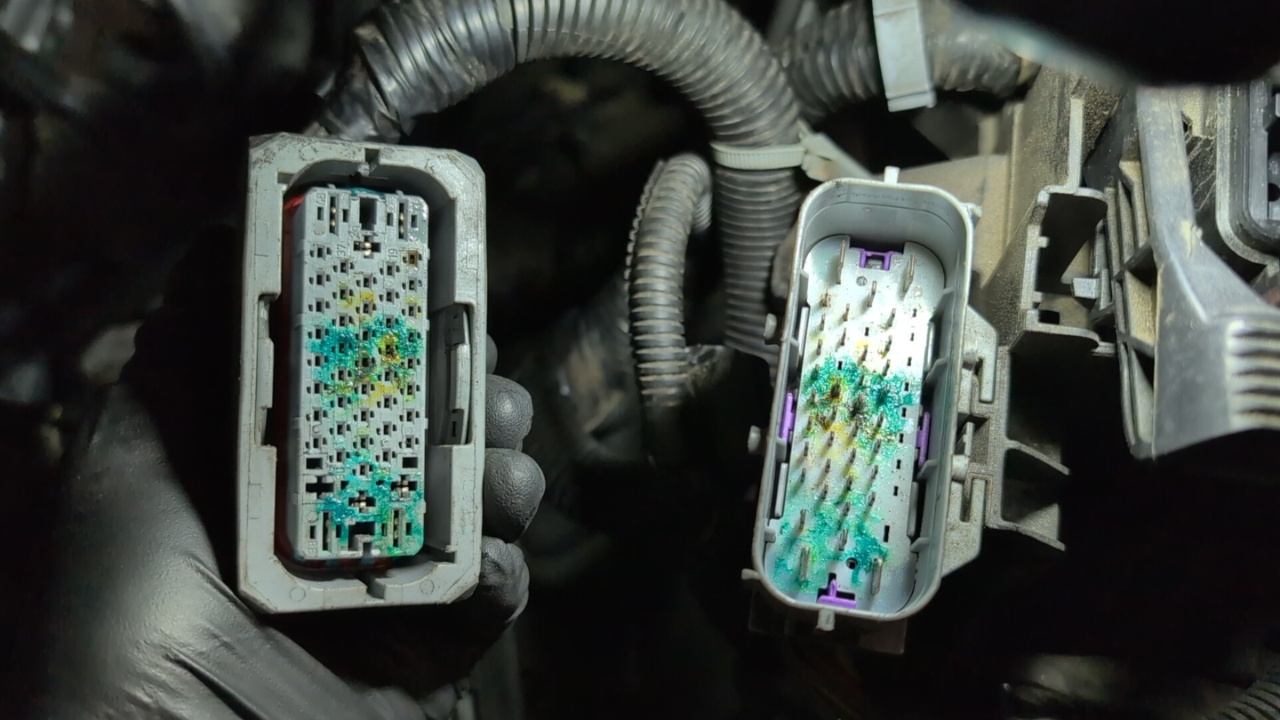
The connectors that transmit these signals are often located on or near the cylinder head, where they are exposed to heat, vibration, moisture, and sometimes salt. Over time, these harsh conditions can cause the plastic housing to crack and the metal pins inside to corrode.
Corrosion on electrical connectors disrupts signal transmission by increasing resistance or blocking the electrical pathway entirely. Oxidation, often visible as green or white residue, acts as an insulator that weakens or interrupts the voltage needed for the solenoid to operate.
In some cases, vibration leads to fretting corrosion, where repeated movement wears away protective coatings and creates oxide layers that interfere with electrical contact. This can result in intermittent operation, where the VVT system works inconsistently or fails without warning.
Another issue occurs when oil leaks through the solenoid’s internal seals and travels into the connector, causing contamination and potential short circuits. This further prevents the solenoid from receiving accurate commands, stopping proper camshaft timing adjustments.
Common symptoms of corrosion-related VVT problems include a Check Engine Light with codes such as P0010, P0011, P0012, or P0020, along with rough idle, engine misfires, poor acceleration, and reduced power. These issues arise because the camshaft timing becomes fixed or erratic when the solenoid cannot respond correctly.
In many cases, the solution is relatively simple. Cleaning the connectors, repairing damaged wiring, or replacing the connector pigtail can restore proper function. Regular inspection of wiring and connectors helps prevent corrosion-related failures and ensures reliable VVT system performance.
7. Carbon Deposits
Carbon deposits are a byproduct of the combustion process and can become a serious issue for Variable Valve Timing (VVT) systems, especially in high-mileage engines or those that burn small amounts of oil.
Unlike sludge, which forms from degraded oil, carbon particles are hard and abrasive. These particles can enter the oiling system and accumulate inside sensitive VVT components, particularly the solenoid and camshaft actuators.
As carbon builds up, it can clog the small oil passages and mesh screens within the VVT solenoid, restricting the flow of oil needed for proper hydraulic operation. In some cases, carbon deposits can lodge in the solenoid valve, preventing it from sealing correctly.
This creates internal oil leaks that allow camshaft timing to drift even when no adjustment is commanded by the engine control system. The result is inconsistent engine behavior, where performance may feel strong at one moment and weak the next.
Carbon contamination also contributes to the formation of abrasive sludge, which further blocks narrow oil channels and reduces hydraulic pressure. When oil flow is restricted, cam phasers cannot adjust timing accurately, leaving the camshaft stuck in an incorrect position.
This leads to symptoms such as rough idle, engine stalling, reduced acceleration, and rattling noises during startup. Diagnostic trouble codes like P0010, P0011, P0012, or P0020 are also common indicators of VVT issues related to carbon buildup.
Modern engine designs, particularly Gasoline Direct Injection (GDI) systems, are more prone to carbon accumulation because fuel no longer washes over intake valves. Higher operating temperatures in these engines also accelerate oil breakdown, increasing the likelihood of deposits forming.
Preventing carbon buildup requires consistent maintenance, including regular oil changes with high-quality synthetic oil and the use of fuel with effective detergents. These practices help keep internal components clean, maintain proper oil flow, and ensure the VVT system continues to operate efficiently.
8. Damaged Camshaft Phasers
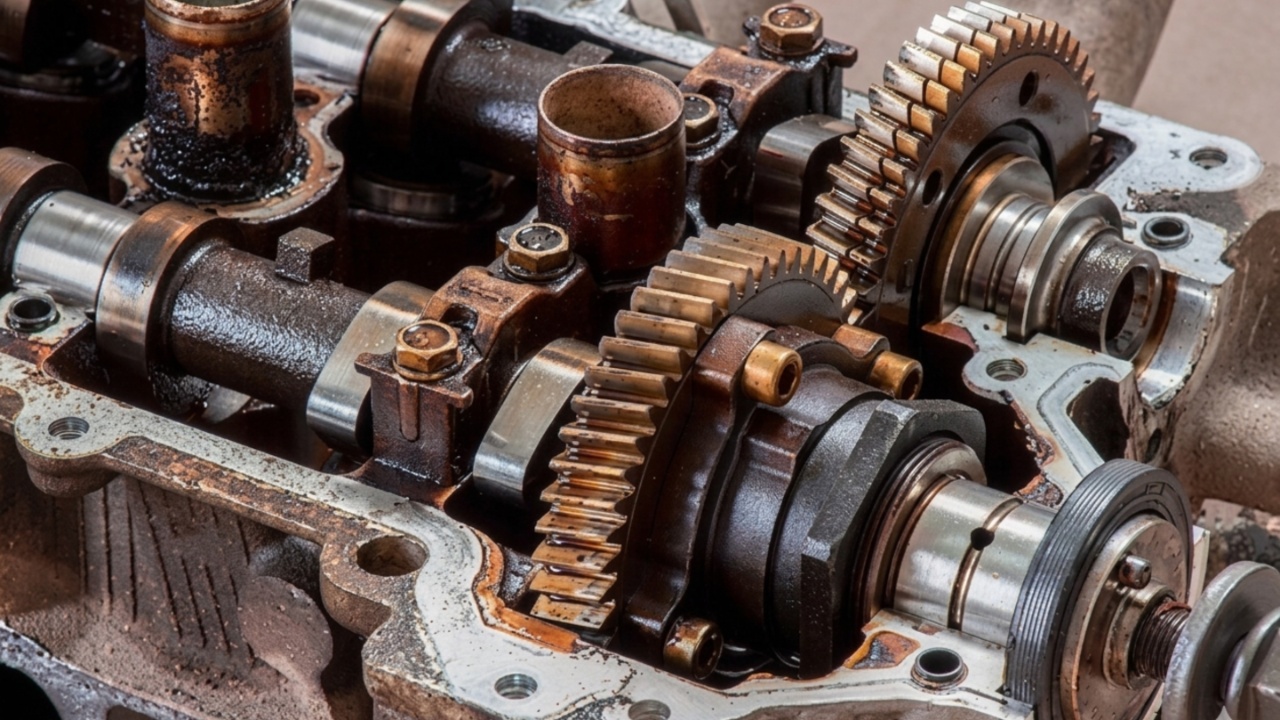
Camshaft phasers, also known as actuators, are essential components of a Variable Valve Timing (VVT) system. While the VVT solenoid controls oil flow, the phaser physically adjusts the camshaft timing using hydraulic pressure.
Mounted at the end of the camshaft, it contains internal vanes, chambers, seals, and a locking pin that work together to control valve timing precisely. When these components wear out or become damaged, the entire VVT system can fail.
One of the most common issues is internal wear. Over time, the vanes and seals inside the phaser can degrade, allowing oil to leak between chambers. This reduces the phaser’s ability to hold a stable timing position, leading to inconsistent valve operation. As a result, engine performance may become erratic, with symptoms such as rough idling, poor acceleration, or reduced fuel efficiency.
Another critical failure point is the locking pin. This small component is designed to hold the phaser in a fixed position during engine startup. If the pin becomes worn or damaged, it may fail to secure the phaser properly.
This often produces a loud rattling or knocking sound during cold starts, sometimes described as a diesel-like noise. The sound usually disappears after a few seconds as oil pressure builds, but it is a clear sign of mechanical wear.
Damaged phasers can also be caused by poor lubrication or contaminated oil, which prevents smooth movement and accelerates internal damage. When the phaser cannot adjust timing correctly, the engine control system may trigger warning codes and enter a reduced performance mode.
Unlike issues caused by oil or solenoids, a mechanically damaged phaser cannot be fixed electronically. Repair typically requires removing the timing cover and replacing the faulty component, making it a more complex and costly process. Prompt attention to early symptoms can help prevent further engine damage.
9. Faulty Camshaft and Crankshaft Sensors
The Variable Valve Timing (VVT) system operates using a closed-loop process that depends on precise communication between the engine control module and key sensors. The camshaft position sensor and crankshaft position sensor provide real-time data about the position and speed of engine components.
This information allows the system to verify whether timing adjustments commanded by the computer have been successfully executed. When these sensors fail or send inaccurate signals, the VVT system cannot function correctly.
A faulty sensor disrupts timing synchronization by providing incorrect or incomplete data. Without accurate feedback, the engine control module cannot determine the exact position of the camshaft or crankshaft, making it impossible to adjust valve timing properly.
In many cases, the system will attempt to compensate for the error, leading to overcorrection and unstable engine behavior. More commonly, the system will disable VVT operation entirely to prevent potential engine damage.
Sensor issues can also produce inconsistent or weak signals, often described as “noisy” data. This can cause erratic VVT behavior, including sudden drops in performance, rough idling, engine stalling, or jerky acceleration. Some failing sensors may work normally at low speeds but lose accuracy at higher engine speeds, resulting in noticeable power loss during acceleration.
Common warning signs include the Check Engine Light with diagnostic codes such as P0011 or P0340, both of which indicate timing or sensor-related problems. Because these symptoms closely resemble those of a failing VVT solenoid, proper diagnosis is essential. Technicians often rely on advanced scan tools or oscilloscopes to determine whether the issue lies with the sensors or the VVT components themselves.
Maintaining clean sensors and addressing faults promptly is crucial for ensuring accurate timing control. Reliable sensor data allows the VVT system to function as intended, supporting smooth engine performance and efficient operation.
10. Normal Mechanical Wear and Tear
Normal mechanical wear and tear is an unavoidable cause of Variable Valve Timing (VVT) system failure, especially in high-mileage engines. Over time, the system’s precision components are exposed to constant heat, pressure, and rapid movement, which gradually reduces their effectiveness. Even with proper maintenance, this long-term stress leads to deterioration that affects performance.
One of the main issues is the weakening of internal components within the VVT solenoid. The return springs lose tension, and the plungers and seals begin to wear down. As a result, the solenoid may struggle to regulate oil flow accurately, leading to delayed or inconsistent timing adjustments. This can cause the engine to run less smoothly and reduce efficiency.
Mechanical wear also affects the camshaft phasers and timing chain. The phasers may develop internal looseness due to worn vanes or seals, allowing oil pressure to leak and reducing their ability to hold a steady timing position.
At the same time, the timing chain and gears can stretch or wear, creating slack in the system. This loss of precision disrupts synchronization between the camshaft and crankshaft, which is critical for proper engine operation.
Heat and contaminants further accelerate wear. Over thousands of miles, small amounts of carbon and debris can accumulate on moving parts, causing them to stick or respond sluggishly. In addition, the electrical components within the solenoid may degrade, reducing responsiveness to commands from the engine control unit.
Unlike sudden failures, wear-related issues develop gradually. Drivers may notice subtle symptoms such as slightly rough idling, reduced fuel efficiency, or minor performance loss that worsens over time. Eventually, the components can no longer respond within the tight timing requirements of modern engines.
At this stage, replacing worn parts such as solenoids, phasers, and timing chain components is often the most practical solution to restore proper engine performance and reliability.
A failing VVT system rarely happens without warning. Instead, it develops through a combination of neglect, aging components, and gradual contamination. Issues such as sludge buildup, incorrect oil viscosity, damaged phasers, or faulty sensors all interfere with the system’s ability to control valve timing accurately. As these problems progress, engine performance declines, fuel efficiency drops, and long-term damage becomes more likely.
The key takeaway is that prevention is far more affordable than repair. Regular oil changes, using the correct oil grade, inspecting electrical connections, and addressing minor issues early can significantly extend the life of VVT components.
Paying attention to symptoms like unusual noises, rough idle, or warning codes can help catch problems before they escalate. By maintaining proper care and staying proactive, drivers can ensure their VVT system continues to deliver reliable performance, efficiency, and longevity.
Also read: 12 Reasons Why Your Steering Wheel May Shake at Highway Speeds