Modern traffic conditions create constant heat stress due to long idle periods and limited airflow, but certain engines are engineered to stay thermally stable even in these situations.
This list includes hybrids, heavy-duty diesels, inline engines, and V8s designed for strong cooling performance. Systems like Toyota Hybrid Synergy Drive and Nissan e-Power reduce idle heat by relying on electric drive or controlled engine operation.
Engines such as the Ford 5.0L Coyote Police Interceptor, Honda K-Series, Cummins 12-Valve, Ford 300 Inline-6, and Toyota 22R/22RE use robust cooling systems, high thermal mass, or efficient aluminum construction to maintain stable temperatures. Across all examples, effective thermal management ensures reliable operation during extended idle conditions.
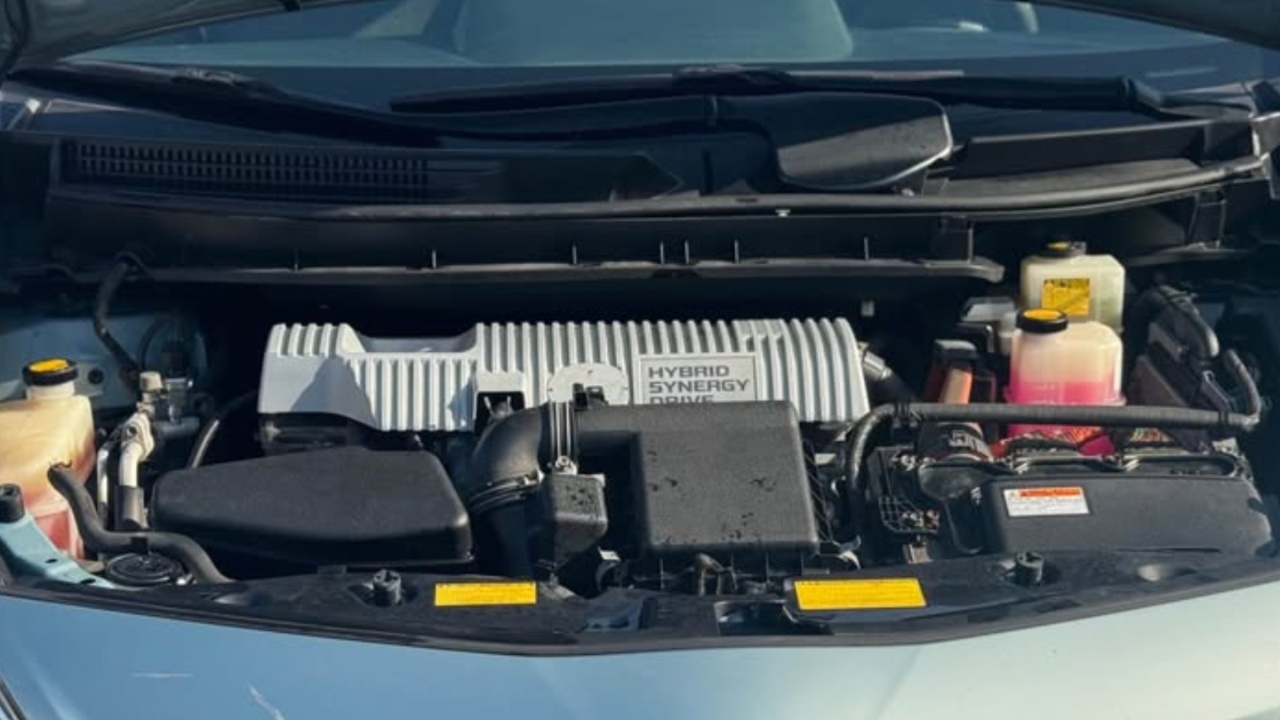
1. Toyota Hybrid Synergy Drive (1.8L / 2.5L): Efficient Thermal Management and Strong Urban Performance
Toyota Hybrid Synergy Drive (HSD) in both 1.8L and 2.5L variants is designed to eliminate traditional idling by shutting the gasoline engine off during traffic conditions and relying on electric motors and the high-voltage battery for low-speed driving and auxiliary power needs.
When the engine does operate, it runs at carefully controlled RPM levels focused on efficiency rather than fluctuating load demands, which significantly reduces waste heat and improves long-term durability in congested environments.
Thermal efficiency is strengthened through the use of Atkinson cycle engines, which achieve higher expansion ratios and reduce excess heat generation during combustion.
Supporting systems such as electric water pumps and independent radiator fans ensure cooling performance is not tied to engine speed, allowing consistent temperature control even when the vehicle is stationary for long periods. Smart thermal management strategies also help prevent heat soak during repeated stop-and-go driving.
When the engine is required, it avoids traditional idle behavior and instead operates at optimized load points to recharge the battery efficiently. This approach minimizes fuel consumption while maintaining stable operating temperatures and reducing mechanical stress.
The 1.8L system is tuned for maximum fuel efficiency and is commonly used in compact models such as the Prius and Corolla, while the 2.5L Dynamic Force hybrid provides stronger acceleration and a more refined driving experience in larger vehicles like the Camry and RAV4. Both systems maintain high efficiency, with only a moderate difference in fuel economy versus performance trade-offs.
Shared strengths include excellent reliability, regenerative braking for energy recovery, self-charging operation without external plugs, and reduced maintenance requirements due to the elimination of traditional starters and alternators. These systems are especially effective in stop-and-go urban traffic, where electric driving is maximized.
Limitations include CVT drone during hard acceleration, a somewhat non-linear braking feel during regenerative transitions, and higher initial purchase costs compared to conventional gasoline vehicles, although these are often offset by long-term fuel savings.
Toyota Hybrid Synergy Drive stands out as a benchmark in hybrid technology, delivering smooth operation, strong efficiency, and stable thermal control across both engine variants.
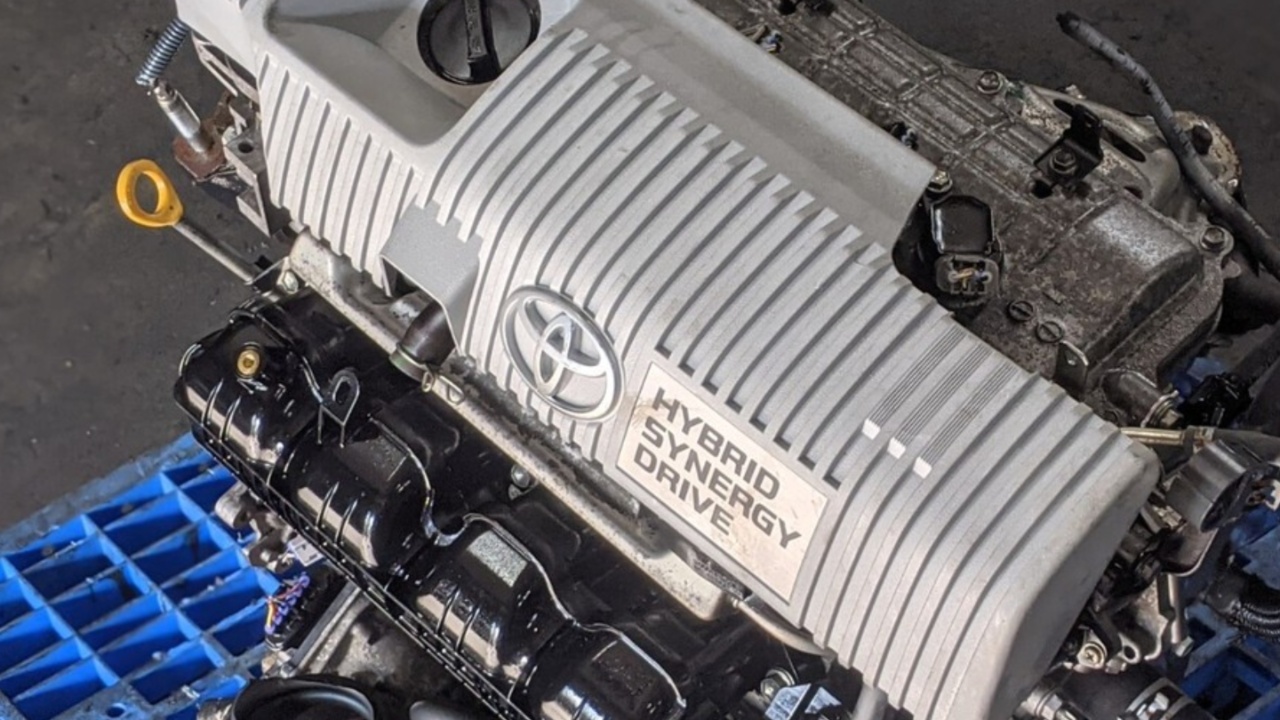
2. Nissan e-Power (1.5L STARC): Series Hybrid Efficiency and Stable Low-Heat Operation in Urban Traffic
Nissan’s 1.5L STARC e-Power system is a series hybrid setup where the gasoline engine does not directly drive the wheels. Instead, it functions only as an onboard generator that produces electricity for the battery and electric motor. This separation from the drivetrain is the main reason the engine maintains low and stable temperatures even in heavy traffic, avoiding the constant heat fluctuations seen in traditional engines.
At the center of the system is a 1.5L 3-cylinder turbocharged STARC engine designed for high thermal efficiency of around 42 percent. It operates within a narrow and controlled RPM range, usually at an optimized steady speed.
This allows fuel to be converted more efficiently into electrical energy while limiting excess heat production. Because the operating conditions remain consistent, the cooling system can be precisely tuned for stable thermal control.
Since the engine is decoupled from the wheels, it does not constantly rev during acceleration or braking. The electric motor handles all driving, while the engine switches on only when the battery charge drops. In slow traffic, the engine often shuts off completely, allowing natural cooling instead of continuous idle heat buildup.
Additional thermal control comes from advanced combustion technologies such as STARC intake design, Atkinson and Miller cycle operation, and high exhaust gas recirculation rates of up to 30 percent.
These systems lower combustion temperatures and reduce internal heat generation. A high compression ratio of 13.5 to 1 is balanced by low-friction components and controlled load operation to maintain efficiency without excessive heat.
The third-generation system, used in models like the Qashqai, improves refinement through better insulation, significantly reducing cabin noise. The electric motor produces up to 202 horsepower in Sport mode, delivering instant EV-like acceleration. Fuel consumption averages around 4.5 liters per 100 kilometers, making it highly efficient in city driving.
Strengths include smooth electric response, strong urban efficiency, no need for external charging, and reduced maintenance frequency. Limitations include noticeable engine noise under hard acceleration, lower efficiency on highways compared to diesel or plug-in hybrids, and increased system complexity.
The system is optimized for urban environments where low engine temperatures, reduced idle stress, and consistent efficiency are most important.
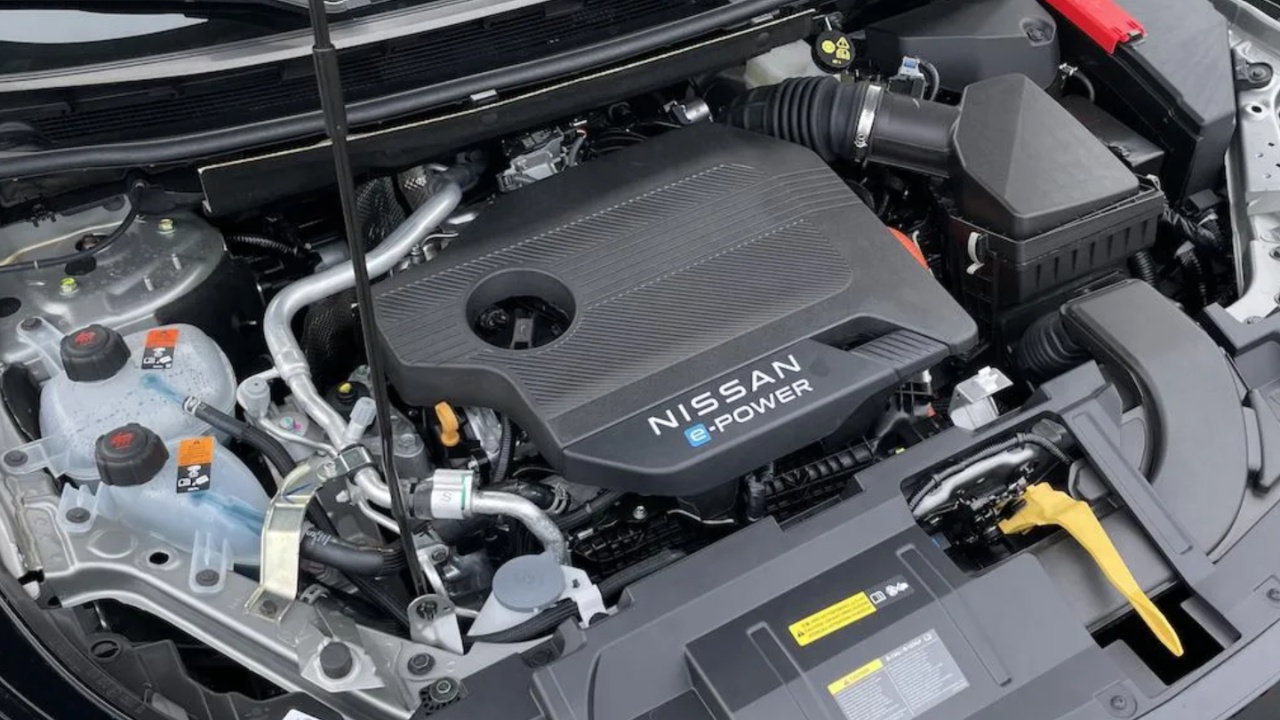
3. Ford 5.0L Coyote Police Interceptor: Heavy-Duty V8 Cooling Stability for Continuous Idle Operation
The Ford 5.0L Coyote V8 in Police Interceptor configuration is designed for extreme-duty environments where long periods of idling are routine. This includes traffic enforcement, surveillance work, and emergency staging, where the engine must operate continuously while powering air conditioning and high-load electronic systems without overheating.
A primary reason for its strong thermal stability is the heavily upgraded cooling system. Police Interceptor models include larger radiators, enhanced oil coolers, and high-output electric fans.
These components maintain consistent heat dissipation even when the vehicle is stationary, compensating for the lack of airflow that normally occurs during driving. The system is engineered to sustain safe temperatures across full shifts that involve constant idling and intermittent acceleration.
Thermal control is further improved through optimized coolant circulation and Ti-VCT (Twin Independent Variable Camshaft Timing). This technology helps regulate combustion efficiency and distribute heat more evenly throughout the engine. Police-specific calibration also adjusts idle speed, air-fuel ratios, and fan operation to prioritize cooling stability and long-term durability under continuous load.
The Coyote platform is built with durability as a core focus. In police applications, it is reinforced to resist issues commonly associated with extended idling, such as oil degradation, sludge formation, and heat buildup. It is also designed to support heavy electrical demand from radios, lighting systems, computers, and other onboard equipment without affecting engine performance or temperature control.
In terms of output, the 5.0L Coyote produces around 400 horsepower and 410 lb-ft of torque, paired with a 10-speed automatic transmission. It delivers strong, linear acceleration and quick throttle response, allowing it to perform well in both pursuit driving and stationary operation scenarios.
Maintenance remains important, particularly for spark plugs, ignition coils, and airflow sensors, which can influence idle quality over time. In platforms like the Ford F-150 Police Responder, the engine is paired with reinforced components and upgraded alternators to support pursuit-rated duty cycles.
The Police Interceptor version of the 5.0L Coyote is engineered to balance V8 performance with sustained thermal control, making it highly capable in demanding continuous-idle law enforcement use.
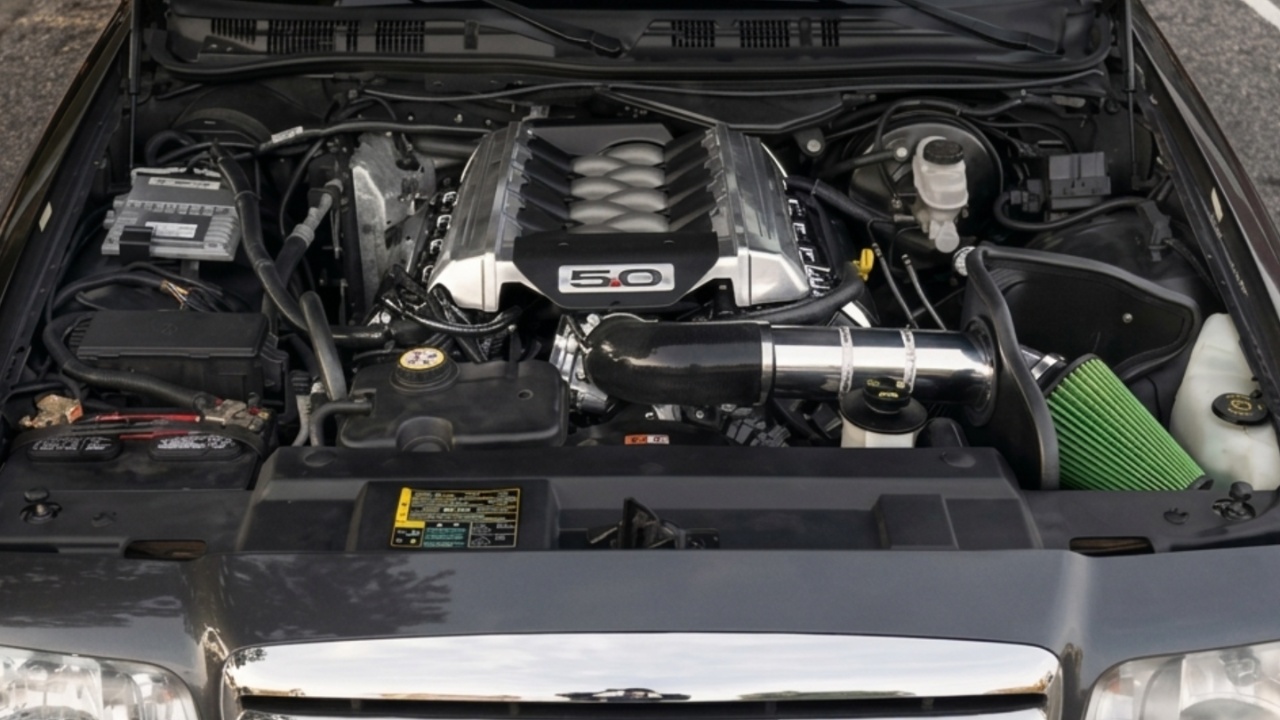
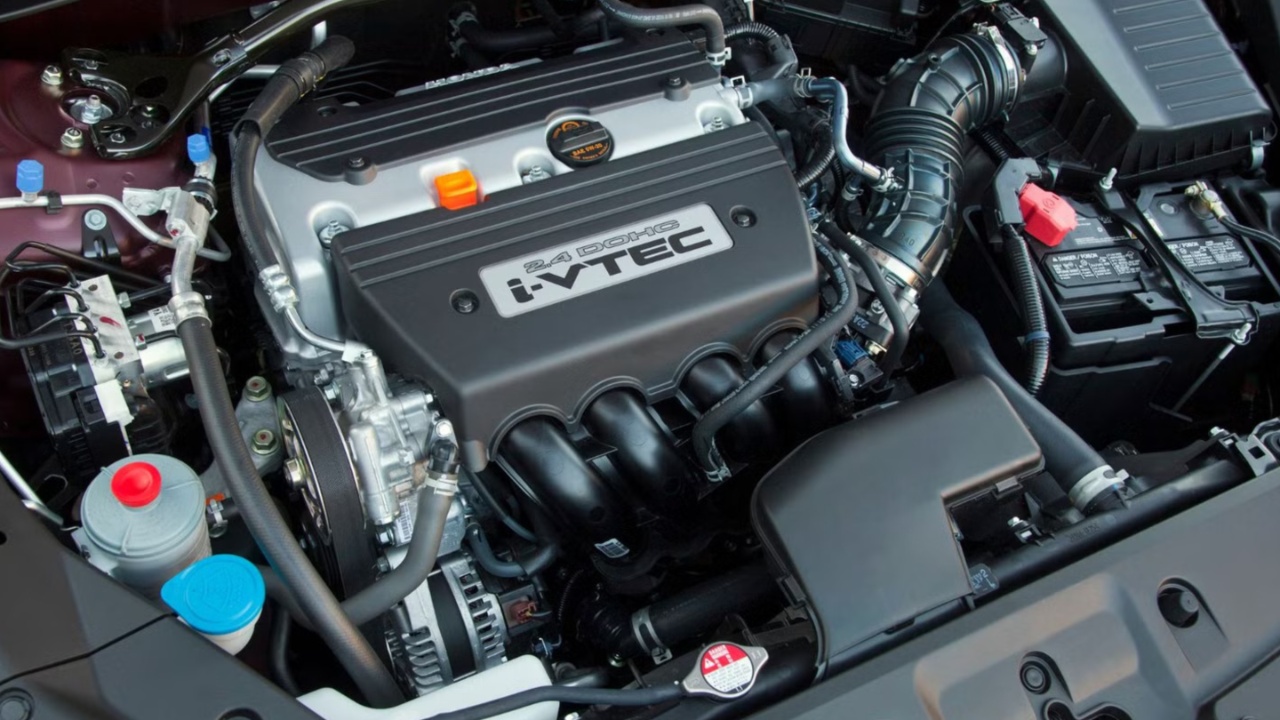
4. Honda K-Series (2.0L K20 / 2.4L K24): Precision Thermal Control and Efficient Low-Heat Operation
The Honda K-Series engine family, including the 2.0L K20 and 2.4L K24, is well known for maintaining stable and relatively low operating temperatures during long periods of idling and heavy traffic use. This performance comes from advanced thermal design, lightweight aluminum construction, and highly efficient coolant flow pathways that reduce heat buildup in stop-and-go driving.
A key factor in its temperature stability is the all-aluminum block and cylinder head. Aluminum dissipates heat faster than cast iron, allowing the engine to shed thermal energy quickly.
Carefully designed coolant passages ensure even heat distribution throughout the engine, reducing the risk of localized hot spots during extended idle conditions. A high-flow water pump and optimized cooling channels maintain strong circulation even at low RPM.
Internal efficiency also plays a major role in controlling heat. The K-Series uses low-friction components such as roller rockers, precision bearings, and lightweight rotating assemblies. Reduced mechanical resistance means less energy is lost as heat, helping the engine remain cooler during long idle periods.
Electronic systems further improve combustion efficiency and temperature control. The coil-on-plug ignition system and ECU-managed fuel mapping ensure precise combustion timing, minimizing unnecessary heat production. Many variants also use exhaust gas recirculation systems that lower combustion temperatures by reintroducing controlled exhaust flow into the intake.
Active cooling support comes from electronically controlled radiator fans that engage quickly when the vehicle is stationary, compensating for reduced airflow. Cast-iron cylinder liners within the aluminum block provide additional strength, allowing the engine to withstand long-term thermal stress without distortion.
In practical use, the K20 and K24 engines often exceed 200,000 miles with consistent maintenance while maintaining stable idle temperatures. The K24 is tuned for stronger low-end torque and everyday drivability in SUVs and sedans, while the K20 is designed for high-revving performance, often exceeding 8,000 RPM.
The K-Series is also known for i-VTEC technology, strong internal components, and extensive aftermarket support, making it popular across both reliability-focused and performance-oriented applications.
Common issues include crankshaft seal leaks, VTEC solenoid clogging, timing chain wear, and occasional oil consumption at higher mileage.
The Honda K-Series remains a widely respected four-cylinder platform for its balance of thermal efficiency, durability, and versatile performance.
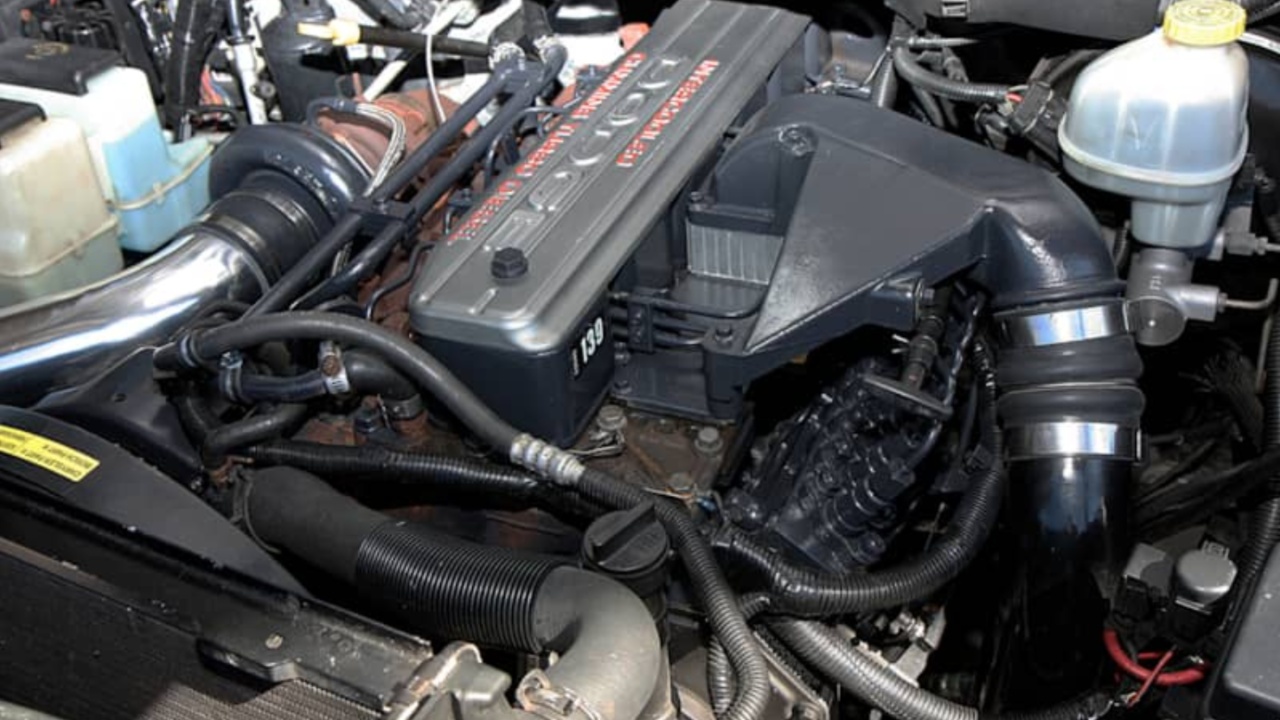
5. Cummins 12-Valve (5.9L 6BT Diesel): Mechanical Simplicity and Exceptional Idle Cooling Stability
The Cummins 12-Valve 5.9L (6BT) diesel engine is widely regarded for its durability, simplicity, and strong ability to maintain stable operating temperatures during long periods of idling. Its reputation for running cool is rooted in its mechanical design, heavy-duty construction, and lack of modern emissions systems that typically increase heat in newer diesel engines.
A key factor behind its low idle temperature is the absence of Exhaust Gas Recirculation (EGR) and diesel particulate filters (DPF). Without these systems sending hot exhaust back into the intake or triggering regeneration cycles, the engine avoids additional heat buildup during stationary operation. This helps keep combustion temperatures lower than in modern diesel setups.
Thermal control is reinforced by a cast-iron block and cylinder head, which provide high thermal mass. This structure absorbs heat slowly and distributes it evenly, preventing sudden temperature spikes during extended idle or low-speed use. The Bosch P7100 mechanical injection pump also contributes by delivering small, precise fuel amounts at idle, reducing excess combustion heat.
Cooling performance is strengthened by a high-flow water pump and a mechanical fan clutch system. These components maintain strong coolant circulation and airflow through the radiator even when the vehicle is stationary, reducing the risk of heat soak in traffic or work environments with limited airflow.
The fully mechanical nature of the engine further supports thermal stability. Without electronic controls forcing higher idle speeds for emissions management, the engine runs at naturally low RPM, which reduces fuel consumption and heat generation during idle periods.
In stock configuration, the engine produces around 160 to 215 horsepower and up to 440 lb-ft of torque, with substantial tuning potential beyond factory output. With proper maintenance, it commonly exceeds 300,000 to 500,000 miles of service life.
Known issues include the “killer dowel pin” in the timing case and occasional block weaknesses in certain castings. Extended idling is sometimes discouraged due to potential oil dilution over time.
The Cummins 12-Valve remains a reference point for mechanical strength, cooling stability, and dependable long-term operation in demanding low-speed and heavy-duty conditions.
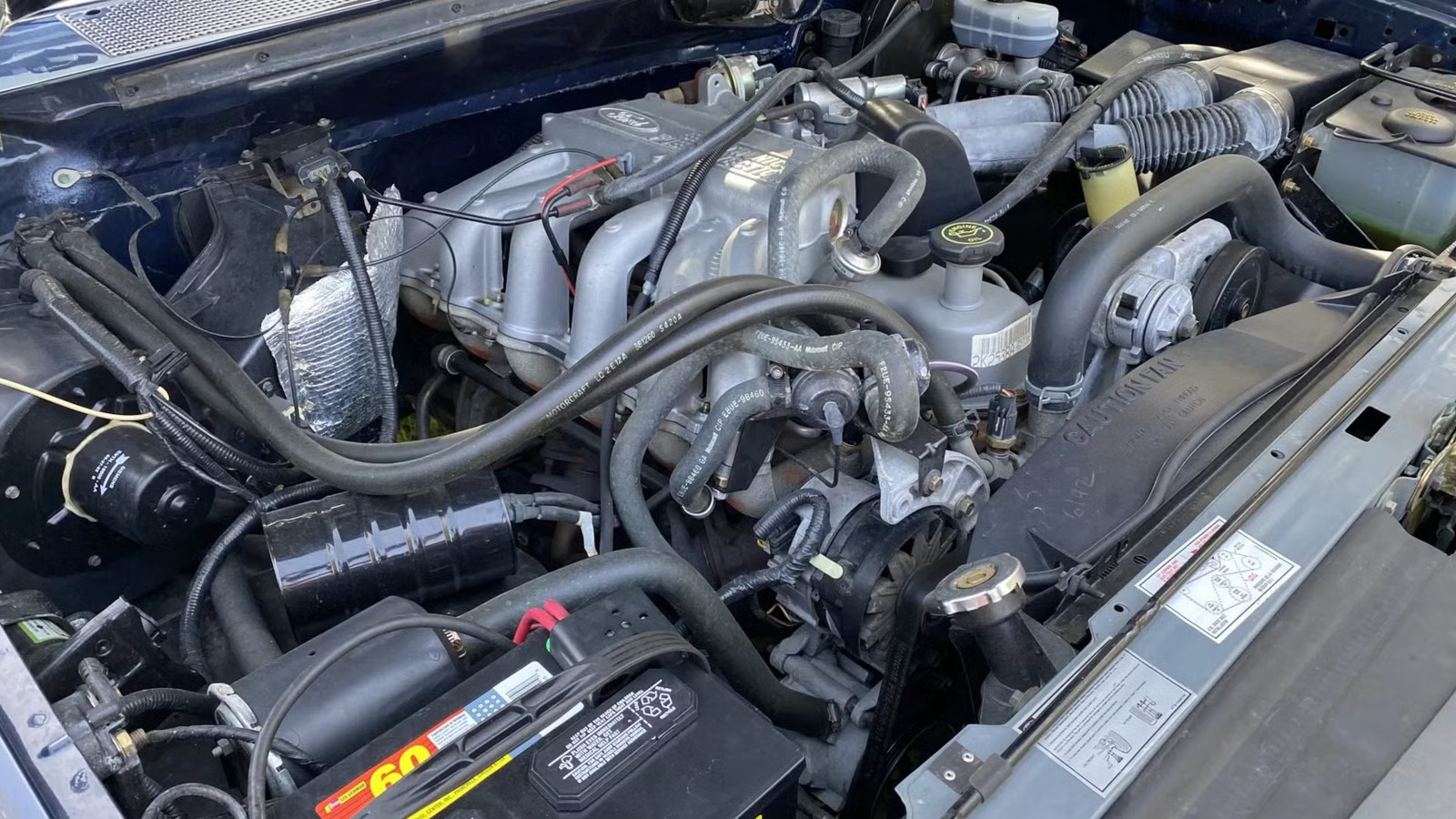
6. Ford 300 Inline-6 (4.9L): Industrial-Grade Thermal Stability and Reliable Low-Idle Performance
The Ford 300 Inline-6 (4.9L) is widely regarded as one of the most durable and thermally stable engines ever produced, often described as “unkillable” due to its ability to endure extreme duty cycles. Its strong performance during long idle periods comes from its oversized industrial design, high thermal mass, and a cooling system built for continuous low-speed operation in trucks and commercial equipment.
A key reason for its stable idle temperature is the large cast-iron block and cylinder head. This heavy construction acts as a heat sink that absorbs and spreads thermal energy evenly throughout the engine. By reducing localized hot spots, the engine maintains steady operating temperatures and avoids overheating during extended idle conditions.
The cooling system is intentionally overbuilt for demanding applications. Many versions include a large-capacity radiator, high-flow coolant circulation, and a clutch-driven mechanical fan that continues to move strong airflow even when the vehicle is stationary. This allows effective heat rejection in stop-and-go environments such as delivery routes, utility work, and fleet operations.
The engine’s long-stroke, low-RPM design also helps limit heat generation. Peak torque is produced at very low engine speeds, typically around 1,600 RPM, which reduces combustion intensity during idle. With less fuel burned and lower mechanical stress, total heat output remains naturally low compared to higher-revving engines.
Cooling consistency is further supported by a simple but effective coolant system design. A continuous bypass circuit maintains flow even at idle, while thermostat ratings in the range of 180°F to 192°F help stabilize operating temperatures. The large coolant volume provides additional buffering against sudden heat spikes.
Mechanically, the 300-6 uses a rugged overhead valve layout with gear-driven timing, reducing complexity and minimizing heat from friction losses. Later fuel-injected versions improve drivability while maintaining the same low-heat characteristics.
This engine saw widespread use in Ford F-Series trucks, Econoline vans, UPS fleets, and industrial machinery because it could handle constant stopping and long idle periods without thermal strain.
Common issues are relatively minor and include oil leaks, vacuum line wear in EFI models, and vehicle rust rather than engine failure. Some units may also run too cool if the thermostats fail open.
The Ford 300 Inline-6 remains a reference point for durability, idle stability, and long-term thermal reliability in heavy-duty low-speed applications.
Also read: 10 Cars Featuring the Most Aggressive Stock Factory Engine Exhaust Notes
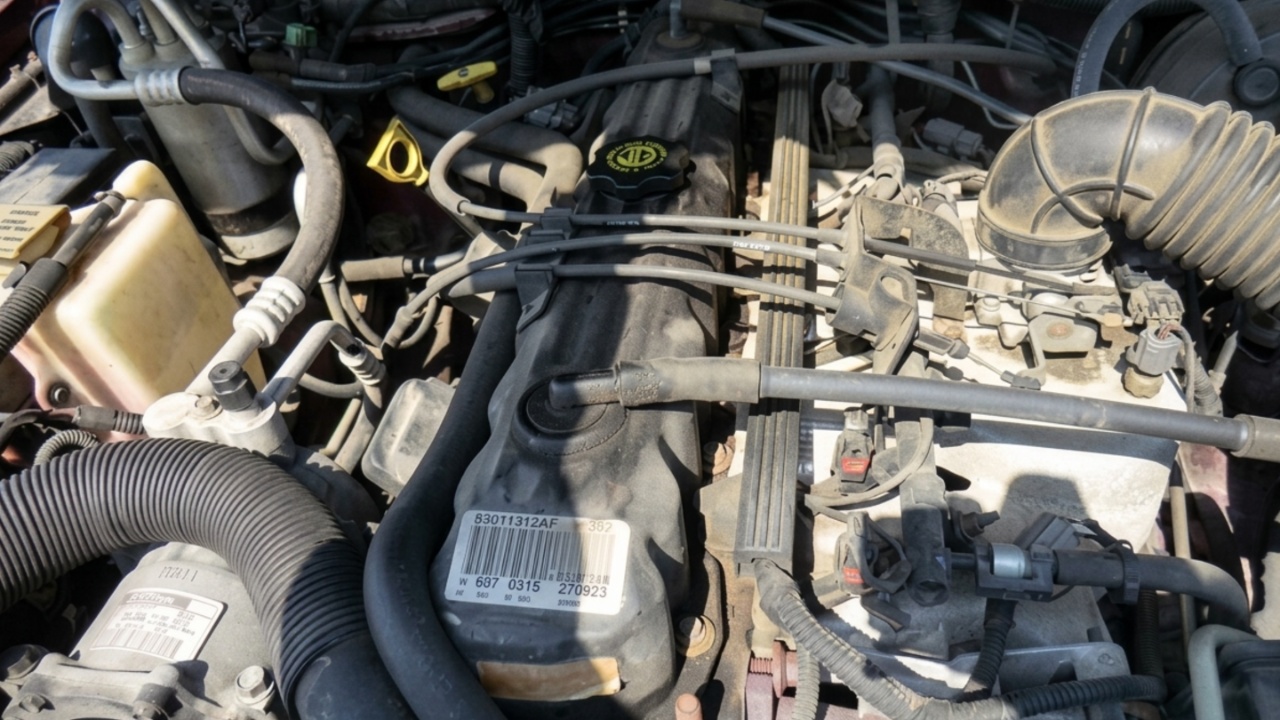
7. Jeep 4.0L Inline-6: Durable Thermal Design and Stable Cooling in Low-Speed Conditions
The Jeep 4.0L Inline-6 is well known for its durability, simplicity, and strong ability to control engine temperature during long idling periods and slow off-road driving. It comes from AMC’s rugged engine family and was designed for harsh environments such as rock crawling, where vehicles move slowly but still face continuous heat load.
A major reason for its stable temperature behavior is the heavy cast-iron block and cylinder head. This large thermal mass absorbs heat gradually and spreads it evenly across the engine.
This reduces the risk of localized hot spots that can lead to overheating during extended idle or low-speed operation. Under normal conditions, the engine runs near 210°F and is designed to hold this level when the cooling system is properly maintained.
Cooling support comes from a high-capacity liquid cooling system with a large volume of coolant. Many Jeep setups use a dual fan system that combines a mechanical clutch fan with an electric auxiliary fan. The mechanical fan provides strong airflow at low RPM when the vehicle is not moving, while the electric fan activates when temperatures rise in traffic or off-road stress conditions.
A high-flow water pump maintains steady coolant circulation through the engine block and radiator. This helps prevent heat buildup in specific areas. The inline-six layout also improves heat distribution because it offers more surface area for cooling compared to compact engine designs.
The engine produces around 180 to 190 horsepower and strong low-end torque between 220 and 235 lb-ft. This torque-focused design allows smooth operation at low RPM, which reduces heat generation during idle and slow driving.
Even though the engine can last over 300,000 miles, maintenance is important for thermal stability. Common issues include oil leaks, cracked exhaust manifolds, and wear in cooling components such as fan clutches and radiators.
Although production ended in 2006, the Jeep 4.0L remains popular for its simple mechanical design, easy maintenance, and reliable cooling performance in demanding low-speed environments.
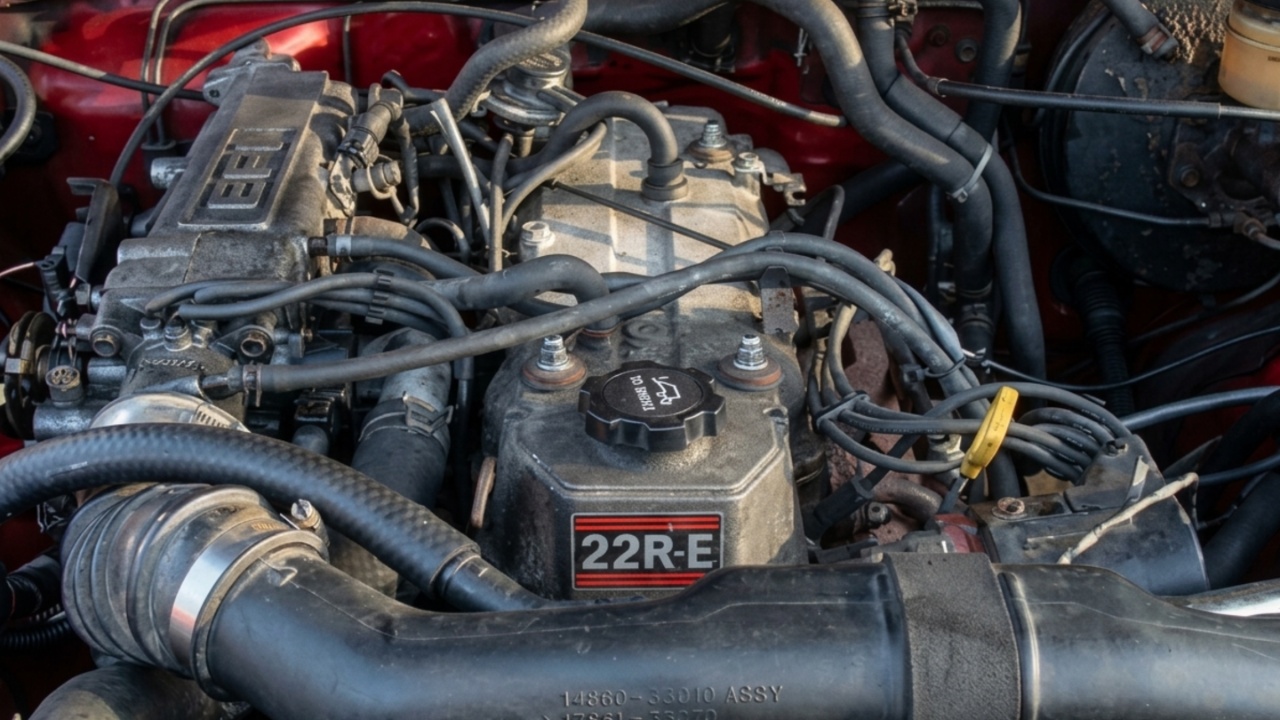
8. Toyota 22R / 22RE: Simple Engineering and Reliable Heat Control in Heavy-Duty Use
The Toyota 22R and 22RE engines are well known for durability, simplicity, and stable operating temperatures during long idling periods and heavy-duty workloads. Used widely in the Hilux and 4Runner, these 2.4L four-cylinder engines became trusted choices for off-road driving, commercial use, and harsh climates due to their consistent reliability.
Their thermal stability comes largely from a balanced combination of materials. The cast-iron engine block provides strong thermal mass, absorbing and spreading heat evenly across the engine, while the aluminum cylinder head quickly dissipates combustion heat. This combination helps reduce the formation of hot spots during extended idle operation.
Cooling performance is supported by a straightforward but effective system. A high-capacity water pump continuously circulates coolant, while a cross-flow radiator improves heat exchange efficiency. A thermostatic clutch fan, paired with a well-designed shroud, draws strong airflow through the radiator when the vehicle is stationary, which is especially important in traffic or low-speed off-road conditions.
Heat generation is relatively low due to the engine’s modest output of around 105–114 horsepower. This lower power level reduces combustion intensity and keeps thermal load manageable during idle and slow driving situations compared to more modern, high-performance engines.
An auxiliary idle-up system improves cooling behavior further by increasing engine speed when the air conditioning is in use. This maintains sufficient water pump flow and prevents overheating during stop-and-go driving or when electrical loads increase.
Even with this strong design, maintenance plays an important role in thermal performance. Air trapped in the cooling system can create uneven heating, while a clogged radiator or worn fan clutch can reduce airflow and lead to rising temperatures. Regular inspection and servicing help preserve cooling efficiency.
The 22R (carbureted) and 22RE (fuel-injected) engines are known for reaching 300,000–500,000 miles or more with basic care. While not built for speed, they provide steady torque delivery, dependable operation, and long service life in demanding environments.
The Toyota 22R/22RE remains a strong example of simple mechanical design paired with dependable thermal control under continuous real-world use.
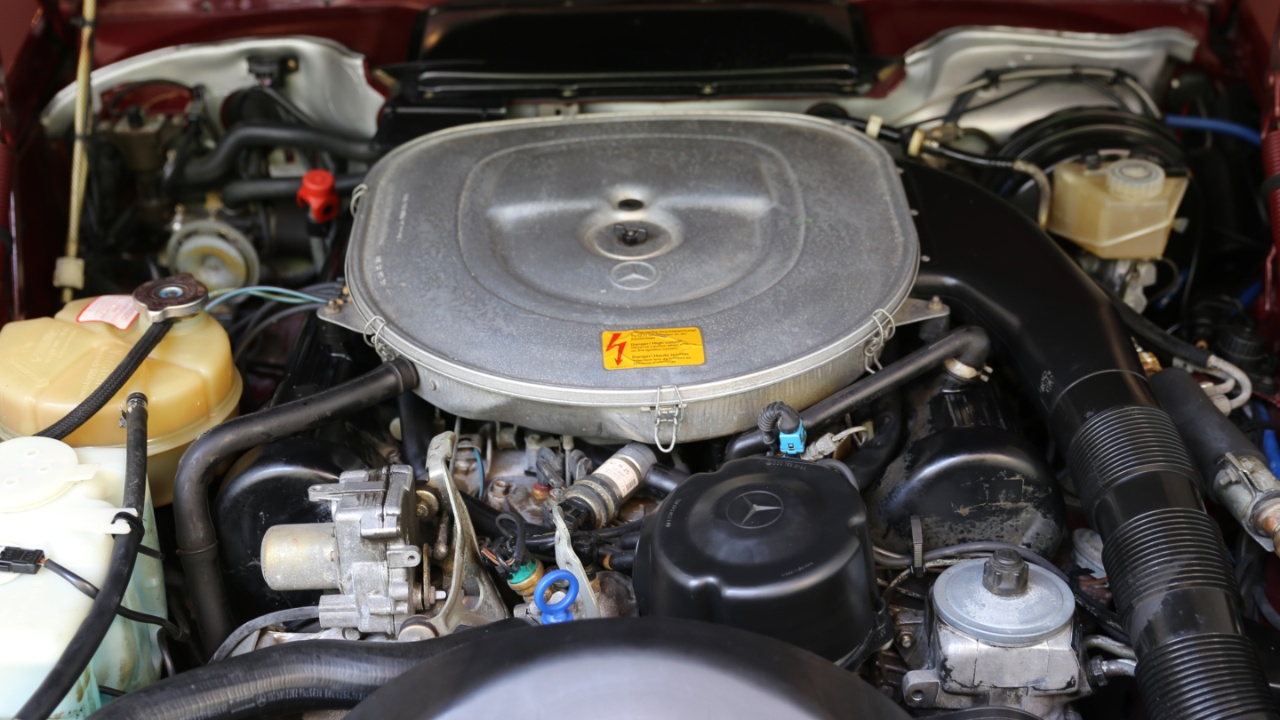
9. Mercedes-Benz M117 V8: Autobahn-Grade Cooling Engineering and Stable Thermal Control Under Continuous Load
The Mercedes-Benz M117 V8 is a luxury performance engine built between 1971 and 1992, designed to handle both sustained high-speed Autobahn driving and extended idling in heavy traffic. It reflects Mercedes-Benz’s engineering philosophy of durability and overbuilt thermal management, with a strong emphasis on long-distance reliability and consistent operating temperatures.
A major factor in its cooling stability is the high-capacity, engine-driven water pump that maintains strong coolant circulation even at low RPM. This ensures continuous heat removal from the combustion chambers during idle and stop-and-go driving, preventing gradual heat buildup.
Thermal regulation is further enhanced by sodium-filled exhaust valves, which efficiently transfer heat away from the combustion area into the cylinder head. This reduces the formation of localized hot spots and helps maintain even temperature distribution during prolonged stationary operation.
Many versions of the M117 feature aluminum alloy blocks and cylinder heads, which improve heat dissipation compared to heavier iron-based designs. The system is supported by a mechanically driven fan with a viscous clutch, providing strong airflow through the radiator when the vehicle is stationary, reducing the risk of heat soak in traffic.
The pressurized cooling system operates at around 1 bar, increasing the coolant’s boiling point and improving resistance to vapor formation under high thermal load. This allows stable cooling performance even in high ambient temperatures or low airflow conditions.
Later fuel-injected variants incorporate idle control systems such as KE-Jetronic and Auxiliary Air Valves, which help maintain consistent idle speed and proper air-fuel balance. This reduces inefficient combustion that could otherwise increase heat generation at low load.
Performance is characterized by smooth, high-torque delivery across 4.5L to 5.6L configurations. The engine is tuned for effortless cruising and long-distance stability rather than aggressive power cycling, which also helps reduce thermal stress during operation.
Despite its durability, maintenance is important. Common issues include aging timing chain guides, oil leaks, and complex fuel system components. Cooling efficiency can also drop significantly if the fan clutch weakens or the radiator becomes clogged.
The M117 V8 remains a benchmark in thermal engineering, combining robust materials, advanced cooling strategies, and conservative tuning to maintain stable temperatures in both highway and idle-heavy environments.
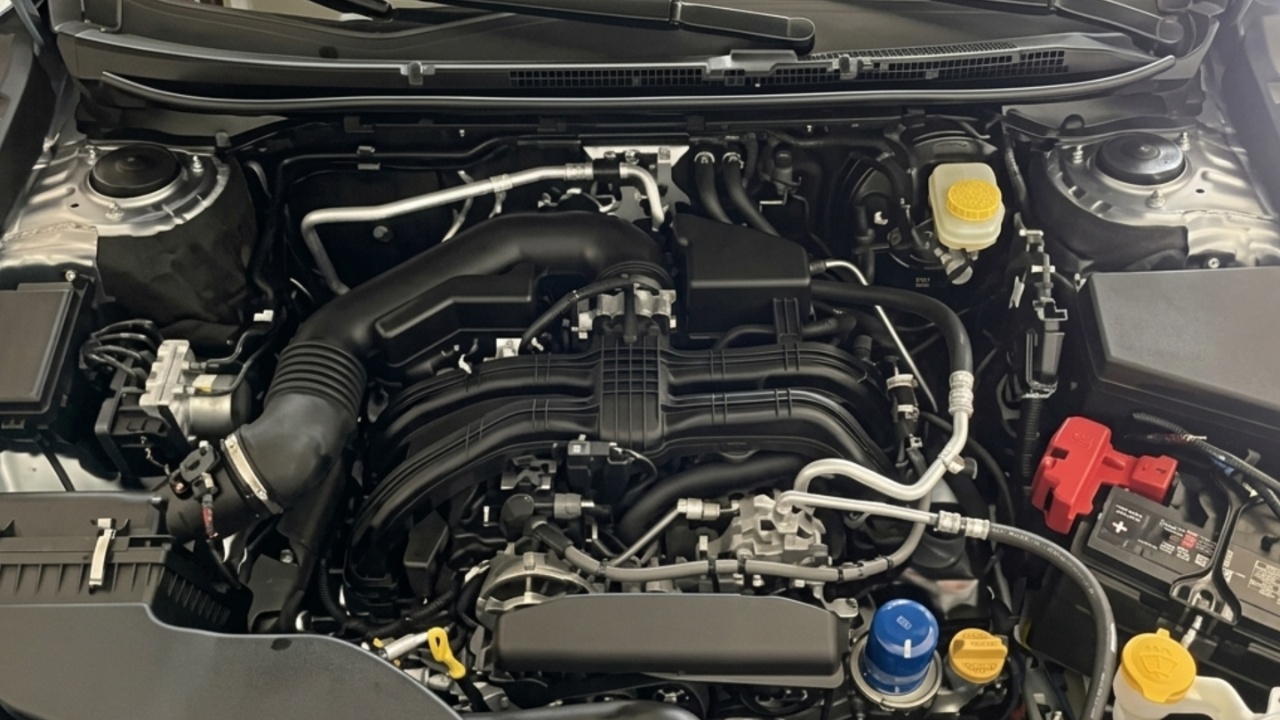
10. Subaru FB25 Boxer (2.5L): Flat-Engine Cooling Efficiency and Stable Thermal Control in Traffic Conditions
The Subaru FB25 Boxer engine (2.5L) is engineered to maintain consistent and stable operating temperatures during long periods of idling and stop-and-go driving. Its horizontally opposed boxer layout is central to this performance, as the wide, low-mounted configuration distributes heat more evenly across the engine bay and reduces the likelihood of localized hot spots that are more common in vertical engine designs.
A major contributor to its thermal stability is the open-deck aluminum block construction. This design improves coolant flow around the cylinders, allowing heat to transfer more efficiently into the cooling system. The aluminum material also enhances heat dissipation, helping the engine release thermal energy faster when airflow is limited during idle conditions.
Cooling performance is further improved through separate cooling circuits for the engine block and cylinder head. This allows targeted thermal management of high-heat zones and ensures more precise temperature control under varying load conditions. A high-efficiency water pump maintains steady coolant circulation even at low RPM, which is critical during prolonged stationary operation in traffic.
The FB25 also uses a cooled exhaust gas recirculation (EGR) system that reduces combustion temperatures by routing cooled exhaust gases back into the intake. This helps lower internal heat generation, especially in environments where airflow through the radiator is minimal. Optimized water jackets and refined coolant channels further support even heat distribution throughout the engine.
Internally, low-friction components such as lightweight pistons and reduced ring tension decrease mechanical resistance. This reduces energy loss in the form of heat, improving stability during extended idle periods.
Despite these thermal advantages, consistent maintenance is necessary to preserve performance. Some FB25 engines are known for oil consumption, cam carrier oil leaks, and valve spring issues, making regular oil monitoring and high-quality synthetic lubrication important for long-term reliability.
The FB25 produces approximately 170–182 horsepower and is tuned for dependable daily driving rather than performance-focused use. It is commonly found in Subaru SUVs and sedans, where efficiency, stability, and all-weather capability are prioritized.
The FB25 Boxer maintains steady temperature control in demanding urban driving through its flat-engine architecture and refined cooling system design.
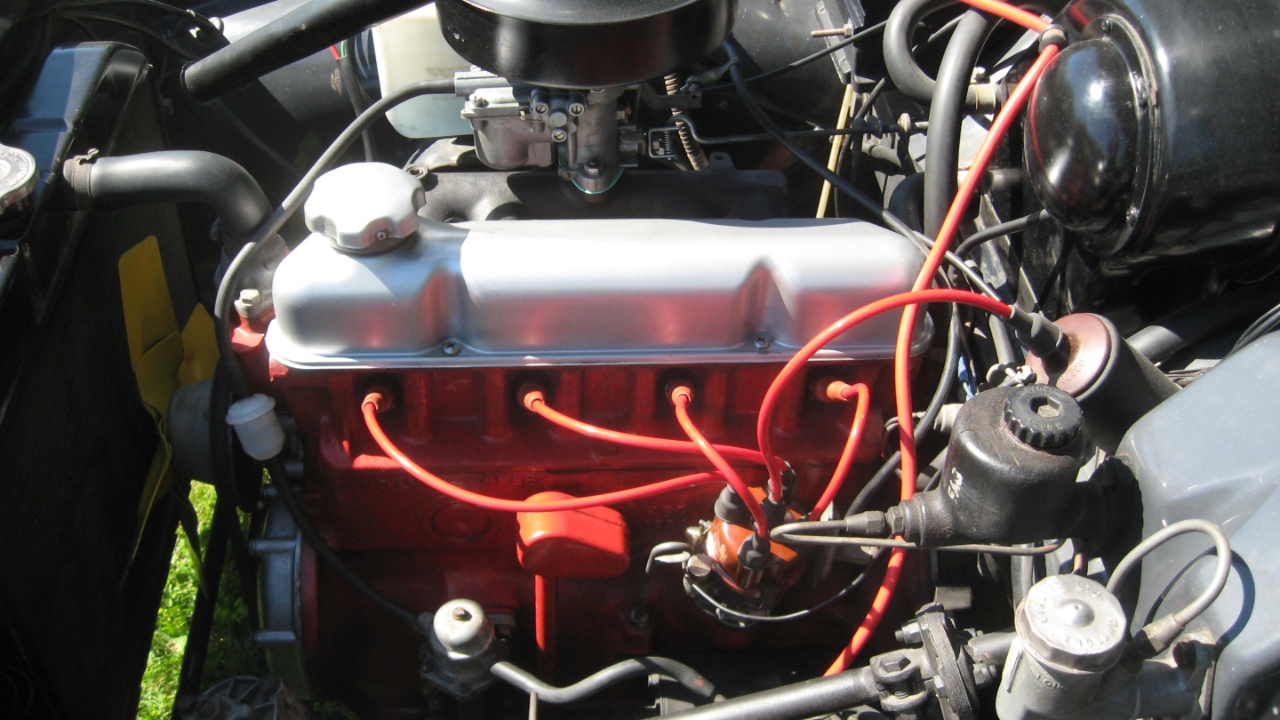
11. Volvo B18/B20: Heavy-Duty Cooling Design and Long-Term Thermal Stability
The Volvo B18 and B20 engines are well known for their exceptional durability and consistent ability to maintain stable operating temperatures during long periods of idling and extended driving. Built for harsh Scandinavian climates and long-distance use, these engines emphasize thermal balance, mechanical simplicity, and long service life, contributing to their reputation for extremely high mileage and dependable operation.
A key factor in their cooling performance is the heavy cast-iron block and cylinder head construction. This robust structure acts as a large thermal buffer, absorbing heat slowly and distributing it evenly throughout the engine. By reducing sudden temperature spikes and minimizing localized hot spots, the design supports stable operation during prolonged idle conditions.
The cooling system is highly capable and designed for low-speed efficiency. A crankshaft-driven water pump ensures continuous coolant circulation even when the engine is idling, preventing stagnant heat zones. Inside the cylinder head, a dedicated water distribution pipe helps evenly direct coolant flow to all cylinders, reducing the risk of rear-cylinder overheating often seen in less optimized engines.
A pressurized cooling system raises the boiling point of the coolant, improving resistance to vapor formation under thermal stress. Combined with a large coolant capacity and durable radiator setup, this allows the engine to maintain steady temperatures even in hot weather or heavy traffic.
Low compression ratios and conservative tuning further reduce combustion heat, resulting in lower thermal load during idle and stop-and-go driving. The use of five main bearings also reduces internal friction, limiting unnecessary heat generated by moving components.
Although highly tolerant, proper maintenance is still necessary to preserve cooling efficiency. Issues such as clogged radiators, faulty thermostats, or incorrect ignition timing can disrupt thermal balance and lead to overheating despite the engine’s strong baseline design.
The B18 (1.8L) and B20 (2.0L) engines produce modest output but deliver smooth torque and reliable performance. They powered classic Volvo models like the Amazon, P1800, and 140 series, often lasting hundreds of thousands of miles in regular use.
The Volvo B18/B20 remains a reference point in durable engine engineering, combining simple construction with strong thermal control for long-term reliability in demanding conditions.
12. Chrysler 318 (5.2L V8): Simple Heavy-Duty Cooling Design and Stable Idle Thermal Control
The Chrysler 318 V8, part of the LA-series and later Magnum family, is known for its durability, simplicity, and strong ability to maintain stable engine temperatures during long periods of idling. Widely used in trucks, muscle cars, and delivery fleets such as postal vans, it became a benchmark for dependable stop-and-go operation where thermal stability is critical.
A major reason for its consistent cooling performance is its heavy cast-iron block and cylinder heads. This construction acts as a large heat sink, absorbing combustion heat and spreading it evenly throughout the engine structure. This reduces localized hot spots and helps the engine maintain stable temperatures during extended idle conditions.
The cooling system is designed for continuous, low-speed efficiency. A high-capacity liquid cooling circuit paired with a mechanically driven water pump ensures steady coolant flow even at low RPM. When combined with an effective fan clutch system, the engine maintains strong airflow through the radiator while stationary, preventing heat buildup in traffic or hot climates.
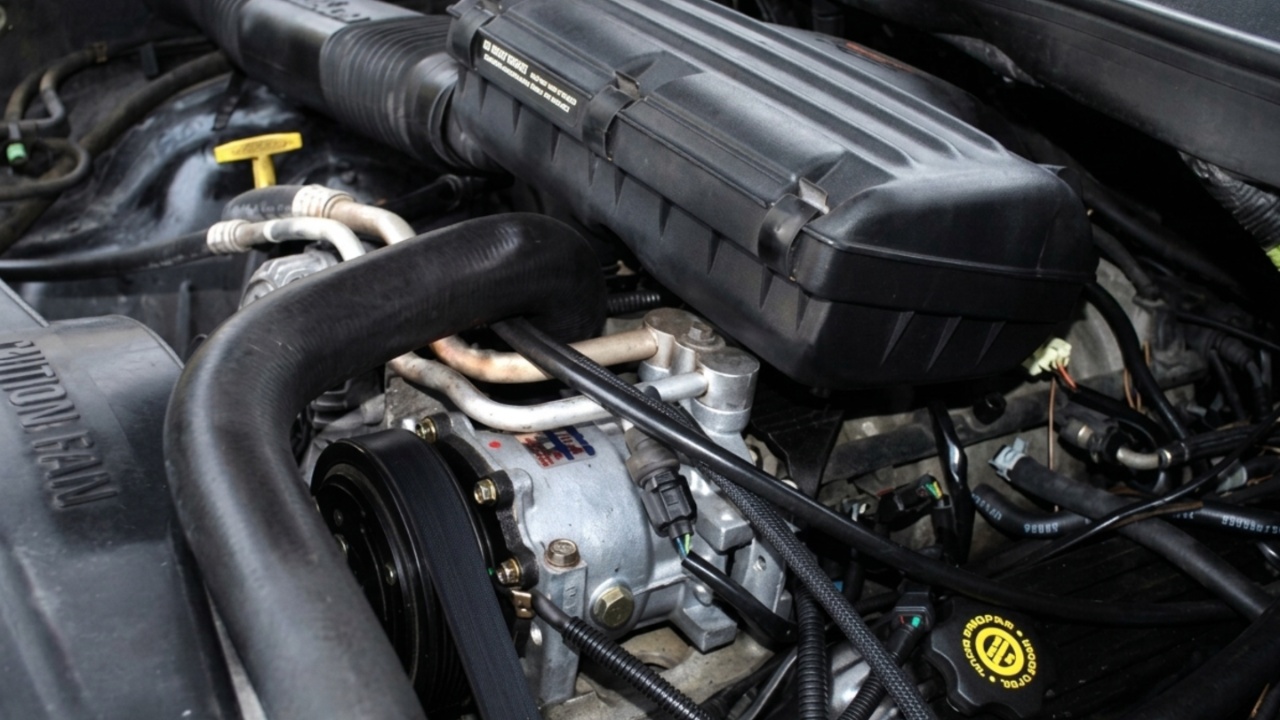
Lubrication also contributes to temperature control. The 318 uses a high-volume oiling system with large oil passages that allow oil to circulate efficiently and absorb heat from key internal components like pistons, bearings, and crank surfaces. This helps reduce thermal stress during prolonged idle operation.
The engine’s wedge-head combustion chamber design supports even fuel burn and reduces the formation of localized combustion hot spots. In addition, piston design with extended skirts improves heat transfer to the cylinder walls, further supporting steady thermal balance.
Despite its strong durability, maintenance is important to preserve cooling efficiency. Common issues such as worn fan clutches, clogged radiators, or intake manifold gasket failures in Magnum variants can lead to increased operating temperatures and reduced idle stability.
Power output is modest, typically around 220–230 horsepower in later versions, as the engine is tuned for reliability and torque rather than performance. Its simple iron construction and conservative design helped it achieve long service life across multiple decades of production.
The Chrysler 318 continues to be valued for its predictable cooling behavior, mechanical simplicity, and dependable operation in high-idle, high-demand environments.
Also read: 12 Cars That Keep Rear Windows Clear of Fog