
Driving is one of those skills that most people believe they master once and carry forever. You passed your test years ago, you commute daily, and you have never caused a serious accident. That feels like enough proof of competence. But confidence behind the wheel and actual skill behind the wheel are two very different things.
The roads today are more complex than ever before. Traffic patterns have changed, vehicles have evolved, and the risks on highways and city streets have multiplied significantly. Even the most experienced drivers carry small blind spots, outdated habits, and untested reflexes that could cost them dearly in a critical moment.
Professional driving courses are not just for nervous teenagers or first-time learners. They are structured programs designed to sharpen, challenge, and rebuild the way any driver thinks and reacts. They expose gaps that years of casual driving can never reveal.
Many seasoned drivers avoid these courses out of pride or assumption. They believe experience alone equals expertise. But research consistently shows that experienced drivers often develop the worst habits precisely because familiarity breeds complacency.
Taking a professional driving course is not an admission of weakness. It is a powerful investment in your safety, your family’s protection, and the lives of everyone sharing the road with you. The following eight reasons explain exactly why every experienced driver should seriously consider enrolling in one.
You Likely Have Bad Habits You Are Not Even Aware Of
Driving habits form quietly over years of repetition. You stop consciously thinking about what you are doing. Your hands drift. Your mirror checks become less frequent.
Most experienced drivers are surprised to discover how many small errors they make during a monitored session. These are not dramatic mistakes. They are tiny, repeated patterns that slowly erode safe driving.
Rolling through stop signs is one of the most common examples. It does not feel dangerous because nothing bad has happened yet. But probability does not care about your clean record.
Professional instructors are trained specifically to identify these invisible habits. They watch your steering grip, your braking pressure, and your scanning patterns with clinical precision.
Many drivers hold the steering wheel incorrectly without realizing it. They were taught the right way years ago but gradually slipped into comfort over correctness. The wrong grip reduces your reaction speed in an emergency turn.
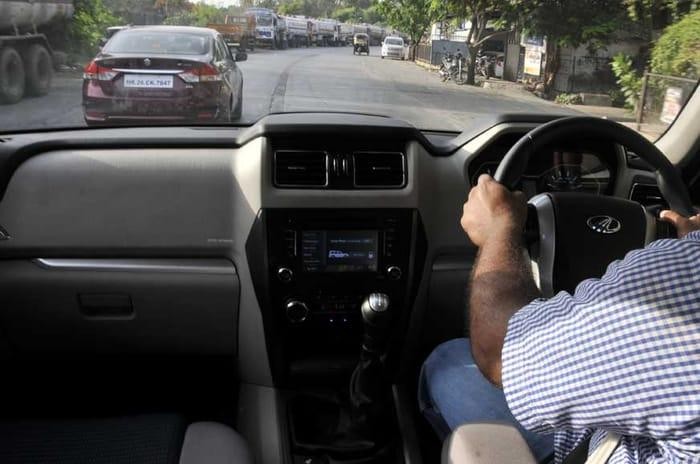
Tailgating is another habit that creeps in over time. Experienced drivers often underestimate how close they are following because it feels normal. Normal and safe are not the same thing.
Distracted driving habits also develop subtly. Glancing at a phone for two seconds feels harmless at low speed. At highway speeds, two seconds covers the length of two basketball courts without your eyes on the road.
A professional course forces you to confront these habits in a structured, non-judgmental environment. You are not being punished. You are being recalibrated.
The value of an outside observer cannot be overstated. When you drive alone, you have no feedback mechanism. You are essentially grading your own exam without a marking key.
Professional instructors provide that external perspective. They catch what you cannot catch yourself. Their feedback is specific, data-backed, and immediately actionable.
Breaking a bad habit requires first acknowledging it. Many experienced drivers go decades without that acknowledgment. A single professional session can deliver what years of solo driving never could.
You might leave the course feeling slightly humbled. That humility is enormously valuable. It means you are now driving with awareness rather than assumption.
The roads do not grade on a curve. Every hidden habit is a potential liability. Professional training helps you eliminate those liabilities before they eliminate you.
Emergency Handling Skills Deteriorate Without Practice
Knowing how to handle an emergency and actually being able to execute it under pressure are completely different capabilities. Most drivers have never truly tested their emergency responses.
Think about the last time you had to perform a sudden hard brake. Your body flooded with adrenaline. Your thinking narrowed. You reacted on instinct, not training.
If that instinct was never properly built, your reaction may have been dangerously slow or technically incorrect. A split second matters enormously in a high-speed emergency.
Professional driving courses include controlled emergency scenario training. You practice hard braking, sudden swerving, and skid recovery in a safe, monitored environment. These are skills that only become real through physical repetition.
ABS braking is a perfect example. Most drivers know intellectually that modern cars have ABS systems. But many still pump the brakes instinctively during an emergency, which defeats the system entirely.
Training teaches you to press hard and hold during an ABS-equipped braking event. That one correction alone can reduce stopping distance significantly. It is simple knowledge, but it requires practice to become automatic.
Skid recovery is another area where most experienced drivers are dangerously unprepared. A rear-wheel skid requires counter-steering, which means turning into the skid rather than away from it. This is deeply counterintuitive.
Without trained muscle memory, the average driver steers the wrong way and worsens the skid. This is one of the most common causes of single-vehicle accidents on wet or icy roads.
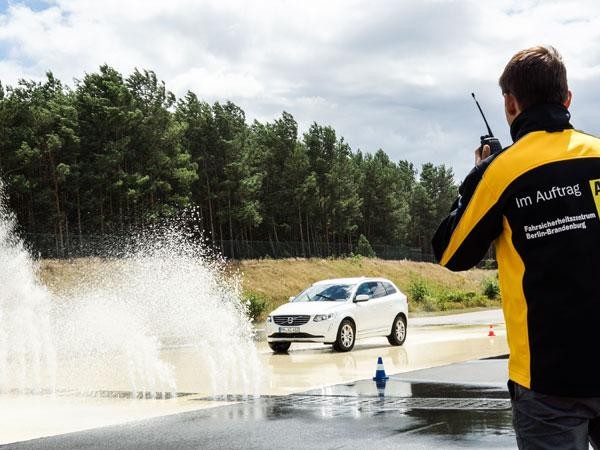
Professional courses often use wet skid pads or controlled surfaces to simulate these conditions. You experience the vehicle losing traction before practicing the correct recovery technique repeatedly until it becomes instinctive.
Evasive steering maneuvers are equally important. When a child runs into the road or a vehicle stops suddenly ahead, you need to respond with precision, not panic. The difference between a clean evasive maneuver and a multi-car collision is often training.
Your reaction time also changes with age. Drivers in their forties and fifties often have slower reflexes than they did at twenty-five. They are unaware of this change because their daily driving has not demanded quick reactions.
Professional training helps you compensate for these changes. Instructors teach you to increase following distances and reduce speeds in ways that counterbalance slower reaction times. This is adaptive driving, not passive acceptance of decline.
Without deliberate emergency practice, your skills remain theoretical. A professional course converts theory into tested, usable capability. That conversion could save your life.
Modern Vehicles Have New Technology You May Not Fully Understand
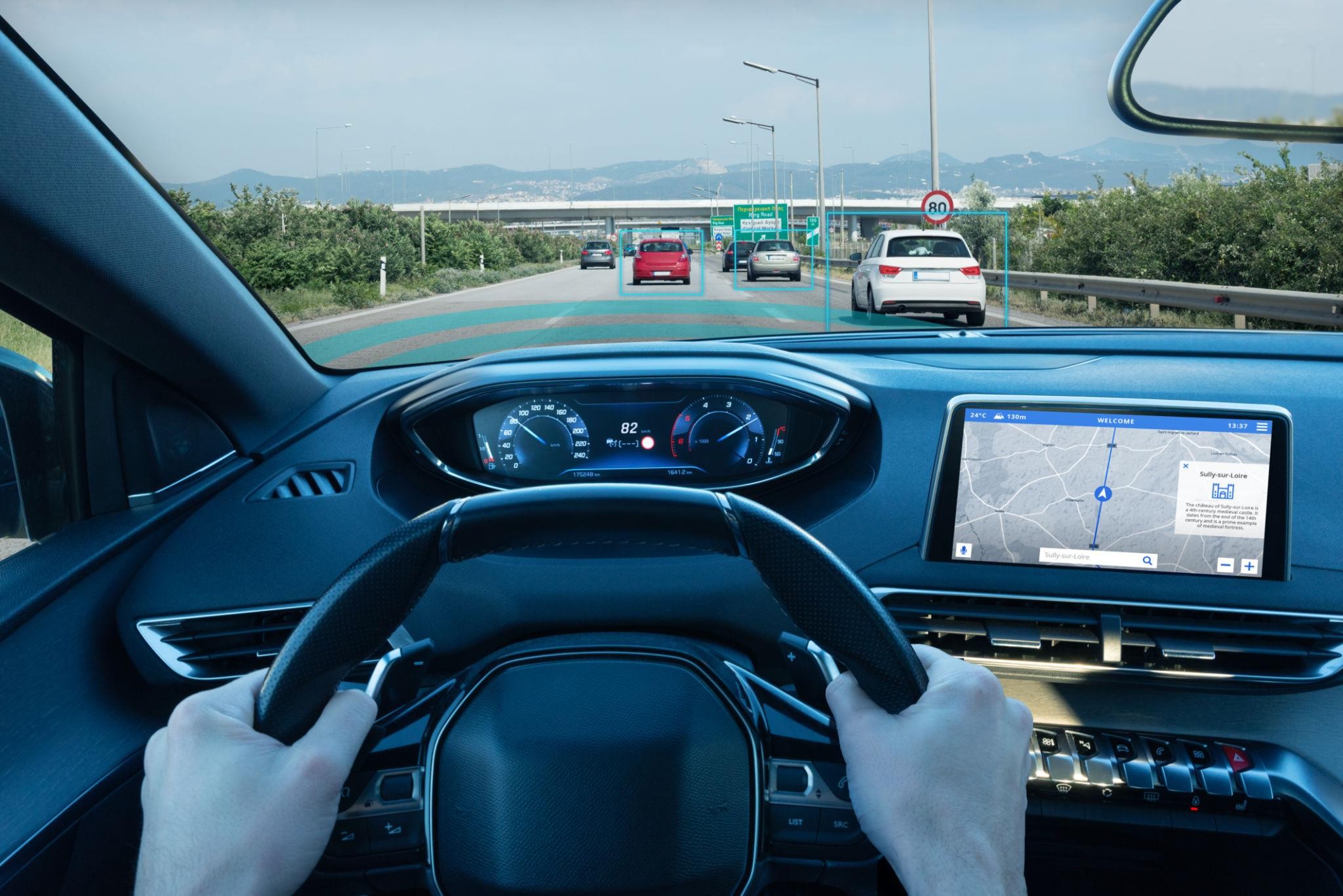
Cars have changed dramatically in the past decade. Lane departure warnings, adaptive cruise control, automatic emergency braking, and blind-spot monitoring systems are now standard features. Many drivers use them without truly understanding how they work.
Partial understanding of safety technology can actually be more dangerous than no understanding at all. You may rely on a system in a situation where it cannot help you. That false sense of security can delay your own response fatally.
Adaptive cruise control, for example, is not a self-driving system. It maintains speed and distance in clear, simple conditions. In complex traffic, construction zones, or bad weather, it can behave unpredictably if not properly managed.
Many drivers who have never received formal training on these systems do not know when to disengage them. They trust the car too completely in situations that require full human attention and control.
Lane departure warning systems also have significant limitations. They require clearly painted road markings to function correctly. On older roads, in rain, or in construction zones, these systems can fail or behave erratically.
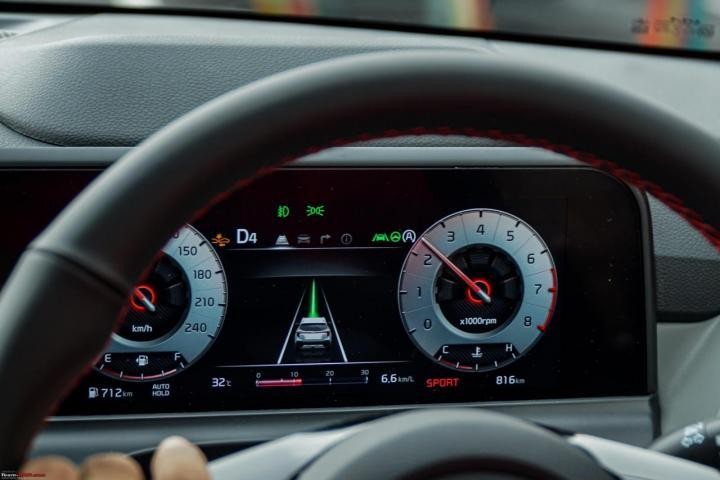
A professional course that covers modern vehicle technology teaches you exactly what each system does, what its limitations are, and when human judgment must override automated assistance. This is critical knowledge for the modern driver.
Electric and hybrid vehicles present additional challenges. Their weight distribution, braking feel, and acceleration characteristics differ significantly from traditional combustion vehicles. Drivers switching from one type to the other need updated training.
Regenerative braking in electric vehicles, for example, provides strong deceleration the moment you lift your foot from the accelerator. Drivers unaccustomed to this can be surprised by the vehicle slowing more sharply than expected in traffic.
Head-up displays, touchscreen controls, and voice command systems also introduce new forms of cognitive distraction. Professional training teaches you how to manage these in-vehicle systems without compromising your attention on the road.
The gap between what a car can do and what the driver understands it can do has never been wider. Professional instruction closes that gap with structured, vehicle-specific education.
Understanding your vehicle completely is a safety requirement, not a luxury. A machine you partially understand is a machine you partially control. Partial control at high speeds is a significant risk.
Defensive Driving Skills Reduce Your Accident Risk Dramatically
Defensive driving is a specific mindset and skill set. It involves anticipating the mistakes of other drivers before they happen. Most experienced drivers believe they drive defensively. Fewer actually do.
True defensive driving requires constant environmental scanning. You must monitor vehicles two to three cars ahead, track pedestrian movement on sidewalks, and identify potential merge conflicts well before they develop.
Most drivers scan reactively. They notice a problem when it appears. Defensive drivers notice a problem before it fully develops. That small time difference is enormous in terms of response options.
Professional driving courses dedicate significant time to the science of hazard perception. You learn to read traffic patterns, identify aggressive drivers, and position your vehicle to give yourself the maximum escape routes at all times.
Space management is a core component of defensive driving. You are taught to maintain buffer zones around your vehicle on all sides. This means adjusting your lane position, speed, and following distance based on the behavior of surrounding traffic.
Driving in blind spots is a common and dangerous habit. Many experienced drivers cruise in the blind spot of a truck or large vehicle without realizing the danger. A defensive driver never lingers there.
Intersection management is another critical defensive skill. Intersections are where the majority of urban accidents occur. A defensive driver always scans cross-traffic before entering, even on a green light. They never assume right-of-way equals safety.
Night driving and adverse weather driving require specific defensive adjustments. Most drivers simply slow down slightly in rain or fog. Professional training teaches a comprehensive framework for modifying every aspect of your driving behavior under difficult conditions.
Fatigue recognition is also covered in quality professional courses. Experienced drivers often push through tiredness on long trips. They misjudge their own impairment because the symptoms are gradual and feel manageable until they suddenly are not.
Statistics consistently show that drivers who complete defensive driving courses have significantly fewer accidents over the following years. The risk reduction is not marginal. It is substantial and well-documented across multiple studies.
Insurance companies recognize this. Many offer premium discounts to drivers who complete certified defensive driving programs. The financial benefit alone can offset the cost of the course within a year or two.
The practical takeaway is simple. Defensive driving is a learned skill, not a natural instinct. Professional training builds that skill systematically and reliably.
Also Read: 8 Soft Roader SUVs That Can Handle Sand vs 8 That Get Stuck Instantly
It Prepares You for Driving in Unfamiliar or Extreme Conditions
Most drivers have a comfort zone. They know their local roads, their typical weather conditions, and their usual traffic patterns. That comfort zone can be a trap.
The moment you drive outside that familiar environment, your skills are genuinely tested. Mountain roads, heavy snowfall, dense fog, flooded streets, or high-speed motorways in foreign countries can expose serious gaps in your preparation.
Professional driving courses often include modules specifically designed to build competence in extreme or unfamiliar conditions. This is preparation you cannot get from your daily commute.
Winter driving is one of the most dangerous and least-practiced skill areas for drivers in moderate climates. When an unexpected ice storm hits, many experienced drivers are suddenly operating a vehicle in conditions they have never trained for.
The techniques for driving on ice are counterintuitive and require practice. Accelerating gently, braking earlier, and steering with minimal inputs are skills that must be practiced before the emergency, not learned during it.
Off-highway driving, towing heavy loads, and driving large rental vehicles such as moving trucks also require updated techniques. Experienced car drivers often underestimate how dramatically handling changes with different vehicle types or loads.

High-speed motorway driving in countries where you drive on the opposite side of the road is another area where experienced drivers face genuine risk. Your instincts work against you in these conditions. Professional pre-trip training builds correct habits before you encounter live traffic.
Mountain driving requires specific knowledge about engine braking, gear selection, and managing brake temperature on long descents. Drivers who use footbrakes continuously on steep descents risk brake fade, which is a terrifying and dangerous loss of stopping power.
Driving through floodwater is another scenario that catches many experienced drivers off-guard. Professional training teaches you to assess water depth, drive slowly and steadily, and recognize when not to attempt a flooded crossing at all.
The common thread is preparation over reaction. A professional course gives you a mental library of correct responses for situations you have not yet encountered. That library could be invaluable on the day you need it most.
You cannot predict what conditions you will face on any given journey. You can only control how prepared you are to handle whatever comes. Professional training maximizes that preparation significantly.
It Improves Your Mental Approach to Driving
Safe driving is not purely mechanical. It is deeply psychological. How you think about risk, how you manage frustration, and how you make split-second decisions all profoundly affect your driving outcomes.
Road rage is a growing and dangerous phenomenon. Even calm, rational people can experience intense frustration behind the wheel. Experienced drivers are not immune. In fact, confidence can sometimes amplify aggression.
Professional driving courses include cognitive components that address driver psychology. You learn to recognize emotional triggers, manage road frustration, and make calmer, better-reasoned decisions under pressure.
The concept of risk homeostasis is taught in quality professional programs. This is the tendency for drivers to unconsciously increase their risk-taking behavior when they feel safer. A confident, experienced driver often takes risks they would never consciously choose.
Overconfidence is one of the deadliest psychological factors in experienced drivers. Studies show that drivers with more than twenty years of experience consistently rate themselves as above-average drivers. Statistically, this cannot be true for all of them.

Time pressure is another psychological driver of dangerous behavior. Professional training teaches practical time management strategies that reduce the internal pressure that leads to speeding, unsafe overtaking, and red-light running.
Attention management is a trainable cognitive skill. Professional courses teach you how to allocate your attention effectively across multiple simultaneous inputs: mirrors, road ahead, dashboard indicators, and passenger conversations.
The quality of your decision-making degrades under stress, fatigue, and distraction in predictable ways. Professional training teaches you to recognize these states and adjust your behavior accordingly. That awareness is a powerful protective mechanism.
Driving is one of the most cognitively demanding regular activities most people perform. Treating it mentally as a routine task rather than a demanding skill is itself a form of dangerous overconfidence.
Reshaping your mental relationship with driving is one of the most lasting benefits of professional training. It transforms driving from something you do automatically into something you do intentionally. Intentional driving is measurably safer driving.
It Can Significantly Lower Your Insurance Costs
Financial motivation is a legitimate and practical reason to consider professional driving training. The direct cost savings available through insurance discounts can be substantial over time.
Many insurance providers in major markets offer meaningful discounts to policyholders who complete accredited defensive driving or advanced driver training programs. These discounts typically range from five percent to fifteen percent on annual premiums.
For a driver paying a substantial annual premium, even a ten percent reduction represents real savings every single year for as long as the discount applies. In many cases, the course pays for itself within the first year of the discount.
Beyond flat discounts, professional training can also help drivers with less-than-perfect records. If you have received traffic violations or been involved in minor accidents, completing a certified course can sometimes offset demerit points or demonstrate rehabilitation to your insurer.
Fleet managers and commercial drivers have long understood this equation. Companies that invest in professional driver training for their employees consistently report reduced accident rates and lower fleet insurance premiums. The logic applies equally to individual drivers.
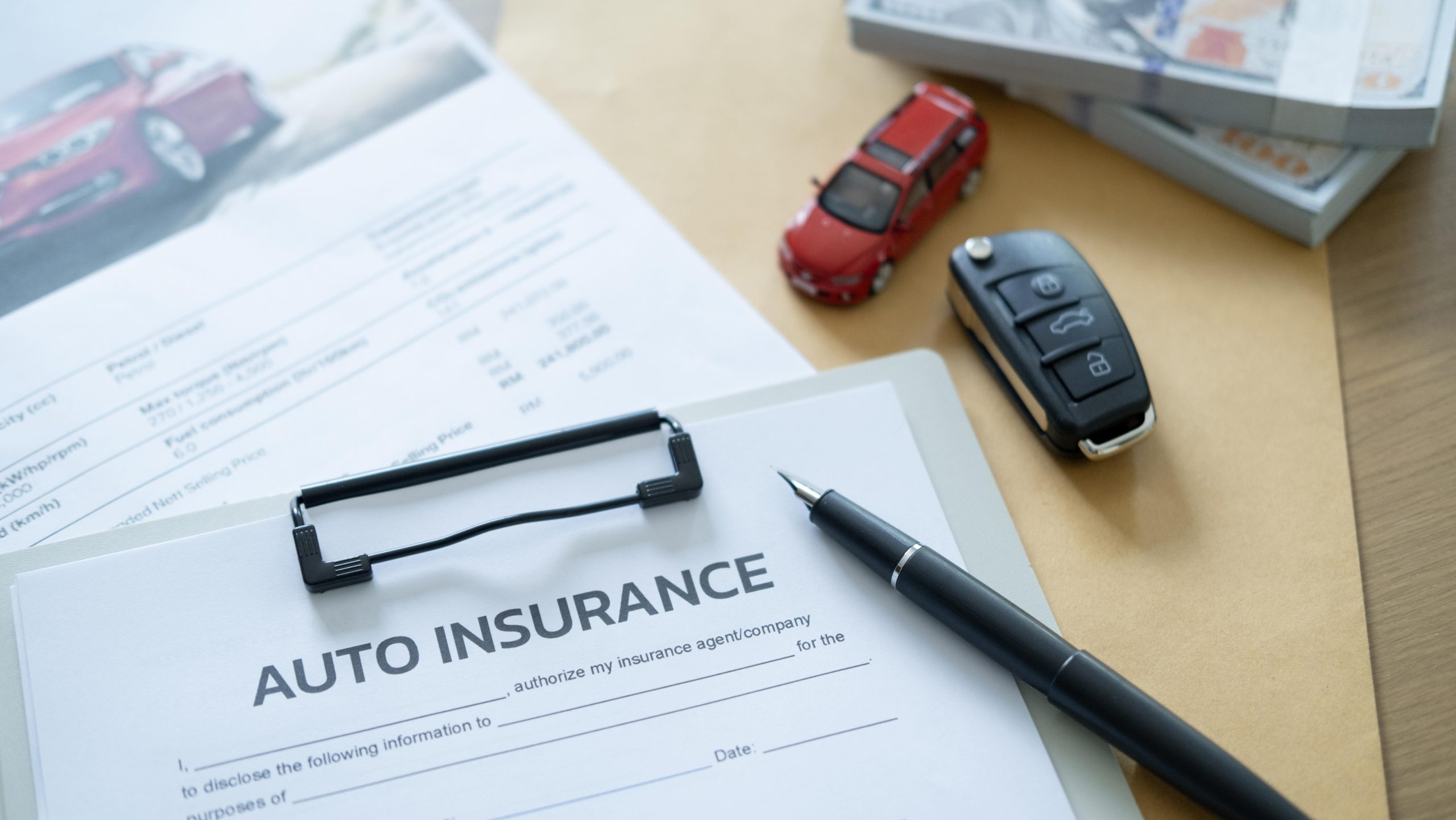
Young drivers added to a family policy can significantly increase household insurance costs. Enrolling them alongside you in a professional course demonstrates responsibility to insurers and can reduce the premium impact of adding a new driver.
The savings are not limited to insurance alone. Safer driving reduces vehicle wear and maintenance costs. Proper braking technique extends brake pad life. Smooth acceleration and deceleration reduce fuel consumption and transmission wear.
Tire wear is dramatically affected by driving style. Aggressive cornering and hard braking destroy tires far faster than smooth, skilled driving. Professional training that improves your technique directly extends the life of your tires.
Accident costs, even minor ones, are extraordinarily expensive when you account for repair bills, rental vehicles, time lost to paperwork, and the psychological stress involved. Preventing even one accident through professional training represents enormous financial value.
The return on investment for a professional driving course is genuinely strong. You spend a modest amount once and receive financial benefits in insurance savings, reduced running costs, and accident prevention that compound over years. It is one of the most cost-effective safety investments available to any driver.
It Sets a Powerful Example for Younger Drivers in Your Family
Your driving behavior is being watched constantly by the children and young adults in your life. They absorb what they see, not what they are told. If you drive carelessly, they will learn to drive carelessly.
Children who grow up as passengers with a parent who drives aggressively, speeds regularly, or uses a phone behind the wheel internalize these behaviors as normal. When they begin driving, they replicate what they observed for years.
This is one of the most profound and under-discussed reasons for experienced parents and guardians to pursue professional driver training. You are not just improving your own skills. You are directly shaping the driving culture of the next generation in your home.
When a parent completes a professional driving course, something important happens beyond skill development. They begin modeling a healthy, humble approach to driving. They demonstrate that learning never stops, regardless of age or experience.
A teenager watching a confident, experienced parent take a driving course receives a powerful message. It tells them that driving deserves respect. It tells them that expertise requires maintenance. It tells them that humility is a strength, not a weakness.

Professional courses also provide a common language and shared reference point for driving discussions within a family. When you have both completed structured training, conversations about safe driving become more specific, more credible, and more effective.
The statistics on young driver accidents are sobering. New drivers between the ages of sixteen and twenty-five account for a disproportionate share of serious road accidents globally. Parental modeling and household driving culture are significant factors in these numbers.
Research in traffic safety consistently identifies parental driving behavior as one of the strongest predictors of young driver safety. You are not a neutral presence in your teenager’s driving education. You are one of its most powerful inputs.
Taking a professional course and sharing what you learned with younger drivers in your household is one of the most direct ways to improve their safety on the road. It gives you credible, updated knowledge to pass on rather than outdated habits dressed as wisdom.
Leading by example is always more powerful than instruction. When your teenager sees you approaching driving with genuine professionalism and continued learning, they are far more likely to approach their own driving the same way.
The roads your children will drive on are the same roads you use every day. Improving the driving culture within your own family is one of the most meaningful contributions any experienced driver can make to road safety.
Also Read: 10 Pickup Trucks With the Most Comfortable Ride for Long Distance Travel
