

Your car’s suspension system is one of the most critical components keeping you safe on the road. It works silently beneath your vehicle every single day. Most drivers never think about it until something goes seriously wrong.
The suspension system does far more than just absorb bumps. It maintains tire contact with the road at all times. It also controls your vehicle’s handling, steering, and stability during every drive.
A failing suspension can turn a routine drive into a dangerous situation. Problems can develop gradually, making them easy to ignore. By the time most drivers notice, significant damage has already occurred.
Modern vehicles are complex machines with interconnected systems. A problem in the suspension can quickly affect your brakes, tires, and steering. This chain reaction can multiply repair costs dramatically if left unaddressed.
Many drivers mistake suspension issues for other problems. A strange noise might seem minor but could signal serious structural damage. Recognizing warning signs early can save both money and lives.
This guide covers the ten most critical warning signs that demand immediate professional attention. Each sign has been explained in detail to help you understand the severity. Never delay when your vehicle is showing these symptoms your safety depends on it.
1. Your Car Constantly Bounces or Feels Unstable
One of the earliest and most obvious signs of suspension trouble is excessive bouncing. If your car continues to bounce long after hitting a bump, something is seriously wrong. This behavior suggests your shock absorbers or struts are no longer functioning correctly.
Shock absorbers are designed to dampen the movement of your vehicle’s springs. They prevent your car from continuing to oscillate after a road disturbance. When they wear out, every small bump becomes a prolonged, uncomfortable rocking motion.
You can perform a simple test to check this at home. Push down hard on the front or rear corner of your vehicle and release it quickly. A healthy suspension should rise back up and settle immediately without further movement.
If your car bounces more than once or twice after this test, the shocks are likely worn. This is a clear indicator that professional inspection is needed right away. Do not continue driving under the assumption that this will resolve itself.
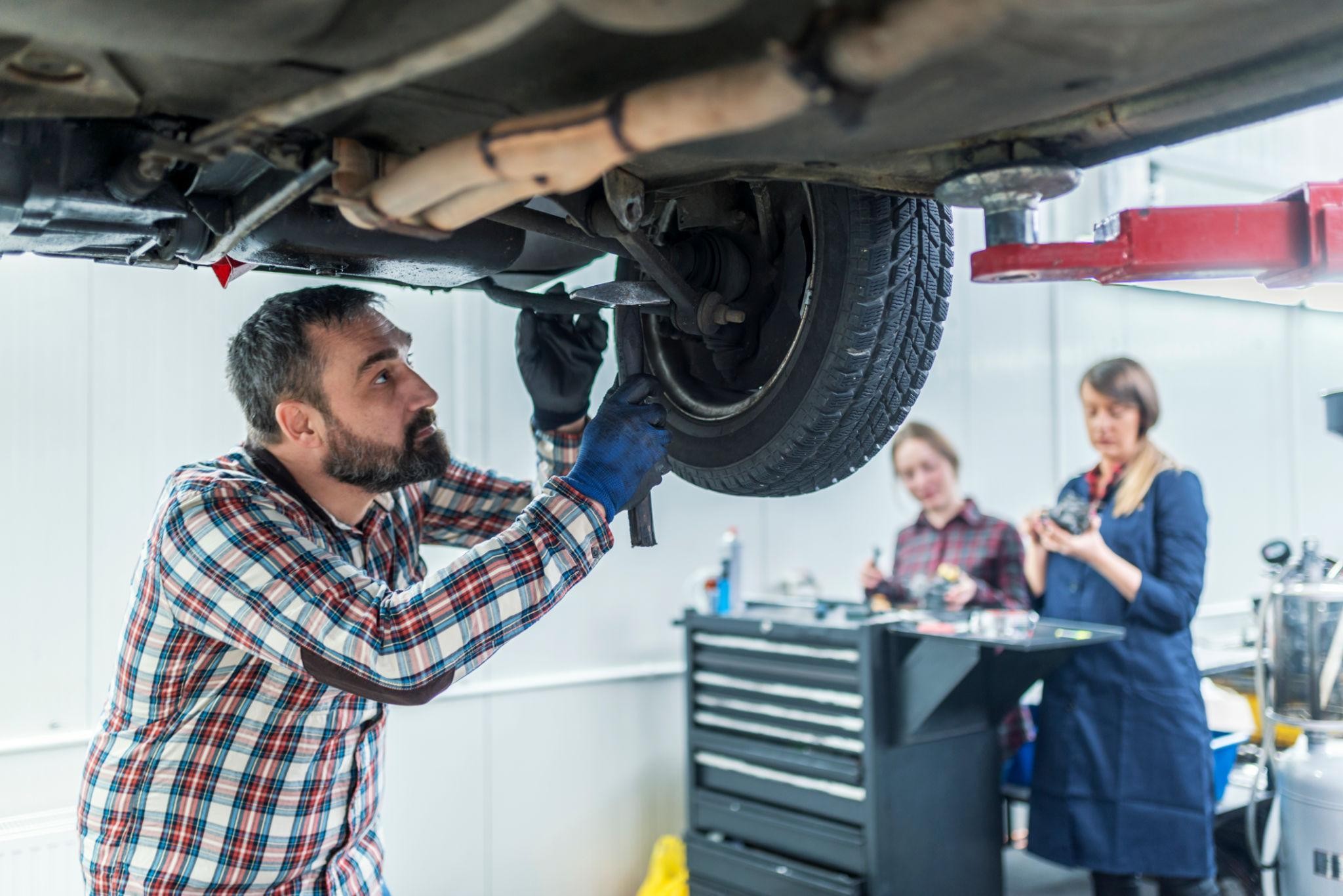
Driving with worn shock absorbers is more dangerous than most people realize. Your tires lose consistent contact with the road surface during each bounce. This reduced traction dramatically increases your stopping distance in emergency situations.
The problem gets significantly worse in wet or slippery conditions. Hydroplaning becomes far more likely when your tires are not firmly planted. A vehicle with failing shocks can feel like it is floating rather than driving.
Continuous bouncing also accelerates wear on other suspension components. Ball joints, tie rods, and bushings suffer additional stress from uncontrolled movement. What starts as a shock absorber problem can quickly become a much more expensive repair.
The bouncing sensation also puts stress on your chassis and frame over time. Metal fatigue can develop in areas that were never designed to absorb such repetitive forces. This can lead to costly structural repairs that far exceed the original suspension fix.
Many drivers describe this feeling as their car feeling “soft” or “floaty.” Some even enjoy the sensation, mistaking it for a comfortable ride. In reality, it is a warning sign that demands immediate professional evaluation.
Shock absorbers and struts typically last between 50,000 and 100,000 miles depending on driving conditions. Rough roads, heavy loads, and aggressive driving shorten their lifespan considerably. Regular inspection after 50,000 miles is strongly recommended by most automotive professionals.
2. You Notice Uneven or Rapid Tire Wear
Tires tell a story about the health of your entire vehicle. When your suspension is working correctly, tires wear evenly across their full contact surface. Uneven wear patterns are one of the clearest signals that your suspension needs immediate attention.
Cupping or scalloping is a particularly telling wear pattern to watch for. This creates a wavy, uneven surface across the tire tread. It happens when worn shocks allow tires to bounce and skip along the road rather than rolling smoothly.
Inside edge wear, outside edge wear, and center wear all indicate different problems. Inside edge wear often points to misalignment caused by worn suspension components. Each pattern is a diagnostic clue that a trained mechanic can interpret precisely.
When suspension parts like control arms or ball joints wear out, wheel alignment changes. This forces tires to run at incorrect angles against the road surface. Even a small alignment deviation causes tires to scrub away unevenly with every mile driven.
Premature tire wear is an expensive consequence of ignored suspension problems. A set of quality tires can cost several hundred dollars to replace. Fixing the underlying suspension issue first protects that investment completely.
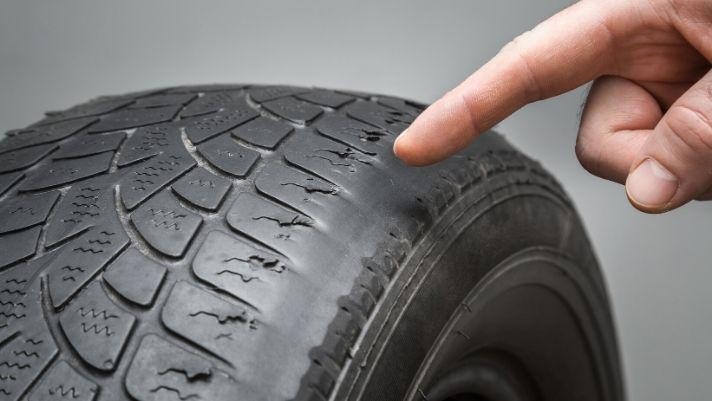
Beyond cost, uneven tires create real safety hazards on the road. Tread depth varies across the tire surface, reducing grip unpredictably. This makes handling feel inconsistent, especially during cornering or emergency maneuvers.
Tire pressure monitoring systems will not always catch these wear issues early. Visual inspection remains the most reliable method for identifying abnormal wear. Make it a habit to crouch down and examine your tires regularly from different angles.
A professional mechanic can identify wear patterns and trace them back to specific suspension faults. They use alignment equipment to measure angles and identify which components have shifted. This diagnostic process is fast and highly accurate with modern technology.
Never simply replace tires without addressing the root cause of uneven wear. New tires will develop the same abnormal wear pattern within weeks. The suspension must be repaired first for any tire replacement to be worthwhile.
Many tire shops offer free visual inspections that can identify early warning signs. Take advantage of these services during every tire rotation. Catching alignment and suspension issues early prevents much larger problems down the road.
3. Your Steering Pulls to One Side While Driving
A vehicle that drifts or pulls to one side is sending a clear distress signal. This behavior means your suspension components are no longer working symmetrically. When you must constantly correct your steering to drive straight, immediate inspection is necessary.
Pulling can result from several suspension-related problems working individually or together. Worn control arm bushings allow wheel geometry to shift out of specification. This creates unequal forces on each side of the vehicle during forward motion.
Unequal tire pressure can cause mild pulling, but suspension issues cause persistent, stronger pulls. If correcting tire pressure does not eliminate the drift, suspect worn suspension components. The difference in severity is usually quite noticeable to an attentive driver.
Ball joints connect the wheel hub to the control arm and allow angular movement. When ball joints wear excessively, the wheel can shift position slightly under load. This shift creates directional instability that worsens with vehicle speed and road conditions.
Tie rod ends also play a critical role in keeping your wheels pointed correctly. Worn tie rods allow the wheels to toe in or out beyond design specifications. This misalignment causes pulling and also destroys tire tread at an accelerated pace.

Pulling becomes significantly more dangerous at highway speeds. Small deviations require constant driver input to maintain lane position. Driver fatigue increases substantially when the car demands this level of continuous correction.
The danger escalates dramatically in emergencies requiring quick steering response. A car that is already pulling to one side becomes much harder to control suddenly. Accident risk increases significantly with this type of suspension fault.
Brake-related issues can also cause pulling, sometimes mimicking suspension problems. A stuck caliper or uneven brake pad wear can create one-sided braking force. A comprehensive inspection by a professional can distinguish between these causes accurately.
A professional alignment check is the standard first step in diagnosing pulling behavior. Modern alignment machines measure all four wheel angles with precise sensors. This gives the mechanic a complete picture of what has shifted and why.
Do not attempt to compensate for pulling by simply adjusting your steering input. This approach masks the problem while the underlying damage continues to worsen. Only professional repair addresses the actual cause and restores safe handling.
4. You Hear Clunking or Knocking Noises Over Bumps
Strange noises from beneath your vehicle are never something to dismiss casually. Clunking, knocking, or banging sounds over bumps are classic suspension warning signs. These noises indicate that metal components are moving in ways they were never designed to.
Worn or broken sway bar links are among the most common sources of clunking sounds. The sway bar connects the left and right sides of your suspension to reduce body roll. When its connecting links fail, the bar moves freely and creates audible metallic impacts.
Ball joint failure produces a particularly distinctive and alarming knocking sound. As the ball joint wears, its socket develops excessive play and looseness. Each bump in the road causes the joint to knock against its housing dramatically.
Control arm bushings are rubber or polyurethane components that cushion metal-to-metal contact. When they deteriorate, the control arm moves with excess freedom during suspension travel. This produces clunking sounds and also allows wheel geometry to shift unpredictably.
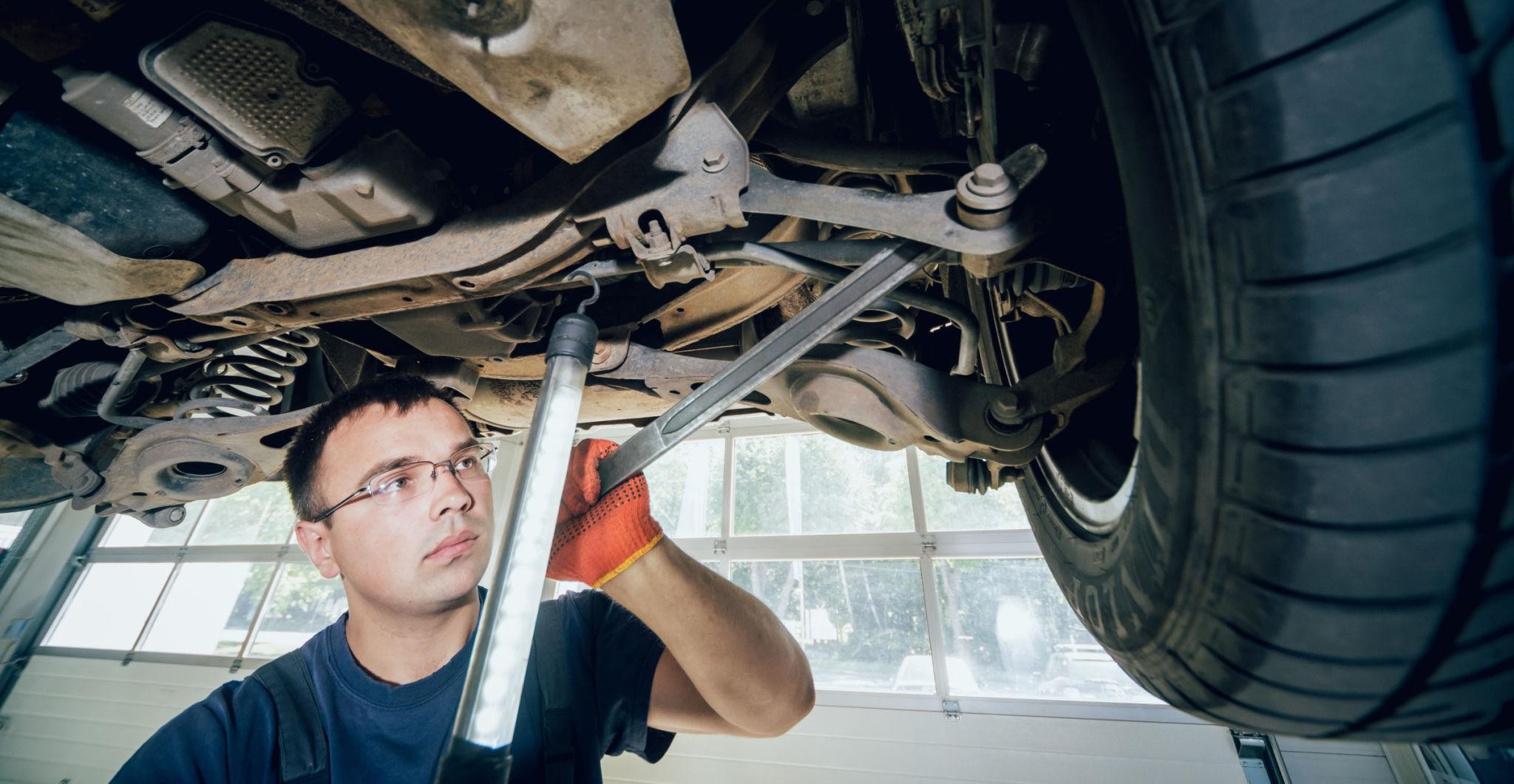
Strut mounts sit at the top of your strut assembly and support its upper end. When these mounts wear out, the strut can knock against surrounding components. This produces a pronounced thudding sound, especially during slow-speed maneuvering and turning.
The location and timing of the noise provide important diagnostic clues. Front end clunking over bumps often points to struts, ball joints, or sway bar links. Rear clunking typically suggests worn trailing arms, bushings, or rear shock absorbers.
Never assume that suspension noises are harmless rattles from loose trim or road debris. Consistent noise patterns that repeat over bumps are mechanical in origin. Ignoring them allows the damaged component to deteriorate further and potentially fail completely.
Complete component failure while driving is an extremely dangerous scenario. A broken ball joint, for example, can cause sudden and total loss of steering control. The wheel may fold inward without warning, making the vehicle completely uncontrollable.
A knocking noise that appears gradually and worsens over time should raise serious concern. Progressive deterioration means the component is approaching its failure threshold. The window for affordable repair narrows as damage accumulates.
Have the vehicle inspected as soon as persistent suspension noises appear. Experienced mechanics can often identify the source of the noise during a test drive. Lift inspection and physical component testing confirm the diagnosis quickly and accurately.
Also Read: 10 SUVs With Third Row Seating That Adults Can Fit in Comfortably
5. Your Car Nose-Dives When Braking
When you apply the brakes, does the front of your car dip sharply downward? This excessive nose-dive, also called brake dive, is a serious suspension symptom. It indicates that your front shocks or struts have lost their ability to control suspension movement effectively.
Properly functioning shocks resist the forward weight transfer that occurs during braking. They keep the front end stable and allow the brakes to apply maximum force evenly. When shocks fail, the nose pitches forward dramatically and the rear lifts slightly.
This weight transfer affects braking efficiency in a measurable and dangerous way. Rear tires momentarily lose road contact pressure during the nose-dive event. This reduces the rear brakes’ contribution and extends stopping distance considerably.
In emergency braking situations, extended stopping distance can be the difference between a collision and a near miss. Modern anti-lock braking systems cannot fully compensate for failed shock absorbers. The physical limitations of worn shocks override the benefits of electronic safety systems.
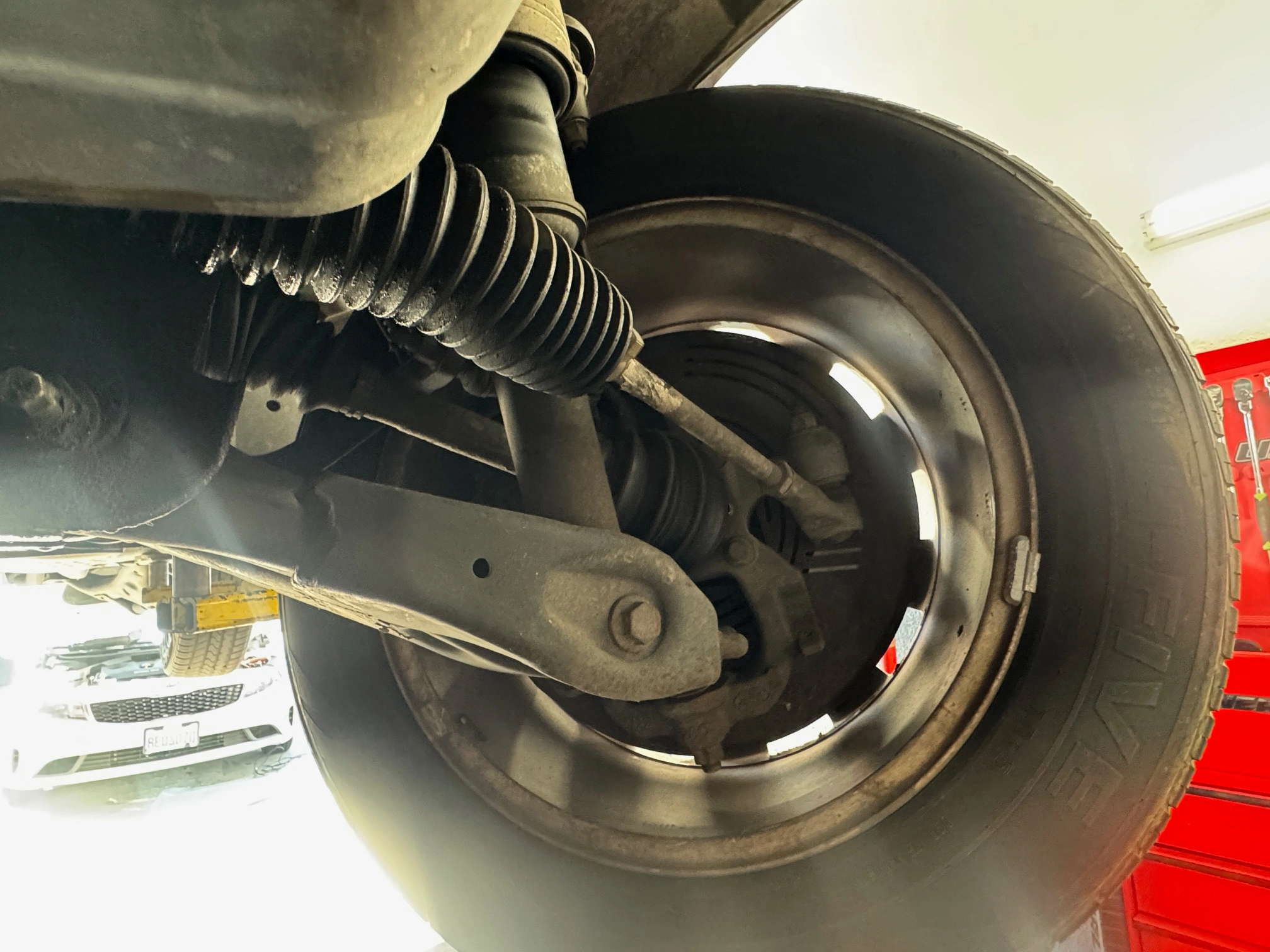
Brake dive also causes significant discomfort and instability for vehicle occupants. Passengers experience a lurching sensation that feels unsafe and out of control. This instability worsens with heavier loads and at higher entry speeds before braking.
The complementary problem is rear squat during acceleration. When the rear shocks are worn, the back of the vehicle sinks excessively under power. This affects traction and can cause the front wheels to lose grip unpredictably.
Both nose-dive and rear squat indicate that your vehicle’s weight transfer is no longer managed correctly. The suspension was engineered to keep all four tires working together optimally. Failed components break this cooperative system and create dangerous imbalances.
A professional inspection will test shock absorber performance using specialized equipment. Road testing combined with lift inspection reveals both the symptoms and the mechanical cause. Replacement of faulty components restores proper braking dynamics and safety margins.
Older vehicles with high mileage are particularly prone to these symptoms. Shock absorbers degrade gradually, making the changes easy to overlook over time. Many drivers only recognize the problem after experiencing a frightening near-accident situation.
If you notice your car diving aggressively during routine braking, act immediately. This is not a symptom that improves with time or resolves itself naturally. Only professional replacement of the worn components will correct the dangerous behavior.
6. You Feel Vibrations Through the Steering Wheel
A steering wheel that vibrates or shakes is communicating a mechanical problem directly to your hands. Vibrations can originate from several sources, and many of them involve suspension components. Ignoring this symptom puts you at risk of a sudden and unexpected handling failure.
Worn tie rod ends are a frequent cause of steering wheel vibration. These components connect the steering rack to the wheel hub on each side. When they develop play or looseness, steering input becomes imprecise and vibrations travel up the column easily.
Ball joint wear also transmits significant vibrations through the steering system. As the joint socket wears, the wheel assembly can wobble slightly during rotation. This wobble creates a pulsing vibration that is felt clearly through the steering wheel.
Wheel bearings are closely related to suspension function and are a common vibration source. A failing wheel bearing causes a humming or grinding vibration that changes with vehicle speed. This vibration can worsen on turns as the bearing experiences different loading angles.

Unbalanced or damaged tires can produce similar vibrations that are easily confused with suspension issues. However, suspension-related vibrations often appear at specific speeds or during cornering. A professional can differentiate between tire and suspension causes through systematic testing.
Speed-related vibrations deserve particular attention and urgency. If your steering wheel shakes intensely at highway speeds, control of the vehicle is already compromised. Reacting to sudden steering input becomes much more difficult when the wheel is vibrating strongly.
Worn shock absorbers can allow wheel hop, which also manifests as steering vibration. This is especially noticeable on rough road surfaces or during hard acceleration. The wheel literally bounces rapidly against the road, sending shockwaves through the entire steering assembly.
Power steering components can also contribute to vibrations in some cases. Loose or worn steering rack mounts allow the rack to move under load. This movement creates feedback and vibration that mirrors the symptoms of suspension wear very closely.
Have steering wheel vibrations investigated promptly by a qualified mechanic. The diagnostic process involves inspecting steering linkage, suspension joints, wheel bearings, and tire condition. Modern vehicles require a thorough systematic approach to identify the actual source definitively.
Do not wait until the vibration becomes severe before seeking professional help. Early-stage vibrations indicate component wear that can be addressed affordably. Advanced wear leads to component failure, which creates emergency situations and much higher repair bills.
7. Your Vehicle Rolls or Sways Excessively in Corners
Body roll is a normal characteristic of passenger vehicles during cornering. However, excessive roll or a floating sensation in corners is a clear suspension warning sign. This symptom indicates that your sway bar system or shock absorbers are no longer controlling lateral movement effectively.
The sway bar, also called an anti-roll bar, is specifically designed to reduce body lean. It connects opposite sides of the suspension and transfers force during cornering. A broken sway bar or failed end links eliminates this resistance and allows dangerous levels of lean.
Worn shock absorbers cannot adequately control the speed of body roll during cornering. The vehicle tips over to the outside of the turn more quickly than it should. This shifts weight aggressively to the outer tires and reduces grip on the inner tires.
Excessive roll creates a serious rollover risk, particularly in taller vehicles. SUVs, trucks, and vans have higher centers of gravity that amplify this danger. A suspension fault that causes extreme body lean in these vehicles demands emergency attention.
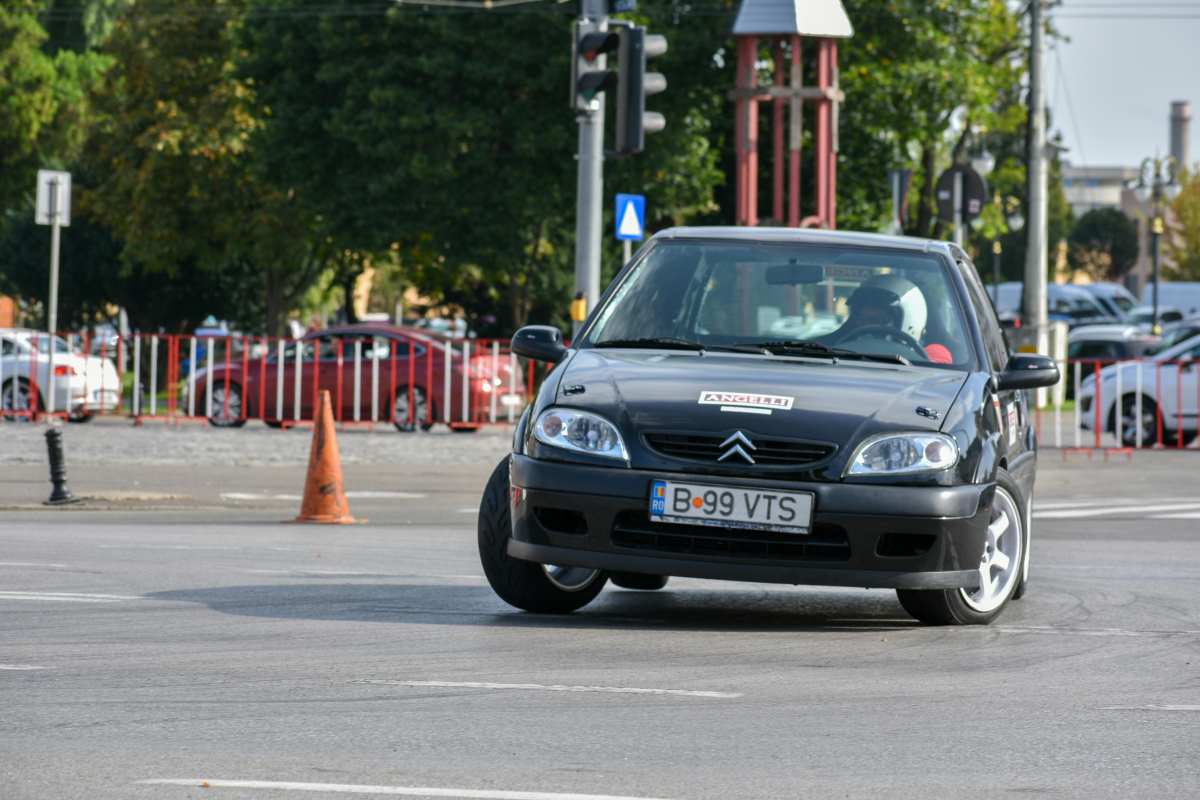
Passengers inside the vehicle will clearly feel the difference when roll becomes excessive. A sensation of leaning or tilting beyond what seems normal is a strong warning signal. Trust this instinctive feeling and have the vehicle inspected without delay.
Handling in emergency avoidance maneuvers becomes dramatically compromised with excessive roll. Attempting to swerve around an obstacle requires quick, sharp steering input. Excessive body lean during these maneuvers can cause the vehicle to lose control entirely.
Strut assemblies also contribute significantly to controlling body roll. As struts wear internally, their damping force decreases progressively. This allows increasing amounts of body movement with each passing month.
Cornering grip is directly affected when roll increases beyond design limits. The outer tires become overloaded while inner tires are underloaded simultaneously. This imbalance reduces total available cornering traction and creates unpredictable handling characteristics.
A professional technician will inspect sway bar components, end links, and shock absorbers carefully. They will also check strut mounts and bushings for wear and deterioration. This comprehensive inspection identifies all contributing factors to the excessive roll problem.
Modern sport-tuned vehicles with performance suspension feel notably different when components wear. Drivers familiar with the original handling characteristics will notice the change clearly. Use this baseline knowledge to identify problems early and address them promptly.
8. One Corner of Your Car Sits Lower Than Others
Look at your parked car from a distance and observe its stance. All four corners should sit at approximately equal heights from the ground. If one corner appears noticeably lower than the others, your suspension has a serious problem requiring immediate inspection.
A collapsed or broken coil spring is the most common cause of corner sag. Coil springs support the weight of the vehicle at each corner continuously. When a spring breaks or loses its tension, that corner drops significantly lower than normal.
Broken springs are extremely dangerous and should never be driven on under any circumstances. A broken spring can puncture the tire it sits near during suspension travel. It can also become lodged in the wheel well and create a catastrophic loss of vehicle control.
Leaf springs on trucks and older vehicles can also sag or crack under load. A sagging leaf spring causes the affected corner to sit permanently lower than intended. This imbalance creates handling problems and puts stress on other suspension and drivetrain components.
Air suspension systems found on luxury vehicles are susceptible to airbag and compressor failures. When an airbag leaks or a compressor fails, the affected corner drops noticeably. These systems require specialized diagnostic equipment that only professional shops possess.
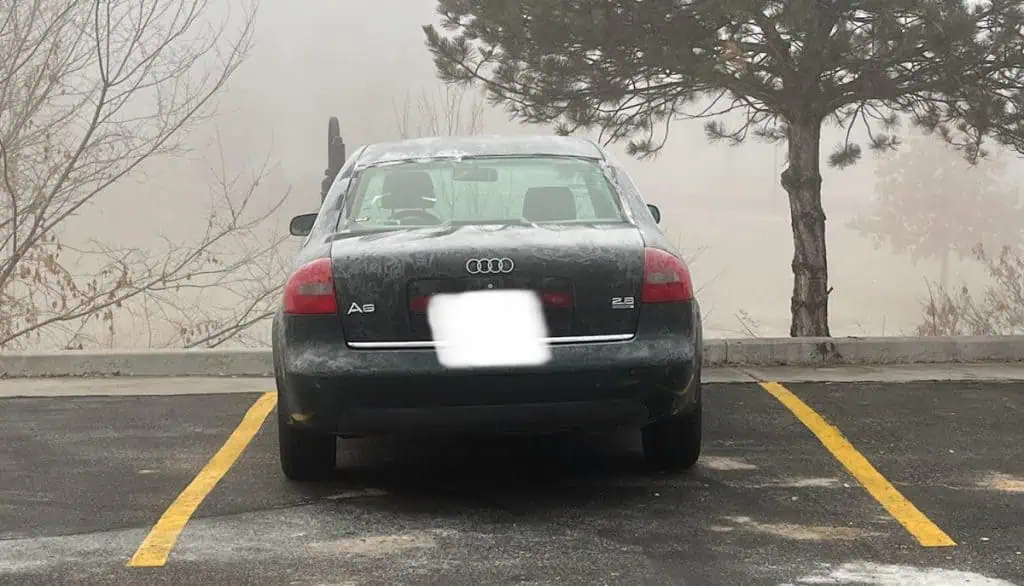
Corner sag changes the alignment geometry of the affected wheel dramatically. Camber and toe angles shift beyond acceptable limits as the spring height changes. This accelerates tire wear and compromises straight-line tracking and cornering performance significantly.
Driving with a sagging corner also stresses the wheel bearing and hub assembly unevenly. Constant abnormal loading accelerates wear in components that were designed for level operation. This chain reaction of damage makes prompt repair even more economical in the long run.
The visual symptom of corner sag is often accompanied by other warning signs simultaneously. Clunking sounds, vibrations, and uneven tire wear frequently accompany a broken spring. Multiple simultaneous symptoms confirm that immediate professional inspection is absolutely necessary.
Do not attempt to drive the vehicle until a professional has assessed the situation. Broken springs can shift position during vehicle movement and create unpredictable handling failures. The risk of an accident is significantly raised with this type of suspension damage.
A qualified mechanic will inspect all four corners and measure ride height precisely. Comparing measurements to factory specifications reveals the extent of the problem clearly. Spring replacement is a straightforward repair when caught before secondary damage occurs.
9. Difficulty Steering or Steering Feels Loose and Vague
Your steering should feel precise, connected, and responsive at all vehicle speeds. When steering becomes difficult, loose, or vague, suspension components are often the underlying cause. This symptom directly affects your ability to control the vehicle and demands urgent professional attention.
Worn tie rod ends are a primary cause of loose and imprecise steering feel. These components transfer steering movement from the rack to the wheel hub efficiently. When they develop play, a dead zone appears in the steering where no movement is transmitted immediately.
This dead zone in the steering is particularly dangerous at highway speeds. Small steering corrections require increased input before the wheel responds noticeably. This delay can cause overcorrection and dangerous weaving, especially during lane changes and avoidance maneuvers.
Ball joint wear also contributes significantly to vague steering characteristics. As the joint socket wears, the wheel assembly can move laterally beyond design limits. This lateral play makes the vehicle feel disconnected from driver input and reduces confidence greatly.
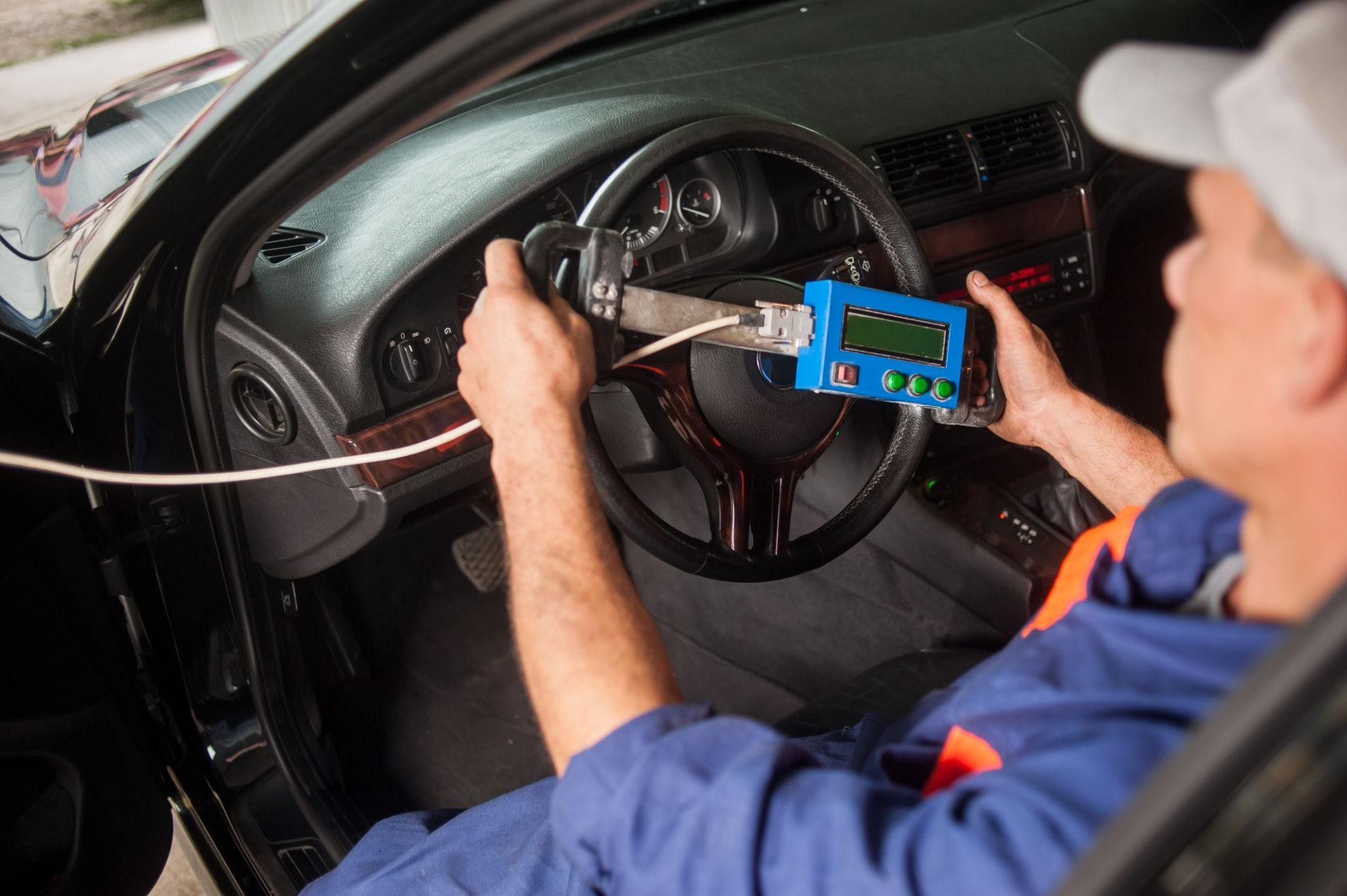
Worn steering rack bushings allow the entire steering rack to shift under load. This movement creates an inconsistent steering response that changes unpredictably. Professional inspection and replacement of these bushings restores the direct steering feel immediately.
Power steering components are closely integrated with suspension function in modern vehicles. A failing power steering pump or leaking rack can change the effort required to turn the wheel. What feels like a suspension problem may actually involve the power steering system simultaneously.
Column universal joints can also develop wear that creates dead spots in the steering. These joints connect the steering column to the rack or gearbox mechanically. Worn U-joints create a clicking sensation and a brief loss of response during turning inputs.
Difficulty steering at low speeds during parking maneuvers suggests power steering issues specifically. Difficulty at highway speeds with vague feel more strongly indicates tie rod or ball joint wear. Understanding when the problem occurs helps narrow down the cause before professional inspection.
A thorough inspection of the entire steering and suspension system is necessary for accurate diagnosis. Mechanics will check all linkage components for play and wear systematically. They will also evaluate power steering fluid condition and system pressure to rule out related causes.
Never ignore changes in steering feel, even if they seem minor or intermittent at first. Gradual changes indicate progressive wear that will eventually reach a critical failure point. Early intervention protects both your safety and your repair budget effectively.
10. Your Ride Quality Has Deteriorated Noticeably Over Time
Gradual changes in ride quality are among the most commonly overlooked suspension warning signs. Because the deterioration happens slowly, drivers adapt to the changing feel without realizing the extent of the problem. When your vehicle no longer feels like it once did, the suspension deserves a thorough professional inspection.
New vehicles deliver a carefully engineered balance of comfort and control. Every bump and imperfection in the road is absorbed and managed by the suspension system. When components wear, this balance shifts and the ride becomes progressively harsher or more unsettled.
Worn rubber bushings throughout the suspension are a primary cause of ride quality deterioration. These bushings isolate vibration and noise from the cabin effectively. When they crack or compress permanently, harshness increases and impact noise enters the cabin more freely.
Shock absorbers and struts lose their damping efficiency gradually over thousands of miles. The internal hydraulic fluid develops air pockets and the valving wears with continuous cycling. This loss of efficiency allows more road surface imperfections to be transmitted to the vehicle body directly.
Passengers and drivers who regularly use the same vehicle are the worst judges of gradual change. The human nervous system adapts to small, incremental differences in experience over time. This adaptation makes it essential to use objective benchmarks like professional inspection milestones.

A test drive in a similar vehicle with well-maintained suspension is a valuable comparison tool. The difference in ride quality is often immediately apparent and quite dramatic. This comparison motivates many drivers to finally address suspension maintenance that has been overdue for some time.
Ride quality changes also affect driver fatigue on longer journeys significantly. A vehicle that transmits more road harshness requires more physical compensation from the driver. This increased physical demand translates directly into greater fatigue and reduced attentiveness behind the wheel.
Noise levels inside the cabin often increase alongside ride quality deterioration. Road noise, thump sounds, and structural vibrations all become more prominent as bushings and mounts wear out. Increased cabin noise is a qualitative measure that parallels the mechanical degradation of suspension components.
Regular professional inspection intervals catch suspension wear before it becomes severe. Most manufacturers recommend suspension inspection every 12 months or 12,000 miles at a minimum. Adhering to this schedule identifies worn components early and maintains the vehicle’s original ride and handling characteristics.
Trust your memory of how your vehicle originally felt when it was new. If today’s ride bears little resemblance to that original experience, schedule a professional inspection immediately. Restoring your suspension to proper condition improves safety, comfort, and long-term vehicle value simultaneously.
Also Read: 12 Diesel Trucks Known for Holding Their Resale Value for Two Decades
