
The United States National Park Service (NPS) manages over 85 million acres of protected land. These vast territories include towering mountains, dense forests, scorching deserts, and winding river valleys. Managing such diverse world requires equally diverse and specialized equipment. Vehicles are among the most critical tools that park rangers and staff rely on every single day.
From patrolling remote backcountry trails to conducting search and rescue operations, rangers need vehicles built for extreme conditions. Standard commercial trucks and SUVs simply cannot handle the punishment that national park terrain delivers. That is why purpose-built and heavily modified vehicles have become an essential part of park operations.
Over the decades, the National Park Service has partnered with manufacturers and outfitters to develop rigs that meet very specific operational demands. These vehicles must carry equipment, tow trailers, go through the off-road terrain, and sometimes serve as mobile command centers. They also need to be durable enough to withstand years of continuous use in harsh environments.
Understanding these specialized vehicles gives us a deeper appreciation for the enormous logistical effort behind national park management. The rangers and staff who protect America’s most treasured world depend on reliable, purpose-built transportation to do their jobs effectively. Here are eight remarkable vehicles designed specifically for that mission.
1. Ford F-250 Super Duty
The Ford F-250 Super Duty has long served as one of the most trusted workhorses in the National Park Service fleet. It is built on a heavy-duty frame that can handle rugged terrain, heavy payloads, and relentless daily use.
Rangers across dozens of parks from Yellowstone to the Great Smoky Mountains rely on this truck every single day. It is not just a vehicle it is a mobile command post, equipment hauler, and emergency responder all in one.
The F-250 Super Duty used by park rangers is typically equipped with a 7.3-liter V8 gasoline engine or a 6.7-liter Power Stroke diesel engine. The diesel variant produces around 475 horsepower and 1,050 lb-ft of torque.
That kind of power is essential when towing heavy trailers loaded with equipment, boats, or rescue gear. Rangers operating in high-altitude parks like Rocky Mountain National Park particularly appreciate this engine’s consistent performance at elevation.
The NPS versions of the F-250 are not stock vehicles straight off the dealer lot. They are outfitted with a range of specialized modifications tailored to park operations. Bull bars and reinforced front bumpers protect the vehicle during trail navigation. Roof-mounted LED light bars provide powerful illumination for night operations and emergency signaling.
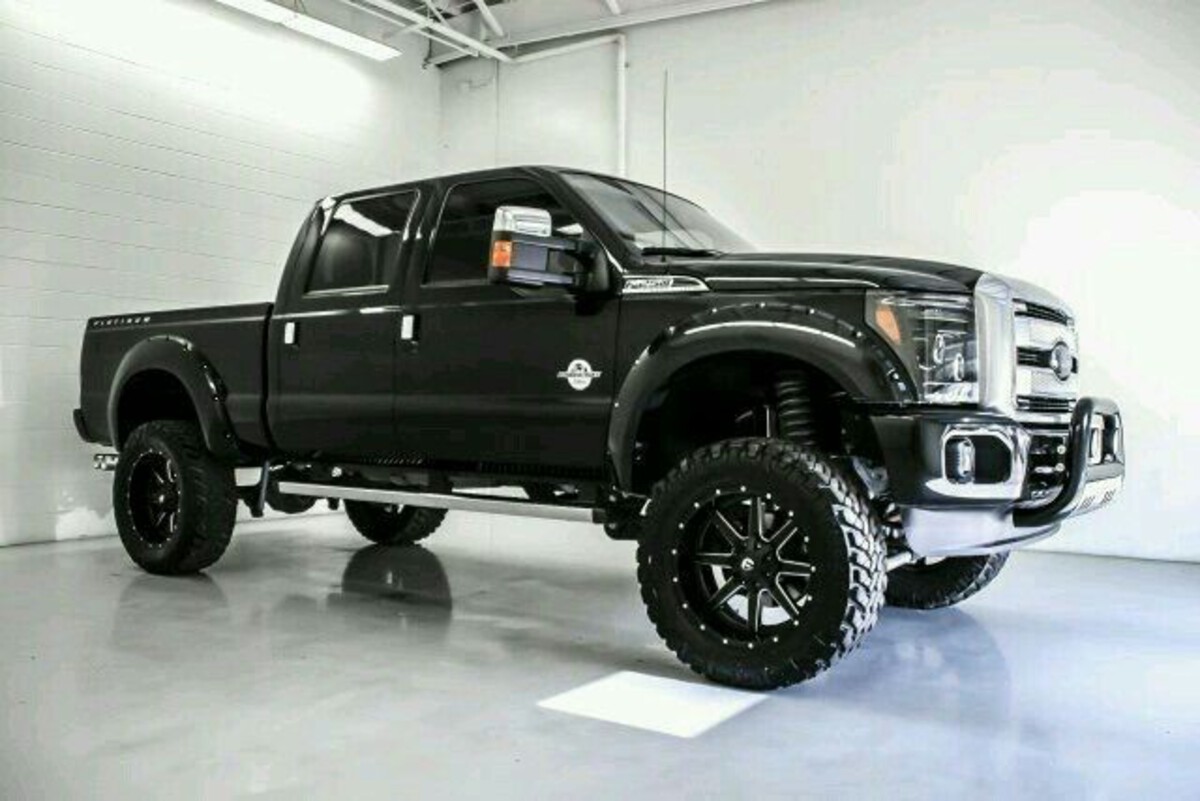
Extended cargo beds are often fitted with custom aluminum toolboxes that lock securely. These boxes store first aid kits, fire suppression equipment, rope systems, and communication devices.
Underbody skid plates are added to protect the fuel tank, transfer case, and differential when crossing rocky terrain. Mud-terrain tires replace standard rubber to provide superior grip on wet, loose, or uneven surfaces.
Inside the cab, the NPS-configured F-250 is far more functional than a standard truck interior. A mounted console between the front seats holds a police-grade radio system for communication across vast distances.
A laptop mount allows rangers to access digital maps, incident reports, and visitor databases in real time. Climate control is reinforced to handle temperature extremes from sub-zero winters in Glacier National Park to scorching summers in Death Valley.
Emergency equipment is neatly organized within easy reach of the driver. Fire extinguishers, trauma bags, and citation books are all secured in designated compartments.
The rear seat area can be configured as a temporary detention space when rangers encounter law enforcement situations. Dash cameras and rear-view cameras provide situational awareness and accountability during patrols.
The F-250 plays a crucial role in search and rescue (SAR) operations across the national park system. Its towing capacity of up to 20,000 pounds allows it to haul ATV trailers, boat trailers, and mobile command units to incident sites. Rangers can deploy quickly because all gear is pre-staged and ready to deploy from the truck bed. In many remote parks, the F-250 is the first vehicle to arrive at an emergency scene.
The truck’s four-wheel-drive system with electronic locking differentials allows it to push through mud, snow, and rocky washes. When trails become impassable, rangers can winch the vehicle forward using the front-mounted electric winch.
This capability is critical when reaching injured hikers or stranded visitors in backcountry areas. The F-250 is, without question, one of the most versatile and indispensable vehicles in the entire NPS fleet.
2. Ford Explorer
The Ford Explorer has been a staple patrol vehicle for National Park Service law enforcement rangers for many years. It offers a blend of on-road comfort and off-road capability that makes it ideal for mixed terrain environments.
Parks that feature both paved visitor roads and unpaved backcountry paths benefit enormously from the Explorer’s versatility. It serves as the primary vehicle for visitor contact, traffic enforcement, and routine patrol duties.
The Explorer used in NPS patrol configurations typically runs a 2.3-liter EcoBoost turbocharged four-cylinder engine. Some units are upgraded to a 3.0-liter EcoBoost V6 that delivers around 400 horsepower.
All-wheel drive comes standard in the park service versions to handle slippery and uneven terrain. The Explorer’s independent rear suspension provides a smoother ride on paved roads while still managing dirt trails effectively.
The NPS typically sources the Ford Explorer in its Police Interceptor Utility configuration. This version features a reinforced frame and suspension designed to handle the additional weight of law enforcement equipment.
The braking system is upgraded with larger rotors and performance brake pads for faster stops at highway speeds. The cooling system is also enhanced to handle prolonged idling periods during visitor contact situations.
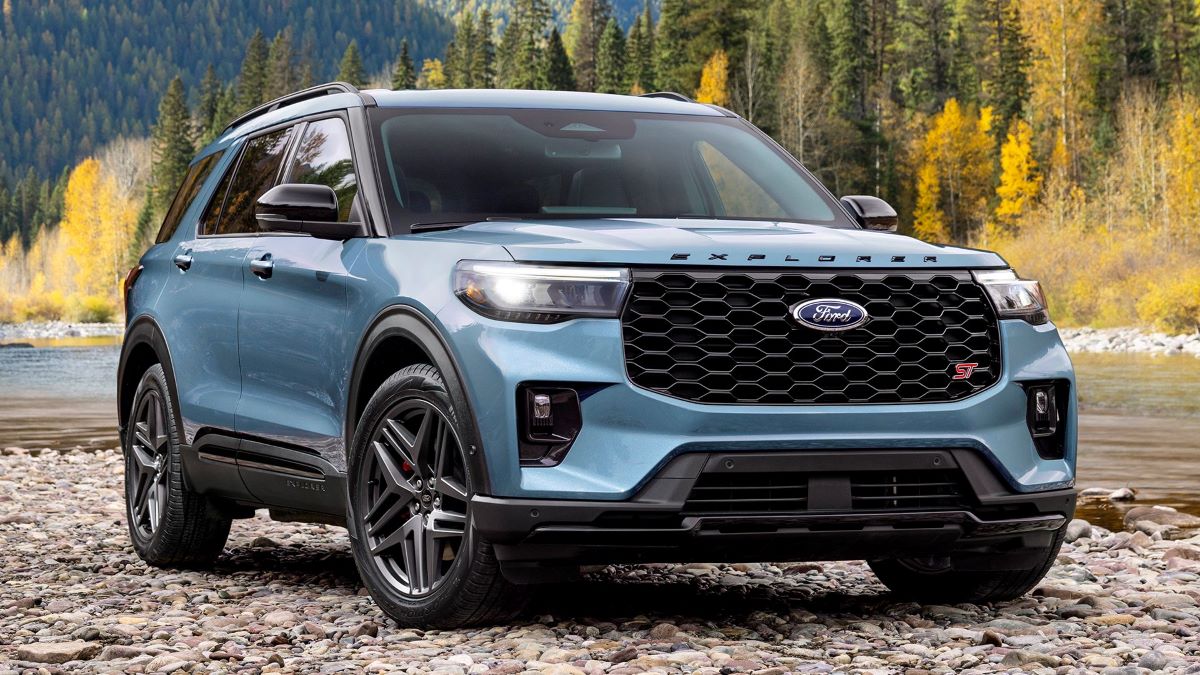
The Police Interceptor variant includes a pursuit-rated top speed and improved acceleration compared to civilian models. Rangers operating near park boundaries sometimes need to intercept vehicles on public roads.
The enhanced performance package ensures that law enforcement rangers are never at a mechanical disadvantage. These upgrades make the Explorer a credible law enforcement vehicle in every sense.
Inside, the Explorer is configured similarly to a municipal police cruiser. A steel prisoner partition separates the rear passenger area from the front. A center console lockbox secures firearms, ammunition, and sensitive documents during patrol. The MDT (Mobile Data Terminal) is mounted within easy driver reach for accessing license plate databases and incident records.
LED warning light systems are installed behind the grille and in the rear window deck. The siren control panel is integrated into the center console for quick activation. Body cameras, dash cameras, and radio systems are all wired into the vehicle’s electrical system. Rangers can coordinate with dispatch, other units, and even aircraft from inside the vehicle.
Beyond law enforcement, the Explorer also serves as an ambassador vehicle for visitor interaction. Rangers use it during educational patrols where they stop to answer visitor questions and provide safety briefings. The vehicle’s approachable design does not intimidate visitors the way a larger truck might. Children especially respond positively to seeing a ranger arrive in an Explorer marked with the iconic arrowhead emblem.
Visitor assistance calls flat tires, lost hikers, medical emergencies are often the first dispatched to an Explorer unit. Rangers can arrive quickly, assess the situation, and either resolve it or call for backup. The Explorer’s cargo area holds a basic medical kit, jumper cables, road flares, and visitor assistance supplies. It truly functions as a do-everything patrol vehicle built for the specific demands of national park service.
3. Chevrolet Silverado 1500
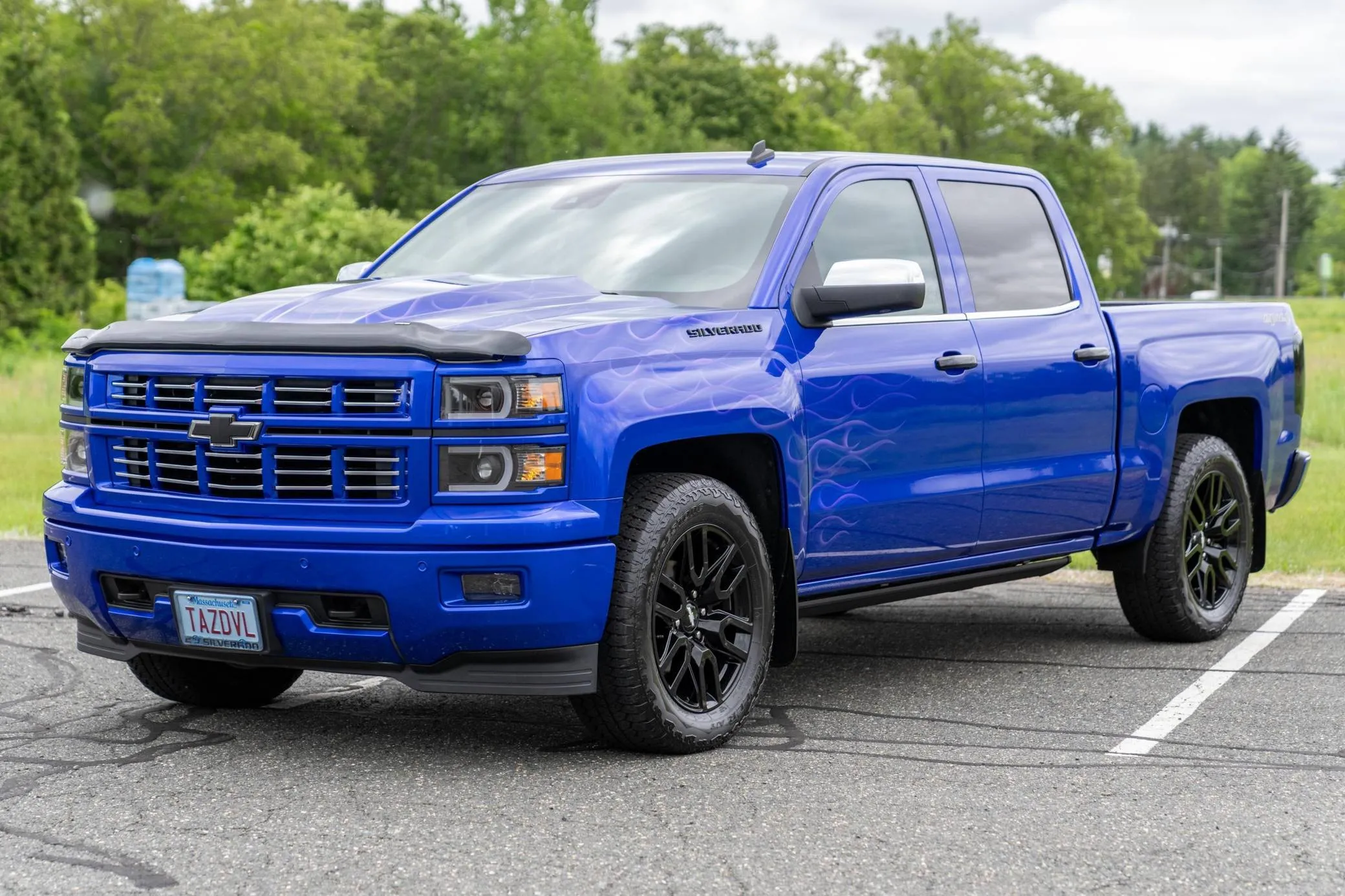
While the F-250 handles heavy-duty tasks, the Chevrolet Silverado 1500 fills the critical role of light-duty maintenance operations across national parks. It is widely used by trails crews, maintenance staff, and resource management teams. The Silverado’s lighter weight makes it more agile on narrow trails where a heavier truck would struggle. It is the go-to vehicle for everyday tasks that keep parks clean, functional, and safe for visitors.
The Silverado 1500 used by NPS maintenance crews commonly features a 5.3-liter V8 EcoTec3 engine. This engine delivers around 355 horsepower while also offering cylinder deactivation technology that improves fuel efficiency. For staff driving long distances between maintenance sites, fuel economy matters significantly. The truck also offers a 3.0-liter Duramax inline-six diesel option for crews prioritizing torque over top-end power.
The Silverado’s truck bed is the command center for maintenance operations. Crews outfit the bed with slide-out tool drawers, lumber racks, and custom fabricated storage units. Chainsaws, hand tools, herbicide sprayers, and trail marking supplies all have designated spots in the bed. A standard 6.5-foot or 8-foot bed gives crews enough space to haul materials for a full day’s work without needing a separate trailer.
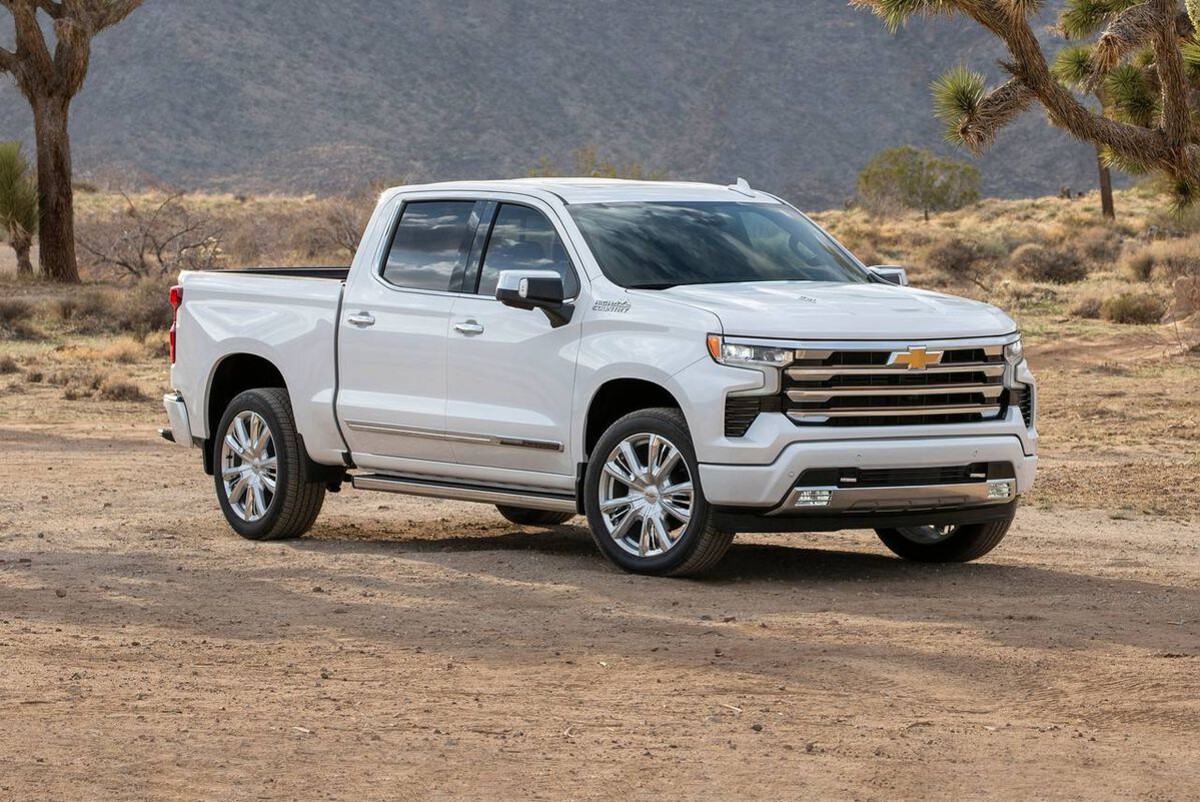
The truck’s Class 4 hitch allows it to tow small utility trailers loaded with gravel, mulch, or trail-building materials. Some units are fitted with small flatbed decks instead of standard beds for transporting ATVs or equipment pallets.
Bed liners protect against corrosion from chemicals and heavy material loads. The Silverado is truly configured around the specific material needs of park maintenance.
Resource management teams use the Silverado extensively in invasive species control programs. These programs require teams to transport spraying equipment, tarps, and collected plant material across park boundaries.
The truck can be quickly reconfigured between spraying runs and hauling runs. Its relatively low profile allows it to access areas that taller vehicles cannot reach without damaging tree canopies or overhead vegetation.
GPS units mounted in the cab allow resource management teams to track treated areas with precision. Rangers log invasive species sightings directly from the cab using connected tablets.
This data feeds back into the park’s ecological monitoring databases. The Silverado becomes not just a transportation tool but an active part of scientific resource management.
The NPS selects the Silverado 1500 partly because of its excellent long-term reliability record. General Motors’ dealer network is extensive enough that parts and service are available near virtually every national park in the country.
Fleet maintenance teams can service these trucks on standardized schedules without sourcing exotic parts. This translates directly into lower lifecycle costs for park service budgets, which are often constrained.
4. Toyota Land Cruiser 70 Series
Not every national park terrain can be conquered by American-made trucks and SUVs. For the most challenging off-road environments steep canyon walls, river crossings, boulder fields the Toyota Land Cruiser 70 Series is unmatched.
Some national parks in Hawaii, Alaska, and remote areas of the American Southwest specifically source the Land Cruiser for backcountry operations. Its legendary reliability and off-road capability make it worth the investment.
The Land Cruiser 70 Series is built on a ladder-frame chassis that is specifically engineered for extreme terrain. Its solid front and rear axles provide superior articulation compared to independent suspension systems. The vehicle can flex its wheels dramatically without losing traction on uneven surfaces. This is critically important when rangers are going through the rock gardens, eroded trails, or washed-out creek beds.
The 4.5-liter V8 diesel engine used in some configurations provides exceptional torque at very low RPMs. This low-end torque allows rangers to crawl over obstacles at near-idle speed with full engine control. The transfer case offers a crawl ratio low enough to descend near-vertical terrain without applying the brakes. Few vehicles in any price range can match this combination of durability and mechanical capability.
The Land Cruiser 70 Series has been used by military, government, and humanitarian organizations most inhospitable environments for decades. It has been proven in the Australian Outback, African Savannah, and South American Andes.
The National Park Service recognizes that this vehicle has been tested far beyond any American national park will ever demand. Its global reputation for indestructibility is precisely why park service operators trust it with lives in the field.
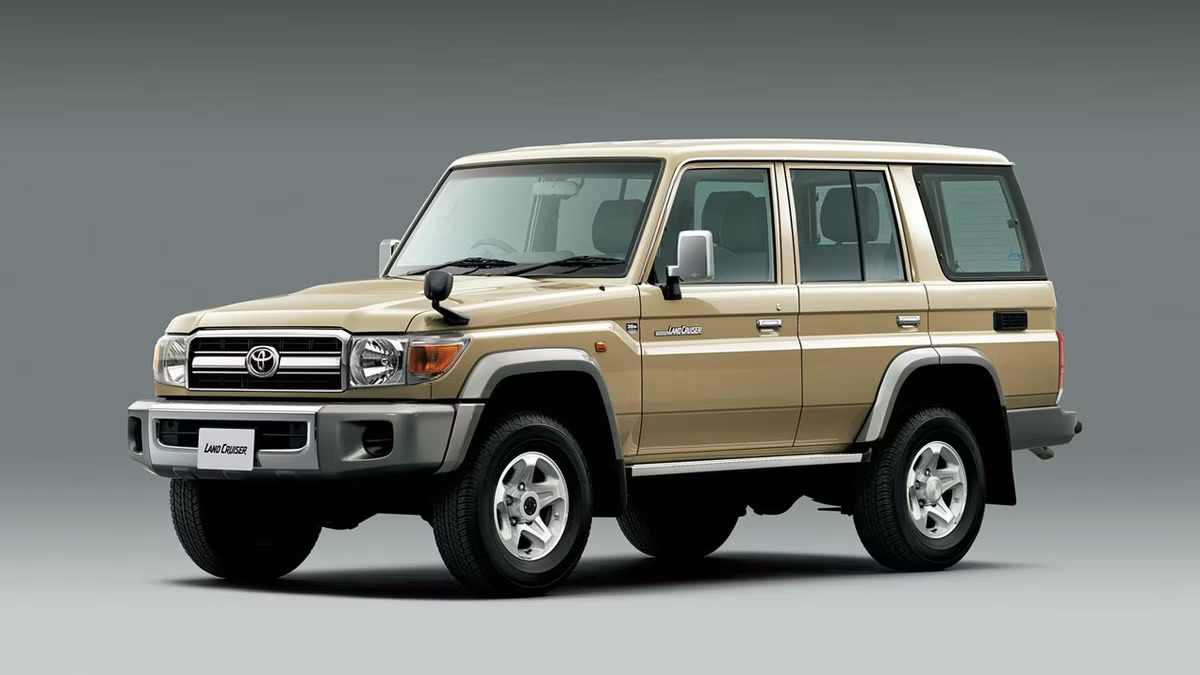
Maintenance is straightforward because the mechanically simple design avoids over-reliance on complex electronics. A ranger with basic mechanical knowledge can perform field repairs using minimal tools.
This self-sufficiency is invaluable in remote parks where a breakdown could be days away from the nearest mechanic. The 70 Series embodies the philosophy that a simpler machine is often a more reliable one.
In Hawaii’s Haleakalā National Park, Land Cruisers go through the steep volcanic terrain where standard trucks bottom out. In Alaska’s Denali National Park, they cross braided glacial rivers that would swallow most other vehicles.
The 70 Series’ high water fording depth allows it to safely cross flowing rivers without intake snorkels on most crossings. Rangers stationed in these extreme environments specifically request the Land Cruiser above all other vehicle options.
Cargo configurations on the 70 Series are often customized with rooftop tents for multi-day backcountry patrols. External water tanks, auxiliary fuel bladders, and recovery gear mount cleanly to the vehicle’s robust exterior.
Rangers can self-sustain in the field for up to a week without returning to a ranger station. The Land Cruiser 70 makes remote park management genuinely possible in ways other vehicles cannot.
Also Read: 10 Most Iconic Police Interceptor Models Still Used by US Departments
5. Polaris Ranger
When full-size trucks are too large for a trail, the Polaris Ranger steps in as the NPS’s preferred side-by-side utility vehicle. It is purpose-built for narrow, winding trails that connect backcountry campsites, patrol routes, and maintenance areas.
The Ranger can go where no truck can fit while still hauling a meaningful load of equipment or personnel. It has become an essential complement to larger vehicles in virtually every national park fleet.
The Polaris Ranger used by NPS units typically features a 999cc ProStar three-cylinder engine. This engine delivers enough power to climb steep grades while remaining smooth and controllable on technical terrain.
The automatic CVT transmission eliminates the need for gear shifting, allowing rangers to focus entirely on navigation. Four-wheel drive with on-demand engagement switches the vehicle into high traction mode within seconds.
Electric power steering makes the Ranger manageable even for rangers who are not experienced off-road drivers. The independent front and rear suspension absorbs trail impacts smoothly, reducing ranger fatigue during long patrols.
Ground clearance of over eleven inches allows the Ranger to step over rocks and roots that would stop an ATV. The Polaris Ranger threads the needle between ATV agility and full-size truck capacity.
The Ranger’s dump bed is one of its most practical features for park operations. Maintenance crews can haul gravel, mulch, trail signs, and equipment directly to work sites on narrow trails. The hydraulic dump function allows a single operator to unload the bed without manual lifting. This dramatically reduces physical strain on staff during labor-intensive trail restoration projects.
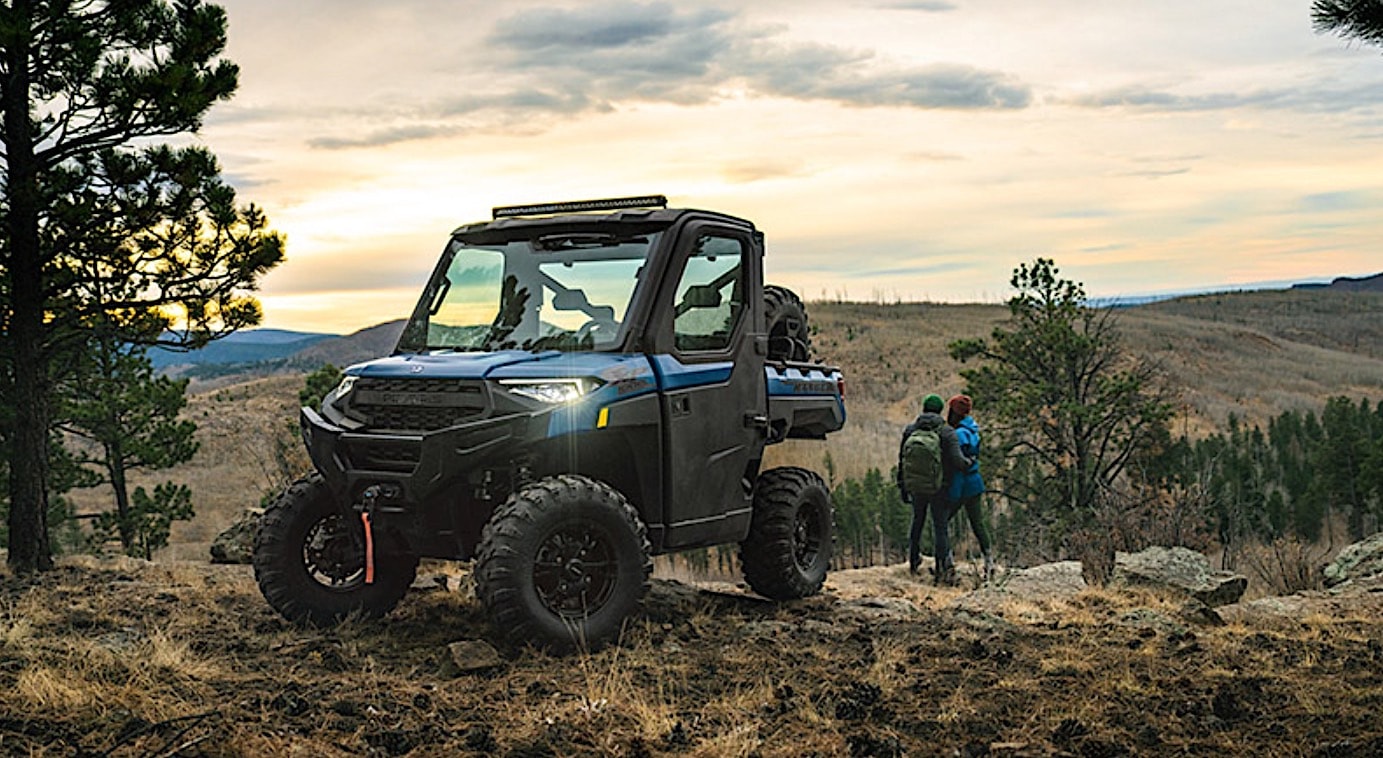
Roof-mounted storage racks extend the Ranger’s hauling capacity beyond the bed alone. Chainsaw scabbards, fire tool holders, and stretcher mounts are common accessories on NPS-configured units.
Medical supply boxes are bolted into the bed for search and rescue missions on foot trails. The Ranger effectively functions as a miniature ambulance on narrow backcountry paths where full-size vehicles cannot travel.
The NPS is acutely aware of the impact that noisy engines have on wildlife and visitor experience. Polaris now offers electric versions of the Ranger that produce almost no noise during operation. Some parks have specifically transitioned to the electric Ranger to reduce noise pollution in sensitive wildlife corridors. The electric variant also eliminates fuel spills and exhaust emissions near fragile ecosystems.
Solar charging stations installed at ranger stations keep electric Rangers ready to deploy throughout the day. Their reduced maintenance requirements compared to gasoline units also lower fleet operating costs. Rangers report that wildlife approaches much closer to electric Rangers than to gasoline-powered vehicles. This has actually improved wildlife monitoring capabilities in several parks.
6. Oshkosh Defense JLTV
In national parks that deal with extreme tactical situations large-scale search and rescue, mass casualty events, or civil unrest the Oshkosh Joint Light Tactical Vehicle (JLTV) has found a specialized role.
Primarily a military vehicle, some NPS law enforcement divisions and partnered agencies deploy the JLTV for high-risk operations. Its combination of blast protection, off-road mobility, and payload capacity is unmatched by any commercial vehicle. It represents the upper end of what park service operations can require.
The JLTV is built around a monocoque hull that provides significant protection against rollovers, ballistic threats, and underbody blasts. Its independent suspension system uses a double-wishbone setup front and rear for exceptional articulation on uneven terrain.
The 6.6-liter Duramax diesel engine produces 300 horsepower and 700 lb-ft of torque. These numbers are modest on paper, but the JLTV’s intelligent torque management system optimizes power delivery across all four wheels.
Axle articulation on the JLTV allows it to traverse terrain that would leave most civilian vehicles stuck permanently. The vehicle’s ground clearance, water fording depth, and side slope capability exceed military standards designed for combat environments. These specifications translate directly into superior performance in the extreme backcountry of parks like Grand Canyon or Olympic. The JLTV goes where nothing else can safely follow.
When configured for search and rescue by partnering agencies, the JLTV carries a substantial medical payload. Trauma kits, stretchers, oxygen systems, and defibrillators are secured in purpose-built rear compartment racks.
The vehicle can transport up to four patients in addition to the two-person crew in certain configurations. This makes it invaluable during mass casualty events at remote park locations with no road access.
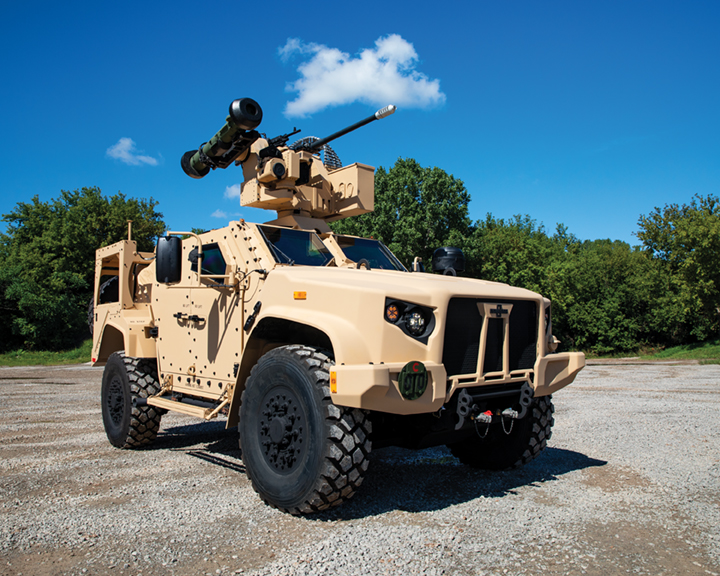
Winching capability rated at 30,000 pounds allows the JLTV to extract stuck or damaged vehicles from precarious locations. Rangers can use this capability to clear roadblocks caused by rockslides or fallen trees during emergency response operations.
The high-output electrical system supports a full suite of communication and lighting equipment simultaneously. Command and control during complex operations is dramatically improved when rangers have access to a vehicle of this capability.
Some national parks receive millions of visitors annually and must occasionally manage crowd control or civil emergency situations. The JLTV’s imposing presence alone can serve as a deterrent during tense situations near park boundaries. It provides a protected platform for rangers during situations where personal safety may be compromised. The vehicle is never used aggressively but serves a vital protective role in worst-case scenarios.
Inter-agency cooperation often brings the JLTV into national park operations through partnerships with Border Patrol, the National Guard, or the FBI. Parks near international borders or major metropolitan areas occasionally face security situations that exceed normal ranger capabilities.
The JLTV ensures that NPS personnel are never at a tactical disadvantage during these rare but serious situations. Its presence in the fleet represents a commitment to ranger safety at every operational level.
7. Caterpillar 299D3 Compact Track Loader
Not all NPS vehicles roll on roads or trails. The Caterpillar 299D3 Compact Track Loader is a tracked machine used for heavy maintenance tasks that wheeled vehicles cannot perform.
Trail reconstruction, debris removal, campground grading, and flood damage repair all fall within its operational scope. It is a critical piece of infrastructure maintenance equipment found in larger national parks with significant earthmoving needs.
The rubber tracks on the 299D3 distribute the machine’s weight across a much larger surface area than tires. This means it can operate on soft soils, muddy creek banks, and steep slopes without sinking or losing traction.
In parks where heavy rainfall frequently causes trail erosion, the track loader can operate immediately after storms when wheeled equipment cannot. Its low ground pressure protects sensitive soil ecosystems from the compaction damage that tires cause.
The machine’s vertical lift path allows operators to raise loaded buckets straight up rather than arcing forward. This is essential when loading material into truck beds or dump containers in tight spaces. Side stability during high-lift operations prevents tip-overs on sloped terrain. Operators in national parks are trained specifically on slope operations to ensure safety and precision during difficult work.
The 299D3’s universal quick-attach system allows it to switch between dozens of different tool attachments in minutes. Buckets, grapples, augers, brush cutters, and hydraulic hammers all connect to the same carrier machine. This versatility means parks only need one machine to perform the work of many specialized pieces of equipment. Budget-conscious park service operations benefit enormously from this multi-tool approach.
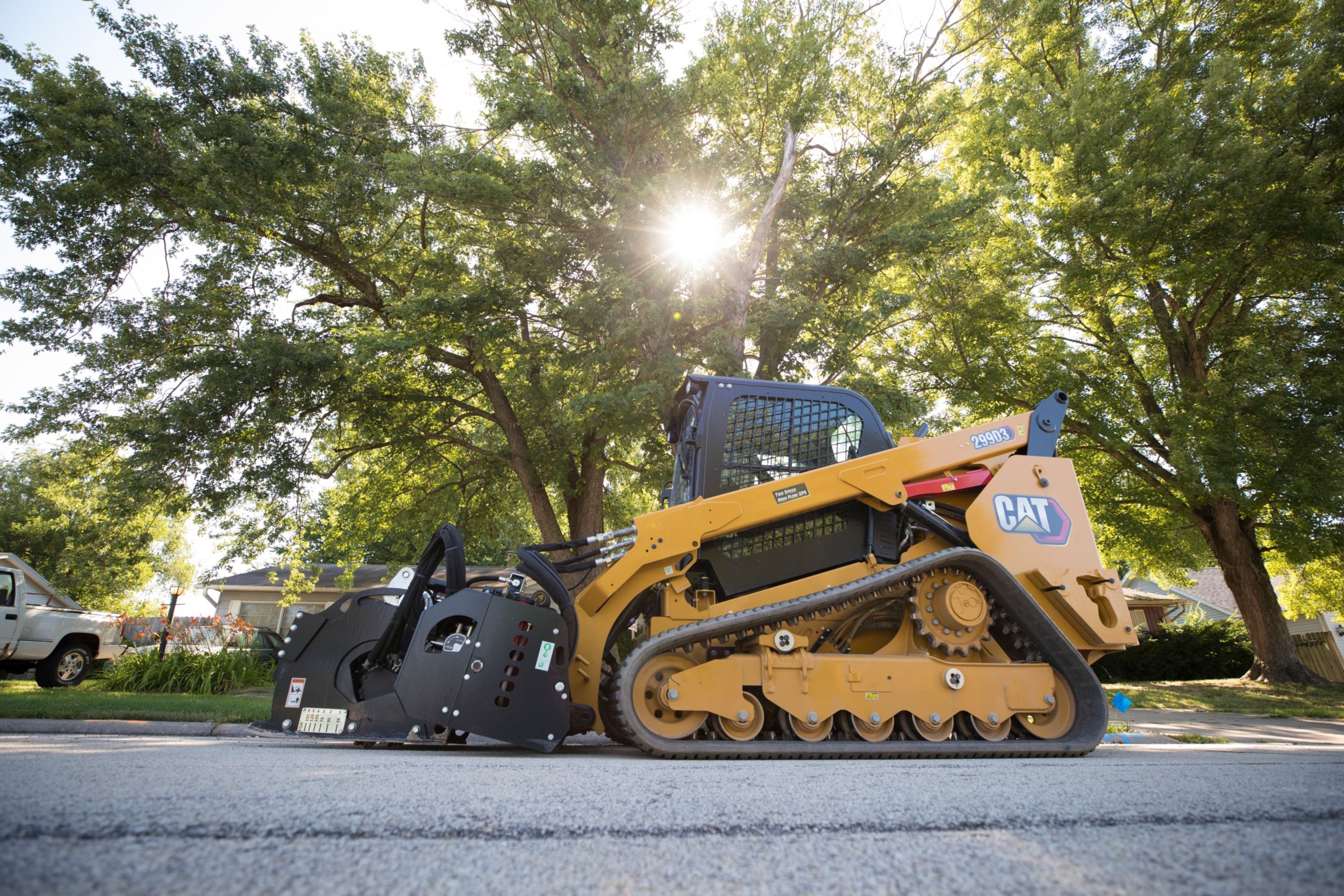
Brush-cutting attachments allow the 299D3 to clear overgrown vegetation from trails and firebreaks quickly. Hydraulic auger attachments drill post holes for new signage, fencing, and boardwalk installations.
Rock bucket attachments sort and remove stones from trail surfaces during reconstruction projects. Each attachment transforms the same machine into a completely different tool, maximizing its value across diverse maintenance scenarios.
The NPS prioritizes minimizing environmental impact in all maintenance operations. Caterpillar has worked with the park service to offer the 299D3 with biodegradable hydraulic fluid options.
These fluids decompose naturally if spilled on soil, preventing long-term contamination of sensitive ecosystems. Engine emissions are controlled to Tier 4 Final standards, which dramatically reduce particulate and NOx output.
Operators are trained to avoid operating the machine near waterways, wetlands, or known wildlife nesting areas. All fuel and fluid storage containers on the machine are double-walled to prevent leaks during transport or operation. Noise reduction packages reduce the machine’s operational sound levels to protect noise-sensitive wildlife habitats. Even in heavy maintenance equipment, the NPS demands environmental responsibility at every level.
8. American Lafrance Eagle
Wildfire is one of the greatest threats facing America’s national parks today. The American LaFrance Eagle wildland-urban interface (WUI) fire engine is purpose-built to fight fires in environments where forest meets developed areas. National parks with significant visitor infrastructure lodges, visitor centers, campgrounds need engines that can protect both natural world and human-made structures simultaneously. The Eagle is specifically engineered for this dual mission.
The Eagle carries a water tank capacity of between 500 and 1,000 gallons depending on the specific configuration. A high-pressure pump system delivers water at rates sufficient to combat both structure fires and vegetation fires simultaneously. Front bumper-mounted pre-connected attack lines allow firefighters to engage a fire within seconds of arriving on scene. The engine’s pump-and-roll capability allows it to discharge water while the vehicle is moving, which is essential in wildland firefighting.
Multiple hose reels and storage compartments carry thousands of feet of attack line and supply line. Compressed air foam systems (CAFS) mix air and foam concentrate with water to create an expanded foam that covers and suppresses vegetation fires more efficiently than plain water.
This means the Eagle can protect a larger area with the same volume of water compared to traditional engines. In remote park settings where water resupply is difficult, this efficiency is potentially life-saving.
Unlike standard municipal fire engines, the Eagle WUI is built on a heavy-duty four-wheel-drive chassis. Ground clearance is significantly higher than a city fire truck to go through the unpaved access roads leading to park structures.
All-terrain tires grip dirt, gravel, and loose ash-covered ground surfaces. The vehicle’s shorter wheelbase compared to full-size engines allows it to go through the hairpin turns on mountain access roads.
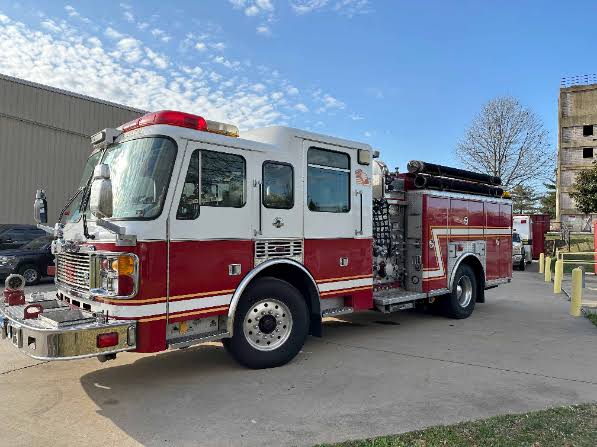
Skid plates protect the undercarriage when the engine is driven over rocky terrain to reach a fire perimeter. The cab is protected by a structural rollover protection system (ROPS) that meets or exceeds federal standards.
Heat-reflective cab insulation protects occupants when operating near intense fire environments. Rangers and firefighters inside the Eagle are protected even when surrounded by active flame fronts.
The Eagle typically carries a crew of up to six firefighting personnel in its protected cab. Crew members have access to full self-contained breathing apparatus (SCBA) systems mounted within the cab. Thermal imaging cameras are integrated into the command console to detect hidden hotspots through smoke and debris. This technology allows fire crews to work more safely and efficiently in zero-visibility smoke conditions.
Onboard GPS mapping systems overlay fire perimeter data in real time during active incidents. Crew leaders can see where the fire edge is moving and adjust suppression strategy from inside the vehicle.
Satellite communication systems keep the Eagle connected to regional dispatch and air resources even in deep canyon environments. The American LaFrance Eagle is not just a fire truck it is a fully integrated wildfire command and suppression platform built specifically for the demands of protecting America’s most irreplaceable natural treasures.
Also Read: 8 Reasons to Take a Professional Driving Course Even as an Experienced Driver
