Spark plug and ignition coil replacement is one of the most common maintenance tasks in any gasoline engine, but the difficulty of this job varies dramatically depending on engine design.
Some modern engines bury coils under intake manifolds, plastic covers, or tight engine bays, turning a simple service into a time-consuming repair. Others are engineered with serviceability in mind, placing ignition components on top of the engine with clear, unobstructed access.
This list highlights ten engines that stand out for making spark plug and coil maintenance unusually easy. These engines are known for simple layouts, open engine bays, and straightforward coil-on-plug or distributor systems that allow quick removal without special tools or major disassembly. Many of them can be serviced in minutes rather than hours, making them favorites among DIY mechanics and professional technicians alike.
From legendary inline-fours to rugged inline-sixes, these engines prove that thoughtful engineering can make routine maintenance fast, affordable, and stress-free.
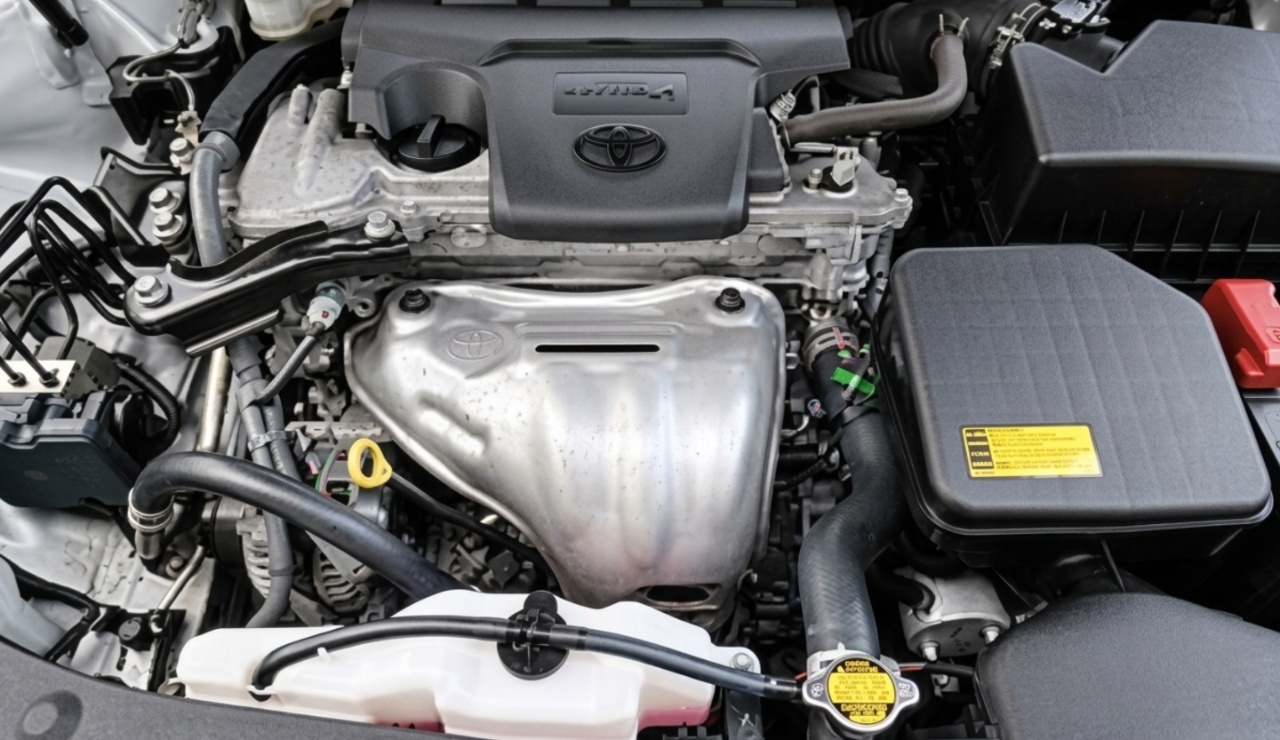
1. Toyota 2AR-FE (2.5L I4): Design, Serviceability, and Reliability Overview
The Toyota 2AR-FE is a 2.5-liter inline-four gasoline engine introduced in 2008 as a replacement for the 2AZ-FE. It was designed to improve fuel efficiency while maintaining similar performance levels, and it has powered high-volume models such as the Toyota Camry, RAV4, and several Lexus hybrid variants. Built with a focus on durability and ease of maintenance, the engine is widely regarded as one of Toyota’s most service-friendly modern engines.
One of the standout features of the 2AR-FE is its exceptional accessibility for ignition system maintenance. The engine uses a transverse inline-four layout with all four ignition coils mounted directly on top of the valve cover in a coil-on-plug configuration. Each coil is secured by a simple 10mm bolt and can be removed without interference from intake components, wiring clutter, or cooling lines.
Even the plastic engine cover can be lifted off by hand, exposing the coils immediately. This design eliminates the need to remove the intake manifold for routine spark plug service, which is common in many modern engines.
Because of this layout, basic maintenance such as spark plug replacement is extremely straightforward. After removing the engine cover, technicians simply unplug the coil connectors, remove the retaining bolts, lift out the coils, and access the spark plugs using a standard 5/8-inch socket with an extension. In many cases, a full spark plug change can be completed in under an hour, and experienced mechanics may finish in less than fifteen minutes.
Beyond serviceability, the 2AR-FE incorporates several modern engineering features. It has an aluminum cylinder block with cast iron liners, an aluminum DOHC 16-valve cylinder head, and Dual VVT-i on both camshafts for optimized valve timing.
The engine also includes low-friction components such as reduced-tension piston rings, a variable oil pump, and an offset crankshaft for improved efficiency and vibration control. Additional systems like ACIS (Acoustic Control Induction System) and multi-hole fuel injectors further enhance combustion efficiency and emissions performance.
In terms of reliability, the 2AR-FE is generally robust, with long service intervals supported by durable iridium spark plugs. While minor cold-start VVT-i noise may occur, it does not affect performance. Typical engine lifespan ranges around 150,000–200,000 miles, depending on maintenance. The 2AR-FE stands out as a practical, efficient, and highly serviceable engine widely respected by both professionals and DIY enthusiasts.
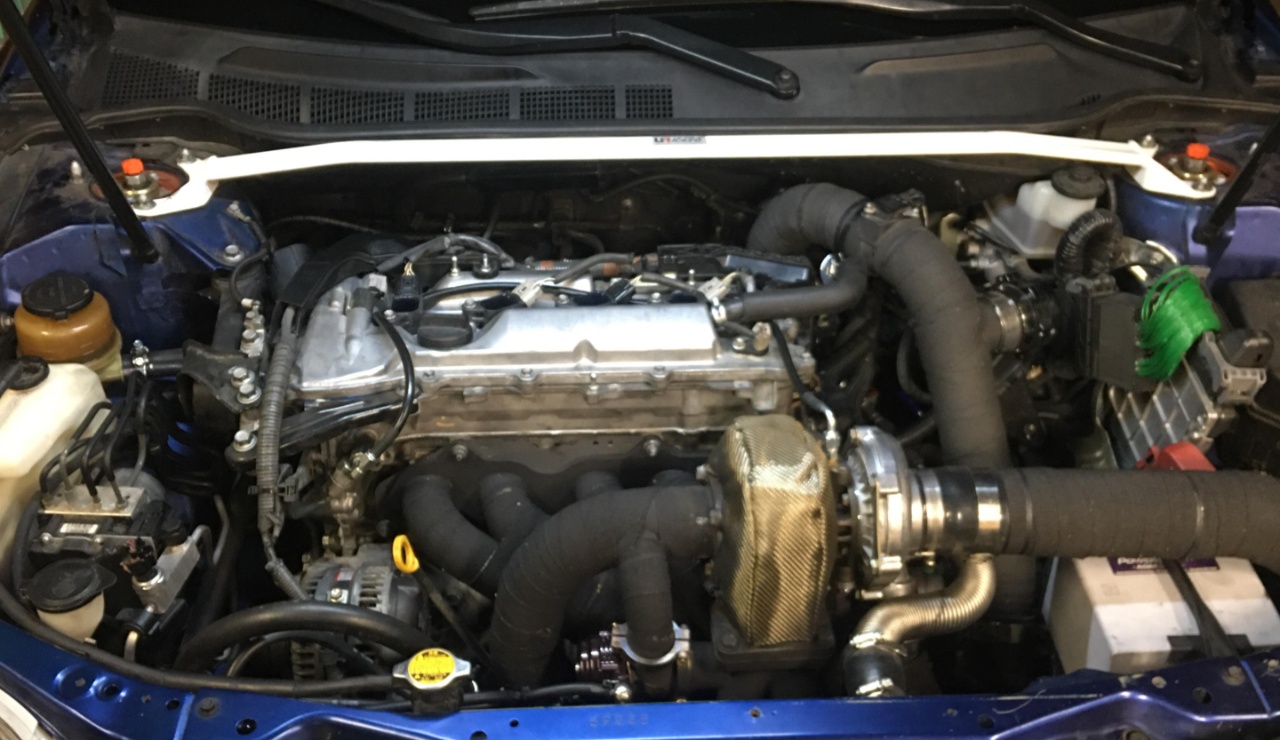
2. Honda K-Series (2.0L/2.4L I4): Accessible Design, Performance, and Legendary Versatility
The Honda K-Series, including the 2.0L K20 and 2.4L K24 engines, is widely recognized as one of the most successful and well-engineered four-cylinder engine families ever produced.
Introduced in 2001 as a replacement for Honda’s B-Series engines, it brought significant advancements such as i-VTEC (intelligent Variable Valve Timing and Lift Electronic Control), improved efficiency, and a broader powerband. These engines have powered a wide range of vehicles, including the Honda Civic Si, Accord, CR-V, Acura TSX, and high-performance models like the Civic Type R.
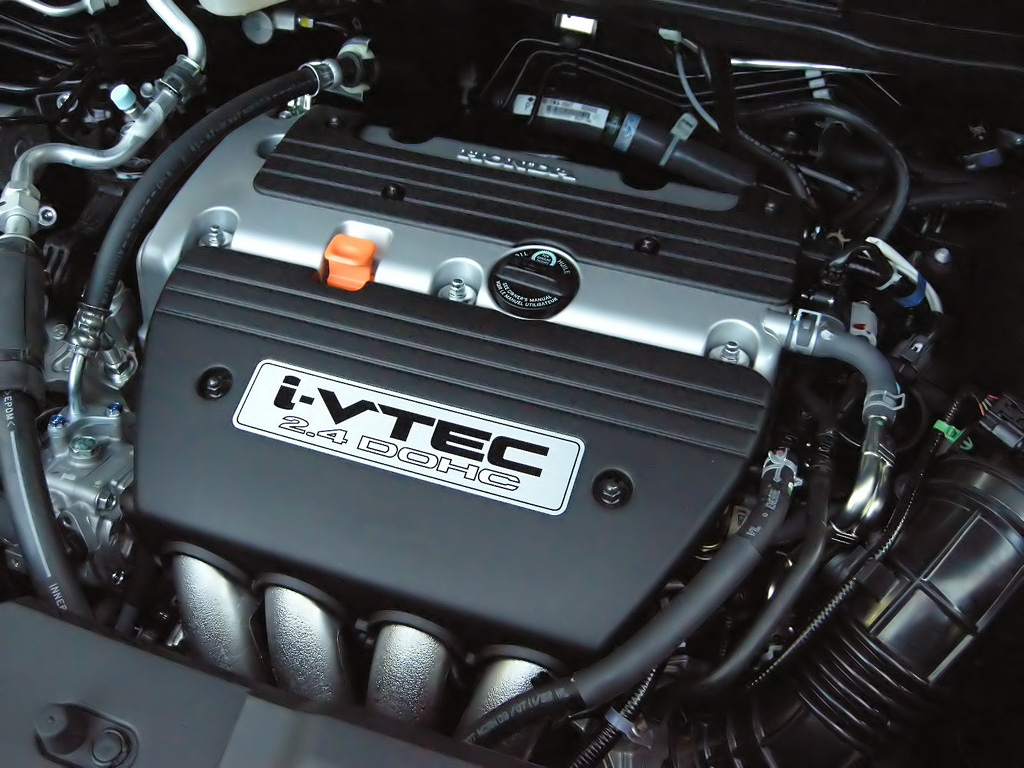
One of the most appreciated features of the K-Series is its excellent serviceability, especially regarding spark plug and ignition coil access. The engine uses a top-mounted coil-on-plug ignition system, with each coil positioned directly over its corresponding spark plug along the centerline of the cylinder head.
This layout provides clear, unobstructed vertical access, allowing maintenance without complex disassembly. In most configurations, a small plastic engine cover secured by a few 10mm bolts can be removed quickly to reveal the coils. Unlike some European engines that require special tools or coil pullers, Honda’s coil packs simply unbolt and lift out easily.
Maintenance is straightforward and DIY-friendly. With basic tools such as a 10mm socket, spark plug socket, and extension, all four spark plugs can be accessed in a straight row without removing the intake manifold. This simplicity makes routine service faster and less intimidating compared to many modern multi-cylinder engines.
Beyond accessibility, the K-Series is highly regarded for its engineering strength and flexibility. The all-aluminum DOHC design uses a durable timing chain instead of a belt, contributing to long-term reliability. The engine is known to exceed 200,000 miles with proper maintenance. It also offers strong tuning potential, with stock internals often supporting 400–500+ horsepower in modified setups.
The K20 (2.0L) is designed for high-revving performance and is commonly found in sporty applications like the Civic Type R, where it delivers sharp throttle response and high-RPM power.
The K24 (2.4L), with its longer stroke, emphasizes midrange torque and is favored in daily drivers such as the Accord and CR-V. A popular performance strategy involves combining the K24 block with a K20 head for improved airflow and balanced power delivery.
Despite its strengths, the K-Series has minor issues such as oil leaks, VTEC solenoid clogging, timing chain tensioner wear, and occasional oil consumption in high-mileage engines. However, these are generally manageable with routine maintenance.
The Honda K-Series stands out as a benchmark engine family that blends reliability, performance, and exceptional ease of maintenance.
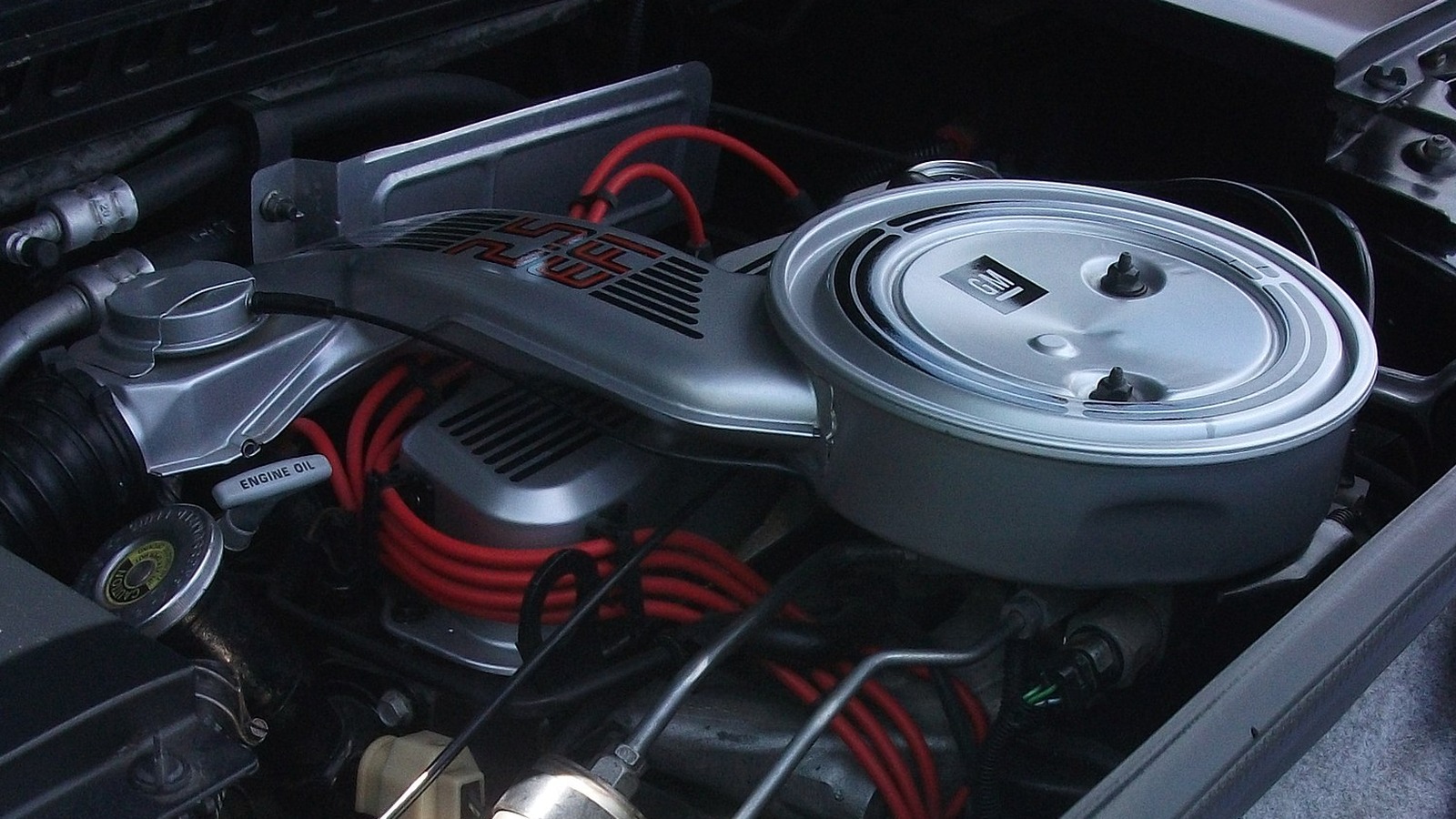
3. GM Iron Duke (2.5L I4): Simple Design, Maximum Accessibility, and Long-Term Durability
The GM Iron Duke 2.5L inline-four is one of the most straightforward and durable engines produced during the late 1970s through the early 1990s. Built by Pontiac, it was used in a wide range of vehicles such as the Chevrolet S-10, Pontiac Fiero, Camaro, Firebird, and the Grumman LLV postal truck. It was designed during the fuel-conscious era of automotive engineering and focused on simplicity, low cost, and long-term reliability rather than performance.
A major reason the Iron Duke is known for excellent serviceability is its extremely accessible spark plug layout. The engine uses a basic overhead-valve pushrod design, which places the spark plugs directly into the side of the cast-iron cylinder head.
They are angled upward toward the fender, making them easy to reach without removing intake parts, covers, or other components. Unlike modern engines that use coil-on-plug systems buried under plastic covers, the Iron Duke relies on traditional spark plug wires connected to a distributor, which keeps ignition maintenance simple.
The engine layout also contributes heavily to its accessibility. In many vehicles, it is mounted longitudinally, meaning front to back in the engine bay. This creates a wide open space on both sides of the engine block.
Combined with the lack of overhead camshafts and minimal surrounding components, this allows all four spark plugs to be accessed easily from the side of the vehicle. In many cases, maintenance can be performed while standing beside the vehicle with minimal tools and no need to lean over the engine bay.
Although it is not a performance engine, the Iron Duke delivers modest output ranging from about 85 to 110 horsepower, depending on the version. It produces decent low-end torque, which makes it suitable for light-duty trucks and commuter cars.
However, it is often described as slow and noisy with noticeable vibration. Despite these drawbacks, it is widely respected for its durability, with many engines lasting 200,000 to 300,000 miles with basic maintenance.
GM later improved the design with the Tech IV version, which added throttle-body fuel injection, balance shafts, and a timing chain in place of earlier components. Even so, some issues remained, including overheating risks, oil leaks, and early timing gear failures in older models. Certain vehicles, such as early Pontiac Fieros, also contributed to its mixed reputation due to reliability problems.
The Iron Duke is remembered as a rugged and highly accessible engine that excelled in durability and simplicity, making it a dependable workhorse despite its limited performance.
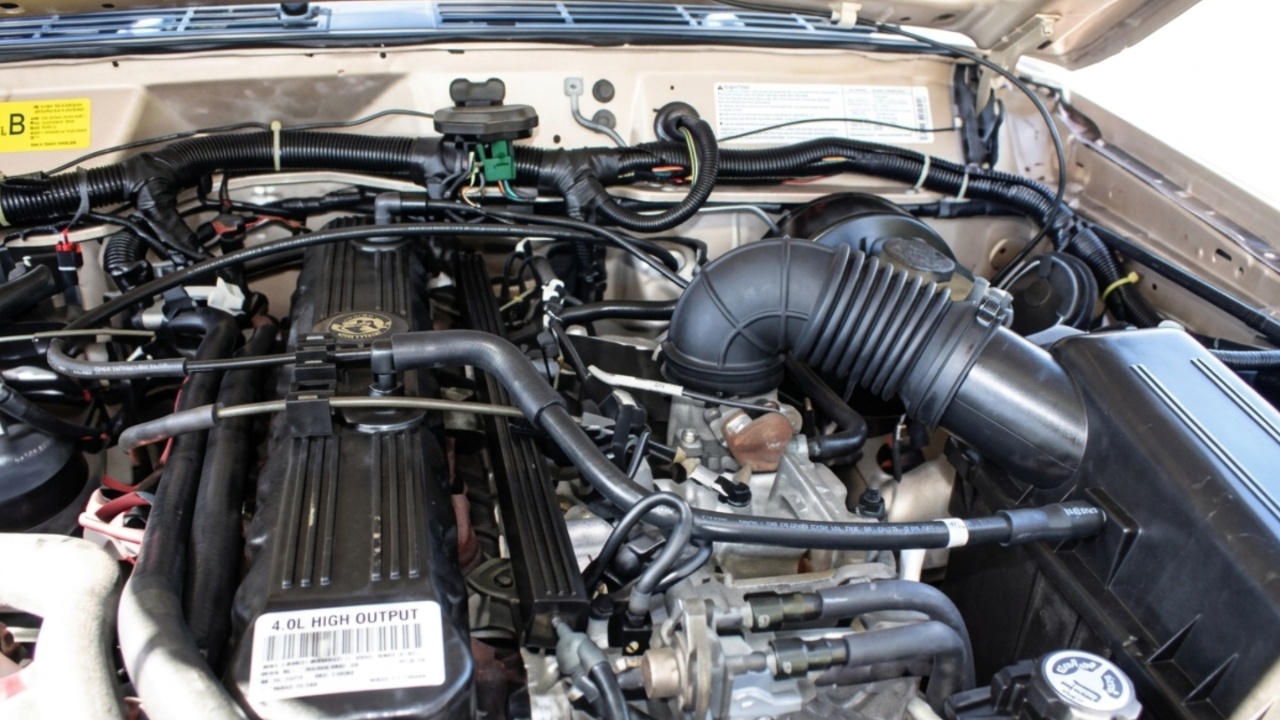
4. Jeep 4.0L Inline-6: Legendary Simplicity, Easy Maintenance, and Extreme Durability
The Jeep 4.0L inline-six engine, produced from 1987 to 2006, is widely regarded as one of the most durable and reliable American engines ever built. Used in vehicles such as the Jeep Cherokee (XJ), Wrangler (YJ and TJ), Grand Cherokee (ZJ and WJ), and Comanche, it earned a reputation for exceptional longevity, strong low-end torque, and a simple mechanical design that is highly valued by enthusiasts and mechanics alike.
One of the biggest advantages of the 4.0L engine is its excellent accessibility for maintenance, especially spark plugs and ignition components. Its inline-six configuration creates a long but narrow engine layout, leaving generous space on both sides of the block.
Unlike V-shaped engines, there are no tightly packed cylinder banks or hidden rear plugs, which makes all six spark plugs easy to reach from the side of the engine bay. They are arranged in a straight line along the passenger side of the cylinder head and remain fully exposed.
Early versions of the engine used a traditional distributor ignition system, with spark plug wires located on the passenger side and completely open for easy servicing. In later models from around 2000 to 2006, Jeep transitioned to a coil-on-plug system using a single coil rail assembly.
Even with this update, maintenance remained simple because the entire coil pack is secured by only a few bolts and lifts off as one unit, immediately exposing all spark plugs beneath it. Each plug sits in a deep but vertical well, allowing direct access using standard tools such as a ratchet and extension without obstruction from the firewall or intake manifold.
The Jeep 4.0L also benefits from being installed in vehicles with large, open engine bays designed for off-road use. These layouts provide ample working space, minimal plastic covers, and no unnecessary components blocking access. This makes routine maintenance straightforward and beginner-friendly.
In terms of performance, the engine produces around 170 to 190 horsepower and 220 to 235 lb-ft of torque, depending on the version. It is especially known for strong low-end torque, which is ideal for off-road driving and everyday usability. However, it is also known for poor fuel economy, typically around 15 to 17 mpg.
Despite its strengths, the 4.0L has some common issues, including rear main seal leaks, potential overheating if cooling systems are neglected, cracked exhaust manifolds in early models, and general valve train noise. Even so, it is famous for continuing to run under harsh conditions and high mileage, often exceeding 300,000 miles with proper care.
The Jeep 4.0L inline-six stands out as a simple, rugged, and highly serviceable engine that combines ease of maintenance with legendary durability, making it a favorite among Jeep enthusiasts.
5. Ford 300 Inline-6 (4.9L): Legendary Truck Engine Built for Torque, Simplicity, and Longevity
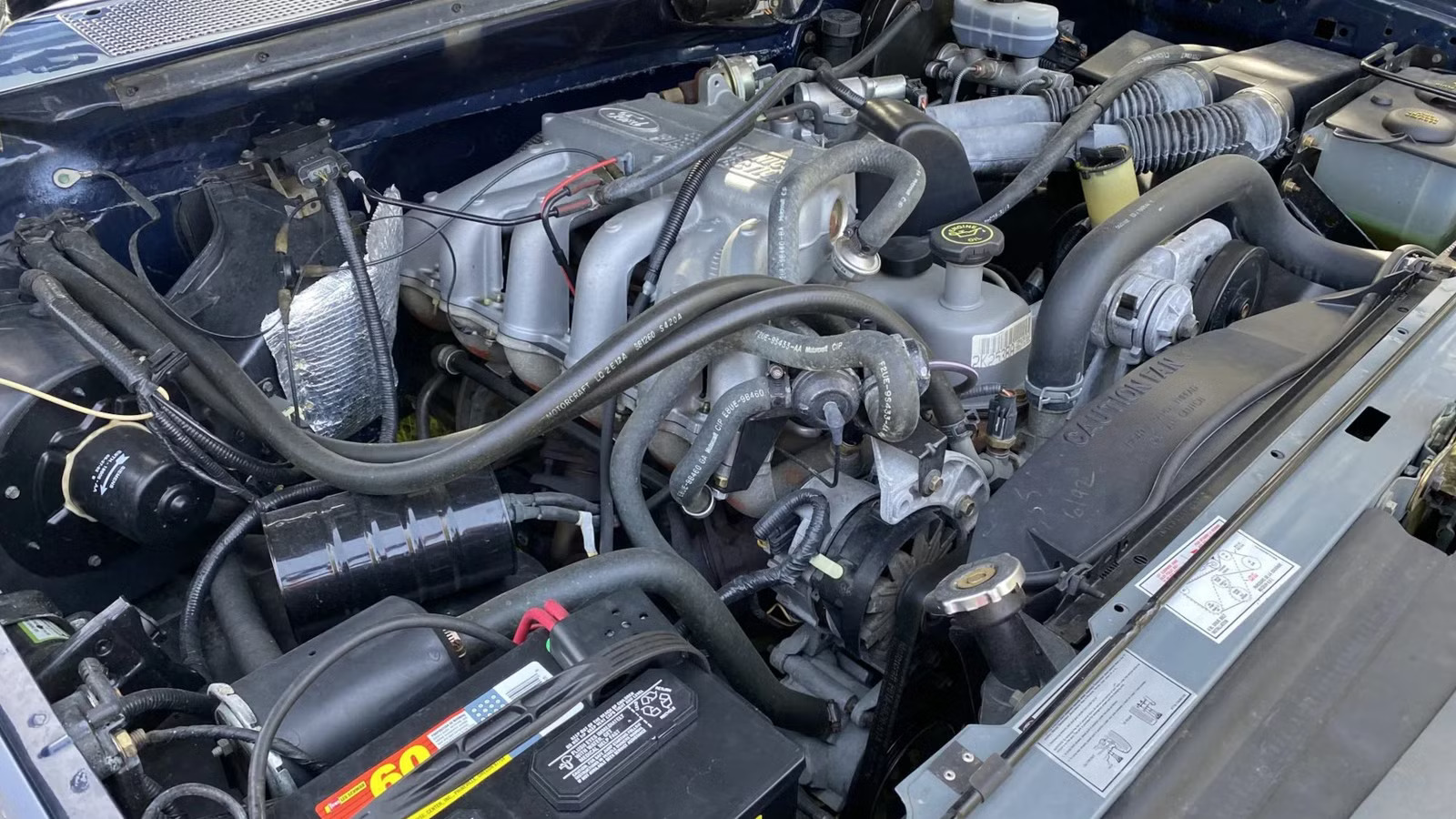
The Ford 300 Inline-6, also known as the 4.9L engine, is widely considered one of the most durable and dependable truck engines ever produced. Manufactured from 1965 to 1996, it powered Ford F-Series pickups, E-Series vans, and various industrial machines such as generators and utility equipment. Its reputation is built on extreme longevity, high low-end torque, and a simple, heavy-duty design that prioritizes function over performance.
One of the most impressive aspects of the Ford 300 is its excellent service accessibility. The engine uses a straightforward inline-six layout that sits in a large engine bay originally designed for V8 engines, leaving an extraordinary amount of working space. This makes maintenance tasks such as spark plug replacement very easy.
The spark plugs are located on the passenger side of the cylinder head and are angled outward, allowing direct access without needing swivel sockets or complex tool positioning. In both carbureted and fuel-injected versions, the ignition components remain simple and easy to reach.
Mechanically, the engine features a rugged cast-iron construction with seven main bearings and a gear-driven timing system instead of a timing chain. This contributes to its legendary durability, with many engines surpassing 300,000 miles when properly maintained. Its overhead-valve (OHV) design further simplifies maintenance by keeping components accessible and reducing mechanical complexity.
Performance-wise, the Ford 300 is known for torque rather than speed. It typically produces around 120 to 150 horsepower but delivers up to approximately 265 lb-ft of torque at low RPMs, making it excellent for towing, hauling, and heavy-duty work. While not designed for highway performance or acceleration, it excels in situations requiring steady pulling power and reliability.
Fuel efficiency for its time was reasonable, averaging around 16 to 17 miles per gallon, though it is considered inefficient by modern standards. Its simplicity and strength made it a favorite in commercial and industrial applications where dependability mattered more than speed.
Despite its strengths, the engine does have limitations. It is underpowered by modern standards and can struggle in high-speed driving situations. It is also vulnerable to overheating if neglected, and later fuel-injected versions introduced some sensor-related issues.
However, its strong iron block makes it highly tolerant of modifications, and enthusiasts often add performance upgrades such as improved carburetors, intake systems, or even turbocharging.
The Ford 300 Inline-6 is celebrated as a near-indestructible workhorse. Its combination of simplicity, torque, and reliability has made it a favorite among truck owners and mechanics for decades, securing its place as one of the greatest utility engines ever built.
Also read: 5 Cars Built to Survive the Rust Belt vs 5 That Corrode Prematurely
6. Mazda L-Engine (MZR/Duratec 2.0L–2.5L): Simple Layout, Easy Maintenance, and Balanced Performance
The Mazda L-Engine series, also known as the MZR or Ford Duratec in shared applications, is a family of inline-four engines used widely in vehicles such as the Mazda3, Mazda6, CX-7, and Ford Fusion. Produced from the early 2000s through the 2010s, this engine family includes 2.0L, 2.3L, and 2.5L variants and is known for its strong balance of reliability, performance, and straightforward maintenance design.
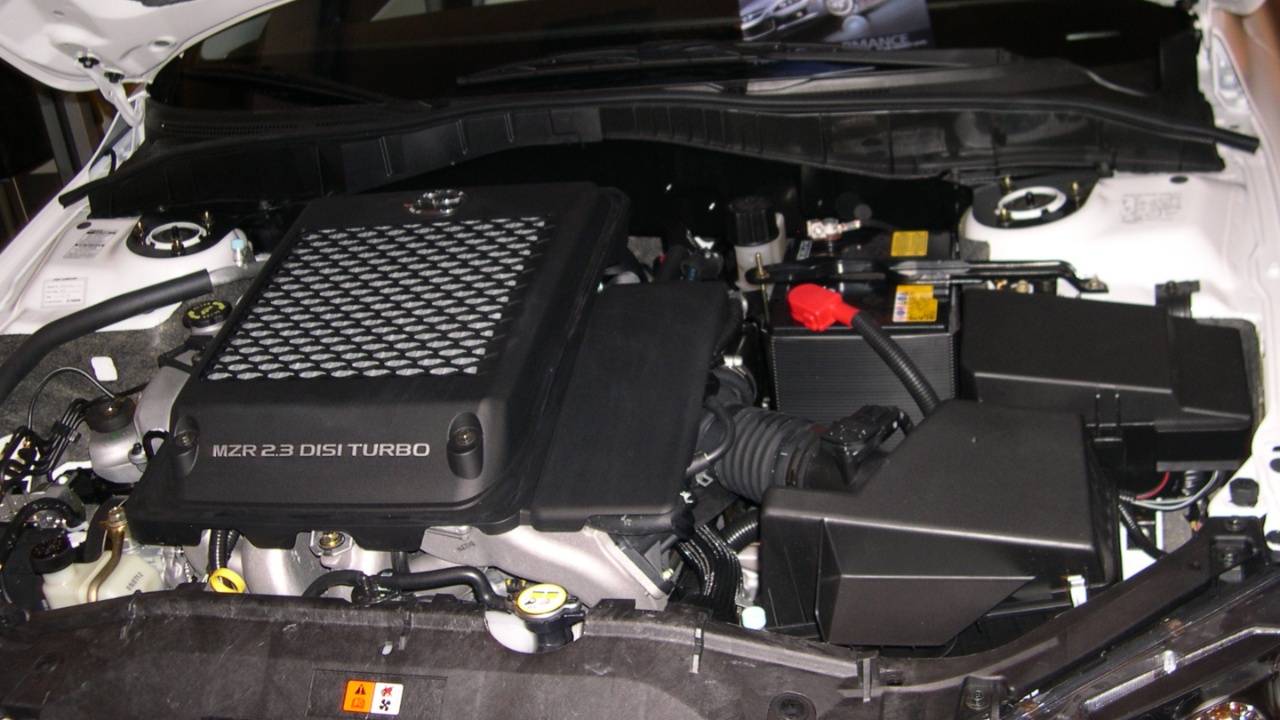
One of the most service-friendly aspects of the L-Engine is its ignition system layout. It uses a top-mounted coil-on-plug (COP) design, where each spark plug has an individual ignition coil positioned directly above it. This removes the need for ignition wires and keeps the system clean and compact. Each coil is secured by a single small bolt and can be easily removed for access to the spark plugs underneath.
The engine’s inline-four configuration further improves accessibility. All spark plugs are arranged in a straight line along the top of the engine, and the valve cover is designed with integrated spark plug tubes that provide a direct vertical path to each plug. There is minimal obstruction from intake components, and Mazda’s engine bay packaging typically leaves enough clearance above the engine for comfortable tool access.
Routine maintenance is relatively simple and can usually be completed with basic tools such as an 8mm socket for coil bolts, a spark plug socket, a long extension, and a ratchet. A basic plastic engine cover, often secured with rubber grommets, can be removed quickly to expose the ignition system. This streamlined layout makes spark plug replacement and coil servicing quick and efficient, often taking less than 30 minutes.
Performance-wise, the L-Engine family offers a mix of efficiency and capability. The naturally aspirated versions provide smooth daily driving power, while the 2.3L DISI turbo variant produces up to 263 horsepower for higher performance applications. The 2.5L version is generally regarded as the most reliable, with many examples exceeding 300,000 miles when properly maintained.
Despite its strengths, the engine family does have some known issues. The 2.3L engine is prone to oil consumption at higher mileage, and some variants experience thermostat failures and worn valve stem seals. Timing chain stretch may also occur after high mileage, and valve clearances require periodic manual adjustment since the engine does not use hydraulic lifters.
The Mazda L-Engine series stands out as a durable, easy-to-service, and well-balanced engine family that combines practical maintenance design with strong real-world reliability.
7. BMW M20 (2.5L Inline-Six): Classic Simplicity, Easy Maintenance, and Timeless Driving Character
The BMW M20B25 2.5L inline-six engine, produced from 1985 to 1991, is best known for powering the iconic E30 325i. It represents a classic era of BMW engineering focused on mechanical simplicity, driving engagement, and long-term durability. Despite being an older design, it remains highly respected for its reliability and straightforward maintenance compared to modern BMW engines.
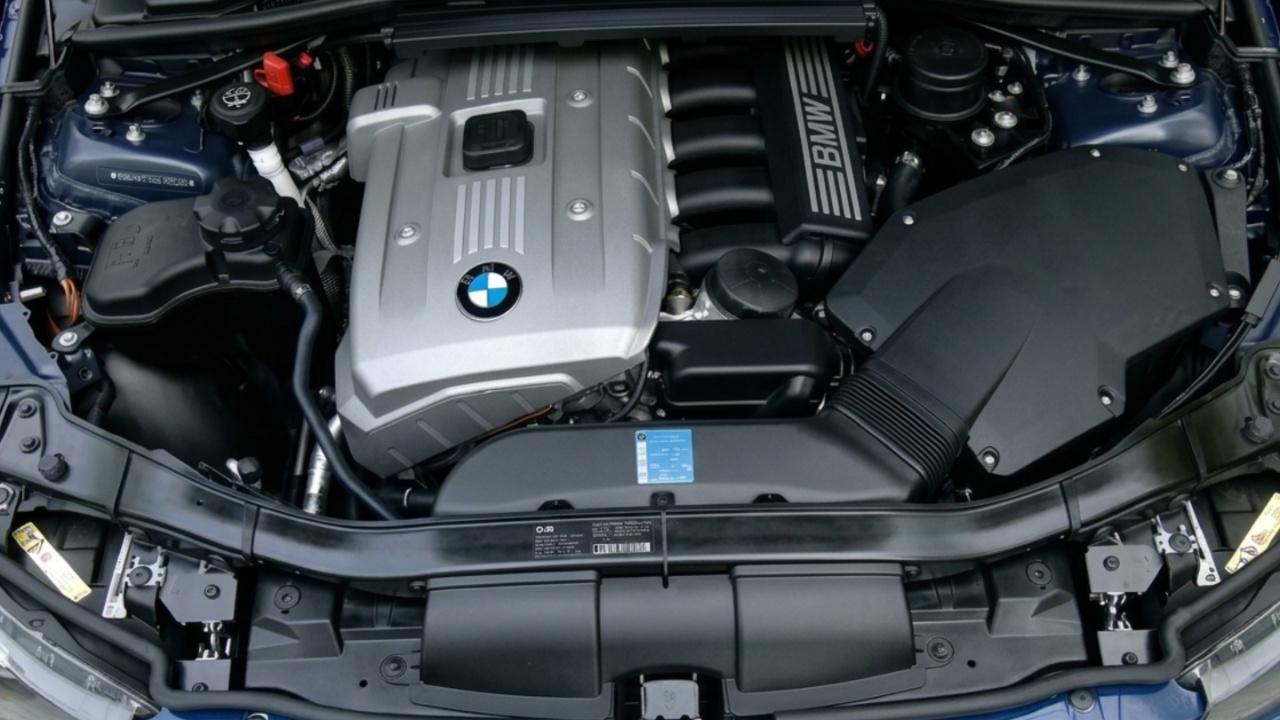
One of the standout advantages of the M20 is its excellent accessibility for spark plug and ignition service. The engine uses a longitudinal inline-six layout with a single overhead cam (SOHC) design, which results in a relatively narrow valve cover and a very open engine bay.
The spark plugs are positioned along the passenger side of the cylinder head and sit upright in a clearly exposed line, with no intake manifold or complex components blocking access. This creates a direct and simple path for servicing.
Unlike modern BMW engines that use coil-on-plug systems hidden under plastic covers or beneath the intake manifold, the M20 uses a traditional distributor-based ignition system with a single coil.
Spark plug wires run neatly over the top of the valve cover in an organized loom, making them easy to inspect, remove, and replace. The distributor is mounted at the front of the engine, further simplifying ignition system maintenance. A full spark plug service can often be completed quickly with only basic tools and minimal disassembly.
Performance-wise, the M20B25 produces around 169 to 171 horsepower and roughly 164 to 170 lb-ft of torque. It is known for its responsive power delivery, with a smooth and engaging “slingshot” feel that suits the lighter E30 chassis particularly well. Enthusiasts also appreciate its distinctive, deep exhaust note, which contributes to its classic driving character.
The engine uses a cast-iron block paired with an aluminum cylinder head and a Bosch Motronic fuel injection system. While not extremely powerful by modern standards, it offers a balanced mix of torque, rev capability, and mechanical feel. It is also considered highly reliable when properly maintained, with many examples exceeding 200,000 miles.
However, the M20 does have known weaknesses. Its timing belt requires regular replacement, as failure can cause severe engine damage. It is also sensitive to overheating, which can lead to cracked cylinder heads. Despite these issues, it remains popular due to its simplicity and durability.
The BMW M20B25 is regarded as a “soulful” classic engine. Its easy serviceability, engaging performance, and strong reliability make it a favorite among enthusiasts and an enduring symbol of 1980s BMW engineering.
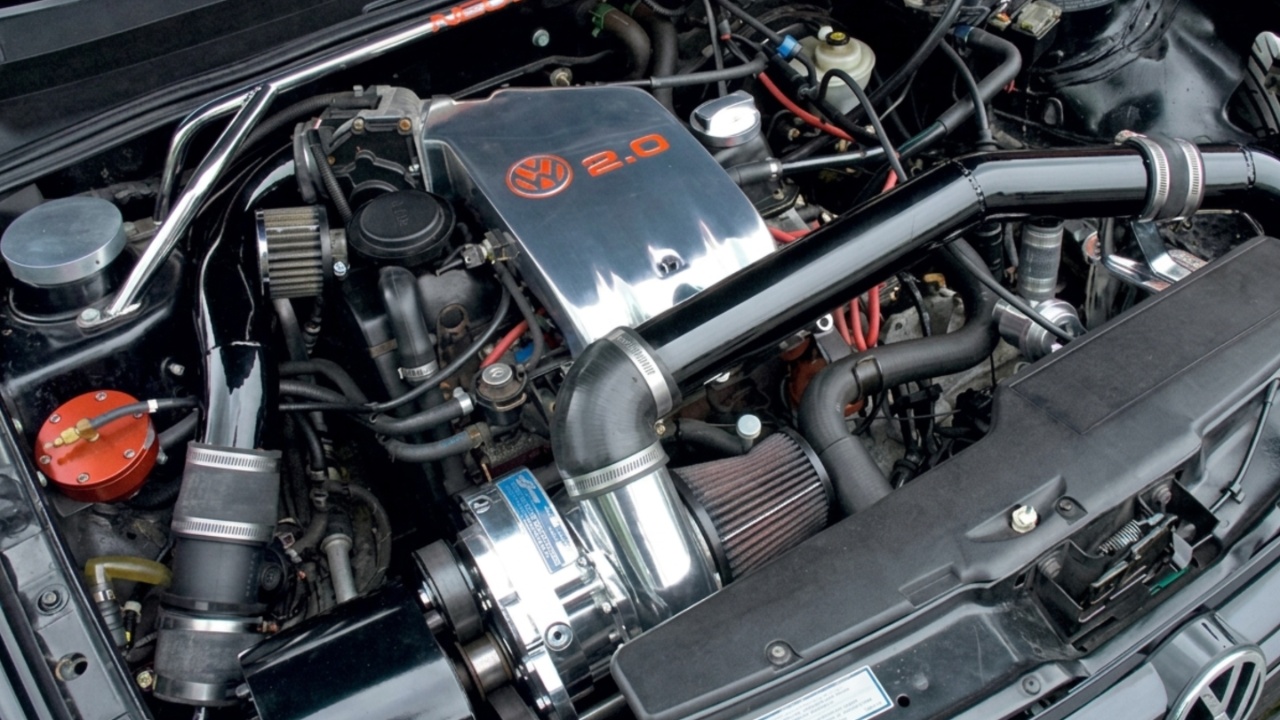
8. Volkswagen 2.0L ABA 8V: Simple, Accessible, and Extremely Reliable “2.Slow” Engine
The Volkswagen 2.0L ABA 8-valve engine, commonly nicknamed the “2.Slow,” is one of the most straightforward and durable engines produced by Volkswagen in the 1990s and early 2000s. Found primarily in Mk3 Golf, Jetta, and Cabrio models, it represents a period when VW prioritized simplicity and long-term reliability over performance and complexity.
One of the strongest features of the ABA engine is its outstanding maintenance accessibility, especially for ignition components and spark plugs. The engine uses a simple 8-valve single overhead cam (SOHC) design that keeps the top of the engine uncluttered.
Spark plugs are positioned on the front-facing side of the cylinder head and are angled toward the radiator, allowing direct access from the front of the vehicle. This means basic maintenance can be performed without reaching over major components or removing intake parts.
The ignition system is equally simple. The distributor is mounted on the side of the engine block, and spark plug wires are clearly visible and easy to route or replace. There are no complex coil-on-plug systems or plastic engine covers that must be removed before servicing. The engine bay layout in many Volkswagen platforms also provides generous working space, making routine maintenance fast and convenient.
A major advantage of the ABA engine is its mechanical simplicity and durability. It is widely regarded as a “bulletproof” engine due to its strong internal design and minimal electronic complexity.
The non-interference timing belt design is particularly important, as belt failure typically does not result in catastrophic engine damage, reducing long-term ownership risk. This makes it especially attractive for budget-conscious drivers and first-time car owners.
In terms of performance, the ABA 2.0L produces around 115 horsepower and modest torque output. While it is not fast and is often criticized for being underpowered, it delivers steady, reliable daily driving performance. Fuel economy is also considered average to below average by modern standards, but its low maintenance cost helps offset this limitation.
Common issues are relatively minor, with oil consumption increasing at higher mileage being the most frequent concern. Despite this, many engines remain operational well beyond 200,000 miles with basic maintenance.
The ABA is also popular in the VW enthusiast community for engine swaps, especially into older Mk1 and Mk2 models, where it provides improved reliability and torque compared to older engines. Some builders also modify it with cam upgrades and internal enhancements for better performance.
The Volkswagen ABA 2.0L 8V is valued for its simplicity, ease of service, and long-term durability, making it one of VW’s most dependable “no-frills” engines.
9. Subaru EJ22 Phase 1 (2.2L Boxer): Simple Design, Surprising Accessibility, and Legendary Reliability
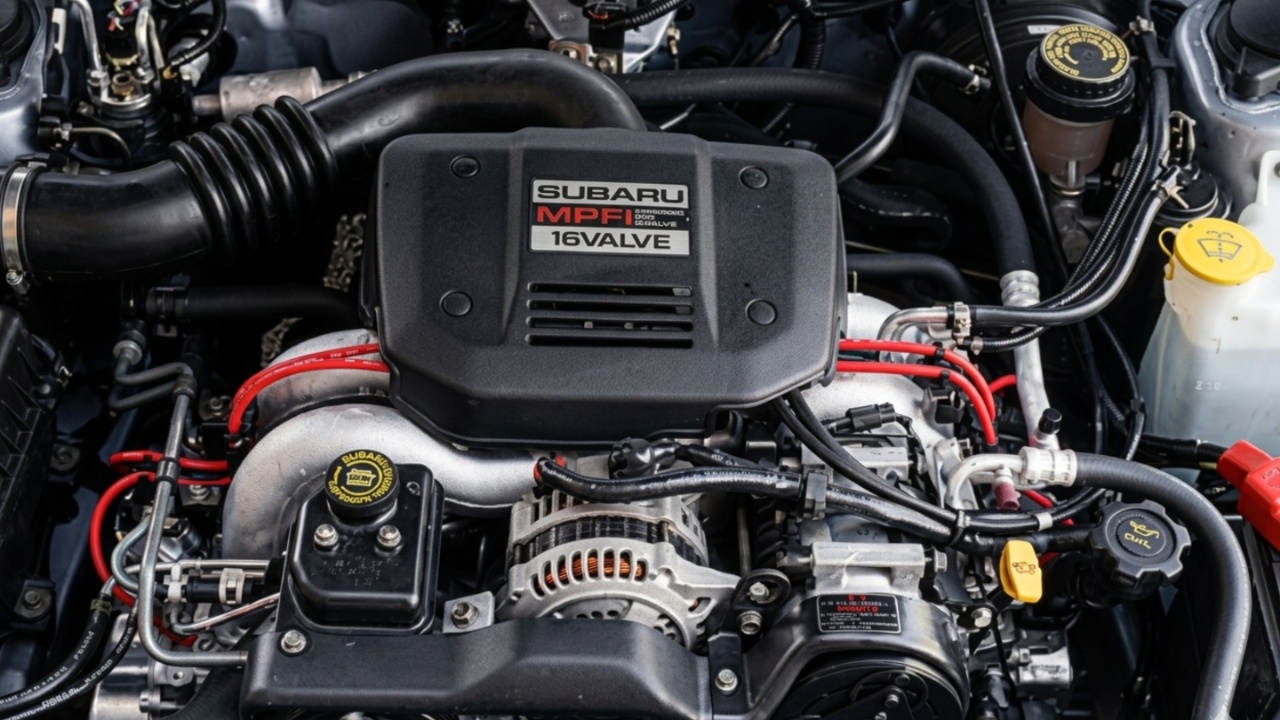
The Subaru EJ22 Phase 1 engine, produced mainly from 1990 to 1996, is a 2.2L naturally aspirated SOHC boxer engine that powered early Subaru Legacy and Impreza models. It is widely regarded as one of Subaru’s most reliable engines ever built, known for its durability, simplicity, and ability to exceed 250,000 to 300,000 miles with basic maintenance.
Unlike many Subaru boxer engines that are difficult to service due to tight packaging, the Phase 1 EJ22 is notably easy to work on. Its relatively compact boxer layout and less crowded engine bay design provide enough space around the cylinder heads for spark plug access.
The engine uses a traditional coil pack mounted on top of the intake manifold with spark plug wires running externally to each cylinder. This avoids coil-on-plug complexity and keeps ignition components easy to inspect and replace.
A major advantage of this engine is its service-friendly layout. The spark plugs are positioned on the sides of the boxer engine but are not deeply buried or obstructed by surrounding components.
In many cases, standard tools and extensions are sufficient to complete a spark plug change without removing major parts or lifting the engine. Compared to later Subaru engines, particularly Phase 2 EJ designs, the EJ22 offers significantly more working room and simpler access.
Mechanically, the EJ22 is known for its robust and low-stress design. It features a SOHC configuration with hydraulic lifters, eliminating the need for manual valve adjustments. One of its most important reliability advantages is its non-interference timing design, meaning that a broken timing belt will not result in internal engine damage. This greatly reduces the risk of catastrophic failure compared to many modern engines.
In terms of performance, the EJ22 produces around 130 to 137 horsepower and 138 lb-ft of torque. While it is not designed for speed or aggressive driving, it delivers smooth, consistent power and excellent fuel economy for its era. It also runs reliably on regular 87-octane fuel, making it economical to operate.
Despite its strengths, the engine is not without minor issues. Some units develop a noticeable valve lifter tick, often referred to as the “tick of doom,” usually caused by oil passage restrictions. Like all aging engines, it can also experience oil leaks from seals over time. However, these issues are generally manageable and not typically catastrophic.
The Subaru EJ22 Phase 1 stands out as a highly dependable, easy-to-service boxer engine that combines simplicity, longevity, and real-world practicality, making it one of Subaru’s most respected early engine designs.
10. Nissan KA24DE (2.4L I4): Simple Access Design, Strong Torque, and Reliable Workhorse Engineering
The Nissan KA24DE is a 2.4L inline-four engine produced from the early 1990s to early 2000s and used in vehicles such as the Nissan 240SX and Frontier. It is widely recognized for its durability, simplicity, and strong low-end torque, making it popular for daily driving, drifting, and budget performance builds.
A major advantage of the KA24DE is its excellent mechanical accessibility, especially for ignition components and spark plug service. The engine uses a straightforward longitudinal layout in most applications, which leaves the top of the engine exposed and easy to work around.
The spark plugs are positioned in a straight line on top of the valve cover, allowing direct access without removing intake parts, covers, or other obstructions. This makes routine maintenance fast and uncomplicated.
The ignition system further improves serviceability. The KA24DE uses a traditional distributor-based setup with a single externally mounted ignition coil. Spark plug wires run clearly from the distributor into the center of the valve cover, where they connect to each cylinder.
These wires are easy to trace, remove, and replace without dealing with tight packaging or hidden connectors. The distributor itself is mounted on the side of the cylinder head in a position that is easy to reach for timing adjustments, cap replacement, or routine inspection.
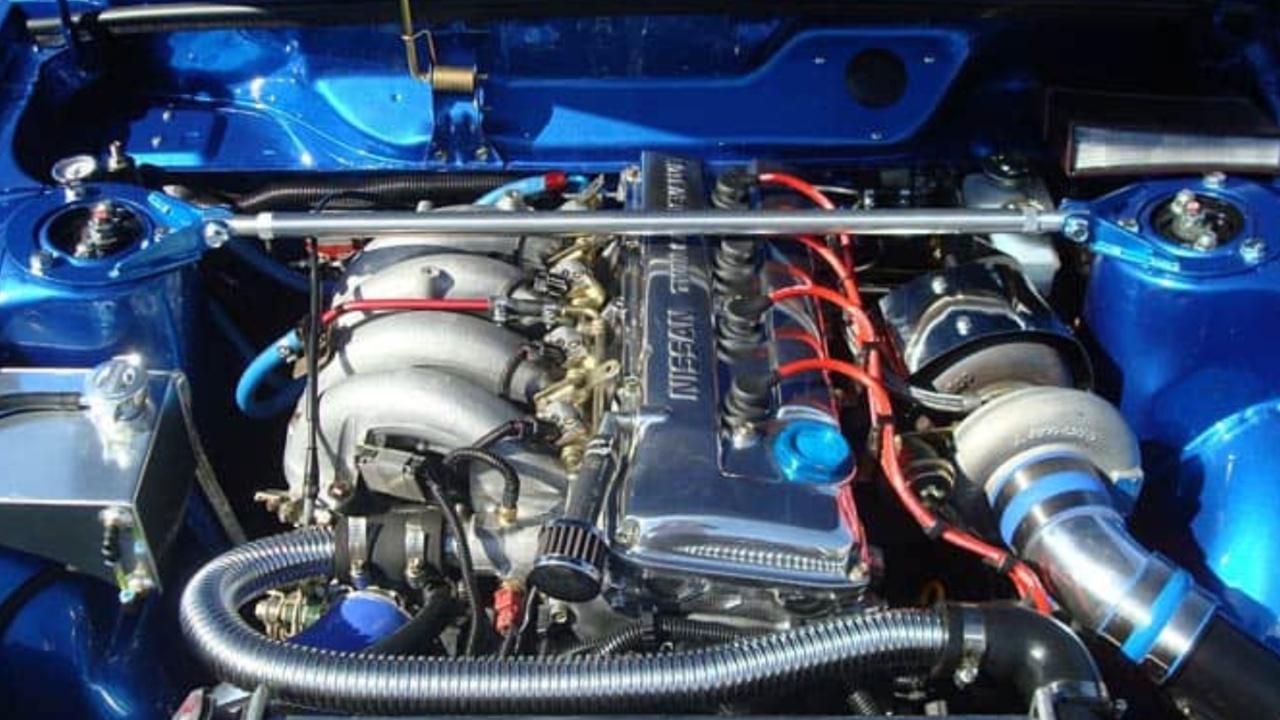
Another key factor in its accessibility is the generous engine bay space in vehicles like the 240SX and D21 Frontier. The longitudinal engine placement creates a wide, open working area around the engine, allowing maintenance to be performed comfortably without disassembly of surrounding components. The design follows a “what you see is what you get” philosophy, with minimal plastic covers or fragile components obstructing access.
Mechanically, the KA24DE is built for strength and long service life. It features a cast-iron block, aluminum cylinder head, and forged crankshaft, giving it a reputation for durability under stress. It produces around 155 horsepower and 160 lb-ft of torque in stock form, focusing more on usable low-end power than high-RPM performance. This makes it especially effective for street use and drifting applications.
However, the engine has limitations. It is not designed for sustained high RPM use, typically struggling above 7,000 RPM. It can also develop timing chain noise over time, and high-mileage examples may experience oil leaks from seals and gaskets. Additionally, the stock exhaust ports can restrict airflow in performance builds.
The Nissan KA24DE is valued as a simple, durable, and highly serviceable engine that delivers dependable torque and long-term reliability at low cost.
Also read: 10 Cars With Such High Resale Value That Buying Used Is a Mistake