Engine sound has always been one of the most emotionally powerful aspects of automotive design, often shaping how enthusiasts connect with a vehicle even before they understand its performance figures. While horsepower and torque define what a car can do, the exhaust note defines how it feels while doing it.
Across decades of engineering innovation, manufacturers have carefully tuned engines not only for efficiency and power but also for sound character. Some engines produce smooth and refined tones, while others are intentionally raw, aggressive, and unmistakably loud.
These distinctive exhaust signatures are rarely accidental. They result from specific configurations such as cylinder count, firing order, turbocharging, exhaust manifold design, and even the length of the exhaust piping. For many enthusiasts, the sound of an engine can instantly identify a car without ever seeing it. This makes certain engines legendary, not just for performance but for the way they announce their presence.
Aggressive factory exhaust sounds hold a special place because they come straight from the manufacturer without the need for aftermarket modifications. These engines were engineered to sound bold right off the showroom floor, often pushing the boundaries of noise regulations while still remaining street legal.
Whether it is the high pitched scream of a naturally aspirated V10, the deep rumble of an American V8, or the rapid fire crackle of a turbocharged inline engine, each has a personality that resonates with drivers in a unique way. These sounds are often tied to motorsport heritage, where auditory feedback plays a crucial role in driver engagement and vehicle identity.
In this article, we will examine ten engines that stand out for their unique and aggressive factory exhaust sounds. Each engine represents a different approach to performance and acoustics, showcasing how engineering decisions influence what we hear on the road.
From European supercars to American muscle icons and Japanese performance legends, these engines have left a lasting impression on automotive culture. Their sound is not just noise, it is a defining characteristic that enhances the driving experience and creates a lasting emotional connection.
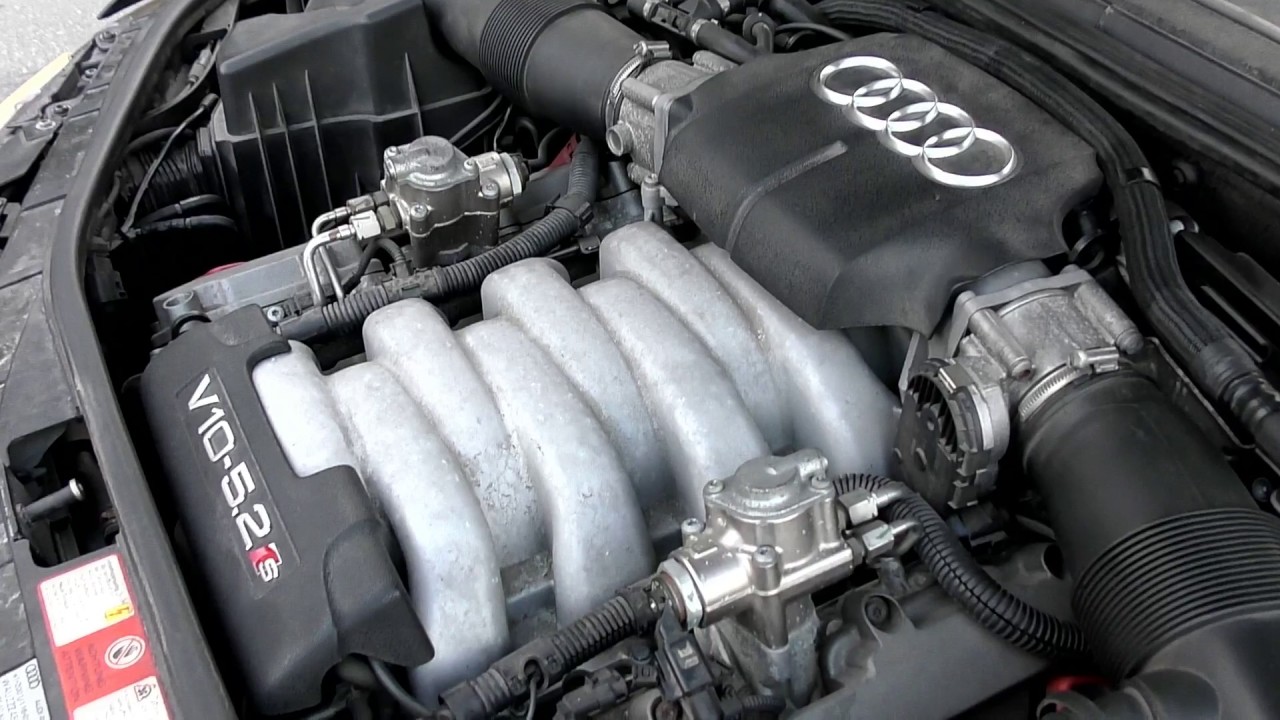
Lamborghini 5.2L V10
The 5.2 liter V10 developed by Lamborghini is widely regarded as one of the most aggressive sounding engines ever produced in a production car. Found in models like the Lamborghini Huracán, this engine delivers a high revving, razor sharp exhaust note that builds intensity as the RPM climbs.
Unlike turbocharged engines that often muffle sound, this naturally aspirated V10 allows every combustion pulse to be heard clearly, creating a raw and mechanical soundtrack.
One of the defining characteristics of this engine is its firing order and even spacing, which contribute to its distinctive scream. As the engine approaches its redline, the pitch becomes increasingly sharp, producing a sound that resembles a race car more than a typical road vehicle.
This is partly due to the lightweight internals and the high compression ratio, which allow the engine to rev freely without hesitation. The result is a sound that feels alive and constantly escalating.
The exhaust system plays an equally important role in shaping this aggressive tone. Lamborghini engineers have designed the exhaust to minimize restrictions while enhancing resonance.
The placement of the exhaust outlets and the use of tuned pipes help amplify certain frequencies, giving the engine its signature piercing quality. This ensures that even at moderate speeds, the car maintains an unmistakable presence.
Another factor contributing to the sound is the lack of heavy sound insulation compared to more comfort oriented vehicles. This allows more of the engine’s natural noise to reach the cabin and the outside environment. Drivers often describe the experience as immersive, where the sound becomes an integral part of the driving sensation rather than just background noise.
Finally, the 5.2 liter V10 stands out because it balances aggression with precision. It is not just loud for the sake of volume. Every note is carefully engineered to create a cohesive auditory experience that matches the car’s performance capabilities. This makes it one of the most iconic sounding engines in modern automotive history.
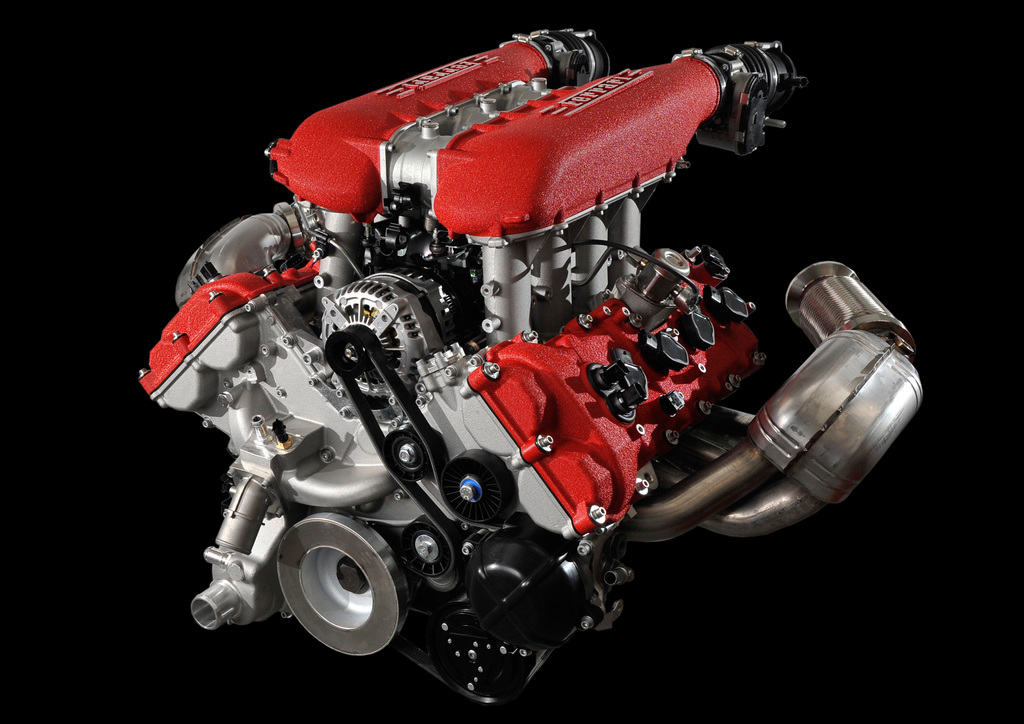
Ferrari 4.5L V8
The 4.5 liter naturally aspirated V8 from Ferrari, used in the Ferrari 458 Italia, is another masterpiece known for its aggressive and high pitched exhaust note. This engine is celebrated for its ability to produce a sound that is both sharp and melodic, creating a unique blend of intensity and refinement.
A key element of this engine’s sound is its flat plane crankshaft design. Unlike cross plane V8s that produce a deeper rumble, a flat plane crank allows for more even firing intervals, resulting in a higher pitched and more race inspired tone. This gives the engine a distinctive character that stands out even among other high performance vehicles.
As the engine revs toward its 9000 RPM limit, the sound transforms into a piercing scream that is instantly recognizable. This high revving capability is a result of lightweight components and precise engineering, which reduce internal friction and allow the engine to spin freely. The rapid increase in pitch creates a sense of urgency that enhances the driving experience.
Ferrari has also invested heavily in exhaust tuning to ensure that the sound is both aggressive and harmonious. The exhaust system is designed to highlight the natural frequencies of the engine while minimizing unwanted noise. This results in a clean and powerful sound that is free from distortion.
Another aspect that makes this engine special is its responsiveness. The immediate throttle response means that changes in engine speed are instantly reflected in the sound, creating a direct connection between the driver’s input and the auditory feedback. This level of engagement is a hallmark of Ferrari’s engineering philosophy.
The 4.5 liter V8 remains one of the most celebrated engines in automotive history, not only for its performance but also for its unforgettable sound. It represents the pinnacle of naturally aspirated engine design, delivering an experience that is both thrilling and emotionally engaging.
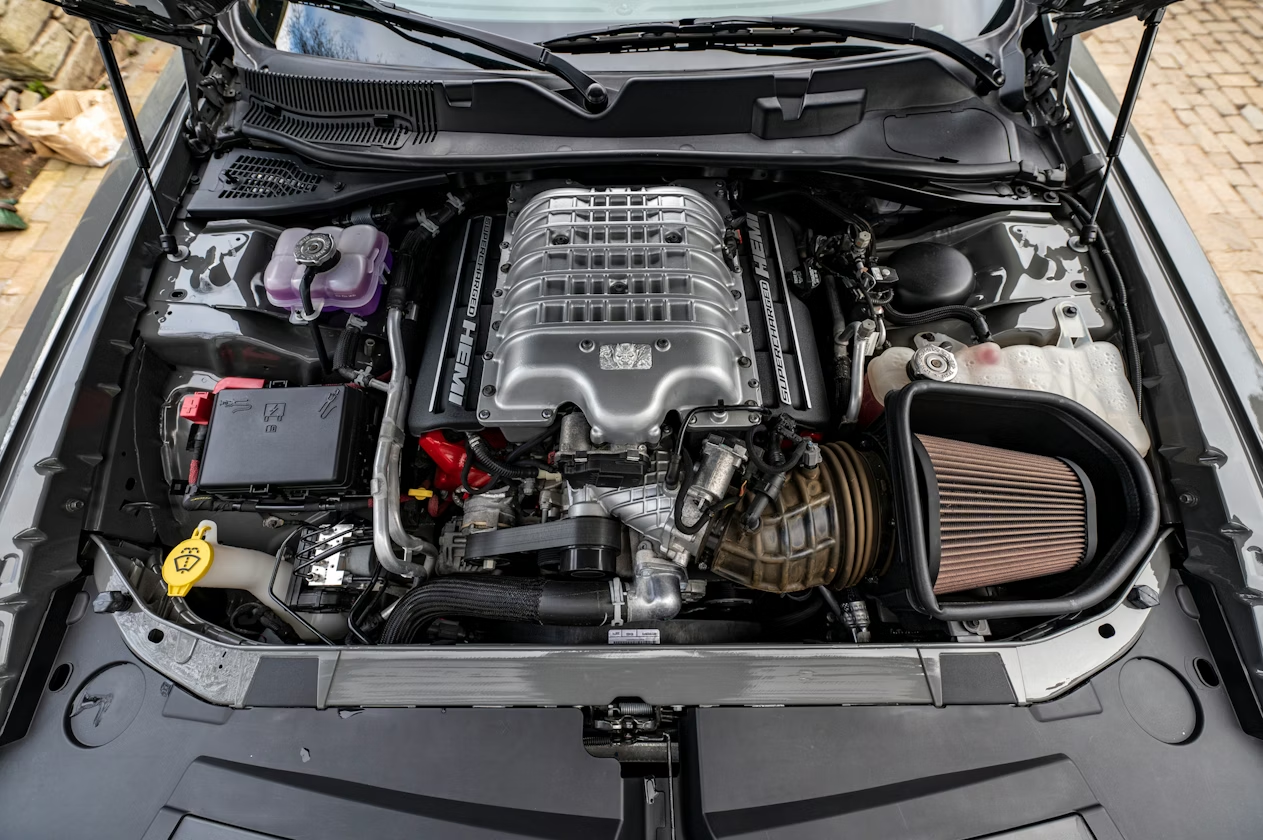
Dodge 6.2L Supercharged HEMI V8
The 6.2 liter supercharged HEMI V8 from Dodge, commonly known as the Hellcat engine, is famous for its deep, thunderous exhaust note. Found in vehicles like the Dodge Challenger SRT Hellcat, this engine delivers a sound that is as intimidating as its performance figures.
Unlike high revving European engines, the Hellcat V8 focuses on low end power and a heavy, rumbling tone. The cross plane crankshaft design produces uneven firing intervals, which contribute to the classic American V8 sound. This creates a deep, pulsating exhaust note that can be felt as much as it is heard.
The addition of a supercharger introduces another layer of sound. The characteristic whine of the supercharger blends with the exhaust note, creating a complex and aggressive auditory profile. This combination of mechanical and exhaust noise makes the engine stand out in any environment.
Dodge has engineered the exhaust system to emphasize volume and presence. The use of active exhaust valves allows the driver to control the level of sound, ranging from relatively subdued to extremely loud. In its most aggressive setting, the engine produces a roar that is unmistakable and commanding.
Another important factor is the engine’s displacement. At 6.2 liters, it moves a large volume of air and fuel, which naturally results in a louder and deeper sound. This physical characteristic cannot be easily replicated by smaller engines, giving the Hellcat a unique advantage in terms of auditory impact.
The Hellcat V8 represents the essence of American muscle, combining raw power with an equally raw sound. Its aggressive exhaust note has made it a favorite among enthusiasts who appreciate a bold and unapologetic driving experience.
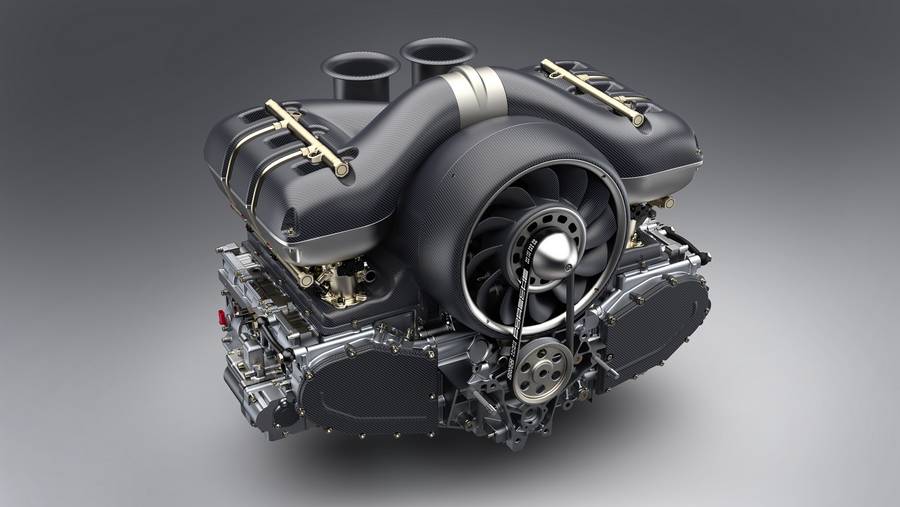
Porsche 4.0L Flat Six
The 4.0 liter flat six engine from Porsche, used in models like the Porsche 911 GT3, is renowned for its distinctive and aggressive sound. Unlike traditional inline or V configurations, the flat six layout produces a unique exhaust note that is both sharp and resonant.
One of the defining features of this engine is its high revving nature. With a redline that often exceeds 9000 RPM, the engine produces a rising crescendo that builds intensity with each increase in speed. This creates a dynamic sound profile that evolves throughout the rev range.
The placement of the engine in the rear of the vehicle also influences the sound. The shorter exhaust path allows the sound to travel more directly to the outside, resulting in a louder and more immediate auditory experience. This enhances the perception of aggression and presence.
Porsche engineers have carefully tuned the exhaust system to highlight the natural characteristics of the flat six layout. The use of equal length headers and optimized exhaust flow ensures that each combustion event contributes to the sound. This results in a clean and precise exhaust note.
Another factor is the engine’s responsiveness. The immediate throttle response allows the driver to control the sound with precision, creating a direct link between input and output. This level of control adds to the driving experience.
The 4.0 liter flat six is a perfect example of how engineering and acoustics can come together to create a truly unique sound. Its aggressive yet refined exhaust note has made it a defining feature of Porsche’s performance lineup.
BMW S85 5.0L V10
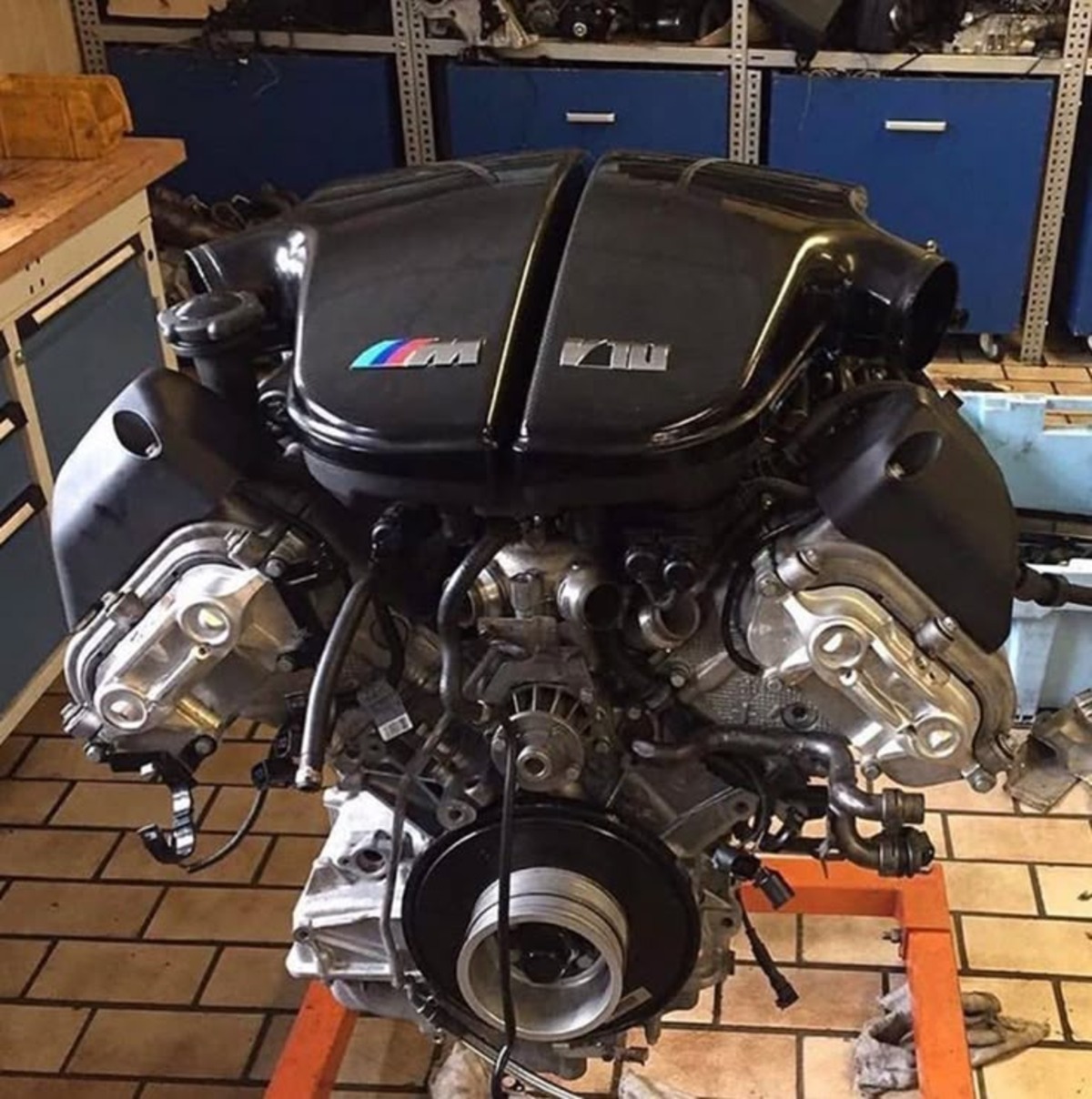
The S85 5.0 liter V10 from BMW, famously used in the BMW M5 E60, is one of the most distinctive engines ever installed in a production sedan. Inspired heavily by Formula 1 technology of its era, this naturally aspirated V10 produces a sharp and aggressive exhaust note that stands in stark contrast to typical luxury car expectations.
From idle to redline, the engine delivers a mechanical, race derived sound that emphasizes precision and intensity rather than brute force.
A major contributor to the S85’s sound is its incredibly high redline of around 8250 RPM. As the revs climb, the exhaust note transitions from a metallic growl into a piercing scream that closely resembles motorsport engines.
This transformation is not just dramatic but also highly linear, meaning the sound builds smoothly without sudden spikes or inconsistencies. The high revving capability is made possible by lightweight internal components and advanced engineering, allowing the engine to spin freely with minimal resistance.
The individual throttle bodies used in the S85 further enhance its sound profile. Each cylinder has its own throttle, which improves airflow and creates a more immediate response to driver inputs. This results in sharper intake and exhaust sounds that combine to form a complex and aggressive auditory experience. The engine feels alive, constantly reacting to even the slightest changes in throttle position.
BMW also focused heavily on exhaust tuning to ensure that the sound remained clear and purposeful. The exhaust system is designed to minimize artificial dampening, allowing the natural characteristics of the V10 configuration to shine through. This creates a raw and authentic sound that appeals to enthusiasts who value mechanical purity.
Another aspect that makes the S85 special is its rarity. V10 engines are uncommon in production vehicles, especially in sedans, which adds to its uniqueness. The combination of high revving performance, precise engineering, and an aggressive exhaust note makes the S85 one of the most memorable engines ever produced by BMW.
Lexus LFA 4.8L V10
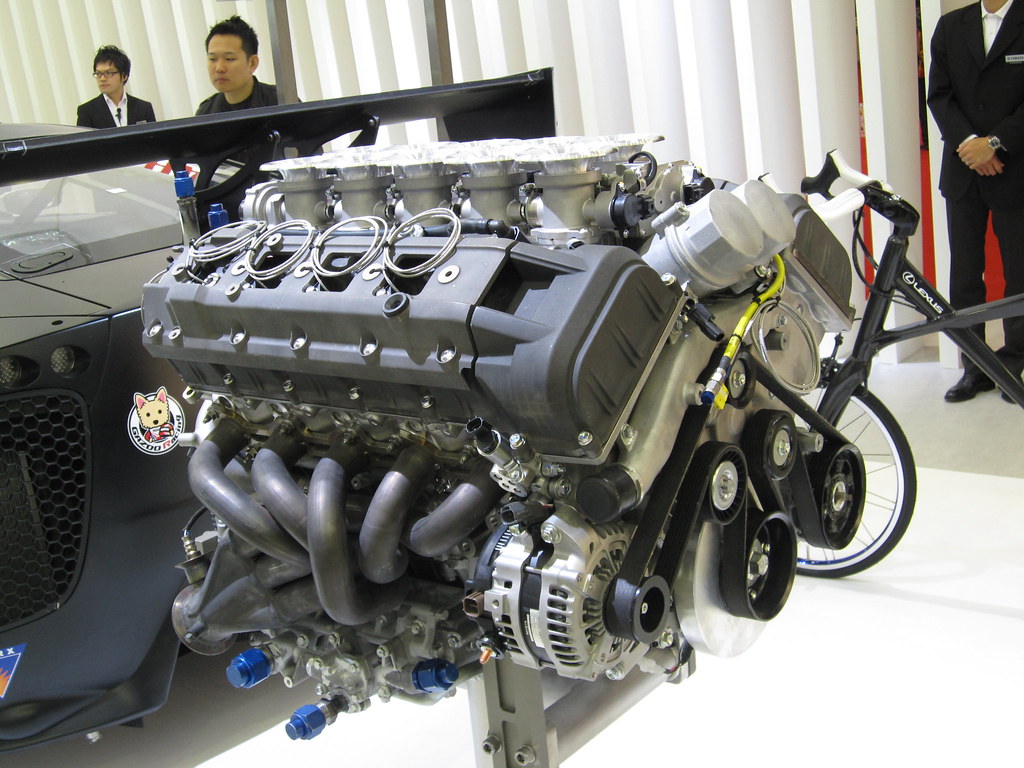
The 4.8 liter V10 developed by Lexus for the Lexus LFA is often considered one of the best sounding engines of all time. This engine is renowned for its incredibly sharp, high pitched exhaust note that has been compared to a Formula 1 car. Unlike many engines that rely solely on exhaust tuning, the LFA’s sound was engineered as a complete system involving both intake and exhaust acoustics.
One of the most remarkable features of this engine is its ability to rev extremely quickly. The engine can climb from idle to redline in a fraction of a second, which creates a rapid and intense change in pitch. This responsiveness gives the sound a sense of urgency and excitement that is rarely matched by other production engines. The high rev limit of around 9000 RPM further enhances this effect.
The use of a lightweight construction, including extensive use of aluminum and other advanced materials, allows the engine to produce a clean and crisp sound. There is very little mechanical noise interference, which means the exhaust note remains pure and well defined. This clarity is a key reason why the LFA’s engine is so highly regarded.
Lexus collaborated with Yamaha to fine tune the acoustic properties of the engine. This partnership ensured that every aspect of the sound was carefully controlled, from the intake resonance to the exhaust tone. The result is a harmonious yet aggressive sound that evolves beautifully throughout the rev range.
Another important factor is the car’s interior acoustics. The LFA features a specially designed instrument cluster that had to be digital because the engine revs so quickly that a traditional analog tachometer could not keep up. This level of performance is reflected in the sound, which feels almost instantaneous and incredibly engaging.
The 4.8 liter V10 in the LFA stands as a benchmark for engine sound design. It combines advanced engineering with meticulous acoustic tuning to create an experience that is both aggressive and emotionally powerful.
Chevrolet LS7 7.0L V8
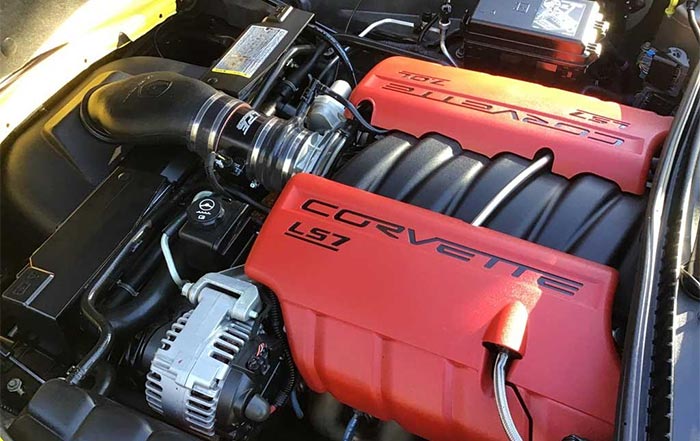
The LS7 7.0 liter V8 from Chevrolet, used in the Chevrolet Corvette C6 Z06, is known for its raw and aggressive exhaust note. This naturally aspirated engine represents the pinnacle of traditional American V8 design, delivering a deep and commanding sound that reflects its massive displacement.
One of the defining characteristics of the LS7 is its large displacement, which allows it to move a significant volume of air and fuel. This results in a powerful and resonant exhaust note that is both loud and authoritative. The sound is not just about volume but also about depth, with a low frequency rumble that can be felt as much as it is heard.
The engine’s camshaft profile also plays a crucial role in shaping its sound. The aggressive cam timing creates a distinctive lope at idle, giving the engine a rough and uneven rhythm that enthusiasts often associate with high performance V8s. This characteristic idle sets the tone for the engine’s behavior throughout the rev range.
As the engine accelerates, the exhaust note becomes increasingly intense, transitioning from a deep rumble to a full throated roar. This progression is smooth and predictable, allowing drivers to anticipate the engine’s behavior based on sound alone. The linear power delivery complements this auditory experience.
Chevrolet designed the exhaust system to maximize flow while maintaining a strong acoustic presence. The use of large diameter pipes and minimal restrictions ensures that the engine’s natural sound is not overly muted. This results in a raw and unfiltered exhaust note that remains true to the engine’s character.
The LS7 is a celebration of classic V8 performance, combining simplicity with sheer power. Its aggressive exhaust note has made it a favorite among enthusiasts who appreciate a traditional, no nonsense approach to engine design.
Nissan GT R VR38DETT 3.8L Twin Turbo V6
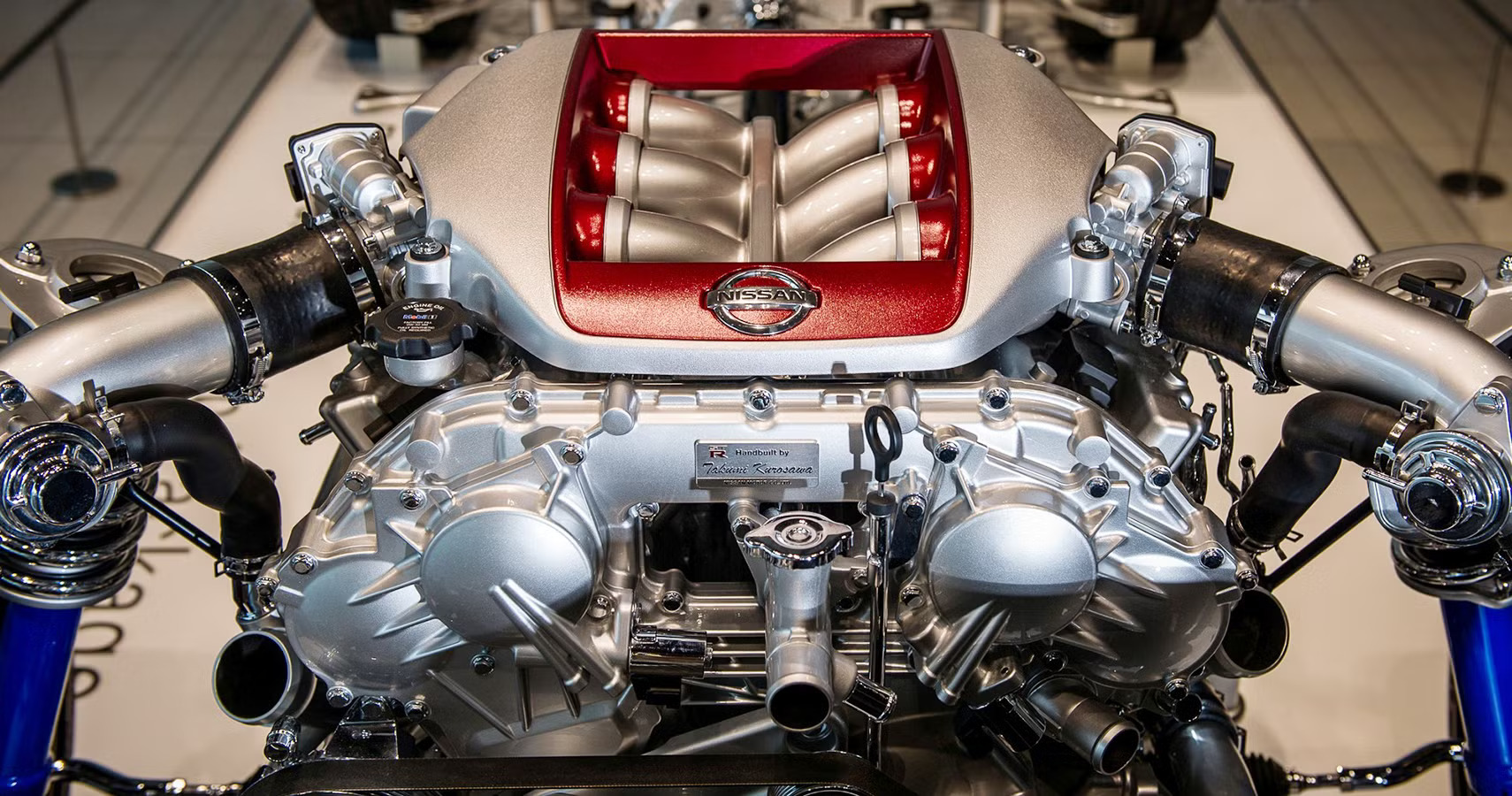
The VR38DETT 3.8 liter twin turbo V6 from Nissan, found in the Nissan GT R R35, delivers a unique and aggressive exhaust note that blends modern turbocharged performance with a distinctive mechanical edge. Unlike naturally aspirated engines, this powerplant produces a layered sound that combines exhaust pulses with turbocharger dynamics.
The spooling of the twin turbochargers adds a high frequency whistle that complements the deeper exhaust tones. This creates a multi dimensional sound profile that evolves depending on throttle input and engine load.
The engine’s V6 configuration contributes to its compact and focused sound. Compared to larger engines, the exhaust note is tighter and more controlled, but still aggressive. The firing order and turbo setup create a rhythmic pattern that is instantly recognizable to enthusiasts familiar with the GT R.
Nissan has engineered the exhaust system to balance performance with sound quality. While turbocharged engines often suffer from muted exhaust notes, the GT R manages to maintain a strong presence thanks to careful tuning and minimal restrictions. This ensures that the engine remains audible and engaging even under heavy boost.
Another defining feature is the engine’s responsiveness. Despite being turbocharged, the VR38DETT offers quick throttle response, which allows the sound to change rapidly with driver input. This responsiveness enhances the connection between the driver and the vehicle.
The VR38DETT represents a modern approach to performance, combining advanced technology with a distinctive and aggressive sound. It proves that turbocharged engines can still deliver an engaging auditory experience when properly engineered.
Audi 5.2L V10
The 5.2 liter V10 from Audi, used in the Audi R8 V10, shares its roots with Lamborghini’s V10 but offers a slightly different acoustic character. While still aggressive, the Audi version is often described as more refined, with a smoother and more controlled exhaust note.
One of the key factors influencing this sound is the engine’s tuning. Audi has calibrated the engine to deliver a balance between performance and everyday usability. This results in an exhaust note that is still loud and engaging but less extreme compared to its Lamborghini counterpart.
The naturally aspirated design allows the engine to produce a clear and uninterrupted sound. Without turbochargers to dampen the exhaust pulses, the engine’s natural frequencies are allowed to shine through. This creates a rich and full bodied sound that evolves across the rev range.
As the engine approaches its redline, the exhaust note becomes increasingly sharp and intense. This high revving capability adds a sense of excitement and urgency, making the driving experience more engaging. The transition from low to high RPM is smooth, with the sound building progressively.
Audi has also incorporated an active exhaust system that allows drivers to adjust the sound profile. This adds versatility, enabling the car to switch between a more subdued tone and a fully aggressive roar depending on the driving mode.
The 5.2 liter V10 in the Audi R8 is a perfect example of how refinement and aggression can coexist. It delivers a powerful and distinctive sound while maintaining the comfort and usability expected from a premium brand.
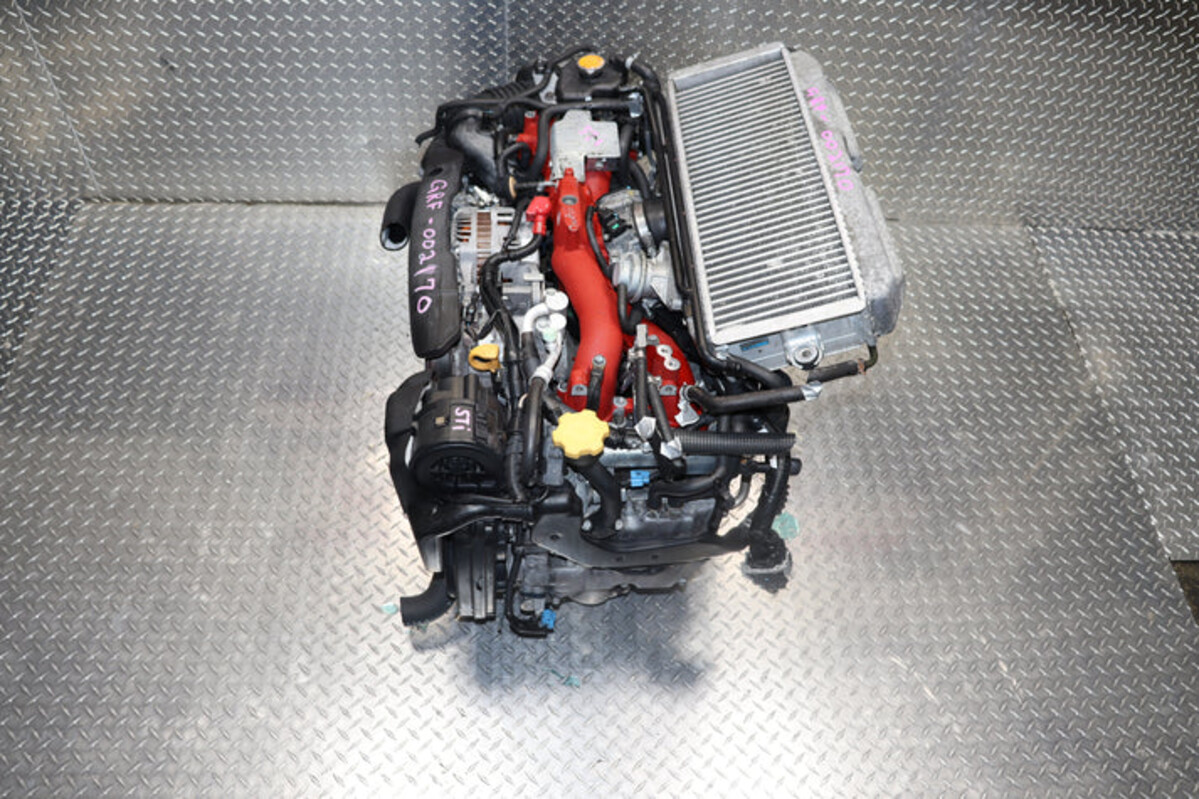
Subaru EJ257 2.5L Turbo Flat Four
The EJ257 2.5 liter turbocharged flat four from Subaru, found in the Subaru WRX STI, is famous for its unique and aggressive exhaust note, often referred to as the boxer rumble. This sound is instantly recognizable and has become a defining characteristic of Subaru performance vehicles.
The primary reason for this distinctive sound is the engine’s unequal length exhaust headers. Unlike equal length designs that produce a smoother tone, unequal length headers create uneven exhaust pulses, resulting in a rhythmic and throbbing sound. This gives the engine its signature rumble that stands out from other four cylinder engines.
The flat four configuration also contributes to the sound. With cylinders positioned horizontally, the engine produces a lower center of gravity and a unique firing pattern. This layout influences the way exhaust gases flow, further enhancing the distinctive tone.
Turbocharging adds another layer to the sound. The presence of the turbocharger introduces subtle whistles and whooshes that complement the deeper rumble. This combination creates a complex and engaging auditory experience.
Subaru has maintained this sound across generations, recognizing its importance to brand identity. Even as technology has evolved, the company has ensured that the characteristic rumble remains intact, preserving the connection between the car and its enthusiasts.
The EJ257 is a perfect example of how unconventional engineering choices can lead to a truly unique sound. Its aggressive and unmistakable exhaust note has made it a legend in the automotive world.