
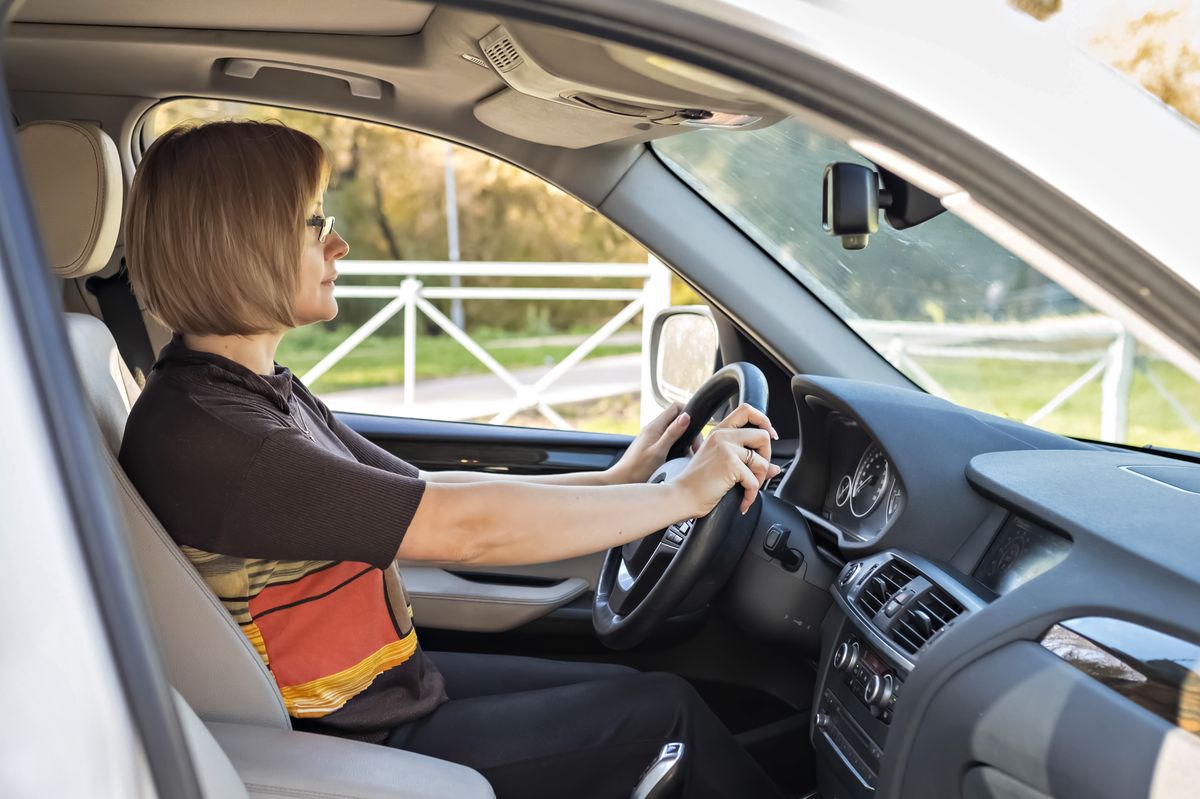
Aggressive highway traffic is not getting better. Anyone who drives regularly on American interstates knows this from experience rather than statistics, though the statistics confirm what drivers feel every commute.
Vehicles tailgating at 80 miles per hour, last-second lane changes with no signal, trucks drifting out of lanes, distracted drivers wandering across lane markings, and the occasional driver who appears to have concluded that the rules of the road do not apply to them.
This is the environment in which millions of Americans spend hours every week. What separates drivers who go through this environment safely year after year from those who become a crash statistic is not luck, and it is not the brand of car they drive. It is a set of specific, learnable habits that constitute defensive driving. Defensive driving is not timid driving.
It is not driving slowly in the right lane, hoping trouble passes you by. It is active, skilled, deliberate driving that anticipates what other vehicles might do, positions your vehicle to maximize response options, and maintains the awareness needed to act rather than react when situations develop.
Research from the AAA Foundation for Traffic Safety, NHTSA data analysis, and decades of professional driving instruction all point to the same conclusion: the habits a driver builds and consistently maintains determine their crash rate more than any other single variable.
Drivers who have consciously built defensive driving habits into their daily practice have measurably lower crash involvement rates than the general driving population, and this holds across age groups, vehicle types, and geographic regions. This page covers ten specific defensive driving habits that genuinely reduce crash risk in aggressive highway traffic.
Each one is practical, immediately applicable, and grounded in the physics of what happens at highway speeds when things go wrong. Read through all ten and honestly evaluate which ones you currently practice and which ones you could build into your own driving behavior, starting with your next highway trip.
1. Maintaining a Three-Second Following Distance and Expanding It When Conditions Change
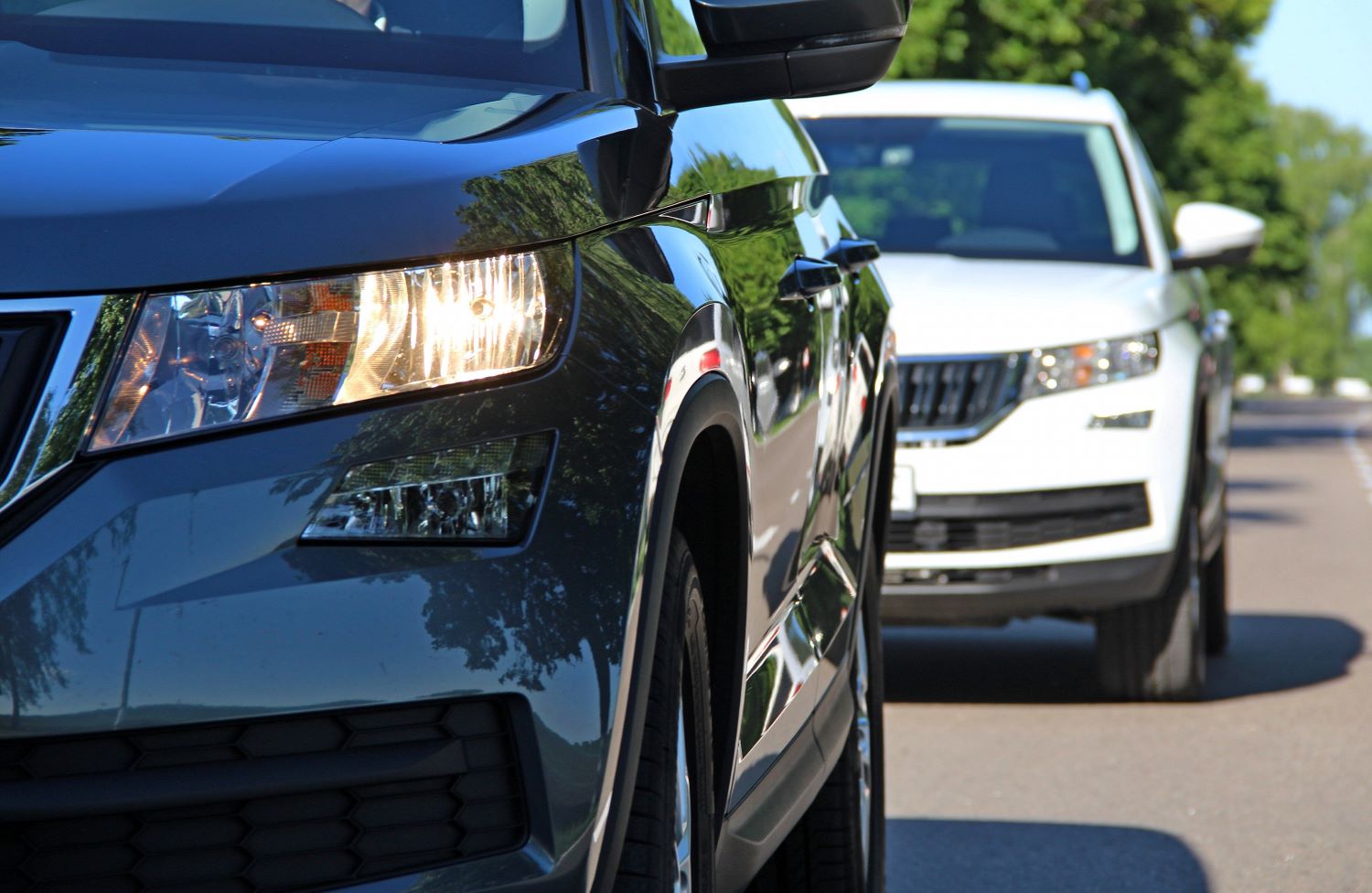
The following distance is the single most impactful defensive driving habit available to any highway driver, and it is also the habit that aggressive traffic most consistently erodes through social pressure, lane crowding, and the visual cue that everyone else is driving much closer.
Maintaining a three-second following distance in normal highway conditions, and expanding it to four or five seconds in rain, reduced visibility, or heavy truck traffic, gives your vehicle the physical space within which your reaction time can actually accomplish something when a vehicle ahead slows, swerves, or stops.
Calculating a three-second following distance is straightforward. Choose a fixed object on the roadside, a sign, a mile marker, or an overpass. When the rear of the vehicle ahead passes that object, begin counting.
If your front bumper passes the same object before three seconds have elapsed, you are following too closely. This method works at any speed and requires no math, and it produces a gap that automatically adjusts to your actual speed.
Three seconds of following distance at 70 miles per hour equates to approximately 308 feet, which is more than the length of a football field. That distance feels enormous when you first start consciously maintaining it, particularly on busy highways where other vehicles will fill the gap.
Resist the temptation to close the gap when someone fills it. Simply create another gap behind that new vehicle. Your goal is not to maintain a position in a specific traffic stream. It is to maintain the physical space your vehicle needs to respond safely to whatever happens ahead.
At night, in rain, or behind large commercial trucks whose cargo or braking characteristics you cannot predict, extending to four or five seconds is appropriate because each of these conditions either reduces your visibility of hazards ahead or reduces the predictability of the lead vehicle’s behavior.
2. Scanning Far Ahead of Your Vehicle Rather Than Focusing on the Car Directly in Front
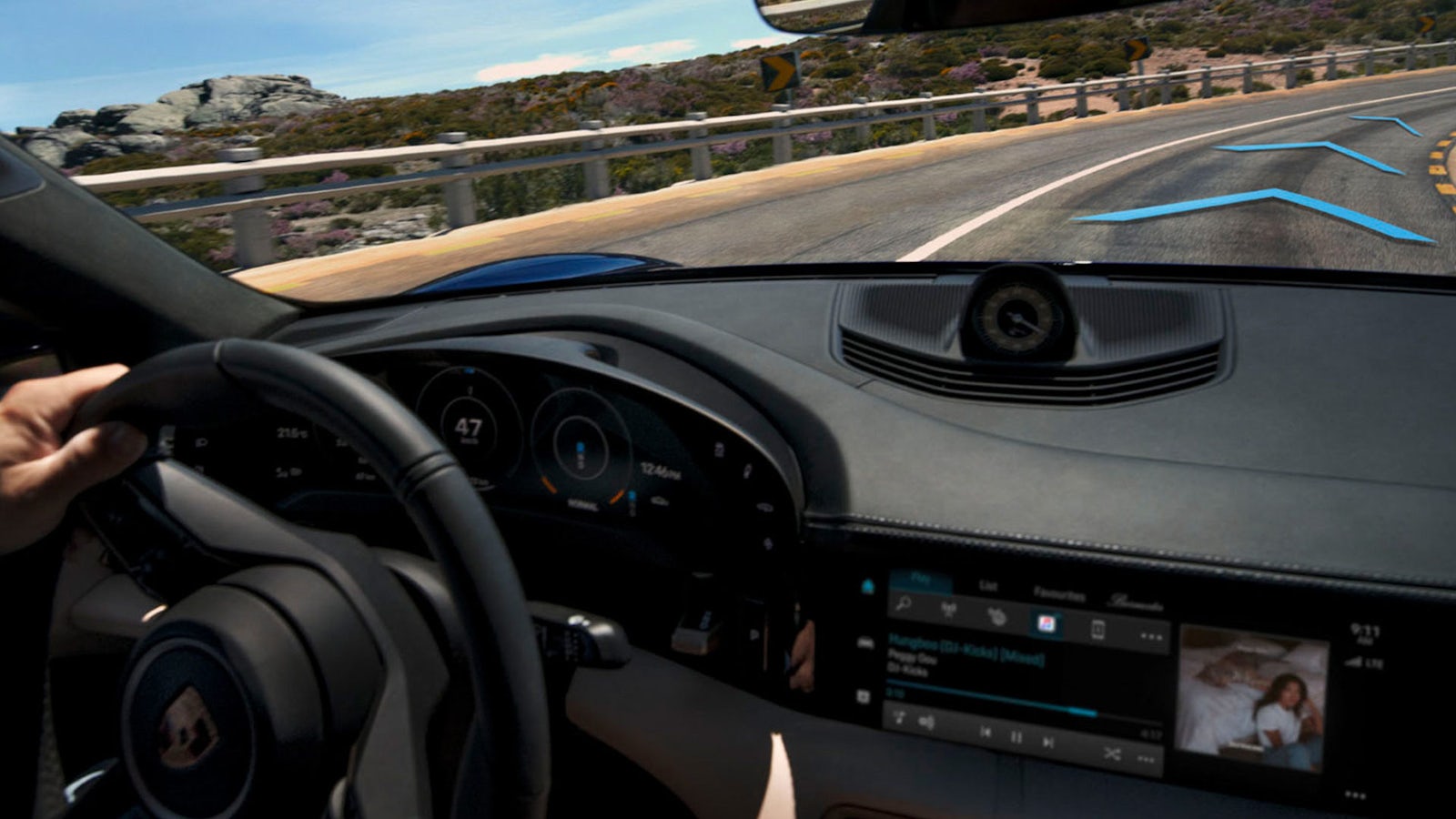
Defensive driving instructors consistently identify the forward-scanning range as one of the most distinguishing characteristics between drivers who avoid accidents and those who are involved in them regularly.
Focusing visual attention on the vehicle immediately ahead produces a driving strategy that is entirely reactive, responding to events after they have already affected the car in front, rather than identifying developing situations early enough to respond with options rather than emergency actions.
Scanning fifteen to twenty seconds ahead at highway speed means directing visual attention approximately a quarter mile down the road while maintaining peripheral awareness of vehicles in adjacent lanes and immediately ahead.
At 70 miles per hour, fifteen seconds of look-ahead represents approximately 1,540 feet of road, which is more than enough distance to identify brake lights activating, emergency vehicles ahead, debris on the road, vehicles merging from entrance ramps, and traffic density changes that will require speed adjustment.
Scanning also identifies aggressive drivers early enough to respond with positioning rather than with emergency maneuvers. A vehicle weaving through traffic a half mile ahead gives a defensive driver time to choose a lane position, to increase following distance in preparation for the additional braking variability that the aggressive driver creates in traffic, and to identify an escape route in the unlikely event that a collision involving the aggressive driver creates debris or stopped vehicles that require emergency response.
Physical positioning of the driver’s head and eyes matters for effective forward scanning. Sitting in a position that allows a clear line of sight over or around the vehicle immediately ahead, rather than directly behind a large vehicle that blocks forward visibility, is an active positioning choice that defensive drivers make rather than accepting whatever position traffic places them in.
Also Read: 12 Tips for Driving Safely Around Large Semi Trucks on the Highway
3. Positioning Your Vehicle to Maximize Escape Route Availability at All Times
Vehicle positioning in highway traffic is a concept that extends beyond lane selection to include your specific lateral position within a lane, your following distance relative to surrounding vehicles, and your awareness of which adjacent spaces are available for emergency maneuver at any given moment.
Defensive drivers think about escape routes continuously, not because they expect to need them but because having them available transforms a potential emergency into a manageable event. An escape route is a space adjacent to your vehicle, in another lane, on a shoulder, or ahead of you, into which you could safely direct your vehicle if your current path suddenly became unavailable.
Identifying escape routes requires knowing what is in your blind spots, what is in adjacent lanes to each side, and whether the shoulder or breakdown lane is available, clear of debris, and wide enough for emergency use. This awareness cannot be established in a single glance.
It requires systematic scanning of the full traffic environment around your vehicle every ten to fifteen seconds. Lane selection itself is a positioning decision with escape route implications. Middle lanes on a three or four-lane highway offer escape options in both directions.
Drivers in the far right lane have shoulder access on one side but are exposed to merging traffic from entrance ramps. Drivers in the far left lane have limited options because a median barrier or left shoulder often provides no usable space for an emergency maneuver. Middle lane positioning generally provides the most escape route flexibility for defensive drivers in normal conditions.
Lateral position within a lane offers subtle but real defensive advantages. Positioning slightly toward the left side of a lane when traveling behind a large truck reduces the forward visibility blockage that trucks create, allowing earlier identification of hazards ahead.
Positioning slightly toward the right side of a lane when a vehicle is merging from an entrance ramp on the right creates additional lateral clearance without requiring a lane change, buying time for the merging situation to resolve naturally.
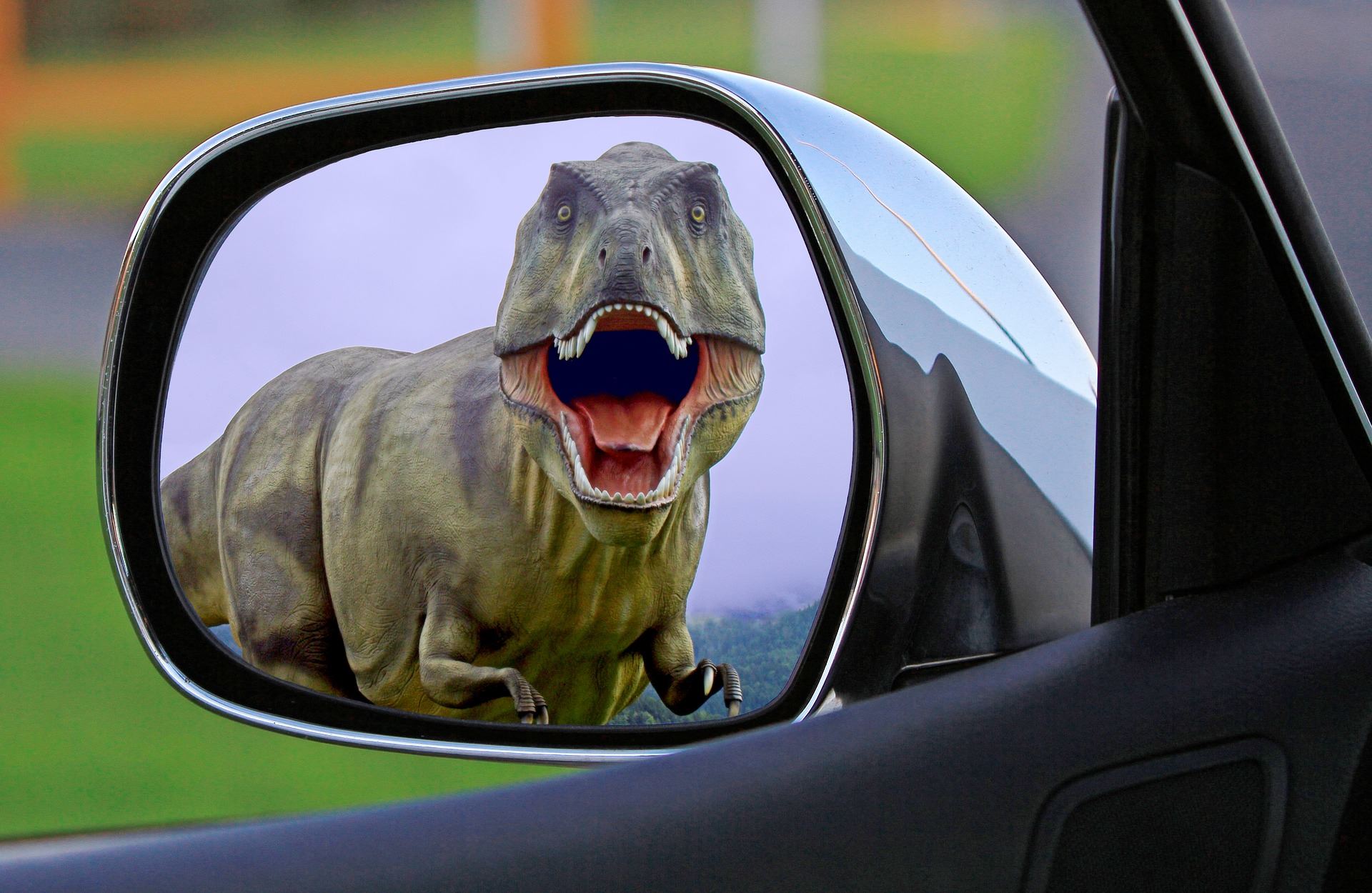
4. Using Mirrors Every Five to Eight Seconds to Build a Continuously Updated Traffic Picture
Mirror use frequency is a foundational defensive driving skill that many motorists neglect without realising the risk it creates. Drivers who glance at mirrors only occasionally operate with stale information about vehicles behind and beside them. Traffic conditions can change rapidly within seconds.
When a hazard appears ahead, a driver relying on outdated mirror information may steer or brake into a space that is no longer clear, creating sudden conflict and collision exposure. Effective mirror discipline relies on a structured scanning pattern that keeps the traffic picture current at all times. The driver should rotate attention between the rearview mirror, left door mirror, forward roadway, and right door mirror in a steady sequence.
Each full cycle should take no more than five seconds. This rhythm allows continuous updates on vehicle position, closing speed, and lane density while keeping the primary focus ahead. With repetition, the sequence becomes automatic and does not distract from steering control or speed management.
Mirror use before lane changes requires an added procedure beyond routine scanning. The driver should first assess traffic speed and spacing through the rearview mirror, then evaluate the target lane using the appropriate door mirror. After activating the turn signal, a physical shoulder check confirms blind spot clearance.
A final door mirror glance verifies that no vehicle has entered the space during the check. This process takes only a few seconds and identifies hazards that mirrors alone cannot reveal. Rearview mirror monitoring also supports defensive responses to tailgating. A driver who recognises close following early can adjust behaviour to reduce danger.
Gradually increasing the following distance creates additional stopping room. Moving to another lane when conditions allow removes the pressure point. Avoiding abrupt braking prevents placing the following driver in an impossible stopping situation. These options exist only when the driver is aware of the tailgater in advance.
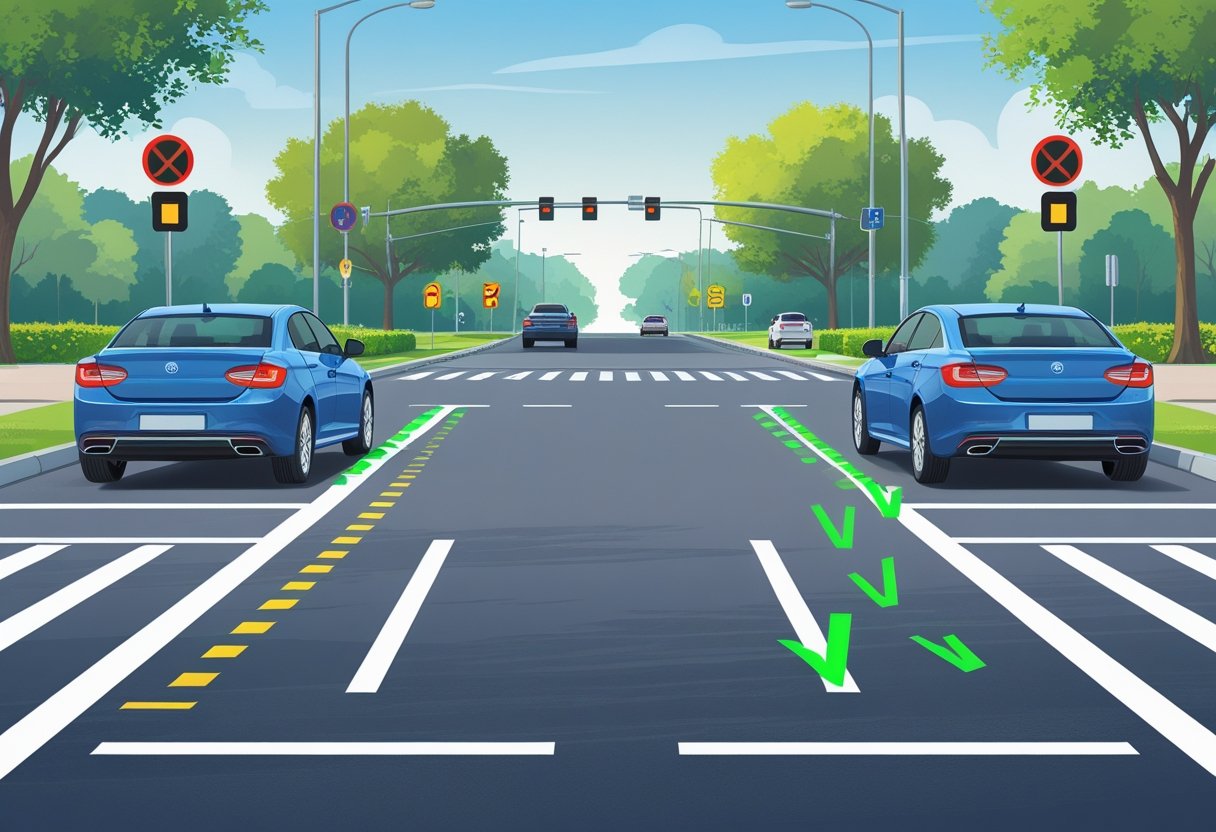
5. Signaling Early and Deliberately to Communicate Intentions Clearly to All Surrounding Traffic
Clear signalling is a central element of defensive highway driving because it communicates intention before movement occurs. Many motorists no longer rely on signals from others due to inconsistent use. This reality places greater responsibility on each driver to signal early and act consistently.
Predictable behaviour reduces confusion and allows surrounding drivers to adjust position and speed smoothly. A turn signal should be activated three to five seconds before any lane change begins. This advance notice provides time for drivers behind and beside to recognise the intention and respond safely. Some may ease off the accelerator to open space.
Others may maintain a position to indicate that the gap is unavailable. Both responses improve safety by replacing surprise with information. Signalling at the same moment a vehicle crosses a lane marking removes the benefit of communication. It converts the signal into a decoration rather than a warning.
Early signalling also enforces personal discipline. When the signal is active, the driver must wait briefly, observe traffic behaviour, and confirm that the intended movement remains safe. This pause reduces impulsive lane changes that occur without full observation.
During the signalling interval, the driver should complete a structured observation sequence. Rearview mirror checks establish closing speed from behind. Door mirror checks confirm lane availability. A shoulder check confirms blind spot clearance. Only after this sequence is complete should steering input begin. This process links communication with verification and reduces error.
Signal cancellation deserves the same attention as signal activation. Many vehicles cancel signals automatically, yet short lane changes may not trigger cancellation.
A signal left active after a completed manoeuvre communicates an intention that no longer exists. Adjacent drivers may slow, change lanes, or hesitate based on false information. Active confirmation of cancellation restores clarity and trust in traffic communication.
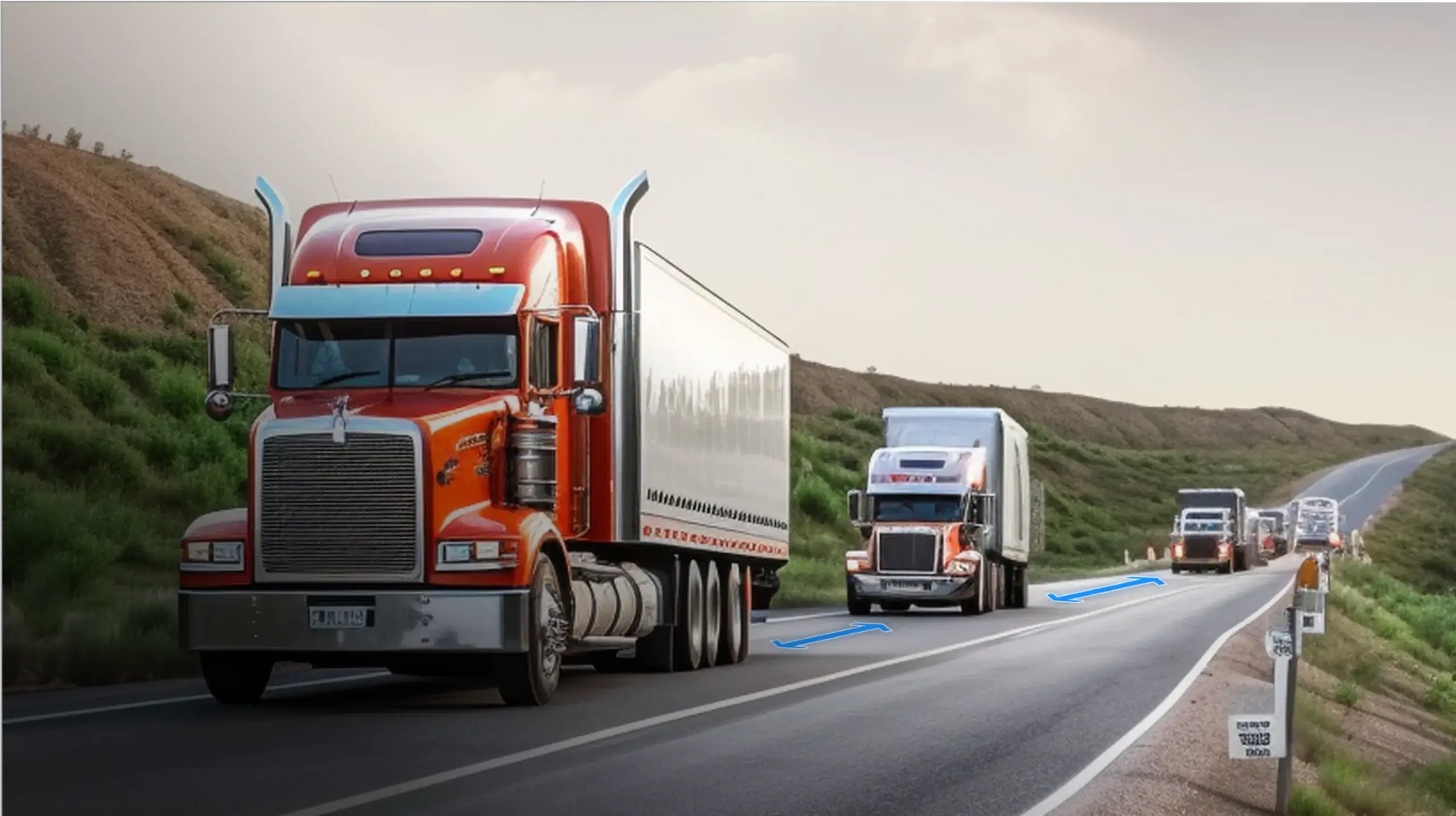
6. Identifying and Avoiding the Blind Spots of Trucks and Large Commercial Vehicles
Commercial trucks and large vehicles create blind spots that are substantially larger than most passenger car drivers appreciate, and operating inside those blind spots for extended periods creates a crash risk that no amount of attentive passenger car driving can fully mitigate.
A truck driver who cannot see your vehicle in any of their mirrors cannot avoid you during a lane change, merge, or emergency maneuver, and the physics of a collision between a commercial truck and a passenger vehicle heavily favors the truck in terms of damage distribution.
Federal guidelines describe the four main blind spot zones around a commercial truck as the area directly in front of the cab where the truck driver cannot see vehicles below hood height, the area extending approximately 30 feet behind the trailer where dust and spray obscure rear visibility, and two diagonal zones extending from the cab outward on both sides, wider on the right than the left due to mirror geometry.
A passenger vehicle in any of these zones is invisible to the truck driver, regardless of how attentively that driver monitors their mirrors. Passing trucks quickly and completely is the defensive habit that eliminates blind spot exposure. When overtaking a truck, accelerating to complete the pass quickly rather than pacing alongside reduces the time spent in the truck’s left-side blind zone, where the driver cannot see you.
Matching the truck’s speed while positioned beside the cab or trailer for an extended period creates maximum exposure during a period when the truck driver cannot act on your presence, even if they are aware a vehicle is somewhere near them. Positioning in front of trucks requires adequate clearance before returning to the original lane.
A minimum of four to five seconds of clearance between your rear bumper and the truck’s front bumper after a pass gives the truck sufficient following distance to respond to any braking event without overriding your vehicle, which it physically could do with minimal deceleration given the mass differential.
Building the pass-quickly-and-position-safely habit as automatic behavior rather than a conscious decision for each encounter reduces cognitive load and produces consistent, safe behavior across every truck interaction.
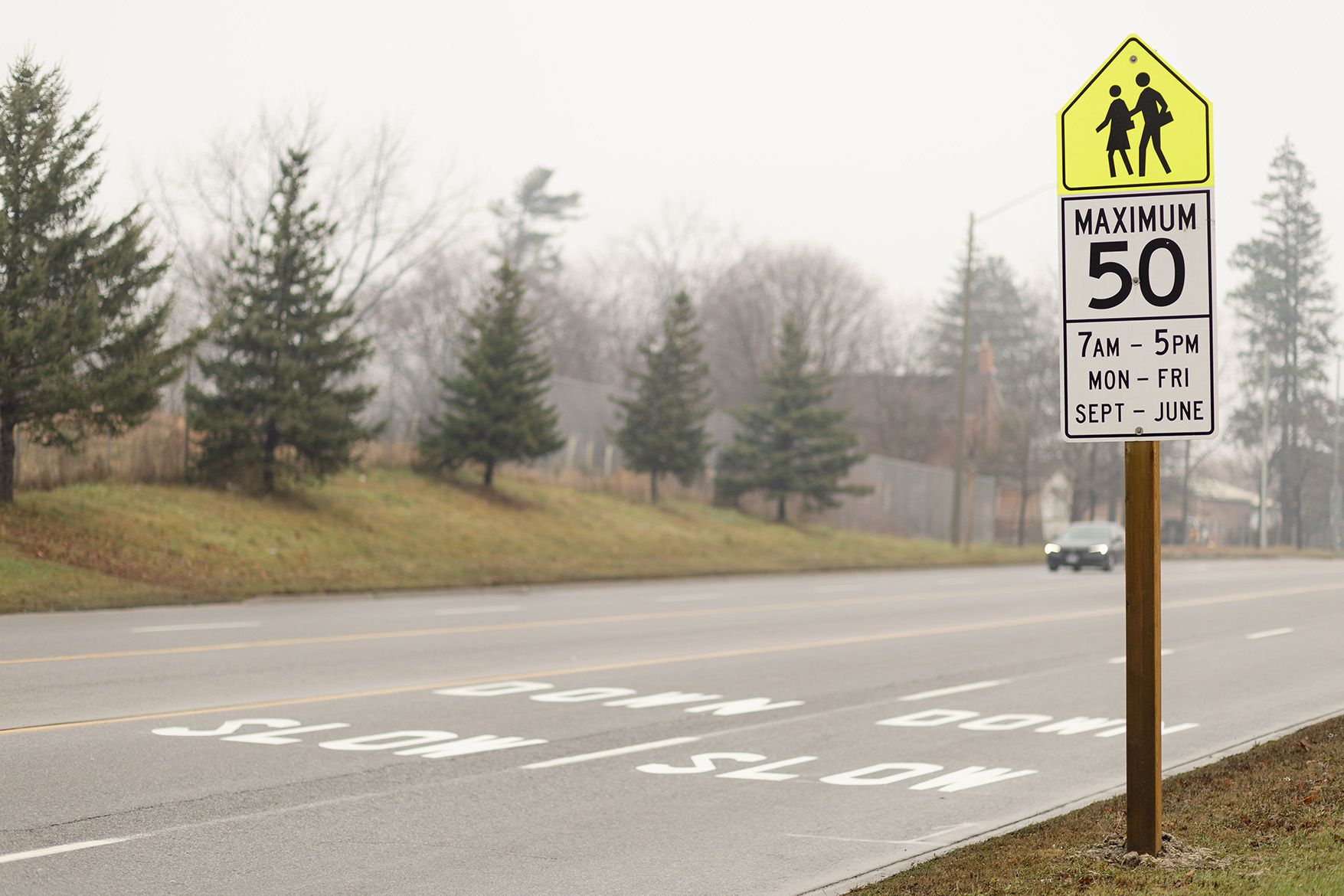
7. Reducing Speed When Approaching Construction Zones, Incidents, and Changed Traffic Patterns
Construction zones and highway incident scenes create predictable, identifiable hazards that defensive drivers respond to with speed reduction before any legally required speed limit reduction sign is encountered, using early warning signs, reduced traffic flow patterns, and visual indicators of changed conditions ahead as the cue for early deceleration rather than waiting for the posted speed limit sign that officially requires it.
Highway construction zones have specific collision characteristics that distinguish them from normal highway driving. Lane width reductions, barrier proximity, construction personnel in or near travel lanes, uneven pavement transitions between construction and finished surfaces, and stopped or slow construction equipment in adjacent lanes all create hazard densities that are higher than normal highway driving.
Each of these hazards requires additional reaction time and response distance that the posted reduced speed limit is designed to create, and defensive drivers approach this calculation from a safety margin perspective rather than a minimum compliance perspective.
Speed differentials at zone entrance points are a documented collision risk factor. Drivers who maintain speed until the last moment before a reduced speed zone and then brake hard create unexpected deceleration events for following drivers who may be distracted, inattentive, or operating with insufficient following distance for the speed at which the traffic was moving.
Defensive drivers see the zone warning signs, check following traffic in the rearview mirror, and begin gradual deceleration well before the reduced speed zone begins, allowing following drivers time to recognize and respond to the speed reduction without emergency braking.
Lane merge points within construction zones, where multiple lanes must merge into a reduced number of travel lanes, require both patience and early positioning decisions. Defensive drivers in a lane that is being eliminated take the first safe opportunity to move to a continuing lane rather than driving to the very end of the eliminated lane before forcing a merge.
This sequence, repeated consistently at every construction zone encounter, produces a safe and predictable behavior pattern that other drivers can anticipate and accommodate.
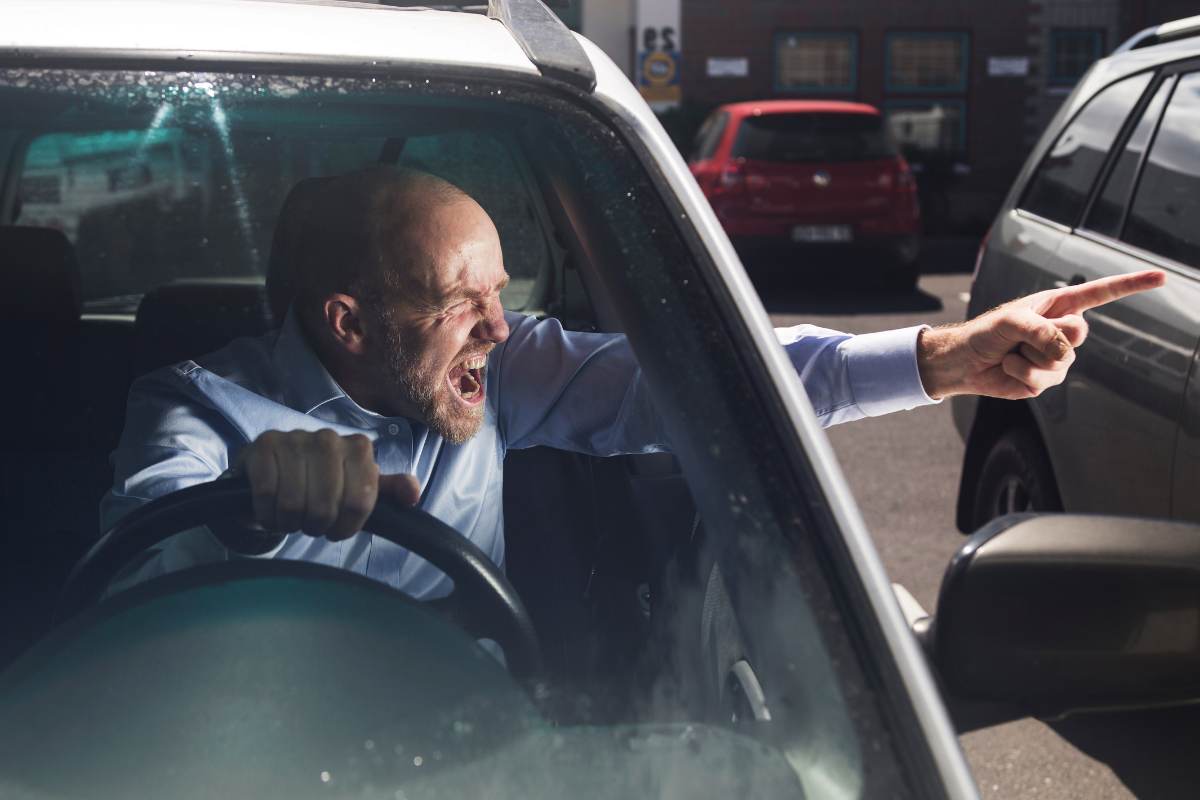
8. Maintaining Composure When Aggressive Drivers Pressure or Provoke You
Road rage incidents on American highways produce fatal outcomes at a documented rate that makes composure under provocation a genuine safety skill rather than merely a courtesy preference.
NHTSA and AAA research documents that aggressive driving behavior, including tailgating, cutting off, brake checking, and verbal or physical confrontation, contributes to thousands of injuries and hundreds of fatalities annually, and the drivers involved in these escalations are frequently not the initiators.
Practical responses to aggressive drivers that reduce rather than increase risk include moving out of the aggressive driver’s path when safely possible, increasing following distance from an aggressive tailgater rather than braking to signal displeasure, and avoiding eye contact with aggressive drivers who are seeking engagement.
Each of these responses serves the same purpose: removing yourself from the aggressive driver’s immediate interaction zone and reducing the incentive structure that rewards continued aggression with attention and reaction. Braking in response to a tailgater as a communication of frustration is one of the most dangerous escalation choices available on a highway.
A driver who brake-checks a tailgater creates a collision scenario where the tailgater has no safe stopping distance, and the consequences of that collision fall physically and legally on both drivers, regardless of who initiated the aggressive behavior.
Moving to a different lane when safely possible, without any acknowledgment of the tailgater’s behavior, resolves the situation without creating additional risk for either driver or for surrounding traffic.
A driver of a 2023 Toyota Camry XSE V6 FWD (XV70 generation) who encounters a tailgater on a three-lane highway has a straightforward defensive response available: signal early, check mirrors and blind spots completely, and move to a different lane, allowing the tailgater to continue forward without further interaction.
This response requires no confrontation, creates no additional risk, and removes both drivers from the interaction entirely. Responding with brake-checking, matched speed, or any behavior designed to communicate displeasure keeps both vehicles in the same location and the same interaction indefinitely.
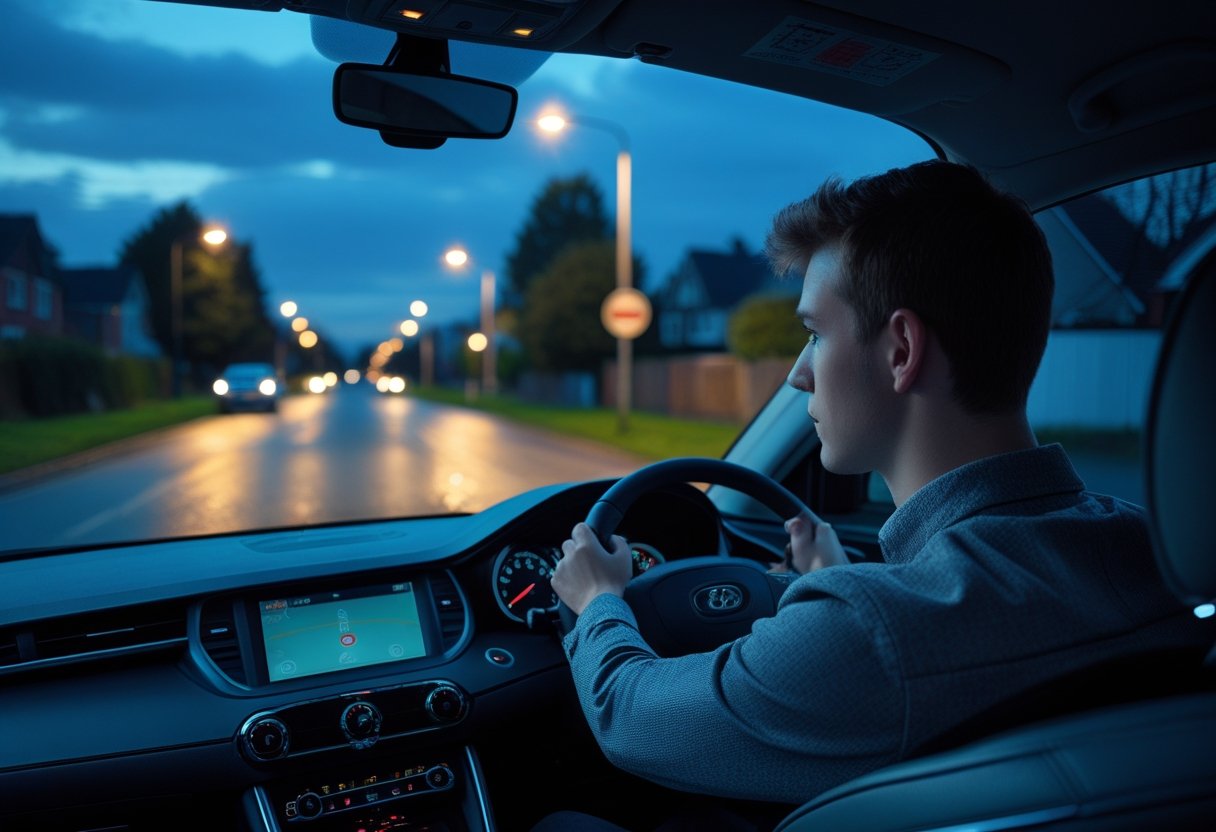
9. Adjusting Driving Behaviour for Reduced Visibility Without Waiting for Conditions to Worsen
Reduced visibility on highways arises from fog, heavy rainfall, dust, smoke, and glare caused by low sun angles. These conditions demand early behavioural adjustment rather than delayed reaction.
Drivers who wait until visibility feels dangerous have already exhausted much of the safety margin that speed and distance are meant to provide. Defensive driving requires speed and spacing changes as soon as visibility begins to decline, not when danger becomes obvious.
Fog presents the highest risk for large-scale highway collisions because it restricts forward vision while traffic often continues at normal cruising speed. Multi-vehicle pileups in fog occur when drivers maintain spacing that only works when vehicles ahead remain in motion.
When one vehicle brakes suddenly, drivers behind lack both time and distance to respond. This chain reaction escalates quickly because each following driver has even less warning than the one before. Safe fog driving requires speed reduction until the stopping distance fits clearly within the visible range.
If a driver can see only two hundred feet ahead, the speed must be low enough to allow a full stop within that distance. For most passenger vehicles under good brake condition, this requires travelling far below normal highway limits. Although this speed feels uncomfortable and slow on high-speed roads, physics rather than social pressure must guide decision-making.
Rain creates a different visibility and control challenge. Water on the road surface reduces tyre grip and increases stopping distance. Speed reduction alone is not sufficient.
The following distance must also increase to allow more time for braking response. Tyre condition becomes critical, as worn tread disperses water poorly and increases stopping distance even at moderate speeds.
Vehicle capability does not change these rules. All Wheel Drive assists acceleration and directional control, yet braking relies entirely on tyre grip. Reducing speed to suit visibility, increasing spacing, and using hazard lights where permitted remain the correct response regardless of drivetrain type. Early adjustment protects not only the driver but also every road user sharing the same limited visual environment.
Also Read: Top 10 Tips for Negotiating the Best Price on a New Car in 2026
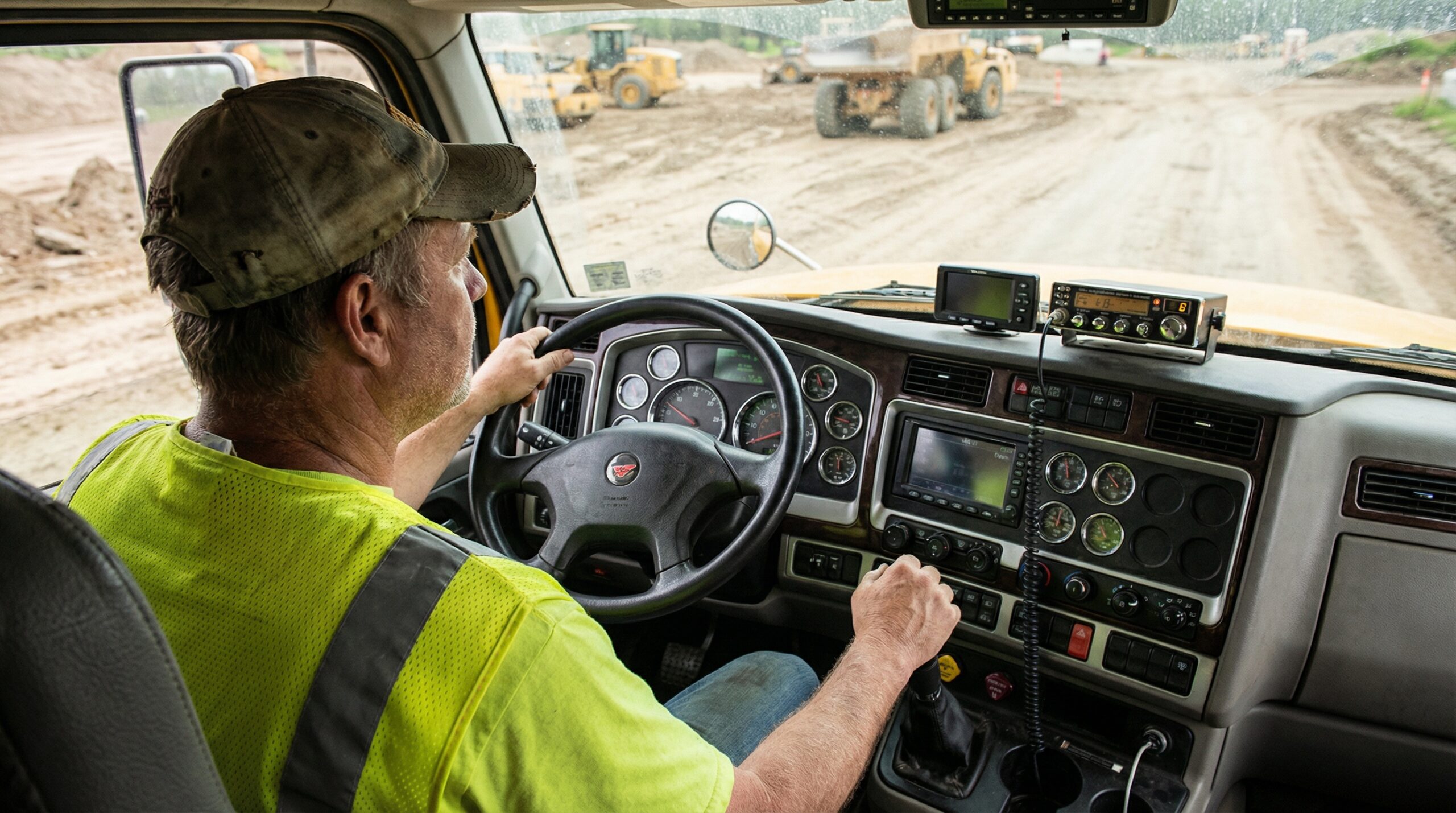
10. Pre-Trip Vehicle Checks That Ensure Your Vehicle Can Do What Defensive Driving Demands
Defensive driving relies on a vehicle that can physically respond to the actions the driver takes. Maintaining safe spacing matters only if braking systems can perform correctly. Early hazard recognition is useful only if tyres and steering can translate driver input into controlled movement. A vehicle in poor condition undermines even the best driving habits.
Basic pre-trip checks require little time and no technical training. Tyre pressure should be measured with a gauge and matched to the manufacturer’s specifications found on the door frame. Pressure changes with temperature, and under-inflated tyres reduce braking efficiency, weaken handling response, and raise failure risk during extended high-speed travel.
Tyre tread depth plays a critical role in wet road safety. Tyres near the legal minimum tread depth may still be lawful yet provide poor water evacuation. Wet road stopping distance increases sharply as tread wears down. A vehicle with shallow tread requires much more distance to stop safely in rain, even when the driver’s reaction is perfect.
Windscreen wipers directly affect visibility during rainfall. At highway speed, water builds rapidly on glass surfaces. Wipers that smear or skip reduce visual clarity and weaken hazard detection. Replacing worn blades restores clear vision at minimal cost and supports safe scanning behaviour.
Dashboard warning lights should never be ignored before a long trip. Brake system alerts, tyre pressure warnings, or stability system faults indicate reduced safety capacity. Addressing these issues before departure ensures the vehicle can support defensive responses when unexpected situations arise.
A driver who checks tyres, confirms clear visibility systems, and verifies instrument panel status has prepared the vehicle to meet real road demands. Skill applied in a mechanically unprepared vehicle offers no protection at highway speed. Defensive driving requires both attentive behaviour and equipment readiness working together.
