Modern engines are often judged by performance, efficiency, or technology, but one of the most practical measures of real-world durability is far simpler: whether they can reliably run on standard grade 87 octane fuel without shortening their lifespan.
Across decades of automotive engineering, several manufacturers have built engines that prioritize low-stress combustion, conservative compression ratios, and intelligent engine management systems that protect internal components even when fuel quality is not ideal.
This collection, “12 Engines That Handle Standard Grade Fuel Without Losing Long Term Life,” highlights powertrains from Toyota, Honda, Nissan, Ford, GM, Mazda, Subaru, Lexus, Volvo, and Jeep that consistently demonstrate long-term reliability under everyday fuel conditions.
From simple iron block workhorses to advanced hybrid and V8 designs, each engine shares a common philosophy: reduce internal stress, manage knock intelligently, and ensure durability without requiring premium fuel.
Together, these engines prove that longevity is not dependent on high-octane fuel, but on smart engineering choices that allow millions of miles of dependable operation with minimal maintenance and everyday gasoline.
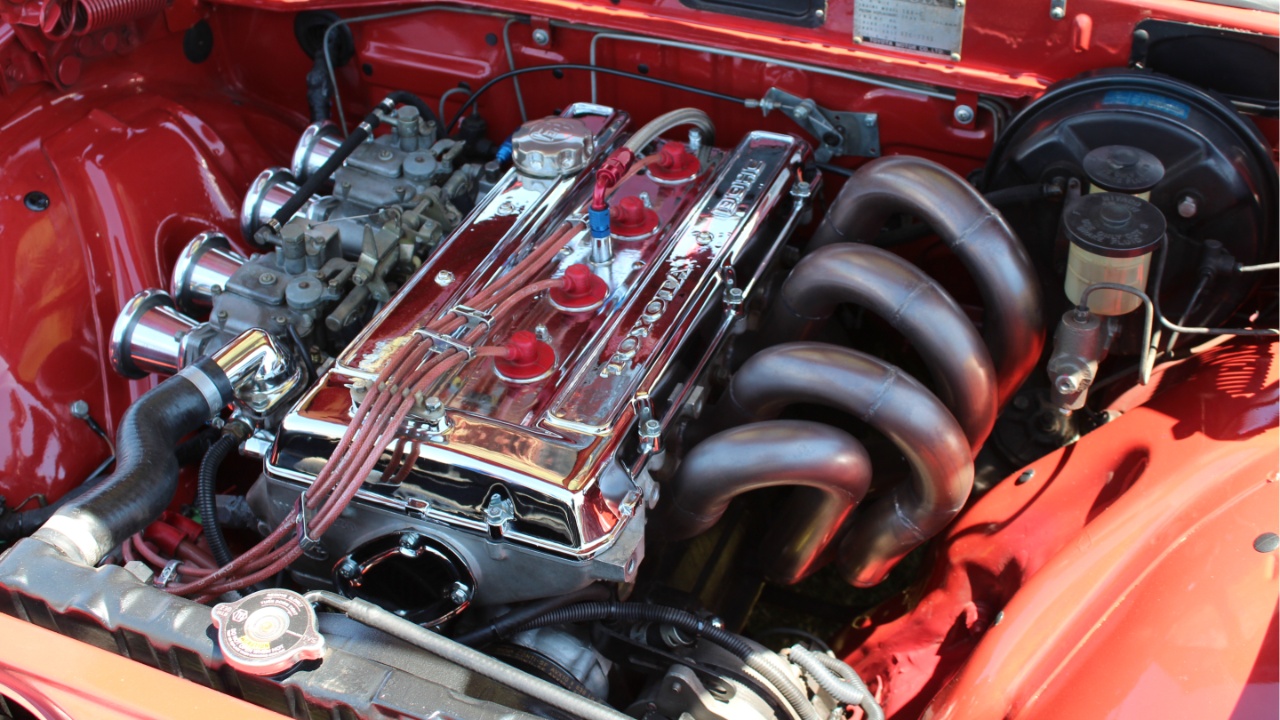
1. Toyota 22R and 22R E 2.4L Inline Four
The Toyota 22R and 22R E 2.4-liter inline four engines are well known for durability and long service life. Built during the 1980s for trucks and utility vehicles, they were designed to handle tough conditions rather than deliver high performance. These engines are commonly found in Toyota pickups and 4Runners and are often praised for lasting well beyond 300000 miles with proper maintenance.
One key reason for their reliability is the low compression ratio, usually between 9.0 to 1 and 9.4 to 1. This allows the engine to run safely on regular 87 octane fuel without causing knock or internal damage. Lower compression also reduces heat and pressure inside the engine, which helps prevent long-term wear. Because of this, the engine performs consistently even with lower-quality fuel.
Another factor is the understressed design. With only about 100 to 115 horsepower, the engine does not push its components to extreme limits. This helps reduce strain on internal parts and contributes to its long lifespan. The cast iron block adds strength and durability, making it resistant to wear even after years of use. Its simple single overhead cam and eight valve layout, also means fewer moving parts, which lowers the chance of failure.
The 22R uses a carburetor, while the 22R E uses electronic fuel injection for better fuel control and smoother operation. Both versions use conservative ignition timing, which helps avoid engine knock and improves reliability.
However, there are some drawbacks. The plastic timing chain guides can wear out and should be replaced with metal ones to avoid serious damage. The engine is also considered underpowered and not very fuel-efficient by modern standards.
The 22R and 22R E engines are valued for their simplicity, toughness, and ability to run reliably for many years.
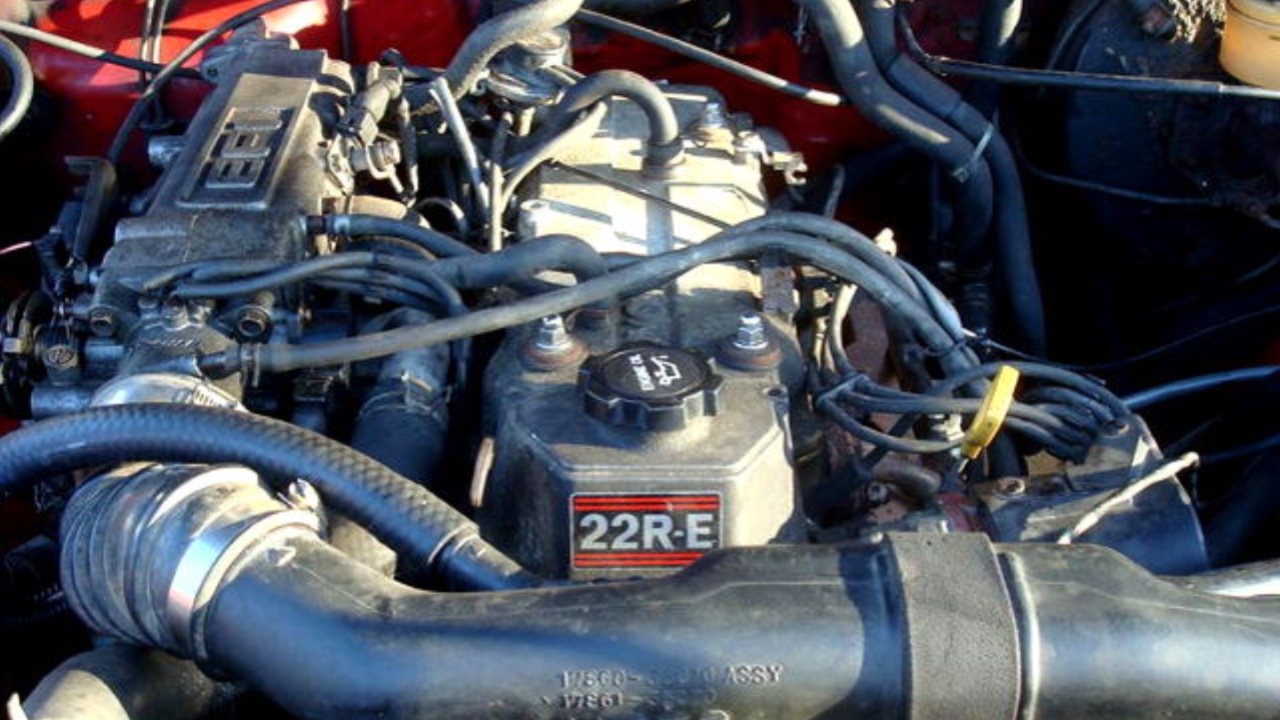
2. Jeep and AMC 4.0L High Output Inline Six
The Jeep and AMC 4.0-liter High Output inline six engine is widely respected for its durability and long service life. Developed from earlier AMC designs, it was engineered with a focus on strength, simplicity, and strong low-speed torque rather than high-speed performance.
Found in models like the Jeep Cherokee and Wrangler from the late 1980s through the mid 2000s, this engine commonly reaches and exceeds 300000 miles with proper care.
One of the main reasons for its longevity is the low compression ratio of about 8.8 to 1. This allows it to run safely on regular 87 octane fuel without causing engine knock or internal damage.
Lower compression reduces heat and pressure inside the cylinders, making the engine more tolerant of lower-quality fuel. The combustion chamber design also improves air and fuel mixing, reducing the risk of pre-ignition and helping maintain smooth operation.
The engine uses a cast-iron block and cylinder head, giving it strong resistance to heat and long-term wear. Its bottom end is heavily built, with seven main bearings supporting the crankshaft to reduce stress during operation. With a moderate power output of around 190 horsepower, the engine avoids excessive strain, which helps extend its lifespan.
The design is also simple and practical, making it easy to maintain and repair. The engine control system manages fuel delivery to keep combustion stable, even when fuel quality varies.
There are some disadvantages. Fuel efficiency is relatively poor, and highway performance can feel slow compared to modern engines. Known issues include cracked exhaust manifolds, rear main seal leaks, and occasional cylinder head problems in certain years.
The 4.0-liter remains a dependable engine known for toughness, ease of maintenance, and long-term reliability on standard fuel.
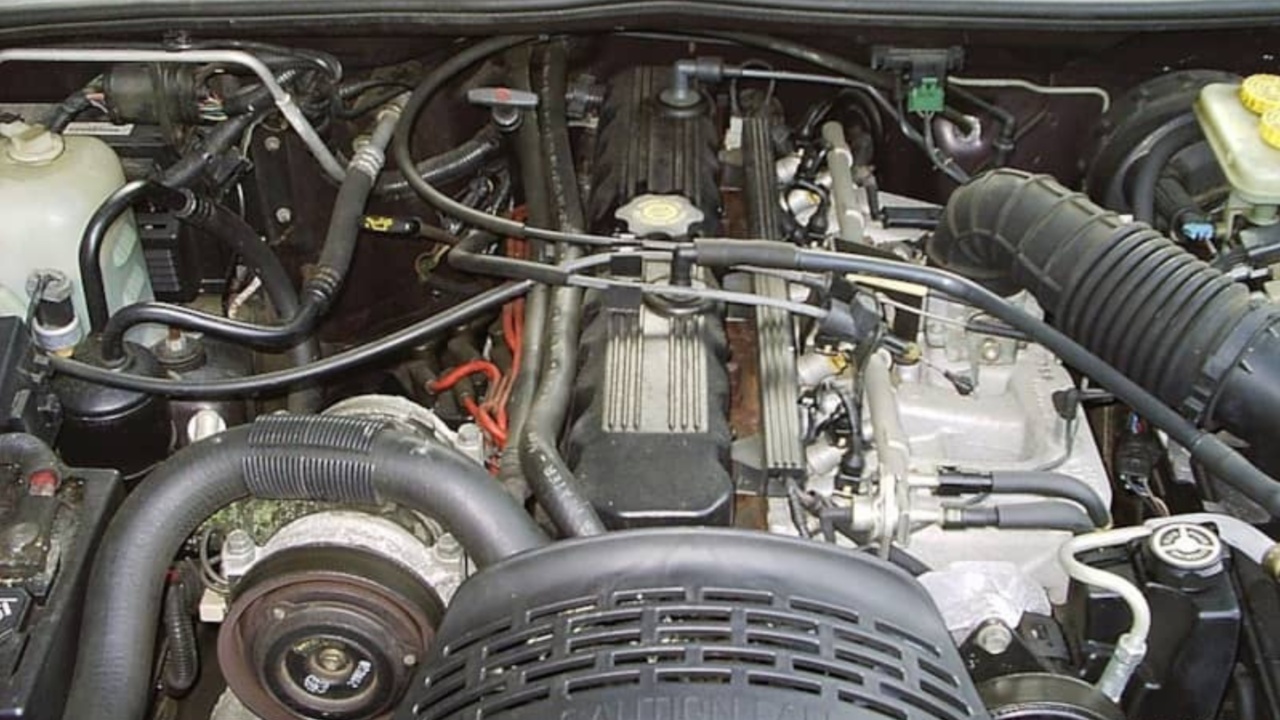
3. Honda R Series 1.8L and 2.0L i-VTEC
The Honda R Series engines, including the 1.8-liter R18 and 2.0-liter R20, are built with a strong focus on efficiency, reliability, and long-term daily use. Found in models like the Honda Civic and HR V from the mid 2000s onward, these engines prioritize smooth operation and low running costs instead of high performance. With routine maintenance, they commonly reach 200000 to 300000 miles without major internal failure.
A major factor behind their durability is the moderate compression ratio and balanced design. These engines are tuned to run efficiently on regular 87 octane fuel, avoiding the high heat and pressure seen in performance-focused engines. This reduces stress on internal components and minimizes the risk of engine knock, helping extend service life.
Another strength is the advanced engine management system. Equipped with knock sensors and a responsive control unit, the engine can adjust ignition timing instantly if detonation is detected.
This protects critical parts such as pistons and valves when fuel quality is inconsistent. The inclusion of piston cooling jets also helps control internal temperatures by spraying oil underneath the pistons, reducing thermal stress and wear over time. Low-friction coatings further improve durability.
The simple single overhead cam layout contributes to long-term reliability by limiting the number of moving parts. The i VTEC system is tuned for efficiency, optimizing airflow and combustion at different speeds to maintain stable performance and good fuel economy.
There are some drawbacks. Power output is modest, and acceleration may feel slow compared to modern turbocharged engines. Drivers may need higher engine speeds for overtaking or merging.
The Honda R Series is known for dependable operation, low maintenance needs, and the ability to deliver consistent performance over many years of regular use.
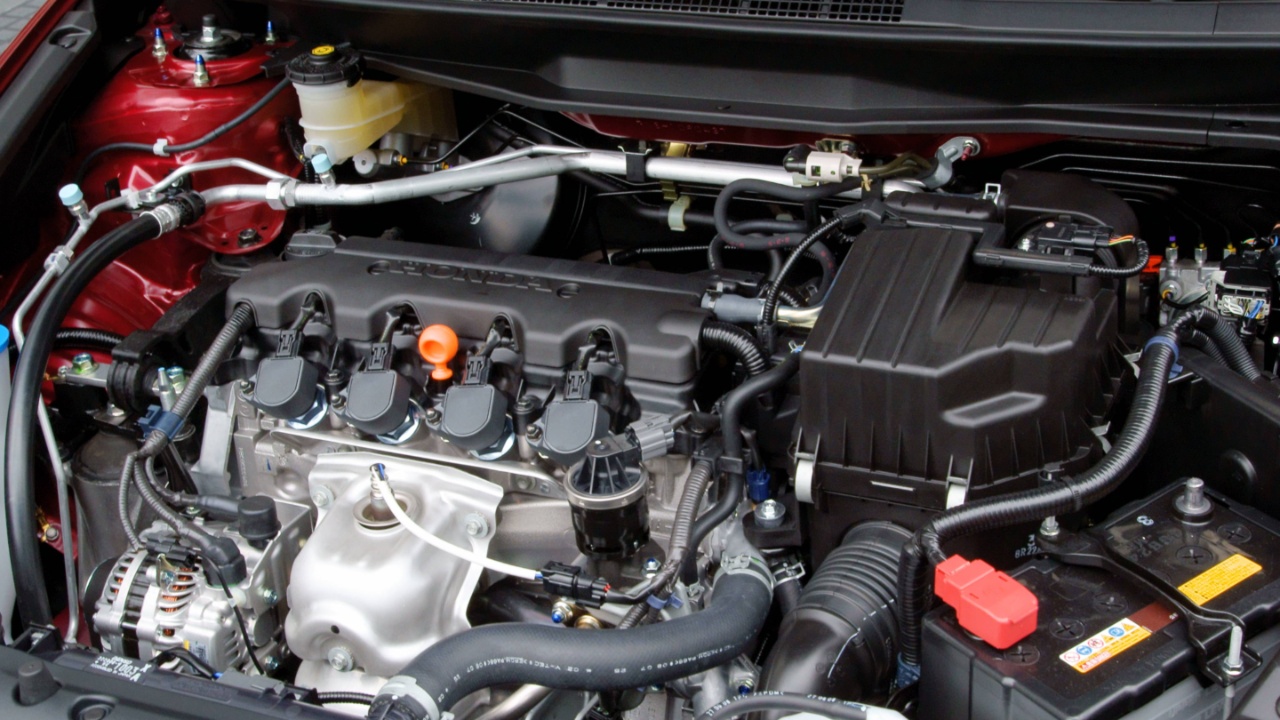
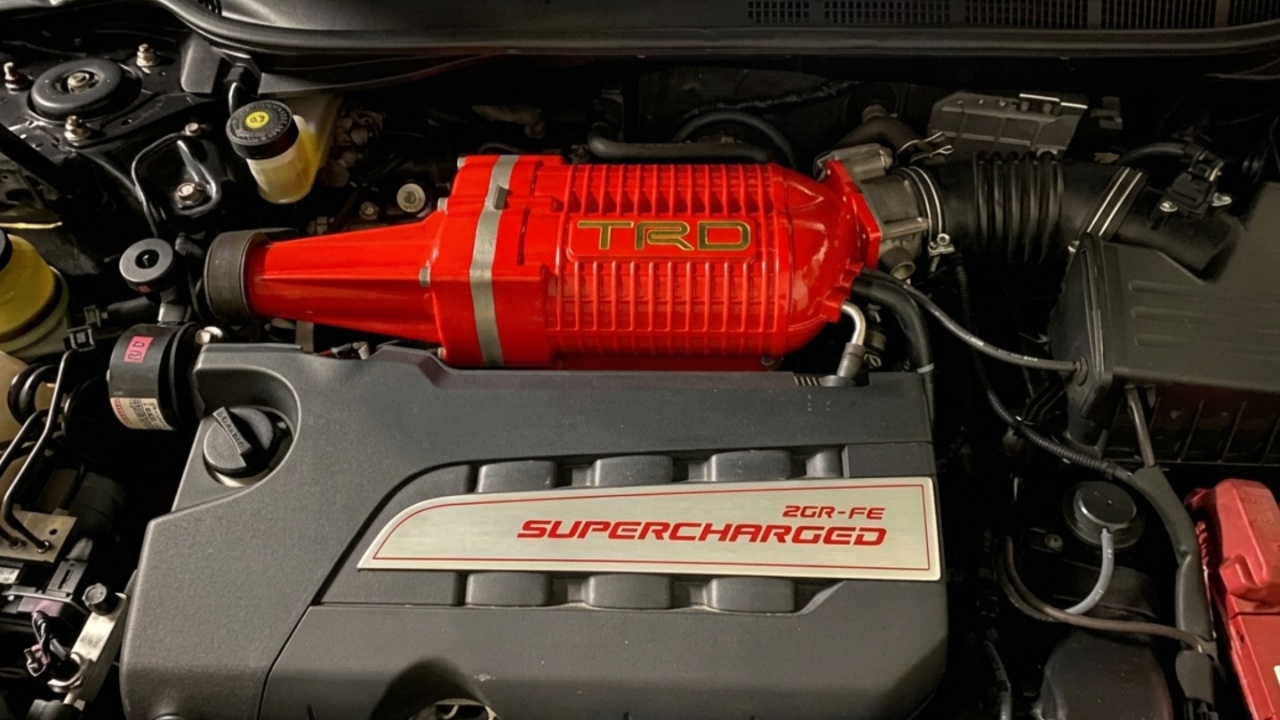
4. Toyota 2GR FE 3.5L V6
The Toyota 2GR FE 3.5-liter V6 is one of the most versatile and widely used engines in modern vehicles. Introduced in the mid 2000s, it powers a broad range of models, from everyday sedans like the Camry and Avalon to more performance-focused vehicles such as the Lotus Evora.
It is known for smooth power delivery, strong reliability, and the ability to deliver long service life, often reaching 200000 to 300000 miles with proper maintenance.
A major reason for its durability is its ability to run on regular 87 octane fuel without long-term damage. This is supported by a moderate compression ratio of about 10.8 to 1, which keeps combustion temperatures and pressures within safe limits. By avoiding excessive stress inside the cylinders, the engine reduces the risk of knock and internal wear over time.
The engine also uses advanced control systems to maintain safe operation. Sensitive knock sensors monitor combustion conditions in real time, allowing the engine control unit to adjust ignition timing instantly if detonation is detected. This protects internal components such as pistons and connecting rods, even when fuel quality is not ideal.
Strong internal construction further supports longevity. The engine features durable components such as forged steel internals and reinforced cylinder liners, which improve resistance to wear under heavy use.
Its aluminum block design enhances cooling efficiency, reducing hot spots and helping maintain stable temperatures. The Dual VVT i system optimizes valve timing for better combustion, efficiency, and consistent performance.
Another advantage is its fuel delivery system, which avoids many of the carbon buildup problems found in direct injection engines. This helps maintain cleaner operation over time.
Some common issues include oil leaks, water pump failures, and higher fuel consumption compared to smaller engines. Even with these drawbacks, the 2GR FE remains a dependable and long-lasting engine designed for consistent performance and everyday usability.
5. Ford 2.5L Duratec Hybrid Inline Four
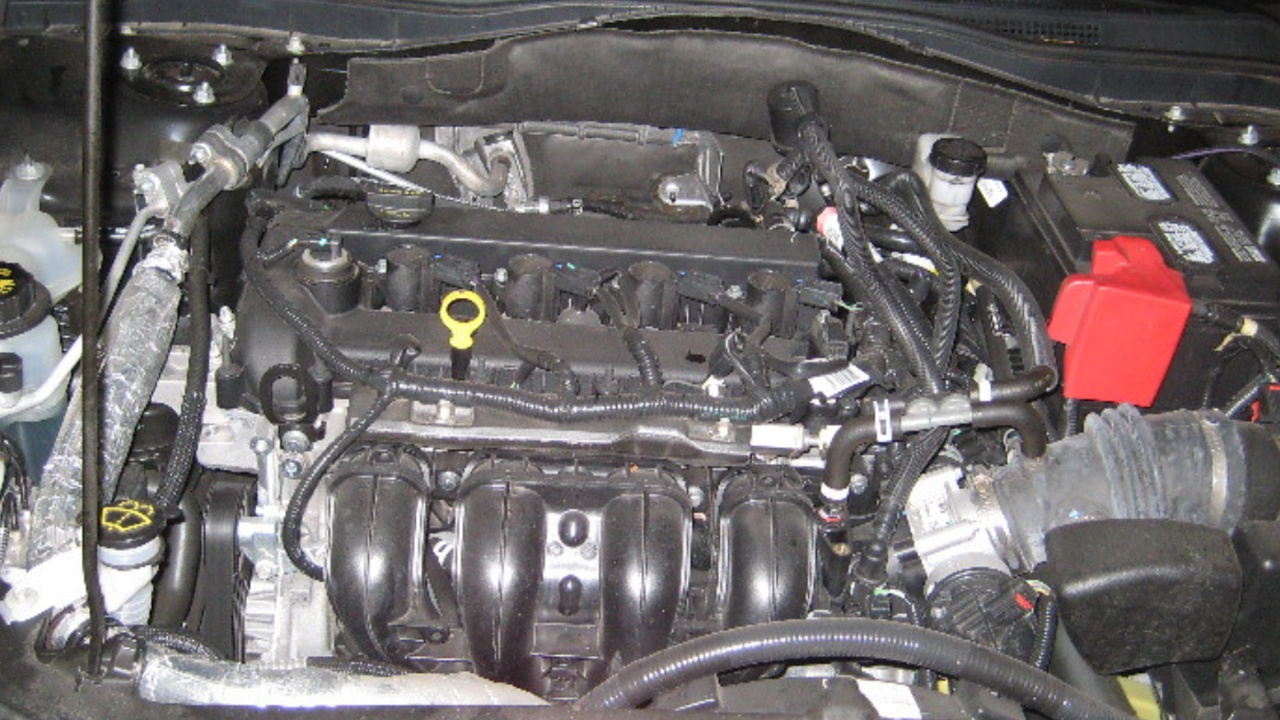
The Ford 2.5-liter Duratec Hybrid inline four engine is widely recognized for its durability, efficiency, and low-stress operation. Based on a Mazda-derived design, it serves as the core powerplant in many Ford hybrid models, such as the Escape and Maverick.
Built with a focus on fuel economy and longevity rather than performance, this engine is known to exceed 200000 to 300000 miles, with some examples reaching even higher mileage in taxi and delivery use.
A key reason for its long life is the use of the Atkinson cycle. This design reduces cylinder pressure during combustion, lowering heat and mechanical stress inside the engine.
Because of this, the engine can safely run on regular 87 octane fuel without the risk of knocking or internal damage. Unlike high compression or turbocharged engines, it does not rely on high pressure to produce power, which helps preserve internal components over time.
Another major advantage is its hybrid system. The gasoline engine works alongside an electric motor, which reduces the load placed on the engine during acceleration and low-speed driving. This means the engine spends less time under heavy stress, resulting in less wear and longer service life. The smoother operation also improves efficiency and reduces strain on key components.
The engine uses a dual injection system that combines port and direct fuel delivery. This setup helps maintain efficient combustion while reducing carbon buildup, supporting long-term reliability. In addition, the engine is naturally aspirated, avoiding the high pressure and heat associated with turbocharged designs.
Performance is modest, with smooth but not aggressive acceleration. It is designed for commuting and efficiency rather than speed. Some minor issues include occasional coolant consumption and oil leaks, but these are generally manageable with routine maintenance.
The Ford 2.5-liter Duratec Hybrid stands out as a dependable and efficient engine, offering long-lasting performance with minimal stress and consistent operation on standard fuel.
6. General Motors LS3 6.2L V8
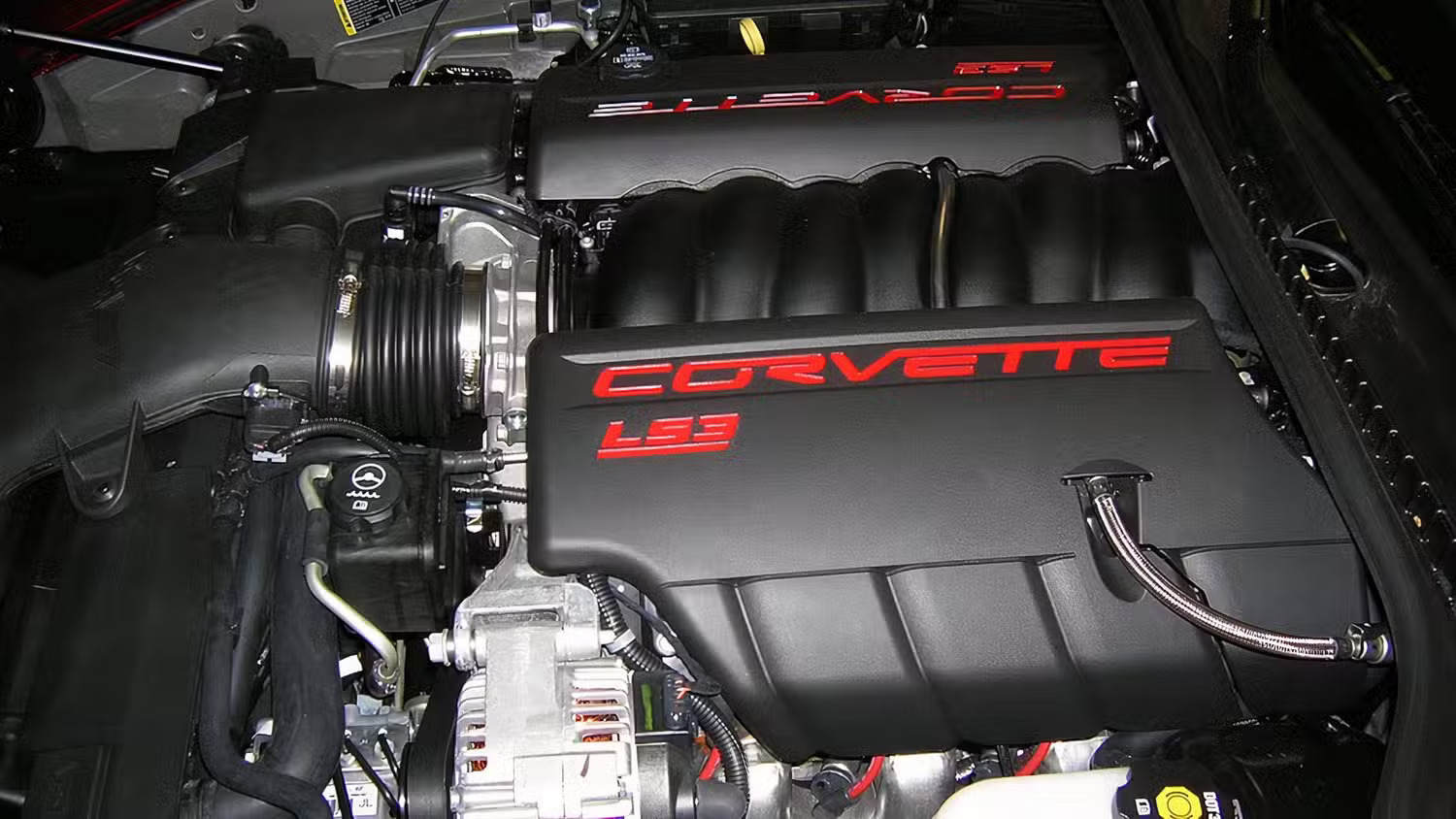
The General Motors LS3 6.2-liter V8 is widely regarded as one of the most refined and durable pushrod engines in modern performance vehicles. Introduced in the late 2000s, it powers cars like the Chevrolet Corvette and Camaro SS, while also being a popular choice for engine swaps.
Known for its strong output and simple design, the LS3 delivers both high performance and long-term reliability, often lasting hundreds of thousands of miles with proper care.
One of the defining strengths of the LS3 is its ability to run on regular 87 octane fuel without causing long-term damage. While premium fuel is required to achieve full power, the engine is equipped with advanced knock sensors and an intelligent control system.
These systems monitor combustion in real time and adjust ignition timing when lower octane fuel is detected. By reducing timing, the engine prevents detonation and protects internal components such as pistons and connecting rods.
The LS3 also benefits from a strong internal structure. It uses high-quality materials such as a forged steel crankshaft and durable pistons, allowing it to handle significant stress. Despite having a relatively high compression ratio of about 10.7 to 1, the engine remains safe on standard fuel due to its precise control systems and efficient combustion design.
Another advantage is its traditional pushrod layout. With a single camshaft located in the block, the engine has fewer moving parts compared to overhead cam designs. This simplicity reduces potential failure points and contributes to long-term durability. The aluminum block and cylinder heads also help dissipate heat effectively, reducing the chance of hot spots that could lead to engine knock.
Performance remains a major highlight, with over 400 horsepower available when using higher octane fuel. Even so, the LS3 balances power, simplicity, and reliability, making it a dependable engine for both daily driving and performance use.
Also read: 10 Engines Known for Having the Most Accessible Spark Plugs and Coils
7. Mazda Skyactiv G 2.5L Inline Four
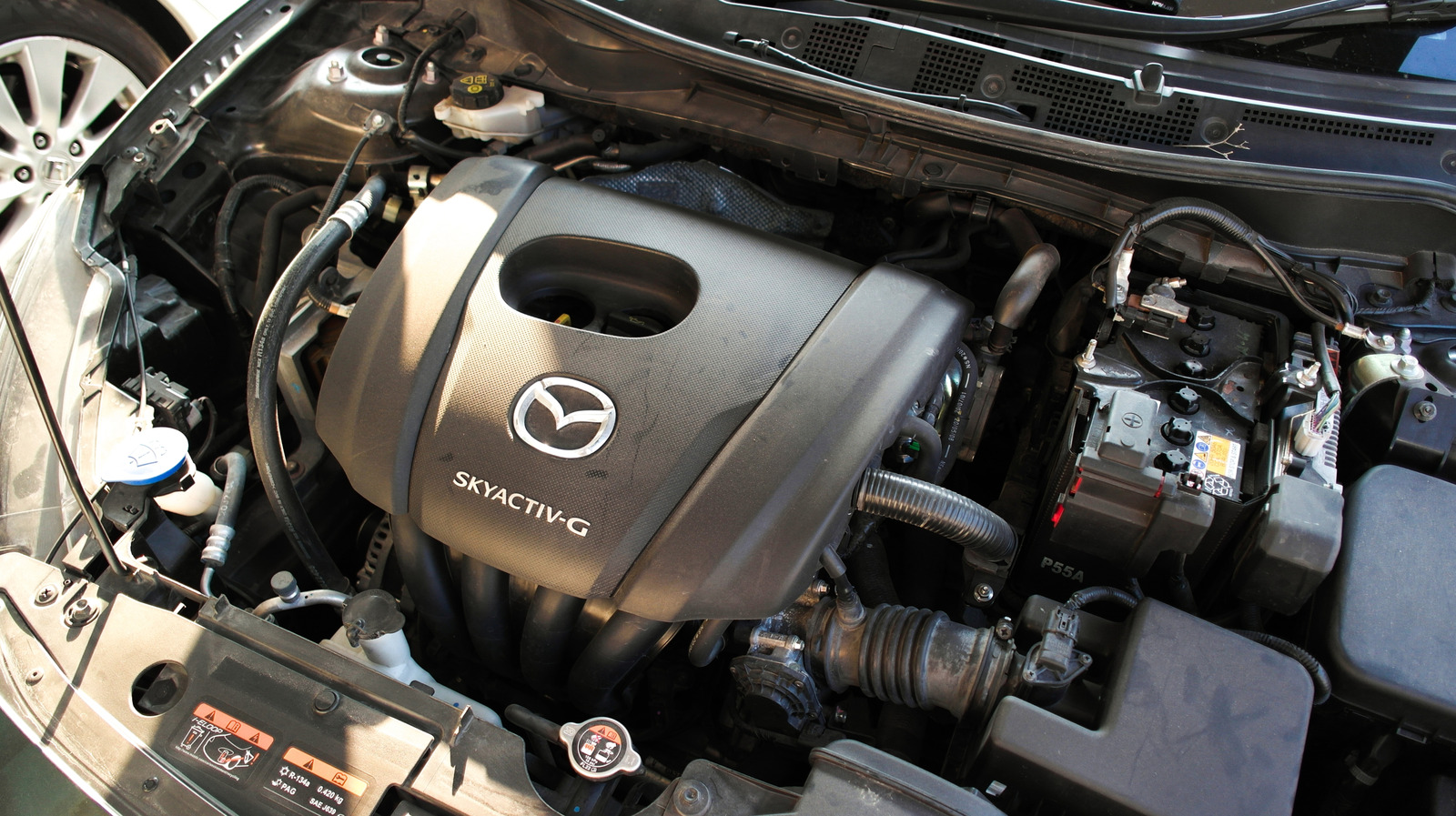
The Mazda Skyactiv G 2.5-liter inline four engine is known for achieving a rare balance of high efficiency, strong reliability, and the ability to run on regular 87 octane fuel. It uses an unusually high mechanical compression ratio, often around 13 to 1, which would normally require premium fuel. However, Mazda engineered advanced combustion control systems that allow it to operate safely on standard fuel without long-term damage.
A key innovation is its advanced combustion management system. The engine uses high-pressure direct injection with multiple fuel spray points, which improves fuel atomization and reduces hot spots inside the combustion chamber. This helps prevent engine knock even under higher compression.
A specially designed 4 2 1 exhaust manifold also plays a major role by removing hot exhaust gases more effectively, which lowers internal cylinder temperatures before the next combustion cycle begins.
Another important feature is the cooled exhaust gas recirculation system. This system reintroduces cooled exhaust gases back into the engine to further reduce combustion temperatures and stabilize pressure.
In addition, Mazda uses variable valve timing strategies that adjust intake valve behavior to effectively reduce compression when needed, allowing the engine to adapt to different driving conditions while still protecting internal components.
Despite its high compression design, the engine is built for durability rather than complexity. It avoids forced induction systems like turbochargers, which reduces heat stress and long-term mechanical strain. Internal friction is also minimized to improve efficiency and reduce wear over time.
In daily use, the engine produces smooth and responsive performance, especially at low to mid engine speeds. It delivers good fuel economy and consistent drivability in vehicles like the Mazda 3, Mazda 6, and CX 5. While it is not designed for high-performance driving, it is considered reliable and well-suited for long-term ownership with proper maintenance.
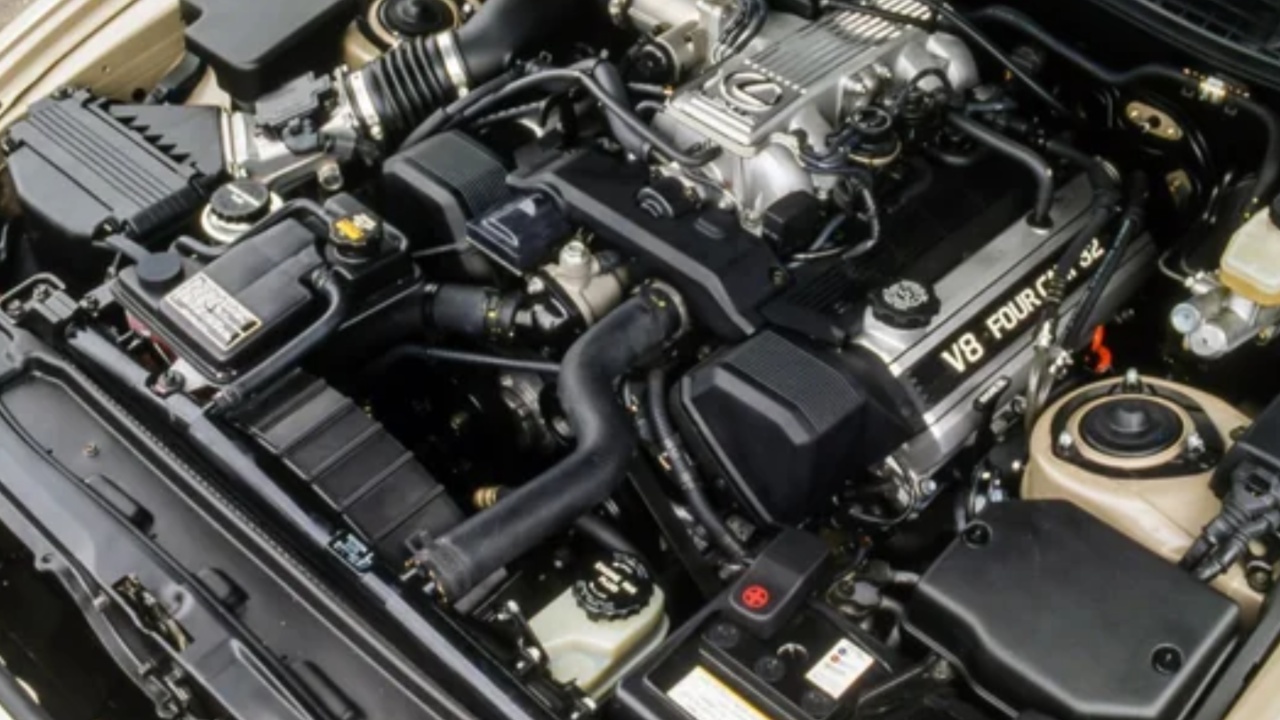
8. Lexus 1UZ FE 4.0L V8
The Lexus 1UZ FE 4.0-liter V8 is widely considered one of the most durable and over-engineered engines ever built. Introduced with the first Lexus LS400 in the late 1980s, it was designed as a smooth, quiet, and extremely reliable luxury engine. With proper maintenance, many examples have surpassed 500000 miles, with some reported even higher on original internal components.
A major reason for its reliability is its ability to run safely on regular 87 octane fuel. This is made possible by a moderate compression ratio of around 10.0 to 10.5 to 1, which keeps combustion pressures within safe limits. This reduces the likelihood of engine knock and allows stable long-term operation without requiring premium fuel.
The engine also uses advanced knock sensor technology connected to a responsive engine control unit. If lower octane fuel causes any signs of detonation, the system immediately adjusts ignition timing to protect internal components. This may slightly reduce power, but it prevents damage and preserves long-term durability.
Another key strength is its extremely strong internal construction. The engine features forged steel components, a reinforced aluminum block, and a six-bolt main bearing design that provides exceptional structural rigidity. These components are designed to handle far more stress than they experience in normal driving conditions.
The 1UZ FE is also built for low-stress operation. Producing around 250 to 300 horsepower from a 4.0-liter V8, it is not heavily strained, which contributes to reduced wear and long service life. A strong cooling system further helps maintain stable engine temperatures and prevents overheating-related damage.
Although it requires routine maintenance such as timing belt replacement, the engine is known for very few serious mechanical failures. Its smooth operation, durability, and tolerance for standard fuel have made it one of the most respected V8 engines in automotive history.
9. Nissan VQ35DE 3.5L V6
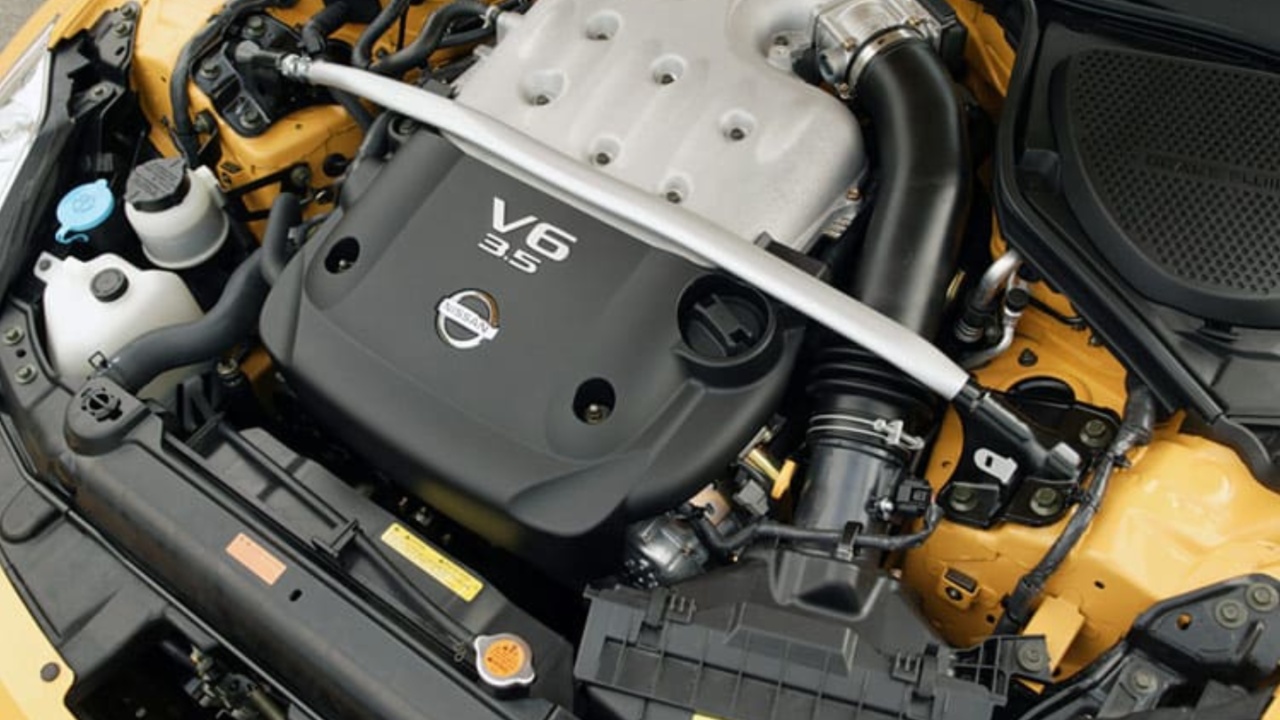
The Nissan VQ35DE 3.5-liter V6 is widely regarded as one of the most balanced and reliable modern engines, consistently appearing on “best engine” lists due to its blend of performance, efficiency, and durability.
It is used in a wide range of vehicles, including the Altima, Maxima, Murano, Pathfinder, and 350Z, and is known for delivering strong everyday drivability while maintaining long service life, often exceeding 200000 to 300000 miles with proper maintenance.
A key strength of the VQ35DE is its ability to run on regular 87 octane fuel without long-term damage. This is made possible by its moderate compression ratio, typically between 10.0 to 10.6 to 1, which keeps combustion pressures within a safe range. This reduces the likelihood of engine knock under normal driving conditions, allowing the engine to operate safely without requiring premium fuel.
The engine also uses an advanced knock detection system linked to its engine control module. If lower octane fuel causes any detonation, the system automatically adjusts ignition timing to protect internal components. While this may slightly reduce performance, it ensures long-term engine safety.
Durability is further supported by strong internal construction. The VQ35DE features forged steel connecting rods, a reinforced crankshaft, and friction-reducing coatings on pistons. These components help the engine withstand stress and reduce wear over time. Its aluminum block design also improves heat dissipation, keeping operating temperatures stable.
The engine’s timing chain system adds to its reliability by eliminating the need for routine belt replacement. However, maintenance remains important, especially for components like timing chain tensioners, catalytic converters, and oil consumption monitoring.
While premium fuel may improve performance under heavy load or sporty driving, standard fuel does not significantly reduce engine lifespan in normal conditions. The VQ35DE remains valued for its smooth power delivery, strong reliability, and everyday usability across multiple vehicle types.
10. Ford 5.0L “Coyote” V8: Modern NA V8 Built for Strength and 87 Octane Flexibility
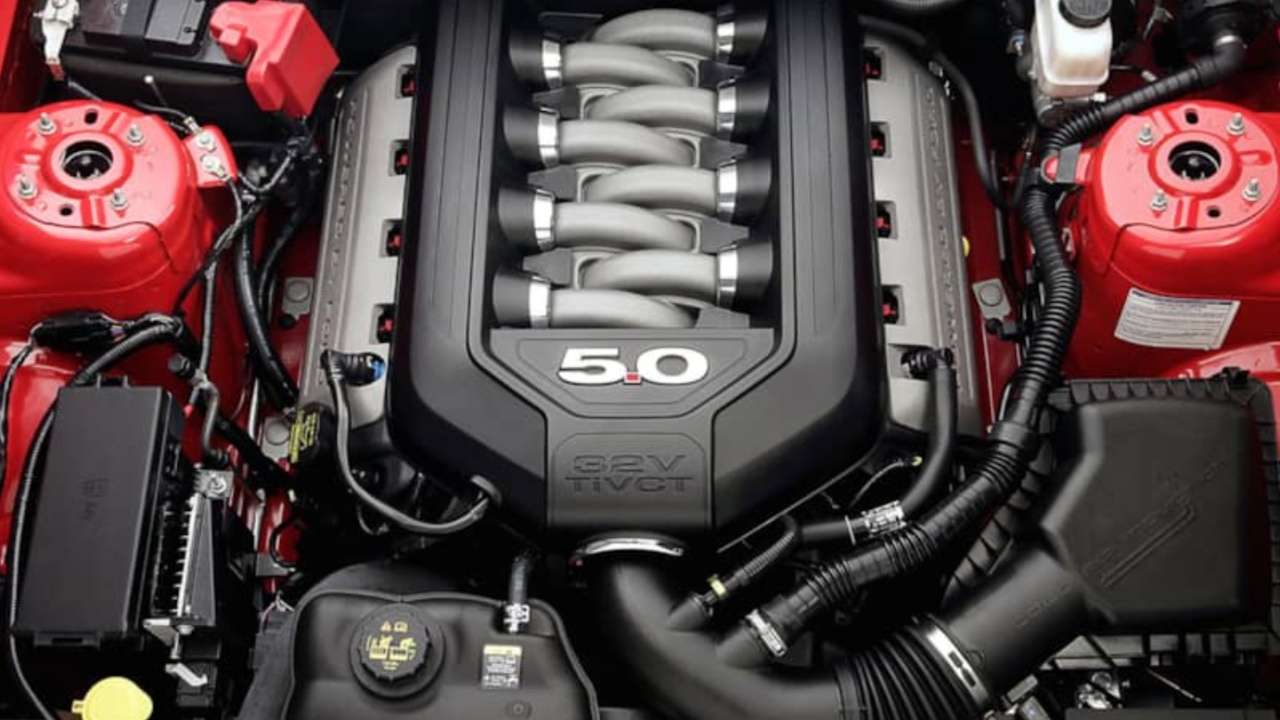
The Ford 5.0L “Coyote” V8 is a modern, naturally aspirated engine that blends traditional V8 character with advanced engineering, making it both powerful and highly durable. Introduced in 2011 and used in vehicles like the Mustang GT and F-150, it is designed to perform reliably on standard 87 octane fuel without reducing long-term engine life. While premium fuel can unlock maximum horsepower, running regular gasoline mainly affects peak output rather than durability.
A major factor behind its resilience is its naturally aspirated layout. Without turbochargers, the engine avoids the high heat and pressure associated with forced induction, which significantly reduces internal stress. This allows the Coyote to operate cooler and more consistently, even under heavy workloads such as towing in trucks.
The engine also relies on intelligent knock-sensing technology. Its powertrain control module continuously monitors combustion, and if low-octane fuel causes knocking, it instantly adjusts ignition timing. This protective response prevents internal damage, though it may slightly reduce performance until higher-quality fuel is used.
Internally, the Coyote is built with high-strength components designed for high RPM operation. Many versions feature forged crankshafts and durable connecting rods, along with advanced aluminum block construction that improves heat dissipation. Some models also include piston oil squirters that help control temperature and reduce wear under load.
Newer generations (2018 and beyond) add a dual fuel injection system that combines port and direct injection. This improves combustion efficiency, expands fuel tolerance, and reduces carbon buildup on intake valves, enhancing long-term reliability.
Ford also tunes the engine differently depending on the application. The F-150 version is optimized for towing and everyday durability, ensuring consistent performance on regular fuel even under stress.
Although it lacks the low-end torque of some competitors, the Coyote remains highly respected for its smooth power delivery, high-revving nature, and ability to handle long-term use on standard fuel without compromising engine life.
11. Subaru FB25 2.5L Boxer Engine
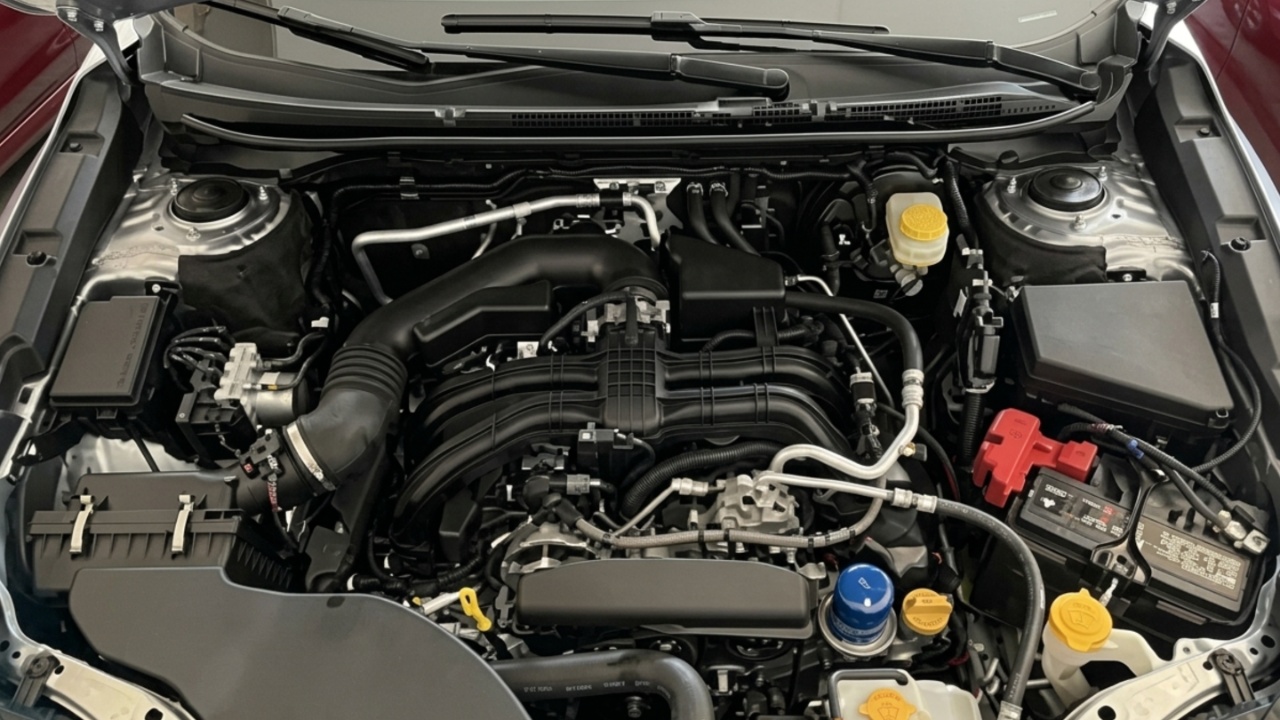
The Subaru FB25 2.5-liter boxer engine is a naturally aspirated four-cylinder powerplant designed for reliability, fuel efficiency, and long-term daily usability. Found in popular models such as the Forester, Outback, and Legacy, it is known for delivering steady performance and is commonly capable of exceeding 200000 miles with proper maintenance. Unlike Subaru’s older turbocharged engines, the FB25 focuses on durability and smooth operation rather than high-performance output.
A key advantage of the FB25 is its ability to run safely on regular 87 octane fuel. This is possible because the engine was designed with a low-stress combustion environment that avoids high-pressure conditions. The moderate compression setup reduces the risk of engine knock, allowing it to operate reliably without requiring premium fuel.
The engine is supported by an advanced electronic control system that constantly monitors combustion. If lower-quality fuel causes any knocking, the system immediately adjusts ignition timing to protect internal components. This ensures safe operation even when fuel quality varies.
Subaru also uses its Active Valve Control System to optimize valve timing, improving efficiency and maintaining smooth power delivery across different driving conditions.
Durability is further enhanced by conservative engineering margins. Internal components are built for long-term use rather than peak performance stress, allowing the engine to handle high-mileage commuting with minimal strain. The timing chain design also reduces maintenance needs compared to older belt-driven systems.
However, the FB25 does require consistent maintenance for best results. Some models may experience oil consumption due to piston ring design, making regular oil checks important. Direct injection versions can also develop carbon buildup over time, requiring periodic cleaning. High-quality synthetic oil is essential to maintain efficiency and reduce wear.
The Subaru FB25 is valued for its balance of simplicity, reliability, and efficiency, making it a dependable engine for everyday driving and long-term ownership.
12. Volvo B230 Redblock 2.3L Inline Four
The Volvo B230 Redblock 2.3-liter inline four is widely regarded as one of the most durable engines ever built. Produced from the 1970s through the late 1990s, it powered Volvo models such as the 240, 740, and 940. Known for its extreme longevity, many examples have surpassed 300000 miles, with some even reaching over 1 million miles with proper maintenance.
A major reason for its reliability is its ability to run on standard 87 octane fuel without issue. The engine uses a low compression design, typically around 9.3 to 9.8 to 1, which reduces internal pressure and helps prevent engine knock. This makes it highly tolerant of varying fuel quality, even under demanding conditions.
The engine also benefits from a strong and simple construction. It uses a heavy cast-iron block that handles heat and stress very effectively. Its internal components are designed for durability rather than high performance, allowing it to withstand long-term use with minimal wear. Many versions are also non-interference, meaning a broken timing belt will not cause internal engine damage, adding an extra layer of safety and reliability.
Fuel management is handled by a robust electronic injection system that can adjust ignition timing when needed. This helps the engine adapt to different fuel qualities while protecting internal components from damage. The combustion chamber design also improves air and fuel mixing, reducing hot spots and lowering the risk of detonation.
The simple eight-valve layout contributes to its reliability by reducing mechanical complexity and minimizing failure points. While not powerful by modern standards, the Redblock is known for steady, dependable performance and strong longevity.
The Volvo B230 Redblock remains a favorite among enthusiasts for its toughness, simplicity, and ability to deliver long-lasting service on standard fuel with minimal maintenance.
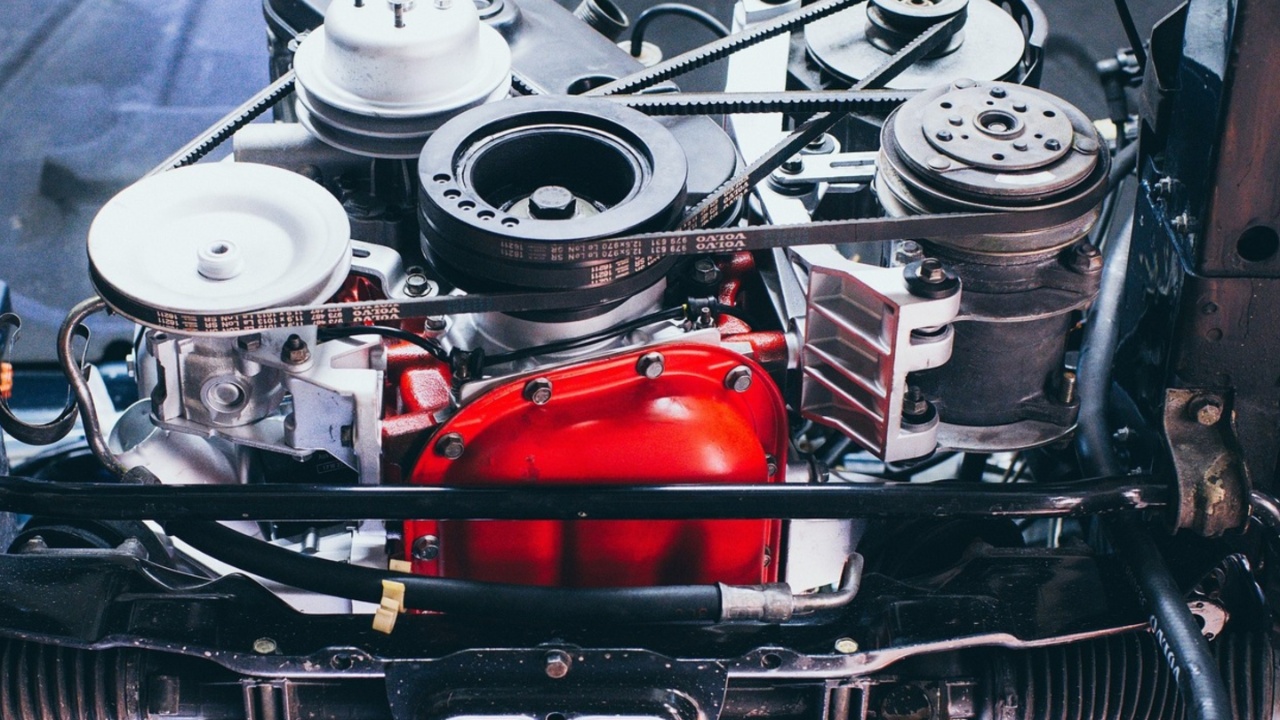
The engines featured in “12 Engines That Handle Standard Grade Fuel Without Losing Long Term Life” demonstrate that long-lasting reliability is achieved through engineering discipline rather than fuel dependency.
Whether it is the simplicity of the Toyota 22R, the rugged strength of the Jeep 4.0L, the refined balance of the Nissan VQ35DE, or the advanced combustion control of Mazda Skyactiv G and hybrid systems, each design shows how manufacturers can build durability into everyday driving conditions.
Despite differences in layout, size, and technology, these engines share a core principle: they are built to tolerate 87 octane fuel without structural harm over hundreds of thousands of miles. Through controlled compression ratios, strong internal components, and intelligent knock detection systems, they maintain performance stability while minimizing wear.
For drivers, this means lower running costs, fewer fuel restrictions, and long-term confidence in daily use. These engines stand as proof that when engineering prioritizes balance and resilience, standard fuel becomes more than sufficient for a full lifetime of dependable operation.
Also read: 12 Engines That Run Cool Even During Long Hours of Idling in Traffic