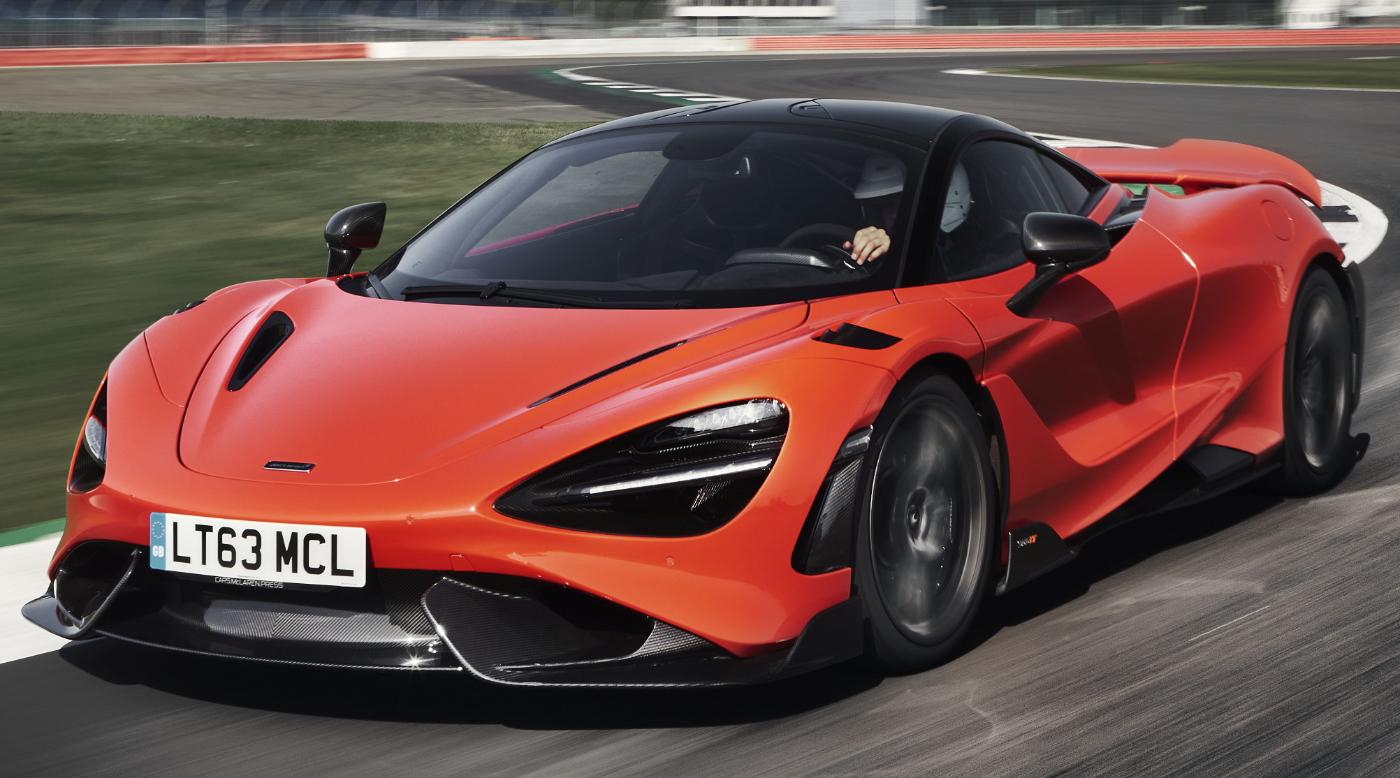
McLaren is taking a notably measured stance in an automotive world that seems increasingly defined by electrification. While many manufacturers are racing toward fully electric lineups, McLaren Automotive is choosing a different path, one that prioritizes performance integrity over rapid technological shifts.
According to recent reports, McLaren has no immediate plans to introduce a fully electric vehicle. This is not due to a lack of capability or awareness of industry trends, but rather a calculated decision rooted in its brand identity.
For McLaren, the driving experience remains central, and current EV technology, particularly battery weight and thermal limitations, still presents compromises that conflict with its engineering philosophy.
Instead of going fully electric, McLaren is focusing on hybrid powertrains as a transitional and strategic solution. These systems allow the company to meet tightening emissions regulations while preserving the visceral characteristics that define its cars, such as lightweight construction, sharp handling, and high-output internal combustion engines.
Hybridization, in this context, is not a compromise but an enhancement, offering instant torque and improved efficiency without diluting performance.
This approach will shape McLaren’s upcoming lineup. The company is actively developing a new generation of hypercars, which will continue to push the boundaries of speed, aerodynamics, and driver engagement. These models are expected to integrate advanced hybrid systems, blending electric assistance with powerful combustion engines to deliver both performance and compliance.
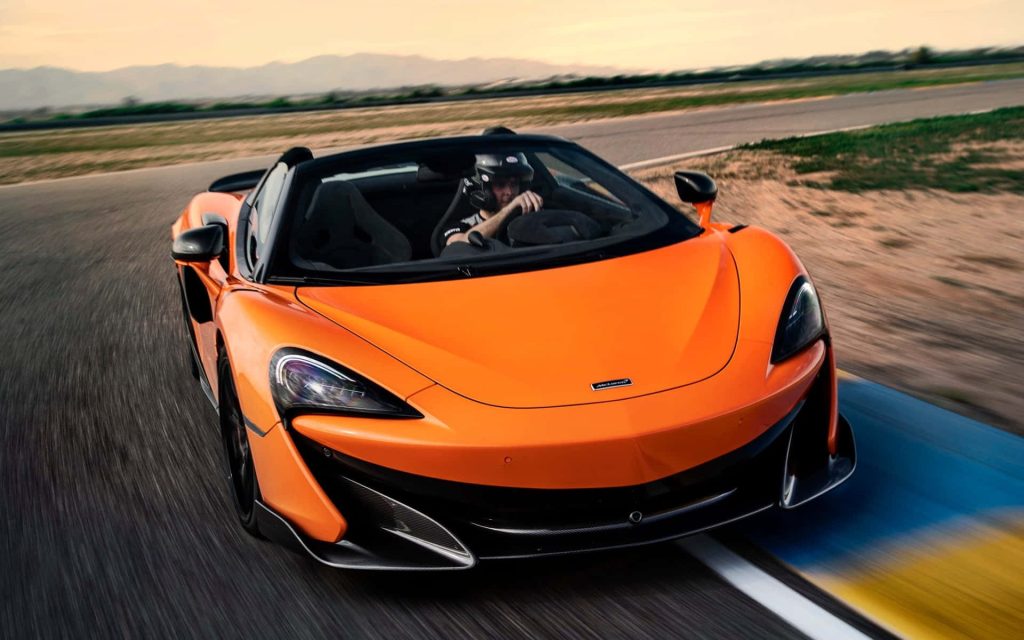
At the same time, McLaren is preparing to enter a completely new segment with its first-ever SUV. This move reflects a broader industry trend where even the most exclusive performance brands are expanding into high-riding, high-performance utility vehicles.
However, true to form, McLaren’s SUV is unlikely to follow the fully electric route. Instead, it will likely adopt a hybrid setup that aligns with the brand’s core values while appealing to a broader customer base.
What makes McLaren’s position particularly interesting is that it mirrors a growing sentiment within the ultra-luxury and supercar segment. While mass-market manufacturers are rapidly electrifying, demand for fully electric supercars remains uncertain.
Buyers in this category often prioritize emotion, sound, and mechanical connection, areas where traditional and hybrid powertrains still have a clear advantage.
This does not mean McLaren is ignoring the future. The company has made it clear that it will embrace full electrification when the technology matures to a point where it can meet, or exceed, current performance benchmarks without compromise. In other words, McLaren is waiting for EV technology to evolve on its terms, rather than adapting its identity to fit current limitations.
In a market driven as much by perception as by performance, this strategy carries both risk and distinction. McLaren is effectively betting that its customers value authenticity over immediacy, and that the emotional core of driving will remain relevant even as the industry evolves.