Welcome to “10 Vehicles With the Most Reliable High-Pressure Fuel Pumps Available”, a detailed look at modern engines that deliver long-term durability, precise fuel delivery, and proven real-world reliability.
High-pressure fuel pumps are a crucial part of today’s direct injection, hybrid, turbocharged, and diesel systems, ensuring efficient combustion, smooth power delivery, and consistent performance over high mileage.
While earlier generations of GDI and turbo engines experienced reliability challenges, modern advancements from manufacturers such as Toyota, Mazda, Hyundai, Kia, BMW, Škoda, Honda, Isuzu, and Volkswagen Group have significantly improved fuel system durability through stronger materials, refined injection technology, and better thermal management.
This list highlights vehicles that successfully balance efficiency, performance, and long-term ownership confidence. From hybrid SUVs like the Toyota RAV4 and Kia Niro to rugged diesel workhorses such as the Toyota Hilux and Isuzu D-Max, each model demonstrates how improved fuel system engineering contributes to reduced maintenance concerns and extended service life.
These vehicles are commonly chosen by families, commuters, fleet operators, and professionals who value dependability, fuel efficiency, and predictable long-term performance in daily use.
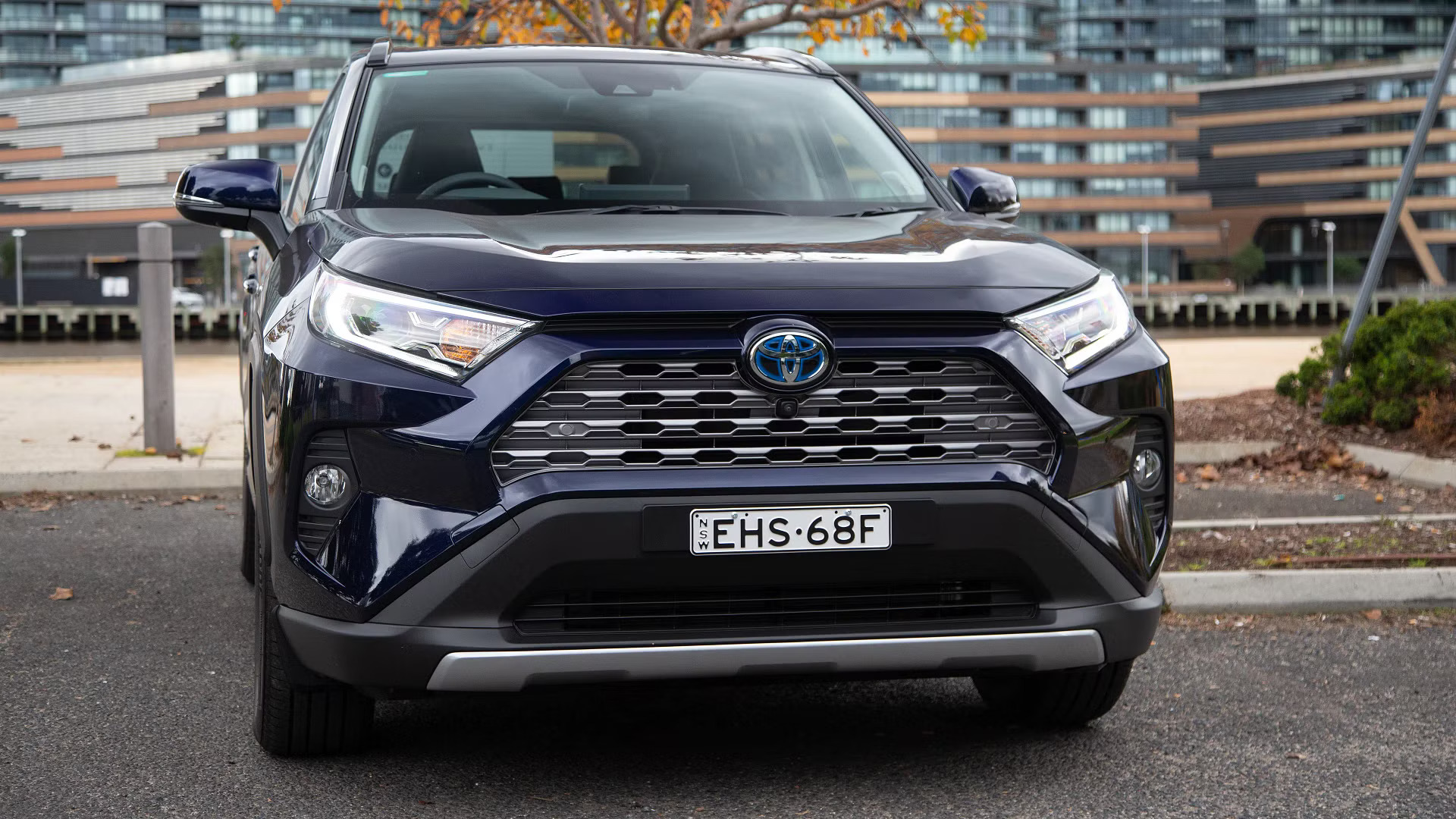
1. Toyota RAV4 2.5L and Hybrid
The Toyota RAV4 equipped with the 2.5L Dynamic Force engine uses the D-4S injection system, which combines direct and port fuel injection to enhance combustion efficiency and reduce carbon buildup over time. This system supports stable fuel delivery across different driving conditions, helping maintain smooth and consistent engine performance.
A key component is the high-pressure fuel pump, commonly supplied by Denso, which is constructed with corrosion-resistant stainless steel materials to improve durability and resist internal wear. It maintains steady fuel pressure across low-pressure operation, around 30 to 60 PSI, and higher pressures required for direct injection.
This stable operation supports efficient fuel atomization and long service life, with many units lasting between 100,000 and 200,000 miles when properly maintained and paired with quality fuel.
In the hybrid variant, the 2.5L engine works alongside electric motors that significantly reduce engine load. The system allows the engine to shut off frequently during low-speed driving and light acceleration, reducing heat cycles and mechanical stress on components such as the high-pressure fuel pump.
The Dynamic Force engine is designed for controlled combustion and high thermal efficiency, which minimizes pressure spikes and supports long-term component stability. Toyota’s engineering approach focuses on low-stress operation and efficiency rather than high-performance output, which contributes to durability and predictable long-term behavior.
The Toyota RAV4 hybrid is widely recognized for strong fuel efficiency, typically achieving around 18 to 22 km per liter in mixed driving conditions. It delivers smooth acceleration, quiet operation at low speeds, and strong practicality with a spacious cabin and generous cargo capacity. It also includes advanced safety systems such as adaptive cruise control, lane keeping assist, and automatic emergency braking.
The hybrid model does come with a higher purchase price, and some drivers note that interior materials feel average compared to rivals. Engine noise can become noticeable under heavy acceleration, and the infotainment system may feel less responsive than newer competitors. The petrol version offers a simpler and more affordable alternative, while the hybrid focuses on fuel savings and reduced long-term running costs.
2. Mazda CX-5 Skyactiv-G
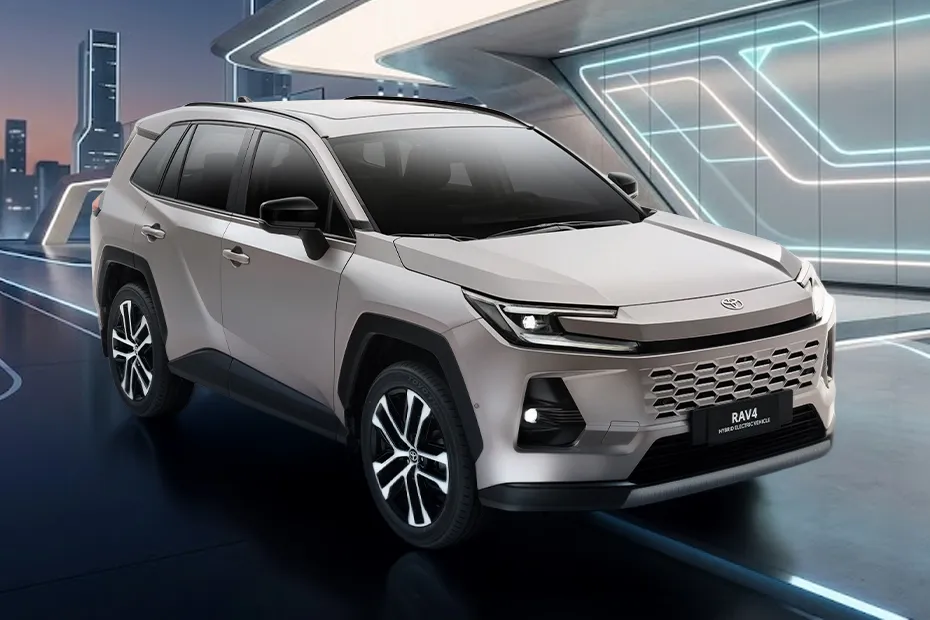
The Mazda CX-5 with the Skyactiv-G engine is engineered around a high-compression naturally aspirated layout that focuses on efficiency, smooth performance, and long-term durability without turbocharging.
The cam-driven high-pressure fuel pump operates at very high pressures around 1,450 PSI at idle and higher under load, supporting precise fuel atomization and stable combustion.
This mechanical system produces a faint ticking sound in some cases, which is generally a normal operating characteristic rather than a fault, and with proper maintenance, including synthetic oil and regular servicing, the engine and fuel system can last between 200,000 and 250,000 miles.
Mazda’s engineering approach reduces stress across components by using a naturally aspirated 2.0L and 2.5L setup that avoids the higher thermal and mechanical loads often found in turbocharged engines. The system is supported by a 4-2-1 exhaust layout that helps manage heat and protect the fuel system from overheating.
Direct injection uses multi-hole injectors to improve combustion stability and efficiency, while maintaining consistent fuel delivery under varying driving conditions. The CX-5 is also known for its refined driving dynamics, precise steering, and well-balanced suspension that delivers both comfort and engagement.
Inside, the cabin features premium materials and a clean layout that gives it a near-luxury feel compared to many competitors. However, the naturally aspirated engine can feel less responsive than turbocharged rivals, especially during high-speed acceleration. Interior space is slightly smaller than some competitors, and fuel economy is moderate rather than leading in its class.
The CX-5 appeals to drivers who prioritize refinement, durability, and engaging handling over maximum power or hybrid efficiency. It remains a strong choice in the compact SUV segment for buyers seeking long-term dependability and a more engaging daily driving experience.
Fuel quality sensitivity is present in all direct injection systems, but the Skyactiv-G design is widely considered resilient when maintained properly, with relatively low reported failure rates for the high-pressure fuel pump across high mileage ownership.
Owners often report consistent refinement, predictable maintenance costs, and strong long-term usability. This makes it especially appealing for drivers focused on comfort, reliability, and everyday driving satisfaction.
3. Hyundai Ioniq Hybrid and Plug-in Hybrid
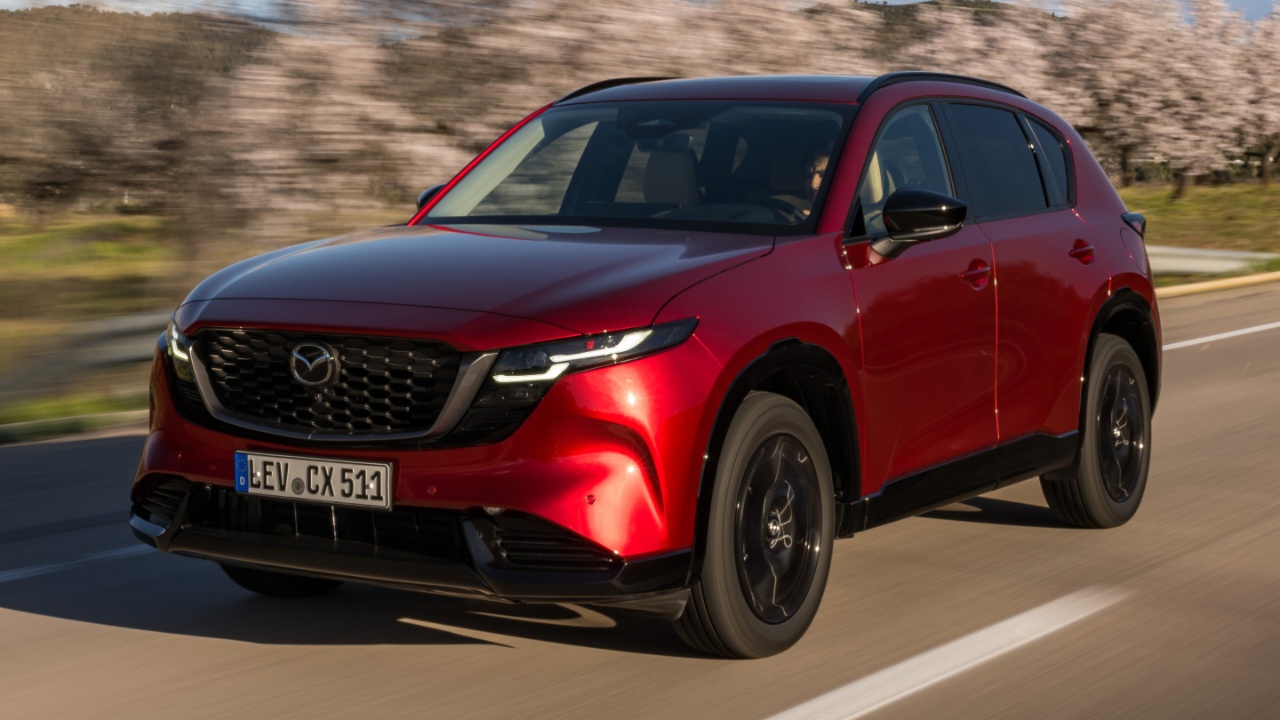
The Hyundai Ioniq Hybrid and Plug-in Hybrid use a 1.6L GDI engine paired with an electric motor, supported by a high-pressure fuel pump designed specifically for hybrid duty cycles. This pump is engineered to handle frequent start-stop operation, delivering immediate and stable fuel pressure the moment the gasoline engine activates.
Because the hybrid system often switches between electric and petrol power, the fuel pump experiences reduced continuous load, which helps improve durability and long-term stability.
A major strength of the Ioniq’s design is that it was developed as a dedicated hybrid platform rather than a converted petrol model. The Atkinson-cycle engine is tuned for efficiency rather than performance, which reduces stress on internal components, including the high-pressure fuel system.
In the Plug-in Hybrid version, extended electric-only driving further reduces engine runtime, lowering heat cycles and mechanical wear on the fuel pump. This operating pattern contributes to slower degradation compared to conventional petrol-only vehicles.
Thermal management also plays an important role in reliability. The system is designed to maintain controlled fuel temperatures and avoid overheating conditions that commonly contribute to high-pressure fuel pump failure in other vehicles. Hyundai’s experience in hybrid and electric systems has improved the precision and durability of its fuel injection components, supporting consistent operation over time.
The Hyundai Ioniq is widely recognized for its strong efficiency. The Hybrid version typically achieves around 55 to 60 mpg in real-world driving, while the Plug-in Hybrid can exceed 80 to 100 mpg when regularly charged.
It uses a 6-speed dual-clutch transmission instead of a CVT, giving it a more natural driving feel compared to many competitors in the hybrid segment. Standard features include Hyundai SmartSense safety systems such as automatic emergency braking and lane keeping assist, contributing to a strong safety reputation.
The Plug-in Hybrid offers an electric-only range of about 29 to 39 miles, making it ideal for short daily commutes with minimal fuel use. However, it does have reduced boot space compared to the standard hybrid due to a larger battery pack.
Both versions provide smooth, predictable performance, though acceleration can feel modest, and engine noise becomes noticeable under heavy load. Steering feedback is light, and driving engagement is limited compared to sportier rivals.
Hyundai provides strong ownership coverage, including a 5-year unlimited mileage warranty and an 8-year battery warranty, which supports long-term confidence. Some recall history exists across Hyundai models, making maintenance records and VIN verification important, although the Ioniq platform is generally regarded as dependable in long-term use.
4. Toyota Corolla 2.0L and Hybrid
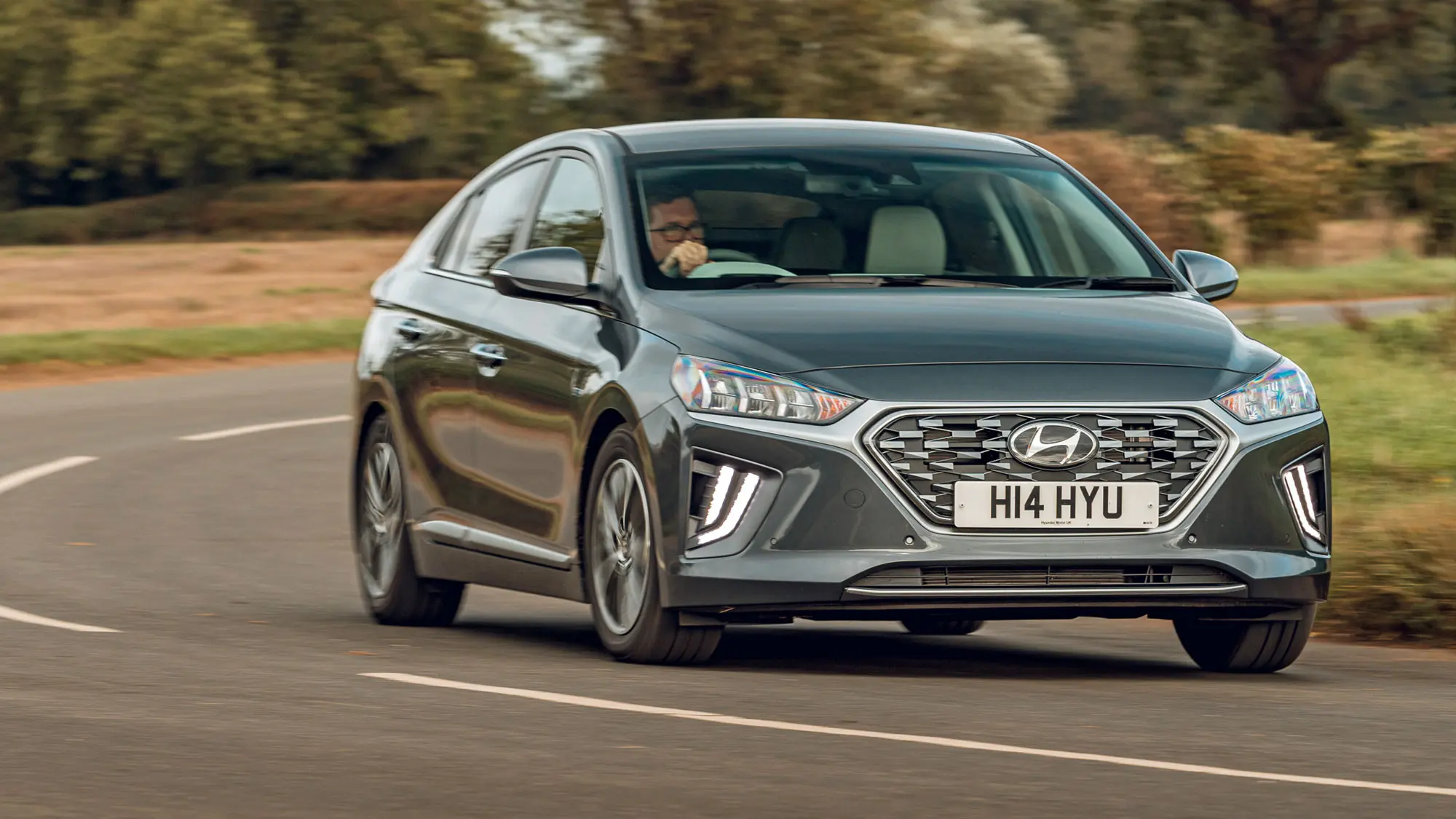
The Toyota Corolla in both 2.0L petrol and hybrid forms is widely regarded as a benchmark for long-term reliability, supported by a highly durable high-pressure fuel system. It uses Toyota’s D-4S dual injection technology, which combines direct injection and port injection to optimize combustion while reducing carbon buildup and mechanical stress on the high-pressure fuel pump.
This system allows fuel delivery demands to be shared between injection modes, preventing the pump from operating under constant high load and improving long-term durability.
The high-pressure fuel pump itself is typically manufactured by Denso and engineered for precision fuel delivery under demanding conditions, including pressures up to around 500 bar in modern configurations.
It is designed to operate efficiently across a wide range of fuel qualities and driving environments. With proper maintenance, Corolla fuel system components are commonly capable of lasting between 150,000 and 200,000 miles, contributing to the model’s strong reputation for dependable long-term ownership.
A key strength of the Corolla’s system is its integration with Toyota’s Dynamic Force engine design, particularly the 2.0L M20A-FKS. This engine uses a camshaft-driven fuel pump that reduces mechanical complexity and improves efficiency.
Additional engineering refinements, such as reduced internal friction, improved valve design, and efficient thermal management, help keep operating temperatures stable, which reduces stress on the fuel system and enhances component life.
In hybrid variants, reliability is further strengthened by reduced engine runtime. The gasoline engine shuts off frequently at low speeds or during light load conditions, allowing the electric motor to take over.
This significantly reduces operating hours, cold starts, and thermal cycling, all of which contribute to reduced wear on the high-pressure fuel pump. The hybrid system, therefore, places less cumulative strain on the fuel system compared to conventional petrol-only operation.
Toyota’s strict manufacturing standards under the TNGA platform ensure tight tolerances and consistent quality control across fuel system components. This minimizes manufacturing variation and reduces the likelihood of premature failure, reinforcing the Corolla’s reputation for dependable engineering.
The Toyota Corolla delivers a balanced driving experience focused on efficiency and practicality. The 2.0L petrol engine provides reliable everyday performance, while the hybrid version offers smoother acceleration and significantly improved fuel economy, often exceeding 42 mpg.
The interior is modern and functional, featuring a touchscreen infotainment system with smartphone integration, though rear space and cargo capacity remain modest. Some drivers note that the CVT can feel noisy under hard acceleration and that road noise is noticeable at higher speeds.
The Corolla Hybrid is best suited for drivers prioritizing fuel savings, low running costs, and long-term dependability, while the petrol version appeals to those seeking simpler technology and lower upfront cost.

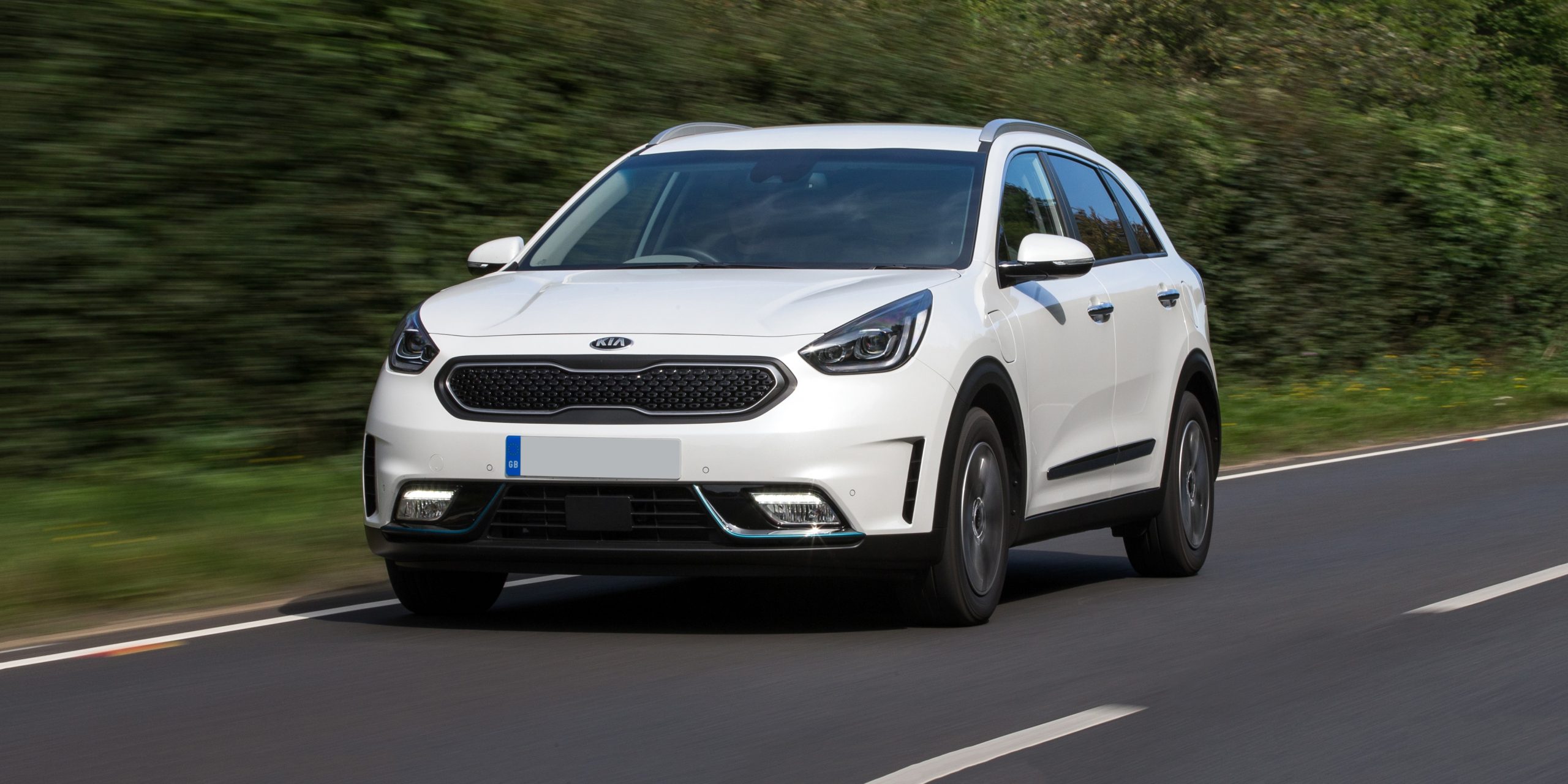
5. Kia Niro Hybrid and Plug-in Hybrid
The Kia Niro is widely recognized as one of the most reliable compact hybrid SUVs, supported by a highly efficient 1.6L GDI-based hybrid powertrain and a carefully engineered high-pressure fuel pump system.
The pump operates as part of a modern SmartStream engine setup designed for efficiency, reduced friction, and smooth integration with hybrid power delivery. In newer versions, fuel injection pressure reaches around 350 bar, allowing for finer atomization and more precise combustion control, which improves efficiency while reducing stress on internal components.
A key factor in the Niro’s reliability is how its fuel system is integrated into the hybrid operating cycle. Because the vehicle frequently switches between electric and petrol power, the gasoline engine often runs under reduced load or shuts off entirely during low-speed driving.
This significantly lowers continuous strain on the high-pressure fuel pump, reducing heat buildup and mechanical wear over time. The camshaft-driven pump design further supports long-term durability by maintaining a simple and proven mechanical operation method used across modern GDI engines.
Thermal management and fuel system stability are also important strengths. The hybrid architecture helps maintain controlled operating temperatures, which reduces one of the most common causes of fuel pump degradation in traditional engines.
Kia’s engineering focus on efficiency ensures that the system is optimized for consistent performance rather than high-stress output, contributing to long-term reliability in daily commuting conditions.
The Kia Niro is available in hybrid, plug-in hybrid, and fully electric variants, making it a flexible choice for different driving needs. The hybrid version achieves strong fuel economy, often reaching up to around 49 mpg, while the plug-in hybrid offers approximately 30 miles of electric-only driving range.
The EV version delivers smooth, quiet acceleration with instant torque response, making it especially well-suited for city driving.
Inside, the Niro is known for its modern and practical cabin design, with good passenger space and a comfortable layout. It offers strong usability for small families and commuters, though some drivers find the touch-sensitive climate and audio controls less intuitive.
Ride comfort is generally strong, but road and wind noise can be noticeable at higher speeds, and the driving experience is tuned more for comfort than sportiness.
One of the strongest advantages of the Kia Niro is its long warranty coverage, often up to 10 years or 100,000 miles in many regions, reflecting the manufacturer’s confidence in its powertrain and fuel system durability. This makes it a compelling option for buyers seeking low running costs, strong efficiency, and long-term ownership peace of mind.
Also read: 5 Cars Built to Survive the Rust Belt vs 5 That Corrode Prematurely
6. Isuzu D-Max 3.0L Turbodiesel
The Isuzu D-Max 3.0L turbodiesel, powered by the 4JJ1 and newer 4JJ3-TCX engines, is widely regarded as one of the most durable pickup platforms in the global market. Its high-pressure common-rail fuel system is engineered to withstand extreme workloads, long operating hours, and challenging fuel conditions often found in commercial and off-road environments.
The system is built around a robust Denso high-pressure fuel pump designed to maintain stable fuel delivery under sustained high-pressure operation, often exceeding 250 MPa in modern configurations. This ensures precise combustion, strong torque output, and long-term mechanical stability even under continuous heavy load.
A major reason for the D-Max’s reliability is its “de-stressed” engine design philosophy. The 3.0L engine produces strong torque at low RPM, typically under 2,000 rpm, which reduces high-speed mechanical stress on the fuel pump and injectors.
This low-rev operation helps extend component life and supports consistent performance in towing, hauling, and off-road use. The engine’s use in Isuzu commercial truck platforms further reinforces its durability focus, as it is designed to handle significantly higher duty cycles than typical passenger vehicles.
The fuel system also benefits from reinforced construction and contamination resistance. Designed for global markets where fuel quality can vary, the system uses strong filtration and durable internal components to reduce damage from impurities.
The updated suction control valve design improves fuel pressure stability and reduces common failure points seen in earlier diesel systems. Combined with a cast-iron engine block and forged internal components, the system is engineered to minimize vibration and protect high-precision fuel delivery parts.
Extensive durability testing, reportedly spanning millions of kilometers, has contributed to the D-Max’s reputation as a long-life workhorse. With proper maintenance, such as regular fuel filter changes, the fuel system is commonly capable of exceeding 300,000 to 500,000 kilometers, with some examples reaching “million-kilometer” service life in commercial use.
The D-Max 3.0L delivers strong towing capability, stable highway efficiency, and dependable off-road performance. Fuel economy is competitive for its class, and modern variants include improved infotainment and safety systems such as adaptive cruise control and autonomous emergency braking. However, the ride can feel firm when unladen, the engine is relatively noisy compared to more refined rivals, and steering can feel heavy at low speeds.
The Isuzu D-Max remains a top choice for users prioritizing durability, towing strength, and long-term mechanical reliability over comfort or refinement.

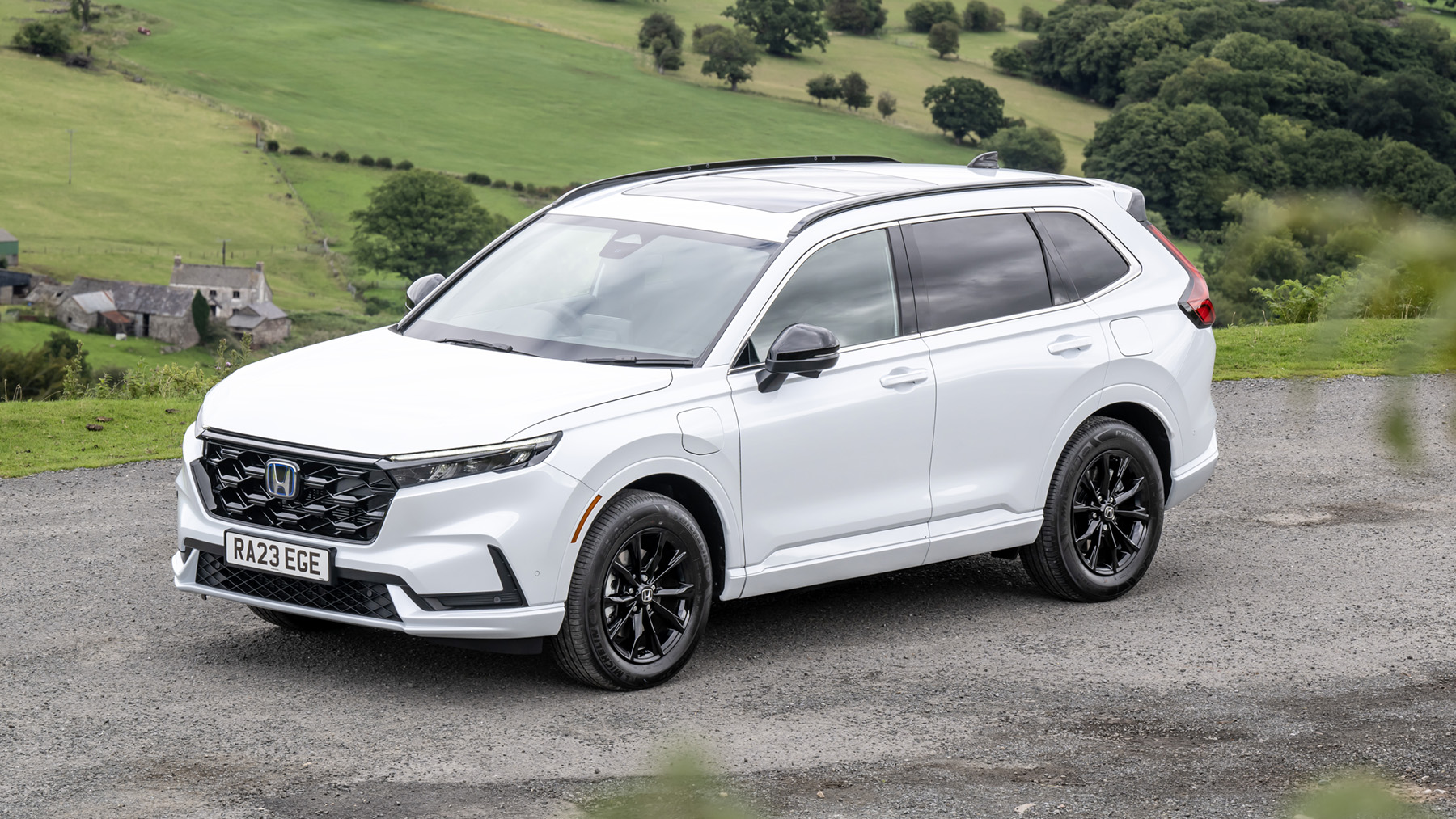
7. Honda CR-V Earth Dreams Technology
The Honda CR-V equipped with Earth Dreams Technology uses advanced direct injection engines supported by a high-pressure fuel pump system designed to balance performance, fuel efficiency, and emissions compliance.
These systems are engineered for precise fuel delivery, allowing cleaner combustion and smoother power output. The high-pressure fuel pump plays a key role in ensuring accurate fuel atomization, which contributes to the CR-V’s refined driving behavior and strong fuel economy in both city and highway conditions.
Honda’s Earth Dreams engines are built with a strong focus on reducing internal friction and improving thermal efficiency. This helps lower mechanical strain on components such as the fuel pump, supporting long-term durability when properly maintained.
The system is designed to maintain stable performance during both short urban trips and extended highway driving, making it suitable for a wide range of everyday use cases. Diesel variants using Bosch-based high-pressure systems also demonstrate strong durability through high-pressure operation engineered for long service life.
However, it is important to note that certain CR-V hybrid models from recent production years have been affected by recalls related to high-pressure fuel pump defects, including potential cracking in specific components.
These issues are generally linked to manufacturing or supplier-related concerns rather than the core design philosophy of Earth Dreams Technology. Regular maintenance and fuel quality also play an important role in ensuring long-term reliability, as direct injection systems are sensitive to contamination.
The Honda CR-V is widely appreciated for its practicality and comfort. It offers a spacious cabin with generous rear seat room and a large cargo area, making it highly suitable for families.
The engine options, including the 1.5L turbo petrol and 2.0L hybrid or petrol variants, depending on market, deliver smooth and efficient performance. Fuel economy is strong, with diesel versions offering particularly high efficiency and hybrid models delivering low consumption in urban driving.
Driving behavior is tuned for comfort and stability, with predictable handling, light steering, and a suspension setup that prioritizes ride quality. The Real Time AWD system enhances traction in wet or uneven conditions but is not intended for heavy off-road use.
Inside, the CR-V provides modern features such as touchscreen infotainment, dual-zone climate control, and Honda Sensing safety systems, including adaptive cruise control and lane keeping assist.
Some drawbacks include a CVT or hybrid system that can feel less engaging under acceleration, occasional road noise at higher speeds, and infotainment responsiveness that may lag behind newer competitors. Despite these limitations, the CR-V remains a strong contender in the compact SUV segment for buyers prioritizing comfort, efficiency, safety, and long-term practicality.
8. Škoda Octavia TDI and TSI
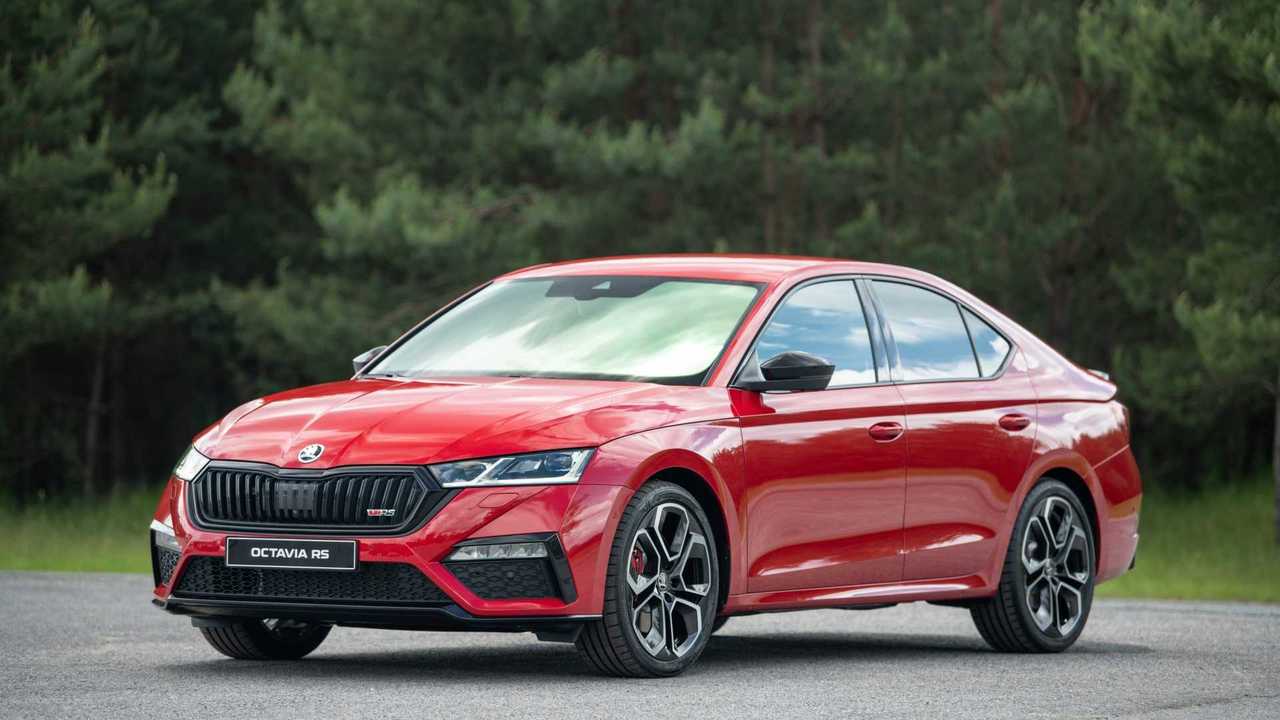
The Škoda Octavia, offered with TDI diesel and TSI petrol engines, is widely recognized as one of the most dependable high-mileage vehicles in Europe, especially in taxi and fleet operations. Its reputation is strongly supported by a durable high-pressure fuel system supplied by Bosch, designed for continuous operation under demanding conditions.
These common-rail fuel pumps are engineered to maintain stable and precise fuel delivery, supporting efficient combustion and long service life even in vehicles that regularly exceed 300,000 kilometers.
A key strength of the Octavia’s fuel system lies in the evolution of Volkswagen Group engine technology. Modern TSI engines, particularly the EA211 series, and updated TDI engines like the EA288 Evo, feature improved high-pressure injection systems capable of operating at pressures up to 350 bar.
This allows for finer fuel atomization, improved efficiency, and reduced strain on internal components. These refinements also help lower thermal stress, which contributes to improved durability of the fuel pump and injectors over time.
Earlier generations of TSI and TDI engines experienced some reliability concerns, but newer versions have significantly improved engineering consistency and long-term stability.
The current systems benefit from stronger materials, better thermal control, and more precise injector design. These improvements have resulted in lower failure rates and better real-world longevity, particularly in high-mileage usage such as taxi fleets.
The diesel variants, especially the 2.0 TDI, are widely praised for their fuel efficiency and torque delivery, making them ideal for long-distance driving. Petrol TSI engines, including 1.0, 1.5, and 2.0 variants, offer smooth performance and strong efficiency for urban and mixed driving conditions. Both engine types rely on high-quality OEM components designed to withstand heat, vibration, and extended operating cycles.
The Octavia’s real-world reputation is reinforced by extensive fleet usage, where vehicles frequently surpass 300,000 kilometers with minimal fuel system issues when properly maintained. Regular fuel filter changes and clean fuel usage play an important role in maintaining long-term reliability. However, poor fuel quality or aggressive tuning in performance variants can increase stress on the high-pressure fuel system.
Beyond mechanical durability, the Octavia is valued for its exceptional practicality. It offers class-leading interior space, a large and highly usable boot, and a comfortable driving experience suited for daily use. TSI engines are preferred for city and mixed driving, while TDI engines excel on highways due to their efficiency and torque.
Some drawbacks include occasional infotainment glitches and a ride that can feel slightly firm or bouncy on rough roads. Despite this, the Octavia remains a highly respected all-rounder, combining practicality, efficiency, and proven high-mileage reliability.
9. BMW 3 Series TwinPower Turbo
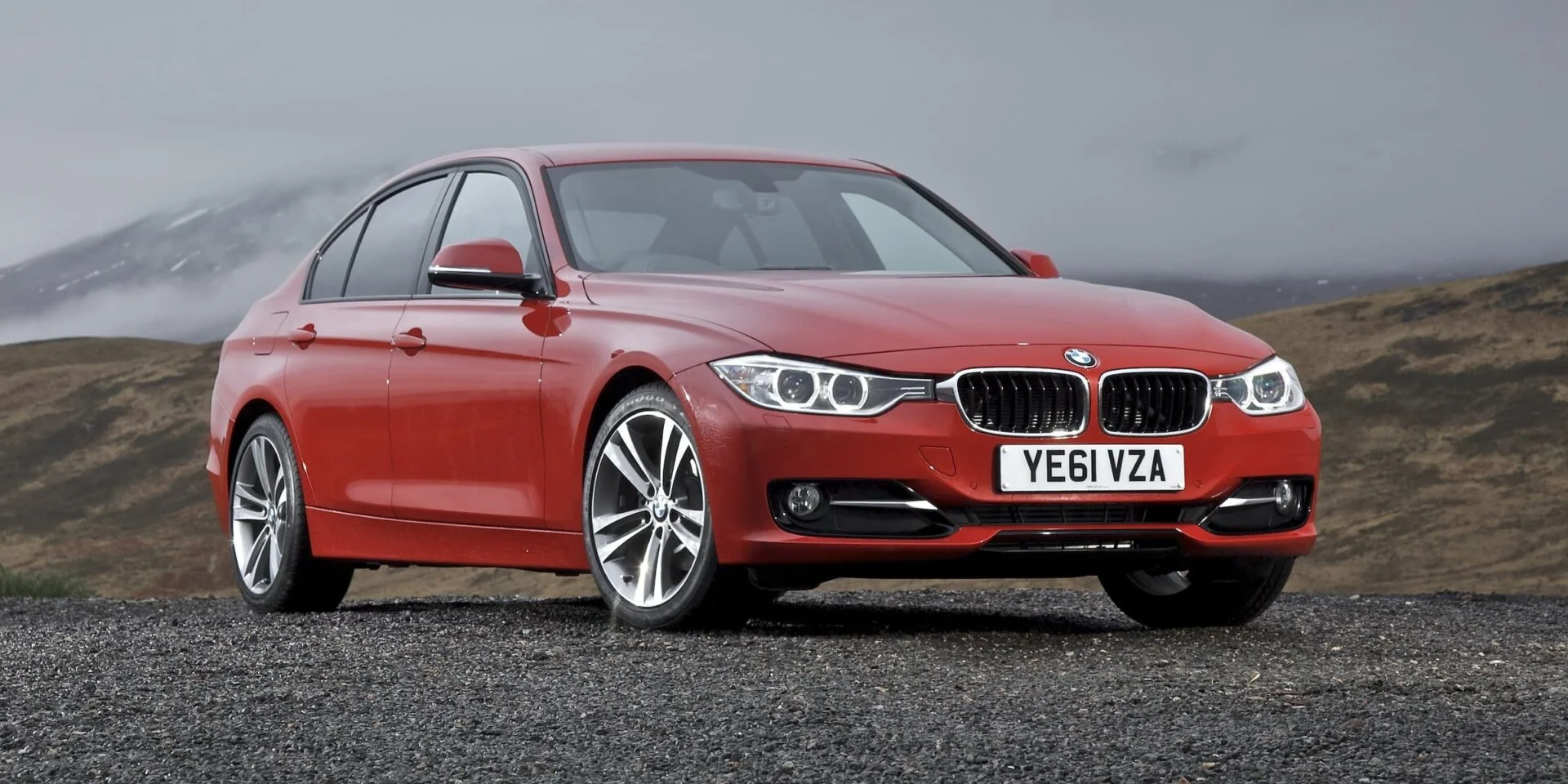
The modern BMW 3 Series, powered by B48 four-cylinder and B58 six-cylinder TwinPower Turbo engines, reflects a major improvement in high-pressure fuel system reliability compared to earlier BMW turbocharged generations such as the N54.
BMW addressed previous high-pressure fuel pump issues by introducing redesigned Bosch fuel pumps with tighter manufacturing tolerances, improved durability, and more stable fuel delivery under high load conditions. These systems support extremely high injection pressures, often exceeding 2,500 bar, enabling precise combustion control that improves both performance and emissions efficiency.
A key factor in the improved reliability of the current 3 Series is the upgraded integration of the entire fuel system within the engine architecture. The B48 and B58 engines feature stronger internal construction, improved thermal stability, and better combustion balance.
The B58 Technical Update version further refines fuel pump performance with enhanced flow consistency and reduced mechanical stress during sustained high-performance driving. These improvements have significantly reduced the frequency of high-pressure fuel pump failures seen in earlier BMW turbo engines.
Modern TwinPower Turbo engines also use high-precision multi-hole injectors that improve fuel atomization and maintain stable combustion across different driving conditions.
Enhanced thermal management systems, including heat encapsulation strategies, help maintain optimal engine temperature and reduce stress on fuel system components during repeated cold starts and high-load operation. This contributes to more consistent long-term performance and reduced wear on the high-pressure fuel pump.
The BMW 3 Series continues to be a benchmark in the compact luxury sedan segment due to its combination of sharp handling, balanced chassis dynamics, and strong engine performance.
The TwinPower Turbo setup uses a twin-scroll turbocharger design that improves response and delivers strong low-end torque. Paired with an 8-speed automatic transmission, it provides smooth shifts and quick acceleration depending on driving conditions.
Inside, the cabin is designed with a driver-focused layout, premium materials, and modern digital displays. It offers a balance of comfort and practicality with usable rear seating space and adequate cargo capacity for daily use. However, ride comfort can feel firm in sport-oriented trims, and suspension tuning prioritizes handling over softness.
Engine options such as the 320i, 330i, M340i, and 330e plug-in hybrid allow buyers to choose between efficiency, refinement, or high performance. The B48 and B58 engines are widely regarded as BMW’s most dependable modern turbocharged units, with significantly improved high-pressure fuel system durability compared to earlier generations.
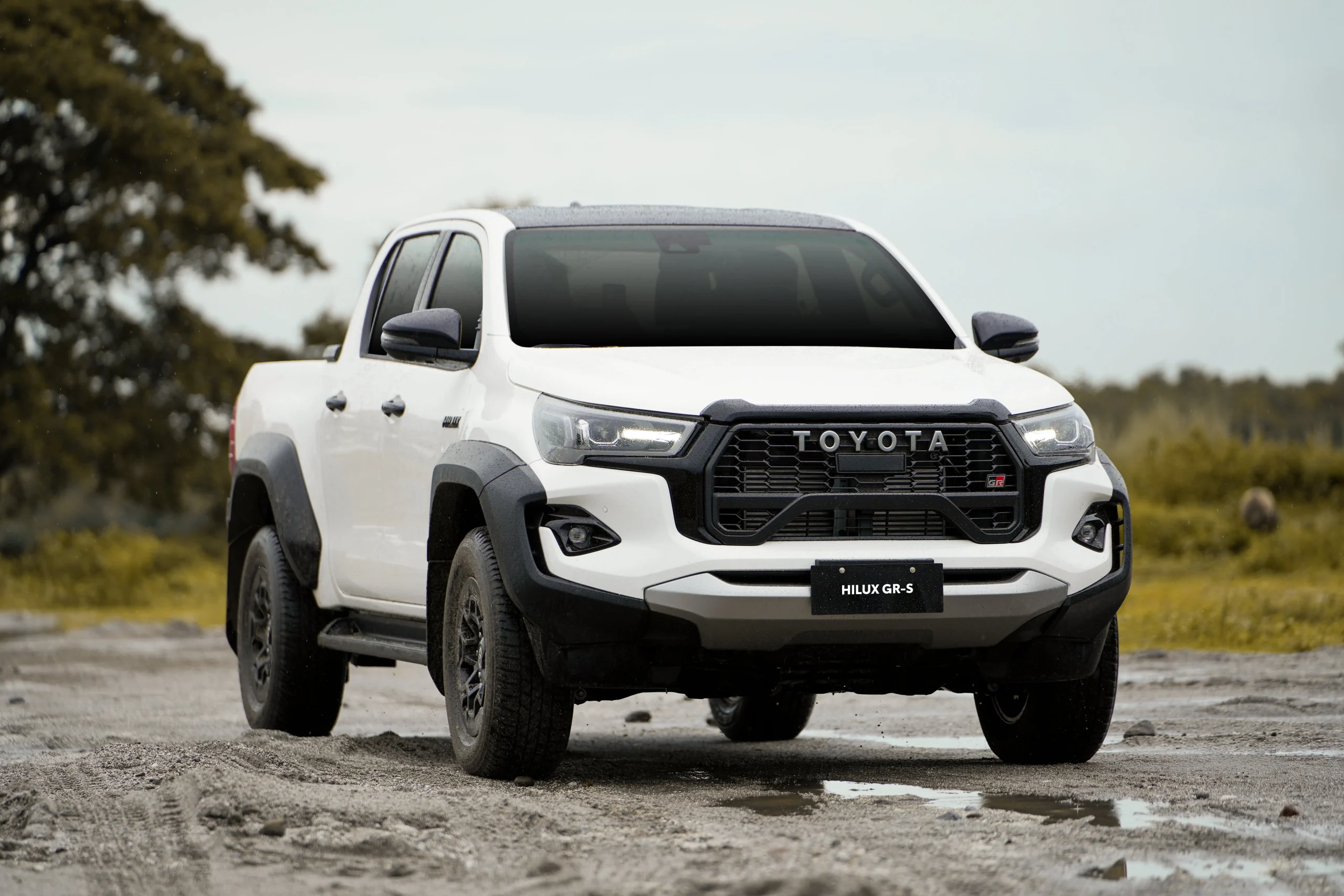
10. Toyota Hilux Diesel
The Toyota Hilux diesel is widely regarded as one of the most durable pickup trucks in the world, with its high-pressure common rail fuel system playing a central role in its reputation for long-term toughness.
Designed for harsh environments such as mining sites, deserts, and agricultural operations, the Hilux fuel system is engineered to withstand extreme heat, dust, and continuous heavy loads without failure. This durability is achieved through heavy-duty construction, reinforced seals, and advanced filtration that protects the system from contamination and wear.
The Hilux diesel engines, including the 2.4L and 2.8L GD series and older 3.0L KD units, use a high-pressure common rail system capable of operating in the range of 1,000 to over 2,500 bar. This allows for precise fuel atomization and efficient combustion, which supports strong low-end torque delivery.
The high-pressure fuel pump, often supplied by Denso, is mechanically driven and built with reinforced internal components to handle sustained high-load operation over long periods. This design helps the system maintain performance even in demanding commercial and off-road use cases.
A key strength of the Hilux fuel system is its ability to function reliably under continuous stress. The engine is tuned for low RPM torque output, which reduces strain on the fuel pump while delivering strong pulling power for towing and off-road driving. The GD series engines further improve efficiency and durability through optimized combustion control and refined injection timing, ensuring stable operation under heavy workloads.
The system is also designed for global fuel conditions, including regions where fuel quality may be inconsistent. Strong filtration systems and contamination-resistant components help reduce the risk of injector and pump damage. However, long-term reliability still depends heavily on proper maintenance, particularly regular fuel filter replacement and the use of clean fuel to prevent internal wear.
With proper care, the Hilux diesel fuel system is commonly capable of exceeding 300,000 kilometers, and in many fleet or commercial applications, even higher mileage is achievable. This long service life reinforces its reputation as a dependable workhorse built for real-world toughness rather than refinement.
The Toyota Hilux remains a benchmark for durability, combining strong towing capability, mechanical simplicity, and proven long-term reliability in some of the most demanding operating conditions worldwide.
Also read: 10 Cars That Are Cheap to Buy But Cost a Fortune to Insure for Young Drivers