Used luxury wagons sit in a very specific space in the automotive market. They combine the comfort, technology, and long-distance cruising ability of premium sedans with the practicality of an estate-style cargo area. For many buyers, they represent one of the smartest ways to get high-end automotive engineering at a reduced entry price.
However, the used market is also where the difference between a smart purchase and a financial mistake becomes very clear. Maintenance history, engineering complexity, and parts pricing can completely change the ownership experience.
Luxury wagons from brands like Audi, BMW, Mercedes-Benz, Volvo, and Jaguar are often heavily optioned, which means even older models can feel modern and refined. Features such as adaptive suspension systems, turbocharged engines, advanced infotainment systems, and complex driver assistance systems make them appealing even after depreciation has done its work.
The downside is that these same features are often expensive to repair once the warranty period is over. A single electronic failure or suspension issue can cost more than the initial savings gained from buying used.
The used luxury wagon segment also varies significantly depending on the brand philosophy. German manufacturers tend to prioritize performance and technology, often at the cost of long-term simplicity.
Swedish brands like Volvo generally focus more on durability and safety, which can lead to more predictable ownership costs. British luxury wagons often emphasize comfort and design, but sometimes struggle with long-term reliability. Understanding these differences is essential before making a purchase decision.
Another major factor is engine choice. Many wagons in this category use turbocharged four-cylinder or six-cylinder engines that are highly tuned for performance. While these engines deliver strong acceleration and smooth driving characteristics, they also operate under higher stress compared to naturally aspirated engines.
This increases the importance of oil changes, cooling system maintenance, and timely servicing. Neglecting these can quickly turn a reliable wagon into a financial burden.
This guide breaks down five used luxury wagons that are generally considered worth the risk due to their balance of comfort, reliability, and long-term value retention.
It also highlights five wagons that tend to become expensive ownership traps due to high maintenance costs, known mechanical weaknesses, or complex engineering that becomes problematic outside warranty coverage. Each model is evaluated based on real-world ownership experience patterns, repair tendencies, and value in the used car market.
5 Used Luxury Wagons Worth the Risk
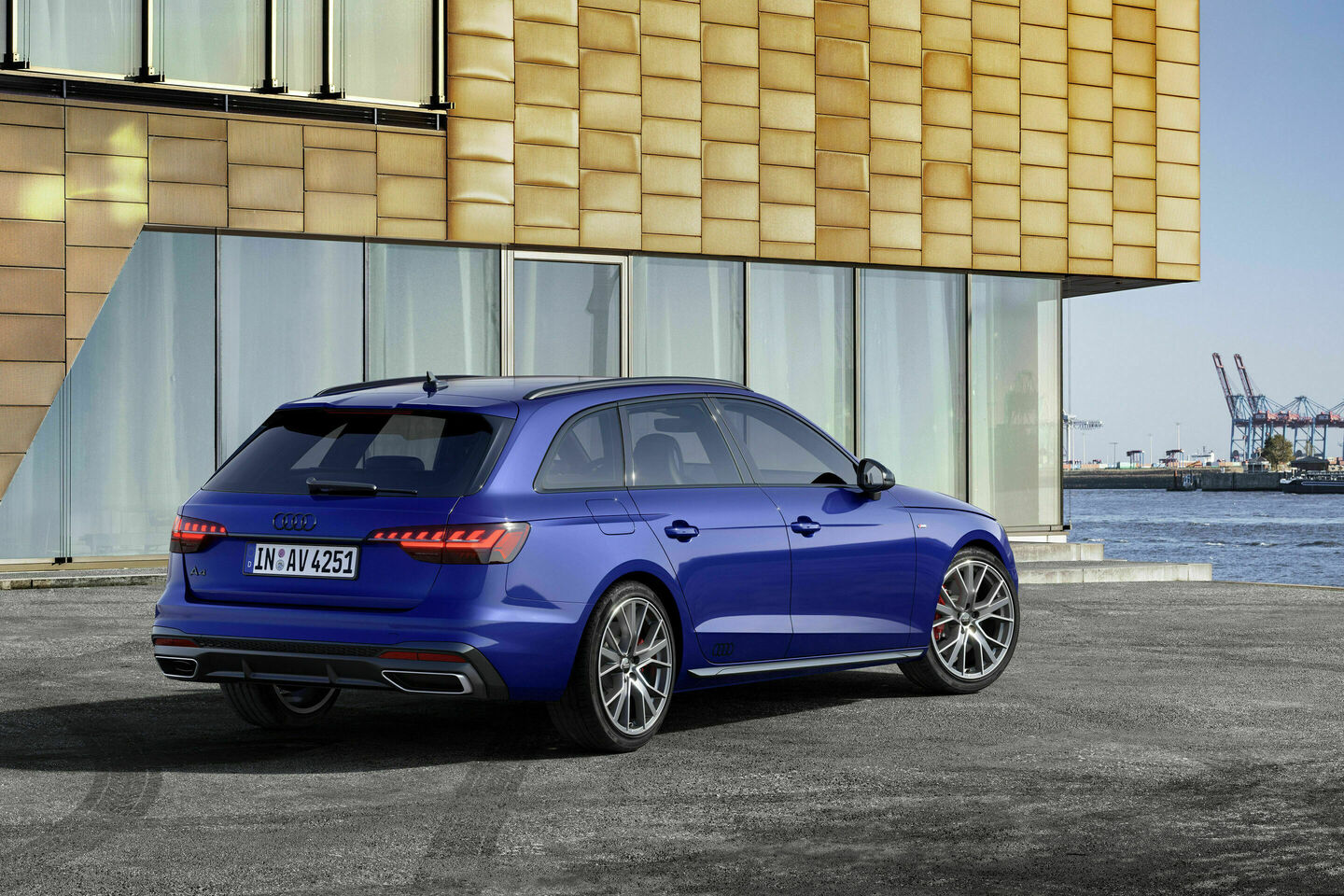
Audi A4 Avant
The Audi A4 Avant is one of the most balanced entry points into the luxury wagon segment. It offers a refined driving experience, strong build quality, and a cabin that still feels premium even in older model years. Audi’s interior design language remains one of its strongest selling points, and the A4 Avant benefits from this with clean layouts, supportive seating, and intuitive controls.
From a mechanical standpoint, the A4 Avant is generally more manageable than larger Audi wagons. The 2.0 TFSI engines found in many versions deliver a good mix of performance and efficiency when properly maintained. While older models had some known issues with oil consumption, later generations improved significantly, making them more reliable choices in the used market.
Ownership costs are moderate for a luxury vehicle, especially when compared to higher-tier Audi models. Routine servicing such as oil changes, brake replacements, and suspension components are reasonably priced by luxury standards. However, buyers still need to be cautious about electronic components and ensure proper diagnostic checks before purchase.
The driving experience is another strong advantage. The A4 Avant offers composed handling, smooth highway cruising, and optional Quattro all-wheel drive, which improves stability in poor road conditions. This makes it a practical choice for buyers who want both comfort and confidence.
The A4 Avant is considered a safe entry into luxury wagons because it balances performance, comfort, and relatively controlled maintenance costs when compared to larger and more complex Audi models.
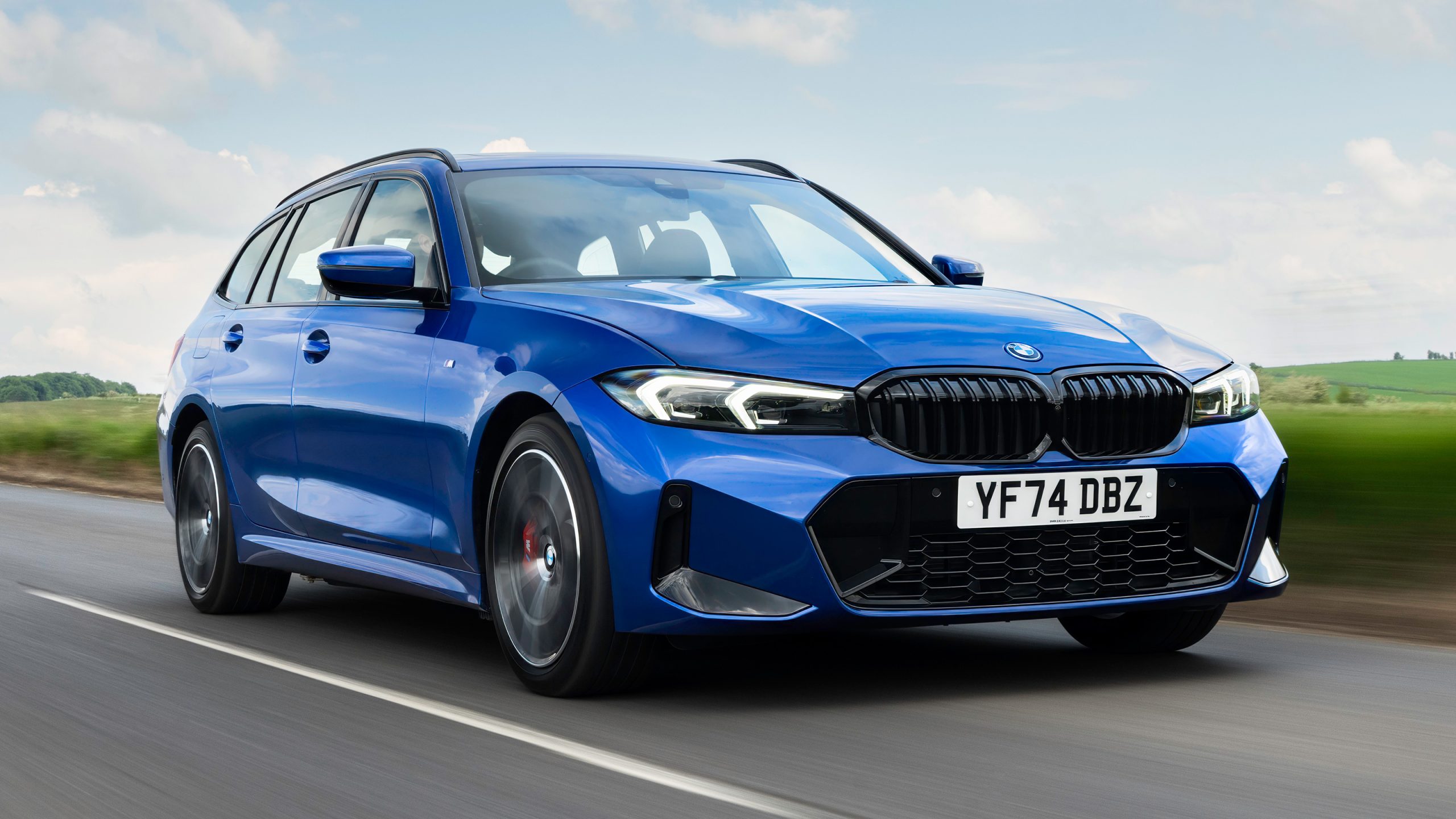
BMW 3 Series Touring
The BMW 3 Series Touring is widely regarded as one of the most driver-focused wagons in the luxury segment. It carries BMW’s traditional emphasis on rear-wheel-drive balance, precise steering, and engaging road dynamics. For buyers who enjoy driving, this model stands out as one of the most enjoyable wagons in its class.
The engine lineup, particularly the four-cylinder and six-cylinder turbocharged options, provides strong acceleration and smooth power delivery. When maintained correctly, these engines can be durable over the long term. However, maintenance discipline is critical, as oil quality and cooling system upkeep directly affect engine life.
Interior quality in the 3 Series Touring is strong but slightly more functional than luxurious. The focus is clearly on the driving position and ergonomics rather than excessive luxury materials. This makes it appealing to buyers who prefer a sporty feel over plush comfort.
In terms of maintenance, costs are moderate but can rise if electronic systems or suspension components fail. Common wear items such as bushings and cooling system parts may require attention as mileage increases, but these are manageable compared to higher-end BMW wagons.
The 3 Series Touring remains a strong used purchase because it delivers a rare combination of practicality and driving enjoyment. It is best suited for buyers who prioritize performance while still needing cargo space and everyday usability.
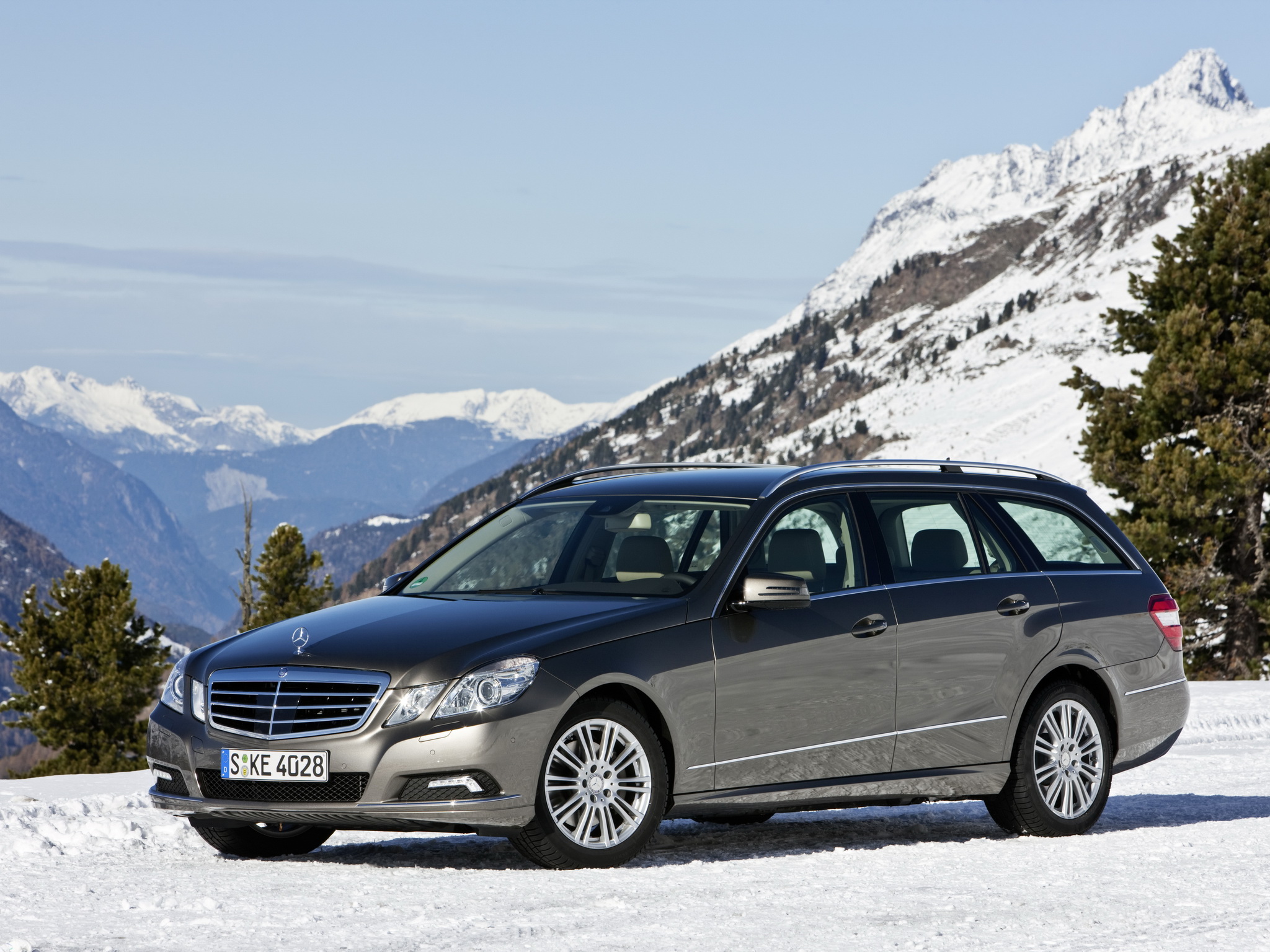
Mercedes E-Class Wagon
The Mercedes-Benz E-Class Wagon is one of the most comfortable and refined wagons available in the used luxury segment. It is designed primarily for comfort, long-distance travel, and a smooth driving experience rather than aggressive performance.
The suspension system is one of its strongest features, providing a soft yet controlled ride quality. Air suspension options in some trims enhance comfort further, although they can increase maintenance complexity. The cabin is typically quiet, well-insulated, and filled with high-quality materials.
Engine options, especially diesel variants in many markets, are known for their torque-rich performance and long-distance efficiency. When properly maintained, these engines can last for very high mileage, making them attractive for used buyers looking for durability.
Maintenance costs are generally higher than mainstream vehicles but reasonable within the luxury segment. The main risk lies in air suspension systems, electronic modules, and sensor-related repairs, which can become expensive if neglected.
Despite these risks, the E-Class Wagon remains one of the most practical luxury wagons because of its comfort, space, and long-distance reliability when properly serviced.
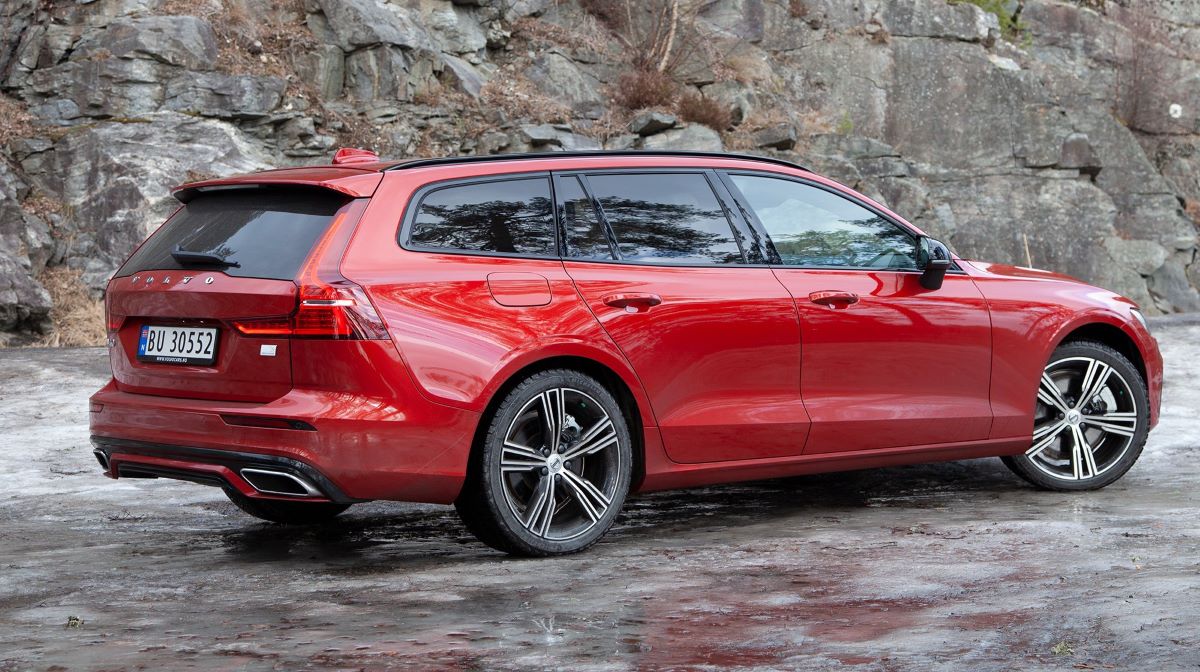
Volvo V60
The Volvo V60 is often praised for its strong focus on safety, simplicity, and long-term durability. Volvo’s engineering approach prioritizes stability and occupant protection, making the V60 one of the most reassuring choices in the used luxury wagon category.
The interior design is minimalist but highly functional, with comfortable seating and excellent ergonomics. Even older models maintain a modern feel due to Volvo’s consistent design philosophy. The infotainment systems in newer versions are also user-friendly and relatively stable compared to some German competitors.
From a mechanical standpoint, the V60 is generally reliable, especially when compared to more performance-focused wagons. Engine options vary by market, but many versions offer a good balance of power and efficiency without excessive stress on components.
Maintenance costs are typically more predictable. While not cheap, Volvo parts and servicing tend to be less volatile in pricing compared to some German luxury brands. This makes ownership easier to plan financially.
The V60 is best suited for buyers who want a premium experience without excessive mechanical risk. It offers a strong combination of comfort, safety, and reasonable long-term reliability.
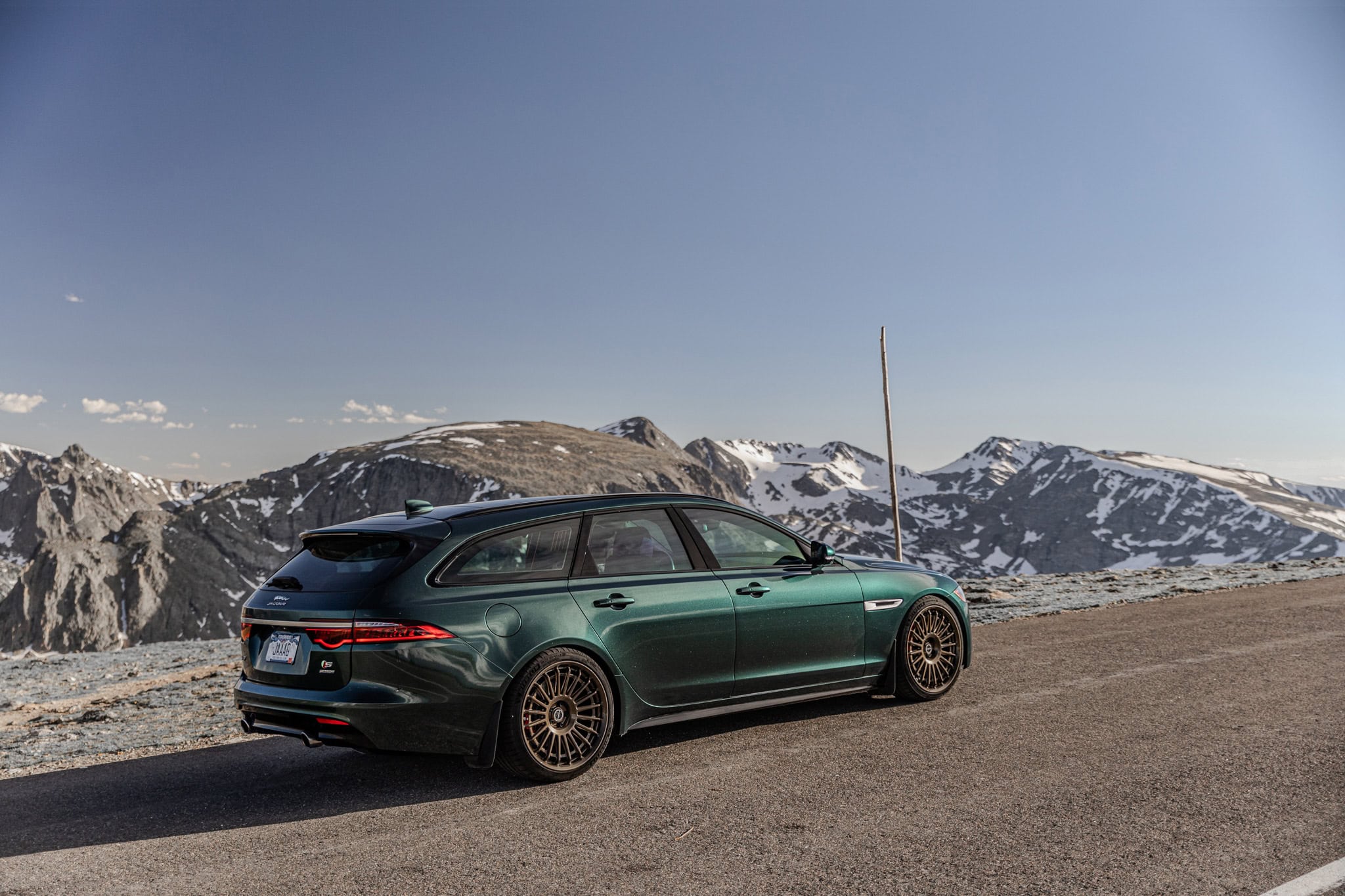
Jaguar XF Sportbrake
The Jaguar XF Sportbrake stands out for its design and road presence. It is one of the more stylish wagons in the luxury segment, offering a distinct British design language that prioritizes elegance and driving comfort.
On the road, the XF Sportbrake delivers a smooth and composed driving experience. The suspension is tuned for comfort, and the steering feels relaxed yet controlled. It is not the sportiest wagon in this list, but it provides a refined and enjoyable ride.
Engine options, particularly diesel variants in many markets, offer strong efficiency and sufficient power for daily driving. However, Jaguar engines can be sensitive to maintenance quality, making service history extremely important when buying used.
Maintenance costs can be higher than average due to parts availability and specialized servicing requirements. Electrical systems and infotainment components have also been known to require attention in older models.
Despite these concerns, the XF Sportbrake remains appealing for buyers who prioritize style, comfort, and exclusivity over absolute reliability.
5 Used Luxury Wagons That Are Total Wallet Drains
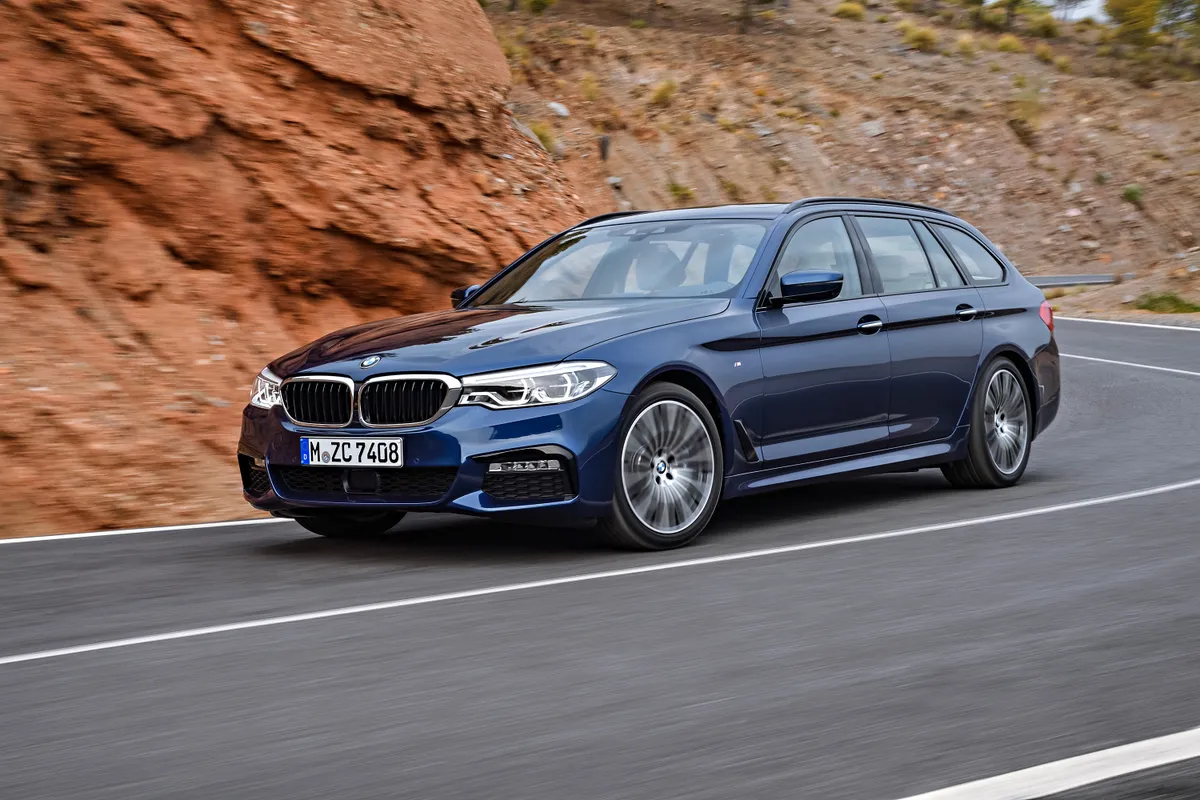
BMW 5 Series Touring
The BMW 5 Series Touring sits in a higher segment than the 3 Series Touring, and that jump in size and luxury brings a noticeable increase in engineering complexity. While it delivers a refined ride, spacious interior, and strong road presence, these benefits come with a network of interconnected systems that tend to age poorly if not meticulously maintained. As these vehicles get older, the cost of keeping everything functioning as intended rises quickly.
One of the biggest concerns with this wagon is the sheer number of advanced systems packed into it. Adaptive suspension, multiple driving modes, electronic steering components, and high-end infotainment systems all add layers of potential failure points.
When even one of these systems develops an issue, it can affect other components, leading to a chain reaction of repairs. Diagnosing these problems often requires specialized tools and experienced technicians.
The engine options, especially turbocharged inline-six variants, are smooth and powerful but demand strict maintenance schedules. Cooling systems, water pumps, and thermostat housings are known wear items that can fail without much warning. Oil leaks also become more common as seals and gaskets age, and addressing these issues is labor-intensive due to the tight engine bay packaging.
Suspension components, particularly in models equipped with adaptive dampers, can become expensive to replace. Bushings, control arms, and dampers wear out over time, and the cost of restoring the original ride quality can be substantial. Owners often delay these repairs, which further affects driving dynamics and safety.
The BMW 5 Series Touring can be a rewarding vehicle when everything works correctly, but it demands a strong financial commitment. Without a complete service history and a willingness to handle high maintenance costs, it can quickly shift from a premium experience to a continuous repair cycle.
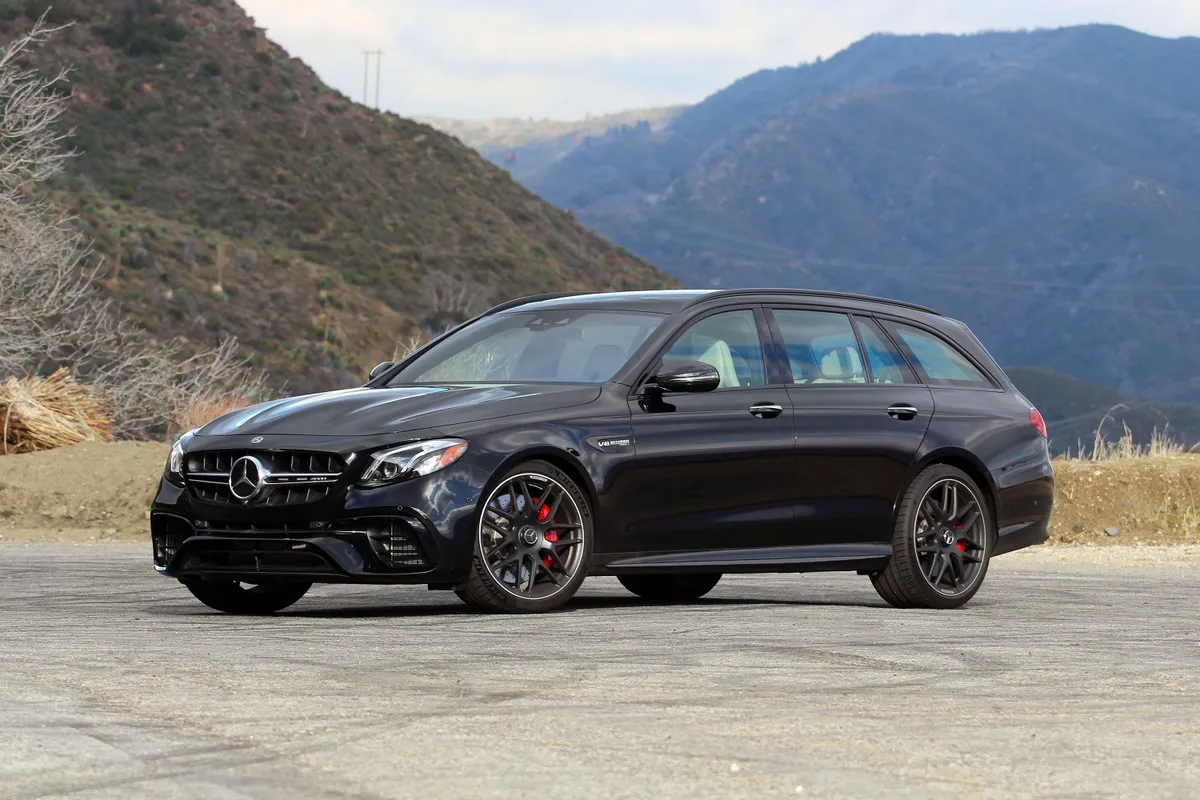
Mercedes-AMG E63 Wagon
The Mercedes-AMG E63 Wagon represents the extreme end of the luxury wagon spectrum, combining supercar-level performance with everyday usability. While this sounds ideal on paper, the reality of owning one outside warranty coverage can be financially overwhelming. Every component in this vehicle is engineered for performance first, which significantly impacts long-term durability and maintenance costs.
The twin-turbocharged V8 engine is the centerpiece of the E63 Wagon, delivering immense power and rapid acceleration. However, this performance comes at a cost. High engine temperatures, turbocharger stress, and increased pressure on internal components lead to faster wear compared to standard engines. Regular servicing is not optional but essential, and even routine maintenance is priced at a premium level.
Braking and tire costs are another major factor. The E63 Wagon is heavy and extremely fast, which means it consumes brake pads, rotors, and high-performance tires at a much faster rate than typical vehicles. Replacing these components is expensive, and opting for cheaper alternatives often compromises performance and safety.
The suspension system, often featuring performance-tuned air or adaptive setups, adds further complexity. These systems are designed to balance comfort and aggressive handling, but as they age, failures can occur in compressors, sensors, and struts. Repairs are rarely simple and often involve replacing entire assemblies.
Electronics and performance management systems also contribute to ownership costs. The vehicle relies on advanced software to manage power delivery, traction, and stability. When issues arise, they require specialized diagnostics, and repairs are rarely inexpensive. For most used buyers, the E63 Wagon is more of a passion purchase than a practical one.
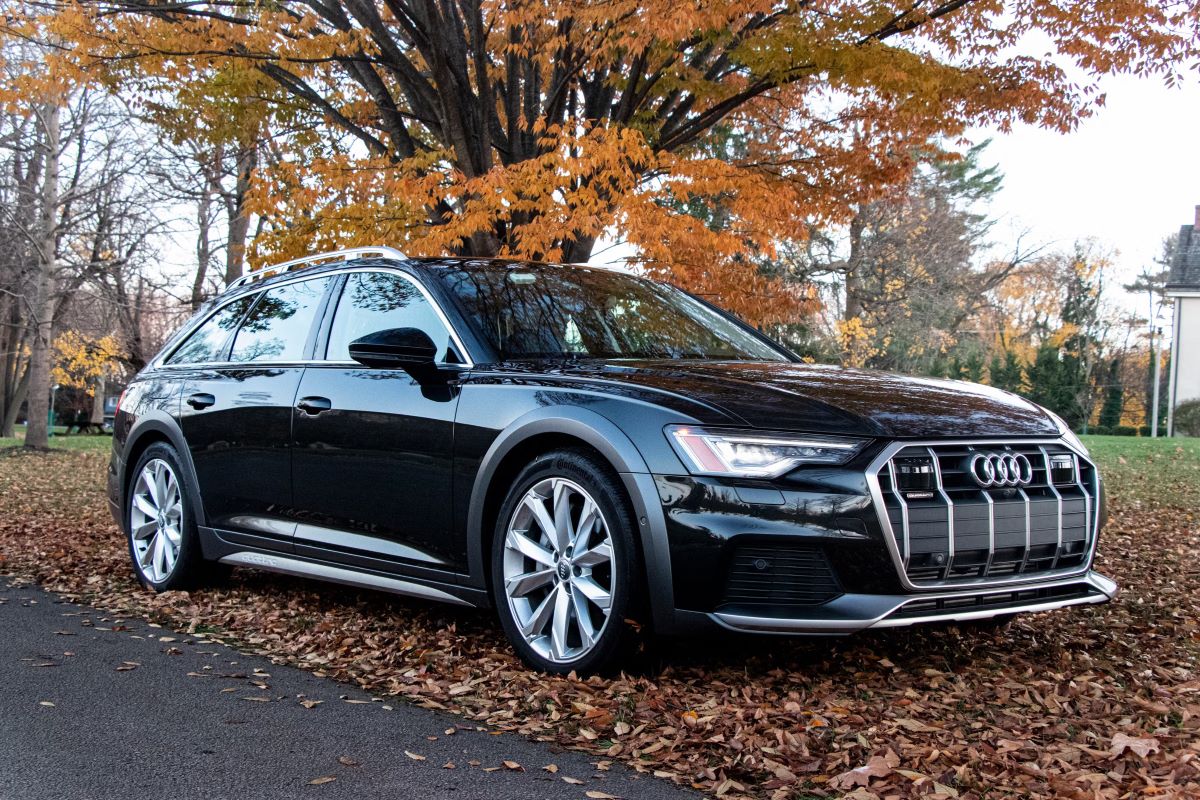
Audi A6 Allroad
The Audi A6 Allroad is designed to combine luxury with light off-road capability, which makes it unique among wagons. However, this versatility comes from a combination of systems that increase long-term maintenance demands. As the vehicle ages, these systems often require attention, and the cost of keeping them operational can be significant.
The air suspension system is one of the most well-known weak points. While it provides excellent ride comfort and adjustable ride height, it is also prone to wear over time. Air struts, compressors, and associated sensors can fail, and repairs often involve replacing multiple components at once. This makes even a single suspension issue potentially very expensive.
Engine reliability depends heavily on maintenance discipline. Turbocharged engines used in the A6 Allroad require consistent oil changes and proper cooling system care. Neglecting these can lead to issues such as carbon buildup, turbo wear, and reduced engine efficiency. Repairing these problems is not only costly but also time-consuming.
The Quattro all-wheel-drive system adds another layer of complexity. While it improves traction and handling, it also increases the number of moving parts in the drivetrain. Differential servicing, driveshaft maintenance, and transfer case issues can arise as mileage increases, each contributing to higher ownership costs.
Interior electronics and comfort features, including infotainment systems and climate controls, can also develop faults over time. These issues may not affect drivability, but they impact the ownership experience and can be expensive to fix. The A6 Allroad remains appealing, but it requires careful budgeting for long-term ownership.
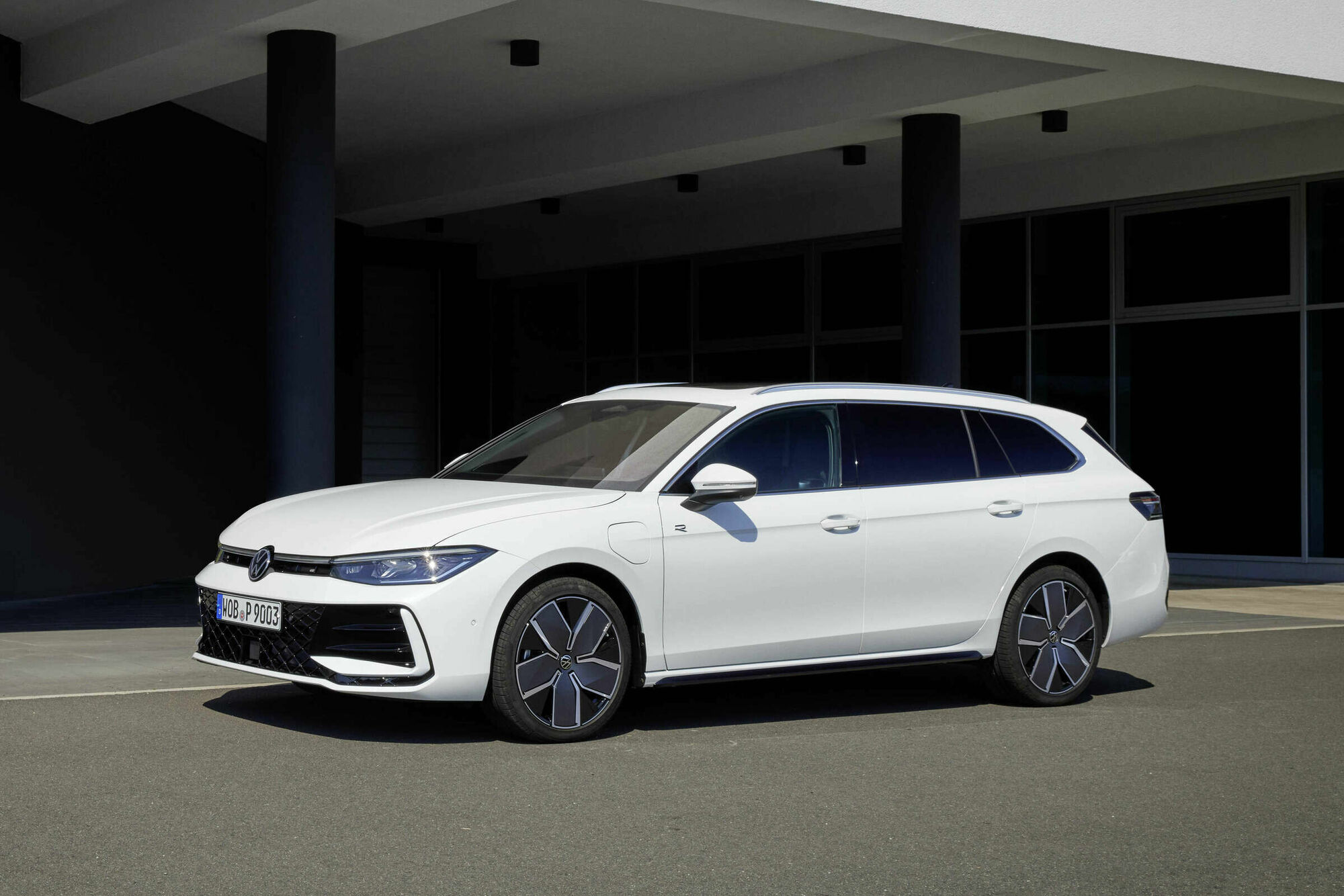
Volkswagen Passat W8 Wagon
The Volkswagen Passat W8 Wagon is an unusual entry in the luxury wagon category, mainly because of its rare W8 engine configuration. While it was an ambitious engineering effort, it has not aged well in terms of ownership practicality. Today, it is more of a curiosity than a sensible used car option.
The W8 engine is compact but extremely complex, combining two narrow-angle VR4 engines into one unit. This design creates packaging challenges and makes routine maintenance difficult. Even basic repairs often require significant disassembly, increasing labor costs dramatically compared to conventional engines.
Parts availability is one of the biggest concerns. Because the W8 engine was produced in limited numbers, replacement parts are not as readily available as those for more common engines. This leads to higher prices and longer wait times, which can be frustrating for owners who rely on the vehicle daily.
Fuel efficiency is another drawback. The W8 engine consumes significantly more fuel than modern turbocharged engines while delivering similar or lower performance. This makes it expensive to run, especially in regions where fuel costs are high.
Electrical systems in older Passat models can also present issues, particularly with aging wiring and control modules. Combined with the already complex engine, these problems make the Passat W8 Wagon a challenging vehicle to own. It may appeal to enthusiasts, but it is not a practical choice for most buyers.
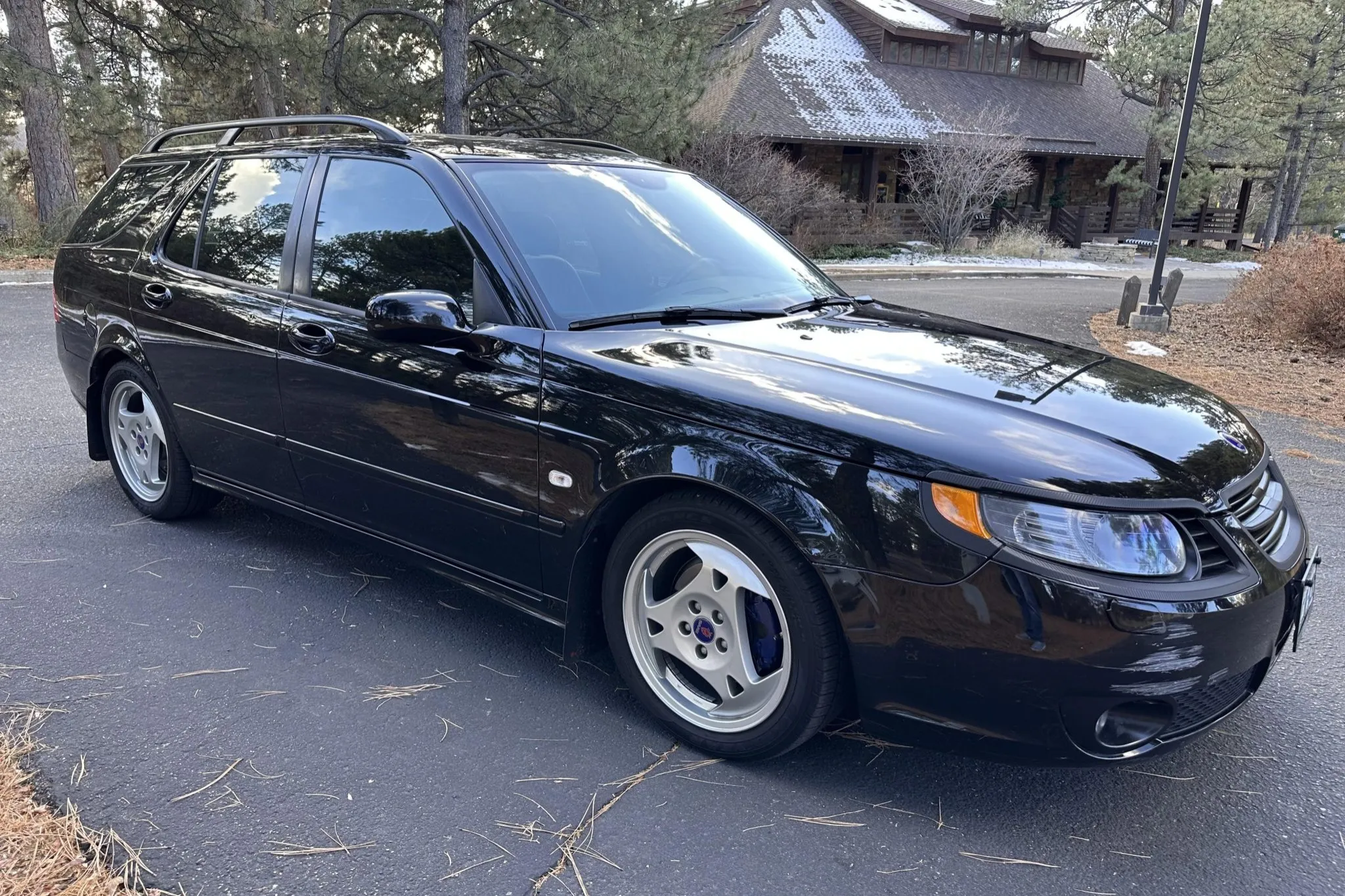
Saab 9-5 SportCombi
The Saab 9-5 SportCombi offers a unique ownership experience, with a focus on comfort, safety, and distinctive design. However, the discontinuation of the Saab brand has created long-term challenges that affect every aspect of ownership, from maintenance to parts sourcing.
One of the main concerns is the availability of replacement parts. While some components are still produced or shared with other manufacturers, many are becoming increasingly difficult to find. This can lead to extended repair times and higher costs, particularly for less common parts.
The engines used in the 9-5 SportCombi are generally reliable when properly maintained, but they are not immune to aging-related issues. Turbochargers, ignition systems, and cooling components may require replacement as mileage increases. Without easy access to parts, even routine repairs can become complicated.
Electrical systems are another area where problems tend to develop. Sensors, control modules, and dashboard electronics may fail over time, and diagnosing these issues requires specialized knowledge. Not all workshops are equipped to handle Saab-specific systems, which limits repair options.
Despite these challenges, the 9-5 SportCombi retains a loyal following due to its comfort and individuality. However, for most buyers, the combination of limited support, aging components, and rising maintenance difficulty makes it a risky and potentially expensive ownership choice.