

Learning automotive electrical systems can feel intimidating, especially with today’s modern cars packed with sensors, ECUs, and complex computer networks. However, there is a group of older and simpler vehicles that make the learning process far more approachable.
These cars were designed in an era when reliability, ease of repair, and mechanical transparency mattered more than digital sophistication. As a result, they use straightforward wiring, minimal electronics, and easily traceable circuits that can be diagnosed with basic tools like a multimeter or test light.
This guide highlights 12 used cars known for their simple electrical layouts and beginner-friendly design. From compact sedans like the Toyota Corolla and Honda Civic to rugged trucks like the Toyota Hilux and Nissan Frontier, each vehicle offers a practical way to learn real-world diagnostics.
Whether you are a DIY beginner or someone looking to build foundational skills, these cars provide the perfect starting point for understanding how automotive electrical systems truly work.
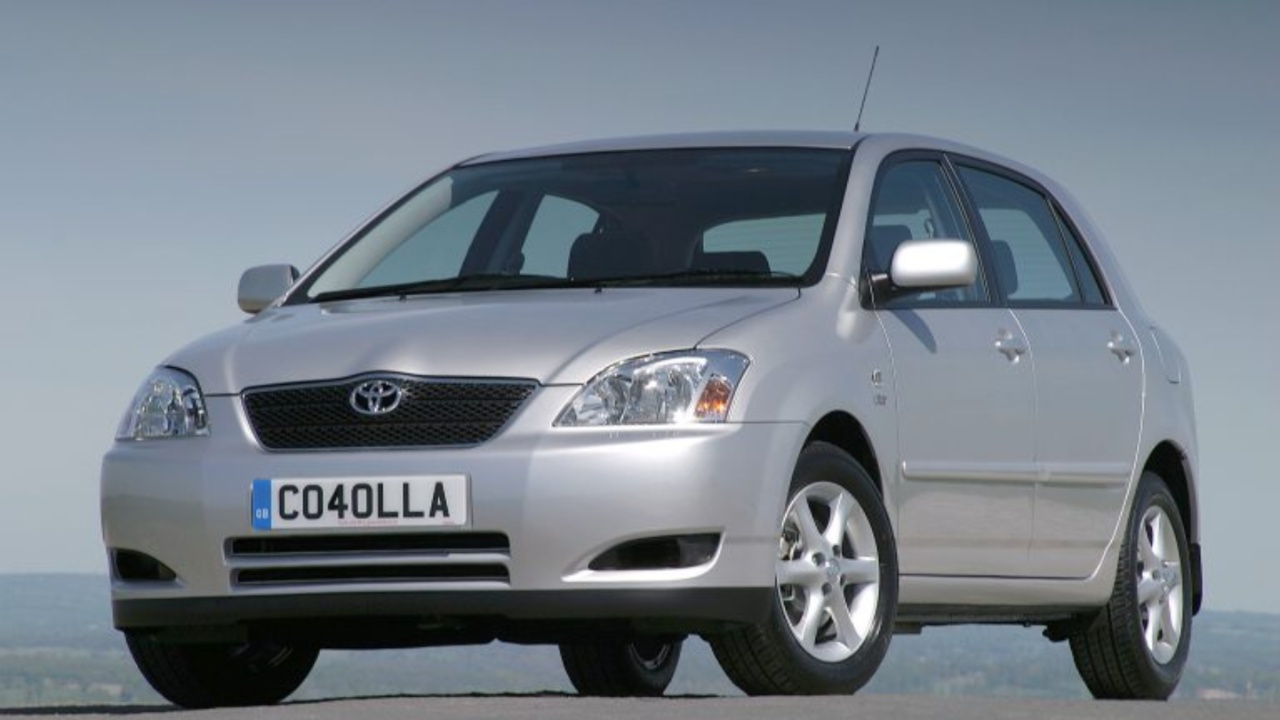
1. Toyota Corolla (1998–2002): A Simple Platform for Electrical Learning
The eighth-generation Toyota Corolla (1998–2002) is widely considered one of the best cars for beginners learning automotive electrical systems. Its appeal comes from its straightforward engineering and lack of complex computerized systems. Unlike modern vehicles that rely on advanced communication networks, this Corolla uses traditional point-to-point wiring, making it much easier to trace circuits and diagnose faults.
Accessibility is a major advantage. Key components such as the alternator, starter, distributor, and relays are placed in easy-to-reach areas, often at the top of the engine bay. The vehicle also features two clearly labeled fuse boxes, one in the engine compartment and another inside the cabin.
This layout helps simplify troubleshooting, especially for common issues like loss of power. Basic tools such as a multimeter or test light are usually enough to identify problems.
The electrical system is also relatively simple in design. It uses basic fuel injection and limited electronic management, so diagnostic codes are easier to understand compared to newer cars. Many common faults are caused by worn or aging parts, such as a dirty mass airflow sensor or worn starter contacts, rather than complicated system failures. This allows beginners to focus on learning core repair skills.
Durability further adds to its appeal. The wiring and connectors are strong and rarely develop intermittent faults. In addition, the model’s global popularity means there is a wide range of repair guides, manuals, and online resources available.
The Corolla is also affordable to own, with reasonable fuel economy, low insurance costs, and long service intervals. While its driving experience may feel less engaging than some rivals, it remains dependable and practical, making it an excellent starting point for learning basic car maintenance and electrical diagnostics.
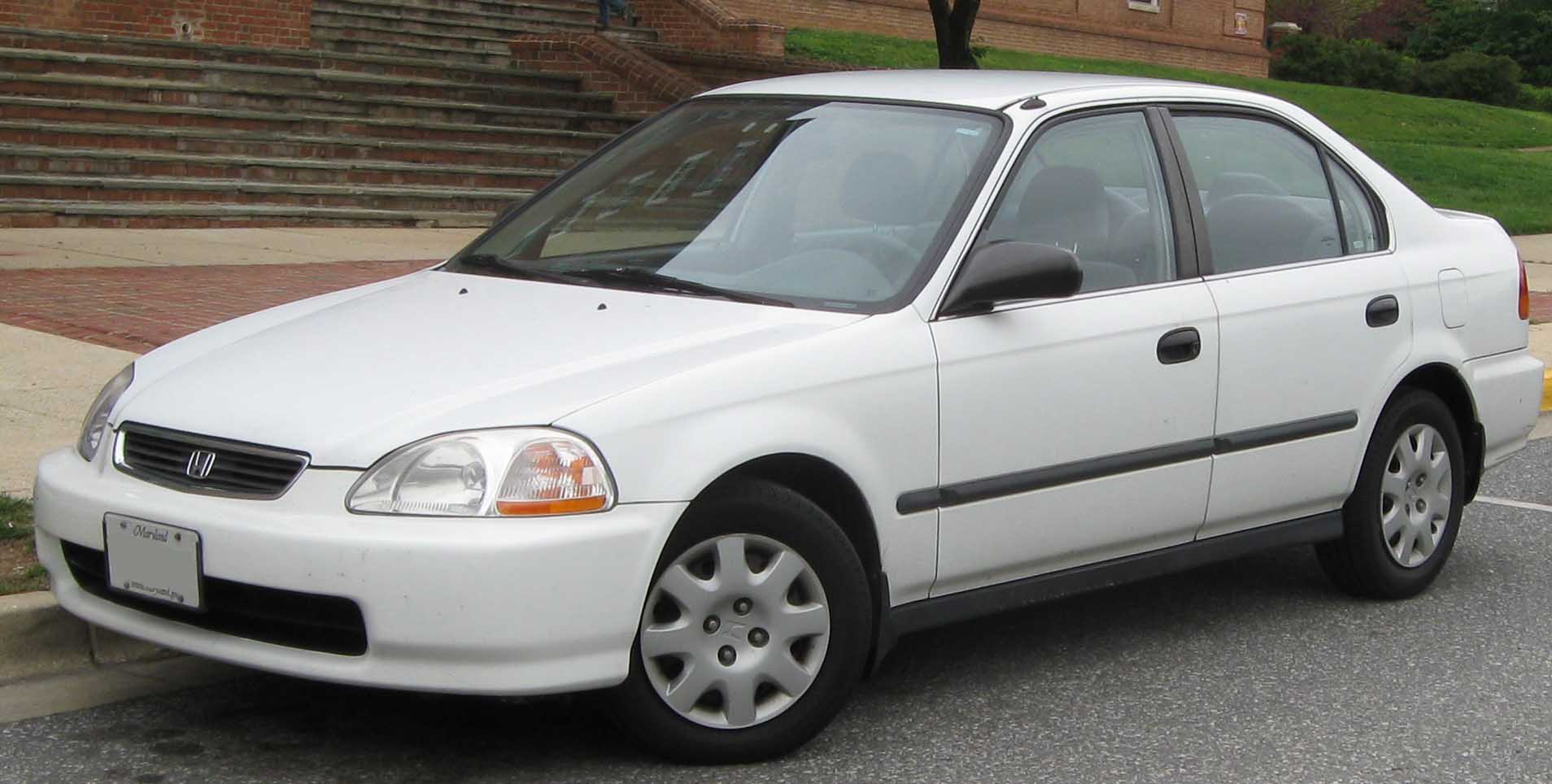
2. Honda Civic (1996–2000): A Beginner-Friendly Electrical Learning Platform
The sixth-generation Honda Civic (1996–2000), commonly known as the EK series, is widely regarded as an excellent car for beginners learning automotive electrical systems. Its appeal lies in its simple, non-multiplexed wiring design and minimal reliance on complex electronic modules.
Unlike modern vehicles that depend on interconnected computer networks, the EK Civic uses straightforward point-to-point wiring, allowing users to easily trace circuits and diagnose faults using basic tools such as a multimeter.
One of its key strengths is its logical and modular wiring harness. The layout is well-organized, making it easier to identify damaged wires or faulty connections. Components are not buried under layers of electronics, and the spacious engine bay allows clear access from the battery to the firewall.
Important sensors such as the MAP and TPS follow standard three-wire systems, making them simple to test and understand. The inclusion of a basic OBD-II system also helps beginners read diagnostic codes with inexpensive scanners, offering clear guidance when troubleshooting.
Accessibility extends to major electrical components. The distributor-based ignition system integrates key parts like the ignition coil, making spark-related issues easier to diagnose. Fuse boxes located under the hood and dashboard are clearly arranged, helping users quickly check power distribution problems.
Another major advantage is the abundance of learning resources. Due to the Civic’s global popularity, there are extensive repair manuals, online tutorials, and community forums dedicated to this generation. Replacement parts are widely available and affordable, making it practical for hands-on learning.
Common electrical issues, such as faulty main relays, ignition switch problems, or grounding faults, are typically straightforward to repair and serve as valuable learning experiences. In addition, the Civic offers good reliability, comfortable driving, and agile handling, especially in VTEC-equipped variants.
Despite lacking modern safety features and luxury equipment, the EK Civic remains a practical, durable, and highly accessible platform for mastering basic automotive electrical diagnostics and repair.
3. Jeep Wrangler (1997–2006): A Rugged and Simple Electrical System for Learning
The 1997–2006 Jeep Wrangler, known as the TJ generation, is widely recognized as an excellent vehicle for learning automotive electrical repair. Designed primarily for off-road use, it emphasizes durability, simplicity, and ease of repair, even in remote conditions. Its electrical system reflects this philosophy by being straightforward, weather-resistant, and free from unnecessary complexity.
One of the main advantages of the TJ Wrangler is its limited electronic sophistication. Unlike modern vehicles that rely on multiple interconnected computer modules, it uses only a few essential systems, mainly focused on engine management, charging, and lighting.
Earlier models lack advanced features such as traction control, complex infotainment, or adaptive systems, which significantly reduces the number of potential failure points. This simplicity allows beginners to focus on core electrical principles without being overwhelmed.
The wiring system is logical and easy to follow. Harnesses are organized by function and protected in durable looms that are simple to inspect for damage. Many common electrical problems are related to grounding, and fixing them can be as simple as cleaning ground connections near the battery or headlights.
The ignition system, especially in models with the 4.0-liter engine, uses a traditional distributor setup, making it easier to diagnose compared to more modern designs.
Accessibility is another key strength. The engine bay provides ample space to reach the battery, firewall, and other components, making testing and repairs straightforward. This also makes it easy to install aftermarket accessories such as off-road lights or a winch without interfering with the vehicle’s main systems.
The TJ Wrangler also benefits from OBD-II diagnostics, allowing users to read error codes with inexpensive tools. Combined with a large support community, detailed manuals, and widely available parts, it offers a highly practical and low-risk platform for learning. While it may be less refined on the road, its rugged design and simplicity make it ideal for hands-on electrical repair experience.

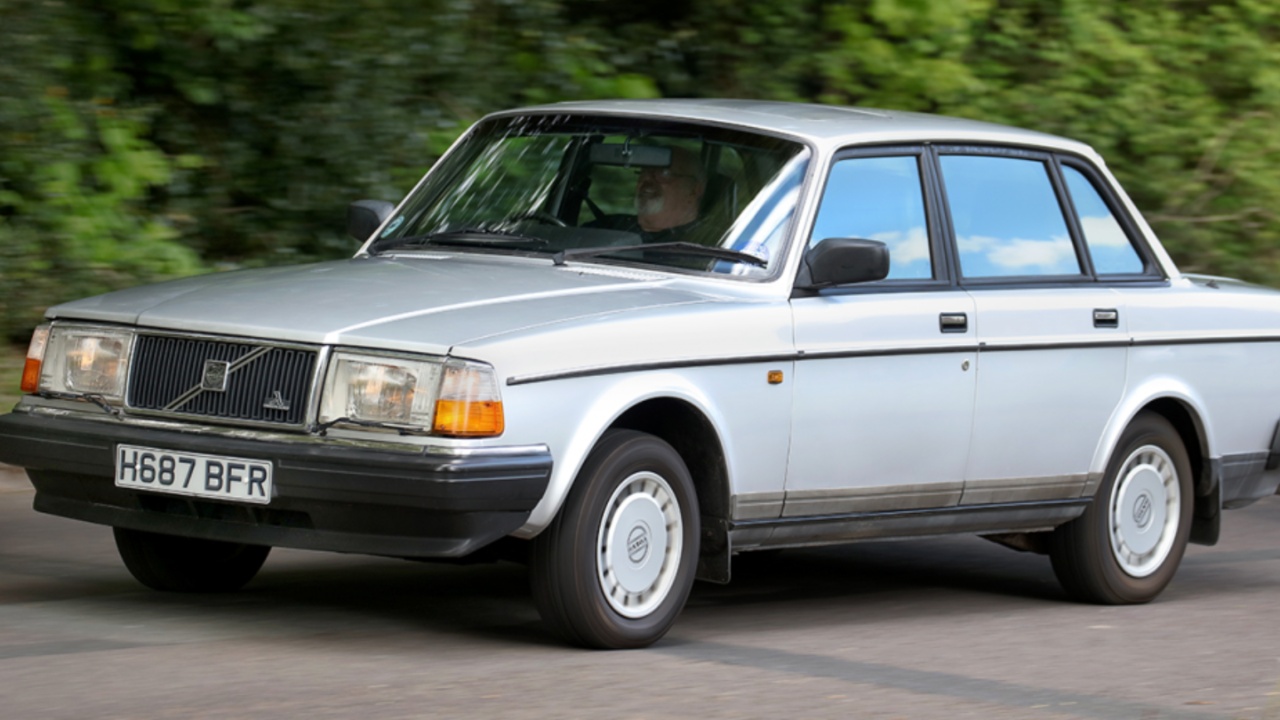
4. Volvo 240 (1975–1993): A Classic and Transparent Electrical System
The Volvo 240, produced from 1975 to 1993, is widely regarded as one of the easiest cars to maintain and repair, especially when it comes to electrical systems. Known for its durability and simple design, it follows a “what you see is what you get” philosophy, making it highly appealing to beginners. Unlike modern vehicles with complex electronic networks, the 240 uses basic, easy-to-understand circuits that can be diagnosed with minimal tools.
One of its biggest strengths is its spacious and accessible layout. The engine bay is large, leaving plenty of room around key components such as the alternator, starter, and ignition system. This allows users to inspect wiring and perform repairs without removing other parts. Ground points, which are often the source of electrical issues, are clearly visible and easy to clean, making troubleshooting more straightforward.
The electrical system itself is simple and logically organized. The car uses a ceramic fuse box located near the driver’s feet. These fuses are highly visual, allowing users to quickly identify blown circuits or fix minor issues by cleaning or adjusting connections.
Relays are also standard and easy to replace, often solving common problems in just a few minutes. Earlier models used mechanical fuel injection with very few sensors, reducing the number of potential failure points.
Diagnosis is simple and does not require advanced tools. A basic multimeter or test light is usually enough to identify faults. There are no software locks or complicated reset procedures, which further simplifies repairs.
Another advantage is the strong support network. Because the Volvo 240 was produced for nearly two decades, there is extensive documentation, including detailed wiring diagrams and active enthusiast communities.
Combined with its long-lasting mechanical components and inexpensive parts, the Volvo 240 offers a practical and highly approachable platform for learning automotive electrical systems and basic repair skills.
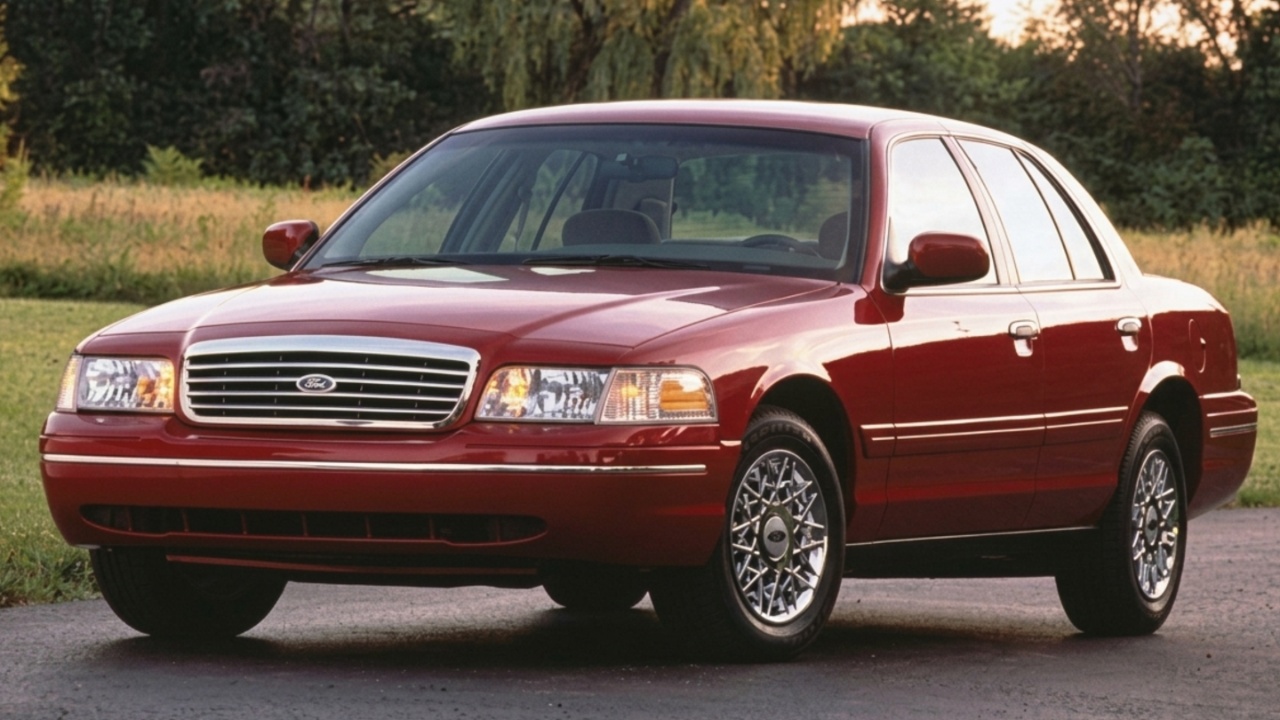
5. Ford Crown Victoria (1998–2011): A Durable and Beginner-Friendly Electrical System
The Ford Crown Victoria (1998–2011) is widely recognized as an excellent vehicle for learning automotive electrical repair. Originally designed for police and taxi fleets, it was engineered with reliability, durability, and ease of maintenance in mind. Its electrical system reflects this purpose by being robust, simple, and highly accessible, making it ideal for beginners.
One of its main strengths is its straightforward electrical design. Compared to modern vehicles filled with complex modules and networked systems, the Crown Victoria relies on basic 12-volt circuits for essential functions such as lighting, fuel delivery, and power accessories. The components are standardized and widely shared across Ford vehicles of the same era, making them easy to understand and inexpensive to replace.
Accessibility is another major advantage. The car’s body-on-frame construction provides a large engine bay, allowing easy access to key components like the alternator, battery, and starter.
Wiring harnesses, relays, and sensors are positioned in a way that allows testing and replacement without extensive disassembly. Inside the car, the fuse system is split between the Battery Junction Box under the hood and the Central Junction Box in the cabin, both clearly organized for quick diagnostics.
Troubleshooting is simple and beginner-friendly. Many electrical issues can be traced using a multimeter by checking fuses, relays, and ground connections. Common problems, such as faulty window switches or flickering lights, are often resolved by replacing inexpensive parts or cleaning ground points. The modular nature of the system means components can be swapped without programming or specialized tools.
The Crown Victoria also benefits from extensive documentation and community support due to its long service life in fleets. Parts are widely available and affordable, reducing the cost of experimentation while learning.
Known for its long-lasting V8 engine and durable construction, the Crown Victoria combines simplicity, reliability, and ease of repair, making it a practical platform for mastering basic automotive electrical diagnostics and maintenance.
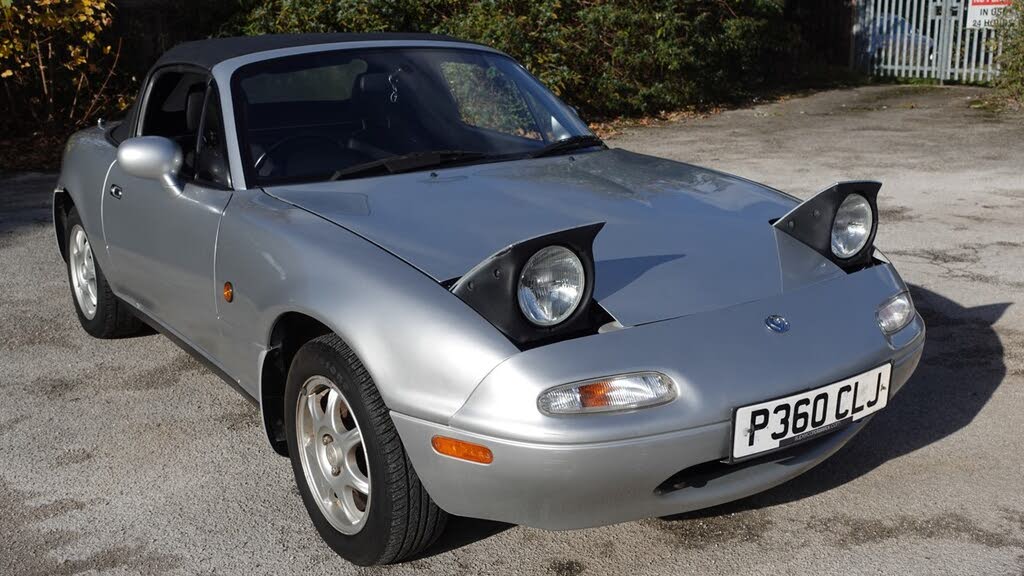
6. Mazda MX-5 Miata (1990–1997): A Minimalist Approach to Electrical Learning
The 1990–1997 Mazda MX-5 Miata, also known as the NA generation, is widely praised as one of the best cars for beginners learning automotive electrical systems. Built with a focus on simplicity and reliability, it avoids the complexity of modern vehicles and instead uses basic, easy-to-understand electrical architecture. This makes it an ideal platform for those who want to develop hands-on diagnostic and repair skills.
A key strength of the Miata is its minimalist design. It does not use advanced communication systems or complex electronic modules. Instead, it relies on direct wiring where switches send power straight to components such as motors or lights.
This straightforward setup allows beginners to diagnose issues using simple tools like a multimeter, checking for voltage, continuity, or grounding problems without needing specialized equipment.
The physical layout of the car further enhances its accessibility. The compact four-cylinder engine leaves ample space in the engine bay, making it easy to reach important components like the alternator, starter, and ignition system.
Ground points are clearly located and simple to clean, which helps resolve many common electrical issues. The fuse box is also clearly labeled, allowing quick identification of blown fuses or faulty circuits.
Many components are designed for easy replacement. For example, the pop-up headlights operate using simple motors and relays, making them an excellent first project for learning motor diagnostics. The fuel pump is accessible through an interior panel, avoiding the need for major disassembly. In addition, the battery is located in the trunk, protecting it from engine heat and helping preserve wiring condition over time.
The Miata also benefits from extensive documentation and a strong enthusiast community, providing guides, diagrams, and troubleshooting advice. Combined with affordable parts and reliable performance, it offers a practical and engaging platform for mastering basic automotive electrical repair and maintenance skills.
Also read: 12 Cars That Prove Practical Doesn’t Mean Boring
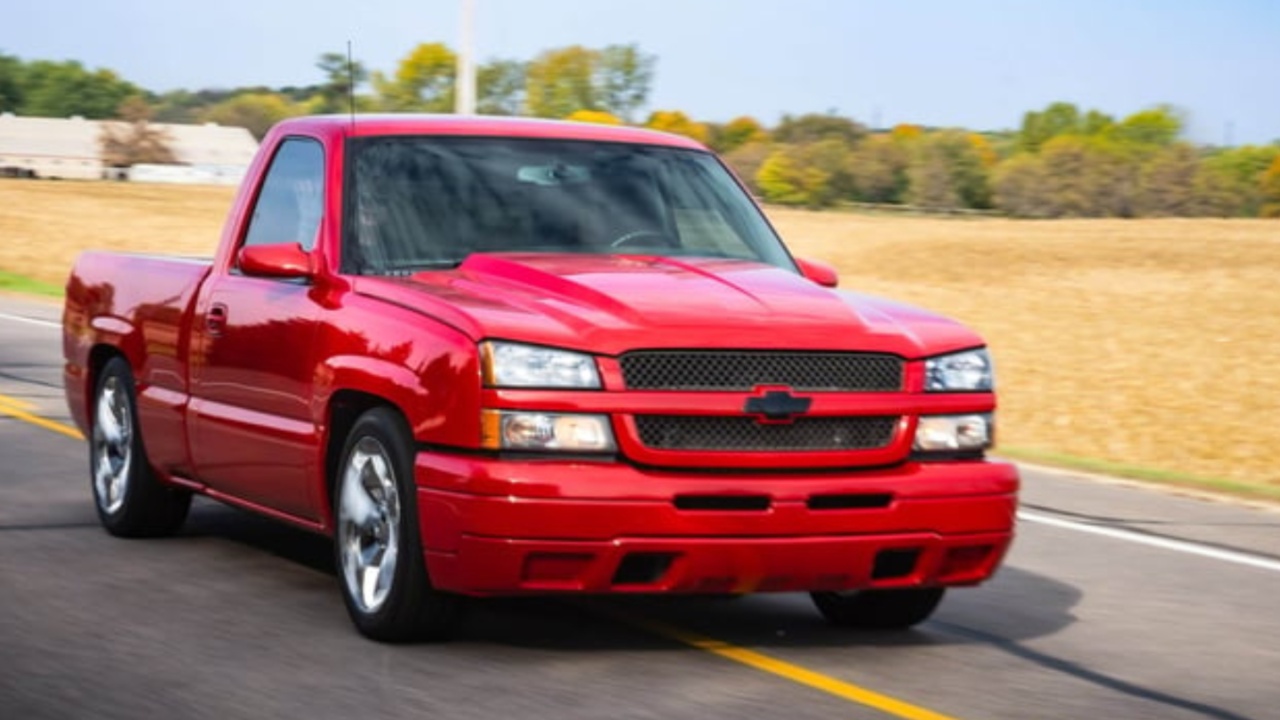
7. Chevrolet Silverado (1999–2006): A Practical Introduction to Modern Truck Electronics
The 1999–2006 Chevrolet Silverado, part of the GMT800 generation, is widely considered an excellent vehicle for learning automotive electrical systems, especially for those transitioning from older cars to more modern designs. It strikes a balance between simplicity and newer technology, offering segmented electronics without the overwhelming complexity of today’s highly integrated systems.
One of its key advantages is its serviceable and modular design. While it includes more electronic components than older vehicles, its systems are divided into clear sections, making troubleshooting easier. The under-hood fuse center is large and well-organized, providing accessible test points for major circuits. This allows beginners to probe electrical systems efficiently using basic diagnostic tools such as a multimeter.
Accessibility is another strong point. The truck’s spacious layout makes it easier to reach wiring, relays, and components compared to cramped modern vehicles. Many common electrical issues are straightforward to fix and well-documented.
Problems such as faulty instrument cluster gauges, blower motor resistor failure, or power window issues are typically resolved through simple plug-and-play replacements rather than complex repairs. This helps learners build confidence without needing to dismantle large sections of the dashboard.
The Silverado also benefits from widely available parts and extensive documentation. Because of its popularity as a work truck, there are many repair guides, tutorials, and community discussions that explain common issues and solutions in detail. This makes it easier for beginners to understand how systems work and how to fix them.
In addition to its learning potential, the Silverado is known for its durable Vortec V8 engines and comfortable ride. Although it has some common issues such as fuel pump failures, rust, and ABS problems, these are generally manageable and serve as practical learning opportunities.
With its blend of durability, accessibility, and moderately modern systems, the Silverado provides an ideal platform for gaining hands-on experience in automotive electrical diagnostics and repair.
8. Volkswagen Beetle (Classic): The Simplest Electrical System to Learn From
The classic Volkswagen Beetle is often considered the ultimate beginner-friendly car for learning automotive electrical systems. Designed in an era focused on simplicity and mechanical reliability, it features one of the most basic electrical layouts ever put into a production vehicle. With very few wires, minimal components, and no computer systems, it provides a clear and direct way to understand how electricity works in a car.
At its core, the Beetle’s electrical system is extremely minimalistic. It relies on simple circuits that power essential functions such as lighting, ignition, and charging. There are no advanced control units, sensors, or fuel injection systems in earlier models.
The fuse box typically contains only a small number of fuses, making it easy to identify and isolate electrical issues. Because of this, the entire system can often be mapped out and understood without advanced knowledge.
Accessibility is another major advantage. Key components such as the generator or alternator, ignition coil, and spark plug wires are easy to see and reach by simply opening the rear engine compartment.
The fuse box is located under the dashboard and is straightforward to inspect. Even more complex tasks, such as accessing the starter or major wiring, are simplified by the car’s design, including the ability to remove the engine with relative ease.
Troubleshooting is also very beginner-friendly. Most electrical problems are related to grounding issues, which can often be fixed by cleaning contact points. The wiring is color-coded, helping users trace circuits with basic diagrams. Replacement parts are widely available and often interchangeable across different model years.
In addition, the Beetle benefits from a strong enthusiast community and extensive documentation, including beginner-focused manuals. While it lacks modern comforts and safety features, its unmatched simplicity makes it an ideal platform for understanding the fundamentals of automotive electrical systems.

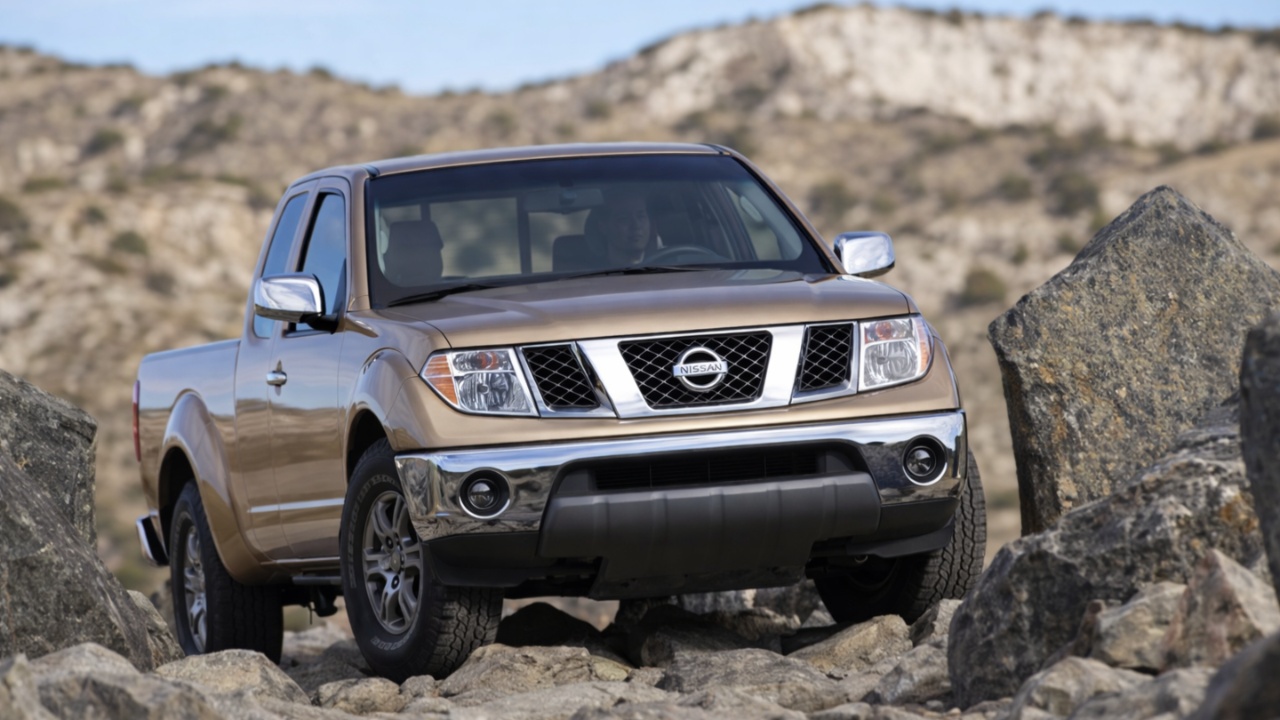
9. Nissan Frontier (2005–2019): A Simple and Durable Truck for Learning Electrical Repair
The 2005–2019 Nissan Frontier, also known as the second-generation D40, is widely regarded as one of the best midsize trucks for beginners learning automotive electrical systems. Its long production run with minimal changes makes it especially valuable for DIY mechanics, as the wiring layout, components, and diagnostic procedures remained largely consistent for over a decade.
One of its main strengths is its simplified and mature electrical design. Unlike modern trucks filled with advanced digital systems, the Frontier relies on mostly analog circuits and avoids excessive electronic complexity.
This makes troubleshooting easier and reduces the number of potential failure points. The engine bay is also well organized, allowing relatively easy access to key electrical components such as relays, sensors, fuses, and connectors.
A key feature is the Intelligent Power Distribution Module (IPDM), which combines multiple fuses and relays into a single unit. This simplifies the diagnosis of common issues, especially no-start conditions, by narrowing down where a fault may be located.
Many common electrical problems, such as faulty fuel level sensors, EVAP vent valve failures, or camshaft position sensor issues, can be diagnosed using basic tools like an OBD2 scanner or multimeter.
Another advantage is the strong availability of information and parts. Because the Frontier remained largely unchanged for many years, there is extensive online documentation, forum discussions, and repair guides covering nearly every electrical issue. Replacement parts are also affordable and widely available, making repairs accessible for beginners.
The truck is generally reliable, with strong V6 engines capable of high mileage when properly maintained. However, early models from 2005–2010 have known issues, including the “strawberry milkshake of death,” where radiator failure can damage the transmission, as well as timing chain wear and fuel sensor inaccuracies.
Later models, especially from 2015 to 2019, are considered the most dependable. With its durability, simplicity, and ease of repair, the Frontier offers a practical platform for learning automotive electrical diagnostics and hands-on maintenance skills.
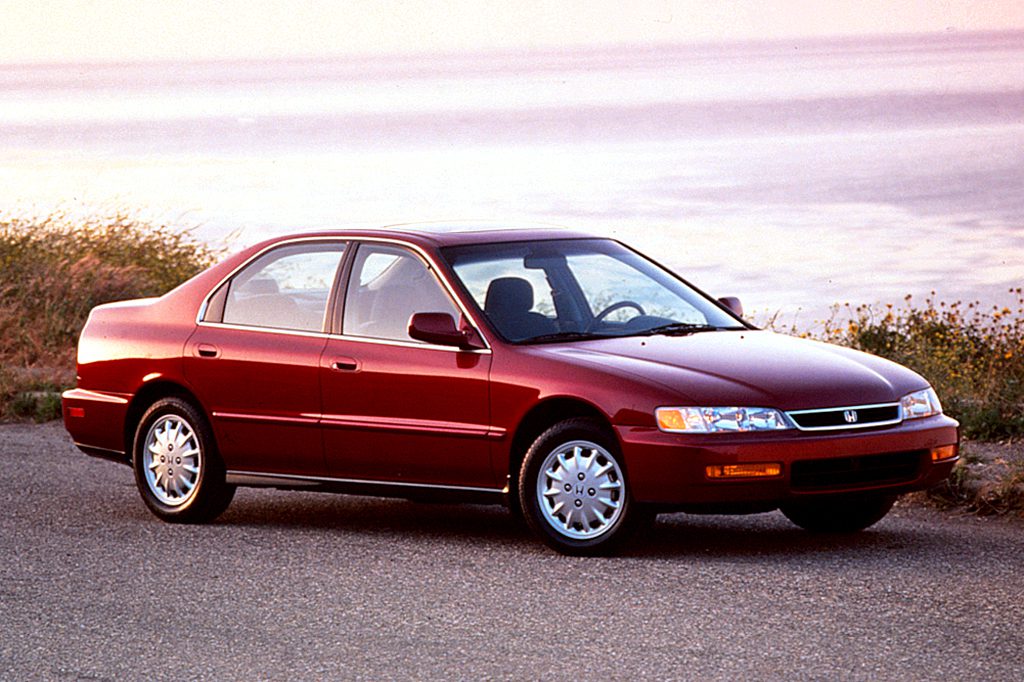
10. Honda Accord (1994–1997): A Balanced and Beginner-Friendly Electrical System
The 1994–1997 Honda Accord, also known as the fifth-generation model, is widely regarded as one of the best used cars for learning automotive electrical repair. It sits in a “sweet spot” between older, purely mechanical vehicles and modern cars with highly complex electronic systems. Its design keeps electrical systems simple, reliable, and easy to understand, making it ideal for beginners.
A key advantage of this Accord is its minimal electronic complexity. Built before the widespread use of CAN bus networks and advanced immobilizer systems, it relies on straightforward wiring where switches directly control components.
This makes troubleshooting simpler because circuits follow direct paths from the fuse to the switch to the device. Early OBD1 and OBD2 systems also allow basic diagnostics, letting users read fault codes without expensive tools.
Accessibility is another major strength. The wiring harness is well-organized, and key components are easy to reach. Fuse boxes are located in clear, accessible positions under the hood and inside the cabin.
Common repairs, such as alternator or starter replacement, can often be completed quickly with basic hand tools. Even ignition switch issues, which can cause no-start problems, are well-documented and straightforward to fix.
The model also benefits from limited “computer brain” complexity. While it does use an ECU, it lacks the multiple interconnected modules found in modern vehicles. This reduces diagnostic difficulty and makes replacement or testing far more manageable. Many electrical systems, such as power windows, door locks, and wipers, operate through simple, direct circuits that are easy to trace and repair.
Strong community support further enhances its value. Because the Accord was produced in large numbers, there are extensive wiring diagrams, repair guides, and online tutorials available. Replacement parts are also affordable and widely accessible, making it practical for hands-on learning.
Alongside its electrical simplicity, the Accord is known for reliability, smooth engines, and balanced performance, making it a dependable daily driver while also serving as a practical platform for learning automotive electrical diagnostics and repair.
11. MG MGB (1962–1980): A Classic Platform for Learning Basic Automotive Electrical Systems
The MG MGB is widely considered one of the best classic cars for beginners learning automotive electrical repair. Produced from 1962 to 1980, it features an extremely simple, non-computerized electrical system that relies on basic principles such as switches, wires, bulbs, and a battery.
With no ECUs, sensors, or modern electronic modules, it provides a clear and hands-on way to understand how automotive electrical systems function.
A major strength of the MGB is its simplicity and accessibility. The wiring is openly routed and not hidden behind complex dashboards or plastic covers, making it easy to inspect and work on.
Components such as fuse boxes, toggle switches, relays, and connectors are straightforward to reach and test. This allows beginners to quickly learn essential skills like checking continuity, cleaning connections, and diagnosing grounding issues.
The wiring system itself is also easy to understand due to standardized color coding and simple circuit layouts. Earlier models used a positive-ground system with a generator, while later versions transitioned to a more familiar negative-ground setup with an alternator, making them easier for modern learners to interpret and maintain. Across all versions, the system remains basic enough that most faults can be identified using only simple tools.
Another advantage is the strong availability of resources. Detailed wiring diagrams, repair manuals, and beginner-friendly guides are widely accessible. The MGB also benefits from a large enthusiast community, which has documented nearly every common electrical issue and repair method. Replacement parts are widely available and affordable, making experimentation less risky for learners.
Common learning tasks include fixing poor ground connections, repairing faulty switches, and restoring lighting or ignition circuits. While the car is known for occasional electrical quirks, these issues actually help beginners build practical troubleshooting skills.
Despite its simplicity, the MGB remains a fun and iconic sports car, offering a pure driving experience along with a highly educational platform for mastering the fundamentals of automotive electrical repair.
12. Toyota Hilux / Pickup (Pre-1995): A Simple and Durable Platform for Learning Electrical Systems
The pre-1995 Toyota Hilux, also known as the Toyota Pickup in some markets, is widely regarded as one of the best vehicles for beginners learning automotive electrical repair. Built with a focus on durability, simplicity, and field serviceability, it was designed to be repaired in harsh environments using only basic tools. This makes its electrical system one of the most straightforward and beginner-friendly in any vehicle.
A major strength of the Hilux is its minimal electronic complexity. Many models use carbureted or early fuel-injected engines such as the 22R and 22R-E, which avoid modern computer-heavy systems. There are no CAN bus networks, no advanced sensor arrays, and no OBD diagnostic requirements. As a result, troubleshooting does not require specialized scanners, only basic tools like a multimeter or test light.
The wiring system is equally simple. Circuits are separated by function, including ignition, charging, lighting, and starting systems. Most components are directly connected to power and ground, making it easy to trace voltage and continuity. The engine bay is spacious, allowing clear access to the battery, alternator, starter, and main wiring routes. Consistent wire colors and simple diagrams further simplify learning.
Repair work is highly practical. Common issues such as alternator failure, starter solenoid problems, or poor grounding points are easy to diagnose and fix. Many electrical faults are resolved by cleaning connections or replacing single components rather than dealing with complex modules or programming.
The Hilux is also known for its exceptional durability. Many examples exceed 200,000 miles with proper maintenance, and the 22R series engines are especially reliable. However, the truck is very basic, with minimal comfort, slow performance, and a utilitarian interior. Rust and cooling system wear are the most common age-related issues.
Despite its simplicity, the Hilux offers excellent learning value. It teaches core electrical principles like voltage, continuity, and grounding in a clear, hands-on way, making it an ideal starting point for beginners.
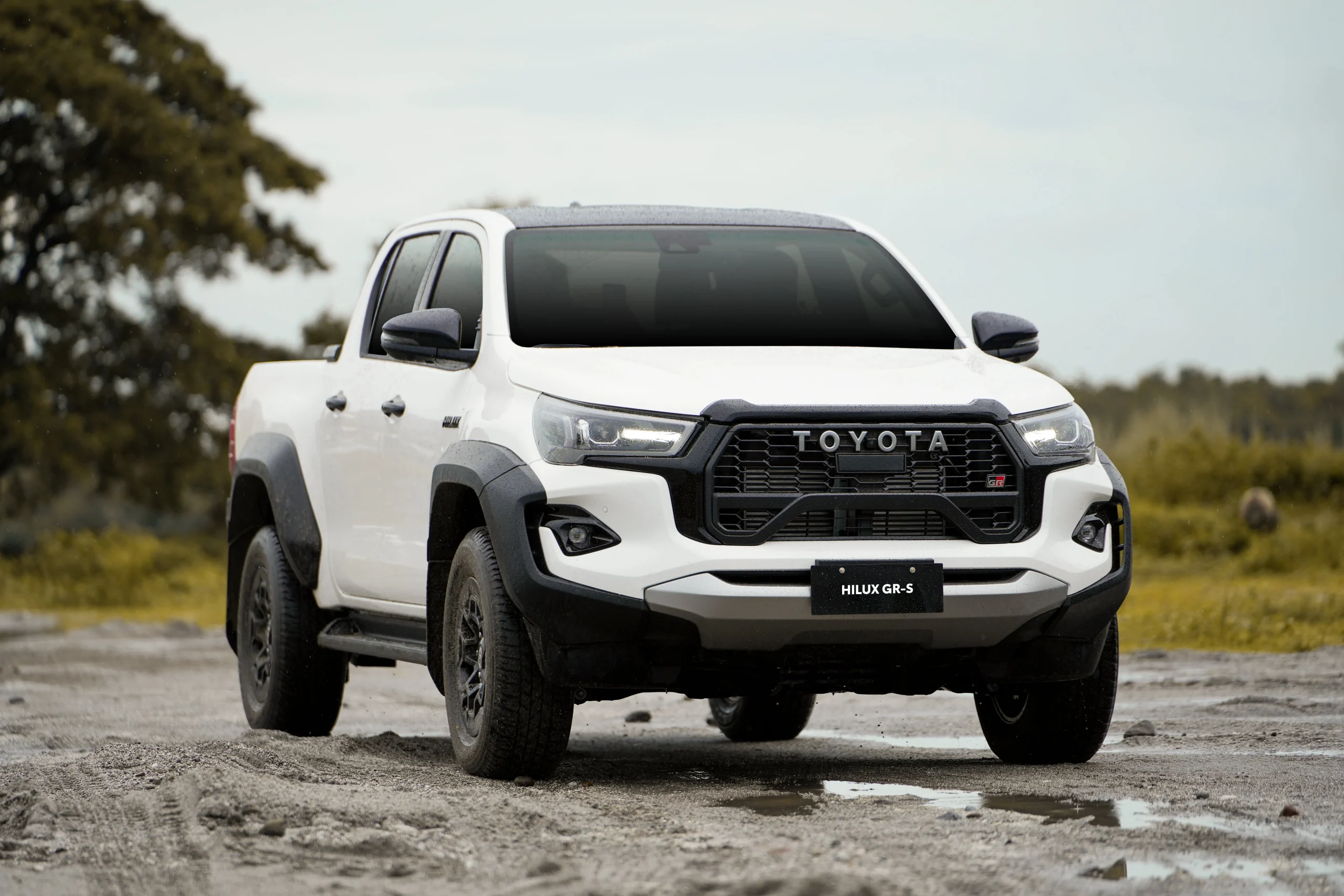
What all these vehicles have in common is not just age or affordability, but clarity in design. Unlike modern cars, where a single fault can cascade through multiple interconnected systems, these models keep things simple, direct, and mechanical at their core.
That simplicity turns every repair into a learning opportunity, helping beginners understand essential concepts like grounding, continuity, voltage flow, and circuit tracing.
From the ultra-basic Volkswagen Beetle to the more modern but still accessible Chevrolet Silverado and Honda Accord, each vehicle in this list demonstrates how approachable automotive electrical systems can be when they are not buried under layers of software and automation. These cars allow learners to build confidence step by step, starting with basic fixes and gradually progressing to more complex diagnostics.
For anyone serious about understanding how cars work, these models are more than just transportation; they are hands-on classrooms. Mastering them lays a strong foundation for working on any vehicle in the future.
Also read: 10 Cars With Robust Wheel Bearings That Survive US Potholes
