The automotive market is filled with vehicles that defy traditional depreciation patterns, where buying used no longer guarantees savings. In fact, certain models are so in demand and so slow to lose value that the price gap between new and pre-owned versions becomes extremely small.
In some cases, lightly used examples even cost more than brand-new ones due to shortages, long waitlists, and strong consumer demand. This creates a unique financial situation where purchasing used can actually be the less rational choice. Across trucks, SUVs, sports cars, and hybrids, these vehicles maintain exceptional resale strength because of reliability, brand reputation, performance appeal, and limited supply.
For many buyers, choosing new provides better long-term value, offering warranty protection, updated features, and predictable ownership costs. The following vehicles stand out as the clearest examples where strong resale value turns the traditional “buy used to save money” mindset upside down.
1. Toyota Tacoma
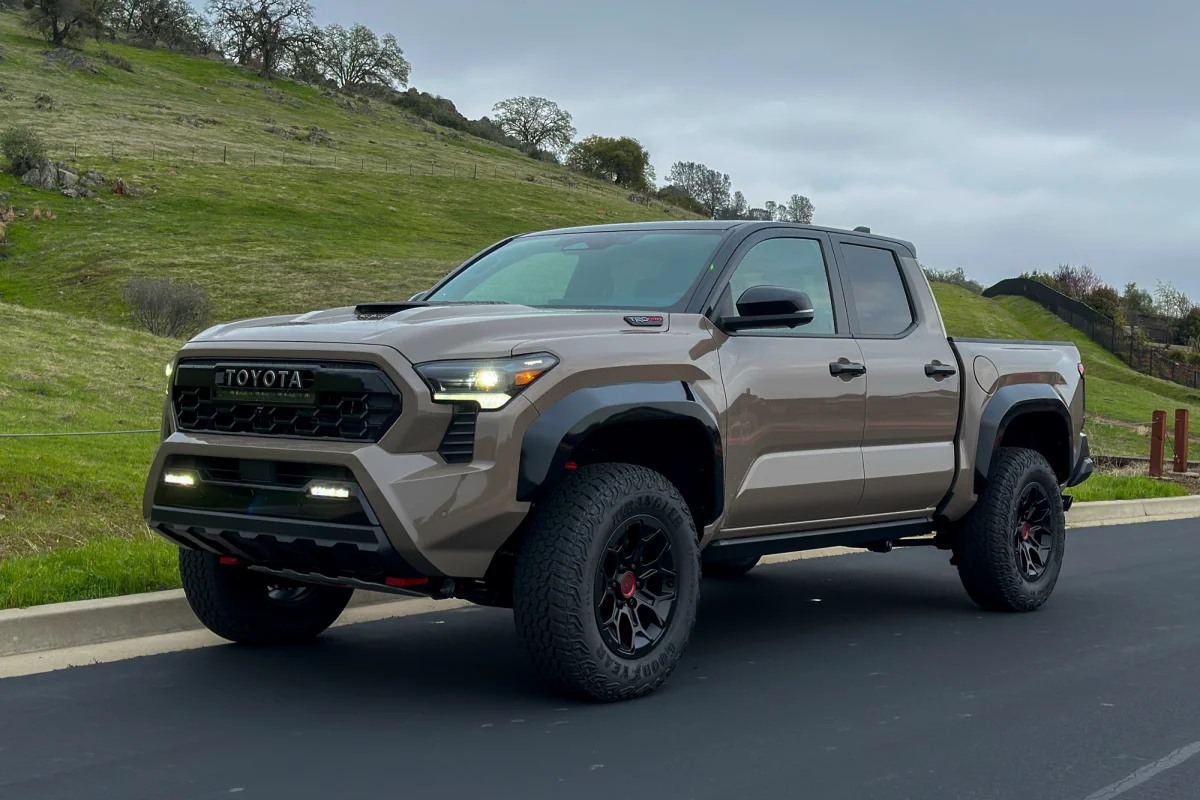
The Toyota Tacoma is known for strong durability and outstanding resale value in the midsize truck market. It often retains around 75 percent of its original price after five years, and even lightly used models can be priced very close to new versions.
This narrow price gap is driven by strong demand, long-term reliability, and confidence in its lifespan. Because depreciation is minimal, buyers often compare used and new options closely, with many preferring new trucks for warranty coverage and updated features at only a small additional cost.
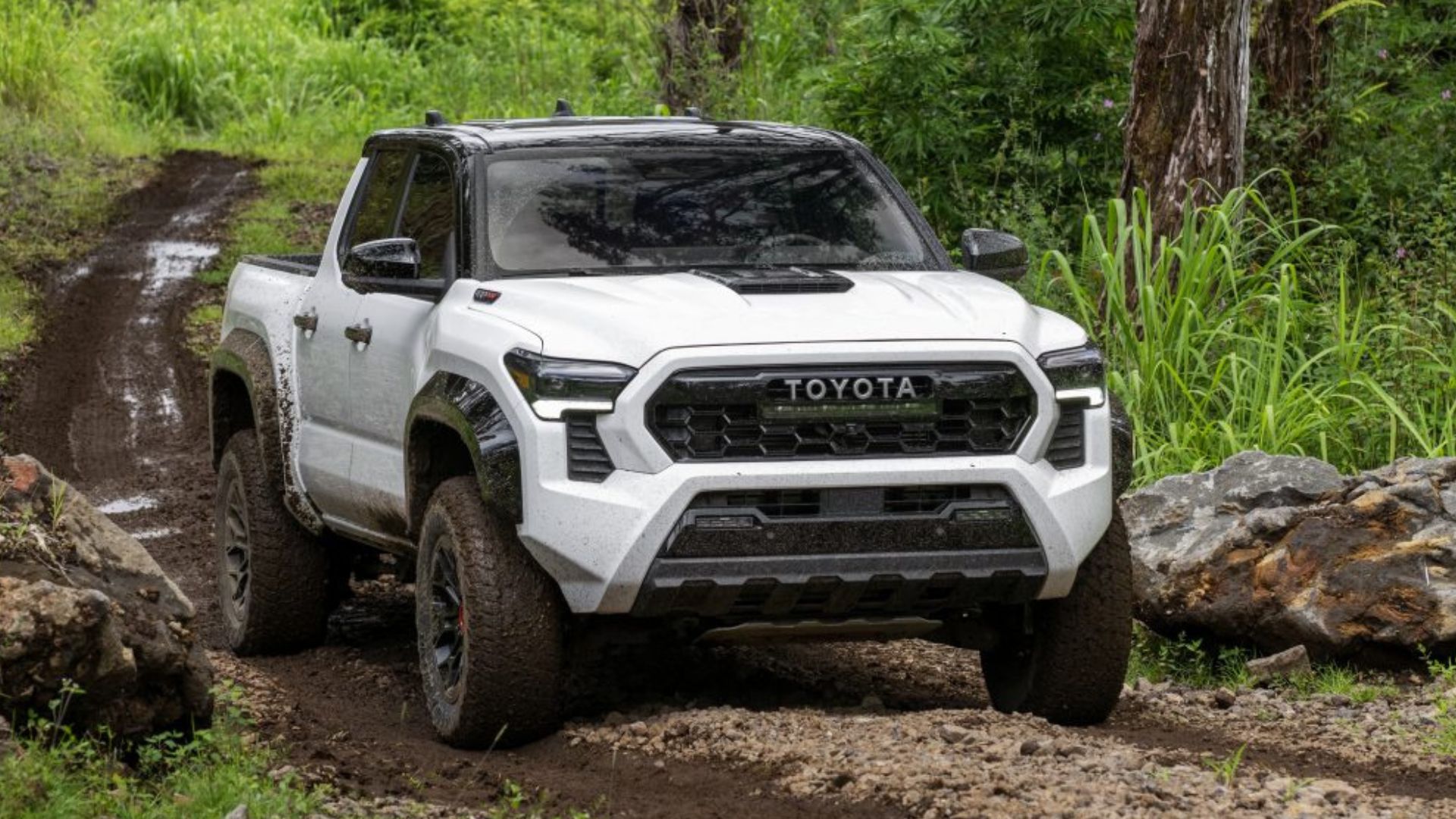
The Tacoma’s reliability is a major reason for its strong market position. Built with a body-on-frame structure and durable powertrains, it is designed for long-term use under tough conditions, including off-road driving and heavy workloads.
Many owners report very high mileage without serious mechanical problems, which reinforces trust in the model. As a result, depreciation remains slow, and resale values stay high. While minor issues such as electronic glitches or cabin noise can appear, they are generally outweighed by the truck’s long service life and dependable performance over time.
Performance comes from a turbocharged 2.4-liter four-cylinder engine with outputs up to 278 horsepower and 317 lb-ft of torque in higher trims. It is paired with either an eight-speed automatic or a six-speed manual transmission, with rear-wheel and four-wheel drive options available.
Acceleration is solid for its class, reaching 0–60 mph in about 7.0 to 7.9 seconds depending on configuration. Towing capacity reaches up to 6,500 pounds, while payload exceeds 1,700 pounds. Coil-spring rear suspension on select trims improves ride comfort and handling compared to leaf-spring setups.
Inside, the Tacoma offers a more refined cabin with improved materials and modern technology. Infotainment screens reach up to 14 inches, with wireless Apple CarPlay and Android Auto available across trims. Safety features include adaptive cruise control, lane-keeping assist, automatic emergency braking, and blind-spot monitoring on higher versions.
Fuel economy is competitive for a body-on-frame truck, reaching up to 26 mpg on the highway. Combined with strong warranty coverage and complimentary maintenance, it delivers a balance of capability, comfort, and long-term dependability that keeps demand high.
2. Porsche 911
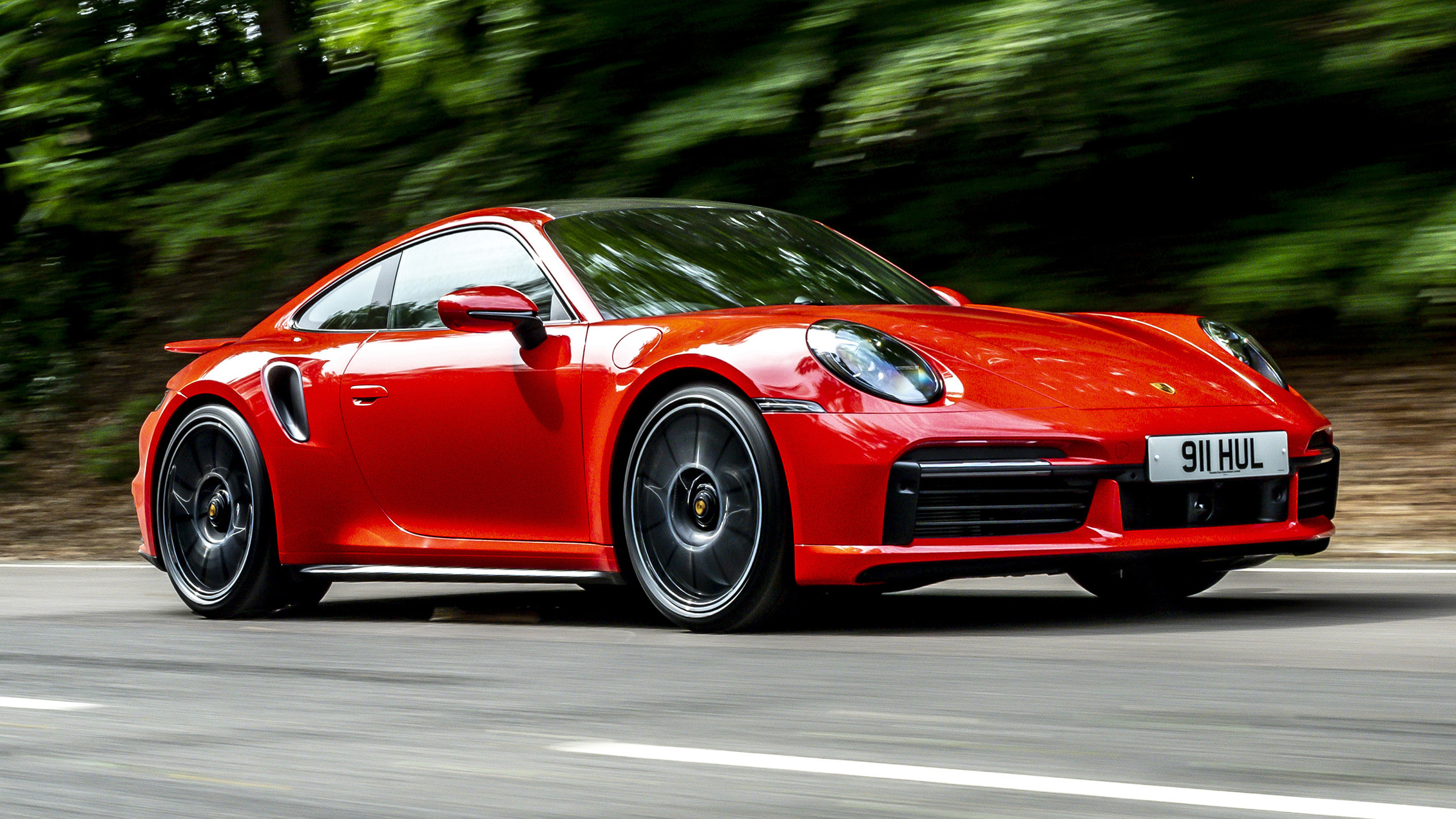
The Porsche 911 is one of the strongest examples of long-term value retention in the automotive market, making it difficult to justify buying used purely to save money. It typically loses only about 8 to 11 percent of its value over five years, meaning it retains roughly 89 to 92 percent of its original price.
In many cases, demand is so high, and supply is limited, that used models, especially high-performance trims like the GTS and GT3, can sell for prices equal to or even above their original sticker price. Because of this, securing a new 911 at MSRP is often more financially practical than competing in the expensive used market.
The strong resale performance of the Porsche 911 comes from a combination of controlled production, timeless design, and global demand. Porsche carefully limits supply to maintain exclusivity, which keeps interest consistently high. The 911’s design evolves gradually over time, so older models do not feel outdated and remain desirable for longer periods.
Its reputation for high build quality and reliability increases confidence among buyers, which strengthens demand in both new and used markets. In addition, it is one of the few sports cars that functions well as a daily driver, widening its appeal. Some special editions and older air-cooled models have even increased in value, reinforcing their unique position in the automotive world.
Performance is a central strength of the Porsche 911, offering a range of powerful engines across different trims. The base Carrera uses a twin-turbo 3.0-liter flat-six engine producing about 388 horsepower. The Carrera S and Carrera 4S increase output to around 473 horsepower and deliver stronger acceleration.
The GTS model introduces a hybrid-assisted system combining a 3.6-liter flat-six engine with electric support for a total output of about 532 horsepower. Acceleration is extremely fast across the lineup, with the base model reaching 60 mph in about 3.1 seconds and the GTS achieving around 2.5 seconds.
All models use an eight-speed PDK dual clutch transmission, while some variants also offer a manual gearbox for drivers who prefer more engagement.
Beyond performance and value, the Porsche 911 provides a refined interior and advanced technology features. The cabin includes a 12.6-inch digital instrument cluster and a 10.9 inch infotainment system with smartphone integration and voice control functions. Some versions offer a 2 plus 2 seating layout, improved storage areas, and premium audio systems with immersive sound quality.
Safety technology includes adaptive cruise control, lane keeping assist, blind spot monitoring, and automatic emergency braking. Fuel efficiency remains relatively strong for a high-performance sports car, and warranty coverage adds further reassurance. With its blend of performance, usability, and exceptional resale value, the 911 continues to stand out in the luxury sports car segment.
3. Honda Civic
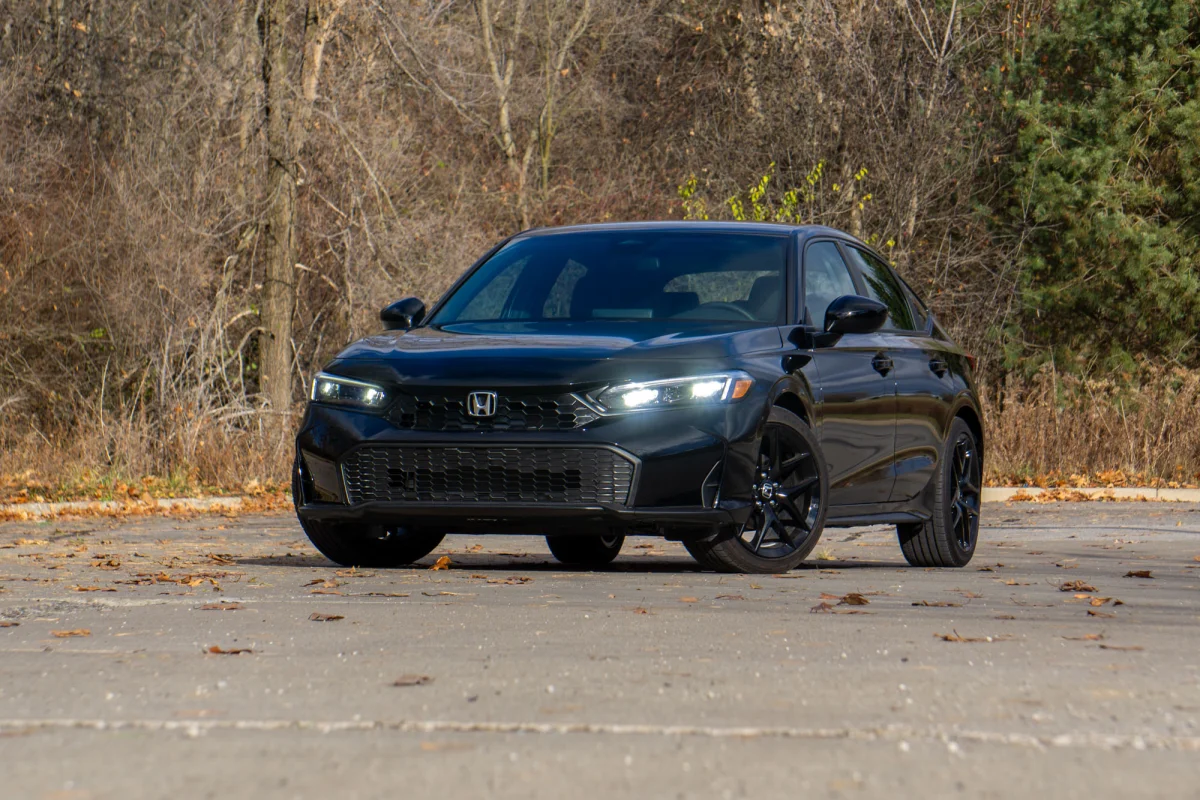
The Honda Civic continues to be one of the most popular compact cars, but its strong demand has created a challenging used-car market where pricing often overlaps with new models. Late-model used Civics are frequently listed at prices very close to brand-new versions, largely because the Civic retains about 77 percent of its value after five years. This high resale strength reduces the usual savings expected from buying used.
As a result, many buyers find that purchasing a new Civic is more practical, since it includes the latest design updates, full warranty coverage, and often more favorable financing rates that can make monthly payments similar or even lower than used options.
A major reason the Honda Civic holds its value so well is its reputation for reliability, low maintenance costs, and consistent demand. It is widely regarded as a long-lasting vehicle capable of covering hundreds of thousands of miles with proper care. Strong brand loyalty and broad appeal help maintain high resale prices across nearly all trims.
Because used Civics remain expensive, the price gap between new and used models is often too small to justify buying pre-owned. Certain hybrid and sport-oriented variants also strengthen resale performance, further tightening the market and keeping depreciation relatively low compared to many rivals.
Performance in the Honda Civic varies depending on powertrain choice. The standard model uses a 2.0-liter four-cylinder engine producing about 150 horsepower, paired with a continuously variable transmission and front-wheel drive. While not particularly fast, it feels responsive enough for daily commuting.
The hybrid version significantly improves performance with a combined 200 horsepower from a 2.0-liter engine and dual electric motors, delivering quicker acceleration and smoother power delivery.
In testing, hybrid versions reach 60 mph in just over 6 seconds, while non-hybrid models take close to 9 seconds. Fuel efficiency is a strong advantage, with hybrid models achieving up to 50 mpg in city driving and around 47 mpg on the highway under ideal conditions.
Inside, the Honda Civic focuses on practicality, comfort, and modern connectivity. It offers a clean interior layout, spacious front seating, and a usable rear bench that can accommodate adults for shorter trips. Cargo space is generous for the segment, especially in hatchback versions that allow flexible loading.
Technology includes touchscreen displays up to 9 inches, wireless smartphone integration, digital instrument clusters, and optional premium audio systems. Safety is another strength, with standard features like adaptive cruise control, lane-keeping assist, and automatic emergency braking.
Combined with solid fuel economy, reasonable warranty coverage, and strong resale value, the Civic remains a well-rounded option for efficiency-focused drivers and practical enthusiasts alike.
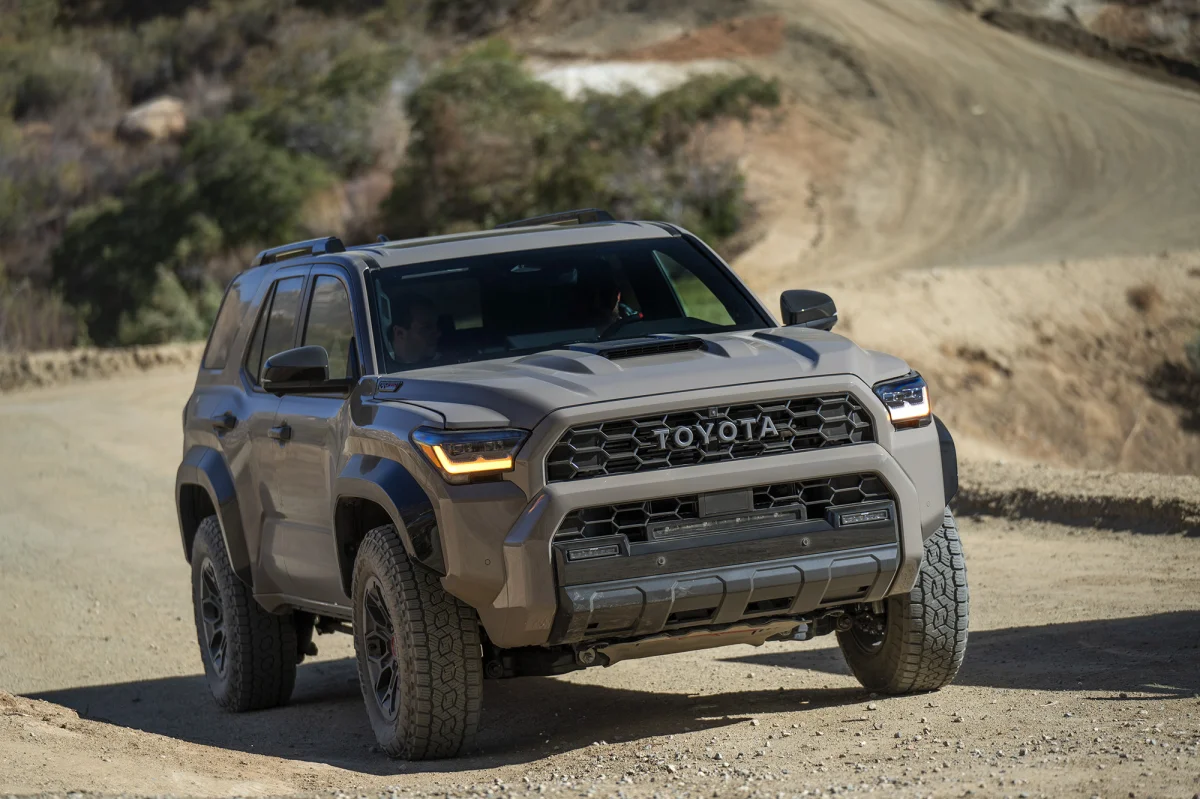
4. Toyota 4Runner
The Toyota 4Runner is widely recognized for its rugged construction, long lifespan, and exceptionally strong resale value, making it one of the most retention-heavy SUVs on the market.
Built on a traditional body-on-frame platform, it is designed for durability and long-term use, often lasting well beyond 200,000 to 300,000 miles with proper maintenance. Because of this reputation and limited supply, demand remains consistently high, leading to extremely slow depreciation.
Many examples retain around 75 percent of their value after five years, while some three-year-old models lose as little as 6 to 7 percent of their original price. This means used prices often remain very close to new vehicle pricing, reducing the financial advantage of buying pre-owned.
A major reason the Toyota 4Runner holds such strong value is its reputation for reliability combined with its “old-school” SUV design. Unlike many modern crossovers, it maintains a rugged body-on-frame construction that appeals to off-road enthusiasts and long-term owners. Its strong following and cult-like popularity keep demand high across all generations.
Because used models are often only slightly cheaper than new ones, buyers frequently find that purchasing new offers better value, especially when considering warranty coverage, lower financing rates, and the reduced risk of inheriting off-road wear from previous owners. This strong demand and minimal depreciation place it among the top vehicles for resale retention.
Performance in the Toyota 4Runner focuses on durability and off-road capability rather than speed. It is powered by a 278-horsepower turbocharged 2.4-liter four-cylinder engine paired with an eight-speed automatic transmission. Rear-wheel drive is standard, while an advanced four-wheel drive system is available with low-range gearing for challenging terrain.
Off-road equipment such as locking differentials, disconnecting stabilizer bars, and crawl control enhances its trail performance. In testing, it reaches 0 to 60 mph in about 7.5 seconds, which is adequate but not sporty. Towing capacity reaches up to 6,000 pounds, making it suitable for trailers, boats, and outdoor equipment.
Inside, the Toyota 4Runner prioritizes practicality and durability. The cabin shares design elements with the Tacoma, featuring straightforward controls, durable materials, and easy-to-use layouts. It offers flexible cargo space, with seating for up to seven passengers in some configurations, though the third row is best suited for occasional use.
Modern technology includes touchscreen infotainment systems up to 14 inches, wireless Apple CarPlay and Android Auto, and a digital gauge cluster. Safety is comprehensive with Toyota Safety Sense 3.0, including adaptive cruise control, lane-keeping assist, and emergency braking.
Combined with strong fuel economy for its class, generous warranty coverage, and proven longevity, the 4Runner remains a top choice for buyers seeking a dependable and highly capable SUV.
5. Jeep Wrangler
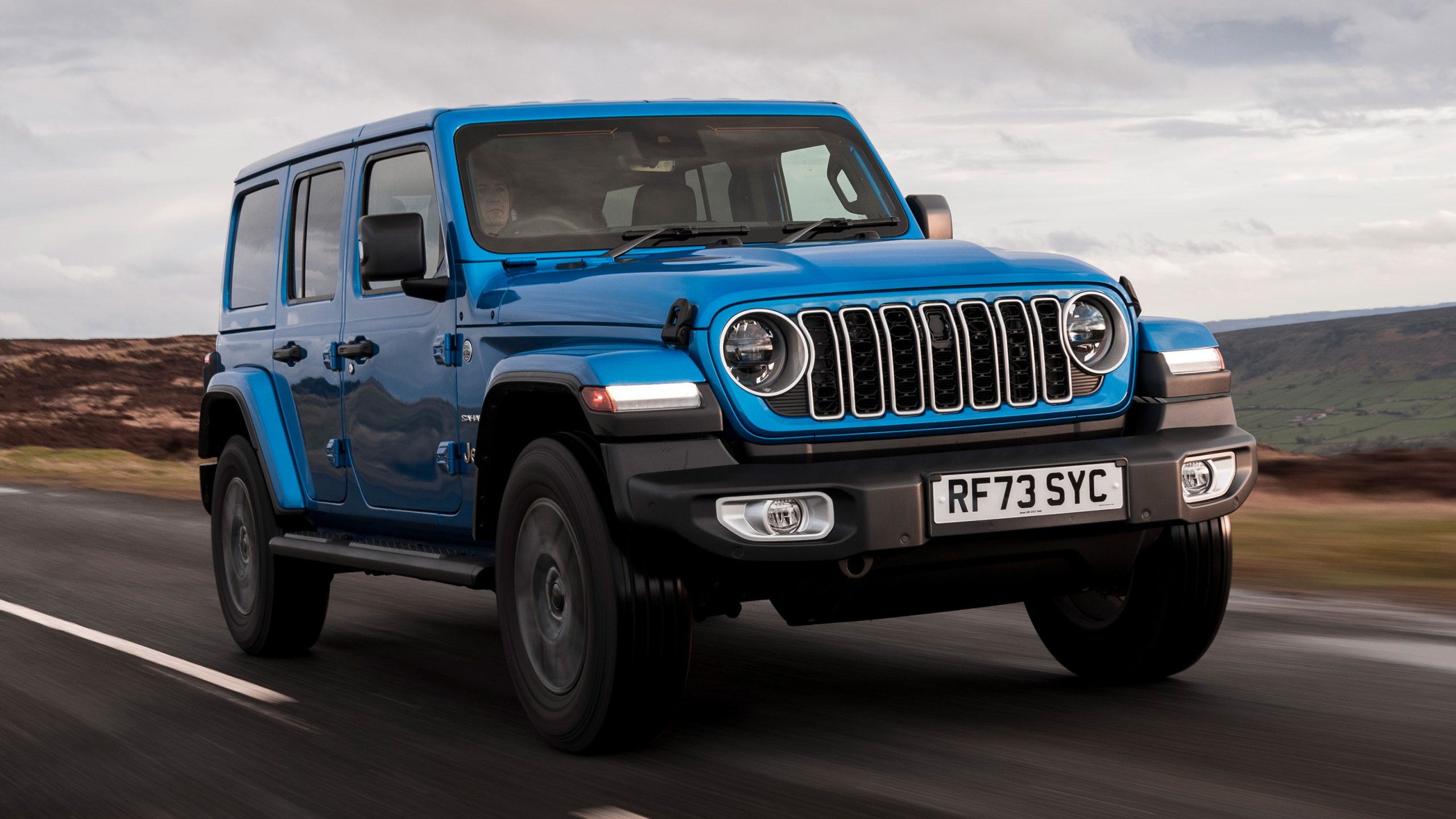
The Jeep Wrangler is one of the strongest performers in resale value among SUVs, largely due to its iconic design, extreme off-road capability, and deeply loyal customer base. It typically retains about 73 percent of its value after five years, which places it near the top of the market for value retention.
This strong performance is driven by consistent demand and a “Jeep lifestyle” culture that keeps interest high across all model years. Because used prices remain close to new ones, especially for recent models, the financial benefit of buying used is often limited.
In many cases, a three-year-old Wrangler may cost only a few thousand dollars less than a new one, making the new model more attractive due to warranty coverage and the certainty of a clean mechanical history.
The value retention of the Jeep Wrangler is supported by its rugged construction, customization potential, and timeless styling. Its boxy design has changed very little over the decades, allowing older models to remain visually relevant.
The vehicle’s strong four-wheel-drive systems and durable build make it highly capable in harsh environments, reinforcing its reputation for longevity. Owners frequently modify Wranglers with aftermarket parts, which adds personalization but can also create uncertainty in the used market.
Because of this, buyers often prefer new vehicles to avoid unknown wear from off-road use, heavy modifications, or incomplete maintenance histories. Financing rates and warranty coverage also tend to favor new purchases, further narrowing the advantage of buying used.
Performance in the Jeep Wrangler varies widely depending on engine choice. Options include a 285-horsepower 3.6-liter V6, a 270-horsepower turbocharged four-cylinder, and a high-performance 470-horsepower V8 in the Rubicon 392. Transmissions include a six-speed manual or an eight-speed automatic, with four-wheel drive standard across the lineup.
While acceleration is respectable for an off-road-focused SUV, with the V8 reaching 60 mph in about 4 seconds, the Wrangler is still tuned more for rugged terrain than on-road refinement. Ride quality remains truck-like, and handling is less precise compared to modern crossovers, though it excels in off-road environments where visibility and articulation matter more than comfort.
Inside, the Jeep Wrangler offers a functional but durable cabin designed for outdoor use. The upright seating position provides excellent visibility, while removable doors and roof panels enhance open-air driving experiences. Cargo space is limited, especially in two-door versions, but four-door models offer more practical storage.
Technology includes a 12.3-inch touchscreen with wireless Apple CarPlay and Android Auto, along with an easy-to-use infotainment system. Safety features are more limited than those of many competitors, with optional blind-spot monitoring and parking sensors.
Fuel economy varies significantly by engine, ranging from efficient turbo-four models to much less efficient V8 versions. Despite its compromises, the Wrangler remains highly desirable for drivers prioritizing off-road capability, customization, and iconic design.
Also read: 10 Cars With Such High Resale Value That Buying Used Is a Mistake
6. Chevrolet Corvette C8
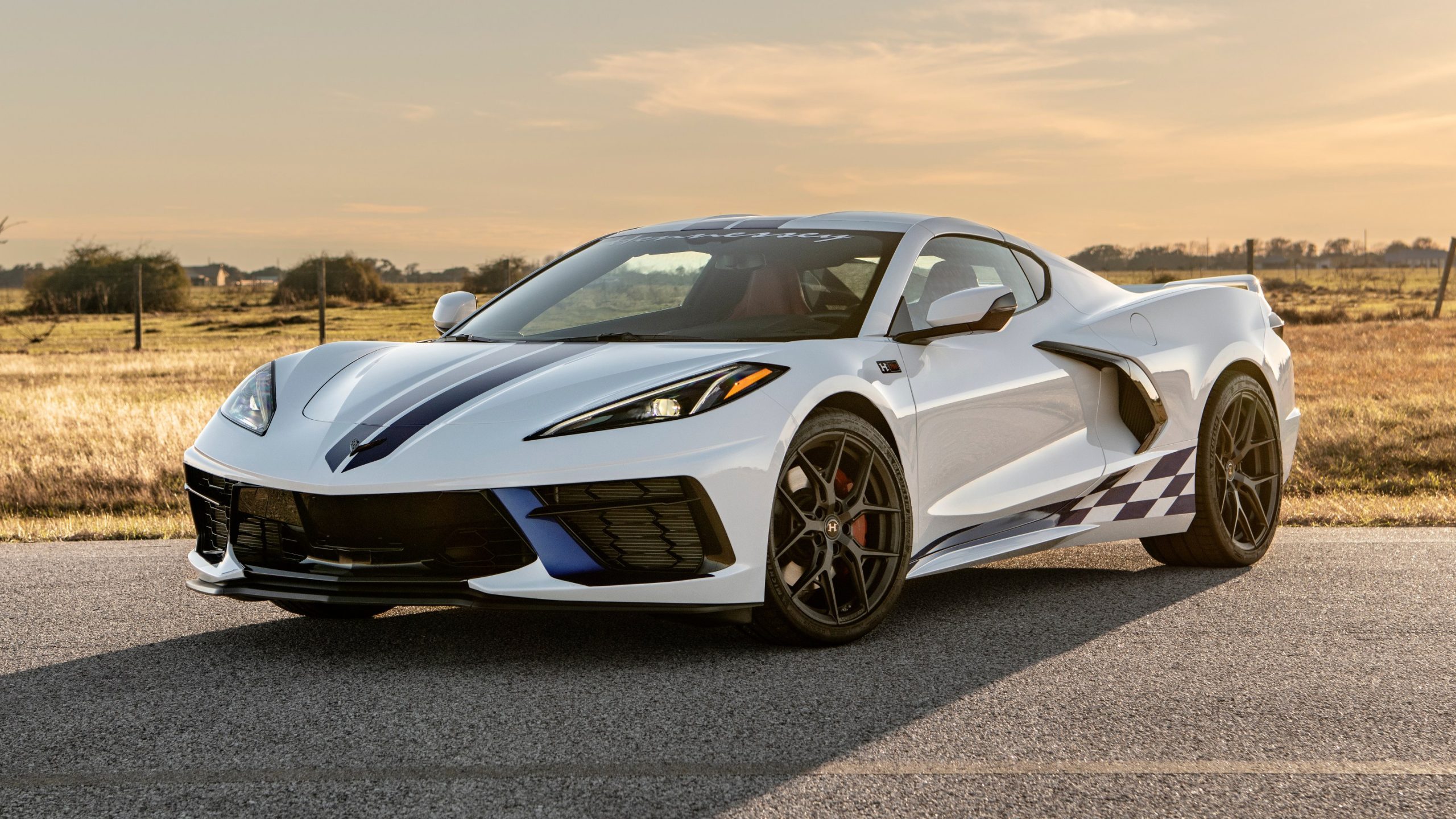
The Chevrolet Corvette, especially the mid-engine C8 generation, has become one of the most in-demand performance cars in the market, often selling used for prices close to or even above MSRP. It is projected to retain around 73 percent of its value after five years, which is unusually high for a sports car. This strong retention is driven by limited supply, high demand, and its position as an “attainable supercar.”
Because of this, buying used often offers little financial advantage, as lightly driven examples frequently carry premiums due to long wait times and dealer markups. As a result, purchasing new can be more practical, allowing buyers to choose exact specifications while avoiding inflated used pricing and the so-called “instant gratification” surcharge.
The value strength of the Chevrolet Corvette comes from its unique combination of exotic performance and relatively accessible pricing. The mid-engine layout introduced with the C8 dramatically improved handling and performance, pushing it closer to European supercars while maintaining affordability.
Demand consistently exceeds production capacity, especially for high-performance trims like the Z06 and ZR1, which further drives up resale prices. Many owners also keep their vehicles in near-perfect condition with low mileage, creating a “garage queen” effect that keeps used inventory scarce but expensive.
These factors combine to keep depreciation unusually low and sometimes even allow appreciation in certain special editions.
Performance in the Chevrolet Corvette is centered around a 6.2-liter V8 engine producing up to 495 horsepower in Z51-equipped models, paired exclusively with an eight-speed dual-clutch automatic transmission. This setup delivers rapid acceleration, with 0 to 60 mph times as quick as 2.8 seconds and strong track capability supported by advanced suspension and braking systems.
The car also achieves impressive handling figures, exceeding 1 g on skidpad testing, demonstrating its supercar-level grip and balance. Despite its extreme performance, fuel economy remains relatively reasonable for its class, reaching around 26 mpg on highway driving tests under ideal conditions.
Inside, the Chevrolet Corvette features a driver-focused cockpit with a modern digital instrument cluster, a large touchscreen infotainment system, and premium material options such as leather, suede, and carbon fiber. The cabin is strictly a two-seater layout with a unique interior divider separating driver and passenger.
Practicality is enhanced by dual cargo areas, including a front trunk and rear storage space, offering a combined 13 cubic feet. Technology includes wireless smartphone integration, onboard Wi-Fi, and advanced audio systems.
Safety features such as automatic emergency braking and lane-keeping assist are standard, while additional driver aids are optional. Combined with its performance, design, and strong resale value, the Corvette remains a standout in the sports car segment.
7. Toyota RAV4 and RAV4 Hybrid
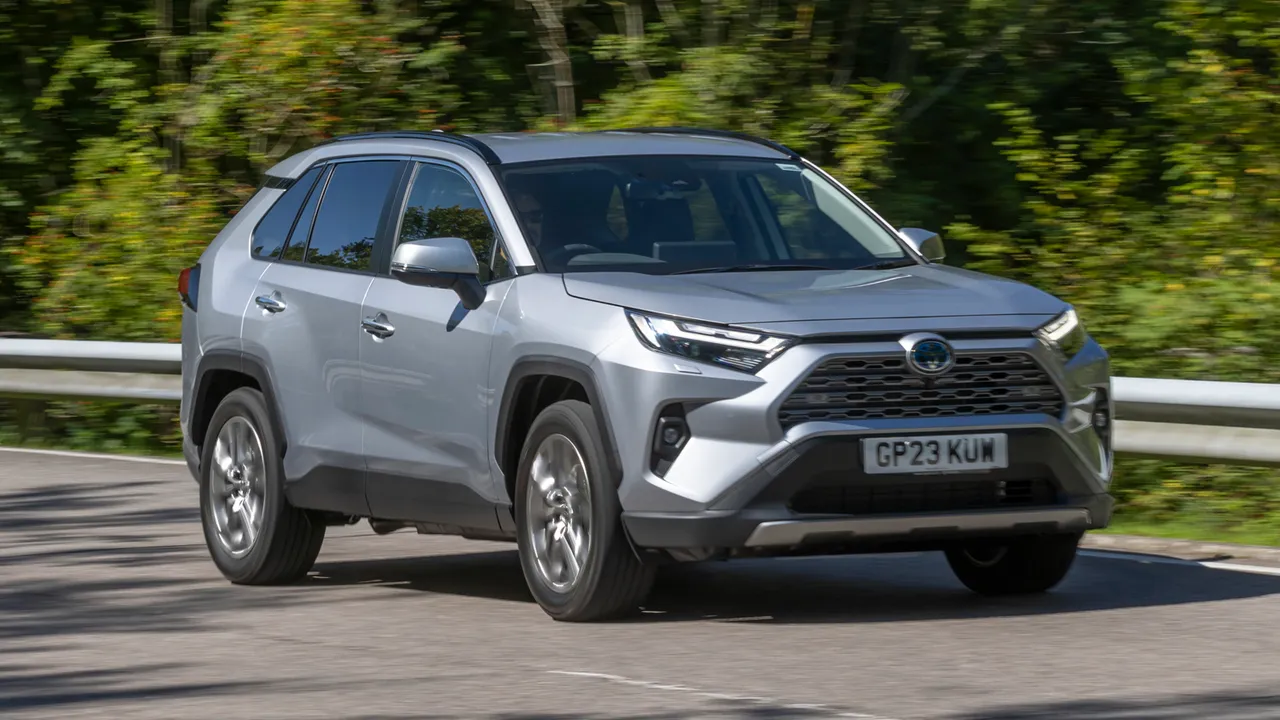
The Toyota RAV4 and its hybrid variant are among the best-selling SUVs globally, largely because of their reliability, fuel efficiency, and strong long-term value retention. These models typically retain about 75 percent of their value after five years, with some three-year-old examples losing only around 20 to 25 percent of their original price.
This extremely low depreciation means that used RAV4s often sell for prices very close to new models, especially during periods of high demand and limited inventory. As a result, the price difference between used and new vehicles is often too small to justify skipping a new purchase, particularly when factoring in warranty coverage and financing advantages.
The strong resale value of the Toyota RAV4 is driven by Toyota’s reputation for durability, low maintenance costs, and consistent global demand. The hybrid version is especially popular due to its excellent fuel economy, often reaching around 39 to 41 mpg combined, which makes it highly desirable for long-term savings.
Because fuel-efficient models are in high demand, used hybrid RAV4s frequently remain close in price to new ones. Additionally, Toyota’s hybrid battery warranty coverage of up to 10 years or 150,000 miles adds confidence for buyers, further strengthening resale values across the lineup.
In terms of performance, the Toyota RAV4 offers a balanced and practical driving experience. The standard gasoline model provides adequate power but can feel less refined and slightly noisy under acceleration. The hybrid model, producing around 219 horsepower, delivers quicker acceleration and smoother performance while maintaining excellent fuel efficiency.
Ride comfort is a strong point, with a suspension tuned for daily commuting and family use, although steering feedback is often described as light or less engaging. Some sport-oriented trims add a slightly firmer setup for improved handling.
Inside, the Toyota RAV4 focuses on practicality and space, offering a roomy cabin and a large cargo area suitable for families and travel. The interior design is functional, though some materials in lower trims feel less premium compared to competitors. Technology includes touchscreen systems up to 10.5 inches, smartphone integration, and available connected services, though the interface can feel less modern than rival systems.
Safety is a major strength, with Toyota Safety Sense providing features such as adaptive cruise control, lane-keeping assist, and automatic emergency braking. Combined with strong reliability, fuel efficiency, and high resale value, the RAV4 remains one of the most practical and financially sound choices in the compact SUV segment.
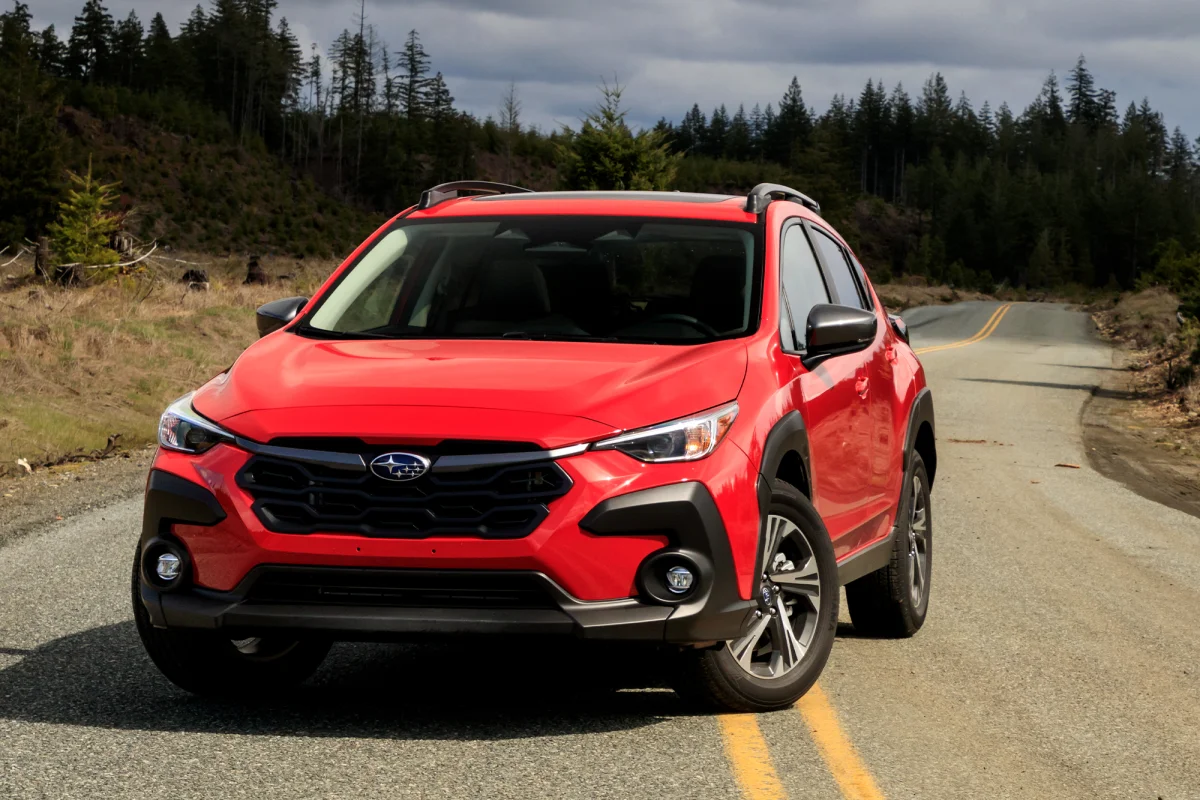
8. Subaru Crosstrek
The Subaru Crosstrek is widely recognized for its strong resale value, all-weather capability, and practical design, making it one of the most dependable choices in the subcompact SUV segment. It typically retains over 70 percent of its original value after five years, placing it among the top performers in its class for depreciation resistance.
Because used models often carry high mileage or signs of outdoor use, the price difference between a two-year-old Crosstrek and a brand-new one can be as little as a few thousand dollars. This narrow gap makes buying new especially appealing, since it provides full warranty coverage, the latest safety systems, and a cleaner vehicle condition for only a small additional cost.
A key reason the Subaru Crosstrek holds its value so well is its reputation for durability and standard all-wheel drive across all trims. Subaru vehicles are known for long-term reliability, with a high percentage remaining on the road for many years. Strong demand for compact, rugged, and affordable SUVs further supports resale prices.
Advanced safety features like Subaru EyeSight also increase buyer confidence in used models, helping keep prices elevated. Because new Crosstreks start at a relatively accessible price point, they do not depreciate as sharply as more expensive vehicles, allowing them to retain a larger percentage of their value over time.
Performance in the Subaru Crosstrek is designed for comfort, stability, and light off-road capability rather than speed. It uses a 180-horsepower 2.5-liter four-cylinder engine paired with a continuously variable transmission and standard all-wheel drive. Acceleration is modest, with 0 to 60 mph times ranging from about 8.1 to 8.6 seconds depending on trim.
While it is not sporty on pavement, it offers confident handling for daily driving and performs well on rough roads. With up to 8.7 inches of ground clearance, or 9.3 inches in the Wilderness trim, it is capable of handling dirt trails, snow, and uneven terrain more effectively than many competitors.
Inside, the Subaru Crosstrek focuses on space efficiency, comfort, and usability. Despite its compact size, it offers generous front-seat room, competitive rear legroom, and flexible cargo capacity reaching up to 55 cubic feet with seats folded. Infotainment options range from a 7-inch display to an 11.6-inch touchscreen with wireless smartphone integration and optional premium audio systems.
Standard safety equipment includes adaptive cruise control, lane-keeping assist, and automatic emergency braking, with additional driver-assist features available. Combined with solid fuel efficiency, strong reliability, and excellent resale value, the Crosstrek remains a practical and financially sound option for buyers seeking an affordable, capable compact SUV.
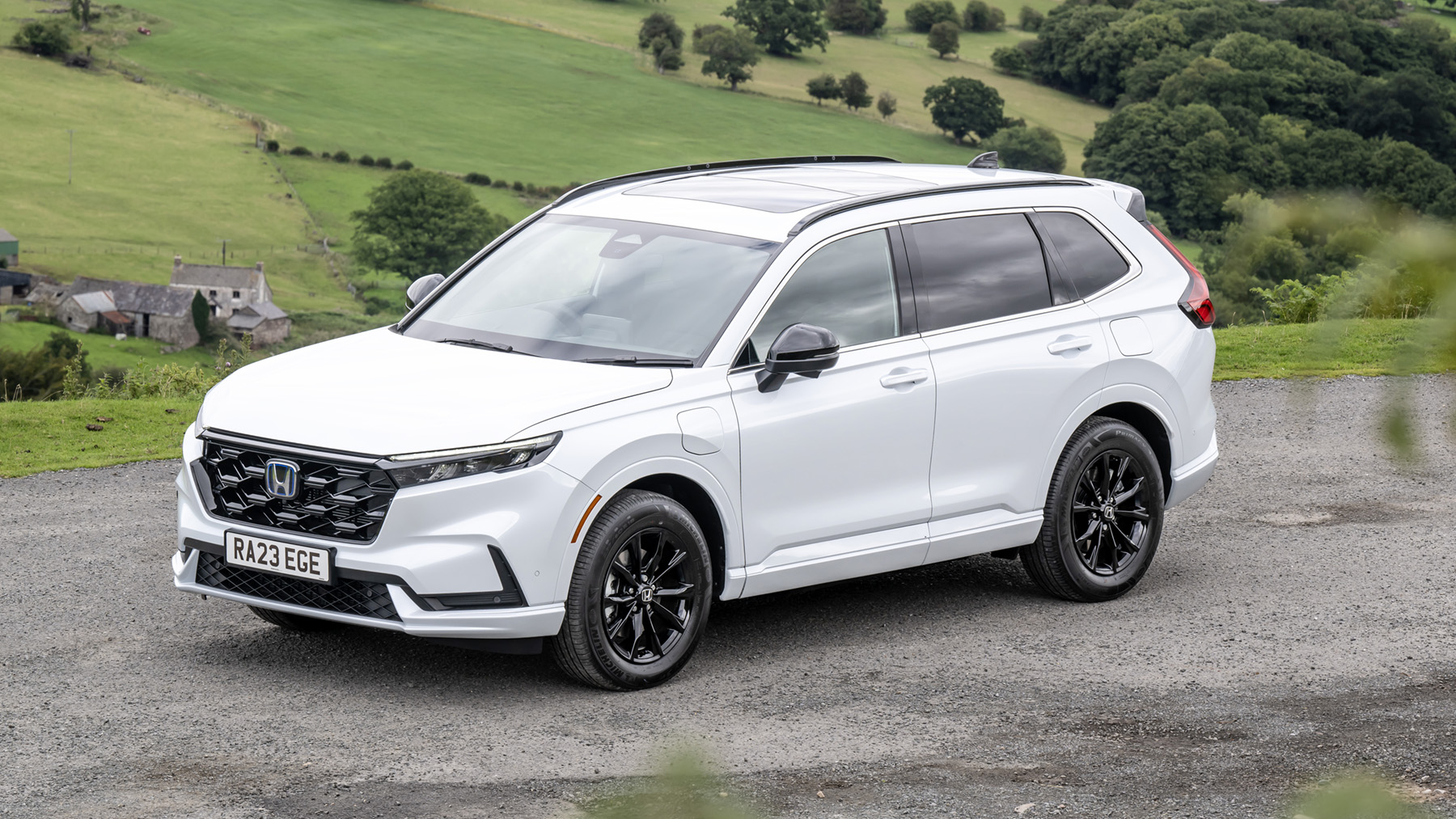
9. Honda CR-V
The Honda CR-V is one of the strongest performers in the compact SUV segment when it comes to long-term value retention. It typically loses only about 28 percent of its value over five years, placing it among the top vehicles in its class for slow depreciation.
In many markets, used CR-Vs are priced so close to new models that the savings are minimal, and in some cases, lightly used examples can even cost nearly as much as brand-new versions.
Higher interest rates on used car loans can further reduce any financial advantage, making new models more appealing because they include full warranty coverage, updated features, and better financing terms for only a small price increase.
The strong resale value of the Honda CR-V is supported by its reputation for long-term reliability, low maintenance costs, and consistently high demand. Many owners report the vehicle lasting well beyond 200,000 miles with proper care, which strengthens buyer confidence in both new and used markets.
Its popularity as a safe, spacious, and fuel-efficient family SUV keeps demand high, which in turn maintains elevated resale prices. Because used pricing remains high, buying new often becomes more practical when factoring in warranty protection, reduced risk, and the certainty of a vehicle with no prior wear or damage history.
Performance in the Honda CR-V is centered on comfort, efficiency, and everyday usability. It offers a turbocharged 1.5-liter engine and an available hybrid system, with the hybrid delivering better fuel economy and smoother acceleration in real-world driving.
The ride is tuned for comfort, providing a quiet and stable experience that suits commuting and family use. Inside, the CR-V features a spacious cabin, generous rear legroom, and a large cargo area that enhances practicality for travel and daily errands.
Technology includes an intuitive infotainment system, digital instrument displays, and the standard Honda Sensing suite with adaptive cruise control, lane-keeping assist, and collision mitigation braking.
While the Honda CR-V is highly regarded, it is positioned at a relatively higher price point compared to some rivals, and a few interior materials may feel less premium than expected. Even so, its blend of reliability, comfort, safety, and strong resale performance continues to make it one of the most dependable and desirable compact SUVs available.
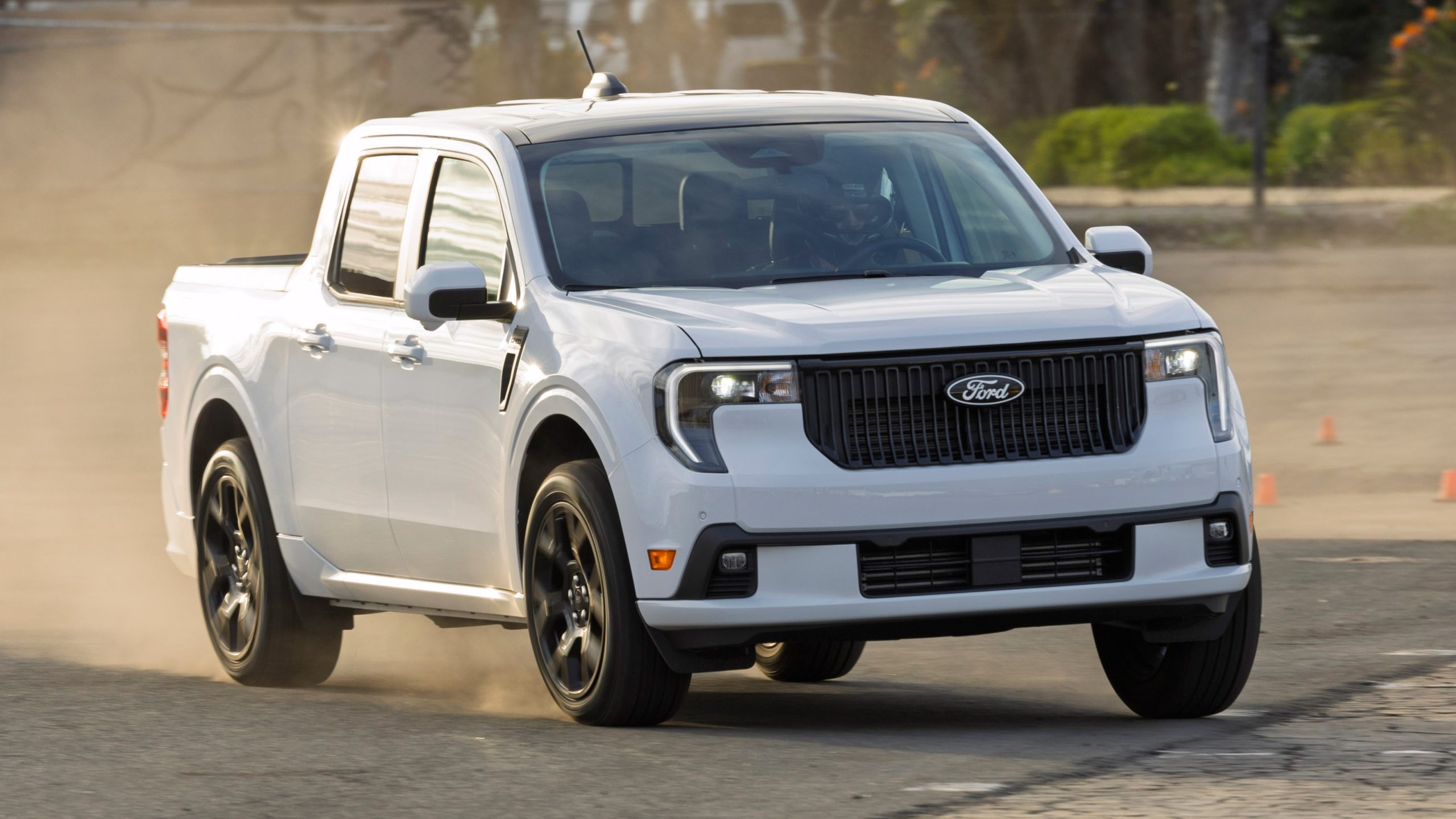
10. Ford Maverick
The Ford Maverick has reshaped the compact truck segment by offering an affordable starting price, hybrid efficiency, and everyday usability, which quickly led to overwhelming demand and long waitlists. This surge in popularity caused used prices to rise sharply, with some nearly new models selling at or even above their original sticker price.
Although the market has started to stabilize, the gap between used and new examples remains very small. In many cases, buying used does not provide meaningful savings, making new purchases more attractive for buyers who want to avoid inflated resale pricing and secure the exact configuration they prefer, whether hybrid or EcoBoost.
The strong resale performance of the Ford Maverick is driven by high demand, limited supply, a low base MSRP, and excellent fuel efficiency. Its relatively low entry price makes it possible for new buyers to purchase a fully warrantied vehicle for nearly the same cost as a lightly used one.
The Maverick also benefits from having few direct competitors in the compact truck category, which further strengthens its market position. Combined with slow depreciation and strong interest in fuel-efficient trucks, these factors keep used pricing elevated and reduce the financial benefit of buying pre-owned compared to new.
Performance in the Ford Maverick focuses on practicality and efficiency. The hybrid version delivers around 40 mpg in city driving and is available with all-wheel drive, while the EcoBoost engine provides more power for towing and heavier workloads.
The driving experience is car-like, making it easy to maneuver in urban environments, although ride quality can feel firm over rough roads. Inside, the cabin is simple and functional, featuring a large touchscreen and useful storage solutions, though rear-seat space is limited. The Maverick is best suited for commuting, light hauling, and small DIY projects rather than heavy-duty truck work.
Despite a few drawbacks, such as engine noise at higher speeds and limited off-road capability outside specialized trims, the Ford Maverick remains a highly practical and efficient choice for drivers who want truck utility without the size and cost of traditional pickups.
Also read: 5 Cars With Indestructible Door Handles and 5 That Break in Winter