Some cars are remembered not for their beauty or comfort, but for their raw power. These machines carried engines so strong that their bodies could hardly keep up. The result was thrilling speed mixed with danger, excitement, and often, unpredictable handling.
Car lovers often say the engine is the heart of a vehicle. But sometimes, the heart is far too powerful for the body that surrounds it. When that happens, you get cars that roar with energy but struggle with balance and control.
Throughout history, many automakers built cars that prioritized horsepower above everything else. These cars delivered incredible straight-line speed, but their frames, suspensions, and brakes were not always ready for the challenge. Driving them was both thrilling and nerve-wracking at the same time.
For many drivers, this mismatch between power and design was part of the attraction. Owning such a car felt like taming a wild beast. You never really had complete control, but that raw, untamed spirit made the experience unforgettable and legendary.
Such cars remind us that engineering must always balance power with safety. A strong engine is impressive, but without equally strong brakes, suspensions, and frames, the driving experience becomes a test of survival rather than a smooth performance.
This article looks at twelve such cars where engines truly outshone the bodies. They may not have been perfect machines, but they became icons for showing the wild side of motoring history.
Also read: 12 Honda Cars That Stay With Owners Forever
1) Dodge Viper (1990s)
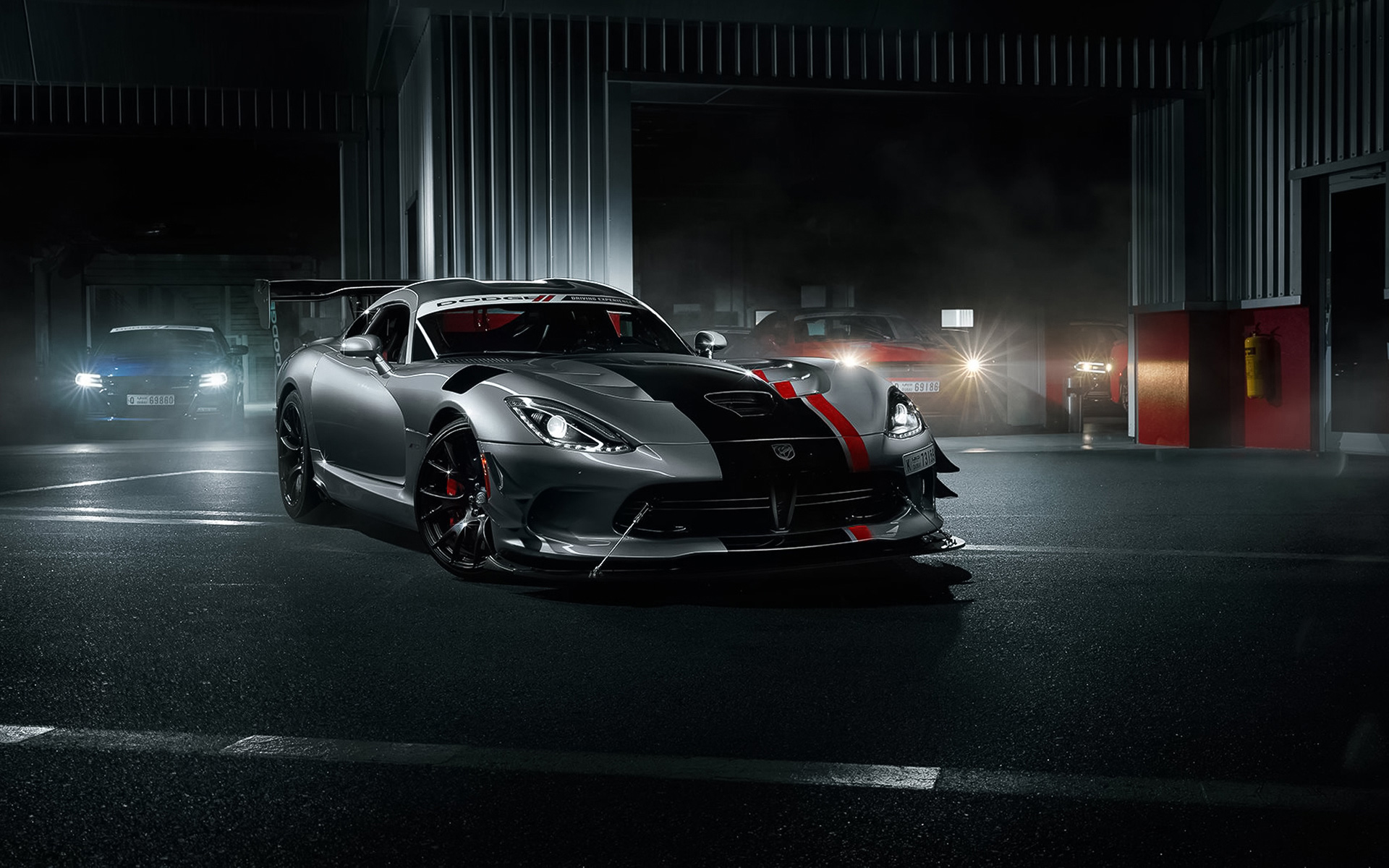
The Dodge Viper of the 1990s was one of the most extreme cars of its time. It shocked drivers with its enormous V10 engine, raw power, and almost complete lack of modern driving aids. It was fast, thrilling, and very dangerous.
Handling the Viper was not easy. Its rear-wheel drive setup, combined with massive torque, often caused wheelspin. Without electronic stability systems, the car demanded respect. Many drivers described it as a beast, always waiting to punish mistakes with terrifying results.
The design was bold and aggressive. Its long hood, wide stance, and side exhaust pipes gave it an unmistakable look. The car turned heads everywhere it went, not just for its style but also for the thunderous roar of its V10 engine.
The Viper’s interior was basic compared to other sports cars. There were no fancy gadgets or luxuries. Dodge focused only on speed and performance. Drivers sat low, felt the heat of the engine, and were fully connected to the raw machine.
However, safety was always a concern. With no traction control or airbags in early models, accidents were common. The Viper demanded skill and bravery, making it a car for experienced drivers, not beginners. It was as dangerous as it was exciting.
Even today, the Dodge Viper remains an icon. Collectors and fans admire it for its fearless design and untamed power. It was never perfect, but that was its charm. The 1990s Viper showed that sometimes, wildness is what makes a car unforgettable.
2) Ford Mustang Cobra Jet (1969)
The 1969 Ford Mustang Cobra Jet was a muscle car that carried enormous power under its hood. Built during the golden age of American performance, it combined a stylish body with one of the strongest engines of its time, thrilling enthusiasts everywhere.
Drivers loved its straight-line performance. The Cobra Jet could storm down a quarter-mile track with ease, leaving competitors behind. But once it came to corners or sudden stops, the car revealed its weakness, showing that the engine was far stronger than the frame.
Wheelspin was another challenge. The immense torque made it hard to launch smoothly without burning tires. This was exciting for show, but it made consistent control tricky. Many drivers found it fun, but also unpredictable on regular roads.
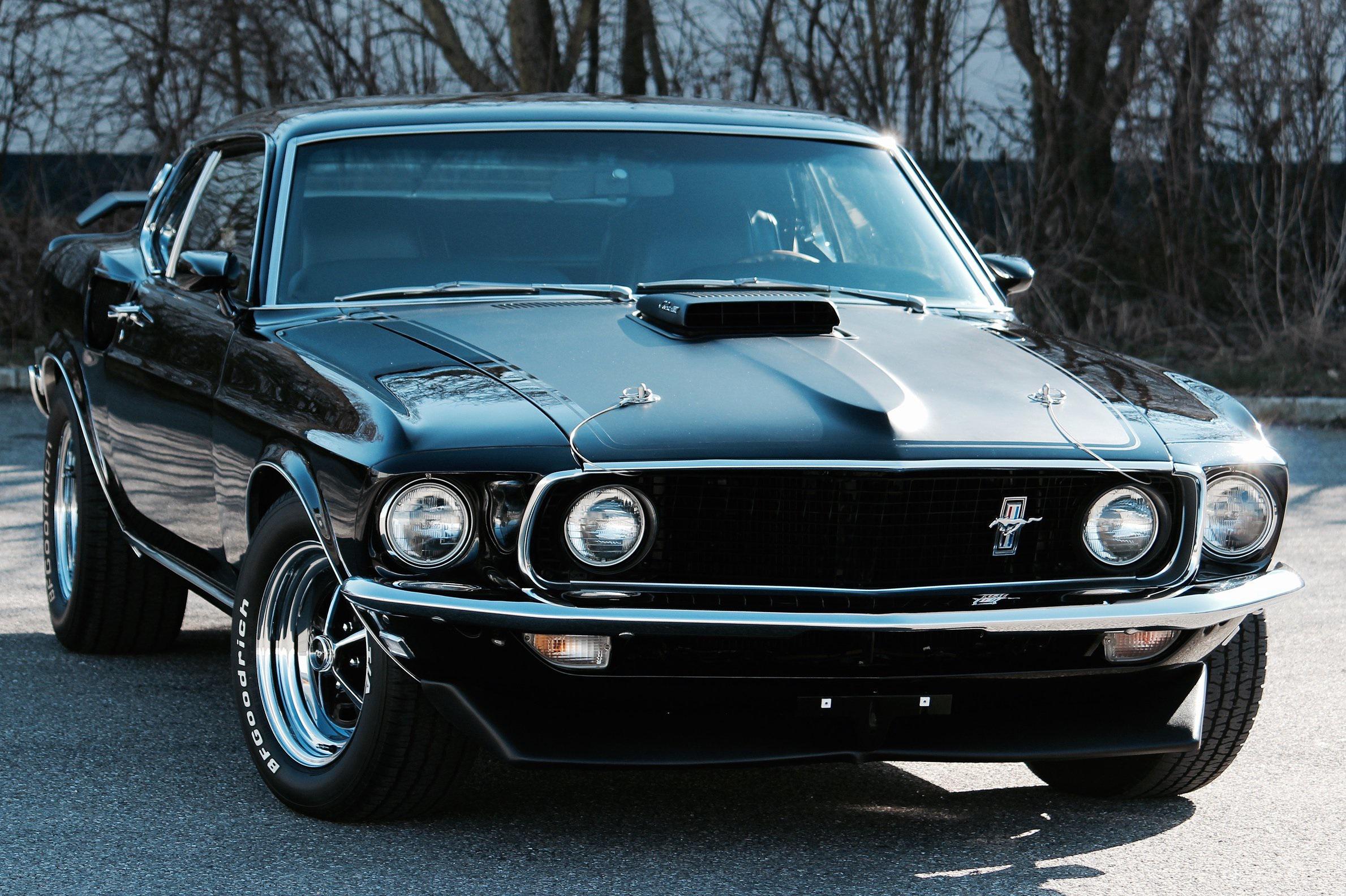
The styling of the 1969 Mustang Cobra Jet was bold and aggressive. Its long hood, fastback design, and optional scoops made it look fast even when parked. It carried the muscle car attitude perfectly, a symbol of raw American automotive culture.
Inside, the car remained simple. It offered space and comfort compared to smaller sports cars, but the focus was always on power. Luxury was not the goal this Mustang was designed to dominate races and impress anyone who heard its roar.
Today, the 1969 Mustang Cobra Jet is a prized collector’s car. Fans love it for its wild spirit, classic design, and unmatched muscle. It represents a time when engines ruled the road, even if the bodies could barely keep up.
3) Chevrolet Corvette Z06
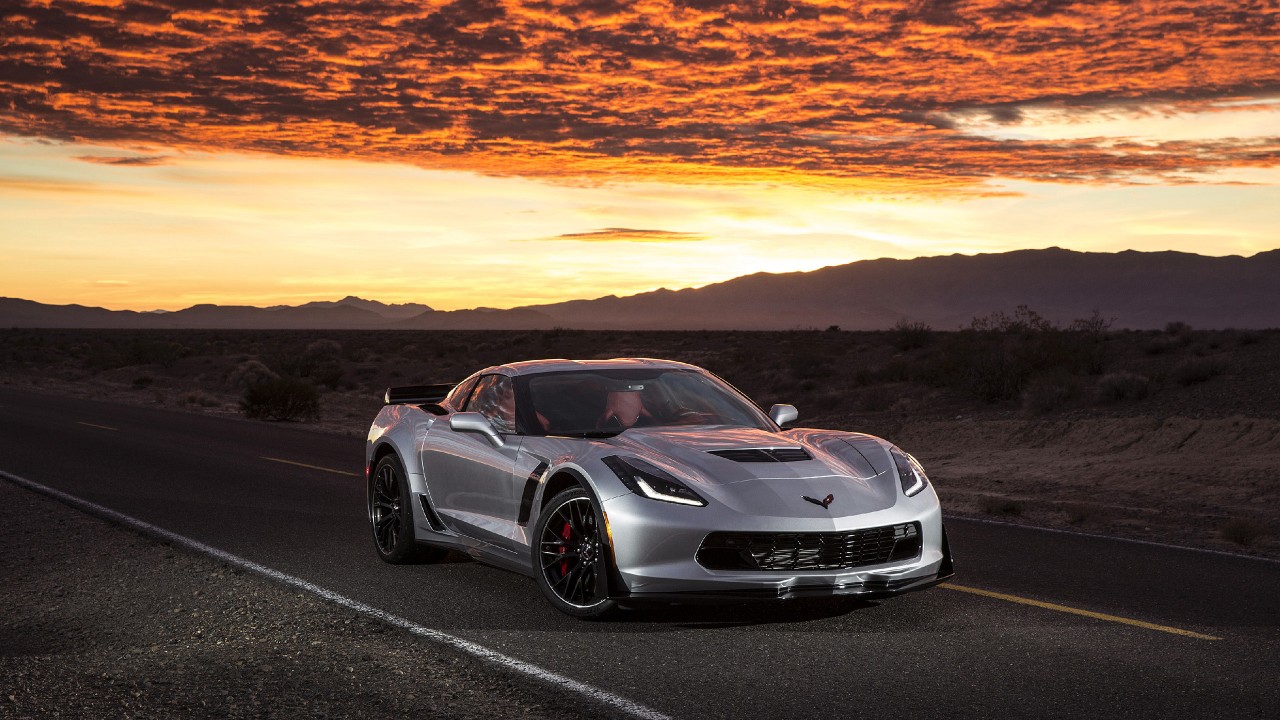
The early Chevrolet Corvette Z06 was a high-performance sports car built for speed and racing. Introduced in the 1960s, it combined a lightweight body with a powerful engine, delivering performance that thrilled drivers but sometimes exceeded the car’s structural limits.
Handling the early Z06 was an exciting challenge. The car demanded focus and precision, especially at high speeds. Its powerful engine could easily overwhelm the tires, making wheelspin and oversteer common for those unfamiliar with its raw nature.
The exterior design was iconic. The Corvette’s sleek, low-slung body, curving fenders, and racing stripes made it visually striking. It was not just a performance machine; it was a car designed to turn heads and announce its speed even at rest.
Inside, the Z06 remained functional but minimal. Drivers had what they needed: steering, pedals, and gauges. Comfort features were secondary, as Chevrolet focused on racing performance. This stripped-down interior added to the car’s lightweight, race-ready character.
On the track, the Z06 proved itself against competitors. Its engine and lightweight body allowed it to accelerate faster than many European sports cars. While the body sometimes struggled with power and stress, the car’s speed and agility impressed professional drivers.
The early Corvette Z06 remains legendary. It reminds car enthusiasts that speed and design must be balanced, yet sometimes imbalance creates the most thrilling machines. For those who love raw performance, the Z06 will always be unforgettable.
4) Pontiac GTO (1964)
The 1964 Pontiac GTO is often called the first true muscle car. It combined a mid-size body with a massive V8 engine, creating a car that shocked drivers with speed, power, and a thrill that few cars could match at the time.
Under its hood, the GTO carried a 389-cubic-inch V8 engine. It produced over 300 horsepower, a remarkable figure for a mid-size sedan. This engine gave drivers rapid acceleration, making the GTO a favorite among young car enthusiasts and drag racers.
Inside, the GTO was practical but focused on driving. The cabin offered basic comfort, but the attention was always on controlling the engine. Drivers were connected to the car in a way that modern cars with electronics rarely replicate.
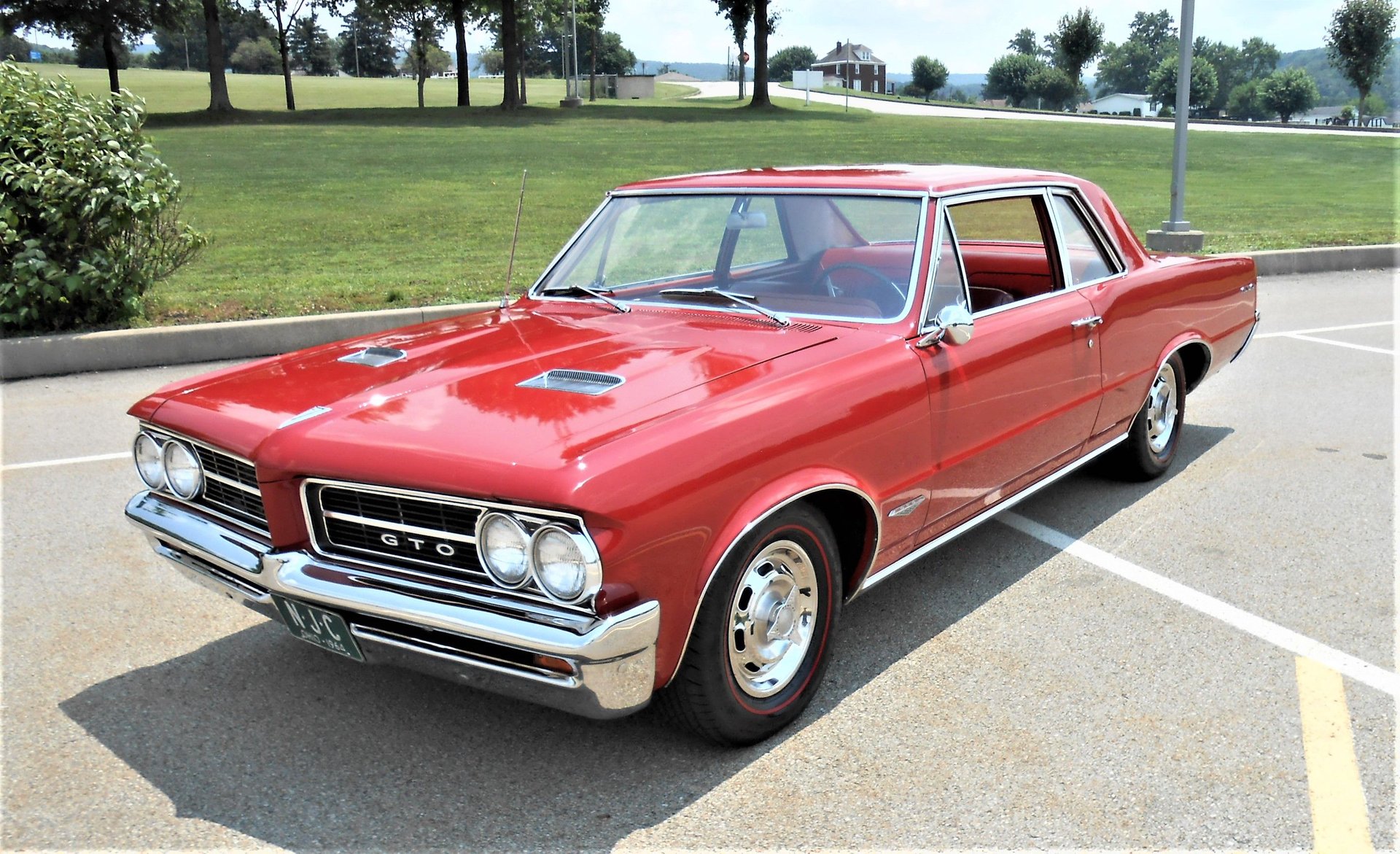
On the street and drag strip, the GTO made a name for itself. Its speed left competitors behind, proving that Pontiac had successfully combined power and style. Its lightweight frame allowed the engine to dominate, creating a car that felt unstoppable in a straight line.
Collectors and car enthusiasts today still admire the 1964 GTO. Its combination of power, style, and historical significance makes it an icon of American muscle cars. It symbolizes the era when engines often ruled over the body.
The 1964 Pontiac GTO remains legendary. Its powerful V8, aggressive design, and thrilling driving experience made it a trailblazer. For fans of raw speed and classic muscle, the GTO represents a time when cars were fearless and exciting in every way.
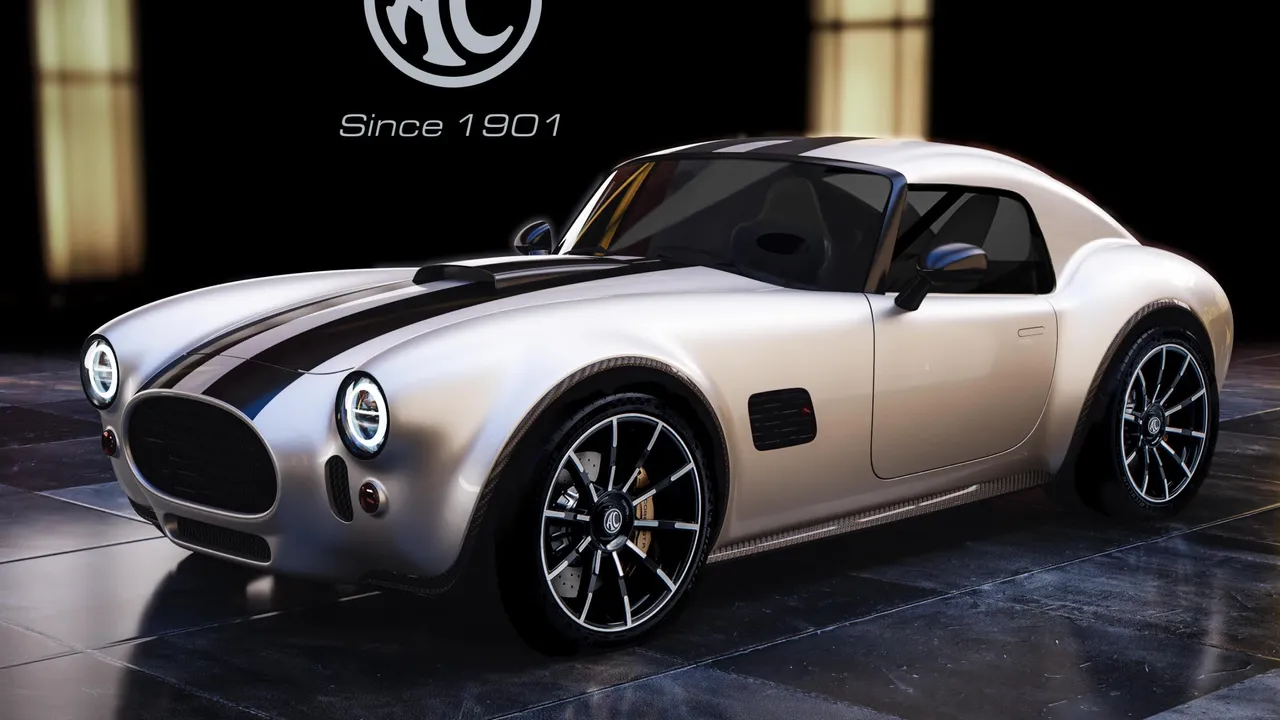
5) Shelby Cobra (1960s)
The Shelby Cobra of the 1960s is one of the most famous sports cars in history. It combined a lightweight British roadster body with a massive American V8 engine, creating a machine that was incredibly fast, raw, and often dangerous.
Carroll Shelby, a former race car driver, wanted to build a car that mixed American muscle with European agility. He used the small AC Ace roadster from Britain and fitted it with Ford’s powerful V8 engine, creating a legend on wheels.
Inside, the Cobra was basic. There were no luxuries, no electronics, and no comfort-focused features. It was a pure driver’s car, where the steering wheel, pedals, and gearshift were all that mattered. It was built purely for performance.
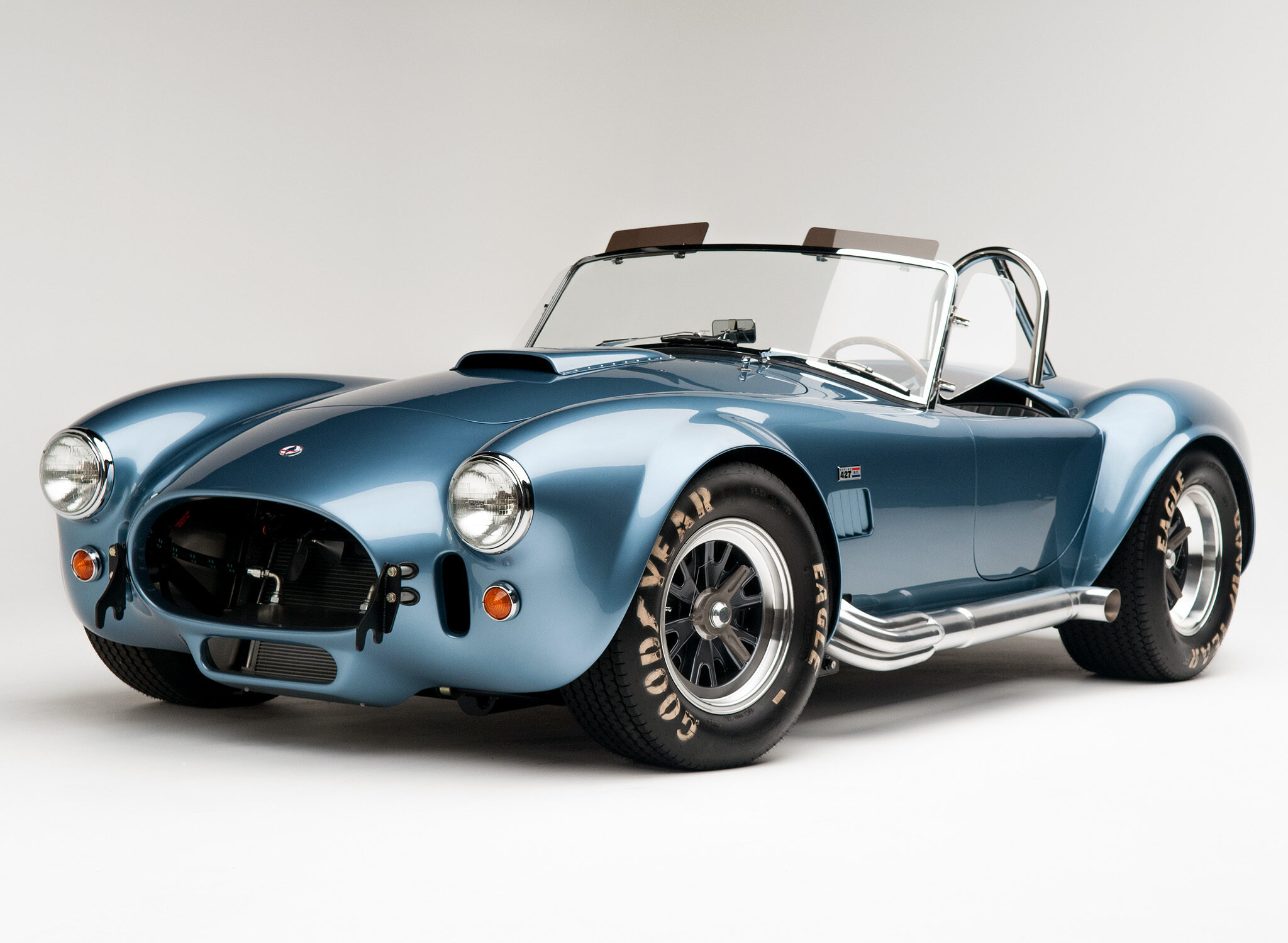
On the racetrack, the Cobra became a giant-killer. It challenged and even defeated Ferrari in several races, making Carroll Shelby’s dream a reality. Its raw speed and fearless performance helped it become one of the most respected race cars of its time.
Collectors today consider the Shelby Cobra one of the most valuable classic cars. Its combination of rarity, performance, and history makes it an icon. Original models fetch millions of dollars at auctions, proving its timeless appeal among enthusiasts.
The Shelby Cobra remains a symbol of untamed speed. Its oversized engine and lightweight body made it both thrilling and risky, showing what happens when raw power outshines balance. It is remembered as one of the wildest cars ever built.
6) Ferrari F40
The Ferrari F40, launched in 1987, became one of the most iconic supercars in history. Built to celebrate Ferrari’s 40th anniversary, it was a raw, lightweight machine with a twin-turbo V8 engine that delivered breathtaking speed and extreme performance.
Inside, the F40 felt more like a cockpit than a luxury interior. Bare carbon fiber, bucket seats, and simple controls kept weight down. Drivers sat low, directly connected to the machine, experiencing every sound, vibration, and burst of turbo power.
Driving the F40 was both thrilling and terrifying. Turbo lag made the power unpredictable, surging suddenly and violently. Without modern traction systems, a small mistake could send the car spinning. It was designed for experts, not casual drivers.
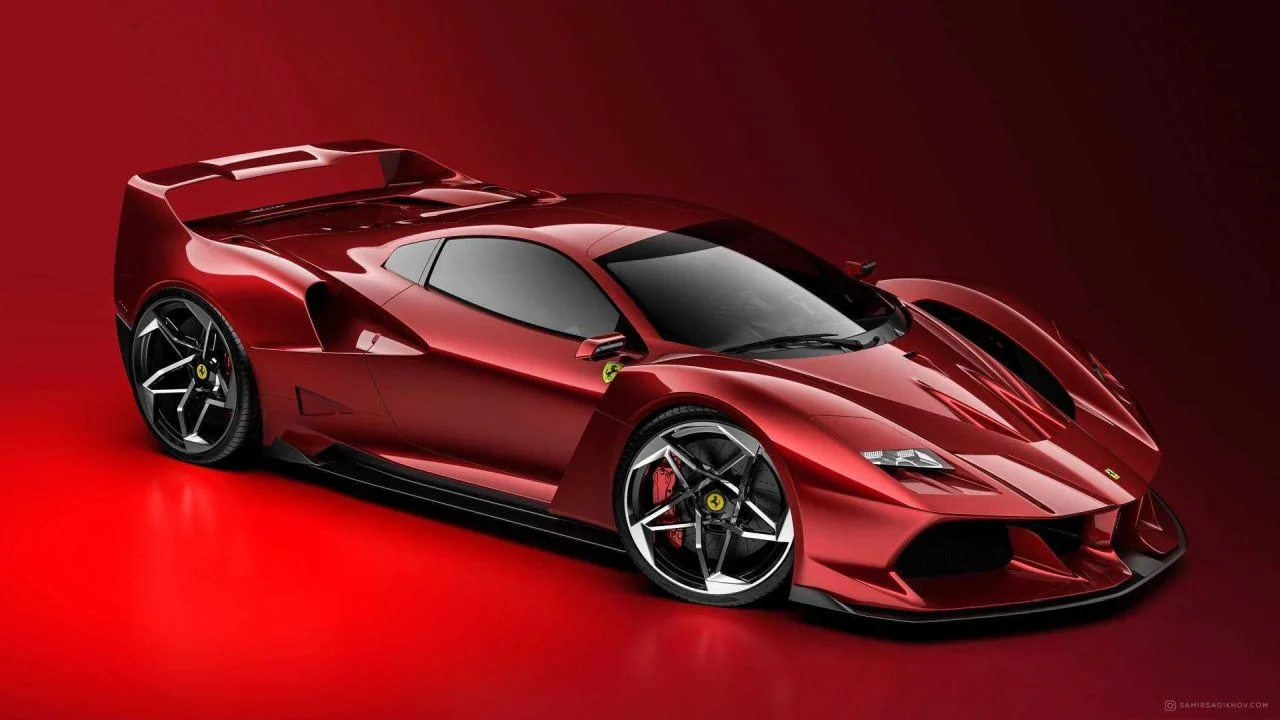
On the track, the F40 was a true weapon. Its speed and agility made it a competitor against the best cars in the world. Yet even professional drivers admitted it was a handful, proving its engine sometimes outshone its body.
Collectors today consider the F40 one of the greatest Ferraris ever built. Its limited production, raw driving feel, and aggressive style make it a dream car for enthusiasts. It remains a symbol of Ferrari’s fearless engineering and bold spirit.
The Ferrari F40 showed the world that pure performance can create both beauty and danger. With an engine far stronger than its lightweight body, it became legendary. For many, it remains the ultimate example of a car built without compromise.
Also read: 12 Cars That Rarely Fail Their Emissions Tests
7) Dodge Challenger Hellcat
The Dodge Challenger Hellcat, launched in 2015, shocked the modern muscle car world. With over 700 horsepower from its supercharged V8 engine, it offered wild power levels usually reserved for exotic supercars, but packed into a traditional American muscle car body.
However, the Challenger’s heavy body and older platform struggled with such massive power. While it could roar down straight roads with ease, controlling that strength during sharp turns or in wet conditions was a challenge, making the car unpredictable at times.
Wheelspin was almost unavoidable when pressing the gas too hard. Even with modern traction systems, the engine’s torque often overwhelmed the tires. This meant much of its power translated into tire smoke rather than clean, efficient acceleration on the pavement.
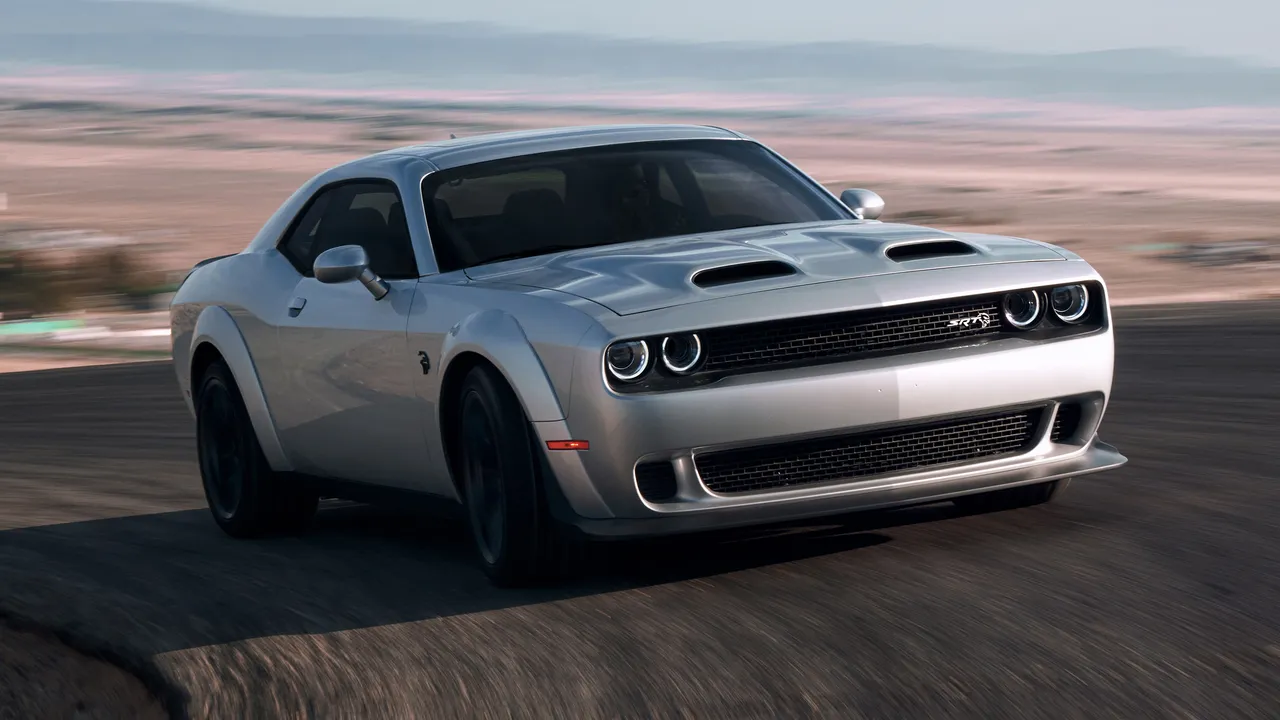
Still, safety and balance were ongoing concerns. The Challenger’s size and outdated platform made it less agile than European supercars. The Hellcat demanded respect from drivers who treated it casually, often found themselves struggling to keep it under control.
Enthusiasts loved the Hellcat because it represented old-school muscle in a modern world. It was unapologetically about speed, noise, and fun. Unlike refined sports cars, it gave drivers a raw experience, reminding them of classic American muscle car traditions.
The Dodge Challenger Hellcat remains a modern legend. With an engine far stronger than its body, it showed that power still rules in the muscle car world. It will be remembered as one of the boldest cars of its generation.
8) Lotus Carlton (1990)
The Lotus Carlton, released in 1990, was one of the most surprising performance cars of its era. At first glance, it looked like a regular family sedan, but under the hood was an engine so powerful it shocked drivers and authorities alike.
Police forces in the United Kingdom even complained about the Lotus Carlton. At the time, no patrol car could keep up with it, which made it controversial. Some critics argued that such speed in a sedan was unnecessary and unsafe.
From the outside, the Carlton still looked understated compared to flashy sports cars. It had flared wheel arches, a rear spoiler, and sporty wheels, but it mostly kept a simple sedan shape. This made it a perfect “sleeper” car, hiding extreme power.
Inside, the car offered comfort along with performance. Leather seats, air conditioning, and other features reminded drivers it was still a family car. Yet once the accelerator was pressed, the calm atmosphere turned into a storm of speed and sound.
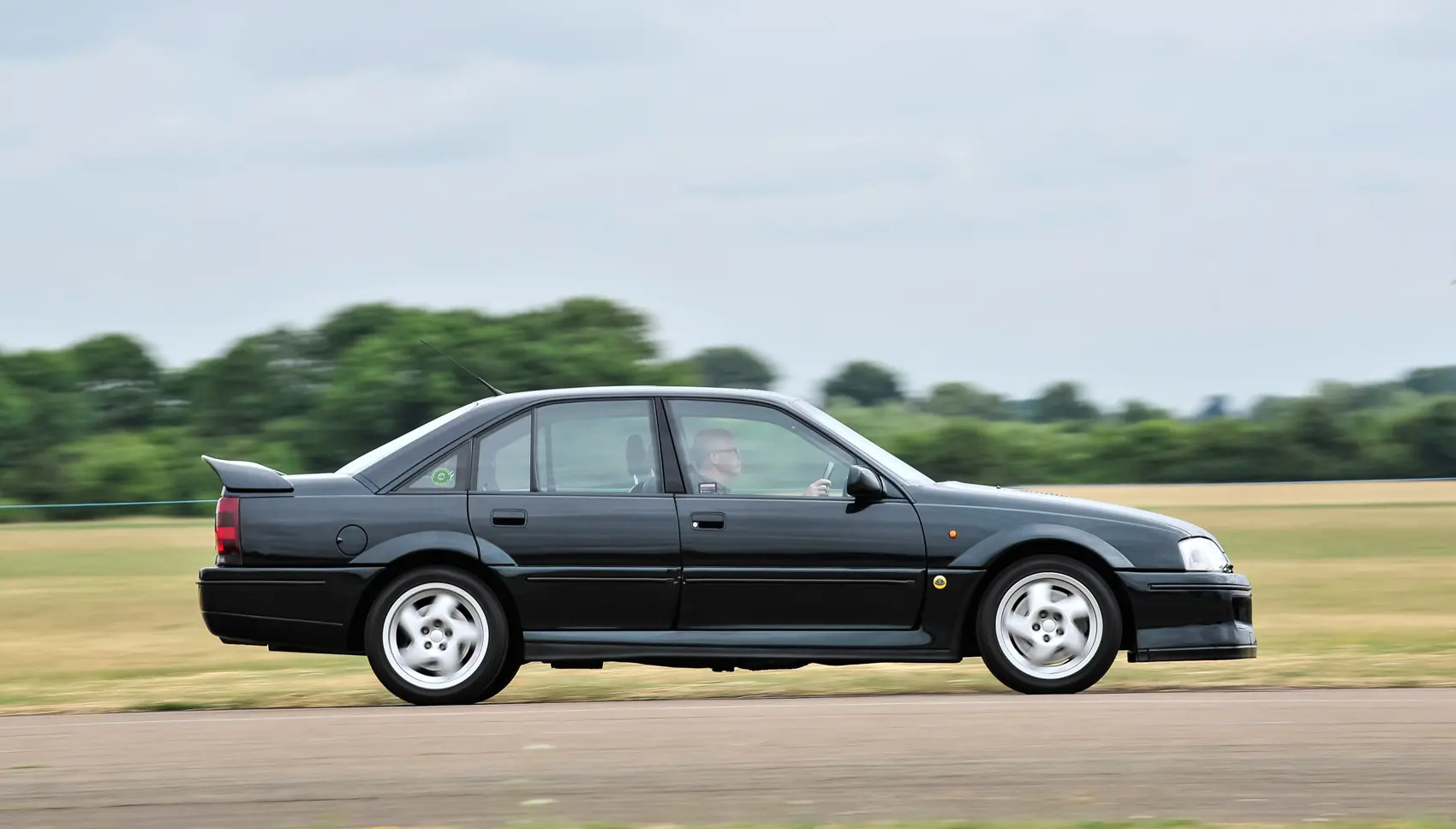
On highways, the Lotus Carlton was untouchable. Few cars could match its combination of practicality and performance. It could carry four adults comfortably while reaching supercar speeds, a mix that made it famous among enthusiasts but worrisome for authorities.
The Lotus Carlton remains legendary because it challenged expectations. It showed that cars didn’t need to look like supercars to perform like them. Its engine made history, while its body struggled to keep up, creating one of the boldest sedans ever made.
9) Chevrolet Camaro Z28 (1970s)
The Chevrolet Camaro Z28 of the 1970s was one of the most recognized muscle cars of its era. With its powerful V8 engine and aggressive design, it gave drivers thrilling speed, but its body and handling often struggled to match performance.
The Camaro’s styling was bold and aggressive. With its wide stance, split bumpers, and muscular body lines, it looked fast even when parked. Chevrolet designed it to rival the Ford Mustang, and its striking design made it a popular choice.
Inside, the Z28 kept things simple. It was more about performance than luxury, offering the basics needed for driving. Bucket seats, a sporty steering wheel, and clear gauges gave it a racing feel, though comfort was not its main strength.
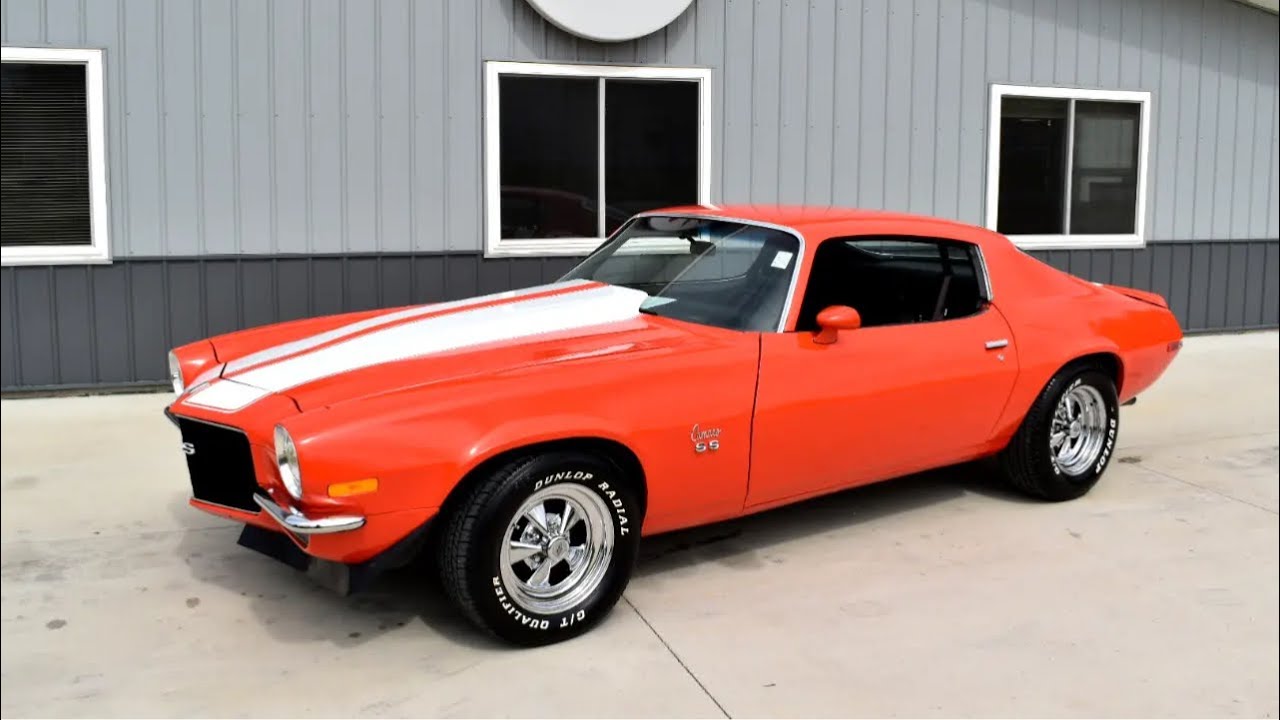
On winding roads, drivers often faced challenges. The powerful V8 pushed the car hard, but the suspension and steering sometimes struggled to keep control. The experience was thrilling yet risky, as too much speed could quickly overwhelm the car’s limits.
Today, the Camaro Z28 from the 1970s is a prized classic. Collectors value its bold looks, powerful engine, and cultural significance. While not the most balanced car, it perfectly represents the muscle car era’s obsession with power.
The Chevrolet Camaro Z28 remains legendary because of its engine-first approach. With more power than its body could handle, it symbolized the thrill and danger of muscle cars. It continues to be celebrated as one of Chevrolet’s boldest creations.
10) TVR Cerbera
The TVR Cerbera, introduced in the mid-1990s, was a British sports car that combined incredible engine power with a lightweight body. It was fast, loud, and exciting, but it also earned a reputation for being difficult to control and unpredictable.
Visually, the Cerbera stood out with its sleek, flowing lines and unique styling. It had a distinctive low stance, wide arches, and curves that gave it a sporty yet elegant look. It looked like a supercar but cost much less.
Inside, the Cerbera had a quirky and futuristic design. The dashboard wrapped around the driver, with gauges placed in unusual spots. The interior reflected TVR’s independent spirit, offering creativity and style, though it lacked the refinement of bigger carmakers.
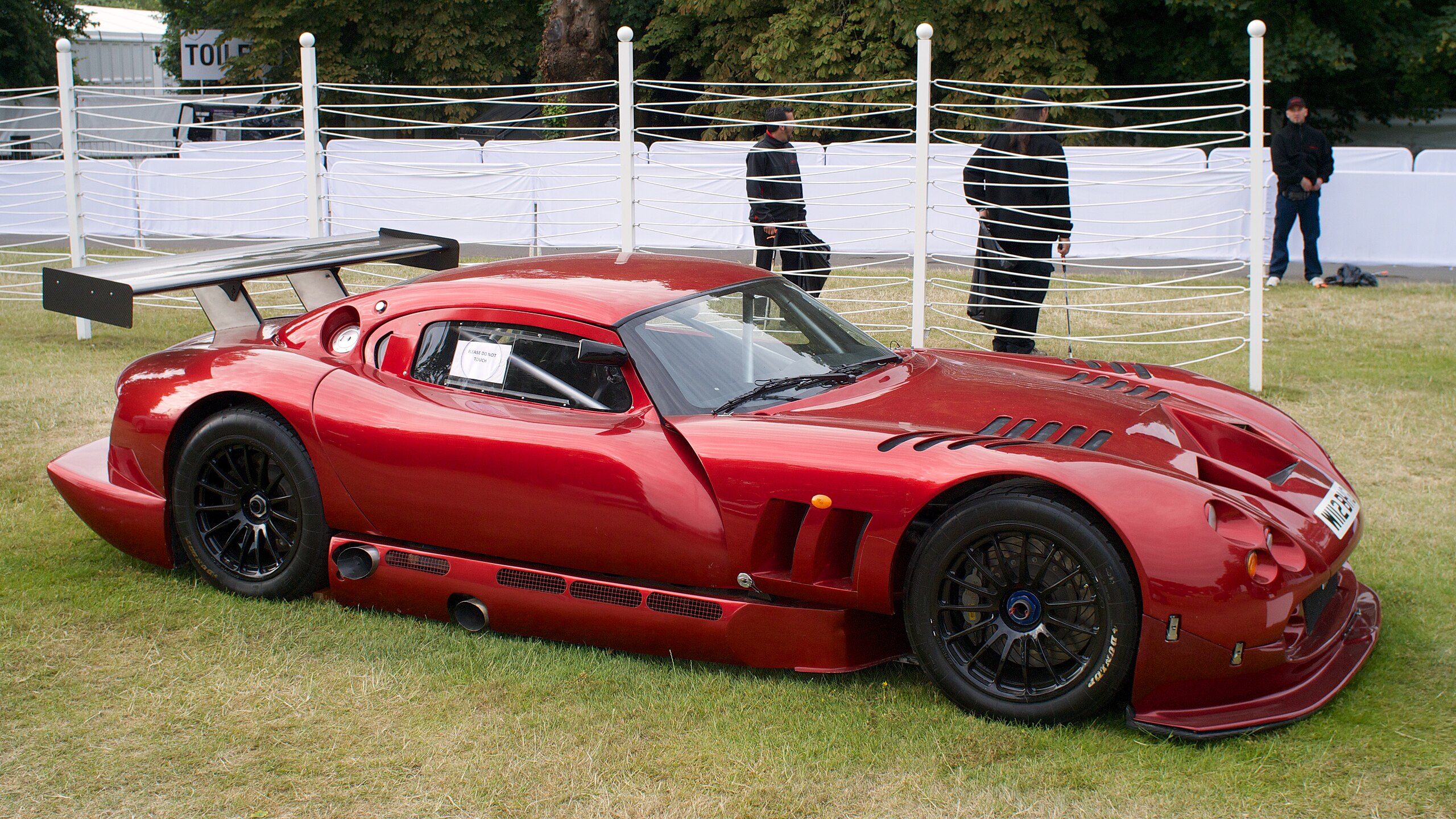
On the road, the Cerbera delivered thrilling speed. It could reach over 180 mph and sprint to 60 mph in under five seconds. However, the lightweight build and lack of driver assistance made it a car that only experts could fully handle.
Many owners described it as both exciting and terrifying. The power-to-weight ratio made it one of the fastest cars of its time, but the fragile body and raw engineering made it unpredictable. It was an experience that required bravery and skill.
The TVR Cerbera proves that sometimes, an engine can completely overpower the car it sits in. Its V8 heart made it a rocket on wheels, while its lightweight body struggled to keep up, creating one of the boldest British sports cars ever.
11) Ford Mustang Shelby GT500 (1967)
The 1967 Ford Mustang Shelby GT500 is one of the most iconic muscle cars ever built. Designed with raw American power, it housed a massive V8 engine that delivered thrilling speed, often more than its body and brakes could handle.
On straight highways, the GT500 was unbeatable. It accelerated quickly, roared loudly, and turned heads wherever it went. But in sharp corners or emergency braking situations, drivers often realized the car’s limits, proving its muscle was greater than its control.
The design of the GT500 was aggressive and bold. With its long hood, racing stripes, and scooped bodywork, it looked fast standing still. Carroll Shelby’s enhancements gave it a distinctive personality, separating it from the standard Mustang lineup.
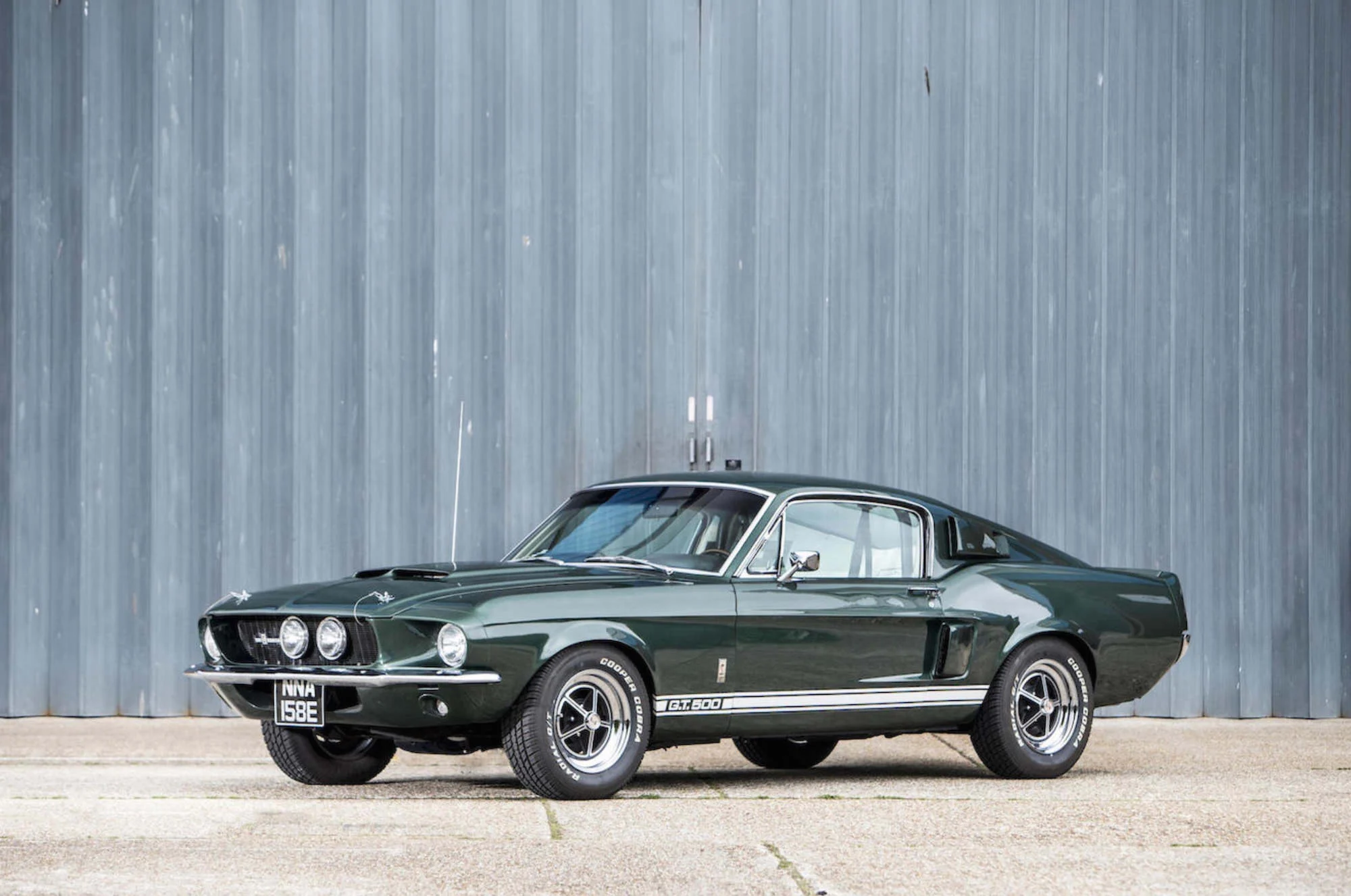
Inside, the GT500 was simple and functional. The focus was on performance rather than luxury. Bucket seats, racing-style gauges, and a sporty steering wheel set the tone. It was a driver’s car, built to deliver excitement rather than comfort.
Driving the GT500 was both thrilling and challenging. The engine pushed hard, offering muscle car fans pure adrenaline. But the heavy body, basic suspension, and weaker brakes demanded caution. It was a machine that rewarded skilled drivers and punished careless ones.
Collectors today see the 1967 Shelby GT500 as a legend. Its combination of history, performance, and design makes it highly valuable. Movies like Gone in 60 Seconds further cemented its status as one of the most admired classic cars ever.
12) Pontiac GTO (1960s)
The Pontiac GTO of the 1960s is often called the first true muscle car. It sparked a movement in American car culture by combining a big, powerful V8 engine with a mid-sized body, creating a thrilling but sometimes unbalanced machine.
The earliest GTOs came with a 389-cubic-inch V8, producing up to 360 horsepower. Later versions pushed even higher. For the 1960s, this was serious performance, giving ordinary drivers access to power once reserved only for expensive sports cars.
Visually, the GTO looked muscular and confident. Its wide stance, split grille, and sporty details gave it a bold appearance that matched its performance. It became a dream car for young drivers who wanted both style and raw horsepower.
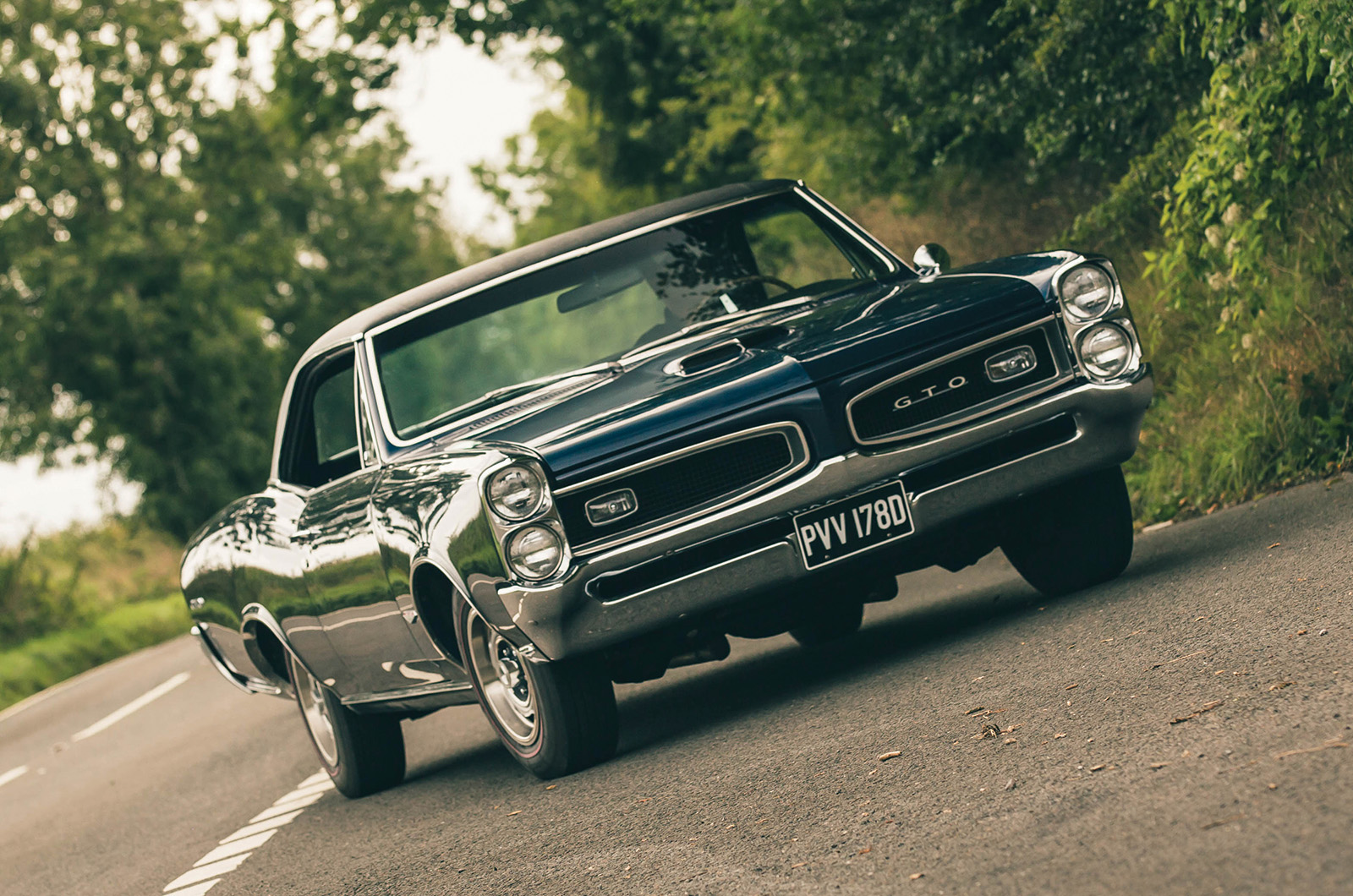
Inside, the GTO was simple but sporty. It offered bucket seats, a wood-trimmed dash, and a driver-focused layout. Comfort wasn’t ignored, but the car’s true purpose was excitement, making every drive feel like a race.
Today, the GTO is one of the most collectible classics in the world. Enthusiasts admire it not only for its performance but also for starting the muscle car revolution. Its legacy is stronger than any weakness in its body.
The Pontiac GTO remains legendary because it showed how an engine could redefine a car. With more power than its frame could handle, it created a thrilling imbalance that changed automotive history forever, making it one of the most important cars ever built.
Also read: 10 Cars With Long-Lasting Paint Quality vs 10 That Fade Too Soon