
Classic cars have long been admired for their design, engineering, and timeless appeal. While many people keep them for shows, collections, or weekend drives, there are still numerous models that manage to remain practical for everyday use. Driving a classic car daily requires reliability, careful maintenance, and components that withstand regular wear.
Some classic cars are surprisingly resilient, allowing owners to enjoy both nostalgia and functionality without frequent mechanical problems. These vehicles often combine simple engineering with sturdy construction. Many older models were built with durable engines, solid transmissions, and mechanical parts that can handle extended use when maintained properly.
Classic cars that continue to operate daily have proven themselves through decades of consistent performance. They offer drivers an experience that modern vehicles may not replicate, including distinct engine sounds, precise handling, and unique styling.
Daily driving a classic car also demands attention to maintenance. Owners must ensure that fluids, brakes, and other systems are kept in optimal condition. Despite these requirements, many classic cars are still preferred for commuting and errands because they offer reliability alongside the joy of driving something from a past era.
As we advance, we list twelve classic cars that are still driven daily today. Each car on this list demonstrates a combination of durability, performance, and ease of maintenance that allows it to remain functional even decades after production.
From American muscle to European sedans, these vehicles show that a classic car can still serve as a dependable choice for drivers who appreciate history, style, and long-lasting engineering.
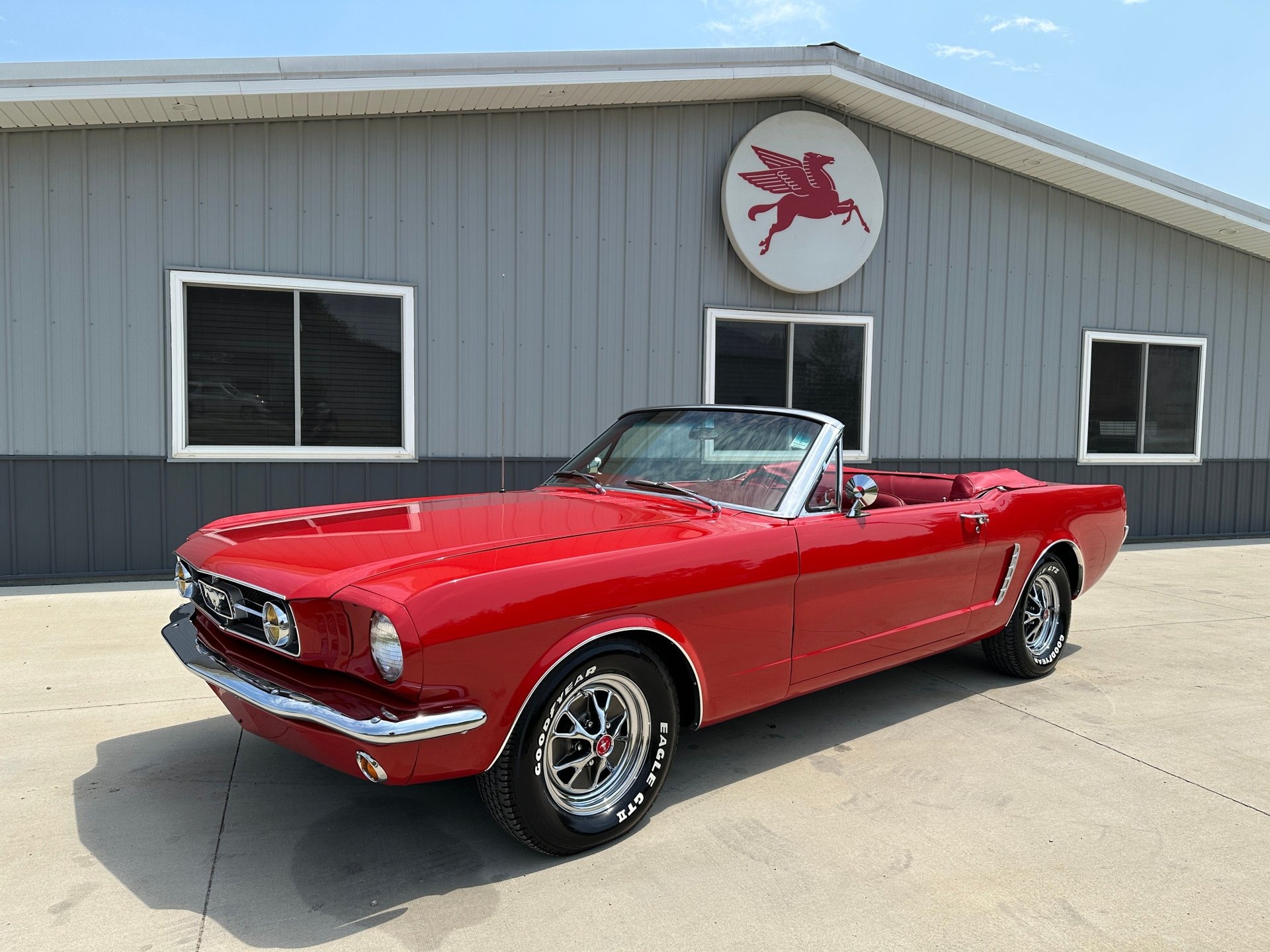
1. Ford Mustang (1965–1973)
The first-generation Ford Mustang is an iconic American muscle car that remains practical for daily use. Many enthusiasts continue to drive these vehicles due to their reliable V8 engines and straightforward mechanical design. The Mustang’s long-lasting engines and straightforward components make it capable of handling regular driving with proper care.
Early Mustangs were built with durability in mind. The engines are robust, transmissions are straightforward, and parts are relatively easy to find. This simplicity enables owners to keep their cars operational without incurring excessive expenses. Regular oil changes, proper tuning, and attention to the brakes and suspension ensure the car continues to perform reliably.
Drivers report that these Mustangs maintain smooth operation even with frequent city and highway driving. The Mustang’s appeal extends beyond mechanical reliability. The car’s chassis and suspension are engineered to handle various road conditions, making it comfortable for daily commutes.
Its classic styling also attracts attention while providing a sense of connection to automotive history. Seats and interior design were created with ergonomics that support long drives, and the cabin remains functional despite its age.
Maintenance is a critical factor in the Mustang’s continued daily use. Owners must monitor engine components, replace worn parts, and maintain the electrical system. Fortunately, aftermarket parts are widely available, and many mechanics are experienced with older Mustangs. This accessibility contributes to the car’s ability to remain operational for years.
The Ford Mustang demonstrates that classic muscle cars can serve as practical daily vehicles. Its combination of durable engineering, simple mechanical systems, and timeless design allows it to withstand daily driving while offering the pleasure of classic automotive performance.
Many first-generation Mustangs continue to deliver smooth and reliable operation, proving that American muscle can endure modern use.
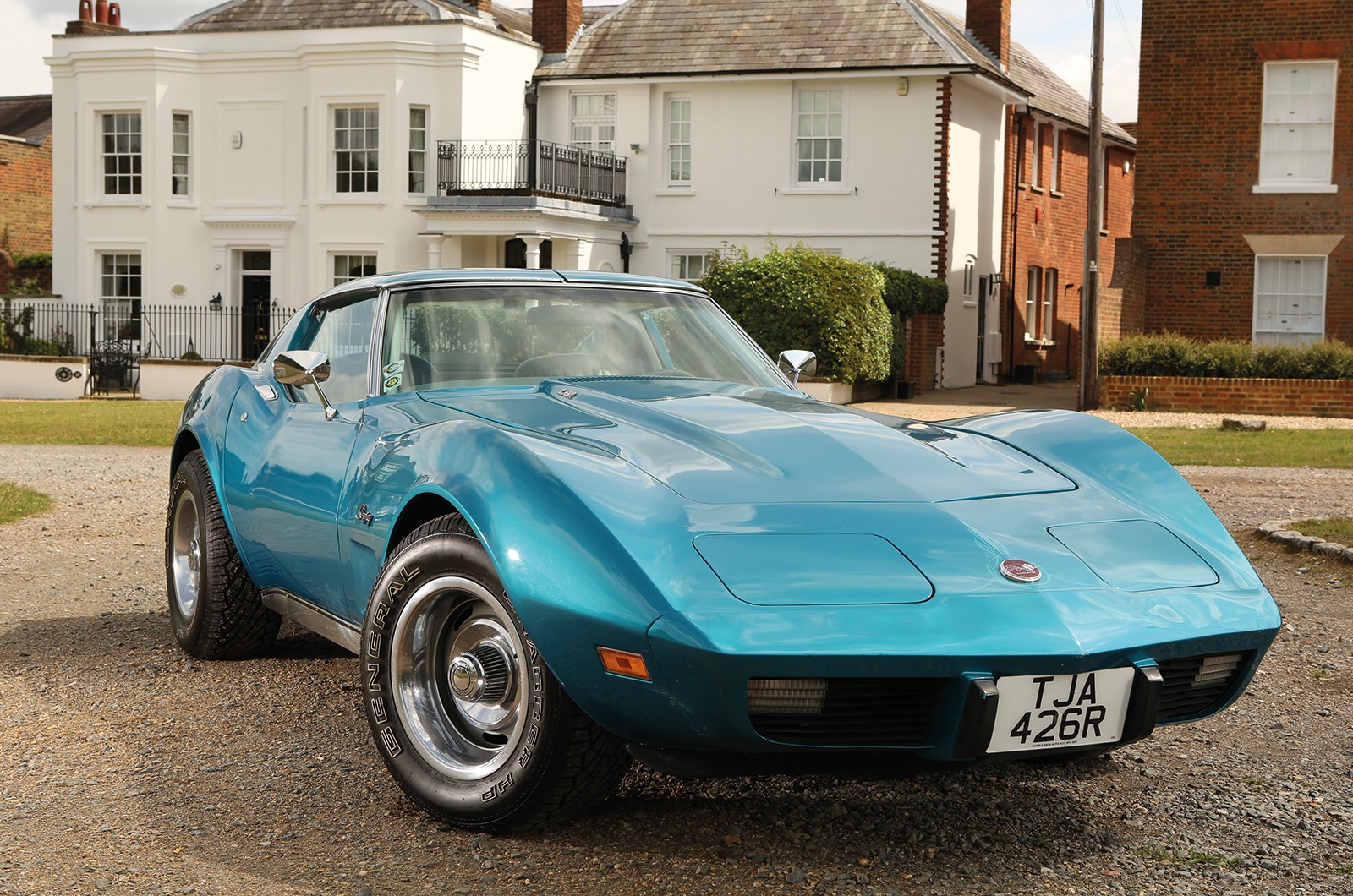
2. Chevrolet Corvette (C3)
The third-generation Chevrolet Corvette, produced from 1968 to 1982, is another classic that remains daily driven. The C3 is recognized for its distinct styling, comfortable handling, and reliable V8 engines. Despite being a performance car, the C3 offers durability that allows owners to use it regularly for commuting and long drives.
The C3 Corvette features engines that are robust and capable of high mileage when maintained properly. The V8 powerplants are simple to work on, and many owners perform regular tune-ups, oil changes, and inspections to ensure longevity.
The car’s mechanical systems are straightforward, which allows drivers to maintain consistent performance even after decades. Regular maintenance keeps the transmission and suspension in optimal condition, allowing the vehicle to operate reliably under daily use.
Comfort and drivability are also factors in the C3’s continued relevance. The car is designed with a suspension system that absorbs road imperfections, making it practical for city streets and highways alike. The interior provides adequate comfort for extended drives, with supportive seats and intuitive controls.
Despite its sporty design, the Corvette remains usable as a daily vehicle. Availability of parts enhances the C3’s practicality. Owners can source replacement components easily due to the car’s popularity and the support of aftermarket suppliers.
Mechanics familiar with the Corvette’s engineering can maintain the car efficiently, reducing the likelihood of prolonged downtime. The Chevrolet Corvette C3 illustrates that classic performance cars can still meet the demands of daily driving.
Its combination of reliable engines, simple mechanical systems, and comfortable design allows drivers to enjoy a classic sports car without sacrificing usability. Many C3 models remain active on the road, proving that vintage performance and daily practicality can coexist.
Also Read: 12 Classic Cars Known for Bulletproof Drivetrains
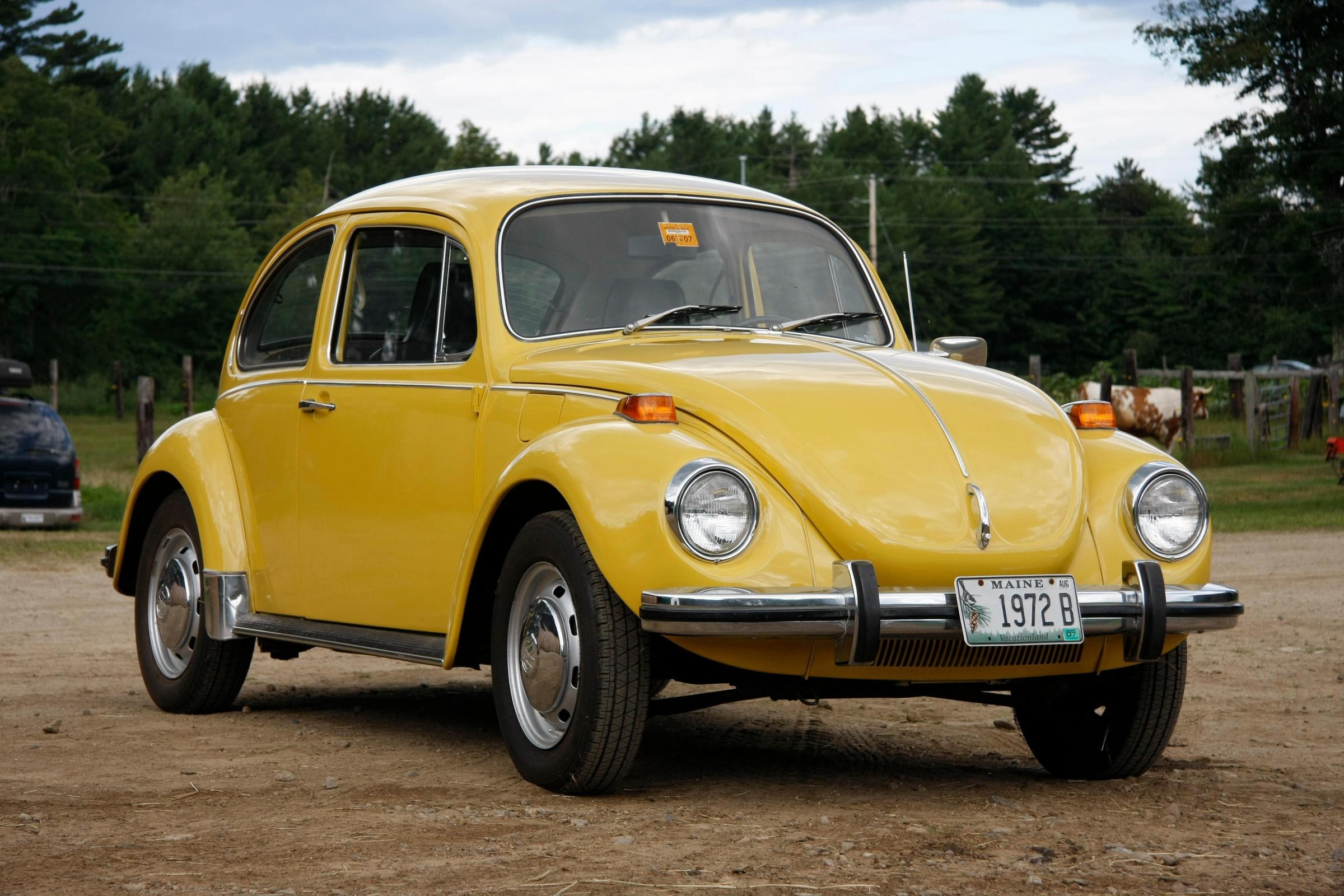
3. Volkswagen Beetle (Type 1)
The classic Volkswagen Beetle, produced from the 1930s through the 1970s, is one of the most enduring daily drivers among vintage cars. Known for its simple engineering and resilient air-cooled engine, the Beetle continues to be used for commuting and errands around the world. Many owners appreciate its reliability and ease of maintenance.
The Beetle’s engine is designed for durability and simplicity. The air-cooled flat-four engine requires minimal maintenance compared to more complicated designs. Regular oil changes, ignition adjustments, and attention to the brakes are usually enough to keep the car running smoothly.
Owners report that Beetles can remain operational for many decades if properly cared for, with some cars surpassing 200,000 miles. The car’s suspension and chassis are also built to endure daily driving. Its lightweight construction and simple suspension allow it to handle city streets and rural roads with ease.
The interior, while basic, provides comfort for daily commutes, and controls are easy to operate. The Beetle’s size makes it suitable for tight streets and parking spaces, adding to its practicality.
Parts are widely available for Beetles, making repairs affordable and manageable. Many mechanics have experience with these vehicles, and aftermarket support is extensive. This accessibility allows owners to maintain their cars efficiently, which is essential for daily use.
The Volkswagen Beetle demonstrates that simple engineering and robust construction can result in a classic car capable of daily operation. Drivers enjoy the unique character, efficiency, and reliability of the vehicle, making it a practical choice despite its age. Beetles remain popular for their combination of nostalgia and usability, proving that some classic cars were built to last.
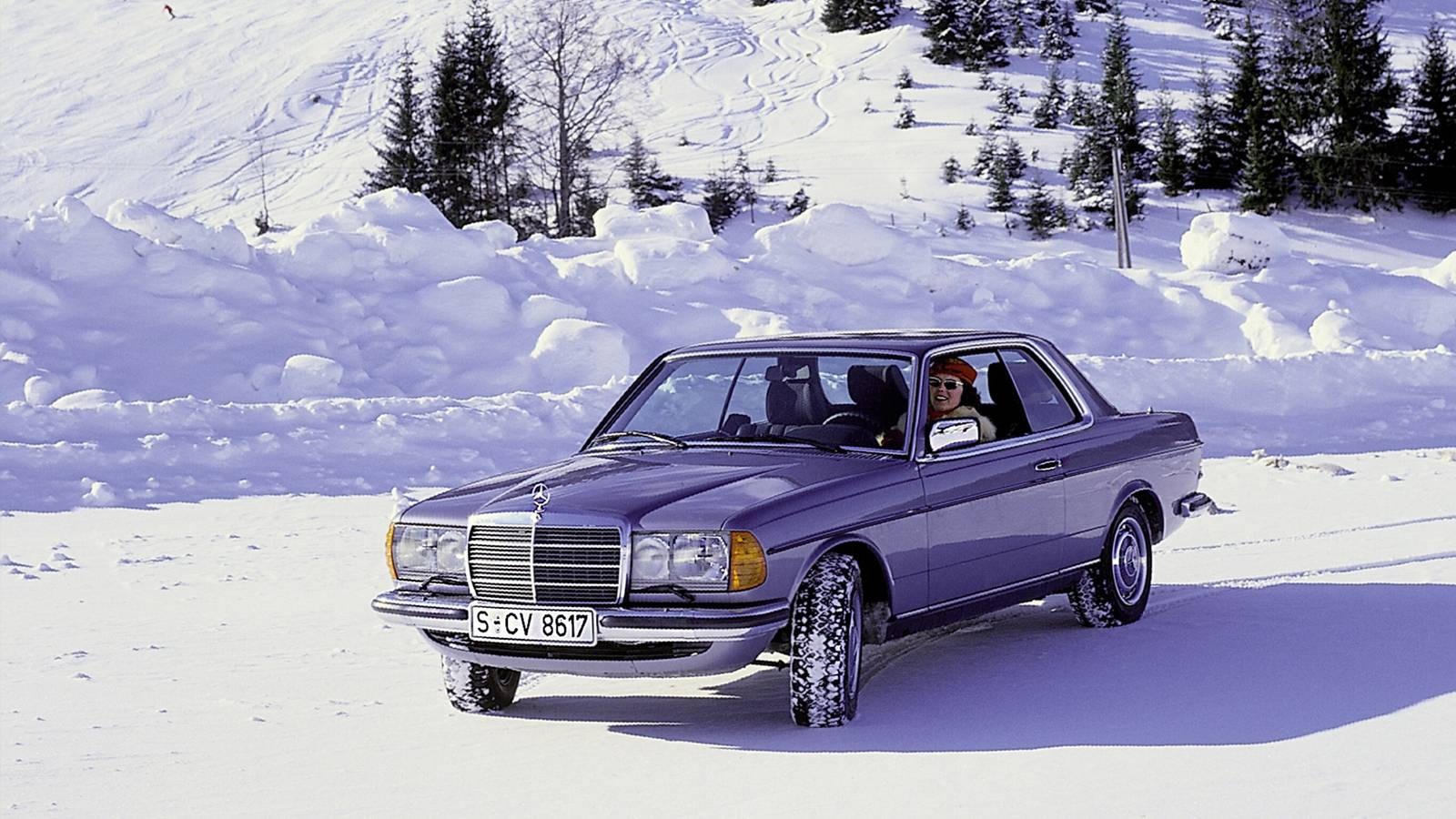
4. Mercedes-Benz W123
The Mercedes-Benz W123 series, produced from 1976 to 1985, is celebrated for its legendary durability. These sedans are often used for taxis and personal transportation in various countries, showcasing their ability to withstand heavy daily use. Many W123 owners still drive these cars daily because of their robust engines and solid construction.
The W123 features engines known for long life and reliability. Diesel and petrol options were engineered to endure high mileage with proper maintenance. Regular oil changes, coolant monitoring, and fuel system care allow these vehicles to remain operational even after decades of use.
The mechanical simplicity of the drivetrain and suspension contributes to durability, making repairs straightforward. Comfort and usability enhance the W123’s appeal as a daily driver. The suspension absorbs road imperfections efficiently, and the interior provides supportive seating for long journeys.
Controls are intuitive, and the vehicle maintains stable handling under varied conditions. Drivers appreciate the smooth ride and ease of operation, which allow daily commutes and extended drives without discomfort.
Parts availability is another factor in the W123’s continued relevance. Components are accessible, and mechanics are familiar with the model’s engineering. This accessibility allows owners to maintain the vehicle efficiently and cost-effectively. Many W123s remain operational today due to careful maintenance and the availability of replacement parts.
The Mercedes-Benz W123 proves that classic luxury sedans can serve as practical daily vehicles. Its combination of robust engineering, comfortable design, and ease of maintenance ensures long-term usability. Drivers can enjoy a classic vehicle while relying on its consistent performance for everyday transportation.
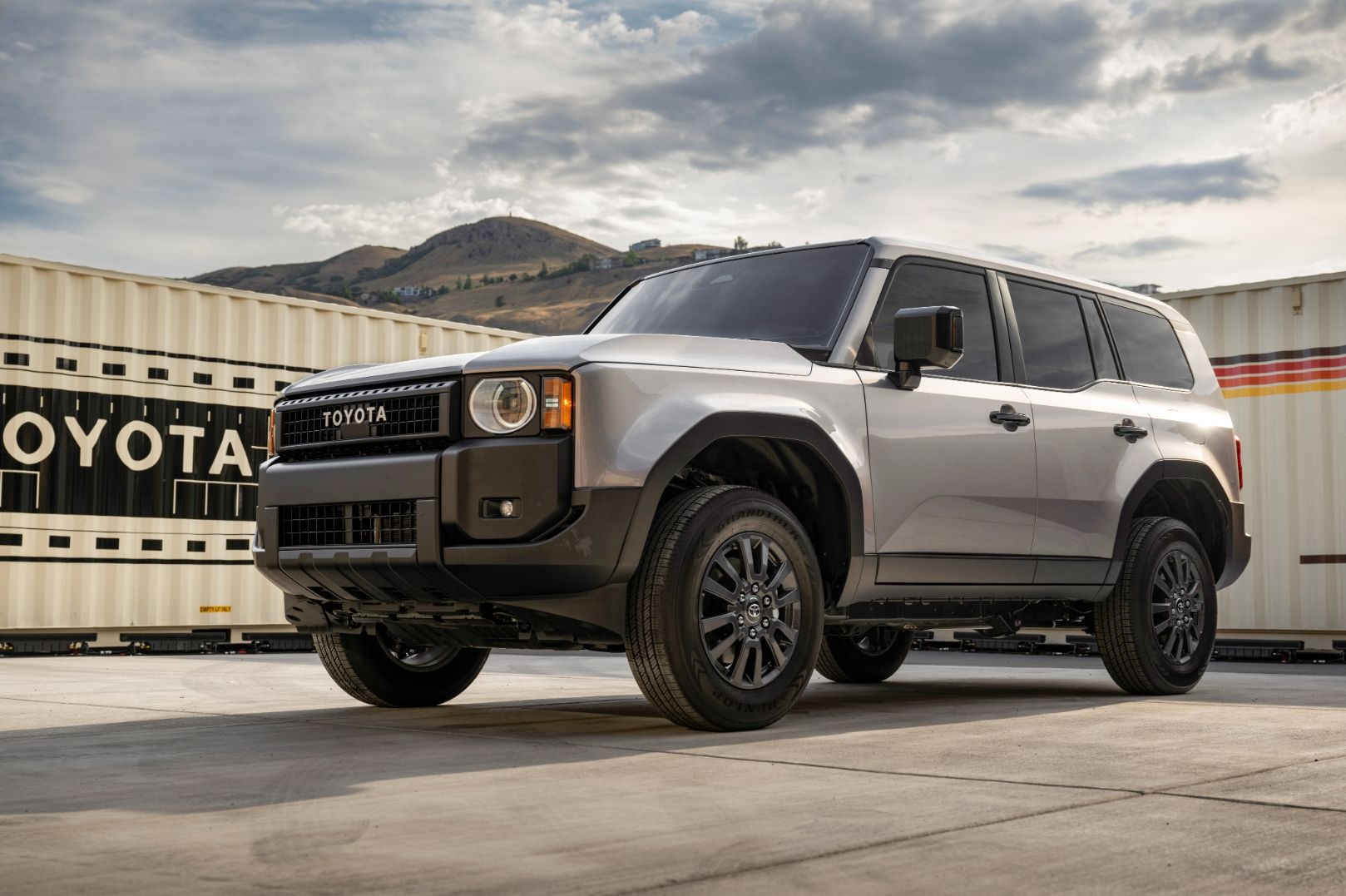
5. Toyota Land Cruiser (J60/J70)
The Toyota Land Cruiser, particularly the J60 and J70 series, is well known for its durability and off-road capability. Produced in the 1980s and 1990s, these models continue to be used daily by owners who value reliability, ruggedness, and comfort. The Land Cruiser’s engineering allows it to endure heavy use over decades.
The vehicle’s engine and drivetrain are designed for endurance. The inline-six engines and robust transmissions can withstand high mileage and varied driving conditions. Regular maintenance, such as oil changes, filter replacements, and inspections, ensures that these vehicles continue to operate reliably.
Many owners report that Land Cruisers can travel hundreds of thousands of miles with minimal issues when maintained properly. The Land Cruiser’s suspension and chassis are built to handle rough land, making the vehicle suitable for both urban and rural driving.
The interior offers comfort and practicality, with ample seating and cargo space for daily activities. Controls are simple to operate, and the vehicle remains stable and comfortable even under heavy use.
Parts availability and mechanical familiarity contribute to durability. Replacement components are widely accessible, and many mechanics know how to work on these vehicles efficiently. This ensures that Land Cruisers remain operational and reliable over many years.
The Toyota Land Cruiser illustrates that rugged engineering, durable components, and practical design can create a classic vehicle suitable for daily driving. Drivers benefit from reliability, comfort, and utility while enjoying the lasting performance of a well-built classic SUV.
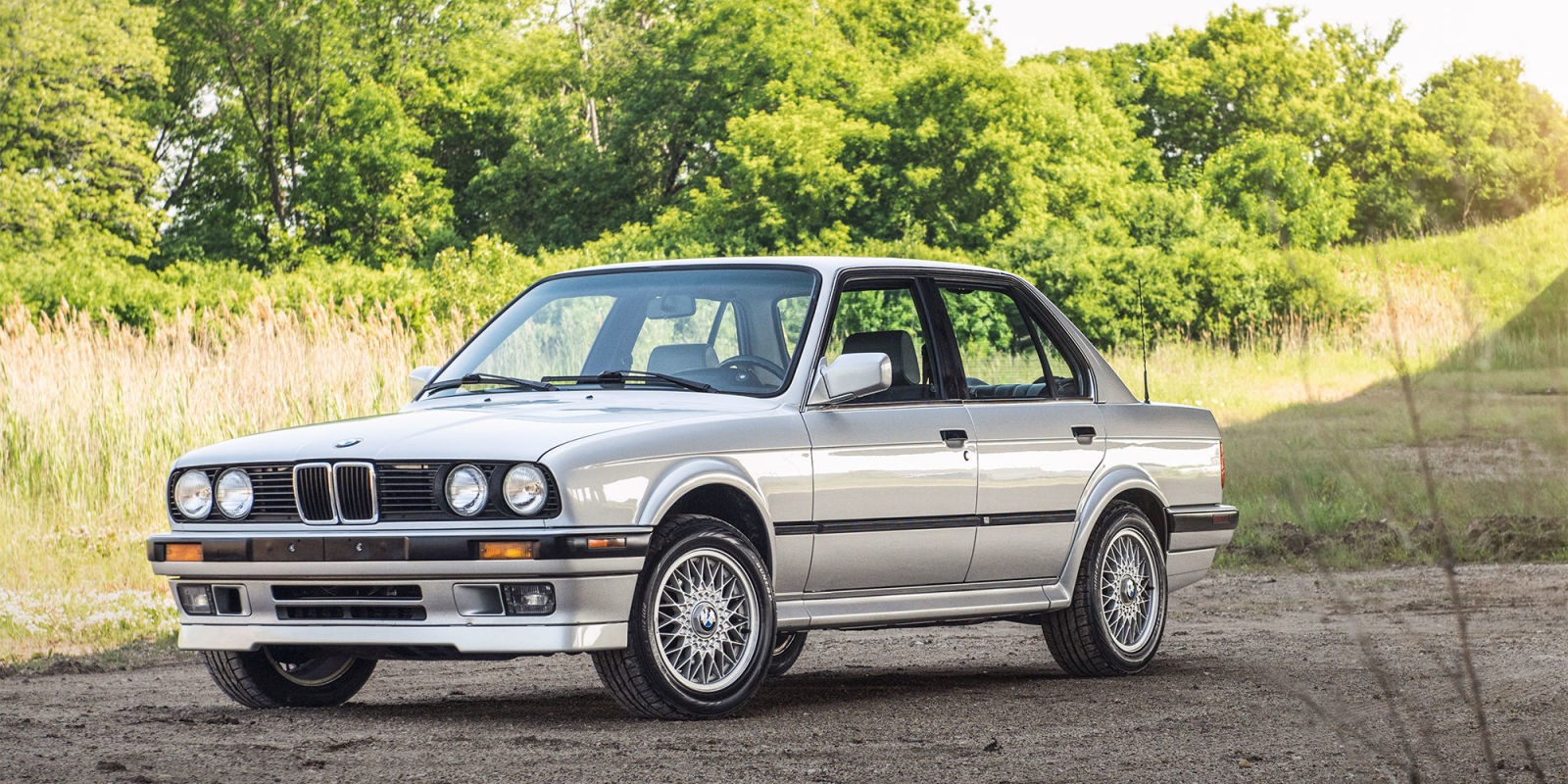
6. BMW 3 Series (E30)
The BMW E30, produced from 1982 to 1994, remains one of the most enduring and practical classic cars. Many enthusiasts still drive these vehicles daily because of their reliable engines, simple mechanics, and balanced handling. The E30 is admired not just for style but also for its durability and engineering quality.
The E30 features inline-four and inline-six engines known for their resilience. When owners maintain oil levels, timing components, and cooling systems, these engines continue to deliver smooth performance even after decades. Mechanical simplicity allows for easier repairs compared to modern cars, and replacement parts are widely available.
Regular maintenance ensures the transmission, brakes, and suspension continue to perform reliably, making daily driving stress-free. The chassis and suspension are designed to provide a balanced driving experience. The E30 handles corners with precision and remains stable on highways.
The ride is comfortable enough for commuting and long trips, while the steering feels responsive and engaging. The combination of precise handling and durable components contributes to the E30’s ability to withstand frequent use.
Interior comfort and practicality also support its daily usability. Seats are supportive for long drives, controls are intuitive, and the cabin layout is straightforward. Even older models maintain functionality and comfort, allowing drivers to enjoy modern usability in a vintage car.
Maintenance accessibility enhances the E30’s practicality. Mechanics familiar with older BMWs can service the car efficiently, and many aftermarket parts are available at reasonable prices. This allows owners to keep their cars in running condition without excessive costs or downtime.
The BMW E30 shows that classic European sedans can remain daily drivers. With careful maintenance, durable engineering, and a comfortable interior, this model continues to provide reliable operation. Many drivers enjoy the combination of classic design, engaging driving experience, and long-term dependability that the E30 offers.
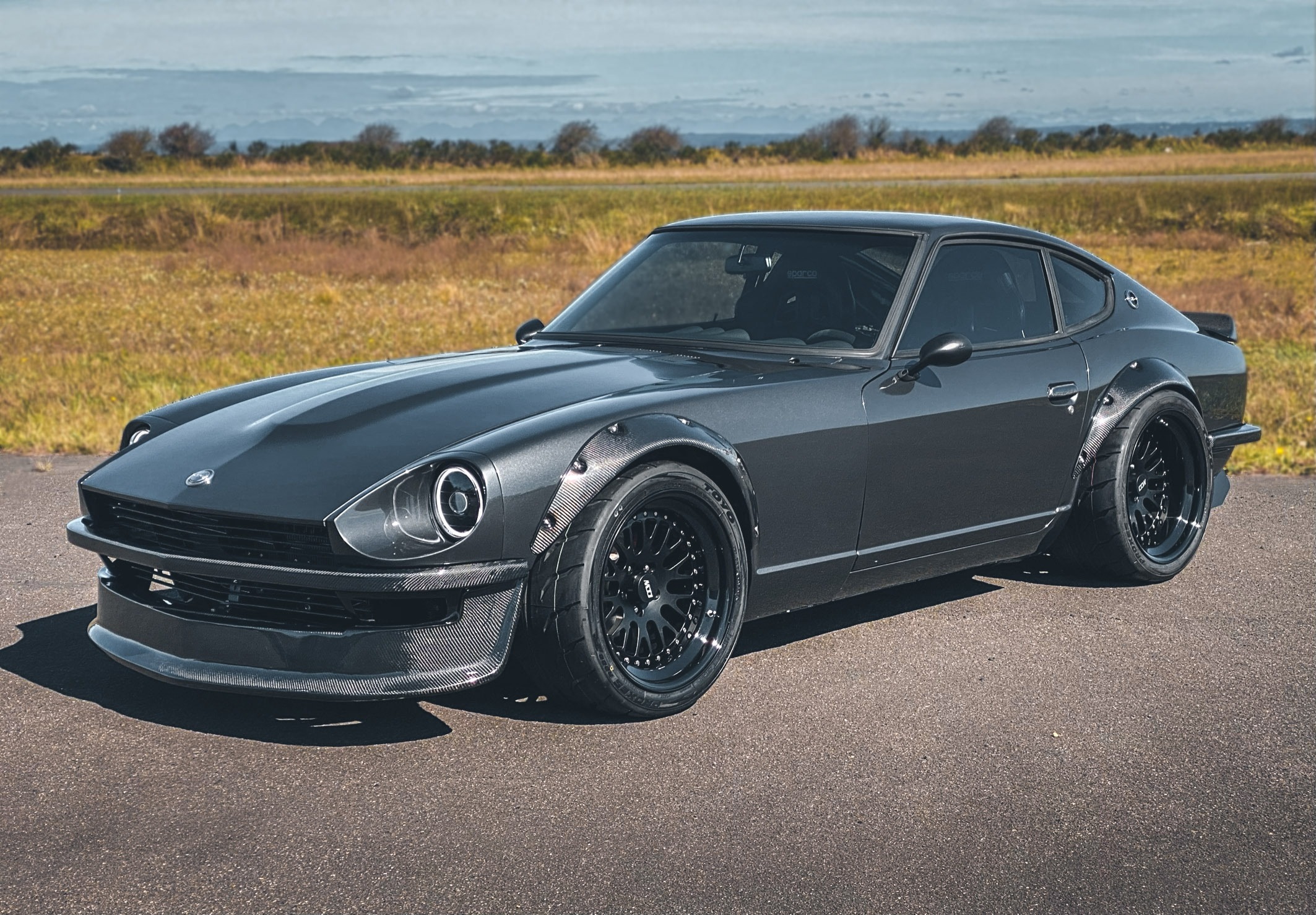
7. Datsun 240Z
The Datsun 240Z, introduced in 1969, remains a practical classic sports car for daily use. Known for its lightweight design, simple mechanics, and reliable engine, it continues to attract drivers who value performance and style. The 240Z combines efficiency with durability, allowing owners to enjoy daily driving without frequent breakdowns.
The inline-six engine in the 240Z is known for smooth power delivery and resilience. With regular maintenance such as oil changes, valve adjustments, and cooling system checks, these engines can endure decades of use. The mechanical simplicity reduces the chance of complicated failures, and parts are relatively accessible due to the car’s popularity among collectors and enthusiasts.
Chassis and suspension are designed for spirited driving while remaining practical for regular roads. The vehicle handles curves with stability and provides a comfortable ride despite its sporty character. Drivers appreciate the combination of responsive handling, durability, and ease of operation, which allows the 240Z to function as a daily driver.
Interior features support usability. Controls are straightforward, seats are comfortable for short and medium trips, and visibility is adequate for city driving. Although smaller than modern vehicles, the 240Z’s cabin is practical enough for daily commuting and errands.
Maintenance is manageable because the car has fewer moving parts than modern sports cars. Components such as brakes, suspension, and the drivetrain are serviceable, and mechanics familiar with classic Japanese vehicles can complete repairs efficiently. This accessibility contributes to the 240Z’s continued daily usability.
The Datsun 240Z demonstrates that classic sports cars can be practical for daily driving. Durable engines, simple mechanics, and responsive handling make it a reliable choice for enthusiasts who enjoy performance, nostalgia, and consistent usability. Many 240Z models remain active on roads worldwide, showcasing enduring quality.
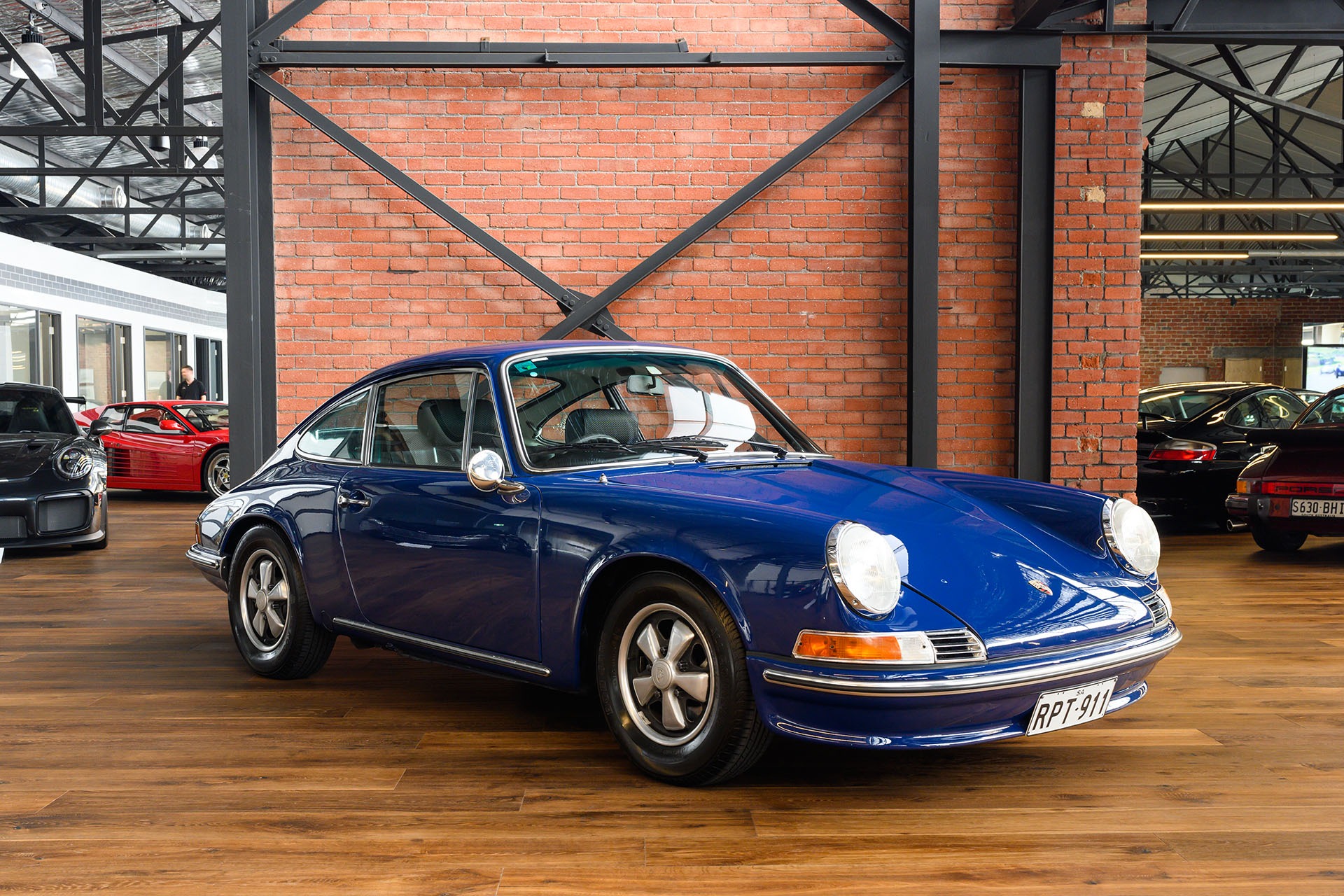
8. Porsche 911 (Classic 1970s Models)
Classic Porsche 911s from the 1970s remain widely driven despite their age. The 911’s air-cooled engines are known for longevity when maintained properly, making these cars suitable for daily use. Owners often rely on them for commuting and weekend trips because of their performance, reliability, and enduring design.
The flat-six engine in the 911 is simple and resilient. Regular oil changes, valve adjustments, and cooling system checks allow the engine to maintain smooth performance. The drivetrain is robust, and parts are widely available through specialist suppliers, making repairs straightforward. Many drivers report that properly maintained 911s can exceed 200,000 miles without major engine issues.
Suspension and chassis are tuned for balance and comfort. The car handles both city streets and highways with stability and precision. Despite being a performance car, the 911 maintains comfort for daily driving, with supportive seats and intuitive controls. Its compact design and visibility make it practical for urban environments as well.
Interior usability is easily recognisable. Controls are simple to operate, the seating provides comfort for daily commuting, and the cabin layout supports routine use. Many older 911 models maintain these qualities, making them practical vehicles despite their age.
Maintenance is more manageable than expected for high-performance vehicles. While parts may cost more than standard sedans, they are accessible, and mechanics familiar with classic Porsches can maintain the car efficiently. This ensures the 911 can remain a daily driver for enthusiasts who prioritize both performance and reliability.
The Porsche 911 shows that high-performance classics can still meet daily needs. Durable engines, strong chassis, and practical interior design allow drivers to enjoy the driving experience without sacrificing usability. Many 911s remain operational on the road, demonstrating enduring quality.
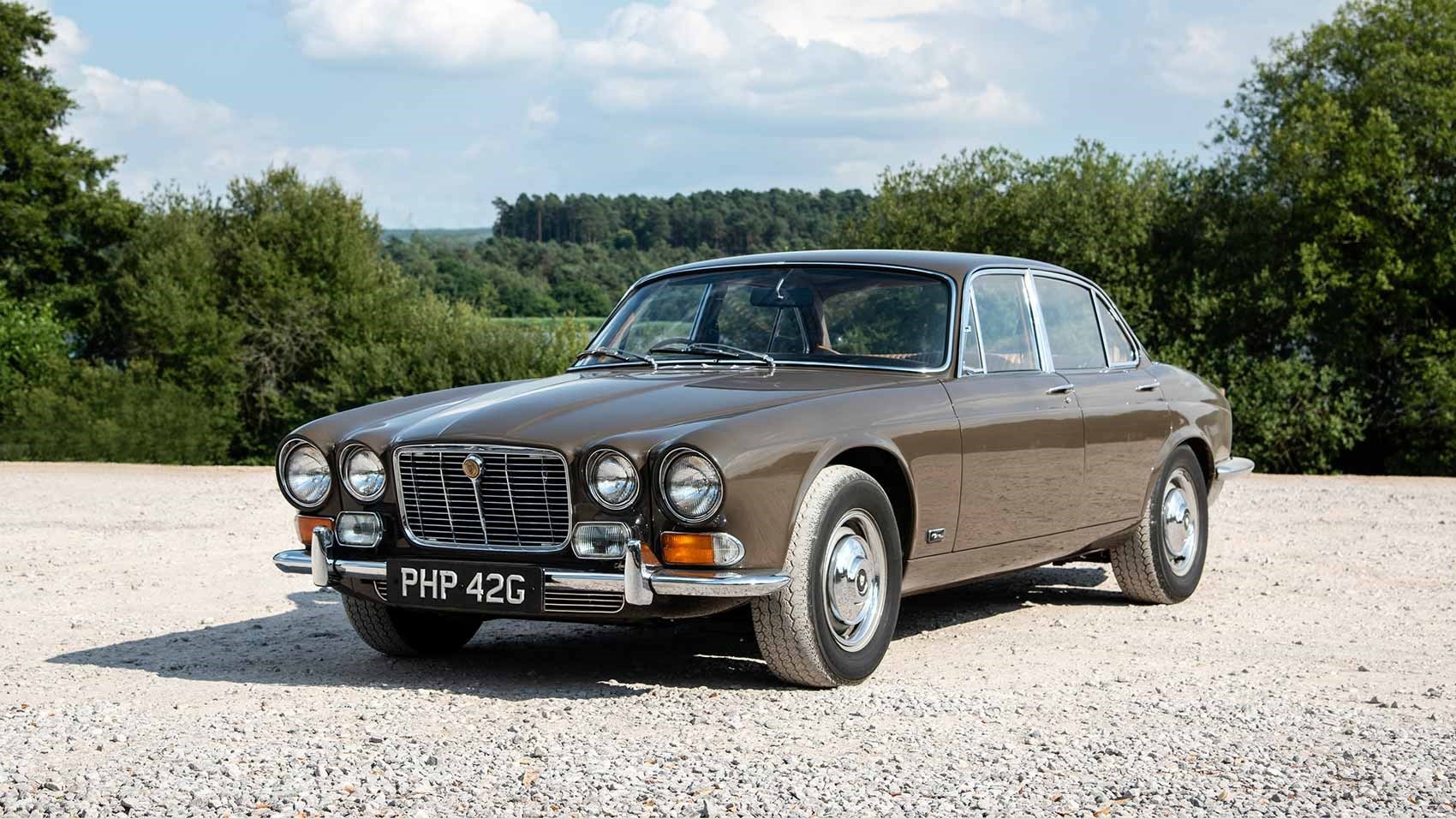
9. Jaguar XJ6 (Series 1 and 2)
The Jaguar XJ6 from the Series 1 and 2 generations, produced in the late 1960s and 1970s, continues to be used as a daily driver. These luxury sedans combine smooth engines, comfortable interiors, and solid construction, allowing them to endure daily use. Owners appreciate the XJ6 for comfort and reliability when maintained properly.
The inline-six engines in the XJ6 are robust and capable of long-term operation. Regular servicing, oil changes, and careful attention to the cooling and electrical systems allow the engines to perform reliably even after decades. Transmission and suspension components are straightforward enough to repair, making the car practical for routine use.
Comfort is a hallmark of the XJ6. The suspension provides a smooth ride on highways and city streets, and the interior offers supportive seating and ample legroom. Controls are intuitive, allowing drivers to operate the car with ease. Despite its age, many XJ6 models maintain comfort levels comparable to modern vehicles.
Parts and maintenance contribute to daily usability. While some components are specialized, many parts are available from suppliers and can be serviced by mechanics experienced with classic Jaguars. Routine maintenance ensures the vehicle remains operational without frequent breakdowns.
The Jaguar XJ6 illustrates that classic luxury cars can function as reliable daily drivers. Smooth engines, comfortable interiors, and accessible maintenance make it possible for these vehicles to provide dependable service. Many XJ6 models continue to operate reliably, demonstrating that classic sedans can remain practical decades after production.
Also Read: 12 Classic Cars From Iconic American Music Videos
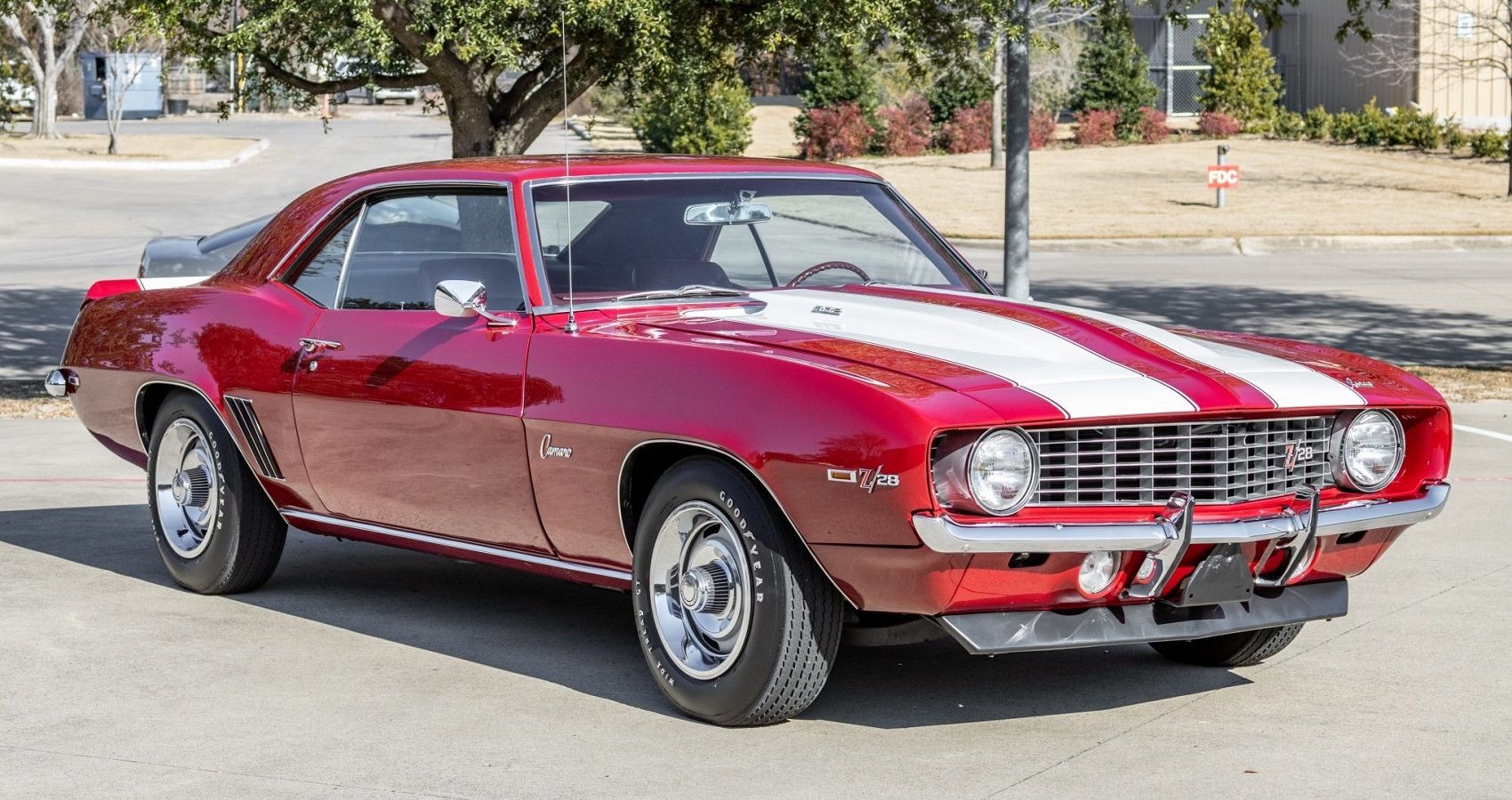
10. Chevrolet Camaro (First Generation)
The first-generation Chevrolet Camaro, produced from 1967 to 1969, remains a classic muscle car that many owners drive daily. The vehicle’s robust V8 engines and straightforward mechanical systems make it suitable for commuting and regular use. Enthusiasts value the Camaro for its combination of style, performance, and long-term durability.
The Camaro’s engines are resilient when maintained properly. Oil changes, valve adjustments, and transmission care allow the car to deliver smooth performance over extended periods. The mechanical simplicity of the drivetrain reduces the likelihood of unexpected failures, and replacement parts are readily available.
Regular maintenance ensures the suspension and braking systems continue to function reliably. The vehicle’s handling and suspension support daily usability. The Camaro maintains stability on highways and city streets, while the suspension absorbs bumps effectively.
Drivers appreciate the responsive steering and predictable performance, which make daily driving safe and comfortable. Interior comfort supports practical use. The seats are designed for extended drives, controls are easy to operate, and the cabin remains functional even after decades of use.
The Camaro’s layout ensures that daily driving is not only enjoyable but also practical for errands and commuting. Maintenance is manageable because the car has fewer complicated systems compared to modern vehicles. Mechanics familiar with classic muscle cars can service the Camaro efficiently, and aftermarket parts ensure that repairs are feasible.
These factors contribute to the car’s continued viability as a daily driver. The Chevrolet Camaro shows that classic American muscle cars can combine style, performance, and reliability. Many first-generation models continue to operate effectively as daily vehicles, proving that classic design and durable engineering can coexist with practical usability.
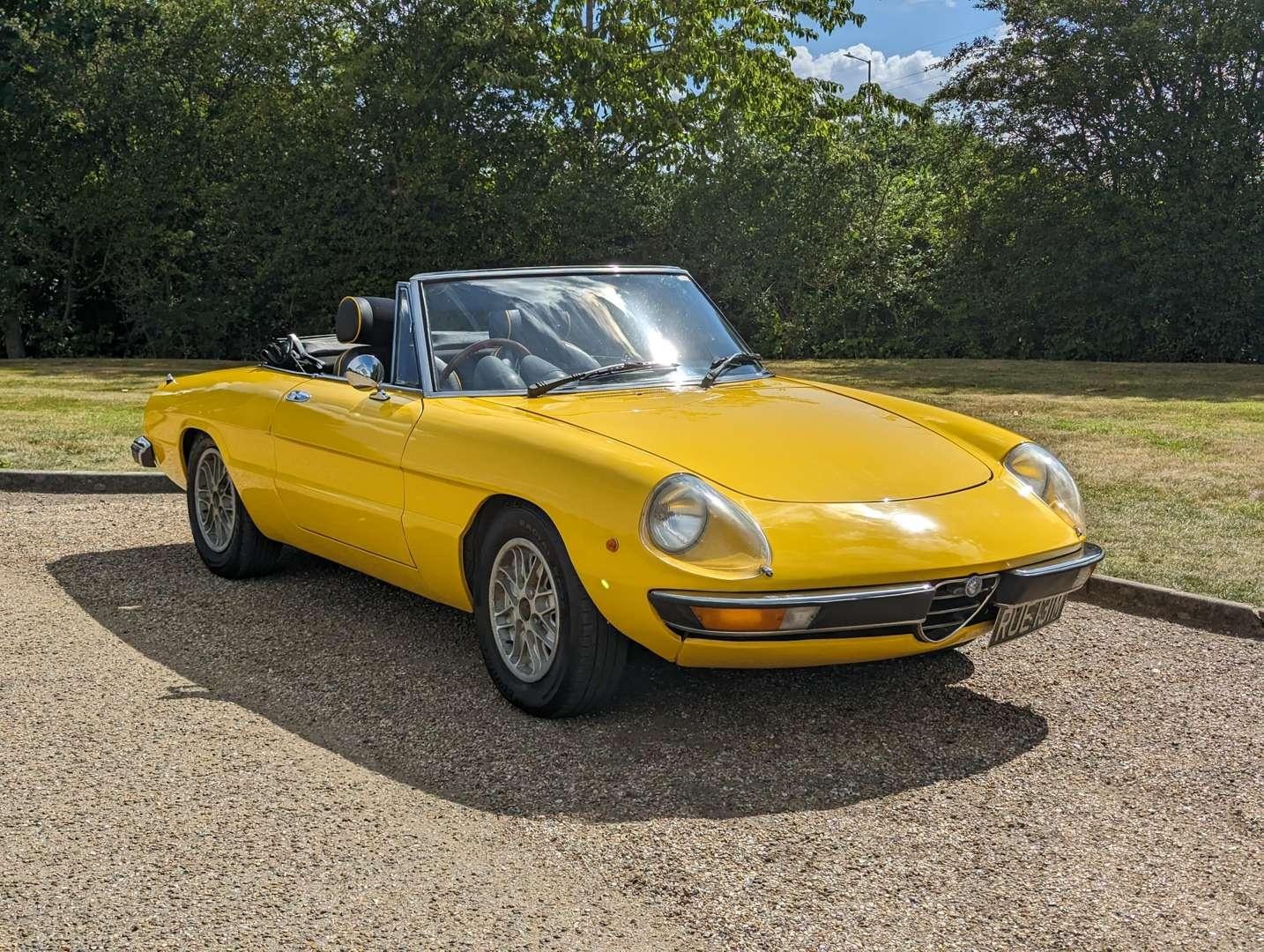
11. Alfa Romeo Spider (1970s Models)
The Alfa Romeo Spider, particularly models from the 1970s, remains a classic roadster that some owners drive daily. The vehicle combines lightweight, durable engines and simple mechanics, allowing it to handle everyday use. Many enthusiasts enjoy driving the Spider for commuting, errands, and leisure because of its reliability and spirited performance.
The Spider features a four-cylinder engine known for smooth operation and endurance when maintained carefully. Routine oil changes, valve adjustments, and attention to the cooling system ensure reliable performance. Mechanical simplicity reduces the risk of complicated failures, and replacement parts are generally accessible.
Drivers report consistent performance and enjoyable handling even after decades of use. The car’s suspension and chassis provide a comfortable and responsive ride. The Spider handles city streets and highways effectively, allowing for predictable control and stability. Its compact design makes parking and maneuvering easier, adding to daily practicality.
Interior usability supports everyday driving. Controls are simple, seats are comfortable for short to medium trips, and the cabin is functional for commuting and errands. Despite its sporty design, the Spider remains practical enough for regular use.
Maintenance is straightforward. Fewer moving parts, accessible components, and mechanical familiarity allow owners to keep the vehicle operational without excessive cost or difficulty. These factors contribute to the Spider’s continued use as a daily driver.
The Alfa Romeo Spider demonstrates that classic European roadsters can remain practical for daily driving. Its combination of reliable engines, durable construction, and comfortable design allows drivers to enjoy classic performance while relying on the car for everyday needs.
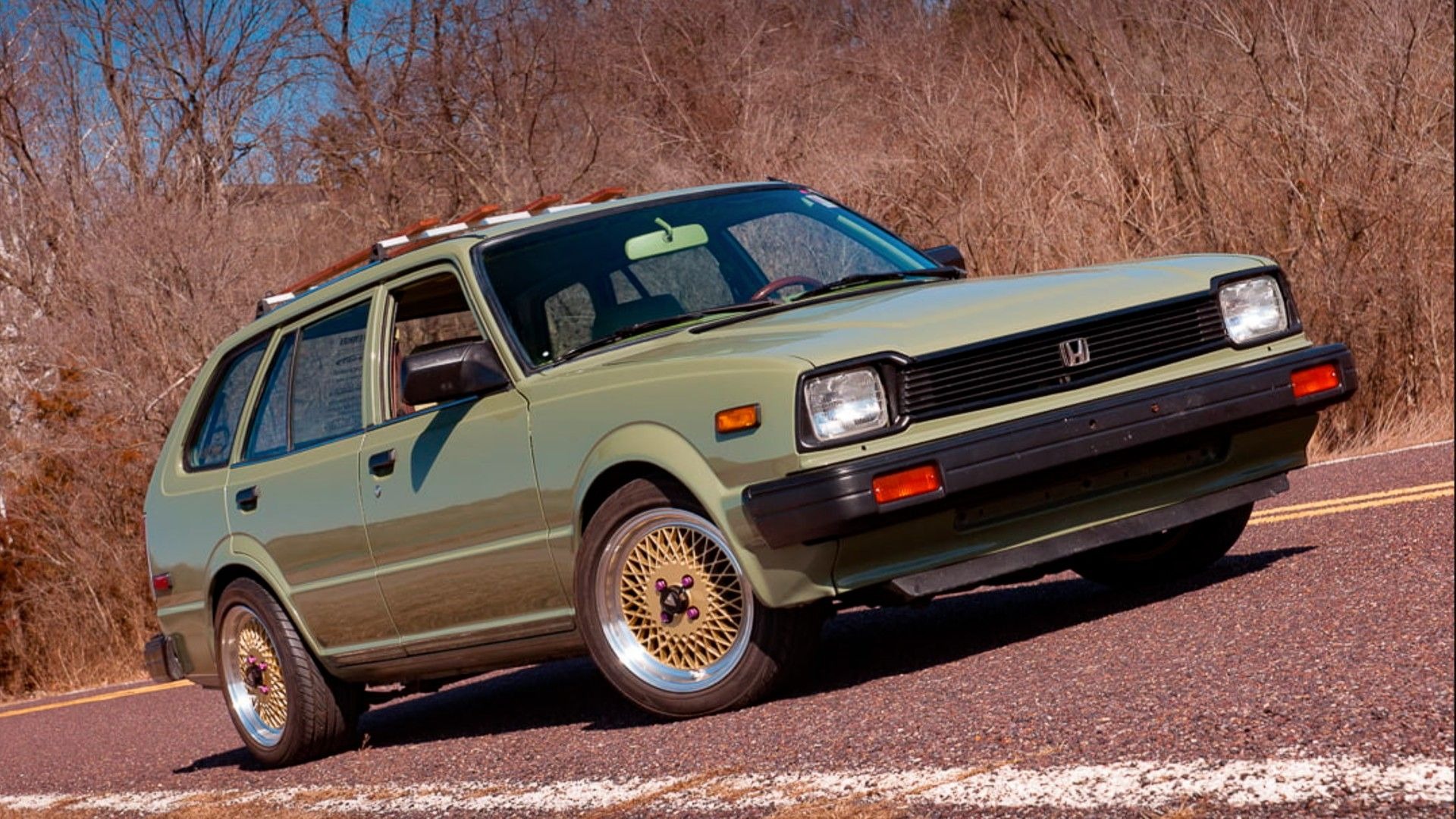
12. Honda Civic (First and Second Generations)
Early Honda Civics from the 1970s and 1980s are among the most practical classic cars still in daily use. Known for fuel efficiency, simple mechanics, and reliability, these vehicles continue to serve as dependable transportation. Owners appreciate Civics for commuting, errands, and long-term durability.
The Civic’s engines are resilient when properly maintained. Regular oil changes, valve adjustments, and attention to the cooling system ensure smooth performance in time. The drivetrain and suspension are straightforward, reducing the chance of mechanical failures. Replacement parts are widely available, making maintenance simple and affordable.
The car’s chassis and suspension provide a comfortable ride for city and highway driving. The compact size makes parking and maneuvering easier, while the interior remains functional for commuting. Seats are supportive, and controls are intuitive, making the vehicle practical for everyday use.
Maintenance is manageable because of the Civic’s simple design. Fewer moving parts and widespread mechanical familiarity allow for efficient repairs. Many owners report that their early Civics remain operational with minimal issues, even after decades of use.
The Honda Civic demonstrates that classic cars can be practical, efficient, and reliable for daily driving. Its combination of durable engines, simple mechanics, and functional design allows drivers to enjoy a classic vehicle without sacrificing usability. Many early Civics remain on the road today, proving that good engineering and careful maintenance create long-lasting results.
