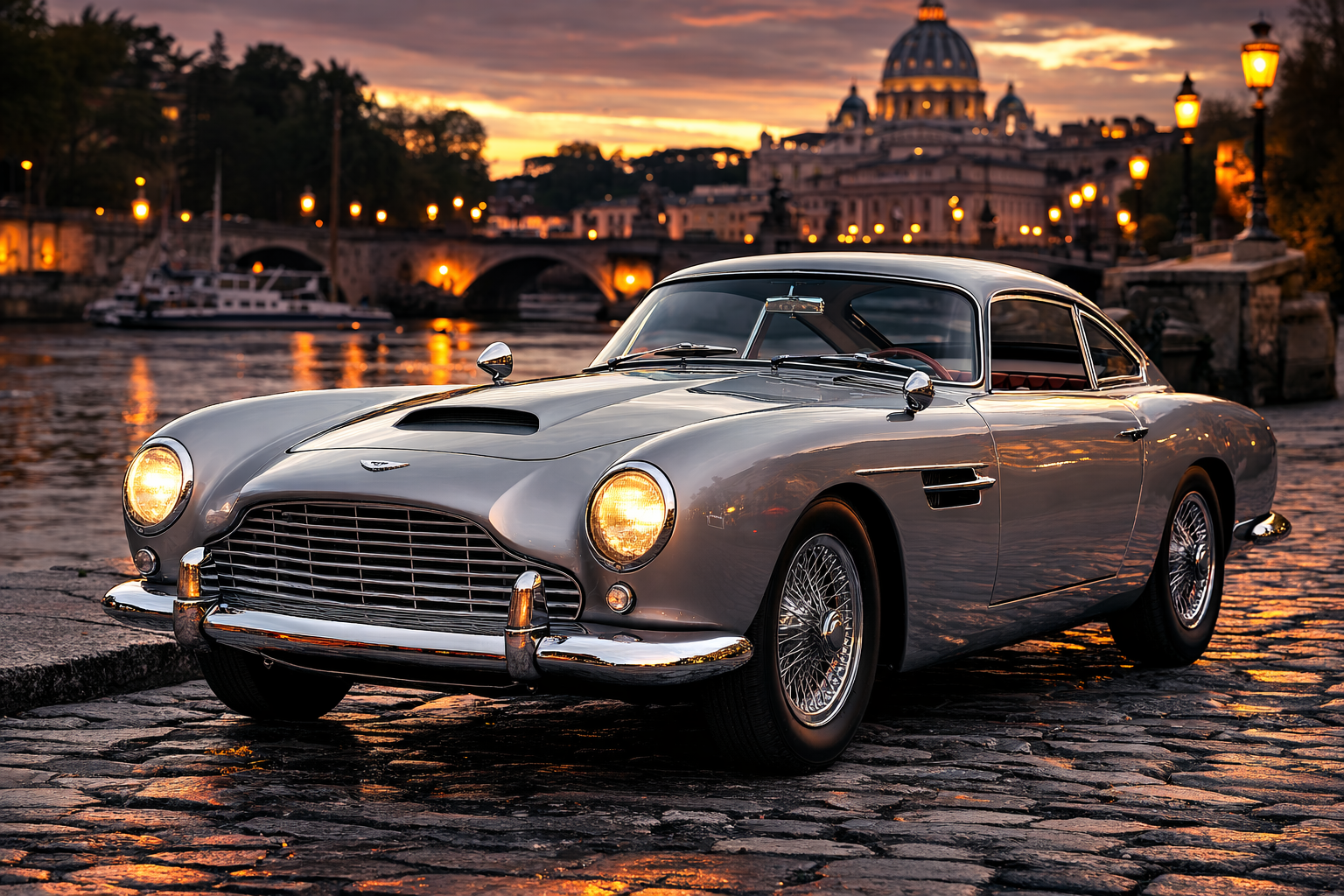
Taking professional quality photos of a classic car requires more than simply pointing a camera and taking random pictures.
Classic vehicles have unique curves, reflective paint, chrome details, and design elements that require thoughtful planning to capture properly. Without the right approach, even a beautifully restored car can look ordinary in photographs.
A key difference between casual photos and professional looking images is attention to detail. Professionals study the environment, remove distractions, adjust angles, and wait for the right moment instead of rushing. Small decisions such as where to park the car or how to turn the wheels can dramatically change the final result.
Another common misunderstanding is that only expensive cameras produce great photos. In reality, technique is far more important than equipment. A person who understands lighting and composition can often take better photos with a basic phone than someone using costly gear without knowledge of photography basics.
Preparation also plays a major role. A classic car should always be properly cleaned before photography. Dust particles, smudges, and uneven tire shine can become very noticeable in photos. Even something as simple as wiping the windows and aligning the wheels straight can improve the visual quality.
Professional quality photos also focus on storytelling. Instead of taking only standard front and side photos, experienced photographers capture details such as emblems, interior textures, and mechanical craftsmanship. This gives viewers a complete visual experience rather than just a quick look.
The following tips focus on practical techniques that can help improve your classic car photography. Each tip approaches the subject from a different perspective so the learning experience remains varied and useful.
By applying these ideas consistently, you can gradually develop the ability to create images that truly represent the personality and timeless appeal of your classic automobile.
Also Read: Top 10 Classic Cars With the Most Iconic Front End Designs
1. Learn How to Work With Natural Light
Natural light can either enhance the beauty of a classic car or completely ruin the visual appeal if used carelessly. Many beginners take photos whenever convenient, but professionals often plan their shoots based on lighting conditions rather than personal schedules. Timing can change everything.
Midday sunlight is often too harsh because it falls directly from above. This creates strong shadows and bright reflections that can hide important design lines. The paint may look overly shiny in some areas and dull in others. This uneven lighting can reduce the quality of the image even if the car itself looks perfect.
Morning light offers a much more balanced environment. The sunlight arrives at a lower angle and spreads more gently across surfaces. This allows the body lines to stand out naturally without harsh reflections. The colors also appear more accurate and less faded compared to afternoon photos.
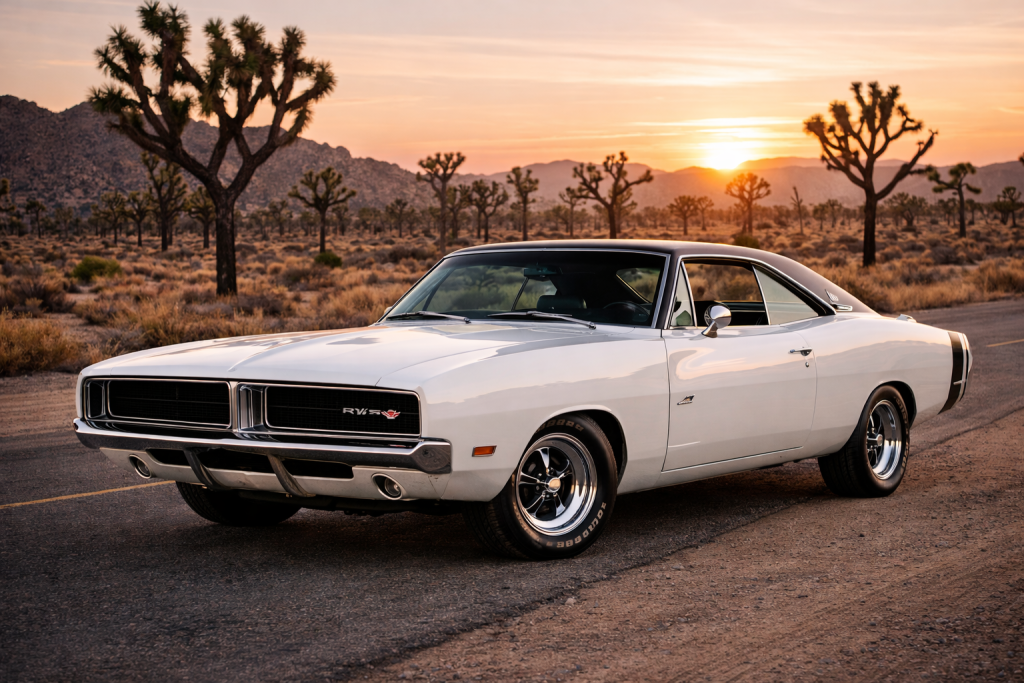
Late evening offers another excellent opportunity. The warmer tones during sunset can add a rich atmosphere to the image. This is especially helpful when trying to create dramatic photos instead of simple documentation shots. The softer contrast during this time also helps cameras capture detail more easily.
Cloud cover can actually be an advantage. Many people assume sunny weather is always best, but slightly overcast skies often produce better automotive photos. Clouds act as a diffuser that spreads light evenly. This reduces glare and helps maintain consistent color across the car.
Reflections should always be checked before taking the shot. Because classic cars often have highly polished paint, they reflect surroundings very clearly.
Unwanted objects like electric poles, signboards, or even your own silhouette can appear if you do not pay attention. Taking a few seconds to adjust your position can fix this.
Moving around the vehicle before shooting is a habit worth developing. Instead of standing in one place, observe how light interacts with the surfaces from different directions. You may discover that a small shift in camera height or distance can dramatically improve the composition.
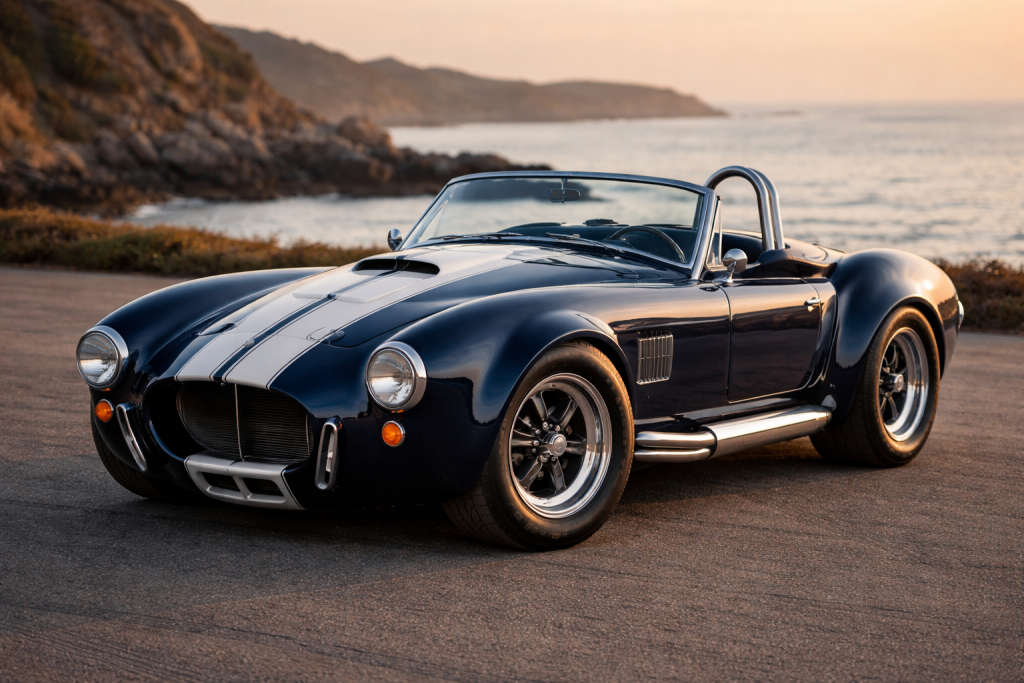
Good lighting is not about luck. It is about observation and patience. When you begin to study light carefully, you start predicting how it will behave. This mindset helps you consistently capture better results instead of relying on chance.
When you start respecting light as your main photography tool, you will notice that your images naturally begin to look more professional even without upgrading your camera.
2. Select Backgrounds That Complement the Car Instead of Distracting From It
The background of a photograph can quietly determine whether the image looks professional or careless. Many classic car photos fail not because of the car or the camera, but because the surroundings steal attention away from the subject. A strong photo ensures the vehicle remains the clear focus.
Busy environments filled with traffic, random people, signboards, or parked modern vehicles can weaken the timeless feel of a classic car. These elements can break the visual story and make the image feel cluttered. A simple and clean background almost always produces stronger results.
Open spaces often work very well. Empty parking areas, quiet roads, industrial zones during off hours, or natural landscapes can help isolate the car visually. These types of settings allow the viewer to appreciate the vehicle without distraction.
Background color also matters more than many people realize. If the car color blends too much with the surroundings, it may lose visual impact. For example, a light colored car may stand out better against darker surroundings, while a dark car may benefit from brighter backgrounds. Contrast helps define the subject clearly.
Depth can also improve a photo. Instead of placing the car directly against a wall, leaving some distance between the car and the background can create a more professional appearance. This technique helps produce a sense of separation and makes the vehicle appear more prominent.
Another overlooked technique is checking what appears behind the roofline. Objects such as poles or trees can sometimes appear to grow out of the car when viewed from certain angles. Taking a few steps sideways can prevent these awkward compositions.
Ground surface is equally important. Clean pavement often looks better than broken or muddy surfaces. Oil stains, trash, or uneven textures can distract from the vehicle. Even something simple like sweeping a small area can improve the final result.
Using themed environments can also enhance storytelling. Historic buildings, old fuel stations, or vintage style streets can reinforce the classic character of the vehicle. However, the setting should never overpower the car. The environment should support the subject rather than compete with it.
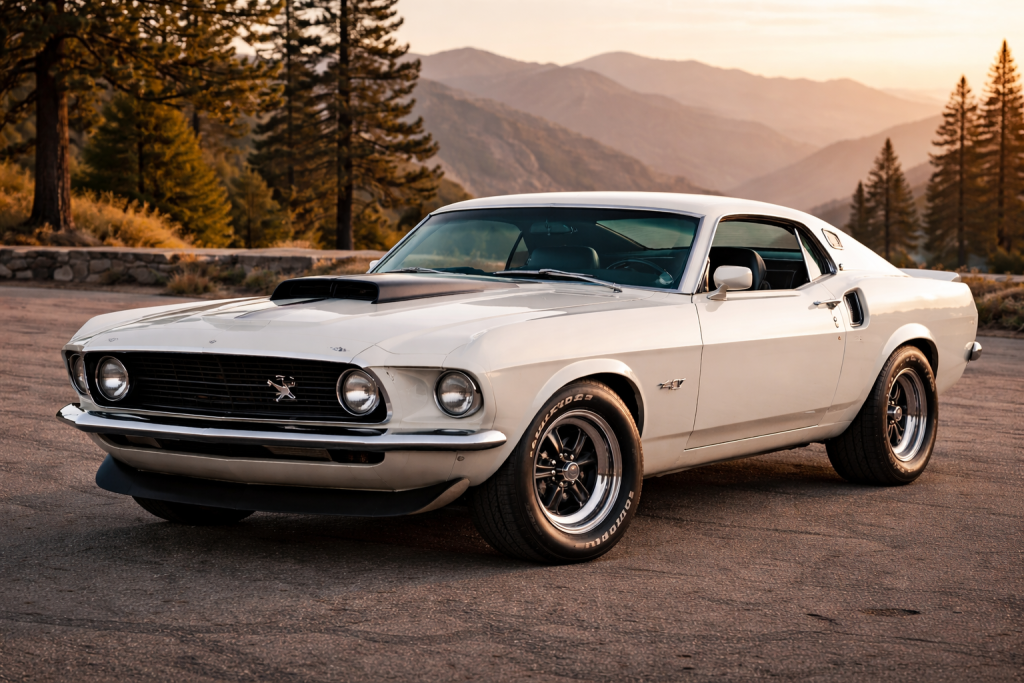
Some photographers even crouch slightly to reduce background clutter. Lower camera positions can sometimes eliminate unwanted objects and replace them with cleaner horizons. This also adds a more dramatic perspective.
Taking a moment to study the frame before shooting is a habit that produces consistent improvement. Instead of focusing only on the car, scan the entire viewfinder. Professionals often say that everything inside the frame matters, not just the main subject.
When background selection becomes a deliberate decision rather than an afterthought, your photography begins to look intentional. This alone can elevate the quality of your classic car photos significantly.
3. Change Your Shooting Angles to Add Character and Depth
One of the easiest ways to make classic car photos look professional is to avoid the most obvious angles. Many people naturally take photos while standing upright and pointing the camera straight at the side or front of the car. While this documents the vehicle, it rarely creates an interesting or dynamic image.
Changing your height can immediately improve your photography. Shooting from a slightly lower position can make the car appear more powerful and dramatic.
This technique is often used in automotive magazines because it emphasizes the stance and proportions of the vehicle. Even bending your knees slightly instead of standing straight can make a noticeable difference.
Another useful approach involves three quarter angles. Instead of photographing the car directly from the front or side, position yourself so both the front and side are visible together. This perspective shows more design information in a single frame and gives the image a more complete feel.
Wheel direction also plays an important visual role. Turning the front wheels slightly toward the camera can add life to the photo. Straight wheels sometimes make the car appear parked and static, while a slight turn can create a sense of readiness and motion.
Distance control is another technique that many beginners ignore. Taking photos from too far away can make the car look small and unimportant. Standing too close may distort proportions. Finding the right distance allows the car to fill the frame naturally without looking cramped.
Detail shots should also be part of your approach. Instead of only capturing full car images, try photographing elements such as headlights, badges, door handles, or dashboard textures. These smaller compositions help build a visual story and show craftsmanship that wide shots may miss.
Camera tilt should generally remain level. Tilting the camera too much can make the car look unnatural unless done intentionally for artistic reasons. Keeping straight lines helps maintain a professional appearance.
Experimentation should become part of your routine. Taking multiple shots from slightly different positions allows you to compare results later. Sometimes the best image comes from a position you did not initially consider.
Foreground framing can also improve composition. For example, shooting through an object such as a fence gap or between tree branches can create depth. However, this must be done carefully so the obstruction does not become distracting.
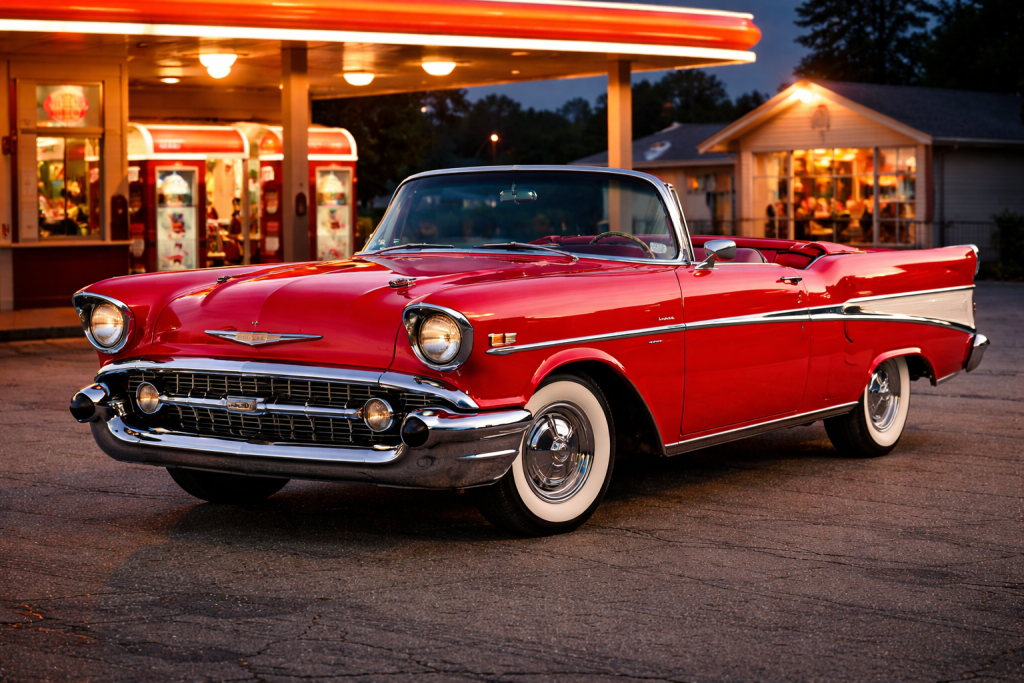
Another useful habit is walking completely around the car before deciding your main shooting position. This gives you a better understanding of which side has better lighting, fewer reflections, and cleaner backgrounds.
Professional photography rarely depends on a single shot. It comes from trying many variations and selecting the strongest result afterward. Treat every angle as an experiment rather than assuming the first position is the best.
When you begin exploring angles instead of relying on standard viewpoints, your photos naturally begin to look more intentional and visually engaging.
4. Prepare the Car Carefully Before Taking Any Photos
A professional quality photograph often begins long before the camera is used. Preparation of the vehicle itself is just as important as photography technique. Even the best lighting and composition cannot hide poor presentation.
Cleaning should always be the first step. Dust particles may not be very visible in person, but cameras capture them clearly. Micro scratches, fingerprints, and water marks often become more noticeable in high resolution images. A proper wash followed by drying with a clean microfiber cloth can prevent these issues.
Glass surfaces deserve special attention. Dirty windows can reduce the quality of interior shots and create a neglected appearance. Cleaning both the inside and outside of the glass improves clarity and allows better visibility of interior details.
Tire appearance also affects perception. Clean tires with a consistent finish make the car look well maintained. However, excessive tire shine should be avoided because it can look unnatural in photos. A subtle finish usually looks more authentic.
Panel alignment checks can also help. Making sure doors, trunk, and hood are fully closed prevents uneven lines that may appear as flaws. These small adjustments may seem minor but they contribute to an overall polished presentation.
Interior preparation should not be ignored. Removing random objects such as plastic bottles, papers, or cleaning cloths prevents distraction. Even small clutter can break the illusion of a carefully preserved classic vehicle.
Steering wheel alignment is another small but powerful detail. Keeping the steering wheel straight when photographing the interior creates a more organized look. These subtle details often separate casual photos from professional ones.
Positioning of the car itself also matters. Parking on a level surface prevents awkward tilts. If the ground slopes, the car may appear uneven in photos. Choosing a flat surface helps maintain visual balance.
Attention should also be given to the engine bay if you plan to photograph it. A quick wipe to remove loose dust can improve presentation dramatically. You do not need perfection, but visible care makes a difference.
Even the direction the car faces can influence results. Positioning the cleaner or more detailed side toward the camera helps present the best version of the vehicle. Every car has angles that photograph better than others.
Taking a few minutes to review the car before shooting can prevent many regrets later. Professional photographers often do a final walk around just to catch small issues before beginning.
The difference between an average photo and a professional looking one often comes down to preparation. When the vehicle looks carefully presented, the final images automatically feel more serious and intentional.
5. Use Composition Techniques That Guide the Viewer’s Attention Naturally
Great classic car photography is not just about showing the vehicle clearly. It is about directing the viewer’s eye so they notice the most important parts first. This is where composition becomes extremely important. Composition simply means how you arrange elements inside your frame.
One effective method involves thinking about balance. If the car is placed exactly in the center every time, the photos may start to feel predictable. Shifting the car slightly toward one side of the frame can create a more natural viewing experience. This allows space for the car to visually “move into” the frame rather than looking trapped.
Another practical approach is using leading lines. Roads, parking lines, fences, or even shadows can guide attention toward the vehicle. When these lines naturally point toward the car, the viewer’s focus moves exactly where you want it. This technique is widely used because it works without the viewer even realizing it.
Framing is another idea that can improve visual quality. Instead of placing the car in an open empty space, you can sometimes position it so elements around it create a natural border. This could be an archway, a garage opening, or even the space between two trees. This technique makes the subject feel intentionally presented.
Spacing is equally important. Leaving some breathing room around the car prevents the image from feeling crowded. When the vehicle almost touches the edges of the frame, it may look accidental rather than planned. Giving proper margins helps maintain a clean professional structure.
Photographers also pay attention to visual weight. Bright objects tend to attract attention faster than darker ones. If a bright object sits behind the car, it might steal focus. Adjusting your position to remove such distractions can make the car remain the strongest visual element.
Patterns can also be useful when used carefully. Repeating elements like bricks, tiles, or parking stripes can create a structured look that complements the car. However, these patterns should support the subject rather than overpower it.
Another concept involves storytelling through sequencing. Instead of thinking about one perfect photo, think about capturing a set of images that together describe the vehicle. A wide shot, a medium angle, and a few detail shots can work together as a visual narrative.
Perspective discipline is another habit that improves composition. Making sure vertical objects like buildings remain straight instead of leaning helps maintain realism. Slight corrections in camera position can prevent distortion.

It is also useful to pause before pressing the shutter. Looking at the edges of your frame often reveals distractions you may not have noticed initially. Professionals often spend more time observing than actually shooting.
Creative restraint is just as valuable as creativity. Adding too many artistic tricks at once can make a photo feel forced. Sometimes a simple, well balanced composition is more powerful than something overly complex.
As your understanding of composition improves, you begin to think less about random shots and more about intentional design. This transition is often what makes photography start to look truly professional.
When composition becomes a conscious decision instead of an accident, your photos begin to communicate purpose. That sense of purpose is what gives classic car photography a polished and refined appearance.
6. Develop Patience and a Photographer’s Observation Mindset
Technical knowledge alone does not create professional photography. One of the most underrated skills is patience. Many people rush through a photoshoot, take a few quick pictures, and leave. Professional quality results usually come from slowing down and observing carefully.
Observation begins before the camera is even lifted. Looking at how the car sits in its environment helps identify opportunities. You might notice how shadows fall across the body or how reflections move when you change your position. These small observations help you make better decisions.
Waiting for the right moment can also improve results. For example, if people are walking in the background, waiting a few seconds may give you a clean frame. This simple discipline prevents unnecessary editing later.
Weather awareness also becomes part of the mindset. Instead of cancelling a shoot because conditions are not perfect, experienced photographers often adapt. Slight fog, light clouds, or even recent rain can sometimes create unique atmospheres that add character.
Taking breaks during a shoot can also help. Sometimes stepping away for a few minutes allows you to return with a fresh perspective. You may notice angles or details you overlooked earlier.
Reviewing your images during the session is another professional habit. Checking your shots helps you identify mistakes while you still have the chance to correct them. This prevents disappointment after you have already left the location.
Learning from mistakes is part of the process. Not every photo will be successful, and that is normal. Instead of deleting unsuccessful shots immediately, it can help to study what went wrong. Understanding errors often leads to faster improvement than only focusing on successes.
Consistency is another part of the mindset. Taking photos regularly helps you develop instinct. Over time you begin to recognize good lighting and strong compositions without needing to think as much. This natural awareness comes only through practice.
Avoiding frustration is also important. Some days conditions simply do not cooperate. Accepting this reality allows you to remain focused instead of discouraged. Professional photographers often revisit the same location multiple times to achieve the result they want.
Curiosity also helps growth. Trying new positions, experimenting with reflections, or testing different times of day keeps learning active. Staying curious prevents your photography from becoming repetitive.
Perhaps the most important change is learning to see like a photographer even without a camera. Noticing how light falls on surfaces or how shapes interact trains your visual judgment. This awareness gradually becomes automatic.
Professional looking photos are rarely accidents. They are usually the result of careful observation combined with patience. When you develop the habit of slowing down and truly studying your subject, your results begin to reflect that effort.
In the end, photography is as much about how you see as how you shoot. Once you train your eyes to notice details, creating high quality classic car photos becomes a much more natural process.
Taking professional quality photos of a classic car depends more on technique and awareness than on expensive equipment. The most important foundation is understanding how different elements such as light, angles, preparation, and patience work together. When these factors are handled carefully, even a simple camera can produce impressive results.
Lighting plays the biggest role in determining image quality. Soft natural light during morning or evening usually produces the best results because it highlights body lines without creating harsh reflections. Cloudy conditions can also help by spreading light evenly across the vehicle surface. Learning to observe how light interacts with the car can dramatically improve outcomes.
Background selection is equally important because distracting surroundings can reduce the visual impact of the vehicle. Clean and simple environments help the car stand out clearly.
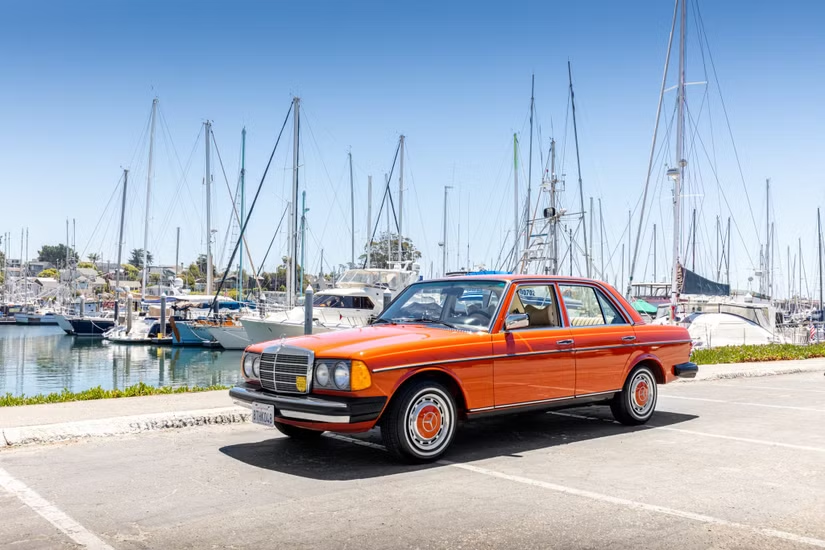
Choosing locations that support the classic character of the vehicle also strengthens the storytelling aspect of the photograph. Even small adjustments in position can remove unwanted distractions.
Camera angles also influence how professional a photo appears. Instead of using standard standing height shots, experimenting with lower positions or three quarter views can add depth and personality. Small details such as wheel direction and distance from the subject can also change the overall impression of the image.
Preparation of the vehicle is another major factor that cannot be ignored. A clean exterior, clear glass, organized interior, and properly positioned vehicle help create a polished presentation. These details may seem small, but they strongly affect how viewers perceive the quality of both the car and the photograph.
Composition techniques help guide the viewer’s attention naturally. Using balance, spacing, framing, and leading lines can make the image feel intentional rather than random. Paying attention to what appears inside the frame ensures that the vehicle remains the main focus without competition from unnecessary elements.
Patience is what connects all these skills together. Rushing often leads to average results, while slowing down allows better observation of lighting, reflections, and composition opportunities. Reviewing shots, learning from mistakes, and staying consistent with practice gradually improves photographic ability.
In the end, professional looking classic car photography is created through awareness, preparation, and thoughtful execution. When these habits become routine, capturing strong images becomes a repeatable process rather than a matter of luck.
Also Read: Top 10 Iconic Japanese Sports Coupes With All Wheel Steering