
The vintage automobile era was a time of experimentation. Manufacturers were not yet locked into standardized engineering layouts, which allowed designers to explore unusual solutions to packaging problems, cooling challenges, weight distribution, and service accessibility.
As a result, some classic vehicles developed engine bay layouts that look very unconventional when compared to modern automotive design.
Today, most vehicles follow predictable engineering patterns. Engines sit in familiar orientations, components are arranged for assembly efficiency, and space is optimized for safety regulations.
Vintage cars, however, often reflected creative problem solving rather than standardization. Engineers sometimes placed components in unexpected locations simply because they believed it was the best solution at the time.
These unusual layouts were not created just to be different. Many were attempts to improve balance, reduce vibration, simplify maintenance, or fit engines into compact bodies. Some ideas worked extremely well and influenced future design. Others remained rare experiments that became fascinating historical examples of automotive creativity.
Looking inside these engine bays today feels almost like examining mechanical puzzles. You may find sideways mounted engines, radiators placed in surprising positions, spare tires sharing space with mechanical components, or intake systems routed in ways that would seem unusual by modern expectations.
For collectors and restorers, these unique layouts present both challenges and rewards. They often require special maintenance knowledge, but they also make the vehicles memorable conversation pieces. These designs remind us that automotive engineering once allowed more freedom to try unconventional ideas.
The following vintage vehicles became known not only for their styling or performance but also for their highly unusual engine bay arrangements.
Each represents a different engineering philosophy and shows how creative packaging once played a major role in automotive development.
Also Read: 10 Best Vintage Models for Converting to Modern Electronic Ignition
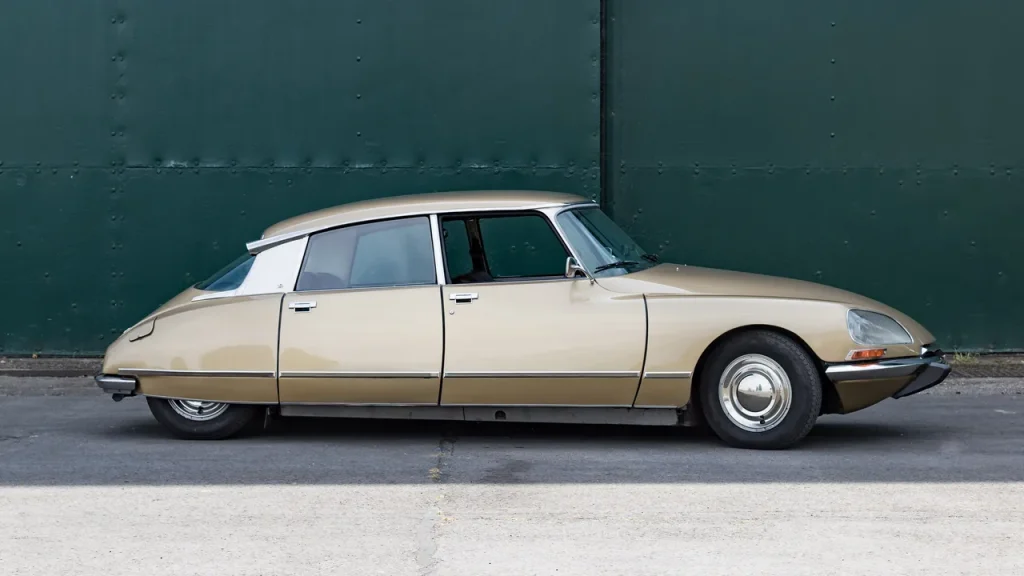
1. Citroën DS – The Engine Bay That Looked Like Hydraulic Architecture
When examining the Citroën DS, it becomes immediately clear that its engine bay does not follow conventional logic.
Instead of presenting a simple layout focused purely on the engine, the DS reveals a complex mechanical ecosystem built around hydraulics. Opening the hood feels less like viewing an engine and more like looking into a technical laboratory.
The first unusual characteristic is how much space is devoted to the hydraulic system rather than the engine itself.
Citroën engineers designed the DS around its hydropneumatic suspension, which required pumps, fluid reservoirs, pressure regulators, and complex plumbing. These components occupied prime engine bay real estate normally reserved for traditional mechanical parts.
Another unusual detail is the placement of the spare tire within the engine compartment. Instead of storing it in the trunk, Citroën integrated it near the front of the vehicle. This decision helped improve weight distribution while also allowing easier access during roadside service.
The engine itself appeared almost secondary in visual importance. Compared to the surrounding hydraulic hardware, the engine looked compact and tightly packaged. This created a visual impression that the car was built around its suspension technology rather than its powertrain.
Service access also followed different priorities. Some components were surprisingly easy to reach, while others required understanding the unique Citroën layout philosophy. Mechanics unfamiliar with the design often found it confusing until they learned the logic behind the arrangement.
Cooling system routing added to the complexity. Hoses and lines traveled through the engine bay in ways that reflected packaging needs rather than visual simplicity. This made the DS look far more complex than many of its contemporaries.
What made this layout especially unusual was its purpose driven design. Every unusual placement served a functional goal related to ride comfort and innovation rather than visual neatness. Citroën engineers accepted complexity as a tradeoff for technological advancement.
Even decades later, the DS engine bay remains one of the most distinctive examples of engineering individuality. It demonstrates how far one manufacturer was willing to go to achieve a completely different driving experience.
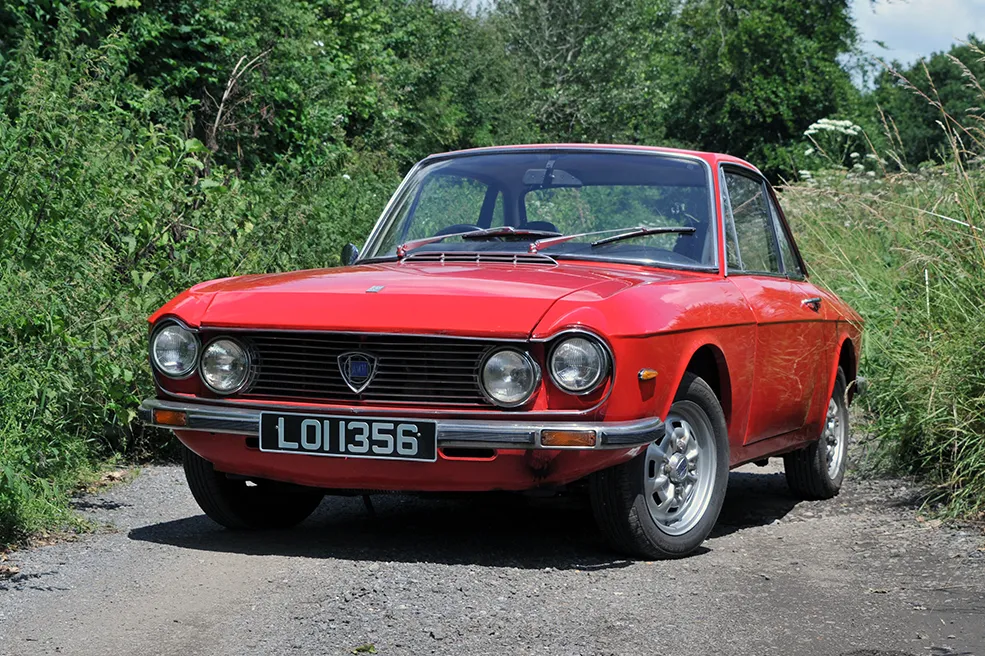
2. Lancia Fulvia – The Narrow Angle V4 That Changed Engine Packaging Logic
At first glance, the Lancia Fulvia engine bay may not seem shocking. The surprise comes when one learns what is actually inside. Instead of a conventional inline or V engine layout, Lancia used a very narrow angle V4 engine that created one of the most unusual packaging solutions of the vintage era.
This engine used an extremely tight cylinder bank angle, making it appear almost like an inline engine. This allowed the engine to remain compact while still benefiting from V configuration characteristics. The design helped Lancia fit the engine into a smaller space while maintaining structural rigidity.
The engine was also mounted at a noticeable angle. This tilt was not accidental. It allowed for a lower hood line, improving aerodynamics and styling proportions. This demonstrates how engine placement sometimes influenced exterior design decisions.
Another unusual detail involved the placement of intake and exhaust components. Because of the narrow V design, the routing of these systems differed from what mechanics typically expected. This created a layout that required specific knowledge during maintenance.
The front wheel drive layout also influenced the arrangement. During a time when many performance cars remained rear wheel drive, Lancia pursued a different philosophy. The drivetrain packaging required careful positioning of transmission components within limited space.
Weight distribution played a role as well. Engineers attempted to keep mass low and centralized, which influenced how supporting components were arranged around the engine. This focus on balance helped the Fulvia achieve impressive handling characteristics.
Mechanics often describe the Fulvia engine bay as intellectually interesting rather than visually dramatic. Its uniqueness comes from engineering decisions rather than unusual shapes alone. Understanding why components sit where they do reveals the thought process behind the design.
This layout shows how Lancia approached engineering as a form of problem solving rather than tradition. The Fulvia remains a strong example of how creative engine design could influence the entire structure of a vehicle.
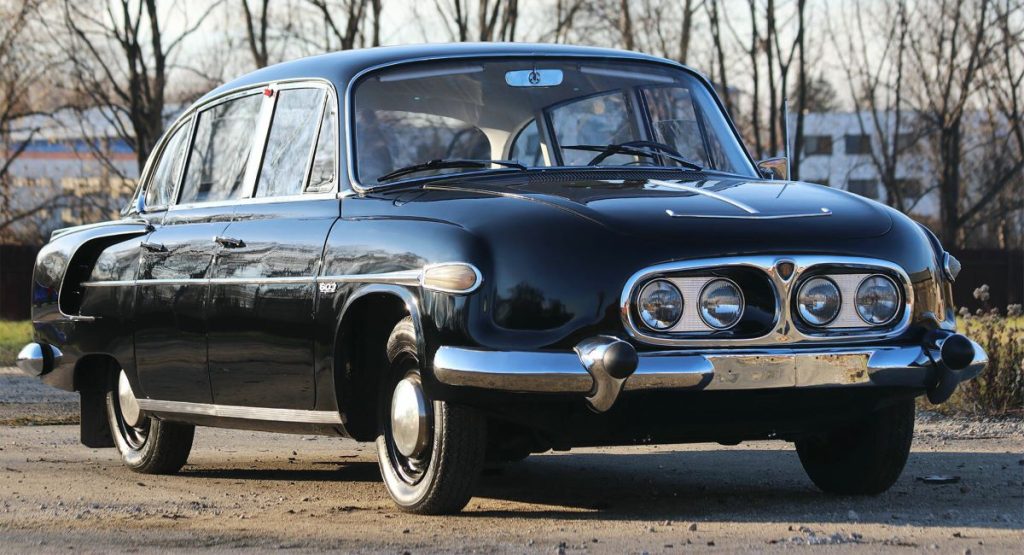
3. Tatra 603 – The Rear Engine Compartment That Looked Like Aircraft Engineering
Some engine bays surprise because of unusual component placement. The Tatra 603 surprises because the entire concept of where the engine should be feels different.
Instead of opening a front hood to see the powerplant, the real engineering story sits behind the rear axle, hidden beneath a compartment that feels closer to aircraft design than traditional automotive practice.
Tatra was known for unconventional thinking, and the 603 demonstrates this philosophy clearly. Its air cooled V8 engine sat in the rear, but what made the layout truly unusual was how the surrounding space was engineered.
Instead of a simple rear mounted engine placement, the compartment was carefully shaped to manage airflow as part of the cooling strategy.
Unlike water cooled engines with radiators and hoses, the Tatra relied heavily on controlled air movement. Large ducts, cooling channels, and carefully designed intake paths ensured that the rear mounted V8 received sufficient airflow. This required a very different type of packaging compared to front engine cars.
Opening the rear compartment reveals a layout that looks more like industrial equipment than traditional automotive design. Cooling fans, shrouds, and metal ducting dominate the visual space. The engine almost appears secondary to the airflow management hardware that surrounds it.
Another interesting characteristic is how luggage space and mechanical space were balanced. Because the engine occupied the rear, the front compartment served as storage. This reversed the expectations of many drivers and required different thinking about vehicle balance.
Weight distribution also became a defining characteristic of the layout. With the engine positioned behind the rear wheels, the vehicle developed very different handling characteristics. Engineers had to carefully tune suspension behavior to maintain stability.
Maintenance access presented its own challenges. While some components were easy to reach once the rear cover was opened, others required working within tight clearances created by the aerodynamic body shape. This made the car fascinating but sometimes demanding to service.
Sound insulation also became an engineering consideration. With the engine located near the passenger area, careful work was needed to manage noise and vibration. This influenced how panels and mounts were designed within the engine compartment.
The Tatra 603 represents a time when automotive engineering sometimes borrowed ideas from aviation. The emphasis on airflow management and rear engine packaging created a layout rarely seen outside a few experimental designs.
Looking at this engine bay today shows how different automotive development paths once were. Instead of following common industry patterns, Tatra followed its own aerodynamic and mechanical philosophy. This independence produced one of the most unusual engine compartment designs ever seen in a vintage car.
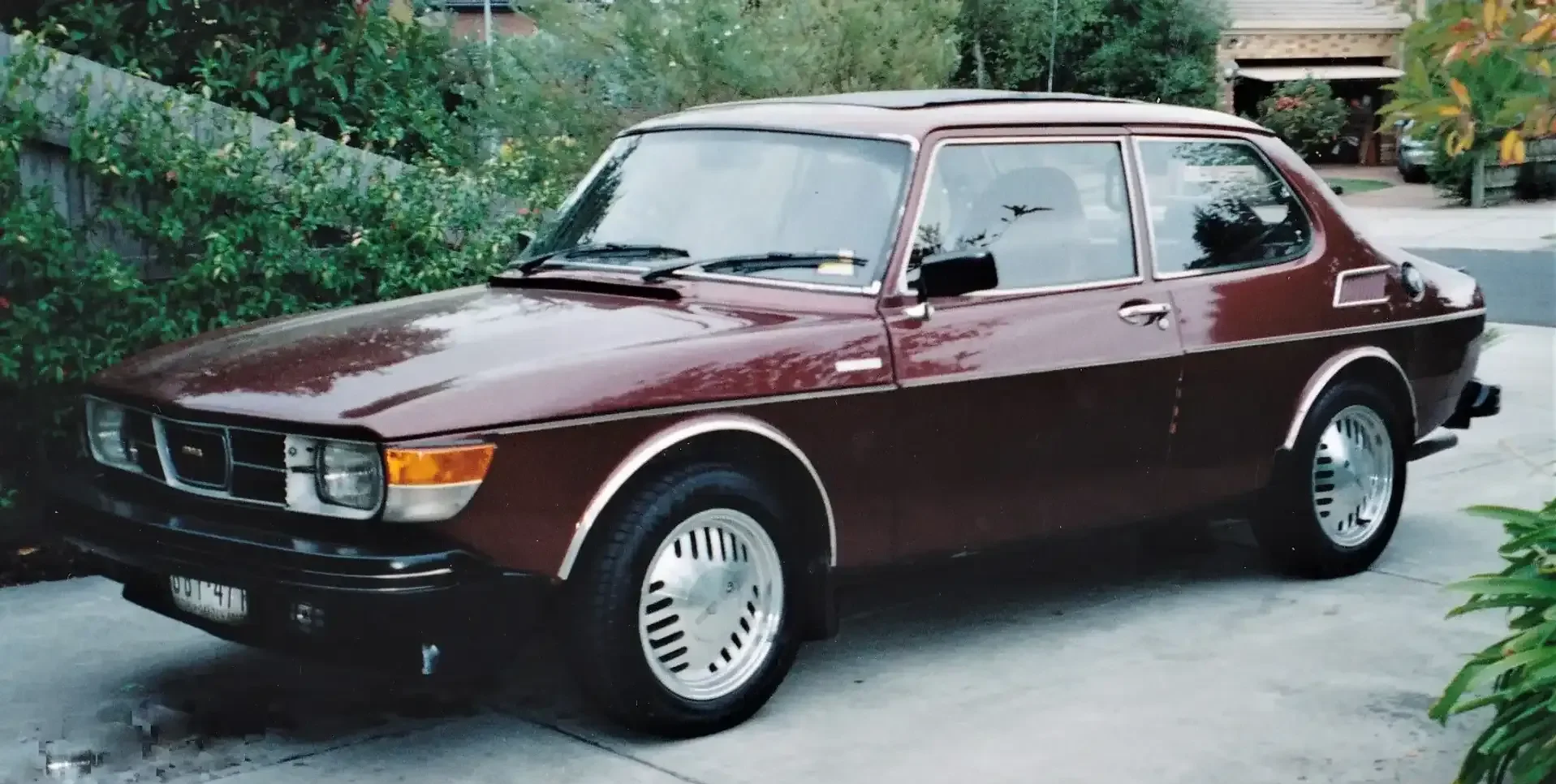
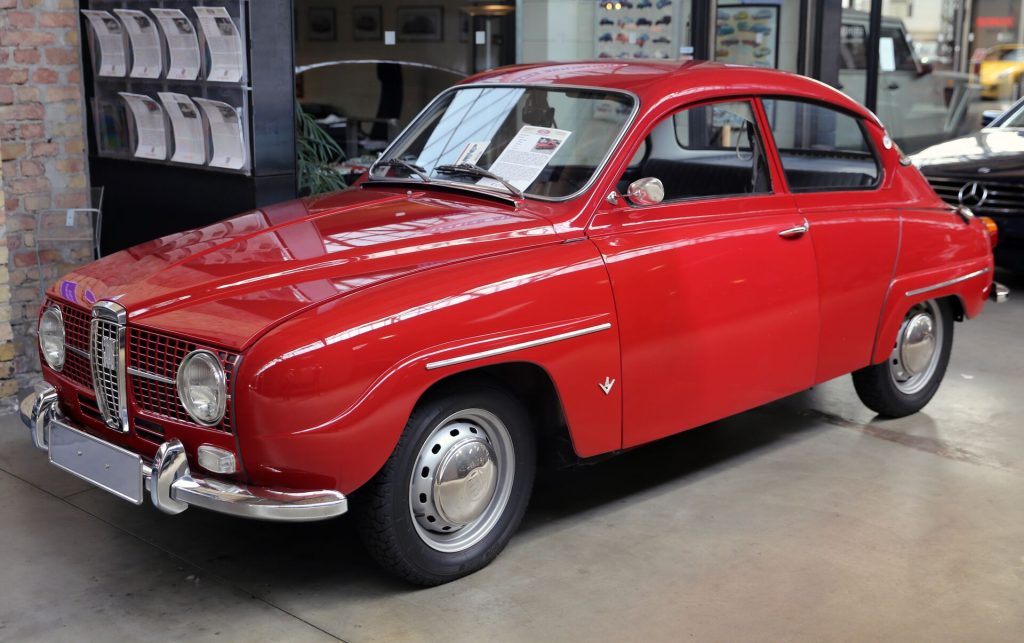
4. Saab 96 – The Backwards Engine That Confused First Time Mechanics
The Saab 96 provides one of the most interesting examples of unconventional thinking through simplicity rather than complexity. At first glance, the engine bay appears relatively normal. The surprise comes when one realizes the engine is mounted in what many would consider the wrong direction.
Saab engineers chose to mount the engine backwards relative to conventional expectations. This unusual orientation was done to improve packaging efficiency and drivetrain connection. Instead of following common practice, Saab focused on what worked best for their front wheel drive system.
This design created a situation where belts, pulleys, and accessory drives appeared positioned opposite to what mechanics typically expected. For technicians unfamiliar with the design, the first encounter often produced confusion until the layout logic became clear.
The placement also influenced how routine maintenance was performed. Some normally simple service tasks required different approaches because familiar access points were reversed. This made the car unique from a service perspective as well as an engineering one.
Another interesting feature involved the compactness of the engine bay. Saab prioritized making everything fit efficiently within a relatively small space. This resulted in a tightly arranged layout where each component had a clearly defined position.
Cooling system routing also followed the unusual orientation. Hose placement reflected the reversed engine position, which contributed to the distinctive appearance of the compartment. For experienced Saab technicians this became second nature, but for outsiders it remained unusual.
The design also reflected Saab’s aircraft engineering heritage. Efficiency of space and functional placement mattered more than following industry norms. The company approached the engine bay as a packaging exercise rather than a styling concern.
This layout also demonstrated Saab’s practical philosophy. The goal was not visual drama but intelligent use of available space. Even though the arrangement looked unusual, it achieved reliability and serviceability once understood.
Another effect of this configuration was weight placement. The compact arrangement helped keep mass within a controlled area, which supported the vehicle’s predictable winter driving behavior, something Saab considered very important.
The Saab 96 engine bay stands as proof that unusual design does not always mean complicated design. Sometimes it simply means refusing to follow habits that other manufacturers accept without question.
This example shows how engineering originality can exist even in relatively simple vehicles. By choosing efficiency over convention, Saab created one of the most memorable and unconventional engine layouts of the vintage automotive era.
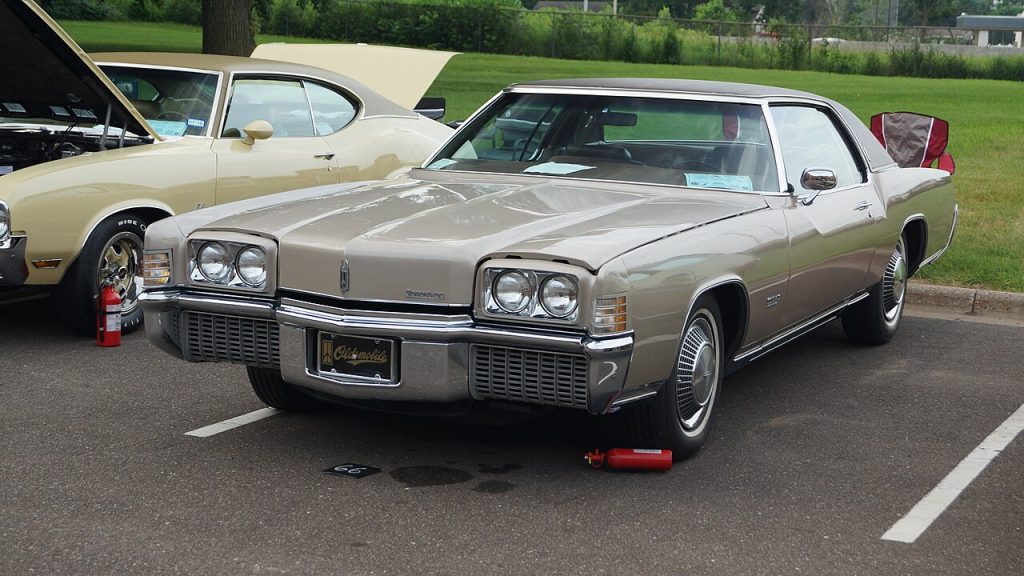
5. Oldsmobile Toronado (1966) – The Chain Driven Front Wheel Drive Powertrain That Looked Like Industrial Machinery
The Oldsmobile Toronado introduced a technical solution that looked completely different from what most mechanics of the 1960s expected to see.
While front wheel drive is common today, at the time it was a rare configuration for a large American luxury performance coupe. What made the Toronado especially unusual was not just that it used front wheel drive, but how the engineers made it work.
Instead of designing a completely new small engine, Oldsmobile engineers decided to use a large V8. The challenge was how to connect that large engine to the front wheels without creating an excessively long engine bay. Their solution was a chain driven transmission system that sat beside the engine rather than behind it.
Opening the hood revealed something that looked more like factory machinery than automotive engineering. The massive V8 sat longitudinally, but instead of a traditional transmission placement, a heavy duty chain system transferred power sideways to the transmission. This created a layout rarely seen before or after.
The chain itself became one of the most talked about features. Unlike a typical timing chain, this was a thick, industrial style chain designed to handle enormous torque. It operated inside a protective housing and demonstrated just how serious the engineering challenge had been.
This layout allowed the Toronado to maintain a relatively normal hood length despite its unusual drivetrain. Without this solution, the car may have required very different proportions. The packaging allowed Oldsmobile to keep the grand touring appearance buyers expected.
Another interesting effect of this design was how it influenced weight distribution. By keeping the heavy drivetrain components together in the front, engineers created a predictable traction characteristic, especially useful in poor weather conditions. This was unusual thinking for a large American coupe at the time.
Service access created mixed experiences. Some components were surprisingly easy to reach because of the wide engine bay. Others required understanding the unique drivetrain arrangement. Mechanics unfamiliar with the design often needed time to understand how power flowed through the system.
Cooling requirements also influenced the layout. Managing heat from a large V8 in a tightly packaged front wheel drive configuration required careful routing of airflow and cooling components. This added to the visual uniqueness of the engine compartment.
The Toronado demonstrated that unconventional layouts sometimes result from trying to combine conflicting goals. Engineers wanted V8 power, front wheel traction, luxury comfort, and manageable size. The unusual engine bay was the result of solving all those problems at once.
Looking at the Toronado today shows how bold engineering decisions once shaped automotive development. It remains one of the most distinctive examples of creative drivetrain packaging from the vintage era.
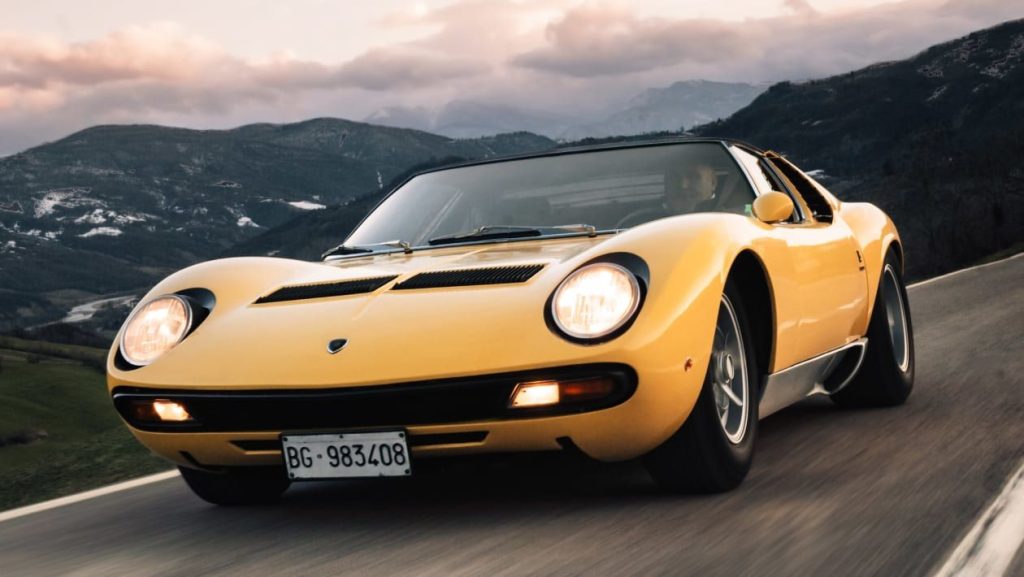
6. Lamborghini Miura – The Transverse Mid Engine Layout That Changed Supercar Engineering Forever
Some unusual engine bays exist because engineers were solving packaging problems. The Lamborghini Miura represents something different. Its engine bay became unusual because it introduced a concept that would later become the standard for high performance supercars.
Instead of placing the engine in the front like most performance cars of its time, Lamborghini engineers positioned the V12 behind the passenger compartment. That alone was rare. What truly made the Miura revolutionary was how the engine was mounted sideways in a transverse layout.
This decision allowed the wheelbase to remain compact while still fitting a large twelve cylinder engine. The transverse mounting also allowed the transmission and differential to be integrated into the same structural assembly. This saved space and helped centralize mass.
Opening the rear compartment reveals a layout that looks more like a racing prototype than a road car. The engine sits tightly within the chassis, surrounded by intake runners, carburetors, and mechanical linkages. Everything appears densely packed, emphasizing performance over convenience.
One of the most visually striking features is the exposed intake system. Multiple carburetors sit prominently on top of the engine, giving the compartment a mechanical sculpture appearance. Unlike modern covered engine bays, the Miura proudly displayed its mechanical complexity.
Heat management became one of the biggest engineering challenges. Placing a powerful engine in a confined rear compartment required careful ventilation. Engineers designed airflow paths to help remove heat, which influenced the shape of the rear bodywork.
Another unusual characteristic involved how lubrication was handled. Early versions shared oil between the engine and transmission, which was unconventional. While later revisions improved this design, it remains an interesting example of how innovation sometimes involves experimentation.
Maintenance access also reflected the performance first philosophy. Some service procedures required significant disassembly because the layout prioritized compactness. Owners accepted this because the car represented cutting edge performance engineering.
The Miura also changed how engineers thought about balance. By placing the engine near the center of the car, weight distribution improved dramatically compared to front engine designs. This concept later became standard practice in supercar development.
From a historical perspective, the Miura engine bay represents a turning point. It showed that unconventional layouts could become the future rather than just interesting experiments. Many high performance cars that followed adopted similar mid engine philosophies.
What makes the Miura especially important is that its unusual layout was not just different for the sake of being different. It was a deliberate attempt to create the best possible performance machine using new ideas.
Today, when people see a mid engine supercar, they are seeing the legacy of ideas proven by cars like the Miura. Its engine bay remains one of the most historically significant examples of unconventional automotive engineering.
Vintage automobiles often reveal how creative engineers could be when they were not restricted by strict industry standards. The unusual engine bay layouts discussed here show how manufacturers once approached design challenges with originality instead of following uniform patterns.
Each example demonstrates that engineering in the classic era was often driven by experimentation, problem solving, and the willingness to try bold mechanical ideas.
One important observation from these layouts is that unusual design usually came from necessity rather than styling.
Whether the goal was better weight balance, improved traction, compact packaging, or technological innovation, these strange looking engine compartments were created to solve real engineering problems. The visual uniqueness we see today is simply the result of those functional decisions.
Another clear lesson is that innovation rarely follows a single path. Some manufacturers focused on comfort technology, others on performance packaging, and some on efficiency.
This diversity explains why vintage engine bays can look dramatically different from one another. Each company followed its own philosophy rather than copying a single successful formula.
These designs also highlight how engineering risk played a larger role in earlier automotive development. Modern manufacturers often avoid radical layouts because of cost and reliability risks.
Vintage manufacturers were sometimes more willing to explore unconventional solutions because the industry was still evolving and best practices were still being discovered.
From a restoration perspective, these unusual layouts also explain why classic cars often require specialized knowledge.
Mechanics working on these vehicles must understand the original engineering intentions rather than applying modern expectations. This is part of what makes vintage ownership both challenging and rewarding.
Another takeaway is how strongly these layouts influenced future development. Ideas such as improved weight distribution, compact drivetrain packaging, and airflow based cooling strategies later became standard practice. What once looked unusual often became normal once the benefits were proven.
These vehicles also remind us that the engine bay was once an area where engineering personality was visible. Modern engine compartments often look similar because of shared safety and efficiency requirements. Vintage cars often reflected the unique thinking of the companies that built them.
Perhaps the most important lesson is that progress often comes from experimentation. Not every unusual layout became a long term industry solution, but each contributed knowledge that helped shape automotive evolution. Even designs that did not become common still provided valuable engineering lessons.
Looking back at these six unusual engine bays shows how diverse automotive thinking once was. They represent a time when innovation often meant trying something different rather than refining existing formulas. This spirit of experimentation helped create many of the automotive standards we now take for granted.
Together, these examples show that unusual engineering should not be seen as strange but as evidence of creative problem solving. These vintage designs continue to fascinate enthusiasts because they show how imaginative automotive engineering could be when creativity was given room to grow.
Also Read: Top 10 Classic Cars That Are Gaining Value the Fastest in 2026
