

The Dodge Magnum stands as one of the most distinctive vehicles ever produced by the American automaker, combining the practicality of a station wagon with the aggressive styling and performance capabilities of a muscle car. This unique vehicle captured the hearts of many enthusiasts during its production run from 2005 to 2008, offering a perfect blend of family functionality and street credibility that few other vehicles could match.
Built on the same platform as the Chrysler 300 and Dodge Charger, the Magnum represented a bold attempt to revive the station wagon segment in America. With its long hood, muscular stance, and spacious cargo area, it appealed to buyers who wanted something different from the typical SUV or minivan.
The vehicle came with various engine options, from the efficient V6 to the powerful HEMI V8, giving buyers flexibility in choosing their preferred balance of performance and fuel economy. However, like any mechanical device, the Dodge Magnum requires proper care and maintenance to reach its full potential lifespan.
Many owners unknowingly develop habits that can cause premature wear and costly repairs. These destructive behaviors often seem harmless at first but can accumulate in the long run, leading to expensive problems that could have been easily prevented with proper knowledge and care.
Understanding these harmful practices becomes crucial for current and prospective Magnum owners who want to protect their investment and enjoy their vehicle for years to come. The difference between a Magnum that serves faithfully for 200,000 miles and one that experiences major problems before reaching 100,000 miles often comes down to how the owner treats the vehicle daily.
By identifying and avoiding these seven common mistakes, owners can extend their Magnum’s life while maintaining its performance and reliability. Each of these habits might appear insignificant individually, but their cumulative effect can devastate even the most well-built vehicle.
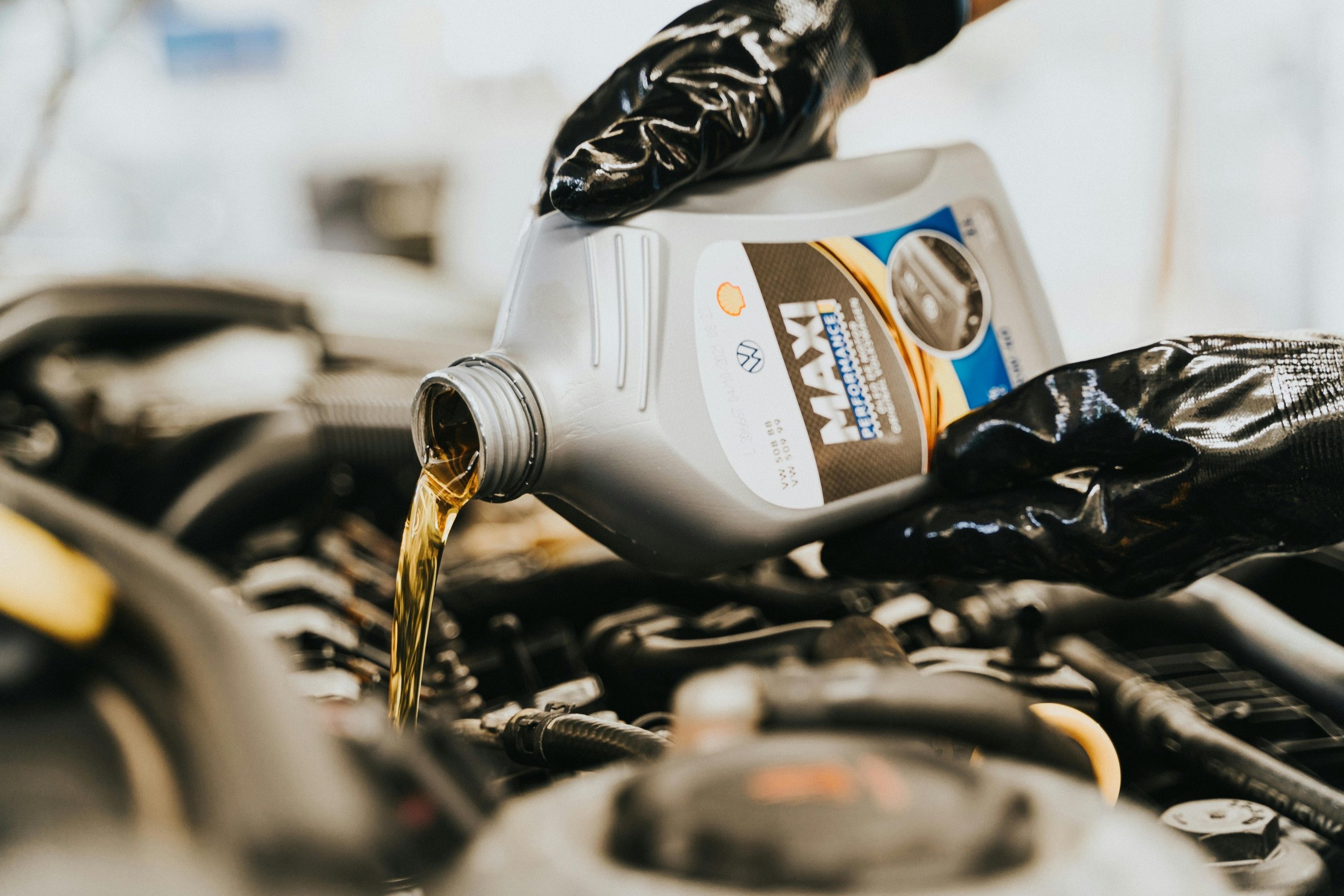
1. Ignoring Regular Oil Changes and Using the Wrong Oil Type
Neglecting proper oil maintenance represents one of the most damaging habits that can destroy a Dodge Magnum’s engine long before its time. Many owners fall into the trap of extending oil change intervals far beyond manufacturer recommendations, thinking they can save money or time by stretching the service periods.
This approach proves catastrophically expensive in the long run, as engine oil serves multiple critical functions that deteriorate rapidly under normal driving conditions.
The Magnum’s engines, particularly the HEMI V8 variants, generate substantial heat and mechanical stress during operation. Fresh oil lubricates moving parts, reduces friction, carries away heat, and suspends contaminants that could otherwise damage internal components.
As oil ages, it breaks down chemically, loses its lubricating properties, and becomes thick with accumulated debris. When owners ignore oil changes, this degraded fluid can no longer protect the engine effectively, leading to accelerated wear of pistons, rings, bearings, and other expensive internal parts.
Equally problematic is using the wrong type of oil for the Magnum’s specific requirements. Different engines require different oil viscosities and formulations to operate properly. Using conventional oil in an engine designed for synthetic, or selecting the wrong viscosity grade, can cause inadequate lubrication under certain conditions.
The Magnum’s variable valve timing systems and tight tolerances demand oils that maintain their properties across wide temperature ranges. Wrong oil choices can cause these systems to malfunction, triggering expensive repairs. Temperature extremes make proper oil selection even more critical. In cold weather, thick oil may not flow adequately during startup, causing dry starts that wear engine components.
In hot conditions, thin oil may break down or fail to maintain proper pressure, leading to bearing damage. Many Magnum owners compound these problems by mixing different oil types or brands, creating chemical incompatibilities that reduce the oil’s effectiveness.
The financial consequences of poor oil maintenance extend far beyond the cost of oil changes. Engine rebuilds or replacements can cost thousands of dollars, far exceeding the money saved by skipping regular maintenance.
Smart Magnum owners establish consistent oil change schedules based on their driving conditions, use only manufacturer-recommended oil specifications, and keep detailed maintenance records to track their vehicle’s needs after some time.
2. Aggressive Driving and Excessive Speeding
Developing aggressive driving habits creates enormous stress on every system in a Dodge Magnum, dramatically shortening its lifespan and increasing repair costs. Many owners, attracted by the Magnum’s powerful engines and sporty appearance, feel compelled to drive aggressively, not realizing the cumulative damage this behavior inflicts on their vehicle.
Hard acceleration, sudden stops, and excessive speeds place tremendous strain on the engine, transmission, brakes, suspension, and drivetrain components. Excessive speeding forces the engine to work harder than designed for extended periods, generating extreme heat that breaks down lubricants and warps metal components.
High-speed driving also increases aerodynamic drag exponentially, requiring much more power to maintain speed and causing the engine to work against resistance. This constant high-load operation accelerates wear on pistons, valves, bearings, and other internal parts that would otherwise last much longer under normal driving conditions.
Rapid acceleration habits prove equally destructive, particularly to the transmission and drivetrain. When drivers floor the accelerator frequently, the automatic transmission must downshift aggressively and handle sudden torque spikes that stress internal clutches, bands, and hydraulic systems.
The Magnum’s all-wheel-drive system, when equipped, suffers additional punishment as power transfers violently between wheels. These components wear much faster under aggressive use, leading to expensive transmission rebuilds or differential repairs.
Frequent hard braking creates another set of problems that many aggressive drivers overlook. Stopping quickly from high speeds generates enormous heat in the brake system, warping rotors, glazing pads, and boiling brake fluid.
This thermal cycling weakens brake components and reduces their effectiveness after some time. The suspension system also absorbs tremendous forces during hard stops, wearing bushings, struts, and other components that provide ride comfort and handling precision.
The cooling system struggles to manage the extra heat generated by aggressive driving, particularly during summer months or in stop-and-go traffic. Radiators, water pumps, and cooling fans work overtime to prevent overheating, leading to premature failure of these expensive components. Many Magnum owners discover too late that their driving style has caused cooling system problems that could have been prevented with more moderate acceleration and speed habits.
Also Read: 8 Oversights That Can Ruin Your Dodge Dynasty Quickly
3. Skipping Routine Maintenance Schedules
Failing to follow the manufacturer’s recommended maintenance schedule represents a guaranteed way to ensure premature failure of critical Magnum components. Many owners view scheduled maintenance as optional or attempt to extend service intervals to save money, not understanding that these recommendations exist based on extensive engineering testing and real-world data. Each service interval addresses specific wear patterns and component lifecycles that, when ignored, create cascading failures throughout the vehicle.
The Magnum’s difficult systems require regular attention to maintain proper operation and prevent small problems from becoming major repairs. Transmission fluid changes, for example, must occur at specific intervals to prevent the fluid from breaking down and causing internal damage.
Many owners skip these services until shifting problems develop, at which point the transmission may require expensive rebuilding or replacement. Fresh transmission fluid lubricates moving parts, provides hydraulic pressure, and carries away heat and contaminants that accumulate during normal operation.
Cooling system maintenance presents another area where neglect causes expensive problems. Coolant degrades after some time, losing its ability to prevent corrosion and maintain proper pH levels. Old coolant becomes acidic and attacks radiator cores, water pump seals, and engine block passages.
When owners skip coolant changes, they often face radiator replacements, water pump failures, or even engine damage from overheating caused by corroded cooling passages. Air filter replacement might seem trivial, but dirty filters force the engine to work harder and can cause mass airflow sensor problems that trigger expensive diagnostic procedures and component replacements.
Fuel filters protect the injection system from contamination, and when they become clogged, fuel pumps work harder and can fail prematurely. Spark plugs, when not replaced on schedule, can cause misfires that damage catalytic converters, oxygen sensors, and other emissions components.
The financial mathematics of maintenance proves compelling when examined carefully. Regular service costs represent a fraction of the expense associated with major component failures. A transmission service costs hundreds of dollars, while transmission replacement costs thousands.
Coolant changes cost under one hundred dollars, while cooling system repairs can exceed a thousand dollars. Magnum owners who establish and follow consistent maintenance schedules protect their investment and avoid the stress and expense of unexpected breakdowns.
4. Using Low-Quality Fuel and Additives
Consistently using low-quality fuel and inappropriate additives can cause serious long-term damage to a Dodge Magnum’s fuel system and engine components. Many owners choose the cheapest available gasoline without considering the impact on their vehicle’s performance and longevity. While modern engines can tolerate various fuel qualities to some extent, consistently using substandard fuel creates deposits, reduces efficiency, and can cause expensive repairs as time goes on.
Low-quality gasoline often contains higher levels of contaminants, water, and inconsistent octane ratings that can damage sensitive fuel system components. The Magnum’s fuel injectors operate under high pressure and tight tolerances, making them vulnerable to deposits and contamination found in cheap fuels.
When injectors become clogged or damaged, they spray fuel unevenly, causing rough idle, poor acceleration, and reduced fuel economy. Professional injector cleaning or replacement costs more than the money saved by buying cheap gasoline.
The high-performance engines available in the Magnum, particularly the HEMI V8, require specific octane ratings to prevent knock and detonation. Using gasoline with insufficient octane causes the engine to ping under load, creating shock waves that can damage pistons, rings, and bearings.
This knock damage occurs gradually and may not produce obvious symptoms until expensive internal components require replacement. Premium engines demand premium fuel to operate safely and efficiently throughout their designed lifespan.
Water contamination in low-quality fuel creates additional problems that many owners never consider. Water promotes corrosion in fuel lines, tanks, and injectors while providing breeding grounds for bacteria and fungus that can clog filters and damage components. Ethanol-blended fuels, when stored improperly or contaminated, can separate and cause running problems that require expensive diagnostic procedures to identify and resolve.
Aftermarket fuel additives present another area where good intentions can cause harm. While some additives provide genuine benefits, many products make exaggerated claims and can actually damage modern fuel systems. Incompatible additives can damage fuel pump seals, clog injectors, or interfere with oxygen sensor operation.
The Magnum’s sophisticated fuel management system relies on precise sensor readings that can be disrupted by unnecessary chemical additives. Owners should research any additives carefully and consult with qualified technicians before introducing foreign substances into their fuel system.
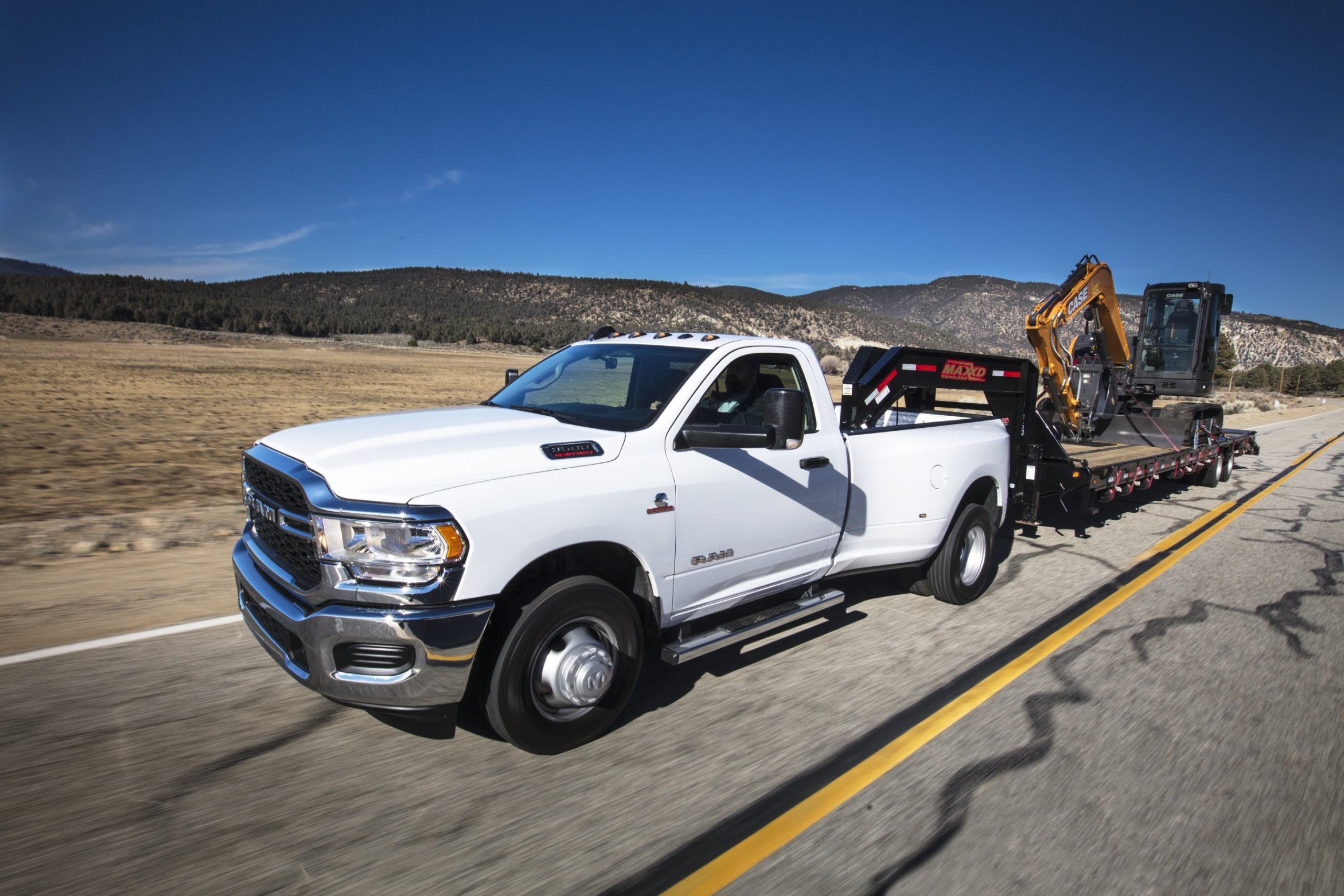
5. Overloading and Improper Towing Practices
Many Dodge Magnum owners fail to respect their vehicle’s weight and towing limitations, causing premature wear and potential safety hazards. The Magnum’s wagon configuration and powerful engine options create a false impression that it can handle unlimited cargo weight and towing duties. However, exceeding manufacturer specifications places tremendous stress on the transmission, suspension, brakes, and cooling system that can result in expensive failures and dangerous situations.
Overloading the cargo area beyond the vehicle’s gross vehicle weight rating stresses every component involved in supporting and moving the additional mass. The rear suspension bears the brunt of excessive cargo weight, causing springs to sag, shocks to wear prematurely, and bushings to deteriorate rapidly. This suspension damage affects handling, tire wear, and ride quality while potentially creating unsafe driving conditions during emergency maneuvers or adverse weather.
The transmission suffers greatly when asked to move loads beyond its design capacity. Automatic transmissions generate heat proportional to the work they perform, and excessive weight causes fluid temperatures to rise beyond safe operating limits.
High transmission temperatures break down fluid rapidly, causing internal components to wear and eventually fail. Many Magnum owners discover too late that overloading caused transmission damage that requires expensive rebuilding or replacement.
Improper towing practices compound these weight-related problems. Towing without adequate cooling, using incorrect hitch configurations, or exceeding towing capacity ratings creates dangerous conditions that can destroy multiple vehicle systems simultaneously.
The Magnum’s cooling system must work much harder when towing, particularly in hot weather or hilly terrain. Radiators, water pumps, and cooling fans can fail when subjected to extended high-load operation without proper preparation. Brake systems face enormous challenges when stopping heavy loads, generating extreme heat that can warp rotors, fade pads, and boil brake fluid.
Many owners attempt to tow trailers or carry loads without installing auxiliary cooling or brake controllers, creating dangerous situations where stopping distances increase dramatically. The additional weight also affects steering precision and stability, making the vehicle more difficult to control during emergencies or adverse weather conditions.
6. Neglecting Suspension and Steering Maintenance
Ignoring suspension and steering system maintenance creates a cascade of problems that affect safety, handling, tire wear, and the entire driving experience. Many Magnum owners focus on engine maintenance while overlooking these critical systems until obvious problems develop. By this time, multiple components may have suffered damage, creating expensive repair bills that could have been prevented with regular attention and early intervention.
The Magnum’s suspension system consists of numerous components that work together to provide ride comfort, handling precision, and tire contact with the road surface. Shocks and struts contain hydraulic fluid that degrades as time goes on, reducing their ability to control spring movement and maintain tire contact. Worn shocks allow excessive bouncing and movement that accelerates tire wear, reduces braking effectiveness, and creates handling problems that can be dangerous in emergencies.
Ball joints, tie rod ends, and other steering components experience constant movement and stress during normal driving. These parts contain grease-filled chambers that protect internal surfaces from contamination and wear.
When protective boots crack or seals fail, contamination enters these joints while lubricant escapes, causing rapid deterioration. Failed steering components can create dangerous situations where the driver loses control or experiences sudden component failure while driving.
Bushings throughout the suspension and steering systems provide cushioning and precise component alignment. These rubber and polyurethane parts deteriorate with age and exposure to heat, oil, and road chemicals.
Worn bushings allow excessive movement and play in suspension geometry, causing handling problems, noise, and accelerated tire wear. Many owners ignore the early warning signs of bushing deterioration until multiple components require replacement simultaneously.
Power steering systems require regular fluid changes and leak monitoring to maintain proper operation. The Magnum’s power steering pump generates high pressure that stresses seals and hoses throughout the system.
Old power steering fluid becomes contaminated and loses its lubricating properties, causing pump wear and system component failures. Leaking power steering fluid creates hazardous conditions where steering effort increases dramatically, particularly during parking maneuvers or low-speed operation.
Regular suspension and steering inspections can identify problems before they become dangerous or expensive. Qualified technicians can spot worn components, leaking seals, and alignment issues that affect safety and tire wear. Early replacement of worn parts prevents damage to other components and maintains the Magnum’s designed handling characteristics and safety margins.
Also Read: 8 Moves That Kill a Dodge Challenger Scat Pack Early

7. Ignoring Warning Signs and Dashboard Alerts
Perhaps the most destructive habit many Dodge Magnum owners develop involves ignoring warning lights, unusual sounds, and other indicators that something requires immediate attention. Modern vehicles like the Magnum contain sophisticated monitoring systems designed to alert drivers when problems develop, but these warnings only work when owners respond appropriately.
Continuing to drive with active warning lights or obvious mechanical problems can transform minor issues into catastrophic failures that require expensive repairs or complete vehicle replacement. Dashboard warning lights represent direct communication from the vehicle’s computer systems about conditions that require immediate attention.
The check engine light indicates emissions system problems, sensor failures, or engine management issues that can cause poor performance, increased fuel consumption, and emission system damage. Ignoring this light often leads to catalytic converter failure, oxygen sensor damage, or more serious engine problems that cost thousands of dollars to repair.
Temperature warning lights demand immediate attention to prevent catastrophic engine damage. Continuing to drive an overheating engine can warp cylinder heads, blow head gaskets, or crack engine blocks beyond economical repair.
Many Magnum owners have destroyed their engines by ignoring temperature warnings, thinking they could reach their destination before addressing the problem. Engine rebuilds or replacements cost far more than the towing charges associated with stopping immediately when overheating occurs.
Oil pressure warnings indicate potentially catastrophic problems that require immediate engine shutdown. Low oil pressure can result from oil leaks, pump failures, or bearing problems that will destroy the engine within minutes if operation continues.
Many owners mistake oil pressure lights for oil level indicators, continuing to drive until engine seizure occurs. This confusion has caused countless engine failures that could have been prevented with immediate attention to warning lights.
Strange noises, vibrations, and changes in vehicle behavior provide early warnings about developing problems. Grinding brakes, squealing belts, clicking joints, and unusual engine sounds all indicate specific problems that trained technicians can diagnose and repair before major damage occurs. Owners who ignore these warning signs often face much more expensive repairs when components fail, sometimes causing additional damage to related systems.
The financial and safety implications of ignoring warning signs cannot be overstated. Minor problems that cost hundreds of dollars to address can become major failures requiring thousands of dollars in repairs. More importantly, continuing to drive with known problems can create dangerous situations that put the driver, passengers, and other road users at risk.
Smart Magnum owners respond quickly to any warning signs, seeking professional diagnosis and repair before small problems become major disasters. Protecting your Dodge Magnum from premature failure requires conscious effort and consistent attention to proper maintenance practices.
The seven destructive habits outlined above represent the most common ways owners unknowingly damage their vehicles, transforming reliable transportation into expensive repair projects. Each habit might seem minor individually, but their combined effect can reduce a Magnum’s lifespan by decades and cost thousands of dollars in avoidable repairs.
The good news is that preventing these problems requires relatively simple changes in behavior and maintenance approach. Establishing regular oil change schedules, driving moderately, following the manufacturer’s maintenance recommendations, using quality fuel, respecting weight limits, maintaining suspension systems, and responding promptly to warning signs will significantly extend your Magnum’s service life.
These practices cost far less than the repairs they prevent while ensuring your vehicle remains safe, reliable, and enjoyable to drive. Remember that the Dodge Magnum represents a unique vehicle that combines performance, practicality, and style in ways few other cars can match. With proper care and attention, these vehicles can provide hundreds of thousands of miles of faithful service.
The investment in good maintenance habits pays dividends through reduced repair costs, improved resale value, enhanced safety, and the satisfaction of owning a well-maintained classic American automobile that continues to perform as designed for years to come.
