

Owning a Dodge Neon can be an enjoyable experience for anyone who appreciates compact cars that are easy to handle and affordable to maintain.
Many people buy this model because of its low cost, fuel economy, and fairly simple design. For years, it has been seen as a car that can serve daily commuting needs without being too heavy on the pocket.
Still, like every other vehicle, the longevity of a Dodge Neon depends on how well it is cared for. Some drivers take proper maintenance seriously, while others ignore small issues until they grow into bigger problems.
Once certain habits are repeated after a while, the lifespan of the car can be reduced quickly, sometimes before it even reaches 100,000 miles.
It is very easy for owners to think that their vehicle will continue to function just because it has been running fine for years. Cars like the Dodge Neon can develop serious faults if they are not given the right attention at the right time.
The engine, transmission, electrical systems, and suspension are all sensitive parts that need consistent care. Neglecting them can lead to breakdowns that might cost more than the car is worth. That is why it is important to understand the daily or monthly practices that can damage this model faster than expected.
When a driver forms bad habits and does not correct them, the car begins to show signs of weakness earlier than it should. From ignoring oil changes to driving harshly on bad roads, these little choices determine if a Dodge Neon will serve up to 150,000 miles or fail before 100,000 miles.
In this write-up, we will explain seven habits that can cut short the lifespan of a Dodge Neon. Each point will show what the habit does to the car, how it affects performance, and why avoiding it will keep the vehicle running stronger for longer.

1. Ignoring Regular Oil Changes
One of the fastest ways to destroy a Dodge Neon engine is by neglecting oil changes. Engine oil plays a major role in keeping all the moving parts inside the engine well lubricated. Without clean oil, friction between metal parts increases, and heat builds up quickly.
If oil becomes dirty or dries out completely, the engine suffers wear that cannot be reversed. Some drivers delay changing oil because they feel the car still drives well, but this attitude reduces the life of the car.
For the Dodge Neon, clean oil is even more important because its four-cylinder engine is sensitive to lubrication issues. Skipping oil changes means that sludge begins to form inside, blocking passages where oil should flow.
Once that happens, the risk of overheating or knocking increases. Drivers who assume that topping up oil without replacing it fully is enough also make things worse. Old oil mixed with new oil still carries dirt and metal particles that cause internal damage.
Another problem with ignoring oil changes is the strain it places on the oil pump. The pump is supposed to circulate oil smoothly around the engine, but when the oil is thick or dirty, the pump works harder and may fail.
If that pump stops working, the engine can seize within minutes. Repairs like these cost a lot, and sometimes owners prefer to abandon the car instead of fixing it.
To prevent such issues, oil should be changed as recommended by the manufacturer, usually every 3,000 to 5,000 miles, depending on usage.
It is also necessary to replace the oil filter whenever the oil is changed because the filter traps particles that would have circulated with the oil. Clean oil reduces friction, keeps the temperature stable, and helps the engine deliver power efficiently.
Drivers who respect this routine are more likely to see their Dodge Neon cross 150,000 miles without serious problems.
However, those who ignore oil service may find themselves facing a blown engine before reaching 100,000 miles. This habit alone has destroyed many Dodge Neons, proving that regular oil changes are one of the simplest and most effective ways to preserve the car.
2. Overheating the Engine Repeatedly
Another damaging habit that shortens the life of a Dodge Neon is driving the car when the engine is overheating. Many drivers ignore the temperature gauge on the dashboard or continue driving even when they notice smoke or a burning smell.
The Dodge Neon engine cannot survive repeated overheating. Every time the engine runs too hot, the head gasket, pistons, and cylinder walls are affected.
A blown head gasket is one of the most common results of overheating in a Dodge Neon. When this happens, coolant and oil mix, leading to loss of lubrication and poor cooling.
Repairing a blown head gasket is expensive, and in some cases, it is better to replace the engine completely. Overheating also warps the cylinder head, which causes loss of compression and poor performance.
Once this damage occurs, the car begins to misfire, lose power, and consume more fuel than normal. Causes of overheating in a Dodge Neon can include a low coolant level, a faulty thermostat, a weak radiator fan, or a water pump that has failed. Some drivers think adding water temporarily fixes the problem, but that is not enough.
If overheating happens frequently, the metal inside the engine becomes weaker and more prone to cracking. At that point, even replacing damaged parts might not save the engine. The Neon cooling system is simple, but it requires consistent attention.
The coolant mixture must be correct, the radiator cap must seal properly, and the hoses must not leak. When any of these are ignored, the risk of overheating grows. Many owners have pushed their Neon a little further on the highway while the gauge shows red, only to destroy the engine in that short distance.
Preventing overheating requires paying close attention to the cooling system. Regularly check coolant levels, ensure there are no leaks, and service the radiator when needed. The radiator cap should also be checked, as a bad cap can reduce pressure and cause coolant to escape.
Drivers should stop immediately when the temperature gauge rises above normal, allow the engine to cool down, and investigate before continuing. A single overheating incident can cause lasting damage, but repeated overheating almost guarantees that the Dodge Neon will not last beyond 100,000 miles.
Also Read: 10 Mistakes That Ruin a Dodge Avenger Too Soon
3. Driving With Low Transmission Fluid
The transmission is another part of the Dodge Neon that suffers when careless habits are formed. Transmission fluid helps in cooling and lubricating the gears that make the car move.
Driving with low transmission fluid or dirty transmission fluid wears out the gearbox faster than normal. For automatic transmission models of the Dodge Neon, this issue is even more critical.
When the fluid level is low, shifting becomes rough and delayed. The driver may notice the car jerking when changing from one gear to another.
This strain on the transmission makes it fail long before expected. Transmission repairs are costly, and if ignored, the entire unit may have to be replaced. A failed transmission can make the car useless, as the cost of replacement is often higher than the value of the vehicle itself.
Dirty transmission fluid also causes problems. After a while, debris and worn metal particles mix with the fluid, reducing its ability to lubricate properly. Heat builds up inside the transmission, and parts begin to wear. For the Dodge Neon, once the transmission fails, many owners abandon the car rather than spend money on repairs.
The warning signs of transmission issues should never be ignored. If the car slips out of gear, produces strange noises, or shows a burning smell, then it is time to check the fluid.
Sadly, many drivers continue to drive under such conditions, thinking they will still manage. This behavior reduces the chance of the transmission lasting beyond 100,000 miles.
To prevent this, transmission fluid should be checked regularly and replaced as recommended. If the fluid looks dark or smells burnt, it should be changed immediately. The filter should also be replaced so that clean fluid circulates smoothly. Some drivers also install additional coolers to help keep the fluid temperature down, which can extend the life of the gearbox.
Making sure the transmission is healthy increases the chance that the Dodge Neon will serve far beyond 100,000 miles. Caring for the gearbox is one of the smartest ways to avoid costly breakdowns and keep the car running smoothly for years.
4. Skipping Timing Belt Replacement
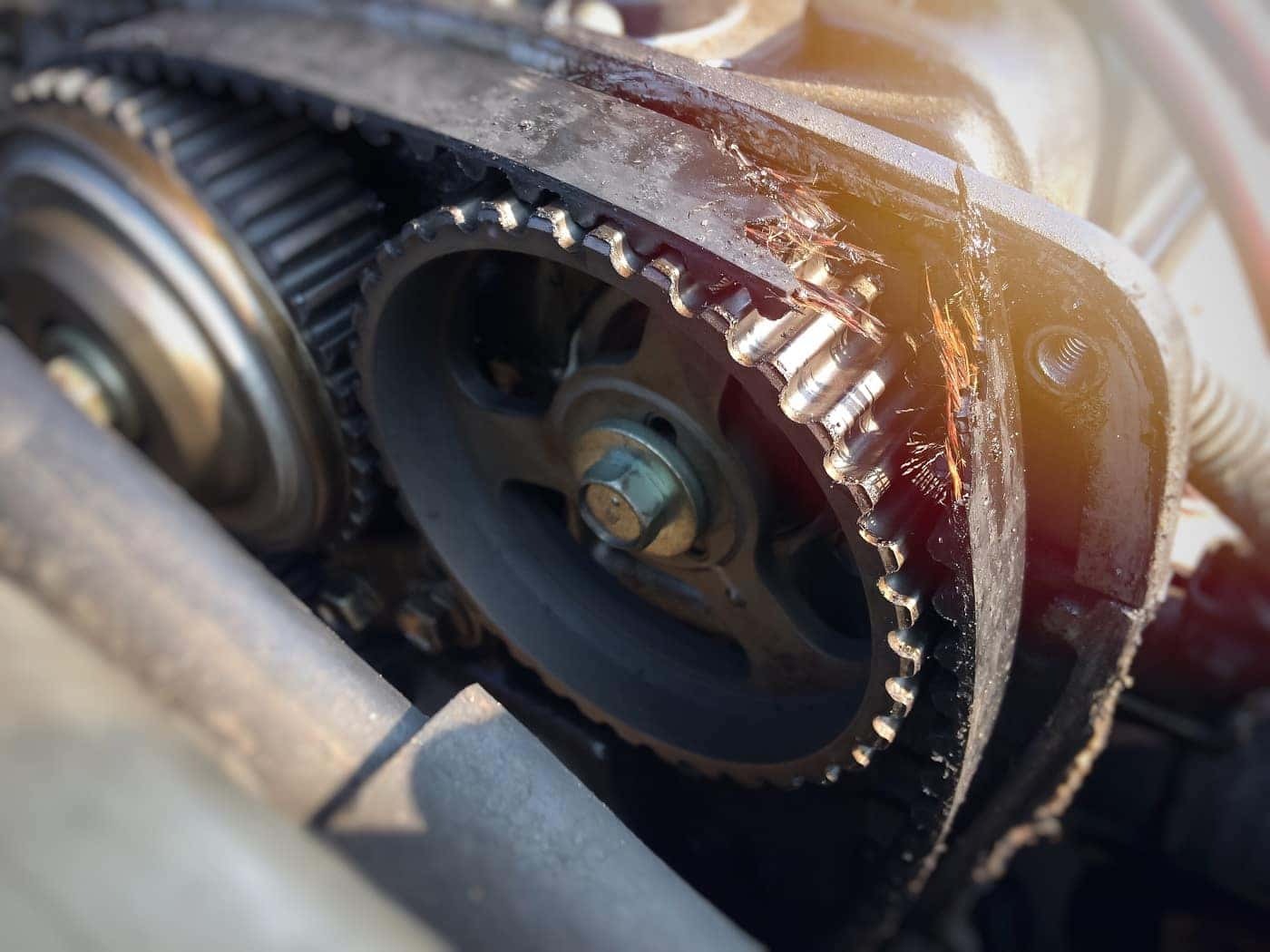
The timing belt is one of the most important parts of the Dodge Neon engine, yet many owners underestimate its role.
This belt keeps the crankshaft and camshaft moving in perfect coordination, ensuring that the valves and pistons operate without hitting each other. If the belt fails, the pistons collide with the valves, causing severe internal damage.
For the Dodge Neon, this situation almost always leads to a destroyed engine. Manufacturers recommend replacing the timing belt every 60,000 to 90,000 miles. Drivers who ignore this instruction are putting their engine at serious risk. The belt may look fine on the outside, but could be weak inside.
Rubber components weaken after a while due to heat, oil leaks, and age. A belt that has served more than its recommended mileage can snap at any moment. When that happens, the car shuts down instantly, leaving the driver stranded and the engine ruined.
Apart from complete failure, a worn timing belt can slip slightly, causing the camshaft and crankshaft to lose alignment. This leads to misfiring, loss of power, and rough idling. Some drivers notice these early signs but continue driving without checking the belt. Unfortunately, this habit often ends with sudden engine failure.
Replacing the timing belt on time may feel like a big expense, but it is far cheaper than rebuilding or replacing an engine.
Many mechanics also recommend replacing the water pump, tensioners, and pulleys at the same time since these parts usually wear together. Doing the entire job ensures that the system will remain reliable for the next 60,000 to 90,000 miles.
Owners who delay timing belt replacement usually face one of two outcomes. Either the belt breaks suddenly, destroying the engine, or it begins slipping until the car runs poorly.
In both cases, the cost of repairs can easily exceed the value of the car itself, making it uneconomical to fix. This is one of the biggest reasons many Dodge Neons do not survive beyond 100,000 miles.
By treating the timing belt as a priority, drivers protect the engine from one of the most destructive failures possible. A fresh belt keeps the moving parts in sync, helps the engine deliver power smoothly, and ensures that the car can reach higher mileage without unexpected breakdowns.
5. Neglecting Suspension and Steering Issues
Suspension and steering systems are often ignored because many drivers focus more on the engine and transmission. However, for a Dodge Neon, neglecting suspension and steering problems is another habit that shortens its lifespan. The Neon is a lightweight car, and once the suspension becomes weak, the entire structure begins to suffer.
When shocks and struts wear out, the car bounces excessively, which stresses other parts such as tires, wheel bearings, and control arms.
After a while, the tires wear unevenly, alignment is lost, and fuel consumption increases. A Neon that constantly shakes and rattles due to bad suspension places additional strain on the chassis and other sensitive parts.
Steering problems also reduce durability. A failing rack and pinion system or worn tie rods can make the car harder to control. This not only affects safety but also damages connected components.
Many owners continue driving even when they hear clunks, squeaks, or grinding noises from the suspension. These sounds are early warnings that parts need replacement. Ignoring them allows the damage to spread further.
Another overlooked issue is that a weak suspension transfers more vibration to the engine and transmission mounts.
These mounts are made of rubber and metal, and continuous shaking tears them apart. Once mounts fail, the engine and transmission no longer sit firmly, leading to more wear on hoses, sensors, and wiring.
What began as a simple suspension issue can end up causing expensive engine and transmission problems. Maintaining suspension and steering parts is not just about comfort; it is about protecting the entire car. Bushings, ball joints, and tie rods should be replaced as soon as they wear out. Struts and shocks need to be renewed once they lose effectiveness. Wheel alignment should also be checked regularly to reduce tire and suspension stress.
When the suspension and steering are in good condition, the Dodge Neon handles better, wears tires evenly, and places less stress on the frame and drivetrain. Neglecting this area creates a chain reaction of faults that can easily end the life of the vehicle before 100,000 miles.
6. Poor Electrical System Care
Many owners underestimate how important the electrical system is in keeping a Dodge Neon alive. They assume that as long as the engine and transmission are fine, the car will continue running. But in reality, the Neon depends heavily on a reliable electrical system. Small faults like weak batteries, bad alternators, or corroded wiring can lead to major failures that shorten the life of the car.
A weak battery forces the alternator and starter motor to work harder. After a while, the alternator wears out, leaving the car unable to charge itself. Once the alternator fails, the battery drains quickly, and the car stalls. Repeatedly starting with a weak battery also damages the starter motor, adding another repair to the list.
Corroded wiring and loose connections are also common issues. Over years of use, battery terminals develop rust that interrupts power flow. Sensors can also fail due to poor electrical current.
This leads to random stalling, rough idling, and even misfiring. The check engine light and battery light on the dashboard are often ignored, but they are clear signs that something is wrong. Allowing the car to run with these lights on without fixing the cause increases the risk of a sudden breakdown.
Another bad habit is installing poor-quality aftermarket electronics that overload the electrical system. Extra speakers, lights, or alarms can draw more power than the alternator can provide, leading to premature failure. For a small car like the Dodge Neon, overloading the system is especially risky.
Proper care involves checking the battery regularly, cleaning terminals, and ensuring the alternator charges at the correct voltage. Wiring should be inspected for damage, especially around areas exposed to heat or moisture. Drivers should never ignore dashboard warning lights, as they are designed to prevent larger failures.
By maintaining the electrical system, the Dodge Neon remains reliable and avoids the chain of problems that follow when power delivery is inconsistent. Many Neons that died before 100,000 miles suffered from ignored electrical issues that spread to other parts. A simple battery check or alternator replacement at the right time could have saved them.
Also Read: 8 Oversights That Can Ruin Your Dodge Dynasty Quickly
7. Abusing the Car With Harsh Driving
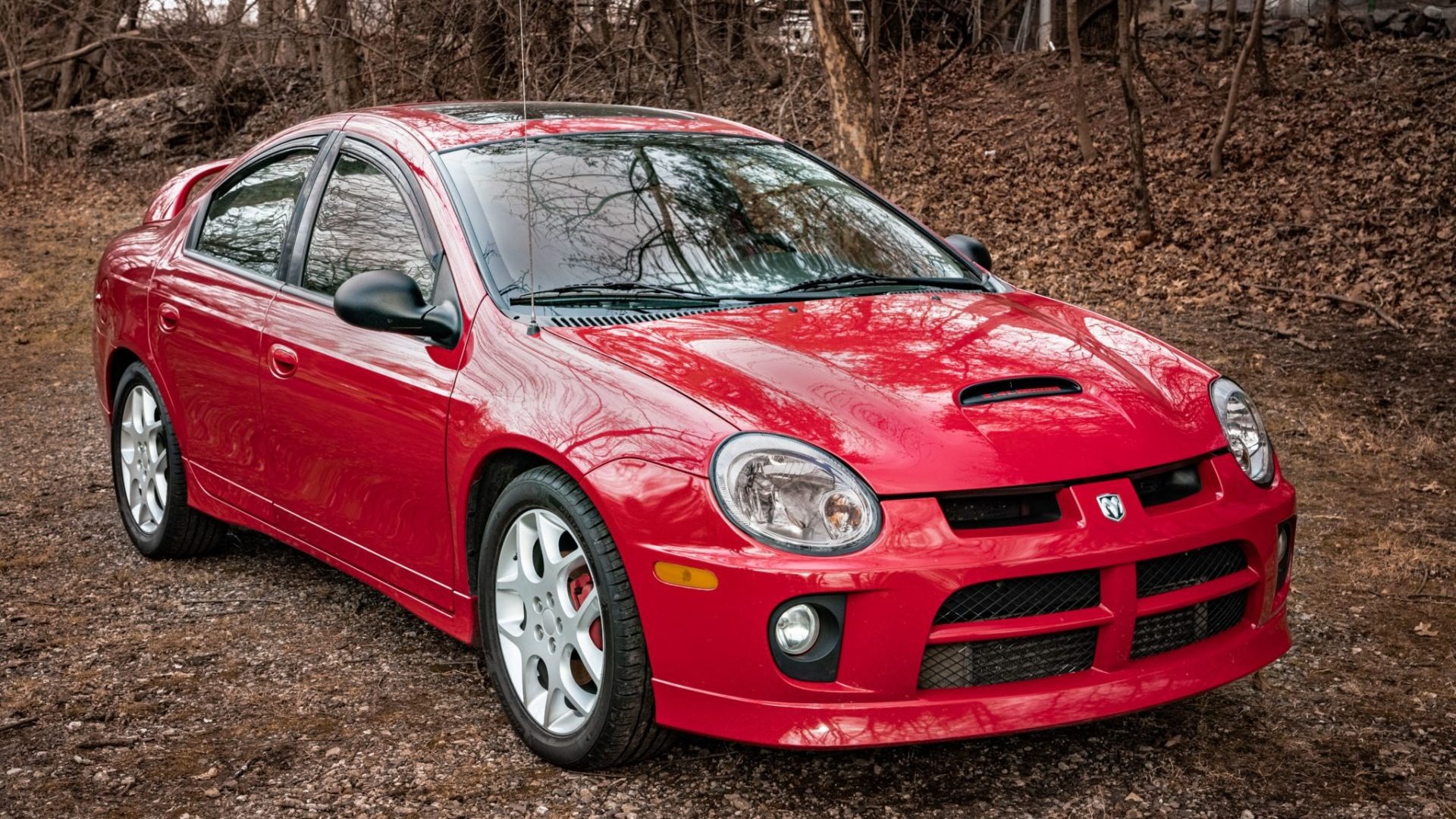
Driving style has a major influence on how long any car lasts, and the Dodge Neon is no different. Many owners treat the car roughly, accelerating too hard, braking suddenly, and pushing it beyond its intended limits.
The Neon was built as a small daily driver, not as a race car or a heavy-duty hauler. Abusing it with harsh driving habits quickly reduces its lifespan.
Aggressive acceleration forces the engine and transmission to work harder than necessary. Each time the pedal is pressed to the floor, stress builds up on pistons, gears, and internal seals.
As time goes on, this habit leads to faster wear and a higher risk of failure. Hard braking also damages the car, wearing out brake pads and rotors quickly and stressing the suspension.
Driving at high speeds on rough or poorly maintained roads adds even more problems. The suspension, wheel bearings, and alignment suffer repeated impact, causing the car to rattle and shake earlier than expected. Once alignment is lost, fuel consumption increases, tires wear unevenly, and the car becomes harder to control.
Another mistake is carrying heavy loads. The Dodge Neon was not designed for hauling weight, yet some owners load it beyond capacity. This places pressure on the suspension, brakes, and engine, reducing performance and shortening the life of critical components.
The best way to extend the life of the Dodge Neon is to adopt a gentle and consistent driving style. Smooth acceleration and gradual braking reduce strain on the drivetrain and brakes.
Avoiding potholes and rough roads whenever possible protects the suspension. Carrying only reasonable loads ensures that the car operates within its design limits.
When owners treat their Neon with care, it can last well beyond 150,000 miles with only routine maintenance.
When driven harshly, however, many of these cars fail before 100,000 miles, leaving their owners with costly repairs or forcing them to give up on the car entirely. Driving style, more than any other factor, decides how long the Dodge Neon stays on the road.
A Dodge Neon can provide many years of service if it is handled with care and maintained properly. Yet, as shown throughout this write-up, certain habits shorten its life and often destroy the car before it reaches 100,000 miles.
Ignoring oil changes, overheating the engine, driving with low transmission fluid, neglecting timing belt replacement, overlooking suspension and steering faults, failing to care for the electrical system, and treating the car roughly are all actions that create serious damage.
Each of these habits weakens critical components, and when left unchecked, they turn minor problems into major failures.
Drivers who take their maintenance schedules seriously and adopt a calm driving style often see their Dodge Neon reach 150,000 miles or more without needing major repairs. Owners who continue with harmful practices usually find themselves paying high repair costs or abandoning the vehicle altogether. What makes the difference is not just luck but the discipline to care for the car consistently.
By avoiding these destructive habits, anyone who owns a Dodge Neon can extend its lifespan, enjoy better performance, and save money that would otherwise be wasted on premature breakdowns. Care today ensures reliability tomorrow.
