
For many car buyers, the words “lifetime warranty” sound like the ultimate safety net—an unshakable guarantee that if something major goes wrong with your vehicle, you’ll be covered no matter how many miles you rack up.
Automakers and dealerships often market these warranties as a powerful selling point, creating the impression that you’re protected for the entire time you own the car. But the fine print? That’s where reality kicks in.
In theory, a lifetime warranty should offer long-term peace of mind, particularly for major components like the engine or transmission. In practice, however, the experience can vary wildly depending on the manufacturer, the dealership, the service records you keep, and even how strictly you follow their maintenance schedules.
While some companies truly stand behind their warranties and deliver on their promises—no tricks, no stalling—others are quick to deny claims for vague reasons, leaving owners frustrated, financially burdened, and in some cases, feeling outright deceived.
This article dives into both sides of the coin. We’ll spotlight five vehicles where lifetime warranty claims were honored, proving that sometimes the system does work when customers follow the rules.
5 Vehicles with Lifetime Warranty Claims Honored
Then we’ll examine five cases where claims were denied—some due to small technicalities, others due to questionable decisions by manufacturers. Whether you’re researching your next car purchase or trying to understand the risks that come with warranty policies, this breakdown will give you a clear-eyed look at what “lifetime warranty” really means in the real world.
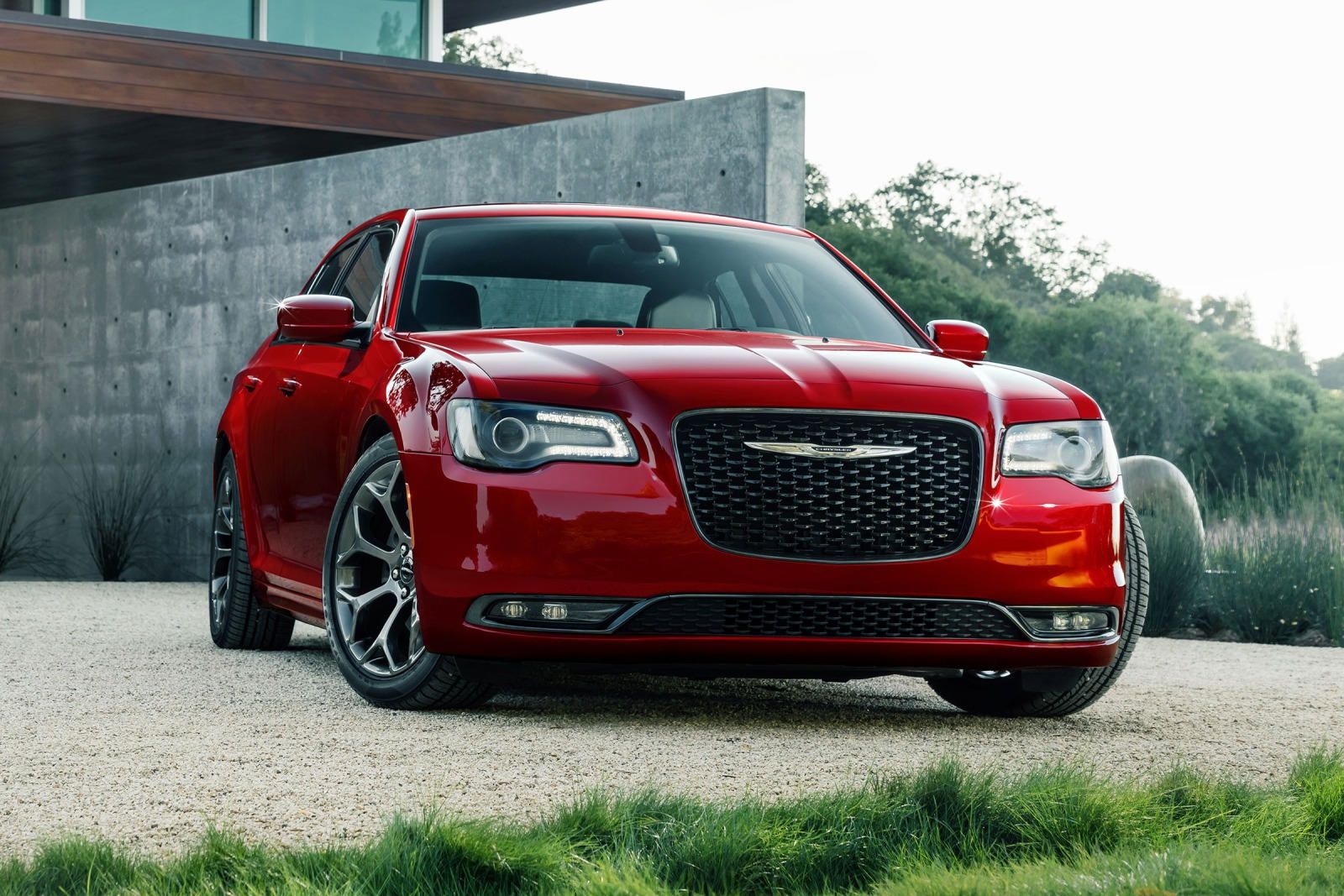
1. Chrysler Vehicles (2007–2009 Models with Lifetime Powertrain Warranty)
Chrysler briefly offered a lifetime powertrain warranty for original owners during the late 2000s—and for those who followed the rules, it paid off. Owners who scheduled their required five-year inspections and kept up on maintenance had major engine and transmission repairs fully covered. Despite the program’s discontinuation, Chrysler did come through for those who played by the book.
Between 2007 and 2009, Chrysler made a bold move in an attempt to restore consumer confidence and boost sales by offering a Lifetime Powertrain Warranty on many of its vehicles.
This warranty, introduced in mid-2007 and running through most of 2009, was one of the most aggressive in the industry at the time. It covered the engine, transmission, and drivetrain components for as long as the original buyer owned the vehicle—an appealing offer that stood out in a competitive market increasingly dominated by Toyota and Honda.
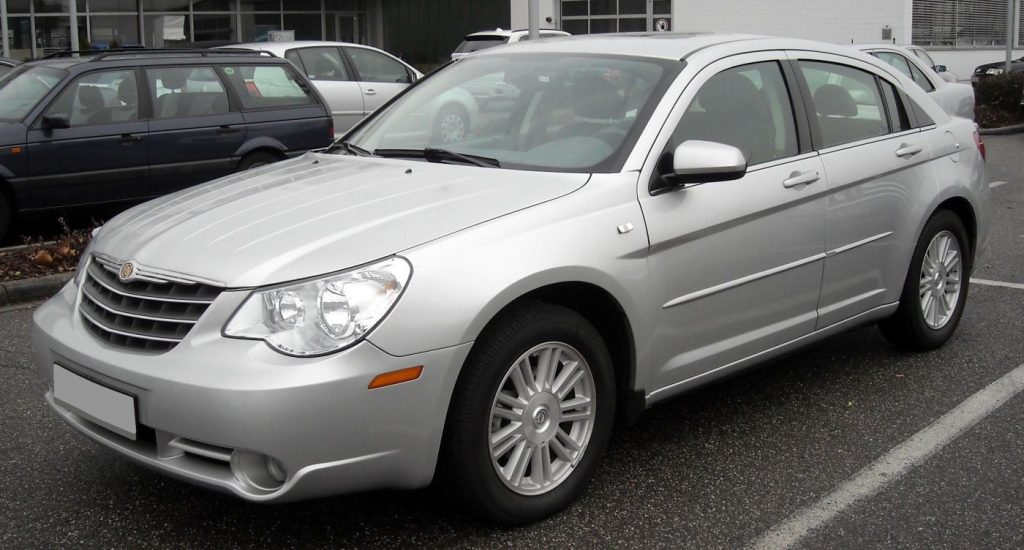
Eligible models included popular Chrysler, Dodge, and Jeep vehicles like the Chrysler 300, Dodge Charger, Dodge Ram, and Jeep Grand Cherokee, among others. The warranty did come with fine print: it was non-transferable, required powertrain inspections every five years (or 60,000 miles), and only applied to the original owner.
While the vehicles themselves ranged in reliability—some, like the 2008 Chrysler Sebring, struggled with build quality, while others, like the Dodge Ram 1500, earned praise for rugged performance—the warranty gave buyers peace of mind that their biggest repairs would be covered.
Today, these models can still be found on the road, and if you’re lucky enough to be the original owner who kept up with the inspection requirements, you might still be riding under that lifetime coverage.
2. Jeep Grand Cherokee (2009–2011, Lifetime Warranty Eligible)
Some Grand Cherokee owners who stuck to the manufacturer’s maintenance schedule, especially through authorized dealerships, saw their lifetime powertrain warranty honored without dispute. Cases include covered drivetrain rebuilds and full transmission replacements—proof that sticking to dealer guidelines pays off.
The Jeep Grand Cherokee, first introduced in the 1990s, was one of the earliest SUVs made available to the general public. It started out as a boxy, utilitarian vehicle that prioritized function over form, offering limited interior refinement. Over time, however, the Grand Cherokee has undergone significant transformation.
Its exterior design has become more visually appealing, with smoother lines that still retain the rugged, no-nonsense Jeep character that loyal buyers admire. The interior has also matured, offering greater comfort, better ergonomics, and improved build quality with higher-grade materials.
Driving dynamics have also come a long way. The Grand Cherokee now delivers a more composed and enjoyable on-road driving experience, without compromising its traditional off-road prowess.
Jeep has announced a major redesign for the Grand Cherokee in the following model year, and based on the brand’s consistent improvements, expectations are high that the upcoming version will be an exceptional upgrade.
For the 2010 model year, the Jeep Grand Cherokee is available in several configurations. Body style is limited to SUV, with engine choices including a 3.7-liter V-6, a 5.7-liter V-8, and a high-performance 6.1-liter V-8.
All models use a five-speed automatic transmission. The available trims include Laredo, Limited, and the performance-focused SRT8. For 2010, Jeep has discontinued the Overland trim, along with the 4.7-liter V-8 and the 3.0-liter diesel V-6. Other trims receive minor updates to available features.
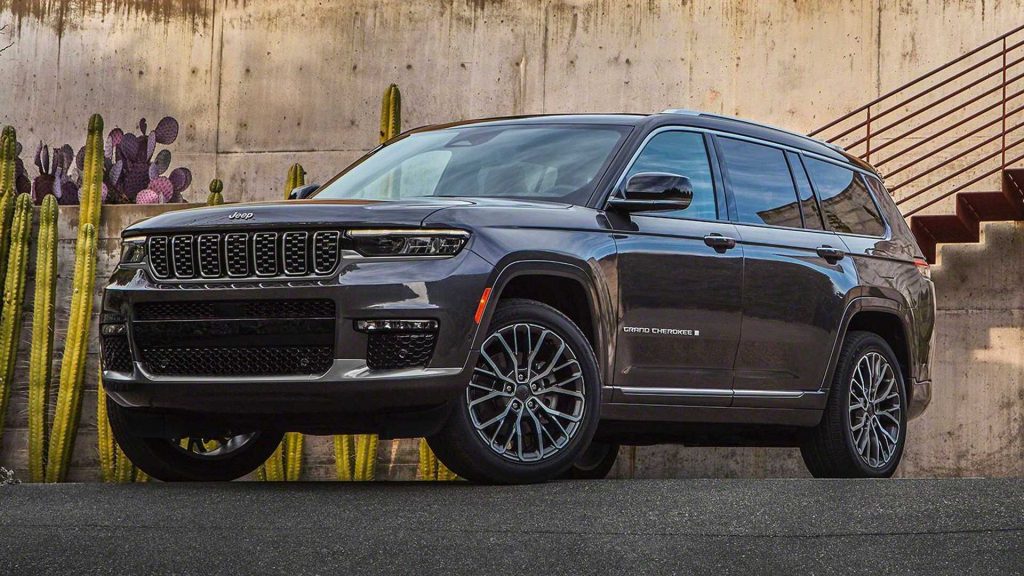
The 2010 Grand Cherokee still presents the rough, capable look expected of a Jeep, but the body lines have softened for a more refined appearance. The SRT8 trim stands out with its aggressive styling and centrally located dual exhaust pipes, giving it a powerful street presence.
Inside, the Grand Cherokee features one of the best interiors in the Jeep lineup, rivaling the Commander. It offers leather-covered, comfortable front seats, although the rear seats remain a bit tight in space.
Under the hood, the Laredo and Limited trims come standard with a 3.7-liter V-6 engine that produces 210 horsepower and 235 pound-feet of torque.
A more powerful 5.7-liter V-8 delivering 357 horsepower and 389 pound-feet of torque is available as an option. The top-tier SRT8 is equipped with a 6.1-liter V-8 that produces an impressive 420 horsepower and 420 pound-feet of torque. Regardless of engine choice, all Grand Cherokees are equipped with a five-speed automatic transmission.
In terms of safety, the 2010 Grand Cherokee is well-equipped with 4-wheel anti-lock brakes (ABS), dual front airbags, curtain airbags for both front and rear rows, an airbag occupancy sensor, stability and traction control systems, rollover detection, and optional trailer sway control on the Laredo and Limited trims.
Overall, the Grand Cherokee remains a solid SUV choice, offering a combination of rugged styling, upgraded comfort, and respectable performance both on and off the road.
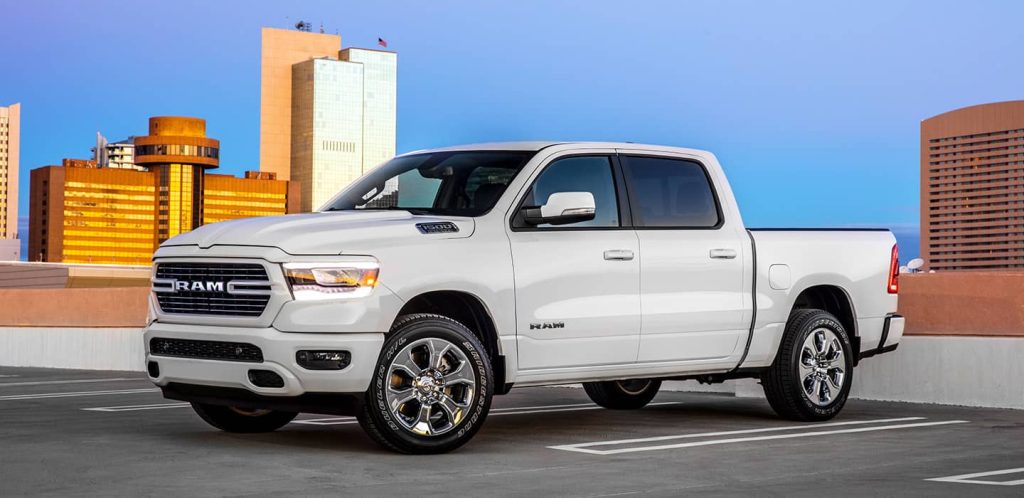
3. Dodge Ram 1500 (2009–2012 Models)
Dodge offered the lifetime powertrain warranty during this era, and Ram 1500 owners who documented service and kept up with inspection intervals often had warranty claims approved with minimal pushback. From engine rebuilds to rear differential replacements, Chrysler Group upheld their promises for meticulous customers.
As quintessentially American as college football rivalries, the full-size pickup truck market has a deeply loyal following. If you’re among those proudly sporting baseball caps and nylon jackets emblazoned with the Ram logo, you’re not likely to hear any disagreement from us—the 2011 Ram 1500 is a formidable contender. When the Ram 1500 underwent a complete redesign in 2009, it brought a number of firsts to the segment.
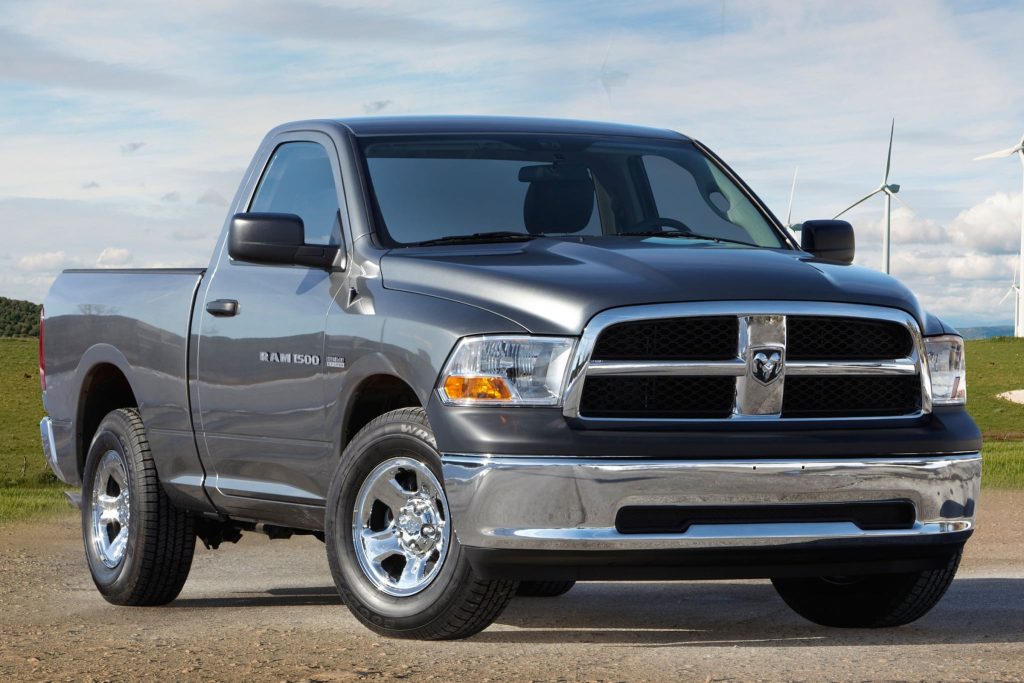
Most notably, it introduced a rear suspension setup that paired a solid axle with coil springs—an innovation in the truck world—which resulted in a ride quality that was smoother and more reminiscent of a car. Another standout addition was the optional lockable storage compartments integrated directly into the sides of the cargo bed.
In addition to these standout features, the Ram 1500 more than meets the standard expectations of a full-size pickup. Its available V8 engines deliver strong performance, the chassis is built to handle demanding tasks, and the interior is a standout in its class, offering top-tier design, user-friendly ergonomics, and high-quality materials.
The one potential drawback is the base engine—a 215-horsepower V6—which falls short in both power and efficiency, delivering EPA fuel economy ratings that are no better than those of the most powerful option, the 390-horsepower 5.7-liter V8.
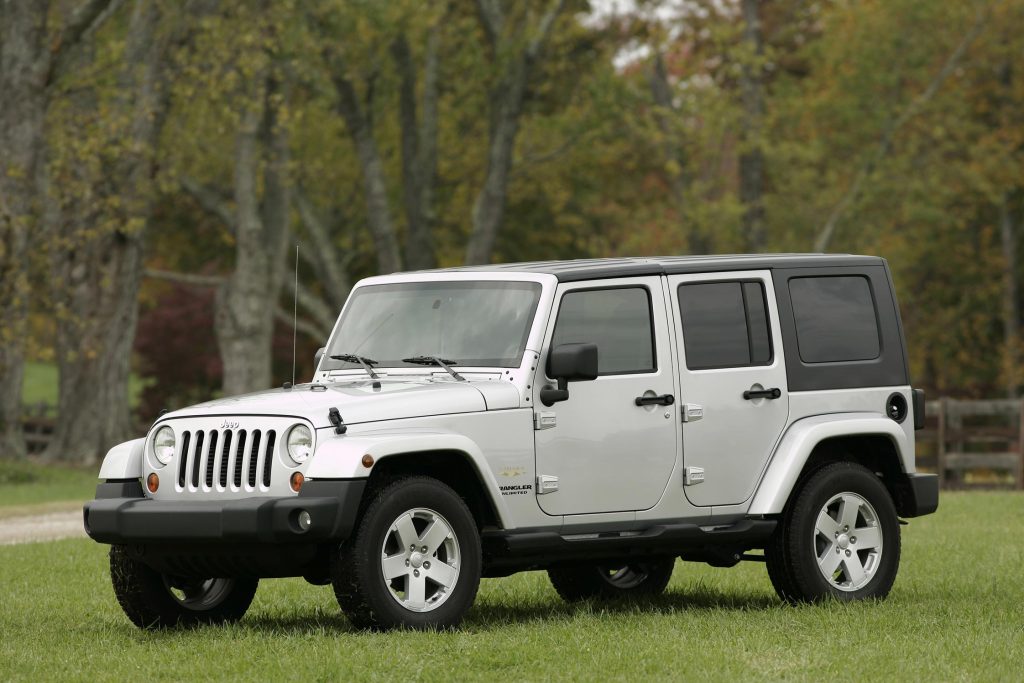
4. Jeep Wrangler Owners Who Appealed Denied Claims
In several reported cases, Jeep Wrangler owners initially had warranty claims denied due to alleged technicalities. However, upon appeal and submission of detailed service histories and dealership records, those decisions were overturned. Persistence and documentation were key in seeing their lifetime powertrain coverage restored and repairs funded.
Jeep Wrangler owners who appealed denied claims, especially those involving the Lifetime Powertrain Warranty offered by Chrysler (introduced around 2007 and discontinued in 2009), often found themselves in a frustrating and uphill battle.
The core issue usually centered around strict warranty conditions—most notably, the mandatory five-year powertrain inspections that many owners were either unaware of or missed due to poor communication from dealerships or Chrysler itself.
When claims were denied, it was frequently because the owner had missed one of these periodic inspections, even if their vehicle was well-maintained otherwise.
Many owners felt blindsided, arguing that Chrysler or their dealerships failed to properly inform them of the inspection requirement at the time of purchase or during ownership. In response, some owners chose to appeal the denial through Chrysler’s internal review process or third-party arbitration.
In numerous cases, these appeals were rejected, often with Chrysler citing non-compliance with warranty terms. However, there have been instances where persistent owners, especially those who kept thorough maintenance records or could prove they weren’t adequately notified, managed to win their appeals and get coverage reinstated—though these were exceptions, not the norm.
Owners also took their complaints to online forums, social media, and even filed lawsuits or complaints with state attorneys general or consumer protection agencies. The outcry became especially vocal when engine or transmission failures occurred shortly after the missed inspection deadline—prompting allegations that the policy was more about protecting the company than the consumer.
In short, appealing a denied Lifetime Powertrain Warranty claim on a Jeep Wrangler was a mixed bag: while some found success through persistence and documentation, many others were denied, often leading to out-of-pocket repairs and a lingering sense of betrayal from a brand they once trusted.
Also Read: 5 SUVs Rated Best for Winter-Tire Fitment and 5 With Clearance Issues
5. Honda Vehicles with Honda Care Lifetime Powertrain Coverage (Third-Party Backed)
Although not offered by Honda directly, many U.S. dealerships sell Honda Care lifetime powertrain warranties through third-party providers. In several well-documented cases, claims were honored for major repairs on vehicles like the Honda Accord and CR-V, provided the owners followed scheduled maintenance and reported issues early.
If you own a Honda, you’re already familiar with the value of driving a reliable vehicle. However, even with a brand known for dependability like Honda, wear and tear is inevitable, and parts will eventually fail.
When that happens, the cost of repairs can be high, and this is where an extended warranty can become essential. An extended warranty for your Honda can help shield you from the financial stress of unexpected mechanical issues.
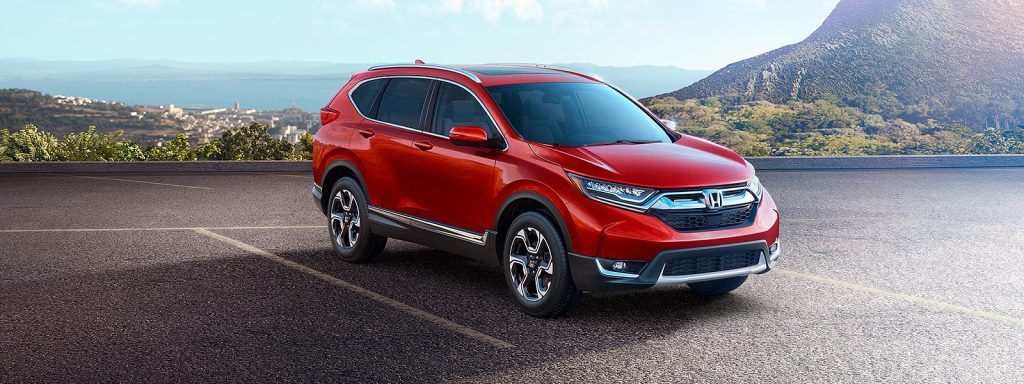
After the expiration of the new Honda vehicle limited warranty, it’s wise to consider purchasing an extended warranty to maintain protection in case of a mechanical breakdown. This type of warranty acts as a financial cushion, giving you peace of mind by ensuring you’re covered if and when problems arise.
As of 2022, Honda continued to prove itself as one of the most popular and trusted car manufacturers in the world. The company is well-known for producing reliable, high-quality vehicles that deliver excellent performance and long-term value.
Its lineup of cars and SUVs remains among the most in-demand in the auto industry, and Honda has built a strong reputation for prioritizing customer satisfaction. With vehicles that are easy to drive, highly dependable, and packed with innovative technology, it’s no surprise that Honda consistently ranks among the top automakers.
Adding even more value, Honda’s robust warranty program, including the Honda Care plan, offers customers added peace of mind by ensuring their vehicles are protected for many years.
5 Vehicles with Denied Lifetime Warranty Claims
When automakers roll out lifetime powertrain warranties, it sounds like the ultimate peace of mind—buy the car, drive it forever, and never worry about massive repair bills. Over the years, some vehicle owners have found themselves in frustrating battles over denied warranty claims, often due to fine print, vague maintenance requirements, or gray areas in the contract.
In this article, we’re diving into five specific vehicles whose owners faced denied lifetime powertrain warranty claims—highlighting where things went wrong, what patterns emerged, and what future buyers should be aware of before trusting the promise of “forever” coverage.
1. Chrysler, Dodge, Jeep Vehicles (Lifetime Powertrain Warranty Voided)
While the warranty was a selling point for many, thousands of Chrysler, Dodge, and Jeep owners had their lifetime coverage voided over a technicality: a mandatory dealership inspection every five years, within a tight 60-day window. Miss that once, and your “lifetime” coverage was gone—often without prior notification.
Chrysler, Dodge, and Jeep vehicles sold between mid-2007 and late 2009 came with a Lifetime Powertrain Warranty that, at the time, was marketed as one of the most generous warranties in the industry.
It promised coverage for the engine, transmission, and drivetrain components for as long as the original owner possessed the vehicle. On the surface, it sounded like a game-changer—no mileage cap, no expiration date, just lifetime coverage. But in practice, many owners have had their warranties voided, often without realizing they had violated the terms.
The most common reason for voiding the warranty was failure to follow the required inspection schedule. Chrysler mandated a powertrain inspection every five years from the in-service date, which had to be performed by a certified dealership within a 60-day window.
If the owner missed even one of these inspections—or wasn’t aware of the requirement—the warranty was canceled. To make matters worse, Chrysler didn’t always send reminders, and many owners say they weren’t told about the inspection schedule at the time of purchase.
Others lost coverage due to lack of documented maintenance. If you couldn’t prove oil changes and services were done according to the owner’s manual (even if you did them yourself), the warranty could be denied during a claim.
Some reports also surfaced of dealers finding loopholes or vague language to deny claims—like interpreting engine sludge as neglect or saying a component failure wasn’t technically part of the powertrain.
This issue hit owners of models like the Chrysler 300, Dodge Ram 1500, Dodge Charger, Jeep Grand Cherokee, and Jeep Wrangler especially hard.
These were the core vehicles sold under the Lifetime Powertrain Warranty during the eligible years, and many owners felt blindsided when their claims were rejected. In some cases, owners appealed denied claims and had them reinstated, but others were left with major repair bills and no recourse.
In short, while Chrysler’s Lifetime Powertrain Warranty sounded great on paper, the strict conditions—especially the required 5-year inspections—turned it into a legal landmine. Owners who missed the fine print often found out the hard way that “lifetime” came with very specific strings attached.
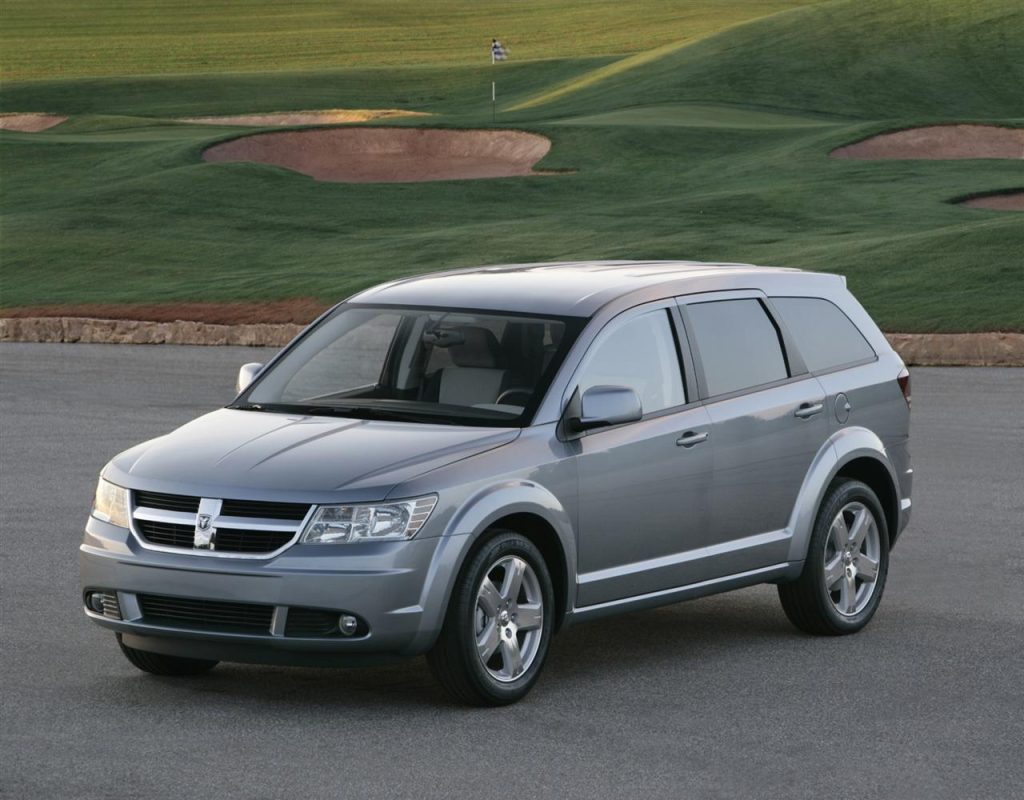
2. Dodge Journey (2009–2018)
Owners of Dodge Journey models, particularly those covered under the lifetime powertrain program, frequently had claims denied over unclear maintenance requirements. In some cases, repairs were refused due to missing a single oil change interval or servicing at non-authorized shops.
If you own a Honda, you’re already familiar with the value of driving a reliable vehicle. However, even with a brand known for dependability like Honda, wear and tear is inevitable, and parts will eventually fail.
When that happens, the cost of repairs can be high, and this is where an extended warranty can become essential. An extended warranty for your Honda can help shield you from the financial stress of unexpected mechanical issues.
After the expiration of the new Honda vehicle limited warranty, it’s wise to consider purchasing an extended warranty to maintain protection in case of a mechanical breakdown. This type of warranty acts as a financial cushion, giving you peace of mind by ensuring you’re covered if and when problems arise.
As of 2022, Honda continued to prove itself as one of the most popular and trusted car manufacturers in the world. The company is well-known for producing reliable, high-quality vehicles that deliver excellent performance and long-term value.
Its lineup of cars and SUVs remains among the most in-demand in the auto industry, and Honda has built a strong reputation for prioritizing customer satisfaction. With vehicles that are easy to drive, highly dependable, and packed with innovative technology, it’s no surprise that Honda consistently ranks among the top automakers.
Adding even more value, Honda’s robust warranty program, including the Honda Care plan, offers customers added peace of mind by ensuring their vehicles are protected for many years.
3. Hyundai Elantra N (U.S. Cases Mirror Canadian Denials)
Even in the U.S., Elantra N owners have encountered denied warranty claims over “abuse” accusations, especially related to performance driving. Hyundai has increasingly scrutinized engine failures, and several cases involved denied repairs due to alleged over-revving—even when service was up to date.
The Hyundai Elantra N stands out not only for its performance but also for its exceptional warranty coverage. It features Hyundai’s now-legendary 10-year/100,000-mile powertrain warranty, a benchmark in the industry.
While Kia is the only other automaker offering a similar warranty duration, Hyundai further sweetens the deal by including three years or 36,000 miles of complimentary maintenance, a benefit not offered by all competitors. Additionally, the limited warranty covers five years or 60,000 miles, making Hyundai’s ownership experience one of the most reassuring in the segment.
The 2023 Hyundai Elantra N Automatic is a front-engine, front-wheel-drive, five-passenger, four-door sedan. Priced at $35,515 both as a base and as tested, it comes with no optional equipment. Under the hood, it houses a turbocharged and intercooled DOHC 16-valve inline-four engine, built with an aluminum block and head and equipped with direct fuel injection.
The Elantra N rides on a chassis that includes front struts and a multilink rear suspension. Braking is handled by large vented discs—14.2 inches in the front and 12.4 inches in the rear—wrapped in Michelin Pilot Sport 4S tires sized 245/35ZR-19 (93Y) HN.
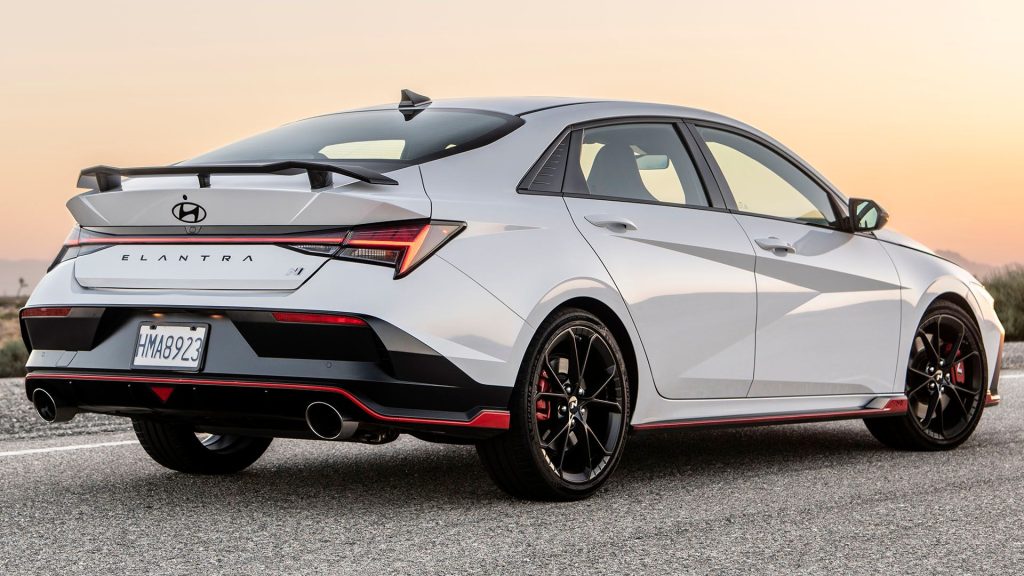
The car’s dimensions include a 107.1-inch wheelbase, 184.1 inches in length, 71.9 inches in width, and 55.7 inches in height. Inside, it offers 56 cubic feet of front passenger volume and 46 cubic feet in the rear, along with a 14-cubic-foot trunk. Curb weight comes in at 3313 pounds.
The 2022 Hyundai Elantra N Manual shares many similarities with its automatic counterpart. It’s also a front-engine, front-wheel-drive, five-passenger, four-door sedan. Priced at $33,245 as both base and as-tested, it features no optional equipment.
The engine is the same turbocharged and intercooled DOHC 16-valve inline-four, displacing 122 cubic inches (1998 cm³), and generating 276 horsepower at 6000 rpm and 289 lb-ft of torque at 2100 rpm. This variant is mated to a 6-speed manual transmission for drivers who prefer full engagement.
The chassis setup mirrors that of the automatic version with struts up front and a multilink rear, along with the same vented disc brakes (14.2-inch front, 12.4-inch rear) and Michelin Pilot Sport 4S tires sized 245/35ZR-19 (93Y) Extra Load HN.
The wheelbase, length, width, and height remain unchanged at 107.1, 184.1, 71.9, and 55.7 inches respectively. The passenger volume is slightly different, totaling 99 cubic feet, and the trunk remains at 14 cubic feet. Curb weight for the manual is slightly lower at 3199 pounds.
Observed fuel economy for the manual variant was also 21 mpg. At 75 mph, it achieved 32 mpg with a highway range of 390 miles. According to EPA estimates, the manual Elantra N is rated at 25 mpg combined, 22 mpg in the city, and 31 mpg on the highway.
4. Hyundai Santa Fe (2017–2019)
Despite Hyundai’s strong 10-year/100,000-mile warranty, some Santa Fe owners in the U.S. have reported denied engine claims. In particular, cases involving engine knocking or sudden stalling have been dismissed as “improper maintenance,” even when oil changes were documented.
The Santa Fe is powered exclusively by a smooth 290-hp 3.3-liter V-6 engine, paired with a six-speed automatic transmission that sends power to the front wheels, while all-wheel drive is available as an option.
This V-6 is a well-rounded performer, free from noticeable harshness throughout the rev range, although its acceleration trails behind some competitors. The six-speed transmission delivers gentle gear shifts, but its responses to driver inputs can be sluggish. For those needing towing capability, the Santa Fe supports a maximum tow rating of 5,000 pounds.
On the road, the Santa Fe offers a composed ride that effectively absorbs road imperfections, keeping the cabin insulated from rough surfaces. It handles like most modern three-row crossovers—adequately, but without a sporty edge. Steering is light and provides minimal feedback to the driver’s hands.
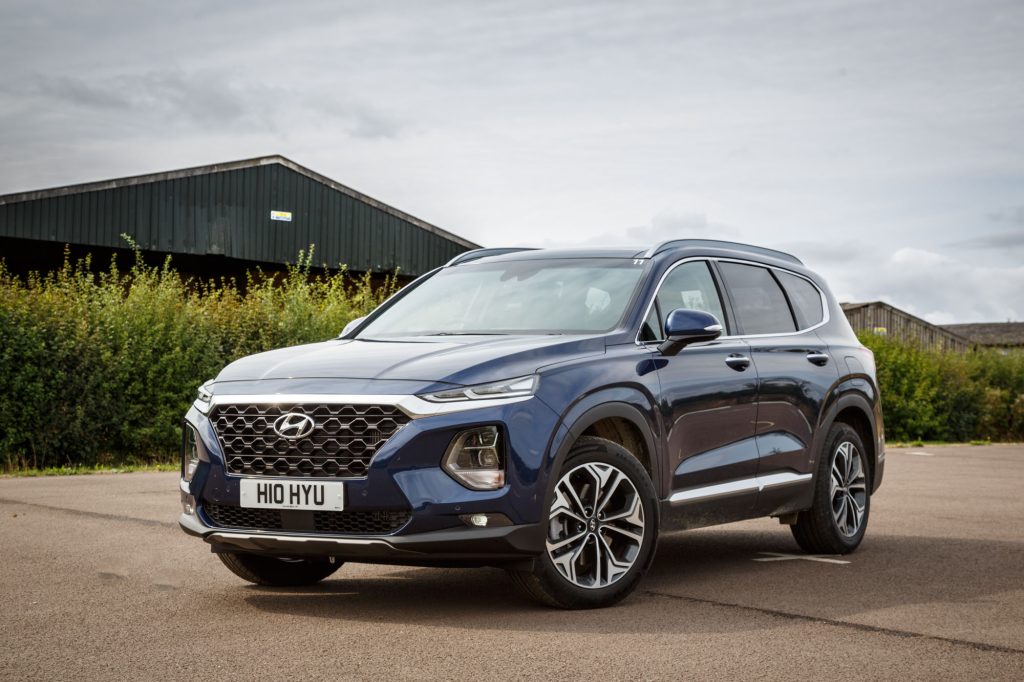
Inside, the Santa Fe’s cabin quality varies with trim level—ranging from straightforward to more upscale—but the materials are inconsistent, blending lower-grade plastics with nicely finished soft-touch surfaces.
A cluttered interior design and a cramped third row detract from what is otherwise a comfortable environment. Dual-zone automatic climate control is now a standard feature on the base SE trim, along with a power-adjustable driver’s seat featuring lumbar support.
Higher Ultimate trims come well-equipped with premium touches, including leather seats and heated and ventilated front seats. While cargo capacity isn’t class-leading, the Santa Fe still provides sufficient storage space, and its various interior compartments are thoughtfully designed and practically arranged.
Also Read: 5 Sedans With Top NHTSA Safety Ratings And 5 With Lowest
5. Tesla Model S and Model 3 (Warranty Complications Tied to Software)
Tesla owners in the U.S. have filed class-action suits claiming that over-the-air software updates altered vehicle performance and range, indirectly affecting warranty eligibility. Some also report odometer discrepancies that caused premature expiration of limited warranties, leading to denied battery or drivetrain repairs.
The Tesla Model S and Model 3—while praised for innovation, performance, and over-the-air software updates—have had complications when it comes to warranty coverage tied directly to software.
Unlike traditional automakers, Tesla takes a very integrated, software-centric approach to vehicle systems. As a result, some warranty disputes have emerged not because of hardware failure in the conventional sense, but because of how software features and updates interact with the car’s components.
One key issue has been with battery degradation or range loss. Some owners reported significant drops in driving range after software updates, particularly for older Model S vehicles.
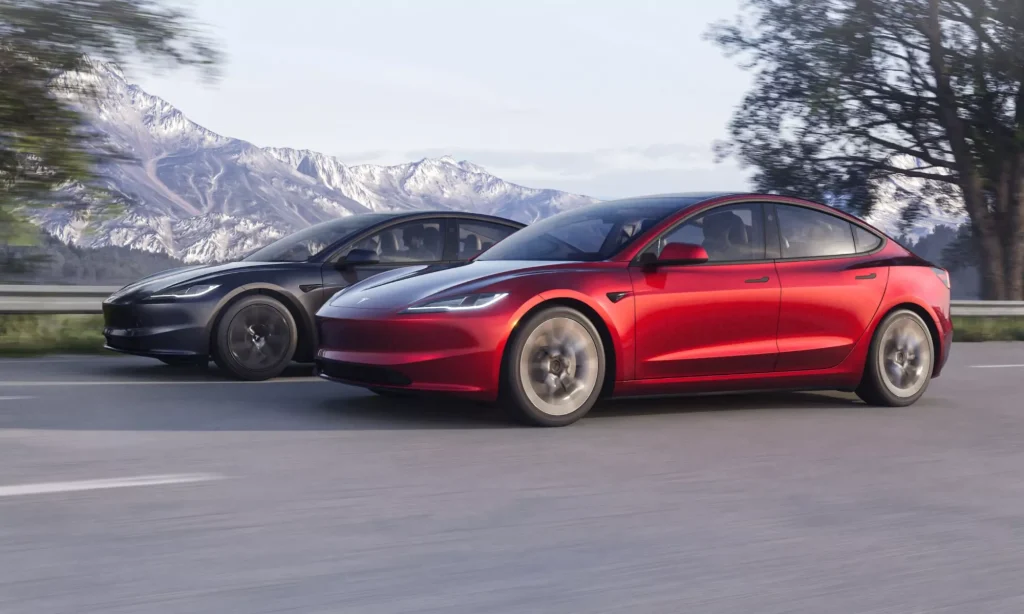
When they brought this up with Tesla, some were told that this was “normal” battery management or a protective measure, rather than a hardware defect. Because Tesla classifies these as part of normal wear or software-governed limits, warranty claims for battery replacement or repair were often denied—despite warranty coverage for battery defects up to 8 years (with mileage limits).
For the Model 3, similar situations have played out with features such as Autopilot or Full Self-Driving (FSD). If a system stops working or a feature disappears, it’s not always treated as a mechanical or hardware failure.
Instead, Tesla may push a software fix—or, in some cases, deny that there’s a covered defect at all, calling it a software issue not covered under the basic or powertrain warranty. This can create a gray area for owners, especially since Tesla’s warranties don’t explicitly spell out how software-based limitations or downgrades factor into coverage.
A lifetime warranty might sound like a great deal, but there’s a catch: it’s only as strong as the paper it’s written on—and your ability to follow the fine print. If you’re buying a car with a lifetime warranty in the U.S., keep this in mind:
-
Document everything: Keep receipts, digital logs, and service records from authorized dealers.
-
Understand the terms: Many lifetime warranties require periodic inspections or only apply to original owners.
-
Stay proactive: If a claim is denied, appeal it. Plenty of owners have had reversals once they presented documentation or escalated the issue.
-
Be skeptical of “lifetime” claims: Sometimes “lifetime” means “as long as you follow a complex set of rules”—and not a day longer.
In short, the warranty might be lifetime, but it’s your responsibility to make sure it lives up to the name.
