
Once upon a time, “German steering” was practically a love language among American drivers, heavier effort, crisp on-center, and a stream of honest feedback that told you exactly what the front tires were doing.
Then came electric power steering, bigger wheels, more isolation, and, let’s be blunt, some tuning choices that traded fidelity for comfort scores and fuel economy.
Today, the landscape is split. Some German sedans still nail that point-and-place confidence you want at 80 mph on I-95 or threading a cloverleaf in Houston. They’re safe and competent, sure, but the rim feels like it’s talking through a pillow.
If you live in the U.S. and actually care about how a car steers, not just how quick it is in a straight line, this piece is for you.
Below, you’ll get a clear definition of what “precise” and “sloppy” mean in real-world American driving, the five German sedans that continue to deliver the goods, and five that feel too filtered for enthusiasts. I’ll also give you shopping tips so you don’t accidentally blunt a good rack with the wrong tires or options.
Precise steering means: clean on-center tracking (no micro-wandering), intuitive turn-in, a linear build of effort as you add lock, and enough feedback to sense grip changes.
Sloppy steering means: overboosted or rubbery initial response, vague on-center, a weird nonlinearity where the first five degrees of input are quick and then it washes out, and very little conversation about what the front tires are actually doing. You can still go fast. You just won’t trust it the same way.
5 German Sedans That Still Steer Precisely
A final caveat for U.S. shoppers: spec sheets matter. Tires, wheel size, suspension packages, and even dealer-set pressures can make a precise rack feel numb—or rescue a mediocre one. Keep that in mind as you read.
Porsche Taycan (all years, especially the 2025 refresh)
EV or not, Porsche didn’t forget how to tune a steering rack. The Taycan’s helm is the benchmark for precision among modern electric sedans, full stop.
You get that rare blend of keen turn-in and rock-steady high-speed tracking, which is exactly what you want when you’re slicing through Phoenix freeway seams or dodging expansion joints around Chicago.
We had our doubts as well, but after getting behind the wheel of the 2020 Taycan, we can confidently say it delivers the performance, style, and meticulous craftsmanship synonymous with the brand. While the Taycan is indeed an electric sedan, at its core it embodies the unmistakable spirit of a true Porsche.
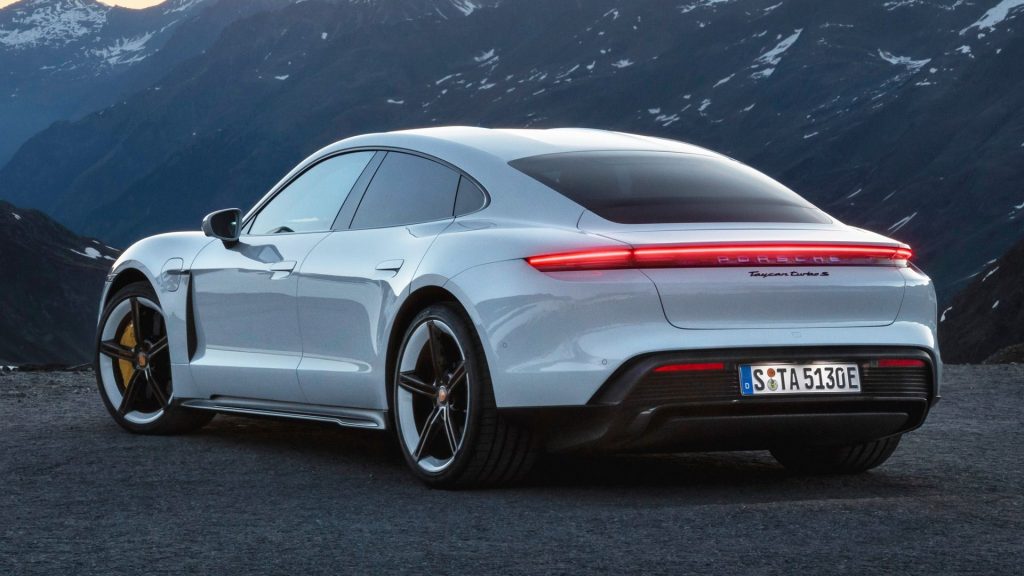
The beauty is the honesty: when the front end loads, you feel it; when the grip edge approaches, it telegraphs gently instead of snapping. Put simply, if you care about steering more than range leaderboards, the Taycan is the EV that “gets it.”
U.S. buyer note: Smaller wheels with the right performance tires preserve feel; massive rim/tire combos look sick but can add harshness without extra feedback.
Also Read: 10 Supercars That Have the Best Insurance Deals for Collectors
Porsche Panamera (newest generation)
The Panamera is the yacht that thinks it’s a sports boat. Despite its size, the front end bites immediately, the rim weights up naturally as you add lock, and mid-corner corrections are minimal. On a fast New England two-lane, it shrinks around you; on a Southern interstate, it’s laser-stable.
Porsche also avoids the trap of fake heaviness, Sport mode doesn’t just crank weight; it preserves the rack’s clarity. If you want a luxury sedan that still steers like someone cared, this is it.
The Swiss may have their versatile Army knife, but the Germans have taken multifunctionality to another level with the Porsche Panamera.
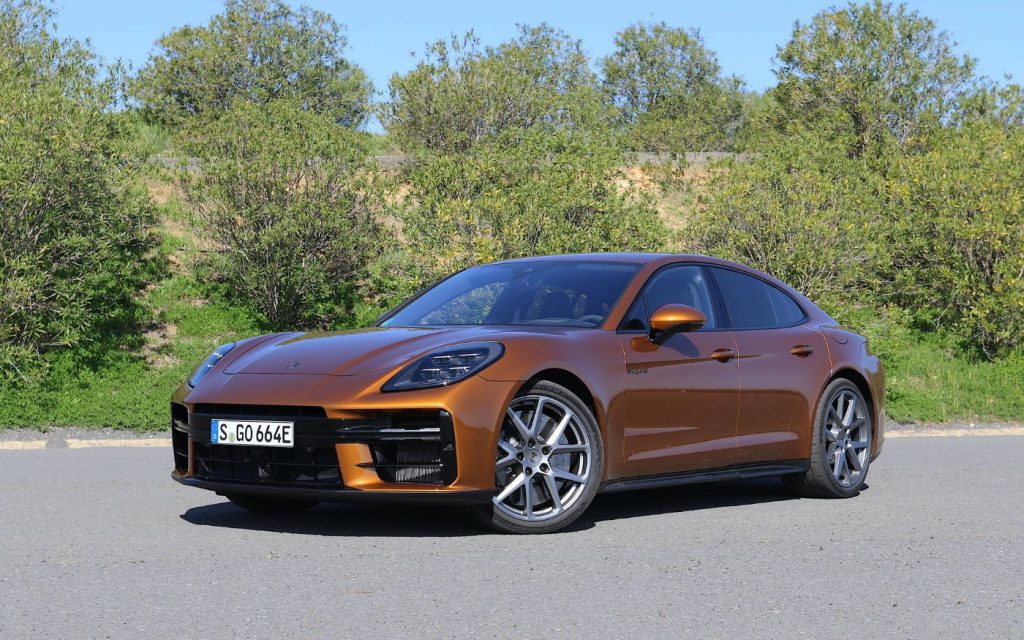
Offered as a sleek wagon, a dynamic hatchback-style sedan, or a long-wheelbase sedan for added rear-seat comfort, the 2022 Panamera is ready to handle virtually any role you have in mind.
Beyond its diverse body styles, it boasts an array of powertrain options, including a V6, a hybrid, and a turbocharged V8. Add to that eight distinct trim levels and an almost endless list of available options, and the Panamera becomes a masterclass in customization and capability.
U.S. buyer note: Rear-axle steering (if fitted) makes U-turns and parking lots easier without corrupting feel at speed.
Audi S4 (current generation)
The S4 proves you don’t need theatrically heavy effort to be accurate. Its steering is clean, direct, and easy to place, especially on the kind of fast, sweeping ramps you find all over the Sun Belt.
There’s a professional calm to it, no drama, just faithful response. It’s the car you give to a friend who says, “I don’t get why steering feel matters,” and watch the light bulb turn on.
Completely redesigned for 2018, the Audi S4 wasted no time in making its intentions clear. This latest iteration rises to the top of its segment with refined, understated styling, a thoroughly modern cabin, and thrilling performance.
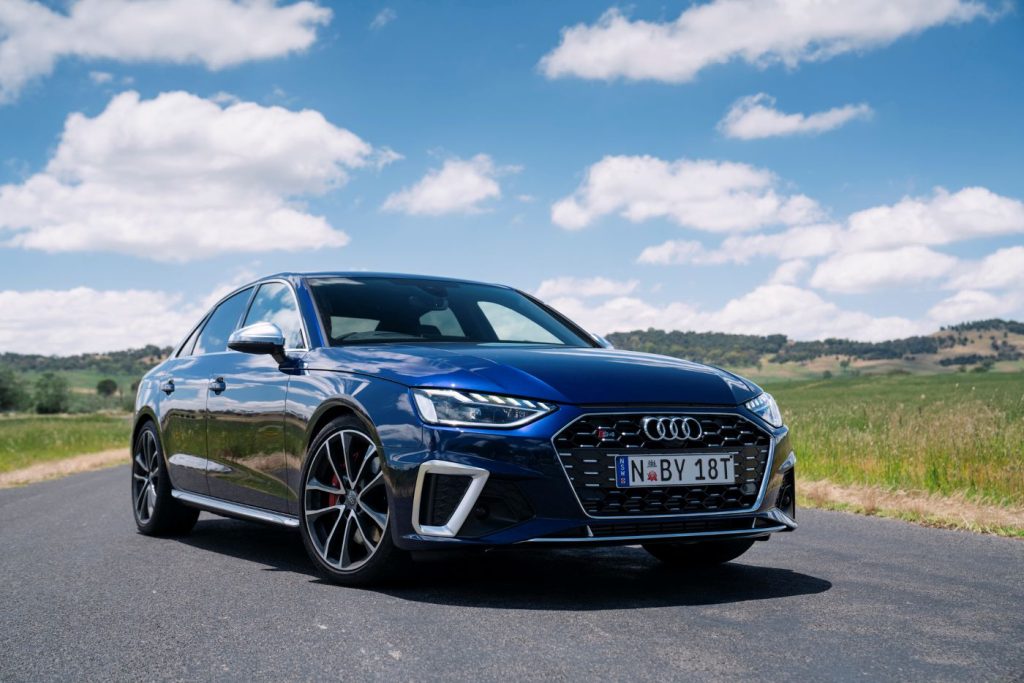
From its quiet, comfortable, and intelligently laid-out interior to its engaging driving dynamics, the S4 offers something to satisfy a wide range of drivers. Its seamless integration of cutting-edge technology is another highlight.
When stacked against competitors like the BMW 340i and Mercedes-AMG C43, the 2018 Audi S4 confidently takes its place at the head of the pack.
U.S. buyer note: Skip the biggest wheels if you live where roads are rough; the smaller, performance-tire setup keeps the steering sweet and the ride composed.
Audi A4 (current generation)
Think of the A4 as the S4’s junior varsity with varsity fundamentals. It isn’t emotionally chatty, but it is precise: it tracks straight on bad pavement, responds promptly, and doesn’t wander when the crown changes.
In daily U.S. commuting, merging, lane changes, and long-distance stints, the A4’s calm precision is confidence-building. It’s the “I have a life and want something that just works right every day” choice.
Audi keeps things straightforward with the A4’s powertrain lineup, offering two versions of its turbocharged 2.0-liter inline-four: a 252-horsepower standard engine and the detuned, efficiency-minded Ultra variant producing 190 horsepower.
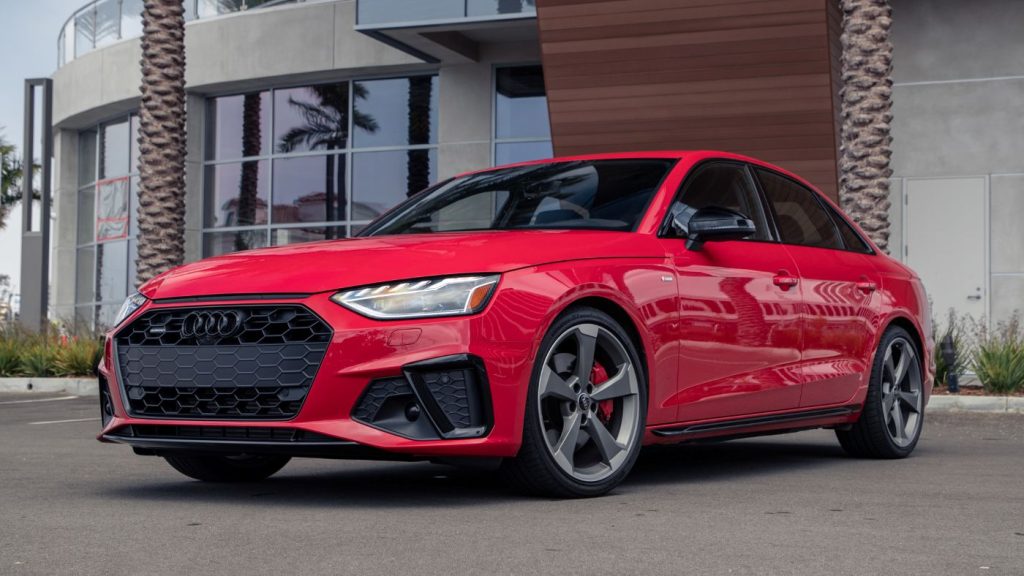
Transmission choices include a six-speed manual or a seven-speed dual-clutch automatic, with front-wheel drive as standard and Audi’s renowned Quattro all-wheel-drive system available as an option. The Ultra model focuses on improved fuel economy but is unavailable with all-wheel drive or the Prestige trim.
The standard engine shines, delivering class-leading acceleration and impressively smooth power delivery. Pair that with a composed ride, athletic handling, and you get a near-perfect balance of refinement and excitement. Precise steering and ample grip make the A4 a sharp, confident handler, all while preserving its ride comfort.
U.S. buyer note: The base all-seasons are fine; a performance-oriented all-season or summer tire transforms the steering from “good” to “why does this feel so sorted?”
BMW 3 Series (G20; non-M performance trims included)
No, it’s not the hydraulic E90 you remember, and that’s okay. The current 3 Series favors accuracy over bravado. The rack is light but true; you point, it goes, and mid-corner stabilization is excellent. Its secret weapon in the U.S.: versatility.
The 3 Series lineup offers two refined and powerful gas-powered engines. The 330i comes equipped with a turbocharged 2.0-liter four-cylinder producing 255 horsepower and 295 pound-feet of torque. Stepping up to the M340i brings a turbocharged 3.0-liter inline-six paired with a 48-volt hybrid system, delivering a total of 382 horsepower and 369 pound-feet.
For those interested in electrification, the 330e plug-in hybrid blends a turbocharged 2.0-liter engine with an electric motor to generate 288 horsepower and 310 pound-feet of torque.
Every engine is matched to a superb eight-speed automatic transmission, with rear-wheel drive as standard and all-wheel drive available for an added cost. Unfortunately, a manual transmission is no longer part of the lineup, purists who crave a stick shift will need to wait for the all-new BMW M3.
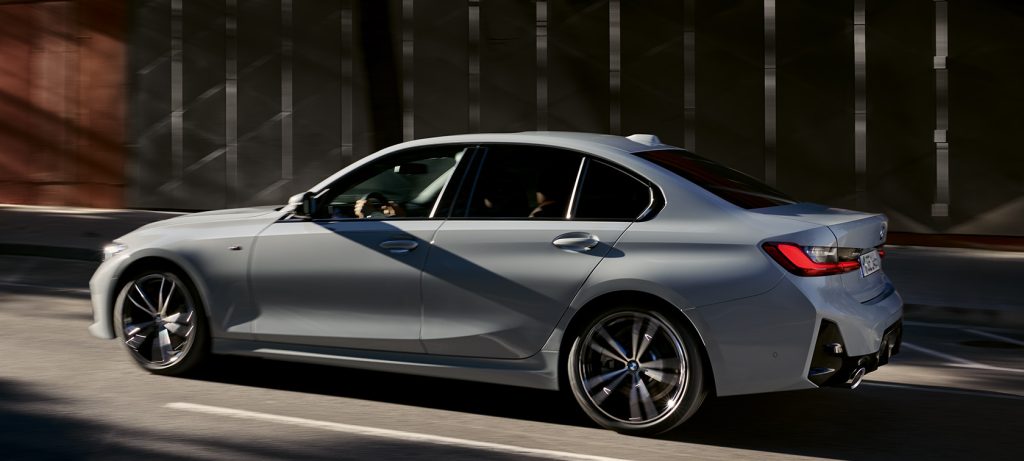
Suspension choices include the standard setup or an upgrade with adaptive dampers. In our first drive of the G20-generation 3 Series, we found the steering improved over its predecessor, offering more road feel and variable effort, though it still doesn’t quite measure up to the model’s legendary earlier generations.
The four-cylinder 330i distinguished itself by winning a comparison test against other sport sedans, thanks to its ability to switch effortlessly from calm and refined cruising to spirited, agile driving.
From Denver’s altitude-thinned interstates to Florida’s rain-slick expressways, the 3 maintains clarity without asking you to wrestle it. With the right suspension package, it still sets the class standard for balance between daily livability and driver trust.
U.S. buyer note: Avoid the floatiest, comfort-only spec if steering precision is your priority. A sport package and decent rubber are worth it.
The 5 That Go Sloppy (or at Least Too Isolated)
Before the fan clubs get loud: none of these are “bad” cars. They’re excellent at luxury, space, and quiet. The issue is steering character—too light, too filtered, not communicative enough to satisfy a driver who cares about feel.
Volkswagen Passat (2019–2022, U.S. market)
The final U.S. Passat is roomy, comfortable, and wildly practical, and the steering is its weakest link. On-center can feel lazy, initial response is soft, and you don’t get much feedback as the front loads up.
If you’re driving purely by sightlines and not by feel, you’ll be fine. If you want to sense what the front tires are doing on a cloverleaf, you’ll wish for a different tune.
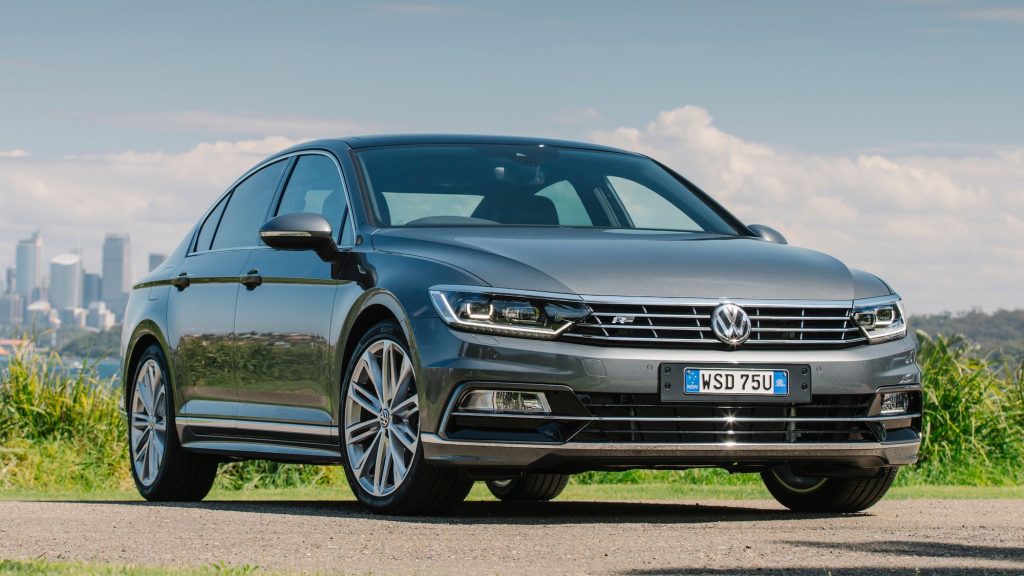
U.S. buyer alternative: If you’re VW-loyal, try the Arteon while you still can, or jump to the Jetta GLI—their steering calibrations are tighter and more feelsome.
Volkswagen Jetta (base trims; GLI excluded)
This one’s all about contrast. Drive a base Jetta, then a GLI, and you’ll immediately understand the difference between “competent” and “engaging.” The standard Jetta steers predictably but lightly, with little information coming back through the rim. For commuting it’s fine; for people who actually like driving, it’s underseasoned.
The 2022 Volkswagen Jetta arrives with a host of updates aimed at making it a stronger contender among leading small sedans such as the Honda Civic, Hyundai Elantra, Kia Forte, and Mazda 3.
Under the hood, last year’s turbocharged 1.4-liter four-cylinder delivered 147 horsepower and 184 lb-ft of torque, respectable for the segment but yielding modest acceleration. The 2022 Jetta upgrades to a turbocharged 1.5-liter engine producing 158 horsepower, with expectations of improved performance.
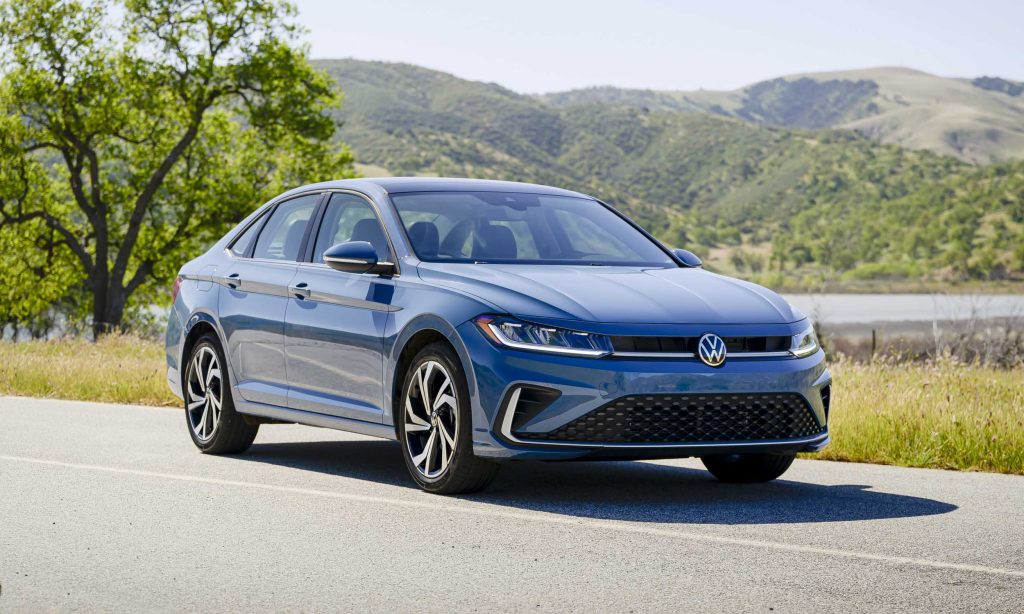
Technology has also seen a notable boost. Even the entry-level S trim now includes advanced driver aids like forward collision mitigation and blind-spot monitoring, along with a small digital gauge cluster.
Some features, such as traffic-adaptive cruise control, remain optional on the S but become standard starting with the midrange SE trim. At the top of the range, the Jetta SEL now offers wireless Apple CarPlay and Android Auto, allowing you to access your favorite apps on the touchscreen without a USB connection.
U.S. buyer alternative: If budget matters, a lightly used GLI is a smart buy. If you’re open to non-German options with sharp steering, test a Civic Sport Touring or a Mazda3.
Mercedes-Benz E-Class (latest generation and late W213)
The new E is a master class in serenity: quiet, supple, beautifully finished. The steering reflects that brief, light, filtered, and not especially talkative.
It will go where you point it with precision, but the rim doesn’t narrate what the tires are doing. If your benchmark is a classic hydraulic BMW rack or even a modern Porsche, the E’s helm feels aloof.
U.S. buyer alternative: If you want the three-pointed star with more bite, sample a C-Class with AMG Line or step into an actual AMG variant.
Mercedes-Benz continues its tradition of refining and enhancing the E-Class each year to keep it appealing to luxury buyers.
After a full redesign of the sedan and wagon in 2017, and fully reworked coupe and convertible models in 2018, the 2019 Mercedes-Benz E-Class pushes the lineup even further with increased power for the V6 model and the debut of a new six-cylinder mild hybrid powertrain.
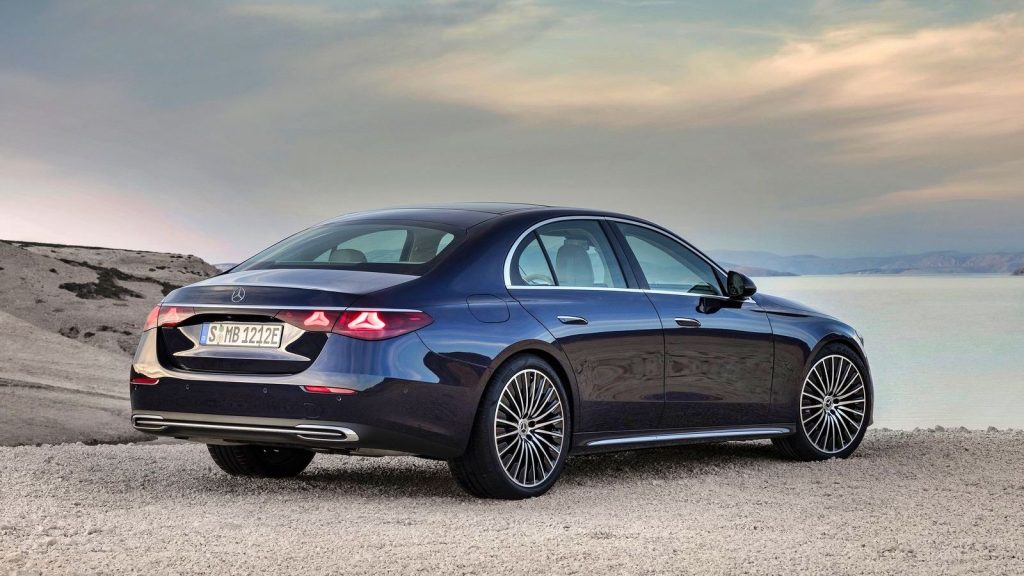
For 2019, the E 450 replaces last year’s E 400 as the V6-powered option. Along with the name change comes a performance bump—the turbocharged 3.0-liter now produces 362 horsepower and 369 lb-ft of torque, an increase of 33 horsepower and 15 lb-ft over its predecessor.
The most notable update, however, sits just above the E 450 in the range. The AMG E 53 takes over from the AMG E 43 as the entry-level performance model and is available in coupe, convertible, and sedan forms. This new AMG variant employs a turbocharged inline-six paired with a starter-alternator and a 48-volt battery.
The system recharges through coasting and braking, while the starter-alternator delivers an extra burst of power at low speeds before the turbo spools up. The result is slightly higher output and improved fuel efficiency compared to the E 450, making the AMG E 53 both more potent and more efficient.
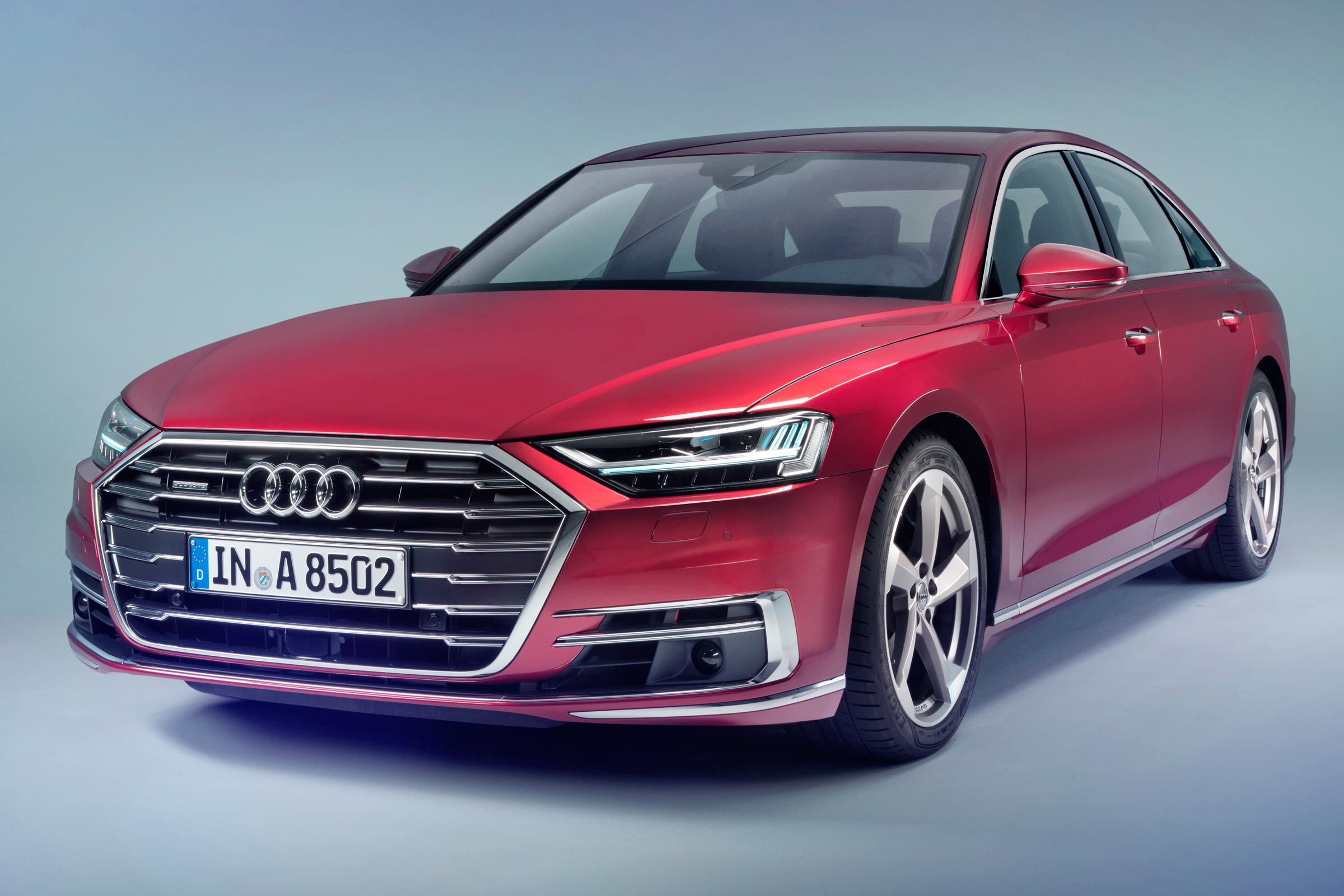
Audi A8 / S8 (current generation)
Audi’s flagship is sublime for long U.S. highway runs, but the steering effort—especially in default modes—skews too light, shading into artificial.
Accuracy is there; communication isn’t. On a Michigan freeway, it’s a dream. On a Colorado mountain road, you’ll wish the rim told you more about the front contact patches before the speeds rise.
While some cars are designed to thrill and engage, the Audi A8 takes a very different approach—it’s more like a mobile sensory deprivation chamber.
In this case, that’s hardly a flaw. The A8 delivers an exceptionally smooth, whisper-quiet ride, enhanced by a spacious cabin filled with top-tier materials. Comfort is king here, but technology plays a major role too.
Multiple feet of high-resolution digital displays, a world-class audio system, and an available predictive suspension elevate the experience. Opt for the executive rear seat package, and the A8 becomes a legitimate chauffeur-ready luxury sedan. That said, a few of its driver-assist systems could benefit from further refinement.
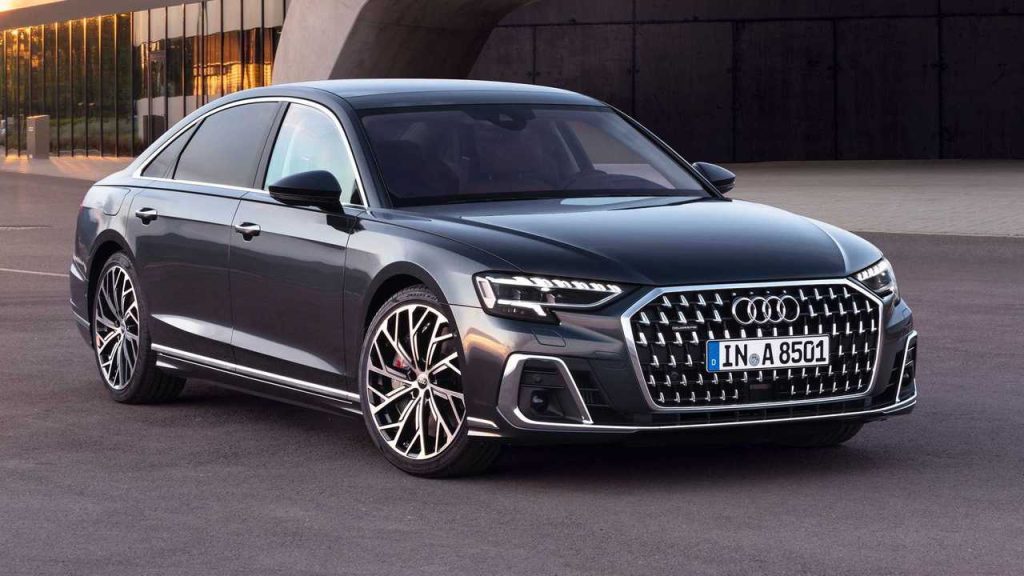
For all its coddling qualities, a bit more excitement wouldn’t hurt. The standard V6 is undeniably quick, but it lacks a sense of urgency, and the steering feels numb.
Even as a finalist for our 2019 Car of the Year award, the A8 drew criticism for feeling somewhat soulless. That’s where the S8 steps in, packing serious power and performance upgrades to infuse the driving experience with much-needed vigor.
Still, no matter which model you choose, the 2021 Audi A8 remains one of the most serene, opulent, and relaxing luxury sedans you can buy, regardless of whether you’re behind the wheel or relaxing in the back.
U.S. buyer alternative: If you want full-size luxury with real steering character, the Panamera remains the driver’s pick, even if it plays in a slightly different format.
Also Read: 10 Best-Selling Cars in the U.S. and What Makes Them Stand Out
BMW 7 Series / i7 (G70)
The 7 is unapologetically an isolation chamber, and the i7 doubles down on that ethos. The steering is exact in a geometric sense—you point it and it hits the angle—but the rim filters so much that you end up inferring the front end’s grip rather than feeling it build.
Rear-axle steering helps agility at parking speeds and in tight urban grids, but it doesn’t put more texture in your hands. If you’re chasing a BMW badge for steering feel, look down the lineup to the 3 or a well-spec’d 5.
If you’re in the market for a full-size luxury sedan designed for being chauffeured rather than carving up corners, the 2022 BMW 7-Series checks plenty of boxes, chief among them, a spacious, serene cabin that can be outfitted with nearly every comfort feature you can imagine.
Every model comes with a smooth, refined powertrain. The lineup starts with the turbocharged inline-six in the base 740i, moves up to twin-turbocharged V8 and V12 options, and even includes the 745e plug-in hybrid, which can travel up to 17 miles on electric power before switching to gasoline.
While the driving experience leans more toward comfort than excitement, the 7-Series excels as a long-distance cruiser, soaking up imperfections with ease.
For the new model year, the only change is that buyers can now order the remote-control parking feature as a standalone option. Otherwise, BMW’s flagship carries over unchanged from 2021.
Starting prices range from $87,795 for the 740i to $158,795 for the top-spec M760i xDrive. For most buyers, the base 740i makes the most sense, it’s powerful enough for this car’s relaxed nature, and its lower cost leaves more room in the budget for desirable extras.
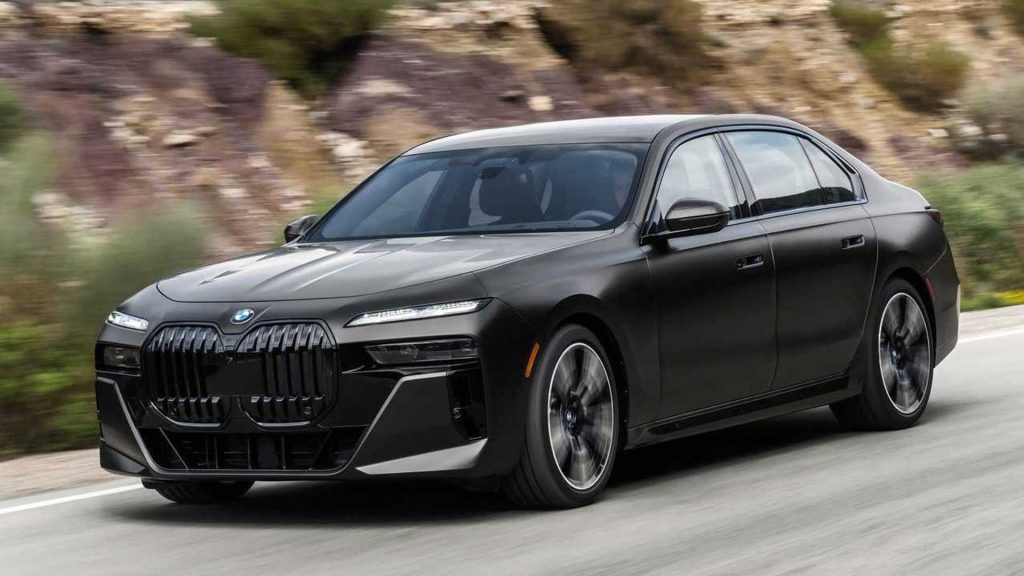
One worthwhile upgrade is the Driving Assistance Professional package, which includes a semi-autonomous mode ideal for easing traffic-jam fatigue.
The 7-Series lineup showcases BMW’s expertise in engines and transmissions. The 740i’s 320-hp turbocharged inline-six is smooth and eager, while the M760i’s twin-turbo V12 delivers a staggering 601 hp.
The 745e plug-in hybrid pairs a turbocharged six-cylinder with an electric motor, producing ample power while retaining a surprisingly natural feel for a hybrid.
All variants use a refined eight-speed automatic, with all-wheel drive (xDrive) optional on the 740i and standard elsewhere. Ride quality is plush regardless of drive mode, but body control is limited and the light, numb steering discourages spirited driving.
Except for the thirsty M760i, the lineup earns solid EPA ratings. In real-world highway testing, the 740i returned 30 mpg and the 750i achieved 29 mpg. The 745e’s 12.0-kWh battery can recharge via 110-volt, 220-volt, or DC fast-charging, though the latter two are best for quick top-ups.
BMW interiors have traditionally emphasized a businesslike aesthetic, but without the brand’s historic driver-focused engagement, the current 7-Series invites closer scrutiny of its materials and design—which are only average for a segment filled with ultra-luxury rivals.
It’s roomy, yes, but so is every competitor in this class, and models like the Mercedes-Benz S-Class or Genesis G90 feel more lavish.
Cargo space is listed at 18 cubic feet, larger on paper than several rivals, but in practice, the trunk’s shape limits usability, we could only fit three carry-on suitcases in a 740i test vehicle, compared to twice that in some competitors.
Overall, the 2022 BMW 7-Series remains a supremely comfortable, refined, and technology-laden luxury sedan, but those seeking dynamic handling or standout opulence may find stronger options elsewhere in the segment.
American dealers love shipping-pressure tires and comfort-biased all-seasons. Both dull steering. Ask for correct pressures before you drive. On the flip side, max-diameter wheels with slim sidewalls can add impact harshness without adding feedback, don’t fall for the “bigger is sportier” trap.
Many cars’ Sport modes just add resistance. Heavier nothing is still nothing. Judge steering in the default mode first; a well-tuned rack feels accurate even before you pump up the settings.
In the U.S., you’ll see base suspensions, “dynamic” or “sport” packages, adaptive dampers, and rear-steer options.
Sport packages often tighten geometry and damping in a way you can feel through your hands, worth it if steering precision is your priority. Adaptive dampers are great for ride control but don’t automatically improve feel.
