
For years, sedans have been the go-to choice for American drivers who value comfort, practicality, and efficiency in a daily vehicle. While SUVs and crossovers have taken over much of the market in recent times, sedans remain relevant, especially when it comes to affordable used-car purchases.
What makes sedans such appealing long-term buys is their mix of durability, reasonable ownership costs, and versatility. Many of the best ones also hold up well even after a decade or more of use, meaning that buyers looking in the used market can still find outstanding value without worrying about constant breakdowns.
The following list highlights 10 sedans that remain smart buys long after their initial release. Whether you’re after reliability, performance, or just a practical commuter that won’t let you down, these cars prove that age doesn’t always diminish value.
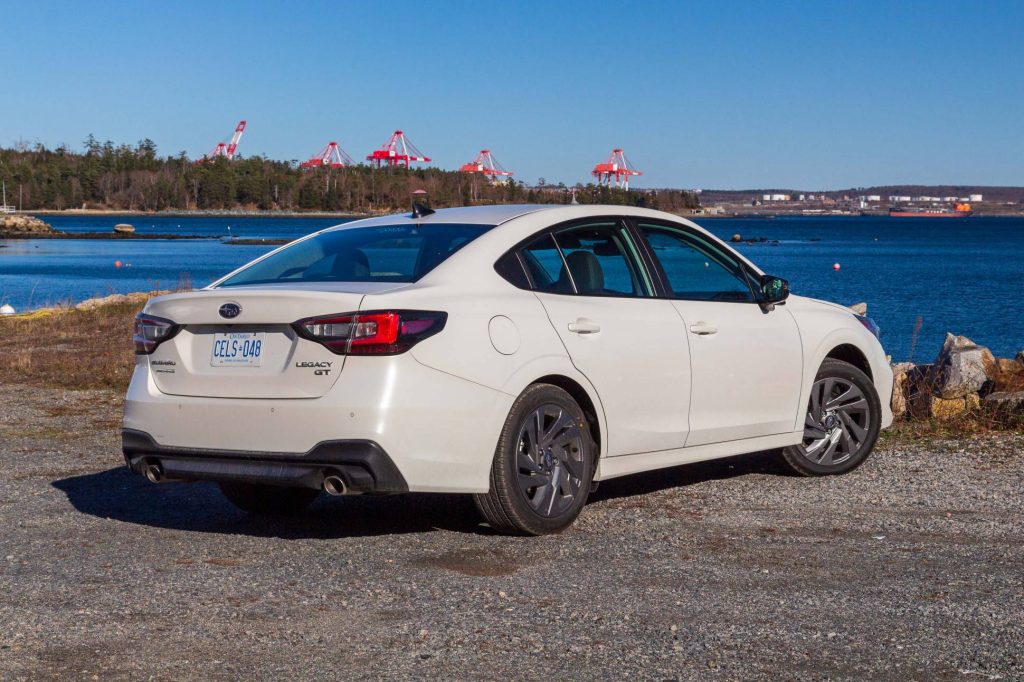
1. Subaru Legacy
For buyers in snow-prone regions of the US, the Subaru Legacy stands out as a smart long-term buy thanks to its standard all-wheel drive. While many sedans leave drivers hanging in harsh winter conditions, the Legacy confidently plows ahead.
Its flat-four engines and sturdy construction allow many to cross 200,000 miles with ease, provided owners keep up with regular maintenance. The combination of safety, traction, and practicality keeps the Legacy in high demand among used-car shoppers.
New for 2020, the Subaru Legacy enters the market with a complete redesign, sharing its platform and powertrains with the 2020 Outback wagon while taking on a more traditional sedan shape. Instead of the Outback’s lifted suspension and rugged styling cues, the Legacy opts for a more refined, dignified appearance.
Its familiar three-box sedan profile places it in direct competition with the Honda Accord, Mazda 6, and Toyota Camry, but the Legacy distinguishes itself with standard all-wheel drive and Subaru’s signature horizontally opposed engines.
Inside, it delivers a roomy cabin and a generously sized trunk, making it practical for families, though its driving dynamics are not quite as sharp or as forgiving as some of its top rivals.
The 2020 Subaru Legacy is fully redesigned, bringing with it a refreshed exterior, a more upscale interior, and a host of modern technology features. Buyers can select between a 2.5-liter flat-four engine or a new turbocharged 2.4-liter engine. Subaru continues its tradition by making all-wheel drive standard across the lineup.
Although the turbocharged engine is tempting, it’s reserved only for the higher trims, Limited XT and Touring XT. For many buyers, the mid-range Sport trim provides the best balance of features and value.
It includes 18-inch wheels, LED fog lamps, a rear spoiler, keyless entry with push-button start, an auto-dimming rearview mirror with a built-in compass, and cloth upholstery accented by red contrast stitching.
The standard engine is a 2.5-liter horizontally opposed four-cylinder producing 182 horsepower, while the Limited XT and Touring XT benefit from a more potent 260-hp turbocharged 2.4-liter engine.
Every Legacy is equipped with all-wheel drive and a continuously variable automatic transmission (CVT). Testing revealed the dramatic difference between the two powertrains: the turbocharged Touring XT reached 60 mph in just 6.1 seconds, whereas the non-turbo Sport needed a less impressive 8.0 seconds.
No matter the engine choice, the 2020 Legacy delivers slightly sharper handling dynamics than its predecessor while maintaining a compliant and comfortable ride.
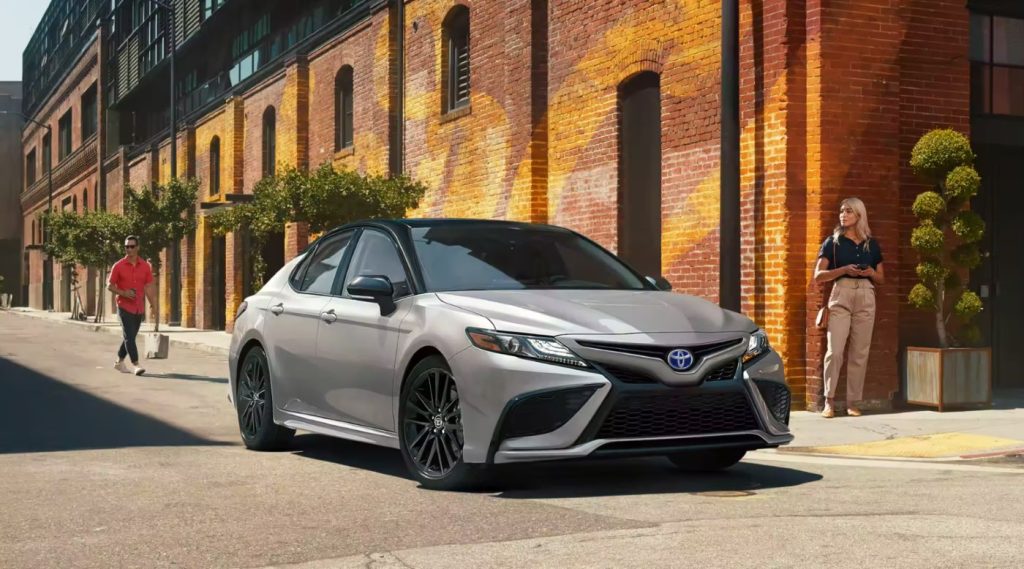
2. Toyota Camry
The Toyota Camry has built its reputation on being one of the most dependable sedans ever produced. Even older Camry models continue to provide rock-solid reliability, which is why they are still highly sought-after in the used market.
Known for smooth four- and six-cylinder engines, excellent fuel economy, and comfortable interiors, the Camry makes an ideal daily driver even 10 or 15 years after release. The fact that many Camrys easily cross 200,000 miles without major issues makes it a no-brainer for budget-conscious shoppers.
The 2019 Toyota Camry stands as one of the most compelling entries in the midsize family-sedan segment, offering far more than just its long-standing reputation for bulletproof reliability and strong resale value. With a highly fuel-efficient four-cylinder engine and an available hybrid variant, the Camry attracts eco-minded buyers.
While its performance may not match sportier competitors such as the Honda Accord and Mazda 6, the Camry delivers a smooth ride and balanced handling.
Toyota further bolsters its appeal by loading the sedan with standard driver-assistance technologies, underscoring its focus on safety and practicality. Although there are a few shortcomings, this latest iteration of the Camry clearly represents a rebirth for the nameplate.
For 2019, Toyota hasn’t introduced sweeping changes after the Camry’s complete redesign in 2018, but a handful of updates make the model more appealing. The most significant is the addition of standard Apple CarPlay, though Android Auto is still absent.
All trims now feature a Wi-Fi hotspot and a three-year subscription to Safety Connect, which includes emergency and roadside assistance services. Additional changes include a shark-fin antenna and fresh paint-color choices.
While the V-6–powered models are undeniably enjoyable, they carry a steep price premium. For most buyers, the SE four-cylinder strikes the best balance of affordability and features.
Standard equipment includes forward-collision warning, lane-keeping assist, adaptive cruise control, automatic climate control, and a leather-trimmed steering wheel with paddle shifters. Adding the optional package with a sunroof, blind-spot monitoring, rear cross-traffic alert, and passive keyless entry rounds out a very appealing configuration.
The Camry’s engine lineup brings more power than before. The standard four-cylinder is paired with a smooth eight-speed automatic transmission, though acceleration remains underwhelming.
A hybrid version uses a less powerful version of the same engine with a battery and two electric motors, providing efficiency but little excitement. The star of the lineup is the available 301-hp V-6 found in the XLE and XSE trims, which offers a refined, velvety driving experience.
Behind the wheel, the 2019 Camry is the most enjoyable version yet. Ride quality is controlled, handling is surprisingly responsive, and steering feels well-weighted, firm and confident in corners but light and manageable in tight spaces.
Brake feel is solid and reassuring across the lineup, though the hybrid version can feel overly sensitive at low speeds due to the blending of regenerative and friction braking, which can make parking maneuvers a bit jerky.
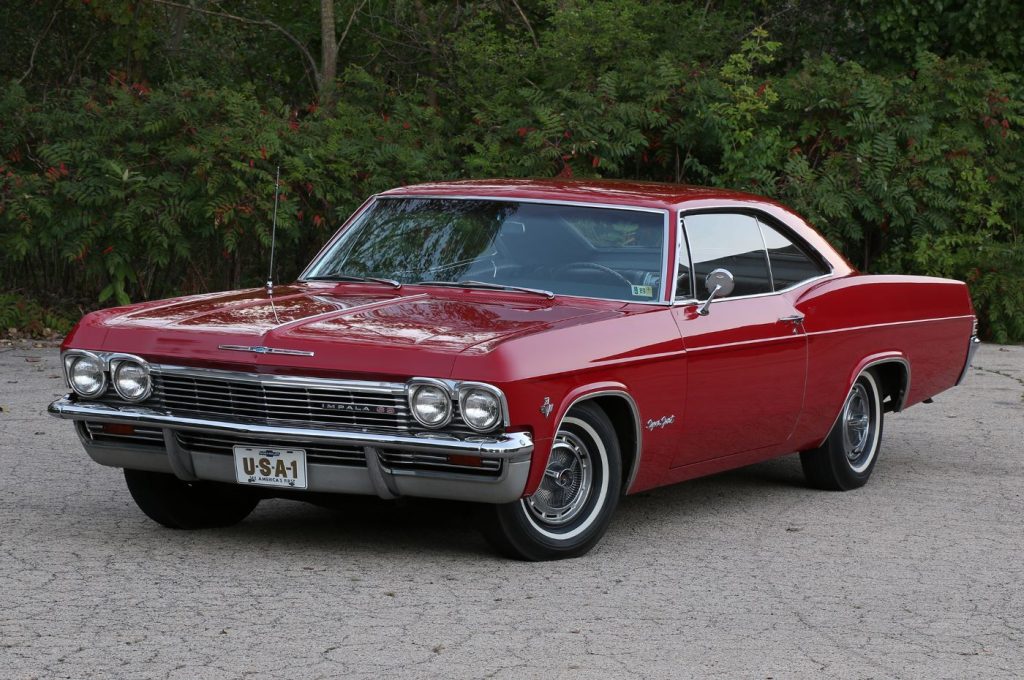
3. Chevrolet Impala
The Chevrolet Impala may be gone from Chevy’s lineup, but in the used market, it remains a gem. Known for spacious interiors and strong V6 engines, the Impala is particularly popular with families and commuters who want a large sedan that’s both comfortable and dependable.
Later generations also improved styling and cabin refinement, making it a genuinely attractive purchase even years after release. Many high-mileage Impalas continue to serve as reliable workhorses, proof of their durability.
4. Honda Civic Sedan
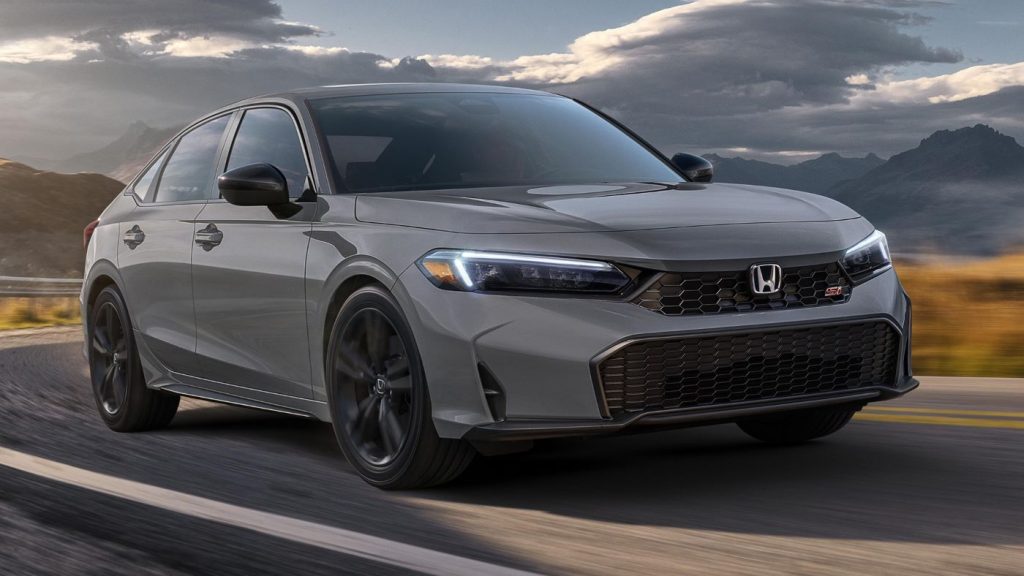
The Honda Civic sedan, like the Corolla, has been a cornerstone of the compact sedan market for decades. What makes the Civic stand out in the used market is its blend of efficiency and driving enjoyment.
Even older Civics remain fun to drive while being practical and reliable. Many enthusiasts still seek out manual transmission versions, but even the standard automatic-equipped models make excellent long-term buys. With simple maintenance, Civics often last well beyond 200,000 miles.
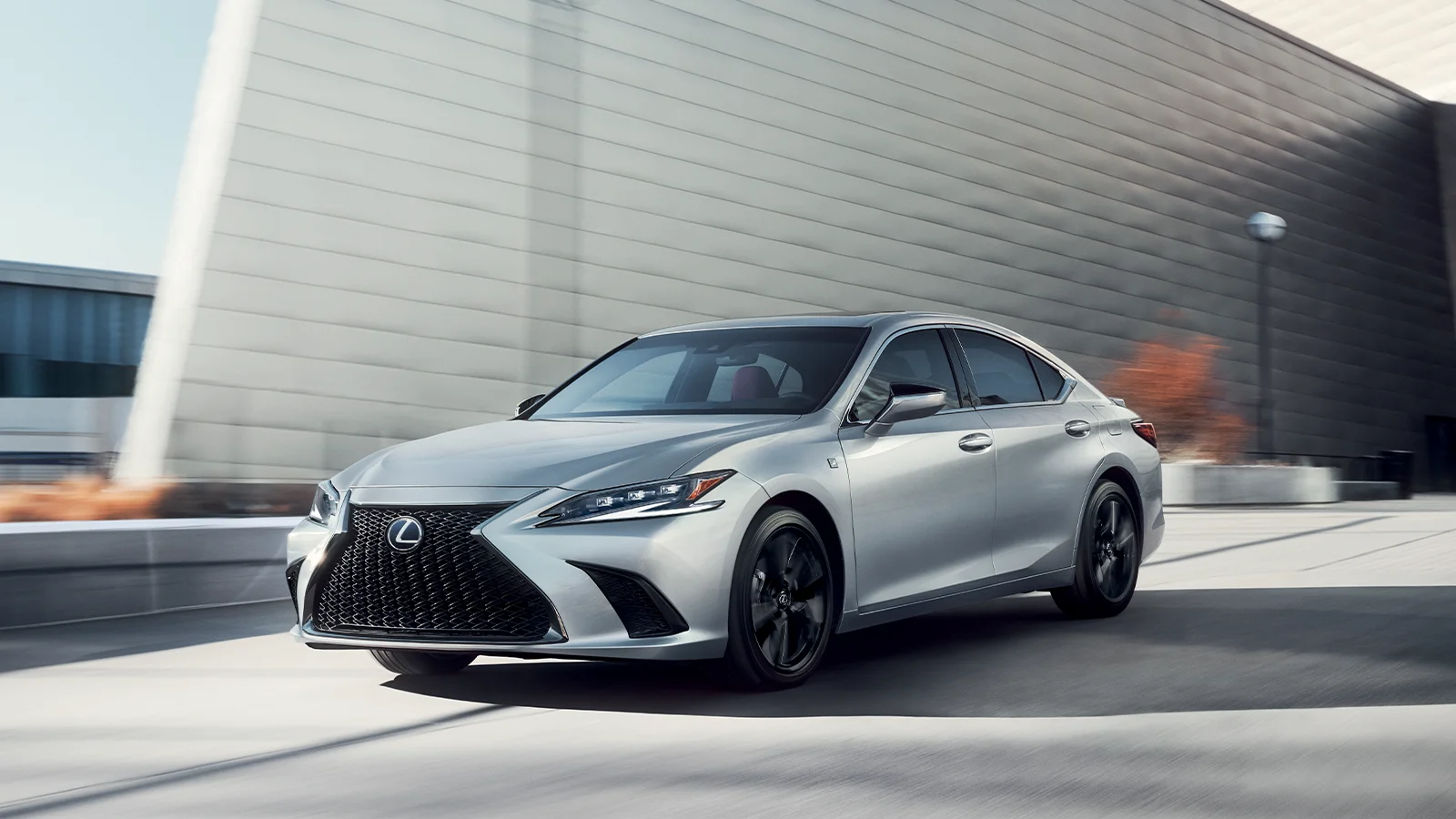
5. Lexus ES
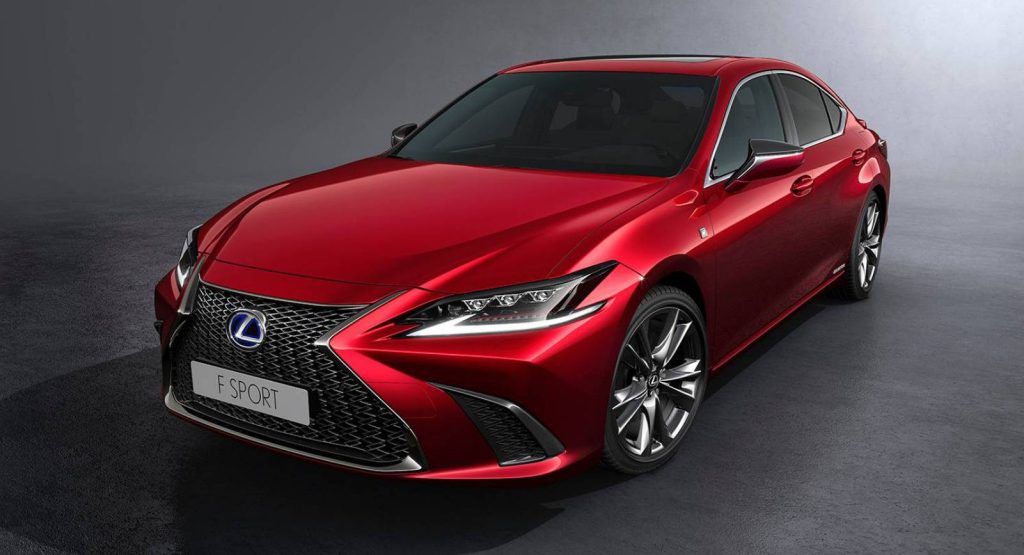
Luxury sedans usually lose their appeal once they age, but the Lexus ES defies that trend. Known for supreme comfort, whisper-quiet cabins, and an outstanding reputation for dependability, the ES remains a smart buy long after release.
Because it shares much of its mechanical foundation with the Toyota Camry, maintenance costs are surprisingly affordable for a luxury sedan. Buyers often find that a used Lexus ES delivers a premium experience without the headaches of European luxury brands.
6. Ford Fusion
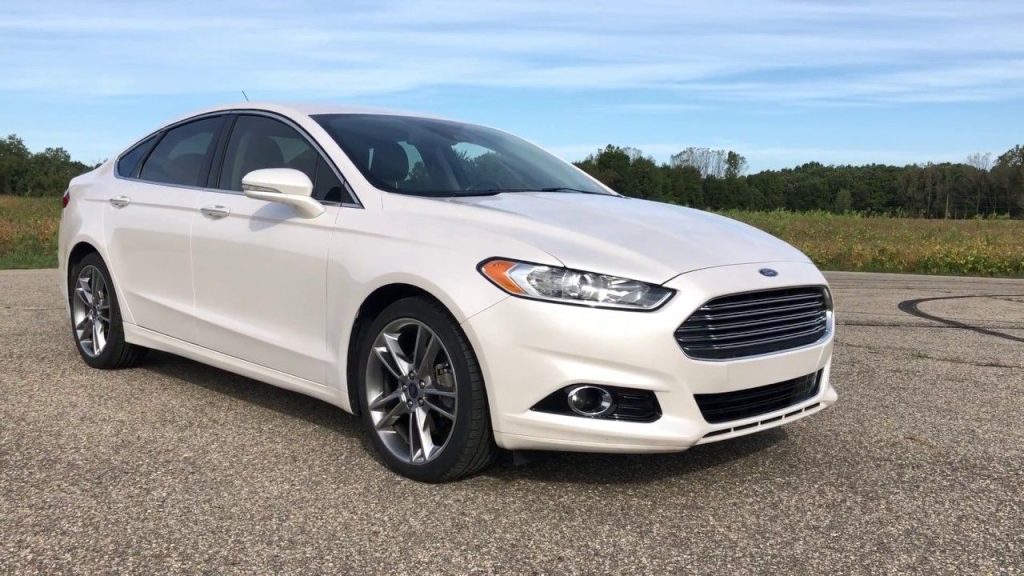
The Ford Fusion was discontinued after 2020, but it remains one of the strongest American sedan options on the used market. Known for sharp styling, solid handling, and a wide range of powertrains, including hybrids, the Fusion has aged well.
Later models, especially from 2015 onward, deliver an impressive mix of tech, safety features, and comfort that rivaled imports at the time. With good reliability ratings and attractive pricing today, the Fusion is a smart buy for those seeking a domestic alternative.
7. Honda Accord
The Honda Accord is another sedan legend, offering a balance of performance and practicality that few rivals can match. Older Accords, especially from the mid-2000s onward, are still considered some of the smartest used buys thanks to Honda’s bulletproof engineering.
The Accord’s engaging handling, spacious cabin, and reliable powertrains make it a favorite among families and commuters alike. Many Accords from a decade ago remain on the road with minimal problems, proving they’re built to last.
Smooth and steady, that’s what the Honda Accord is all about. The suspension absorbs bumps effectively, and the steering keeps this big sedan feeling composed through corners. It’s a setup built to make any drive feel engaging yet comfortable, from weekday commutes to family road trips.
Under the hood, you’ll find a 192-horsepower turbocharged four-cylinder engine offering more than enough zip. It teams up with a continuously variable automatic transmission (CVT) that copycats the feel of a standard automatic. This duo strikes a nice balance of power and efficiency.
Few nonhybrid midsize cars can match the fuel economy of the 2025 Honda Accord. It returns an EPA-estimated 29 mpg in the city and 37 mpg on the highway.
Interior 7.6/10
The Accord seats five in a cabin that focuses on space and comfort. Cloth upholstery comes standard, but you have to jump to the Accord Hybrid lineup to get upgrades like leather upholstery. Still, there’s loads of legroom front and back, and wide doors make it easy to get in and out, though taller back-seat passengers might find headroom a bit tight.
As for the trunk, it’s one of the largest in the class. It measures 16.7 cubic feet, easily accommodating a full load of bags from a long trip or a massive shopping haul. The base trim includes folding rear seats, while the SE gives you more versatility with rear seats that fold in a 60/40 split.
8. Nissan Altima
The Nissan Altima has had its ups and downs in reputation, but certain generations (notably mid-2010s models) are among the smartest used sedan purchases. Altimas offer roomy interiors, efficient engines, and a comfortable ride at prices that are usually lower than competitors.
While earlier models had issues with CVT transmissions, many examples have proven dependable when properly maintained. For buyers looking for an affordable midsize sedan with a balance of comfort and value, the Altima remains a good option.
The 2017 Nissan Altima continues largely unchanged from the previous model year. However, midway through 2017, Nissan revised the trim lineup by discontinuing the base model and the 3.5 SR trim levels.
In the midsize family-sedan category, quality standards and available features evolve rapidly. Technology once considered rare or exclusive, such as adaptive cruise control, has now become a must-have for many shoppers. With every new entry or redesign, expectations climb higher, forcing established models to keep pace.
It has been four years since the Altima last received a complete redesign, and that gap is noticeable when examining its interior styling and technology features. While the Altima’s cabin and infotainment once felt modern and competitive, updates from rivals such as Mazda, Honda, and Kia have left it looking a bit dated.
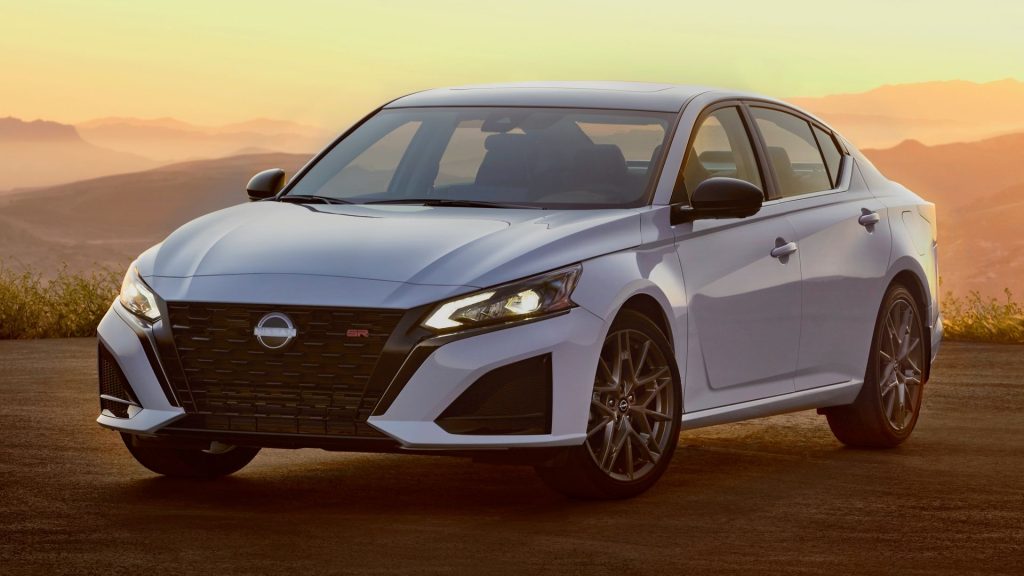
For 2017, the Altima carries over without major changes from the prior year’s refresh, which introduced subtle updates to the grille along with redesigned headlights and taillights.
That update also brought new safety features, including forward collision warning, automatic emergency braking, and adaptive cruise control.
Under the hood, the powertrain lineup remains unchanged, and that works in the Altima’s favor since it continues to deliver some of the best fuel economy numbers in its class. While the interior may lack freshness overall, the front seats, first introduced in 2013, still stand out for their outstanding comfort and support.
When measured against today’s competition, the 2017 Altima doesn’t carry the same weight it once did. It remains a capable and practical sedan, but compared with standout models like the Honda Accord, Mazda 6, Hyundai Sonata, and Kia Optima, it struggles to rise above.
Standard safety equipment for the 2017 Altima includes antilock brakes, stability and traction control, front-seat side airbags, and full-length side curtain airbags. A rearview camera is included on the 2.5 S trims and higher. SV and SL trims gain added driver-assistance technology such as blind-spot monitoring and rear cross-traffic alert.
Forward collision warning and automatic emergency braking are available exclusively on SL trims. In addition, the optional NissanConnect Services system provides features like automatic collision notification, emergency assistance, and stolen-vehicle tracking, further enhancing safety and peace of mind.
9. Toyota Corolla
While technically straddling the line between compact sedan and economy car, the Toyota Corolla deserves its place here. Known worldwide for reliability, the Corolla rarely leaves owners stranded, even after years of use.
Many used models continue to fetch strong resale values, which speaks volumes about buyer trust. Its modest engines, practical cabin, and stellar fuel economy make the Corolla an easy recommendation for anyone who simply wants a car that will keep running with minimal fuss.
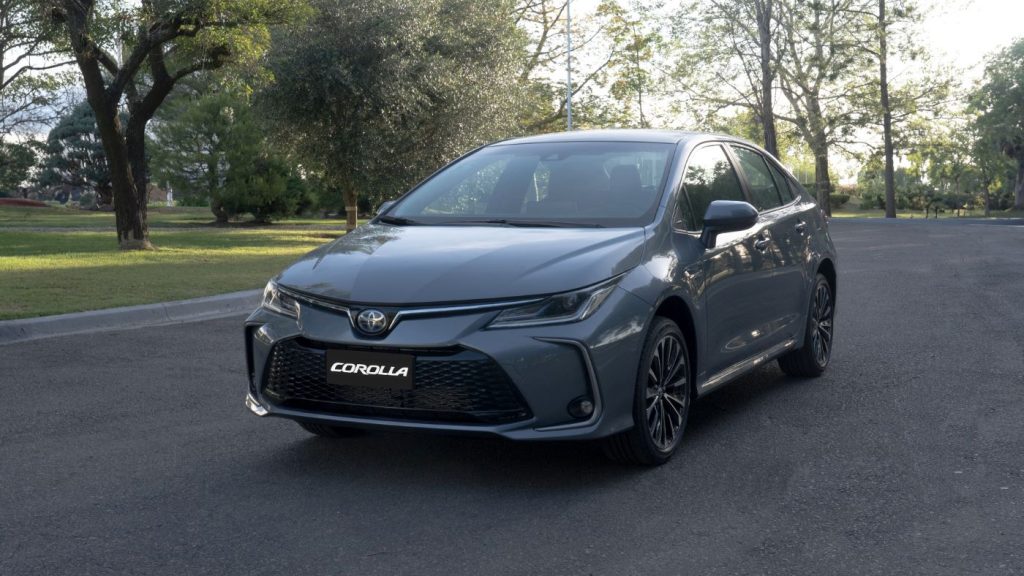
Toyota gave the Corolla a full redesign last year, transforming this traditionally capable but somewhat uninspiring small sedan into a model with a much-needed boost in style. The update allowed the Corolla to retain its hallmark comfort and efficiency while adding a fresher and more appealing look.
For 2021, changes are minimal, with the most notable addition being the new Apex Edition. This trim introduces a sportier edge to the Corolla lineup, thanks to its upgraded suspension and the option for grippy summer performance tires, both of which enhance handling and make the drive more engaging.
Overall, the Corolla continues to deliver its dependable blend of comfort and practicality, but now with an extra dash of personality.
10. Hyundai Sonata
The Hyundai Sonata has transformed dramatically over the years, and the models from the last 15 years have proven to be surprisingly durable. Once considered budget cars, Sonatas have evolved into stylish, tech-savvy sedans that can easily serve as dependable daily drivers even long after their release.
Thanks to Hyundai’s long warranties and solid build quality, used Sonatas remain a bargain compared to rivals, offering features like heated seats, advanced safety, and infotainment tech at a fraction of the price.
Sedans may no longer dominate US sales charts, but for drivers who value affordability, practicality, and long-lasting dependability, they remain one of the smartest choices in the used market.
The models on this list, from stalwarts like the Toyota Camry and Honda Accord to underrated gems like the Ford Fusion and Chevrolet Impala, continue to prove that age doesn’t always diminish value.
It might look futuristic coming at you, but what lurks under the 2025 Sonata’s aggressive sheetmetal is very much of the moment: a soft-riding family sedan. Not that that’s a bad thing.
A trio of powertrains is available, and while performance is decent in the base model four-cylinder and with the optional hybrid setup, it’s the 290-hp turbo four in the N Line trim that most has our attention. If you’re looking for a more laidback ride, the non-N models are more than up to the task.
All Sonatas come with a long list of standard features, including driver-assistance tech that’s quickly become a requirement for new-car buyers, and their pricing makes them very good values.
Essentially a carryover year, the 2025 Sonata sees the re-introduction of the base SE trim, which was not available in 2024.
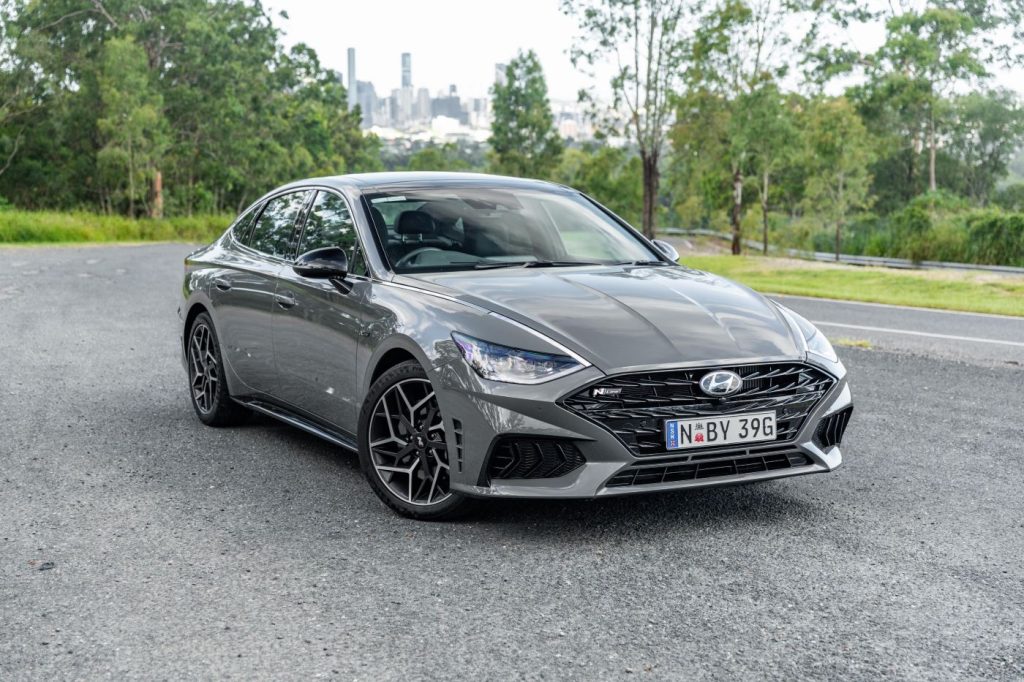
The Convenience package, formerly available as an option on the SEL is now a stand-alone trim called, you guessed it, the SEL Convenience. The console in the N-Line now features HVAC vents for the rear-seat passengers.
The entry-level SE makes sense for buyers where price is the single most important factor, but the N Line makes a good argument for its significant upcharge with its exclusive 290-hp turbo-four engine, larger brakes, and unique 19-inch wheels.
But it also gets comfortable sport seats, they are not as uncompromising as they sound, plus more aggressive front and rear bumpers and subtle black trim elements.
A wide variety of powertrains are available on the Sonata, starting with a 192-hp 2.5-liter four-cylinder and culminating in a 290-hp turbo-four. While most models are front-wheel drive, all-wheel drive is available with the base 2.5-liter four-cylinder.
The Sonata is not the sharpest handler in its class, the Accord and the Nissan Altima are both more engaging to drive, but it’s still composed and adequately responsive. We’d also like to commend Hyundai for continuing to offer a conventional automatic transmission in its family sedan.
Much of the class has gone over to droning (but efficient) continuously variable automatic transmissions (CVTs). During our time with the Sonata hybrid, which pairs a 2.0-liter four-cylinder with a motor-generator that combines for 192 horses, we appreciated its fuel-saving efforts but disliked how it didn’t transition smoothly between gas and electric power sources.
While our most recent test of the 290-hp Sonata N Line delivered inferior performance figures to the 2021 model we tested, we attribute the discrepancy to a difference in tires.
Revisions to the newer N Line’s eight-speed dual-clutch transmission and launch control system make it much more pleasant to daily drive and more consistent off the line.
0-60-MPH Times
In our most recent test of the 290-hp N Line, our 2024 test car reached 60 mph in 5.4 seconds, 0.4 second slower than our 2021 car managed. We blame the discrepancy on the now-discontinued summer-tire option, leaving us with all-season test tires this time around.
While the newer car might appear slower on paper, its improved launch control feature does a better job of mitigating tire spin off the line, making 60 mph sprints easier to repeat. Even without summer tires, the 2024 N Line dusts both the hybrid Honda Accord and the all-wheel-drive Toyota Camry to 60 mph and through the quarter-mile by a second or more.
For American buyers, choosing one of these sedans long after release means getting a vehicle that balances reliability, comfort, and affordability without falling victim to the high costs of newer SUVs. If anything, their enduring appeal shows that sedans remain quietly indispensable, even in today’s SUV-driven world.
