
Buying an SUV is more than just a financial investment, it’s a long-term commitment. In the U.S., where families depend on vehicles for everything from commuting to cross-country road trips, the durability of an SUV matters just as much as comfort, performance, and fuel economy.
For many drivers, the ultimate test of a vehicle’s worth is whether it can power through the 250,000-mile mark without turning into a money pit.
While plenty of SUVs promise style and capability, only a select few have earned a reputation for truly standing the test of time.
These models are backed by owner reports, longevity studies, and decades of proven reliability on American roads. If you’re shopping for a vehicle that can go the distance, here are 12 SUVs that remain rock solid long after the odometer has crossed 250k miles.
1. Toyota Land Cruiser
The Toyota Land Cruiser has built its legend on durability. Known worldwide as a go-anywhere, do-anything SUV, it was designed for punishing terrains where failure isn’t an option.
In the U.S., many owners report comfortably pushing past 300,000 miles with only routine maintenance. Its body-on-frame construction, overbuilt engine components, and reputation for reliability make it a favorite among off-roaders and long-distance travelers.
While Toyota retired the Land Cruiser from the U.S. lineup in 2021, used models remain a highly sought-after choice for those who value longevity over luxury trends.
The Toyota Land Cruiser has earned a legendary reputation as an off-road SUV, though the current model leans more toward luxury than rugged adventure. Still, this large two- or three-row SUV remains solidly built and impressively capable.
While it doesn’t match the opulence of its corporate sibling, the Lexus LX, the Land Cruiser offers numerous upscale features that attempt to justify its high price tag. Its interior may not wow us, but we appreciate the serious, trail-ready equipment, including a two-speed transfer case and a locking center differential.
The standard 381-hp V-8 engine isn’t remarkable and isn’t very fuel-efficient, yet it powers the SUV with confidence. Though the 2021 Land Cruiser lacks the prestige of some similarly priced vehicles, it outperforms most of them off the beaten path, a key point for the few buyers who will actually take it there.
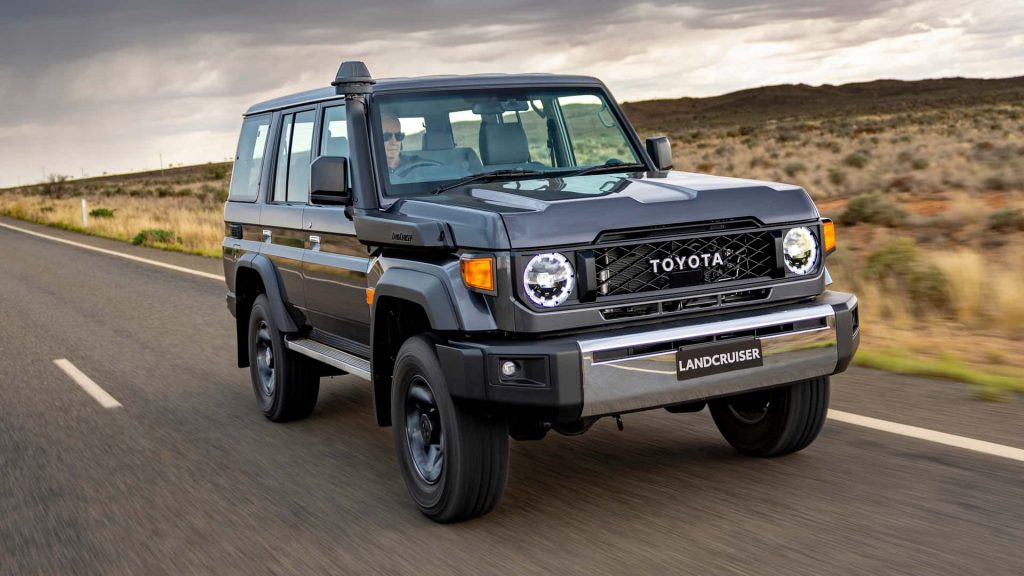
The Land Cruiser carries over mostly unchanged for 2021. The Heritage Edition now offers an optional third row of seats, and the top trim adds two new metallic colors: Classic Silver and Magnetic Gray.
Toyota will not produce a 2022 Land Cruiser, but the model may return in the future with a modernized design, updated technology, and a more luxurious cabin.
Though incredibly capable, the Land Cruiser is also very expensive compared to other large non-luxury SUVs. If we were spending this much on Toyota’s flagship three-row SUV, we’d choose the Heritage Edition.
It comes loaded with desirable features, including a 14-speaker JBL audio system, a multi-view camera system for navigating obstacles, four-zone climate control, heated and ventilated front seats, leather upholstery, a 9.0-inch touchscreen infotainment system, and wireless charging.
The Heritage Edition also stands out with a unique grille, rooftop rack, bronze 18-inch BBS wheels, and dark exterior accents. The new third-row option is ideal for bringing along more passengers on off-road adventures.
2. Honda Pilot
Honda has long been synonymous with reliability, and the Pilot is no exception. As a midsize crossover SUV, it strikes the balance between practicality and endurance.
Many owners report their Pilots lasting beyond 250k miles with the original engine and transmission still performing well. Its strong V6 engine, simple mechanics, and Honda’s history of well-engineered drivetrains contribute to its long life.
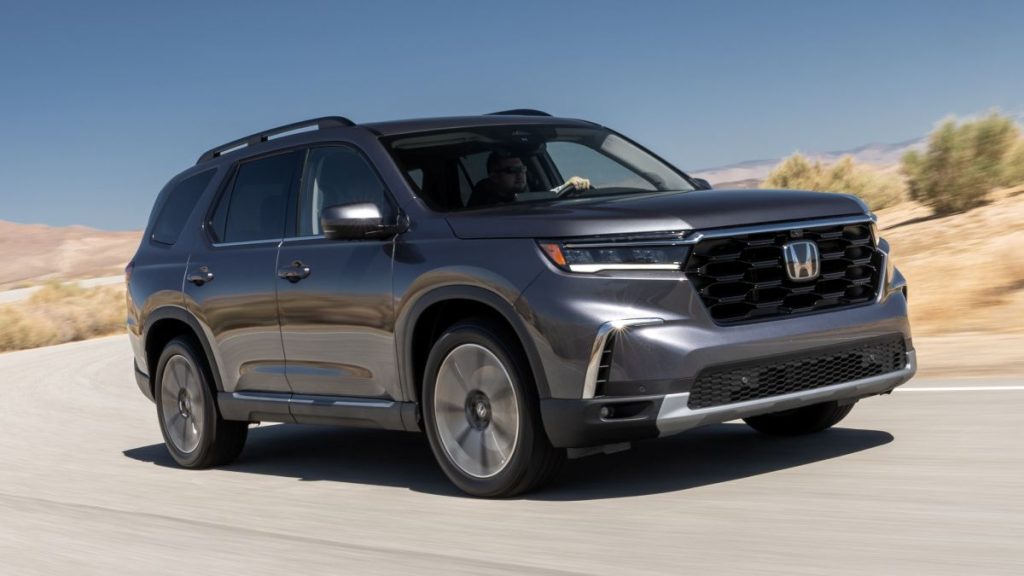
Families who need a dependable people-hauler often gravitate toward the Pilot for its low maintenance needs and proven record of durability.
3. Toyota 4Runner
The Toyota 4Runner is one of the last SUVs that has stayed true to its rugged roots. Unlike many crossovers, it continues to be built on a truck-like frame that is better equipped to handle both time and terrain. Owners often drive their 4Runners well past 250k miles, and with proper care, hitting 300k isn’t unusual.
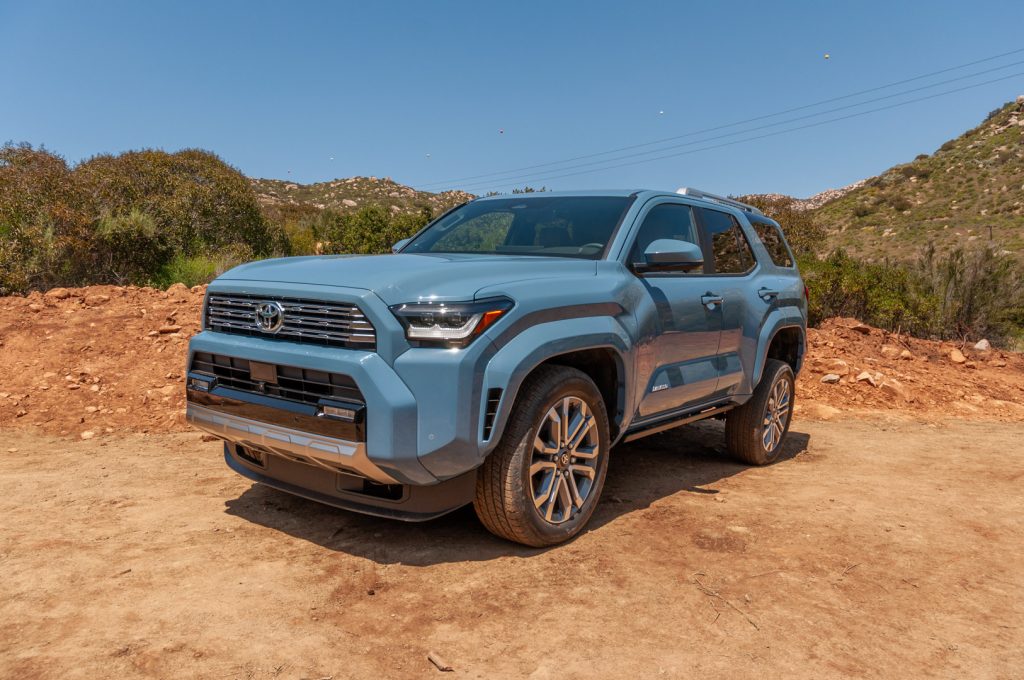
Its simple V6 engines, durable suspension, and conservative approach to updates make it less prone to failure compared to newer, tech-heavy competitors. For buyers who need a reliable SUV that doubles as a long-term off-roader, the 4Runner is hard to beat.
4. Ford Expedition
Ford’s largest SUV, the Expedition, has proven that domestic manufacturers can build SUVs with staying power. Powered by robust V8 engines in older generations (and EcoBoost V6 engines more recently), the Expedition has consistently been reported as lasting well beyond 250k miles when properly maintained.
Its size makes it a favorite among large families, but it also has heavy-duty underpinnings derived from Ford’s truck line. This shared engineering gives it the strength to endure long-distance travel and years of wear and tear.
If you’re looking for a full-size, three-row SUV to carry family, friends, and gear, the Ford Expedition is an excellent choice.
Last year, Ford completely redesigned both the standard Expedition and the larger Expedition Max, giving them modern styling cues inspired by the current F-150 pickups, with which they share many underlying components. With that redesign still fresh, we expect only minor updates for the 2026 Ford Expedition.
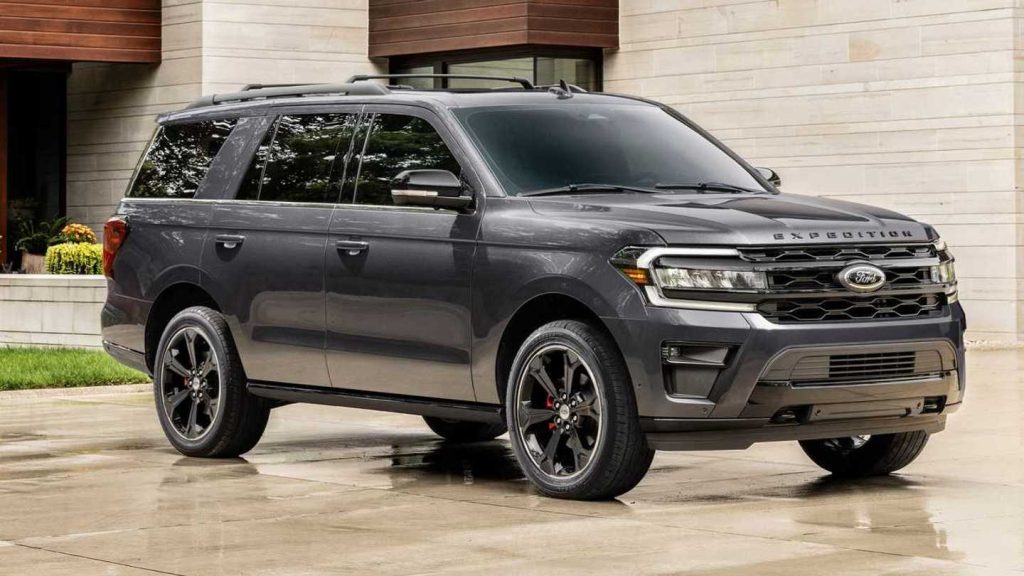
The most noticeable updates to the newest Expedition are inside, where the interior has been fully overhauled to look more refined and visually appealing. Your attention is immediately drawn to the 13.2-inch center touchscreen and the massive 24-inch display mounted above the dash.
The larger display provides traditional driver information like speed and engine RPM, but it can also mirror navigation and other infotainment content, helping drivers keep their eyes on the road. Plus, it’s user-configurable.
Another feature we like is the redesigned split tailgate. The upper three-quarters opens like a conventional tailgate, while the lower section folds down like a truck tailgate and is sturdy enough to sit on.
5. Chevrolet Suburban
Few SUVs have a more iconic reputation in America than the Chevy Suburban. It has been on the market since 1935, making it the longest-running nameplate in automotive history. Known for hauling families, boats, trailers, and just about anything else, the Suburban has built a reputation for durability that extends past 250k miles.
Many fleet and government-owned Suburbans reach the 300k mark, thanks to their robust truck-based design and long-lasting V8 engines. While it may be a gas guzzler, the Suburban’s toughness makes it one of the most reliable SUVs in American history.
The Chevrolet Suburban is the longest-running nameplate in the U.S., in continuous production since 1935. Now in its 12th generation, it continues to deliver exceptional cargo and passenger capacity along with a high towing capability for those who need more space and power than a typical three-row crossover.
The Suburban is roomy, comfortable, and strong, especially when equipped with one of the available engines, but finding a parking spot for it can be a challenge.
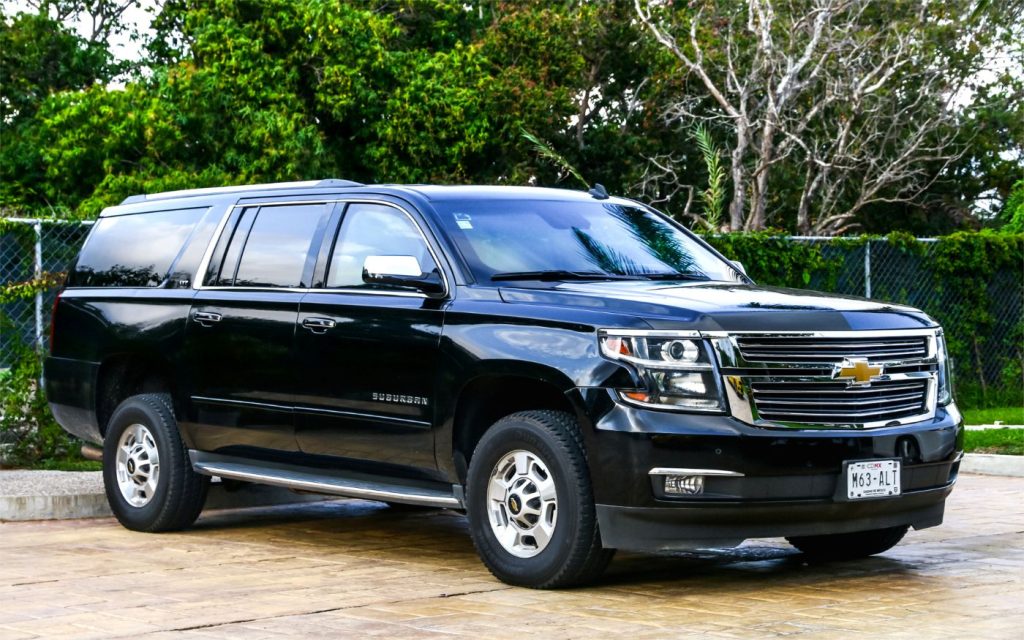
Like its Tahoe sibling, the Suburban gets a major refresh for 2025, with updated technology, a more powerful optional diesel engine, and refreshed styling inside and out.
The headline change is the infotainment system, which upgrades from a 10.2-inch touchscreen to a wide 17.7-inch unit featuring integrated Google Maps and Google Assistant. The larger screen also cleans up the previously cluttered center stack.
The optional turbodiesel inline-six gains 28 horsepower and 35 lb-ft of torque and is now offered on the Z71 trim. On the safety front, the Suburban adds a 360-degree camera, rear cross-traffic automatic braking, adaptive cruise control, and an automatic parking system as standard features.
Additionally, GM’s Super Cruise hands-free driver-assist technology is available on all trims except the base LS and off-road-focused Z71.
6. Lexus GX 460
The Lexus GX is essentially a luxury version of the Toyota Land Cruiser Prado, which has been a global workhorse for decades. Built with a strong V8 engine and body-on-frame construction, the GX offers a mix of luxury and rugged durability.
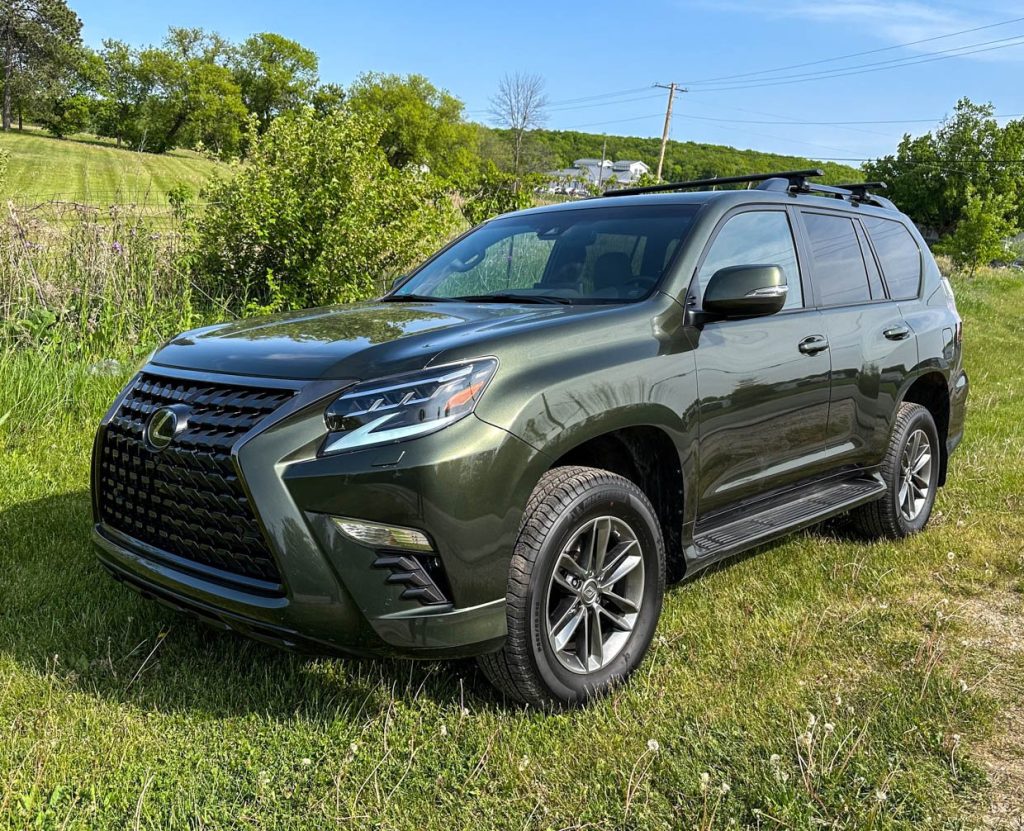
Many owners in the U.S. have praised the GX for lasting past 250k miles with little more than regular oil changes and scheduled maintenance. Despite its upscale interior, the GX is mechanically conservative, which is a big reason why it can stay on the road for decades.
7. Honda CR-V
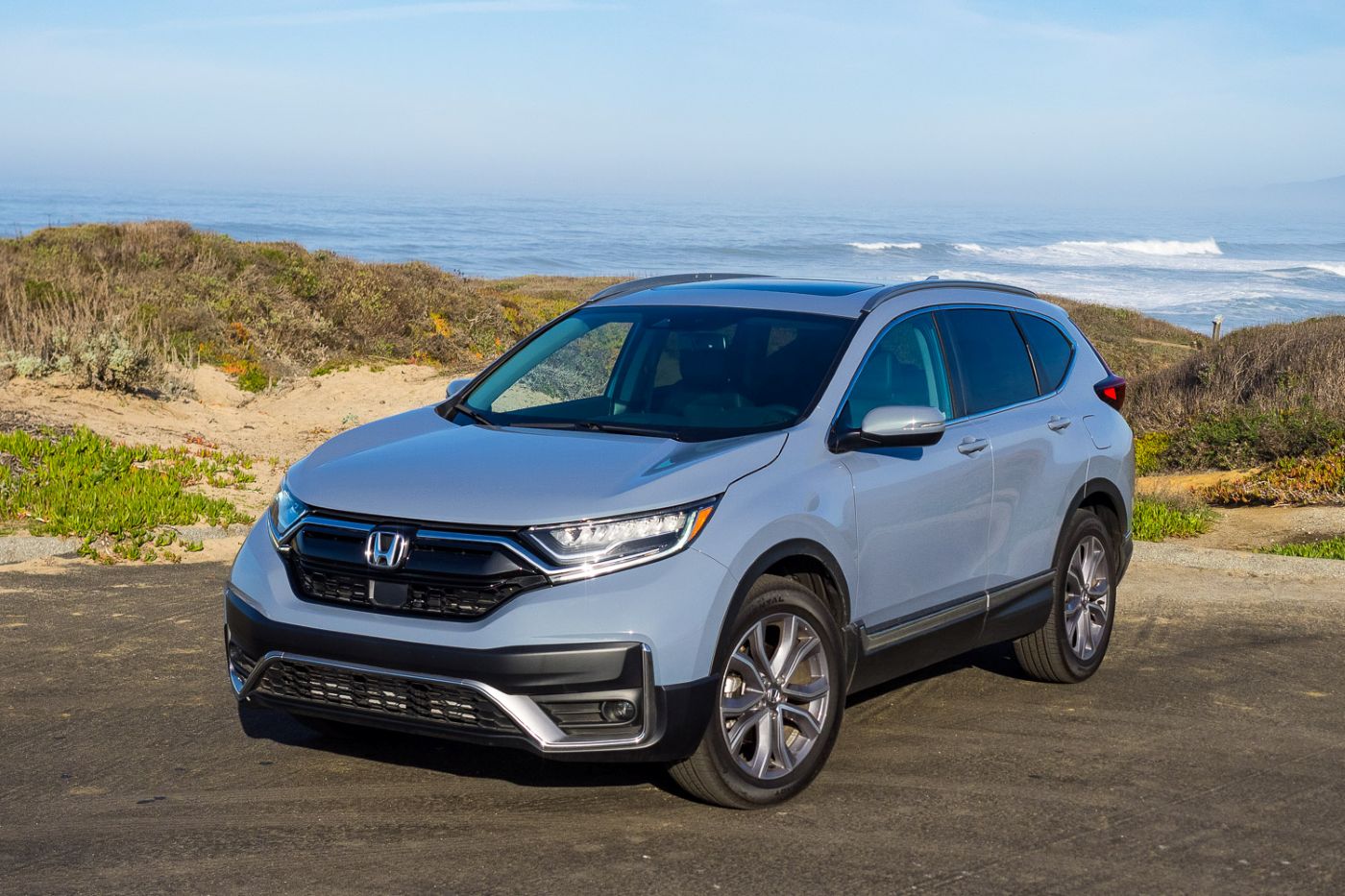
Compact SUVs aren’t typically associated with extreme longevity, but the Honda CR-V has been an exception. Known for its efficiency and reliability, the CR-V often makes it to 250k miles and beyond, especially in the hands of owners who keep up with maintenance.
Its small but durable engines are engineered for dependability rather than speed, and Honda’s reputation for making bulletproof transmissions carries through here. For Americans who want a fuel-efficient SUV that won’t quit after a decade, the CR-V is an excellent choice.
In many ways, the 2021 Honda CR-V is the quintessential small SUV. It’s roomy without feeling oversized, comfortable without being soft or floaty, and highly practical thanks to abundant cargo space.
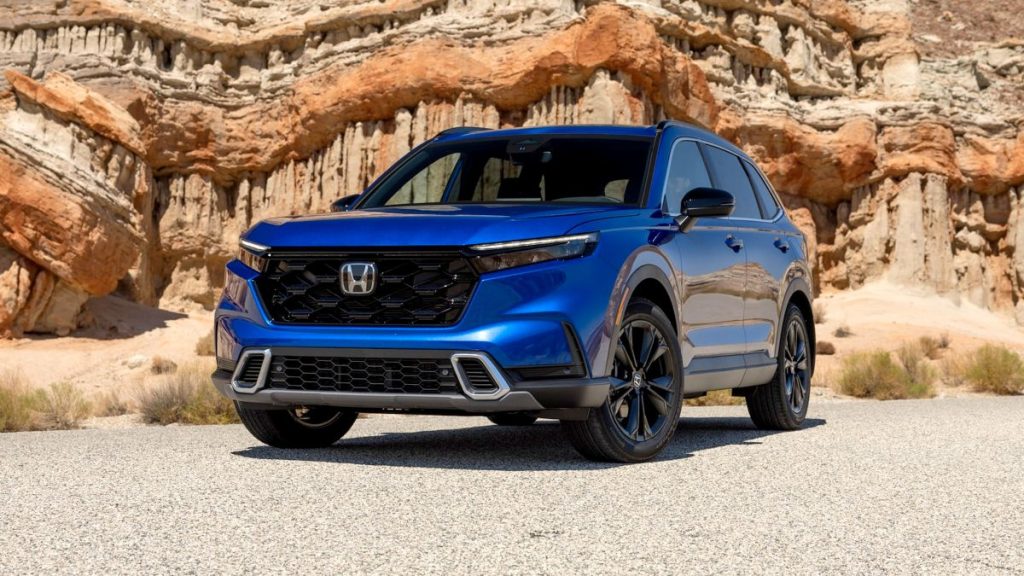
It’s also easy to drive and offers available all-wheel drive. What sets the CR-V apart, though, is its ability to handle all of these traits just a little better than most competitors.
The CR-V competes in one of the most fiercely contested segments, with nearly every mainstream automaker offering a similarly sized and priced crossover SUV. Notable rivals include the upscale Mazda CX-5, the well-equipped Nissan Rogue, and the adventure-ready Subaru Forester.
8. Toyota Highlander
For families seeking a reliable crossover, the Toyota Highlander is one of the most dependable names around. It shares much of its engineering with the Toyota Camry, a sedan famous for running nearly forever. That DNA carries over, giving the Highlander a reputation for reliability and long life.
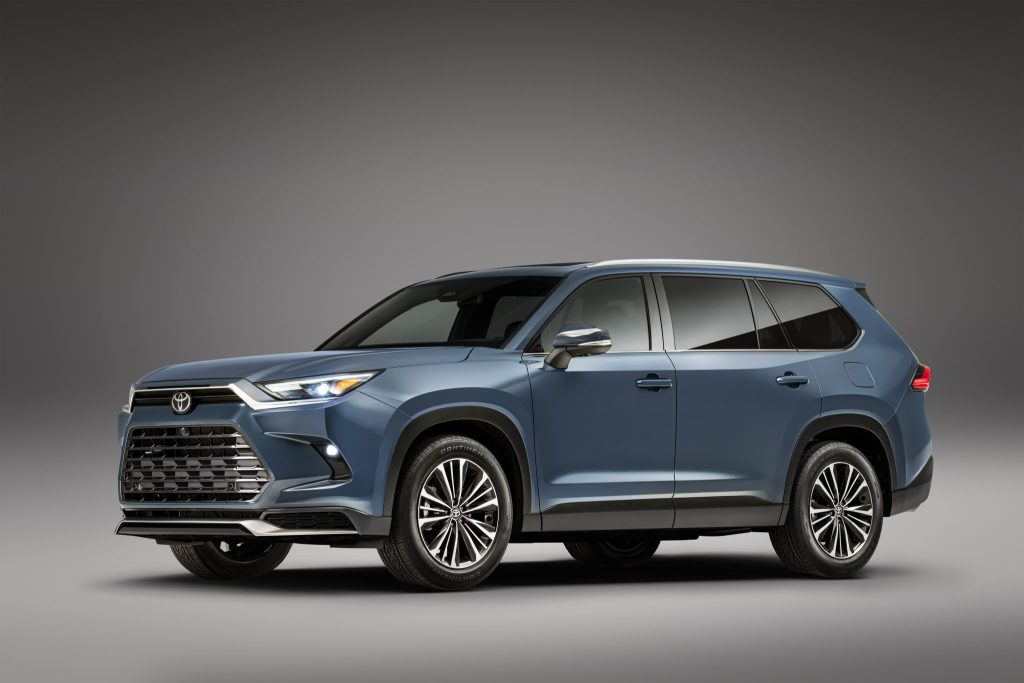
Many owners have reported surpassing the 250k-mile mark with few issues beyond routine maintenance. The Highlander’s strong resale value in the U.S. is a testament to its durability and trustworthiness.
9. Chevrolet Tahoe
Closely related to the Suburban, the Chevy Tahoe delivers the same rugged design in a slightly smaller package. Like its big brother, the Tahoe is often found with odometers well past 250k miles, especially in fleet or government use.
Its truck-based frame and hearty engines make it a favorite for buyers who want durability without stepping up to the size of a Suburban. Many American households choose the Tahoe for its balance of practicality and resilience.
There’s a lot to like about the full-size Chevrolet Tahoe. This spacious SUV can seat up to eight passengers and, like its longer Suburban sibling, offers three powertrain options, all paired with a 10-speed automatic transmission and available rear- or four-wheel drive.
The base engine is a smooth 355-hp V-8, with a more powerful 420-hp V-8 available above it. For those focused on fuel efficiency, the turbocharged Duramax diesel provides better mileage than the gas V-8s.
All Tahoes come standard with three rows of seats, while optional features like all-terrain tires and adjustable air suspension enhance the SUV’s versatility and off-road capability. Buyers seeking a slightly more upscale take on the same platform can consider the GMC Yukon, which adds extra amenities in a more premium package.
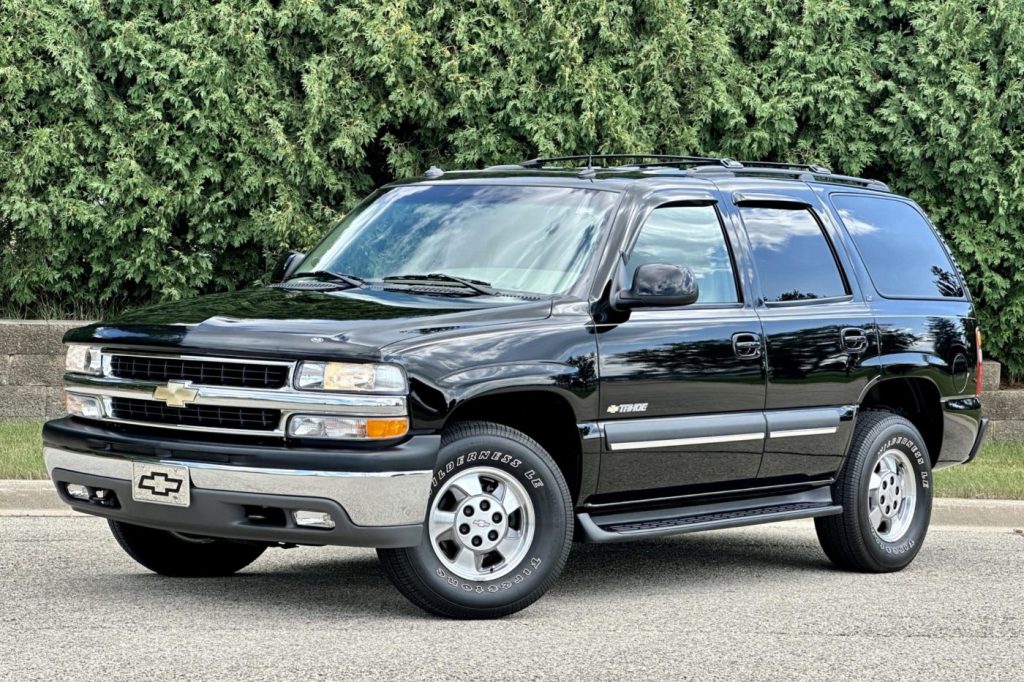
We believe the mid-level RST and Z71 trims offer the best value. The RST is slightly flashier, while the Z71 is tailored for adventurous drivers with standard four-wheel drive, rugged styling, and exclusive off-road equipment.
Upgrading from the standard 5.3-liter V-8 to the new 6.2-liter V-8 adds 65 horsepower and 77 lb-ft of torque. A Z71 equipped with the Z71 Signature package also gains features like blind-spot monitoring, a heated steering wheel and second-row seats, memory settings, a panoramic sunroof, power-folding third row, and enhanced towing equipment.
The Tahoe continues its tradition of V-8 power, now complemented by a 3.0-liter diesel six-cylinder. The standard 355-hp 5.3-liter and available 420-hp 6.2-liter engines provide strong performance, while the diesel’s 460 lb-ft of torque matches that of the bigger V-8.
All models come with a 10-speed automatic and your choice of rear- or all-wheel drive. We tested the off-road-oriented Z71 with the standard V-8, which includes a two-speed transfer case for traditional 4WD, 20-inch all-terrain tires, and underbody protection.
The Tahoe delivered adequate acceleration, firm brakes, and a quiet cabin at highway speeds. The Z71 also comes with air springs and adaptive dampers, features standard on the Premier and High Country trims, allowing adjustable ride height. The RST and Premier ride on 22-inch wheels for added curb appeal.
The Tahoe offers both passenger and towing capability in one package. Seating up to eight, it can tow up to 8,400 pounds with rear-wheel drive and the 5.3-liter V-8.
The 6.2-liter maxes out at 8,300 pounds, while the Duramax diesel reaches 8,200 pounds. Four-wheel drive reduces these ratings by roughly 200 pounds across all engines.
The most fuel-efficient Tahoe is the diesel model, rated at 21 mpg city and 28 mpg highway. The standard 5.3-liter V-8 is slightly more efficient than the 6.2-liter in city driving, with both rated at 20 mpg on the highway. In real-world testing at 75 mph, the diesel Tahoe achieved 27 mpg.
10. Acura MDX
The Acura MDX combines Honda’s legendary reliability with a premium badge. As one of the best-selling luxury SUVs in the U.S., the MDX has proven that luxury doesn’t have to compromise dependability. Many owners have driven their MDXs past 250k miles with little more than consistent servicing.
Acura’s simple but refined V6 engines are designed for longevity, and the MDX’s family-friendly design ensures that it’s both practical and long-lasting.
Acura has been busy updating its small lineup of cars and SUVs, including the three-row MDX, which recently received a comprehensive overhaul. The SUV adopts handsome styling cues from the compact RDX and TLX sedan, while the cabin now features luxury materials and amenities befitting Acura’s premium badge.
The base powertrain is a 290-hp 3.5-liter V-6 paired with a 10-speed automatic, with front-wheel drive standard and all-wheel drive optional. For those seeking more performance, the Type S model offers a turbocharged 355-hp 3.0-liter V-6 with standard all-wheel drive.
Driving enthusiasts will likely gravitate toward the Type S for its sporty performance. For those seeking a well-equipped luxury crossover without the extra punch, the Technology trim is a strong choice, offering leather upholstery with contrast stitching, adjustable interior ambient lighting, a 12-speaker ELS Studio stereo, and low-speed front and rear automated emergency braking.
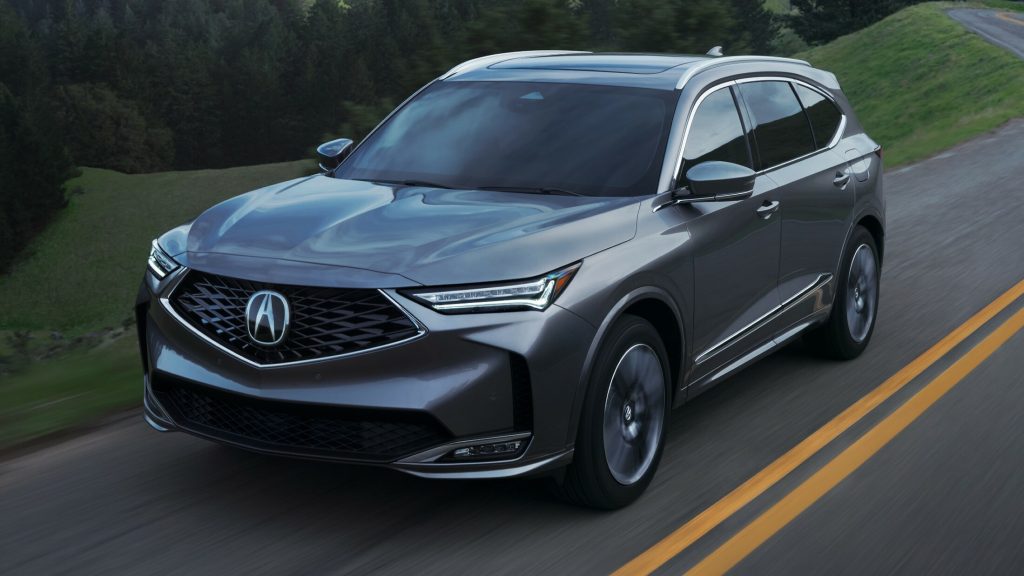
The standard MDX keeps the 290-hp 3.5-liter V-6 but now pairs it with a 10-speed automatic instead of the previous nine-speed. Front-wheel drive is standard, with all-wheel drive optional. The Type S turbocharged 3.0-liter V-6 comes with 355 hp and standard all-wheel drive.
On the road, the all-wheel-drive Advance trim delivers nimble handling and responsive acceleration, while the Type S enhances agility and adds noticeable power. At the test track, the Type S reached 60 mph in 5.5 seconds, compared with 6.4 seconds for the standard model.
The base MDX is rated at 19 mpg city and 26 mpg highway, while the Type S is rated at 17/21 mpg. In our 75-mph highway test, an all-wheel-drive A-Spec delivered 22 mpg, and the Type S returned 23 mpg.
The MDX cabin now feels far more premium than the 2020 model, with French-stitched leather on the dash, open-pore wood, metal, and piano-black accents. Comfort features include dual-zone automatic climate control, heated front seats, and leather upholstery.
Front seats are supportive and can be equipped with 16-way power adjustments and massage functionality. Passenger space is ample in the first and second rows, but the third row remains best suited for children.
While the cabin is well-designed and convenient, it doesn’t quite match the luxury feel of rivals like the Genesis GV80 or Volvo XC90.
11. Toyota Sequoia
If the Land Cruiser is Toyota’s global legend, the Sequoia is its U.S.-focused equivalent. Built on the same platform as the Toyota Tundra pickup, the Sequoia is a massive SUV designed for American families.
With its durable V8 engine, body-on-frame construction, and Toyota’s reputation for overengineering, it’s common for Sequoias to last 250k miles and beyond. Many are still going strong after 20 years of heavy use, making it one of the most dependable full-size SUVs on the market.
The 2026 Toyota Sequoia is Toyota’s largest SUV, offering three rows of seating, bold styling, and impressive off-road capability, especially in the rugged TRD Pro trim.
The Sequoia stands out from its competitors with a standard hybrid powertrain that delivers strong performance while maintaining good fuel efficiency. While it isn’t as spacious as some rival SUVs, the Sequoia makes up for it with a blend of capability and features that appeal to large families.
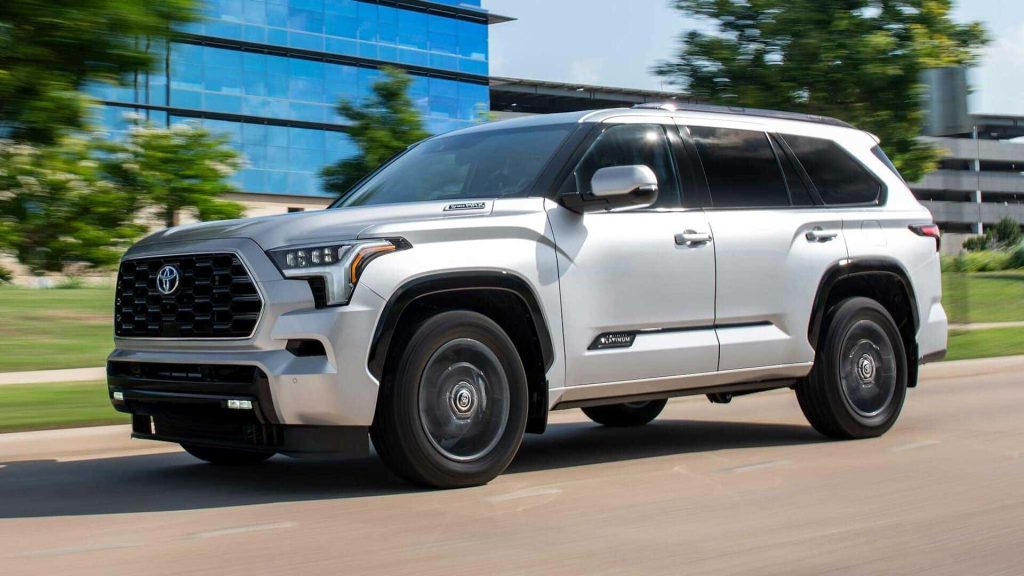
The TRD Pro is the standout Sequoia model for off-road enthusiasts. With all-terrain tires and rugged styling cues, it looks ready for adventure, and it delivers with extra hardware like oversized skid plates and a specially tuned suspension.
For buyers who enjoy camping or venturing off the beaten path, the TRD Pro is the ultimate Sequoia for tackling the outdoors.
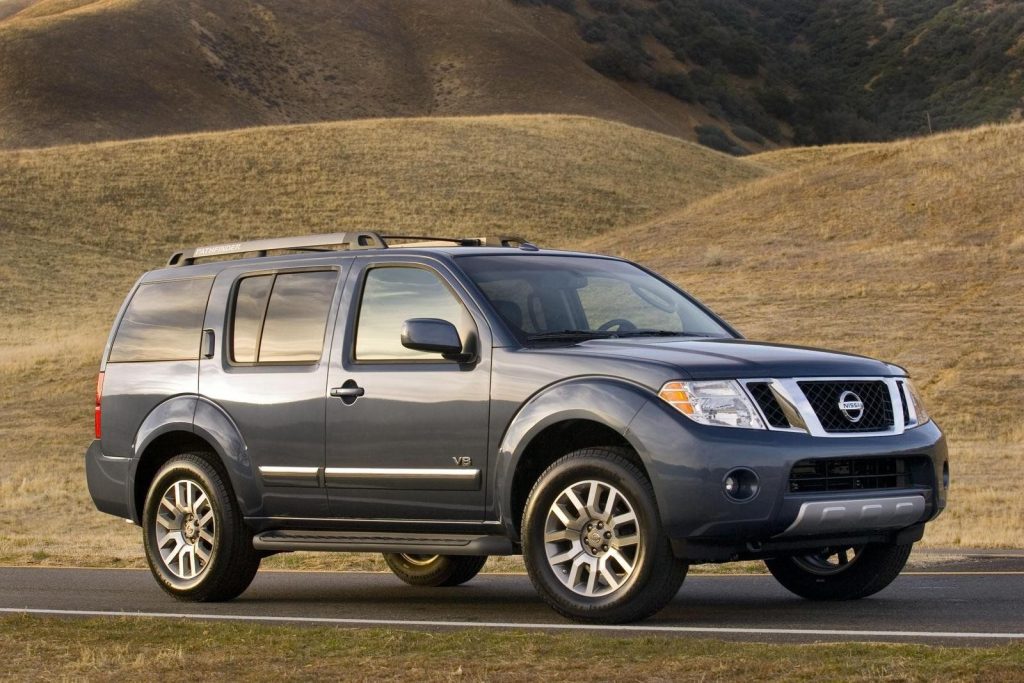
12. Nissan Pathfinder
While recent Pathfinders have leaned more toward being crossovers, older body-on-frame Pathfinders from the early 2000s are still highly regarded for their durability.
Many of these SUVs are still on American roads today, comfortably surpassing 250k miles. Known for their simple V6 engines and truck-like underpinnings, these older Pathfinders are proof that Nissan once built SUVs that could go toe-to-toe with Toyota and Honda in terms of longevity.
In the U.S., where vehicles often rack up tens of thousands of miles every year, buying an SUV with proven durability can save thousands in repairs and replacement costs.
While every car requires maintenance, the SUVs on this list have proven themselves capable of lasting far beyond 250k miles when properly cared for. From Toyota’s bulletproof engineering to GM’s truck-based giants and Honda’s reliable drivetrains, these vehicles have earned their reputations as long-distance champions.
If you’re looking for a used SUV that won’t let you down in the long run, these 12 models are some of the safest bets you can make. With the right upkeep, they’ll not only get you past 250,000 miles, they might just carry you well beyond 300k.
