
The 1990s were a golden age for cars in the United States. It was a decade that balanced old-school durability with the rise of modern technology, giving us vehicles that were both simple enough to last and advanced enough to still feel usable today.
Unlike many fragile cars from later decades, plenty of ’90s models remain on the road in 2025, faithfully serving as daily drivers for those who appreciate their reliability, comfort, and character.
Here are 10 cars from the ’90s that are still going strong more than 25 years later.
Toyota Camry (1992–1996)
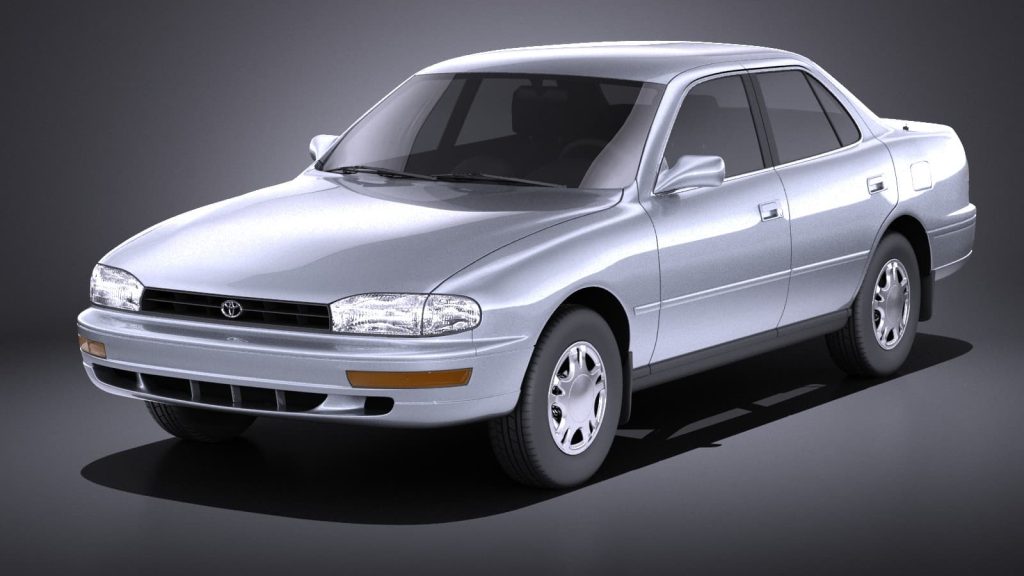
The early-to-mid ’90s Toyota Camry has become legendary for its bulletproof durability. These midsize sedans were overbuilt with simple four- and six-cylinder engines that can easily surpass 300,000 miles.
Many U.S. families who bought them new in the ’90s still have them in the driveway today, often handed down to younger drivers.
Even in 2025, the Camry is still a practical daily driver thanks to comfortable seating, a spacious cabin, and inexpensive maintenance. Its reputation as one of the most reliable cars ever built ensures that plenty remain on the road.
The Camry has emerged as the new benchmark for midsize sedans. It comfortably seats five adults, offers styling that is tasteful yet restrained, delivers impressive performance from the available 24-valve 3.0-liter V6, and maintains an affordable price point so long as buyers don’t go overboard with options.
Toyota is pursuing the top sales position with determination. This year’s Camry is bigger and more powerful than its predecessor, yet it carries a lower price tag.
The coupe and wagon versions have been discontinued, but for the first time, base CE models can be paired with the V6 engine.
Antilock brakes are now standard on all but the most basic trims, while an integrated child-safety seat is available as an option across the lineup. For V6 buyers, traction control can also be added to improve handling in poor weather conditions.
The latest Camry can be tailored to serve as either a durable family vehicle or a comfortable touring sedan. Higher-end LE and XLE trims offer upscale amenities such as a premium sound system, leather interior appointments, and a power moonroof.
When equipped with the V6, the Camry delivers strong acceleration. The antilock braking system ensures quick, confident stops, and the sedan maintains impressive stability through corners despite its modest all-season tires.
Inside, a wheelbase extended by two inches has given designers the ability to create the most spacious Camry yet. The dashboard features a more fluid design, with controls and gauges laid out logically for ease of use.
The CE trim retains a fixed-mast stereo antenna, while LE and XLE trims are fitted with an in-glass antenna that reduces wind noise.
Storage capacity has also been improved, including a built-in tissue holder in the center console, while the front cupholders are large enough to hold 20-ounce beverage bottles.
Our ideal choice would be a lightly equipped CE with the V6 engine, paired with aftermarket alloy wheels, plus suspension and tire upgrades to craft the perfect sleeper among traditionally practical sedans.
Honda Civic (1992–2000)
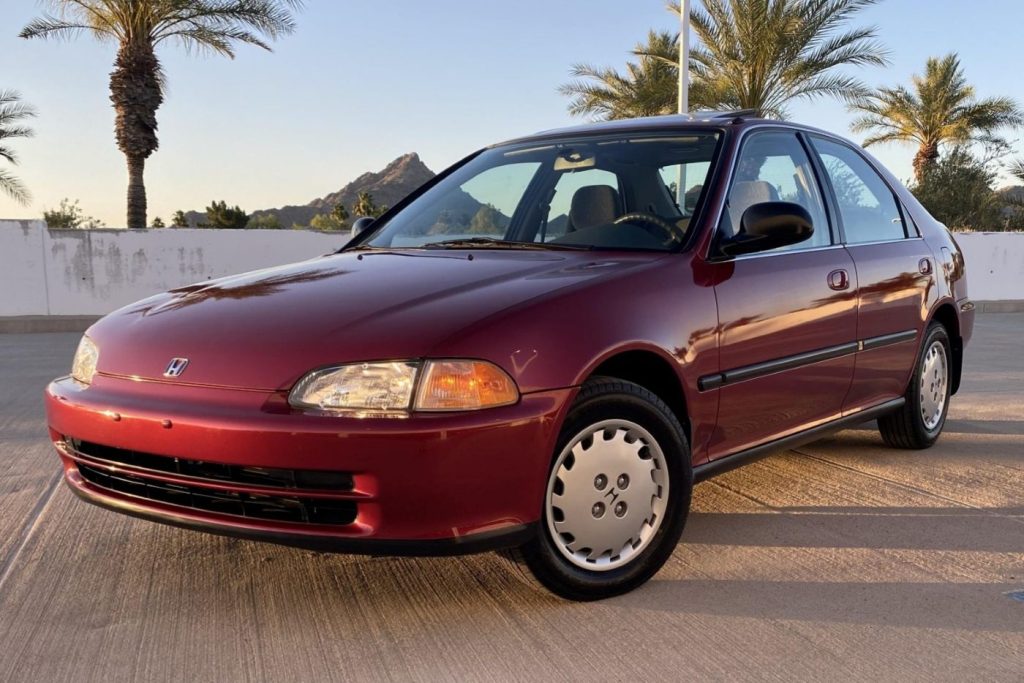
Few cars represent the 1990s better than the Honda Civic. The fifth- and sixth-generation models were lightweight, fuel-efficient, and incredibly durable.
Their simple four-cylinder engines rarely fail, and their manual transmissions are known to outlast the car itself.
Civics from this era are still daily driven all across the U.S., partly because they sip gas and partly because replacement parts are dirt cheap.
Whether it’s a commuter car, a first-time driver’s ride, or a modified tuner project, the ’90s Civic remains a staple of American roads in 2025.
Tight, refined, cleverly engineered, enjoyable to drive, and inexpensive to maintain, the sporty Si hatchback continues to lead the way in the spirited economy car segment.
Vehicles in this fiercely competitive category often go far beyond their role as practical, affordable transportation, offering impressive engineering and enthusiast-friendly appeal.
While improvements across the segment have narrowed the gap between competitors, the Civic Si still manages to set the standard.
As we noted during our preview of the 1992 lineup, the hatchback design may not depart as dramatically from tradition as the new four-door, but the Si and its three-door siblings, the CX, DX, and ultra-efficient VX, benefit from a complete redesign.
This fresh approach transforms the familiar “mini-wagon” silhouette into something more modern, athletic, and aerodynamic. The result is a shape that is unmistakably Civic but updated with a fresh, contemporary energy.
Also Read: 5 Best SUVs That Rarely Rust vs 5 That Rot Away Quickly
Jeep Cherokee XJ (1984–2001)
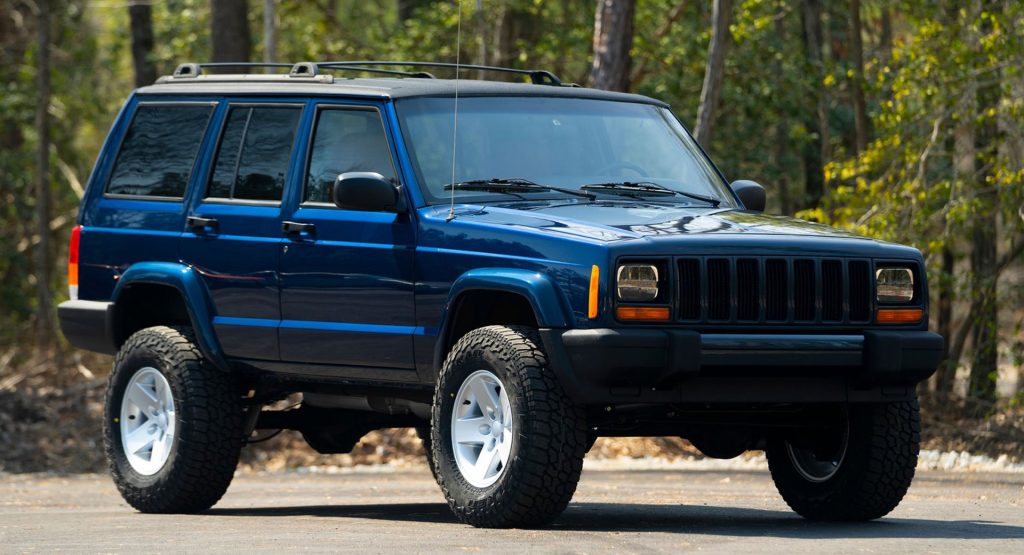
Though it debuted in the 1980s, the Jeep Cherokee XJ truly defined the SUV craze of the 1990s. Its boxy design, tough 4.0-liter inline-six engine, and rugged four-wheel-drive system made it a favorite of outdoor enthusiasts and suburban families alike.
Fast-forward to 2025, and thousands of XJs are still in service. Owners love them because they’re easy to repair, incredibly capable off-road, and surprisingly comfortable for their age.
The XJ’s reputation for durability has cemented it as one of the most enduring SUVs of the ’90s.
The Jeep Cherokee was produced from 1984 to 2001 and is often regarded as the most iconic Jeep ever built. Its name is said to represent “eXciting Jeep.”
Over its 18-year production run, nearly three million Cherokee XJs rolled off the assembly line, with a precise figure of 2,884,172 units.
The Cherokee’s popularity was so immense that most vehicles were sold the same year they were built, unlike other manufacturers that often carried unsold inventory into the following year while still marketing them as “new.”
The design and engineering of the Cherokee XJ were initially handled by AMC (American Motors) between 1984 and 1987. After Chrysler acquired AMC, the company continued producing the Cherokee with the same fundamental design all the way through its final year of production.
The Cherokee XJ marked the start of a new era in automotive design. Unlike the traditional body-on-frame layout, it was built on a unibody structure that was not only strong but also lightweight.
Originally marketed as a “sportswagon,” the XJ would go on to establish itself as a pioneer of what we now know as the modern sport utility vehicle, or SUV.
Its success quickly pushed competitors to adopt similar chassis designs, cementing the Cherokee XJ as a crucial milestone in the evolution of the 4×4.
The 1984 Cherokee XJ introduced Jeep’s first ladder-boxed framework unified into a single monocoque structure, replacing the conventional separate body-on-frame construction.
This innovative design featured roughly 3,200 welds per finished body, resulting in remarkable rigidity while still being surprisingly lightweight.
Even when equipped with the four-cylinder engine, the unibody platform provided excellent performance. Throughout its production run, both two-door and four-door variants were available, sharing the same wheelbase and track dimensions.
The two-door version featured longer, foldable front seats to allow easier access to the rear. In mid-1985, Jeep added a two-wheel-drive option to the Cherokee XJ lineup, the first time such an option had been offered since 1967.
This addition catered to buyers who preferred or required only rear-wheel drive, broadening the Cherokee’s appeal.
For the 1997 model year, the Cherokee XJ underwent a refresh that updated both its interior and exterior styling.
The two- and four-door versions gained new plastic trim along the doors, a steel liftgate in place of the earlier fiberglass unit, redesigned taillights, and a newly shaped front header panel that improved aerodynamics.
The spare tire, previously mounted outside, was now relocated to the interior. By 1999, Cherokee XJ models equipped with the 4.0-liter engine received an updated intake manifold designed to address airflow limitations in the revised cylinder head castings.
The 2000 model year offered both four-cylinder and six-cylinder engines, but by 2001, only the six-cylinder remained, paired with a distributorless ignition system.
Ford Taurus (1996–1999)
The Ford Taurus was America’s best-selling car for much of the 1990s, and the late-decade models remain a common sight in 2025.
While not as glamorous as some of its rivals, the Taurus offered a roomy cabin, smooth V6 engines, and affordable pricing that made it a go-to family car.
What keeps them on the road today is their abundance of parts and low maintenance costs.
Many Tauruses were bought by fleets, meaning they were maintained on schedule and often ended up with very high mileages. Even now, it’s not unusual to see one still faithfully serving as a commuter car.
Between 1996 and 1999, the Ford Taurus was available in four trim levels: G, GL, LX, and the range-topping SE. Buyers could choose between a four-door sedan or a four-door wagon, and at launch, two V-6 engines were offered.
The standard option was the tried-and-true 3.0-liter Vulcan V-6, producing 145 horsepower. While it was reliable and durable, it wasn’t particularly thrilling.
For those wanting more excitement, the 3.0-liter Duratec DOHC V-6 delivered 200 horsepower, adding a livelier edge to the lineup.
In late 1996, the limited-production SHO (Super High Output) joined the range, powered by a 235-hp Ford/Yamaha V-8 paired with an automatic transmission.
The SHO also benefited from performance upgrades, including a sport-tuned suspension, larger brakes, unique ZF steering, and other enhancements.
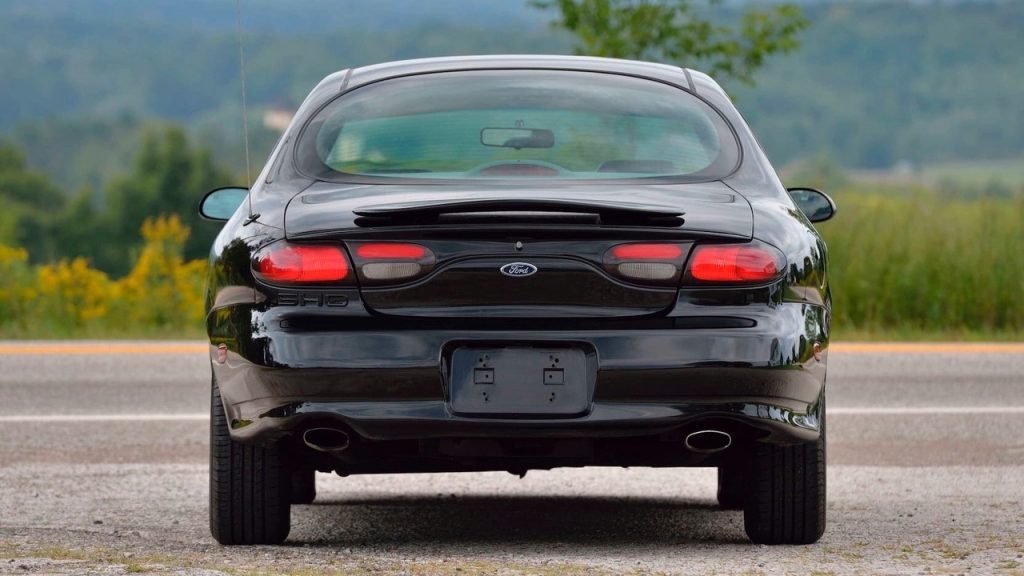
On the road, a Taurus equipped with the base Vulcan engine feels tame and predictable, ideal for the rental fleets where many of them ended up.
The 200-hp Duratec version, however, provides noticeably stronger acceleration in city driving and more confident passing power on the highway, making it the better choice overall.
Regardless of engine, all models came with a four-speed automatic transmission. Inside, Ford carried the oval-themed styling into the cabin, with results that were somewhat polarizing.
Still, the Taurus delivered a comfortable ride and supportive seating, making it well-suited for long-distance commuting.
Finding a Taurus from this era isn’t difficult, as Ford sold over 300,000 units annually, many of them to rental companies. What the Taurus consistently delivers is affordable, no-frills transportation value.
Well-equipped 1999 models can often be found for under $10,000, though pristine SHO versions command a premium due to their limited numbers and the fact that many were driven aggressively.
Common issues with 1996–1999 models are generally minor, often involving secondary components, though the automatic transmission is occasionally a trouble spot.
Toyota Corolla (1993–1997)
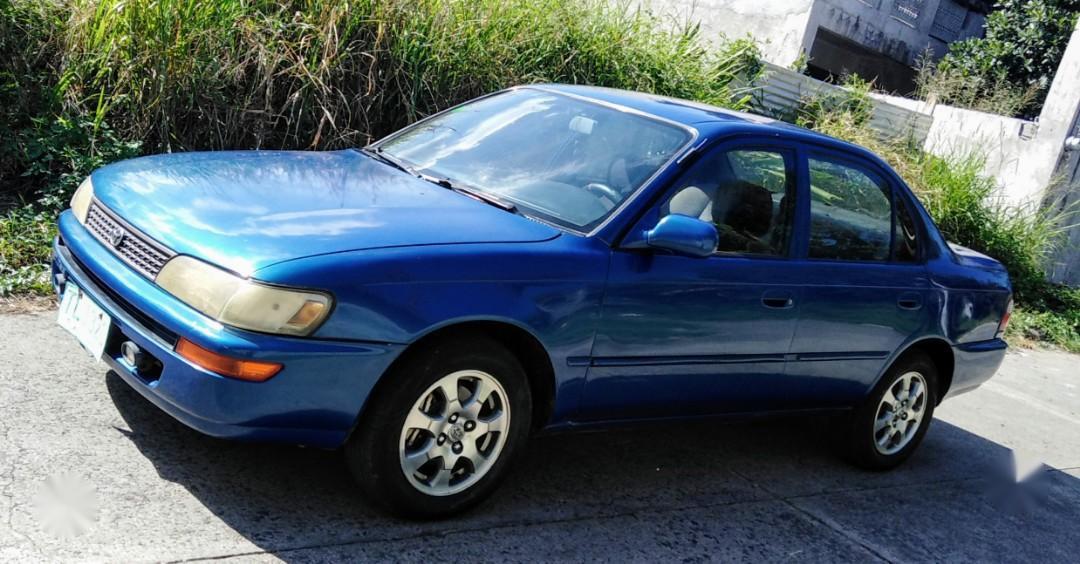
The Corolla is often overshadowed by the Camry, but its 1990s models are just as durable. Compact yet practical, the Corolla of this era was designed for maximum reliability and efficiency.
Its small four-cylinder engines are nearly indestructible, and automatic transmissions from this period are known to last decades.
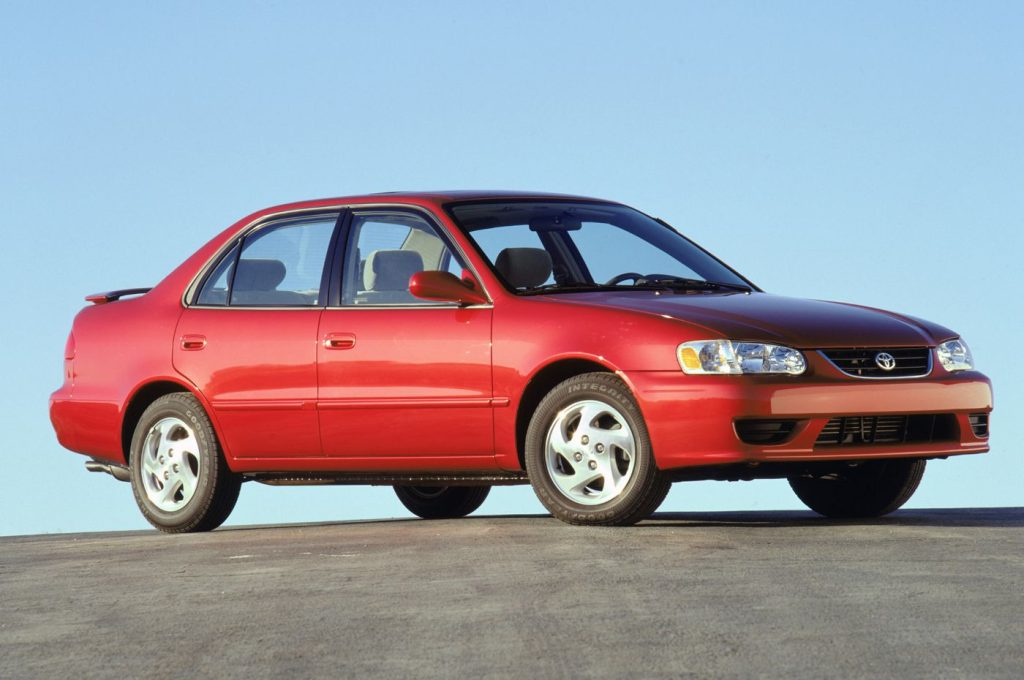
In 2025, Corollas from the ’90s remain popular with students, budget-minded commuters, and anyone who values simplicity. They may not turn heads, but they start every morning, sip fuel, and cost very little to keep running.
Subaru Outback (1995–1999)
When Subaru introduced the Outback in the mid-1990s, it became an instant hit with outdoorsy Americans.
Built on the rugged Legacy platform, the Outback offered standard all-wheel drive, impressive ground clearance, and a wagon body that could haul both people and gear.
Decades later, many Outbacks from the late ’90s are still daily driven, especially in states like Colorado, Vermont, and Washington. Their mix of durability, practicality, and all-weather confidence makes them a favorite of drivers who value function over flash.
Subaru introduced the Legacy Outback as a trim level in 1995, aiming to tap into the rising popularity of SUVs such as the Ford Explorer.
The company had already established a strong identity by offering variations of its Symmetrical All-Wheel Drive system, first made available in the 1972 Leone as an option.
Subaru’s ongoing dedication to AWD, combined with smart marketing strategies, such as sponsoring the U.S. Ski Team, helped the automaker develop a reputation for practical, fuel-efficient vehicles that could handle all types of terrain.
At the time, competition from brands like Toyota, Honda, and Volkswagen was relatively minimal in this niche. By the mid-1990s, Subaru had gone all in, making AWD standard across its entire lineup.
To counter the growing demand for truck-based SUVs, Subaru introduced tougher-looking versions of the second-generation Legacy and Impreza.
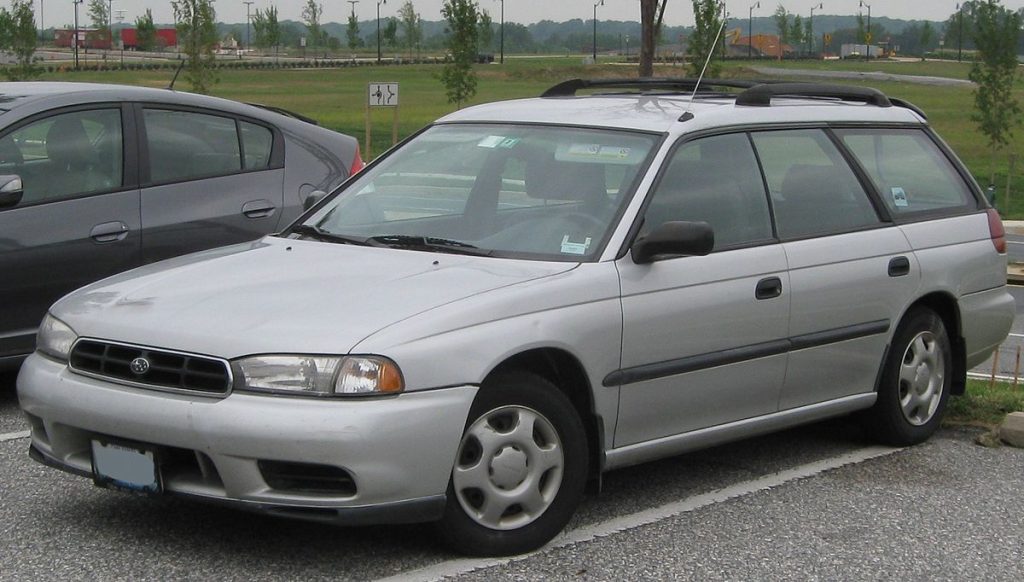
Arriving in the U.S. late in the 1995 model year, the Legacy Outback (and Impreza Outback Sport) began as an option package. This package included two-tone paint, fog lights, a roof rack, distinctive alloy wheels, and upgraded seat fabric.
For 1996, the Outback evolved into the familiar version most recognize today: raised suspension, protective body cladding, and a higher roofline distinguished it from the standard Legacy.
These updates established the Outback as a stand-alone model. With a promotional boost from Crocodile Dundee, the Outback quickly gained traction, and Subaru has since sold more than two million units.
On a personal note, in late 1995 my wife and I learned that we were expecting twins. Since our first child had arrived three weeks early, we didn’t waste any time preparing for the new arrivals, due in August 1996.
At the time, we were driving a 1989 Toyota Camry wagon, but it was showing its age and no longer met our growing family’s needs. Neither of us were drawn to SUVs or minivans, they simply didn’t fit our style.
Also Read: 12 Cars That Went From Unpopular to Everyday Sight
Honda Accord (1994–1997)
Like the Camry, the Honda Accord became a household name in the ’90s for its reliability and comfort. The mid-’90s Accords balanced durability with style, offering smooth V6 options and economical four-cylinders that could easily handle high mileage.
Today, it’s not unusual to find a 1990s Accord still commuting daily with over 250,000 miles on the clock. Their solid construction and easy-to-maintain engines keep them alive, while their timeless design helps them avoid looking too dated in 2025 traffic.
Nissan Maxima (1995–1999)
The Nissan Maxima of the mid-to-late 1990s earned the nickname “the four-door sports car” for good reason. Powered by a strong V6, it offered more excitement than most family sedans of the era while still being incredibly reliable.
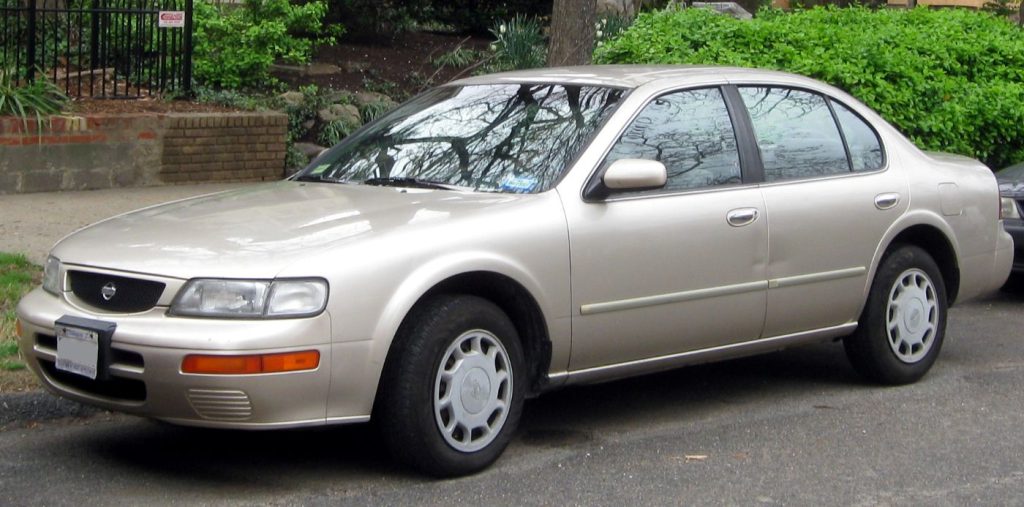
In 2025, many Maximas from the ’90s are still serving as commuter cars. Enthusiasts appreciate them for their durability and spirited driving dynamics, while budget-conscious buyers love them for being inexpensive to buy and maintain.
Chevrolet Silverado (1999)
Full-size pickups have always been built to last, and the 1999 Chevy Silverado proves it. Launched at the end of the decade, the Silverado came with durable Vortec V8 engines and a reputation for hard work.
Many trucks from this era were used for towing, hauling, and daily commuting, and plenty are still in service today.
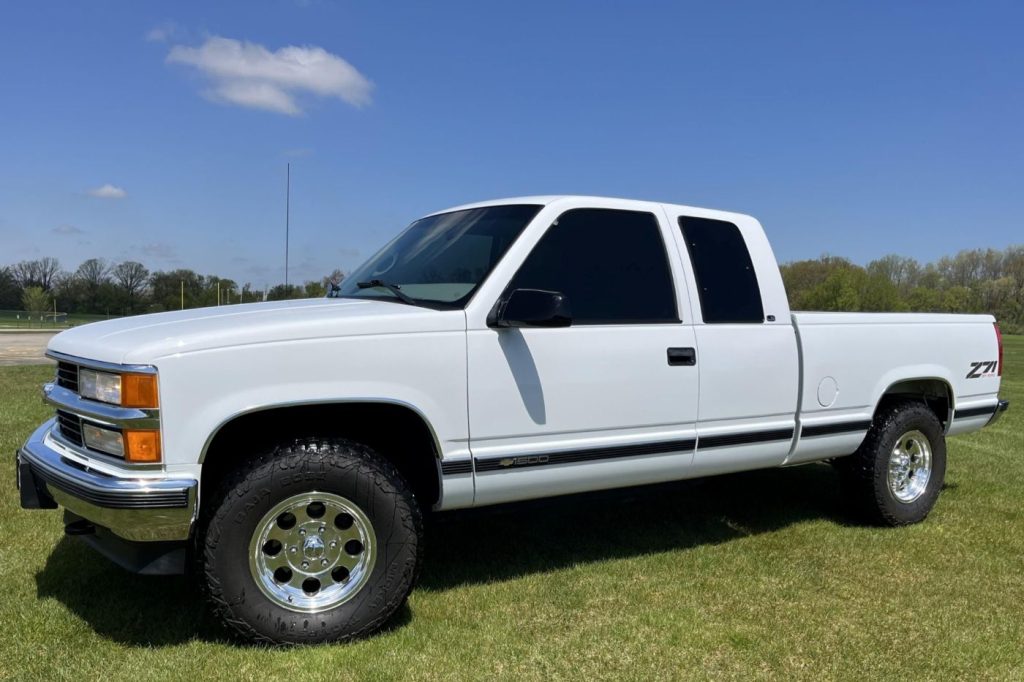
In fact, in 2025, it’s common to see ’90s Silverados with well over 200,000 miles still being used as workhorses. Their rugged design and availability of cheap parts make them one of the most enduring trucks of the era.
Volvo 850 (1993–1997)
The Volvo 850 might not have been the flashiest car of the ’90s, but it cemented Volvo’s reputation for safety and longevity.
Known for its boxy styling and durable five-cylinder engines, the 850 was a favorite among families who wanted a safe, comfortable, and long-lasting car.
Fast-forward to 2025, and many 850s are still daily driven, especially in areas where Volvo’s reputation for safety holds strong.
Their quirky charm and rock-solid engineering have made them cult favorites among drivers who want something both reliable and distinctive.
The 850 arrived loaded with features designed to protect its occupants: daytime running lights, antilock brakes, dual airbags, side-impact airbags, optional traction control (TRACS), fog lights, fixed head restraints, an integrated child seat in the wagon, and even a wet-weather automatic transmission system.
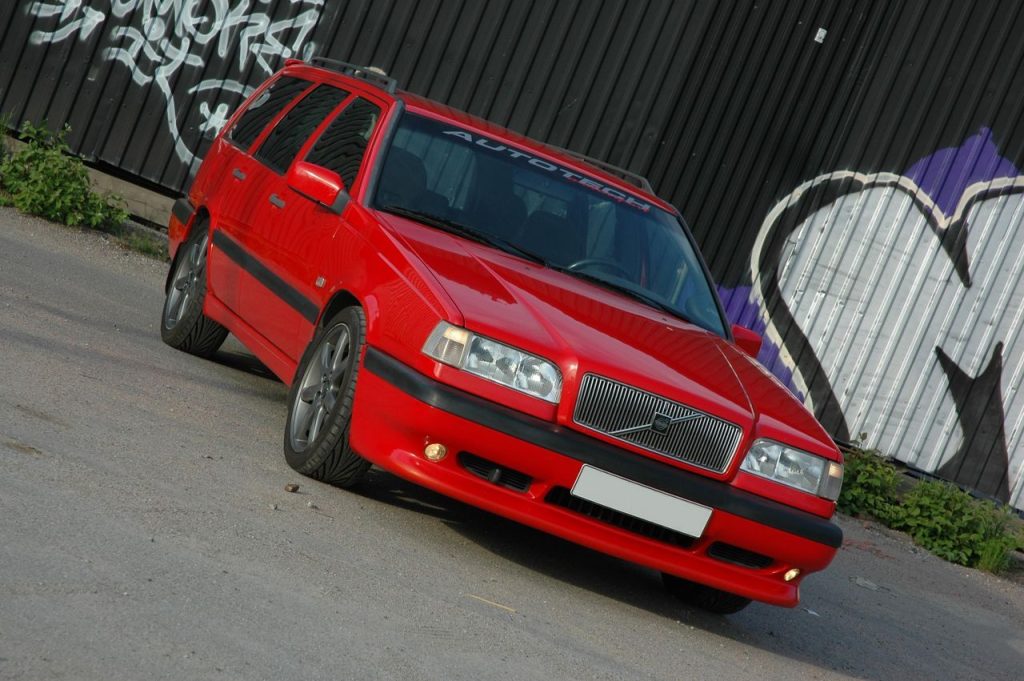
With all of these safeguards in place, riding in an 850 can feel a bit like being chauffeured around in a luxury tank.
But from the driver’s seat, the 850 is anything but tank-like. Steering is sharp and responsive, while braking is so powerful it takes some acclimation.
The gauges are easy to read, and the overall layout avoids unnecessary gimmicks that plague many American and Japanese competitors.
Rear-seat passengers aren’t left out either, there’s ample space for two adults over six feet tall. Cargo capacity is equally impressive: the sedan’s trunk is vast, with a low liftover height and a convenient pass-through that easily swallows a pair of skis.
The wagon, meanwhile, offers such enormous cargo room it could accommodate the entire belongings of a freshly graduated college student.
If there’s a gripe about the interior, it lies in the dashboard controls, which appear to follow an indecipherable logic, perhaps the product of a late-night design session fueled by Finlandia.
The 850 lineup consists of four trim levels. Base models are the only ones available with a manual transmission. The GLT trim received a welcome upgrade for 1997, gaining a 2.4-liter five-cylinder engine cleverly named the High Torque Low Rev motor.
Meanwhile, the Turbo model abandoned its longtime moniker, now simply called the T-5, while the high-performance R edition returned for another year. Each trim could be ordered as either a sedan or a wagon.
Opting for the R turns the 850 into something extraordinary. Acceleration from zero to 60 mph in under seven seconds is rare for a midsize sedan, and 17-inch tires as standard equipment on a family car defy convention.
Volvo even broke with its reputation for restraint by fitting the R with a Scandinavian Birch wood trim that, in its pale blond finish, borders on garish.
Still, it’s hard not to feel a touch of sympathy for Mustang GT drivers who find themselves bested by “mom’s taxi” in a stoplight sprint.
For 1997, Volvo wisely kept changes to a minimum. Beyond the Turbo’s new T-5 badge and the upgraded GLT engine, the company also ensured that base and GLT trims complied with TLEV standards in California, Massachusetts, and New York.
But here’s the odd part: two versions of the GLT’s new engine exist. They’re identical in displacement, power, torque, and even EPA mileage ratings, yet only the engines sold in those three states meet TLEV certification.
The fact that so many cars from the 1990s are still daily driven in 2025 speaks volumes about the engineering philosophy of that era.
Automakers prioritized durability, simplicity, and long-term value in ways that feel rare today. Models like the Toyota Camry, Honda Civic, and Jeep Cherokee earned reputations that still influence car-buying decisions now.
For U.S. drivers who want inexpensive, dependable transportation, or just a reminder of a golden age in automotive history, these ’90s cars prove that some vehicles truly are built to last.
