
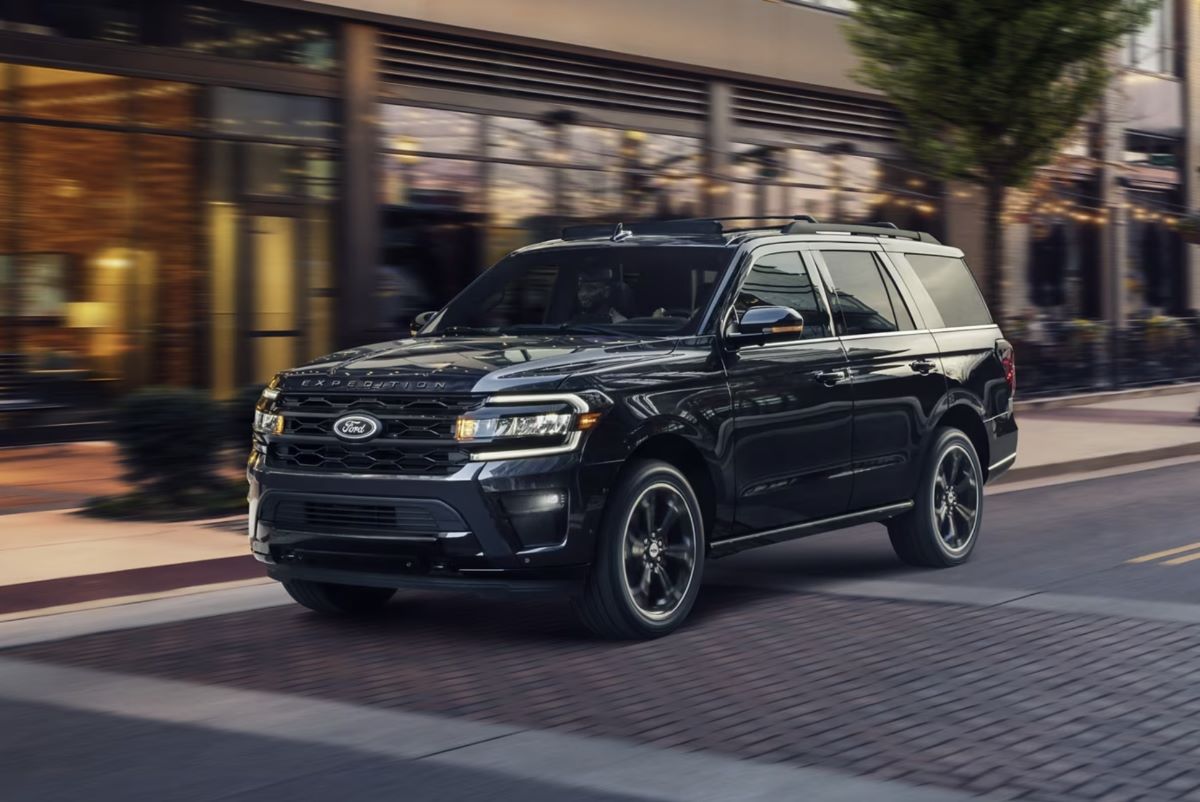
In an era where the average vehicle is traded in every six years, there exists a dedicated community of SUV owners who refuse to part with their high-mileage machines. These aren’t just any vehicles they’re SUVs with odometers reading 300,000 miles or more, yet their owners wouldn’t dream of selling them.
While conventional wisdom suggests that such high-mileage vehicles should be headed to the scrapyard, these owners have discovered something different: a reliable, familiar companion that continues to deliver value long after most people would have moved on to something newer.
What makes these relationships so enduring? The answer lies in a perfect storm of economics, emotion, and experience. These SUVs have transcended their original purpose as mere transportation devices to become trusted family members that have weathered decades of service.
Their owners have learned that in a world of planned obsolescence and disposable consumer goods, some things are built to last and when you find them, you hold on tight.
This phenomenon challenges everything the automotive industry assumes about consumer behavior and reveals a deeper truth about the relationship between humans and machines built to endure.
Why 300K Miles Makes Economic Sense
The financial mathematics behind keeping a 300,000-mile SUV often favors the owner who chooses to hold on. A well-maintained SUV that has reached this mileage milestone has already proven its durability, and the cost of repairs even major ones frequently pales in comparison to monthly payments on a new vehicle.
Consider that a new SUV can easily cost $40,000 to $60,000, translating to monthly payments of $500 to $800 over five to seven years. Even if a high-mileage SUV requires $3,000 to $5,000 in annual maintenance and repairs, the owner is still coming out ahead financially.
Many owners of these vehicles have also reached a psychological tipping point where they’ve moved beyond viewing their SUV as a depreciating asset and instead see it as a tool that has already delivered its intended value.
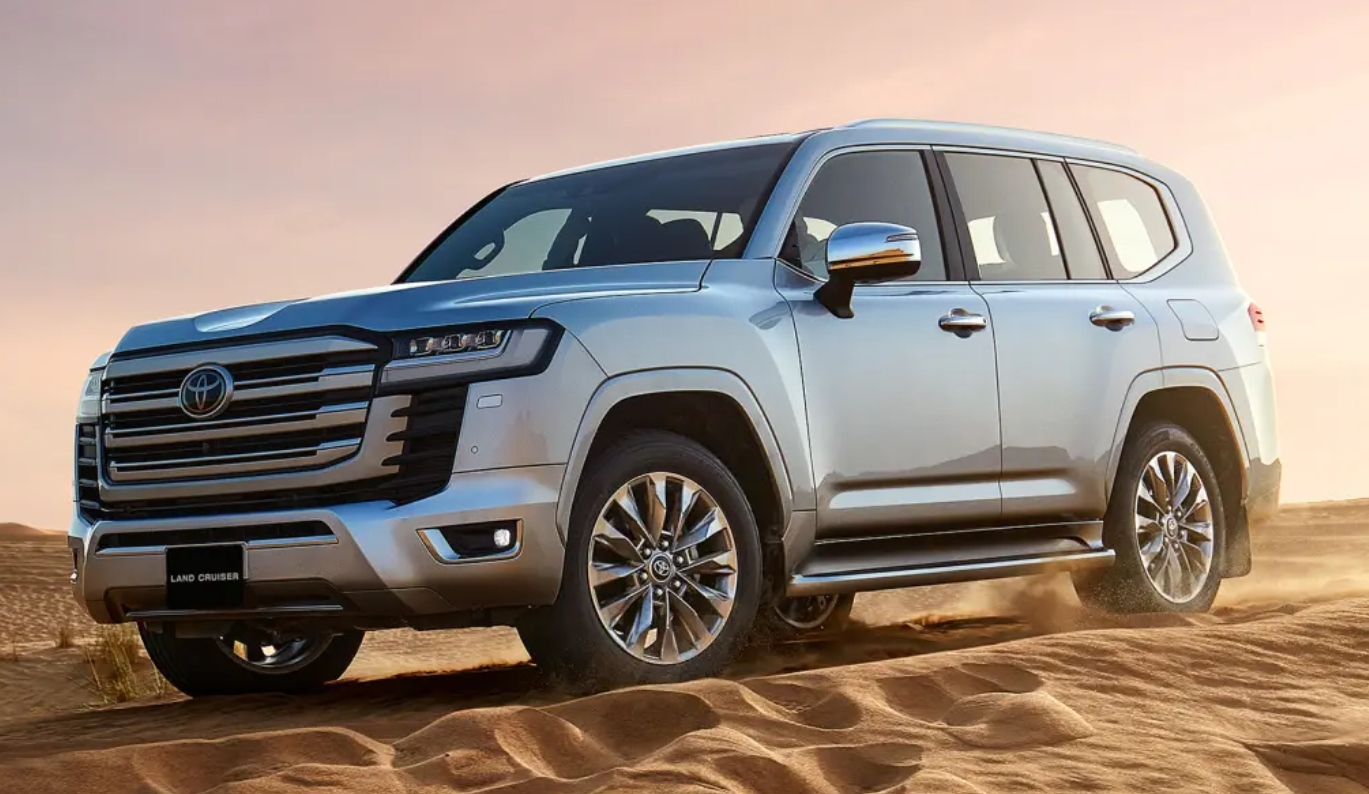
The depreciation curve has flattened completely a 300,000-mile SUV won’t lose much more value, regardless of additional miles. This creates a unique economic position where every mile driven is essentially “free” from a depreciation standpoint.
Insurance costs also tend to be significantly lower for older vehicles, as owners often drop comprehensive and collision coverage, further reducing the total cost of ownership.
Additionally, many states offer reduced registration fees for older vehicles, adding to the economic incentive to keep driving these high-mileage machines.
Also Read: 12 Cars That Constantly Drive Owners Crazy
The Unbreakable Bond with Battle-Tested SUVs
Beyond pure economics lies a profound emotional attachment that develops between owners and their high-mileage SUVs. These vehicles have become trusted companions that have weathered countless road trips, daily commutes, and family milestones. They’ve proven their reliability through extreme weather, challenging terrain, and the test of time.
This creates a bond that transcends typical car ownership these SUVs have earned their place in their owners’ lives through demonstrated loyalty and dependability.
There’s also an element of mechanical mastery that develops over time. Owners of 300,000-mile SUVs typically know their vehicles intimately. They understand every sound, vibration, and quirk.
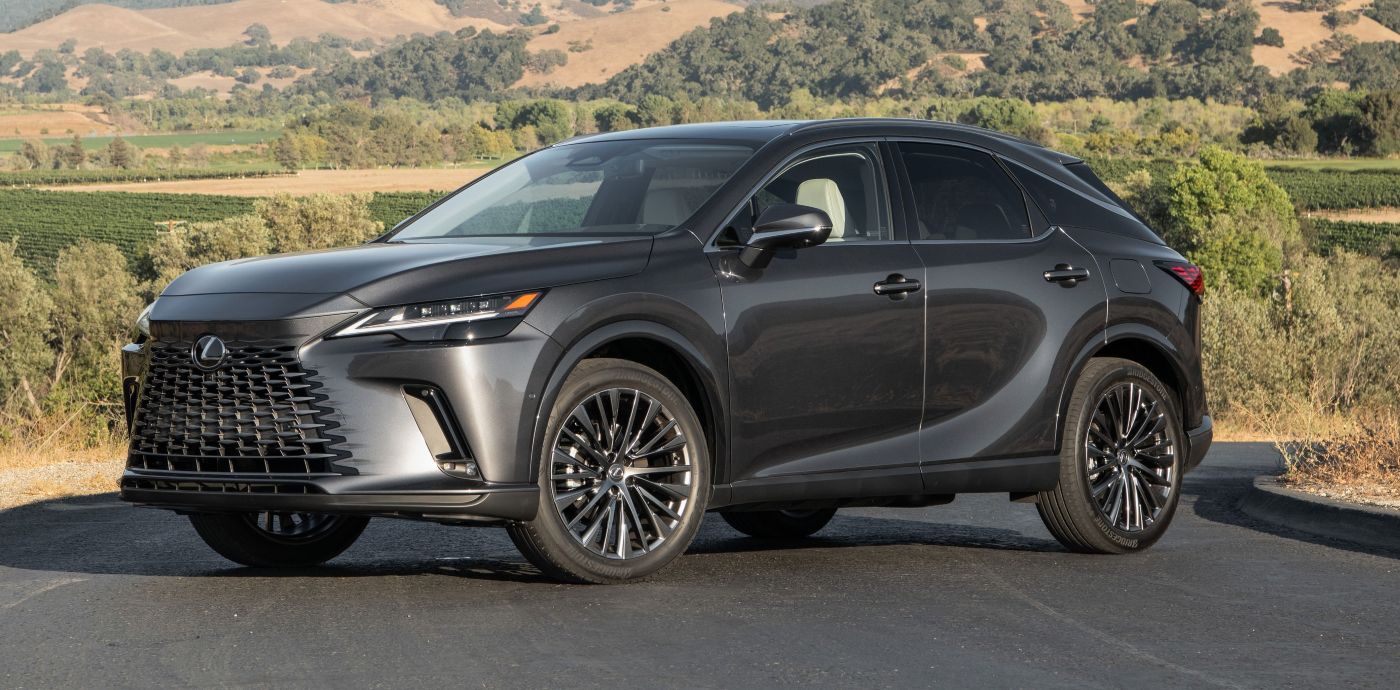
They know which mechanic specializes in their particular model, which parts are prone to failure, and how to perform basic maintenance themselves. This knowledge represents years of accumulated expertise that would be lost with a new vehicle purchase.
The replacement anxiety factor cannot be understated. After experiencing 300,000 miles of reliable service, owners often question whether a new vehicle with its complex electronics, unfamiliar systems, and unproven track record could possibly match the dependability of their current SUV.
Modern vehicles, while more efficient and feature-rich, also have more components that can fail, leading many high-mileage SUV owners to prefer the simplicity and proven reliability of their older machines.
For these dedicated owners, their 300,000-mile SUVs represent more than transportation they’re symbols of durability, financial wisdom, and the satisfaction that comes from maximizing the value of a major purchase.
Until these vehicles literally cannot be repaired, their owners will continue driving them, proudly accumulating miles and defying the conventional automotive replacement cycle.
