
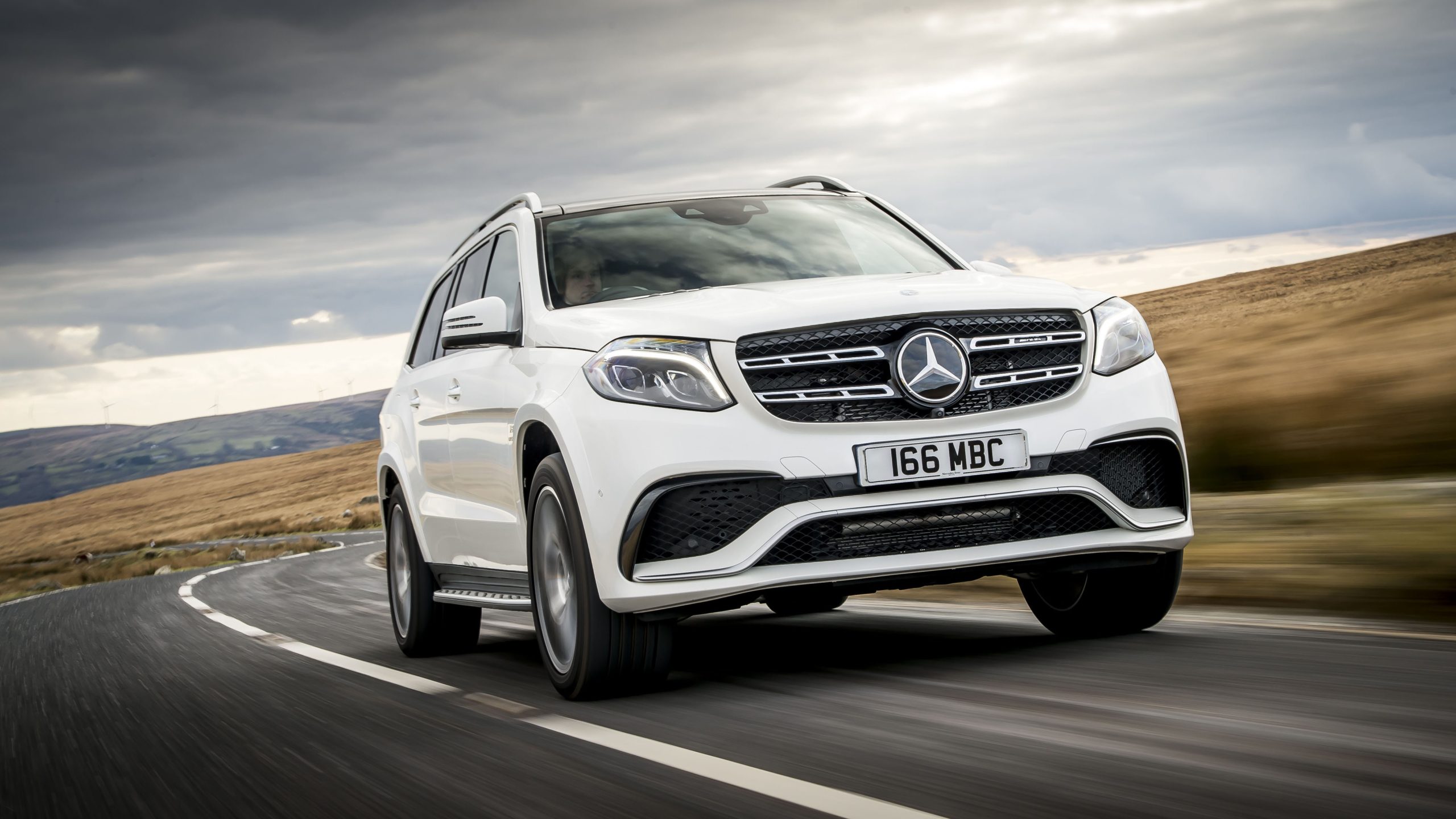
SUVs are no longer just about practicality and space. The latest high-performance models combine the versatility of a family vehicle with speed and handling that rival sports cars. The Mercedes GLS 63 AMG, for example, can accelerate seven passengers from 0 to 60 in just 3.6 seconds while maintaining full luxury and comfort.
The legendary Lamborghini LM002, nicknamed the Rambo Lambo, adds exotic styling and raw power to the SUV segment. The BMW X6 M offers precision engineering, the Porsche Macan Turbo delivers agile performance, and the Jeep Grand Cherokee SRT showcases American muscle and versatility.
Each of these vehicles proves that SUVs can be thrilling to drive while offering practicality and premium features. This list highlights eight fast SUVs that challenge traditional performance limits and provide a rare combination of speed, luxury, and everyday usability.
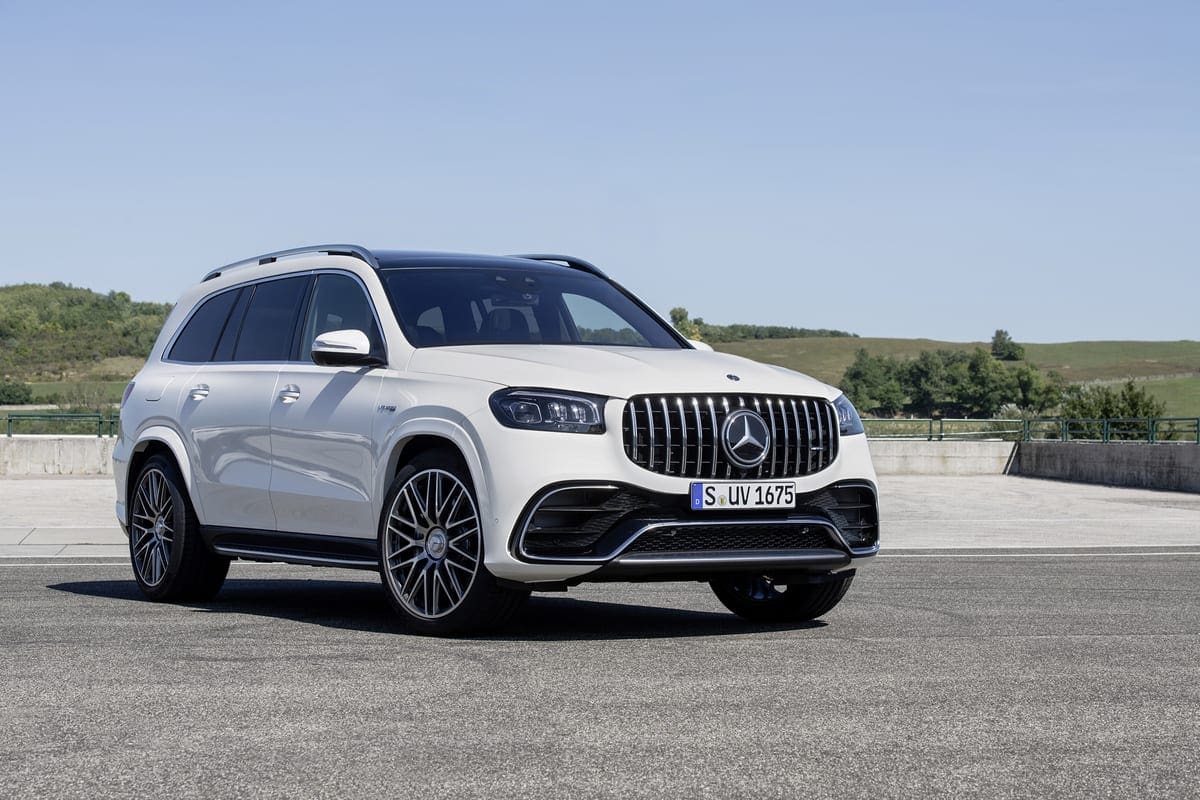
1. Mercedes GLS 63 AMG: Luxury Meets Super-SUV Performance
The Mercedes GLS 63 AMG is a large, luxurious SUV that combines the space of a traditional full-size vehicle with sports-car-level performance.
Previously known as the GL-Class, the GLS retains its massive dimensions, comparable to a Cadillac Escalade, but now features AMG enhancements that dramatically boost speed and handling. This makes the GLS 63 AMG unique among full-size SUVs, offering both family-friendly practicality and blistering acceleration.
At the heart of the GLS 63 AMG lies a twin-turbocharged 4.0-liter V8 engine producing 603 horsepower. A 48-volt mild-hybrid system complements the powertrain, while all-wheel drive and a nine-speed automatic transmission ensure that this immense power is delivered smoothly to all four wheels.
AMG also fine-tuned the suspension, steering, and transmission to optimize performance. The GLS 63 accelerates from 0 to 60 mph in just 3.6 seconds, surpassing many high-end sports cars. While acceleration is phenomenal, the SUV’s size and weight limit cornering agility, with a firm ride that prioritizes stability over nimbleness, especially on larger wheels.
The GLS 63 AMG sports aggressive styling that sets it apart from its standard GLS siblings. AMG-specific bodywork, larger air intakes, and bold wheels contribute to its sporty appearance, signaling the high-performance capabilities beneath the surface. Despite its athletic enhancements, the GLS retains the commanding presence and spacious proportions expected from a full-size luxury SUV.
Inside, the GLS 63 AMG offers premium comfort for up to seven passengers. Nearly every surface is wrapped in supple leather, accented with genuine wood and metallic trim. The cabin includes a third row of seats, making it more versatile than two-row competitors like the BMW X5 M or Audi RS Q8.
Front seats feature massage functions, while the second row offers generous legroom, heating, and optional power sunshades. Cargo capacity is substantial, accommodating four carry-on suitcases behind the third row or 30 behind the front seats.
The GLS 63 AMG is equipped with Mercedes-Benz’s dual 12.3-inch screen MBUX infotainment system, integrating both the digital instrument cluster and central display. The system supports touch, voice, and trackpad inputs, alongside Apple CarPlay, Android Auto, and a 4G LTE Wi-Fi hotspot, providing modern connectivity and convenience for driver and passengers alike.
Mercedes-AMG equips the GLS 63 with standard safety features, including automated emergency braking with pedestrian detection and lane-departure warning with lane-keeping assist. Optional upgrades include adaptive cruise control with lane-centering, while semi-autonomous driving modes enhance highway comfort. Crash-test ratings can be verified through NHTSA and IIHS resources.
Fuel efficiency is modest, with EPA ratings of 14 mpg city and 18 mpg highway, though real-world highway testing can reach 22 mpg. Pricing starts around $150,000, reflecting its combination of luxury, performance, and size. Standard warranties cover four years or 50,000 miles, but unlike some rivals, Mercedes does not include complimentary scheduled maintenance.
The Mercedes GLS 63 AMG delivers a rare combination of supercar-level acceleration, full-size SUV practicality, and luxurious features, making it ideal for buyers who want speed, space, and sophistication in one vehicle.
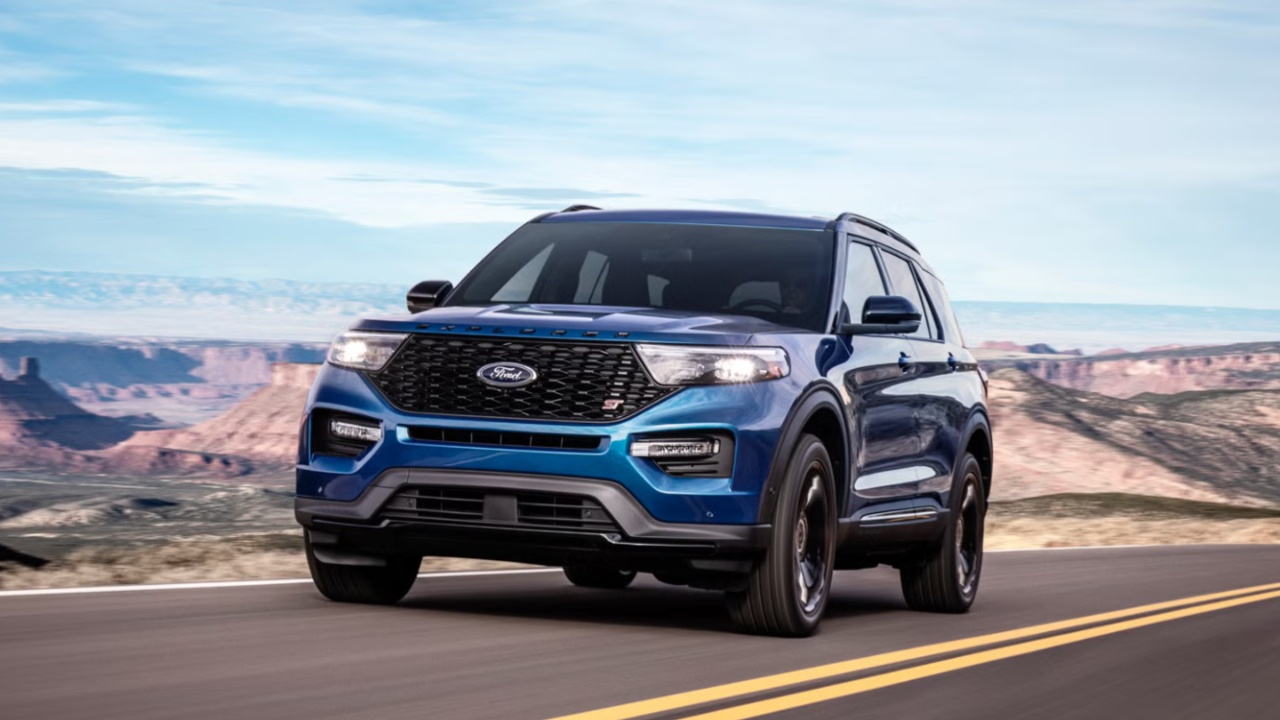
2. Ford Explorer Sport: Modern SUV with Family-Friendly Versatility
The Ford Explorer has long been a cornerstone of the American SUV market, helping to define the modern SUV segment. The Explorer continues this legacy with a unibody architecture, offering smoother on-road handling compared with the older body-on-frame design.
While it isn’t designed for serious off-roading, its combination of comfort, space, and modern styling makes it a practical choice for families and suburban drivers.
The Explorer Sport is powered by Ford’s 3.5-liter EcoBoost V6 engine, producing 365 horsepower. It features upgrades to the suspension and transmission, delivering a 0-to-60-mph time of 5.8 seconds.
Other Explorer trims include a turbocharged 2.3-liter four-cylinder engine with 300 horsepower and a turbocharged 3.0-liter V6 producing 400 horsepower on the ST model.
All powertrains use a 10-speed automatic transmission with rear-wheel drive as standard and optional all-wheel drive. The ST model reaches 60 mph in just 5.1 seconds, demonstrating that the Explorer can satisfy drivers seeking performance without sacrificing SUV practicality.
The Explorer can tow up to 5,000 pounds with its Class III Towing package, which includes a hitch, trailer wiring harness, and trailer sway control. Both four-cylinder and V6 models can handle towing, making the Explorer versatile for family trips, boats, or small trailers.
Fuel efficiency varies depending on engine and drivetrain. The rear-wheel-drive four-cylinder model achieves 21 mpg city and 28 mpg highway, while all-wheel drive reduces these figures by 1 mpg.
The twin-turbo V6 Explorer Sport is rated up to 18 mpg city and 26 highway with rear-wheel drive, or 18/24 with all-wheel drive. Real-world testing often slightly exceeds these EPA estimates, with the Explorer ST achieving 25 mpg on a 75-mph highway route.
The Explorer provides seating for up to seven passengers, with a standard third row that is easy to access thanks to power-folding second-row seats. The cabin combines function and comfort, with updated soft-touch materials, a redesigned dashboard, and generous passenger space in the first two rows.
The third row is suitable for children or shorter adults, while cargo space accommodates four carry-on suitcases behind the third row and 31 with all seats folded flat.
The Explorer features a 13.2-inch LCD touchscreen with Ford Digital Experience software, offering access to Google and Amazon apps, Apple CarPlay, Android Auto, and video streaming when parked. The SUV has eight USB ports, including two for third-row passengers, and a 12-speaker Bang & Olufsen audio system on most trims.
Ford equips the Explorer with a comprehensive suite of standard driver-assistance features, including forward-collision warning with automated emergency braking, blind-spot monitoring, rear-cross-traffic alert, and lane-keeping assist. Optional upgrades such as self-parking assist and advanced driver aids enhance convenience and safety.
The Explorer comes with a standard limited warranty of three years/36,000 miles and a powertrain warranty of five years/60,000 miles. Unlike some competitors, Ford does not provide complimentary scheduled maintenance.
The Ford Explorer Sport balances performance, practicality, and family-friendly features, making it an appealing choice for drivers seeking a midsize SUV that can handle daily commuting, weekend adventures, and occasional towing duties without breaking the budget.
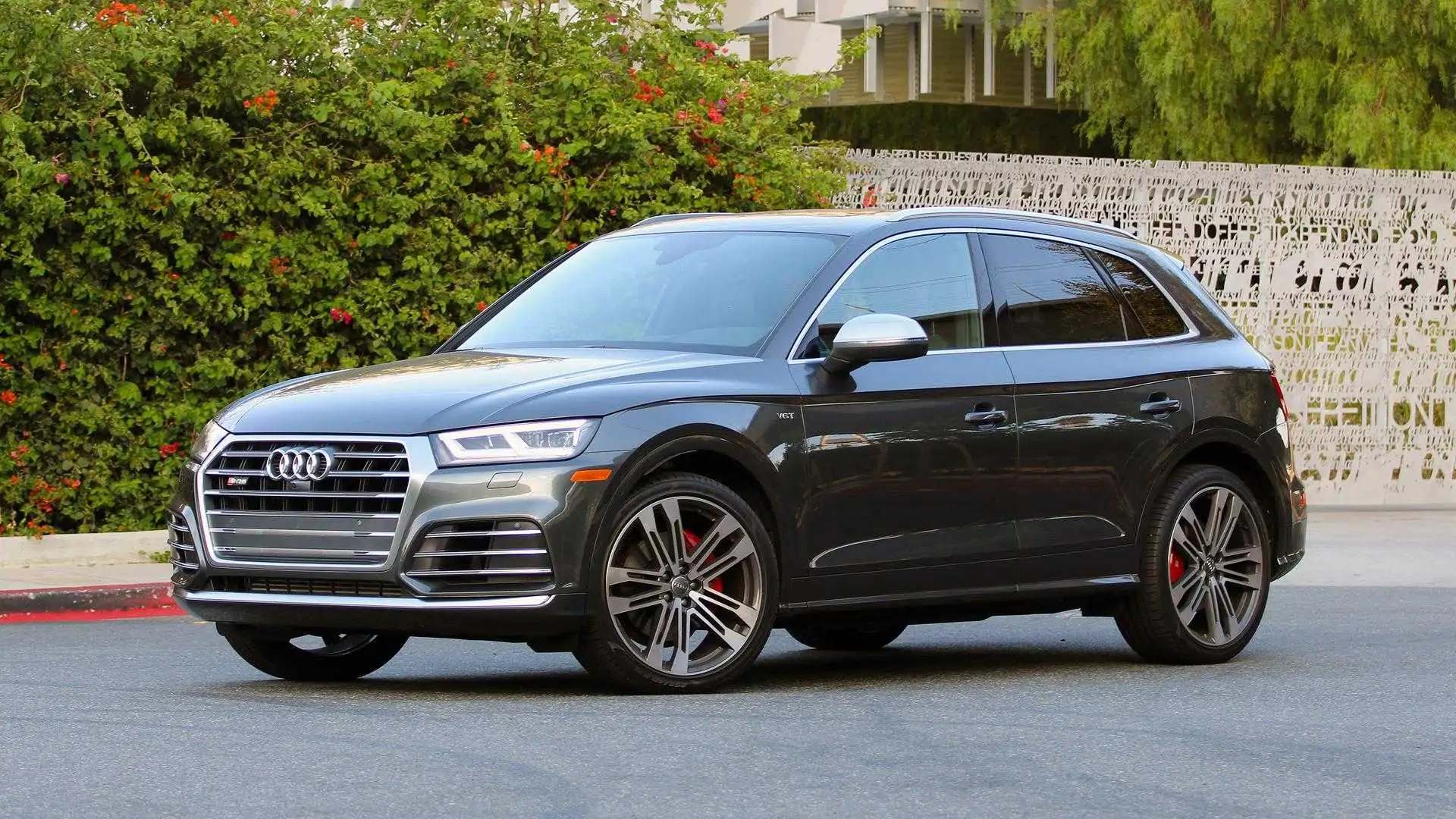
3. Audi SQ5: Sporty Performance Meets Practical Luxury
The Audi SQ5 is a high-performance version of the mid-size Q5 SUV, offering a rare combination of sporty driving dynamics and everyday practicality. While the Q5 faces stiff competition in the American market, the SQ5 stands out by blending luxury, performance, and advanced technology in a single package. It is ideal for buyers seeking an engaging drive without sacrificing comfort or versatility.
The SQ5 is powered by a supercharged 3.0-liter V6 engine producing 354 horsepower, paired with Audi’s Quattro all-wheel-drive system and an eight-speed automatic transmission. This configuration allows the SUV to sprint from 0 to 60 mph in roughly 5.1 seconds, delivering lively acceleration for its class.
Performance is balanced, with strong braking, responsive steering, and predictable handling. The vehicle’s summer tires enhance cornering agility, while stability control remains unobtrusive, allowing confident driving on both city streets and winding roads.
Despite its sporty nature, the SQ5 maintains a quiet and comfortable ride. Supportive seats with well-designed side bolsters provide excellent hold during spirited driving without being restrictive during regular commuting. Wind, road, and tire noise are well isolated, contributing to a serene cabin environment. The climate control system is intuitive and effective, ensuring passenger comfort under all conditions.
Audi’s minimalist interior design is both elegant and functional. The cabin features a standard 10.1-inch touchscreen mounted at the top of the dashboard, along with a crisp digital instrument panel.
Physical controls are well laid out, and adjustable seats and steering wheel positions make it easy for drivers to find an optimal driving position. Headroom is generous thanks to tall door openings, and visibility is enhanced by large windows, narrow roof pillars, and thoughtfully designed mirrors.
Storage is practical, with 25.9 cubic feet behind the rear seats and 54.1 cubic feet when folded. Additional compartments, such as the sliding tray under the center armrest, accommodate personal items efficiently.
The SQ5 offers a high-resolution infotainment system paired with Audi’s digital instrument cluster, providing responsive and intuitive operation. Standard features include wireless Apple CarPlay, Bluetooth, and a wireless charging station. Advanced driver-assistance systems, such as adaptive cruise control and blind-spot monitoring, further enhance convenience and safety.
The SQ5 can tow up to 4,400 pounds, and models with air suspension include a trailer tow mode that engages automatically when using the factory-installed hitch. This capability positions the SQ5 among the more versatile vehicles in the sporty luxury SUV segment.
Fuel economy is average for its class, with an EPA estimate of 21 mpg combined, and premium fuel is required. The SQ5 delivers strong perceived value through its high-quality interior materials, precise controls, and optional leather upgrades. Warranty coverage is standard, aligning with competitors in the luxury segment.
The Audi SQ5 succeeds in providing an engaging driving experience while maintaining the refinement, comfort, and practicality expected from a luxury SUV. It appeals to buyers who want a sporty, capable vehicle without compromising daily usability.
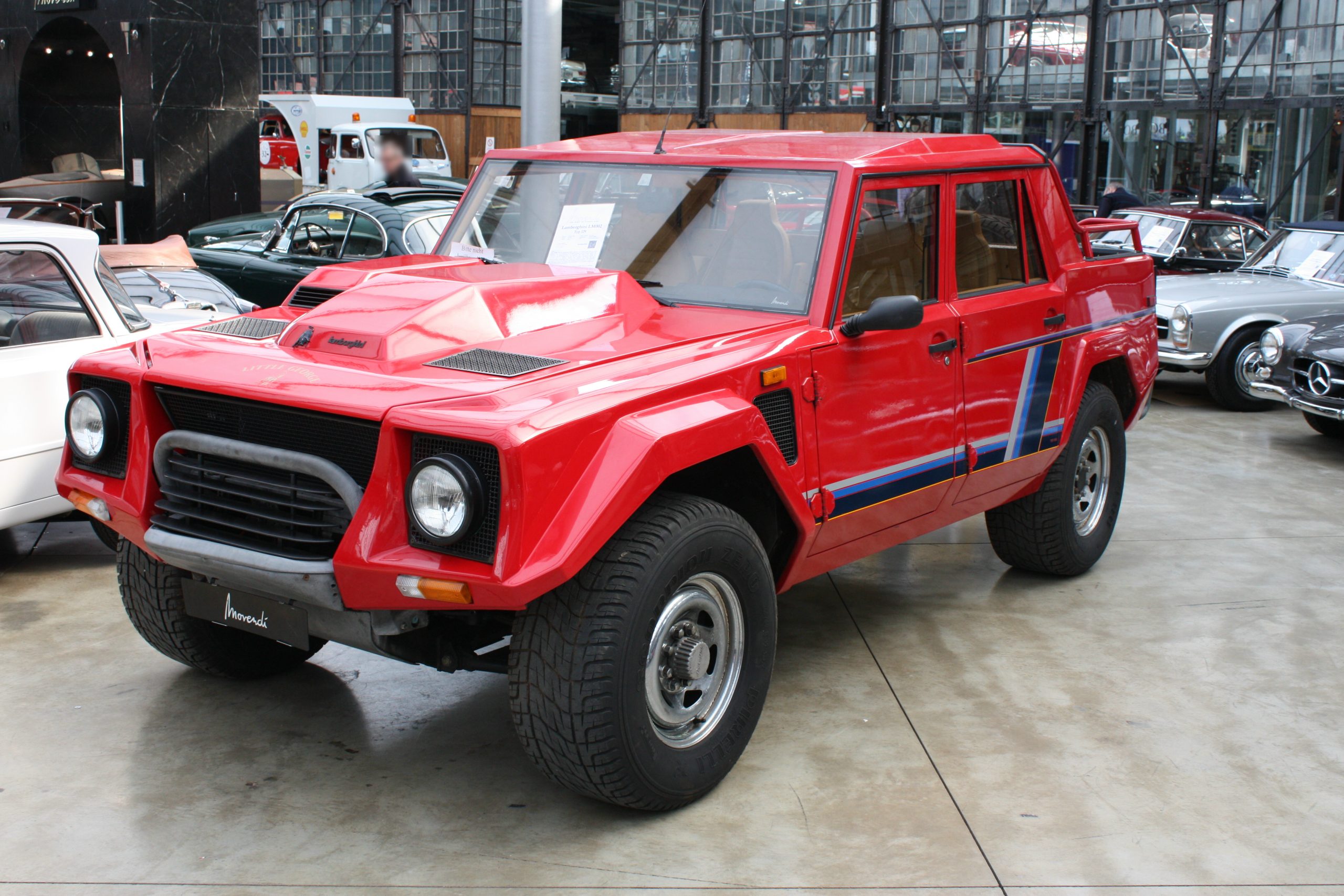
4. Lamborghini LM002: The Rambo Lambo
The Lamborghini LM002, nicknamed the “Rambo Lambo,” is a legendary SUV that blends the characteristics of a supercar, truck, and military vehicle. Introduced in the mid-1980s, it was Lamborghini’s bold attempt to enter the luxury SUV market, combining extreme performance with off-road capability and exotic styling.
Unlike typical SUVs, the LM002 had four doors and an open rear deck, creating a unique presence both on and off the road.
The standard LM002 was powered by a 5.2-liter V12 engine producing 400 horsepower, the same engine used in the iconic Countach. For buyers seeking even more power, a 7.3-liter V12 from a racing boat was available.
The front-mounted V12, paired with a heavy-duty ZF five-speed manual transmission and full-time four-wheel drive, allowed the LM002 to accelerate from 0 to 60 mph in approximately 7.7 seconds. Its top speed reached 118 mph. The large dual exhaust system produced a distinctive and powerful engine note.
The LM002 was built on a rugged space-frame chassis with fully independent suspension and unequal-length control arms. Its massive Pirelli 345/60VR-17 tires provided excellent grip on pavement and off-road terrain. Despite its size and weight, the suspension absorbed rough terrain with surprising composure.
The braking system, with ventilated twin-caliper front discs and large rear drums, enabled 70-to-0-mph stops in just over 200 feet. The LM002 also included a two-speed transfer case and manually adjustable front hubs for off-road capability.
Inside, the LM002 had seating for four passengers, with optional jump seats in the open rear deck. Lamborghini added leather seats, air conditioning, power windows, and a basic stereo system to combine ruggedness with luxury.
The cabin was functional yet opulent for its time, appealing to wealthy buyers in the Middle East and other regions. The interior had quirks common to Italian vehicles, including heavy clutch and steering effort, outdated turn signals, and temperamental electrical components.
The LM002 evolved from Lamborghini’s earlier military-inspired projects, including the Cheetah and LM001, which influenced its layout and performance features. Its slab-sided fiberglass-and-aluminum body, combined with large tires and aggressive proportions, created a vehicle that commanded attention wherever it traveled. Only a few hundred LM002s were produced, making it rare and highly collectible.
Priced around $120,000 at the time of production, the LM002 cost significantly more than contemporary Range Rovers and other luxury SUVs. Its combination of performance, exclusivity, and extreme design justified the price. Beyond specifications, the LM002 became a symbol of extravagance and daring engineering, inspiring future high-performance SUVs such as the Lamborghini Urus.
The Lamborghini LM002 remains one of the most remarkable SUVs in automotive history. Its massive size, powerful engine, and bold design created a vehicle that continues to capture attention and admiration decades after its release.
Also Read: 5 Cars That Rarely Cause Regret vs 5 That Constantly Do
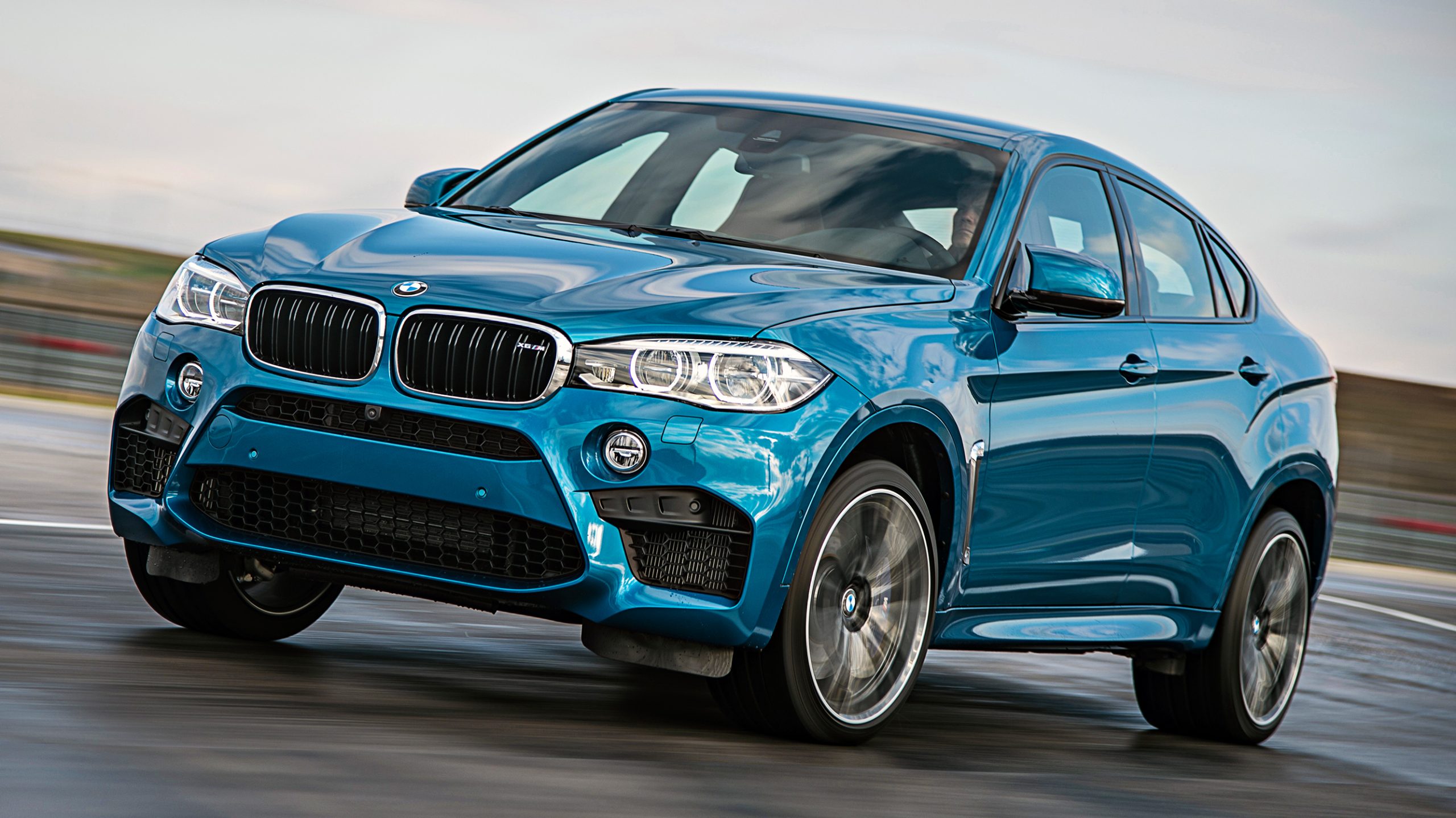
5. BMW X6 M: High-Performance SUV
The BMW X6 M is a mid-size performance SUV that combines the power of BMW’s M division with a distinctive coupe-like roofline. While some enthusiasts question its SUV credentials, the X6 M offers exceptional acceleration, sharp handling, and a luxurious interior. Its design prioritizes sporty appeal and driver engagement, making it one of the most exciting vehicles in its segment.
The X6 M is powered by a 4.4-liter twin-turbo V8 with a 48-volt mild-hybrid system, generating 617 horsepower and 553 pound-feet of torque. This engine is paired with an eight-speed automatic transmission and the intelligent X-drive all-wheel-drive system.
The SUV can accelerate from 0 to 60 mph in 3.7 seconds, and its top speed reaches 177 mph with the optional M Drivers Package or 155 mph without it. Adaptive dampers and multiple selectable drive modes allow the X6 M to distribute power effectively, offering both rear-biased sporty handling and stable all-wheel traction.
Large 21-inch front and 22-inch rear wheels, adjustable brake-pedal feedback, and adaptive suspension contribute to precise cornering and strong braking performance.
The X6 M features a sloping roofline and rear spoiler that enhance aerodynamics while giving it a distinct silhouette. Its coupe-like profile sets it apart from the more conventional X5 M, although it reduces cargo capacity and rear visibility. The design emphasizes sporty aesthetics while maintaining the muscular stance expected from an M performance vehicle.
Inside, the X6 M blends sportiness with luxury. Standard leather upholstery and carbon-fiber accents create a premium feel. A 27.2-inch curved digital display integrates the instrument cluster and infotainment touchscreen.
BMW’s iDrive system allows control via voice commands, gestures, or the center-console rotary controller. Standard features include Apple CarPlay, Android Auto, and a Harman Kardon sound system, with a 20-speaker Bowers & Wilkins system available. Front seats are heated, ventilated, and optional massaging, while rear seats are heated.
Interior storage is practical, although cargo space is limited to 27 cubic feet behind the back row compared with 34 cubic feet in the X5 M.
The X6 M comes with a full suite of driver-assistance features, including blind-spot monitoring, rear cross-traffic alert, forward-collision warning, automated emergency braking, lane-departure warning, and lane-keeping assist.
Optional adaptive cruise control with stop-and-go functionality adds convenience on long drives. The Maneuver Assistant allows parking or reversing movements to be stored and executed automatically.
EPA estimates the X6 M at 13 mpg city and 18 mpg highway, similar to the X5 M. BMW provides a four-year or 50,000-mile limited and powertrain warranty, with three years or 36,000 miles of complimentary scheduled maintenance, giving it a competitive edge over some rivals.
The BMW X6 M combines extreme power, sharp handling, and advanced technology in a luxurious and visually striking package. Its blend of performance and style makes it appealing to drivers seeking a high-performance SUV that delivers both excitement and everyday usability.
6. Jeep Grand Cherokee SRT: American Muscle SUV
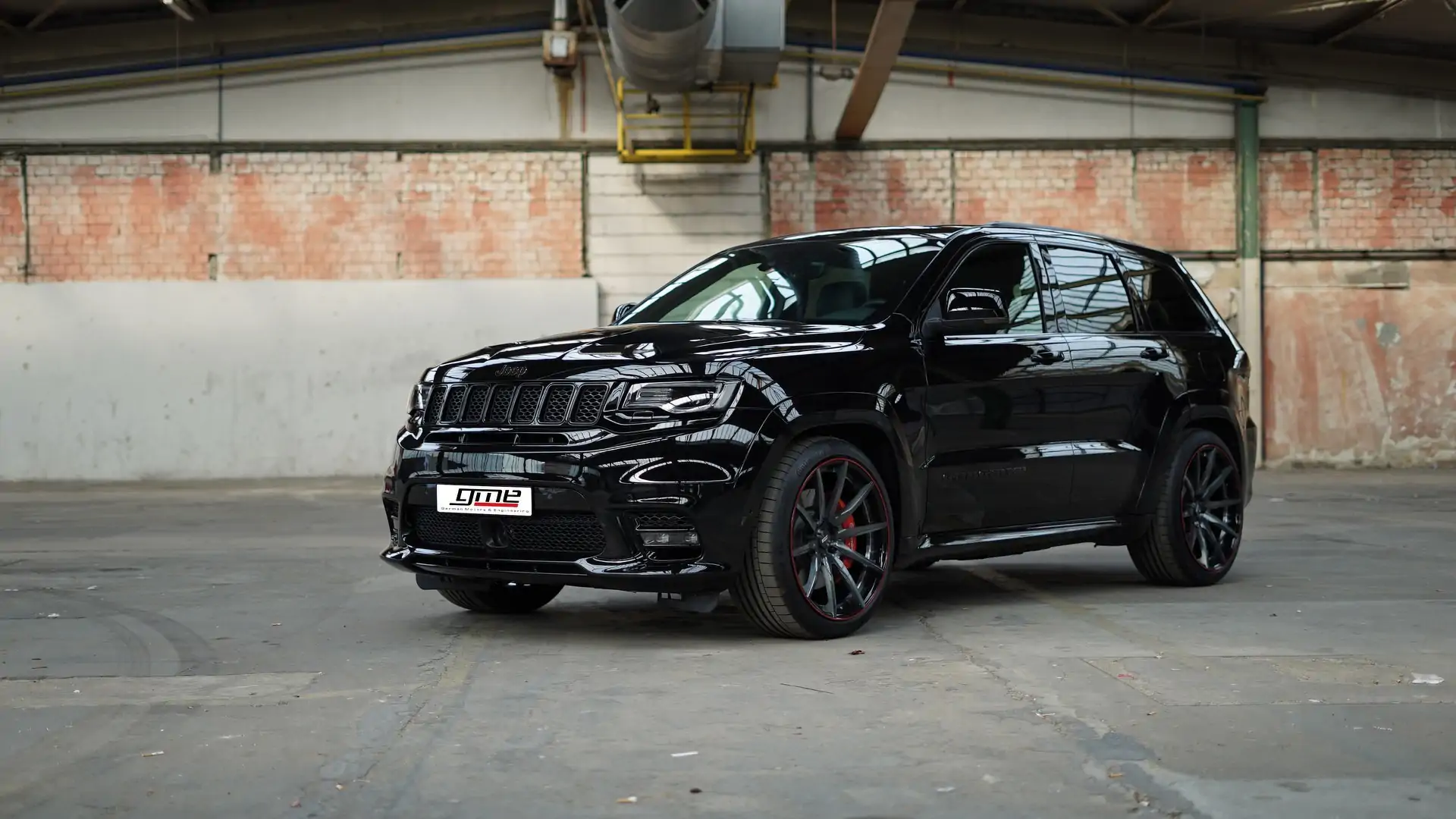
The Jeep Grand Cherokee SRT is a high-performance SUV that blends classic Grand Cherokee design with impressive muscle-car power. Its aggressive styling, sport-tuned suspension, and powerful engine make it a strong competitor in the performance SUV segment. Priced just above $60,000, it provides a more affordable alternative to fast European SUVs while retaining practicality for everyday use.
Under the hood, the Grand Cherokee SRT features a naturally aspirated 6.4-liter Hemi V8 engine producing 475 horsepower and 470 pound-feet of torque. Paired with an eight-speed automatic transmission and four-wheel drive, the SRT accelerates from 0 to 60 mph in 4.4 seconds.
The sport-tuned suspension with adaptive dampers enhances handling, making the SUV surprisingly agile despite its heft. Standard 20-inch wheels are complemented by optional Pirelli P Zero summer tires for improved grip.
Powerful Brembo brakes allow the SRT to stop from 70 mph in 168 feet, matching some higher-priced rivals. Maximum towing capacity reaches 7,200 pounds, making it capable of heavy-duty tasks beyond straight-line performance.
The SRT maintains the familiar Grand Cherokee body shape while adding aggressive design cues. Flared wheel arches, a distinctive front grille, and a sportier rear end give it a performance-oriented look. The visual upgrades signal its enhanced capabilities and distinguish it from the standard Grand Cherokee.
Inside, the SRT features leather and faux-suede upholstery with carbon-fiber trim, creating a premium yet sporty cabin. Passenger space is generous, and the SUV retains the same cargo capacity as regular Grand Cherokees, fitting up to 11 carry-on bags behind the back seats and 24 with the rear seats folded.
While the interior is comfortable, it lacks advanced personalization options such as massaging seats. Cubby and storage space are adequate, but do not match the refinement of higher-priced competitors.
The SRT is equipped with Jeep’s Uconnect infotainment system, which provides a responsive touchscreen, intuitive menus, and standard smartphone integration features including Apple CarPlay and Android Auto. Although functional, the touchscreen can be slower to respond compared with other modern infotainment systems.
The SUV also comes with standard safety and driver-assistance features, including adaptive cruise control, forward-collision warning with automated braking, lane-departure warning, lane-keeping assist, blind-spot monitoring, rear cross-traffic alert, and self-parking assist.
Fuel economy is limited due to the naturally aspirated V8, with EPA ratings lower than many competitors. Real-world testing shows slightly worse mileage than estimated, placing the SRT among the least efficient vehicles in its class. However, its power and performance justify the trade-off for buyers focused on speed and driving enjoyment.
Jeep provides a three-year or 36,000-mile limited warranty and a five-year or 60,000-mile powertrain warranty. The SRT also includes three years of complimentary scheduled maintenance, giving it an advantage over several competitors in coverage.
The Jeep Grand Cherokee SRT is an American alternative in the performance SUV segment. With powerful acceleration, aggressive styling, and robust towing capability, it balances muscle-car thrills with SUV practicality while remaining relatively affordable compared to European rivals.
7. Range Rover Sport: Premium Luxury SUV
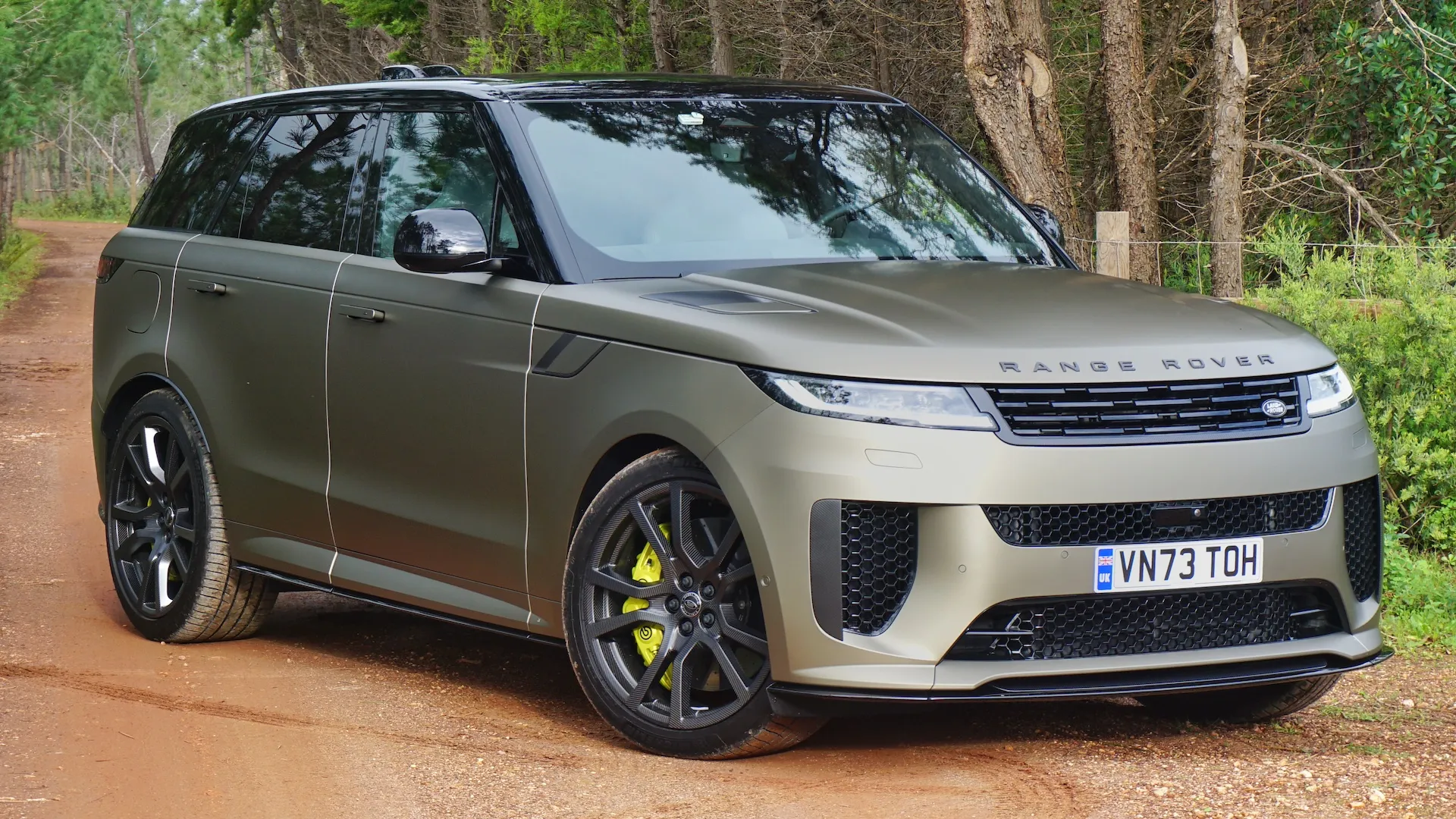
The Range Rover Sport is a well-known luxury SUV that blends a refined design with moderate performance capabilities. It was one of the first models to introduce high-performance SUVs to a larger audience in the United States and remains popular for its premium feel.
While it may not be the fastest or most aggressive SUV in its class, the Range Rover Sport maintains some off-road ability that sets it apart from competitors focused purely on highway performance.
The Range Rover Sport is available with multiple powertrains, including a 5.0-liter supercharged V8 producing 518 horsepower, capable of accelerating to 60 mph in 5.0 seconds. Our test vehicle featured the midlevel P400 inline six-cylinder with 395 horsepower, which reached 60 mph in 5.8 seconds.
Acceleration is adequate for a luxury SUV, but the vehicle can feel sluggish unless the Dynamic drive mode is engaged. Handling is limited by body roll and soft suspension tuning, and the stability control system can intervene abruptly around corners. Despite its name, the Range Rover Sport does not provide sharp agility on winding roads, prioritizing comfort and composure over sporty dynamics.
The cabin of the Range Rover Sport delivers high levels of comfort. Both front and rear seats offer excellent padding and support, and the air suspension lowers for easier entry and exit. Road and wind noise remain minimal, creating a quiet driving environment.
Climate control is functional but imperfect, with loud fans and air conditioning that can disengage when the stop-start engine system is active, allowing the cabin temperature to rise quickly.
The Range Rover Sport features a visually appealing infotainment system with crisp graphics in both the touchscreen and digital instrument cluster. Device integration is strong, with five USB ports and a wireless charging pad. Wireless Android Auto and Apple CarPlay are included as standard.
Remote start and lock/unlock functionality are available through a smartphone app, and an optional waterproof activity key can be worn during outdoor activities. The system is attractive and modern, but not as fully refined as infotainment systems in some competitors.
Cargo capacity behind the second row is 31.9 cubic feet, expanding to 53 cubic feet with the rear seats folded. These figures are average for the segment. The air suspension can be lowered via a button to ease cargo loading. Interior storage includes a deep center console, though its narrow opening limits usability, and some bins are inconvenient to access when cupholders are in use.
The Range Rover Sport commands a premium price relative to competitors such as Audi, BMW, and Mercedes-Benz. Materials are high quality, and the cabin feels luxurious with soft leather and well-finished trim.
Fuel economy ranges from 18 to 22 mpg combined, depending on the engine. Our test of the P400 inline six returned 20.2 mpg, slightly below its EPA estimate. Warranty coverage includes four years or 50,000 miles for both basic and powertrain components.
The Range Rover Sport emphasizes comfort, refinement, and a premium interior over sharp driving dynamics. It retains light off-road ability, maintains a quiet cabin, and delivers a visually polished design. For buyers seeking a luxurious cruiser with moderate performance, it offers an appealing combination of amenities and style, though enthusiasts may find it less engaging on everyday roads.
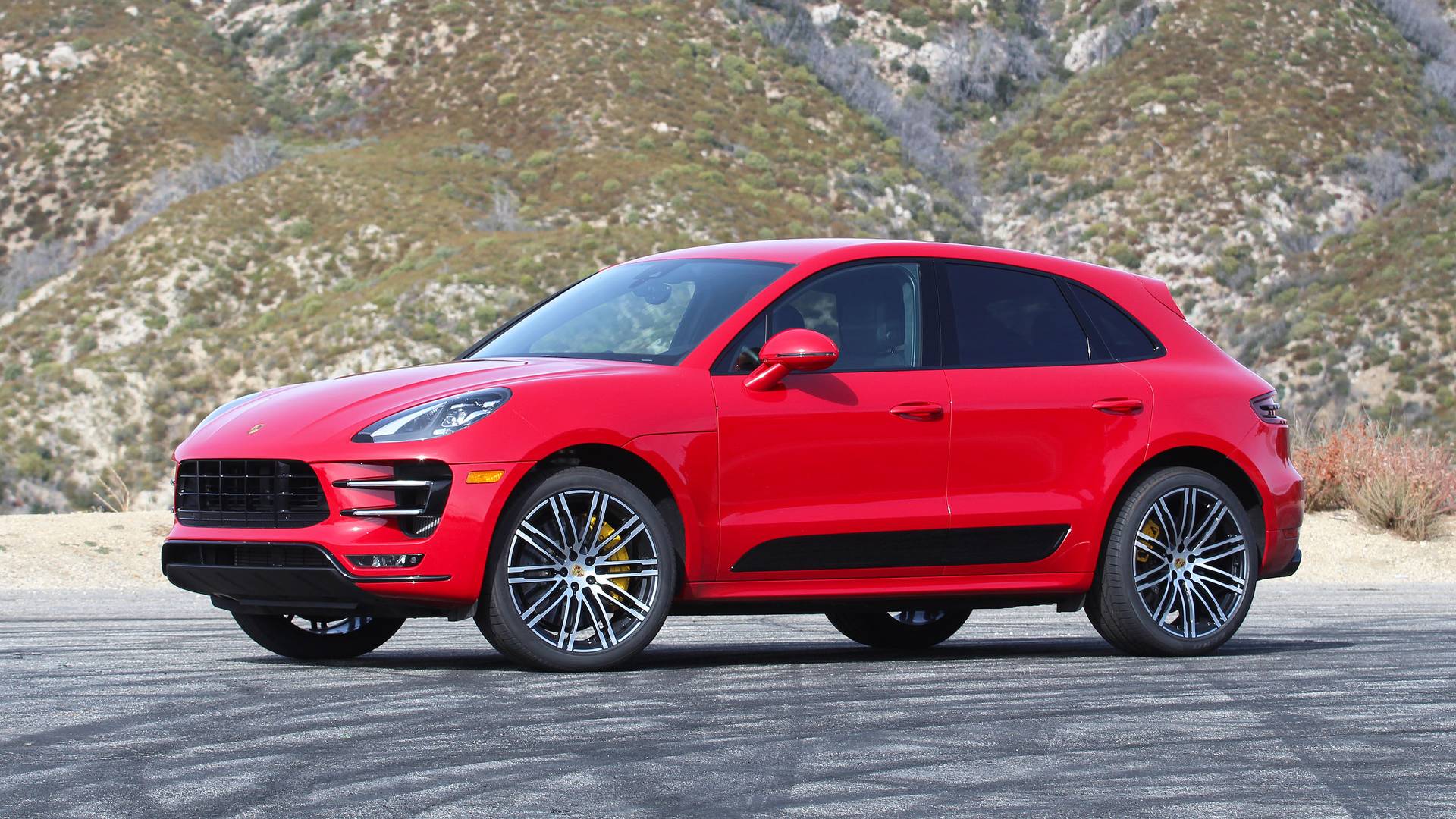
8. Porsche Macan Turbo: Compact Luxury Performance
The Porsche Macan Turbo set a new standard for compact luxury SUVs when it debuted, blending sports-car dynamics with SUV practicality. Its 3.0-liter turbocharged V6 produces 400 horsepower, paired with a performance-tuned seven-speed dual-clutch automatic transmission and intelligent all-wheel drive.
This setup allows the Macan Turbo to accelerate from 0 to 60 mph in 4.4 seconds and reach a top speed of 163 mph. For those seeking even more performance, the Macan Turbo Performance Package boosts output to 440 horsepower and reduces the 0 to 60 time to 4.2 seconds, with a price roughly $10,000 higher than the base Turbo.
The Macan Turbo drives with the agility of a sports sedan, offering precise steering, excellent body control, and a composed ride. Its chassis is engineered for both responsiveness and comfort, soaking up bumps without compromising cornering stability.
The dual-clutch transmission shifts rapidly, providing seamless power delivery for quick sprints or spirited driving on winding roads. Braking is strong and predictable, allowing confident maneuvering despite the Macan’s mid-size SUV weight. Its handling balance makes it an engaging choice for enthusiasts who want more than just straight-line speed.
Inside, the Macan Turbo provides a high-quality cabin but limited space compared to competitors. The standard leather seats are comfortable and supportive, but full leather coverage for the dashboard and doors requires an optional upgrade costing over $2,000.
Rear-seat passenger room is tight, and cargo space holds six carry-on bags behind the rear seats or 16 with the rear seat folded. Interior storage cubbies are modest but functional, with the center console and glove compartment providing the main spaces for smaller items. Ambient lighting and available options such as ventilated and heated front seats enhance comfort for longer drives.
The Macan’s infotainment system includes a responsive touchscreen, USB ports, a Wi-Fi hotspot, and Apple CarPlay integration. Android Auto is not offered, which limits smartphone flexibility for some users.
Navigation, voice controls, and system settings are intuitive, but high-end features come at an extra cost. While not the most advanced in its segment, the technology setup complements the driving-focused nature of the SUV without being distracting.
Fuel economy is modest, with the Macan S rated at 17 mpg city and 23 mpg highway. Real-world testing revealed 26 mpg on the highway, slightly exceeding EPA estimates. Towing capacity is limited but sufficient for light trailers, with the V6 models rated to tow up to 2,400 pounds.
Safety features include standard lane-departure warning, with options for automated emergency braking and adaptive cruise control. Crash-test results are accessible through the National Highway Traffic Safety Administration and the Insurance Institute for Highway Safety.
Porsche provides a four-year or 50,000-mile limited and powertrain warranty, along with one year or 10,000 miles of complimentary maintenance, which helps offset some of the high ownership costs.
These eight fast SUVs show that speed and utility can coexist. They prove that an SUV can deliver a thrilling driving experience while maintaining comfort, space, and premium features. From the Mercedes GLS 63 AMG with supercar-level acceleration to the exotic Lamborghini LM002, each model offers unique performance and presence.
The Porsche Macan Turbo and BMW X6 M demonstrate agility and luxury, while the Jeep Grand Cherokee SRT and Ford Explorer Sport provide muscle and practicality. Modern SUVs are no longer limited to family transport.
They are powerful, fast, and capable of rivaling traditional sports cars. For drivers seeking excitement without compromise, these eight SUVs offer an ideal combination of performance, style, and everyday functionality.
Also Read: 10 Cars That Prove You Don’t Need to Be Rich to Drive Smart
