
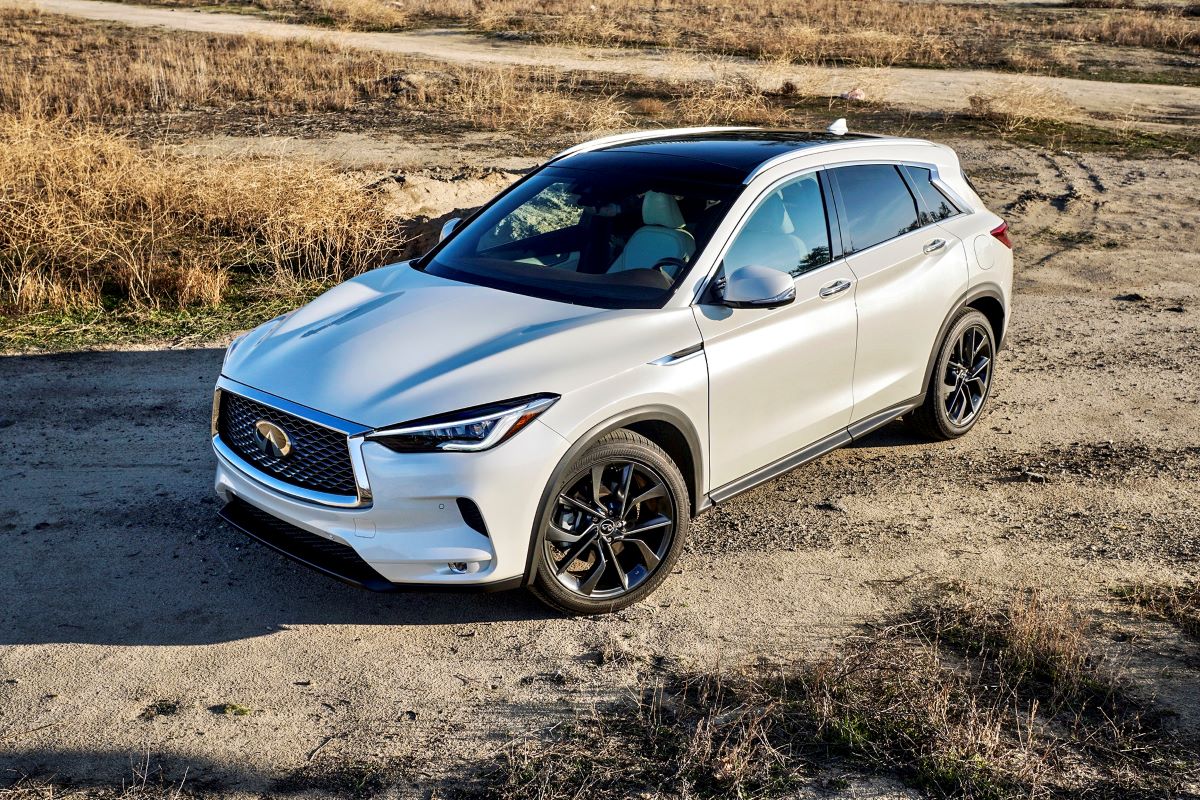
Modern vehicles are often equipped with a variety of technological features designed to improve safety, convenience, and overall driving experience.
However, not every feature adds meaningful value. Some cars come loaded with genuinely smart systems that enhance usability, comfort, and efficiency, while others include gimmicks that are more style than substance, offering little practical benefit.
Understanding the difference between genuinely useful technology and flashy but unnecessary features can help buyers make informed decisions.
Cars with smart features focus on functionality, improving safety, driver awareness, or convenience. Examples include adaptive cruise control, lane-keeping assistance, automatic emergency braking, heads-up displays, and intuitive infotainment systems.
These technologies reduce driving stress, prevent accidents, and streamline routine tasks, demonstrating clear value for the driver.
When well-implemented, smart features integrate seamlessly into the vehicle’s operation, enhancing the driving experience rather than complicating it.
On the other hand, some vehicles prioritize novelty or marketing appeal over real utility. Pointless gimmicks such as unnecessary touch controls, excessive ambient lighting, or decorative elements may attract attention but provide little practical benefit.
These features can sometimes complicate controls, distract the driver, or add cost without improving safety, comfort, or performance.
While they may seem appealing at first, over time, drivers often realize that the added bells and whistles do not justify the expense or complexity.
This article examines both sides of automotive technology. The first section highlights five cars that demonstrate smart, well-integrated features, showing how technology can genuinely improve safety, convenience, and driving satisfaction.
The second section focuses on five cars loaded with gimmicks, where flashy features fail to deliver meaningful value.
By comparing these two categories, readers can better distinguish between innovation that improves the driving experience and features that are largely superficial, helping them make more practical and informed vehicle choices.
Also Read: 5 Cars That Make Parking Easy vs 5 That Don’t
5 Cars With Smart Features
Technology has transformed the way we drive, offering features that improve safety, convenience, and overall efficiency.
Cars with smart features prioritize meaningful innovation, integrating systems that genuinely enhance the driving experience rather than simply adding superficial appeal.
These vehicles show how thoughtful design and practical technology can make driving safer, more comfortable, and more enjoyable.
Smart features often include driver-assistance systems, intuitive infotainment controls, and efficiency-enhancing technologies.
For example, adaptive cruise control and automatic emergency braking help prevent accidents, while lane-keeping assistance and blind-spot monitoring support safe navigation on busy roads.
Some cars include intelligent parking aids, which make parallel parking or tight lot entry stress-free, while others provide heads-up displays or customizable digital dashboards that streamline driver focus and reduce distractions.
Efficiency and convenience are also key aspects of smart features. Features like predictive navigation, real-time traffic alerts, or hybrid energy management systems help drivers save time and fuel.
Interior design elements such as ergonomic controls, voice-activated commands, and seamless smartphone integration ensure that technology improves functionality rather than complicating it.
Cars that successfully integrate these systems demonstrate how innovation can be both practical and user-friendly.
This section highlights five cars that exemplify smart features, chosen for their ability to combine technology with meaningful utility.
Each vehicle showcases systems that genuinely improve safety, convenience, and efficiency while remaining intuitive and accessible.
By focusing on features that deliver clear benefits, these models illustrate how technology can enhance driving without unnecessary complexity.
Drivers who prioritize intelligent design and functional innovation can gain confidence, comfort, and enjoyment from these cars, proving that well-implemented features can make a substantial difference in everyday driving.
1. Tesla Model 3
The Tesla Model 3 is widely recognized for its advanced technology and user-friendly smart features, which enhance both safety and convenience. Its electric drivetrain is paired with a suite of integrated systems designed to make driving simpler and more efficient.
The Model 3 exemplifies how technology can be both practical and intuitive, giving drivers an experience that feels futuristic without being overly complicated.
A key feature of the Model 3 is its Autopilot system, which includes adaptive cruise control, lane-centering, and traffic-aware acceleration. While drivers must remain attentive, these systems reduce fatigue on highways and during long commutes, making driving safer and less stressful.
The vehicle also offers automatic emergency braking and collision warning systems that respond quickly to potential hazards, enhancing overall safety.
The infotainment system is another standout feature. A large central touchscreen controls most vehicle functions, from navigation and media to climate settings, creating a streamlined, driver-focused interface.
Over-the-air software updates continually improve functionality, ensuring that the car evolves over time rather than becoming outdated. Features like predictive navigation and energy usage monitoring further contribute to efficiency and convenience.
The Model 3 is included because it demonstrates how smart features can seamlessly integrate into the driving experience. Each system provides tangible benefits, whether it’s reducing stress, improving safety, or enhancing efficiency.
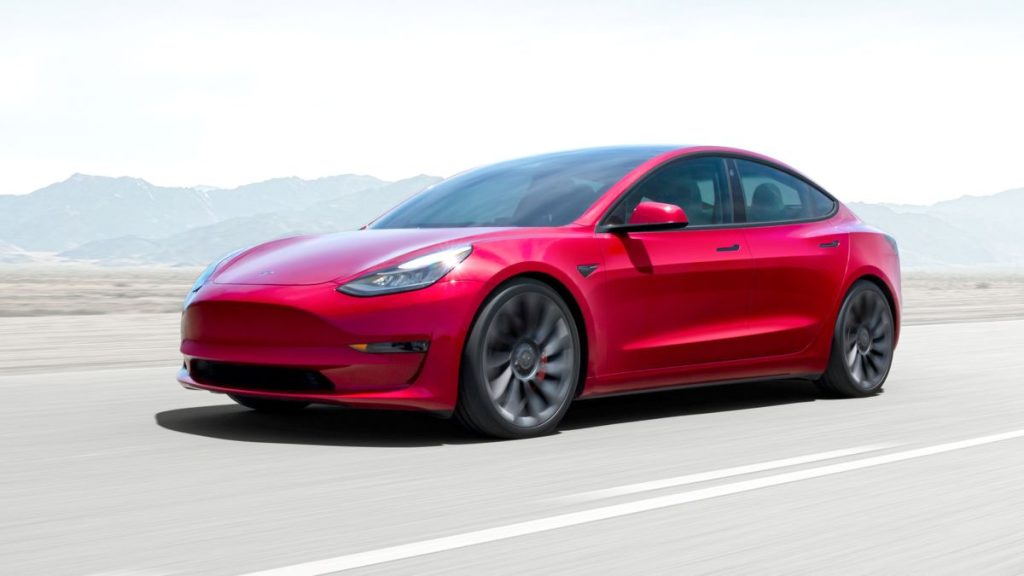
Tesla’s focus on practical, functional technology ensures that every feature contributes meaningfully rather than serving as a superficial gimmick.
Overall, the Tesla Model 3 shows that well-executed smart features can improve everyday driving. Drivers benefit from enhanced awareness, streamlined controls, and intuitive systems that simplify complex tasks.
This combination of functionality and innovation makes the Model 3 a prime example of a car where technology truly adds value.
2. Mercedes-Benz E-Class
The Mercedes-Benz E-Class is a luxury sedan known for blending high-end comfort with smart, practical features that enhance safety and convenience.
The vehicle’s technology focuses on usability, reducing driver workload while maintaining a premium experience. Its integration of advanced systems demonstrates how smart features can genuinely improve everyday driving.
One of the standout smart features in the E-Class is its Driver Assistance Package. This includes adaptive cruise control, lane-keeping assistance, blind-spot monitoring, and active braking systems.
These tools help prevent accidents, reduce driver stress, and support safe navigation on highways and city streets alike. The systems are designed to work seamlessly together, providing warnings or corrective actions only when necessary, avoiding unnecessary interference.
The E-Class also incorporates advanced parking technology. Active parking assist and 360-degree cameras allow drivers to navigate tight spaces with confidence.
The car can even parallel park itself in suitable spots, demonstrating how technology can save time and reduce stress in everyday scenarios. Heads-up displays and customizable digital dashboards provide essential information without requiring drivers to divert their focus from the road.
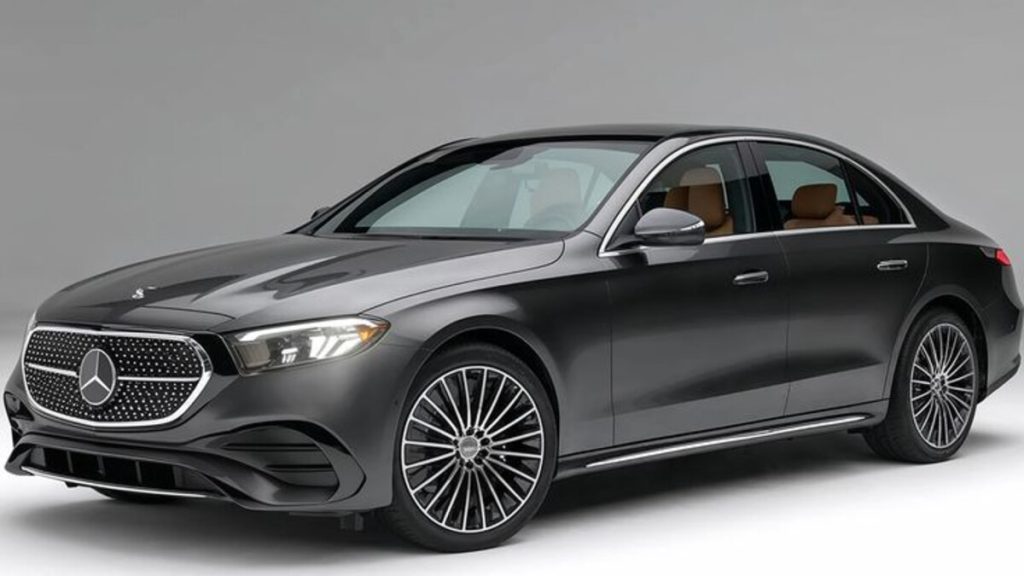
Efficiency and convenience are further enhanced by features such as predictive navigation, adaptive headlights, and voice-controlled infotainment. These systems streamline the driving experience while remaining intuitive, allowing drivers to focus on the road without distraction.
The Mercedes-Benz E-Class is included because it exemplifies smart feature integration that balances luxury with practicality. Each system provides meaningful benefits, whether improving safety, simplifying driving tasks, or enhancing efficiency.
Unlike superficial gimmicks, these technologies demonstrate tangible value, showing how thoughtful design and practical innovation can elevate the driving experience.
3. BMW 5 Series
The BMW 5 Series is a luxury sedan that seamlessly integrates smart features designed to enhance safety, convenience, and overall driving efficiency.
Its combination of advanced technology, intuitive controls, and thoughtful design makes it an excellent example of how smart features can genuinely improve the driving experience.
A standout system in the 5 Series is the Driving Assistant Professional package. This includes adaptive cruise control, lane-keeping assist, traffic jam assist, and collision mitigation.
These systems monitor surrounding traffic and provide both visual and haptic feedback, helping drivers maintain safe distances and stay centered in lanes. They reduce fatigue during long drives and urban traffic, creating a more relaxed and confident driving experience.
Parking technology is another strength. The 5 Series offers a 360-degree camera system, parking sensors, and automated parking functions. These features allow drivers to navigate tight parking spots with precision and minimal stress.
The semi-automated parking system even handles steering while the driver controls acceleration and braking, reducing the effort required in crowded or narrow areas.
The infotainment system combines a large touchscreen, voice recognition, and a customizable digital dashboard, making controls accessible and intuitive.
Features such as real-time navigation, traffic alerts, and adaptive route guidance contribute to efficiency and convenience, helping drivers reach destinations faster and with less hassle.
The BMW 5 Series is included because it demonstrates how well-implemented technology can enhance multiple aspects of driving. Safety, convenience, and usability are all improved without overwhelming the driver with unnecessary complexity.
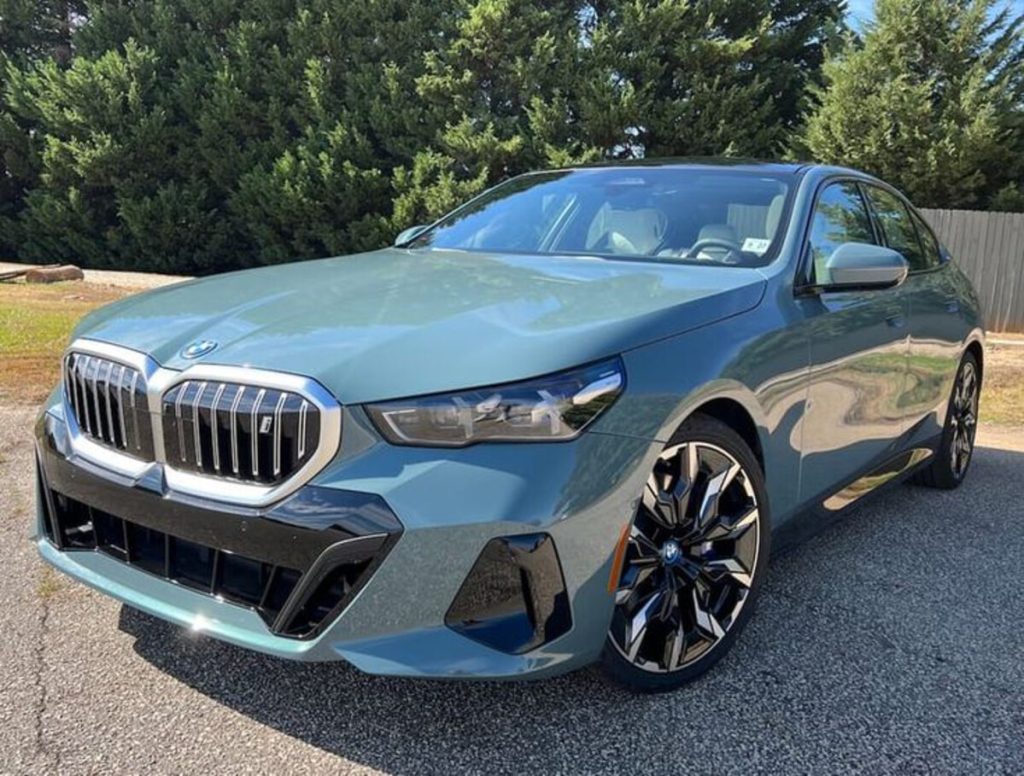
By focusing on systems that provide real-world benefits, BMW shows that smart features should simplify life rather than serve as flashy additions.
Overall, the 5 Series proves that a car can offer advanced technology that truly matters. Drivers experience tangible improvements in safety, comfort, and efficiency, highlighting the importance of intelligent feature design in modern vehicles.
4. Audi A6
The Audi A6 is a luxury sedan that blends performance, comfort, and practical technology to deliver a well-rounded driving experience.
Its suite of smart features focuses on enhancing safety, convenience, and efficiency, making it an exemplary model for drivers seeking meaningful innovation rather than superficial gimmicks.
One of the key highlights of the A6 is its driver assistance systems. Adaptive cruise control, lane departure warning, lane-keeping assist, and traffic jam assist monitor traffic conditions and provide support during highway and city driving.
These systems reduce fatigue, improve situational awareness, and help prevent accidents, making driving more comfortable and secure.
The combination of sensors and intelligent feedback ensures that interventions occur only when necessary, maintaining driver control and confidence.
Parking and maneuvering are also enhanced through the Audi Parking System Plus. It includes 360-degree cameras, parking sensors, and semi-automatic parking capabilities.
Drivers can navigate tight spots or parallel park with minimal stress, while real-time visual and auditory guidance aids precision. This makes city driving and garage entry much easier, especially in congested environments.
The A6’s infotainment system integrates touch, gesture, and voice controls for a streamlined experience.
Features like real-time navigation, predictive traffic updates, and smartphone connectivity improve efficiency and usability, while a digital cockpit provides customizable information at a glance. These features simplify interaction and keep the driver focused on the road.
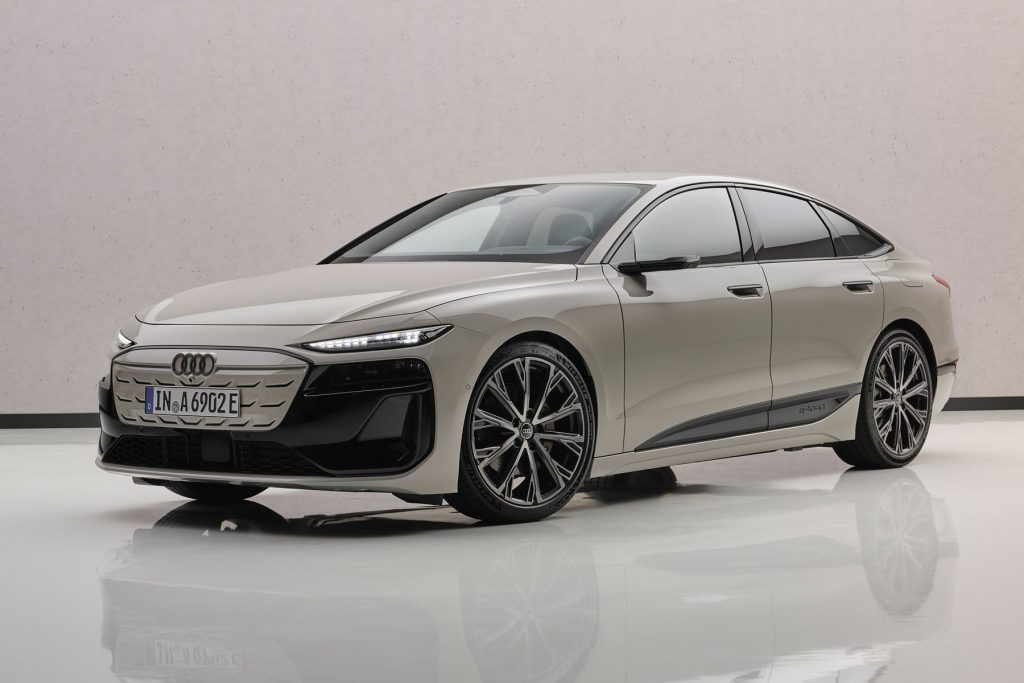
The Audi A6 is included because it highlights the value of thoughtful technology. Every system contributes practical benefits, enhancing safety, convenience, or efficiency without overwhelming the driver. Unlike vehicles with gimmicky features, the A6 demonstrates that smart design and functionality can elevate the overall driving experience.
In essence, the Audi A6 shows how intelligent features can provide meaningful assistance. Drivers gain confidence, comfort, and convenience, proving that technology should be purposeful and well-integrated rather than superficial or distracting.
5. Volvo XC90
The Volvo XC90 is a luxury SUV that emphasizes safety, convenience, and well-integrated smart features.
Known for its family-friendly design and intelligent technology, the XC90 demonstrates how practical innovation can improve both driving and ownership experience. Every system is thoughtfully implemented to enhance functionality without overwhelming the driver.
A standout aspect of the XC90 is its comprehensive safety suite, including adaptive cruise control, lane-keeping assistance, blind-spot monitoring, and automatic emergency braking.
These features actively help prevent accidents, maintain proper spacing on highways, and support safe driving in urban areas.
Drivers benefit from a combination of visual, auditory, and haptic feedback, allowing them to respond quickly while maintaining confidence behind the wheel.
Parking and maneuverability are enhanced through 360-degree cameras, parking sensors, and semi-automated parking assistance.
These tools simplify parallel parking and navigating tight spots, reducing stress in city environments and crowded lots. The system guides steering, braking, and acceleration, helping drivers complete parking maneuvers with minimal effort and precision.
The XC90 also incorporates intuitive infotainment and connectivity features. Its large touchscreen, voice recognition, and customizable digital display allow drivers to access navigation, media, and climate controls easily.
Real-time traffic updates, predictive navigation, and smartphone integration further improve efficiency, helping drivers save time and avoid unnecessary distractions.
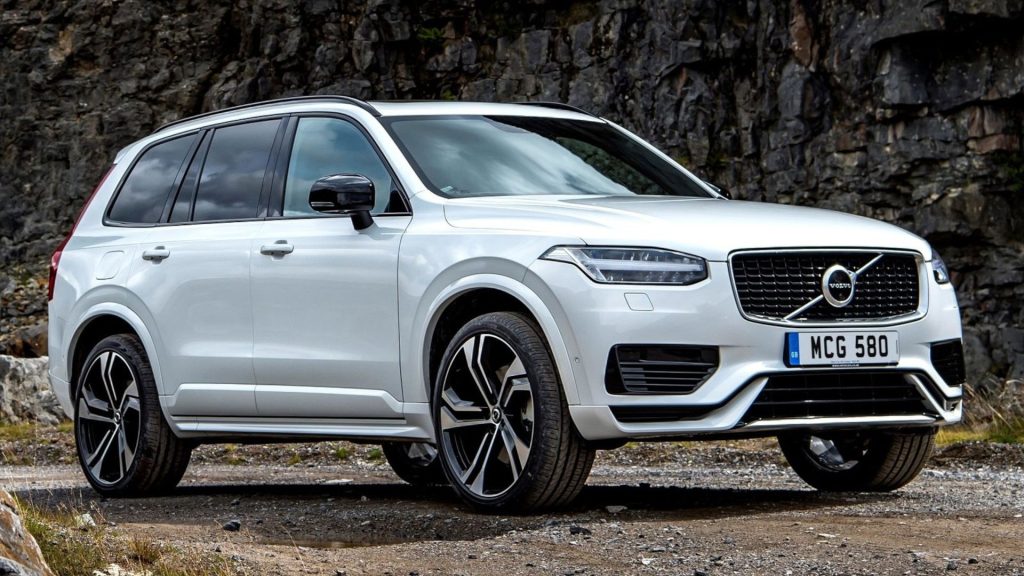
The Volvo XC90 is included because it exemplifies how smart features should provide tangible value. Every system contributes to safety, convenience, or efficiency, making daily driving more comfortable and less stressful.
Unlike cars with flashy but impractical technology, the XC90 focuses on functionality that enhances real-world usability.
In essence, the Volvo XC90 shows that intelligent design and well-integrated technology can elevate the driving experience. Drivers enjoy enhanced safety, simplified parking, and efficient control of essential functions, proving that smart features, when executed thoughtfully, truly improve modern vehicles.
5 Cars With Pointless Gimmicks
Not every modern vehicle feature adds meaningful value. Some cars are loaded with gimmicks that appear innovative or flashy but fail to provide practical benefits.
While these features may attract attention or serve as marketing highlights, they often complicate the driving experience, distract drivers, or simply remain unused.
Understanding which features are truly useful and which are gimmicks helps buyers make smarter choices and avoid paying extra for superficial additions.
Pointless gimmicks can take many forms. They may include excessive ambient lighting, overly complex touch-sensitive controls, decorative displays, or features that are impractical in real-world scenarios.
While they may give a car a high-tech appearance, they rarely enhance safety, convenience, or driving enjoyment. In some cases, these gimmicks can even detract from functionality, as drivers spend time figuring out controls or adjusting settings that offer little tangible benefit.
In contrast, cars with smart features focus on functionality, improving safety, convenience, and efficiency. Systems such as adaptive cruise control, lane-keeping assistance, automated parking, and intuitive infotainment demonstrate the value of thoughtful technology.
These features integrate seamlessly into driving and provide measurable benefits, proving that innovation should simplify life rather than complicate it.
This section highlights five vehicles notorious for including gimmicks that offer little practical use. Each car is selected based on features that are largely superficial, unnecessary, or difficult to operate effectively.
By contrasting these vehicles with models that provide genuinely useful technology, readers can see how flashy additions can sometimes overshadow practicality.
This comparison underscores the importance of evaluating features critically, helping buyers avoid paying for unnecessary complexity while focusing on systems that truly improve the driving experience.
1. Infiniti QX50
The Infiniti QX50 is a luxury SUV that offers style and comfort but includes features that are more gimmick than practical.
While the vehicle provides advanced performance and a premium cabin, some technology elements fail to enhance the driving experience and can be distracting or unnecessary.
One example is the vehicle’s touch-sensitive climate and media controls. While designed to give a modern, sleek appearance, they are often less intuitive than traditional buttons.
Drivers may struggle to adjust settings without taking their eyes off the road, reducing convenience and increasing distraction. These controls prioritize aesthetics over usability, demonstrating how a visually appealing design can compromise function.
Another gimmick in the QX50 is its customizable ambient lighting. While it allows drivers to change interior colors, the feature has little impact on comfort, safety, or efficiency. It primarily serves as a stylistic addition, offering limited practical value.
Similarly, some infotainment elements, such as animated startup sequences or unnecessary visual effects, contribute little to usability and may divert attention from essential driving tasks.
Despite these gimmicks, the QX50 includes genuinely useful systems such as adaptive cruise control and blind-spot monitoring.
However, the presence of nonessential features can overshadow these practical technologies, leaving the driver with a more complicated interface than necessary.
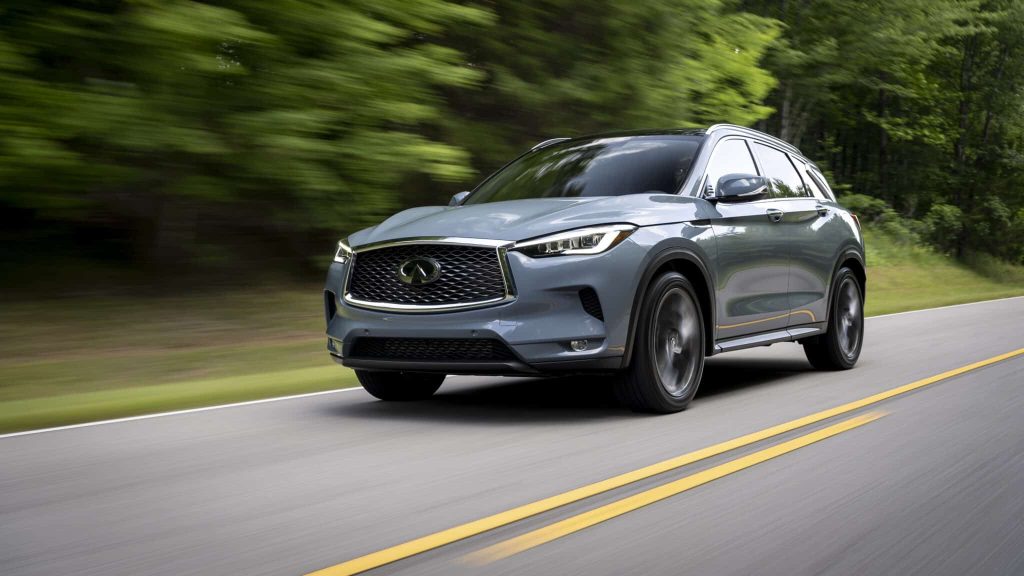
The Infiniti QX50 is included because it illustrates the risks of prioritizing style or novelty over function. While the SUV delivers performance, luxury, and comfort, certain features demonstrate how gimmicks can reduce usability and complicate interaction.
Buyers who value practical technology may find that these flashy additions are more distracting than beneficial, highlighting the importance of distinguishing between real innovation and superficial enhancements.
2. Jaguar F-Pace
The Jaguar F-Pace is a performance-oriented luxury SUV that impresses with design and driving dynamics but includes features that can be considered gimmicks rather than practical tools. While the vehicle excels in style, some technology elements offer limited utility and can distract the driver.
A notable gimmick is the vehicle’s touch-heavy infotainment interface. The system relies heavily on swiping and tapping, which can be less precise than physical buttons.
Adjusting climate controls or media settings often requires the driver to focus intently on the screen, reducing convenience and increasing distraction. This design choice prioritizes visual appeal over functionality, demonstrating how some features are more about appearance than usability.
The F-Pace also includes decorative ambient lighting that can be adjusted in color and intensity. While visually attractive, it does not improve driving safety, comfort, or efficiency.
Similarly, certain animated display features and unnecessary visual effects serve primarily to showcase technology rather than provide meaningful benefit. These gimmicks may catch attention but rarely improve the day-to-day driving experience.
Despite these superficial features, the F-Pace includes practical technologies such as adaptive cruise control, lane-keeping assistance, and parking aids.
However, the excessive focus on style-oriented gimmicks can overshadow these genuinely useful systems, creating a more complicated user interface than necessary.
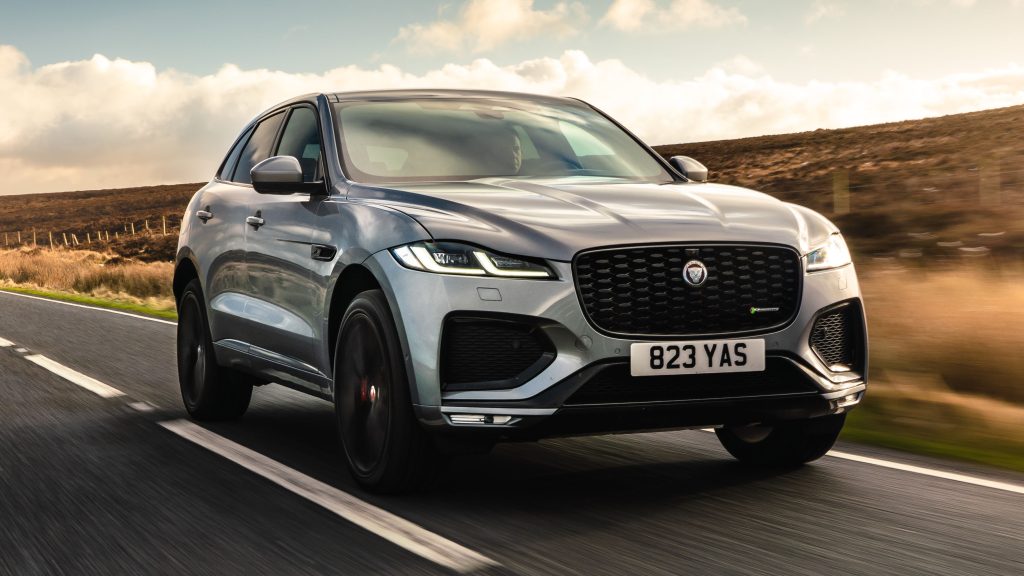
The Jaguar F-Pace is included because it illustrates how luxury and performance vehicles sometimes incorporate flashy features that offer little real value. Drivers seeking practicality may find that these gimmicks complicate operation and divert attention from meaningful technology.
The F-Pace demonstrates that not all high-tech additions enhance driving; some exist primarily for show, emphasizing the importance of evaluating features critically before purchase.
3. Nissan Juke
The Nissan Juke is a subcompact crossover known for its bold styling and distinctive design. While it offers decent performance and a fun driving experience, many of its technological features are more gimmick than practical, adding little real value to daily driving.
One example is the vehicle’s infotainment system, which features complex menus and touch-sensitive controls for climate and audio.
While intended to give a modern, sleek interface, these controls can be difficult to operate while driving, requiring frequent attention and adjustment. This design prioritizes appearance over usability, making simple tasks more complicated than necessary.
Another gimmick is the Juke’s customizable interior lighting. While it allows drivers to change colors and effects, the feature is largely decorative, adding aesthetic appeal but providing no tangible benefit for safety, comfort, or efficiency.
Similarly, certain animated graphics in the digital display serve to showcase technology rather than enhance usability, distracting from critical information.
Some trims also include features like “sporty” sound simulations, which emulate engine noises or performance sounds through the cabin speakers. While intended to enhance the driving experience, these sounds are artificial and unnecessary, offering more flash than function.
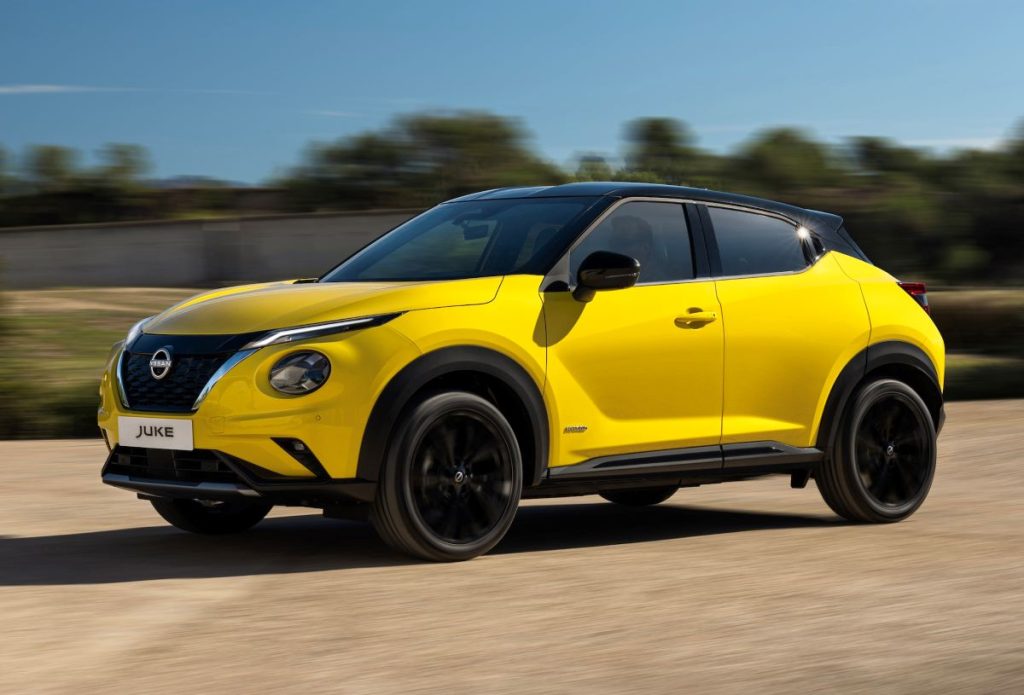
Despite these gimmicks, the Juke retains useful features like a rearview camera and basic driver-assist systems. However, the presence of superficial technology can overshadow these practical elements, creating a more cluttered and less intuitive interface for the driver.
The Nissan Juke is included because it highlights the distinction between functional innovation and flashy additions. While visually striking and stylish, certain features are primarily decorative or distracting, emphasizing how gimmicks can reduce overall usability.
Drivers seeking practical, meaningful technology may find that the Juke’s flashy elements complicate rather than improve the experience.
4. Cadillac CT6
The Cadillac CT6 is a full-size luxury sedan that impresses with performance, comfort, and style. However, it includes several features that function more as gimmicks than practical tools, emphasizing aesthetics or novelty over tangible value.
One notable gimmick is the CT6’s extensive use of touch-sensitive controls throughout the cabin. While the glossy panels and haptic feedback create a futuristic appearance, they can be difficult to use while driving.
Adjusting climate, audio, or navigation often requires more focus than traditional physical buttons, potentially distracting the driver and reducing convenience.
The CT6 also offers elaborate ambient lighting options, allowing drivers to customize interior colors and effects. While visually striking, this feature adds little to comfort, safety, or efficiency.
Similarly, animated startup sequences and decorative display effects provide eye-catching visuals without contributing meaningful functionality.
Some models also include artificial sound enhancements, which simulate engine or exhaust noises through speakers to enhance performance perception.
While this may appeal to some enthusiasts, it does not improve driving ability or efficiency, serving primarily as a marketing-oriented gimmick.
Despite these superficial elements, the CT6 offers genuinely useful systems such as adaptive cruise control, collision warning, and parking assistance.
However, the presence of flashy, nonessential features can complicate user interaction, distracting from practical technology. Drivers may find themselves navigating a more complex interface that emphasizes style over function.
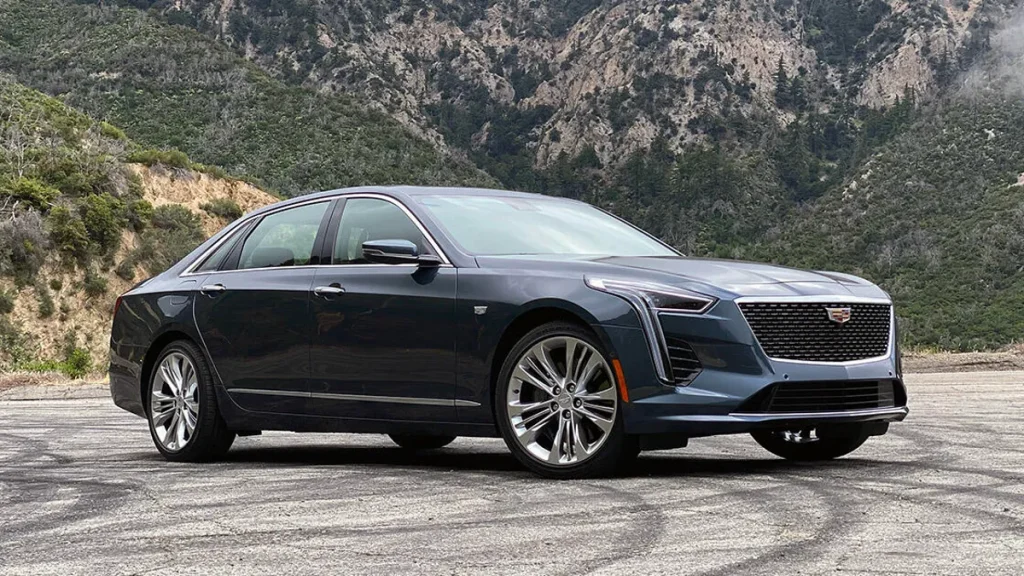
The Cadillac CT6 is included because it exemplifies how luxury vehicles often prioritize appearance and novelty over practicality.
While the car excels in comfort, performance, and presence, certain features serve more to impress than to assist, demonstrating the difference between meaningful innovation and superficial gimmicks.
Buyers seeking useful technology must be discerning to avoid being distracted or misled by features that do not enhance the driving experience.
5. Toyota C-HR
The Toyota C-HR is a subcompact crossover that stands out for its edgy styling and urban-friendly design.
While it provides reliable performance and efficiency, the vehicle incorporates features that are largely gimmicks, offering little practical benefit and occasionally complicating the driving experience.
One prominent example is the C-HR’s touch-sensitive climate and audio controls. While the panels create a modern, sleek interface, they are less intuitive than traditional physical buttons.
Drivers often need to focus closely on the screen to make adjustments, which can distract from the road and reduce convenience during everyday use. The emphasis on aesthetics over functionality illustrates how flashy technology can sometimes hinder rather than help.
Another gimmick is the customizable ambient lighting system. The C-HR allows drivers to select different colors and visual effects inside the cabin.
While visually appealing, these options have no impact on safety, comfort, or efficiency and primarily serve as decorative elements.
Similarly, some infotainment features include animated graphics or startup sequences that provide entertainment rather than meaningful functionality.
Some trims also feature sound-enhancement systems designed to simulate engine noise or provide “sporty” audio cues. While intended to create a more engaging driving experience, these artificial effects add little real value and may even be distracting.
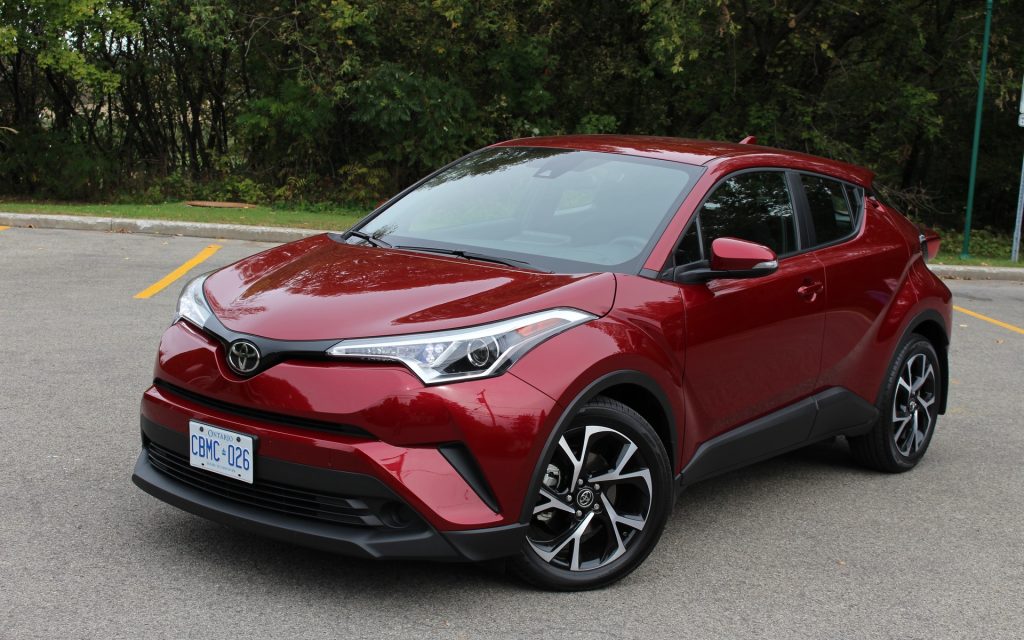
Despite these gimmicks, the Toyota C-HR offers practical features such as a rearview camera, lane departure warning, and automatic emergency braking.
However, the presence of nonessential technology can complicate the user interface, making it harder for drivers to focus on truly useful systems.
The Toyota C-HR is included because it demonstrates how a vehicle can include flashy, attention-grabbing features without enhancing the driving experience.
Buyers seeking meaningful, practical technology may find that these gimmicks distract from convenience and safety, highlighting the importance of distinguishing between real innovation and superficial additions in modern vehicles.
Also Read: 5 Luxury SUVs Worth Every Penny vs 5 That Are All Hype
